Unusual Facts About Holiday Postage Stamps Collectors Love
Holiday postage stamps hold a special place in the collecting world. These tiny squares of paper carry more than just postage value—they capture moments, traditions, and sometimes surprising quirks that make them worth far more to collectors than their face value.
Some of these facts sound too strange to be true, but that’s exactly what makes them fascinating.
Printing Errors Create Instant Treasures
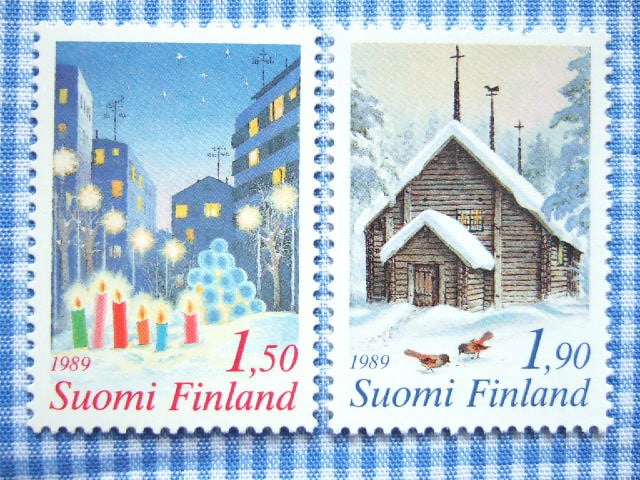
Holiday stamps with printing mistakes become some of the most sought-after pieces in any collection. A misaligned color plate, a missing element, or an inverted design can turn a common stamp into something rare overnight.
Collectors scour new releases looking for these errors, and finding one feels like hitting the lottery. The U.S. Postal Service typically catches most errors before distribution, but a few always slip through.
When they do, the market value skyrockets. A perfectly printed holiday stamp that costs 60 cents becomes worth hundreds or thousands when something goes wrong during production.
Some Holiday Stamps Smell Like Christmas
Countries like Switzerland and Austria have issued scented holiday stamps that actually smell like cinnamon, pine, or gingerbread. The fragrance gets embedded into the paper through a special printing process, and it can last for years if you store the stamps properly.
Collectors debate whether these stamps should stay in their original condition or if the scent fading over time adds to their historical value. Either way, opening a collection book and catching a whiff of Christmas spices from a 20-year-old stamp creates an unexpected sensory experience.
Die-Cut Shapes Break Traditional Rules

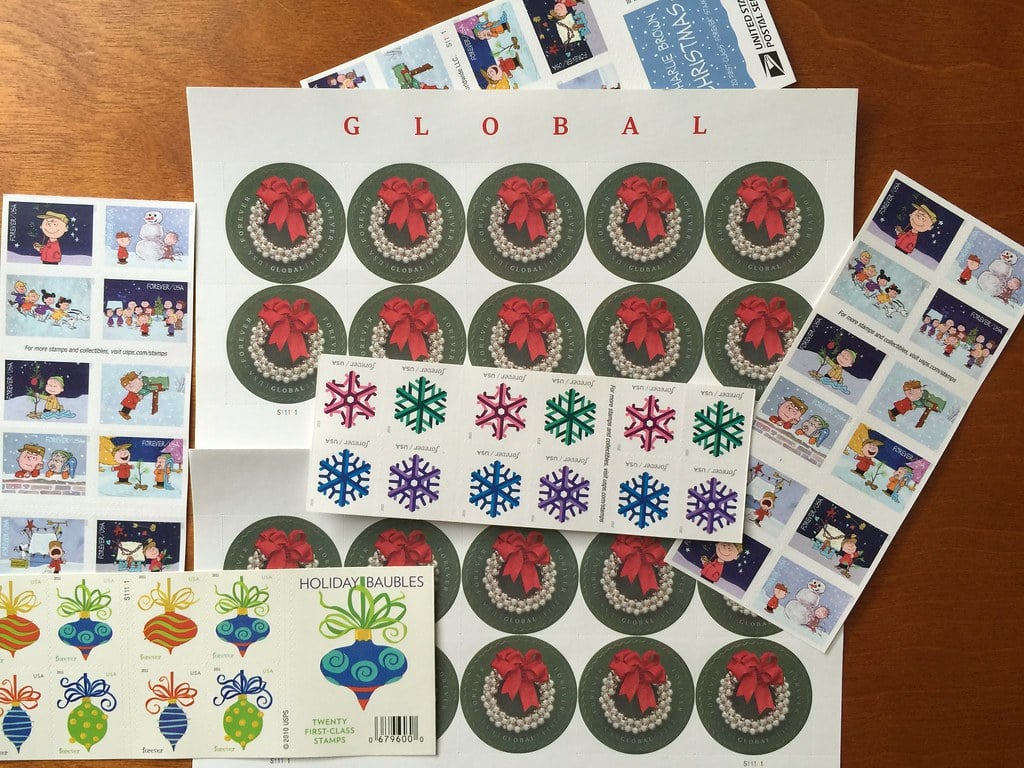
Modern holiday stamps often skip the standard rectangle entirely. The USPS has issued snowflake-shaped stamps, ornament stamps, and even gingerbread man designs that break away from traditional perforations.
These die-cut stamps require completely different production methods and present unique challenges for collectors.
Storing shaped stamps takes extra care. They don’t fit neatly in standard albums, and their irregular edges make them more fragile than rectangular ones.
But that extra effort pays off when you display a collection that looks more like miniature artwork than standard postage.
Hidden Images Appear Under UV Light

Many holiday stamps contain security features that only show up under ultraviolet light. These hidden elements might include snowflakes, stars, or other festive designs invisible to the unaided eye.
Postal services add these features to prevent counterfeiting, but collectors love them for entirely different reasons. You need a special UV lamp to see these hidden details, and discovering them feels like uncovering a secret message.
Some stamps have multiple layers of UV-reactive ink, creating different patterns depending on the wavelength of light you use.
First Day Covers Command Premium Prices
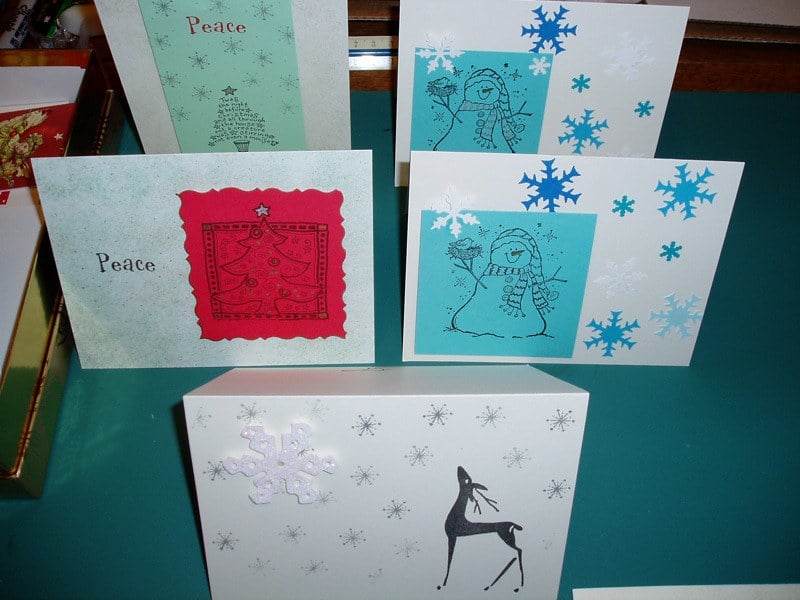
A holiday stamp used on its official release date and postmarked at a specific post office becomes what collectors call a “first day cover.” These pieces document the stamp’s debut, and collectors travel to designated post offices just to get that special cancellation mark.
The most valuable first day covers come from small towns with limited postage volume. If only a few hundred letters got processed on release day, those postmarked envelopes become much rarer than versions from major cities that handle thousands of pieces of mail.
Artists Often Remain Anonymous

Despite creating designs that appear on millions of pieces of mail, many holiday stamp artists work in relative obscurity. The USPS credits some designers publicly, but others prefer to stay unnamed.
This anonymity adds a layer of mystery to certain stamps—collectors spend years trying to identify who created their favorite designs. When an artist’s identity gets revealed years later, the stamps they designed often see a spike in collector interest.
It’s like discovering the painter behind an unsigned masterpiece, except the canvas measures less than an inch across.
International Trading Creates Global Communities
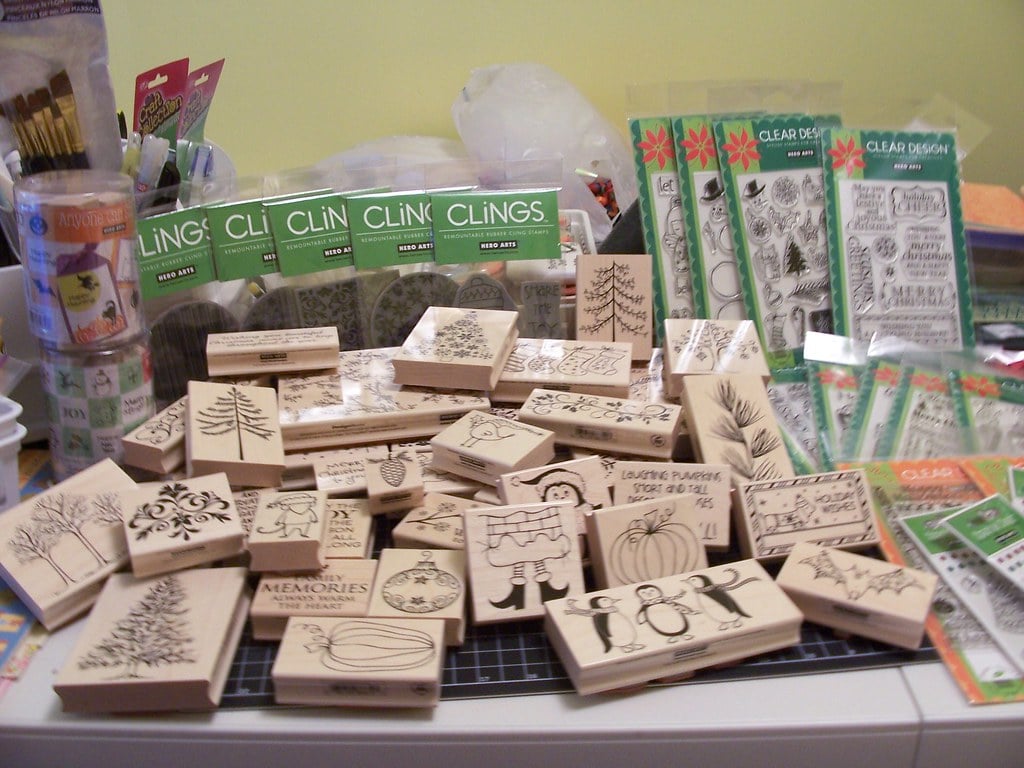
Holiday stamp collectors form networks that span continents. A collector in Norway might trade with someone in Japan, exchanging local holiday issues that never circulated widely in each other’s countries.
These trades happen through online forums, collector clubs, and sometimes old-fashioned pen pal relationships. The most dedicated collectors maintain trading partnerships for decades, building personal connections through shared interests.
A package arriving from across the world with stamps you’ve never seen before brings the same excitement as opening presents on Christmas morning.
Phosphor Tagging Helps Machines Sort Mail

Those barely visible lines or patterns on holiday stamps serve a practical purpose—they help automated sorting machines read and route mail. The phosphorescent coating glows under specific lighting conditions in postal facilities, guiding letters to their destinations.
Collectors value stamps with unusual or experimental tagging patterns because they represent different eras of postal technology. Some early attempts at phosphor tagging failed or produced unexpected results, making those stamps particularly interesting to specialists who focus on technical aspects of stamp production.
Multiple Versions of the Same Design Exist
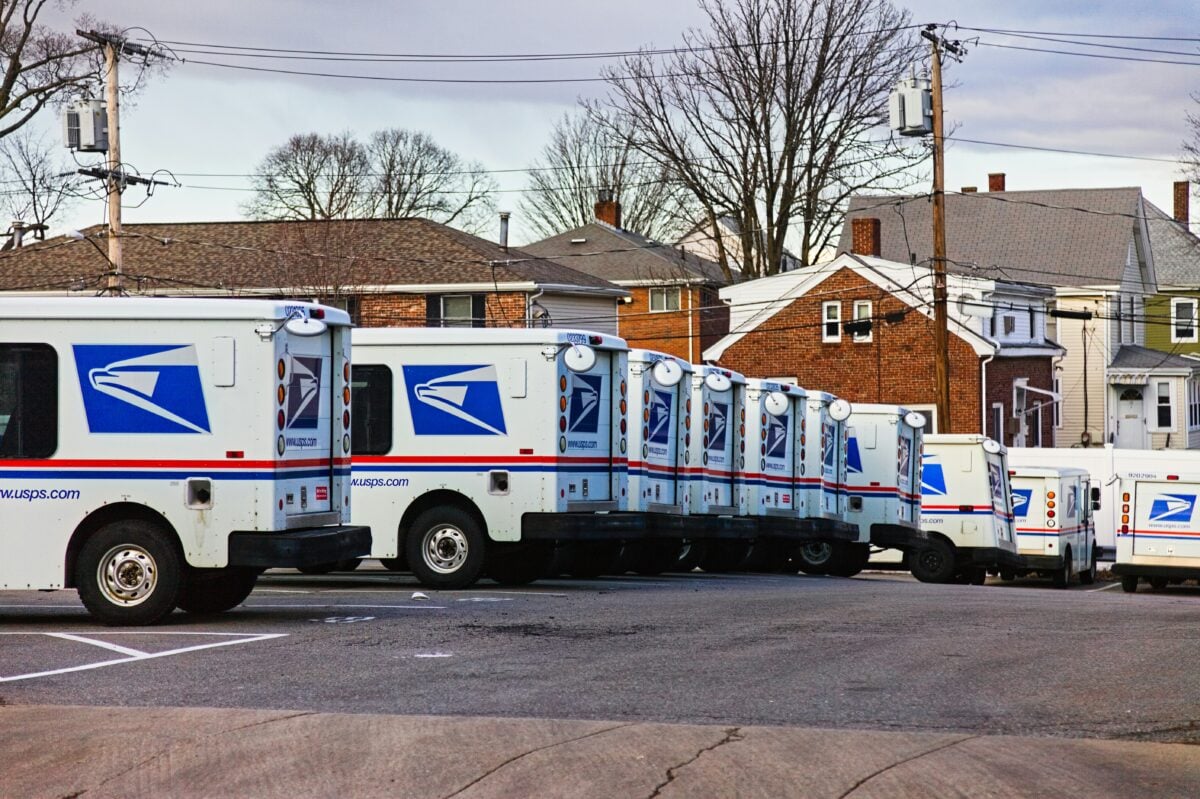
Postal services sometimes print the same holiday design using different methods or on different paper types, creating subtle variations that look nearly identical at first glance. You might need a magnifying glass or specialized reference guide to spot the differences, but collectors who focus on these variations build entire collections around them.
Paper quality, gum type, perforation measurements—all these factors create distinct versions of stamps that appear the same to casual observers. Finding all the variants of a popular holiday issue becomes a puzzle that can take years to complete.
Limited Print Runs Create Artificial Scarcity
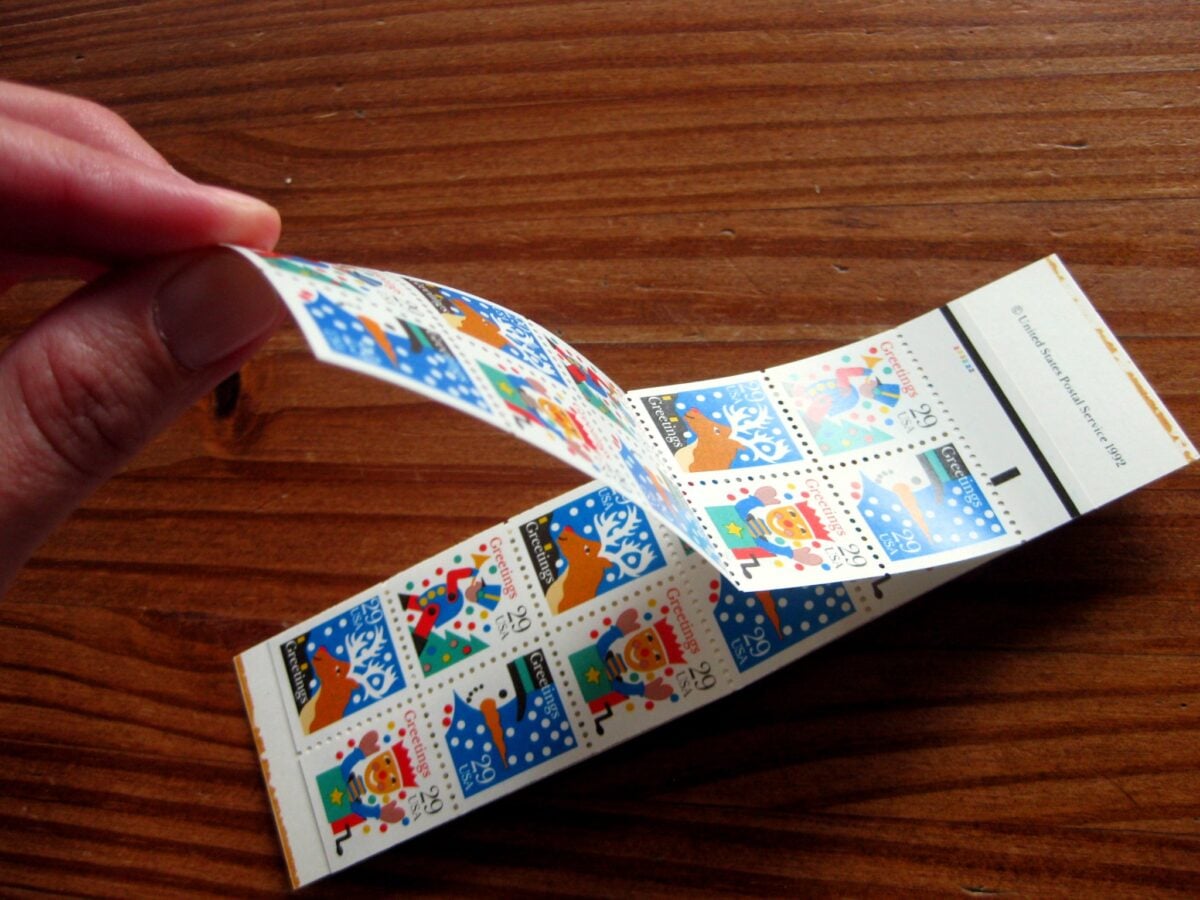
Some countries deliberately print small quantities of certain holiday stamps, knowing the limited supply will drive collector interest. These stamps never intended for widespread postal use—they exist primarily as collectibles from the moment they’re printed.
The practice frustrates purists who prefer stamps that actually served a postal function, but it doesn’t stop these limited editions from commanding high prices. The line between legitimate postal issues and pure collectible products get blurrier every year.
Plate Numbers and Positions Matter
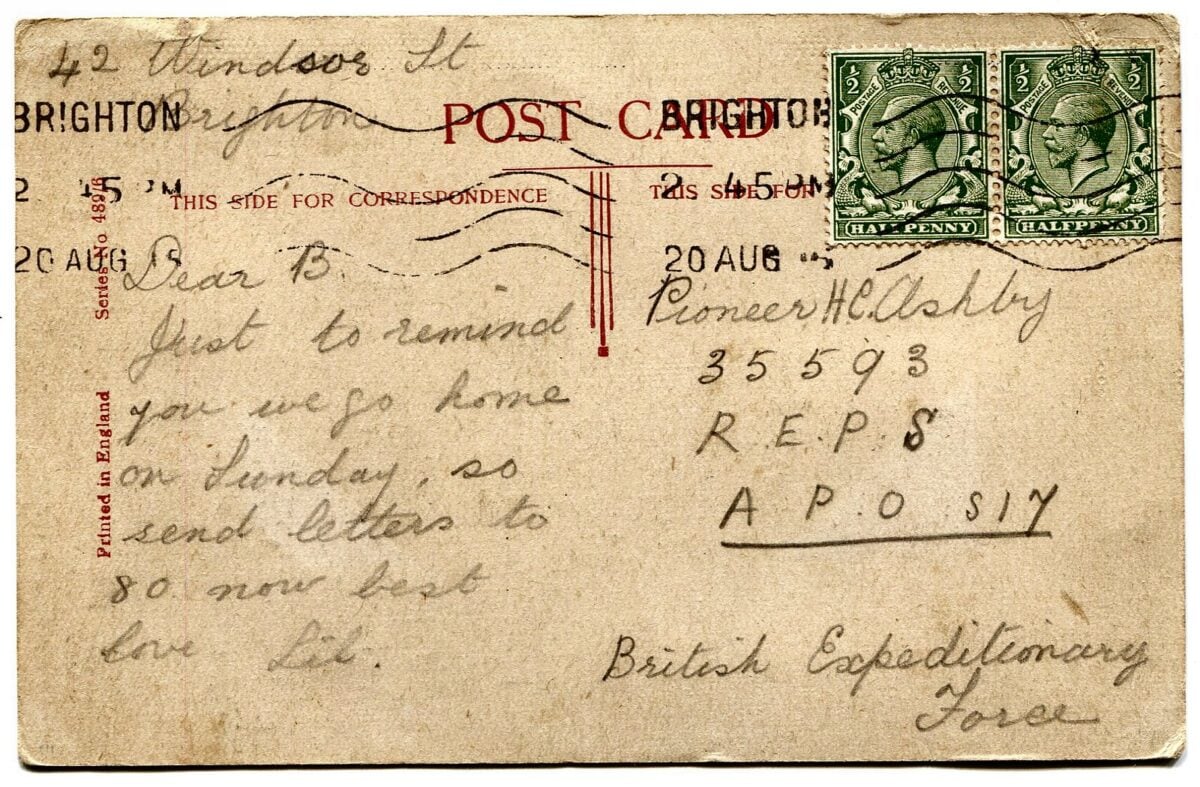
Each sheet of stamps printed from a specific metal plate carries a tiny number indicating which plate produced it. Collectors who specialize in “plate blocks” want stamps from all four corners of the sheet, with the plate numbers intact.
A single holiday stamp from a rare plate number can be worth significantly more than the same stamp from a common plate. Position on the sheet affects value too.
Corner stamps, edge stamps, and center stamps each have their advocates among collectors who believe certain positions show better printing quality or present more attractive compositions.
Color Shifts Create Rainbow Variations
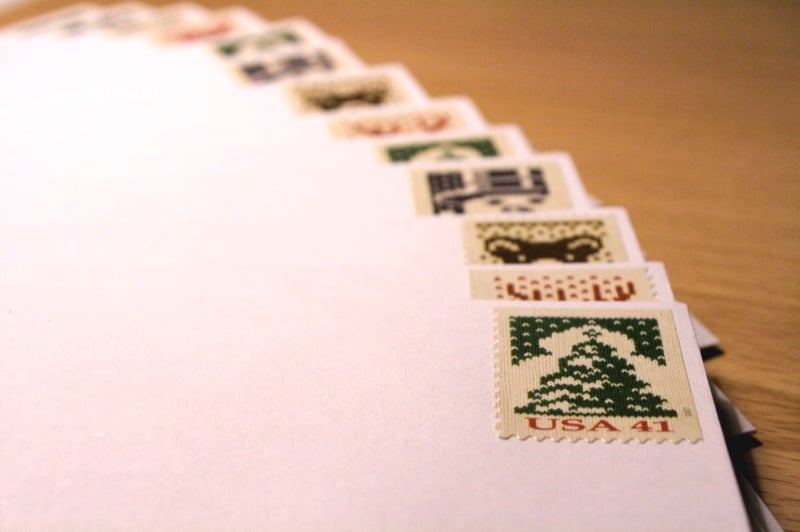
Holiday stamps sometimes show dramatic color variations between different print runs. A stamp designed with deep red and forest green might appear in lighter shades depending on when and where it was printed.
These variations happen due to ink batch differences, press adjustments, or intentional color modifications between printings. Collectors who chase these color variations need trained eyes to spot subtle differences.
What looks like slight fading to most people reveals itself as a distinct printing variety under the right light and magnification.
Postal Museums Compete for Rare Pieces

Major postal museums around the world actively acquire rare holiday stamps for their permanent collections. When a particularly significant error or variation comes to market, these institutions sometimes outbid private collectors, removing the stamp from circulation forever.
This competition drives prices up and creates tension in the collecting community. Some argue that museums preserve stamps for public benefit and education.
Others wish these treasures stayed accessible to individual collectors who might appreciate them more personally.
Where Paper and Memory Meet
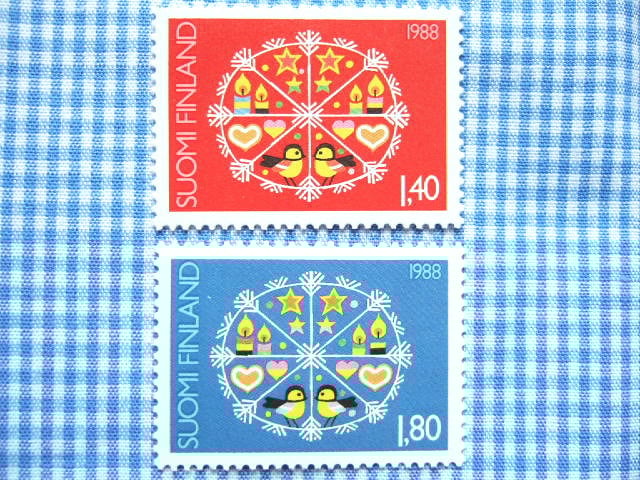
Holiday stamps link folks over years and miles – stuff the designers didn’t even picture. A 1970 Madonna-and-Child image mailed a grandkid’s holiday note home. Instead of that, a 2010 snowflake held shut an envelope packed with snapshots.
One after another, these little labels moved through sorting hubs, handled by loads of workers, till they ended up tucked in albums whispering quiet histories. The odd little details give collecting its charm – yet the true worth hides in how paper links to memories.
A vacation stamp? More than colored ink… it’s a small piece of how we share moments, saved by folks who know tiny things matter just as much.
More from Go2Tutors!

- The Romanov Crown Jewels and Their Tragic Fate
- 13 Historical Mysteries That Science Still Can’t Solve
- Famous Hoaxes That Fooled the World for Years
- 15 Child Stars with Tragic Adult Lives
- 16 Famous Jewelry Pieces in History
Like Go2Tutors’s content? Follow us on MSN.



