14 Household Chores That Used to Take a Long Time
Life today may seem busy, but think about how long it used to take us to do things that now only take a few minutes. Before electricity, running water, and smart gadgets changed our homes, doing everyday chores took a lot of time and energy. Today, we think of quick errands as things that used to take a lot of planning, strength, and patience.
These big changes happened not too long ago in human history. Here are 14 chores around the house that used to take up a lot of time.
Cleaning Clothes

In the past, people had to get water from wells or rivers, heat it over fires, and scrub clothes by hand on washboards for hours. Women would spend all day on Mondays, which were appropriately named ‘Wash Day,’ soaking, boiling, scrubbing, and wringing out clothes.
Most families had fewer clothes and washed them less often than we do now because the process was so hard.
Ironing Everything

People used to heat heavy metal irons on stoves or over open flames before electric irons. They would test the temperature by spitting on the surface or holding it close to their faces.
People kept several irons moving between the heat source and the ironing board because each iron only stayed hot for a few minutes.
Making Bread from Scratch

To make bread, you had to grind grain into flour, mix the dough by hand, knead it for a long time, and carefully watch over wood-fired ovens that took hours to heat up. A lot of families baked once or twice a week, making several loaves at once to make the time and fuel spent worth it.
It could take up to half a day to go from grain to finished loaf.
Making Butter
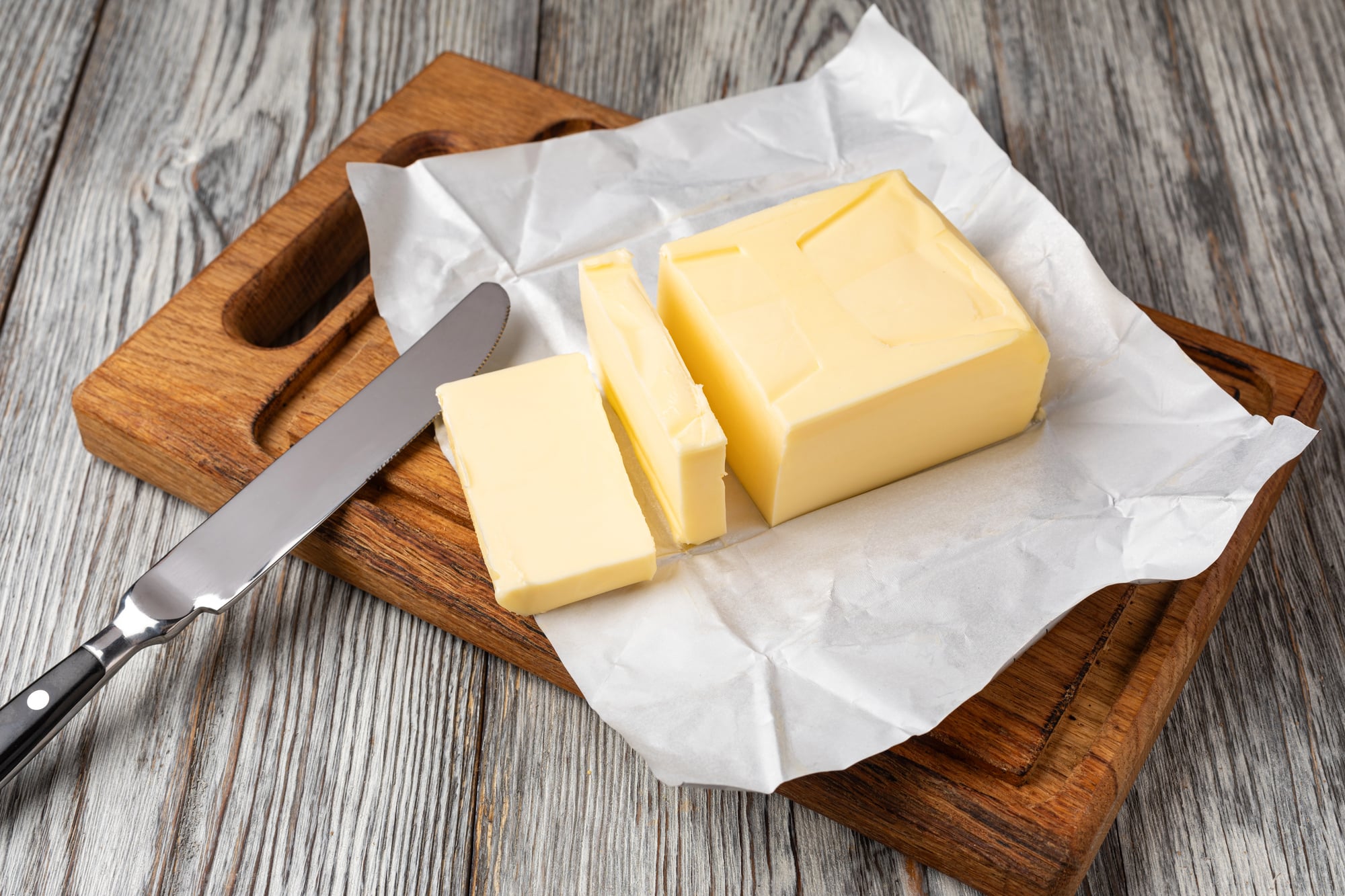
To make fresh butter, you had to churn cream with wooden paddles or plungers for hours until it turned into butter and buttermilk. Kids often took turns doing this boring job, and the timing had to be just right—if the cream was too hot or too cold, it wouldn’t churn properly.
After churning, washing, salting, and shaping the butter took a lot of time, which made this simple ingredient a big deal.
Heating Water for Baths
Before hot water heaters, you had to heat each drop of warm water separately on a stove or fireplace. To fill the bathtub, you had to bring dozens of pots and kettles from the kitchen, and the water often cooled off before the tub was full.
Many families shared bath water to avoid having to do this tiring process over and over again.
Keeping Food Fresh Without a Refrigerator

Curing meats, canning vegetables, making pickles, and drying fruits were all hard work that needed to be done at the right time and with the right technique to keep food fresh. You had to keep an eye on root cellars all the time, restock ice houses often, and throw away spoiled food.
Families planned their meals around when they would be able to preserve them.
Lighting Each Candle and Lamp
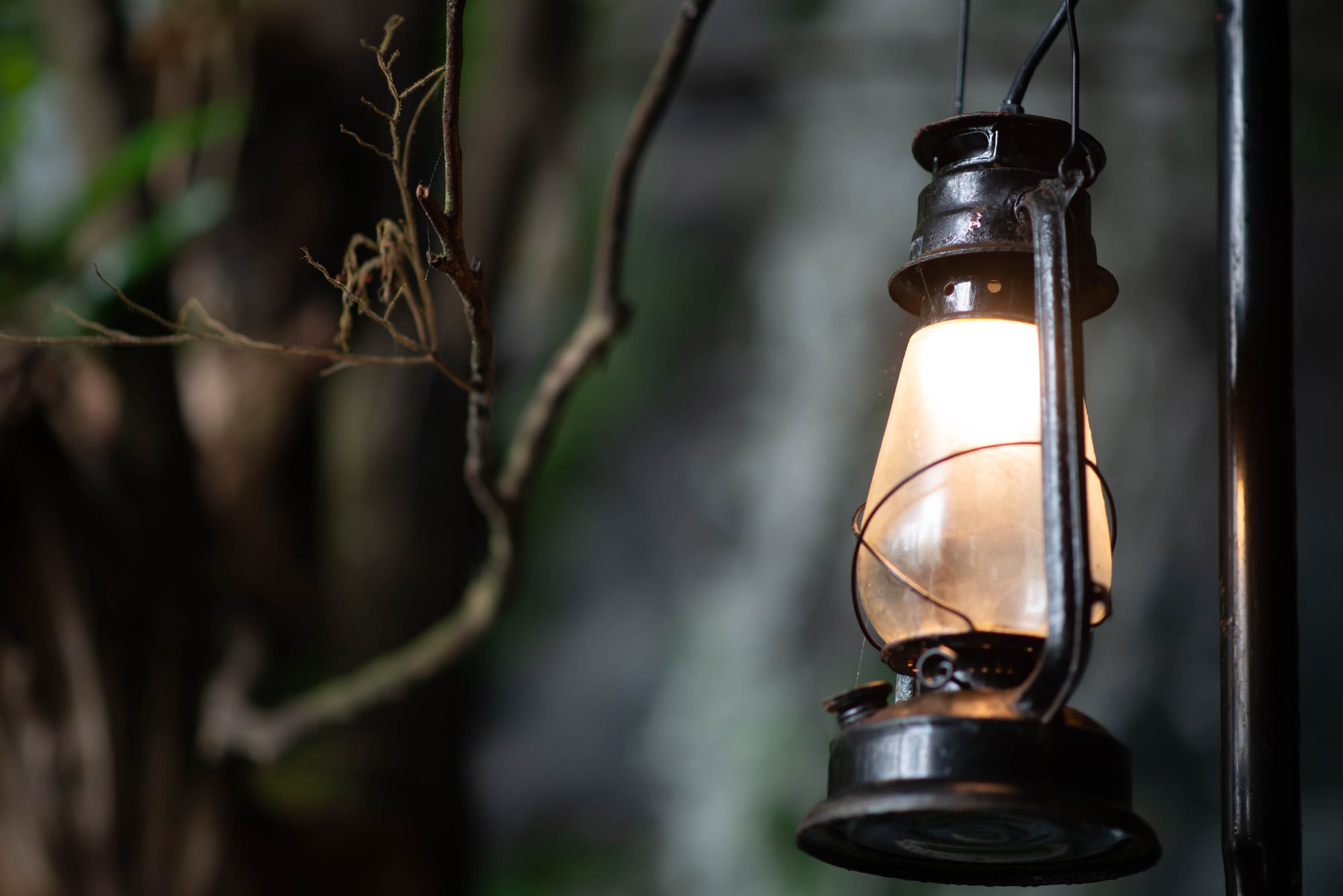
Before electric switches, people had to trim wicks, fill oil lamps, light candles, and carry flames from room to room to light their homes. To keep each light source working, you had to cut the wicks, clean the lamp chimneys, and scrape off the melted wax.
Before going to bed, you had to carefully put out each flame.
Getting Water from Wells or Springs

The water for the house came from outside, and the sources were often far away from the houses. It was hard to do this job in the winter because you had to make several trips with heavy buckets to cook, clean, and drink.
Some families set aside whole days for collecting water.
Making Fires for Cooking and Warmth
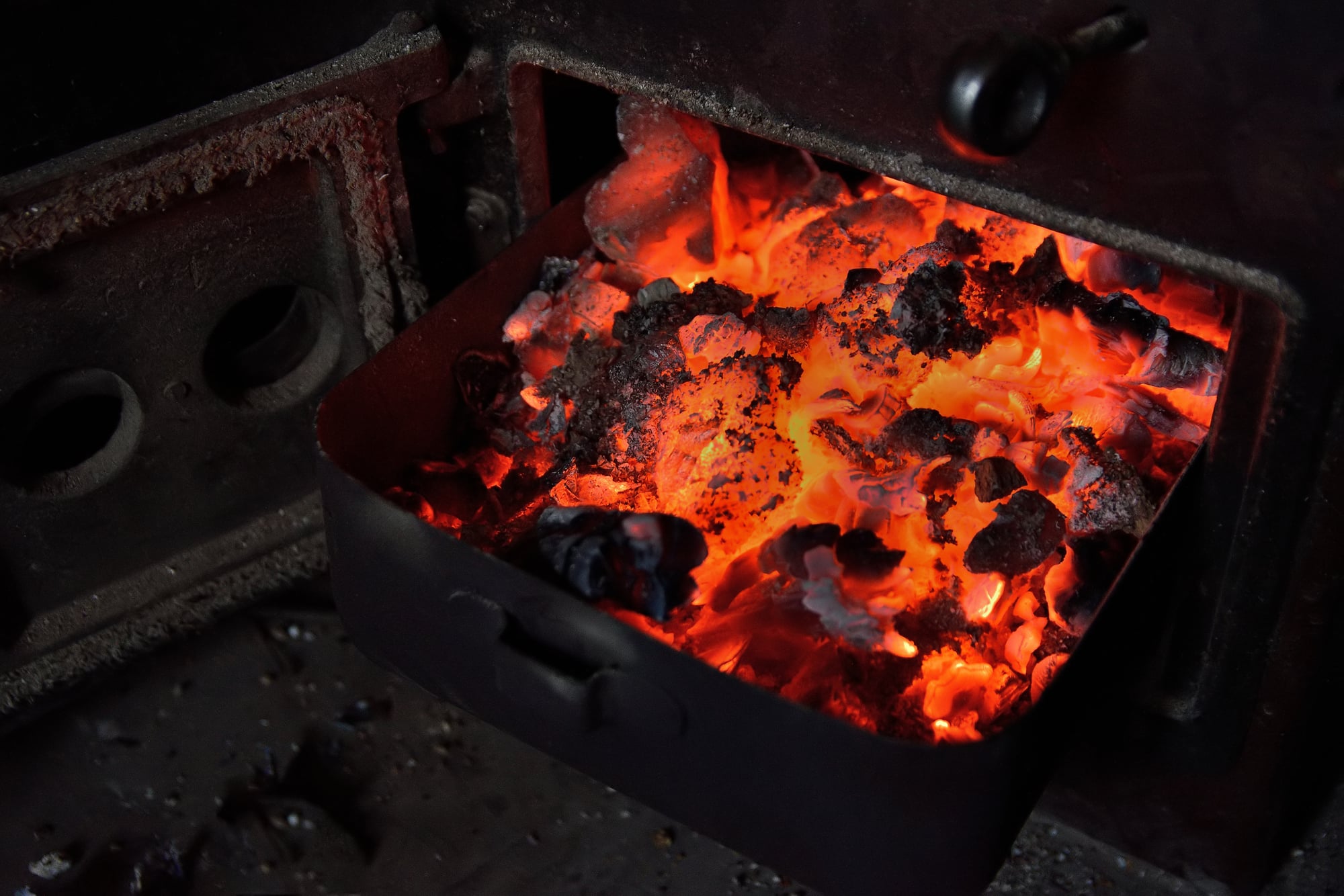
To keep the fires going in the house, you had to keep an eye on them all the time, adding wood, changing the airflow, taking out the ash, and making sure the flames never went out completely. It took a long time and wasn’t always reliable to start fires from scratch with flint and steel.
Most families kept at least one fire going all the time.
Cleaning Without a Vacuum Cleaner
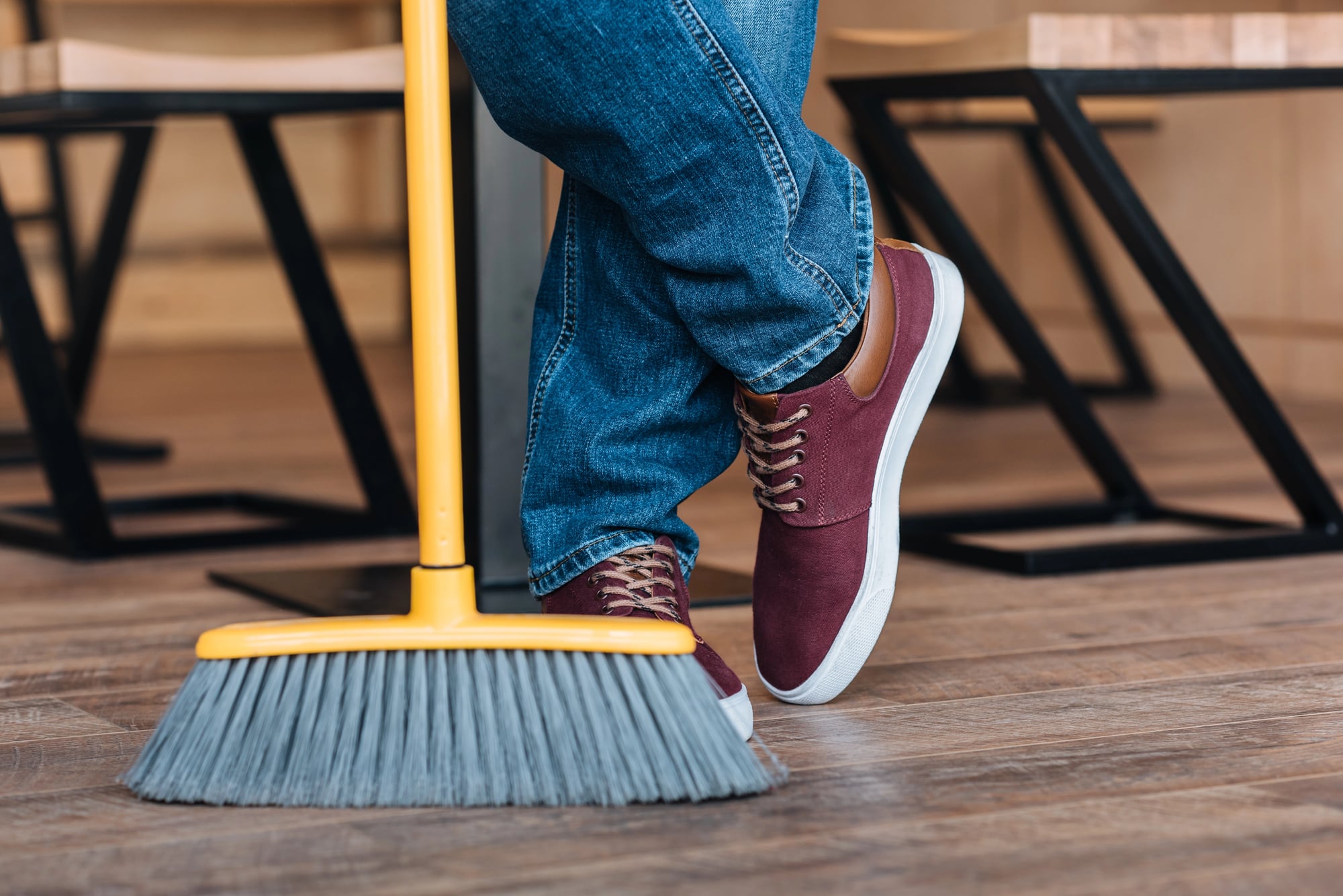
To clean the floors, people used simple brooms to sweep, beat rugs outside, and scrub everything by hand. It took a lot of people and a lot of strength to drag carpets outside and beat them with special tools to get rid of dust and dirt.
Spring cleaning was a real seasonal change that could take weeks.
Grinding Coffee and Spices

You had to grind every pinch of ground spice or cup of coffee by hand with a mortar and pestle or a hand-crank mill. People often roasted coffee beans at home over open flames, which meant they had to be stirred all the time to keep them from burning.
People bought whole spices and ground them as needed.
Making Ice Cream by Hand
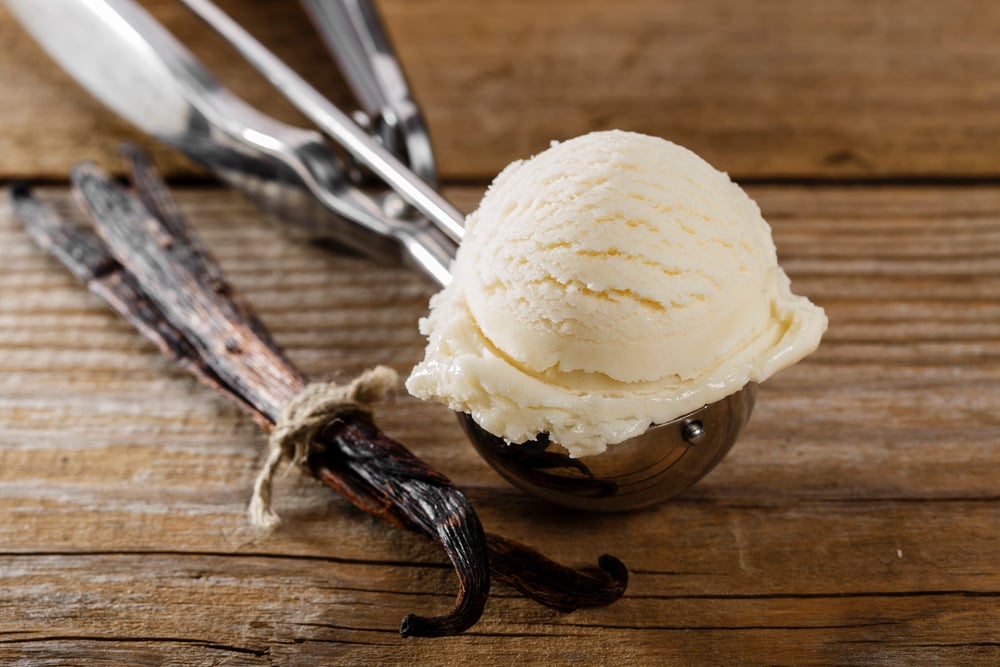
To make ice cream at home, you had to crank a churn by hand for 30 to 45 minutes while surrounded by ice and salt. The process needed careful timing, keeping an eye on the temperature, and often more than one family member taking turns at the crank.
This made frozen treats a rare luxury that took a lot of work.
Shining Metal and Silver
Before modern cleaning products, you had to use special polishes, cloths, and a lot of elbow grease to keep metal things clean. To keep silver from tarnishing, it needed to be polished often.
Brass needed to be buffed often, and cast iron needed to be seasoned and kept from rusting.
Starching and Ironing Linens
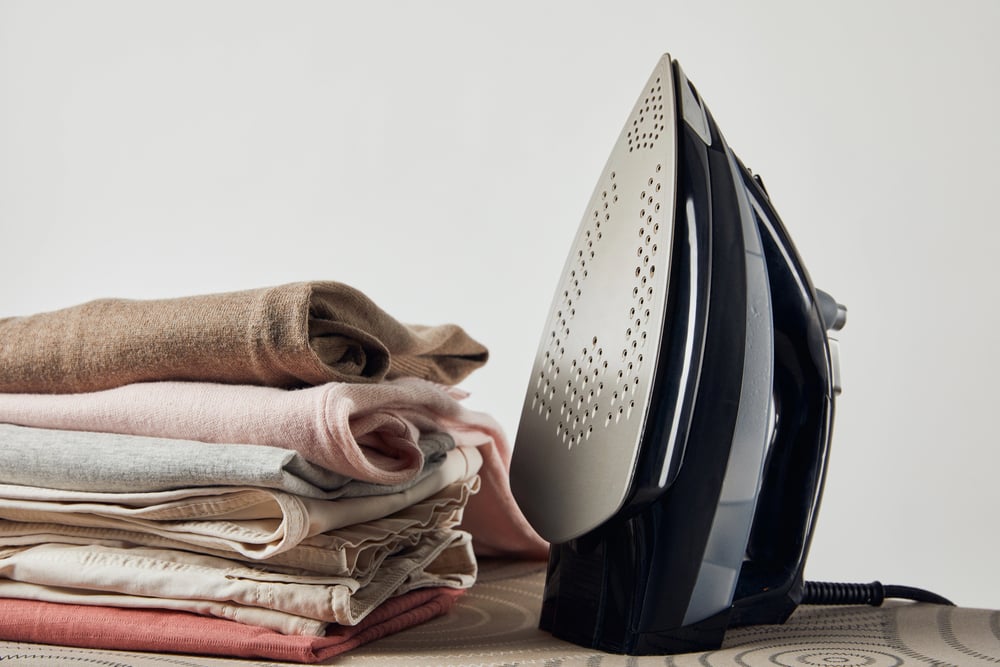
To get the right linens, you had to make your own starch from scratch, apply it carefully while the items were still damp, and press them with heavy irons. This was done to bed sheets, tablecloths, and napkins.
The results were supposed to be sharp and professional.
From Dawn to Dusk to Done in Minutes

These chores took a lot of time and changed the way people lived. For example, families planned their days around weekly washing, daily fire-tending, and seasonal food preservation.
Conveniences today have changed the way we live, work, and spend our days in ways that go beyond just saving us time.
More from Go2Tutors!

- The Romanov Crown Jewels and Their Tragic Fate
- 13 Historical Mysteries That Science Still Can’t Solve
- Famous Hoaxes That Fooled the World for Years
- 15 Child Stars with Tragic Adult Lives
- 16 Famous Jewelry Pieces in History
Like Go2Tutors’s content? Follow us on MSN.