30 Songs With Lyrics That Mean Something Different Than Most Think
There’s something quietly humbling about singing along to a song for years — completely confident you know what it’s about — and then finding out you’ve had it completely backwards. It happens more than most people admit.
A melody that feels triumphant turns out to be a lament. A love song reveals itself as a breakup anthem.
A party anthem was written in despair. Music has always done this: wrapped difficult, complicated, or deeply specific meanings inside sounds that feel universal enough to misread.
These 30 songs have been doing exactly that for decades, and chances are good that at least a few of them have fooled you too.
Born in the U.S.A.

Bruce Springsteen did not write a patriotic anthem. The song is about a Vietnam veteran who returns home broken, rejected by the country he fought for, with no job and nowhere to go — and Ronald Reagan’s campaign tried to use it anyway.
The bombastic chorus fools almost everyone, but the verses are relentless and bleak, every one of them a gut punch dressed up in a major key.
Every Breath You Take

This is not a love song. The Police wrote a surveillance anthem about obsession and control, and Sting has spent decades in mild exasperation watching it played at weddings.
To be fair, “I’ll be watching you” is right there in the chorus — it just turns out people hear what they want to hear.
Pumped Up Kicks

Foster the People wrapped one of the catchiest melodies of 2010 around the interior monologue of a teenager planning violence against classmates. The production is deliberately breezy — that dissonance between the sound and the subject was entirely intentional, the point being that these things can hide in plain sight, comfortable and unthreatening until you actually listen.
Lucy in the Sky with Diamonds
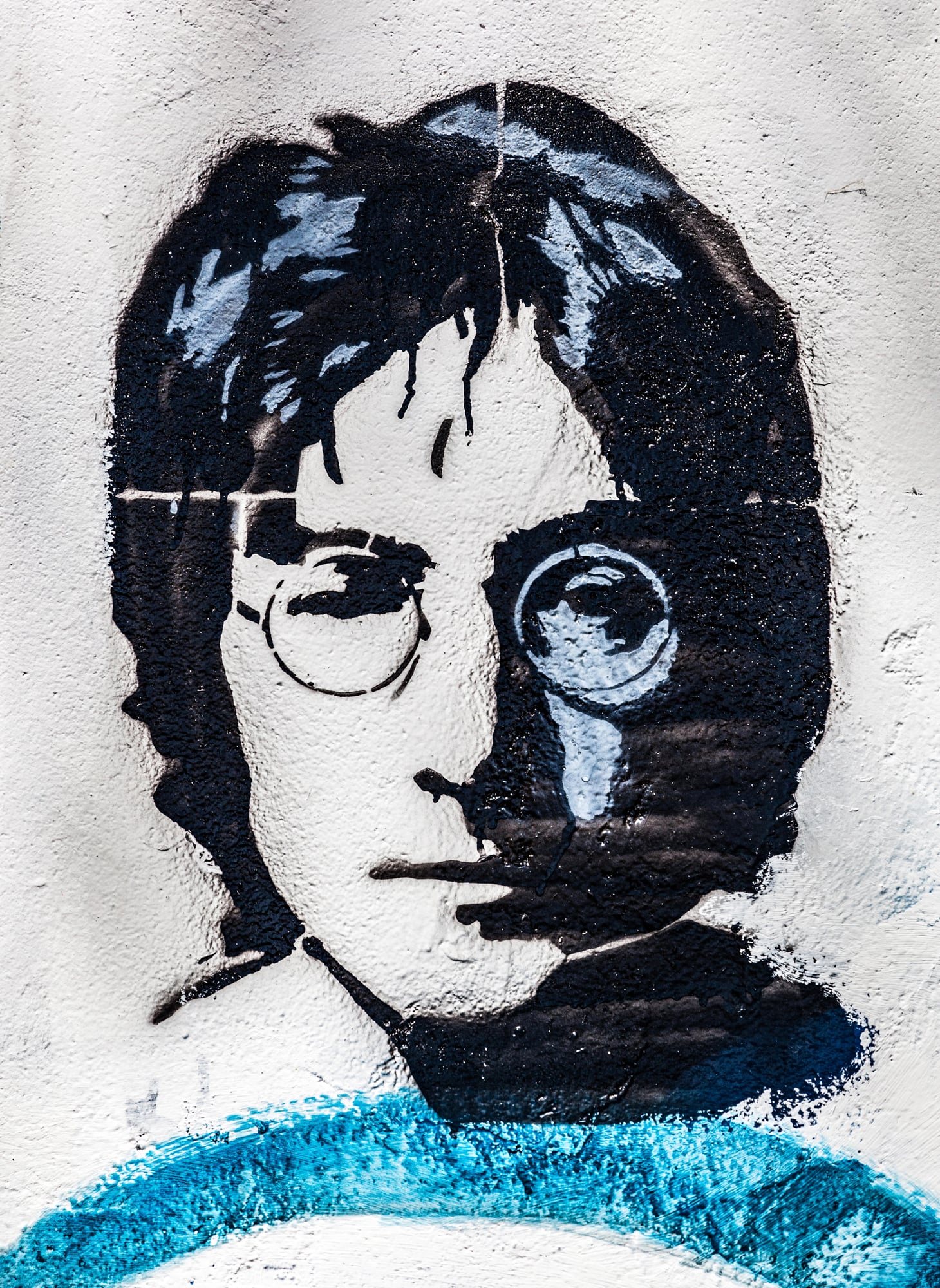
The Beatles denied it until they were tired of denying it, and the evidence on both sides has been debated for over fifty years — but John Lennon maintained the song was actually inspired by a drawing his son Julian brought home from school, depicting his classmate Lucy O’Donnell floating among stars. Whether or not the initials were a coincidence is a question each listener tends to answer according to their own priors.
Semi-Charmed Life

Third Eye Blind’s breezy, sun-drenched hit from 1997 sounds like summer. It’s about crystal methamphetamine addiction — the euphoria, the compulsion, the slow collapse — and the verses make no effort to hide this, mentioning the drug by name.
The chorus is infectious enough that entire generations absorbed it without processing a single word.
Fast Car

Tracy Chapman wrote this as a portrait of inherited poverty and the quiet trap of a life that never quite escapes itself — the fast car is hope, not celebration, and by the end of the song that hope has curdled. Most people remember it as romantic.
It is, in the most painful sense of the word: reaching for something beautiful that stays just out of reach.
Mr. Brightside
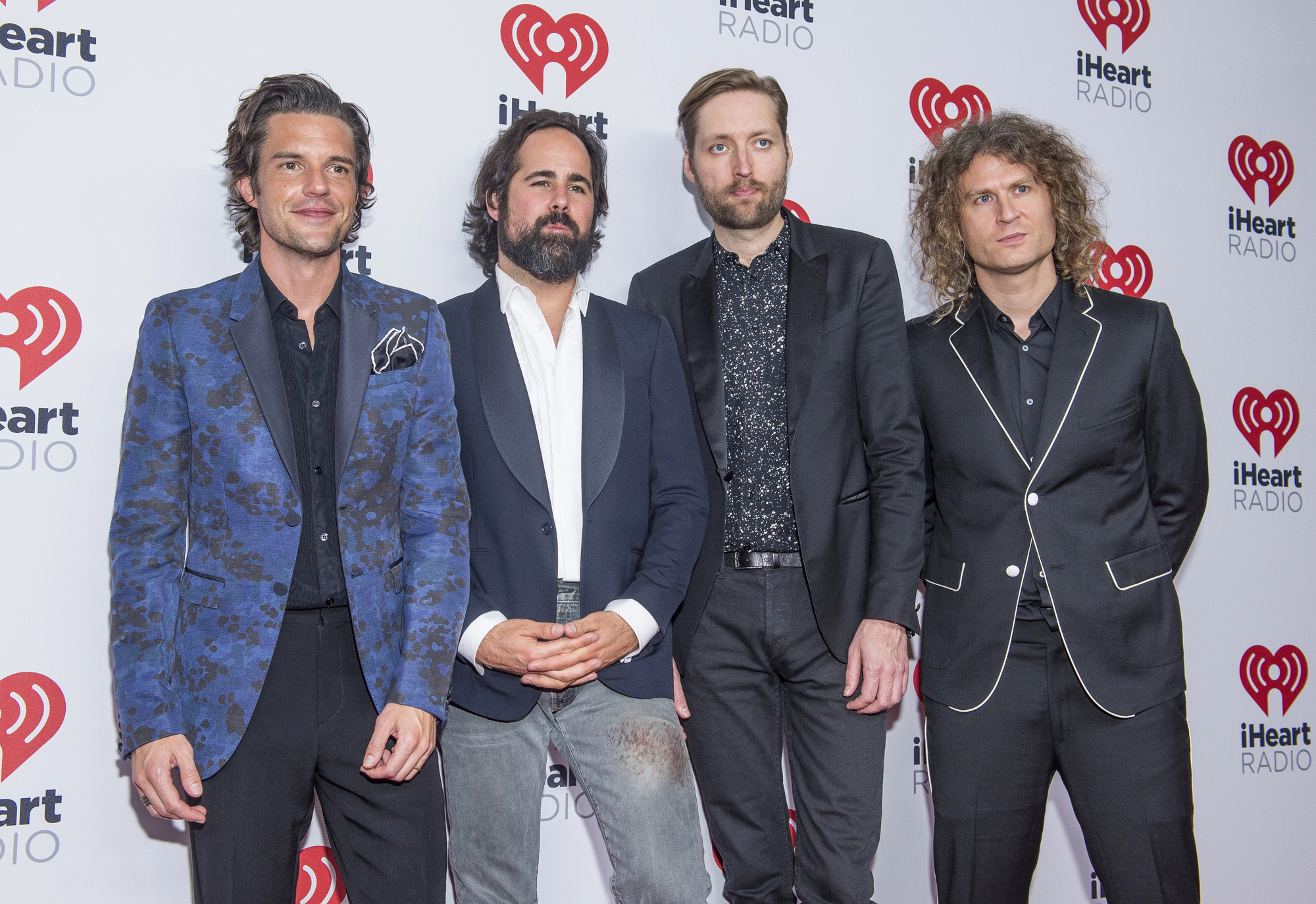
The Killers’ anthem of British festival crowds and American college bars is, at its core, about jealousy so consuming it becomes a kind of torture — Brandon Flowers watching the woman he loves with someone else, unable to stop imagining what’s happening, the mind running ahead of every rational instinct. It doesn’t resolve.
It doesn’t offer comfort. It just loops, which is exactly what jealousy does.
Yellow
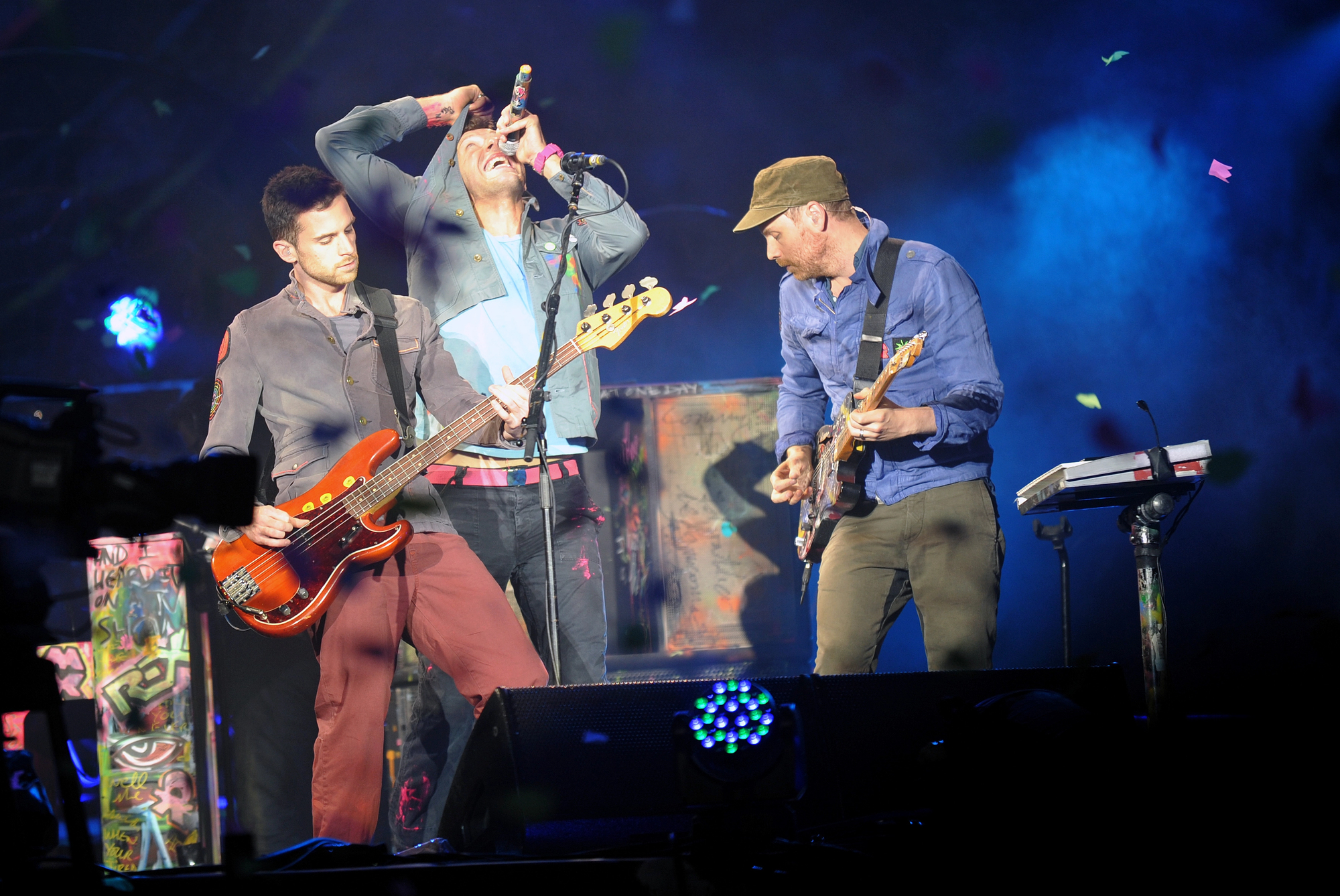
Coldplay’s “Yellow” gets described as a sweeping declaration of devotion, and technically that’s not wrong — but Chris Martin has confirmed it’s essentially a love song directed at nobody in particular, written in a single sitting after seeing the word “yellow” in a phone book. The grand romantic feeling listeners project onto it is almost entirely their own construction, borrowed from a melody that just happened to invite it.
Losing My Religion
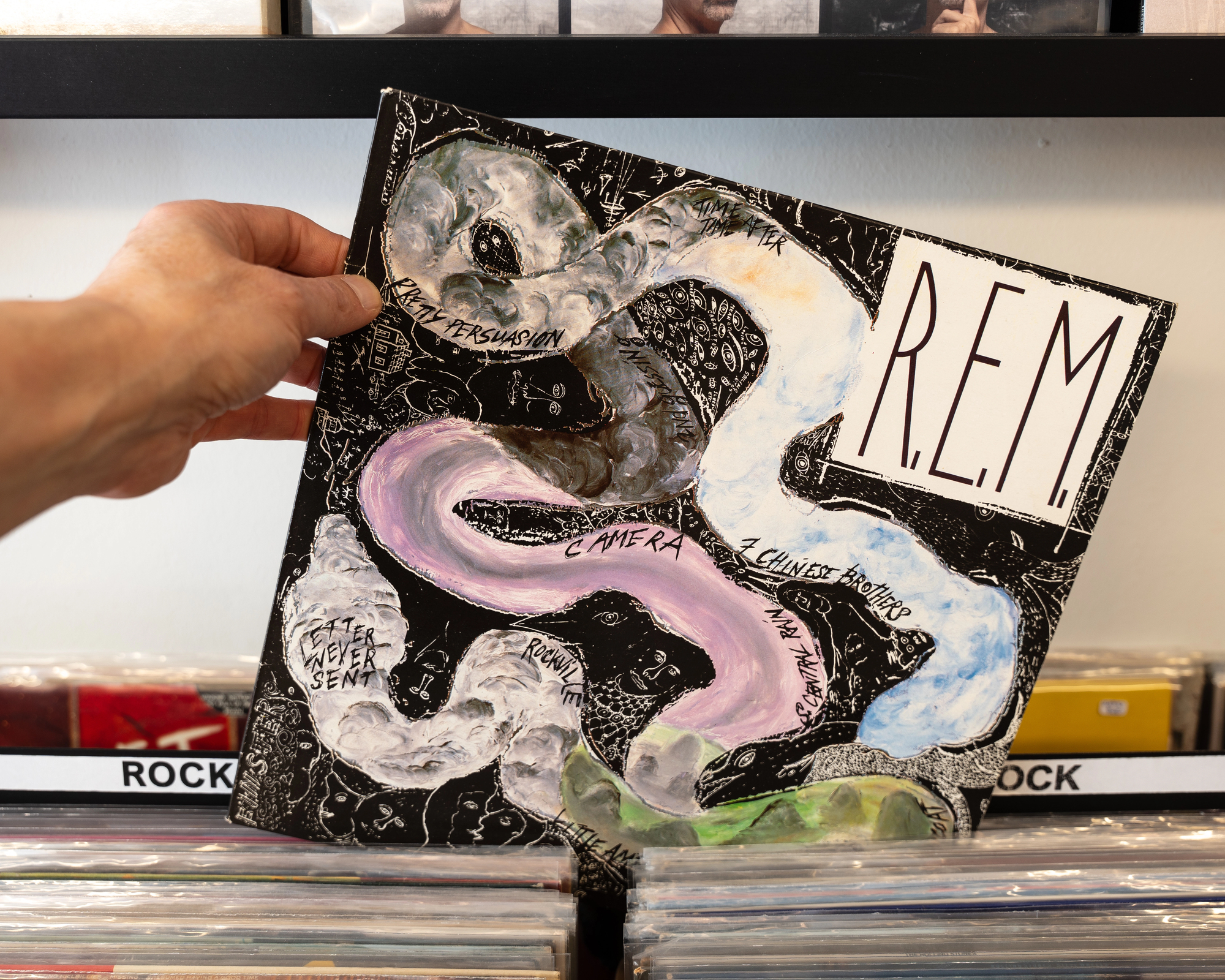
R.E.M. named one of their biggest hits after a Southern expression meaning “losing one’s temper” or “reaching the end of one’s patience” — it has nothing to do with faith or spirituality. The song is about the desperation of unrequited love, the feeling of having said too much and not enough at the same time.
Go figure — the most spiritual-sounding rock song of the early ’90s isn’t about religion at all.
Escape (The Piña Colada Song)
Rupert Holmes wrote a song about a man who answers a newspaper personal ad to cheat on his partner — only to discover the ad was placed by his partner, who was also trying to cheat. Most people remember it as charming and romantic.
The actual story is two people mutually attempting infidelity, saved by coincidence rather than loyalty.
Wake Me Up When September Ends
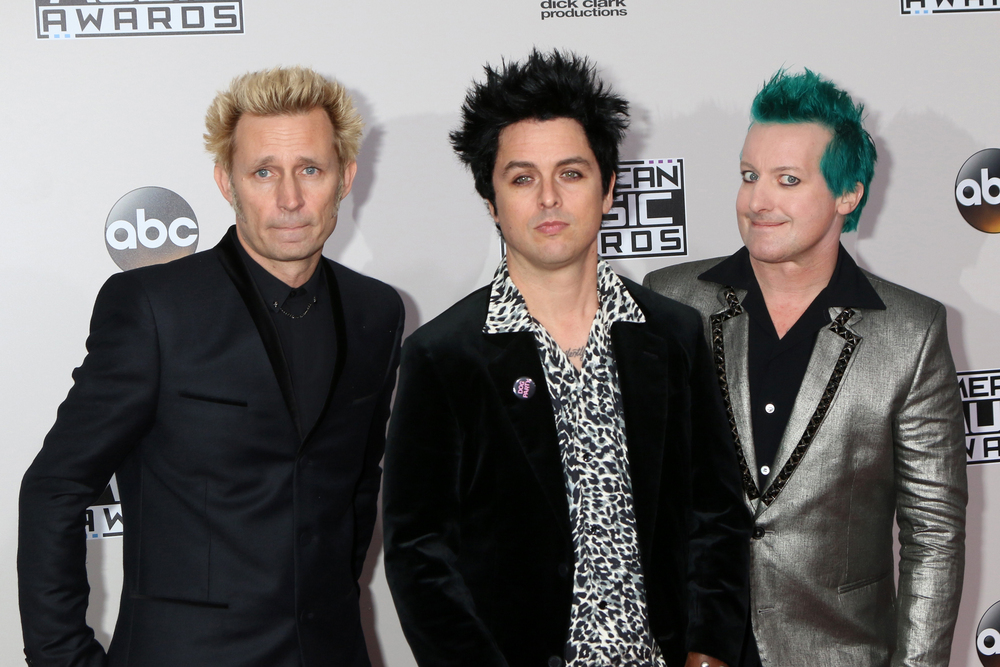
Green Day’s emotional centerpiece from “American Idiot” is not, as many assumed, a metaphor for the September 11 attacks. Billie Joe Armstrong wrote it about his father, who died of esophageal cancer when Armstrong was ten years old, in September.
It’s a private grief made enormous by a stadium-sized arrangement — which is maybe why listeners reached for the most public grief they could think of to explain it.
Stan
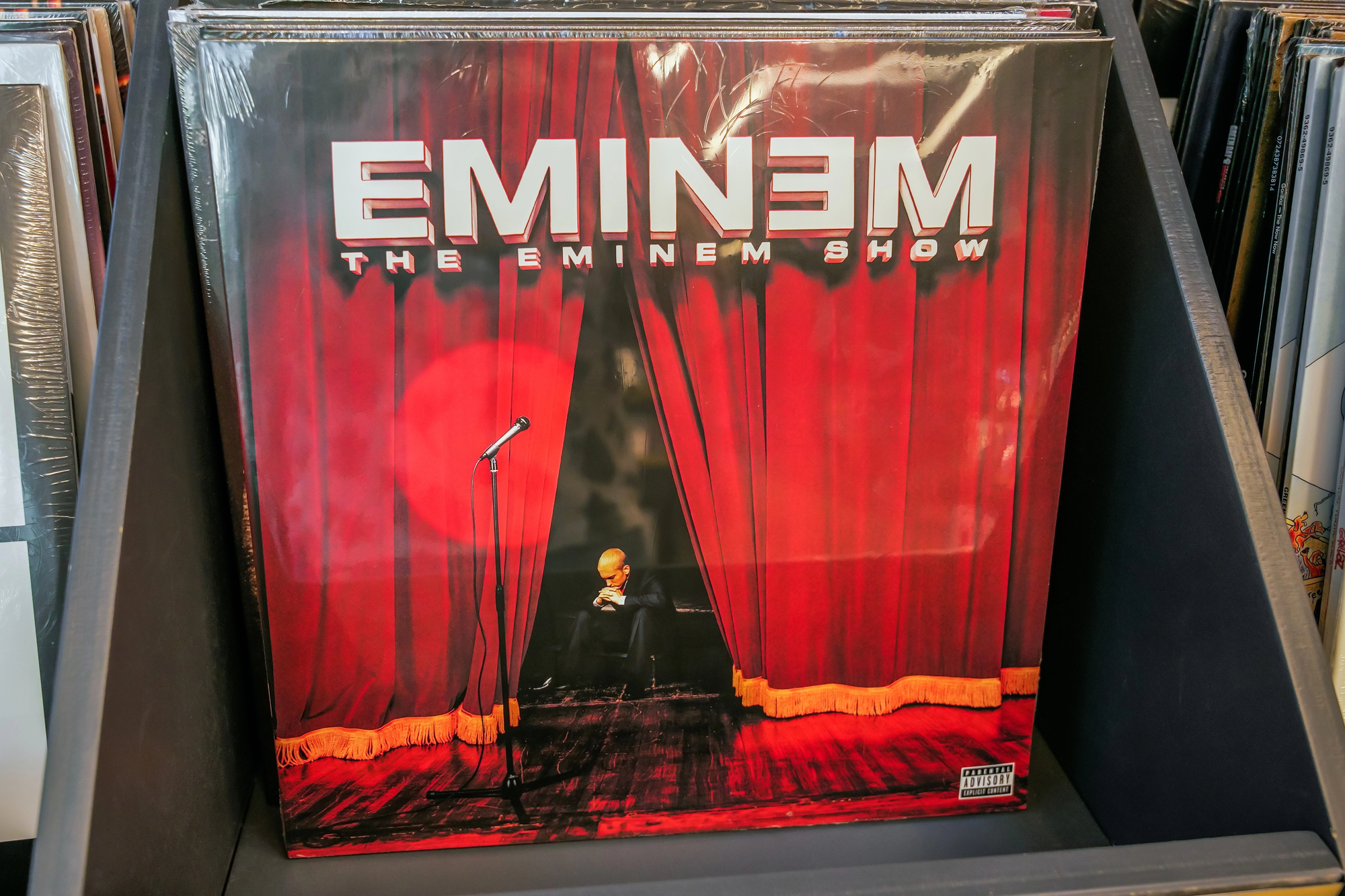
Eminem’s 2000 track didn’t just tell a story about an obsessive fan — it inadvertently created a word. “Stan” entered the Oxford English Dictionary as a noun and verb describing extreme, often irrational fandom, which Eminem almost certainly did not intend when he wrote a cautionary tale about a young man who destroys himself because a celebrity didn’t write back.
The song is a tragedy. The internet turned its title into a compliment.
Every Rose Has Its Thorn
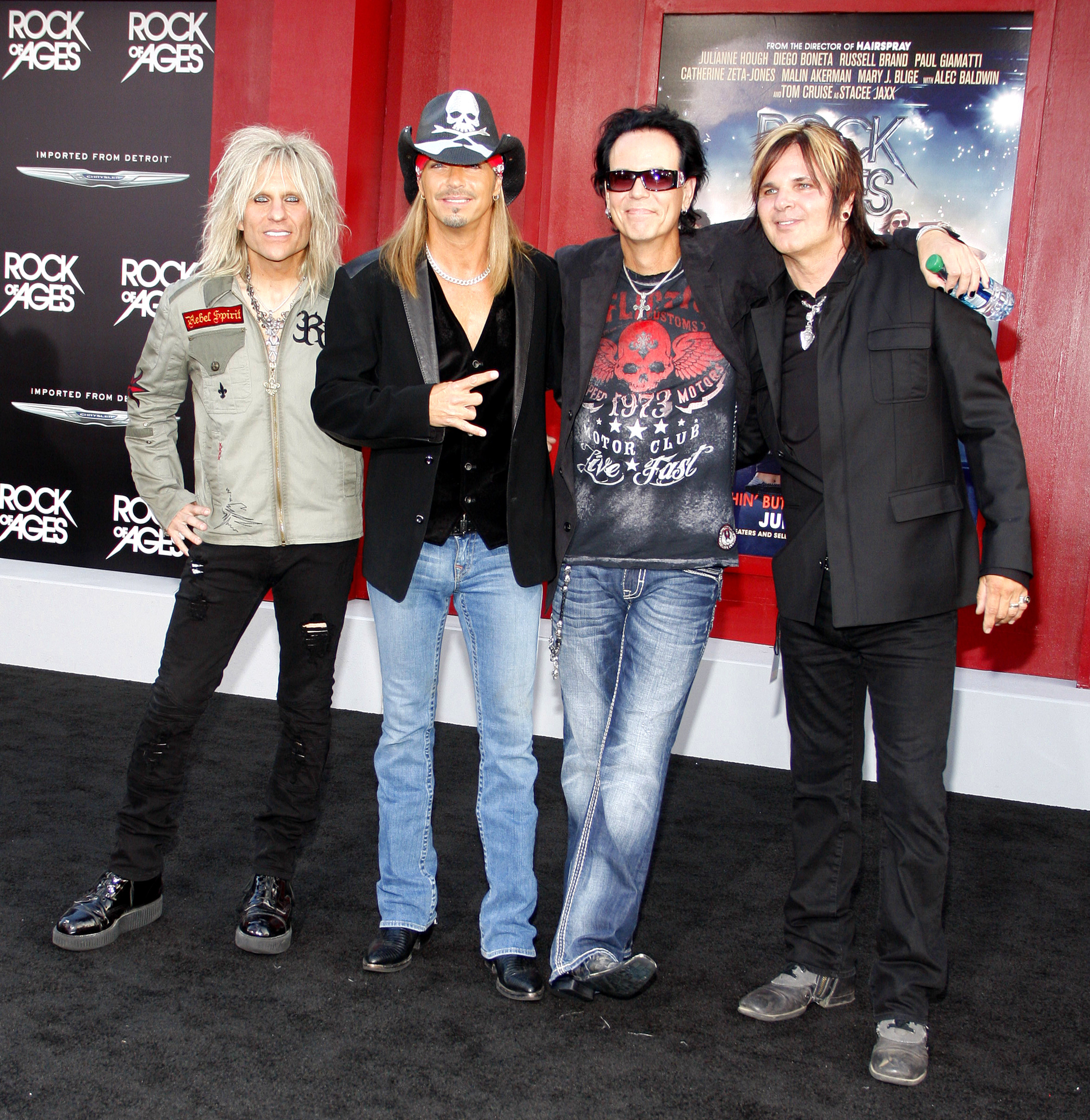
Poison wrote this one after Bret Michaels called his girlfriend from a laundromat payphone and heard a man’s voice in the background. It’s not a philosophical meditation on the duality of beauty and pain — it is a specific, personal story about a specific moment of suspected betrayal, dressed up in the universal language of power ballads until it felt like something everyone could claim.
Most did.
Diamonds Are a Girl’s Best Friend
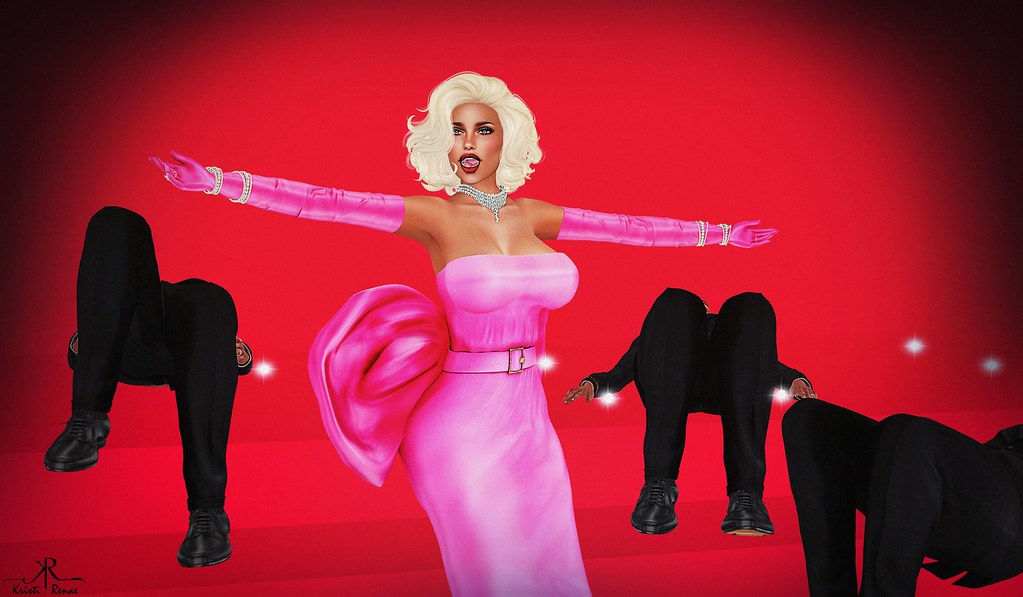
Widely understood as a celebration of materialism and glamour, Jule Styne and Leo Robin’s song from the 1949 musical “Gentlemen Prefer Blondes” is more cynical than it appears — it’s a woman openly acknowledging that charm and affection are unreliable, that men “grow cold as girls grow old,” and that financial security is the only thing that reliably stays. It’s not celebrating gold-digging so much as describing a rational survival strategy in a world with limited options for women.
Killing Me Softly

Most listeners receive this as a love song, tender and overwhelming. But Lori Lieberman wrote the original poem after watching Don McLean perform at the Troubadour in Los Angeles — it’s a song about the uncanny feeling of hearing a stranger articulate your private interior life through their art, the strange intimacy of being understood by someone who doesn’t know you exist.
It’s less about a person than about the experience of being seen.
I Will Always Love You

Before Whitney Houston turned it into one of the most powerful vocal performances in pop history, Dolly Parton wrote it as a goodbye to her business partner and mentor Porter Wagoner when she left his television show to pursue her own career. It’s a professional farewell, not a romantic one — gratitude and release, not heartbreak.
The tenderness is real; the context most people imagine is not.
American Pie

Don McLean’s eight-minute epic has been decoded and re-decoded for fifty years, with most attention fixed on the “day the music died” — the 1959 plane crash that killed Buddy Holly, Ritchie Valens, and J.P. “The Big Bopper” Richardson. But the song is really an elegy for the entire arc of American innocence from the late 1950s through the cultural wreckage of the late 1960s, with each verse tracking a different moment that corrupted the purity McLean felt as a child.
It’s not a puzzle to solve. It’s a lament to feel.
Karma Chameleon
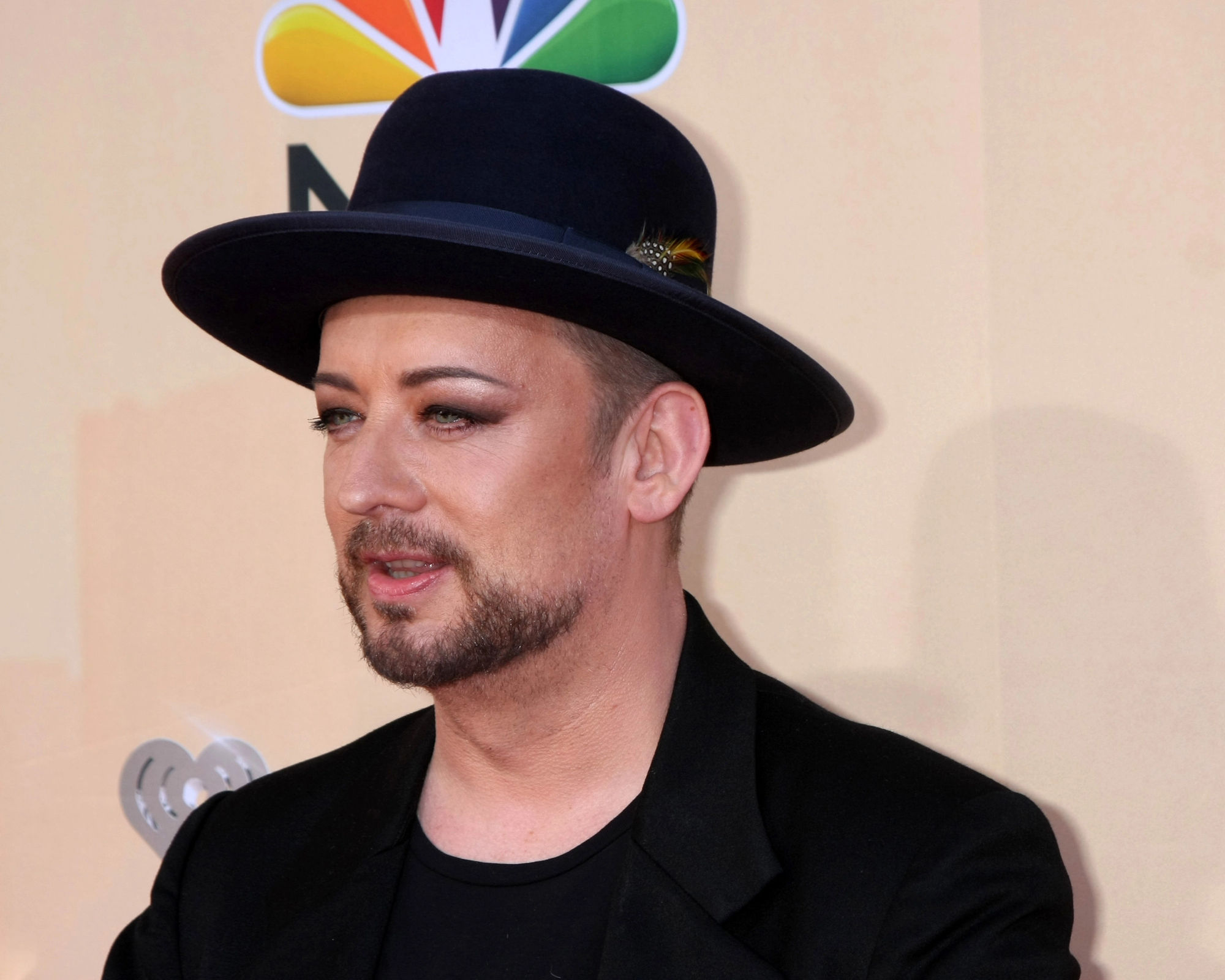
Culture Club’s bright, buoyant 1983 hit sounds like pure pop confection — all accordion and river imagery. Boy George has explained it’s about the exhaustion of being someone who constantly changes to suit their environment, never committing, never being caught, and the loneliness that creates.
The title phrase isn’t a compliment. It’s a diagnosis.
Don’t You Want Me

The Human League’s Christmas number one in 1981 sounds like a nostalgic synth-pop romance. It’s a duet between two perspectives — the man’s controlling, possessive account of “making” a woman into something, and the woman’s curt correction that she was doing fine before him and will be fine after.
Most people remember the chorus and miss the quiet argument underneath it.
Roxanne

The Police again — because they were apparently very good at hiding dark material inside danceable production. “Roxanne” is about a man falling for a woman who is a street worker, and the anguish isn’t romantic longing — it’s a plea bordering on desperation, the sound of someone watching a person they love do something that hurts them to witness.
The sting in the song is real, even if the brass arrangement makes it easy to dance past.
Flagpole Sitta

Harvey Danger’s 1997 alternative rock staple — “I’m not sick but I’m not well” — is widely remembered as a quirky Gen-X anthem about alienation. The songwriter Sean Nelson has said it’s a direct rebuke of slacker culture, specifically mocking the kind of self-congratulatory disaffection that mistakes cynicism for intelligence.
It’s not celebrating the outsider. It’s irritated by him.
Waterfalls

TLC’s “Waterfalls” spent years being misquoted as a motivational phrase — “Don’t go chasing waterfalls” repurposed as advice to dream big. The actual message is the opposite: don’t pursue things beyond your reach that will destroy you, like the drug dealer and the young man with unprotected encounters whose stories make up the verses.
The song is a warning. It got mistaken for encouragement.
Fix You

Coldplay’s most emotionally devastating ballad is widely understood as a song Chris Martin wrote for Gwyneth Paltrow after a loss in her family — and while that’s the occasion, the song’s persistent power comes from something older than that: it sounds like someone promising to repair another person, which turns out to be both the most generous impulse and one of the most complicated ones. Nobody can actually fix anyone.
The song knows this. That’s why it aches rather than resolves.
Bohemian Rhapsody
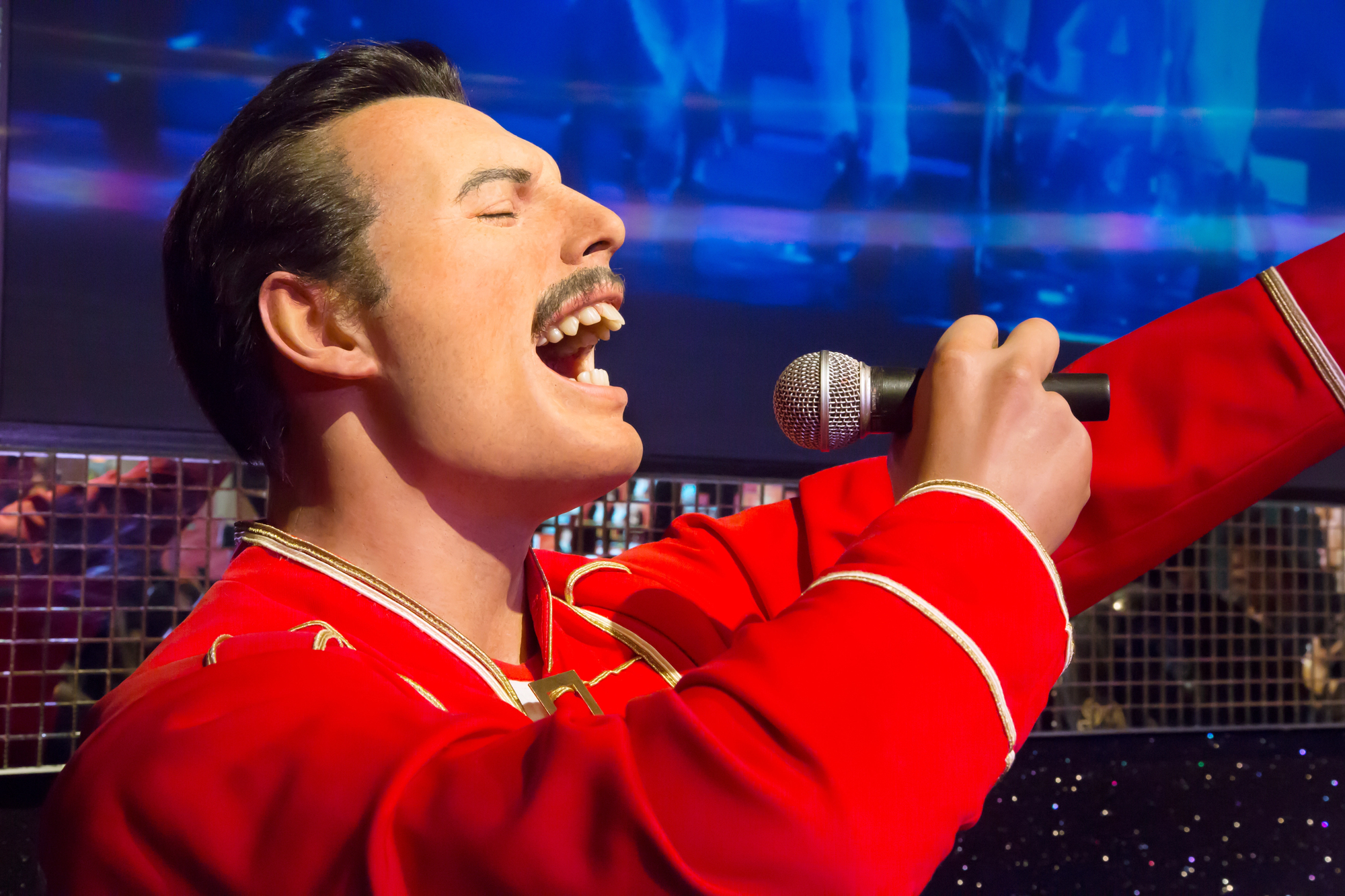
Freddie Mercury never explained the song. The band members have given varying accounts over the years, and the interpretations have ranged from a murder confession to a metaphor for Mercury’s internal conflict with his own identity.
What’s clear is that it is not, as many casual listeners assume, an exercise in theatrical absurdity for its own sake — every section of it was deliberate, referencing operatic structure in a way that was architecturally intentional. The joke, if there is one, is on anyone who dismissed it as nonsense.
My Generation

The Who’s 1965 generational rallying cry — “I hope I die before I get old” — gets quoted as youthful defiance, a two-fingered gesture at conformity and compromise. Pete Townshend has clarified it was written from the perspective of a mod, specifically, and that “getting old” referred to the kind of dulled, settled, establishment life the mods were reacting against — not death wish, but refusal.
Roger Daltrey’s famous stutter was also deliberate, mimicking the speech patterns of a mod high on amphetamines. Context changes everything.
Hotel California

The Eagles’ masterpiece is routinely interpreted as a satire of Hollywood excess and the dark side of the American dream — and that reading isn’t wrong, exactly, but Don Henley has noted it’s more specifically about the seduction of addiction, the way hedonistic excess pulls you in pleasurably and keeps you trapped. “You can check out any time you like, but you can never leave” isn’t metaphor about fame.
It’s a description of dependence. The story told in the verses makes considerably more sense with that frame.
Hey Ya!
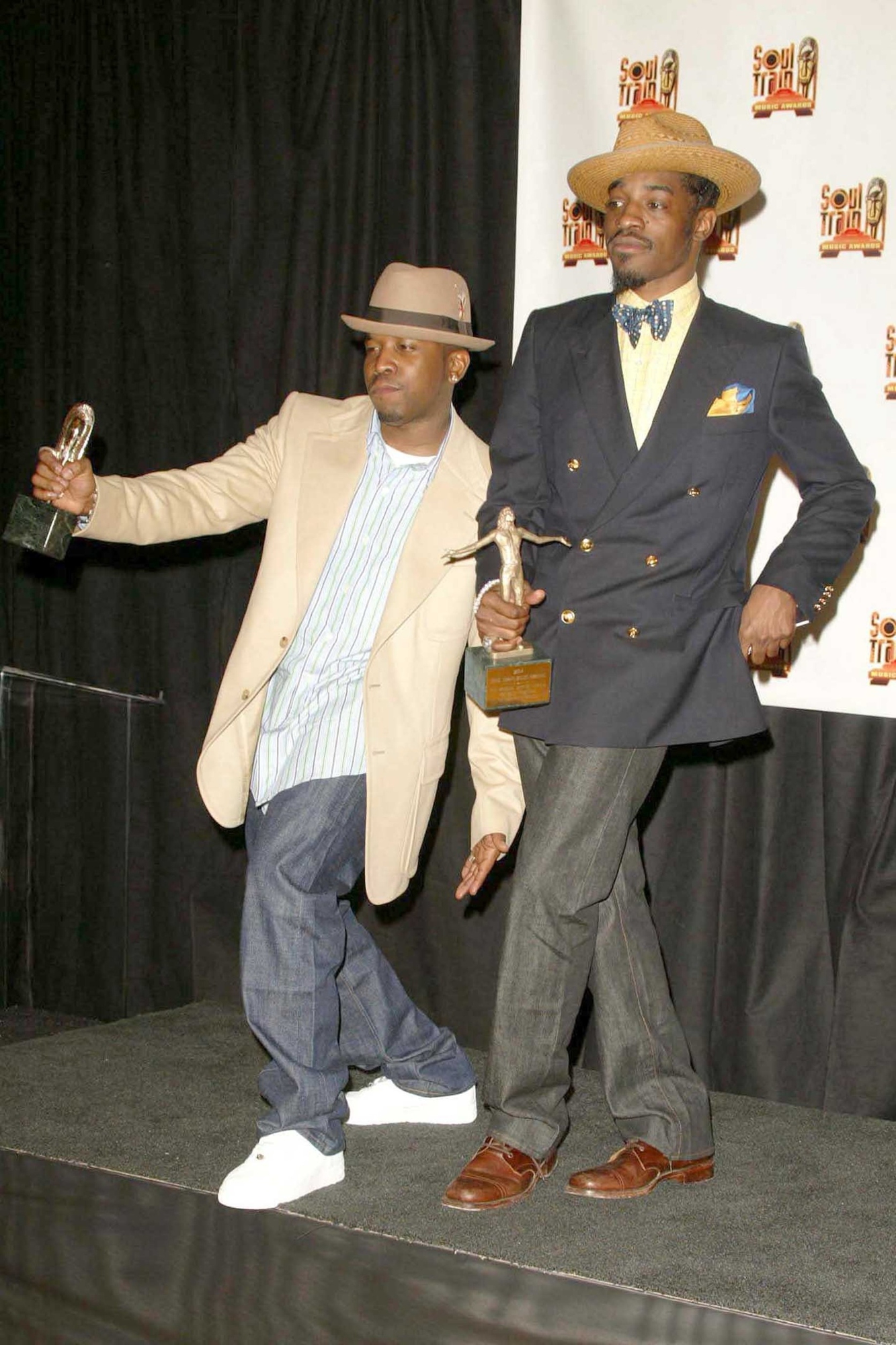
OutKast’s relentlessly cheerful 2003 hit — one of the most played songs of that decade — is a meditation on commitment, doubt, and the way couples stay together long past the point where they should, asking each other “are you happy?” and neither of them being entirely sure. The production is so exuberant it functions almost as a disguise, because the song at its core is genuinely melancholy.
André 3000 said so plainly. Nobody listened, because they were too busy shaking it like a Polaroid picture.
Galway Girl

Ed Sheeran’s “Galway Girl” reads as a cheerful, uncomplicated celebration of Irish culture and a whirlwind romance. It was written specifically for the American market’s idea of Ireland — a kind of tourist-brochure compression of fiddles and bars and charming redheads — and actual Irish listeners have noted its relationship to real Irish culture is more decorative than authentic.
The song isn’t dishonest, exactly. It’s just a postcard rather than a letter.
Creep
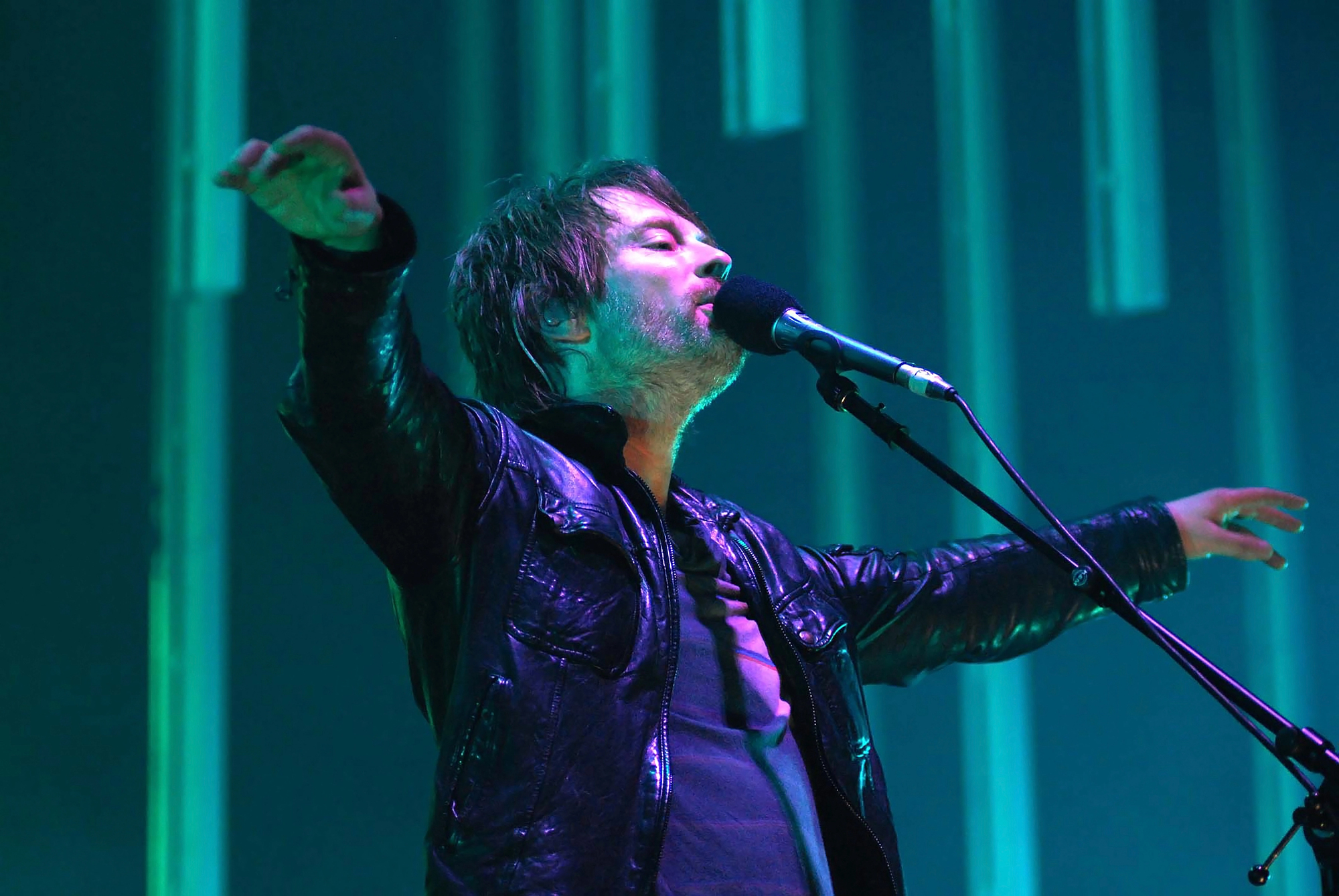
Radiohead’s most famous song is almost universally read as self-loathing, and Thom Yorke has never entirely denied that — but the band has had a complicated relationship with the track, famously refusing to play it live for years. The lyric “what the hell am I doing here / I don’t belong here” resonates as universal outsider feeling, but Yorke has noted it was written about a specific person he followed around at college, which makes it less relatable alienation and more the uncomfortable edge of obsession.
The universality was accidental, and it’s not clear Yorke is flattered by how much people identify with it.
Allentown

Billy Joel’s “Allentown” is mistaken, fairly often, for a Pennsylvania anthem — something to be proud of, a tribute to a specific working-class American city. Joel has clarified it’s a lament for the collapse of the steel industry in the Lehigh Valley, specifically, and that the men in the song are not being celebrated but mourned: promised a future by their fathers, the veterans of World War II, and then finding that promise gone.
Allentown itself has had a complex relationship with the song for exactly that reason.
Songs With Layers of Meaning

Music has always had a talent for misdirection — not out of dishonesty, but because the best of it is legible on multiple levels at once. A melody carries you one way while the words are quietly going somewhere else entirely, and most of the time, the version that reaches the widest audience is the one that feels easiest, most flattering, most like permission to feel uncomplicated joy.
The songs above aren’t diminished by knowing what they’re actually about. If anything, they get more interesting — the performance of happiness over genuine pain, the specificity that gets sanded into universality, the private joke hiding inside the anthem.
Knowing what a song means doesn’t take it from you. It just means you’re finally hearing the whole thing.
More from Go2Tutors!

- The Romanov Crown Jewels and Their Tragic Fate
- 13 Historical Mysteries That Science Still Can’t Solve
- Famous Hoaxes That Fooled the World for Years
- 15 Child Stars with Tragic Adult Lives
- 16 Famous Jewelry Pieces in History
Like Go2Tutors’s content? Follow us on MSN.