Geography that defies logic around the world
Some corners of the planet look like they were designed by a trickster. Islands inside lakes, borders drawn like puzzles, deserts next to snowfields — places that bend rules and leave geographers scratching their heads. Below are some of the most striking examples of geography that defies logic across the world.
Diomede Islands
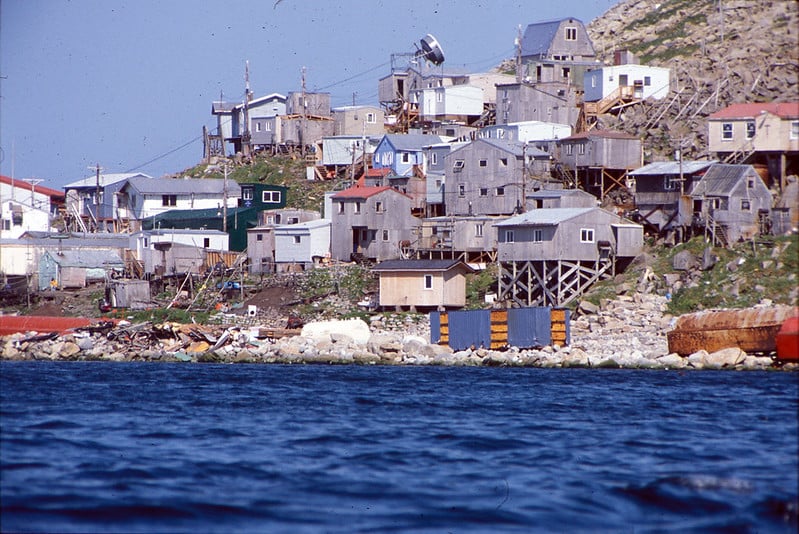
Two islands sit just 2.4 miles apart in the Bering Strait. One belongs to Russia, the other to the United States. Oddly enough, they’re not just separated by water but also by time — the International Date Line. Crossing between them means leaping forward or backwards by nearly a full day. Yesterday on one, tomorrow on the other.
Baarle-Hertog and Baarle-Nassau
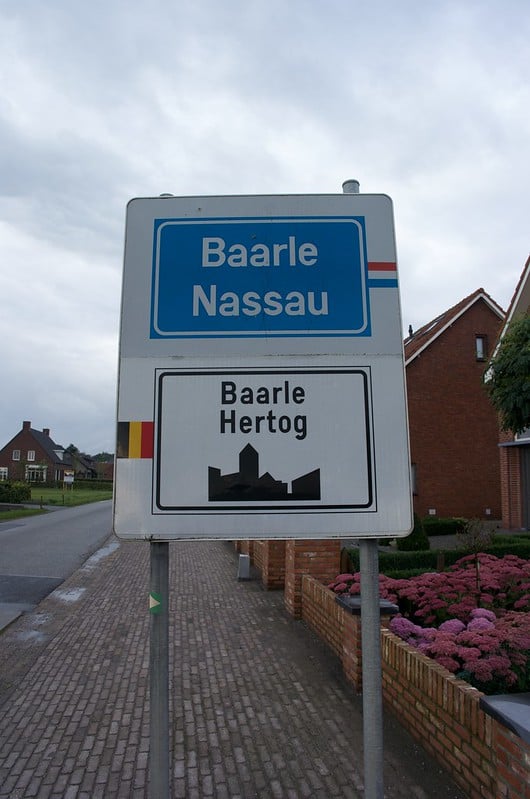
This Belgian-Dutch town is a cartographic headache. Belgian enclaves sit inside Dutch territory, while Dutch counter-enclaves poke back within Belgian ones. Streets can shift sovereignty halfway down the block, leaving residents with front doors in one country and back gardens in another. Mail delivery? Complicated.
Mount Roraima
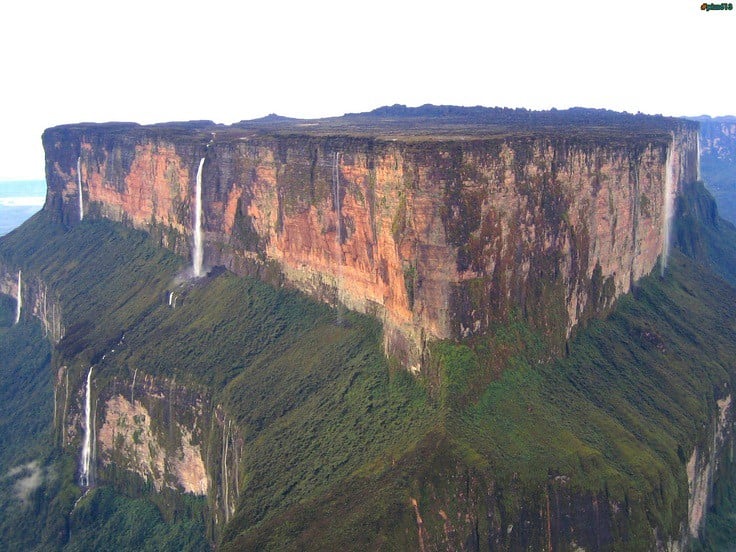
This flat-topped giant rises where Venezuela, Brazil, and Guyana meet. Its sheer cliffs and isolated plateau give it the look of another world — mist-shrouded and ancient. Strange plants grow here, cut off from the rest of the continent. Stepping onto it feels more like walking into prehistoric time than modern South America.
Lake Titicaca’s Floating Islands
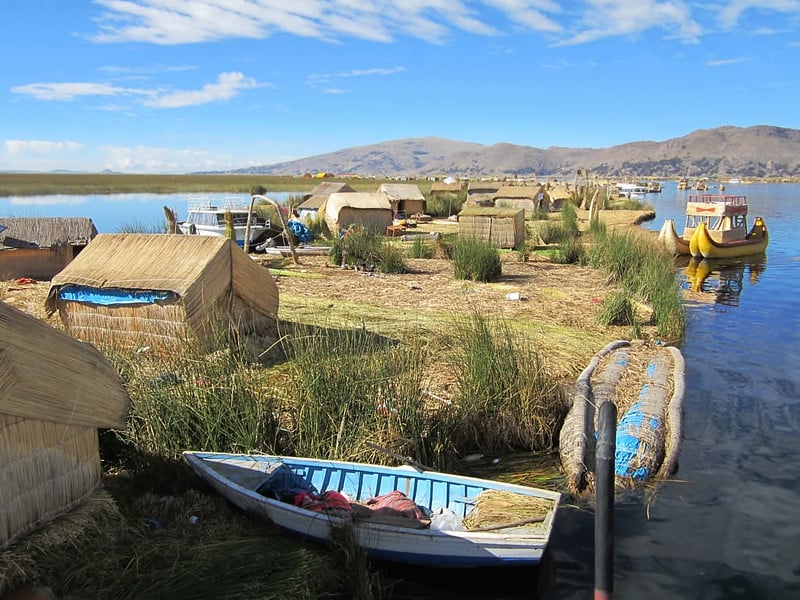
In Peru and Bolivia, the Uros people live on islands made entirely of reeds. The islands float. Yes, really. Families cut, weave, and anchor mats of totora reeds, then rebuild them constantly as old layers rot away. A house, a community, a life — all bobbing gently on the water.
The Danakil Depression
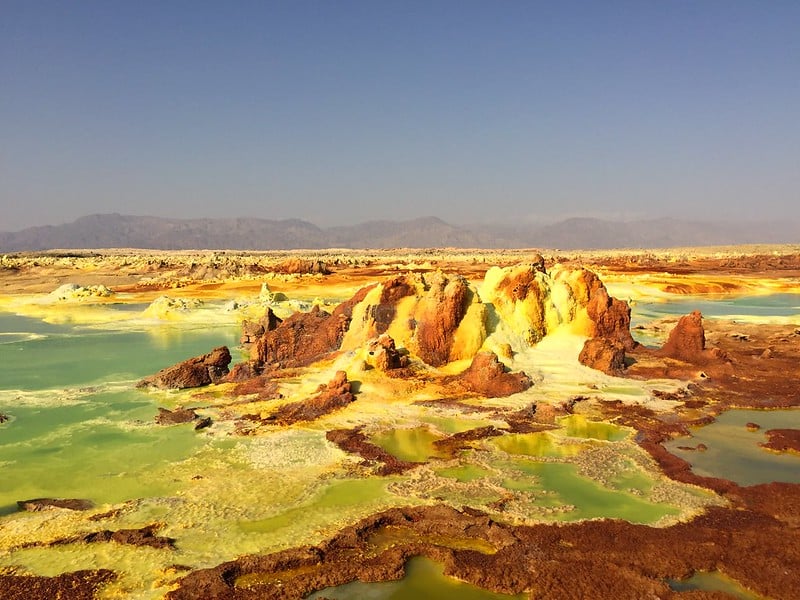
Northern Ethiopia hosts one of the most unearthly landscapes on Earth. A place where salt plains, bubbling lava lakes, and neon-colored hot springs sit side by side. And it lies more than 300 feet below sea level. Brutally hot, wildly inhospitable. Beautiful, in a dangerous way.
The Crooked Forest of Poland
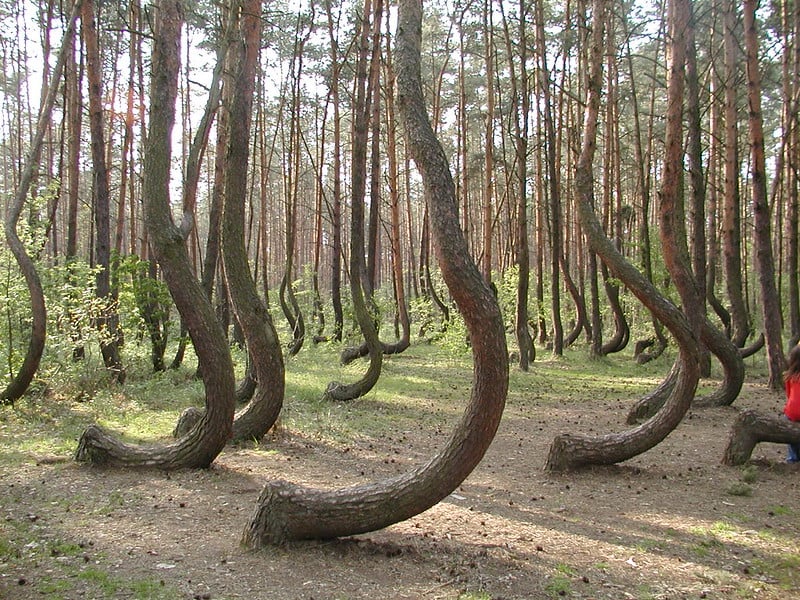
Near the town of Gryfino stands a grove of oddly bent pine trees. Each trunk curves at the base in the same sharp angle before straightening upward. No one knows for sure why. Perhaps deliberate shaping for shipbuilding, perhaps a natural anomaly. Still… eerie to walk through.
Lake Hillier
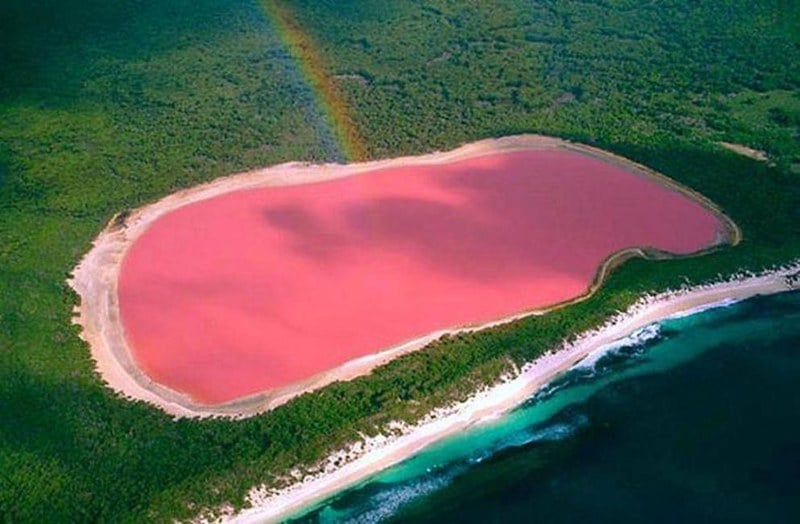
On Middle Island in Western Australia lies a bubblegum-pink lake. Its color isn’t a trick of light but caused by salt-loving algae and bacteria. The water stays bright pink even when bottled. Next to the deep blue of the surrounding ocean, it looks like someone dropped paint into nature’s palette.
Sokotra Island
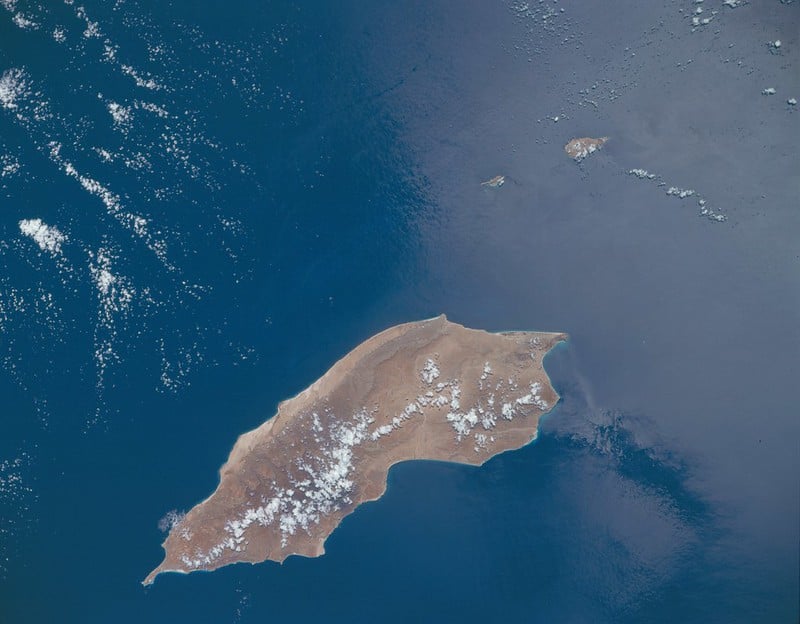
Off the coast of Yemen, this island looks like an alien set piece. Dragon blood trees with umbrella-shaped canopies, bottle-shaped trunks, and plants found nowhere else on Earth dominate the landscape. Even the air carries a faint resin scent. A place both harsh and strangely inviting.
Point Roberts
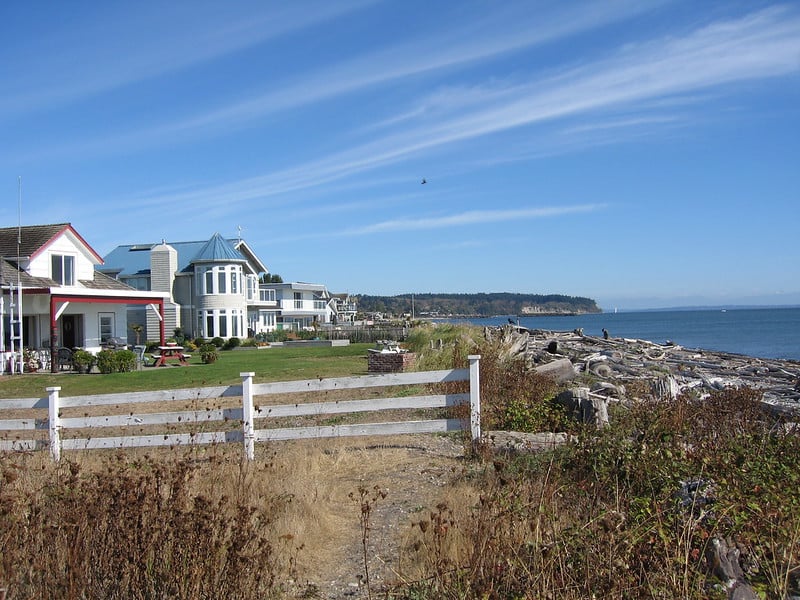
A tiny slice of U.S. territory lies cut off from the rest of the country, tucked beneath Vancouver, Canada. Residents must drive through Canada to reach the nearest American town. Which makes daily life a bureaucratic puzzle: border crossings for groceries, school, even soccer practice. Not great.
Salar de Uyuni
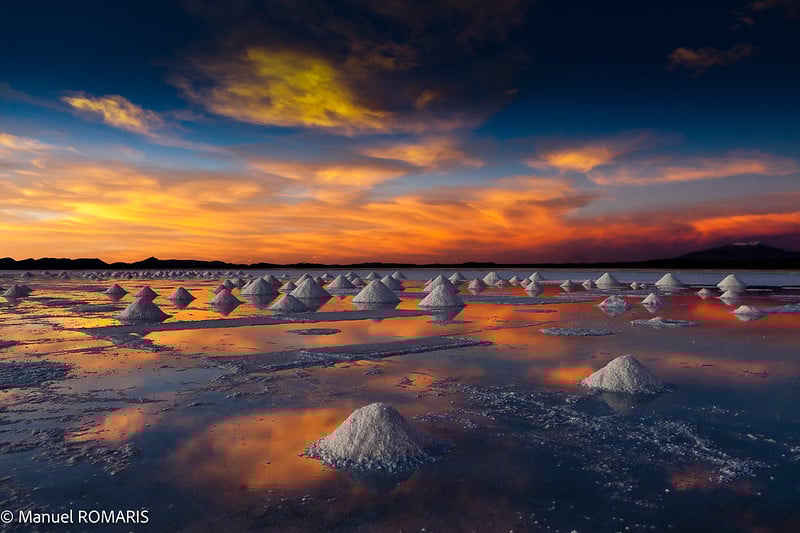
In Bolivia, the world’s largest salt flat stretches further than the eye can see. During the rainy season it turns into a flawless mirror, reflecting clouds and sky so perfectly that horizon lines vanish. A drive across it feels like floating in the heavens. And yes, your shoes will crust with salt.
Paricutin Volcano
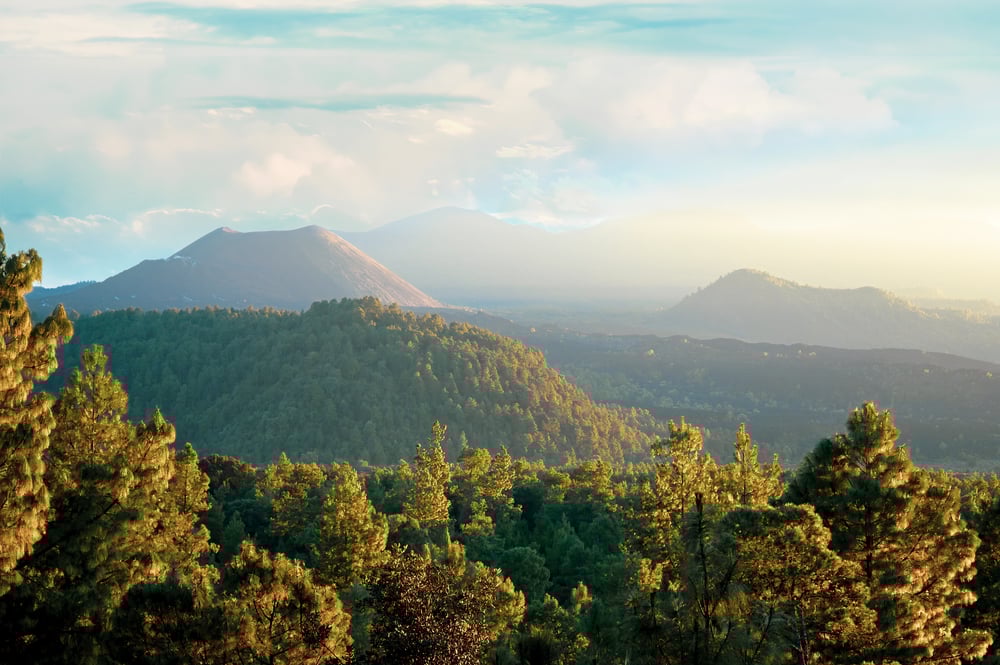
In 1943, a farmer in Mexico watched as a fissure opened in his cornfield. Within a year, the volcano had grown over 1,000 feet high. Villages were buried under lava, churches left with only towers poking above the stone. Today it stands as one of the few volcanoes born and witnessed by humans.
The Door to Hell
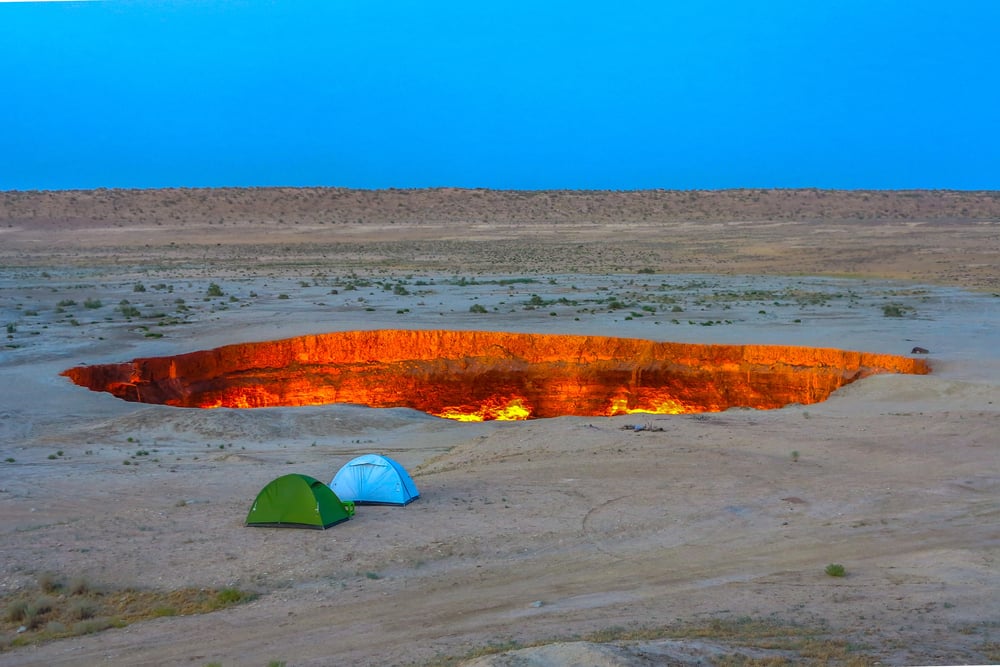
In Turkmenistan, a collapsed gas crater has been burning nonstop since 1971. Locals call it the “Door to Hell,” and from the edge, one sees nothing but orange flames licking at black rock. At night the glow is visible for miles, flickering like an otherworldly campfire.
The Rock of Gibraltar
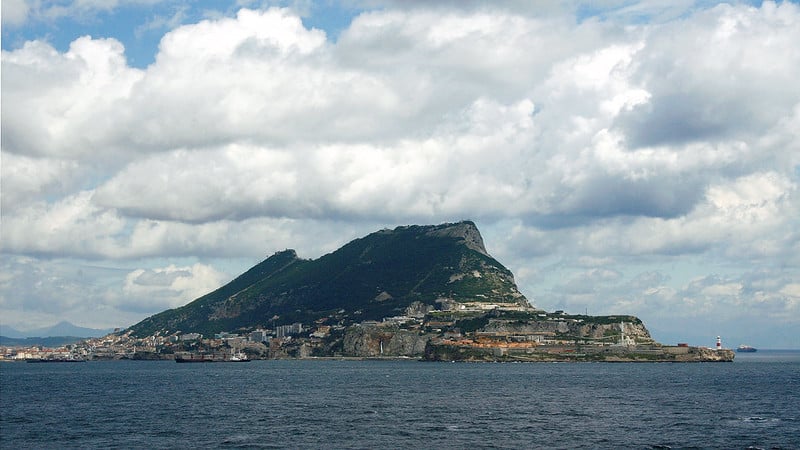
At the southern tip of Spain, a massive limestone monolith juts out into the sea. Home to a network of tunnels and Europe’s only wild monkey population, it’s both a fortress and a natural wonder. From the top, Africa feels close enough to touch on a clear day.
The Bermuda Triangle
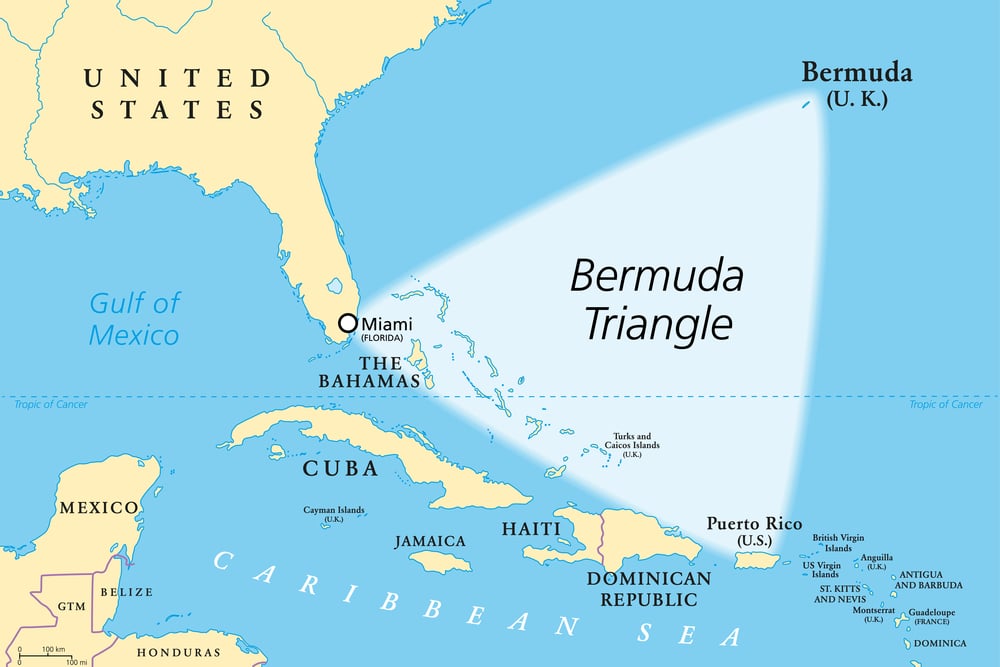
A region in the western Atlantic is tied to countless tales of vanishing ships and aircraft. While most disappearances have logical explanations — storms, human error, methane gas — the legend persists. The triangle between Miami, Bermuda, and Puerto Rico is still whispered about with mystery.
A Patchwork of Oddities
The world doesn’t always play by its own rules. Islands float, borders twist, lakes glow pink, and volcanoes rise from farmland overnight. Geography, at its strangest, proves that Earth is both artist and trickster — constantly reminding us that logic isn’t always the guiding hand.
More from Go2Tutors!

- 16 Historical Figures Who Were Nothing Like You Think
- 12 Things Sold in the 80s That Are Now Illegal
- 15 VHS Tapes That Could Be Worth Thousands
- 17 Historical “What Ifs” That Would Have Changed Everything
- 18 TV Shows That Vanished Without a Finale
Like Go2Tutors’s content? Follow us on MSN.



