17 Fragrance Secrets Perfumers Know
The world of perfumery might seem full of artistry and mystery, but behind every memorable scent lies a wealth of technical expertise and insider knowledge. Professional perfumers spend years honing skills that most fragrance fans never encounter, from understanding how skin chemistry affects scent projection to knowing which ingredients create the longest-lasting impressions.
These experts possess deep insights into fragrance chemistry, blending proportions, and application methods that can completely change how you experience and wear perfume. Here are 17 secrets perfumers use to craft the unforgettable scents we cherish.
Temperature affects everything about your fragrance
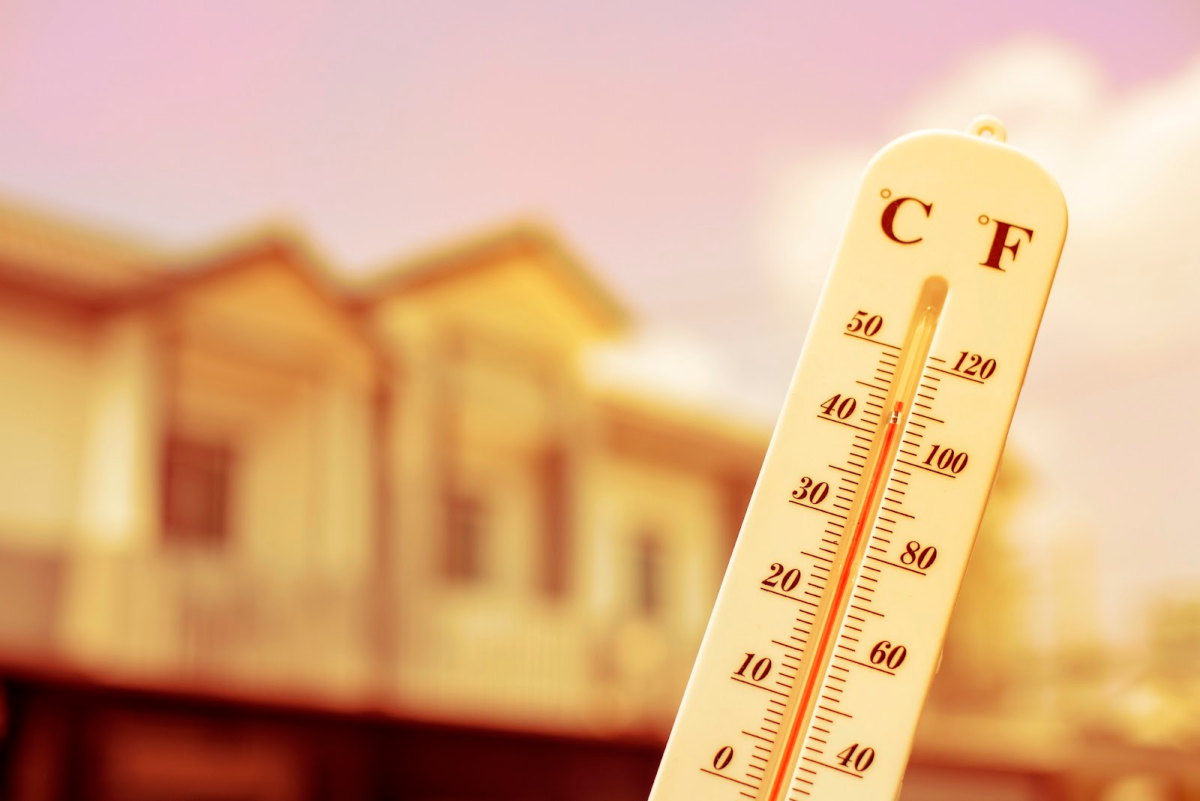
Your body temperature has a direct impact on how a fragrance evolves and projects during the day. Warmer skin tends to amplify certain notes, while cooler skin holds onto base notes longer.
This is why the same perfume can smell quite different from person to person. Perfumers often advise testing scents in different weather conditions before making a choice.
The 20-minute rule determines true scent character

Perfumers never make a final judgment on a fragrance within the first few minutes after applying it. The alcohol evaporation initially masks the true scent.
After about 20 minutes, when the top notes fade and the heart notes begin to emerge, the perfume’s real personality reveals itself. This waiting period shows whether a scent harmonizes with your skin chemistry or clashes unexpectedly.
Layering happens in triangles, not lines

Rather than spraying fragrance in a straight line across pulse points, master perfumers use triangular patterns to improve scent distribution. They apply fragrance between pulse points such as wrists and neck, or behind the ears and the chest.
This geometric method promotes more balanced projection and prevents the scent from concentrating too heavily in one spot.
Skin type changes everything about longevity

Oily skin tends to retain fragrance longer because the oils trap and slowly release scent molecules throughout the day. Dry skin absorbs fragrance quickly but doesn’t hold it as long—like a sponge soaking water but letting it evaporate fast.
Perfumers often suggest different application techniques depending on skin type. For dry skin, applying unscented moisturizer first can help; oily skin types might benefit from using less fragrance.
The nose gets tired after three sniffs

Perfumers are aware of olfactory fatigue and avoid testing more than three fragrances in one sitting. After sniffing several scents, the nose loses sensitivity to subtle differences.
Coffee beans are used not as a myth, but because their familiar neutral aroma helps reset the olfactory palate. It’s a smart and practical trick.
Fragrance concentration numbers are marketing, not guarantees

The concentration percentages on perfume bottles—like 15% for Eau de Parfum—are industry averages rather than exact measurements for each fragrance. An Eau de Toilette with 12% concentration might last longer than a 15% Eau de Parfum if it contains longer-lasting base ingredients.
Ingredient quality and type matter far more than the number on the label.
Storage location affects fragrance lifespan more than age

Light exposure and temperature changes degrade fragrance molecules faster than time does. Perfumers keep their creations in cool, dark, and temperature-stable environments.
Even brief sunlight can permanently alter a scent’s chemical makeup. Bathroom cabinets aren’t ideal due to humidity and heat fluctuations; bedroom drawers or closets work better to preserve fragrances.
Pulse points aren’t just about warmth
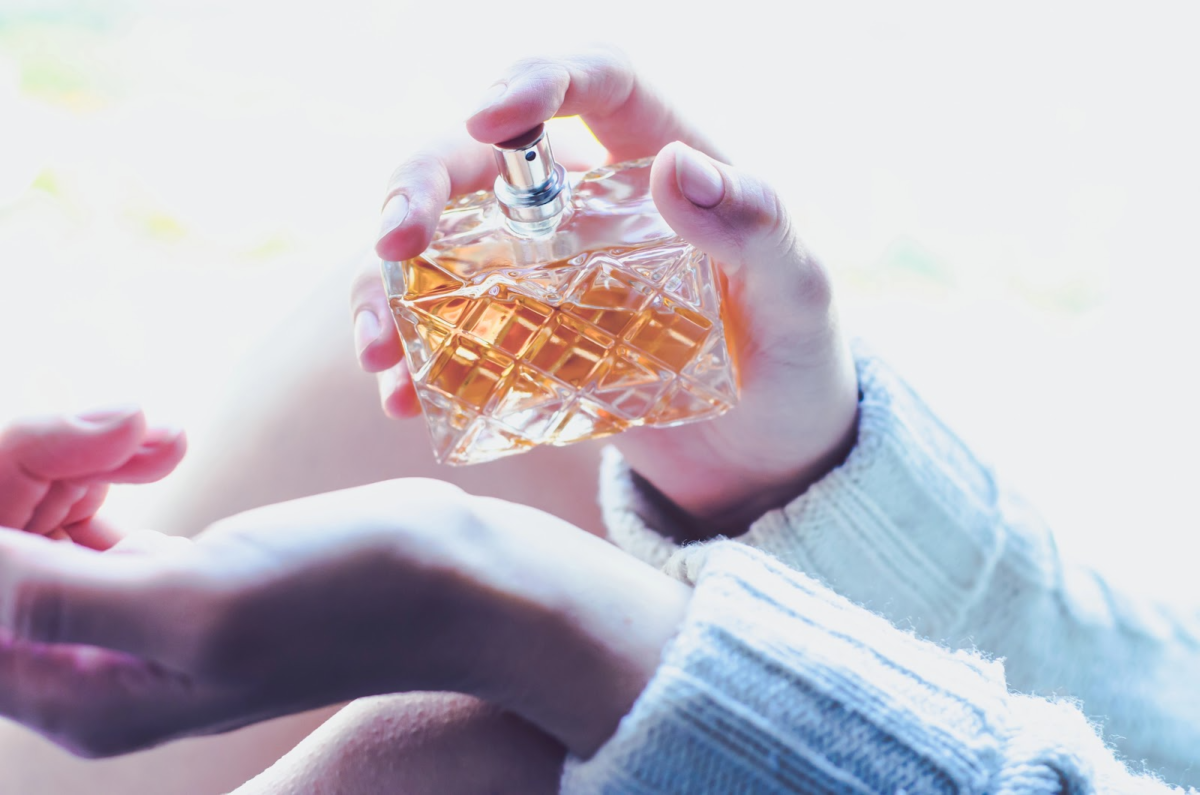
Pulse points are warmer and aid projection, but perfumers select specific areas for strategic reasons beyond temperature. Behind the ears releases scent when you move your head; wrists create scent trails when you gesture; and the chest forms an intimate scent bubble.
Each location enhances different aspects of the fragrance experience.
Fragrance interacts with fabric differently than skin

Fabrics hold certain fragrance notes longer while allowing others to evaporate faster, resulting in a different scent profile compared to skin application. Natural fibers like cotton and wool absorb and retain scent differently than synthetics.
Some perfumers design fragrances specifically to work well on clothing, where fabric application can extend wear time and create a softer, subtler scent that follows you gently rather than announcing itself boldly.
The pyramid is just the beginning of complexity
The familiar top, middle, and base note structure is a simplified view of how fragrances develop. Professional perfumers work with dozens of evaporation rates and molecular weights to craft smooth transitions and unexpected blends.
A single fragrance can contain ingredients peaking at seven different time intervals—far more complex than the classic three-tier pyramid suggests.
Weather prediction changes application strategy

Humidity influences how fragrance molecules move through the air, while barometric pressure affects scent projection from the skin. High humidity can make perfumes seem stronger and more intense, prompting lighter application on muggy days.
Cold, dry air requires more generous application because scent molecules move slower and project less in chilly conditions.
Ingredient quality varies wildly within the same note
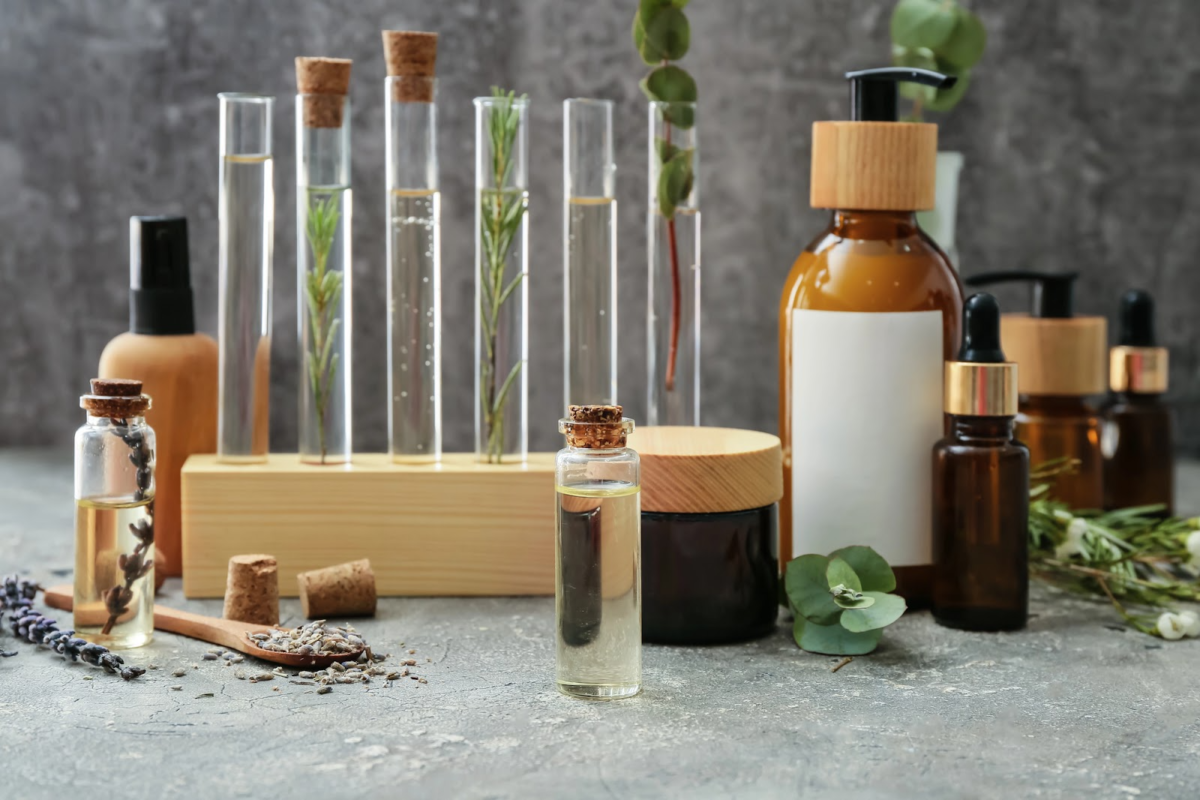
Not all rose oils are equal—perfumers differentiate between Bulgarian rose, Damask rose, and synthetic rose compounds, each lending unique facets and longevity. A cheap vanilla extract smells flat compared to high-quality Madagascar vanilla, which offers complex, creamy richness.
This variation explains why some fragrances smell layered and rich, while others feel flat or artificial despite containing the same named notes.
Blending ratios follow mathematical principles
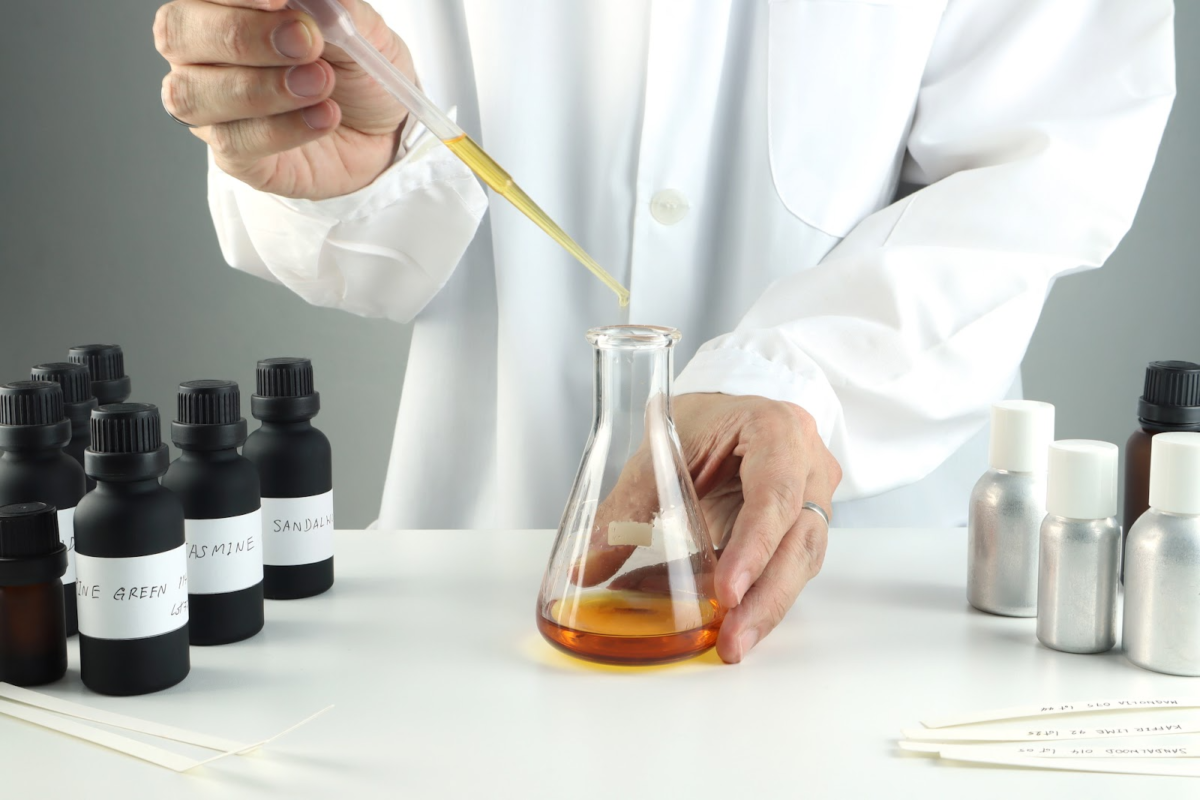
Master perfumers often rely on mathematical ratios—like the golden ratio—to combine ingredients harmoniously. For example, a 3:2:1 ratio might be used between heart notes, base notes, and accents.
These proportions help ensure no single ingredient overwhelms the scent, allowing it to develop smoothly over time—like a symphony where each instrument enters at just the right moment.
Maceration time determines final quality
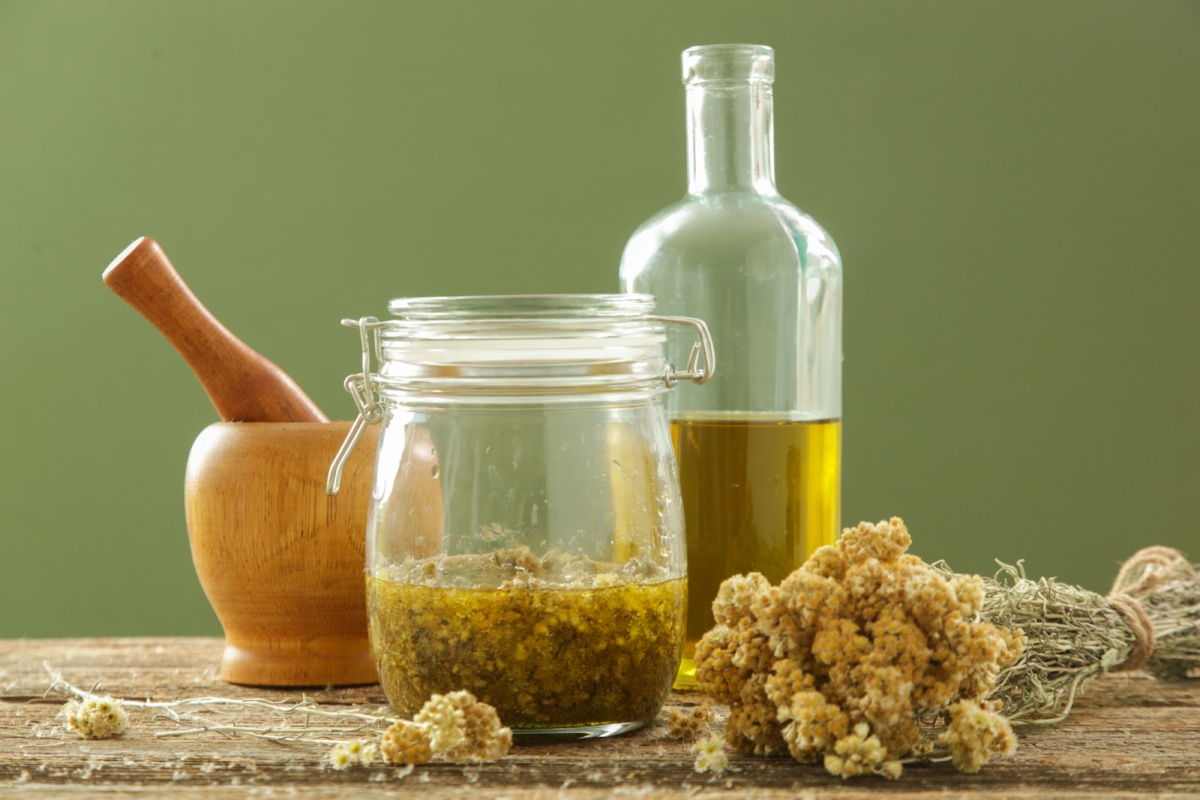
After blending, perfumes are left to “marry” for weeks or months. Chemical reactions continue during this aging process, helping ingredients integrate fully.
Some components develop new qualities through interaction with others. This maceration period often distinguishes professional-quality fragrances from amateur attempts—patience is essential.
Testing strips lie about longevity
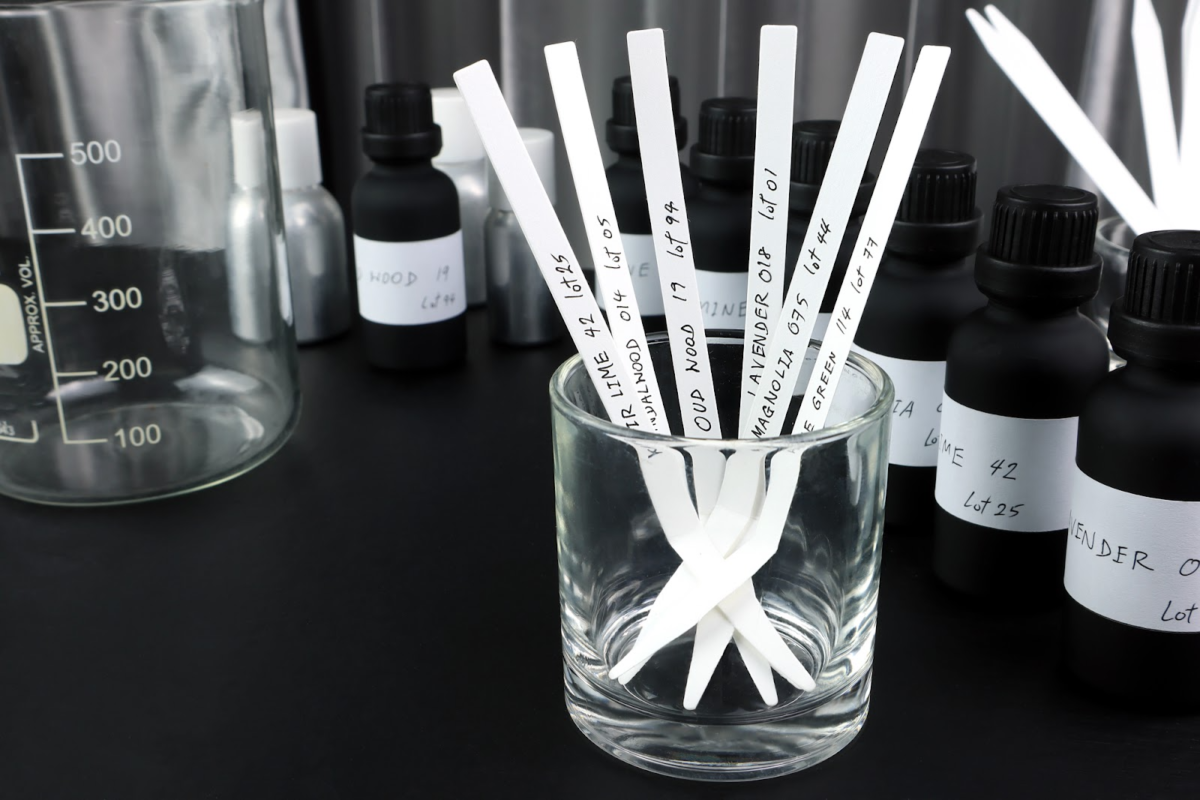
Paper testing strips absorb fragrance differently than skin and don’t reflect body chemistry, temperature, or natural oils. While perfumers use strips to evaluate initial composition, they always test on actual skin before finalizing formulas.
A fragrance’s behavior on paper can differ greatly from how it performs on skin, especially in terms of lasting power and projection—like judging a song from sheet music instead of listening to it.
Seasonal reformulation happens more than you think
Many popular fragrances are subtly reformulated between batches, due to ingredient availability or regulatory changes. Perfumers might swap one type of sandalwood for another or tweak synthetics when natural materials become scarce.
These adjustments are rarely announced, which explains why some scents vary slightly from bottle to bottle or year to year.
Application timing affects scent development

Applying fragrance to clean, slightly damp skin helps lock in scent molecules and improves longevity. Perfumers recommend spritzing immediately after showering when skin is warm and moist.
This timing allows the fragrance to bond better with your natural oils before they return to normal levels.
The science behind the art

Modern perfumers combine centuries-old craft with advances in molecular chemistry and olfactory science. They understand how specific molecules trigger emotional responses and how scent memories differ between people.
This transforms perfumery from simple mixing into a refined art form that balances psychology, chemistry, and personal taste. When you encounter a fragrance that perfectly captures a mood or memory, you’re experiencing the result of these closely guarded professional secrets in action.
More from Go2Tutors!

- The Romanov Crown Jewels and Their Tragic Fate
- 13 Historical Mysteries That Science Still Can’t Solve
- Famous Hoaxes That Fooled the World for Years
- 15 Child Stars with Tragic Adult Lives
- 16 Famous Jewelry Pieces in History
Like Go2Tutors’s content? Follow us on MSN.



