27 Famous Last Words Spoken by Historical Figures
There’s something about a person’s final words that refuses to stay buried. They get repeated at dinner tables, quoted in eulogies, printed on motivational posters — and sometimes they’re so strange, so tender, or so unnervingly composed that they say more about a life than any biography could.
Last words are unfair that way. They arrive under impossible conditions, yet somehow they carry the full weight of everything that came before them.
What follows are 27 of the most remarkable final utterances ever recorded — some defiant, some bewildering, some achingly human.
Julius Caesar
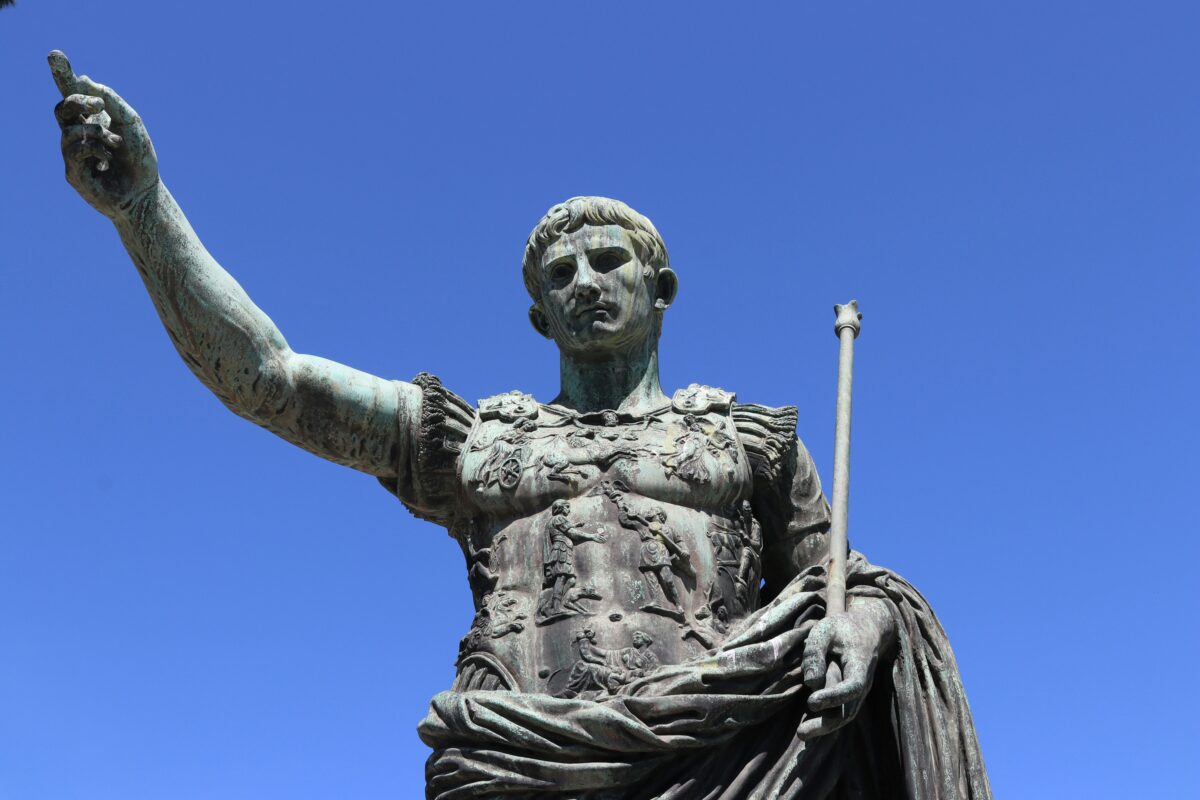
Et tu, Bruté. Three words that have outlasted an empire.
Whether Caesar actually said them is disputed, but Shakespeare made sure no one would ever forget the sentiment. Betrayal distilled into a question no one answered.
Leonardo da Vinci
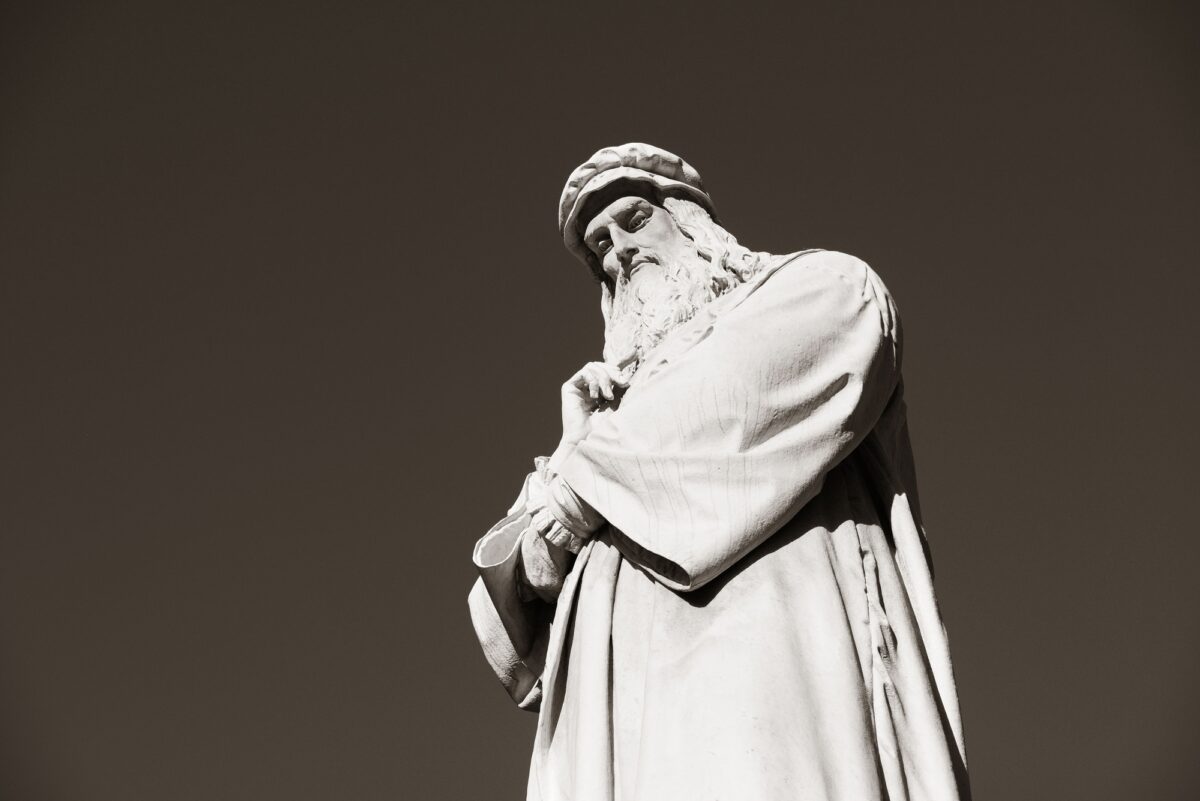
He reportedly told those gathered around him that he had offended God and mankind by not working hard enough, which is — when you stop and consider that this was a man who created the Mona Lisa and designed a functional helicopter five centuries before one was built — either the most extraordinary act of humility ever recorded or a kind of beautiful, stubborn delusion that genius sometimes carries with it into the grave.
So he died apologizing. For not doing enough.
Marie Antoinette
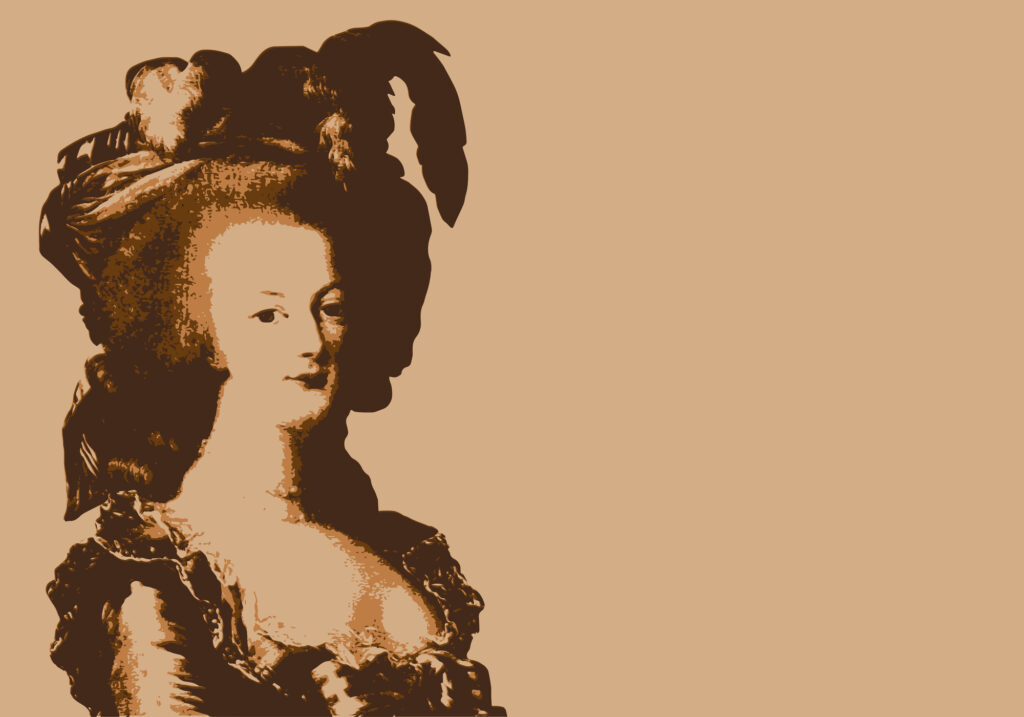
She stepped on her executioner’s foot on the way to the guillotine and said, simply, “Pardon me, sir, I did not do it on purpose.” It’s a line that lands like a stone dropped in still water — spreading outward in every direction, rippling with irony, grace, and something that reads less like politeness than an old reflex, the court manners of Versailles following her right to the end.
There’s a whole portrait of a woman in those fourteen words.
Karl Marx
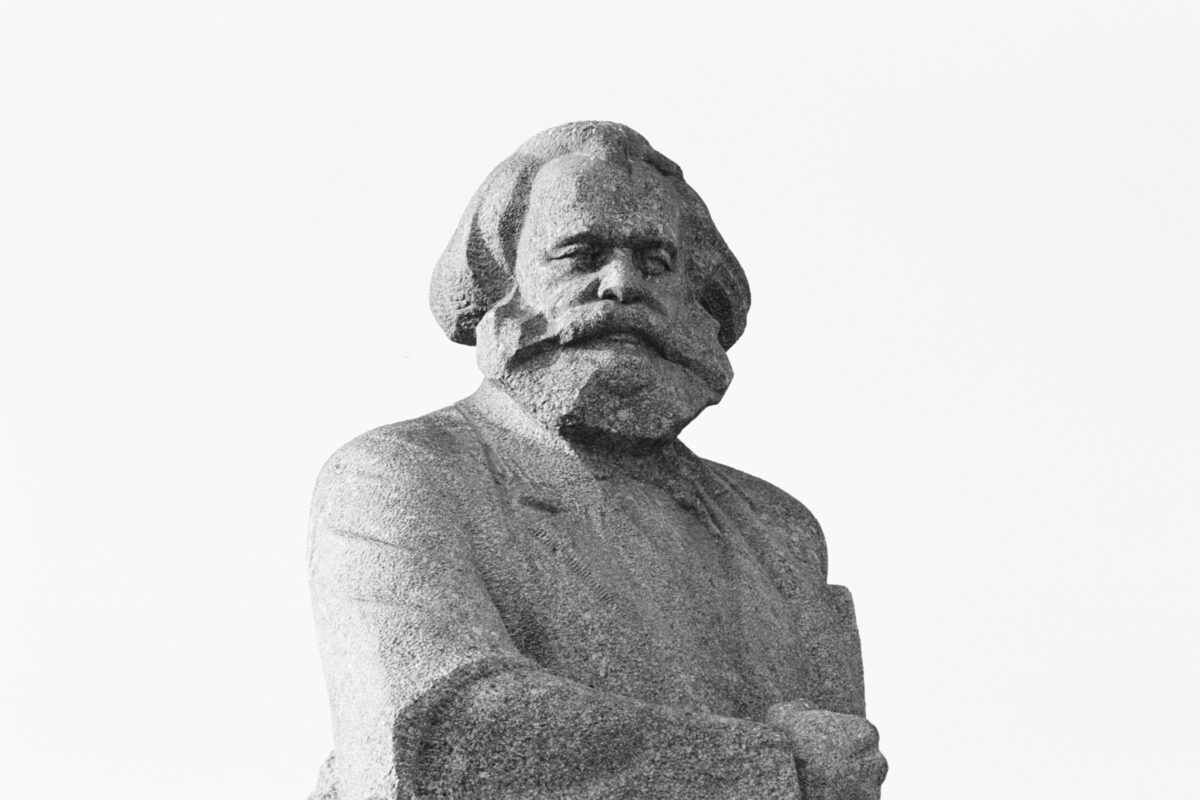
Karl Marx’s last words were reportedly a rebuke to his housekeeper, who asked if he had any final message for the world. He told her that last words were for fools who hadn’t said enough while they were alive.
To be fair, the man had written a few thousand pages, so he had a point.
Pancho Villa
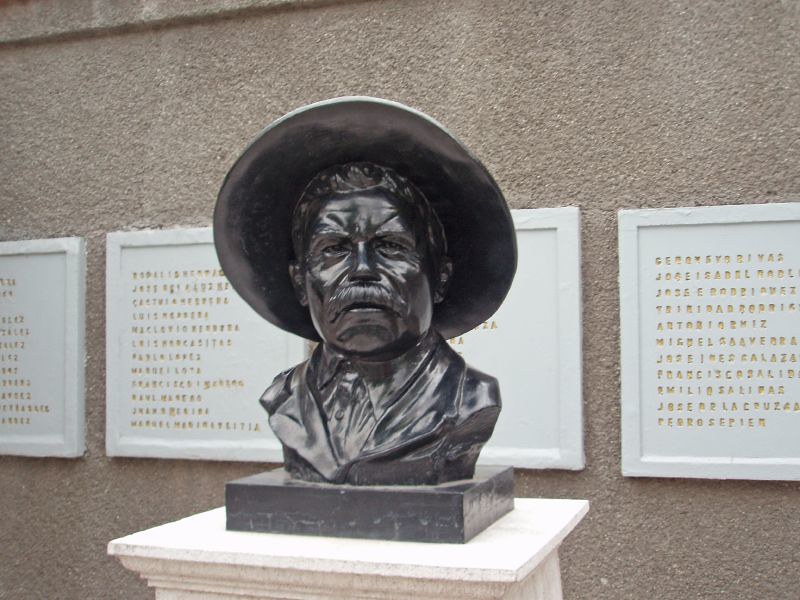
He was shot multiple times and reportedly said, “Don’t let it end like this. Tell them I said something.” He knew exactly what he was asking for.
Last words as a final act of self-invention — even the request was unforgettable.
Thomas Edison
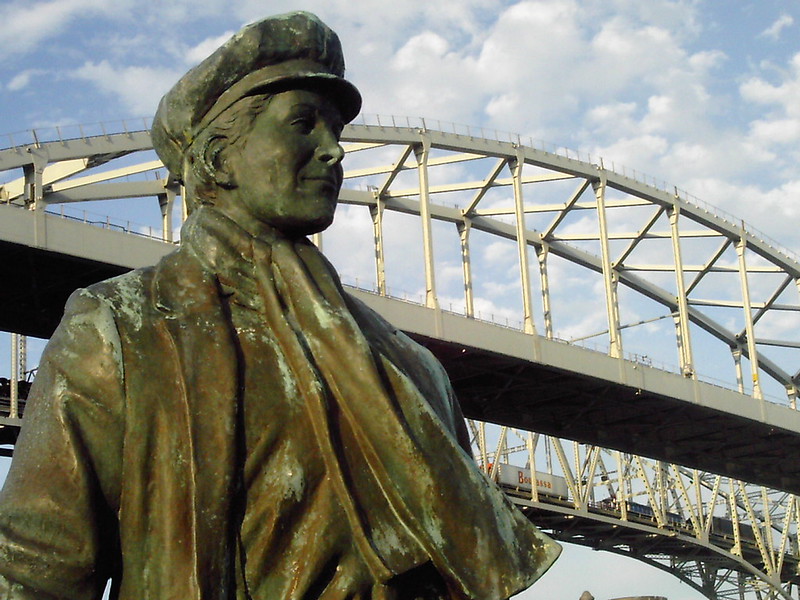
Edison came out of a coma briefly near the end of his life and reportedly looked up, then said: “It is very beautiful over there,” which is — depending on your persuasion — either a dying man glimpsing something genuinely transcendent, or a mind so trained by decades of electrical light and visual invention that it produced one last image before shutting down, and honestly, those two explanations aren’t as different as they first appear.
And then he was gone.
Emily Dickinson
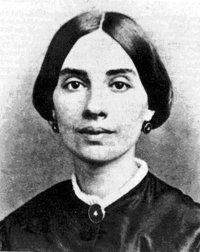
She wrote in a final note, “I must go in, the fog is rising.” It sounds less like a goodbye than a woman pausing at the door to remark on the weather — which is exactly the kind of quiet, oblique beauty that defined her entire body of work.
Death arrived for Emily Dickinson the way it arrives in her poems: sideways, indifferent, dressed in ordinary language.
Winston Churchill
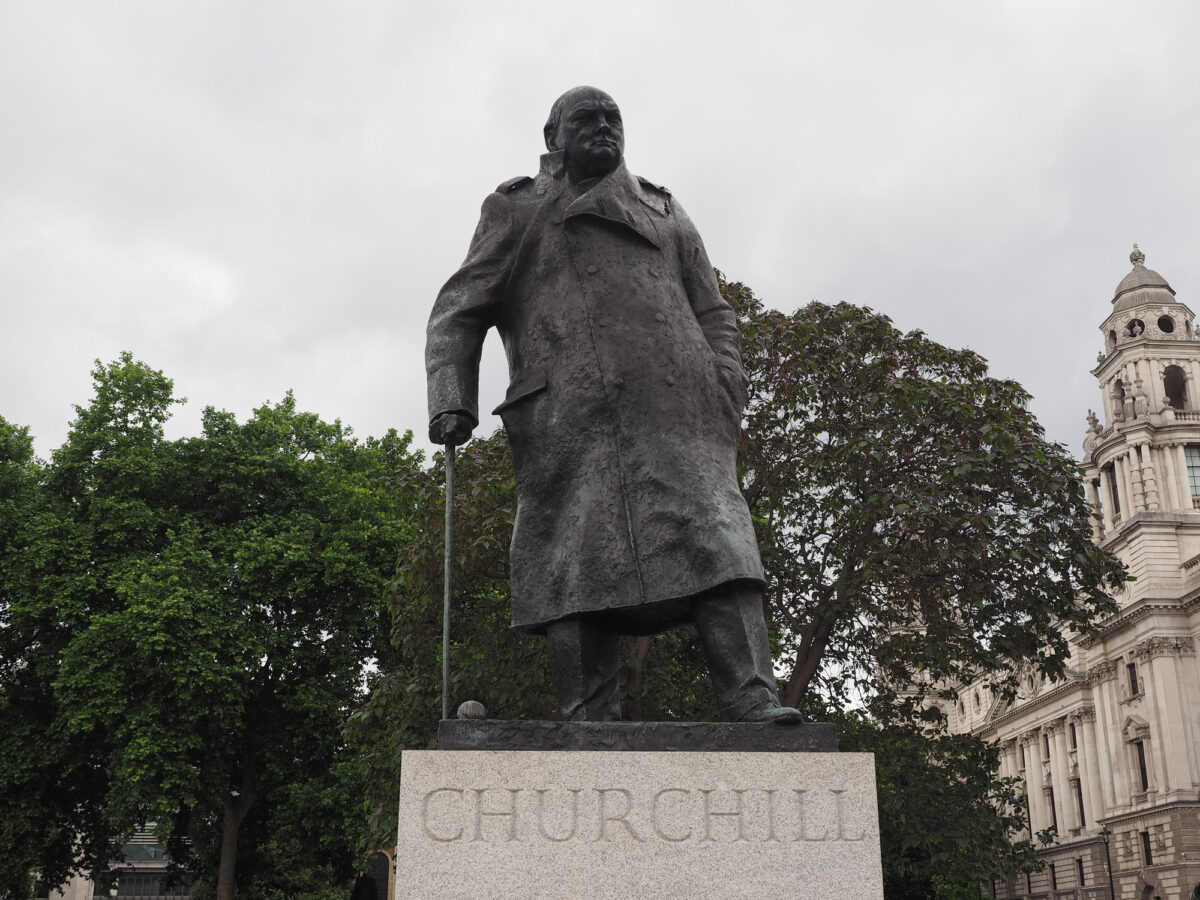
Churchill’s reported last words were: “I’m bored with it all.” This is, genuinely, the most Churchill thing he ever said — which is saying something for a man whose career included surviving a Boer War prison escape, commanding a nation through the Blitz, and winning the Nobel Prize in Literature.
Turns out even history’s most dramatic figures eventually run out of appetite for the performance.
Voltaire
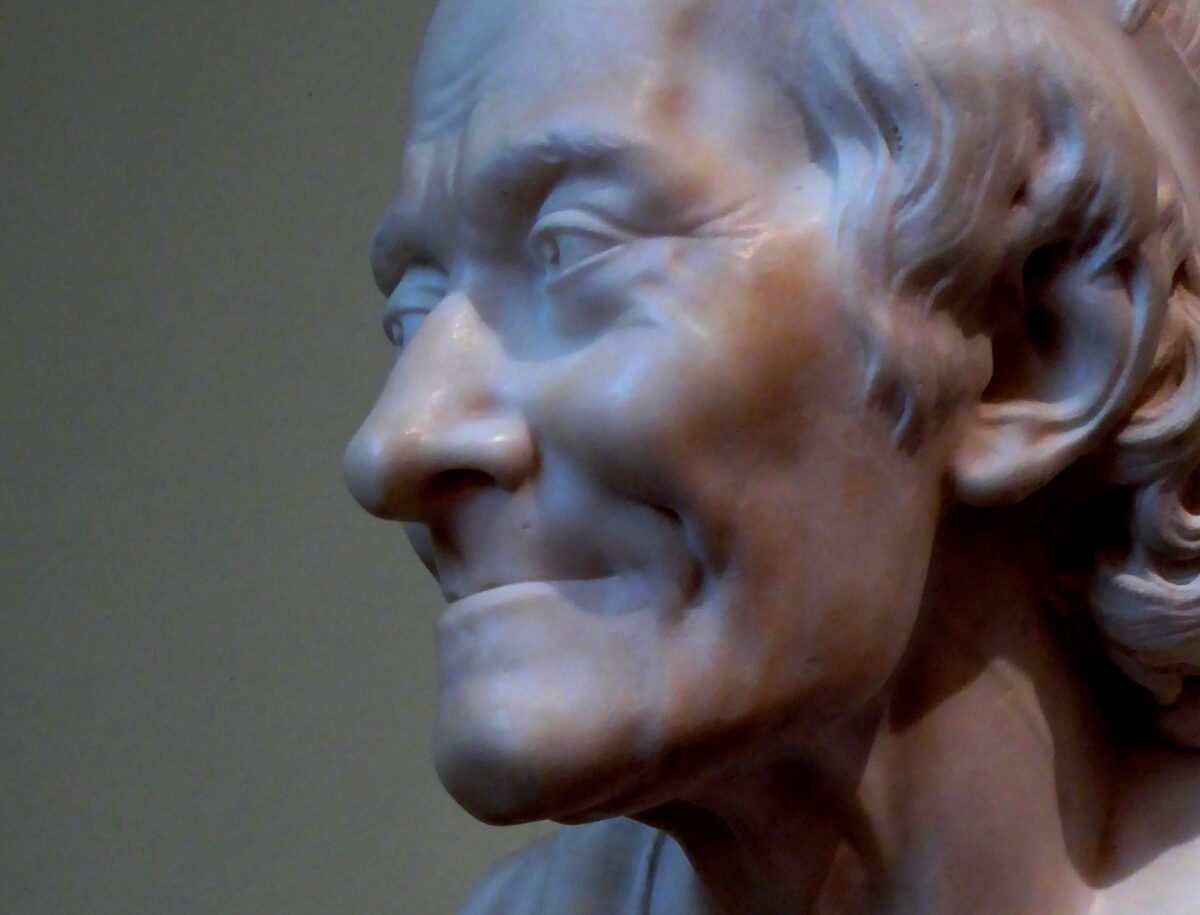
When a priest asked Voltaire on his deathbed to renounce the devil, he reportedly said, “Now, now, my good man, this is no time to be making enemies.” Sharp until the very last breath.
Some people simply can’t help themselves.
Humphrey Bogart
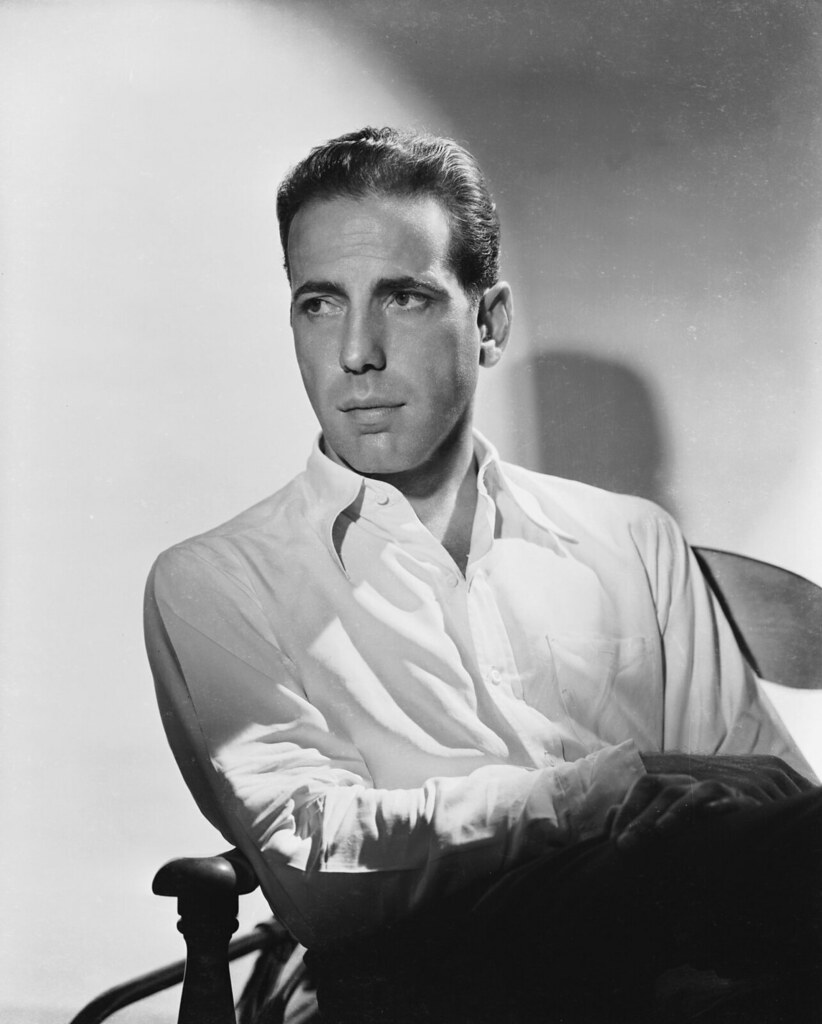
Bogart, who had been slowly dying of esophageal cancer and had watched his Hollywood friends come to visit him one by one, reportedly said: “I should never have switched from Scotch to Martinis,” which — depending on how you read it — is either a man making a joke because jokes were the only armor he ever trusted, or a genuine, stubborn refusal to acknowledge that anything larger than a bad cocktail choice was responsible for where he’d ended up. So he went out like Rick Blaine.
In character to the last.
Nathan Hale
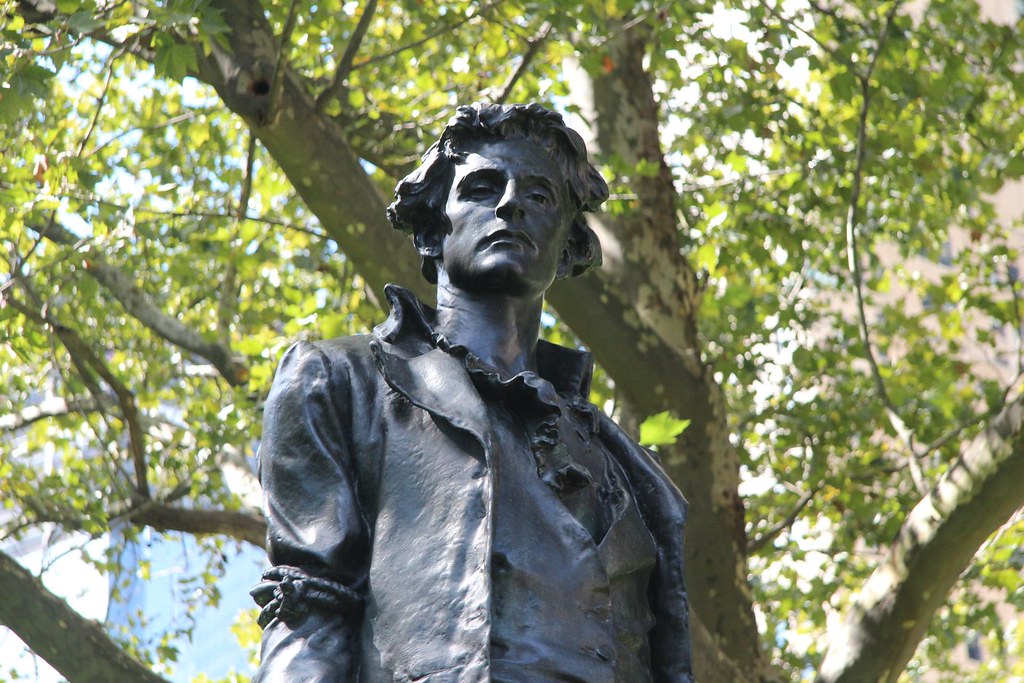
He stood before a British gallows in 1776 and said he only regretted that he had but one life to give for his country. It has the quality of something rehearsed — and maybe it was — but rehearsed conviction is still conviction, and there’s no reading those words without feeling the weight of a twenty-one-year-old who had decided, somewhere before he opened his mouth, that he was already gone.
The sentence carries no plea in it. Just resolve, clean and cold.
Oscar Wilde
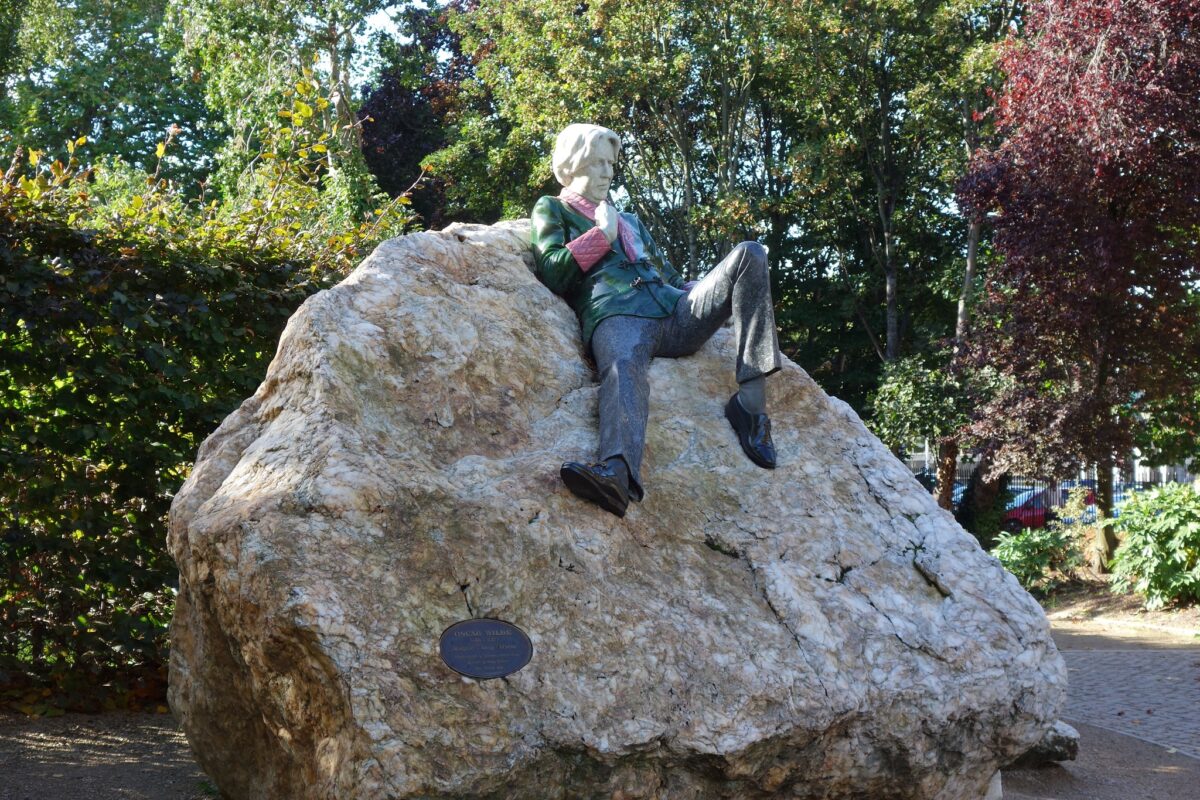
Oscar Wilde reportedly looked at the wallpaper in his Paris hotel room and said, “One of us had to go.” The wallpaper, for the record, lost.
It is almost impossible to verify whether this was genuinely his last utterance or an apocryphal addition — but it’s so perfectly Wilde that the distinction barely matters, which is arguably how he would have wanted it.
Sitting Bull
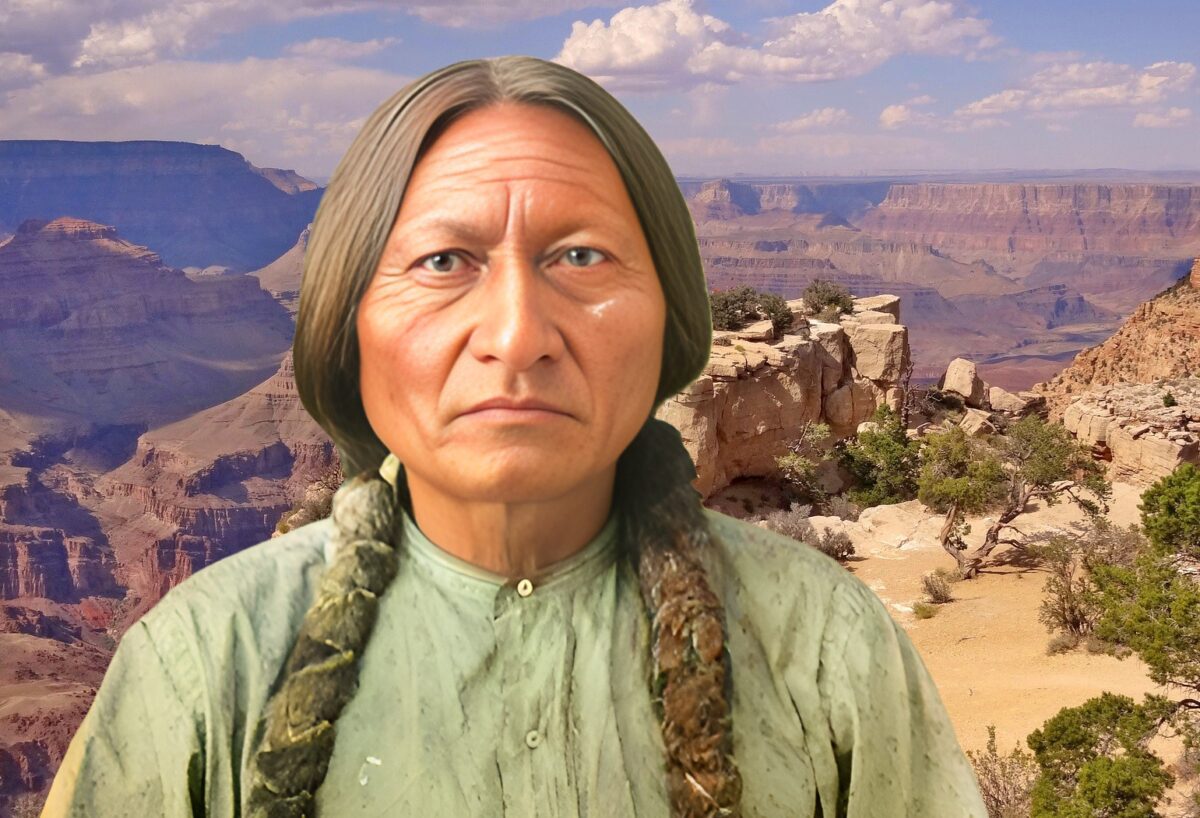
He was shot by Indian agency police in December 1890. His last reported words were spoken to his son: “I am not going. Do with me what you like.”
He did not beg. He stated a position, the way he always had.
Charles Darwin
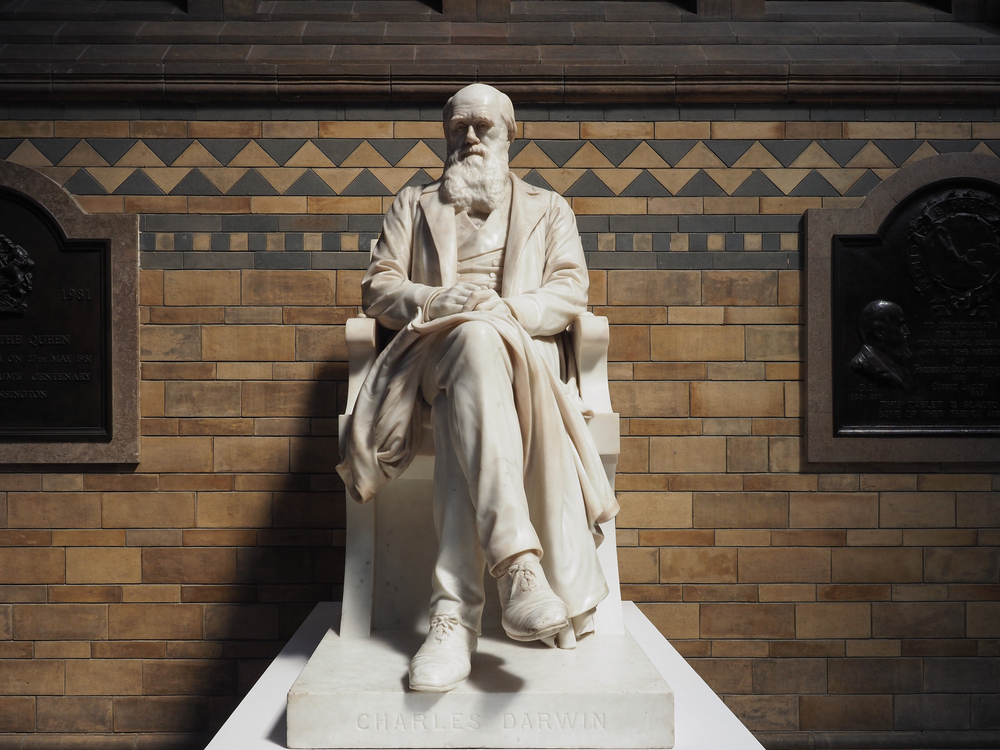
Darwin told his wife and children gathered around him: “I am not the least afraid of death,” and then added, tenderly — almost as a parenthetical to the whole enormous project of his life — “Remember what a good wife you have been to me,” which sits there beside all the finches and the fossils and the sheer geological weight of his intellectual legacy as the most genuinely human thing he ever said, a man stripping everything back to what actually mattered when the notebooks were closed and the hours were nearly done. And that, it turns out, was her.
Joan of Arc
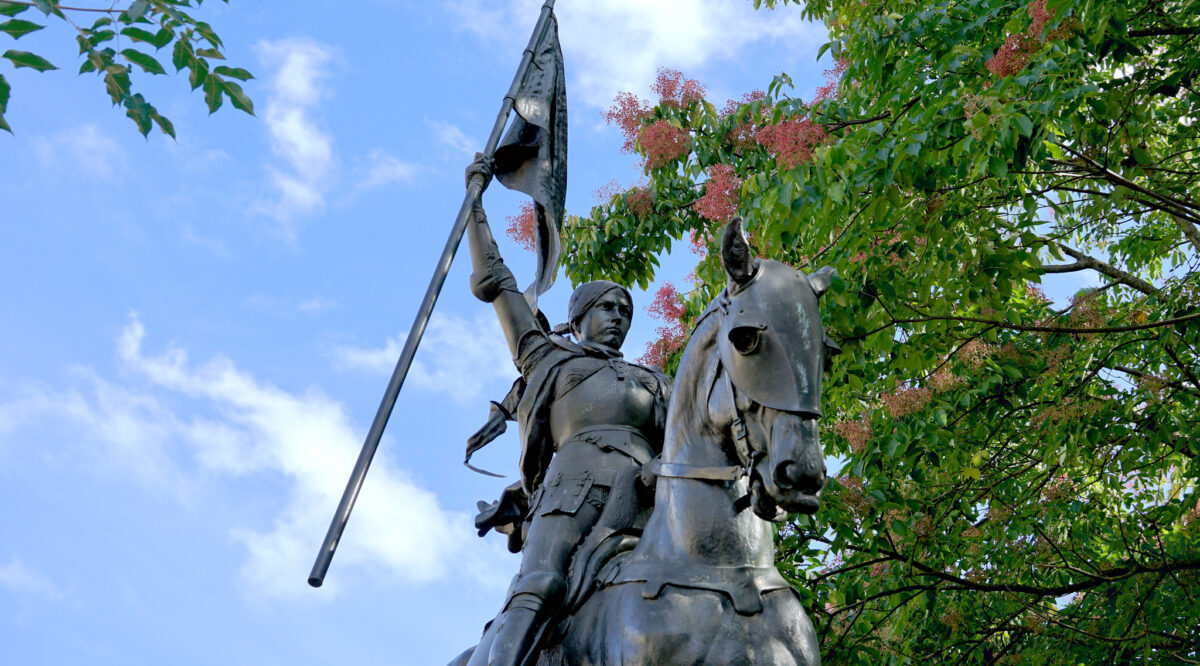
She called out “Jesus” as the flames reached her — a single word, not a speech, not a proclamation, just a name, the way a person reaches for the only familiar thing left in a room that has become unbearable. It’s the sound of a nineteen-year-old girl stripped of everything the myth would later pile back onto her.
Just the name. Just the reaching.
Abraham Lincoln
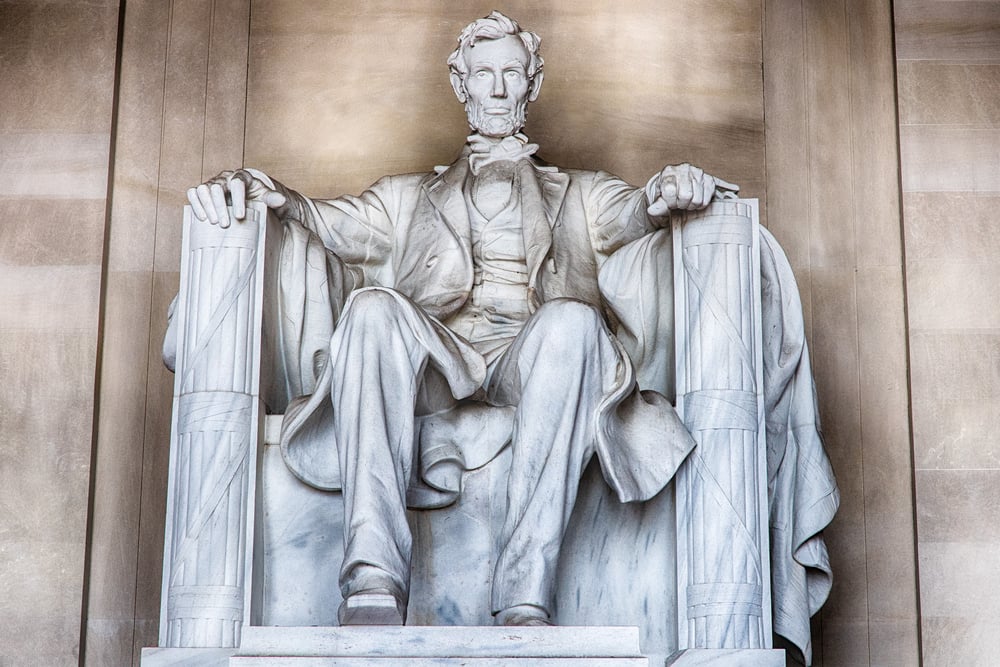
Lincoln’s last recorded words before he was shot at Ford’s Theatre were, “She will not think anything about it,” responding to a companion who worried that others might notice Lincoln holding his wife’s hand in public. He was right that it was nothing to worry about.
He was also, unknowingly, about thirty seconds from the worst night in American history, which is the kind of irony that history seems to collect deliberately.
Nostradamus
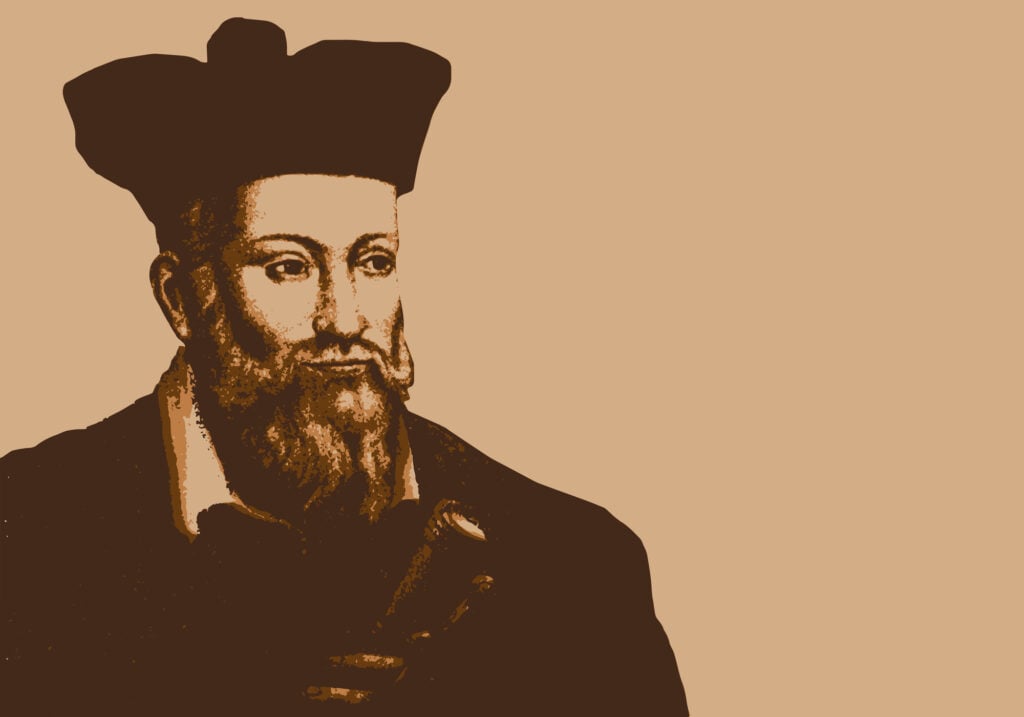
He reportedly told his secretary the night before he died, “You will not find me alive at sunrise.” He was correct.
Whether that counts as prophecy or just a dying man reading his own condition accurately is, honestly, a matter of perspective.
Theodore Roosevelt
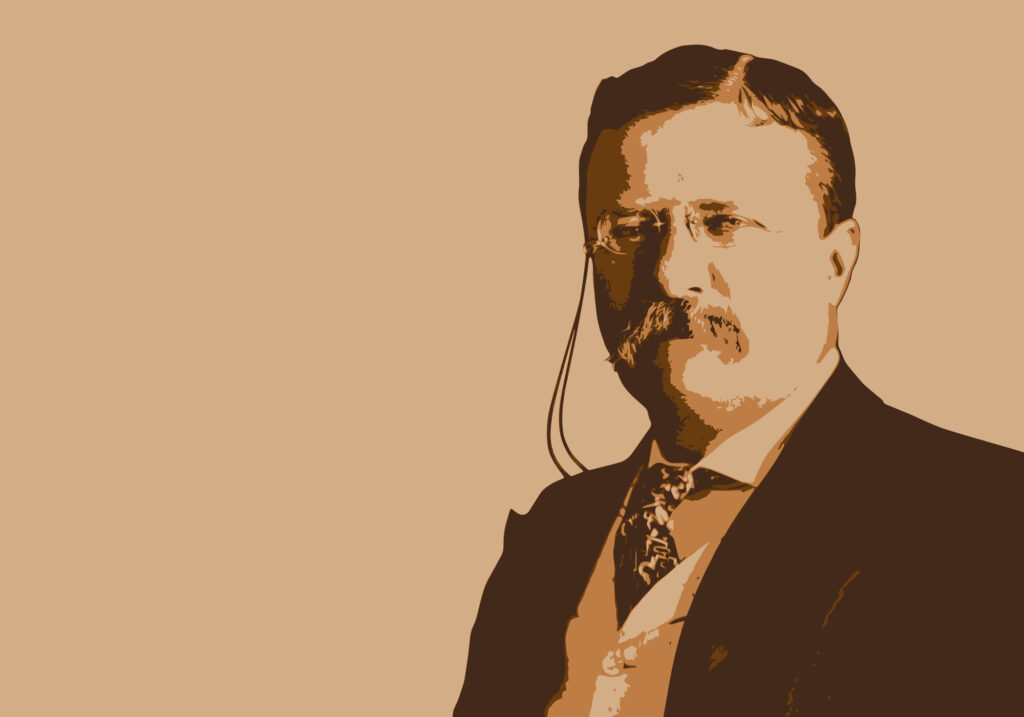
Roosevelt told his valet in the small hours of the morning: “Please put out the light,” which is — for a man who charged up San Juan Hill, hunted lions in Africa, survived an assassination attempt, and served as president of the United States while building the Panama Canal — such a quiet, domestic request that it almost feels like the final line of a very long poem rather than the end of an actual life, the great machinery of a person winding down to one small ask in the dark. So: put out the light.
Socrates
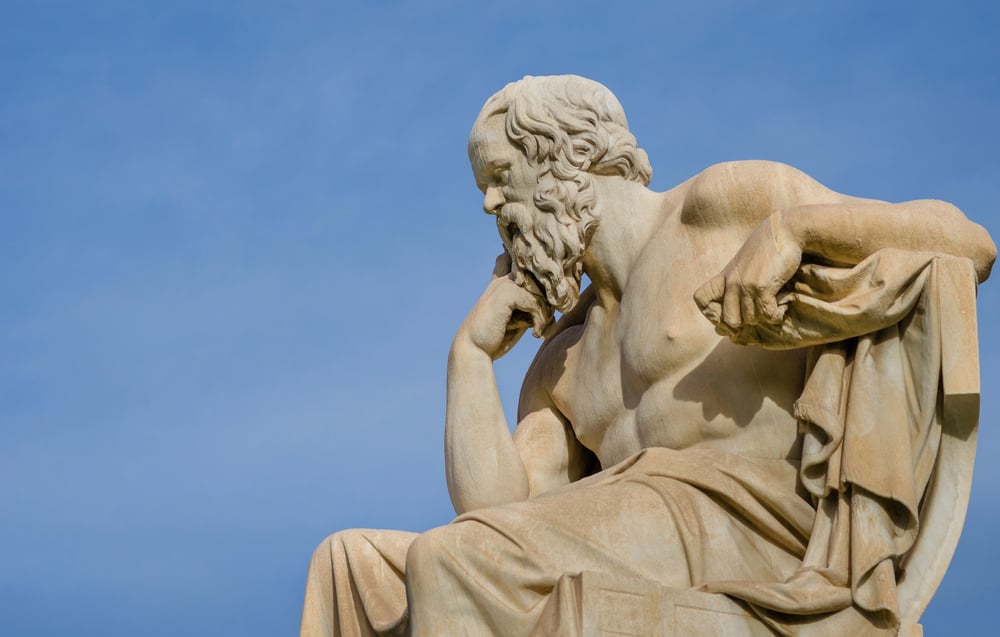
He drank the hemlock without ceremony and then, just before dying, reminded his friend Crito that he owed a debt — a rooster, to Asclepius, the god of healing. It’s a strange parting image: philosophy’s great questioner, who had just been made to drink poison by the city he loved, remembered a small, unpaid obligation.
The gesture has the quality of a man tidying the table before leaving a room he had no intention of returning to.
General John Sedgwick
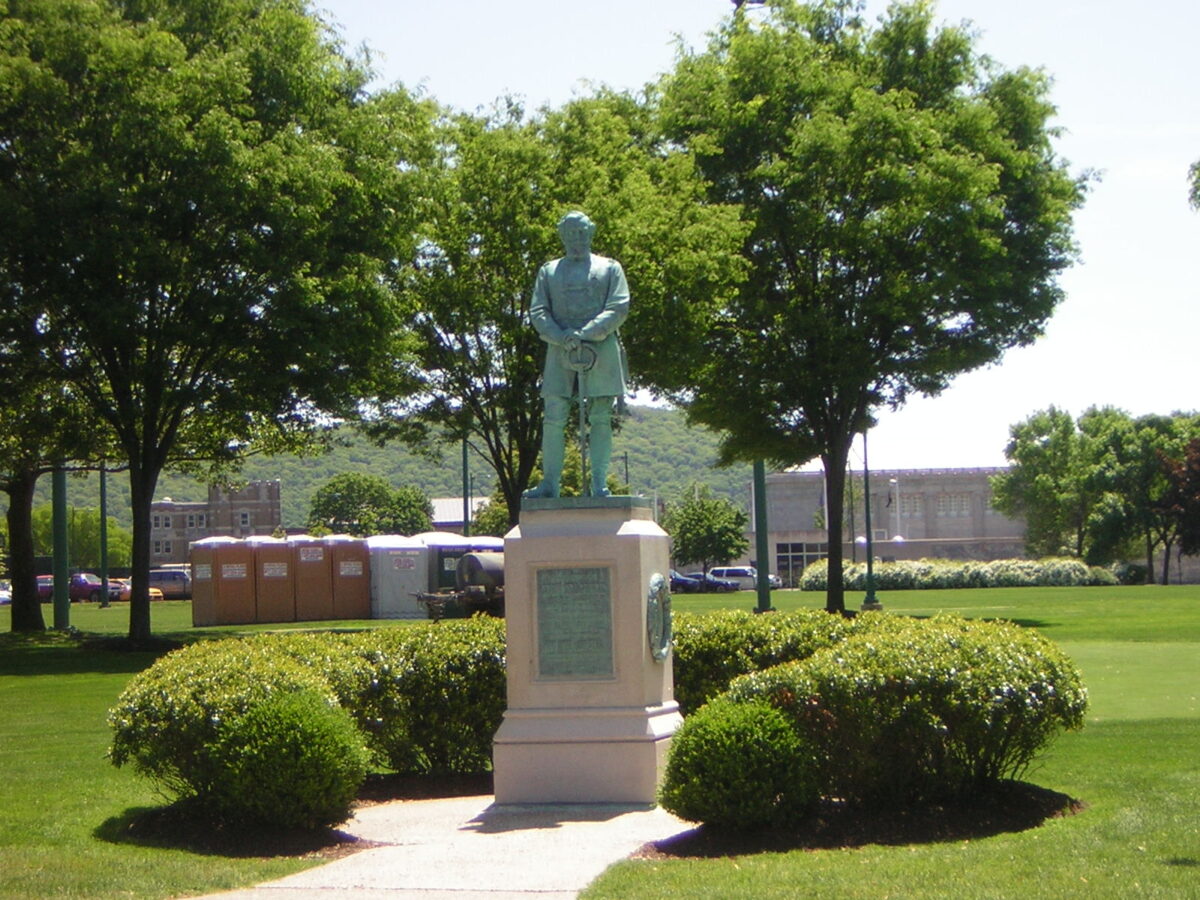
General Sedgwick is remembered almost entirely for his last words, which were: “They couldn’t hit an elephant at this distance,” spoken while dismissing concern about Confederate sharpshooters during the Battle of Spotsylvania. He was shot moments later.
It is, to be blunt, the most catastrophically ill-timed boast in military history — and military history has quite a lot of competition in that category.
Groucho Marx
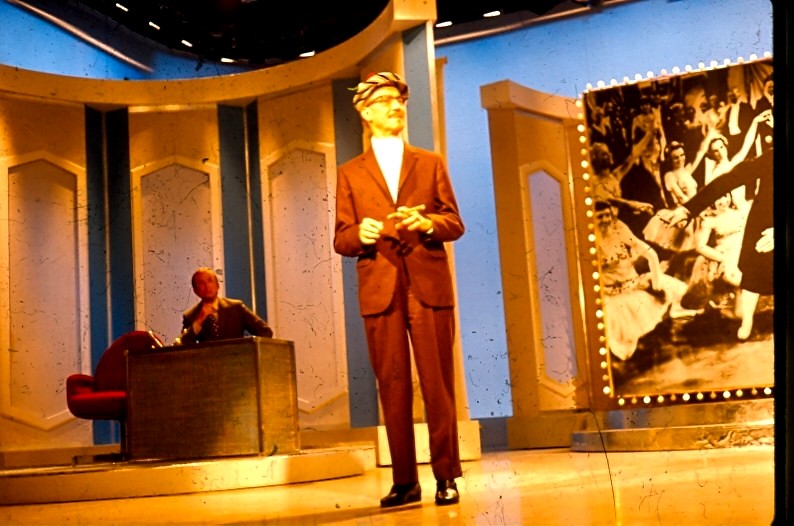
He reportedly said, “This is no way to live.” Brief, dry, and borderline unverifiable — but entirely consistent with a man who spent his life commenting on everything happening around him.
Even the dying was material.
Louisa May Alcott
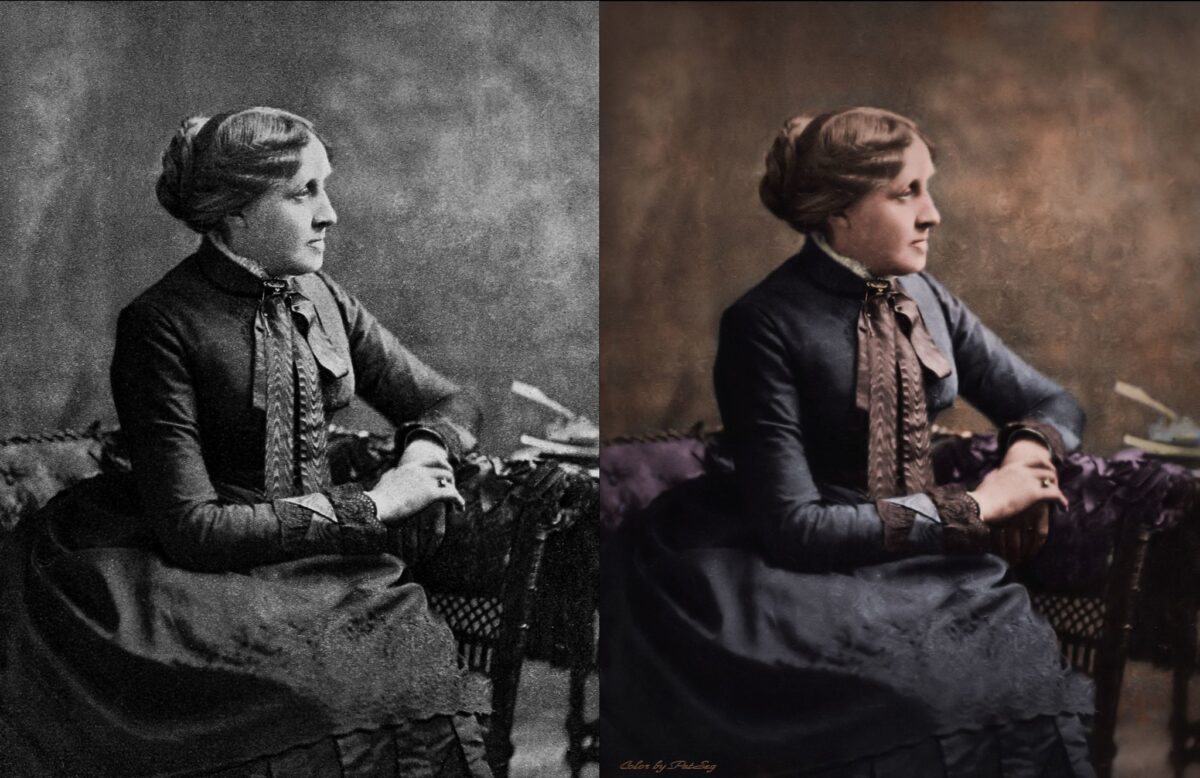
Alcott asked, just before losing consciousness, “Is it not meningitis?” — which seems at first like a clinical question, oddly detached, but was in fact almost certainly the mind of a writer and a careful observer doing what it had always done: trying to name the thing accurately, to put the right word on the right experience, even when the experience in question was her own death, and there’s something in that final attempt at clarity — reaching for the correct diagnosis while the lights were going out — that feels entirely, stubbornly her. So she went out asking a question.
Beethoven
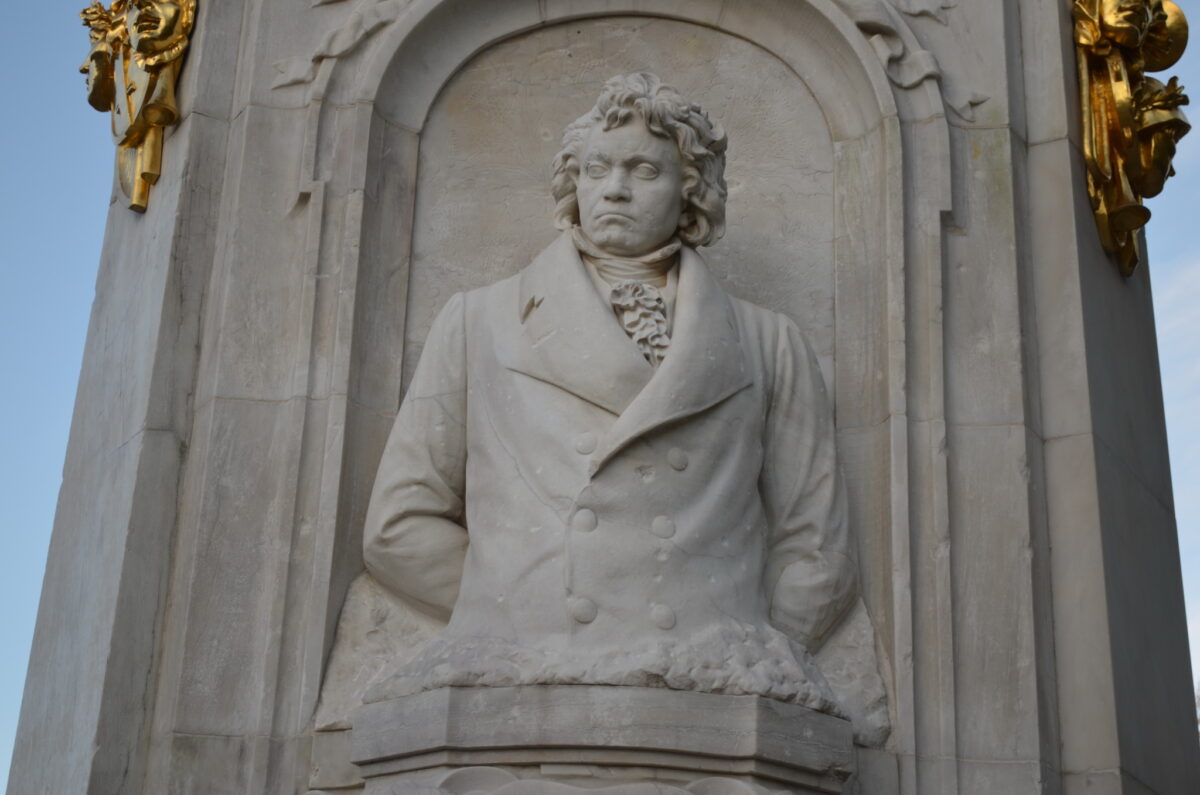
He raised his fist toward the ceiling during a thunderstorm and then let it fall. No recorded words — just the gesture, defiant and theater-sized, a man whose entire life had been conducted at that volume.
Silence followed the fist, and somehow the silence felt earned.
P.T. Barnum
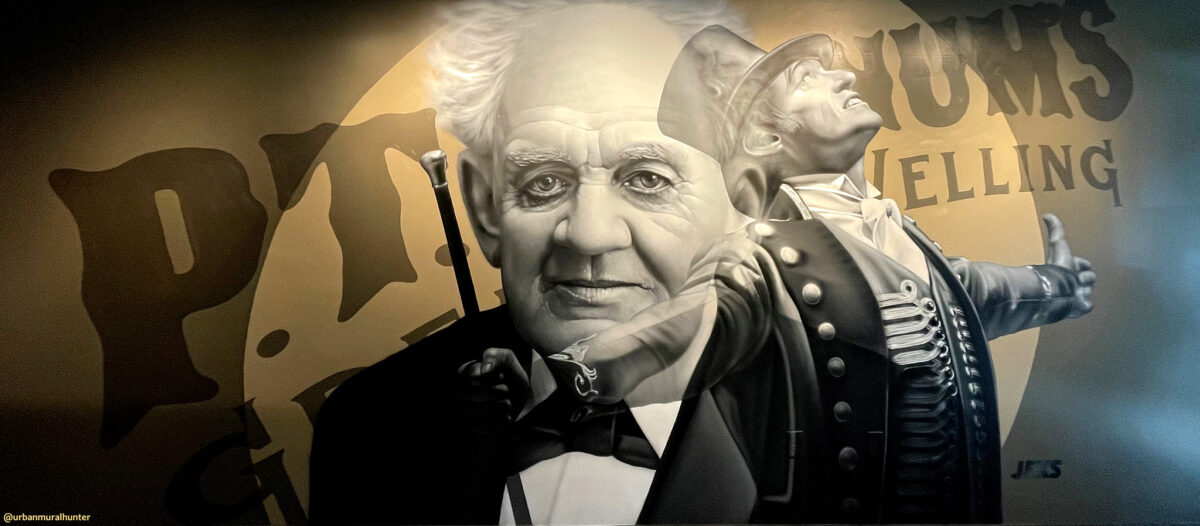
Barnum’s reported last question was: “How were the receipts today at Madison Square Garden?” Even on his deathbed, turns out, the show was still going. There’s something almost admirable about a man so thoroughly himself that he never once broke character — though “admirable” might be doing a little heavy lifting there.
Ulysses S. Grant

He wrote, near the end — he had lost his voice to cancer by then — “I do not sleep though I sometimes doze off a little.” He was racing to finish his memoirs so his family would not be left destitute.
He finished four days before he died.
Heinrich Heine
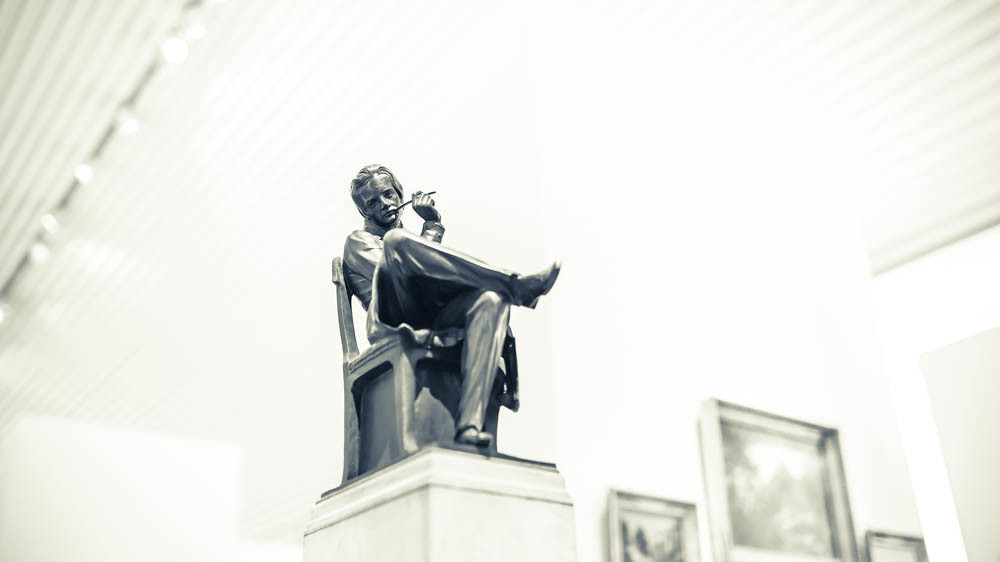
The German poet Heinrich Heine, who had lain paralyzed for years in what he called his “mattress grave,” reportedly said when asked if he had made peace with God: “God will pardon me — it’s his profession,” which manages to be irreverent, theologically sophisticated, and darkly funny all at once, the kind of line that only lands from a man who had spent his life walking the edge between faith and skepticism and had clearly decided, at the very last moment, to leave the question open with a wink rather than an answer. And fair enough.
Queen Elizabeth I
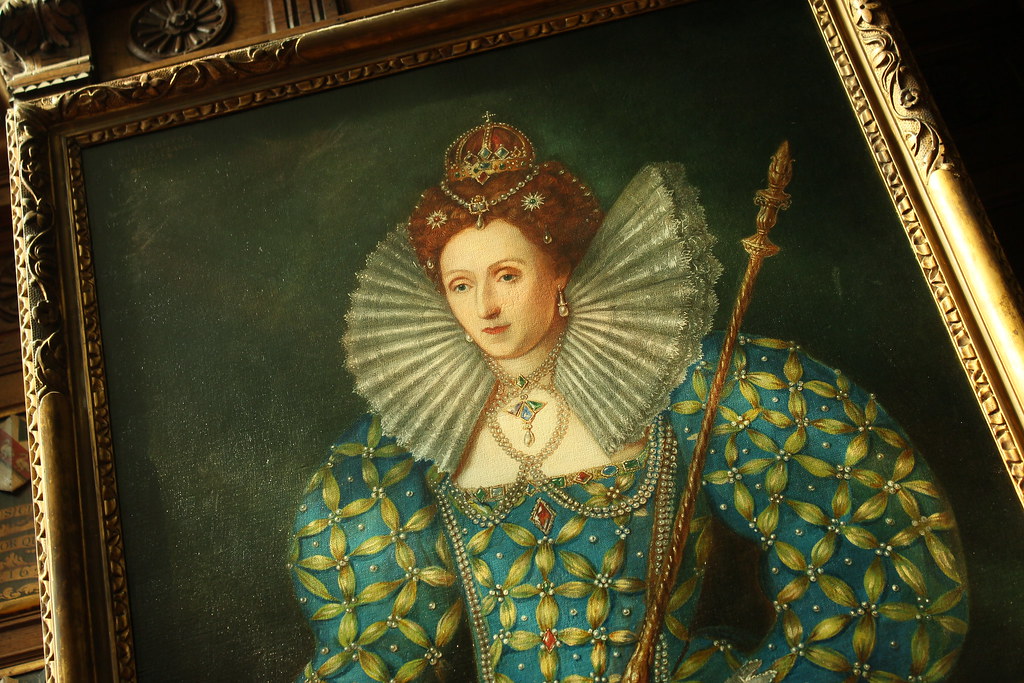
She reportedly said, “All my possessions for a moment of time.” There is something in that sentence that feels less like regret than recognition — a woman who had commanded the most powerful throne in Europe for forty-five years suddenly measuring all of it against one minute more, the way a person stares at the last of something ordinary, like afternoon light, just as it’s leaving the room. The possessions were immense.
The moment was not available.
The Last Echo
There’s a pattern running through almost all of these — not the drama, not the wit, but something quieter underneath. Most people, in their final moments, reach for something small.
A name. A light to be put out. A debt of a single rooster. The grand ones are the exceptions. What stays is the human scale of it: the wallpaper that had to go, the receipts from Madison Square Garden, the fog that was rising.
These words survived because they were real — and they stay with you because they remind you that every life, no matter how enormous, ends with one last ordinary breath.
More from Go2Tutors!

- The Romanov Crown Jewels and Their Tragic Fate
- 13 Historical Mysteries That Science Still Can’t Solve
- Famous Hoaxes That Fooled the World for Years
- 15 Child Stars with Tragic Adult Lives
- 16 Famous Jewelry Pieces in History
Like Go2Tutors’s content? Follow us on MSN.