27 Vinyl Records With Printing Errors That Collectors Pay a Premium For
There’s something stubborn about the collector’s instinct — the refusal to accept that a mistake is just a mistake. Most people see a misprinted label and think “defective.” A serious vinyl collector sees the same thing and starts calculating what it might fetch.
Pressing errors, wrong labels, misattributed track listings, and covers that slipped through quality control before someone caught them — these aren’t embarrassments to be discarded. They’re artifacts.
The record industry ran on human hands and analog processes for decades, and every now and then, those hands slipped. What got pressed, sealed, and shipped before anyone noticed became the rarest version of something that already mattered. Some of these errors are subtle enough that you’d need a magnifying glass and a pressing guide to spot them.
Others are so obviously wrong that it’s almost impossible to imagine how they made it out of the factory. Either way, collectors pay serious money for them — and the stories behind each one are worth knowing.
The Beatles’ “Please Please Me” Misprint Label
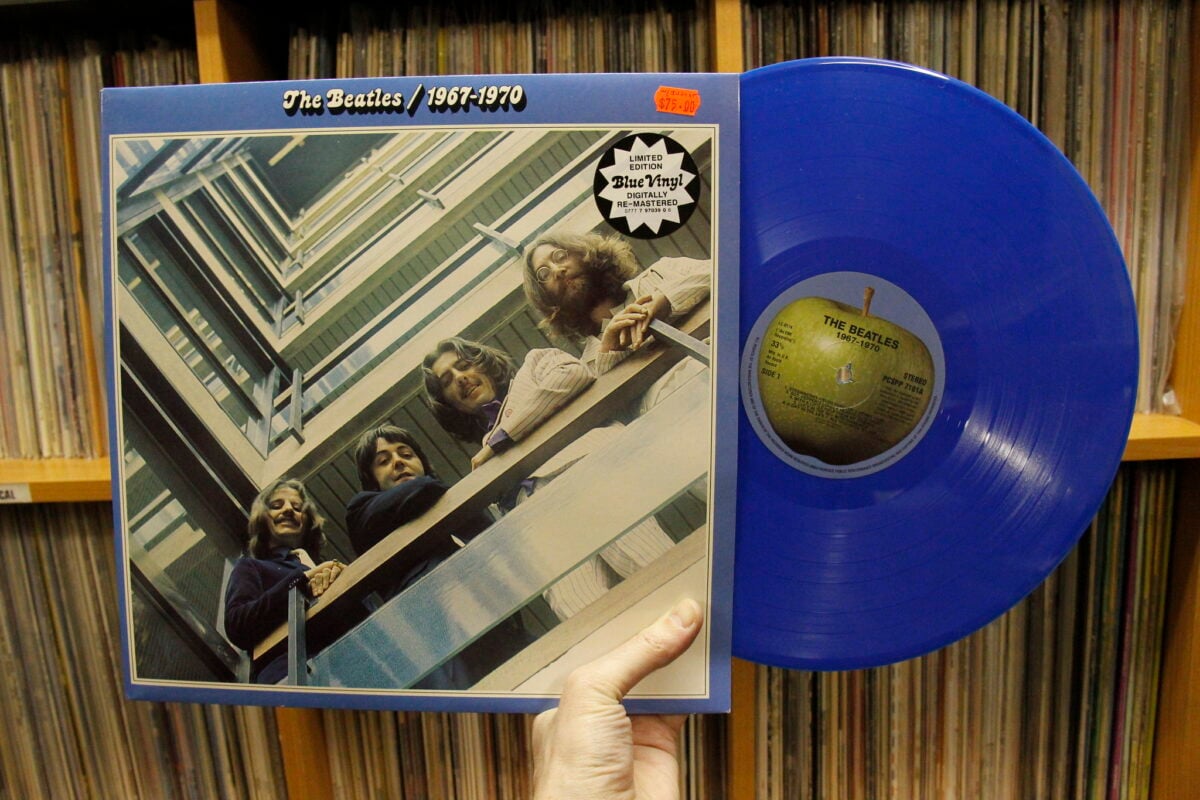
The original UK pressing of Please Please Me on Parlophone came with a label variation that has driven collectors wild for decades. Some early copies carried the wrong publishing credit on “I Saw Her Standing There,” listing the song under a different copyright arrangement than the one that became standard — a small discrepancy that signals an extremely early run.
A copy in excellent condition with this label error fetches well above $10,000 at auction.
Bob Dylan’s “The Freewheelin’ Bob Dylan” Recalled Pressing
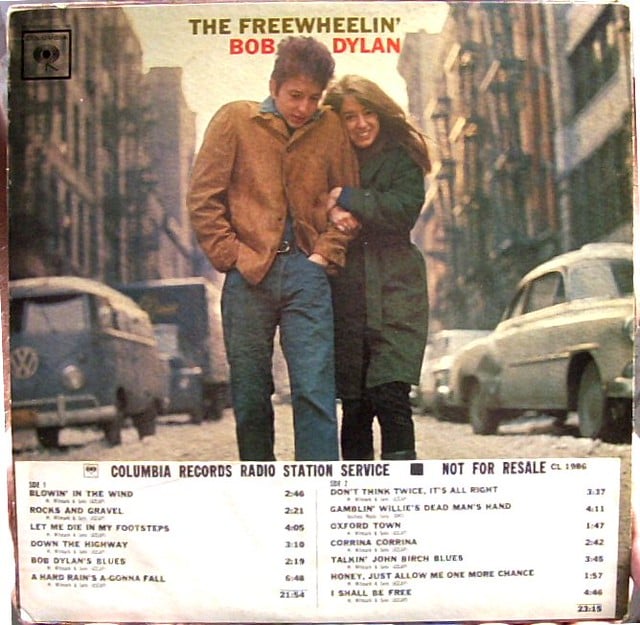
This is one of the most valuable pressing errors in American record history. The original 1963 stereo pressing included four tracks — “Rocks and Gravel,” “Let Me Die in My Footsteps,” “Talkin’ John Birch Paranoid Blues,” and “Rambling Gambling Willie” — that were pulled before the official release, replaced with different songs on the version that actually reached stores.
Only a handful of copies with the original four tracks survived, and when one surfaces, it sells for tens of thousands of dollars.
The Velvet Underground & Nico “Peelable Banana” First Pressing
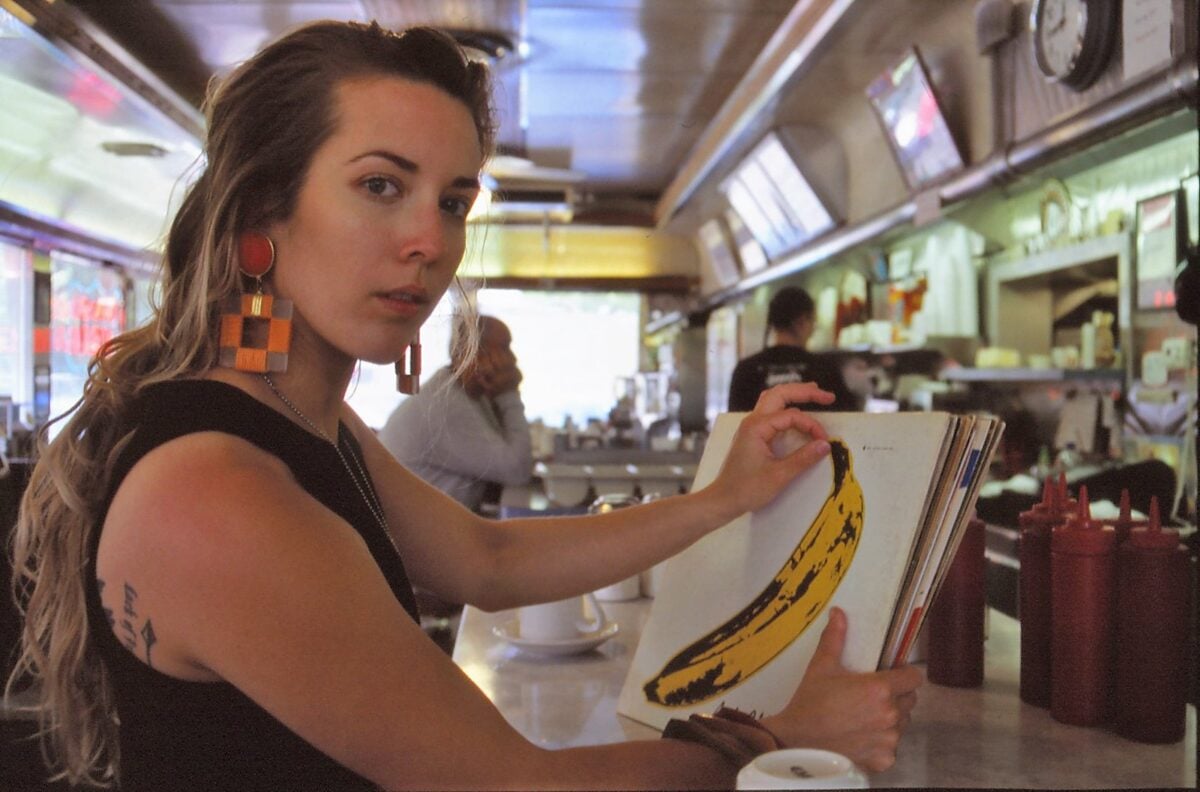
The debut album’s original 1967 pressing on Verve came with Andy Warhol’s famous banana cover — and on the very earliest copies, that banana was designed to be peeled away to reveal a flesh-colored one underneath. The error versions aren’t about the peel itself but about misregistered color printing on the back cover and spine, where text placement and color shifted between runs.
First pressings in any condition command serious premiums, but copies with documented production anomalies on the artwork push significantly higher.
Led Zeppelin’s “Led Zeppelin” Turquoise Label
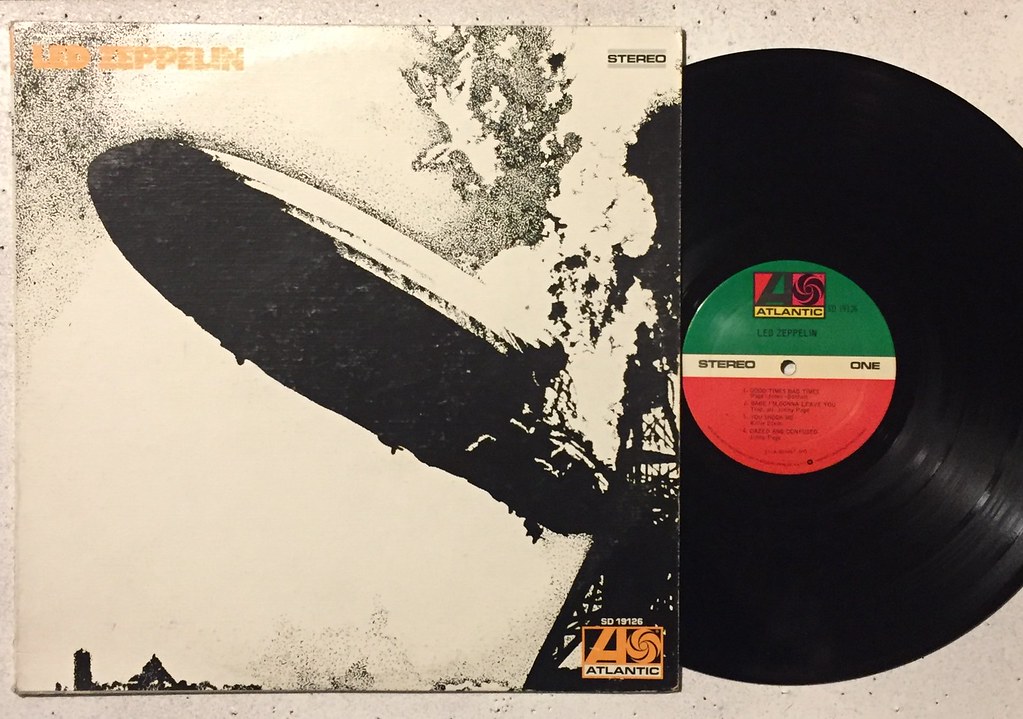
Atlantic Records released Led Zeppelin’s debut in 1969, and the earliest pressings carried a distinctive turquoise Atlantic label with specific text arrangements that changed within the first production run. Copies where the label reads “Led Zeppelin” without the “Ltd.” designation and carries the original catalog typography are distinguished from later pressings — and those distinctions translate directly into four-figure price differences at auction, even for copies that are far from mint.
The Rolling Stones’ “Street Fighting Man” Picture Sleeve
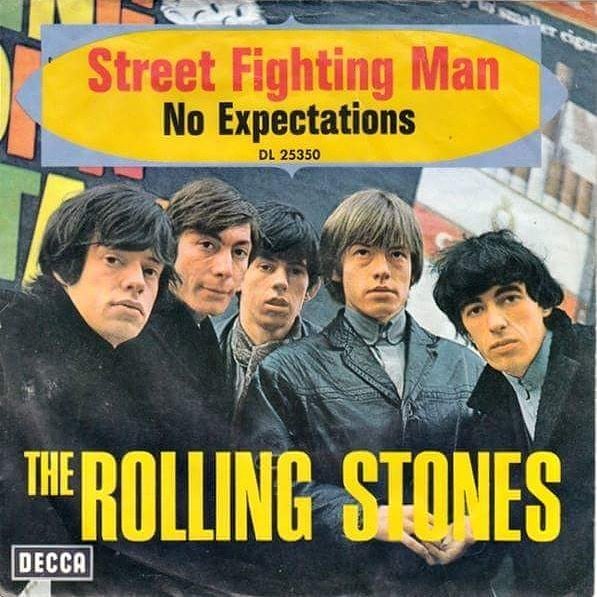
The 1968 US single of “Street Fighting Man” came with a picture sleeve featuring an image of police confronting protesters — and many copies were pulled from distribution almost immediately after stores raised concerns. The pressing itself is standard, but the combination of the original sleeve and the record in the same package is extraordinarily scarce.
Auction records for this sleeve-plus-record combination have reached well past $15,000.
David Bowie’s “Space Oddity” Misspelled Label
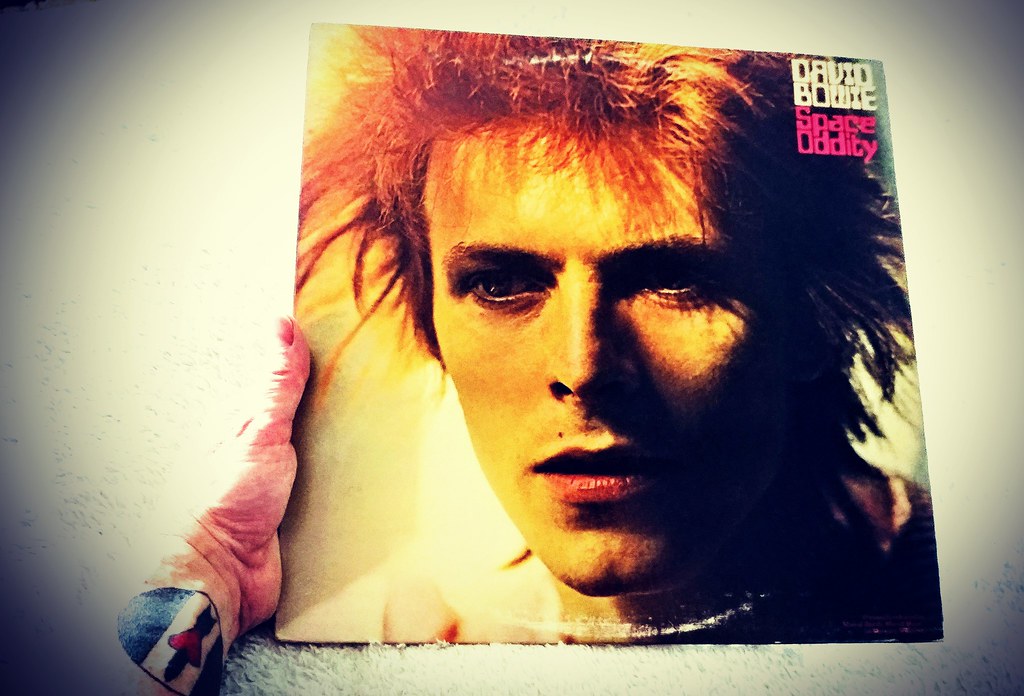
Early UK pressings of the “Space Oddity” single carried label text with a typographical error in the production credits — a small but documentable deviation that collectors have catalogued meticulously. And yet what makes this category of error so compelling is that the mistake feels almost appropriate for a record about disconnection and communication failure, the universe correcting the humans who made it.
Copies with the original misprint in strong condition routinely outprice clean standard pressings by a wide margin.
The Clash’s “London Calling” Reversed Inner Sleeve
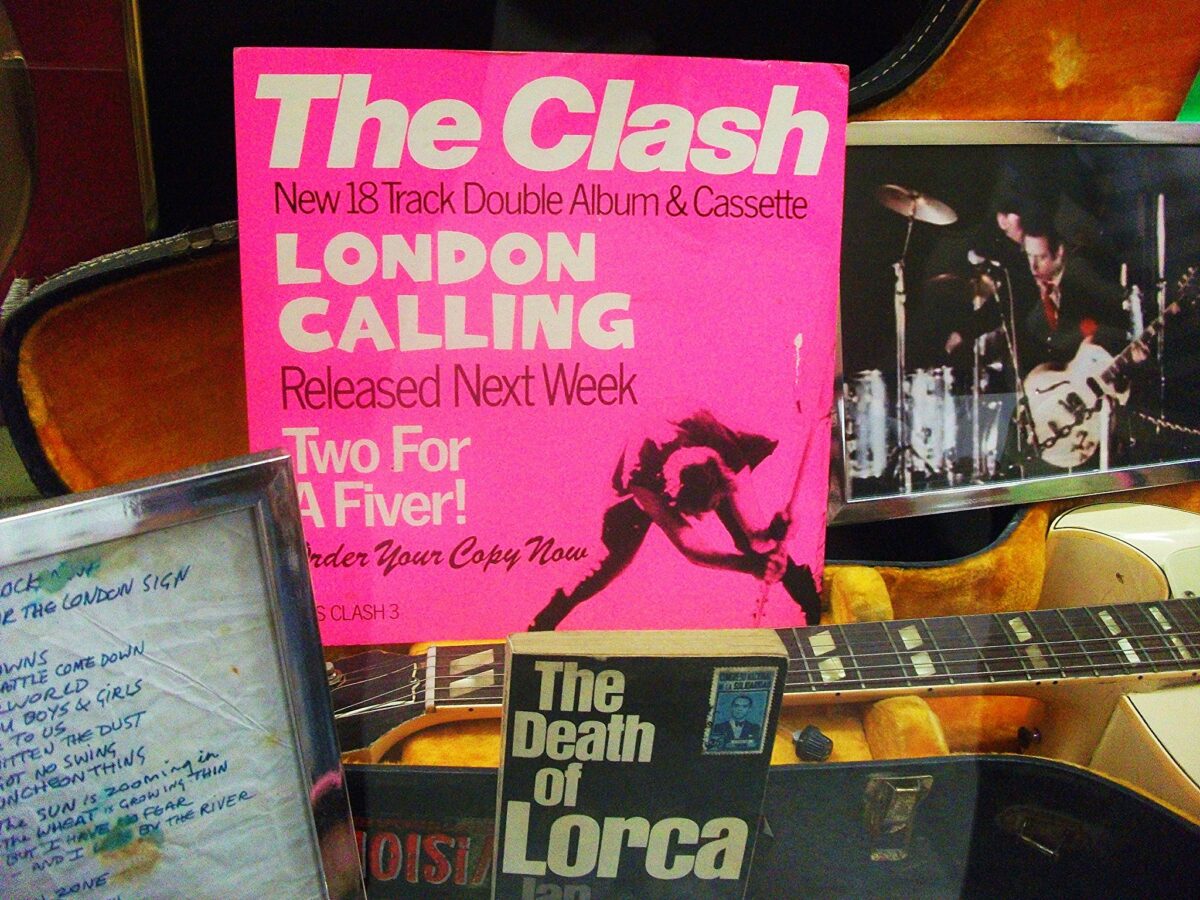
The original UK pressing of London Calling on CBS shipped with an inner sleeve where the printing was reversed on some copies — text and imagery mirrored rather than correctly oriented. It’s the kind of error that sounds minor until you realize how few copies from that specific batch survived, and how many Clash collectors have spent years trying to locate one.
To be fair, even a standard first pressing of London Calling isn’t cheap.
Elvis Presley’s “That’s All Right” Sun 45
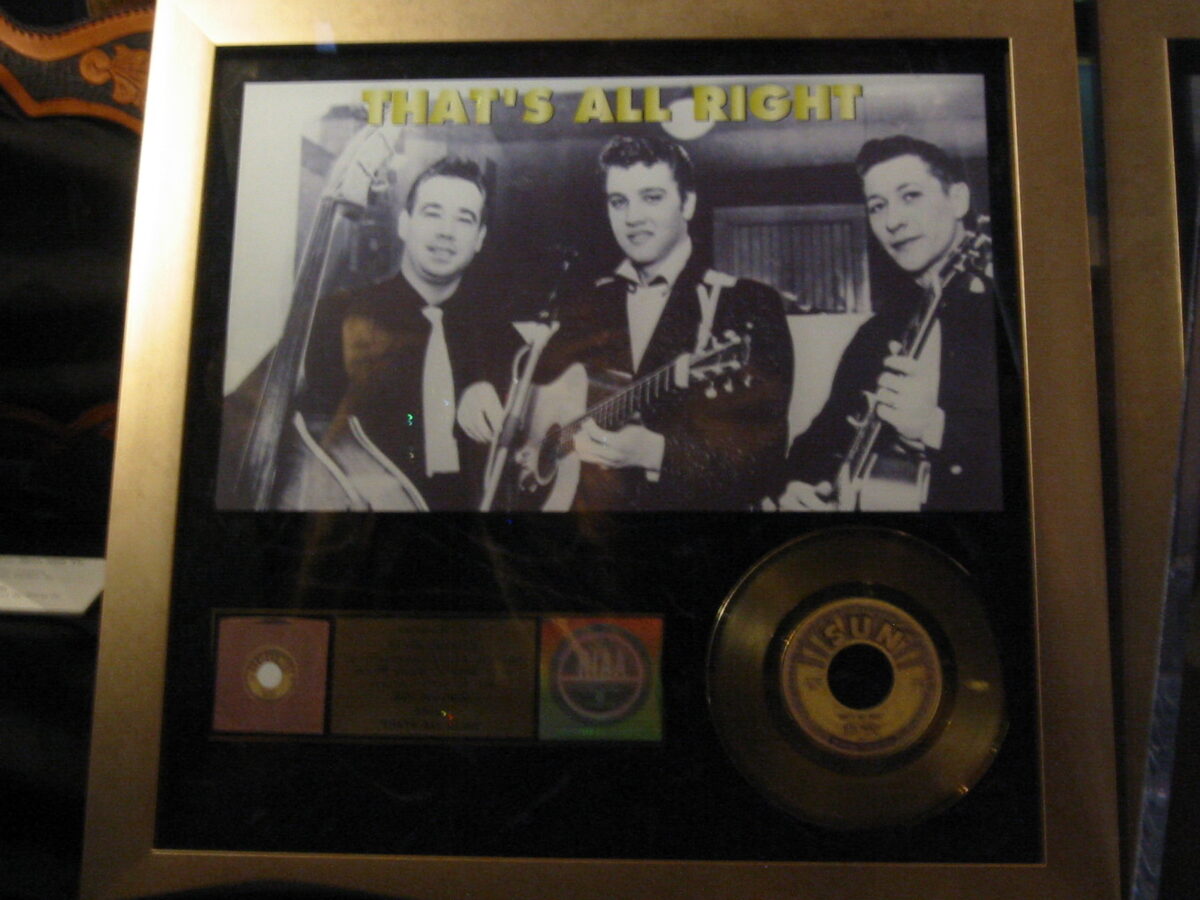
The original 1954 Sun Records pressing of Elvis’s debut single is among the most coveted pieces of American music history without any error involved — but copies where the label’s ink shows specific registration shifts in the typography, a known variation within the Sun pressing run, carry an additional premium that serious collectors treat as a separate tier entirely. Sun Records operated on a small scale, and quality control was what it was.
Go figure.
Prince’s “Black Album” Recalled Pressing
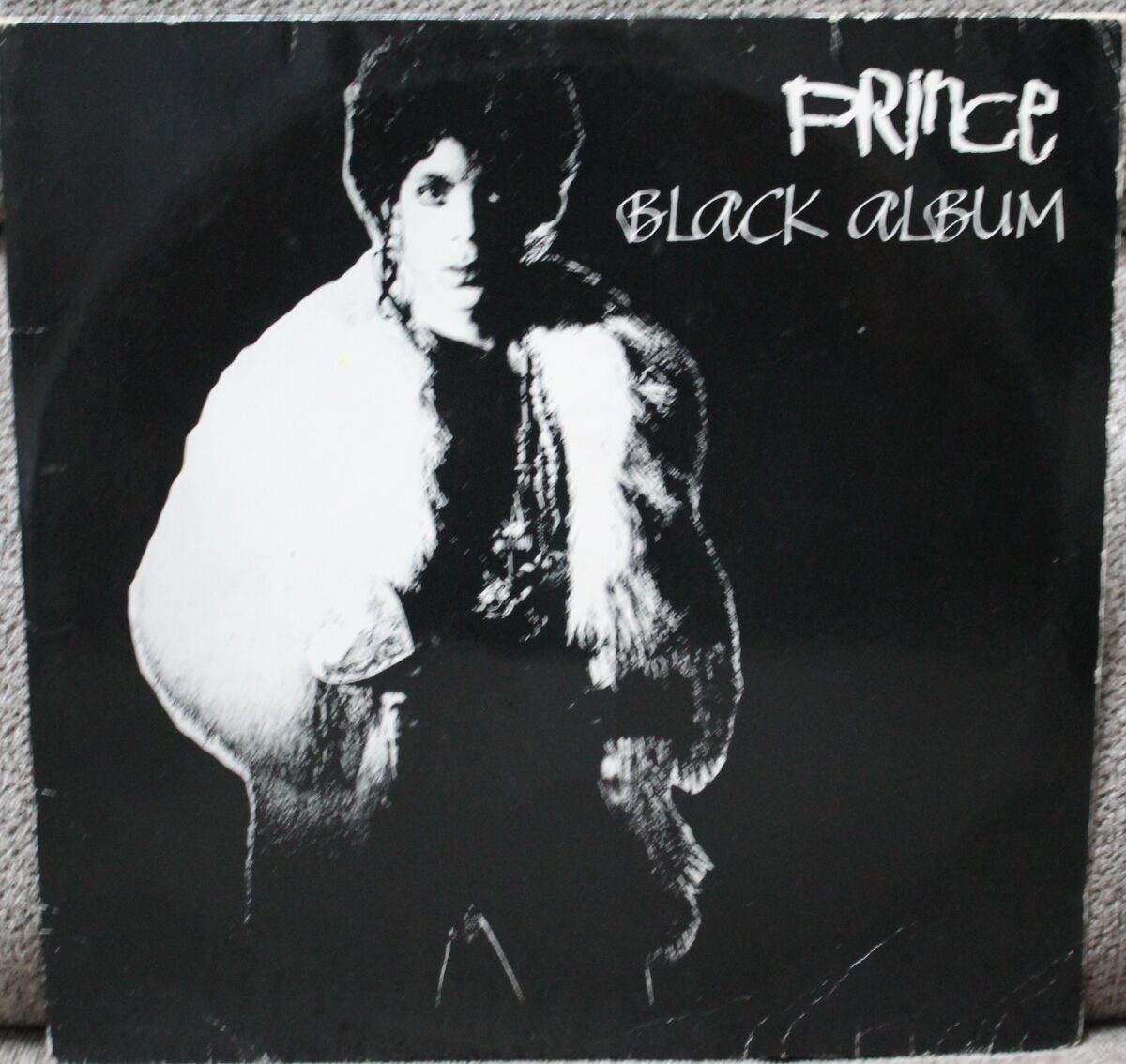
Prince pulled The Black Album from release in 1987, just days before it was scheduled to ship, ordering the pressing plant to destroy all copies. Some escaped — a number that’s never been precisely confirmed — and those bootleg-adjacent originals became the most-sought Prince items among serious collectors.
When Warner Bros. officially released it in 1994, it retroactively made the original pressings even more mythologized: there’s something about an officially buried record resurfacing decades later that only deepens the hunger for the version that wasn’t supposed to exist.
The Beatles’ “Yesterday and Today” Butcher Cover
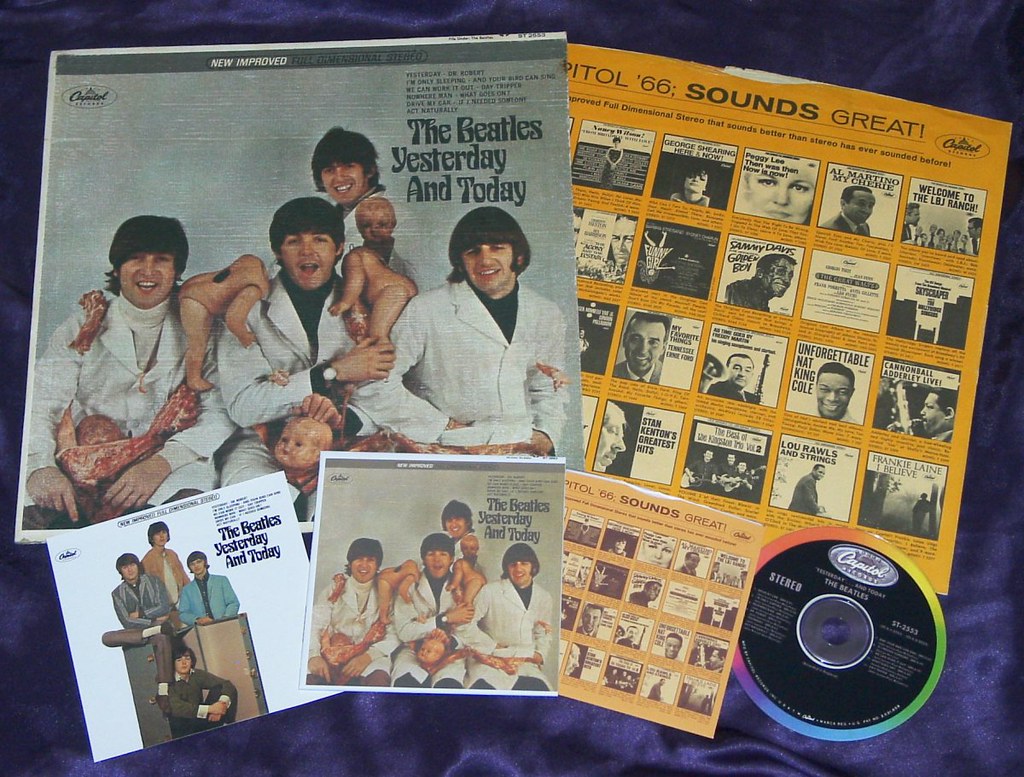
Capitol Records issued Yesterday and Today in June 1966 with a cover depicting the Beatles in white lab coats, surrounded by pieces of raw meat and dismembered baby dolls. Distributors reacted badly — and Capitol recalled the copies, pasting a new, benign cover image over the original. Three states of this cover exist: the original “first state” butcher cover unpasted; a “second state” where the paste-over sits on top but can be carefully removed; and the “third state” standard cover.
First-state copies in near-mint condition have sold for over $125,000.
Jimi Hendrix’s “Are You Experienced” Misprinted Track Listing
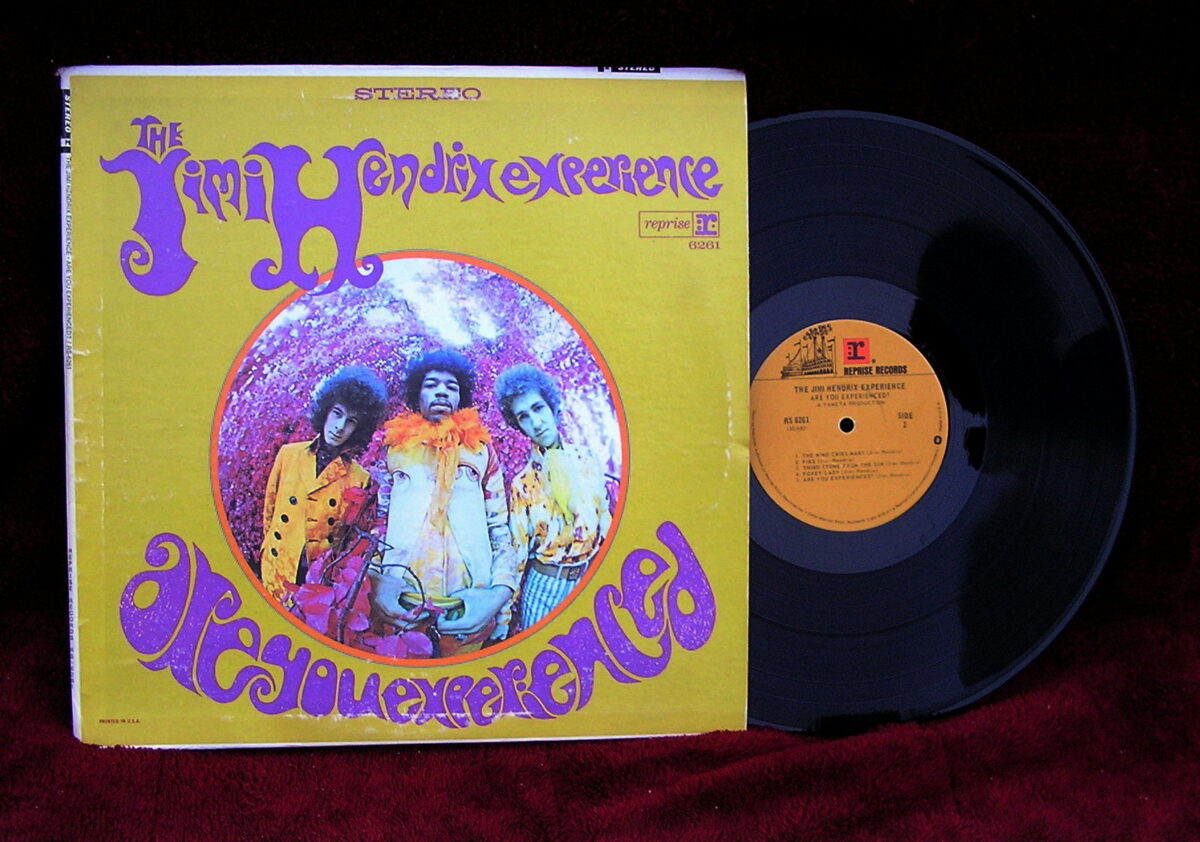
The UK and US versions of Are You Experienced already differed substantially in their track lists, but within the US Reprise pressing run, some early copies carried a back cover where the track order was printed incorrectly — listing songs in a sequence that didn’t match what was actually on the vinyl. Collectors who know the specific pressing number ranges affected by this error pay a meaningful premium over standard copies in comparable condition.
Pink Floyd’s “The Piper at the Gates of Dawn” Columbia Pressing
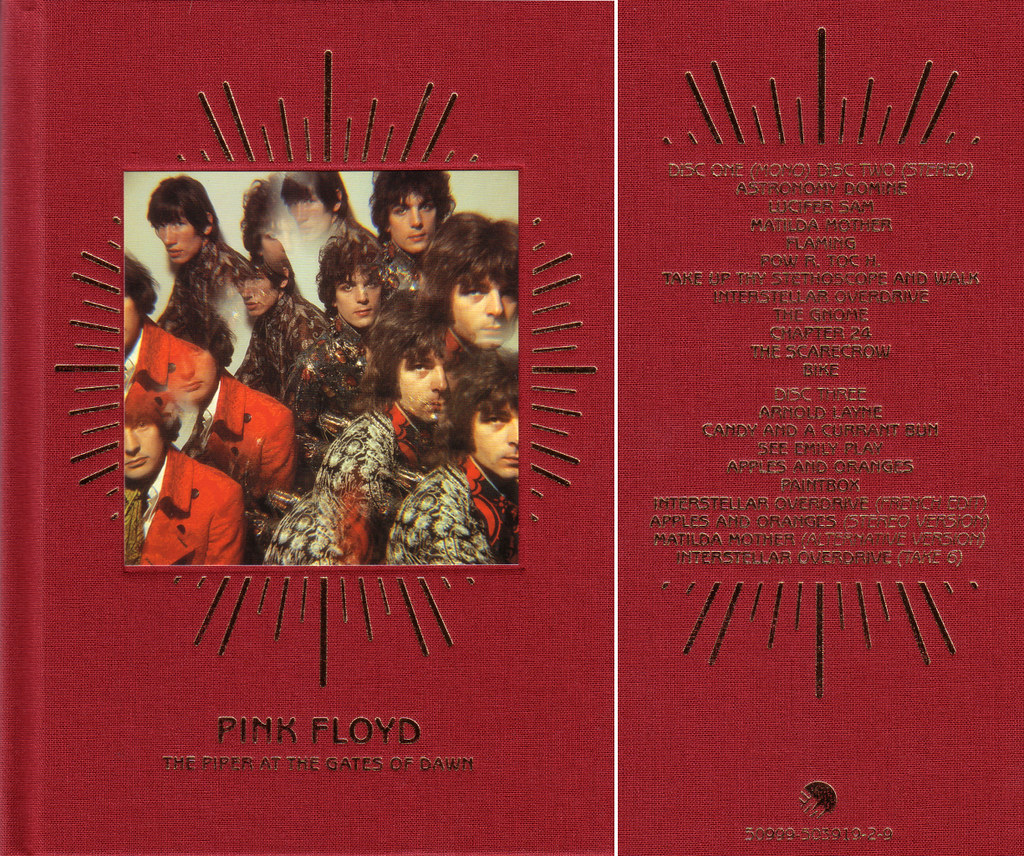
The US Columbia pressing of Pink Floyd’s 1967 debut differed from the UK Tower Records version, and within the Columbia run, label variations exist where the catalog number and subsidiary credit text shifted between early and later pressings. These aren’t dramatic visible errors — they’re the kind of thing that lives in the fine print, which is exactly where obsessive collectors spend most of their time.
First-run Columbia copies with the specific label anomaly fetch considerably more than the standard version.
Kraftwerk’s “Autobahn” Misprinted Cover
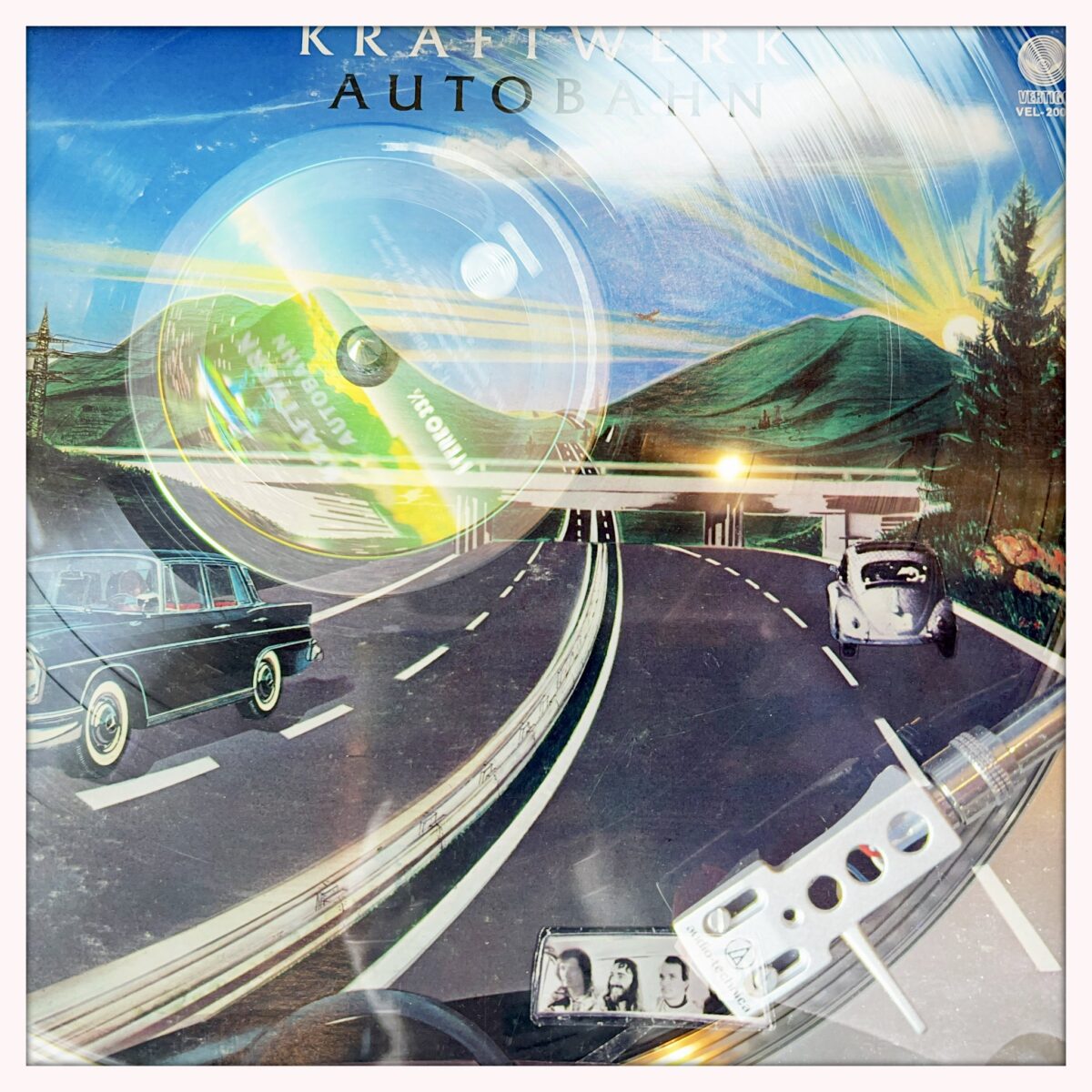
The original German pressing of Autobahn on Philips carried specific cover artwork that was modified for various international releases — but within the German run itself, some copies shipped with a color variation on the Autobahn road image that differed from the intended print spec. Kraftwerk collectors are a precise, methodical group, which is perhaps fitting given the music, and the documented anomalies in early Autobahn pressings are catalogued with something close to engineering rigor.
Bruce Springsteen’s “Greetings from Asbury Park” Misspelled Label
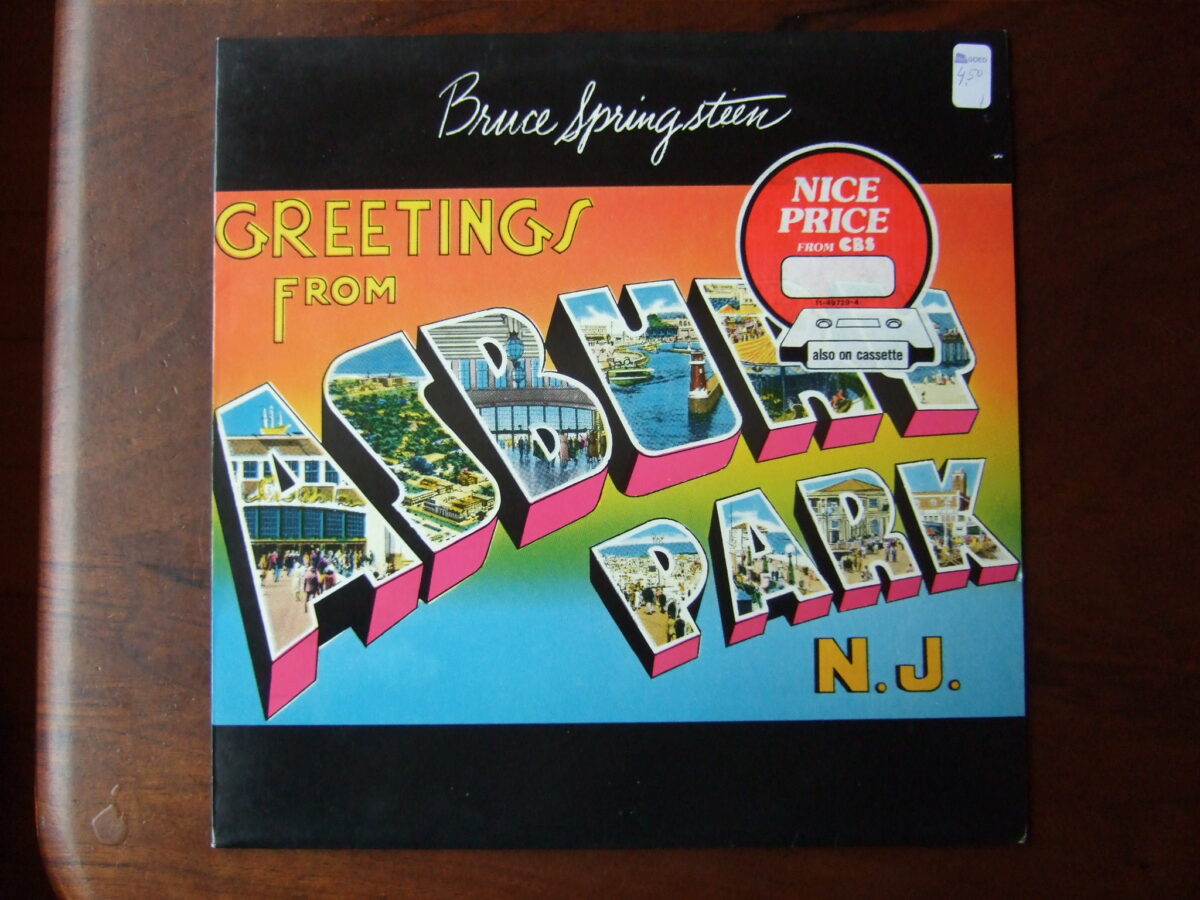
Early Columbia pressings of Springsteen’s 1973 debut carried a label with a specific typographical variation in the production credits — a detail that became a reliable marker for identifying first-run copies versus later pressings. The record itself wasn’t a commercial success on release, which means genuine first pressings were always relatively scarce to begin with, and the label variation narrows the field further.
Authenticated early copies with the label anomaly regularly draw four-figure bids.
The Smiths’ “The Queen Is Dead” Mislabeled Track
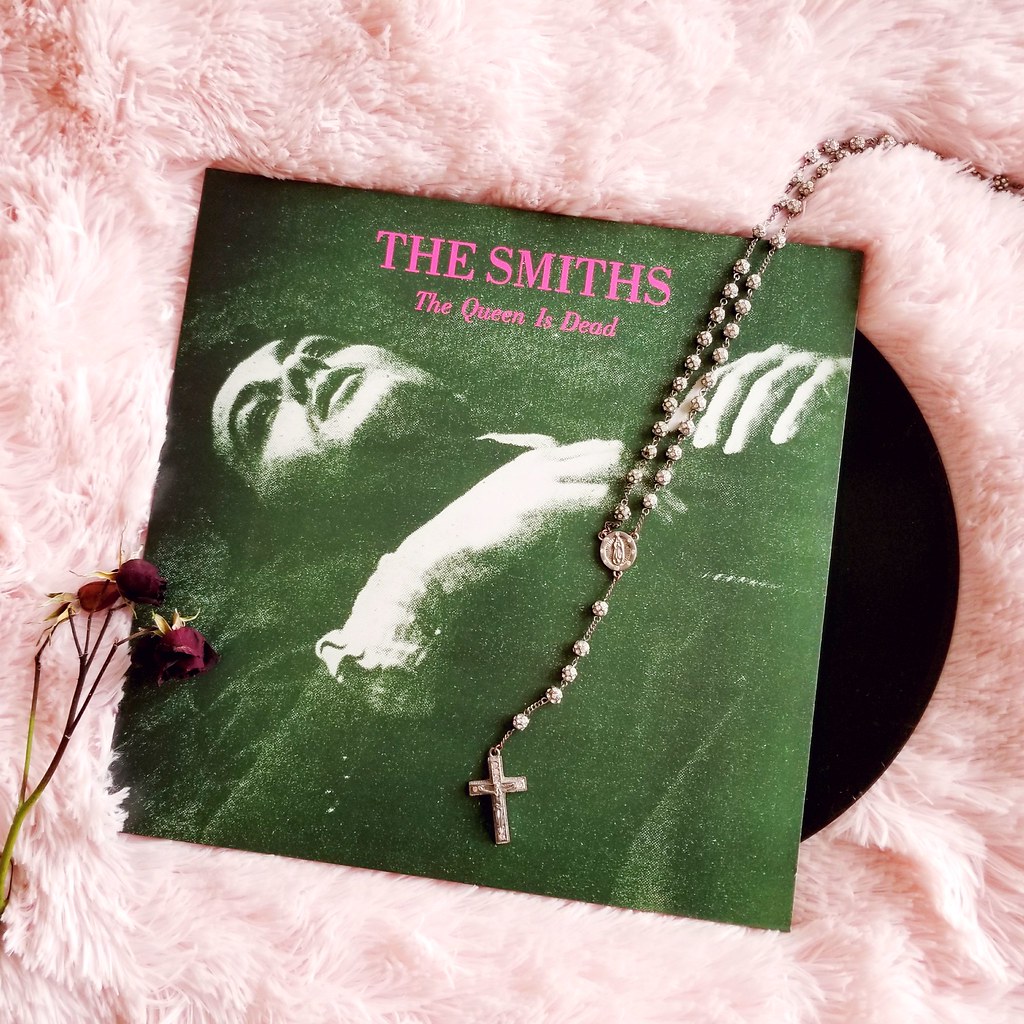
Some early UK pressings of The Queen Is Dead on Rough Trade shipped with a label on Side Two where a track title was incorrectly attributed — a pressing plant error that occurred within a narrow production window before being caught and corrected. Morrissey’s audience being what it is — meticulous, devoted, occasionally monastic in their record-keeping — these copies were identified and documented almost immediately.
A clean copy with the misprint is a meaningful find.
Fleetwood Mac’s “Tusk” Mismatched Label Pressing
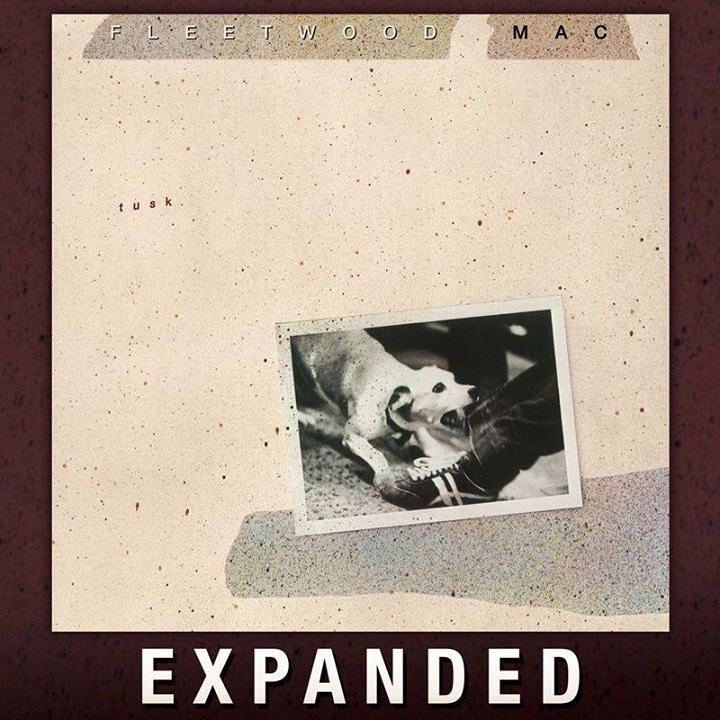
The original 1979 Warner Bros. double-album pressing of Tusk had a label error on a small production run where the disc sides were incorrectly labeled — the text on the label didn’t correspond to the actual side of vinyl it was printed on. It’s the kind of error that sounds confusing to describe and is genuinely confusing to encounter, which is part of why collectors who find one tend to hold onto it.
Double albums created more surface area for errors, and pressing plants were only human.
Joy Division’s “An Ideal for Living” EP

The original 1978 pressing of Joy Division’s debut EP on Enigma Records — later reissued almost immediately on Anonymous Records — carries significant collector value in any form, but copies of the original Enigma pressing with specific label variations in the typography and catalog formatting command premiums that climb quickly. Fewer than a thousand copies of the original pressing are believed to exist in total, making any verified original a serious acquisition regardless of label variation.
The Doors’ “The Doors” Elektra Label Variations
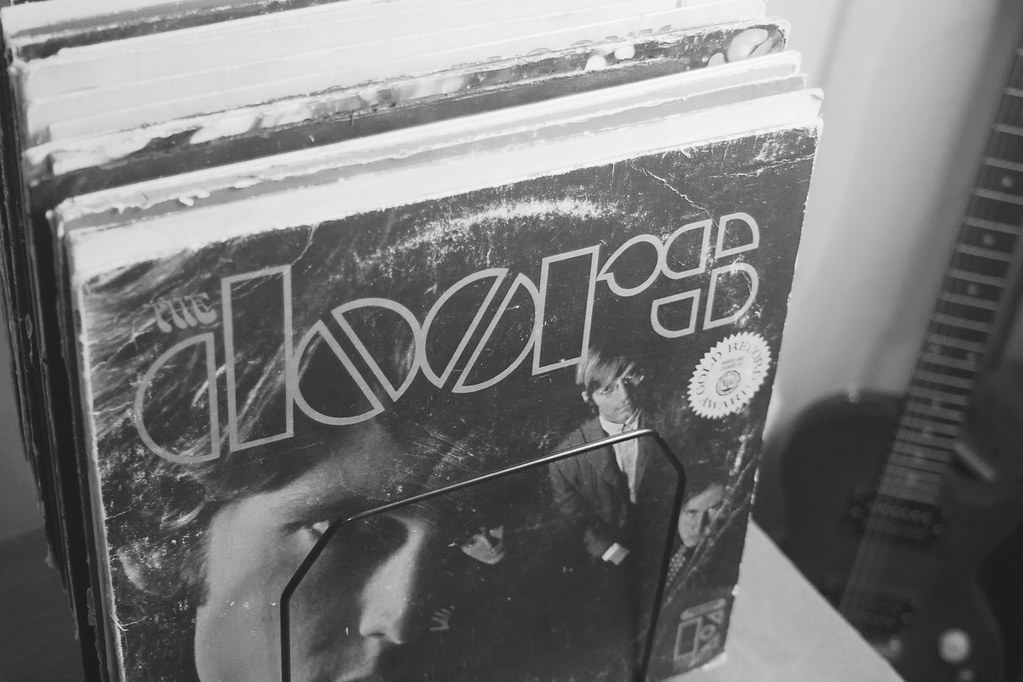
Elektra Records went through multiple label design iterations in the late 1960s, and the earliest pressings of The Doors’ self-titled 1967 debut came with a gold Elektra label that was replaced with a red label in later runs. Within the gold label pressings, there are further variations in the text layout — the butterfly logo placement, the mono/stereo designation format — that collectors use to date copies to specific production windows.
The earliest gold label copies with specific typography are consistently among the most expensive Doors pressings available.
Talking Heads’ “More Songs About Buildings and Food” Misprinted Inner
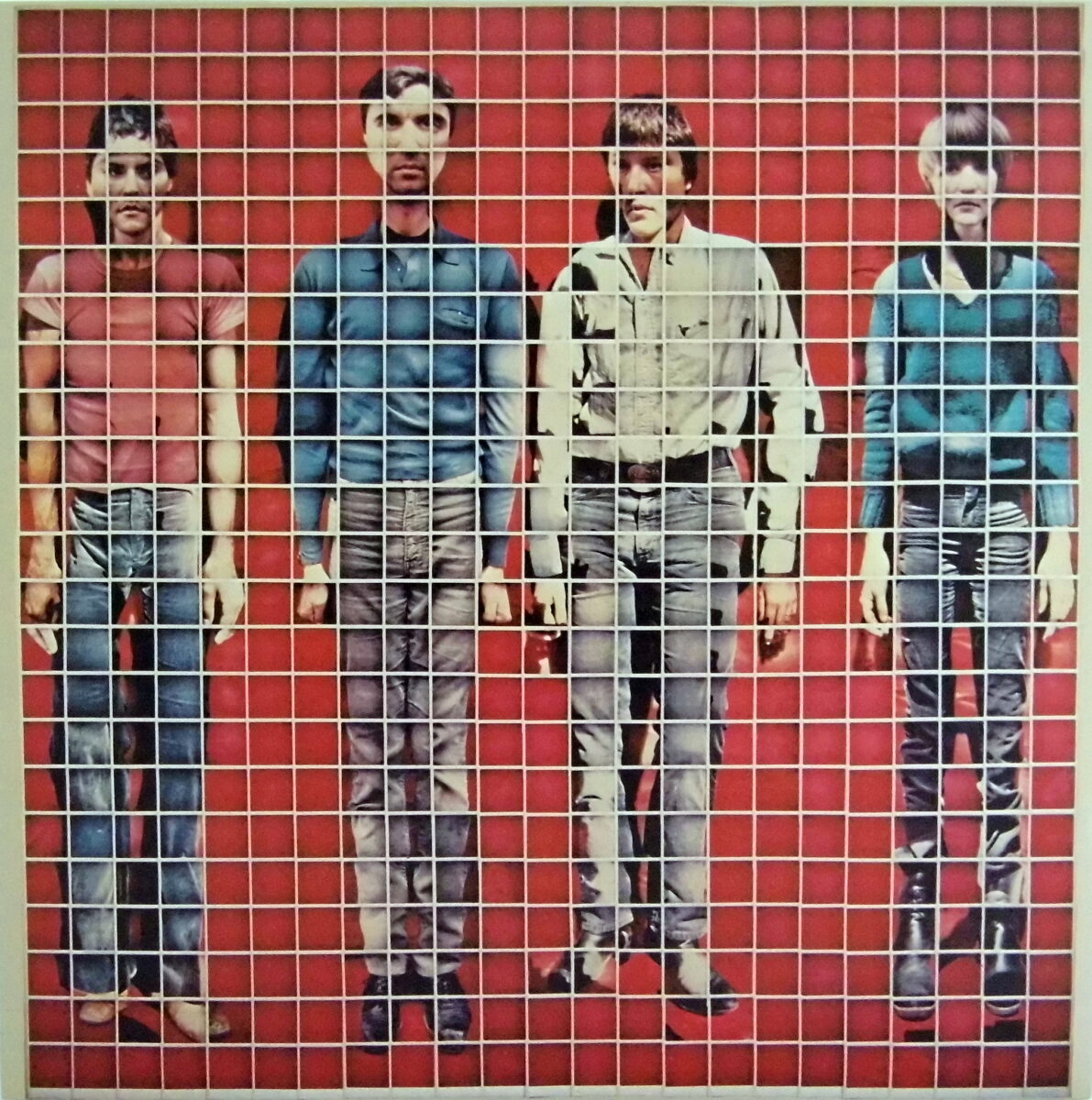
Some pressings of the 1978 Sire Records release shipped with inner sleeve text where a track credit was misattributed — a small production error that made it into a limited run before correction. Talking Heads collectors, who tend to engage with the band’s catalog with something approaching academic thoroughness, have documented these variations in detail.
Copies with the inner sleeve misprint and the original Sire pressing in strong condition don’t stay available for long when they surface.
The Who’s “My Generation” Reaction Records Pressing
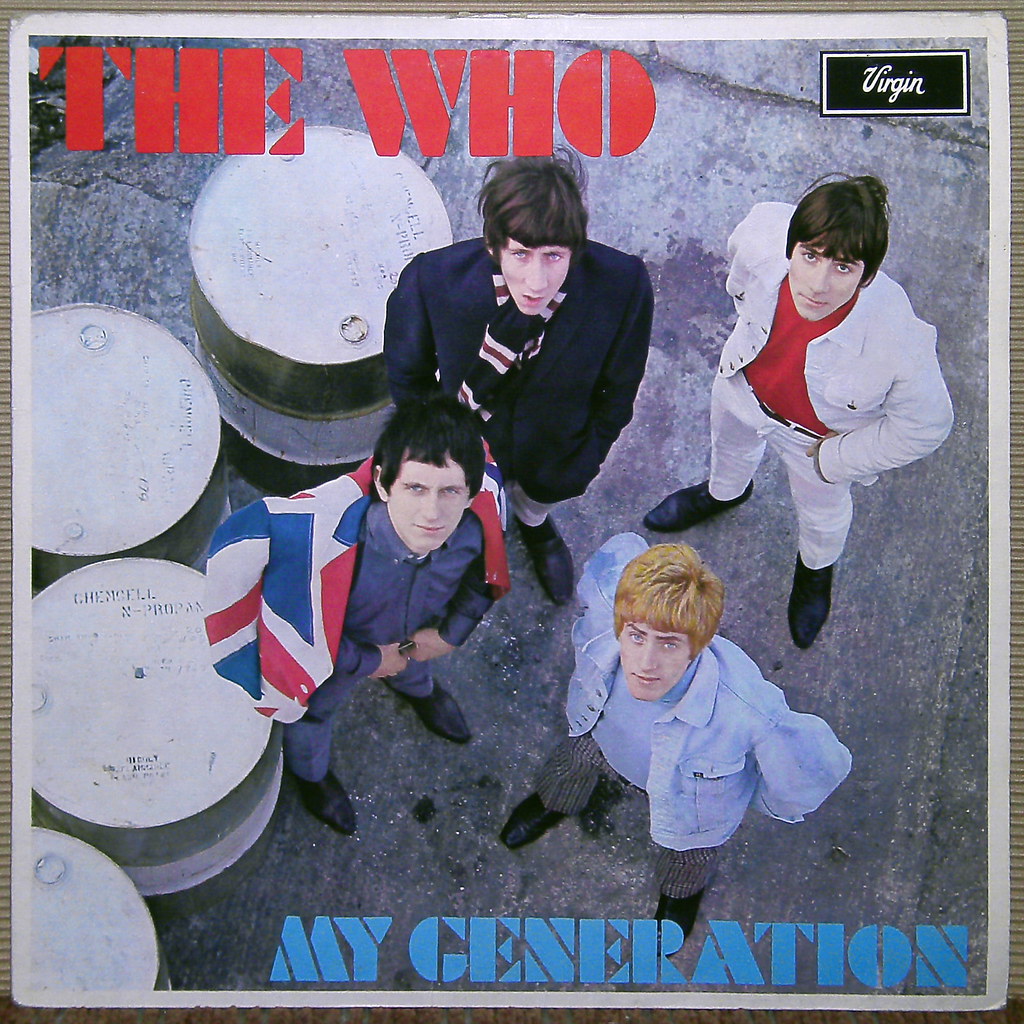
The original UK pressing on Reaction Records in 1965 carried label details — including specific text formatting and the catalog number presentation — that distinguish it sharply from later pressings on the same label and subsequent reissues. Some copies from the earliest production batch show a printing registration error on the label text where lines don’t sit cleanly, a characteristic that sounds like a flaw and functions as authentication.
Strong copies of the original Reaction pressing with this characteristic fetch significant sums.
Radiohead’s “Pablo Honey” Misprinted Barcode
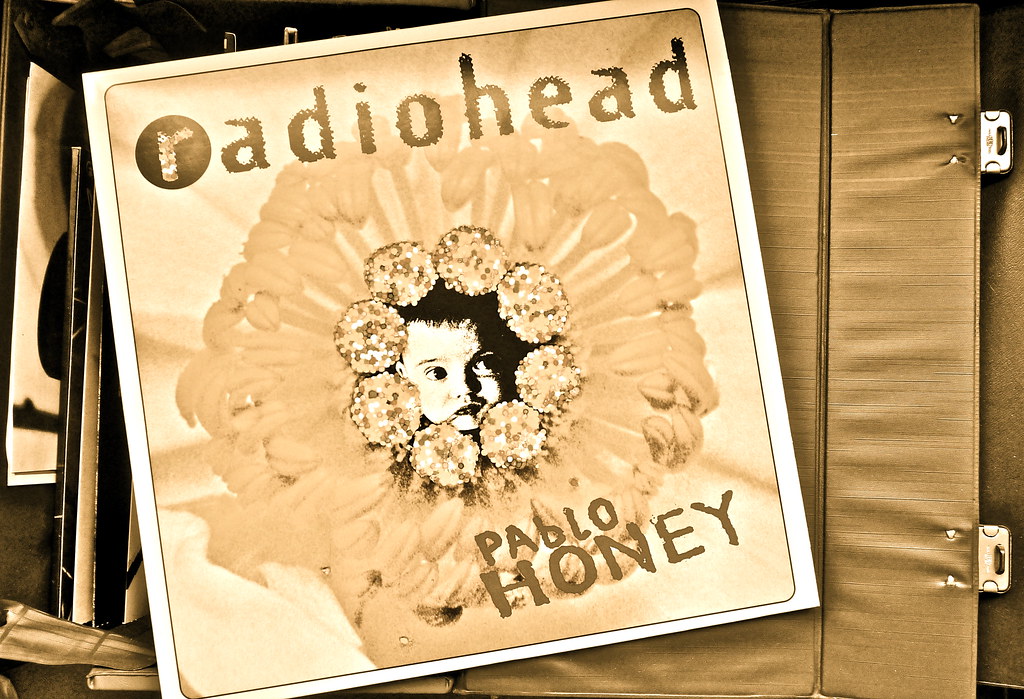
Certain early UK pressings of Pablo Honey on Parlophone carried a back cover where the barcode was incorrectly formatted — a production anomaly that was corrected in subsequent pressing runs. It sounds like a trivial detail, and in 1993, it probably was.
But Radiohead’s catalog became one of the most intensely collected bodies of work in modern music, and first pressing authentication now relies heavily on these fine-print details that nobody paid attention to at the time.
Neil Young’s “Tonight’s the Night” Misprinted Label
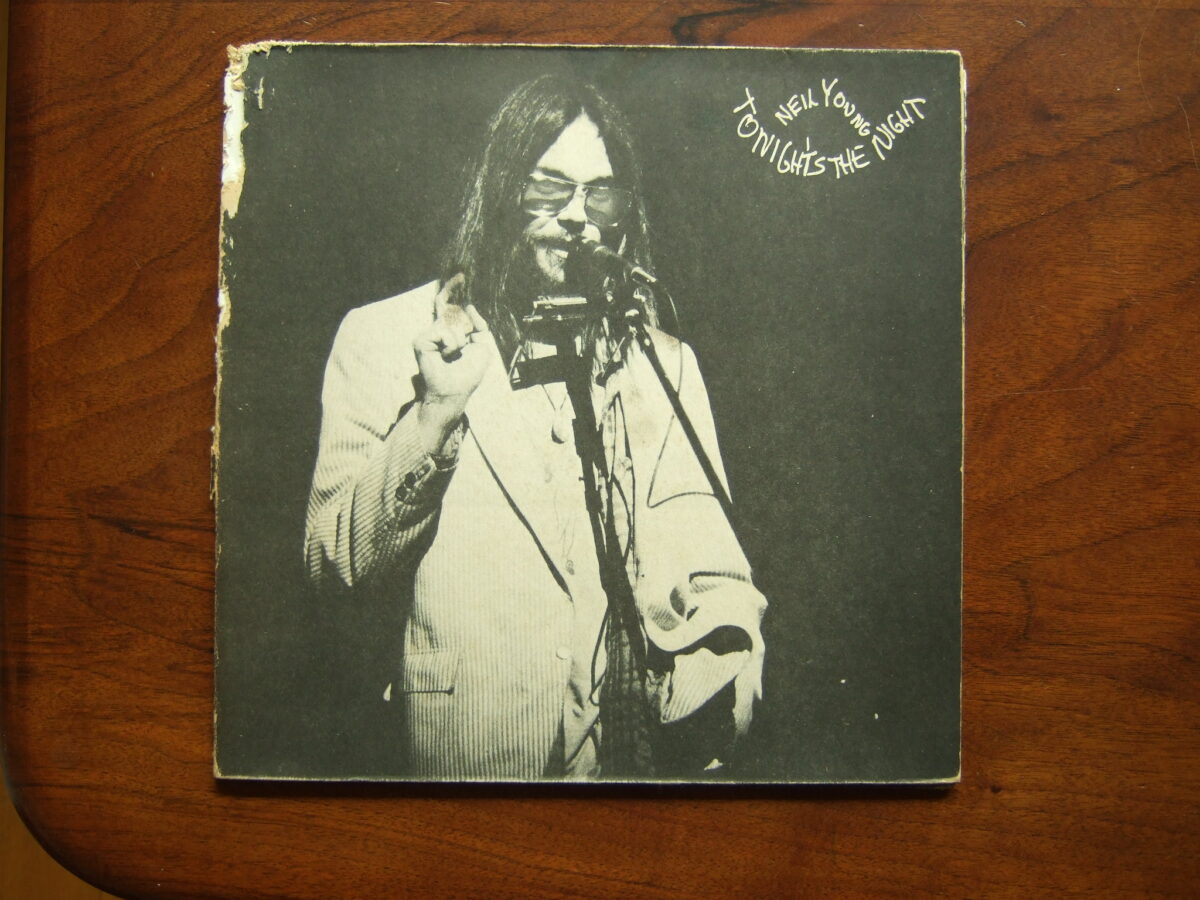
Reprise Records pressed Tonight’s the Night in 1975 after Young had recorded it in 1973 and sat on it for two years — and some early pressings carried a label variation where the recording date information was printed incorrectly, compounding the already complicated release history of the album. Young’s catalog has deep collector infrastructure around pressing identification, and the label anomaly on early Tonight’s the Night copies is a documented and trackable variation that separates first-run pressings from everything that followed.
The Stooges’ “Fun House” Elektra Pressing
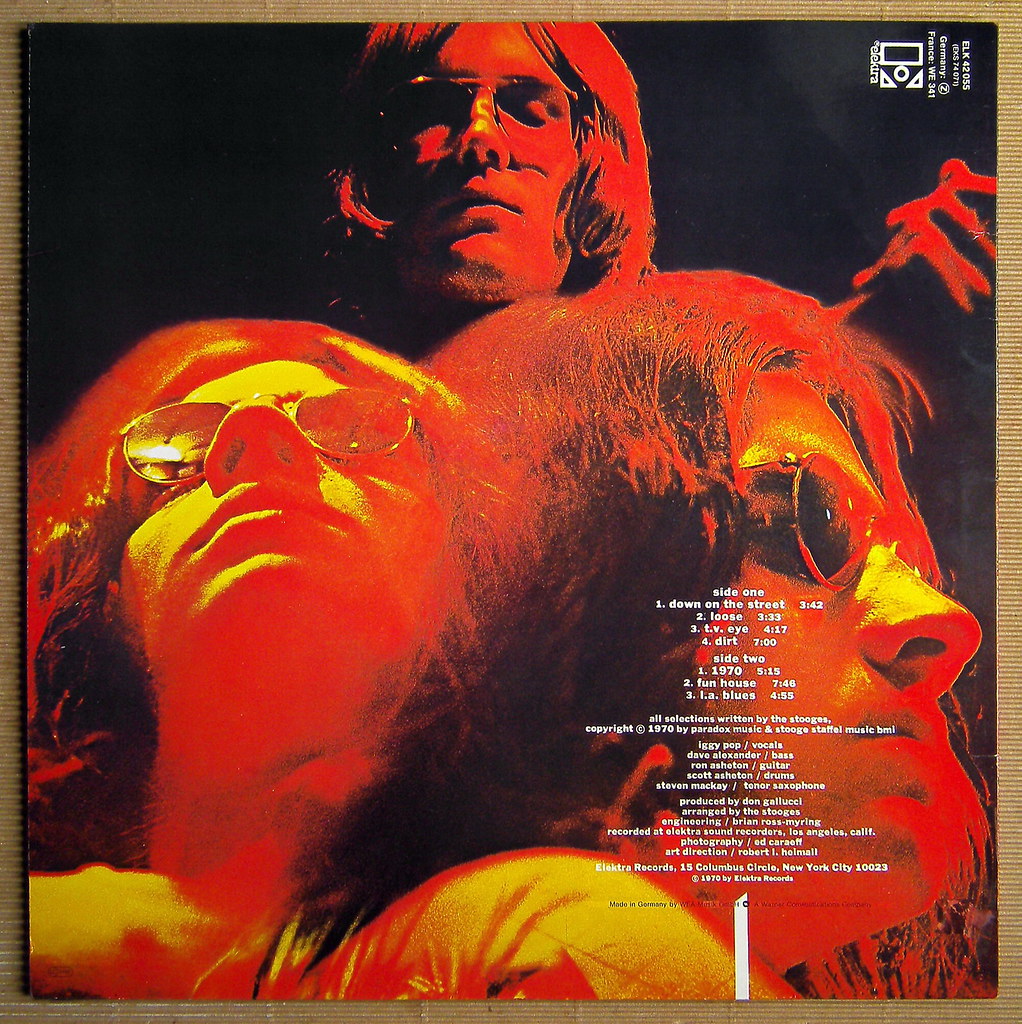
Elektra released Fun House in 1970 on the red label that had replaced the earlier gold label, but within that pressing run, there were copies where the label’s color saturation and text rendering varied — a printing inconsistency that collectors and archivists have used to distinguish production batches. The Stooges weren’t commercially successful in 1970, which kept initial pressing numbers modest and made genuine early copies scarce from the start.
Verified original pressings with label variations are genuinely rare.
Joni Mitchell’s “Blue” Miscut Pressing
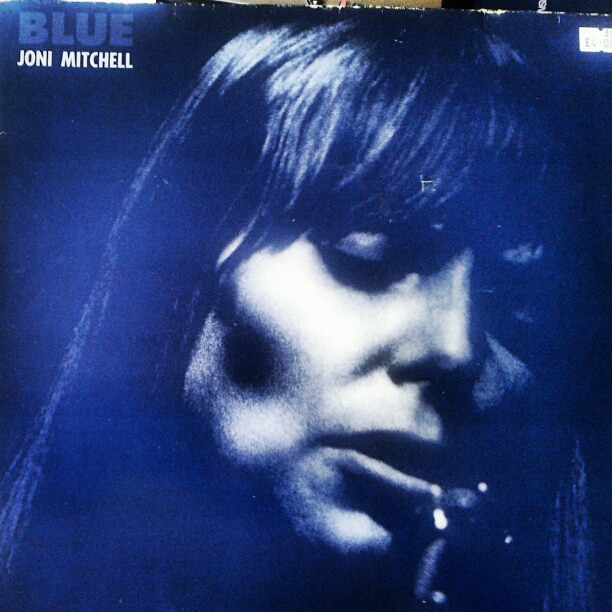
Some original Reprise pressings of Blue from 1971 came with a cutting error that resulted in slightly off-center grooves on Side One — a pressing plant error that affects playback in subtle but audible ways. Most pressings with this error were sold without anyone catching it, which means they’ve been in collections for fifty years without the owner necessarily knowing what they have.
An identified, documented example of this pressing anomaly in strong condition is the kind of find that changes the tenor of an entire collection.
The Ramones’ “Ramones” Sire Records First Pressing
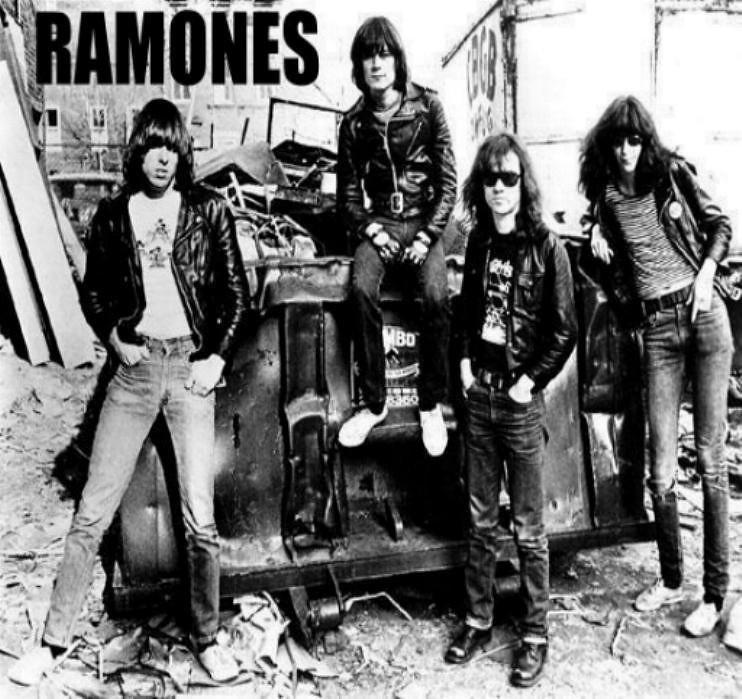
The original 1976 Sire pressing of the Ramones’ debut carries label variations that have been exhaustively catalogued — including differences in the Sire logo presentation and the text formatting of the production credits between early and later pressings from the same year. Punk’s mythology lives in its rawness and immediacy, and it turns out collectors apply extraordinary precision to authenticating records made by people who didn’t care much for precision.
The irony is noted.
Massive Attack’s “Blue Lines” Mislabeled Side
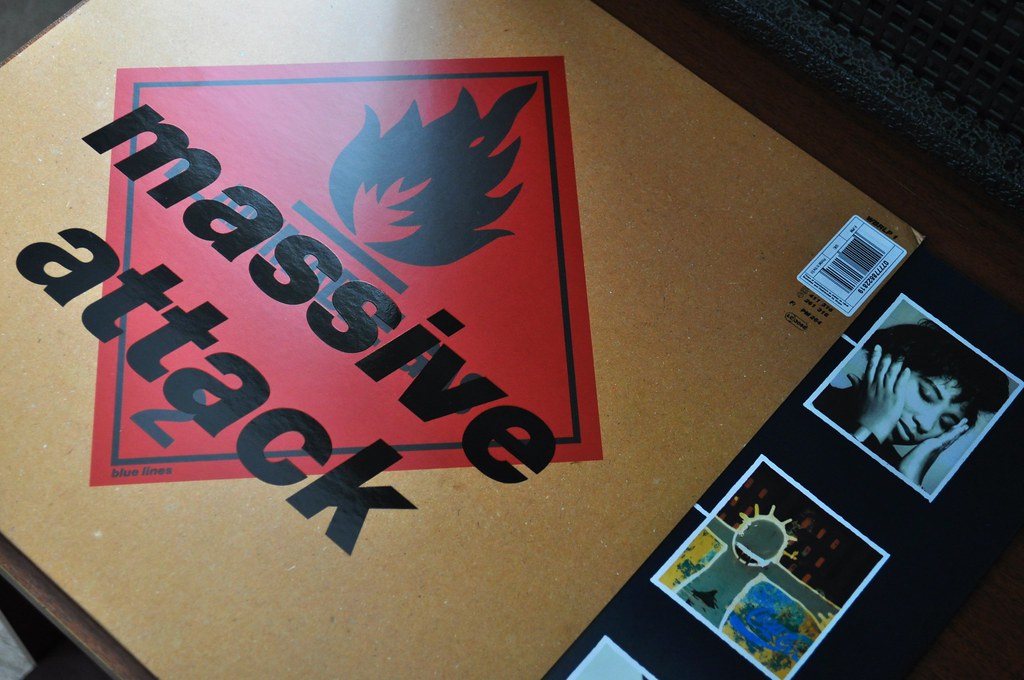
Some early UK pressings of Blue Lines on Wild Bunch Records shipped with Side One and Side Two label designations that were reversed — the label reading “Side Two” on what was actually Side One of the record. Wild Bunch was operating at independent scale in 1991, and quality control on the earliest pressing run reflected that reality.
Given how foundational Blue Lines became to an entire genre, early pressings with this label error now carry the weight of history on top of the documentation premium.
Nirvana’s “Nevermind” DGC Misprint
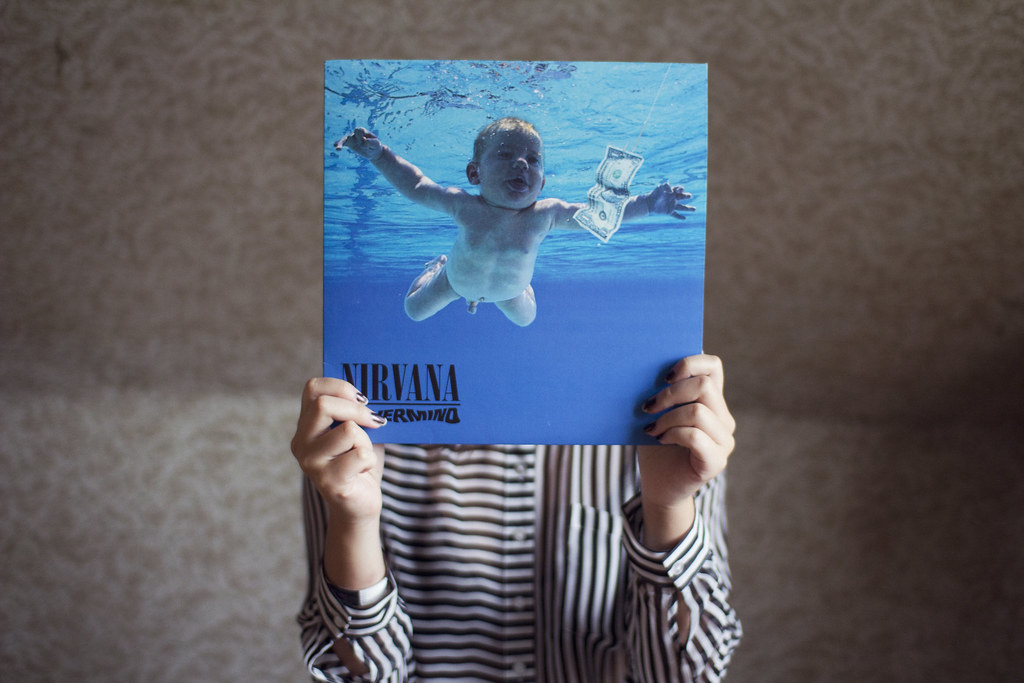
The original 1991 DGC pressing of Nevermind came with specific label text variations that distinguish first-run copies from the flood of pressings that followed once the album became inescapable. Some copies from the earliest batch carried a production credit formatting error that was corrected within weeks — but by then, thousands of standard copies were already pressing, and the error copies had scattered into the world without any particular fanfare.
Finding a documented first-pressing misprint copy in strong condition is, at this point, a serious collector event.
When the Mistake Becomes the Record
There’s a logic to all of this that makes more sense the longer you sit with it. Every version of a record that was pressed with care and sold in bulk is, by definition, replaceable. There’s always another one.
But the copy that slipped through with the wrong label, the recalled sleeve, the miscut side, the reversed track listing — that one is the only one, or close enough to it that the distinction stops mattering. Collectors aren’t just paying for error.
They’re paying for proof that the thing was made by people who could get it wrong, which is the most human kind of evidence there is. And the records that carry those mistakes are, in a way, more honest about how they were made than any pristine pressing ever could be.
More from Go2Tutors!

- The Romanov Crown Jewels and Their Tragic Fate
- 13 Historical Mysteries That Science Still Can’t Solve
- Famous Hoaxes That Fooled the World for Years
- 15 Child Stars with Tragic Adult Lives
- 16 Famous Jewelry Pieces in History
Like Go2Tutors’s content? Follow us on MSN.