15 Iconic Boybands from the 80s and 90s
The 1980s and 1990s represented the golden age of boybands, when perfectly choreographed groups dominated radio airwaves and teenage bedroom walls across the globe. These decades witnessed the evolution from the pioneering sounds of New Edition to the global phenomenon of groups like Backstreet Boys and NSYNC. The formula was simple yet magical: combine good-looking young men with catchy pop melodies, synchronized dance moves, and just enough personality to make millions of fans believe they had a chance with their favorite member.
From Boston to Manchester, from Dublin to Orlando, these groups redefined popular music and created a template that influences artists to this day. Here is a list of 15 iconic boybands that defined the sound and spirit of the 80s and 90s.
New Kids on the Block
The Boston-based quintet essentially created the modern boyband blueprint that everyone else would follow. Formed in 1984 with members Jordan Knight, Jonathan Knight, Joey McIntyre, Donnie Wahlberg, and Danny Wood, they sold over 80 million records worldwide and proved that boy bands could achieve massive commercial success.
Their hit ‘Hangin’ Tough’ became an anthem for late 80s youth culture. NKOTB’s success was so overwhelming that it inspired music managers across the globe to create their own versions, setting off the boyband craze that would dominate the next two decades.
New Edition

Often credited as the godfathers of the modern boyband movement, New Edition formed in Boston in 1978 and reached their peak in the 1980s. The group, featuring Bobby Brown, Ricky Bell, Michael Bivins, Ronnie DeVoe, and Ralph Tresvant, sold over 20 million records worldwide with hits like ‘Candy Girl’ and ‘Cool It Now.’
Their smooth R&B harmonies and street-smart style influenced virtually every boyband that came after them. The group’s impact was so significant that they’re credited with paving the way for both New Kids on the Block and Boyz II Men.
Like Go2Tutors’s content? Follow us on MSN.
Take That

Manchester’s finest export became the most successful British boyband before One Direction, selling over 45 million records worldwide. Formed in 1990, the original lineup featured Gary Barlow, Howard Donald, Jason Orange, Mark Owen, and Robbie Williams.
The Official Charts Company revealed Take That as the highest-selling boyband in British chart history with 9.3 million singles sold. Their rivalry with East 17 dominated British pop culture throughout the early 90s, and their 2006 reunion proved their enduring appeal when they became one of the most successful comeback acts in music history.
Backstreet Boys
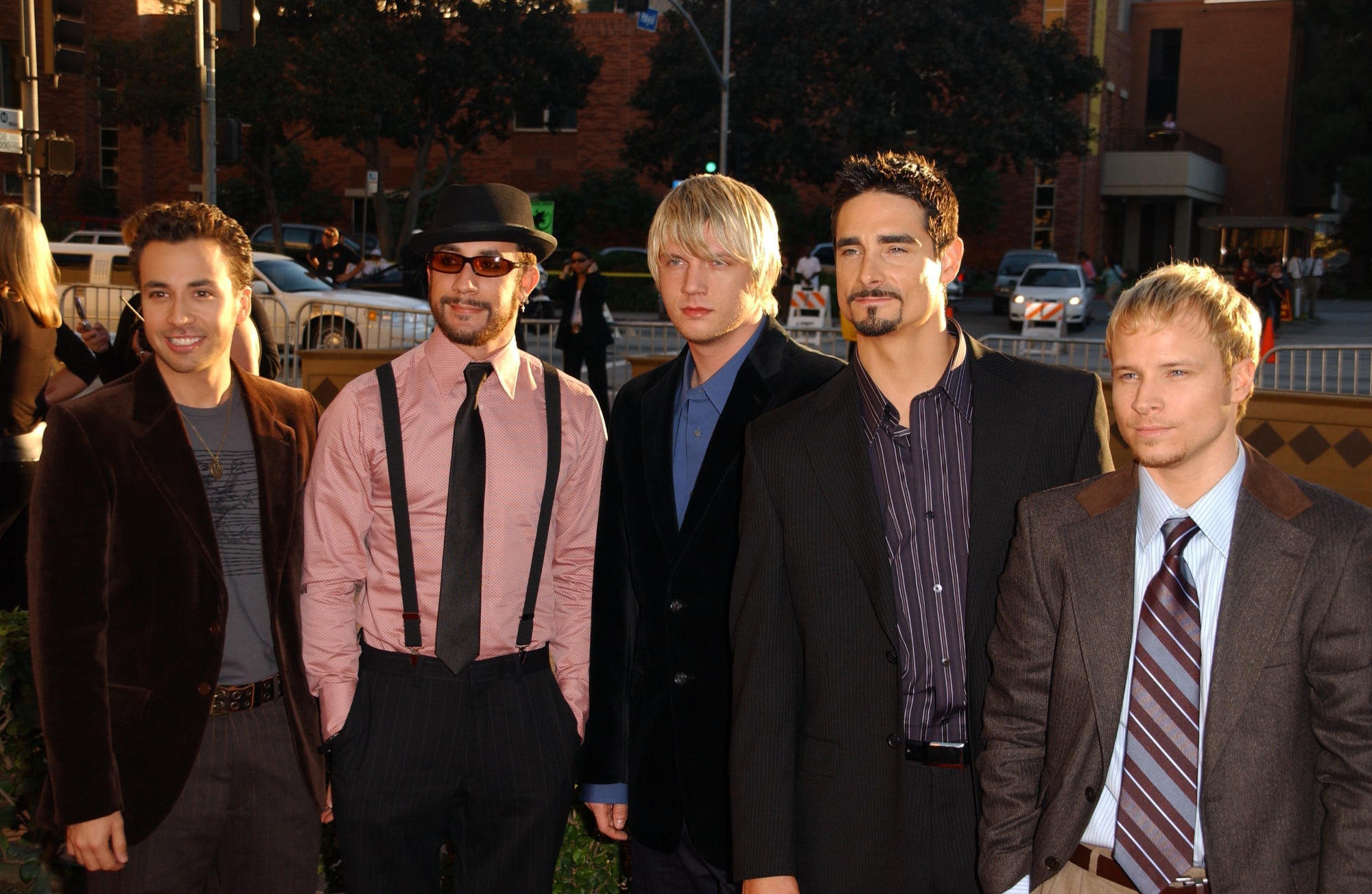
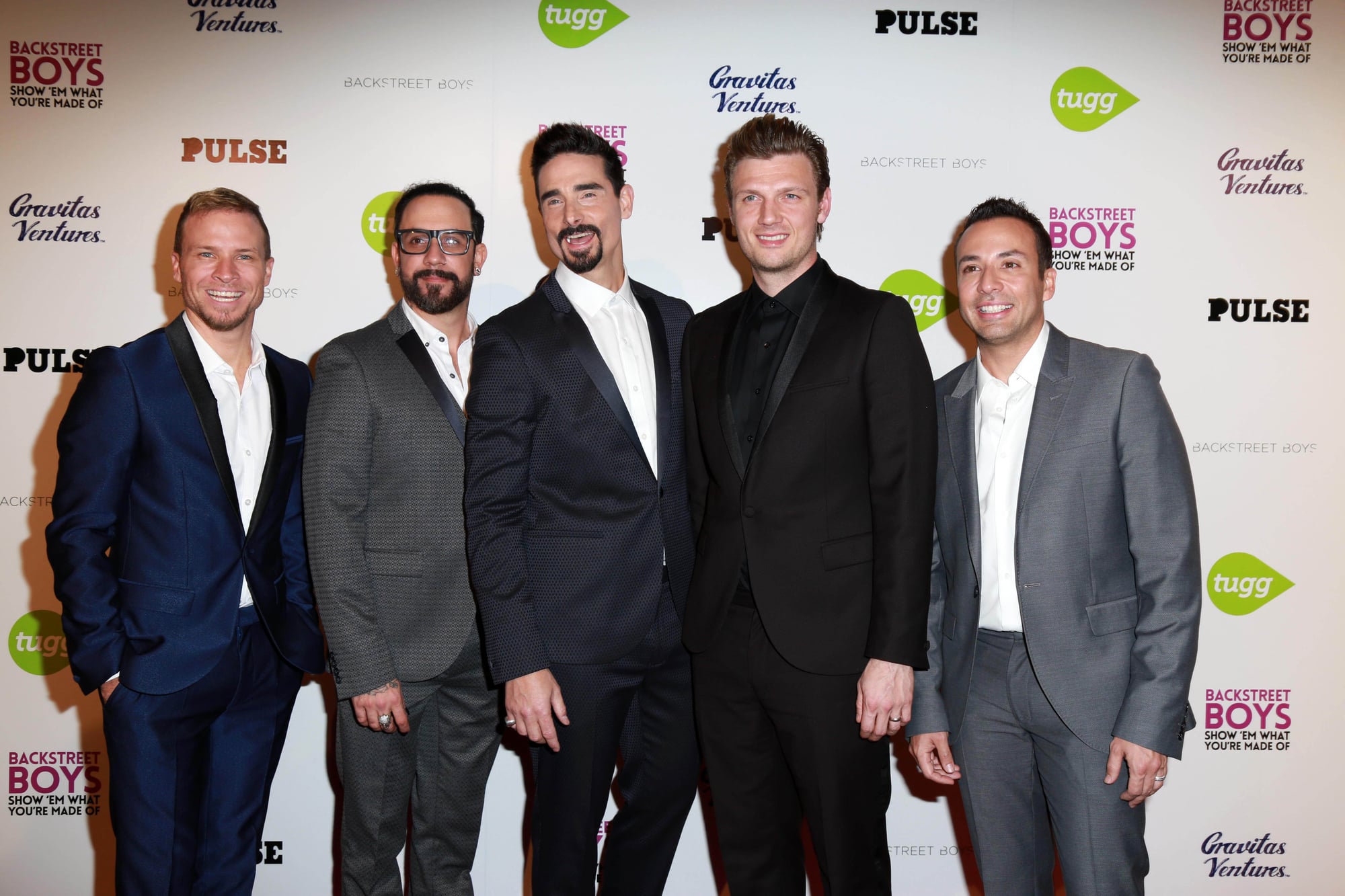
Lou Pearlman’s creation became one of the best-selling music groups of all time, with sales exceeding 100 million records worldwide. Formed in Orlando in 1993, AJ McLean, Howie Dorough, Brian Littrell, Kevin Richardson, and Nick Carter perfected the art of pop harmony and choreography.
Their album ‘Millennium’ became a cultural phenomenon, and their rivalry with NSYNC created one of music’s most famous feuds. The group’s longevity is remarkable – they’re still touring and recording decades later, proving their songs like ‘I Want It That Way’ have true staying power.
Like Go2Tutors’s content? Follow us on MSN.
NSYNC
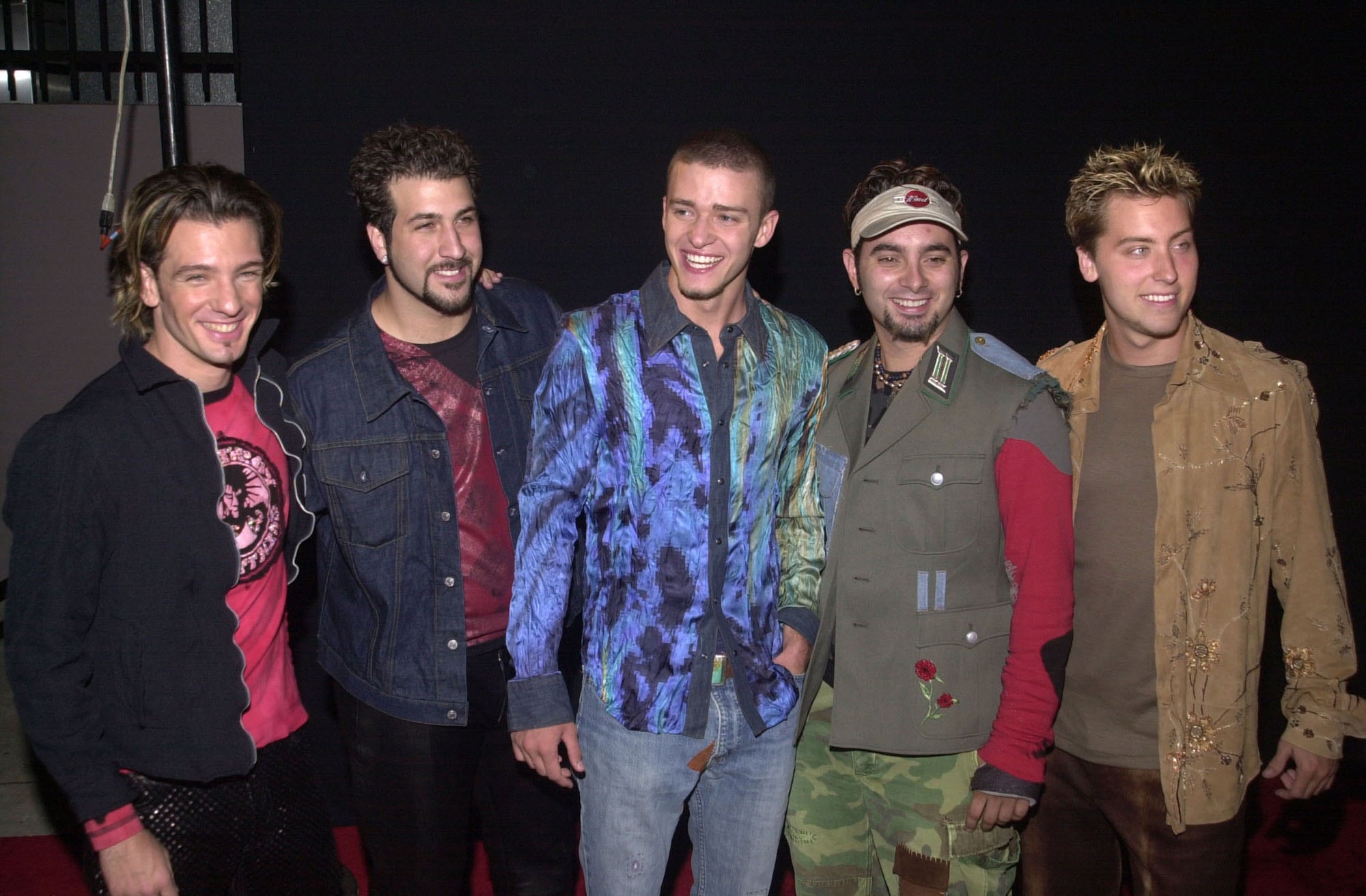
Justin Timberlake, JC Chasez, Chris Kirkpatrick, Joey Fatone, and Lance Bass formed what many consider the peak of 90s boyband artistry. Their album ‘No Strings Attached’ sold 2.4 million copies in its first week alone, smashing previous records.
NSYNC’s combination of tight harmonies, impressive choreography, and Justin Timberlake’s undeniable star quality made them global superstars. The group’s cultural impact extended far beyond music, influencing fashion, dance, and pop culture in ways that are still felt today.
East 17
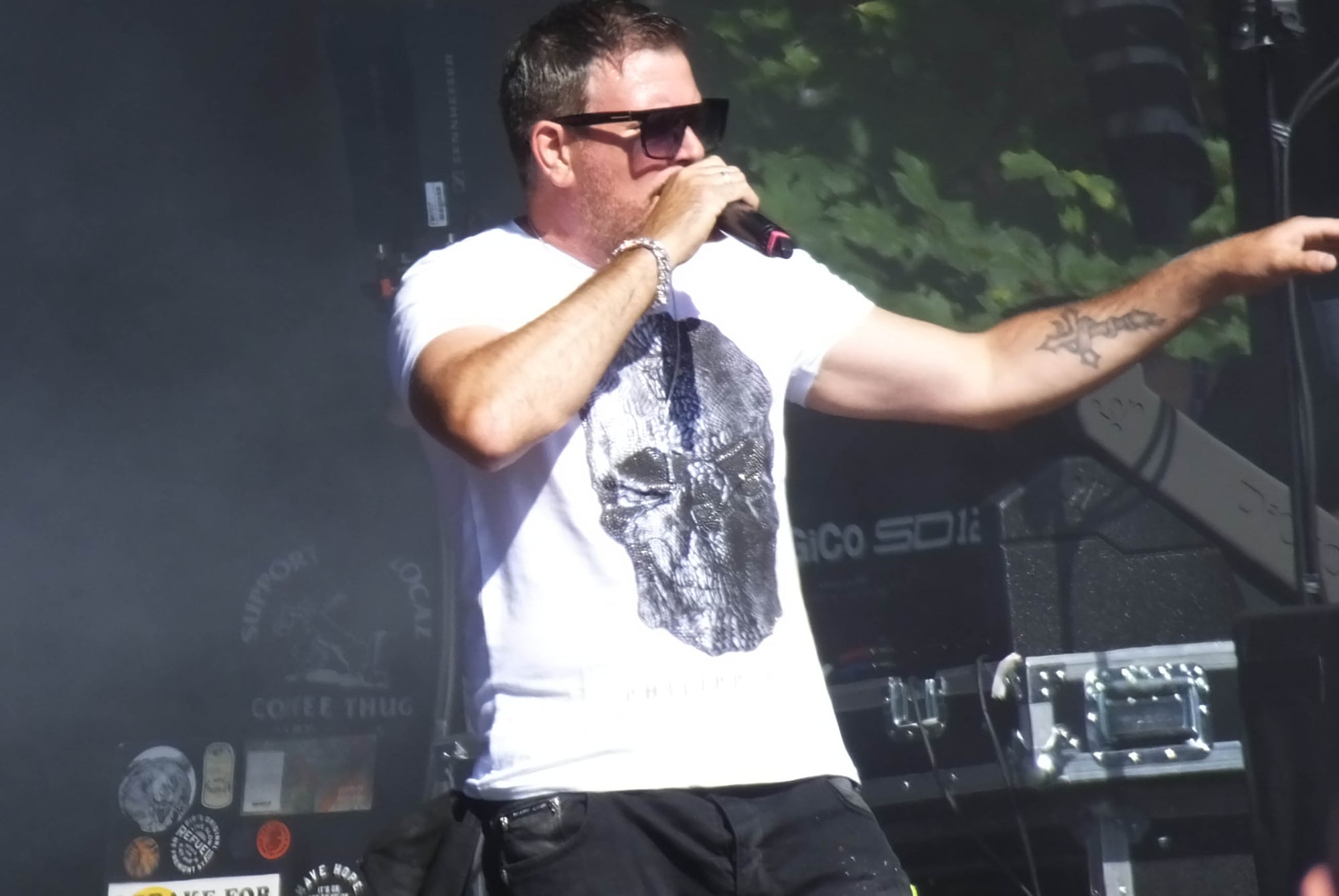
Take That’s grittier counterparts proved that boybands didn’t have to be squeaky clean to achieve massive success. Formed in 1991 with Tony Mortimer, Brian Harvey, John Hendy, and Terry Coldwell, they sold 18 million records across Europe.
Their hip-hop influenced sound and edgier image provided a perfect contrast to Take That’s boy-next-door appeal. Songs like ‘Stay Another Day’ became Christmas classics, and their willingness to incorporate rap and urban sounds into pop music was ahead of its time.
Boyzone
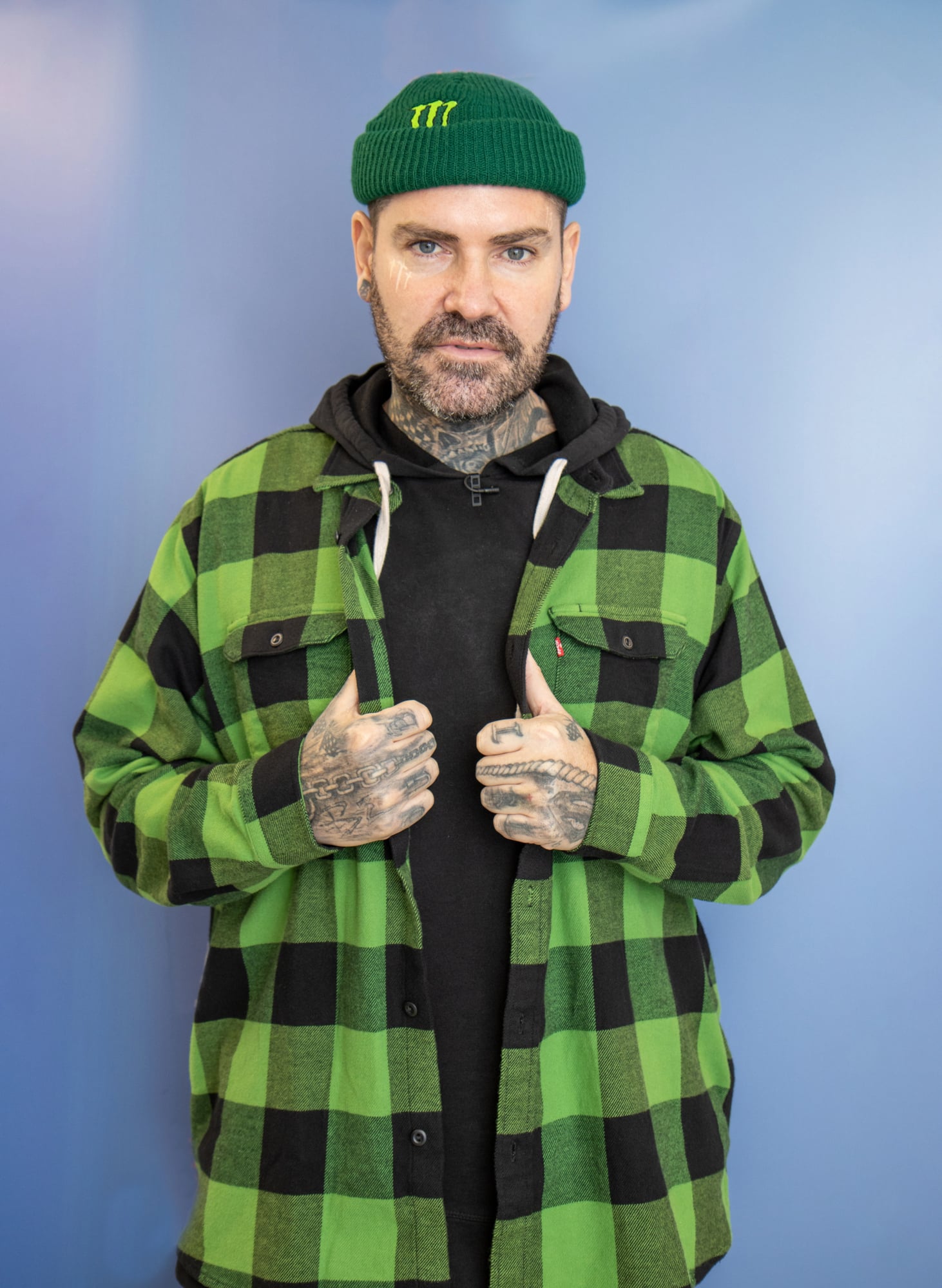
Ireland’s answer to Take That became the second most successful British boyband after Take That themselves. Created by Louis Walsh in 1993, the group featuring Ronan Keating, Keith Duffy, Mikey Graham, Stephen Gately, and Shane Lynch sold 25 million records worldwide.
Their cover versions of classic songs like ‘Love Me for a Reason’ and original hits like ‘No Matter What’ dominated UK and Irish charts throughout the mid-90s. Boyzone’s success proved that the boyband formula could work across different countries and cultures with the right management and songs.
Like Go2Tutors’s content? Follow us on MSN.
Boyz II Men

The Philadelphia harmony group redefined what R&B could be in the mainstream pop landscape. Nathan Morris, Wanya Morris, Shawn Stockman, and Michael McCary sold over 60 million records worldwide and won four Grammy Awards.
Their ballads like ‘End of the Road’ and ‘I’ll Make Love to You’ set records for weeks spent at number one on the Billboard Hot 100. Boyz II Men’s vocal arrangements were so sophisticated that they influenced countless other groups and helped bridge the gap between traditional R&B and contemporary pop music.
A-ha

Norway’s synth-pop pioneers proved that boybands could come from anywhere and still achieve global domination. Morten Harket, Paul Waaktaar-Savoy, and Magne Furuholmen sold an estimated 100 million records worldwide, largely on the strength of their massive hit ‘Take On Me.’
The song’s innovative music video became an MTV staple and helped define the visual aesthetic of 80s pop culture. A-ha’s success opened doors for international acts and showed that language barriers meant nothing when you had the right combination of looks, sound, and video concept.
Wham!
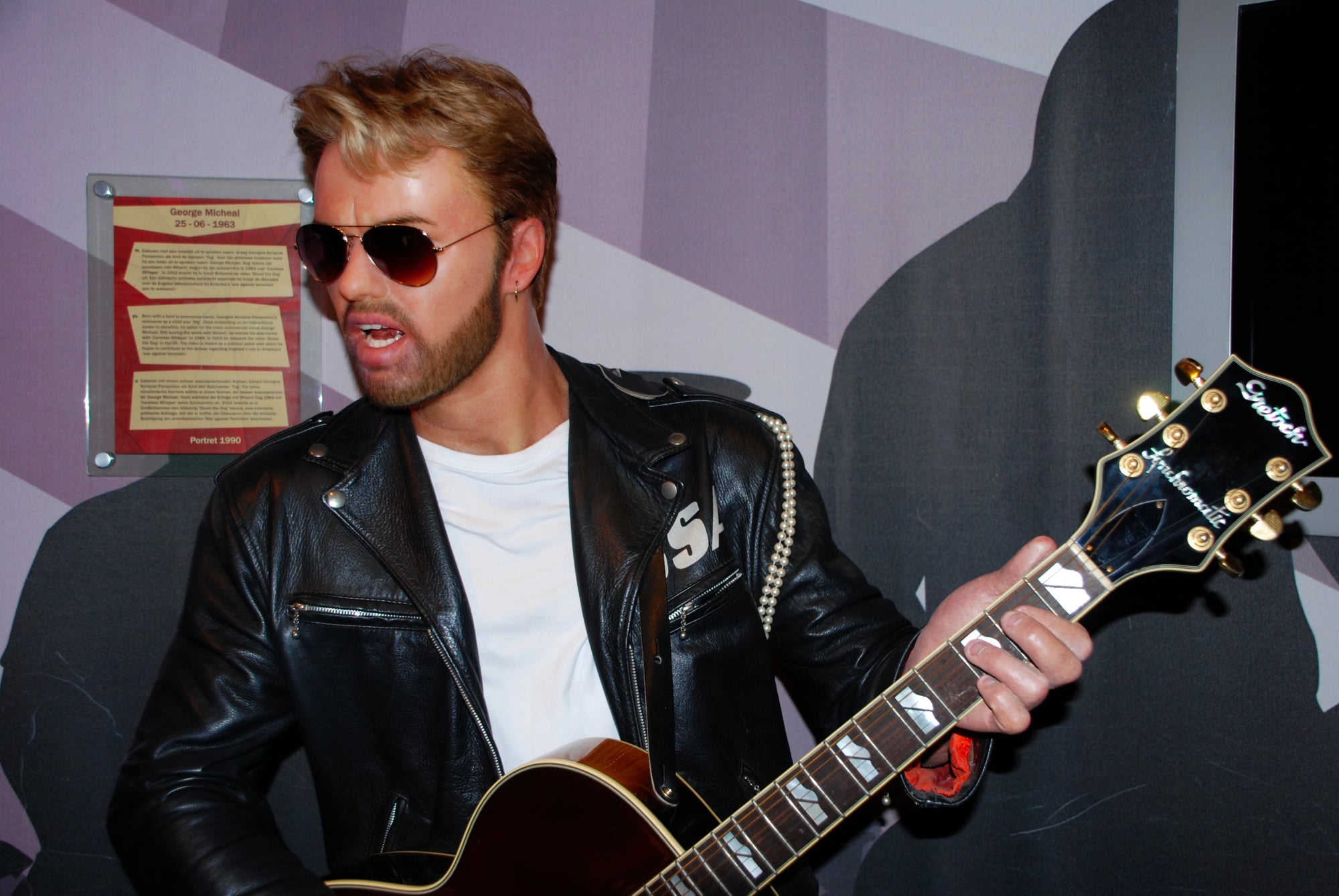
George Michael and Andrew Ridgeley’s dynamic duo brought infectious energy and undeniable charisma to 80s pop music. Their hits like ‘Wake Me Up Before You Go-Go’ and ‘Careless Whisper’ became timeless classics that still fill dance floors today.
Wham!’s fashion-forward aesthetic and exuberant performances made them global superstars and teen heartthrobs. Though they only lasted a few years before George Michael’s solo career took off, their impact on pop culture and the template for future boybands was immense.
Like Go2Tutors’s content? Follow us on MSN.
98 Degrees

The Ohio-based quartet took a more mature approach to the boyband formula, emphasizing their R&B influences and songwriting abilities. Nick Lachey, Drew Lachey, Jeff Timmons, and Justin Jeffre sold over 15 million records worldwide and achieved eight top-40 singles in the US.
Unlike many manufactured groups, 98 Degrees formed organically and wrote much of their own material, giving them credibility that some of their contemporaries lacked. Their Christmas album became one of the most successful holiday albums ever, selling over two million copies.
Westlife
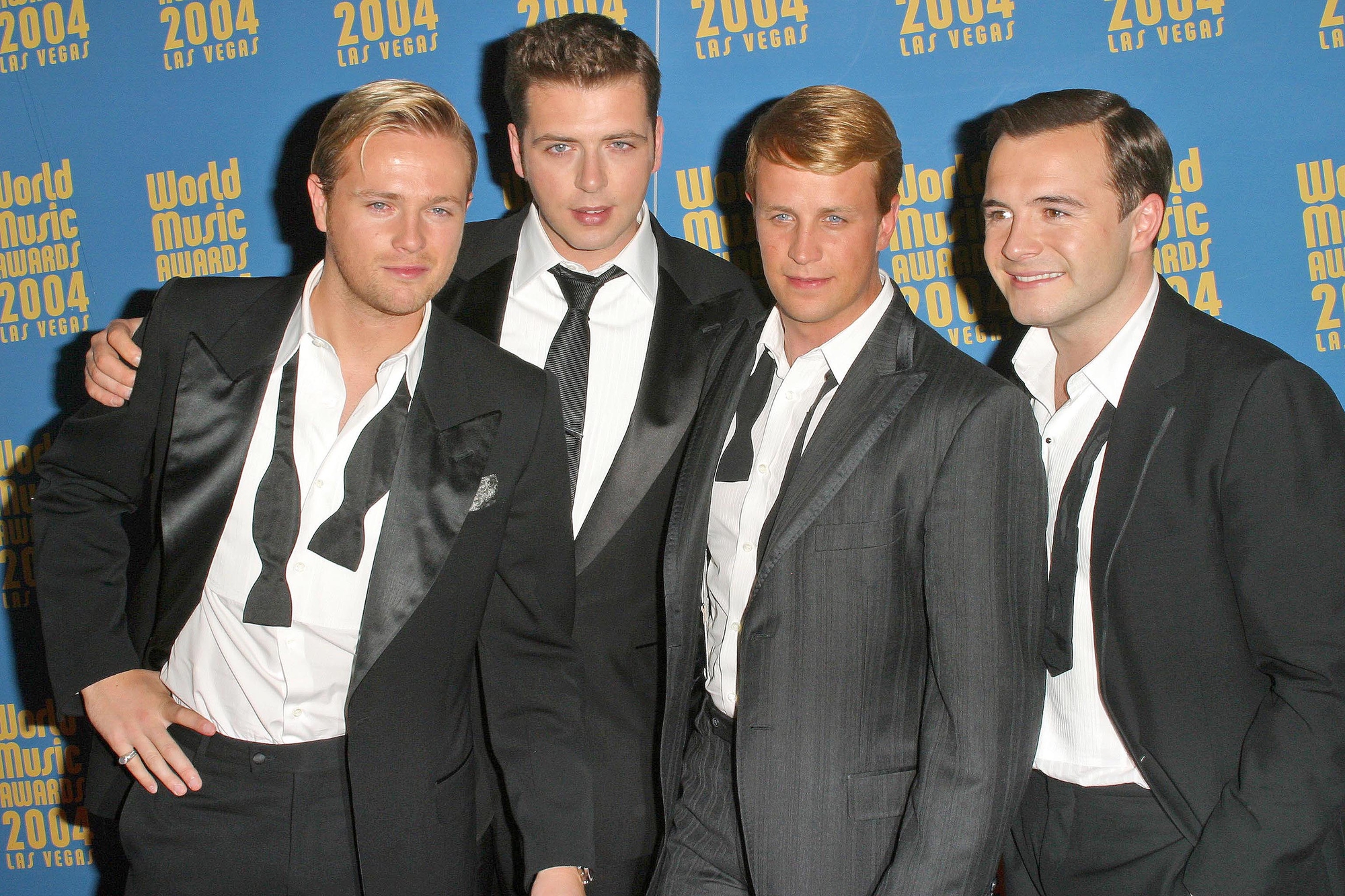
Louis Walsh’s follow-up to Boyzone became one of the most successful boybands in UK chart history. Shane Filan, Kian Egan, Mark Feehily, Nicky Byrne, and Brian McFadden (later replaced by others) achieved 14 UK number-one singles, more than almost any other group.
Formed in 1998, they represented the tail end of the 90s boyband boom but proved the formula still worked when executed properly. Their ballad-heavy approach and synchronized choreography (including their famous stools) made them particularly popular with female audiences across Europe and Asia.
Five
Simon Cowell’s creation showed that British boybands could compete with their American counterparts in the late 90s market. Formed in 1997, the group sold over 20 million records worldwide before splitting in 2001.
Their edgier sound and more urban-influenced style differentiated them from the ballad-heavy approach of groups like Westlife. Five’s success proved that there was still room for new boybands even as the initial wave was beginning to fade, and they helped bridge the gap between 90s pop and the emerging sounds of the new millennium.
Like Go2Tutors’s content? Follow us on MSN.
Color Me Badd
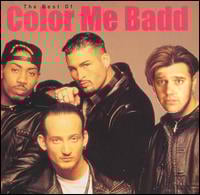
This Oklahoma-based quartet brought New Jack Swing sensibilities to the mainstream pop market. Bryan Abrams, Mark Calderon, Sam Watters, and Kevin Thornton achieved massive success with hits like ‘I Wanna Love You Up’ and ‘All 4 Love.’
Their R&B-influenced sound and smooth harmonies made them popular with both pop and urban audiences. Color Me Badd’s success helped prove that boybands didn’t have to stick to one musical style, and their willingness to incorporate hip-hop elements into their music was influential on later groups.
Menudo

The Puerto Rican group pioneered the concept of rotating membership to maintain a youthful image, creating a template that influenced the entire Latin pop market. Formed in 1977, they achieved their greatest success in the 1980s and launched the careers of future superstars including Ricky Martin.
Menudo sold millions of records across Latin America and proved that boybands could be successful in non-English speaking markets. Their innovative approach to membership turnover ensured the group could continue indefinitely while always maintaining their teenage appeal.
The Beat Goes On

These 15 groups represent more than just musical acts – they were cultural phenomena that shaped an entire generation’s understanding of pop music, fashion, and celebrity. From New Edition’s street-smart R&B to Take That’s polished pop perfection, each group brought something unique to the boyband landscape while following the basic formula of harmony, choreography, and heartthrob appeal.
Their influence extends far beyond their original success, with modern groups like BTS and One Direction clearly drawing inspiration from the template these pioneers established. The 80s and 90s may be over, but the blueprint these iconic boybands created continues to produce new generations of pop sensations worldwide.
More from Go2Tutors!

- 16 Historical Figures Who Were Nothing Like You Think
- 12 Things Sold in the 80s That Are Now Illegal
- 15 VHS Tapes That Could Be Worth Thousands
- 17 Historical “What Ifs” That Would Have Changed Everything
- 18 TV Shows That Vanished Without a Finale
Like Go2Tutors's content? Follow us on MSN.



