Why Certain Superstitions Still Influence Modern Behavior Worldwide
There’s something quietly fascinating about the gap between what people know and what they do. Most people reading a horoscope today would tell you they don’t really believe it — and then read it anyway, just in case.
A rational adult will knock on wood, avoid the number thirteen, or toss salt over their shoulder without pausing to question why. Superstitions should have faded out somewhere around the Enlightenment, give or take a century.
They didn’t. If anything, they adapted — slipping into modern habits, sports rituals, architecture, and daily decision-making without much resistance. Understanding why requires looking honestly at human psychology, cultural memory, and the surprisingly stubborn grip of inherited fear.
The Psychology of Pattern Recognition
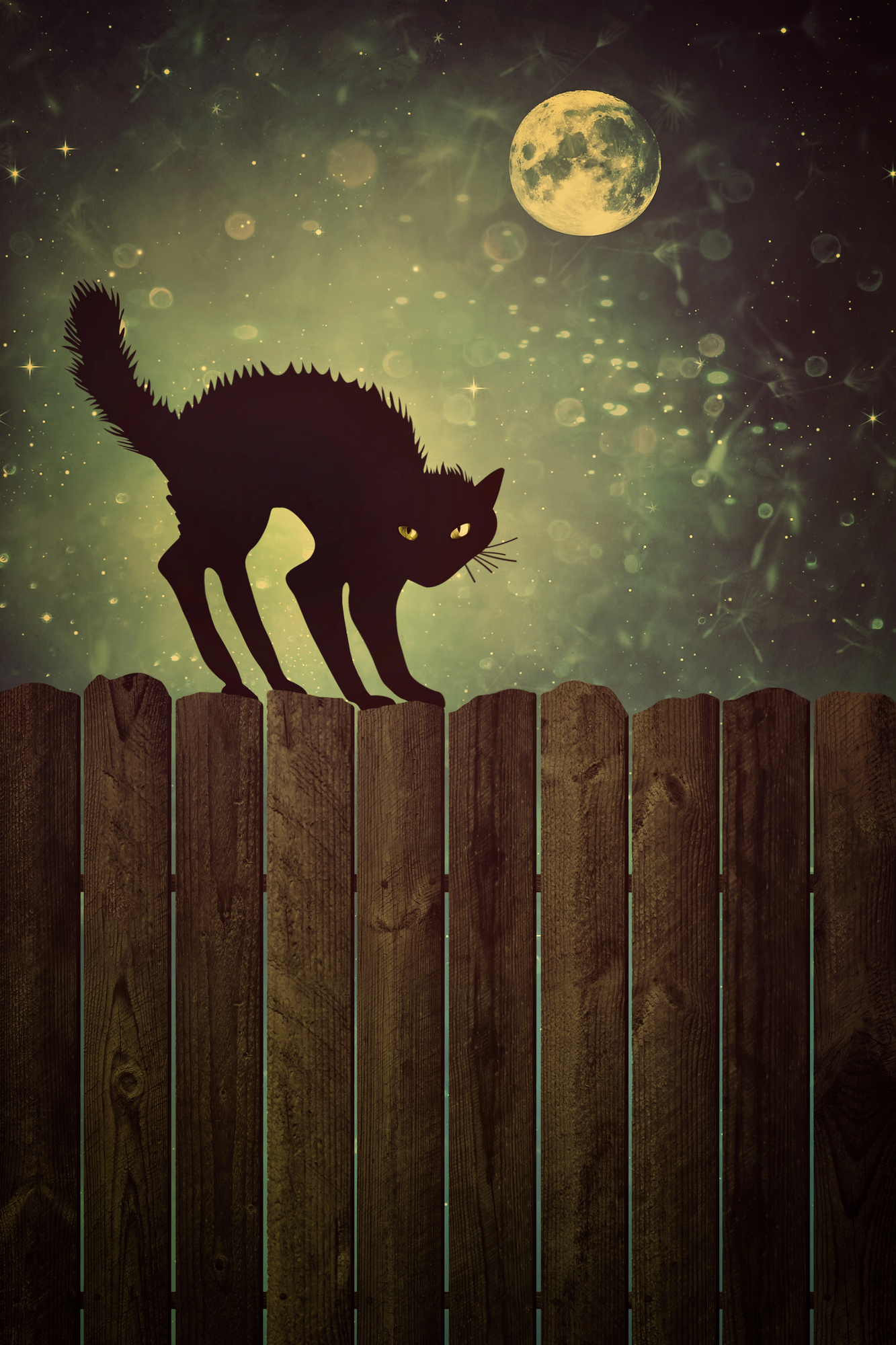
Human brains are pattern-finding machines, and they don’t come with an off switch. When two unrelated events happen close together — a black cat crossing your path, a tire blowing out an hour later — the brain files them as connected, because that’s exactly what brains evolved to do.
So you avoid black cats. Not because you believe in magic, but because the wiring underneath your reasoning does.
The Role of Anxiety and Control
Superstitions thrive wherever certainty runs thin — and that’s a very wide address. When outcomes feel unpredictable (a job interview, a medical diagnosis, a game-deciding penalty kick), the mind reaches for something, anything, that restores the feeling of influence.
Wearing the same socks that were on your feet during your last big win is functionally useless, and most people know it, but the act of wearing them hands back a small measure of perceived control — which, it turns out, is almost as calming as actual control.
Cultural Transmission Through Childhood

Superstitions reach people young, and that’s not an accident — it’s just how transmission works. A grandmother who winces every time someone opens an umbrella indoors doesn’t sit down and explain the historical origins of that belief; she just winces, and the child notices, and the feeling gets logged without any conscious decision to keep it.
By the time a person is old enough to question the logic, the reflex is already built in.
The Number Thirteen
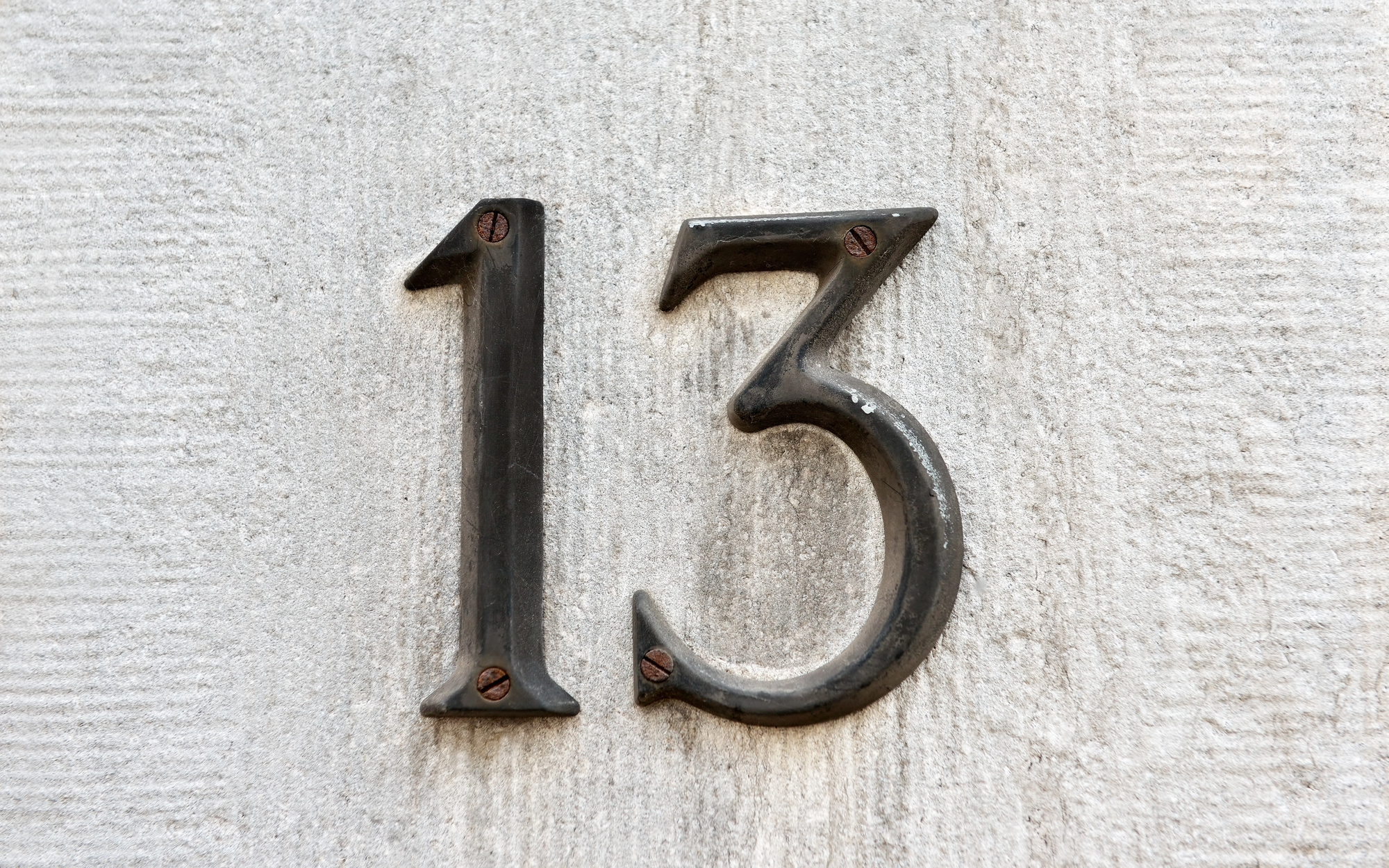
Triskaidekaphobia — the fear of the number thirteen — is one of the most economically consequential superstitions in the Western world, which is a strange sentence to have to write. Hotels routinely skip the thirteenth floor in their numbering, airports omit Gate 13, and real estate listings for properties on streets with that address number have historically sold at lower prices than comparable homes nearby.
The belief traces back through multiple overlapping traditions, including the Last Supper’s thirteen attendees and Norse mythology’s story of Loki as the thirteenth guest at a fatal dinner — so the anxiety has deep, reinforced roots rather than a single explainable origin.
Lucky Numbers in East Asian Cultures

The number eight carries the kind of cultural weight in China that thirteen carries in dread — except in reverse. The Cantonese pronunciation of eight sounds close to the word for prosperity, which is why the 2008 Beijing Olympics deliberately opened at 8:08 p.m. on August 8th, and why phone numbers, license plates, and apartment floors containing multiple eights command measurable price premiums in markets like Hong Kong and mainland China.
Four, by contrast, sounds like the word for death in Mandarin and Cantonese both, and is avoided in building floors, product packaging, and gift quantities with the same stubborn consistency that thirteen gets dodged in Chicago hotel lobbies.
Sports Rituals as Living Superstition

Athletes are, as a professional class, among the most superstitious people alive. Rafael Nadal’s pre-serve routine — adjusting his hair, touching his nose, pulling at his shirt — runs to a sequence so precise that timing studies have clocked it at roughly forty-five seconds per point, repeated across every single game he plays.
The ritual doesn’t change his serve mechanics, but it organizes his mental state, and that gap between magical thinking and genuine psychological function is where most sports superstitions actually live.
The Evil Eye Across Civilizations

The evil eye belief — the idea that envy or malice directed through a gaze can bring misfortune — appears in ancient Mesopotamian texts, Greek and Roman records, medieval Islamic scholarship, and contemporary Mediterranean and Middle Eastern daily life. What makes it remarkable isn’t just the age of the belief but the geographic sprawl: cultures that had no contact with each other independently developed nearly identical protective symbols, from the blue glass nazar amulet in Turkey to the hamsa hand across North Africa and the Levant.
Something that persistent across that many separate civilizations suggests it’s tapping into something universal rather than merely borrowed.
Friday the 13th
Friday the 13th manages to combine two separate bad-luck traditions into one compressed date, which is either efficient or doubly unfortunate depending on your disposition. Fridays carried an independent reputation for misfortune in Christian tradition (linked to the crucifixion), while thirteen already carried its own weight — so their collision turned into something greater than either alone.
Studies examining U.S. stock market behavior on Friday the 13th have found measurable dips in trading activity, suggesting that even people who manage other people’s money let the date nudge their behavior.
Salt, Mirrors, and the Physics of Bad Luck

Spilling salt was once a serious economic event — salt was expensive, traded like currency, and losing it was genuinely costly — so the anxiety around it had practical origins before it calcified into superstition. The seven years of bad luck tied to breaking a mirror traces back to Roman beliefs that a reflection held a fragment of the soul, and that a shattered image meant a shattered self.
These beliefs are like old scars: the original wound has long since healed, but the mark stayed.
Superstition in Financial Markets

It would be reasonable to assume that finance — a field built on quantitative analysis — would be immune to superstitious behavior. It isn’t.
Researchers studying trading patterns have documented that certain numbers, dates, and culturally coded events produce statistically detectable shifts in market behavior among traders who, professionally, should know better. The market is, among other things, a collective mood — and collective moods carry superstitions the same way they carry confidence or fear.
Pregnancy and Protective Belief

Superstitions surrounding pregnancy are among the most tenacious anywhere in the world, and they appear in virtually every culture without exception. In Japan, a tradition called hara obi involves wrapping the belly in a ceremonial cloth on the day of the Dog in the fifth month of pregnancy, believed to ensure a safe delivery — a practice documented back to the Heian period and still observed today.
Across cultures, the logic is the same: the stakes are high, the outcome is uncertain, and any available gesture toward protection feels worth making.
The Persistence of Knock on Wood
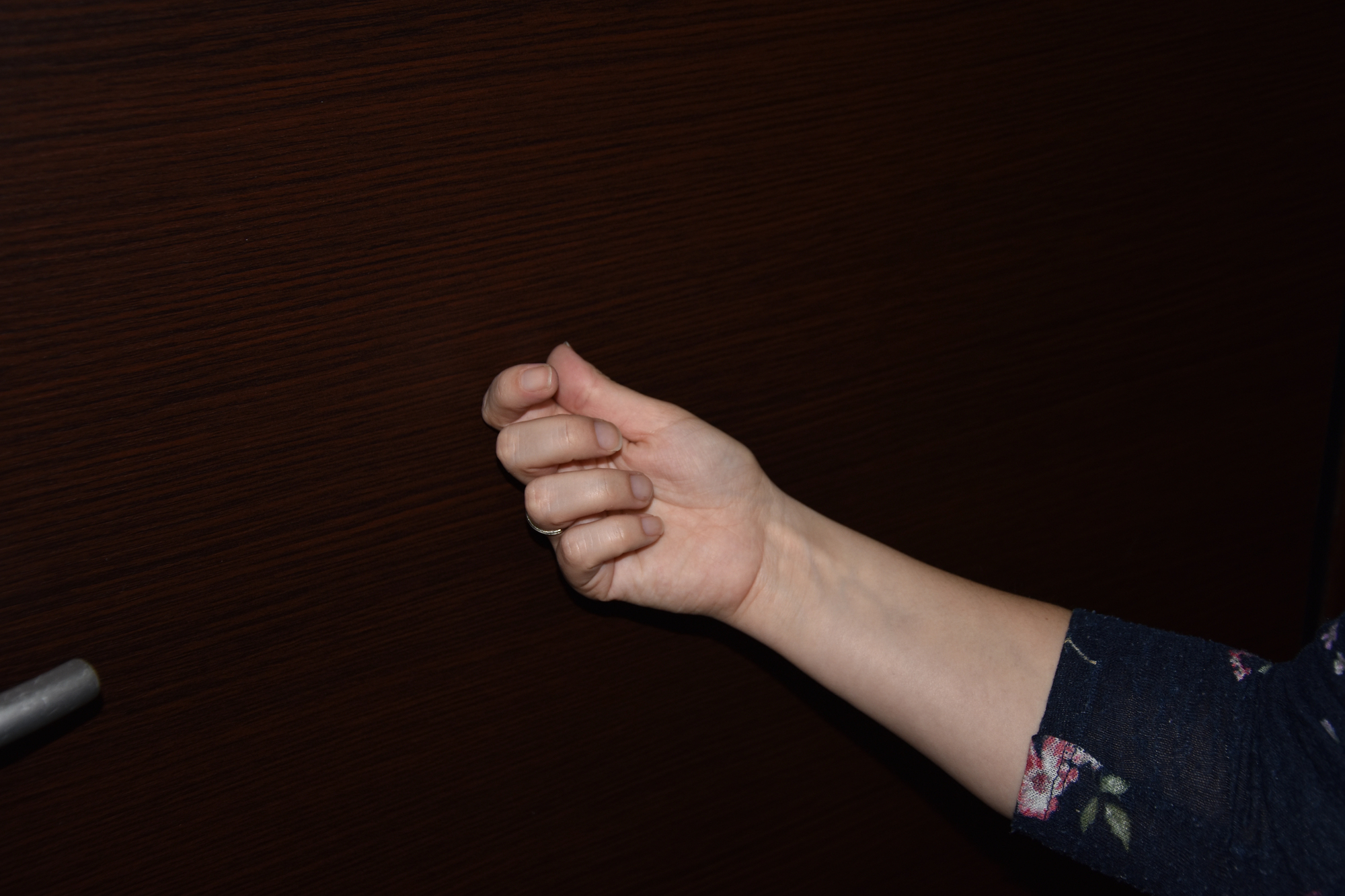
“Knock on wood” — or its equivalent — surfaces in cultures from Ireland to Turkey to India, with slightly different explanations but the same basic physical action. The most cited Western origin connects it to Celtic beliefs about tree spirits, where touching a living tree acknowledged the protective spirit inside it.
Whatever the root, the phrase has outlived the belief system it came from by centuries, surviving now as a kind of verbal insurance policy that people use even when they’re not sure why.
New Year Superstitions Around the World
New Year observances worldwide are dense with protective and luck-attracting behavior that functions, by any honest definition, as superstition. In Spain, eating twelve grapes at midnight — one per stroke of the clock — is meant to secure twelve months of good fortune, and supermarkets sell pre-peeled, pre-seeded grapes specifically for the occasion.
In the American South, black-eyed peas eaten on January 1st carry the same purpose — a tradition with roots in the Civil War era, when Union troops left black-eyed peas behind as animal feed, and the people who survived that winter on those peas associated them with luck. Old enough beliefs become indistinguishable from culture.
Superstition and Religion

The line between superstition and religious practice is genuinely blurry, and drawing it too sharply tends to reveal more about the person drawing it than about the practices themselves. Carrying a saint’s medal for protection, hanging a horseshoe above a doorway, and praying before a surgery all operate on a similar structural logic: a ritual act performed in hopes of influencing an uncertain outcome.
To be fair, major religious institutions have spent considerable energy trying to distance themselves from folk superstitions — but the folk superstitions generally just kept going anyway.
Color Symbolism as Behavioral Driver

Colors carry superstitious weight that quietly shapes commercial and personal decisions worldwide. White in many East Asian cultures signals mourning rather than purity, which is why Western bridal fashion required significant reframing for those markets — not because of aesthetic preference, but because of deep associative dread.
Green cars were considered bad luck in American racing culture for decades, a belief traced back to a 1920 accident at an Indianapolis race involving a green vehicle, and some drivers refused green-painted cars well into the 1960s.
The Albatross in Maritime Culture

Among sailors, killing an albatross has been considered catastrophic bad luck for centuries — a belief with enough cultural grip that Coleridge made it the central catastrophe of “The Rime of the Ancient Mariner” in 1798, and the poem’s power came partly from readers who already understood the weight of the transgression. Albatrosses follow ships for days across open ocean, which made them feel like guides or guardians to sailors with few landmarks and enormous stretches of uncertain water.
Superstitions born at sea tend to be among the most durable, because the sea is exactly the kind of environment — vast, indifferent, unpredictable — where the mind reaches hardest for any available structure.
Architecture and Superstitious Design

Buildings around the world have been designed around superstitious constraints with the same rigor applied to structural engineering. In Hong Kong, the HSBC Main Building famously incorporated feng shui consultations during its 1985 construction, with the placement of escalators, entrances, and even the pair of bronze lion sculptures at the entrance determined partly by feng shui principles.
Feng shui — the Chinese system of spatial arrangement meant to channel energy favorably — has influenced everything from hospital layouts to apartment floor plans across East and Southeast Asia, and not only among traditionally minded clients; major Western corporations building in those markets routinely commission consultations.
The Superstition Economy
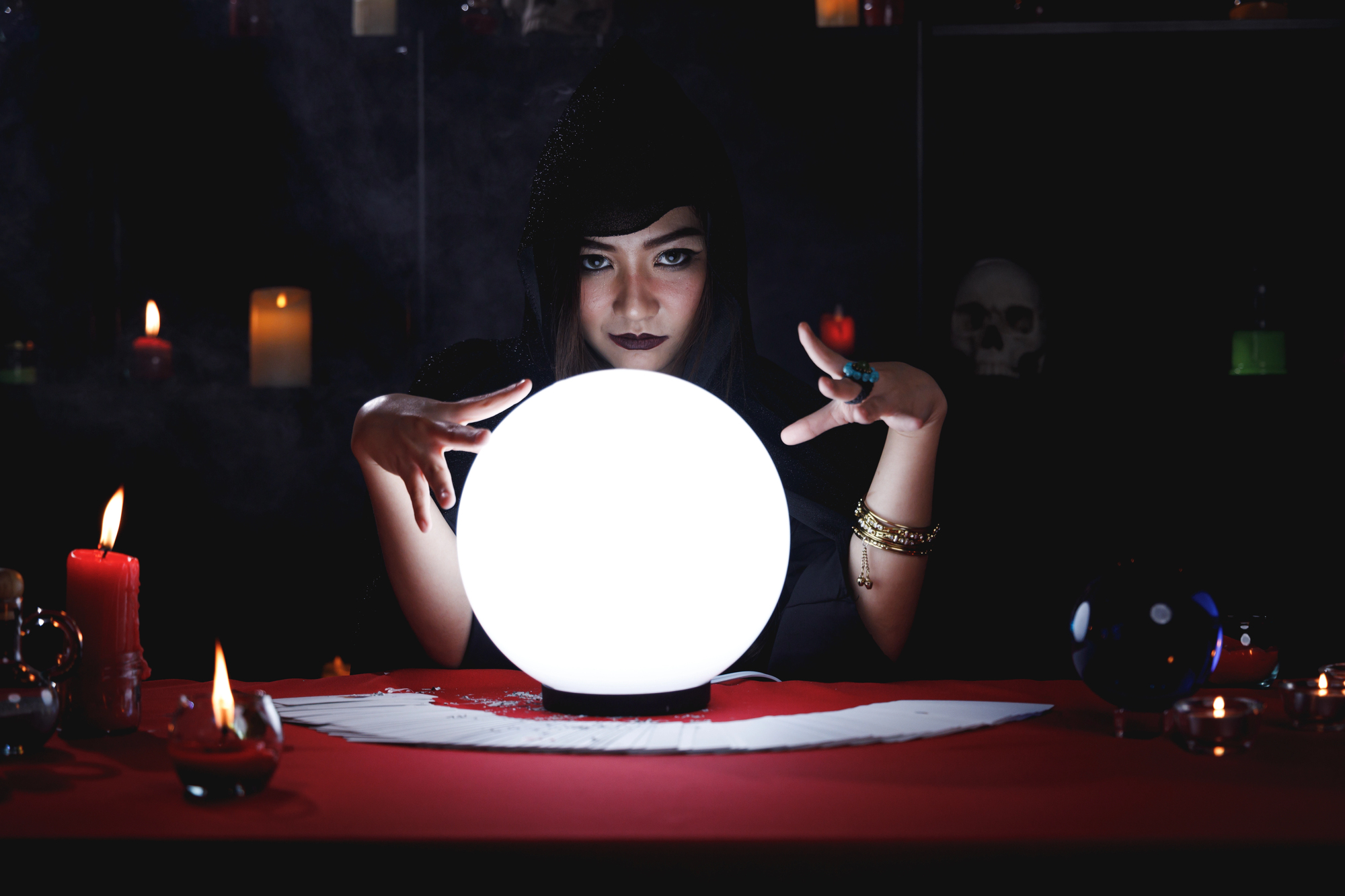
Superstition generates a measurable economy, which is either a testament to human adaptability or a very dry joke. Lucky charm sales, feng shui consulting, astrology apps (Co-Star alone had over 20 million downloads within two years of launching), numerology services, and evil eye jewelry collectively represent billions of dollars in annual spending.
People are not accidentally buying these things — they’re choosing them, often with full awareness of what they’re doing, which suggests the purchase is about something other than naïve belief.
Whistling Indoors

The prohibition against whistling indoors appears in multiple unconnected cultures — Russian superstition links indoor whistling to financial ruin, while theatrical tradition in the West treats it as a harbinger of bad luck backstage, with origins in the days when stagehands used whistle signals to coordinate rigging drops. Whistling the wrong cue at the wrong moment could send a sandbag into someone’s path.
The safety precaution outlived the rigging systems it was designed around and became, instead, an omen.
The Wishbone Ritual
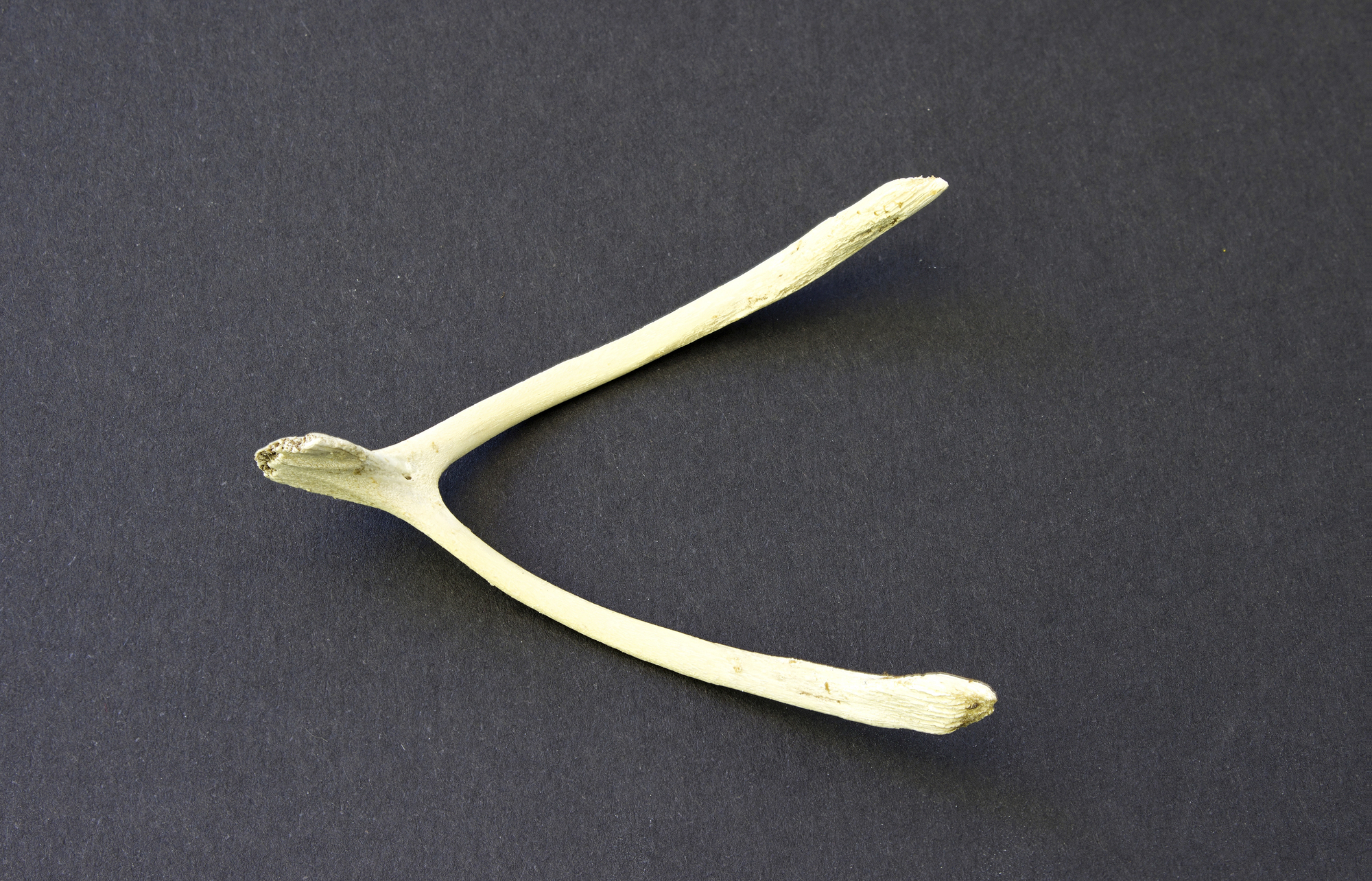
Two people pulling apart a dried wishbone, with the winner getting the larger piece and a granted wish — this ritual has roots in Etruscan divination practices involving bird bones, traveled through Roman culture, arrived in England, and crossed the Atlantic with colonists. The fact that it survives as a Thanksgiving dinner fixture in the 21st century, in a culture that prides itself on pragmatism, says something about how much staying power a ritual can have simply by being joyful.
Some superstitions persist not because people fear ignoring them but because they enjoy performing them.
Astrology’s Unlikely Modern Revival
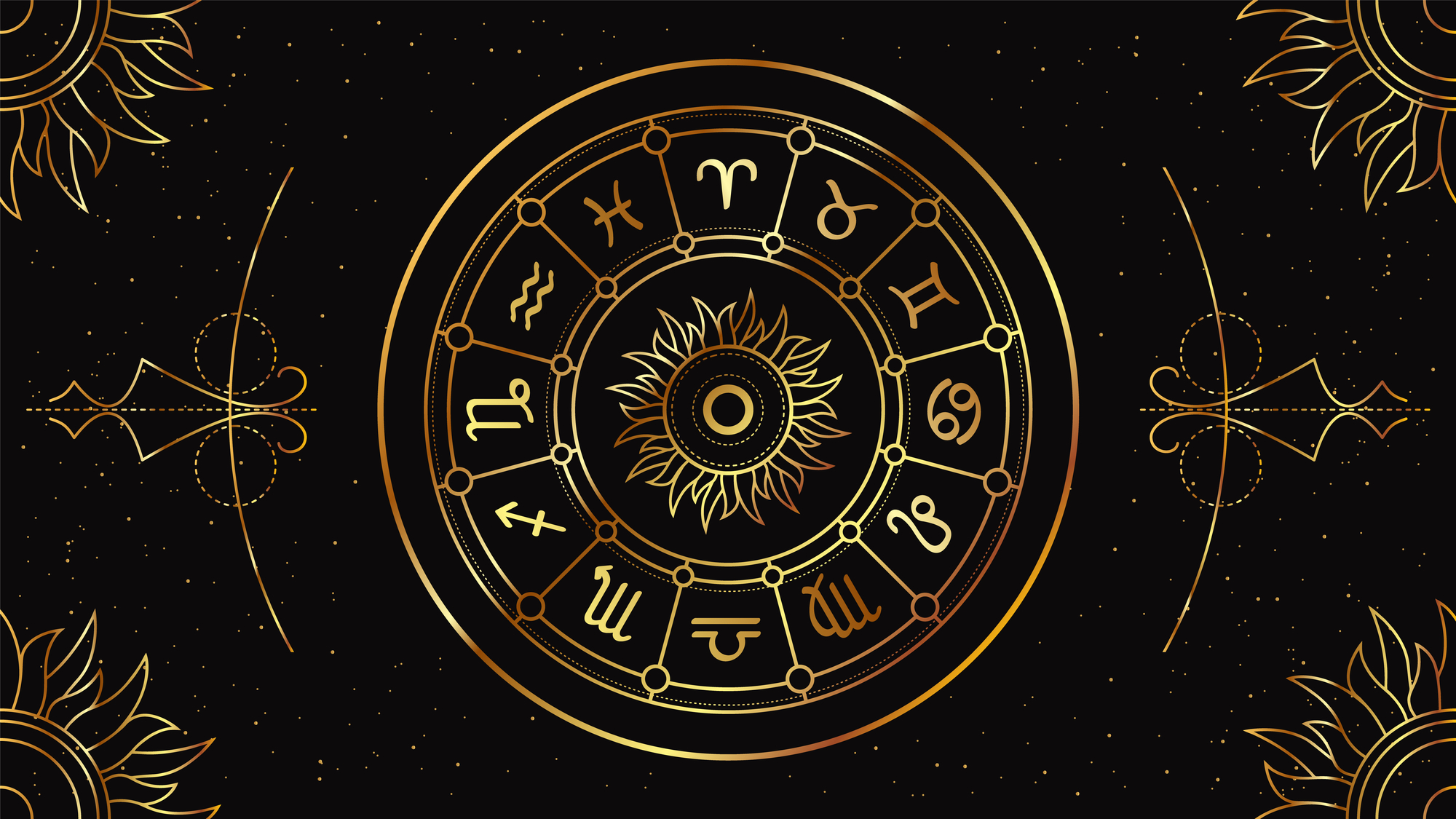
Astrology’s resurgence among younger generations is one of the more surprising cultural developments of the past decade, given that it coincided with some of the highest rates of scientific literacy ever recorded. Millennials and Gen Z consumers are the primary drivers behind the astrology app market, the explosion of birth chart readings on social media, and the normalization of “what’s your sign” as genuine social currency — not as a relic but as a lived framework.
Astrology survives not because people can’t access better information but because it offers something better information has never been particularly good at providing: a language for talking about personality, compatibility, and the feeling that your life has shape.
Superstition Under Stress

Under acute stress, superstitious behavior intensifies — and this holds across education levels, professions, and stated belief systems. Studies of casino behavior show that people who describe themselves as non-superstitious still blow on dice, choose “hot” slot machines, and avoid changing seats after a small win.
The behavior isn’t evidence of stupidity; it’s evidence of a nervous system doing exactly what it was built to do — look for anything that feels like an edge when the outcome matters and the variables are out of reach.
The Survival of Superstition in the Digital Age

The internet did not kill superstition — it gave it a distribution network. Chain messages evolved into chain emails, which evolved into forwarded social media posts promising luck for sharing and misfortune for ignoring, running on the same structural logic as a handwritten note passed through a village in 1600.
The format updates, the underlying mechanism doesn’t. And there’s something almost elegant about that: the oldest human anxieties finding the newest possible channels, arriving in your notifications the same way they once arrived by candlelight.
When the Ritual Is the Point
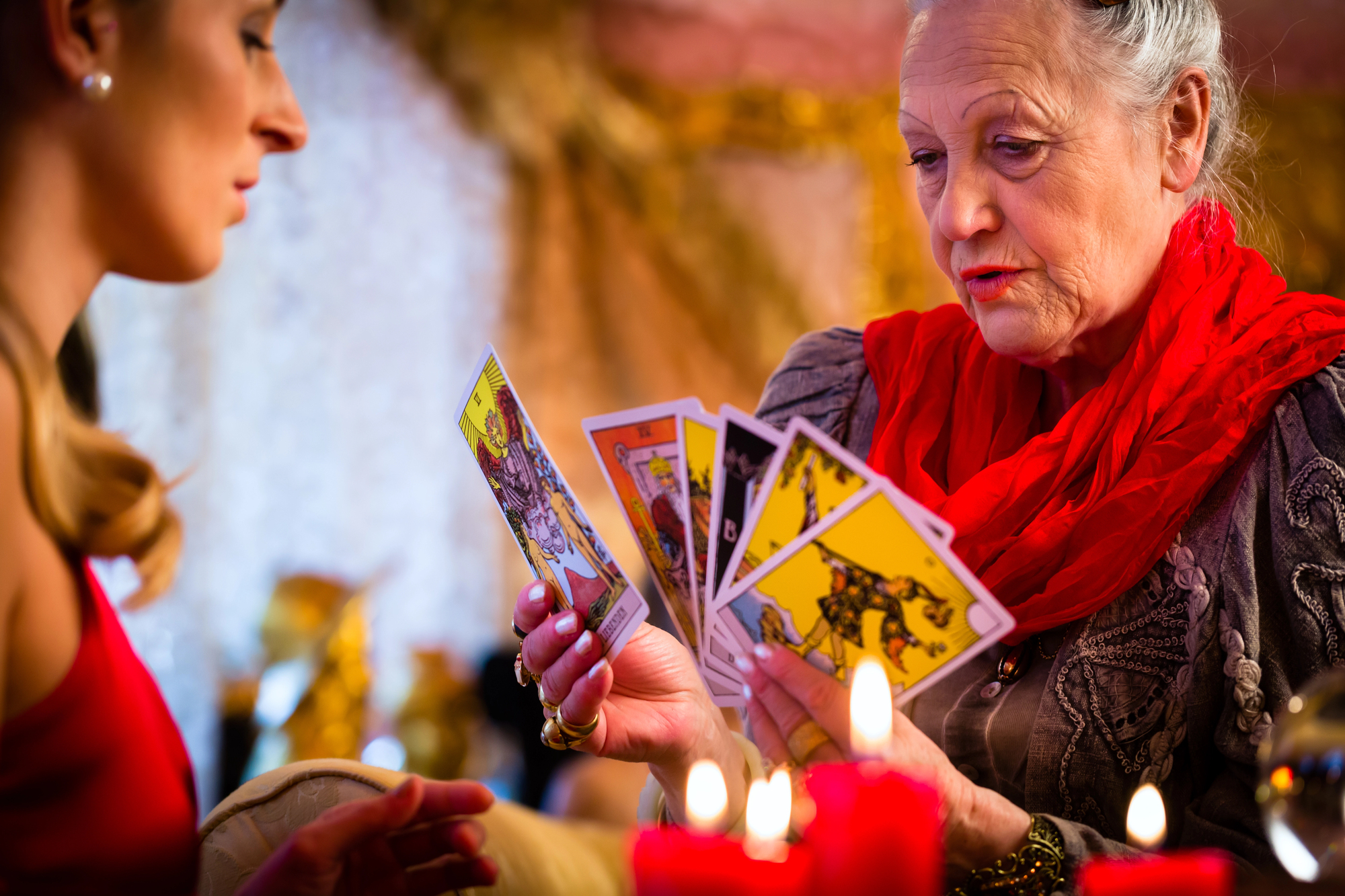
Not every superstition persists because people believe in its mechanism. Many survive because the act of performing them feels meaningful regardless of outcome — because ritual, even irrational ritual, creates a pause, a moment of intention, in the middle of an otherwise ordinary day.
There’s a reason baseball players develop elaborate pre-at-bat routines that would take ten minutes to explain and zero minutes to abandon if they simply stopped caring. Meaning doesn’t need to be logical to be real.
What We Keep Without Meaning To
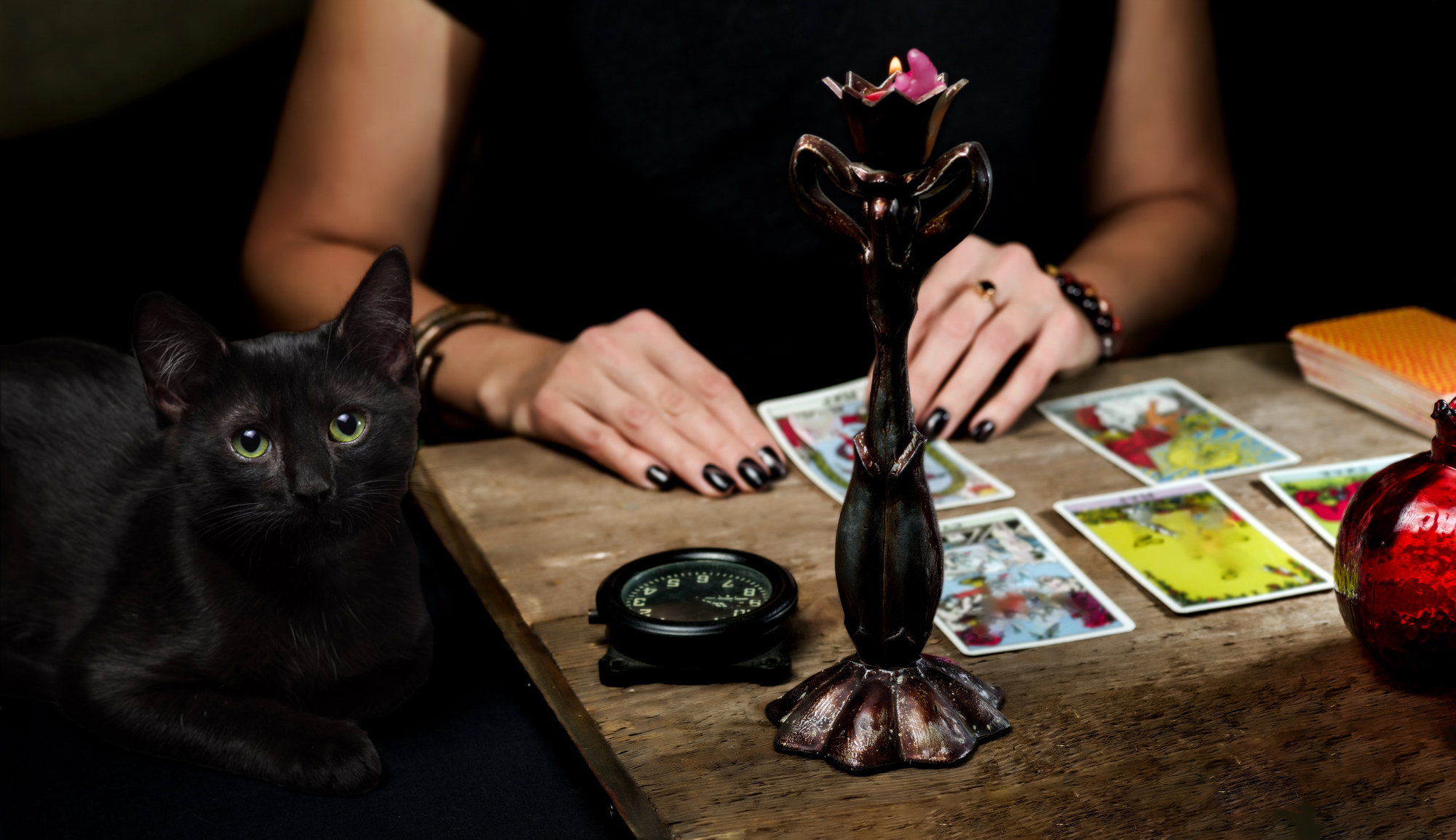
Some of the most durable things in human culture are the ones nobody decided to keep. They just never left — passed from hand to hand, generation to generation, as reflexes rather than choices, arriving in the present wearing the clothes of habit.
Superstitions are, in a way, a fossil record of every era when humans faced uncertainty without adequate tools and built their own, imperfect ones anyway. The tools changed.
The impulse never did. And the next time you knock on wood, you’re touching something very old — and very stubbornly human.
More from Go2Tutors!

- The Romanov Crown Jewels and Their Tragic Fate
- 13 Historical Mysteries That Science Still Can’t Solve
- Famous Hoaxes That Fooled the World for Years
- 15 Child Stars with Tragic Adult Lives
- 16 Famous Jewelry Pieces in History
Like Go2Tutors’s content? Follow us on MSN.