27 Lunch Lady Specials From School Cafeterias Nobody Makes Anymore
There’s a specific kind of nostalgia that hits differently than the rest — not the soft, golden kind you choose to revisit, but the involuntary kind, triggered by a smell or a color or the sound of a metal tray sliding across a laminate counter. School cafeteria food was never supposed to be good.
And yet, somehow, certain dishes have lodged themselves permanently in the memory of an entire generation. The rectangle pizza. The fluorescent green Jell-O.
The mystery meat that everyone complained about and everyone ate. These weren’t meals cooked with ambition — they were meals cooked with institutional-sized cans, limited budgets, and a rotating weekly schedule posted on a corkboard outside the gym.
Nobody’s replicating them in restaurants. Nobody’s putting them on a menu with a nostalgic twist.
They just quietly disappeared, and this is where they went.
Rectangular Pizza
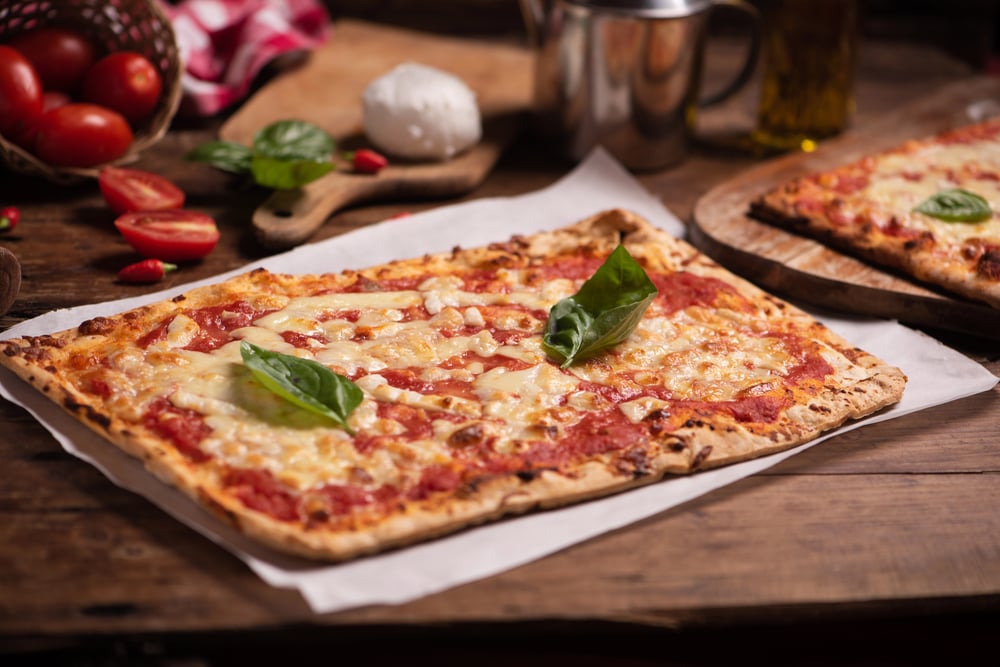
Rectangular pizza is the undisputed icon of American school lunch, and no other food comes close. It wasn’t about the ingredients — the cheese was processed, the sauce was industrial, the crust was thick enough to double as drywall — but the shape felt like a declaration, like school food had its own geometry that the outside world didn’t follow.
You knew what day it was by the smell alone.
Beef and Bean Burritos
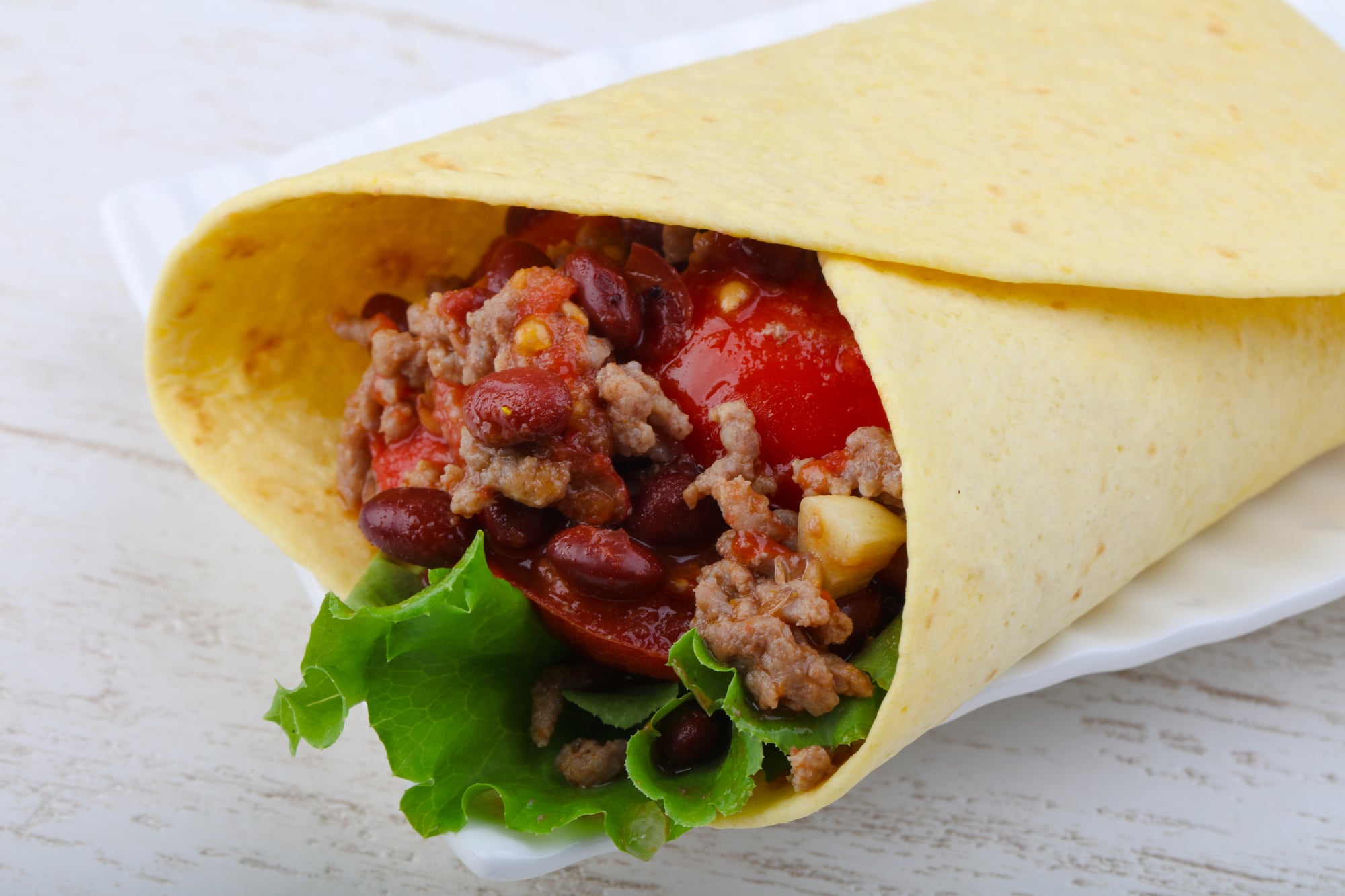
These burritos arrived pre-wrapped in thin paper, already warm from sitting in a tray too long, with a filling that was equal parts seasoned beef and refried beans and absolutely indifferent to your personal preferences. The tortilla was always slightly chewy in the middle and crisp at the edges, a texture no burrito place has ever replicated because no burrito place would try.
To be fair, they were filling in a way that mattered at 11:45 in the morning.
Chili Mac
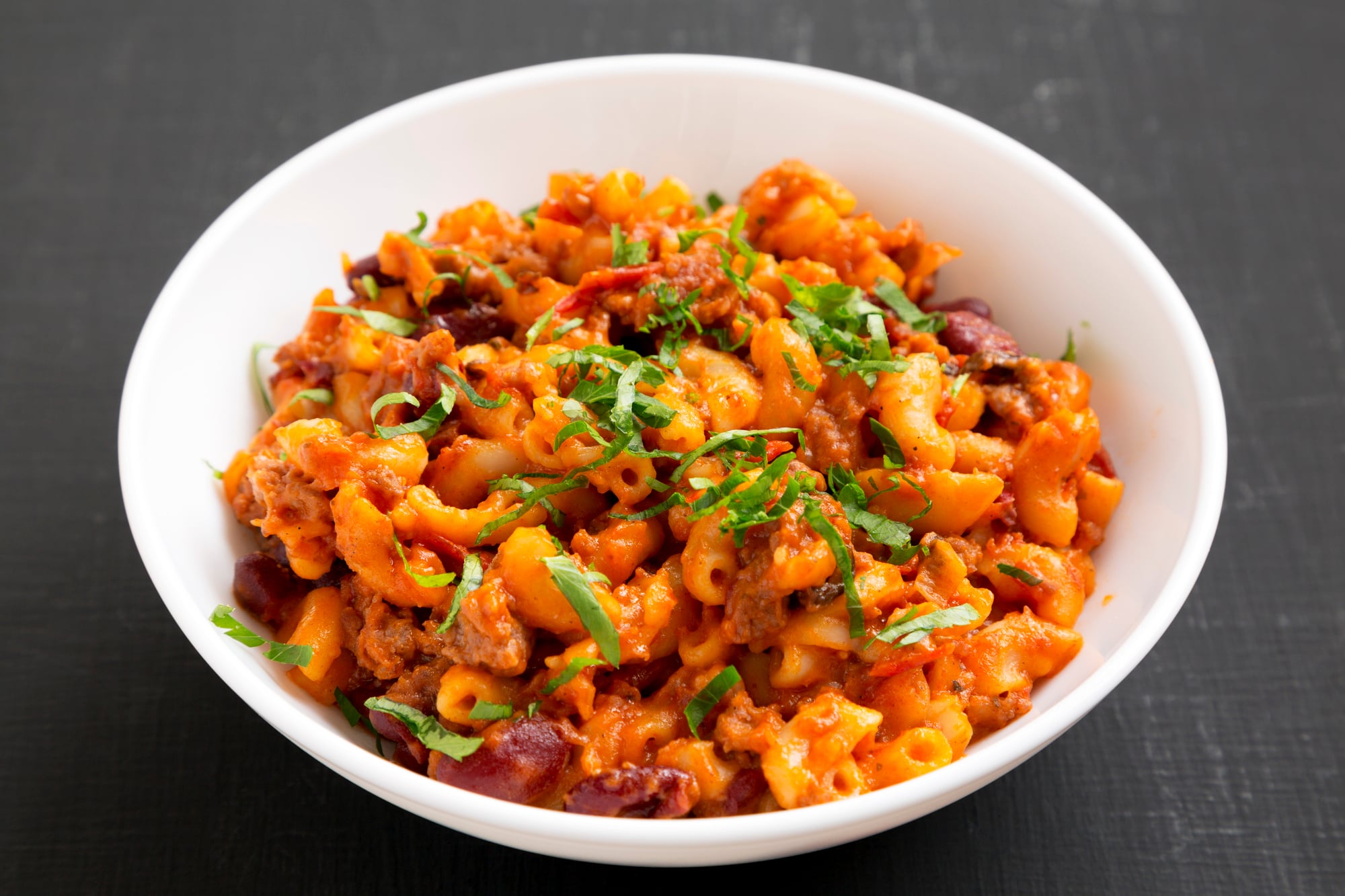
Chili mac occupied a strange, underappreciated corner of the cafeteria rotation — the kind of dish that sounds like two leftovers shoved together because, honestly, it probably was. There’s something almost stubborn about a food that refuses to be either chili or macaroni and insists on being both at once, sitting heavy in a divided tray like it knows exactly what it is and sees no reason to explain itself.
Kids who didn’t like it tolerated it. Kids who liked it looked forward to it with an enthusiasm that probably surprised them.
Fish Sticks and Tartar Sauce
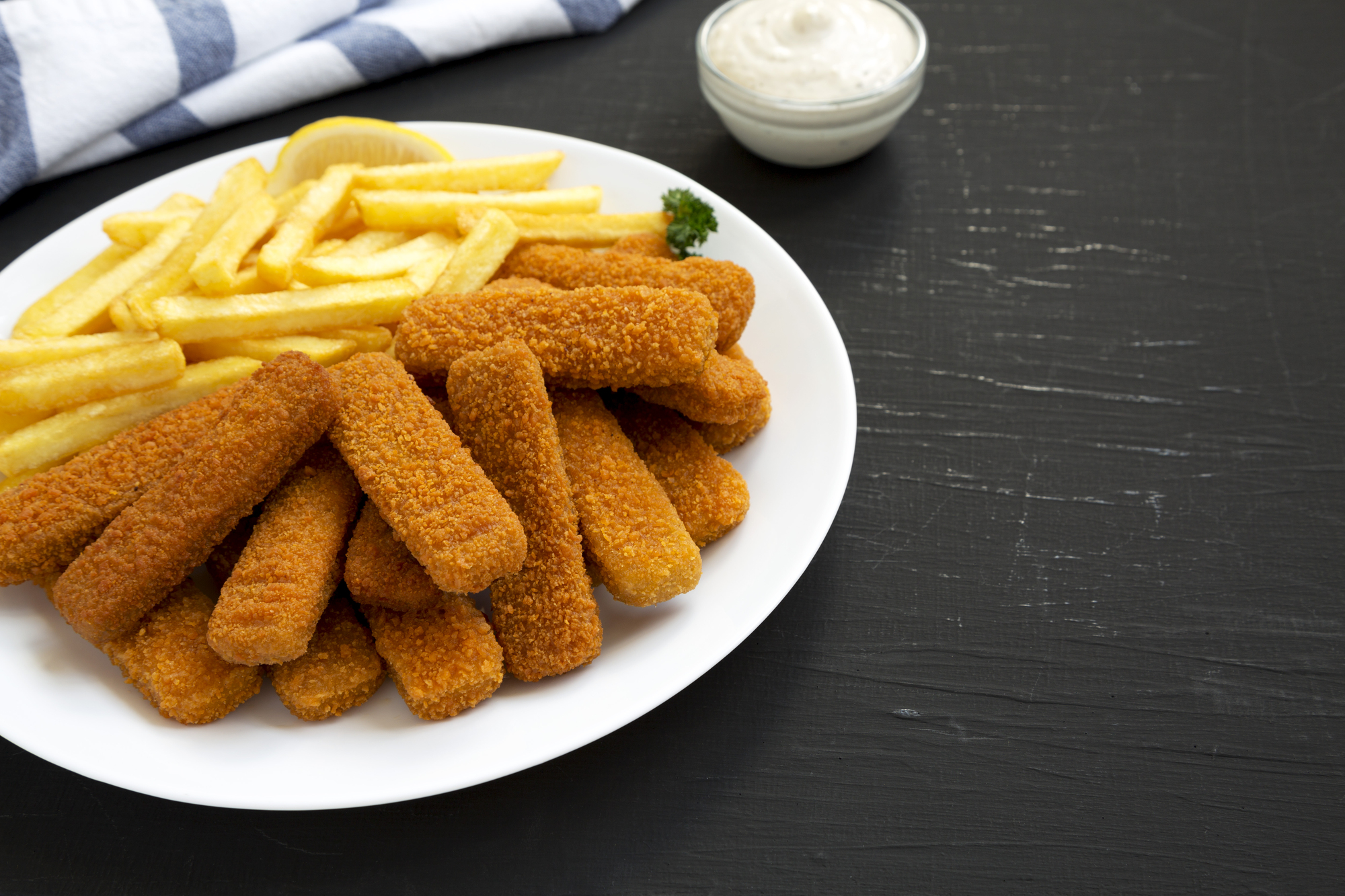
Fish sticks on a Friday were less a meal than a ritual — the cafeteria’s nod to the old Catholic school calendar, even in public schools where nobody was technically observing anything. The tartar sauce came in a small plastic cup, slightly too cold, slightly too sweet, and the fish sticks themselves had that particular breaded crunch that exists only in the frozen food aisle and institutional kitchens.
Nobody calls them a delicacy. And yet.
Hot Ham and Cheese on a Bun
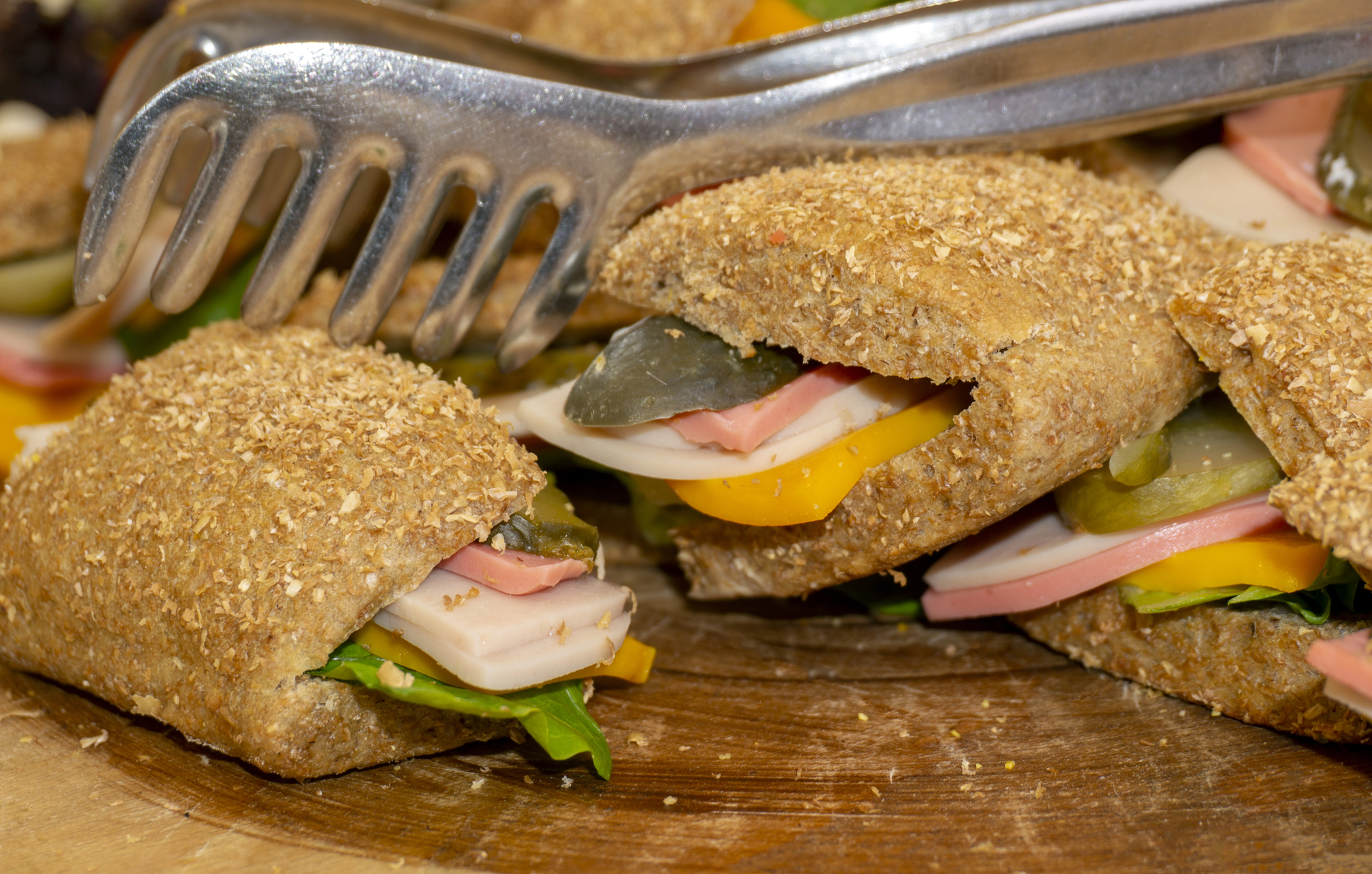
The hot ham and cheese was the reliable middle child of cafeteria sandwiches — not as flashy as pizza day, not as mysterious as the rotating entrée, just a warm bun, folded deli ham, and a single slice of processed American cheese that had been in the oven just long enough to melt at the edges. It’s a sandwich that doesn’t ask anything of you.
That was, turns out, exactly the right approach for a Tuesday in November.
Tater Tots
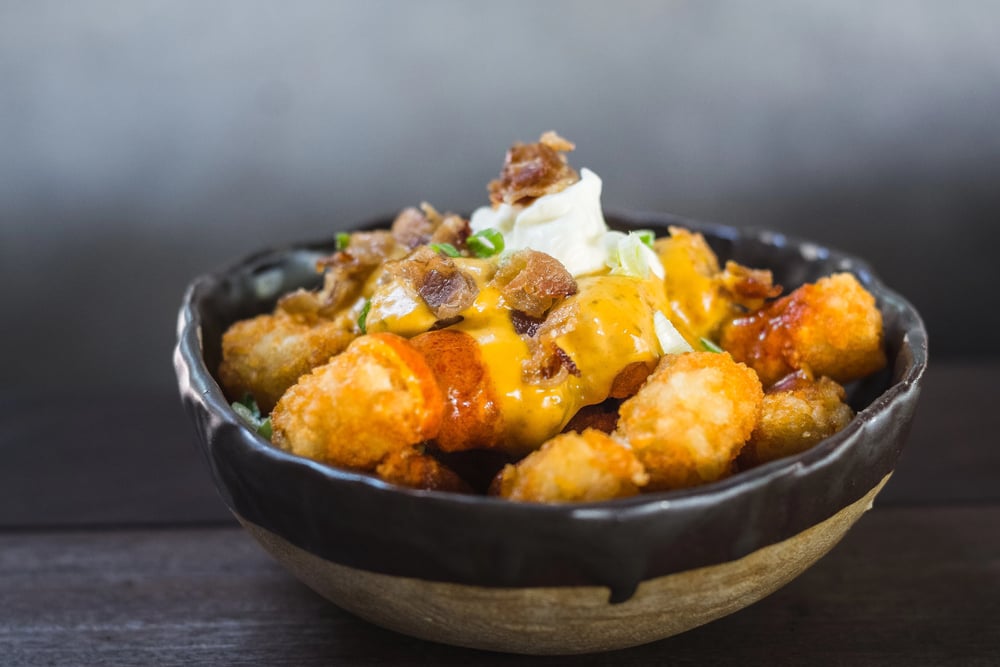
Tater tots belong to the cafeteria the way chalk dust belongs to a classroom — so thoroughly associated with the setting that experiencing them elsewhere feels slightly wrong. Crispy on the outside, soft and starchy inside, served in a portion that was technically a side but functioned as the main attraction on any given day.
The lunch lady who portioned them out with a scoop held real power, and everyone at that age understood it.
Corn Dog Nuggets
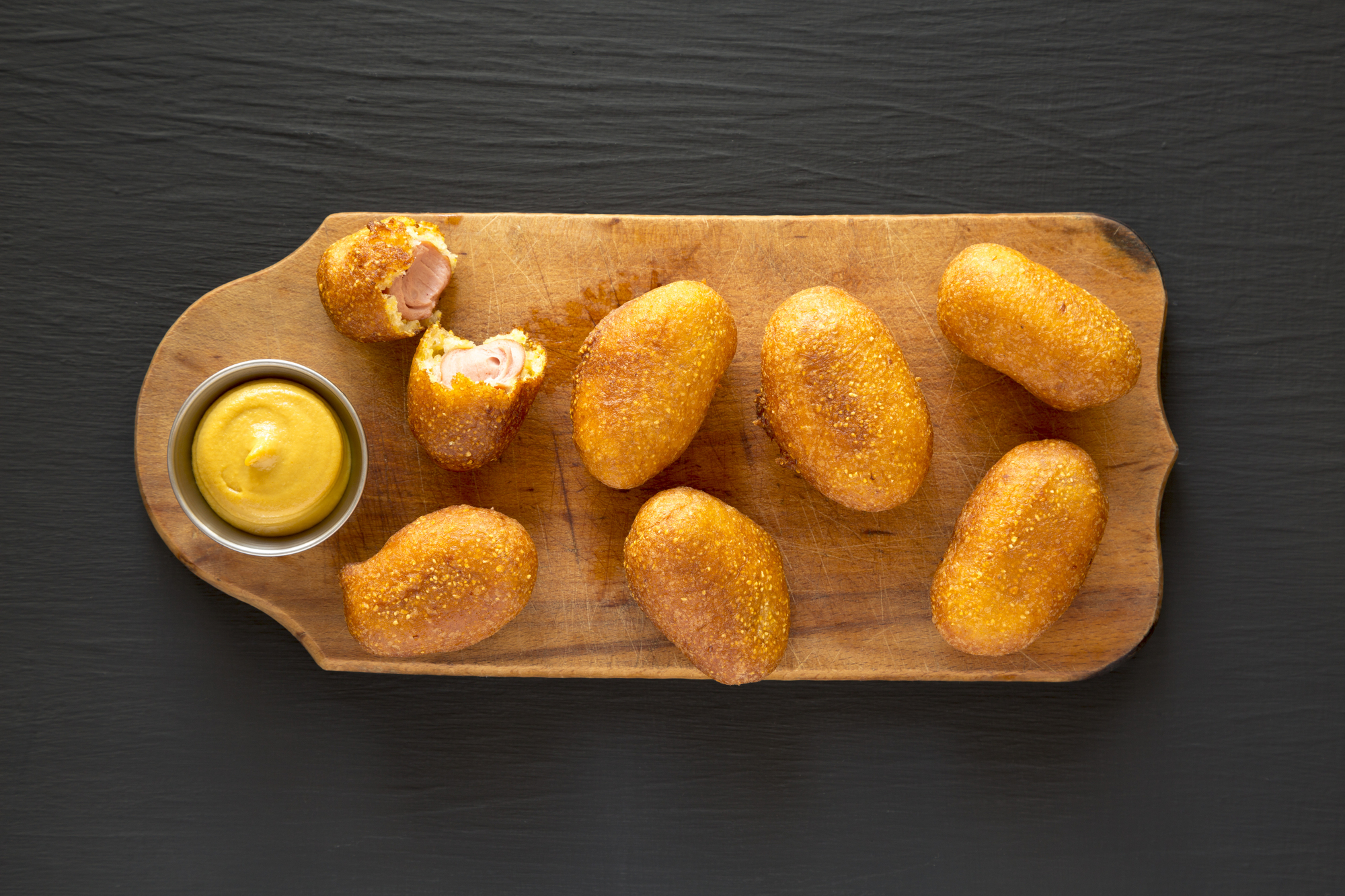
Corn dog nuggets were just corn dogs that someone had cut into bite-sized pieces and somehow, inexplicably, they tasted better that way — more breading per bite, a better corn-to-hot-dog ratio, a shape that was easier to dip into the little cup of mustard or ketchup that came on the side. They felt like a concession to fun in a setting that didn’t always prioritize it.
Go figure.
Green Bean Casserole
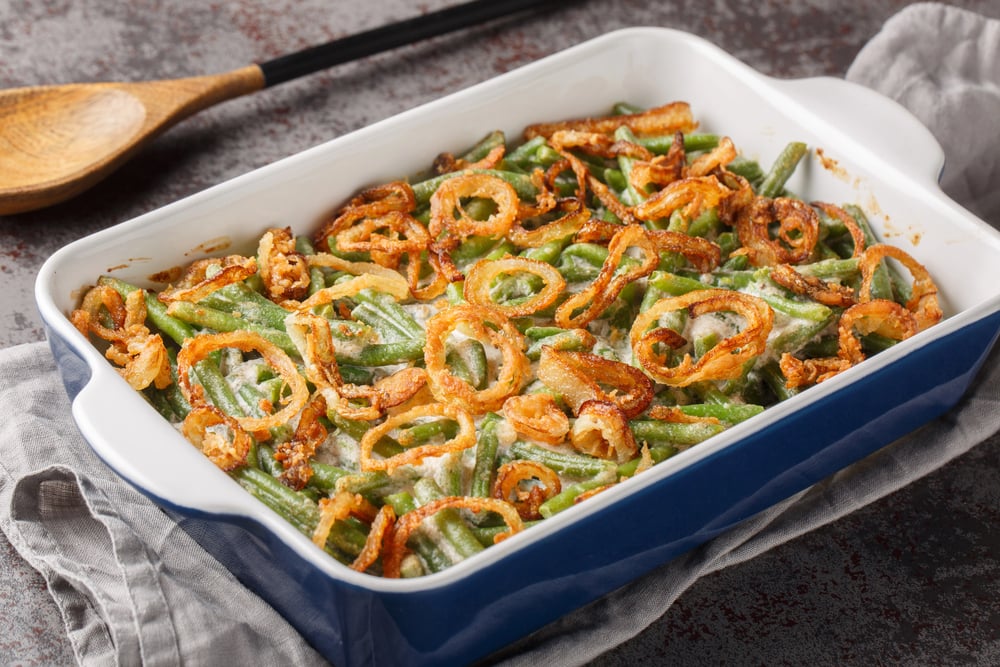
Green bean casserole in a school cafeteria was a peculiar thing: a Thanksgiving dish served on a random Wednesday in March, stretched across thirty trays with no ceremony and no context. The crispy onion topping was always a little soggy by the time it reached your tray — like a promise that had almost been kept — and the green beans underneath were soft in the way that only institutional cooking achieves, tender past the point of resistance.
It tasted like a holiday someone had forgotten to announce.
Beef Stew Over White Rice
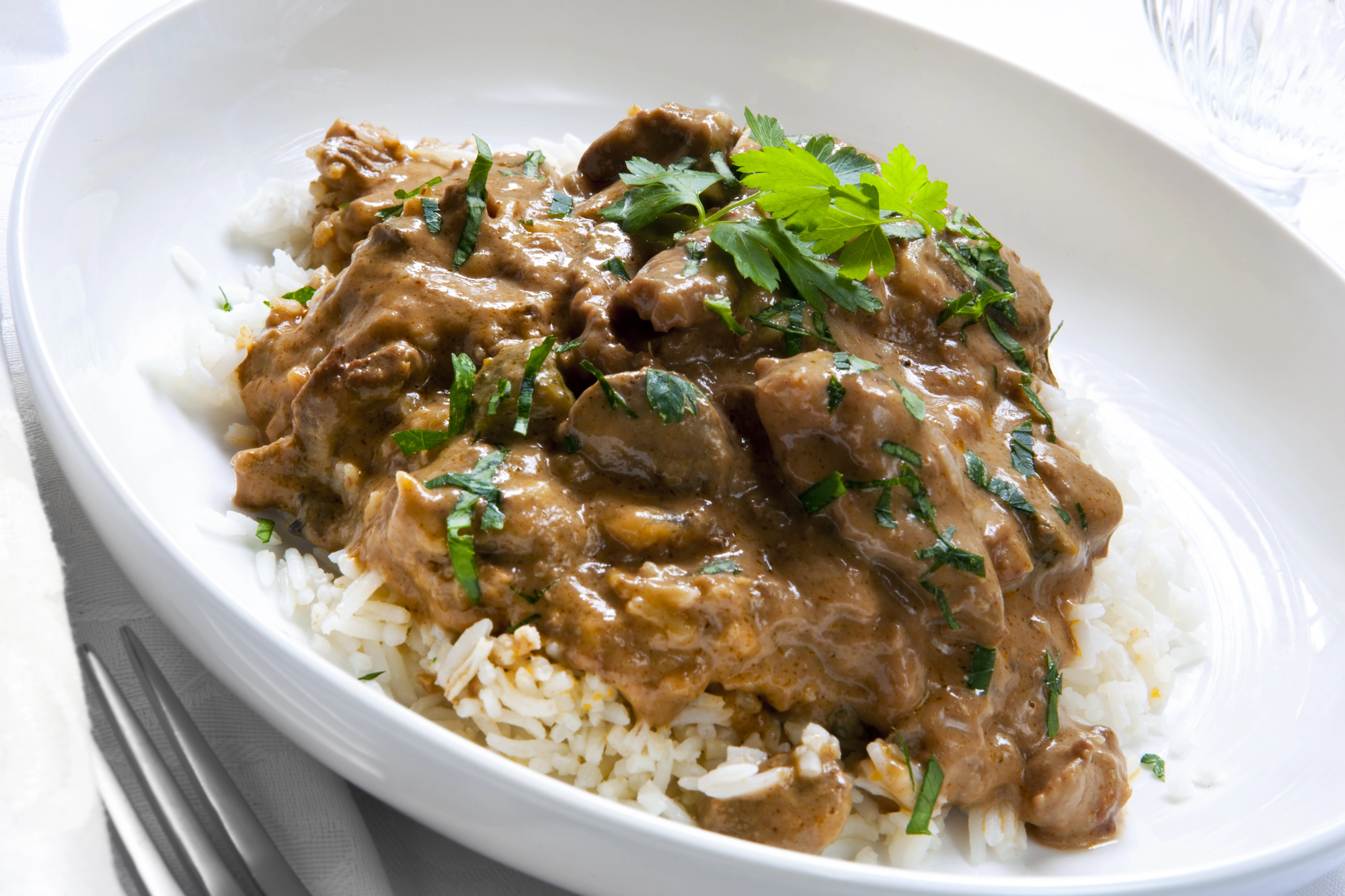
Beef stew over rice was cafeteria ambition at its most transparent — two budget-friendly items combined into one entrée slot, dressed up with a ladle of brown gravy and served with a dinner roll that was always inexplicably good. The beef itself was soft and flavorless in a way that was almost meditative, the kind of food that required no engagement.
But the roll — warm, slightly sweet, with that thin crust — that roll deserved better company.
Turkey and Gravy with Mashed Potatoes
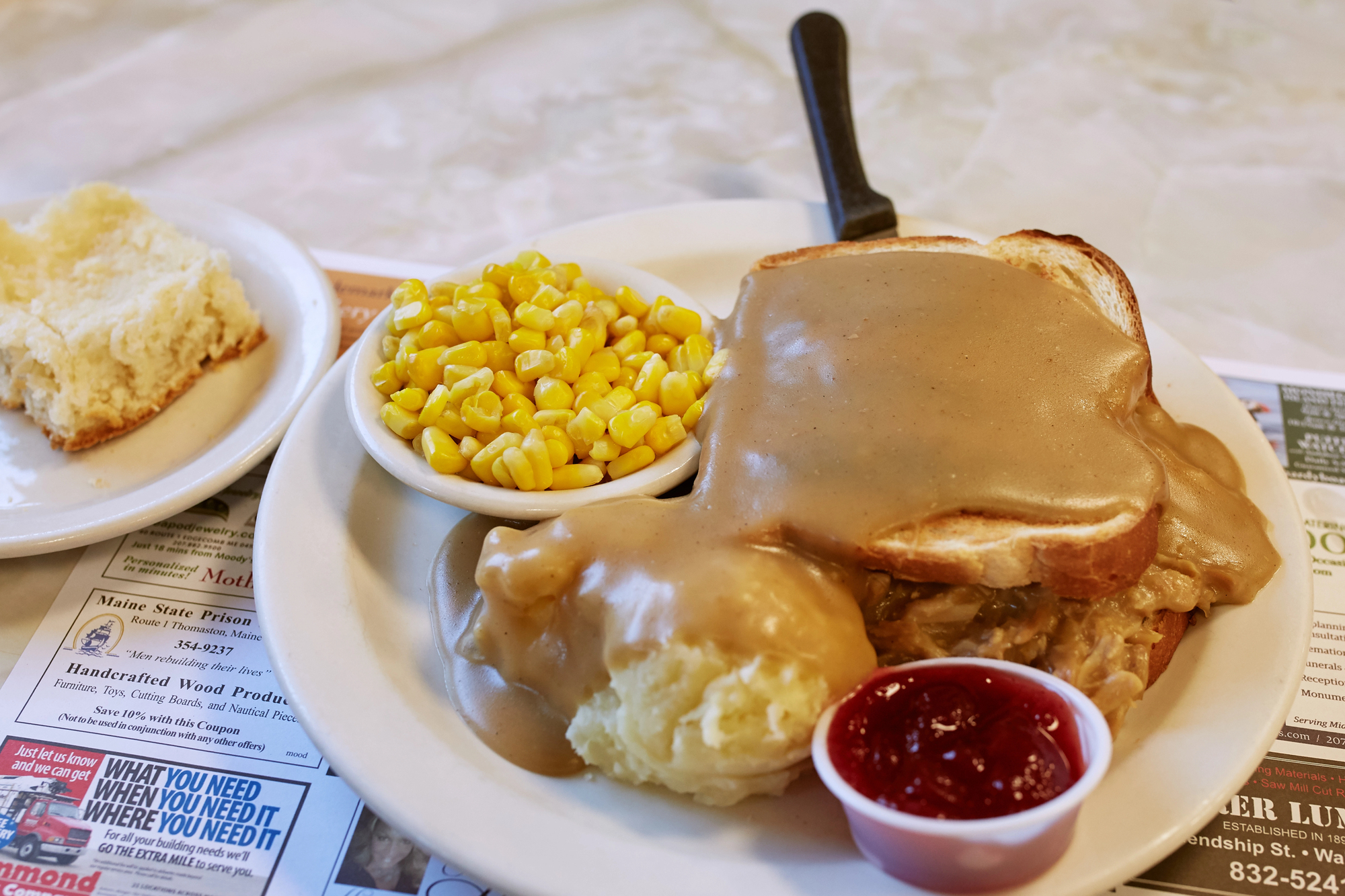
This was the school cafeteria’s answer to a Sunday roast, deployed on a Thursday with no apology. Sliced turkey breast — processed, uniform, impossibly even — sitting in a pool of pale gravy next to a scoop of instant mashed potatoes that somehow tasted like exactly what they were and also exactly what you wanted.
The whole plate looked like a painting of a meal rather than a meal. Nobody cared.
Plates came back empty.
Sloppy Joes
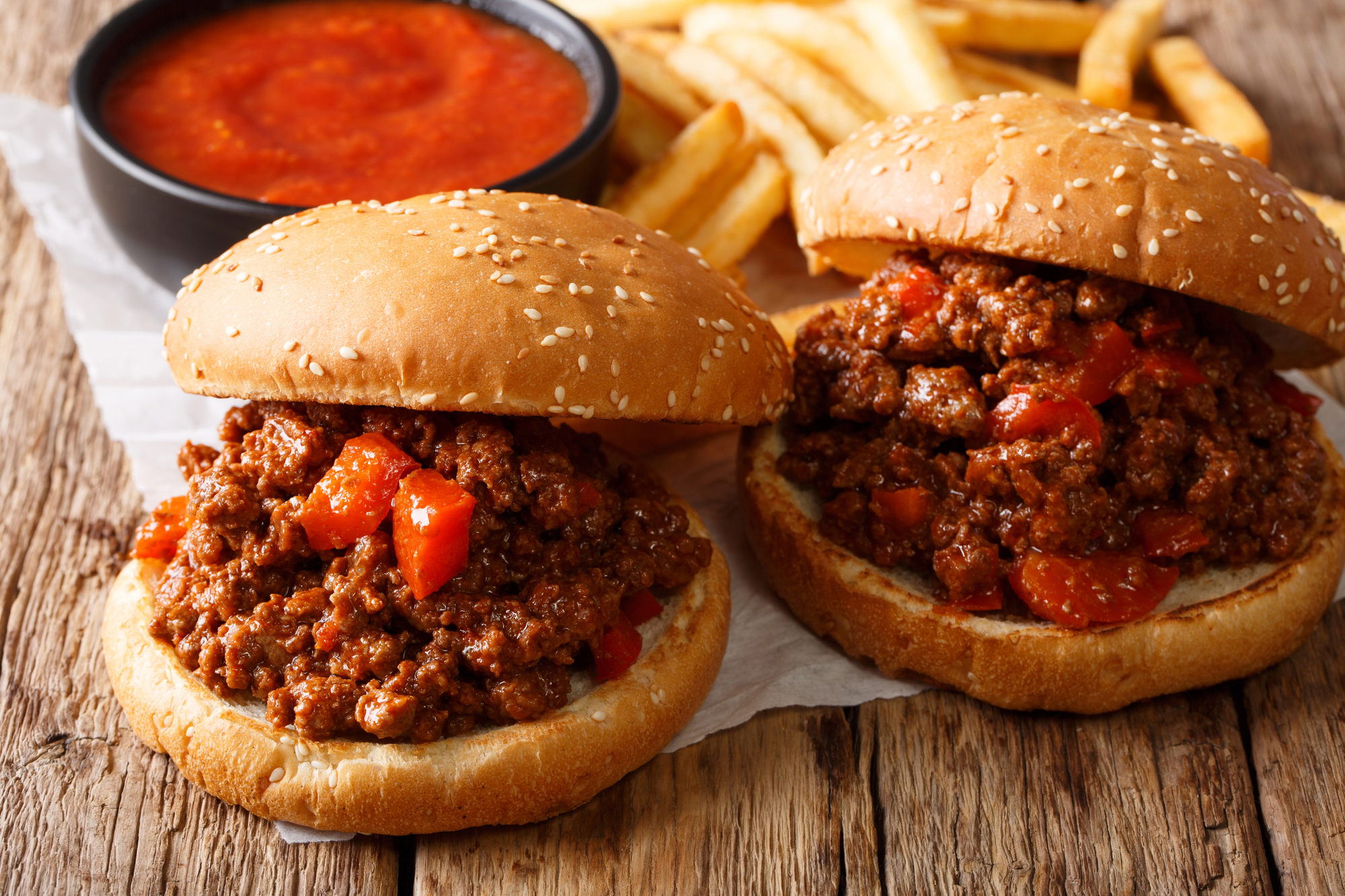
Sloppy Joes are the most honest food ever served in a school cafeteria, because they make no attempt to be tidy or presentable or dignified. The ground beef filling — sweet, tomato-forward, impossibly orange — spilled over every soft bun it touched, and eating one without ruining at least part of your shirt was essentially a technical achievement.
There’s a reason the name stuck. It knew what it was.
Macaroni and Cheese
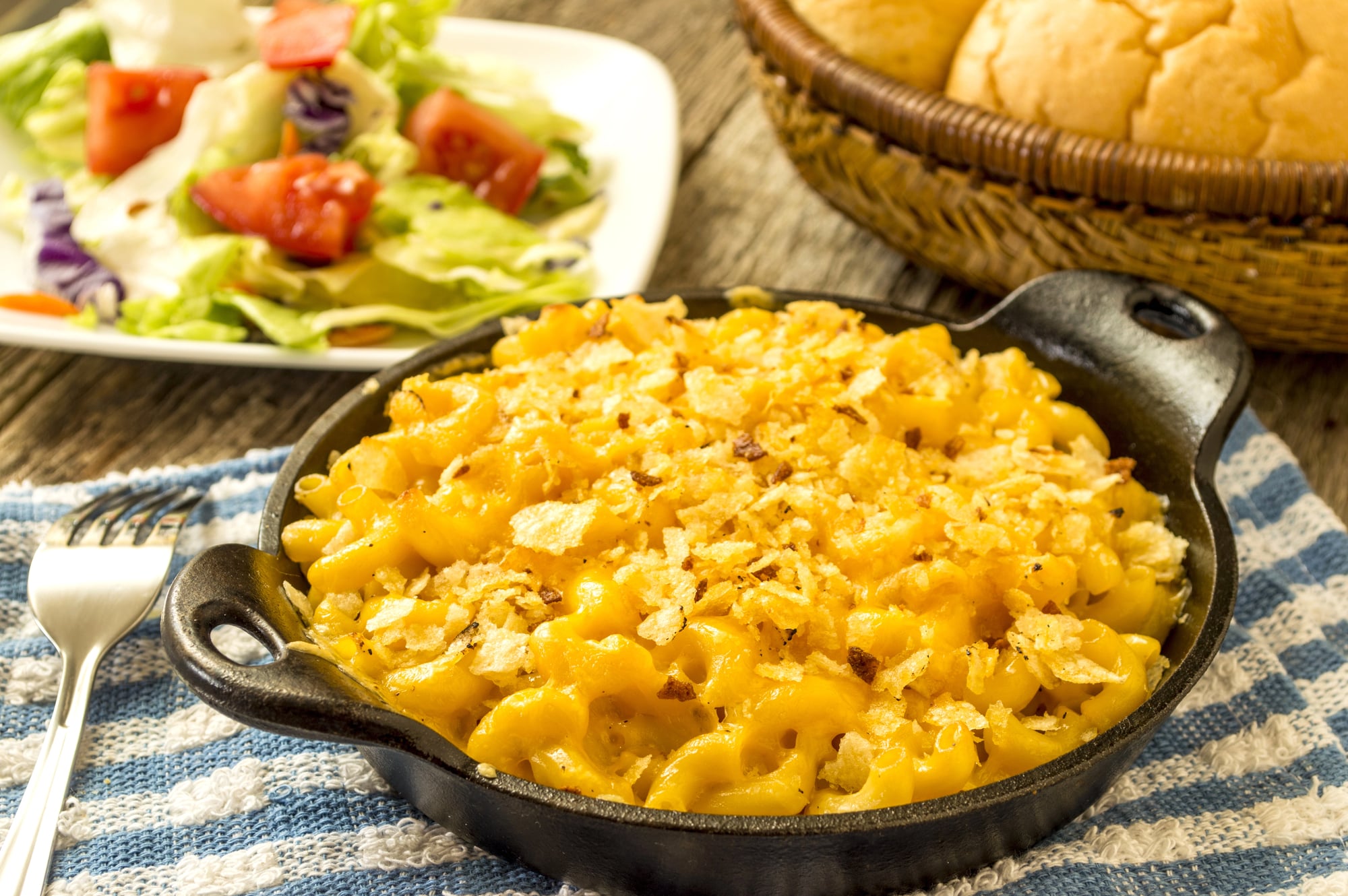
Cafeteria mac and cheese was a different species from the box variety at home — baked into a large pan, with a slightly firm top layer and a creamy interior that hadn’t quite decided what consistency it wanted to be. It arrived on the tray in a perfect rectangle, cut with a spatula, holding its shape with a quiet determination that boxed mac and cheese could never manage.
Some things are only right in the right context, and this was one of them.
Pizza Burger
The pizza burger — a hamburger bun spread with tomato-pizza sauce and melted cheese, no actual burger in sight — was a deeply specific invention that existed only in the school cafeteria and asked you to accept a fairly loose definition of both pizza and burger simultaneously. It was the kind of food that could only have been designed by someone working with limited ingredients and a genuine commitment to combining them in whatever way used up the most at once.
Turns out, it worked.
Chicken Patty Sandwich
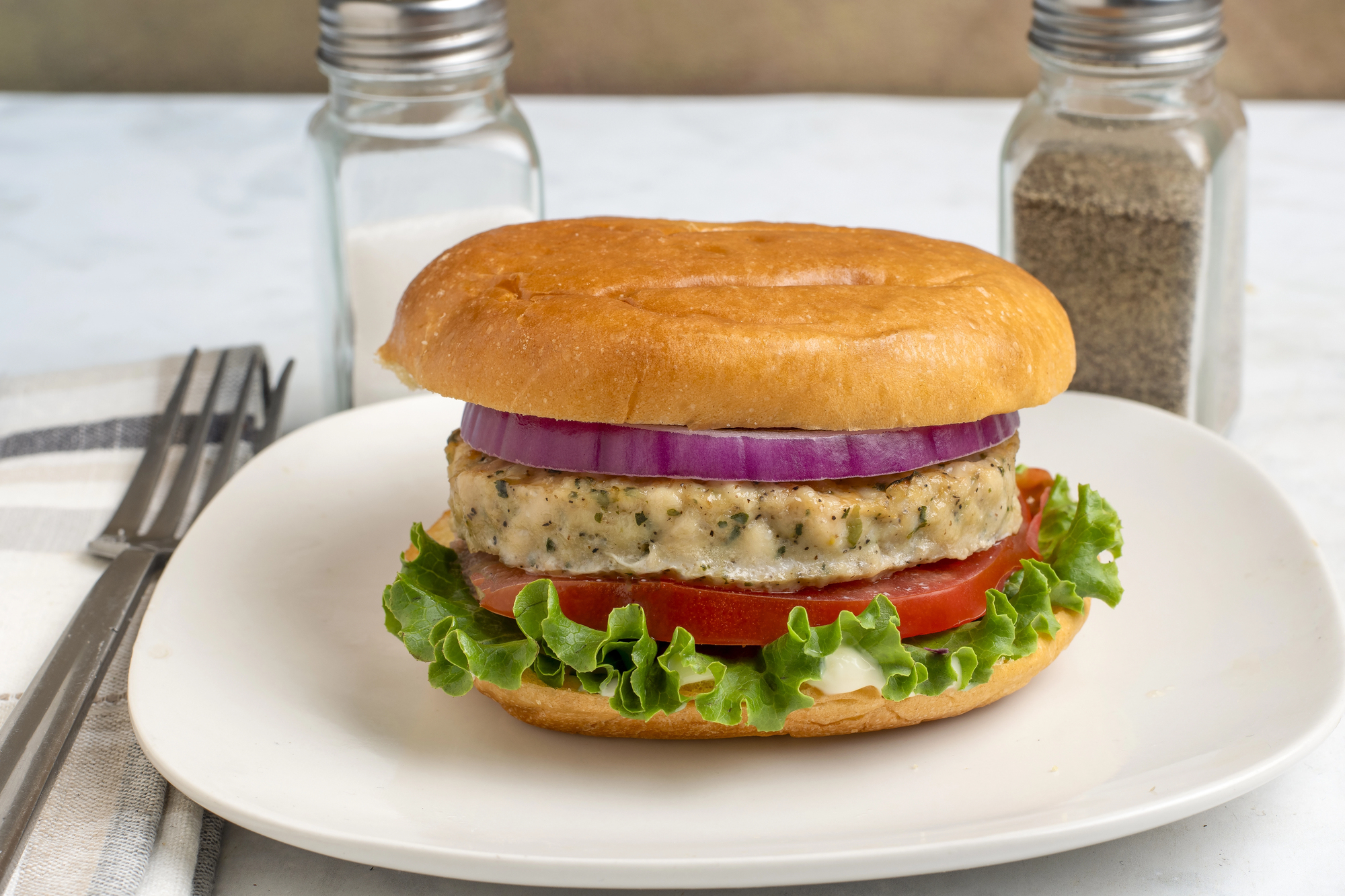
The chicken patty sandwich was a flat, breaded chicken breast on a plain bun, and it was eaten by millions of American children across three decades with minimal complaint and maximum regularity. It wasn’t fried chicken.
It wasn’t a fast food sandwich. It was its own category entirely — something processed and predictable that managed, against reasonable expectation, to be genuinely satisfying.
The honey mustard packet made it feel almost intentional.
Spanish Rice
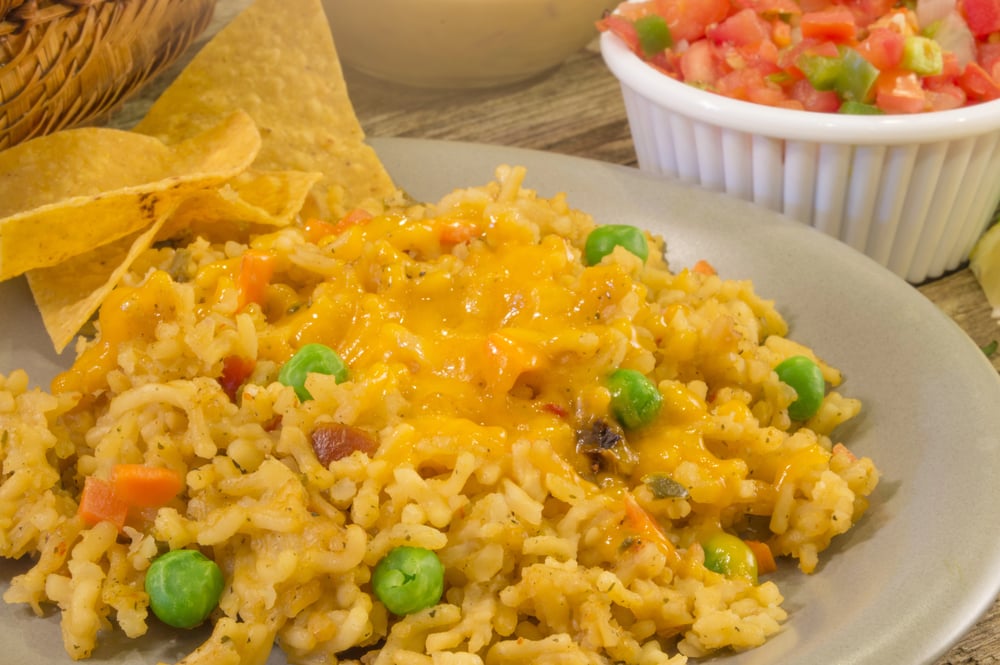
Spanish rice in a school cafeteria was tomato-stained, slightly overcooked, and served as either a side or the base of a larger plate depending on the day’s rotation — a dish that existed in that blurry territory between “main” and “accompaniment” with no clear answer. It tasted like something that had been simplified many times over from an original recipe until only the red color and the soft rice remained.
And yet it filled the tray well, and on the right day, that was enough.
Soft Pretzel with Cheese Dip
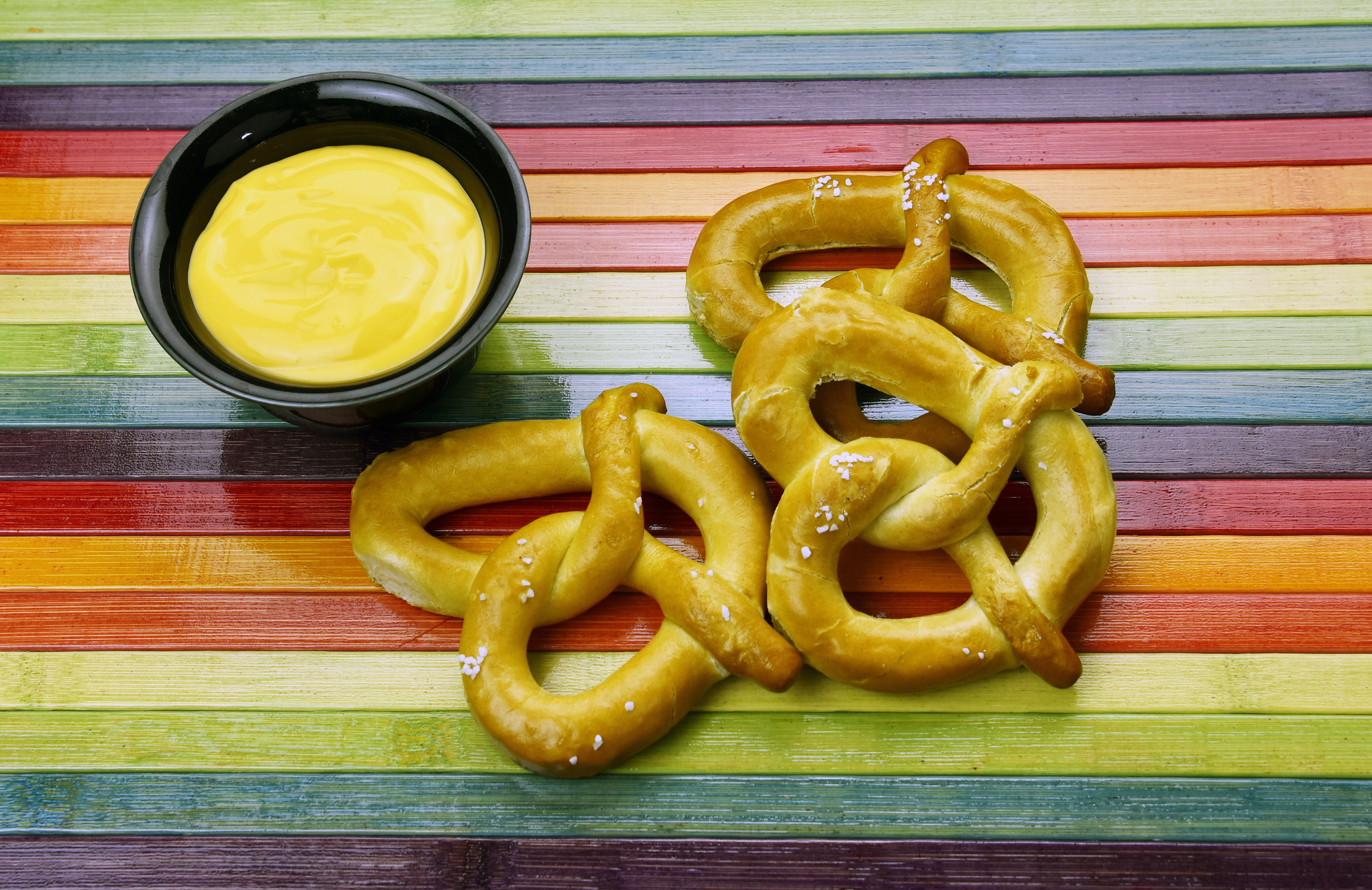
The soft pretzel with cheese dip was technically a snack that somehow survived into the lunch rotation, arriving salted, slightly chewy, occasionally overcooked, with a small cup of liquid yellow cheese that was the color of a highlighter and tasted completely unlike any natural cheese on earth. It was perfect.
The cheese dip specifically — warm, smooth, aggressively salty — has never been replicated outside of a stadium or a school, and the absence of it in the adult food landscape is a minor injustice that nobody talks about enough.
Peanut Butter and Jelly on White Bread
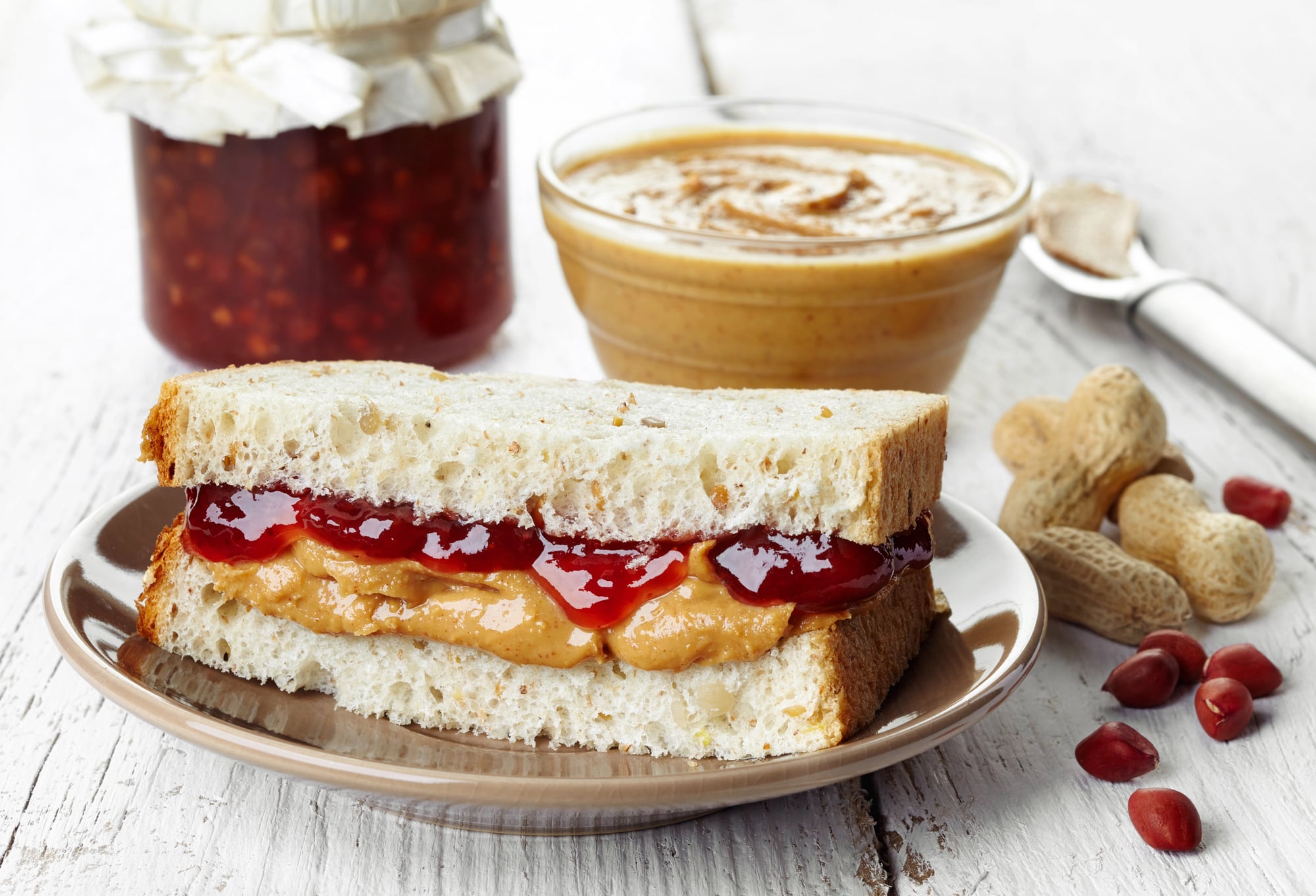
The cafeteria PB&J was always made in bulk — dozens of sandwiches assembled hours before lunch, which meant the bread was soft to the point of collapse and the jelly had bled all the way through to the outer crust, staining it faintly purple. It sounds like a criticism.
It isn’t. That particular texture — the bread yielding completely, the peanut butter and jelly fully merged — was its own thing, and a fresh sandwich made at home never quite reproduced it.
Corn on the Cob
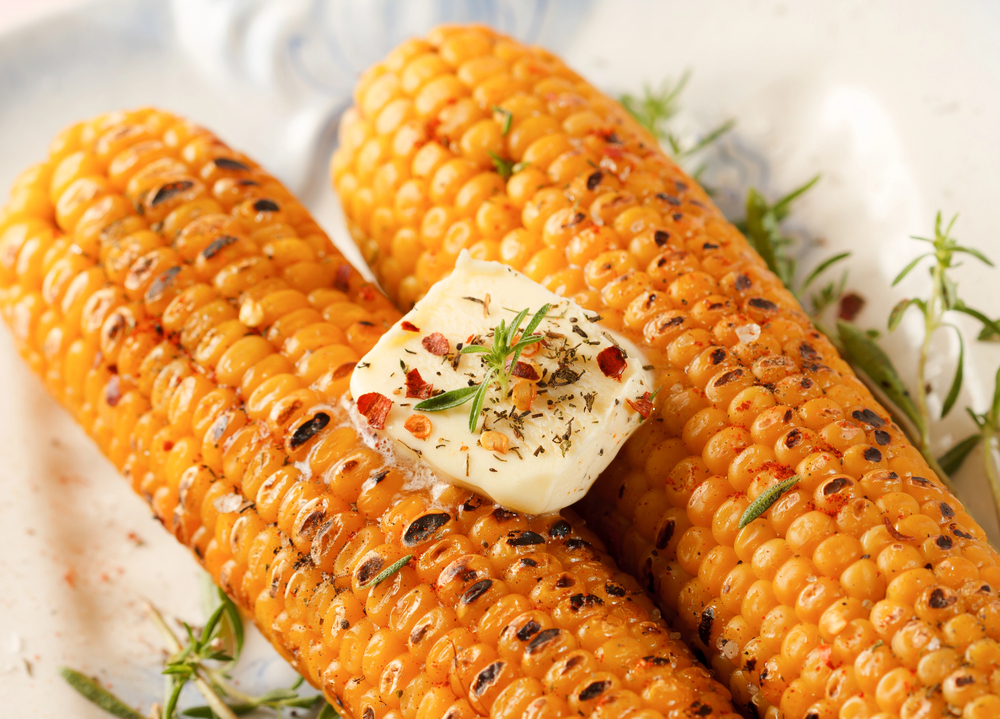
Corn on the cob in a school cafeteria arrived already buttered, pre-salted, and soft enough that it required no real effort — which, for a food that typically demands both hands and full attention, felt like a small mercy. Kids ate it without thinking about it, which is how you know it was done right.
Simple food, executed simply, served on a Wednesday. That’s the whole story.
Breakfast for Lunch
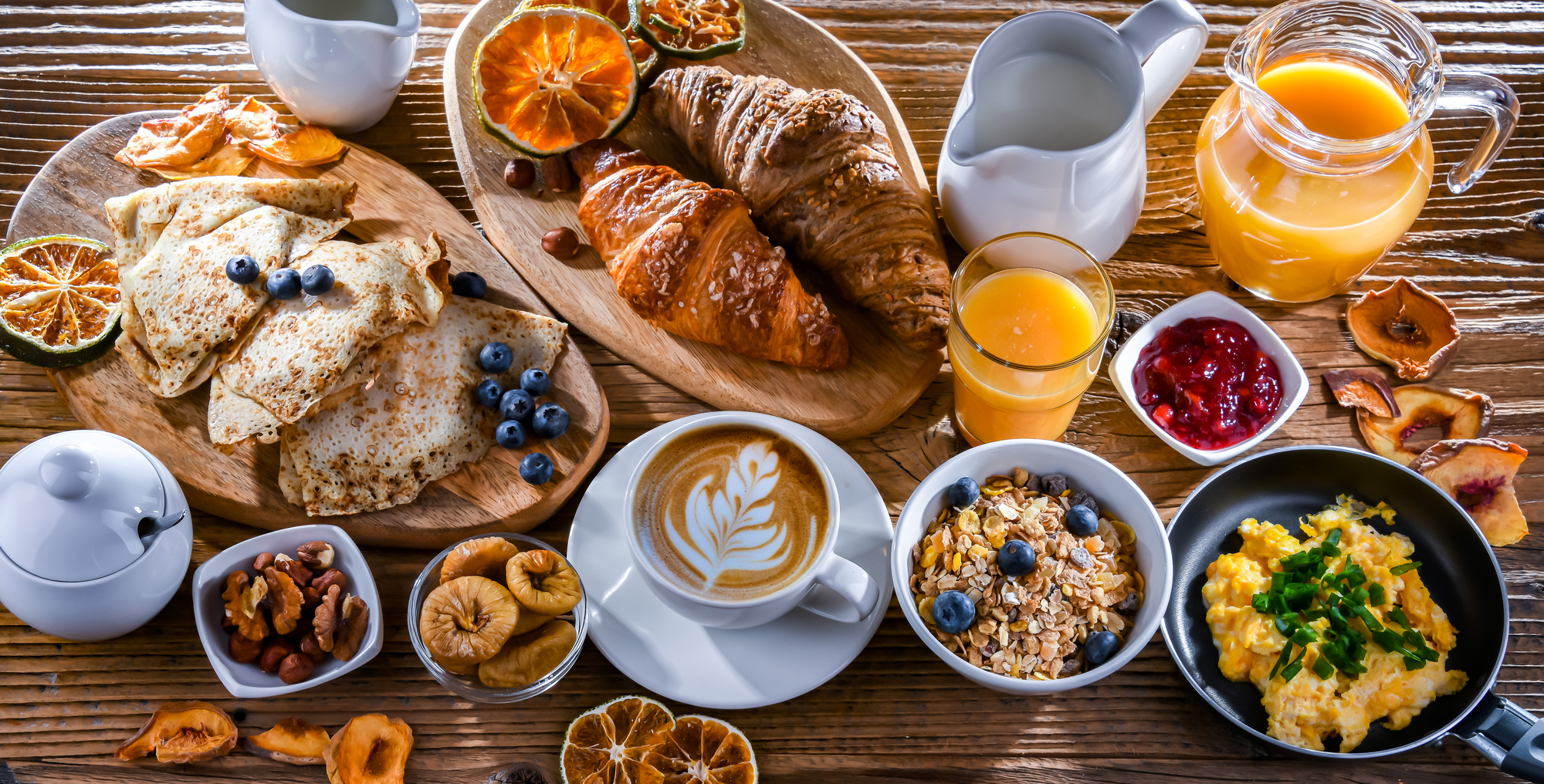
Breakfast for lunch day was the closest thing the cafeteria schedule had to a holiday. Scrambled eggs, sausage links, a biscuit — all served at noon, all slightly out of place in a way that felt deliberate and exciting for reasons that are difficult to explain to anyone who didn’t experience it.
The sausage was always overcooked. Nobody cared.
The transgression of eating breakfast at lunchtime was the main event.
Tomato Soup and Grilled Cheese
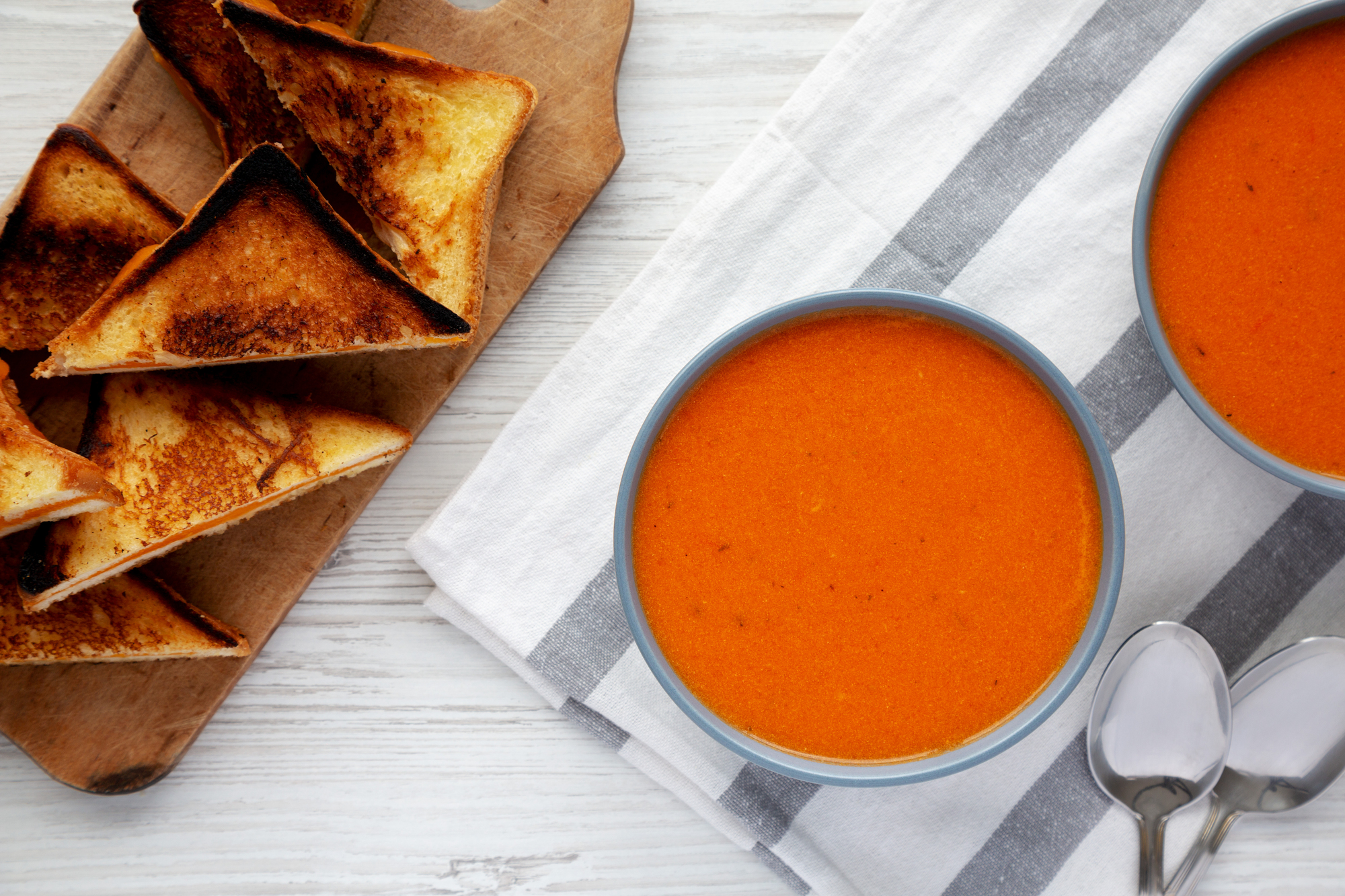
Tomato soup and grilled cheese was comfort food stripped to its architecture — the soup was thin and sweet and came in a styrofoam cup, the grilled cheese was golden on the outside and barely melted inside, and together they made something that felt warmer than either one did alone. It was the meal equivalent of a wool sweater pulled from a closet in October: familiar in a way that goes deeper than the food itself.
Schools mostly dropped it from rotation sometime in the early 2000s, which remains an unforced error.
Apple Crisp
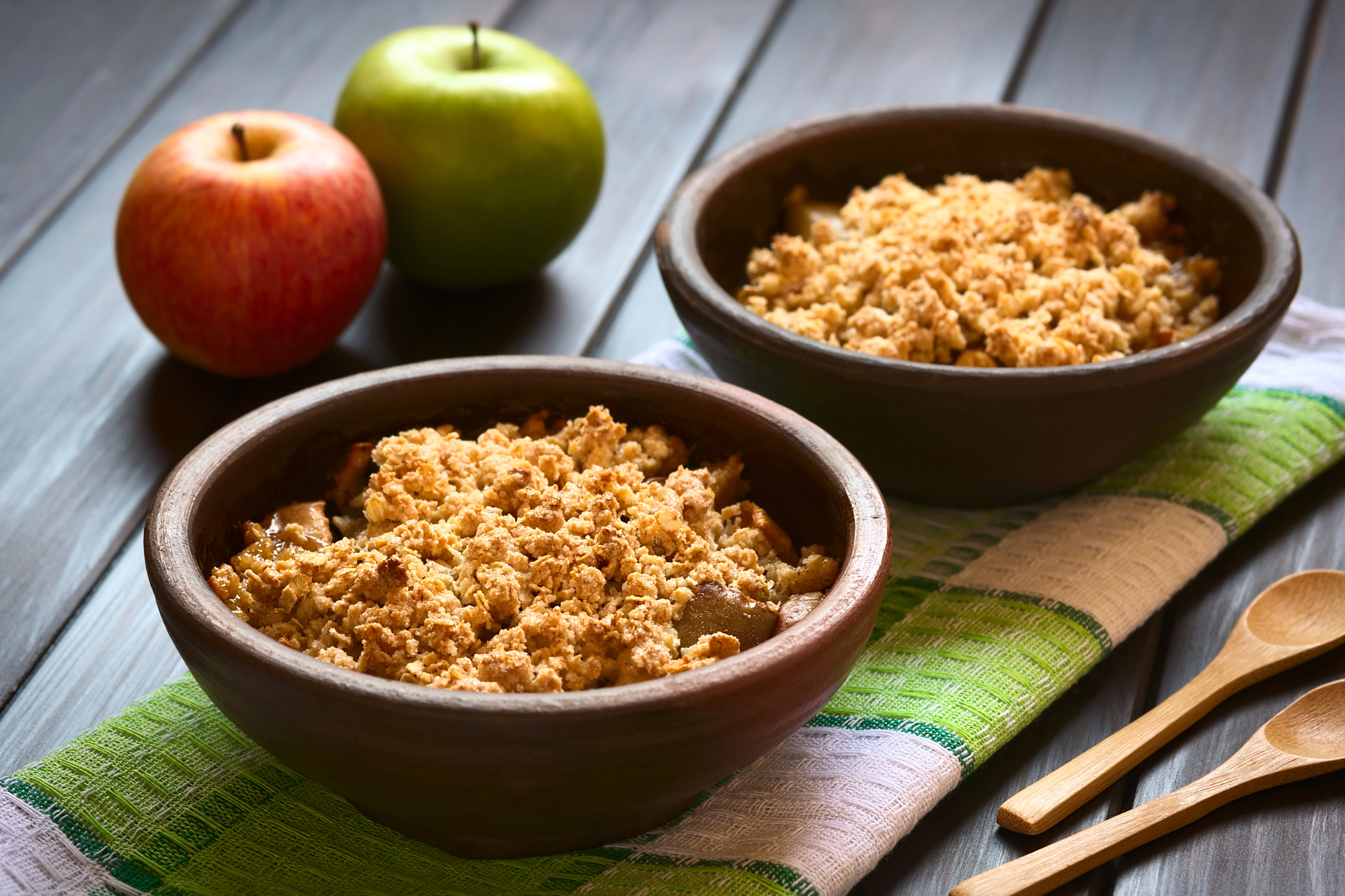
Apple crisp was the dessert the cafeteria served when it was pretending to be healthy about dessert — brown sugar and oat topping over soft, cinnamon-spiced apples, served warm in a small rectangular portion that was almost always the best thing on the tray that day. It’s one of those foods that tastes specifically like a place and a time: the low ceiling, the noise, the smell of industrial cleaning fluid mixing with baked sugar.
Nobody makes it the same way at home.
Vegetable Beef Soup with Crackers
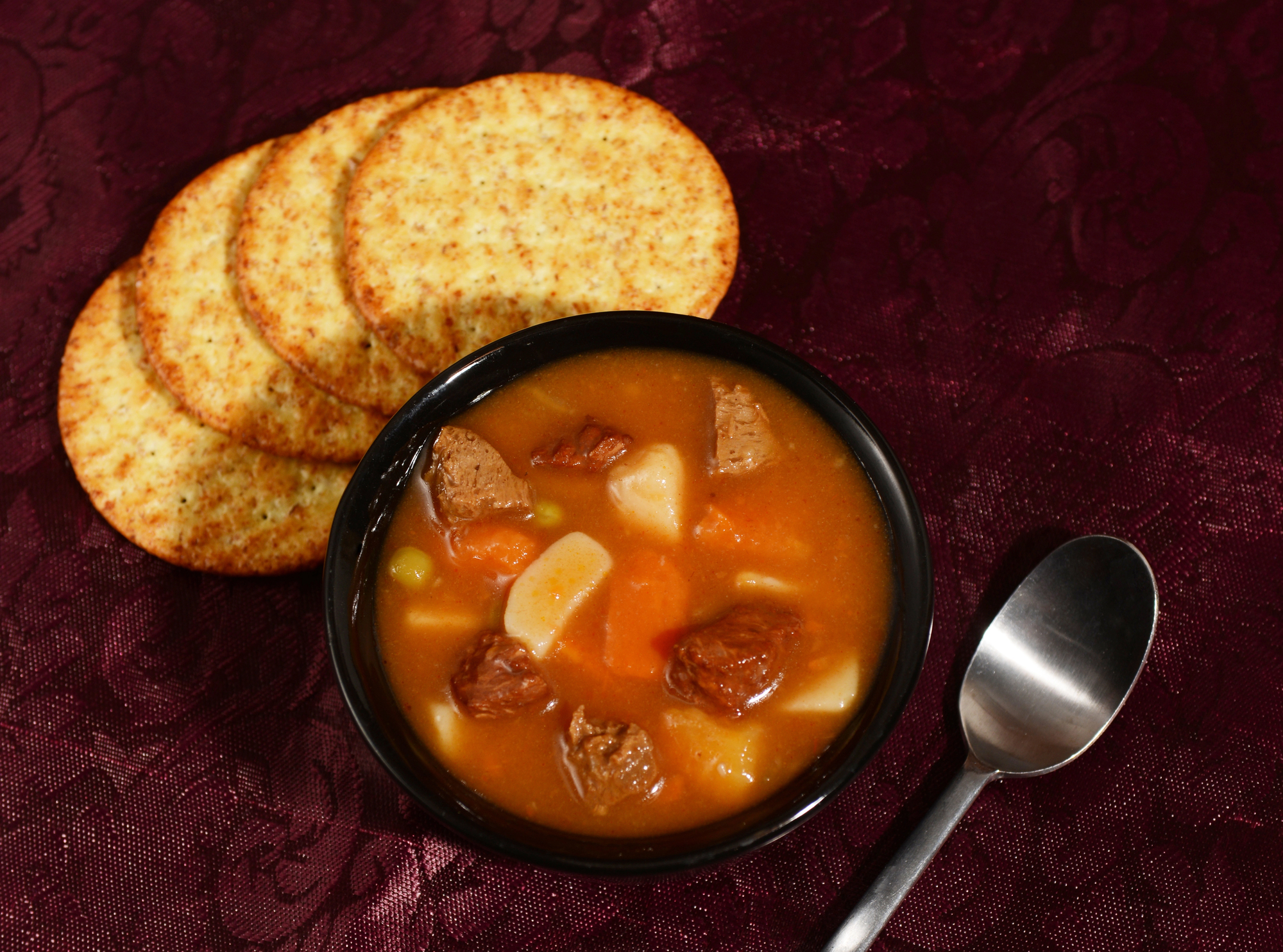
Vegetable beef soup arrived in a styrofoam cup next to a cellophane sleeve of saltine crackers, and the ritual of crushing those crackers into the soup before eating was non-negotiable for a significant portion of the American student population. The soup itself was mostly broth, with soft carrots and peas and small cubes of beef that had surrendered all texture — a thin, honest bowl of something warm that asked nothing of you.
It was a Tuesday food. Reliable, forgettable, oddly missed.
Cinnamon Roll
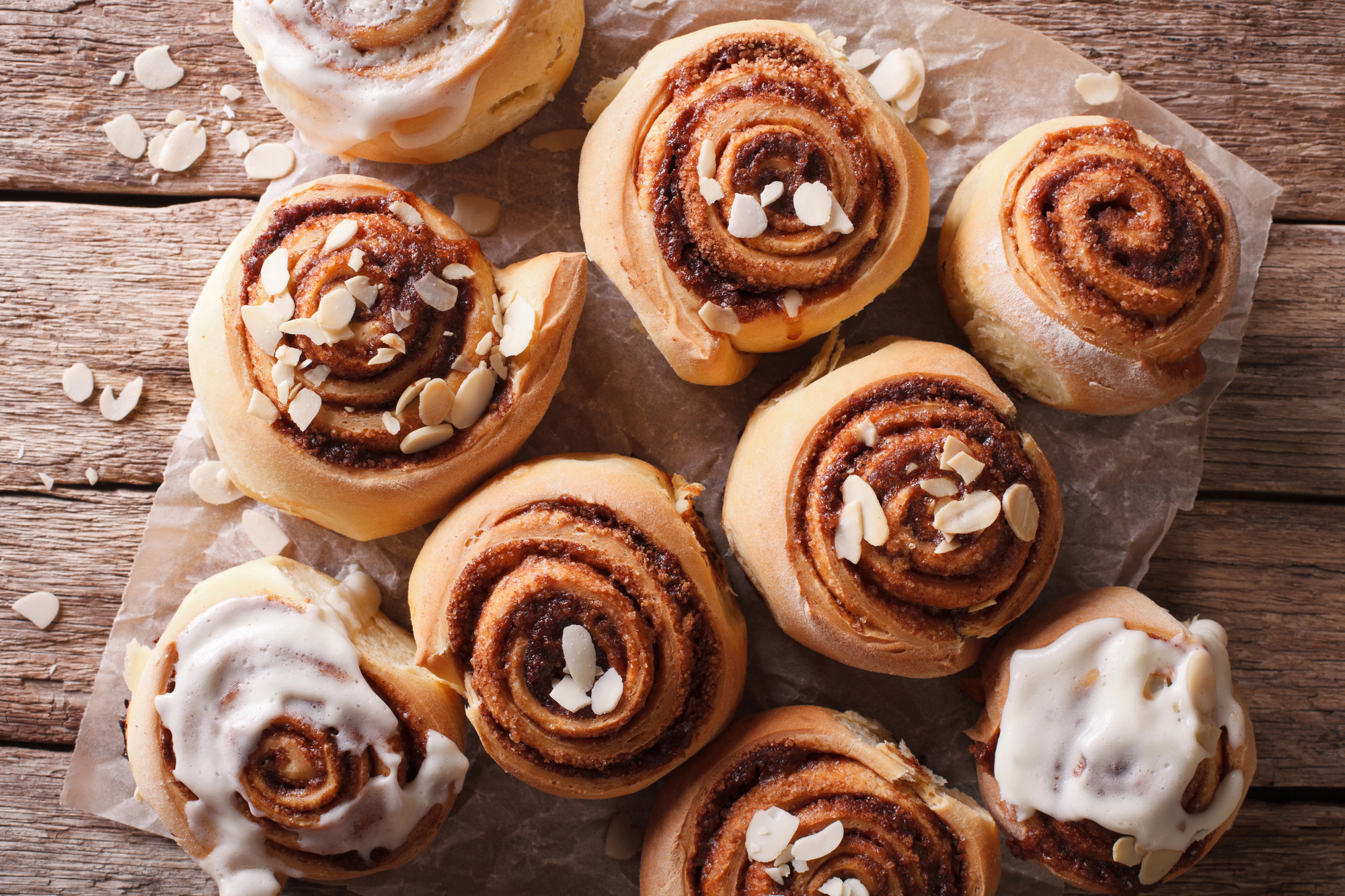
The cafeteria cinnamon roll was enormous, sticky, and arrived without frosting — just a spiral of dough and brown sugar glaze that had been baked in a sheet pan and cut into squares, which meant the corners were always a little drier than the center pieces. Getting a center piece felt like luck.
The smell hit you before you reached the tray line, which is the kind of detail your memory holds onto long after the taste has faded.
Cheeseburger on a Bun
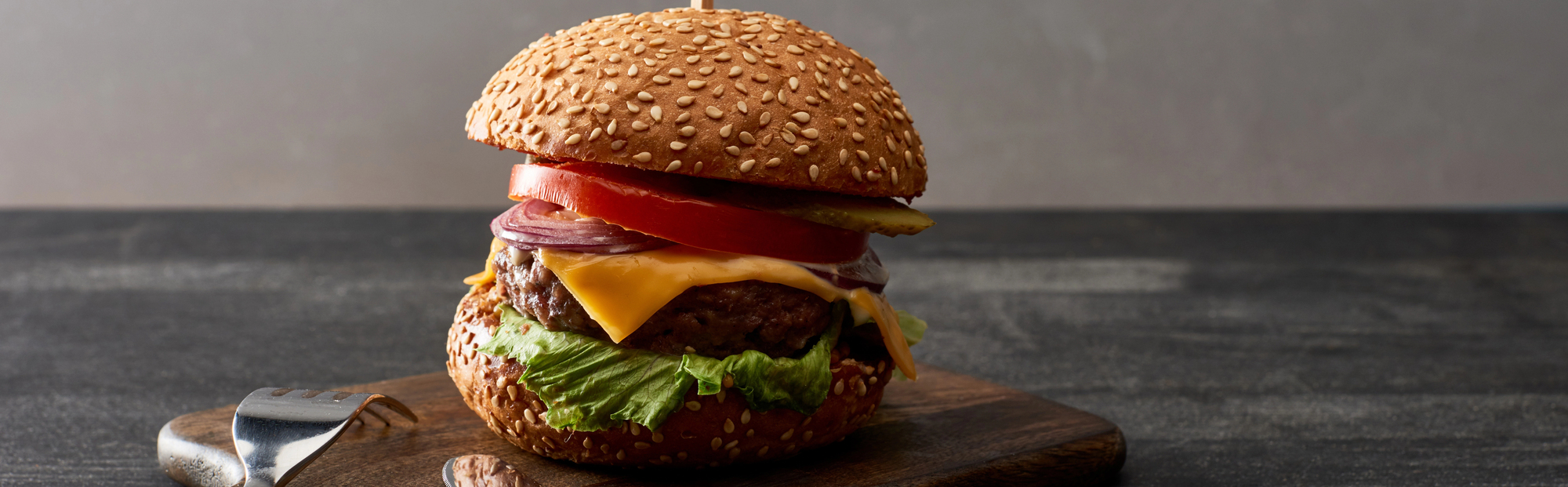
The cafeteria cheeseburger was a thin, flat patty — more gray than brown, more soft than charred — with a single slice of American cheese and a plain bun, served with a side of ketchup that came in a small plastic cup. It was not a great cheeseburger by any objective standard, which is probably why it hasn’t survived into nostalgia-driven restaurant menus.
But eaten at a folding table at age nine, with twenty minutes on the clock, it was exactly sufficient.
Nachos with Meat Sauce
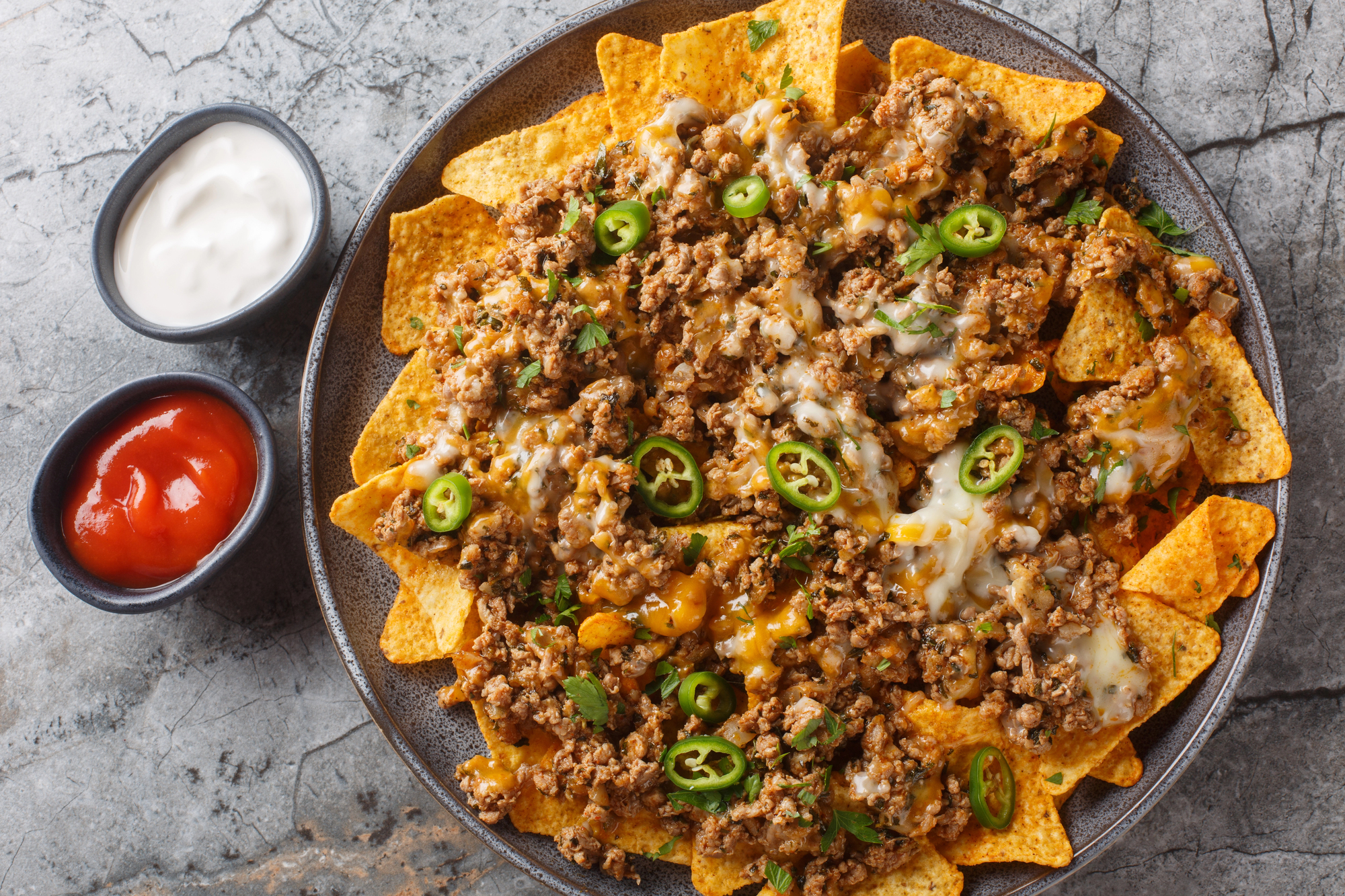
Cafeteria nachos were a deconstructed thing: a tray of tortilla chips, a scoop of seasoned ground beef or bean mixture, and a ladle of that same fluorescent yellow cheese dip from the soft pretzel station — assembled in sequence rather than baked together, which meant the chips on the bottom went soft while the ones on top stayed crisp. The inconsistency was part of the experience.
You ate your way through different textures on the same tray, and it kept you engaged.
Fruit Cocktail in Syrup
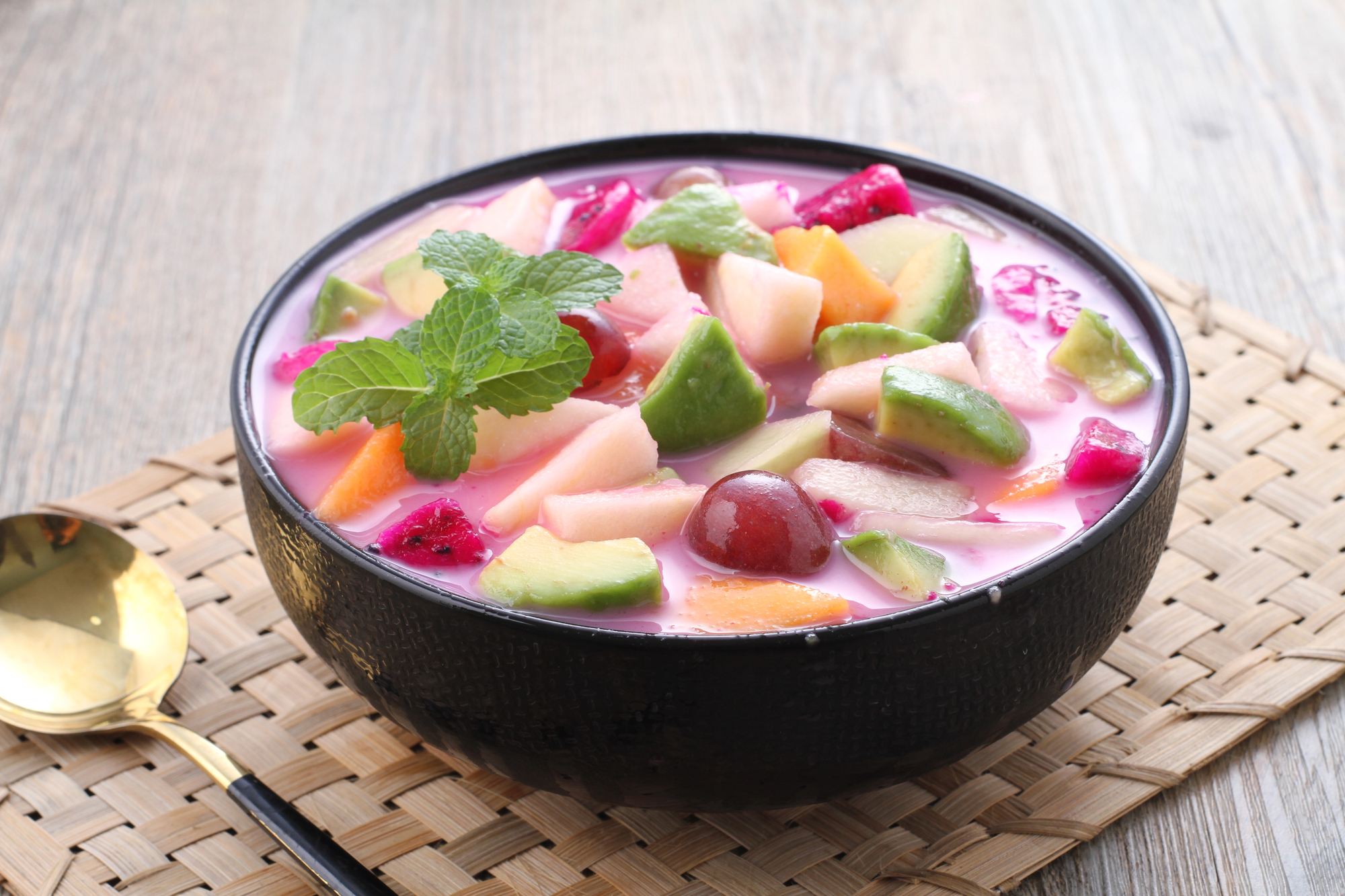
Fruit cocktail in heavy syrup was the cafeteria’s quietest offering — a small bowl of canned peaches, pears, grapes, and maraschino cherries, all floating in a sweet, slightly viscous liquid that tasted like fruit the way a painting of a beach tastes like salt air. It appeared alongside heavier entrees as a gesture toward balance, though nobody was fooled.
Kids ate the cherries first, always, then negotiated with the pears, and left the tray with the syrup still sitting there, catching the fluorescent light.
Pudding Cup
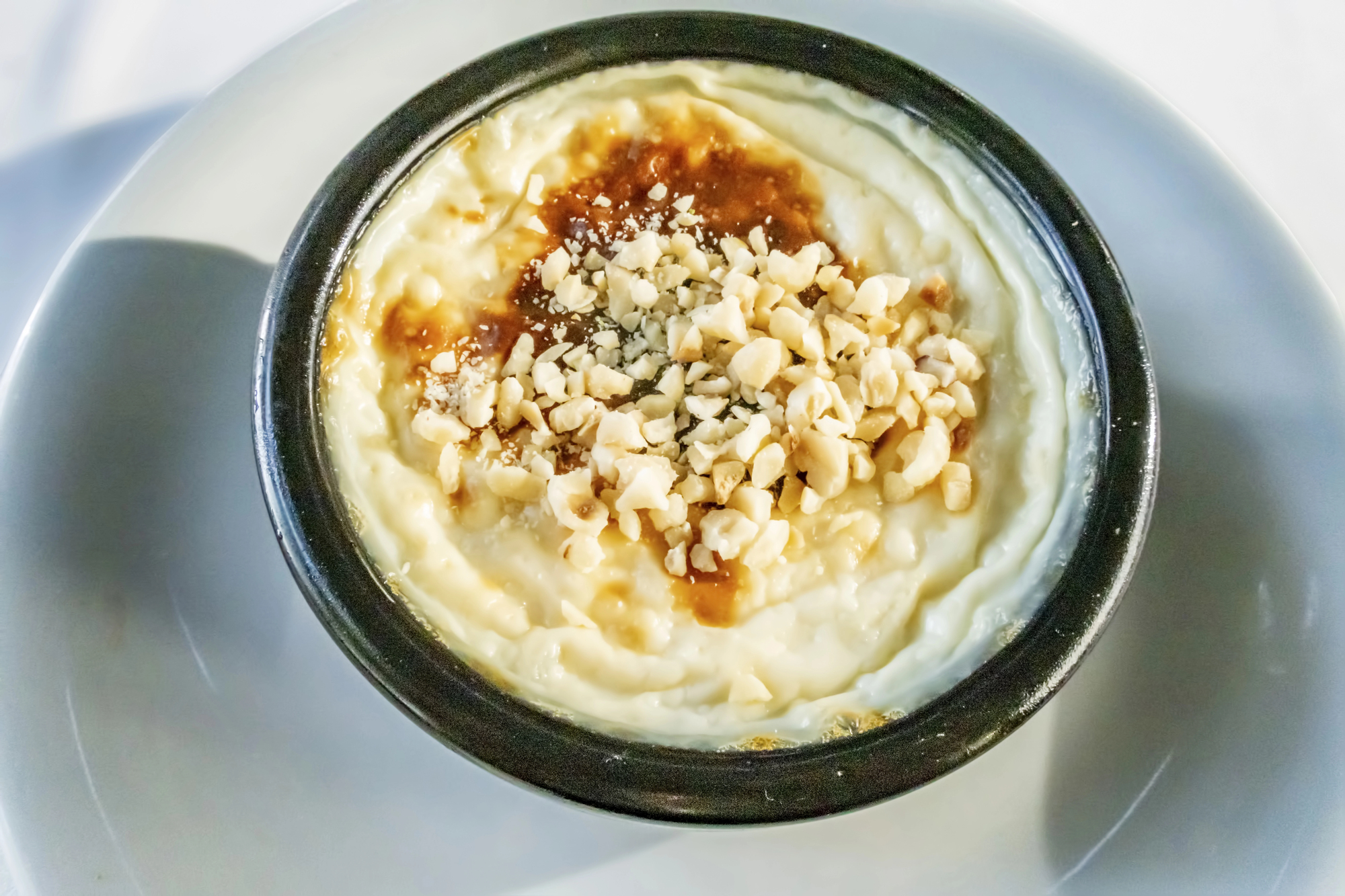
Pudding cups were the simplest thing on the cafeteria menu and somehow the most reliable — chocolate or vanilla, sealed with a foil lid, served cold, finished in four bites. There was no occasion required, no pairing strategy, no presentation.
Just a cold plastic cup of something sweet that made a predictable Tuesday feel, for exactly thirty seconds, like it had been worth showing up for.
The Tray You Still Think About
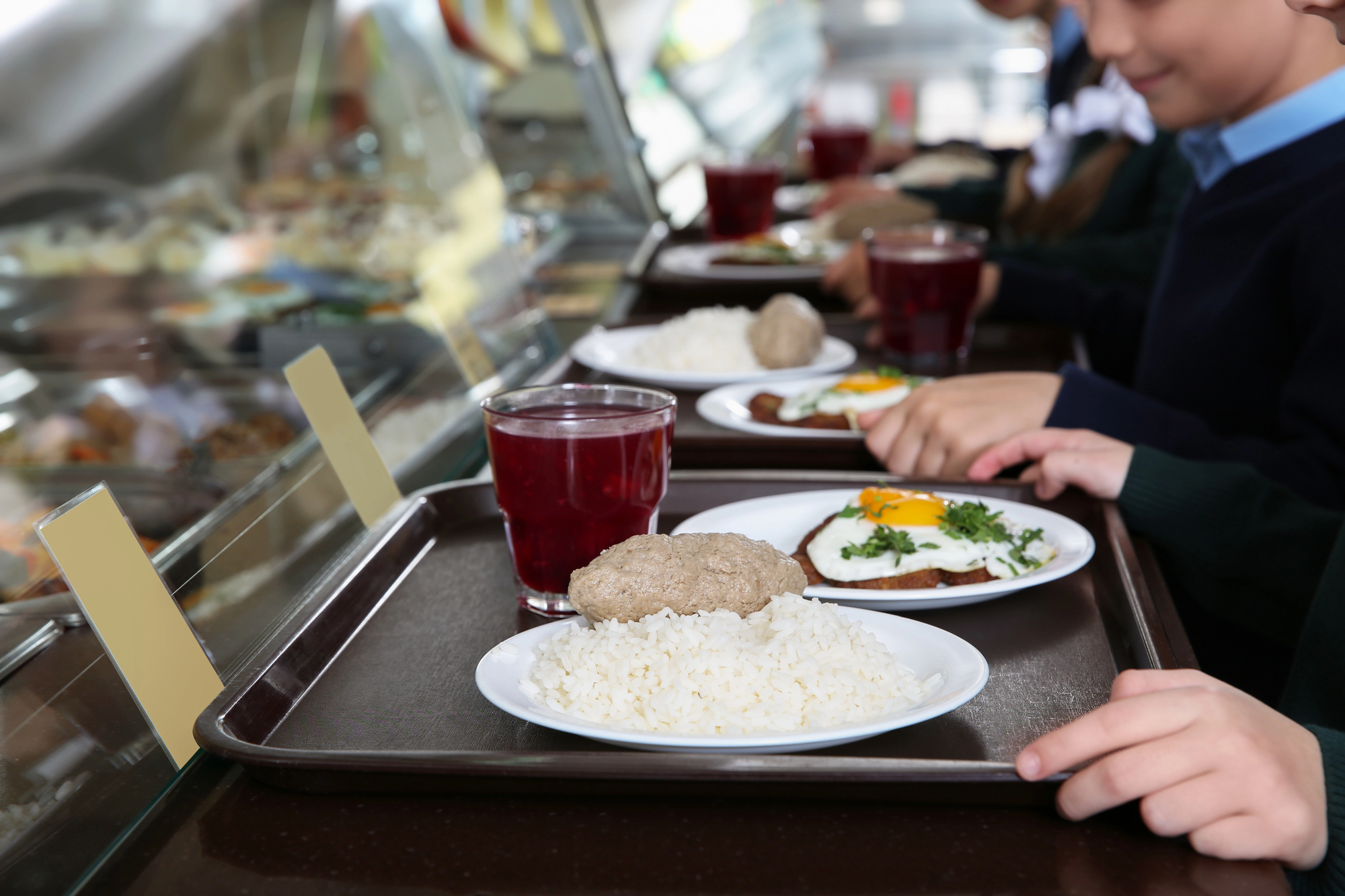
The cafeteria is gone now — or renovated, or replaced with a wellness kitchen serving grain bowls — and none of these foods survived the transition into adulthood intact. You can make a sloppy joe at home.
You can bake an apple crisp. You can find fish sticks in any grocery store freezer section.
But the specific combination of an institutional tray, a divided compartment, a noisy room, and twenty-two minutes to eat before the bell rings — that part is unreproducible. The food wasn’t the point.
The food was just the thing that held all the other things together.
More from Go2Tutors!

- The Romanov Crown Jewels and Their Tragic Fate
- 13 Historical Mysteries That Science Still Can’t Solve
- Famous Hoaxes That Fooled the World for Years
- 15 Child Stars with Tragic Adult Lives
- 16 Famous Jewelry Pieces in History
Like Go2Tutors’s content? Follow us on MSN.