25 Strange Events That Really Happened in History
History class tends to focus on the big stuff — wars, empires, revolutions. But tucked between the major chapters are events so odd, so unexpected, that they almost don’t seem real.
And yet, every single one of them happened. Here are 25 of the strangest.
1. The Great Molasses Flood (Boston, 1919)

January 15, 1919 brought chaos when a giant vat ruptured in Boston’s North End, spilling 2.3 million gallons of molasses across city blocks. Moving fast – about 35 miles per hour – the sticky surge flattened structures, took 21 lives, left another 150 hurt.
Stranded rescue teams, trapped animals, pavement coated like tar showed how relentless the flow had been. Years later, folks said hot weather carried the scent of syrup through those same streets, lingering long past the disaster.
2. The Dancing Plague of 1518

One day in Strasbourg, France, a woman called Frau Troffea stepped into the road and began to dance. Still she kept going. By the seventh day, thirty-four people were moving beside her.
After four weeks, nearly 400 filled the streets with motion. Days passed like this, bodies never pausing – some say hearts gave out, worn down by endless rhythm.
One moment they stood confused, then brought in players with instruments just to keep bodies moving – belief being that exhaustion alone could end it. Finally, things wound down.
To this day, no single reason holds more weight than another.
3. Napoleon Bonaparte Attacked by Rabbits

Victory at Friedland in 1807 led Napoleon straight into planning a rabbit hunt. His chief of staff handled the preparations – only these weren’t creatures pulled from forests.
These came from farms, gentle animals raised behind fences. Released into open ground, they acted opposite to instinct.
Not one bolted away. Instead, they moved like a tide, drawn directly to him. Legs covered first.
Then hands. Any effort to push back failed fast.
Backing up turned urgent when more kept coming. Carriage doors slammed shut just in time.
That day ended differently than expected. The man once feared across Europe fled from something small, soft, and unafraid.
4. The U.S. Tried to Nuke the Moon
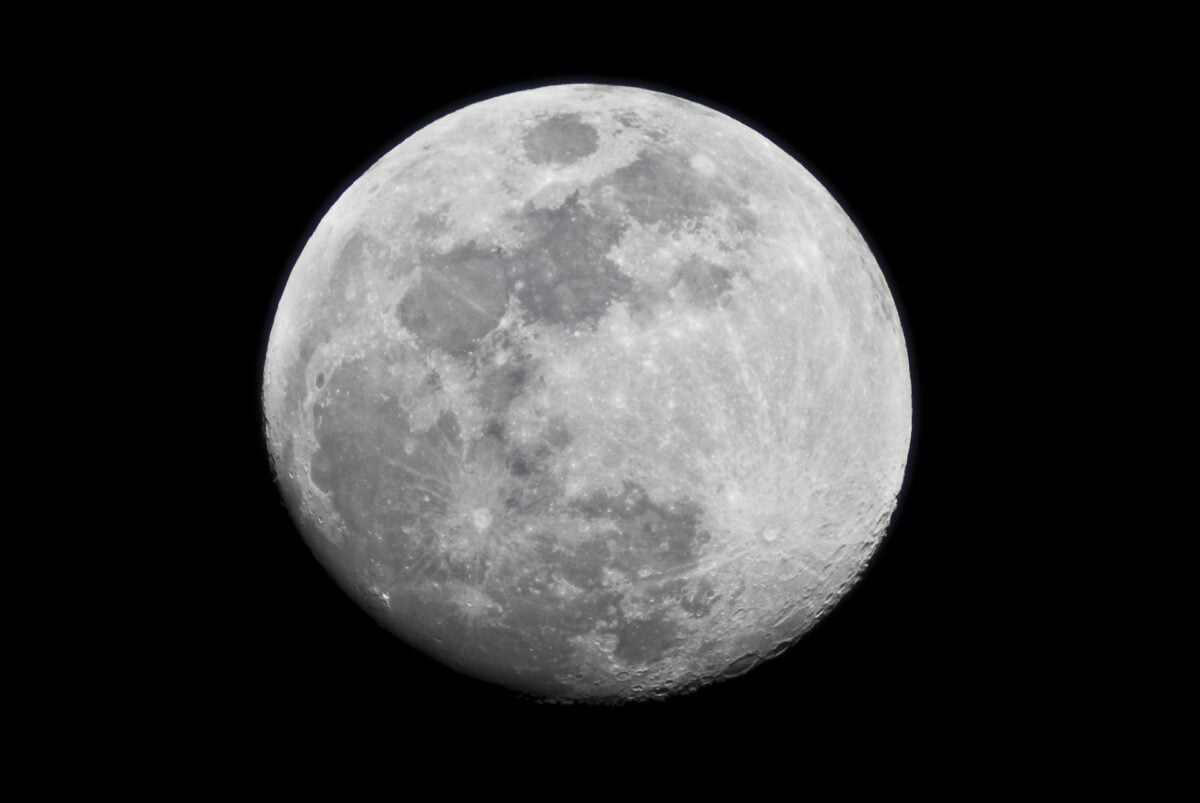
During the late 1950s, amid rising Cold War fears, the U.S. Air Force began working on a secret idea named Project A119. Its aim? To explode a nuclear bomb on the lunar surface – one reason being pressure against the Soviets, another tied to research.
In time, the plan vanished, not due to moral concerns, yet because leaders feared a botched takeoff might send the weapon crashing down here. The moon stayed intact.
5. A Whale Exploded on an Oregon Beach in 1970
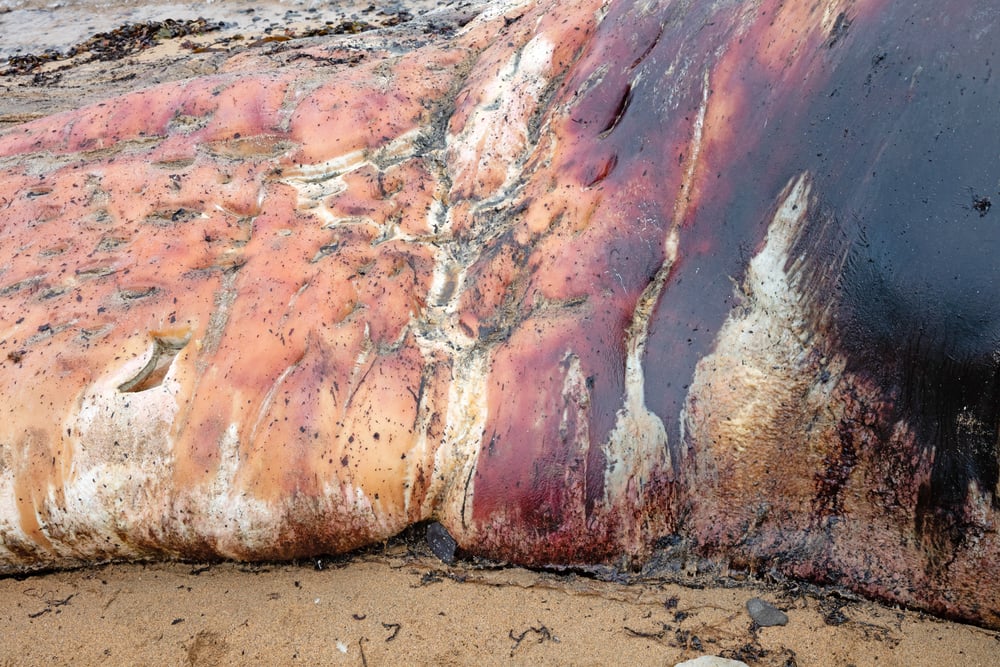
Beside the waves near Florence, Oregon, a beached sperm whale drew attention after its death. Instead of removing it quietly, authorities chose dynamite as their tool.
Under the rotting body, they placed twenty crates full of explosive material. Reporters gathered close, summoned by word of what would happen next.
With a signal given, the fuse sparked into life. Chunks of greasy flesh shot outward like cannon fire.
Some landed far beyond where anyone expected. One heavy mass smashed down on an automobile nearly half a kilometer off.
A large crowd watched as efforts to move the whale failed completely. Shot on video, that moment lives on across the web now.
6. Sweden Accidentally Invaded Denmark on a Map Error
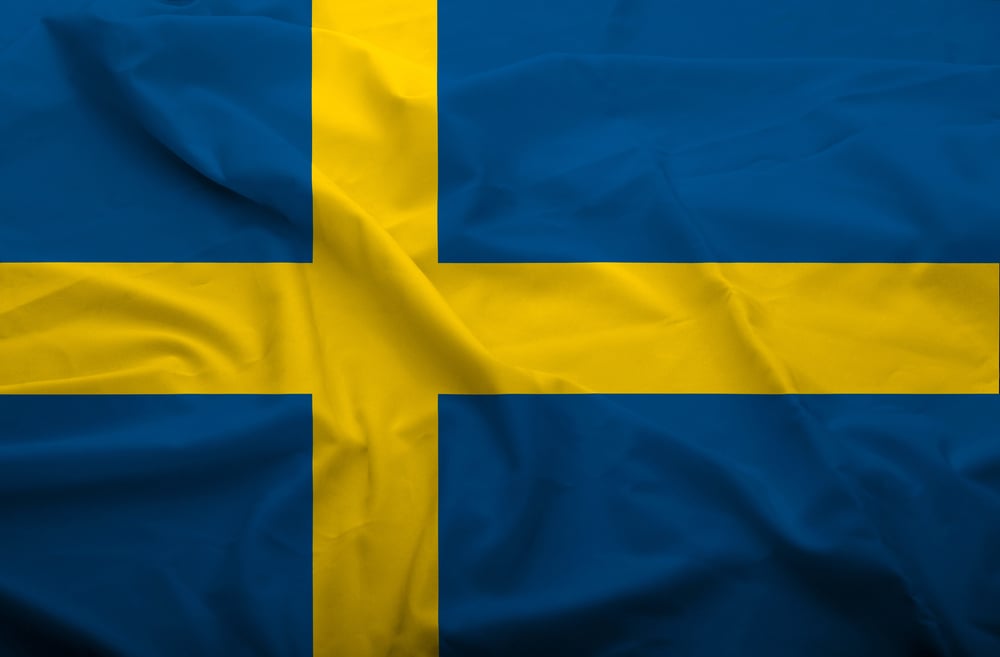
In 2012, Sweden managed to briefly “invade” its neighbor Denmark — on paper. A Swedish mapping authority released an updated sea chart that, due to a technical error, extended Sweden’s territorial boundary significantly into Danish waters.
Denmark noticed. There were no military consequences, but it did prompt some very polite diplomatic correspondence between the two countries.
7. A Bear Officially Served in the Polish Army
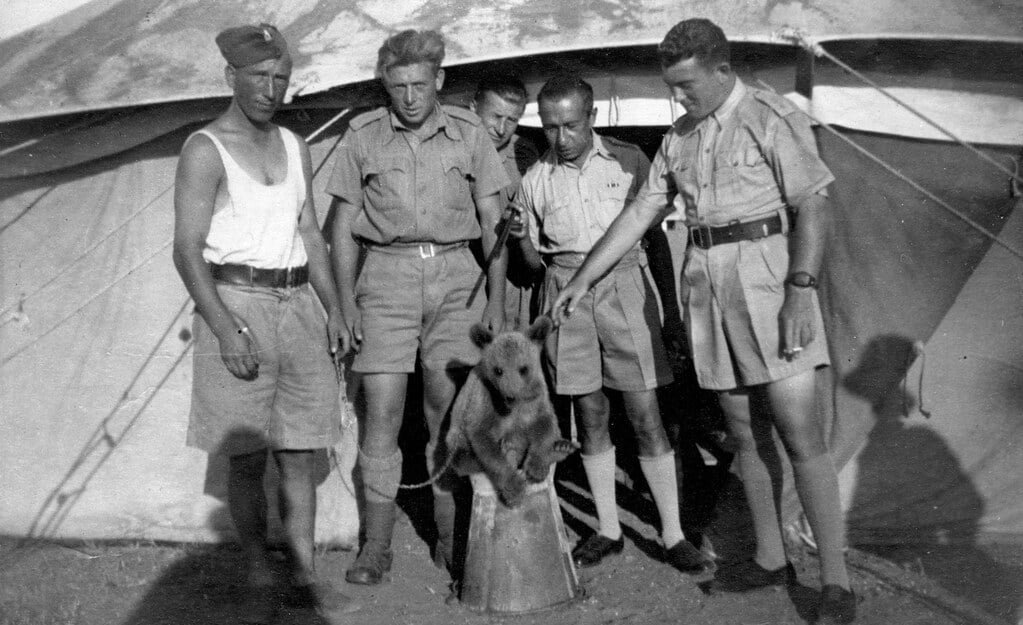
Wojtek was a Syrian brown bear adopted by Polish soldiers during World War II. He was enlisted as a Private, given a rank, a serial number, and full military status.
He learned to carry artillery shells by watching the soldiers do it. He traveled with the troops, slept in tents, and even wrestled with the men for fun.
After the war, he lived out his days in Edinburgh Zoo. A statue of him stands in Edinburgh today.
8. The Emu War (Australia, 1932)

The Australian government declared war on emus. Yes, the birds.
After World War I veterans were given farmland in Western Australia, massive emu populations destroyed their crops. The government sent soldiers armed with machine guns to deal with the problem.
The emus, however, proved nearly impossible to kill efficiently — they scattered, moved fast, and absorbed bullets with alarming resilience. After several weeks, the military withdrew.
The emus were declared the winners. Australia eventually turned to fencing instead.
9. Benjamin Franklin Suggested Daylight Saving Time as a Joke

Franklin’s famous 1784 essay suggesting Parisians wake up earlier to save candles was written as satire. He proposed taxing shutters, rationing candles, and waking people with cannon fire at sunrise.
He was making fun of laziness, not genuinely proposing policy. Over a century later, someone took the idea seriously anyway, and now twice a year, the entire world adjusts its clocks.
10. The Pope Once Declared War on Cats

Pope Gregory IX issued a papal decree in 1233 associating black cats with devil worship. What followed was a widespread and catastrophic extermination of cats across medieval Europe.
Historians believe this contributed directly to the explosion of the rat population — which in turn helped spread the Black Death. The plague killed an estimated one-third of Europe’s population.
Cats were eventually rehabilitated as useful pest controllers, but the damage had been done.
11. A Man Survived Both Atomic Bombings in World War II

Tsutomu Yamaguchi was in Hiroshima on business when the first atomic bomb dropped on August 6, 1945. He survived, treated his wounds, and returned to his hometown — which happened to be Nagasaki.
He was there when the second bomb dropped three days later. He survived that too.
He spent years trying to get the Japanese government to officially recognize him as a double survivor, which they finally did in 2009. He lived to be 93.
12. In 1788, Austria Accidentally Fought Itself

At the Battle of Karánsebes, the Austrian army managed to inflict casualties on itself without any enemy involvement. A confusion between infantry and cavalry units — sparked by a dispute over schnapps — escalated into soldiers firing at each other in the dark, mistaking their own troops for Ottoman enemies.
The Ottoman forces arrived two days later to find the Austrian army already in retreat and thousands of their own men killed or wounded. The Ottomans walked in unopposed.
13. The London Beer Flood of 1814

A giant vat at the Meux and Company Brewery ruptured, triggering a chain reaction that sent over 100,000 gallons of beer pouring through the streets of London’s St. Giles neighborhood. The flood tore down walls, destroyed homes, and killed eight people — most from drowning or injuries caused by collapsing buildings, though some accounts suggest alcohol intoxication played a role.
The brewery was taken to court but was ultimately acquitted, with the flood ruled an act of God.
14. A 1962 Laughing Epidemic Shut Down Schools in Tanzania

— Photo by Yakov_Oskanov
What started with three girls laughing at a boarding school in Tanganyika (now Tanzania) spread until 95 of the school’s 159 students were affected. The laughter was uncontrollable, sometimes lasting for hours, and was often accompanied by crying and fainting.
The school closed. The outbreak spread to nearby villages and other schools over the next 18 months, affecting hundreds of people.
Scientists classify it as a case of mass psychogenic illness — a real and documented phenomenon.
15. The Manhattan Project Scientists Bet on Whether the Bomb Would Ignite the Atmosphere

Just before the first atomic bomb test at Trinity Site in 1945, some of the physicists involved — including Enrico Fermi — were quietly running calculations on whether the explosion might ignite the nitrogen in Earth’s atmosphere, triggering a chain reaction that would destroy all life on the planet. They concluded the probability was near zero.
They detonated the bomb anyway. The atmosphere did not ignite.
16. In 1967, Ohio’s Cuyahoga River Caught Fire

The Cuyahoga River in Cleveland, Ohio, was so heavily polluted with industrial waste and oil that it literally caught fire. It wasn’t the first time — the river had burned multiple times since the late 1800s.
But the 1969 fire (the one that drew national attention) helped spark the environmental movement in the United States and led directly to the creation of the Environmental Protection Agency and the Clean Water Act. A river burned so many times it changed national policy.
17. A Town in France Was Secretly Dosed with LSD in 1951

In August 1951, the town of Pont-Saint-Esprit in southern France experienced a sudden and terrifying mass outbreak. Hundreds of residents suffered hallucinations, convulsions, and psychotic episodes.
Many were hospitalized. Several died.
For decades it was attributed to contaminated bread — ergot fungus was the official explanation. Later evidence pointed toward the CIA, which was conducting covert experiments with LSD at the time as part of its MKULTRA program.
The full truth remains disputed.
18. Cleopatra Was Not Egyptian
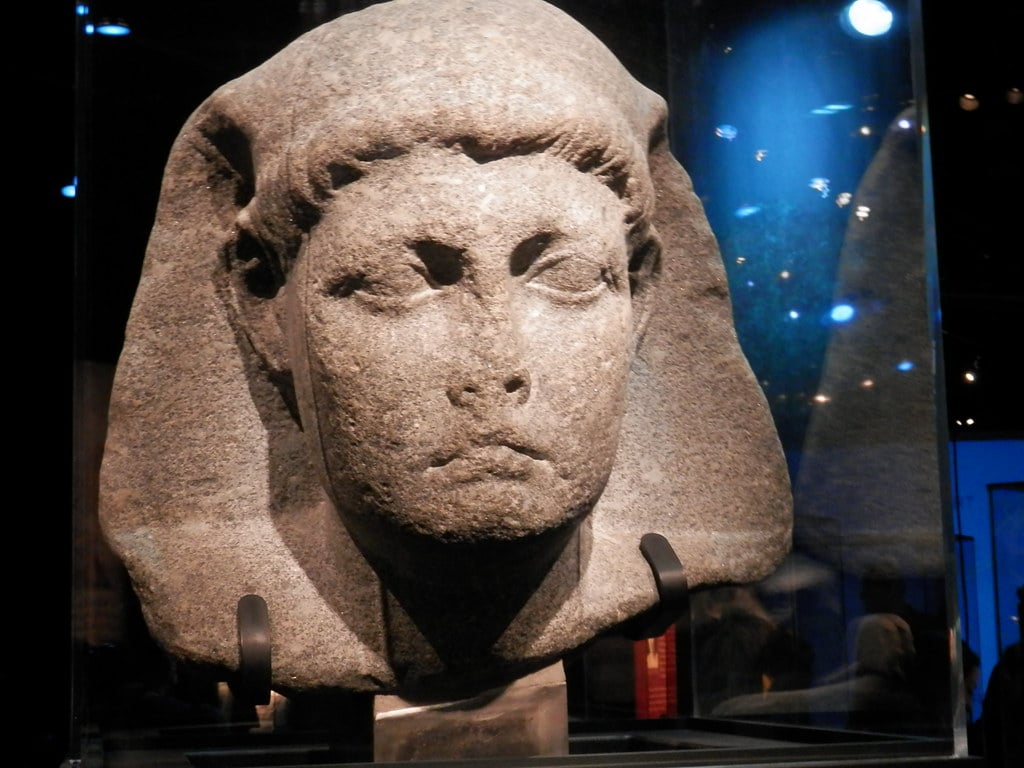
Cleopatra VII, the famous queen of Egypt, was actually of Greek Macedonian descent. Her family, the Ptolemaic dynasty, had ruled Egypt for generations since Alexander the Great’s general Ptolemy took control.
Cleopatra was reportedly the first ruler in her dynasty to even bother learning the Egyptian language. The image of her as a native Egyptian queen is one of history’s most persistent misconceptions.
19. The Great Fire of London Was Officially Blamed on a Frenchman Who Was in Portugal at the Time

Robert Hubert confessed to starting the Great Fire of London in 1666. He said he threw a fireball through a bakery window on Pudding Lane, which is where the fire started.
The problem: Hubert arrived in England two days after the fire broke out. Also, the window he described didn’t exist.
Despite these facts, he was convicted and executed. It was later acknowledged that his confession was almost certainly false, possibly the result of mental illness.
The real cause was an accident at the bakery.
20. The Leaning Tower of Pisa Leaned Immediately

Construction on the Tower of Pisa began in 1173. The structure started tilting before the third floor was even finished — the soil on one side was too soft to support the weight.
Construction was halted, which inadvertently allowed the soil to compress and stabilize. Work resumed in stages over the next 200 years, and engineers actually tried to compensate for the lean by building later floors slightly taller on the sinking side, which gave the tower a slight curve.
The famous lean was not a design choice. It was an accident the builders tried and failed to fix.
21. Ancient Romans Used Crushed Mouse Brains as Toothpaste

Roman dental hygiene was a real concern, and various recipes for tooth-cleaning powder were documented in ancient texts. One popular ingredient: ground mouse brains, mixed with other materials and rubbed on the teeth.
Other Roman dental preparations included powdered ox hooves, charcoal, bark ash, and urine — which contains ammonia and, in small quantities, does have mild whitening properties. Some dentists today reluctantly admit the Romans weren’t entirely wrong about that last one.
22. The British Empire Once Went to War Over a Pig

A fight started in 1859 when a pig broke loose on an island in the Pacific Northwest. That animal belonged to someone who answered to Britain, yet it ruined crops planted by a U.S. settler.
Potatoes gone, the farmer fired his rifle. Soldiers came after that – redcoats from one empire, blue uniforms from another – each setting up camp within shouting distance.
Guns stayed loaded but silent for twelve years. Not a single life lost during those slow standoffs under gray skies.
Talks between nations settled things later; judges sorted what guns could not. By 1872, maps were redrawn without bloodshed.
23. A Girl Named Barbara Wrote a Book When She Was Nine Years Old Then Destroyed It

At nine years old, Barbara Follett tapped out her debut novel on a typewriter, following strict lessons taught daily by her mother. When flames tore through the family home, they took with them the sole version of that book.
Memory became her guide as she rebuilt every line word for word. Praise arrived early – by twelve, adults were already calling her work remarkable.
Few years past twenty, writing slipped away as routine swallowed her whole. That year – nineteen thirty-nine – she left her place without warning, just gone.
What came after? No one knows.
24. The Soviet Union Built an Automatic Retaliation System
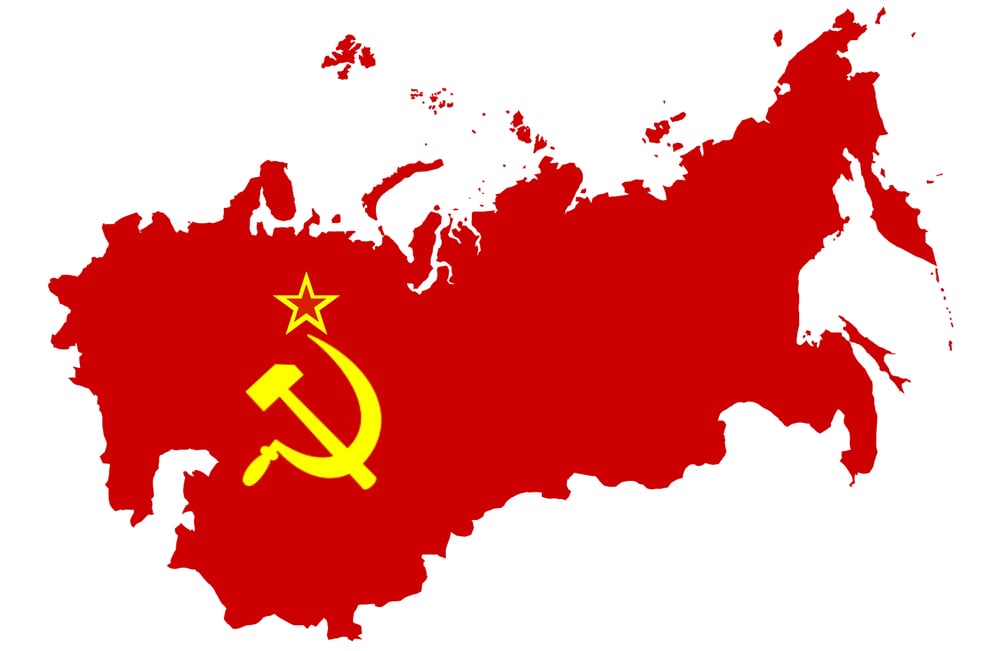
One way the Soviets planned for war’s worst moment was through a machine named Perimeter – some called it Dead Hand. Only when silence followed chaos would this network consider acting.
Deep underground, computers waited, linked to ground shakes and broken signals. A massive explosion cutting off command might flip its hidden switch.
Once awake, rockets could rise on their own – not by order but design. No voice needed. No hand moved.
Machines did what leaders once controlled. Even now, similar circuits might remain ready beneath cold soil.
Not confirmed – but plausible in a world where trust is buried deep.
25. A 73 Year Old Man Finished Last in the Olympic Marathon

That day in St. Louis, the 1904 Olympic marathon spiraled into total disorder. First across was Fred Lorz – except he’d spent eleven miles coasting in a car, so they stripped his title.
Behind him came Thomas Hicks, declared winner even though his team fed him strychnine mixed with brandy during the run – a move allowed back then. Others never made it; some wandered off track, one man fought off dogs, another hitched a ride on a bicycle just to quit later.
Chaos wasn’t rare that day – it was expected. A single stride behind the medal, the Cuban crossed with legs fueled by little beyond cane fields.
Still, the race lives on – wild rhythms stitched into every moment.
Stranger Than Fiction

History rarely lines up clean. Pigs sparking wars, molasses swallowing streets, flocks scattering soldiers – moments like these refuse tidy explanations.
Books might favor order, yet real events stumble forward without permission. Plans dissolve when reality shows its uneven edges.
Perhaps that’s exactly what matters. Not some break in the story – this oddness is the story.
Learning it changes everything else completely.
More from Go2Tutors!

- The Romanov Crown Jewels and Their Tragic Fate
- 13 Historical Mysteries That Science Still Can’t Solve
- Famous Hoaxes That Fooled the World for Years
- 15 Child Stars with Tragic Adult Lives
- 16 Famous Jewelry Pieces in History
Like Go2Tutors’s content? Follow us on MSN.



