27 Things Teachers Always Kept On Their Desk That Students Still Remember
There’s something about a teacher’s desk that never quite left you. Not the lessons, not always — but the stuff.
The particular clutter of it. The things that sat in the same spot every single day, year after year, until they became as fixed in your memory as the smell of the hallway or the squeak of a particular chair.
Teachers probably didn’t think twice about most of it. But students noticed everything.
The Infamous Stapler

Every classroom had one, and it was never to be borrowed lightly. The stapler on a teacher’s desk carried a kind of gravity — heavy, usually ancient, and treated with the same quiet reverence as something that belonged in a museum.
You asked before touching it. You returned it immediately. You did not, under any circumstances, jam it.
The Coffee Mug
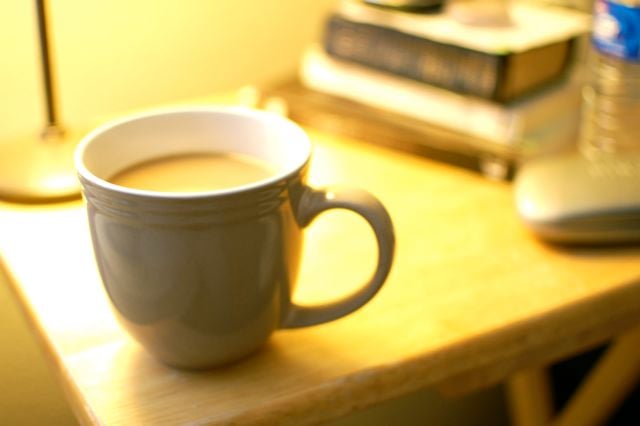
The mug was non-negotiable. It sat there through first period and fifth period alike, sometimes refilled, sometimes forgotten, always present — a ceramic anchor in an otherwise chaotic room.
The best ones had faded text: something ironic about Mondays, or a school logo from 1987, or a child’s handwriting fired into the glaze at some long-ago pottery class. Teachers are human, and the mug proved it.
The Grade Book
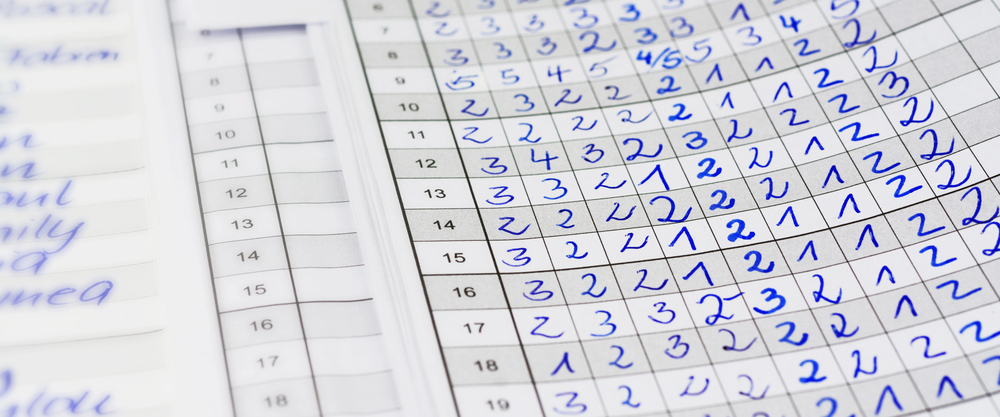
This was the object students eyed with genuine suspicion. The grade book (thick, spiral-bound, filled with a grid so dense it looked like a weather map) lived on or near the desk at all times, and the teacher guarded it with the mild but unmistakable energy of someone who knows exactly how much power a small notebook can hold.
Turns out, quite a lot.
The Red Pen
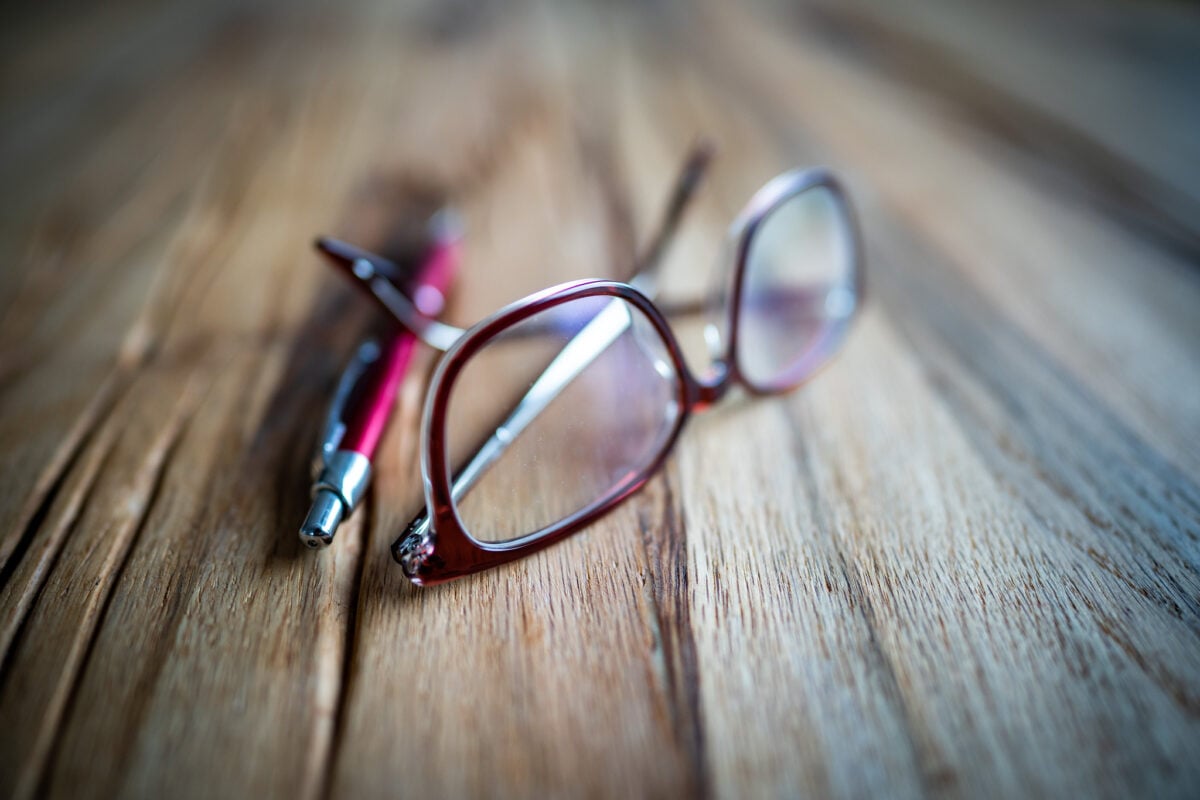
No office supply in the history of education has carried more psychological weight. The red pen wasn’t just a writing tool — it was a verdict, a judgment rendered in a color chosen specifically because it cannot be ignored.
To be fair, some teachers switched to purple in later years, reportedly to feel less adversarial, which is the most teacher thing imaginable.
A Tissue Box
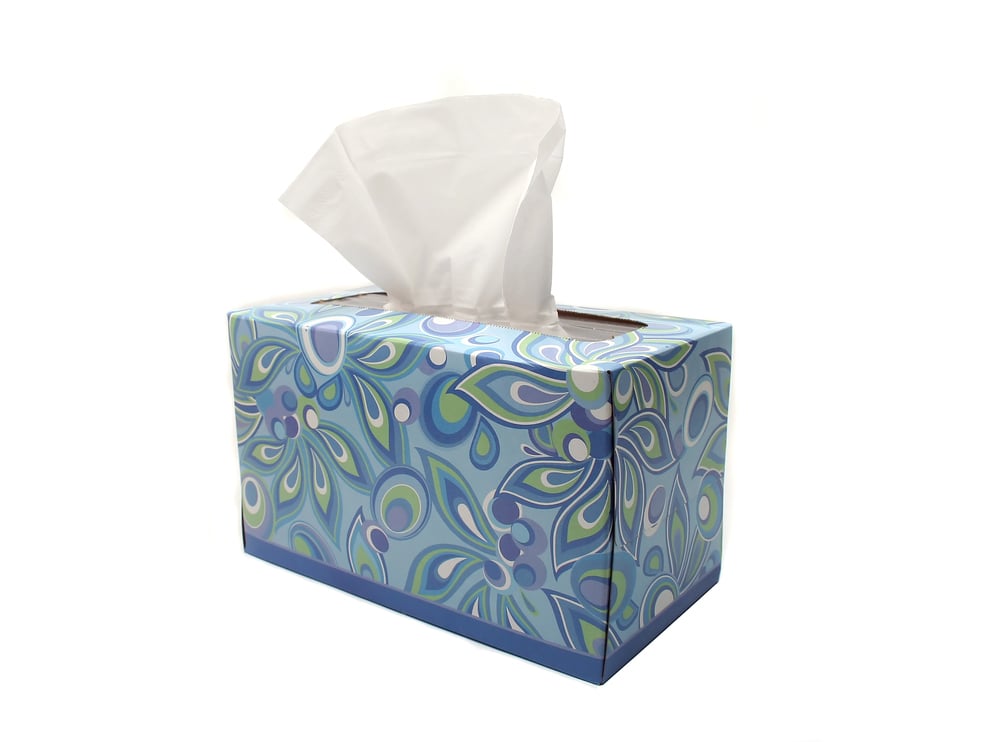
It sat in the corner of the desk, quiet and practical, like a small act of mercy waiting to happen. Teachers who kept tissues out weren’t making a grand gesture — they just understood that sniffling through a lesson is miserable for everyone, and that sometimes the kindest thing a classroom could offer was something soft to reach for without having to ask.
The tissue box, in its way, was an act of grace dressed as office supply.
The Ruler
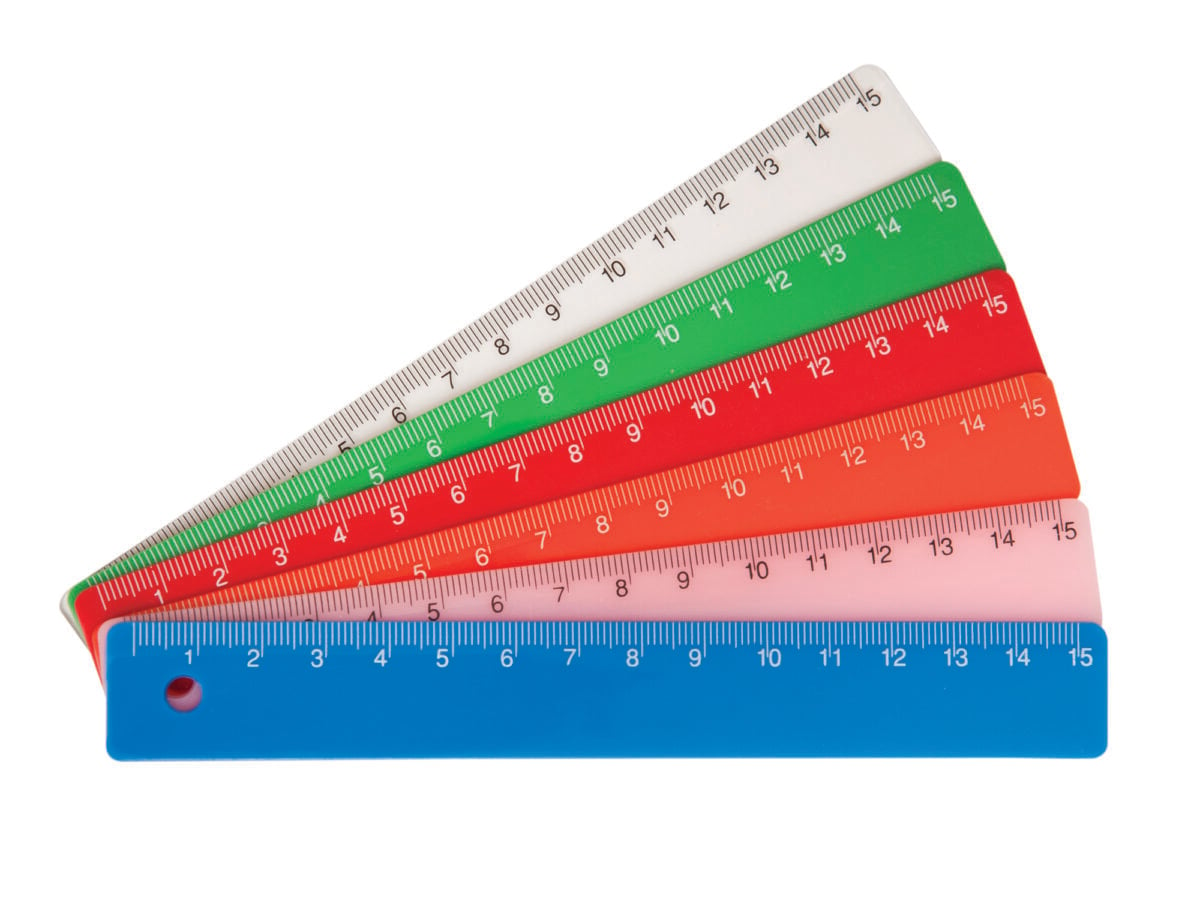
Rulers served double duty on a teacher’s desk: functional measuring tool and the most universally recognized symbol of old-school authority. Some teachers used them to point at the board. Some used them to tap the desk when a class got loud.
Very few actually measured anything. And yet there it sat, every day, doing its quiet work just by existing.
A World Globe

Not every classroom had one, but the ones that did — you remember it. A globe on a teacher’s desk has a particular quality, the way it sits there spinning slowly on its axis if you give it a nudge, indifferent to everything happening in the room around it.
It made the walls feel thinner. Geography teachers practically worshipped theirs; English teachers kept one around as though proximity to continents might improve the essays.
Hand Sanitizer
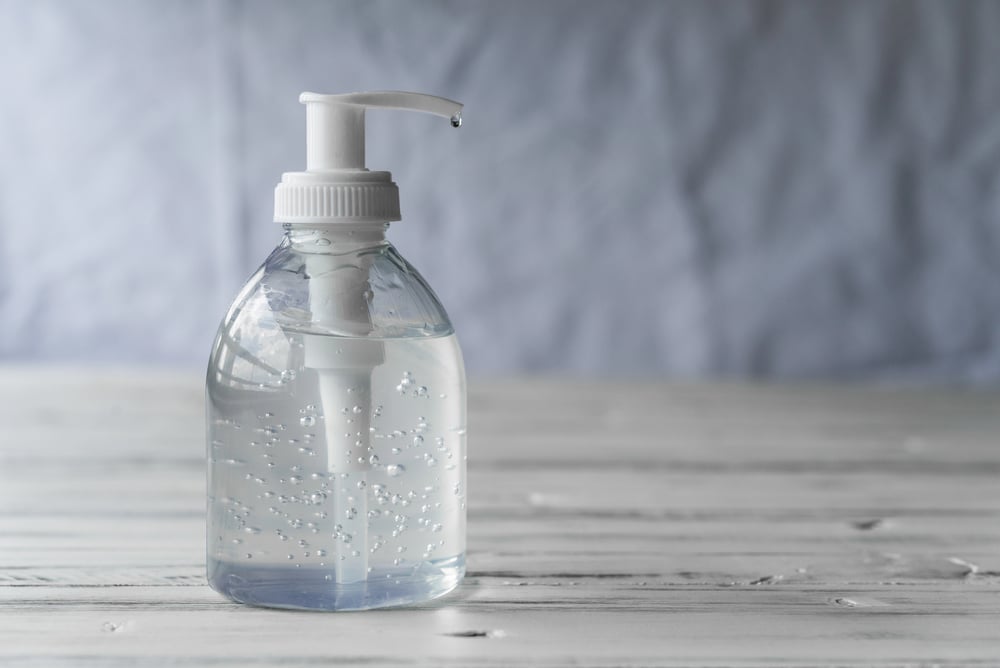
This one arrived in force somewhere around the early 2000s and never left. Once hand sanitizer took up residence on the teacher’s desk, it became a permanent fixture — visited by students before lunch, after science labs, and at random intervals for reasons no one could fully explain.
Some teachers had the small pump kind. The ambitious ones had the gallon jug. Both were equally beloved.
A Plant
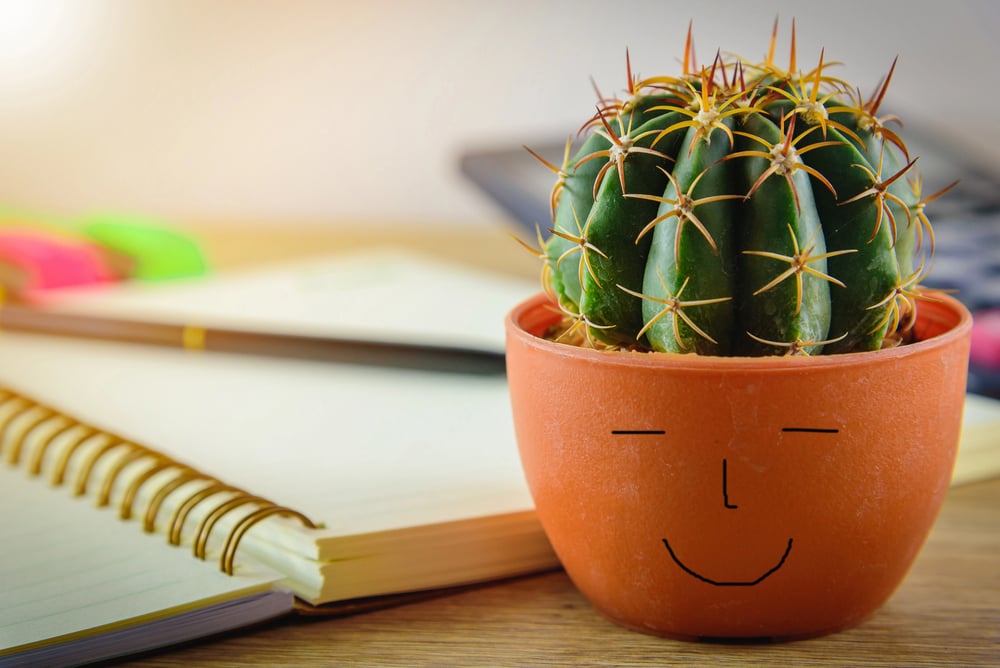
The classroom plant was usually a pothos, because pothos are practically unkillable, which is a quality any sensible teacher would prioritize. It sat near the window or on the corner of the desk, trailing its vines down toward the floor with a kind of slow, stubborn optimism.
Students rarely noticed it consciously, but they noticed when it was gone — something about the room felt colder without it.
Sticky Notes
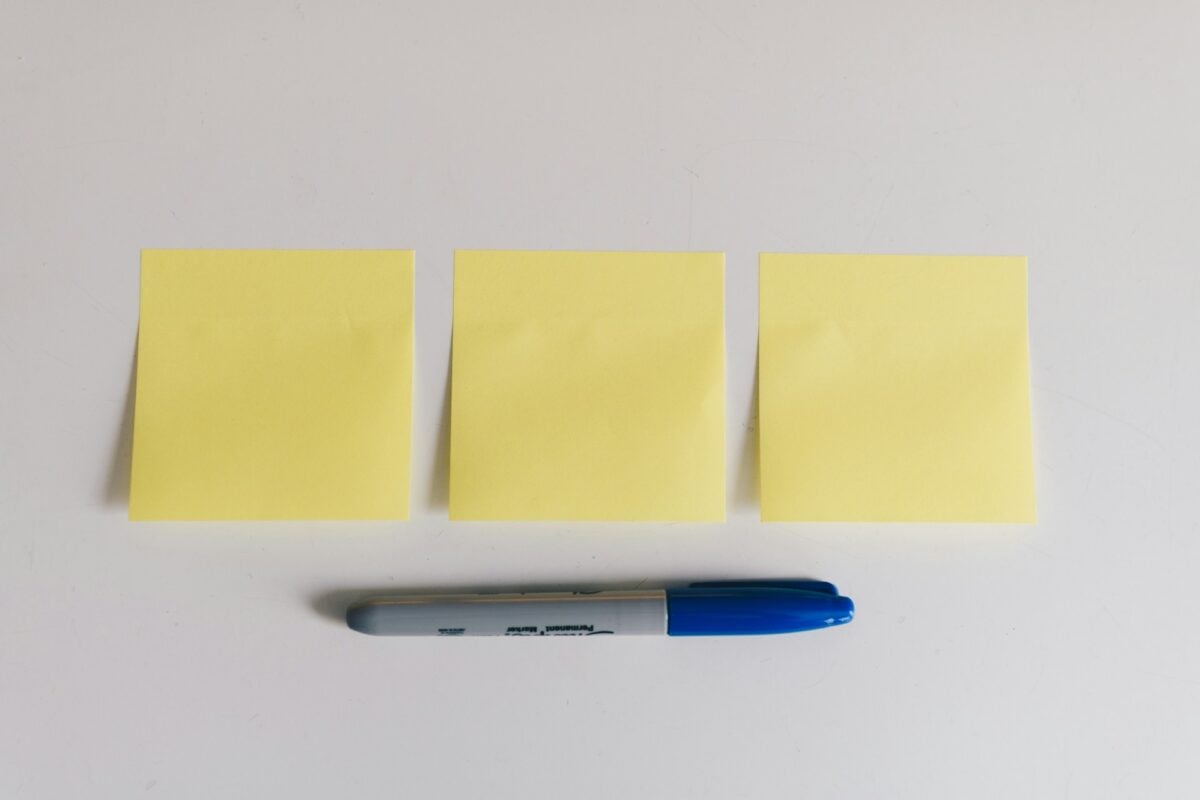
Teachers were early adopters of the sticky note, and their desks showed it. Neon yellow squares covered the monitor, the edge of the desk lamp, the side of the filing cabinet — a whole ecosystem of reminders that collectively suggested a person managing approximately forty things at once.
The sticky note is less a product and more a portrait of a profession.
A Bell or Chime
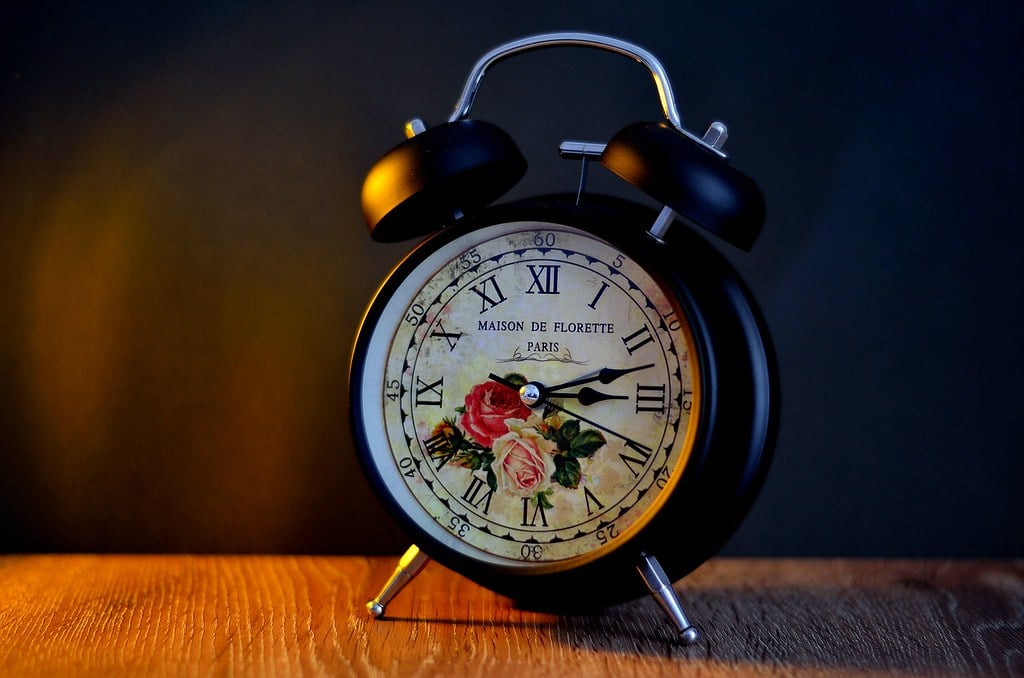
Some teachers had a small bell they rang to signal transitions, quiet the room, or call attention back from wherever thirty minds had drifted. It was almost always a brass desk bell — the kind you tap on top — and the sound of it is so specific, so particular, that hearing one now will drop you straight back into third grade without warning.
Pavlov figured this out first. Teachers just applied it.
Pencils in a Cup
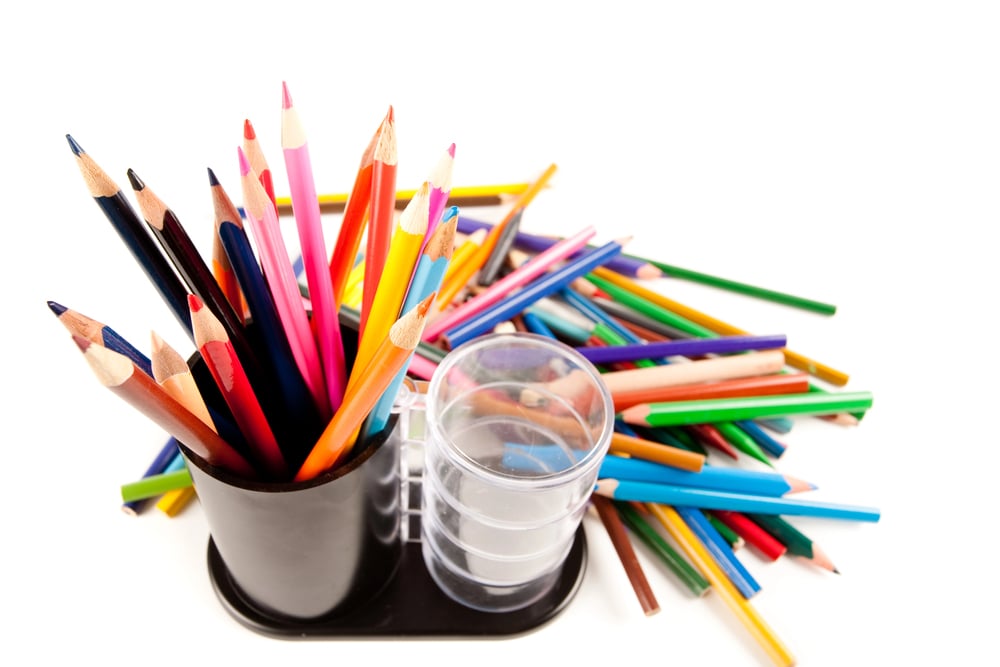
The pencil cup was chaotic by design. It held pencils of varying lengths, a few dried-out markers, one pen with no cap, and at least two items that shouldn’t have been in there at all.
Teachers kept it on the desk as a lending library of last resort — students could borrow from the cup, and the cup absorbed the chaos so the lesson didn’t have to.
A Dictionary
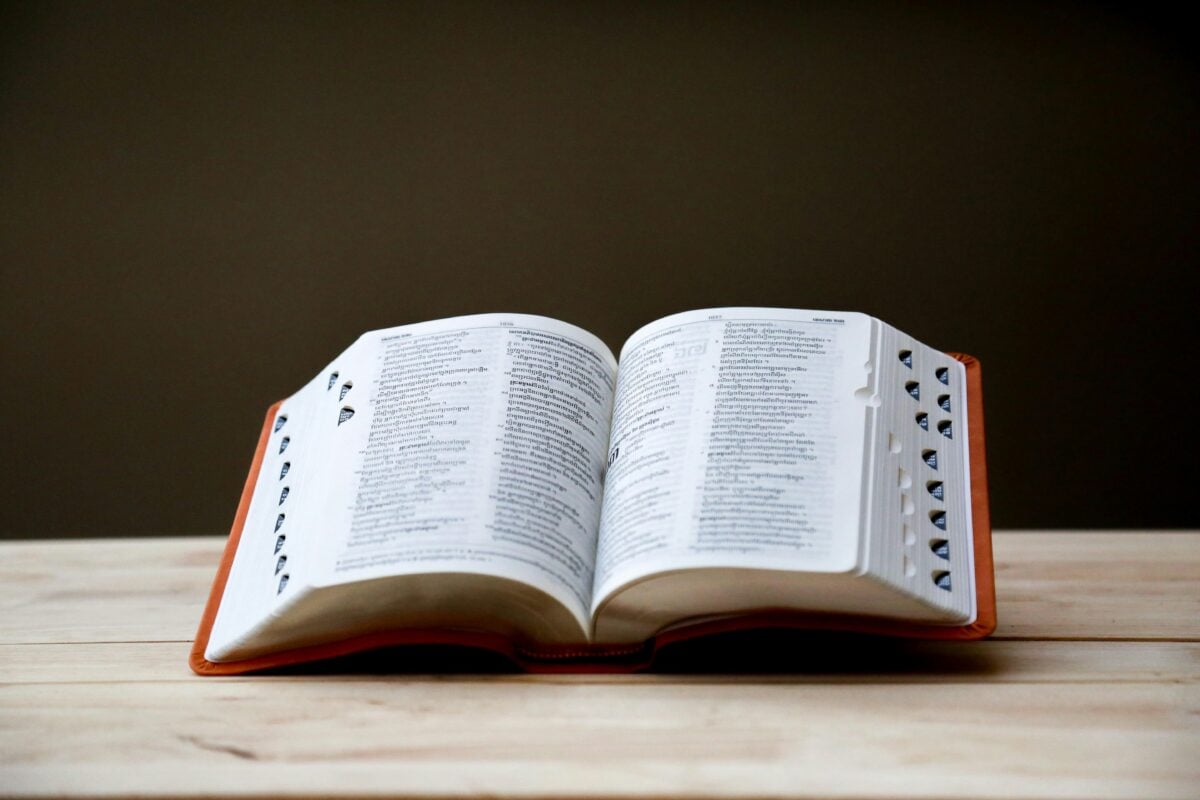
The classroom dictionary sat on the desk like a retired elder — thick, authoritative, consulted less and less as the years went on but never quite removed. It was the original answer machine: look it up, spell it out, no shortcuts.
Teachers who kept one past the era of smartphones were making a point, even if they never said so directly.
Reading Glasses
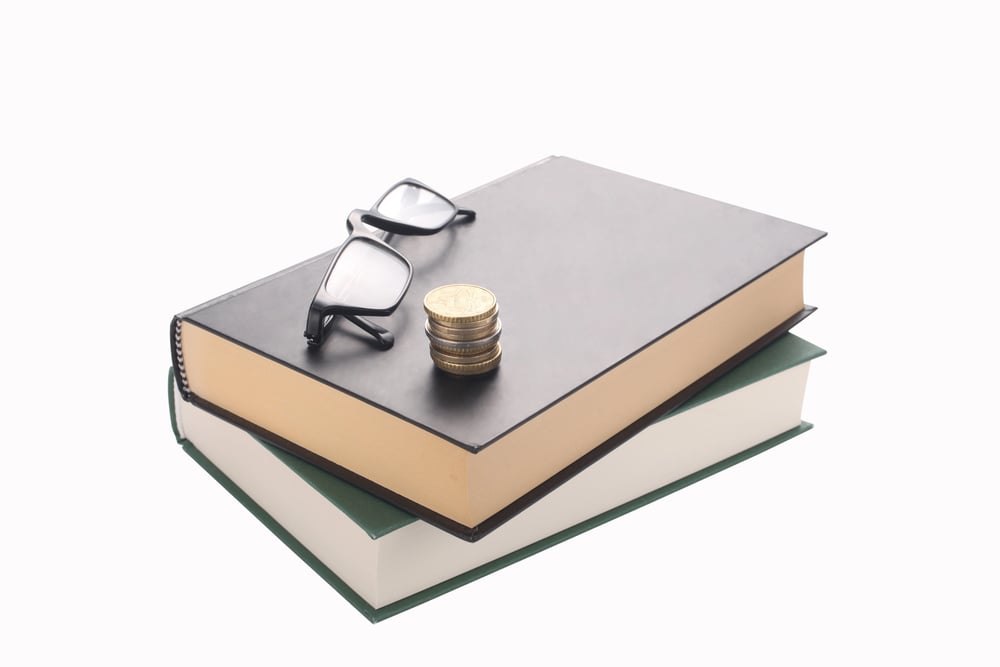
At some point in a teacher’s career, a pair of glasses appeared on the desk. Sometimes they were perched on the teacher’s head. Sometimes they were hooked over a collar.
They moved around the room — left on a student’s desk by accident, retrieved with mild embarrassment — but they always came back to the desk, which was their home base. Students found this oddly endearing, and they were right to.
An Apple (Sometimes Literally)

The apple-for-the-teacher thing is old enough to feel like folklore, but plenty of teachers genuinely received them, and some kept a bowl of fruit on the desk by personal preference. What’s interesting is that the apple became a symbol for a reason: it was specific enough to be meaningful and modest enough to not feel like a bribe.
Which is a difficult balance that most adults never manage.
A Staple Remover
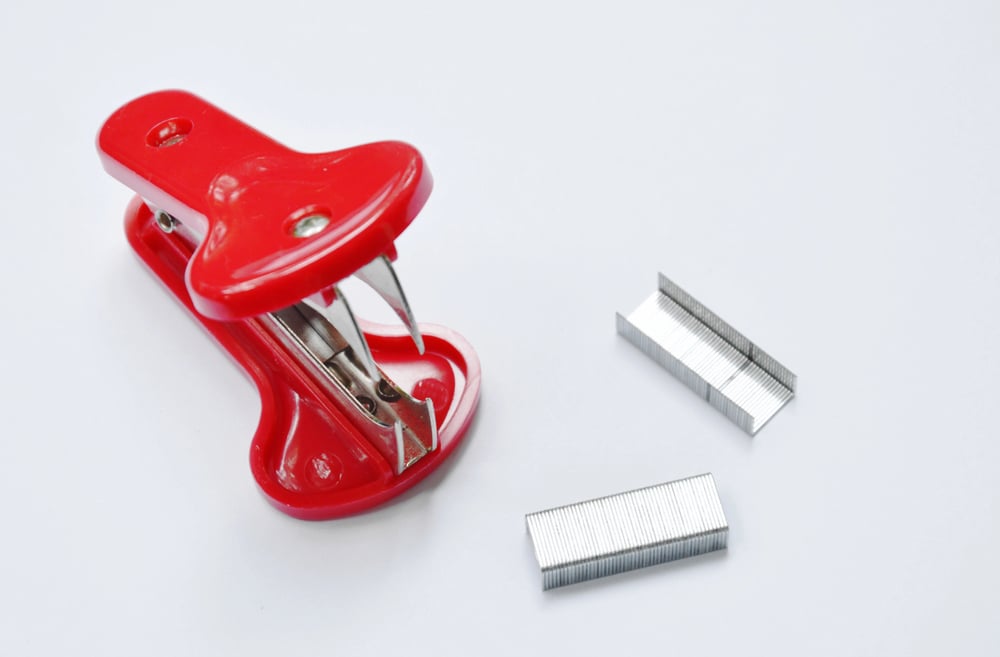
It looks like a small jaw and operates like a small jaw and students found it unsettling in exact proportion to how useful it was. Every teacher had one, tucked near the stapler, and there was always at least one student per year who picked it up, opened and closed it a few times while staring at nothing, then put it back without explanation.
Detention Slips or Hall Passes
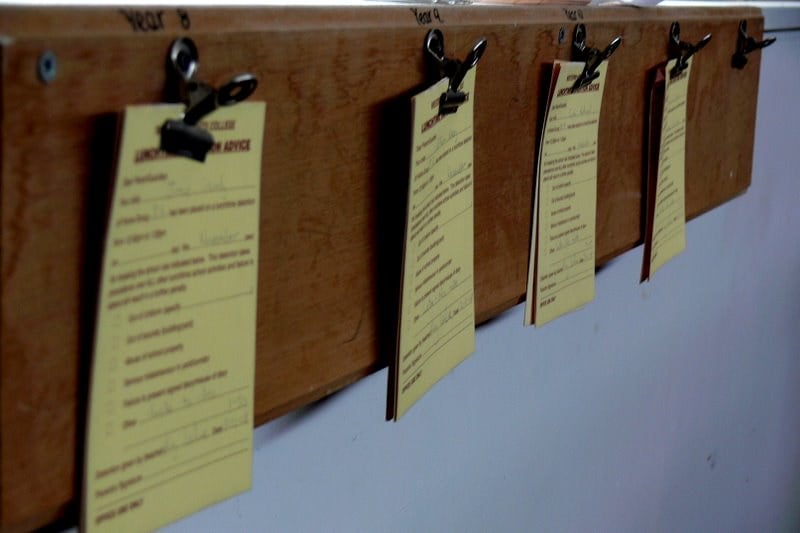
These lived in a specific spot, and everyone in the room knew exactly where. The hall pass was especially memorable — laminated, sometimes attached to a wooden block or a large ring of keys to prevent disappearance, treated with a gravity that the humble slip of paper had done nothing to earn.
And yet, holding one felt like a minor transaction with authority.
A Calendar
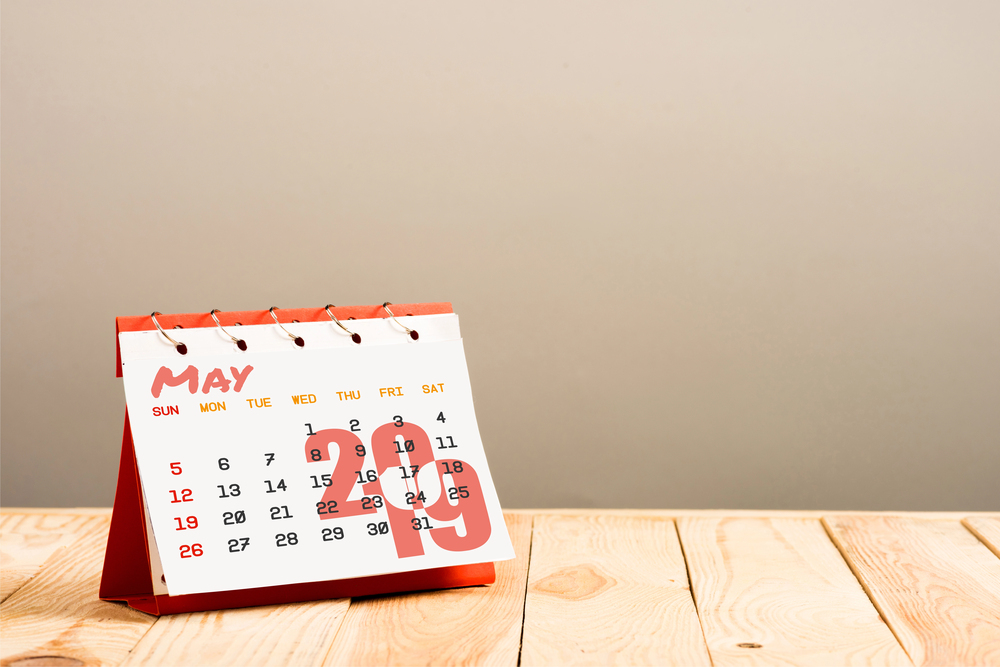
The desk calendar — usually the kind with a page for each day, torn off each morning — was a teacher ritual as reliable as roll call. It told you where you were in the year, which matters more in a classroom than almost anywhere else.
Teachers with calendars on their desks always seemed more anchored than the ones without, like they’d made peace with time rather than just surviving it.
A Small Fan
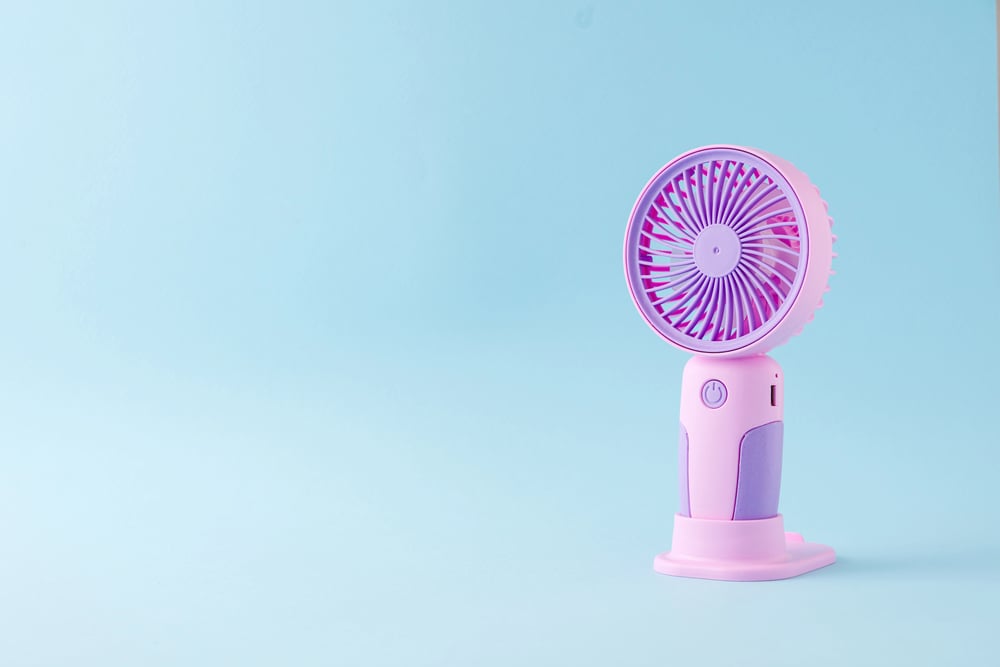
In schools without air conditioning — and there were many — the small desk fan was less a comfort and more a survival mechanism. It oscillated slowly, doing almost nothing for the thirty students baking in the back rows, but teachers kept it aimed at their desk with the quiet practicality of someone who has accepted certain unfair realities about their working conditions.
Chalk or Dry Erase Markers
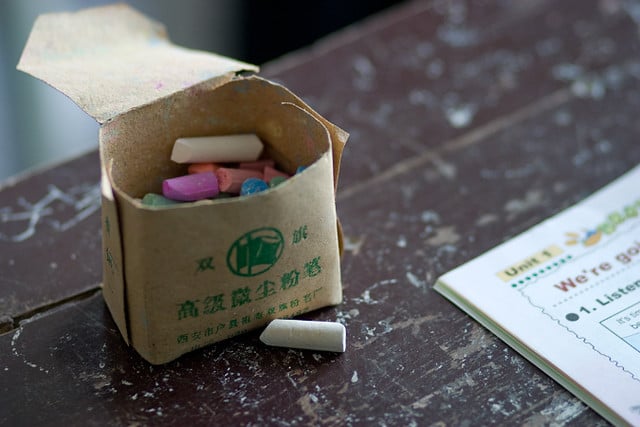
Wherever the board went, the markers followed back to the desk. Teachers accumulated these the way kitchens accumulate takeout menus — in quantity, with varying degrees of usefulness, and several that had stopped working entirely but hadn’t been thrown away yet.
The good ones were guarded. The dried-out ones were still tested hopefully for months after they’d given up.
Awards or Student Artwork
Somewhere on or near the desk — pinned to a nearby board, taped to the filing cabinet, propped against the monitor — lived the things students had made. A crayon drawing from five years ago. A “Best Teacher” ribbon from a school fair.
A card signed by thirty names in thirty different handwriting styles. Teachers kept these not as decoration but as evidence that the whole enterprise was worth it.
A Stress Orb
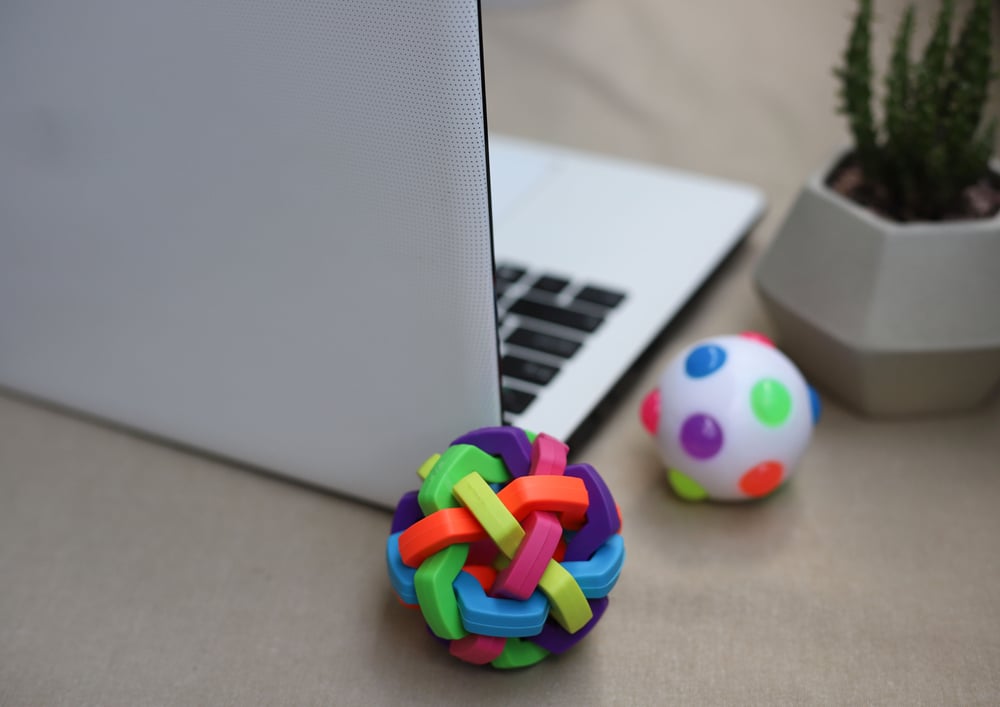
The stress orb on a teacher’s desk was rarely discussed and absolutely noticed. It sat there quietly, squeezed during parent conferences and staff meetings and particularly difficult Tuesdays, and its presence communicated something honest about the job that no professional development seminar ever quite managed to say out loud.
Students respected it. Some borrowed it. Almost everyone understood why it was there.
Paper Clips
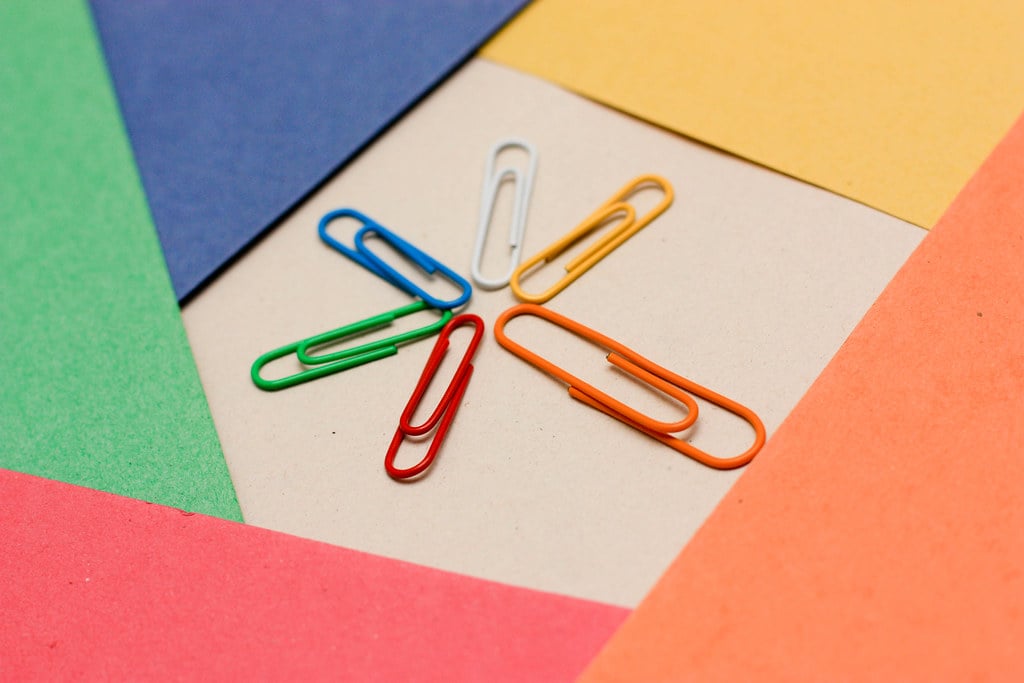
They were everywhere and they were always escaping. Paper clips showed up on teachers’ desks in dishes, in drawers pulled halfway open, in the magnetic holders that looked like little sculptures, and occasionally just loose on the surface in a small silver pile.
They are the most unglamorous object in an office, and somehow the most persistent.
A Lesson Plan Book
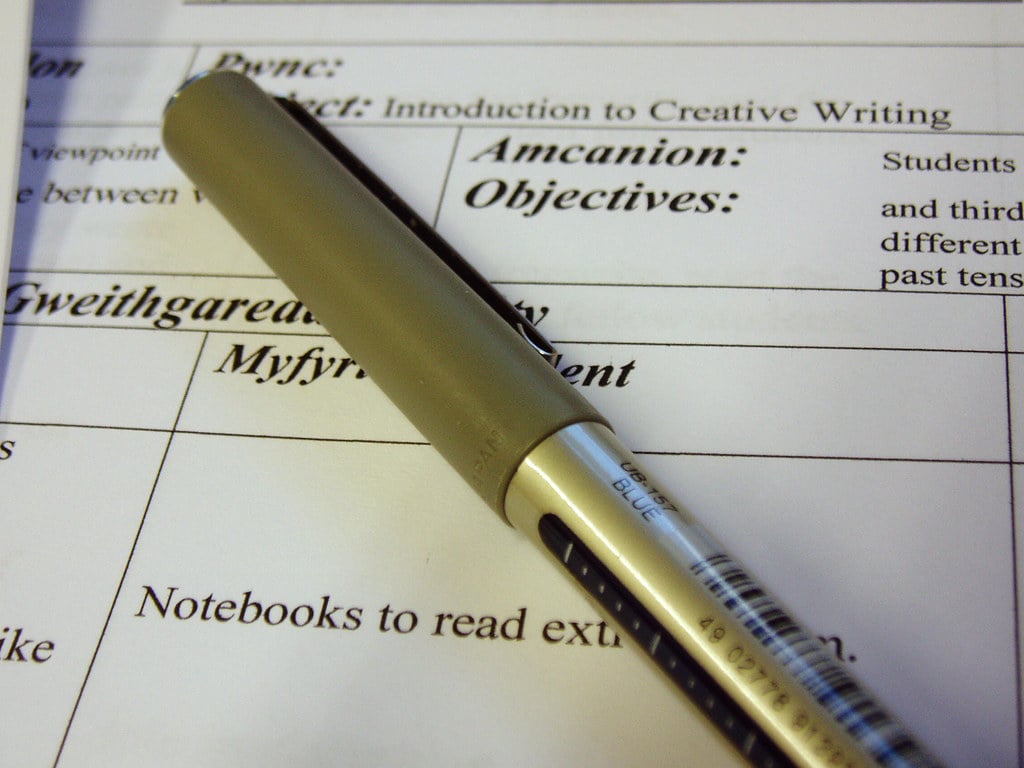
The lesson plan book was the backbone of the desk — a thick, structured notebook where the entire architecture of the school year lived, week by week, period by period. Students only glimpsed it, but what they glimpsed suggested a level of organized thinking that seemed almost incomprehensible from the vantage point of a desk in the third row.
Teachers who lost their plan book had the specific look of someone who had briefly lost their identity.
A Small Clock
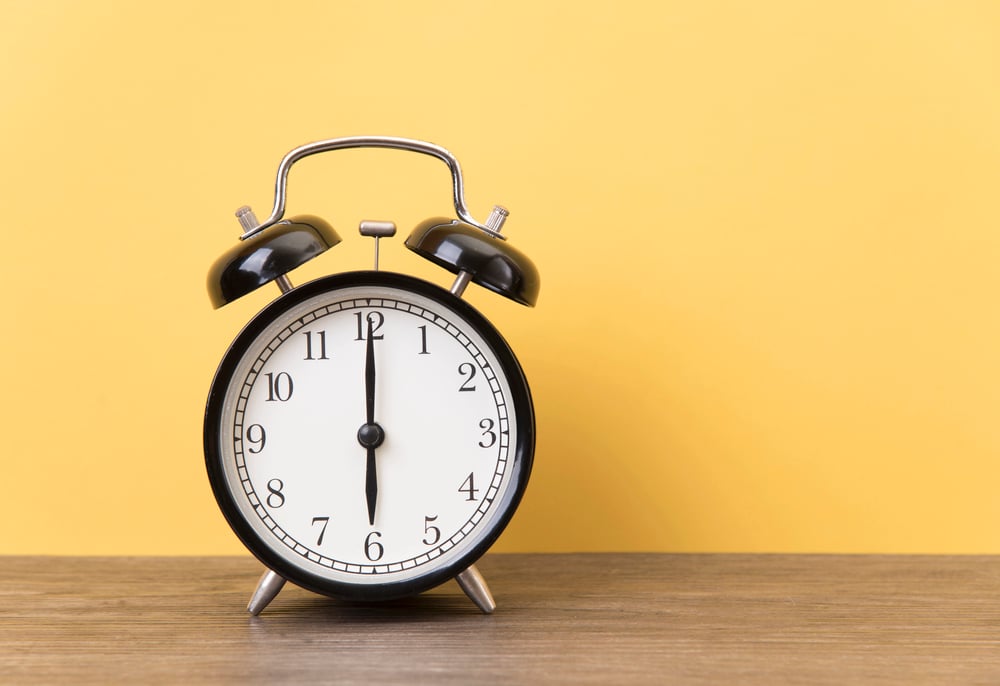
The desk clock was for the teacher, not the students — there was always a clock on the wall for that — but its presence on the desk said something worth noting. A teacher who keeps a clock at eye level is someone managing time, not just filling it.
And the best ones always seemed to know exactly how many minutes were left, even without looking.
Personal Photos

Somewhere among all the professional clutter, there was usually a photo. A partner, a child, a dog, a vacation that had happened before the school year made vacations feel distant. Students were quietly fascinated by these glimpses — proof, presented in a small frame on a desk, that the teacher existed somewhere outside Room 214.
That they had a life that started at 3:15. It was always slightly surprising, and it never should have been.
A Nameplate
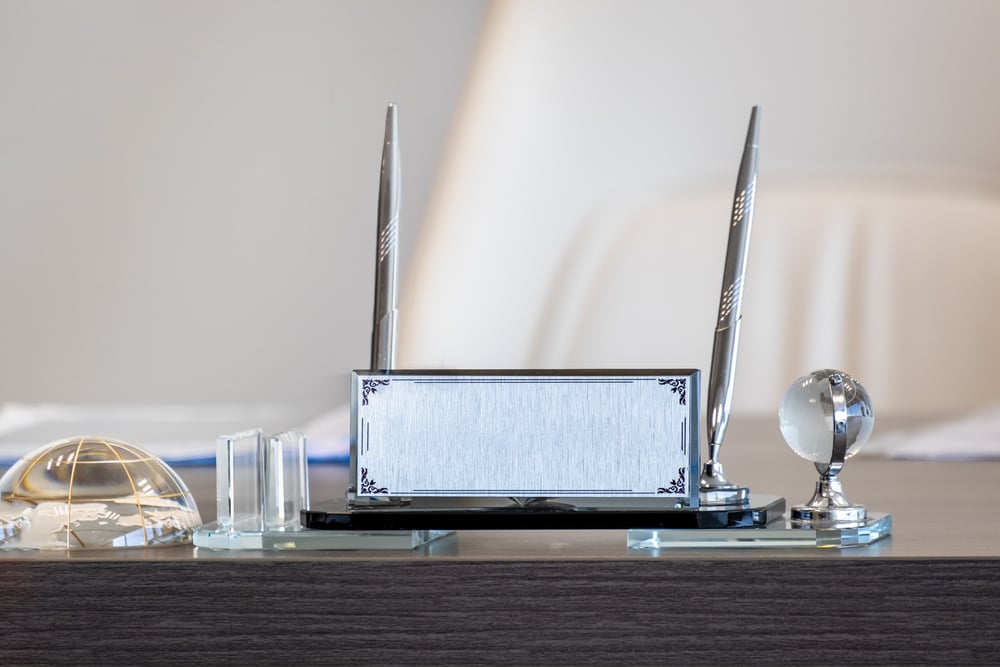
The nameplate sat at the front of the desk like a small declaration. Mrs. Patterson. Mr. Okafor. Ms. Rivera. It didn’t tell you anything about the person behind it, but it told you they’d claimed this space, that this desk was theirs, that someone had decided their name deserved a permanent place in the room. Students who had those teachers for years barely glanced at the nameplate.
And yet most of them could still tell you exactly what it said.
What a Desk Tells You

A teacher’s desk was never really about the desk. It was an accumulation of habits, small kindnesses, professional survival, and the particular residue of spending years of your life helping other people’s children figure out the world.
The coffee mug and the stress orb and the student drawings weren’t decorations — they were evidence. Evidence of a person who showed up, every day, to a room full of people who needed something from them. Most students didn’t understand that at the time. Most of them do now.
More from Go2Tutors!

- The Romanov Crown Jewels and Their Tragic Fate
- 13 Historical Mysteries That Science Still Can’t Solve
- Famous Hoaxes That Fooled the World for Years
- 15 Child Stars with Tragic Adult Lives
- 16 Famous Jewelry Pieces in History
Like Go2Tutors’s content? Follow us on MSN.