27 Famous Architects Whose Own Homes Were Completely Ordinary
There’s a persistent fantasy about how architects live. The assumption is that every great designer must occupy some jaw-dropping structure of their own creation — a house that doubles as a manifesto, a home that moonlights as a monument.
And sure, some of them do. But the reality, across a surprisingly wide stretch of architectural history, is far more mundane than that.
Some of the most celebrated shapers of the built environment went home to perfectly unremarkable houses. Not as a failure of ambition, but sometimes as a deliberate choice, sometimes as a financial reality, and sometimes simply because the cobbler’s children have no shoes — and the architect’s family has no floating cantilevered deck.
The list that follows is longer than you might expect.
Frank Lloyd Wright
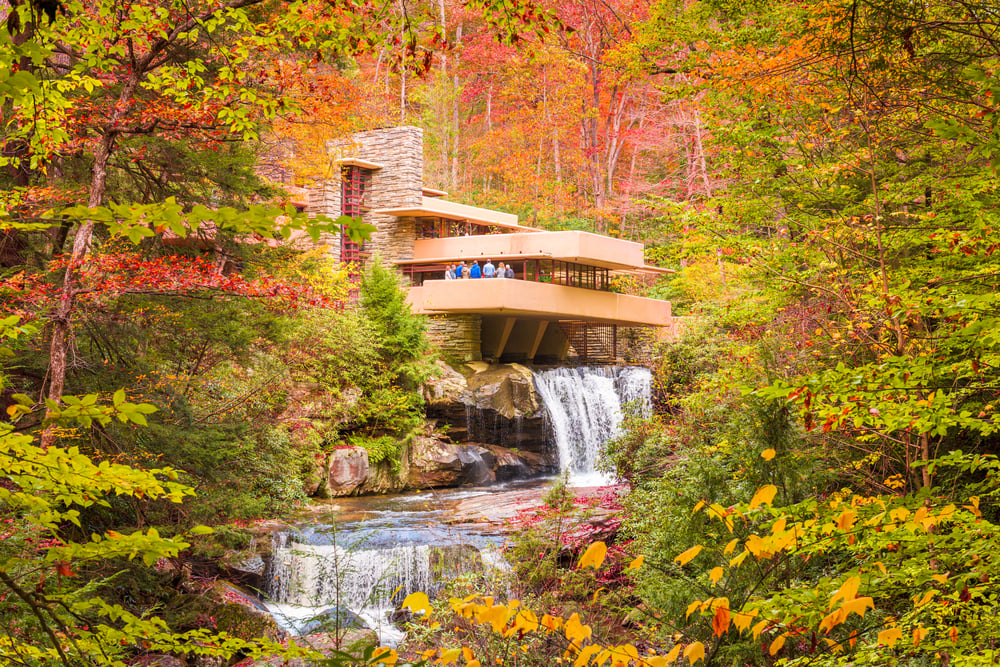
Frank Lloyd Wright spent decades designing some of the most revolutionary domestic spaces in American history, yet his personal financial situation was a recurring disaster that kept him from ever fully settling into a stable home of his own design. Taliesin, his Wisconsin compound, was perpetually under construction and reconstruction — less a finished home than an ongoing argument with itself — and for long stretches of his life, Wright was essentially living in a work-in-progress that looked more like a construction site than an architectural statement.
The myth of Wright as the master of the domestic ideal sits awkwardly next to the reality of a man who was perpetually broke, perpetually in debt, and perpetually building something that wasn’t done yet.
Mies Van Der Rohe
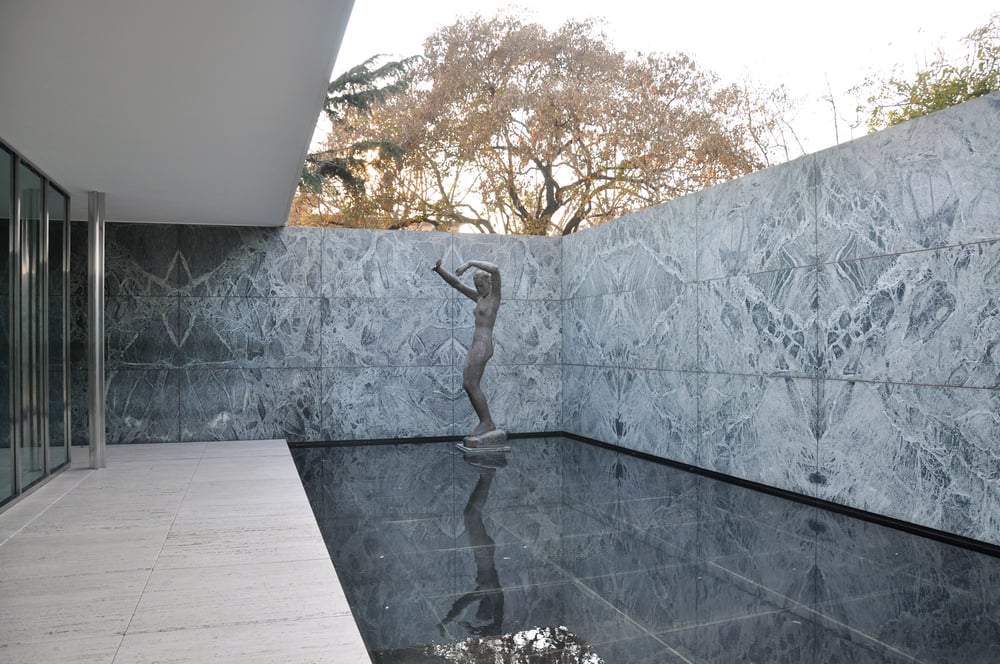
Mies van der Rohe never lived in a Miesian house. After emigrating to Chicago in 1938, he settled into a conventional apartment in a standard Chicago residential building — no glass walls, no steel frame, no Barcelona Chair in the living room.
The man who gave the world “less is more” lived, by his own choice, in an ordinary rented apartment until his death in 1969.
Le Corbusier
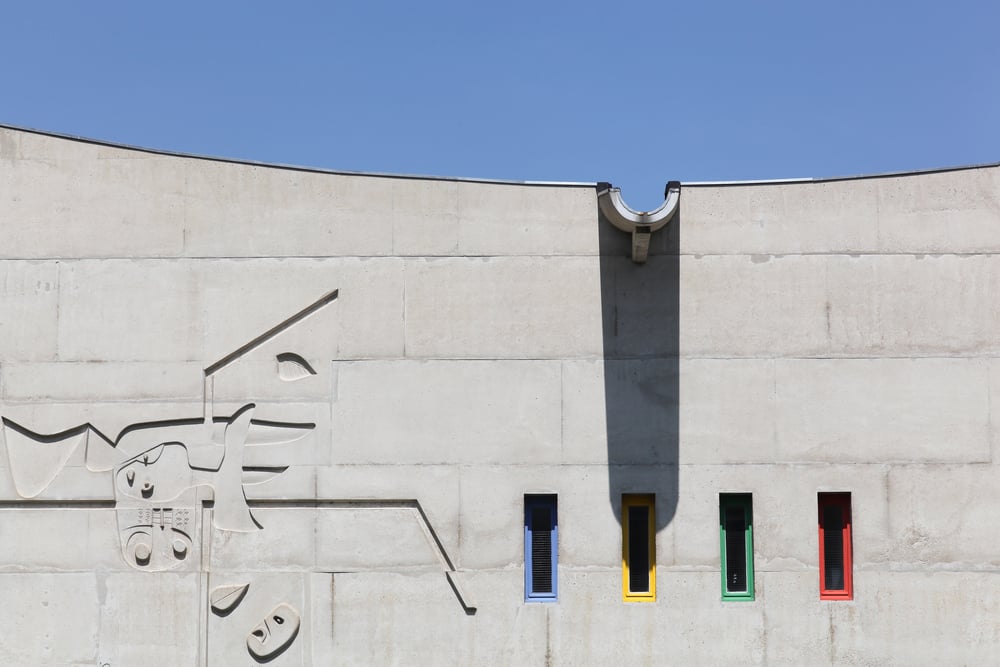
There is something quietly ironic about Le Corbusier, the architect who declared that a house should be “a machine for living in,” spending his final years in a small, simple cabin he built himself on the French Riviera. The cabanon, as he called it, measured roughly 12 feet by 12 feet — almost defiantly modest for a man whose urban planning schemes proposed demolishing large parts of Paris.
And yet that tiny cabin, stripped of the grandiosity that defined his public projects, felt more honest than almost anything else he ever made.
Tadao Ando
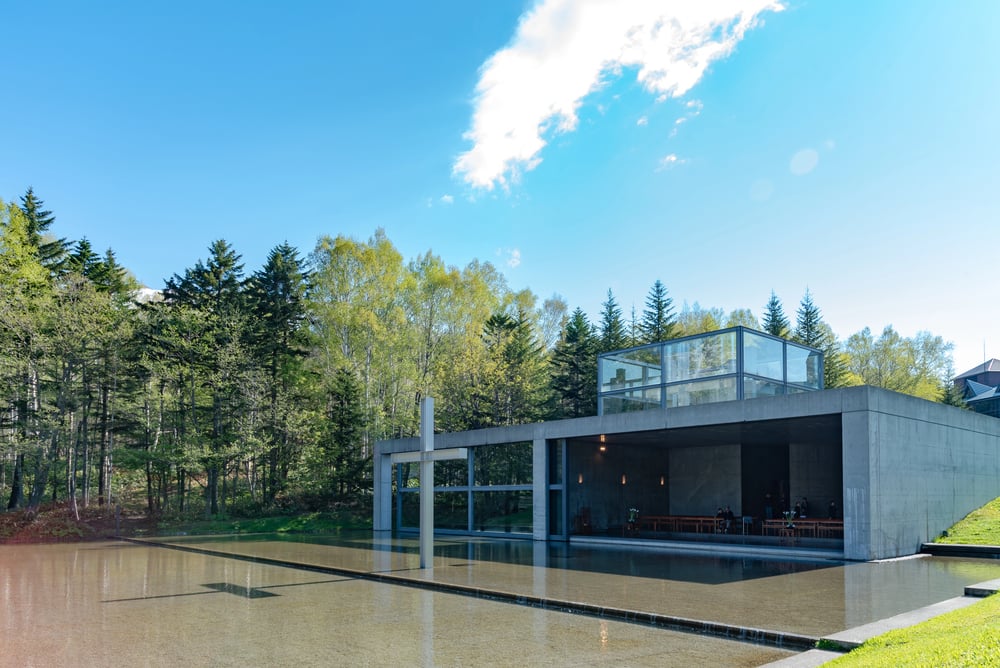
Tadao Ando built his reputation on raw concrete, shadow, and silence, but the house he actually lived in for years in Osaka was a converted row house — a modest, narrow machiya that predated his architectural career entirely. He renovated it himself, which counts for something, but the bones of the structure were thoroughly ordinary.
Turns out even the poet of concrete can live somewhere that doesn’t read like a poetry collection.
Zaha Hadid

Zaha Hadid designed buildings that looked like they had arrived from a different century, or possibly a different planet, yet she famously lived out of hotels and temporary arrangements for much of her adult life, never settling into a permanent home of her own design. Her London flat, which she did inhabit for a period, was stylishly furnished but architecturally conventional — a standard apartment dressed up with art and objects rather than reimagined from the structural level.
The woman who bent architecture into impossible curves apparently had no strong interest in applying that vision to the place where she slept.
Renzo Piano
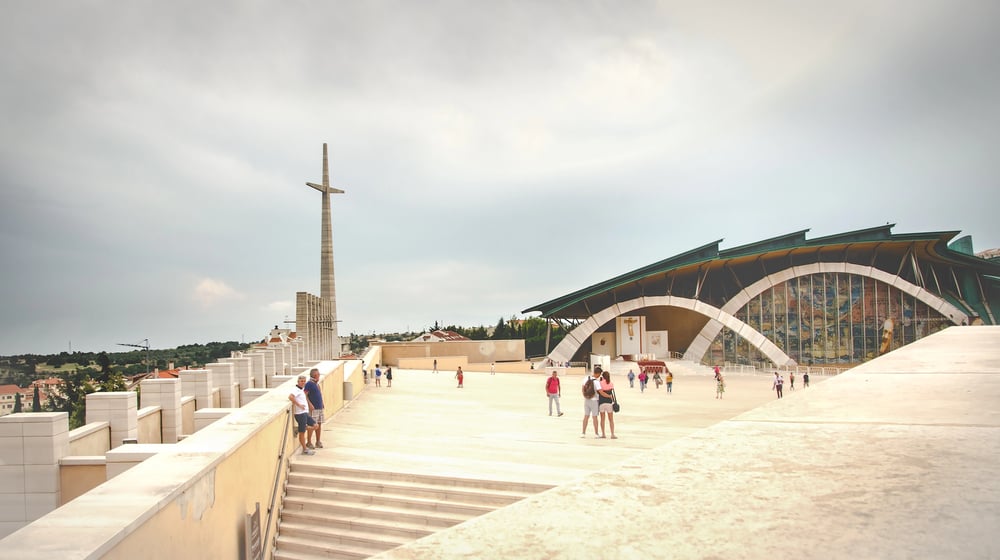
Renzo Piano is associated with vast, light-filled public structures — the Pompidou Centre, the Shard, the Whitney Museum — and his personal residence in Genoa is comfortable and well-situated, but it is not a building that would stop you on the street. It sits on a hillside with a nice view, which is the kind of architectural distinction available to anyone with a decent real estate agent.
The high-tech theatrics of his professional work are conspicuously absent.
Norman Foster
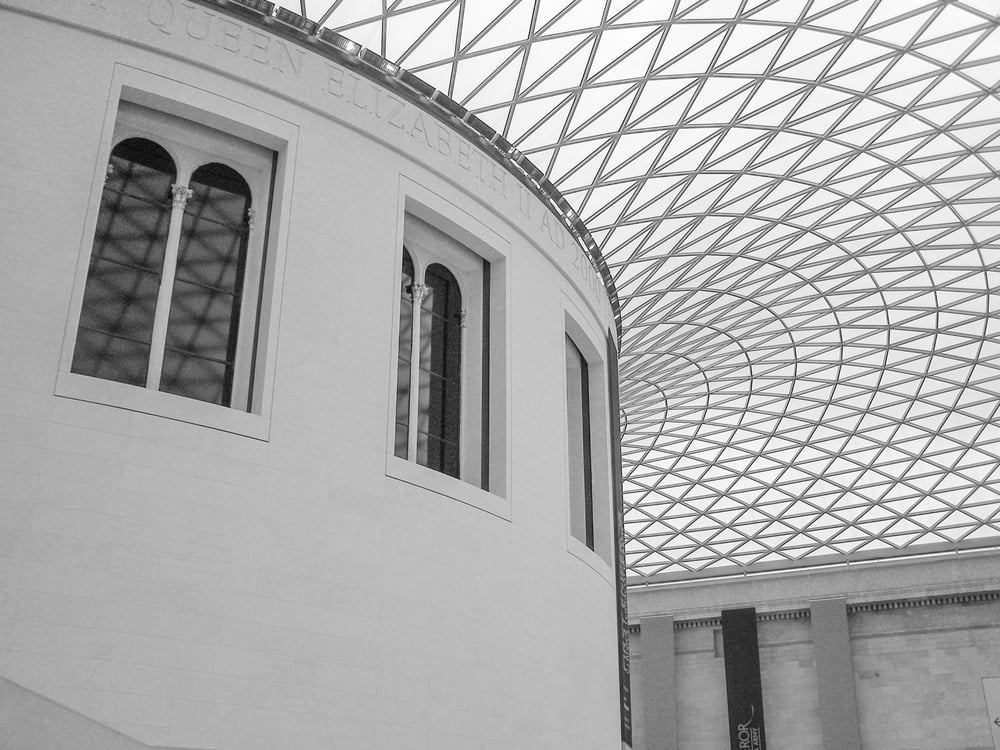
Norman Foster’s homes have been, at various points in his life, genuinely stylish, but “stylish” and “architecturally radical” are not the same thing. His primary residence has been a well-appointed flat — well located, well decorated, comfortable in the way that serious money makes things comfortable — but there is nothing about it that demands the word “architecture” the way his office towers and airports do.
Even so, to be fair, the man works on buildings that serve thousands of people at once. A quiet flat is probably earned.
Eero Saarinen

Eero Saarinen — the mind behind the TWA Flight Center and the Gateway Arch — lived in a relatively standard colonial-style house in Bloomfield Hills, Michigan, during the height of his career. The house was pleasant, set on a nice property, and entirely unremarkable in its architecture.
So the man who designed one of the most sculptural airport terminals in American history came home every evening to something that could have been owned by a dentist.
Philip Johnson
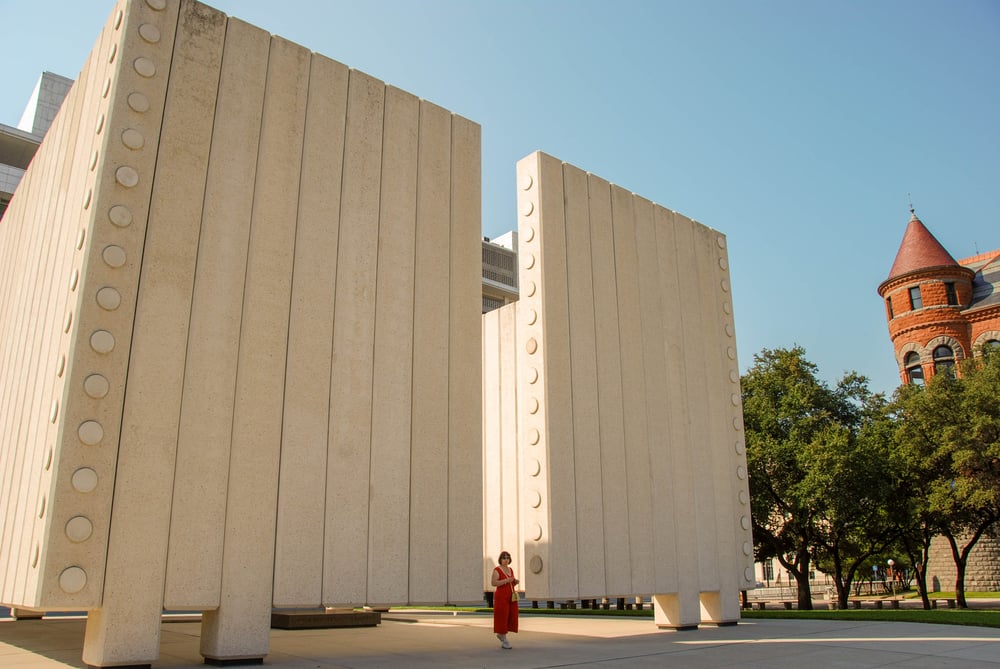
Philip Johnson did, eventually, build himself the Glass House in New Canaan, Connecticut, which became one of the most famous private residences in American history — but that came after years of living in entirely conventional apartments and houses. And it’s worth noting that the Glass House, for all its fame, was not exactly a comfortable place to live in any traditional sense: it had no interior walls, minimal privacy, and required a separate guest house just to function as a real home.
The famous part was more monument than residence.
Louis Kahn
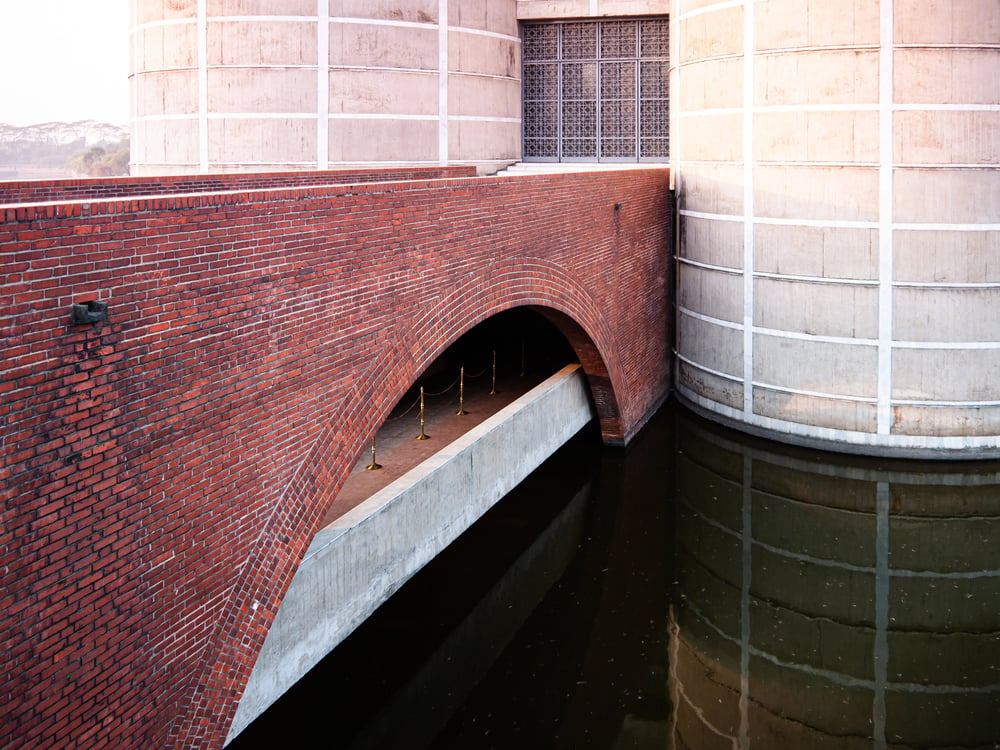
Louis Kahn, one of the most philosophically serious architects of the twentieth century — a man who asked bricks what they wanted to be — rented a modest apartment in Philadelphia for most of his life and never built himself a house. His personal finances were chronically strained, his private life was famously complicated, and the act of designing a home for himself apparently never rose to the top of the list.
The architect who meditated on the nature of institutions and light lived in a regular apartment.
Alvar Aalto
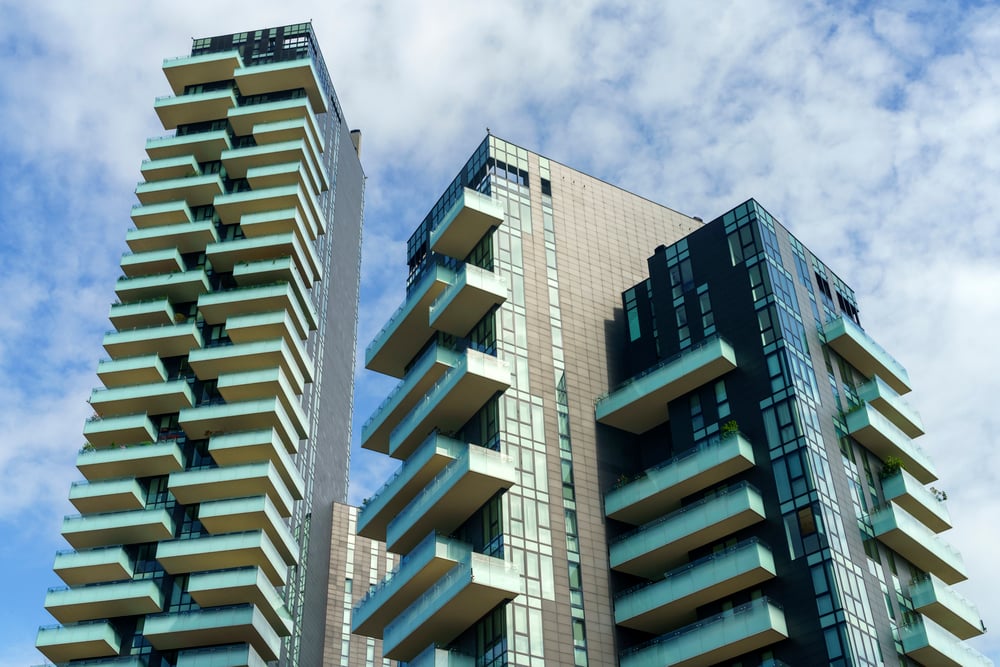
Alvar Aalto did design his own home in Helsinki, the Villa Aalto, but it is — by the standards of his most celebrated work — a restrained, almost quiet structure. It reads less like a showpiece and more like a place where someone actually wanted to live.
Compared to the drama of his Paimio Sanatorium or the theatrics of Finlandia Hall, the house is almost shyly ordinary. Which, depending on how you look at it, might be the most honest thing he ever built.
Jørn Utzon
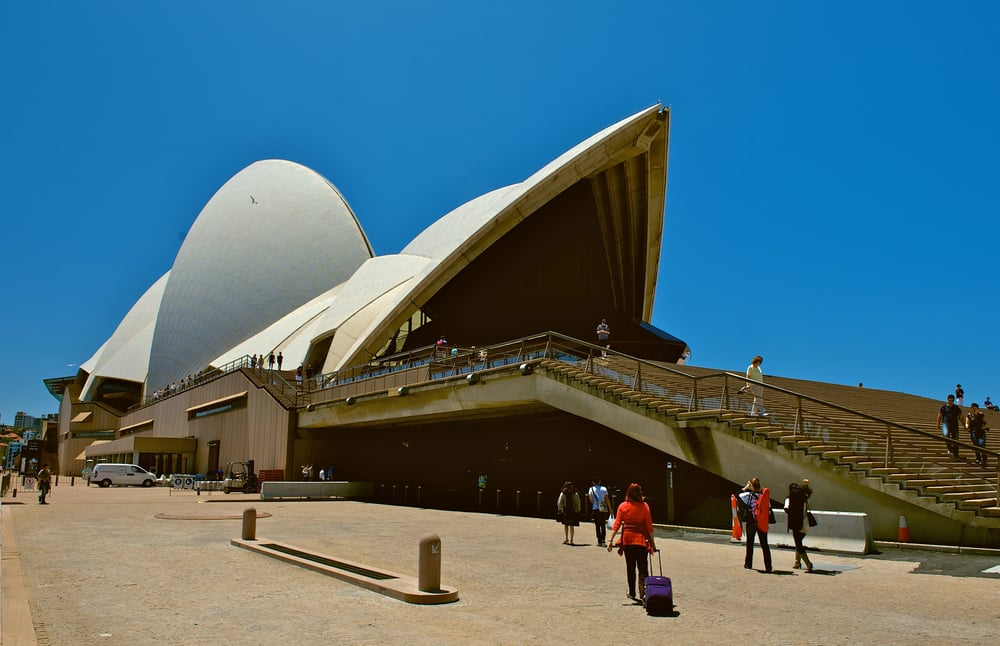
Jørn Utzon, who gave the world the Sydney Opera House — a structure so iconic it appears on the Australian fifty-dollar bill — spent his later years living in a modest house in Mallorca that he had designed himself, but which bore almost no resemblance to the sculptural drama of his public work. The house was simple, low, and quietly integrated into the landscape.
It was the kind of house a thoughtful person builds when they want to actually live in it rather than photograph it.
I.M. Pei
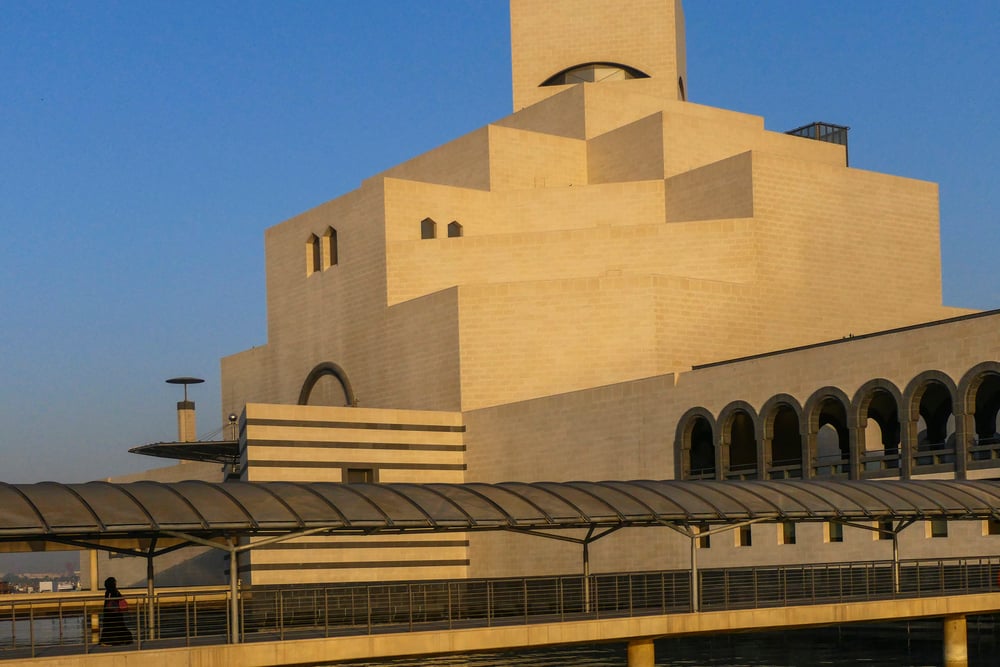
I.M. Pei’s residences over the course of his long life were comfortable and well-located, but they were not architectural experiments. His New York apartment was elegant in the way that prosperous Manhattan apartments tend to be elegant — good bones, good views, good furniture — but the man who designed the Louvre Pyramid and the East Building of the National Gallery was not, apparently, driven to make his private dwelling a continuation of that work.
Some architects leave the office at the office.
Rem Koolhaas
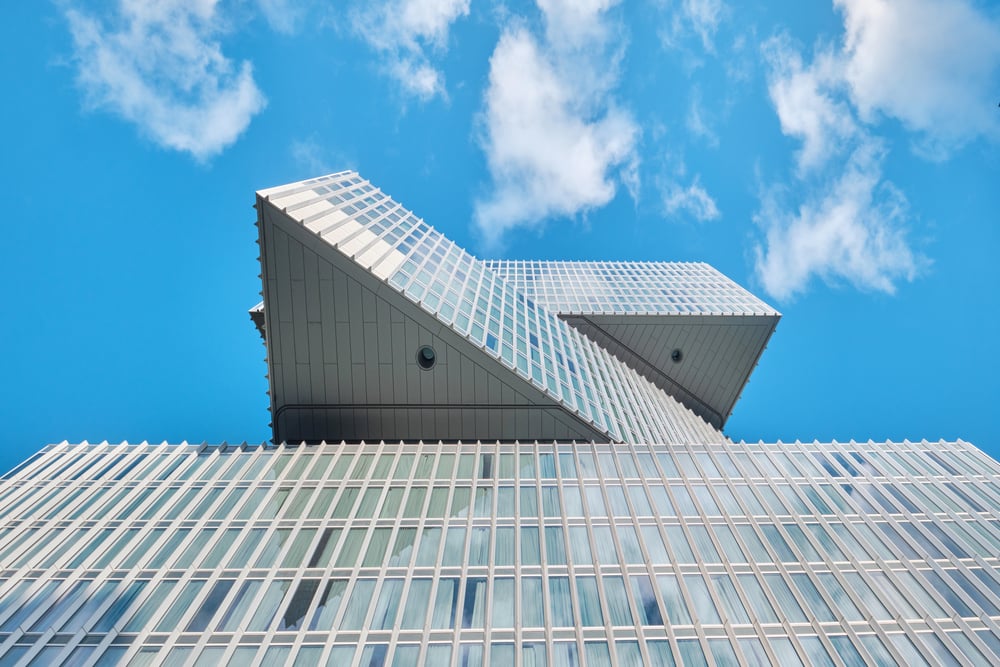
Rem Koolhaas has built an architectural practice around theorizing the city, the metropolis, and the spectacle of modern life — and his personal living arrangements have been, by multiple accounts, essentially nomadic and unremarkable. He is not associated with a singular private residence the way some architects are.
For someone who has written more about domestic space than almost any other practicing architect alive, the absence of a defining home is either deeply ironic or entirely consistent with his worldview. Probably both.
Peter Zumthor
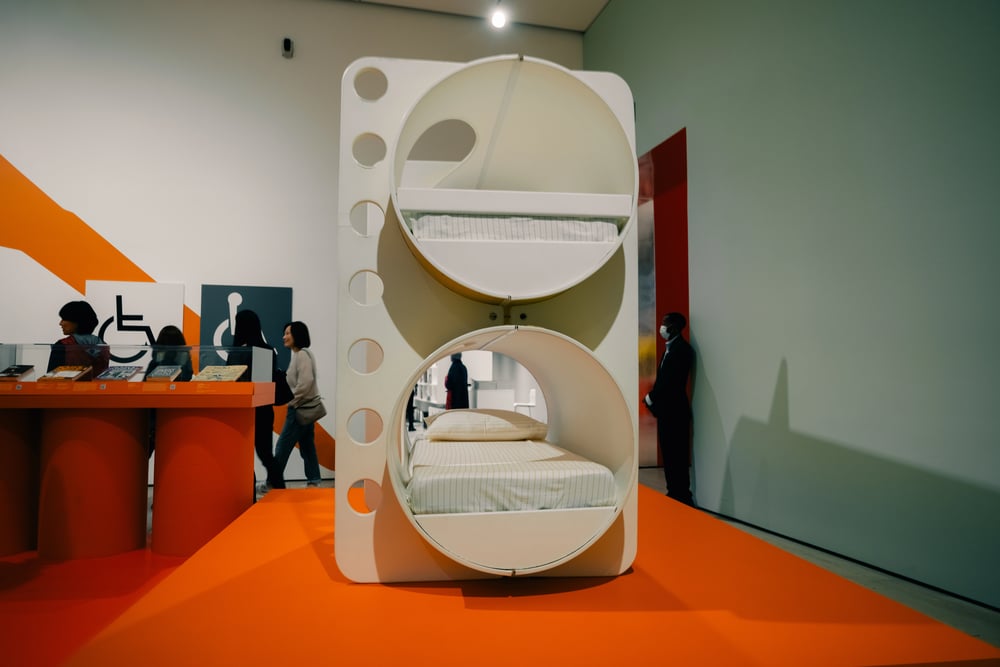
Peter Zumthor is revered for an almost devotional approach to materials and atmosphere — the Therme Vals, the Bruder Klaus Field Chapel — and his home in Haldenstein, Switzerland, is genuinely thoughtful and beautifully crafted. But “beautifully crafted” is not the same as dramatic or spectacular.
It is a modest house in a small Swiss village, and it looks like a modest house in a small Swiss village. The restraint is the point. It’s just not what people expect when they imagine how Zumthor lives.
Helmut Jahn
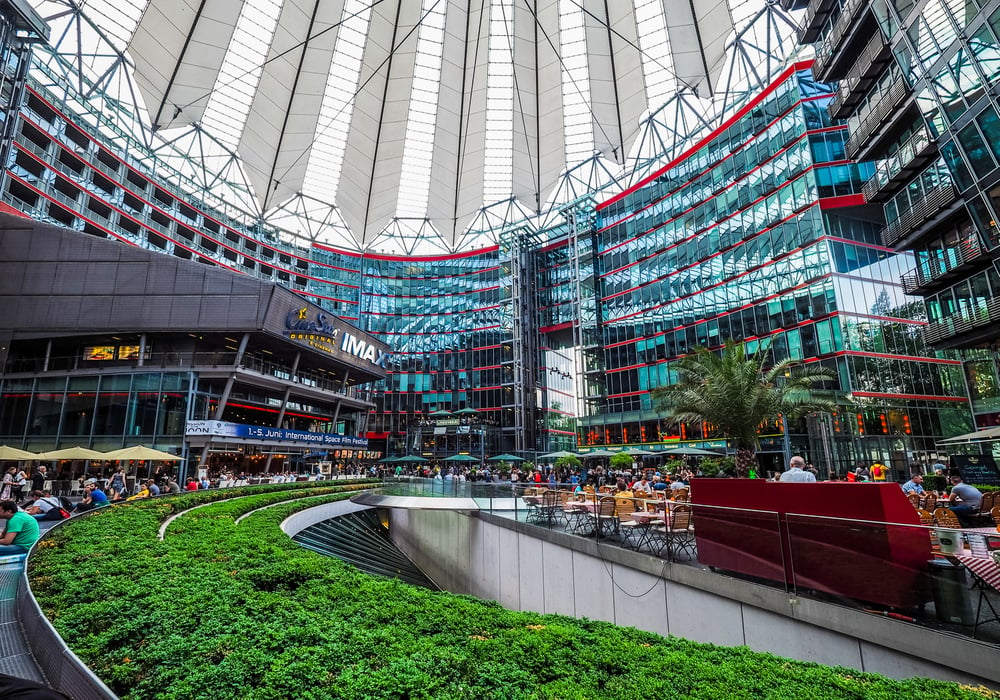
Helmut Jahn built his name on sleek, glassy, aggressively modern commercial towers — the United Airlines Terminal at O’Hare, the Sony Center in Berlin — and his Chicago residence was a loft apartment in a historic building that he renovated with characteristic style, but which was fundamentally a conversion rather than a creation. The man who designed skyscrapers that changed urban skylines lived in a space that began its life as something else entirely.
Denise Scott Brown
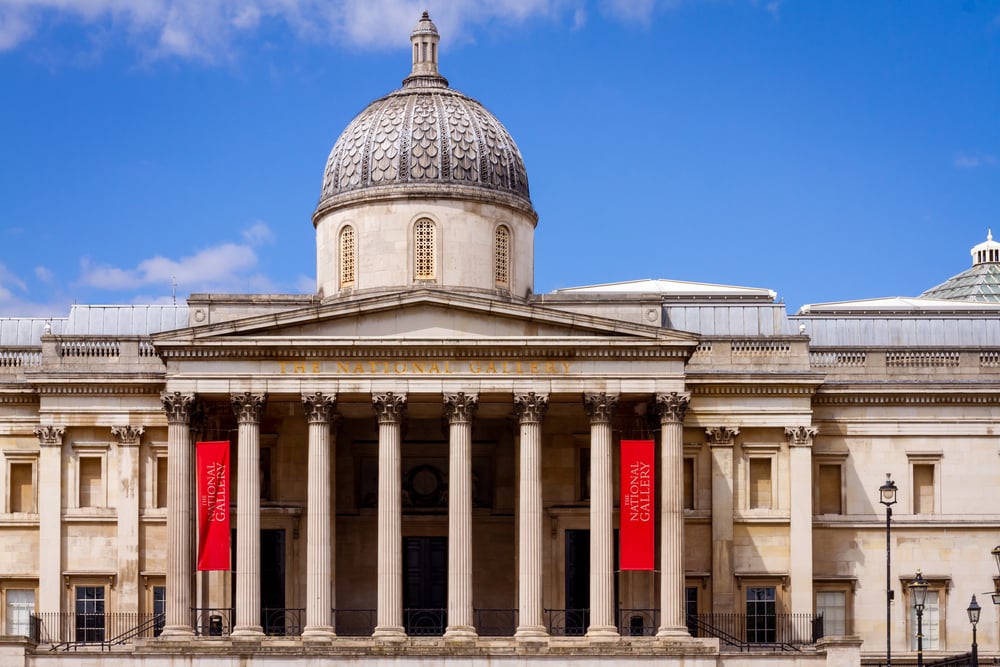
Denise Scott Brown, whose influence on postmodern architecture and urban theory is impossible to overstate, lived for decades in a house in Philadelphia that was comfortable and intellectually vibrant but architecturally conventional. The house was a container for ideas rather than an expression of them.
Which, given how much she and Robert Venturi argued against architecture that performed its own significance, was probably the most coherent choice she could have made.
Robert Venturi

Robert Venturi who wrote the book — literally, “Complexity and Contradiction in Architecture” — on why buildings should be more than simple formal statements, lived in a house in Philadelphia that was tidy, conventional, and utterly lacking in the programmatic complexity he championed professionally. It’s the kind of house where you can find the bathroom without a map.
Venturi spent his career arguing against the tyranny of the clean gesture, and his home quietly embodied that by being entirely unremarkable.
César Pelli
César Pelli designed the Petronas Towers in Kuala Lumpur, once the tallest buildings on earth, and spent much of his American life living in a comfortable but standard house in New Haven, Connecticut. The contrast between the gleaming twin towers — each rising over 1,400 feet — and a faculty-neighborhood house in a New England college town is almost comedic in its scale.
But New Haven was where Yale was, and Yale was where his professional life was rooted, and sometimes geography is more powerful than ambition.
Fumihiko Maki
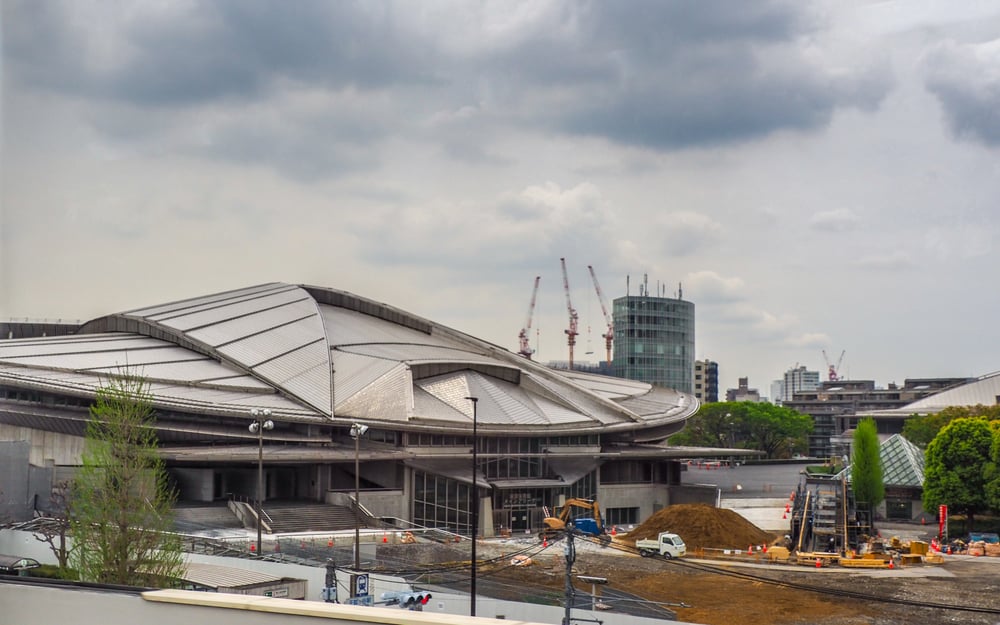
Fumihiko Maki, the Pritzker Prize-winning Japanese architect whose work is defined by precision and a kind of refined minimalism, has lived in Tokyo in arrangements that, by outside accounts, are orderly and comfortable but not architecturally significant. His buildings are exercises in careful, considered restraint.
His home, it seems, is simply where he rests between them.
Charles Moore
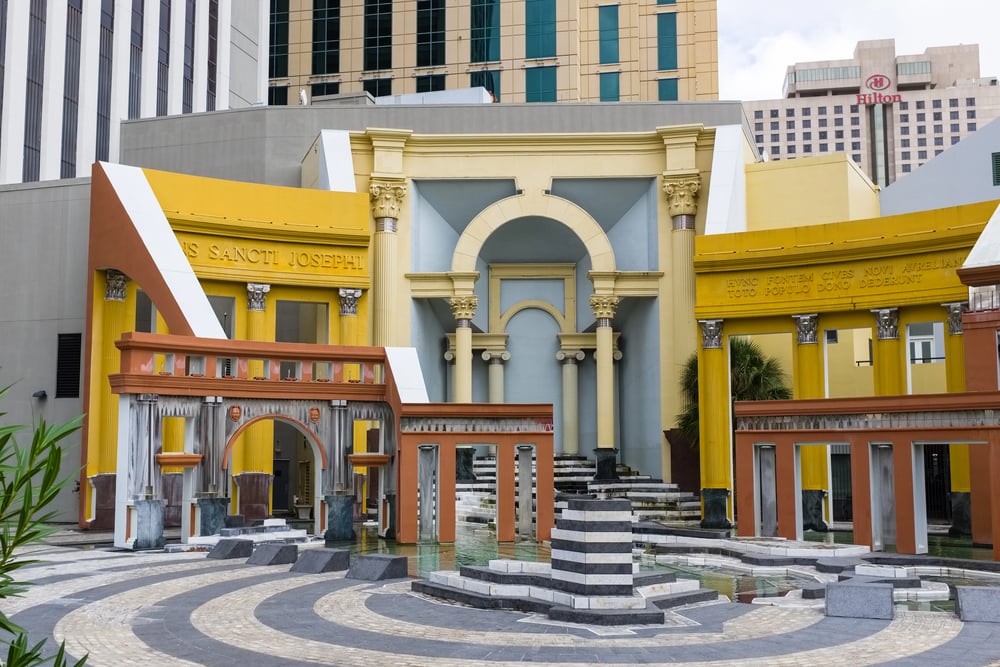
Charles Moore — postmodernist, theorist, and one of the most intellectually adventurous architects of the late twentieth century — was famous for being somewhat indifferent to conventional domestic stability. He moved frequently, owned multiple properties at various points, and his personal spaces tended to be joyfully cluttered arrangements that prioritized books and objects over spatial clarity.
Calling any of them “ordinary” feels slightly wrong. But none of them were architectural statements either. They were just places where Charles Moore happened to keep his things.
Moshe Safdie
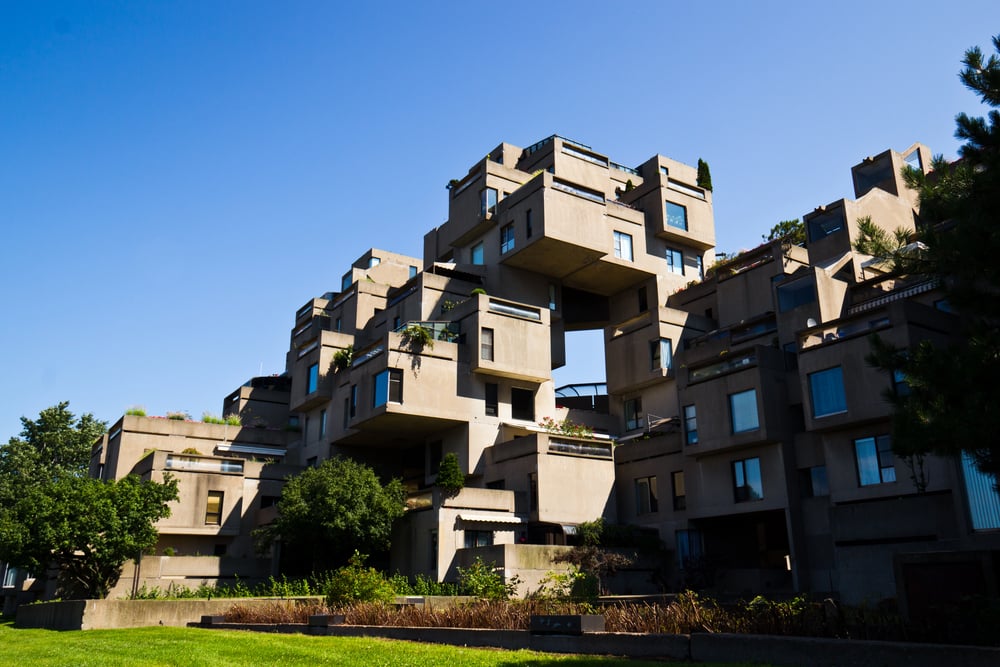
Moshe Safdie designed Habitat 67 in Montreal — the stacked concrete modular housing complex that still looks like it arrived from the future — and yet his personal residences over the decades have been largely conventional homes in Boston and Jerusalem. The radical vision he applied to affordable housing did not appear to extend to his own front door.
Habitat 67 was about reimagining how many people could live. His own house was about where one person wanted to have dinner.
Paul Rudolph
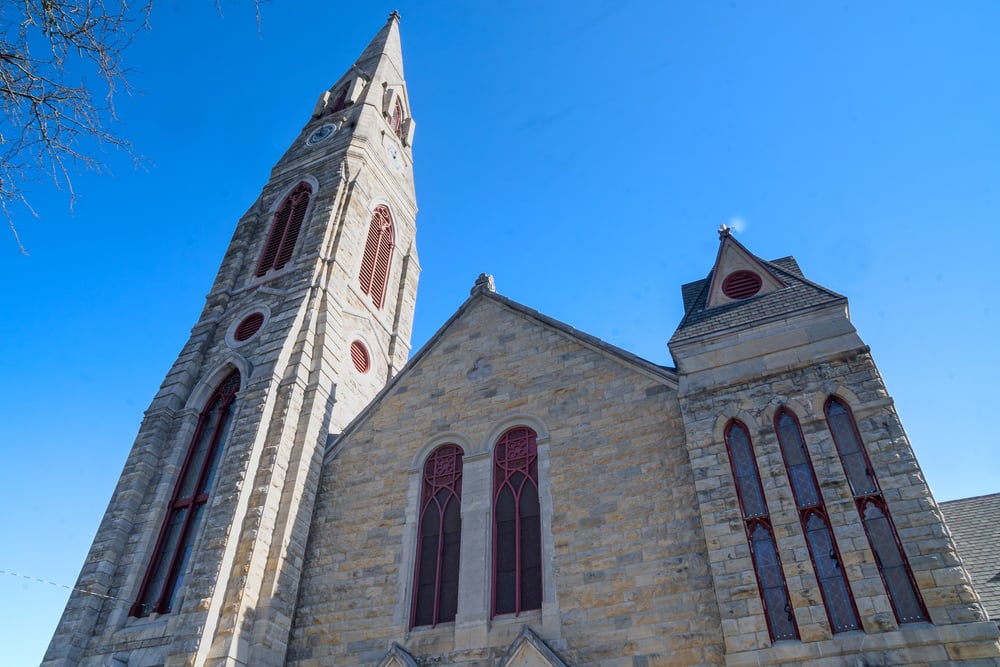
Paul Rudolph was a titan of Brutalist architecture whose buildings were aggressive, textured, and physically confrontational — the Yale Art and Architecture Building is not a structure you walk past without noticing — yet his New York apartment, while inventive in its furnishing and arrangement, was housed in a conventional building. He made the interior his own through layers of platforms and objects and unconventional furniture arrangements, but the shell was simply a Manhattan apartment.
A corduroy suit inside a plain box.
Walter Gropius
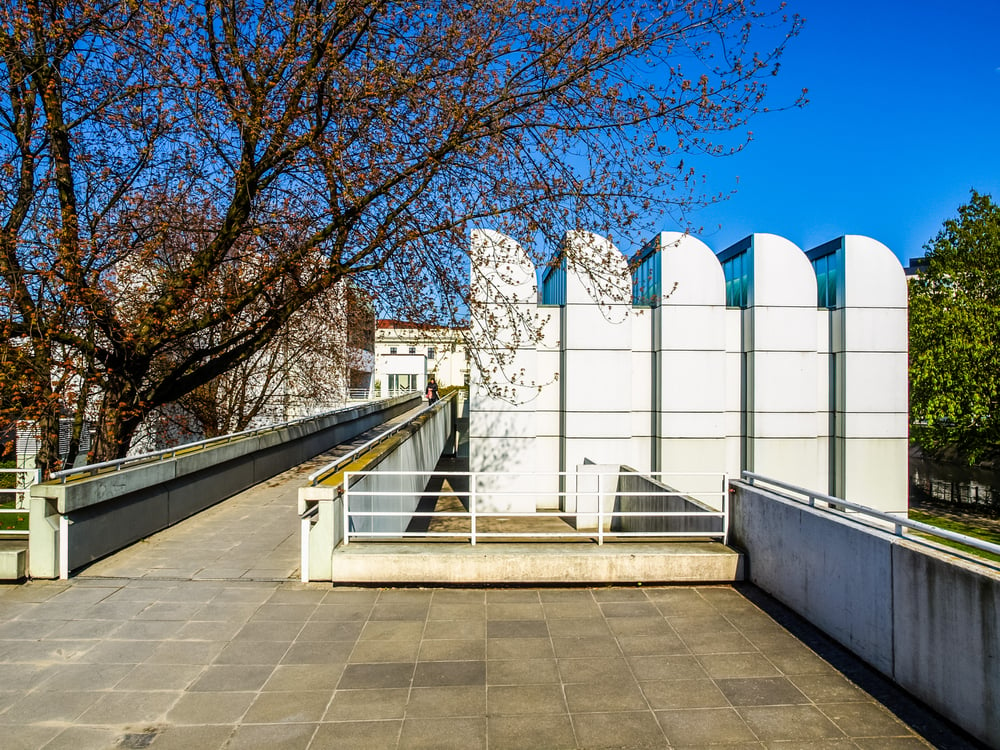
Walter Gropius, founder of the Bauhaus and one of the most consequential architectural educators of the twentieth century, built himself a house in Lincoln, Massachusetts, after fleeing Nazi Germany — and while the house is now a landmark, it was designed as a practical, livable family home rather than a monument. It is genuinely modest by the standards of what its creator’s name conjures.
Gropius seemed more interested in proving that good design could be everyday than in proving that he himself lived somewhere extraordinary.
Raphael Moneo
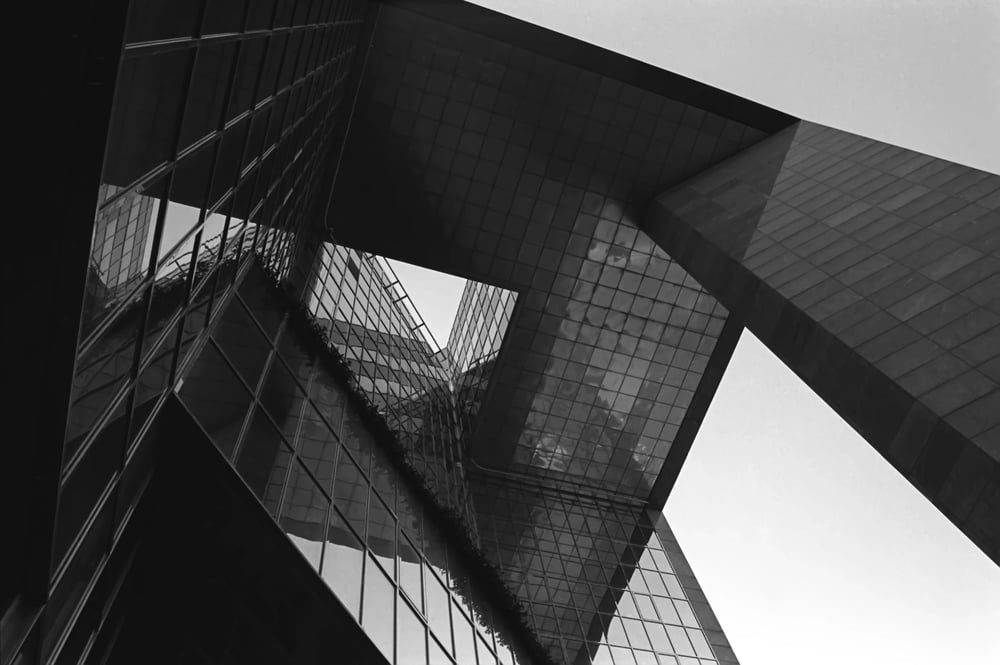
Raphael Moneo, the Spanish architect who won the Pritzker Prize in 1996 for a body of work that includes some of the most critically admired museums and civic buildings in Europe, lived for years in a conventional Madrid apartment that attracted no particular architectural attention. His buildings are meditations on context, memory, and material.
His apartment was, by all indications, just somewhere to live. The meditation, it seems, was reserved for paying clients.
Thom Mayne
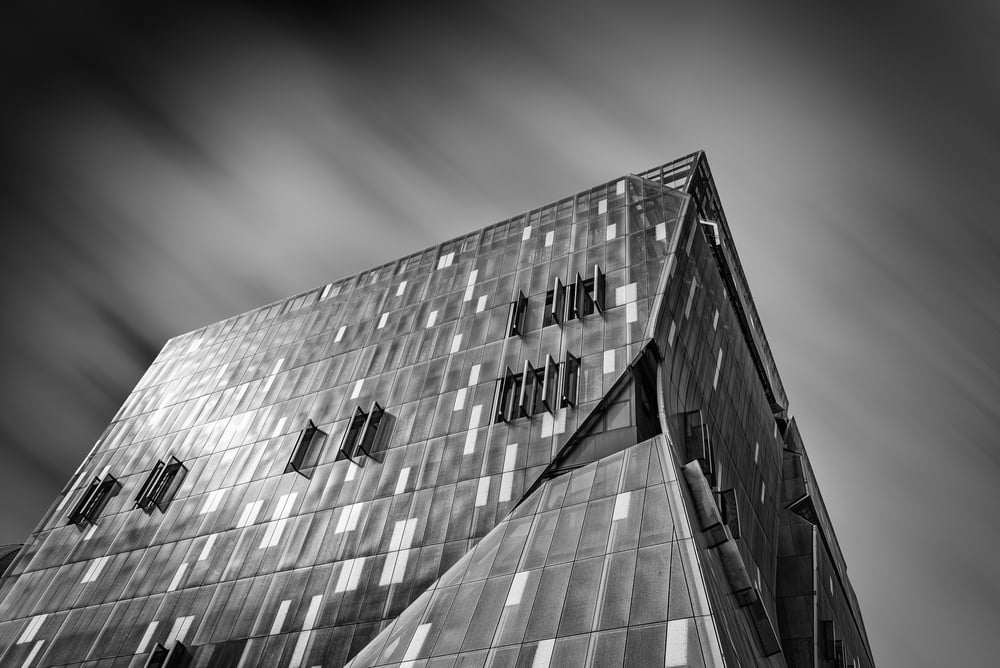
Thom Mayne of Morphosis — the firm behind the Caltrans District 7 Headquarters in Los Angeles and the Perot Museum of Nature and Science in Dallas — has lived in a house in Santa Monica that, while personalized over the years, is not a Morphosis building. The angular, fractured aesthetic of his professional work is nowhere on the exterior.
So the architect whose office produces some of the most formally aggressive buildings in contemporary American practice apparently comes home to something that looks, from the street, like it belongs to a neighbor who follows the zoning code.
Glenn Murcutt
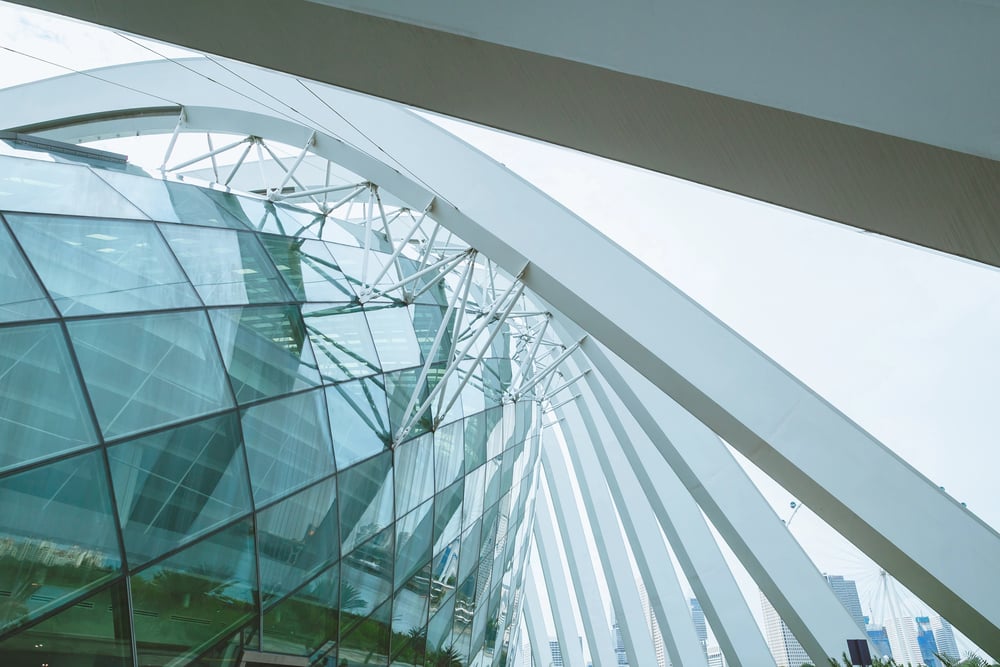
Glenn Murcutt, the Australian architect who won the Pritzker Prize in 2002 and who has spent a career designing extraordinarily thoughtful houses that respond to climate, land, and light with unusual sensitivity, lived for many years in a standard suburban house in Sydney that he renovated but did not transform. The man who is genuinely one of the world’s greatest living designers of private homes did not, for most of his professional life, live in one of his own.
The houses went to the clients. That’s how it tends to go.
What the Blueprint Never Shows

Architecture, at the level these figures operated, is an act of service to someone else’s brief — someone else’s program, someone else’s money, someone else’s life. The gap between a great architect’s work and their own front door is not hypocrisy.
It is something quieter than that: the simple fact that designing a building is an act of attention, and sustained attention is finite. You spend it on the commissions.
The rest of the time, you need somewhere to eat breakfast. And breakfast doesn’t require a manifesto.
What this list really reveals is that the most extraordinary human capacities are almost never switched on all the time — not by architects, not by anyone. The ordinary home, for the extraordinary designer, is not a failure to apply the gift.
It might just be where the gift gets to rest.
More from Go2Tutors!

- The Romanov Crown Jewels and Their Tragic Fate
- 13 Historical Mysteries That Science Still Can’t Solve
- Famous Hoaxes That Fooled the World for Years
- 15 Child Stars with Tragic Adult Lives
- 16 Famous Jewelry Pieces in History
Like Go2Tutors’s content? Follow us on MSN.