Weather Sayings That Make Sense
Your grandmother probably knew when rain was coming before checking any app. She’d glance at the sky, notice how the birds were acting, or mention that her knee was bothering her.
These observations weren’t just superstition—many traditional weather sayings actually have solid science behind them. Some folk wisdom deserves more credit than it gets.
Red Sky at Night

“Red sky at night, sailor’s delight. Red sky in morning, sailor’s warning.”
This one shows up everywhere from ancient texts to modern weather discussions, and for good reason. When the sun sets in the west and creates a red sky, it means the air to the west is clear and dry.
Since weather systems typically move from west to east in temperate zones, that clear air is heading your way. The red color happens when sunlight passes through more atmosphere, scattering shorter wavelengths and leaving the longer red ones visible.
A red sky in the morning works the opposite way. The sun rises in the east, so that red glow means clear skies are moving away from you.
The storm systems from the west are likely approaching. Sailors and farmers relied on this for centuries because it works more often than not.
Ring Around the Moon
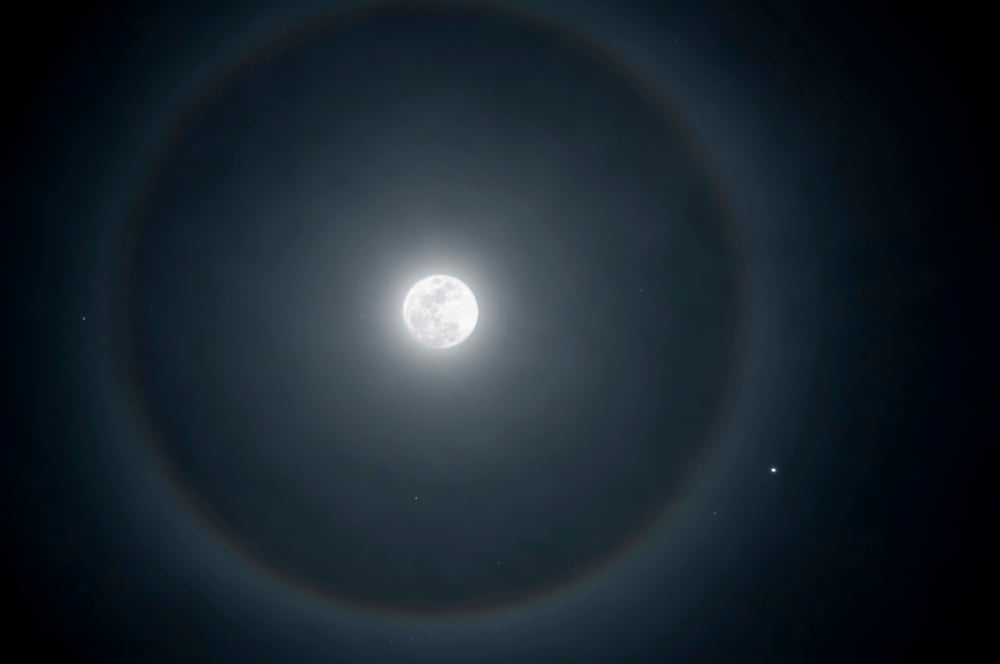
People used to say a ring around the moon meant rain was coming within three days. The ring forms when moonlight passes through ice crystals in high, thin cirrus clouds.
These clouds often appear 24 to 48 hours before a warm front brings precipitation. The ice crystals act like tiny prisms, bending the moonlight at specific angles.
The result is that distinctive halo you see circling the moon on certain nights. Not every halo brings rain, but the correlation is strong enough that farmers planned around it for generations.
Cows Lying Down Before Rain
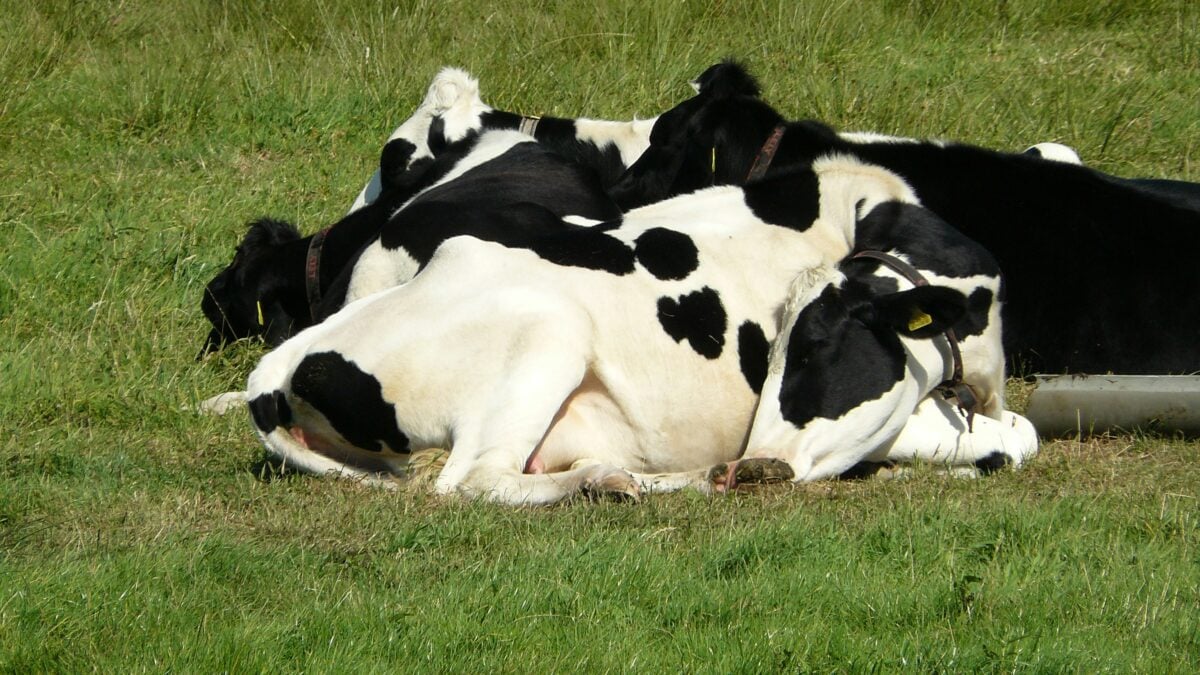
This saying generates plenty of debate. Some dismiss it entirely, while others swear by it.
The truth sits somewhere in between. Cows do lie down more when bad weather approaches, but not because they’re predicting rain.
Barometric pressure drops before storms, and animals can sense this change. Cows might lie down to keep a patch of grass dry, or simply because the pressure change affects their comfort.
They also tend to lie down when it’s already damp or cold. So while cows don’t forecast weather, their behavior does respond to atmospheric changes that precede storms.
You just need to know what to look for.
Pine Cones and Humidity
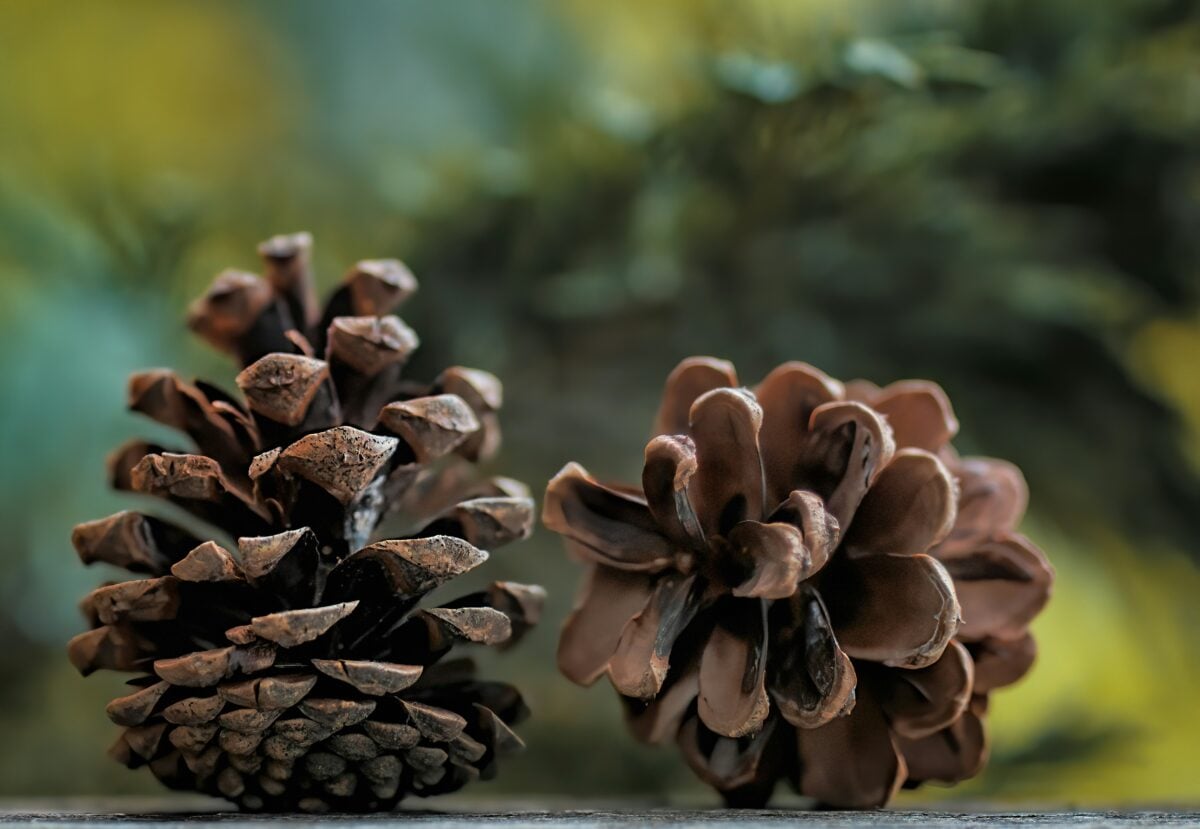
Pine cones close up when rain is coming. This one’s not mystical—it’s pure mechanics.
The scales on a pine cone are designed to protect seeds. When humidity rises before rain, the scales absorb moisture and swell shut.
This keeps the seeds dry and prevents them from dispersing in conditions where they wouldn’t survive well. When the air dries out, the scales shrink and open back up.
You can test this yourself by putting a closed pine cone in a dry room and watching it gradually open. Nature built in this simple moisture detector, and humans noticed the pattern.
Aching Joints
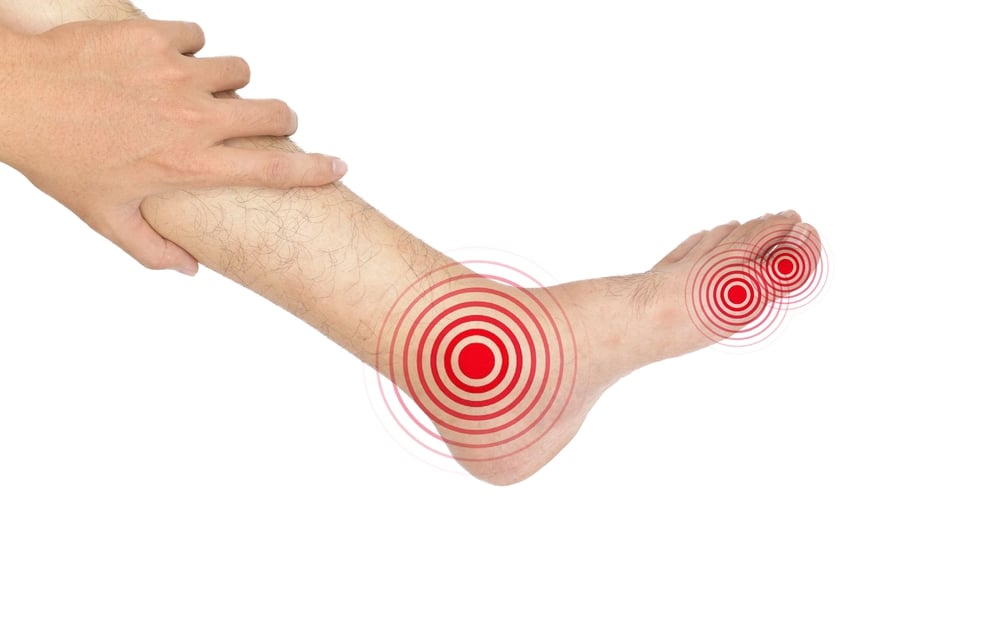
Your joints really do hurt more before storms. This isn’t just something older people say to sound wise.
When barometric pressure drops, the tissues around joints expand slightly. For people with arthritis or old injuries, this expansion creates noticeable discomfort.
The effect is subtle but measurable. Studies have confirmed the correlation, though not everyone experiences it to the same degree.
People with more severe joint problems tend to be more reliable weather predictors. Your body becomes a living barometer.
Swallows Flying Low
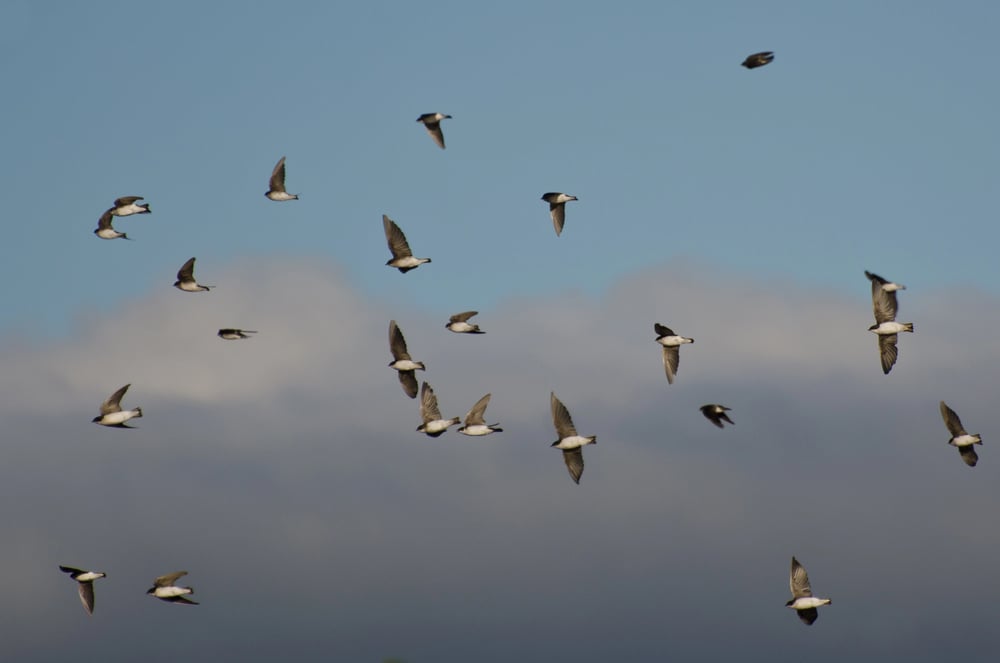
Birds flying low means rain is approaching. This happens because insects—the main food source for many birds—fly lower when air pressure drops.
Bugs have trouble flying in the thin air that comes before storms, so they stay closer to the ground. Swallows, swifts, and other insect-eaters follow their food supply down.
If you see these birds skimming just above the grass or water, look up at the sky. Clouds are probably building.
Morning Fog Burning Off
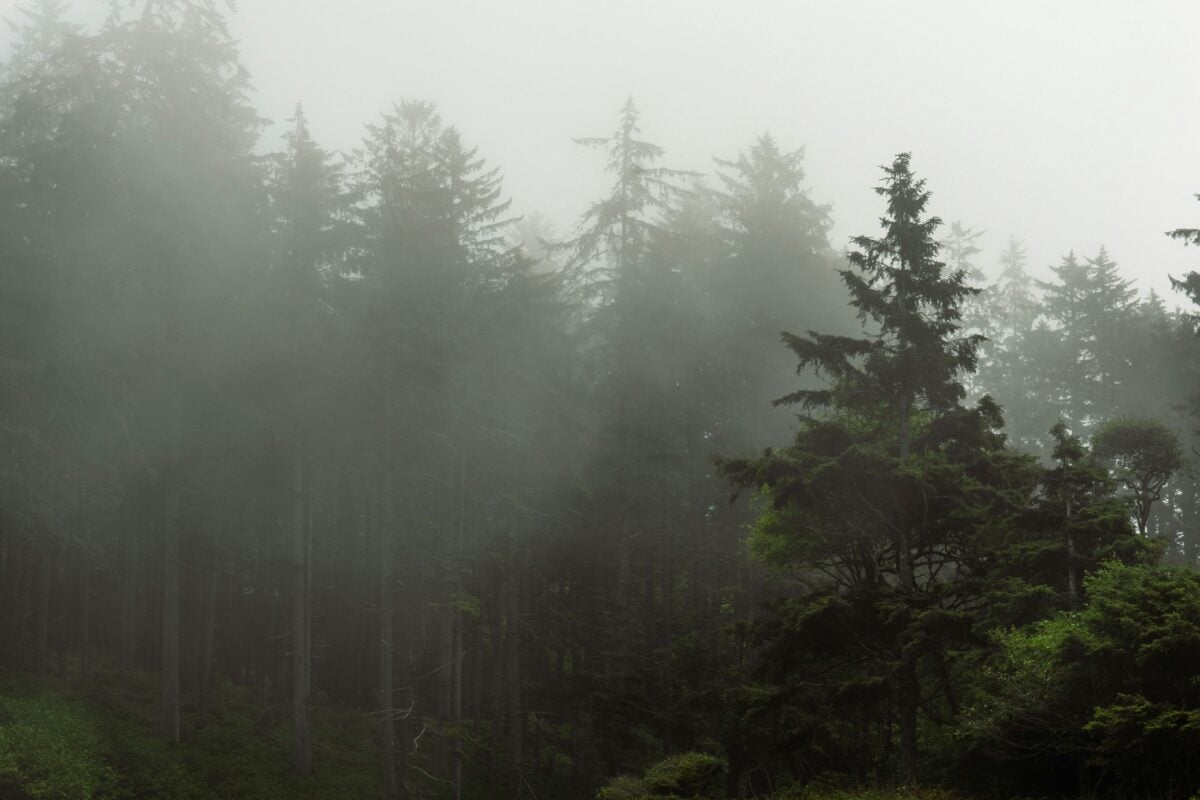
“Early morning fog will burn away before noon” holds true most of the time. Fog forms when the air near the ground cools enough to reach its dew point.
As the sun rises and warms the air, the fog evaporates. But this only works when high pressure dominates.
During stable weather patterns, morning fog reliably clears by mid-morning or noon. If fog persists past lunch, you’re probably dealing with a different weather system—one that might bring rain or stay cloudy all day.
The fog itself tells you which type of day you’re getting.
Cricket Chirps and Temperature

Crickets chirp faster in warmer weather. This goes beyond folklore into actual mathematics. The snowy tree cricket chirps so reliably with temperature changes that you can calculate degrees Fahrenheit by counting chirps.
Count the number of chirps in 14 seconds, then add 40. The number you get matches the temperature with surprising accuracy.
This works because crickets are cold-blooded, and their metabolism speeds up as temperatures rise. Warmer muscles chirp faster.
It’s not weather prediction exactly, but it’s a remarkably accurate thermometer.
Frogs Croaking Louder

Frogs get noisier before rain. They’re amphibians, and they thrive in moisture.
When humidity rises ahead of a storm, frogs sense better conditions for breeding and become more active. Their croaking increases as they anticipate the coming rain.
This behavior is strongest in spring and summer when frogs are already active. The sudden increase in volume from your local pond usually means rain within 24 hours.
They’re not predicting anything—they’re just getting excited about the moisture they can already feel in the air.
Leaves Showing Their Undersides

Trees showing the undersides of their leaves means wind and rain are coming. Before a storm, wind patterns shift.
The changing wind direction lifts leaves and flips them over, exposing their lighter undersides. You’ll notice this most clearly with deciduous trees like maples and poplars, which have distinct color differences between the top and bottom of their leaves.
When you see a whole tree suddenly looking silvery or pale, strong winds from an approaching weather system are already affecting your area. The storm isn’t far behind.
Smoke Hugging the Ground

When smoke from a fire stays low instead of rising, rain is coming soon. This happens because of air pressure and moisture.
In high pressure, smoke rises freely into the atmosphere. But when a low-pressure system moves in, the denser, moisture-laden air pushes smoke back down.
Campfire smoke that hovers and spreads horizontally means the atmosphere is unstable. Combined with the typical moisture increase before rain, this creates the perfect conditions for smoke to stay grounded.
Farmers burning brush learned to watch their smoke patterns carefully.
Birds Perching on Power Lines
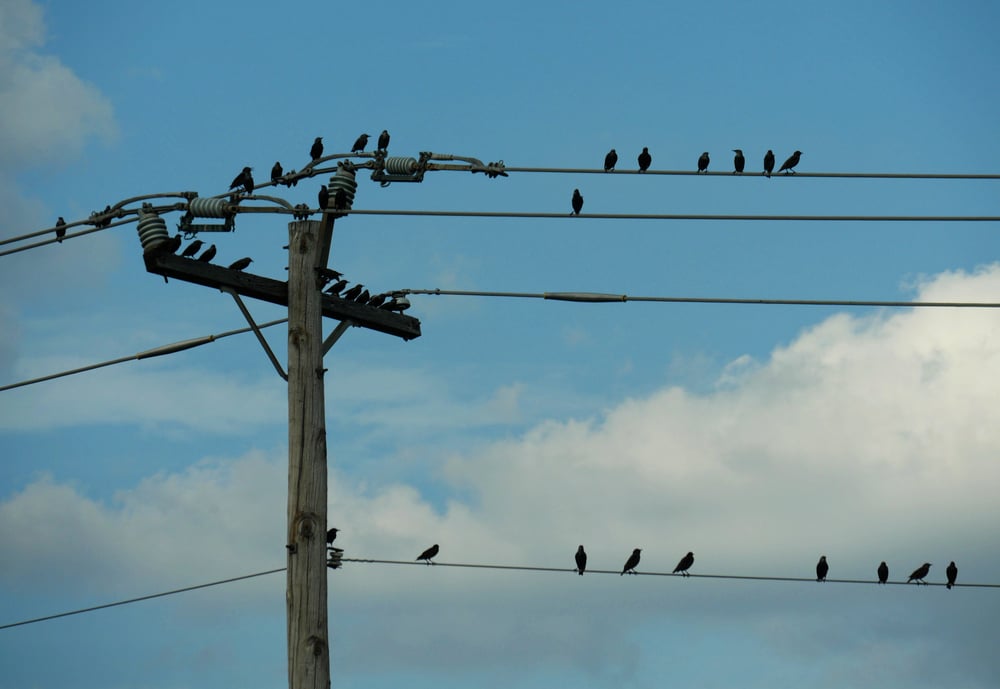
Large numbers of birds gathering on power lines often precede storms. Birds sense changes in air pressure and electromagnetic fields.
Before major weather events, they’ll congregate in spots where they feel more secure. Power lines provide elevation and clear sightlines for watching approaching weather.
The behavior is most noticeable with starlings, crows, and other social species that gather in large groups anyway. When you see hundreds of birds lined up like they’re at a meeting, check the forecast.
They’re probably taking shelter positions.
Seagulls on Land
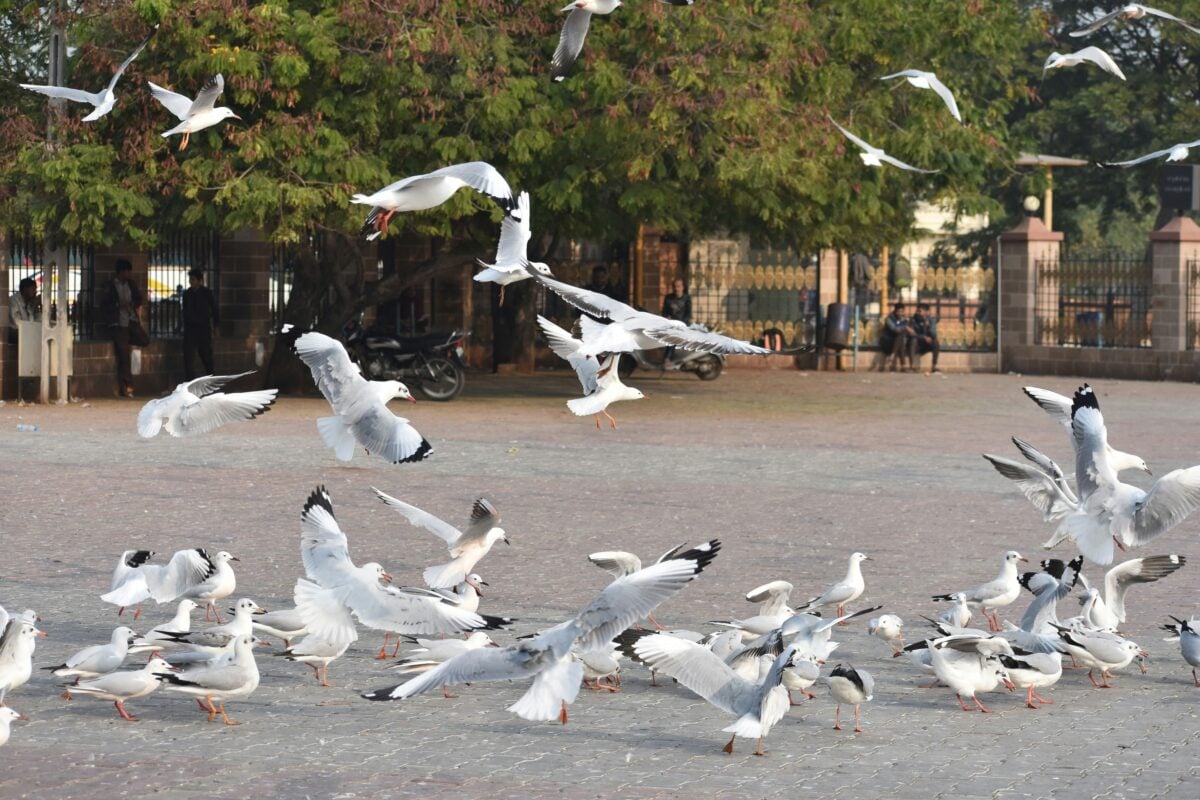
Seagull, seagull, stay on the shore – rain’s near if you’re inland. These birds belong at sea, yet head inland when storms hit the edge.
With waves high and wind wild, hunting food turns tough, risky. They’ll wait it out somewhere calm till things settle down.
This idea fits better by the coast, sure. Yet it’s true for many birds around water as well.
If ducks or geese suddenly leave their normal spots all at once, they’re reacting to shifts in the air you haven’t noticed. They sense trouble coming before you do.
When Weather Wisdom Meets Science
These phrases stuck around since they actually help. Long ago, people couldn’t rely on tech like radar or orbiting gadgets. Instead, they paid close attention and learned from years of watching nature.
Over time, they spotted trends, checked if they were true, then shared only what really worked. Modern weather science shows where these trends come from. That knowledge existed – it’s just that folks used other words for it.
When you catch a classic forecast phrase, pause to see if it plays out. Soon, you could end up relying on grandma’s tricks without meaning to.
More from Go2Tutors!

- The Romanov Crown Jewels and Their Tragic Fate
- 13 Historical Mysteries That Science Still Can’t Solve
- Famous Hoaxes That Fooled the World for Years
- 15 Child Stars with Tragic Adult Lives
- 16 Famous Jewelry Pieces in History
Like Go2Tutors’s content? Follow us on MSN.



