How One Misinterpreted Speech Triggered a Border Crisis
Words spoken by a government official can ripple outward in ways nobody anticipates — and sometimes those ripples reach a border crossing before any official policy does. That’s not a hypothetical.
It happened, and the consequences were immediate, chaotic, and in some cases irreversible for the people caught in the middle. The story of how a single speech — misread, mistranslated, or simply heard through the filter of desperation — can trigger a mass movement toward a border is a story about how information travels faster than truth, and how institutional communication almost always lags behind human need.
The Speech That Started It
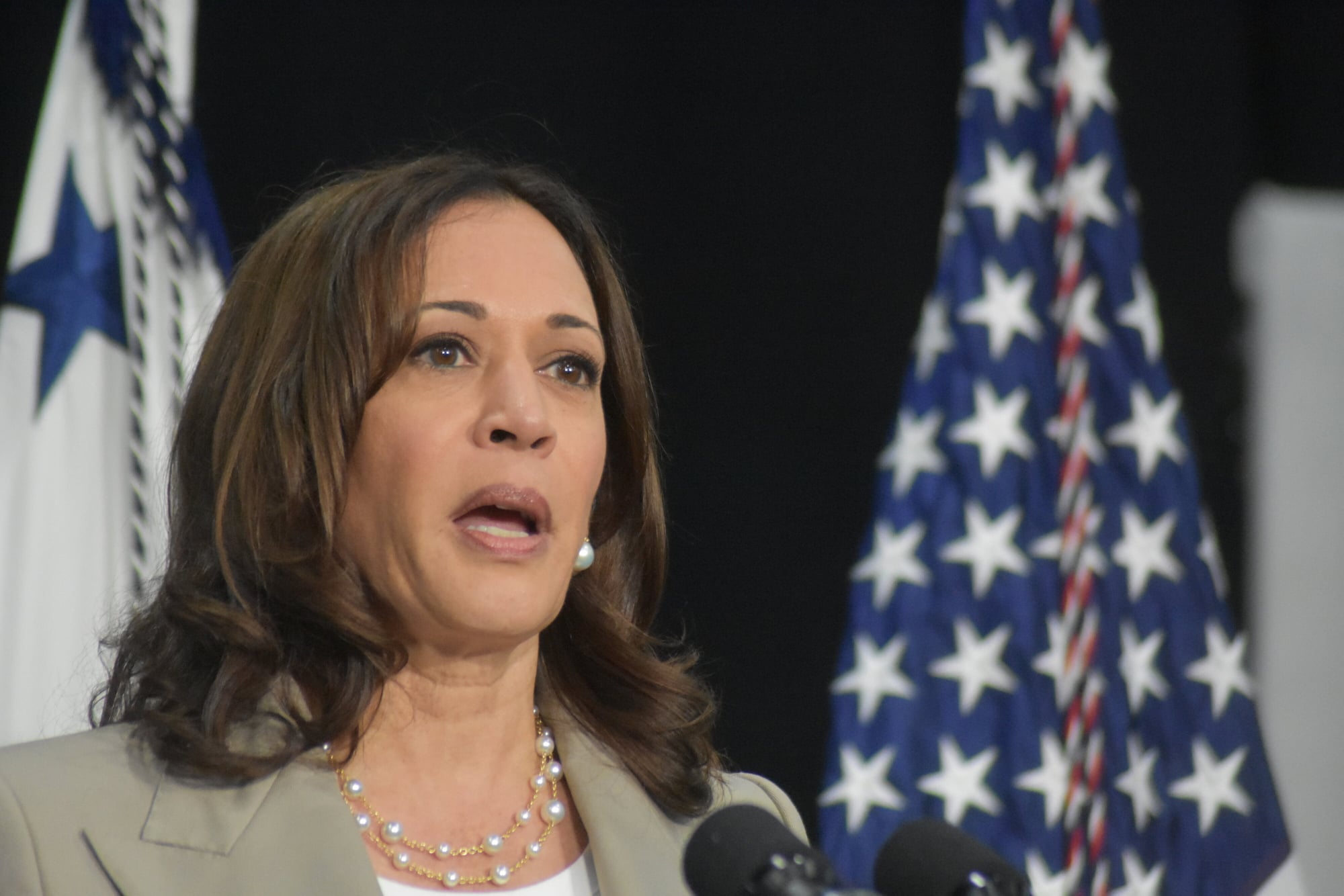
Vice President Kamala Harris traveled to Guatemala in June 2021 and delivered a message aimed squarely at would-be migrants: “Do not come.” The statement was intended as a policy signal to Central Americans weighing the journey north, part of a diplomatic visit meant to address so-called root causes of migration.
Blunt, unambiguous, and almost immediately overtaken by events.
What People Actually Heard

The message that traveled through migrant networks, WhatsApp groups, and word-of-mouth corridors through Honduras and El Salvador sounded nothing like the official statement. What circulated instead was a patchwork of half-understood fragments — some people heard that the border was opening, others heard that children would be admitted, still others heard that a deadline was approaching after which entry would be impossible.
Rumor doesn’t fill a vacuum so much as it floods one, and the vacuum created by inconsistent US immigration messaging over the preceding months had grown large enough to swallow a formal address whole.
The Border Patrol Numbers That Followed

In the months after the Harris trip, Customs and Border Protection recorded historic encounter numbers along the southern border — over 180,000 in May and June 2021, figures not seen in over two decades. The timing wasn’t coincidental, though the causality is more layered than any single speech can explain.
What the numbers reflected was the collision of a genuine communication failure with a population that had very strong reasons to move and very little reason to wait.
How Smuggler Networks Weaponized the Confusion
Smuggling organizations — the kind operating along the Sonora corridor and through the Darién Gap — are expert interpreters of US political signals, and not because they follow C-SPAN. They read crowd behavior, border patrol patterns, and crucially, the fear of closing windows; when word spread that something was changing in US policy, those networks raised prices and accelerated recruitment simultaneously.
A misread speech is money to a coyote.
The Role of Social Media Amplification

There’s something almost mechanical about the way a political speech fragments when it enters a social media ecosystem built for speed rather than accuracy. A clip gets clipped further, a quote gets orphaned from its context, and by the time it reaches someone in a rural Guatemalan village with a cracked phone screen and a two-bar signal, the original speaker would barely recognize what they supposedly said.
The Harris speech suffered this exact fate: short clips circulated without the “do not come” framing, emphasizing instead the economic aid commitments and the implicit acknowledgment that the US was engaged, invested, interested.
What the Biden Administration Underestimated
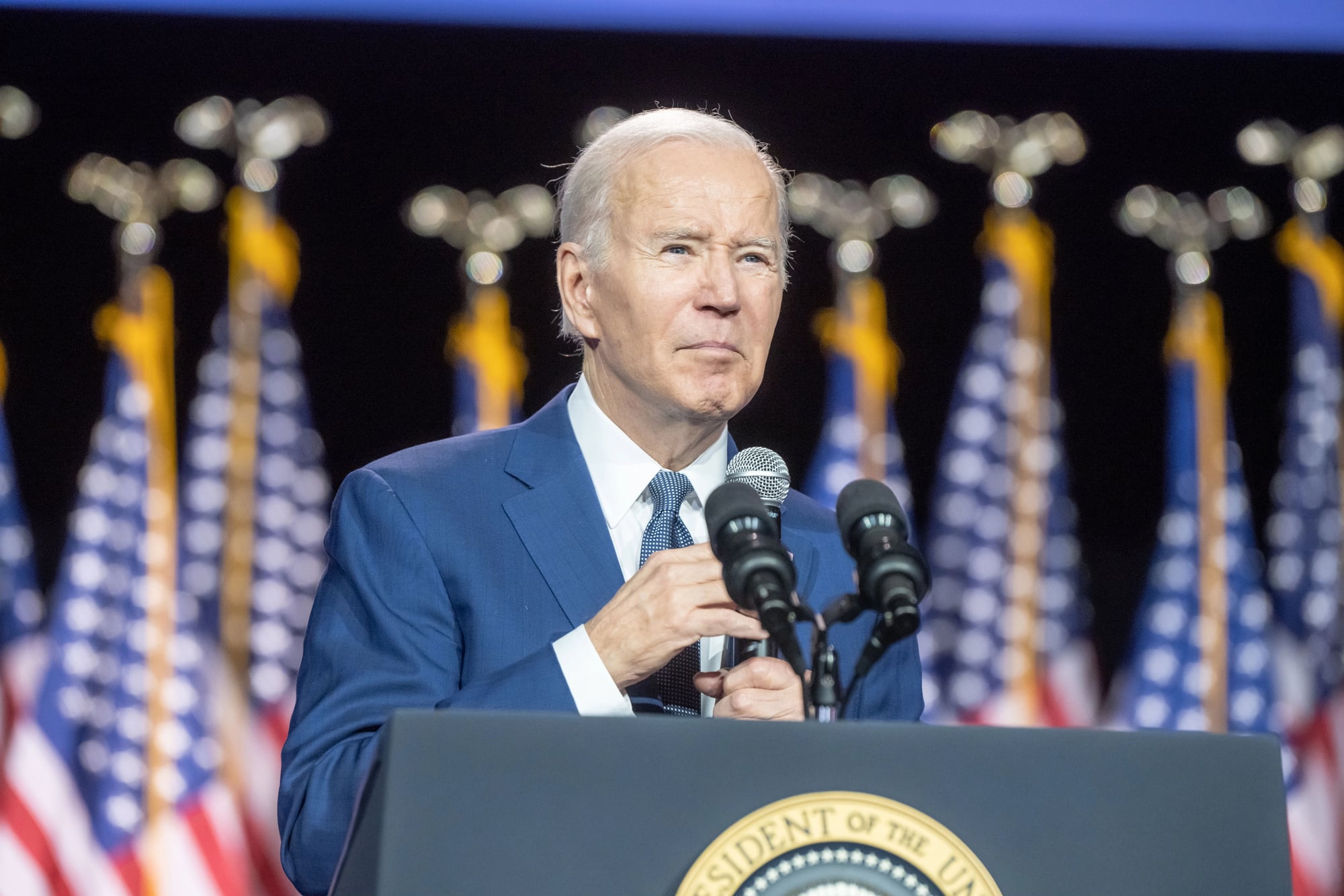
The Biden administration’s early messaging on immigration was genuinely incoherent — not maliciously so, but structurally so, the product of a government trying to signal humanitarian openness to domestic audiences while simultaneously trying to signal deterrence to foreign ones. These two messages cannot coexist in a world where migrants in Tegucigalpa have the same internet access as journalists in Washington.
The administration underestimated how quickly the warmer notes in its early rhetoric would be extracted from context and passed hand-to-hand across the region as evidence that the door was opening.
The Translation Problem Nobody Fixed
Official US government communications have a translation problem that runs deeper than language. Statements crafted in English, shaped by legal qualifications and policy nuance, pass through Spanish translation that often softens the deterrent edge — and then pass again through informal retelling that strips what remains of it.
What lands in a community deciding whether to send its children north is not a policy statement; it’s a rumor with an official origin, which is almost more dangerous than a rumor with none.
Title 42 and the Timing Collision
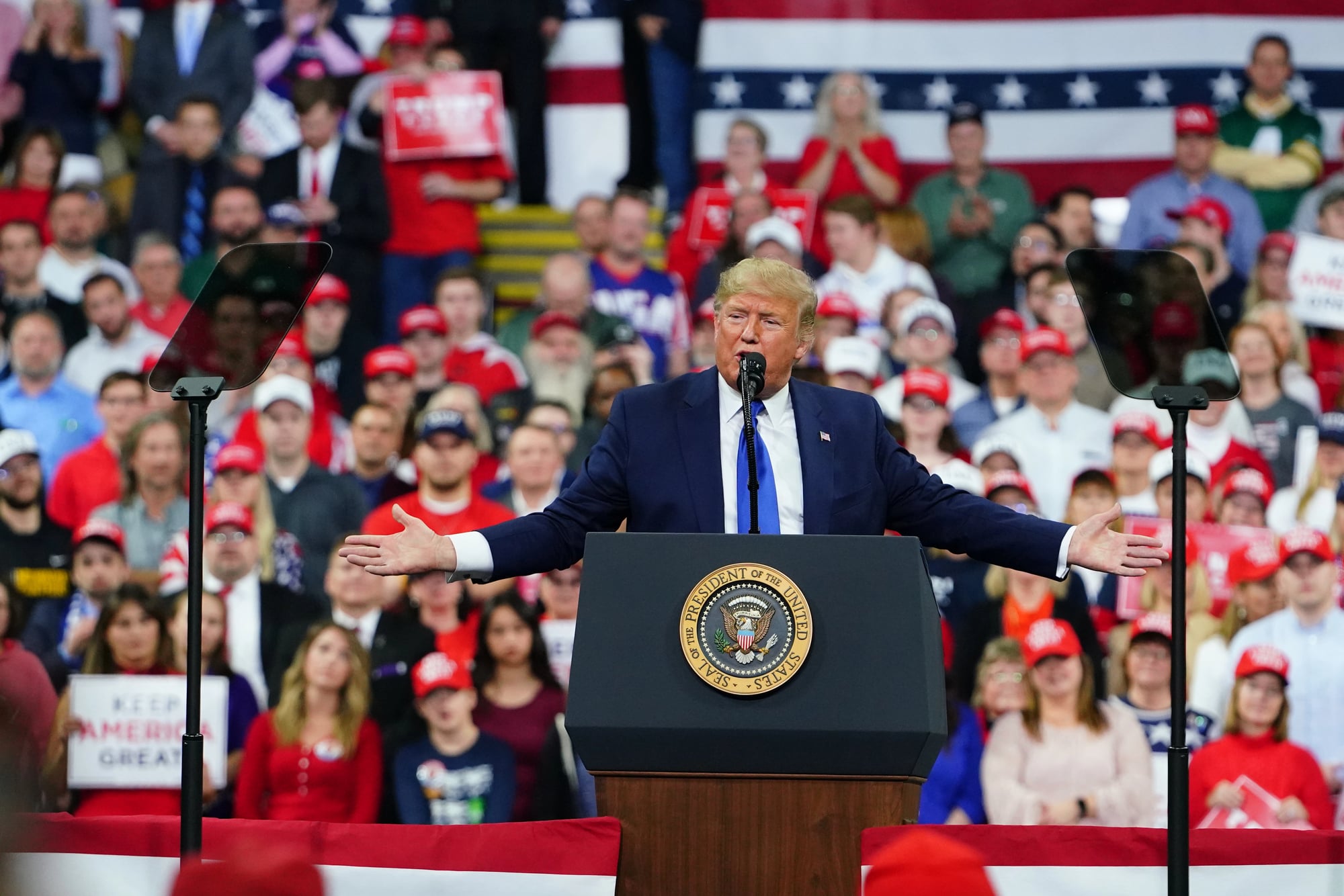
The confusion around the Harris speech landed against a backdrop of swirling uncertainty about Title 42 — the public health order the Trump administration had invoked to rapidly expel migrants. Speculation that Biden would end Title 42 immediately had been circulating since before inauguration day, and when he didn’t, but also didn’t fully commit to keeping it, the resulting ambiguity was read by many in the migrant community as an invitation to try before the door shut again.
So two ambiguous signals — one diplomatic, one legal — collided at the worst possible moment, and the border bore the weight of both.
The Del Rio Crisis as a Case Study

In September 2021, roughly 15,000 migrants — the vast majority Haitian — gathered under the international bridge at Del Rio, Texas, in what became one of the most photographed border moments in recent memory. Many had traveled from South America, where Haitian diaspora communities had been living for years, prompted by a combination of the July 2021 assassination of Haitian President Jovenel Moïse and circulating reports that Haitian migrants were being admitted under humanitarian parole.
That last part was partially true, selectively applied, and catastrophically misunderstood at scale.
The Horseback Image and Its Consequences
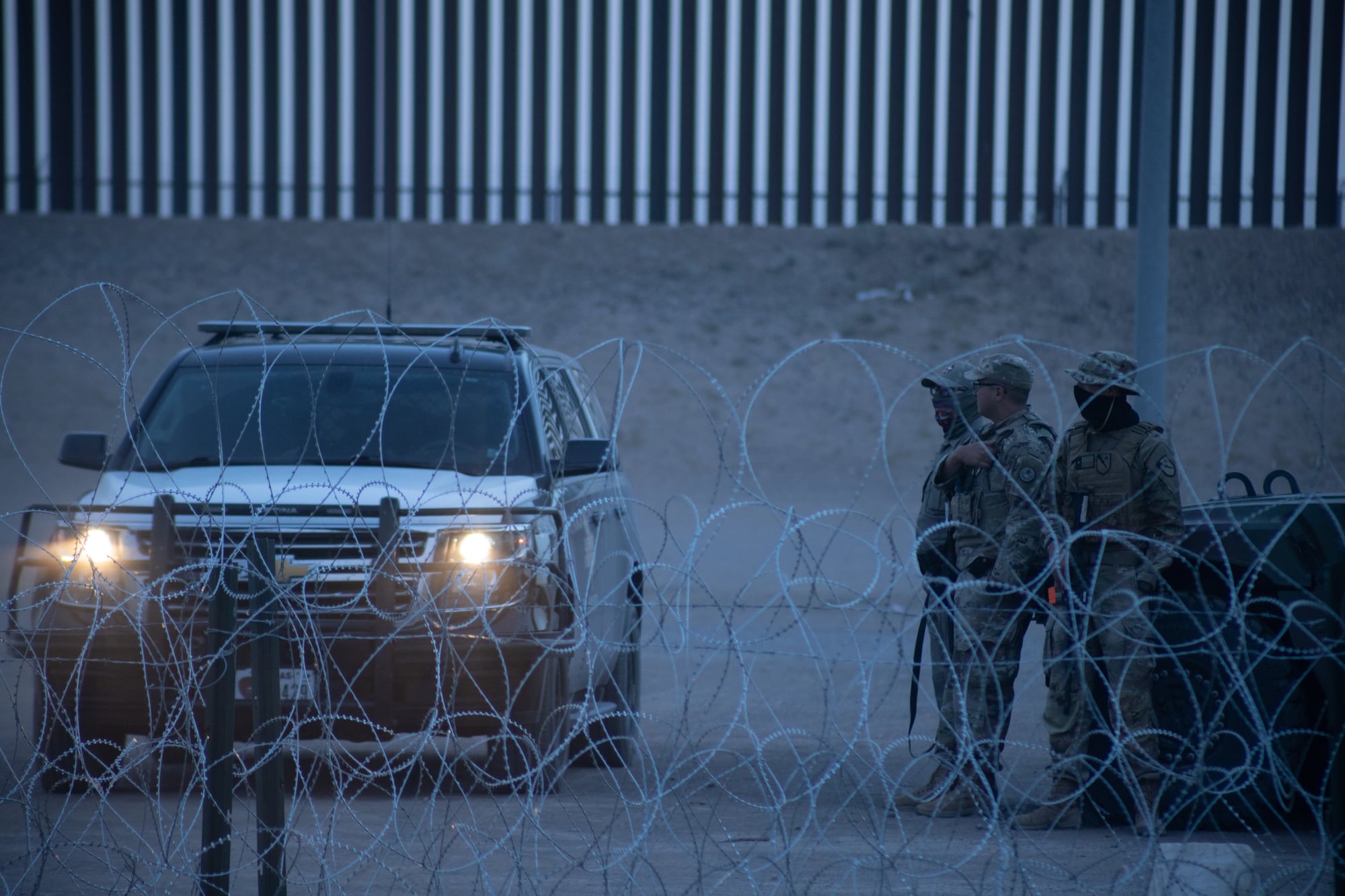
The images of Border Patrol agents on horseback near Del Rio — reins misread by many as whips — became an international incident within hours, generating condemnation from the White House before any investigation had been completed. It’s a strange feature of modern border crises that the image of the crisis can reshape the policy response faster than the facts can, and the Del Rio moment illustrated that with uncomfortable precision.
The agents were cleared. The damage to public trust was not.
How Foreign Governments Read the Chaos
Governments in Honduras, Guatemala, El Salvador, and Mexico don’t just observe US border policy — they calibrate against it, and when US messaging grows confused, those calibrations shift in ways that compound the original problem. Mexican officials who had been cooperating on enforcement became less aggressive during periods of perceived US ambivalence, reading the signal the same way migrants did: something is changing, best to wait and see.
That kind of institutional hesitation doesn’t show up in any speech transcript, but it shows up at the border.
The Unaccompanied Minor Surge
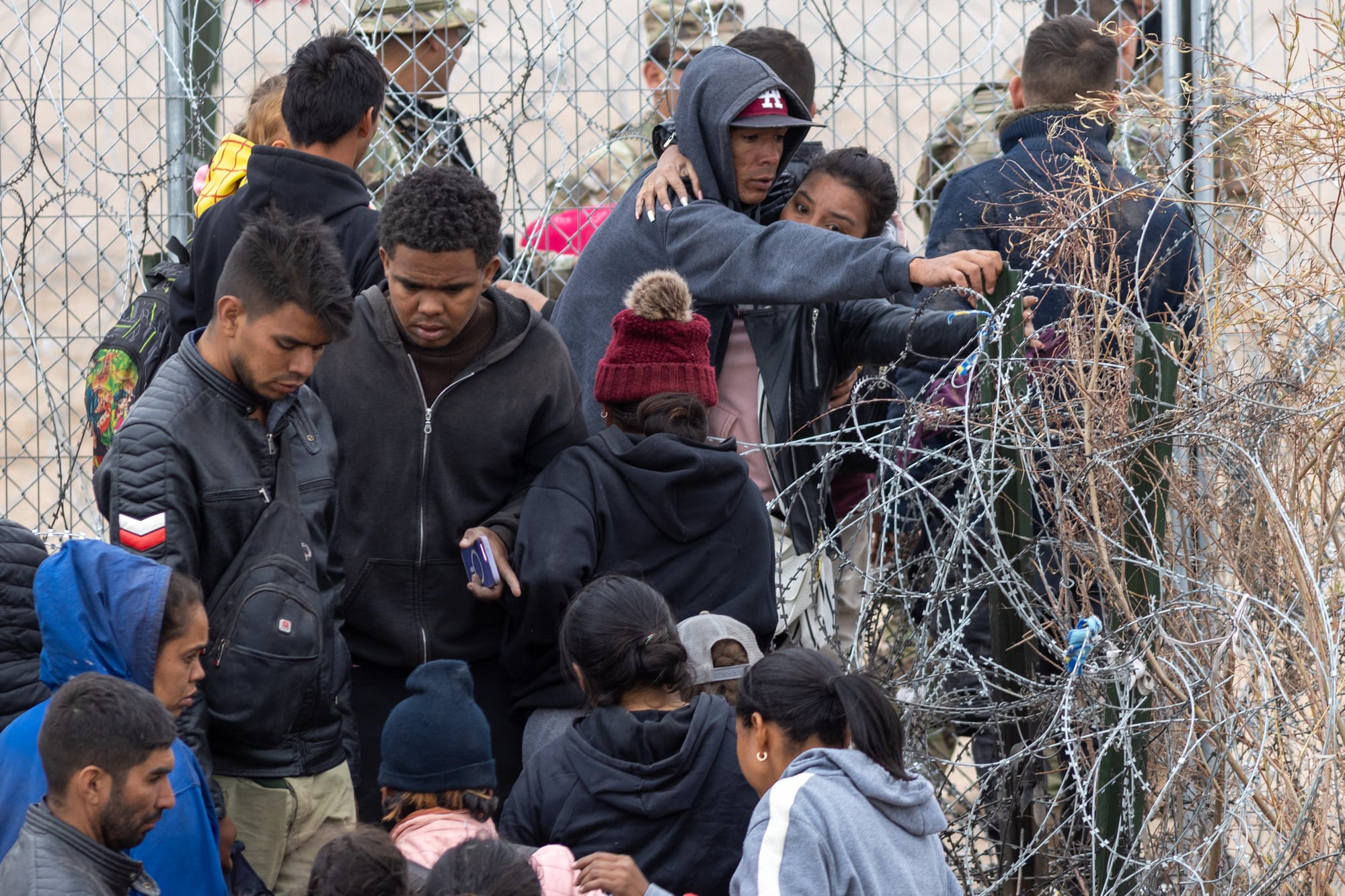
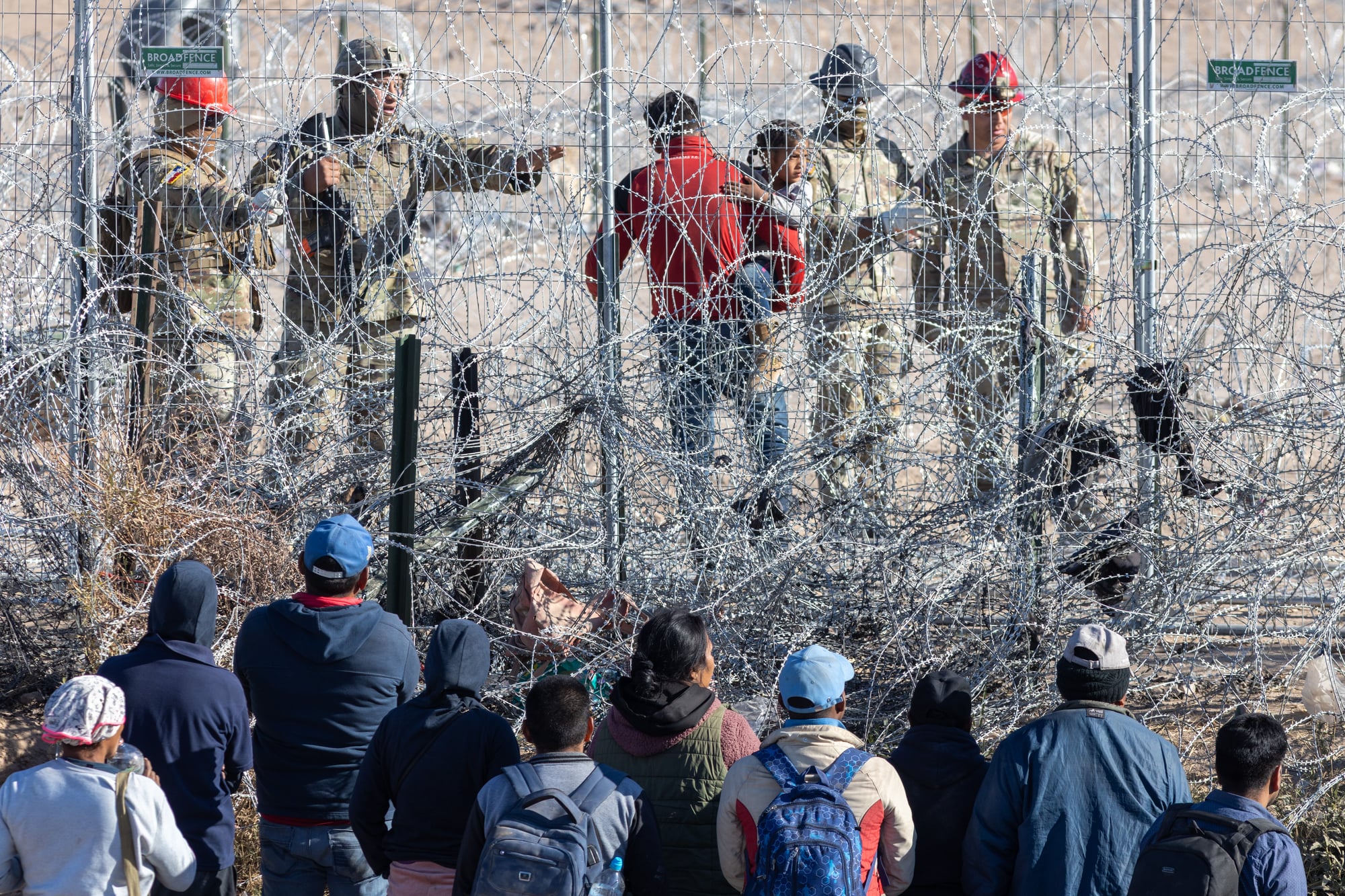
No element of the 2021 border situation was more politically charged or logistically catastrophic than the surge in unaccompanied minors — children traveling without adults, often guided by smuggling networks that understood exactly which messaging had reached their families. Overcrowded Border Patrol facilities designed for adult single men were suddenly holding teenagers and children for days beyond the legal 72-hour limit, and the images that leaked from those facilities landed like a political grenade.
The system wasn’t built for this, and the speech — or the ghost of it — helped fill it past capacity.
What Deterrence Actually Requires
Deterrence in migration policy requires consistency, clarity, and credibility — and the 2021 messaging environment offered none of the three. The “do not come” message was undercut within weeks by reporting on humanitarian exemptions, by congressional Democrats criticizing the administration for being too harsh, and by the continuation of certain asylum processing that suggested the system was, in fact, accessible.
A deterrence message that gets contradicted by reality within a news cycle isn’t deterrence; it’s noise.
The Long Shadow Over Future Policy

Every administration that follows the 2021 crisis now operates with a heightened awareness of how its words will be read across Central America, Haiti, and beyond — not as they are intended, but as they are received. That awareness has produced a kind of communicative caution that sometimes tips into opacity, officials choosing silence over clarity because clarity carries risk.
And yet silence gets interpreted too, which is the impossible knot at the center of modern border communication: every choice, including the choice to say nothing, becomes data for people trying to decide whether to make a journey that might cost them everything.
The Lesson That Keeps Getting Ignored
Border policy communication needs to be designed for the receiver, not the speaker. That sounds obvious enough to be embarrassing, and yet administration after administration produces messaging calibrated for domestic political audiences — congressional allies, cable news panels, editorial boards — while the actual audience making migration decisions receives a distorted signal and acts on it.
The 2021 surge didn’t happen because of one speech. But that speech, landing in a landscape already saturated with confusion, was the kind of spark that finds dry timber.
When Words Reach Further Than Policy

There’s a particular irony in the fact that the phrase most remembered from Kamala Harris’s Guatemala speech — “do not come” — was both the clearest thing she said and the least effective. Clarity of language is not the same as clarity of message, and a message received through layers of fear, hope, mistranslation, and social media fragmentation arrives as something barely connected to the original.
Words reach further than policy ever does. And at a border where thousands of miles of desert and river separate the speaking from the hearing, the distance between what was said and what was understood can determine whether a family stays or goes — and what happens to them if they do.
The Crisis That Refuses to Resolve
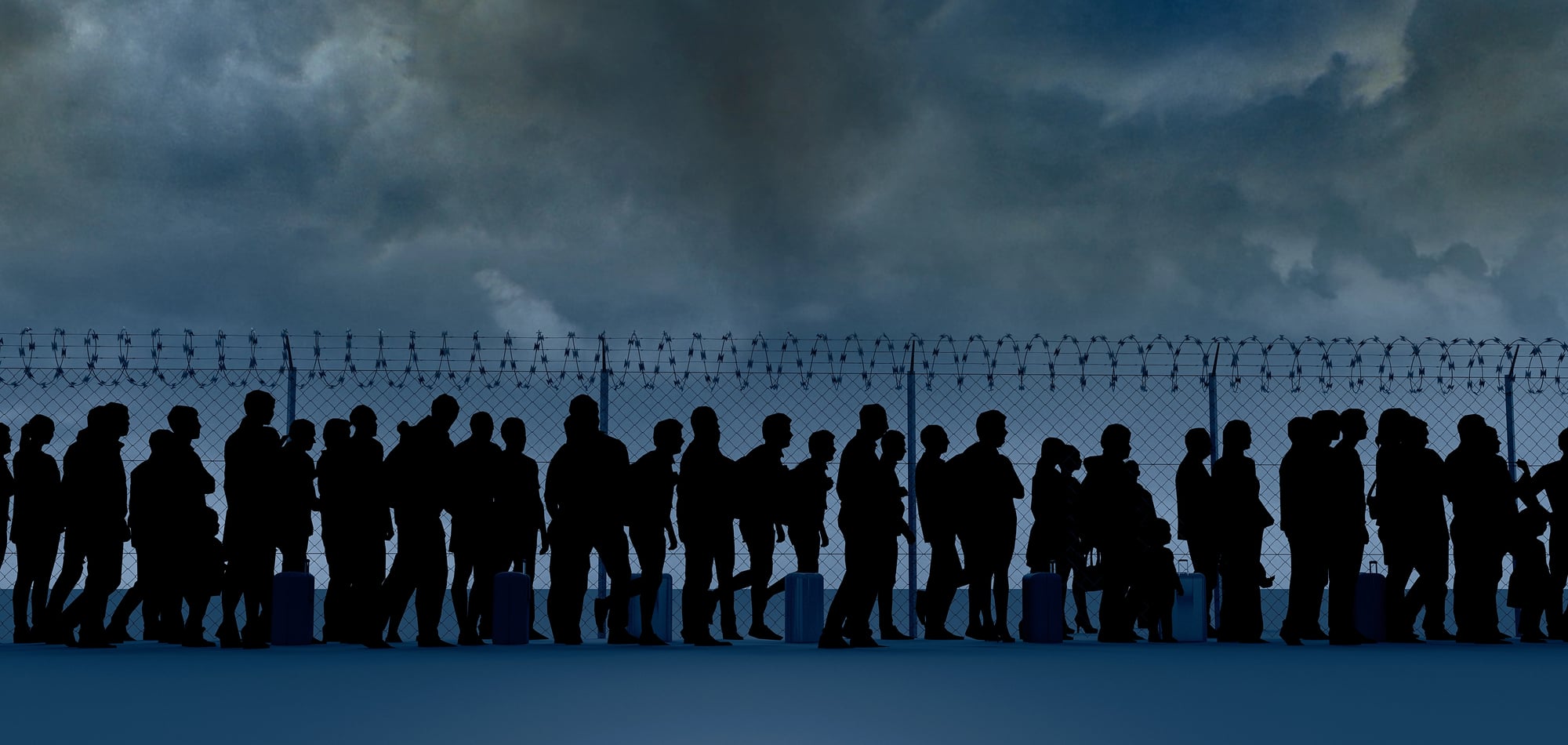
Border crises don’t end so much as they pause, reconfigure, and resurface under different names and in different locations. The 2021 surge gave way to new surges, new flashpoints, new speeches that ricocheted through migrant networks in ways their authors never intended.
The apparatus of enforcement, diplomacy, and communication that was supposed to manage the border has never quite caught up with the speed at which human beings respond to perceived opportunity. And that gap — between what is said and what is heard, between policy intention and human interpretation — remains the most consequential unresolved problem in American immigration management.
The Words That Still Echo

Some speeches fade. This one didn’t — not because it was particularly eloquent, but because it arrived at a moment when millions of people were listening for exactly the kind of signal it failed to clearly send.
The “do not come” message now lives in the permanent record of US immigration history as a case study in the gap between political communication and practical effect. It’s a narrow gap, officially speaking.
At a border crossing in the Texas heat, it’s the distance between order and chaos.
More from Go2Tutors!

- The Romanov Crown Jewels and Their Tragic Fate
- 13 Historical Mysteries That Science Still Can’t Solve
- Famous Hoaxes That Fooled the World for Years
- 15 Child Stars with Tragic Adult Lives
- 16 Famous Jewelry Pieces in History
Like Go2Tutors’s content? Follow us on MSN.