Photos of 15 Global Snacks With Cult Followings
Every country has its comfort snacks, the ones people grow up with, debate over, and proudly try to force on visiting friends. Some snacks transcend the status of mere practical food.
They become cultural icons with fanatical enthusiasts who seek them out on foreign soils, pack them in luggage, and zealously defend them on the internet.
What makes a cult snack is subjective. A cult snack can have an unusual taste that wins people over.
Other times, it can be tradition, marketing, or the novelty of how it is consumed. Let’s examine fifteen popular snacks from around the world that have gained themselves fanatical followings.
Pocky
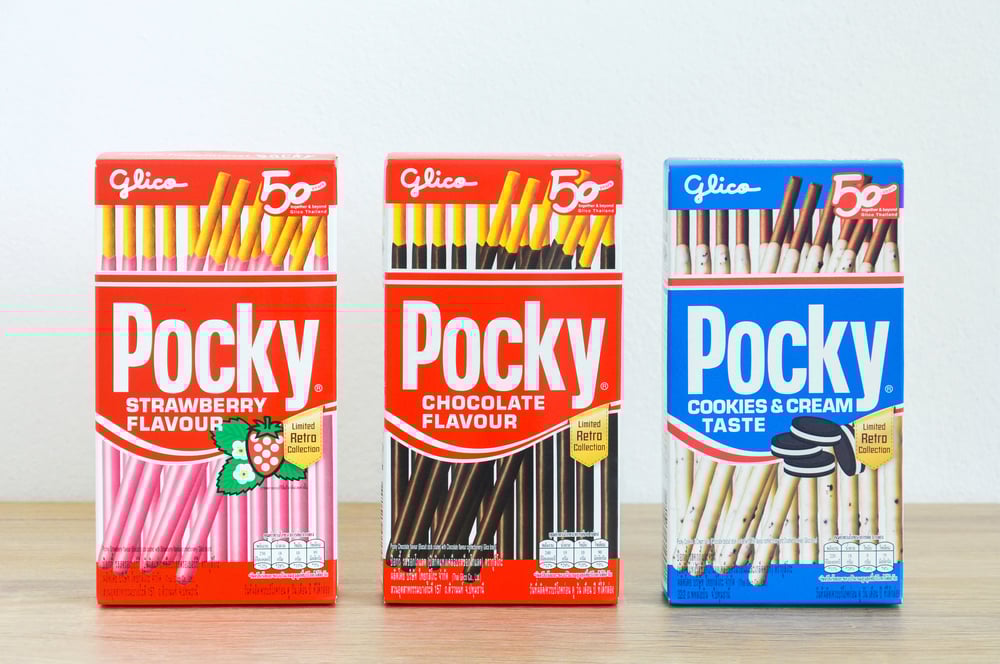
Pocky began in Japan in 1966 and quickly became one of the country’s most recognizable snacks. The idea is wonderfully simple: slim biscuit sticks partially coated in chocolate or flavored icing, leaving one end bare for easy handling.
That clever design keeps fingers clean while delivering a satisfying combination of crisp biscuit and sweet coating. Over time, Pocky evolved into an entire universe of flavors.
Almond crush, matcha, strawberry, and cookies-and-cream variations appear regularly, with regional releases creating excitement among collectors. Fans often treat each flavor like a limited-edition discovery.
The snack’s slim shape and neat packaging also make it easy to share, which helps reinforce its social appeal.
Tim Tams
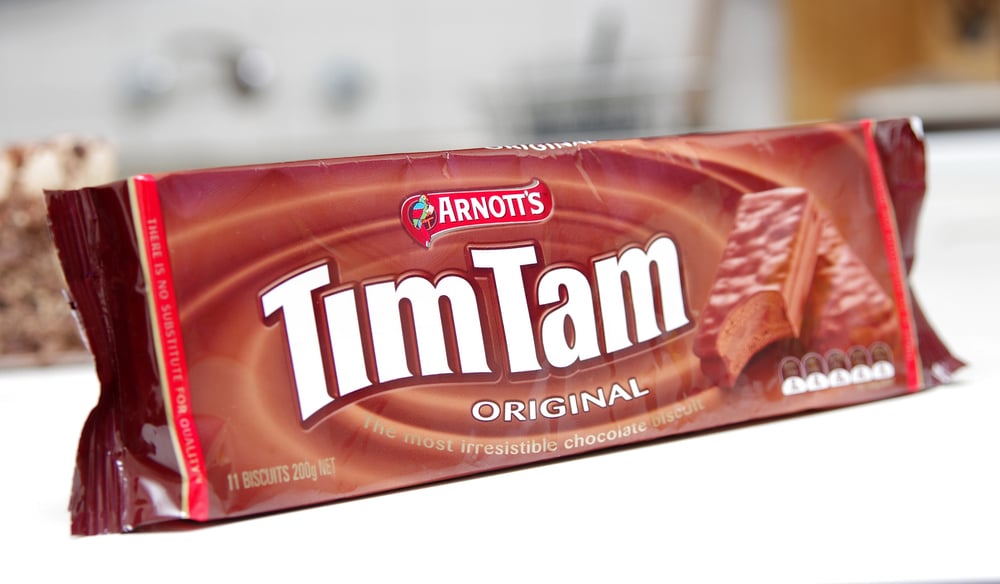
Tim Tams arrived in Australia in 1964 and quickly became the country’s most beloved chocolate biscuit. Each piece consists of two crisp chocolate biscuits layered with creamy filling and coated in chocolate.
The balance of crunch and sweetness feels rich without being overwhelming, which explains why they disappear quickly once a packet is opened. Part of the snack’s fame comes from a ritual known as the ‘Tim Tam Slam.’
Fans bite small corners off opposite ends and use the biscuit like a straw for warm drinks before eating it. The biscuit softens just enough to create a decadent moment that has become a small national pastime.
Takis
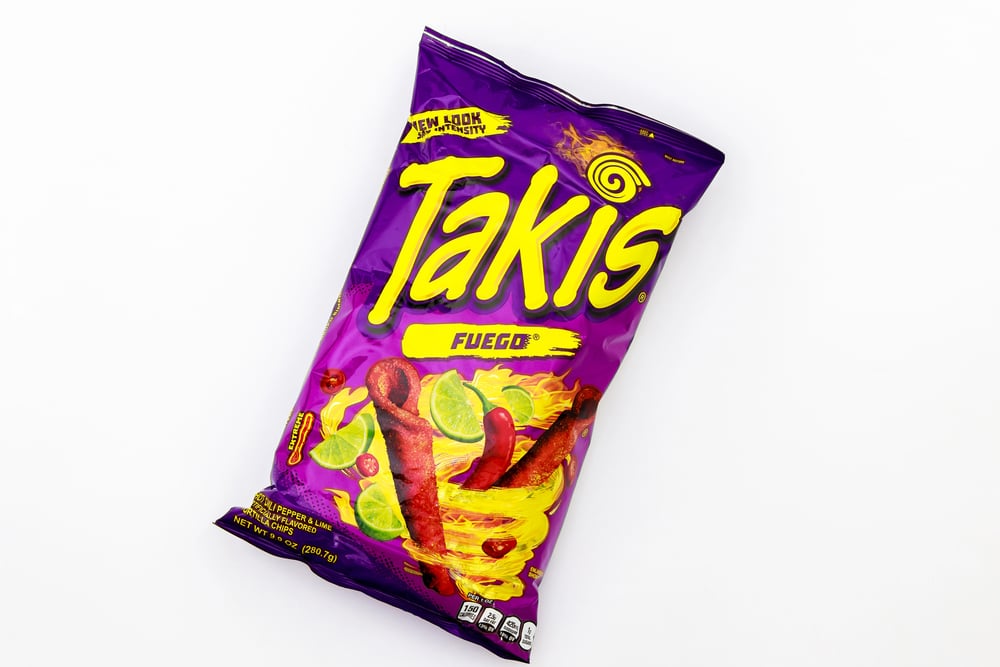
Takis emerged from Mexico in the late 1990s and built a reputation for bold flavor. The rolled tortilla chips are intensely seasoned, usually with chili and lime, creating a punchy combination that is both tangy and fiery.
Their distinctive spiral shape gives them extra crunch and helps the seasoning cling to every ridge. The snack gained a particularly strong following among younger fans who enjoy extreme flavors.
Social media challenges and online taste tests helped push Takis far beyond their original market. Even so, the appeal remains rooted in something simple: a loud, unapologetic flavor that stands out in a crowded snack aisle.
Kit Kat
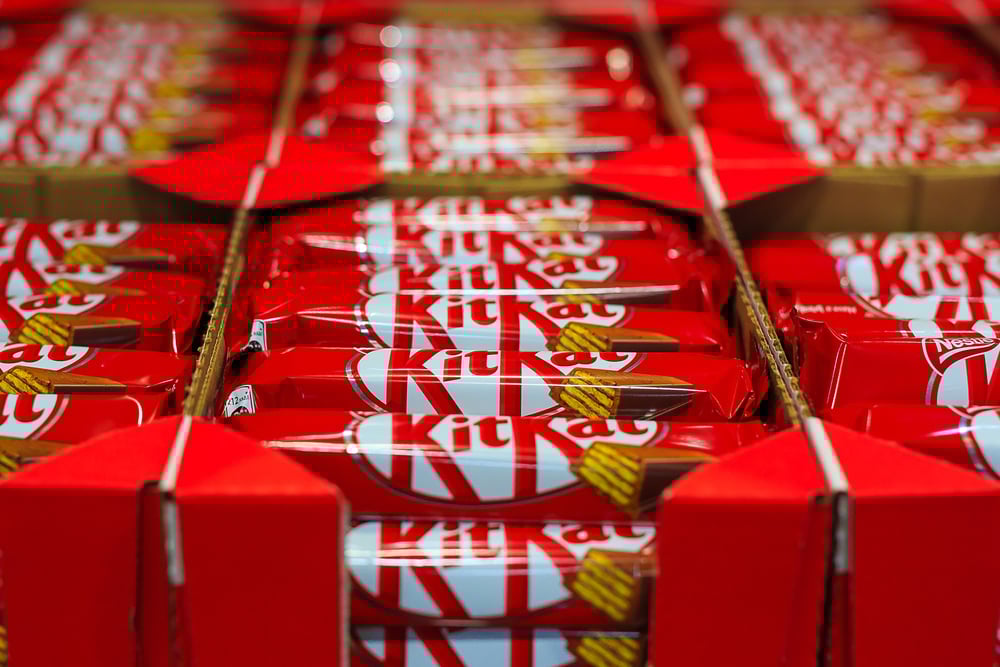
Few snacks travel the world as successfully as the Kit Kat. First introduced in the United Kingdom in the 1930s, the chocolate-covered wafer bar has become a global phenomenon.
The crisp wafer layers deliver a light texture that contrasts with the chocolate coating, making it easy to enjoy without feeling overly heavy. Japan, in particular, transformed the brand into something of a cultural playground.
Hundreds of regional flavors have appeared there over the years, including matcha, sweet potato, and melon. That constant stream of experimentation turned Kit Kat into a collectible experience as much as a snack.
Biltong
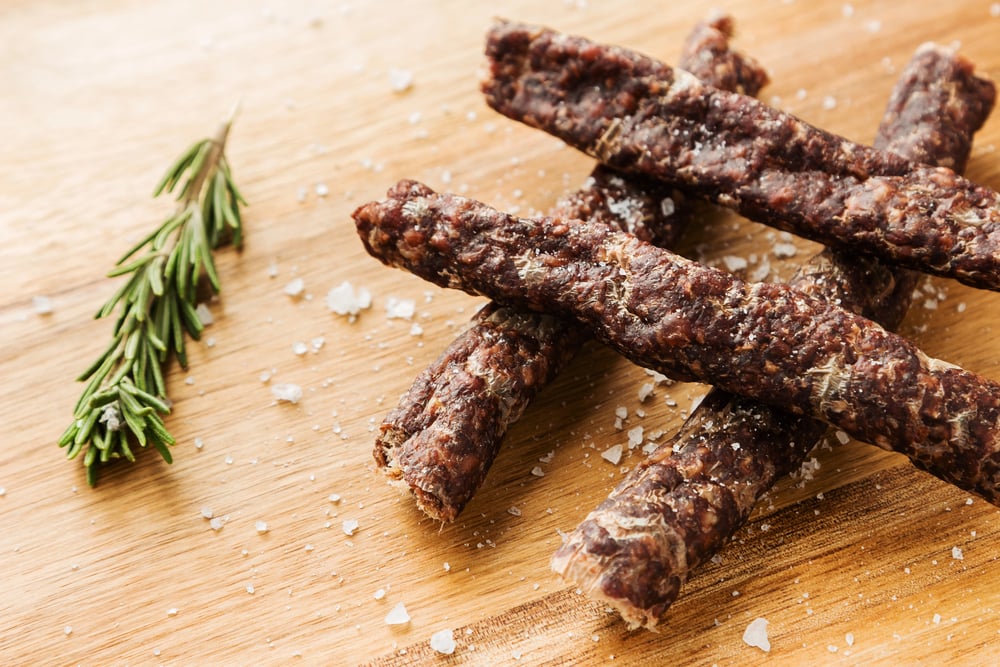
Biltong is a traditional South African snack made from air-dried strips of seasoned meat. Unlike jerky, which is often cooked or heavily processed, biltong is cured slowly with spices and vinegar, producing a rich, savory flavor.
The result is tender rather than tough, with a deep taste that reflects its heritage. For many South Africans, biltong is tied closely to everyday life — from road trips to sporting events.
The snack has gradually found fans abroad as specialty shops and international markets introduced it to new audiences. Still, the strongest devotion remains where it began, where many people consider it an essential staple.
Kinder Bueno
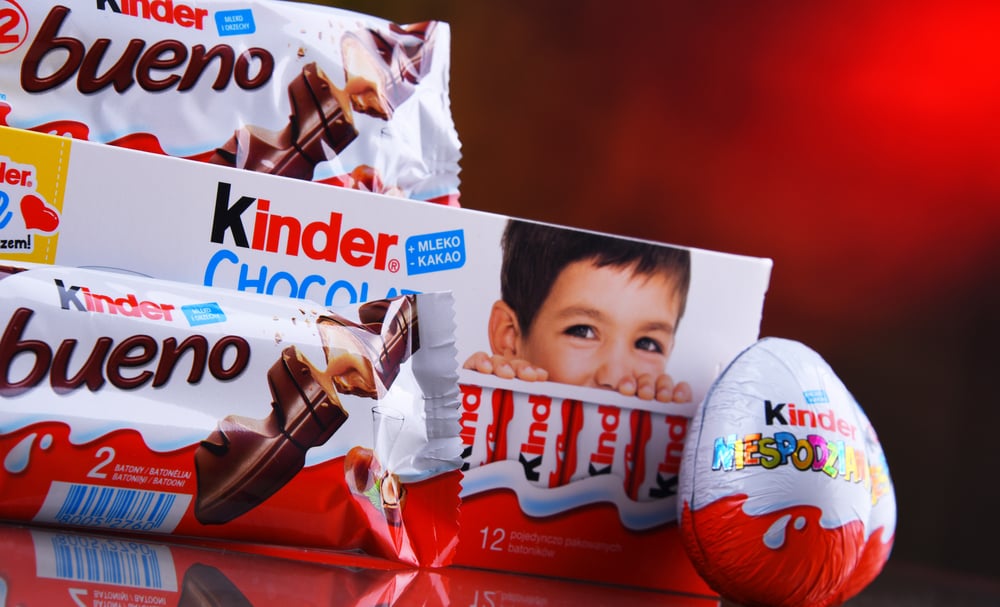
Kinder Bueno arrived in Europe in the early 1990s and quickly became a favorite among chocolate lovers. The bar features a delicate wafer shell filled with creamy hazelnut filling and covered in chocolate.
The texture is light and crisp, creating a snack that feels indulgent without being overly dense. Fans often describe the experience as unusually smooth, thanks to the airy filling.
That balance of crunch and creaminess gives Kinder Bueno a distinct identity within the crowded chocolate snack category. Its elegant packaging and consistent flavor helped build a loyal international following.
Marmite on Toast
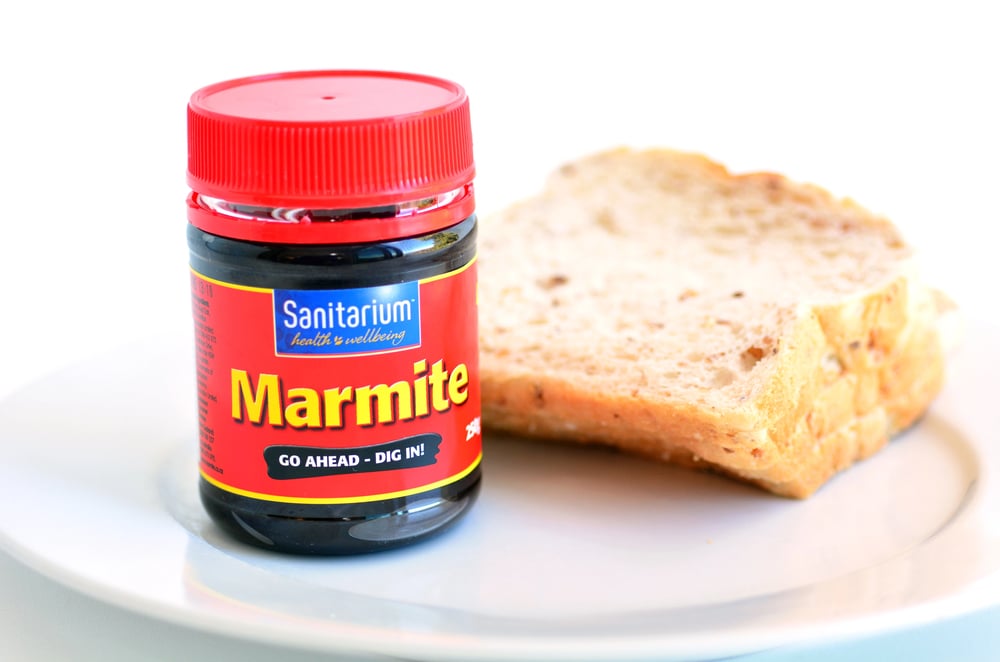
Marmite itself is technically a spread, yet it functions very much like a snack when paired with toast or crackers. Created in the United Kingdom from yeast extract, the dark paste carries an intensely savory taste that sparks strong opinions.
For fans, Marmite is deeply comforting and full of umami richness. The spread’s famous slogan, built around people either loving it or rejecting it, captures the snack’s unusual cultural place.
Devotees often travel with a jar tucked into luggage, determined never to be without it.
Stroopwafels

Stroopwafels originated in the Netherlands in the late nineteenth century. Two thin waffle layers sandwich a caramel-like syrup filling that softens when warmed slightly.
Traditionally, the cookie is placed on top of a hot drink so the syrup becomes gooey and fragrant. That small ritual adds charm to an already delightful treat.
The contrast between crisp waffle and soft syrup creates a texture that feels both comforting and indulgent. In recent years, stroopwafels have gained international recognition, especially through coffee shops and specialty food markets.
Flamin’ Hot Cheetos
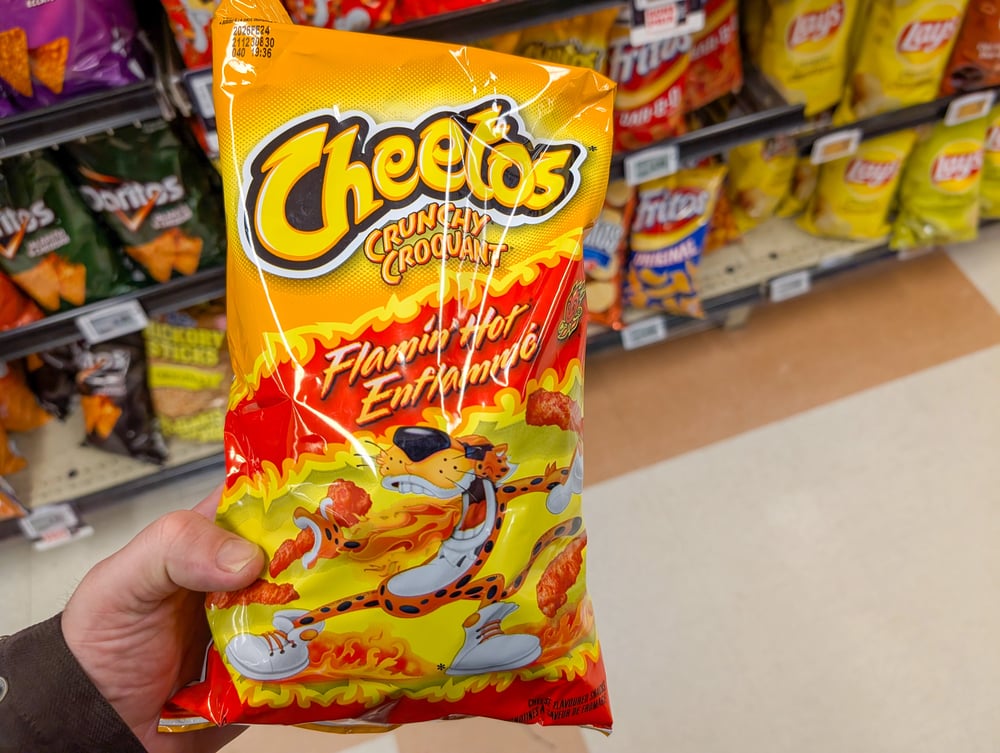
Flamin’ Hot Cheetos emerged in the United States and quickly developed a devoted following. The corn-based snack carries a vivid red coating packed with chili flavor, creating a bold taste that stands out instantly.
The snack became especially popular among younger audiences and urban food culture. Fans often incorporate it into creative recipes, from street snacks to unexpected dessert experiments.
That playful creativity helped push Flamin’ Hot Cheetos beyond ordinary snack territory.
Kinder Surprise
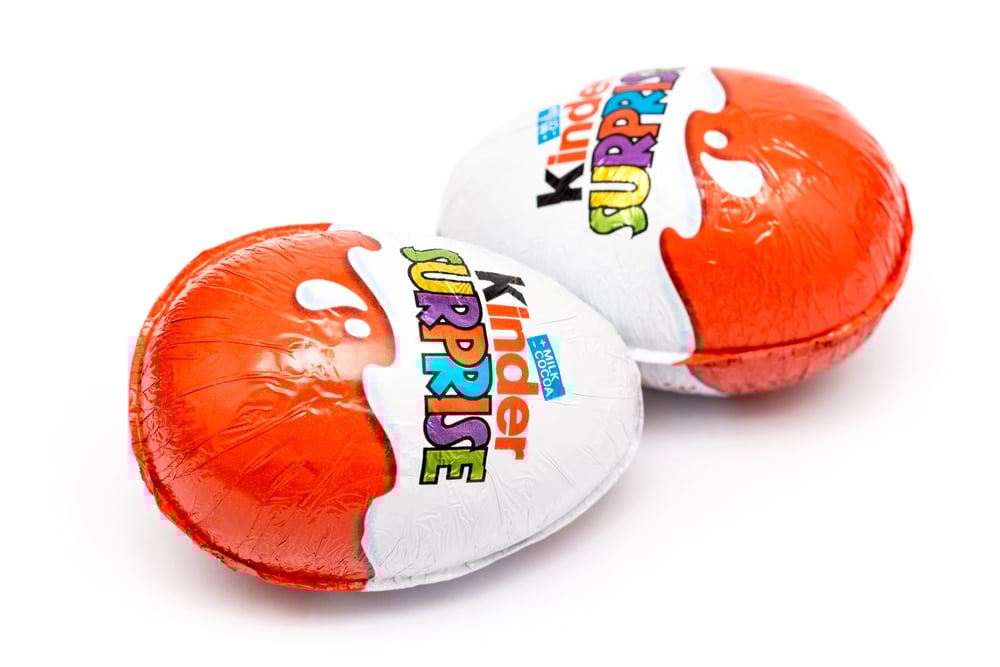
Kinder Surprise blends candy and play in a way that captured generations of fans. The chocolate egg contains a small capsule with a toy inside, creating a moment of discovery that appeals to both children and nostalgic adults.
The combination of chocolate treat and collectible toy gives the snack an emotional dimension. Many people remember opening their first egg with a sense of anticipation.
That small ritual of surprise remains the heart of its enduring popularity.
Prawn Crackers
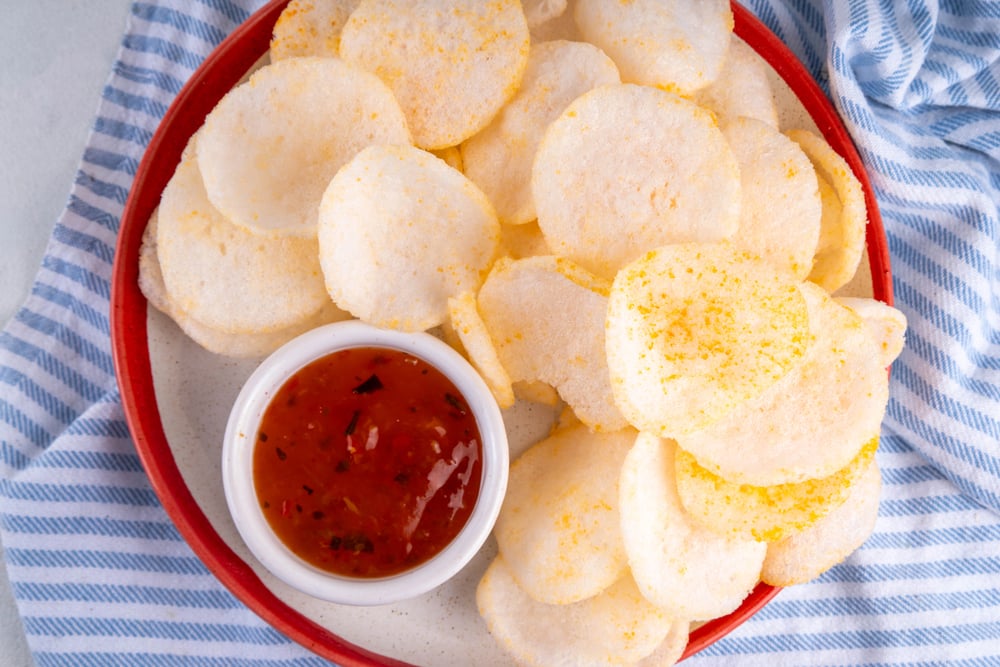
Prawn crackers are a familiar snack across Southeast Asia. Made from starch and prawn flavoring, the crackers puff dramatically when cooked, producing an airy, crisp texture.
They often appear alongside meals but are equally enjoyed on their own. The subtle seafood taste pairs well with the light crunch, making them easy to snack on by the handful.
Their presence at gatherings and celebrations helps reinforce their popularity.
Lotus Biscoff
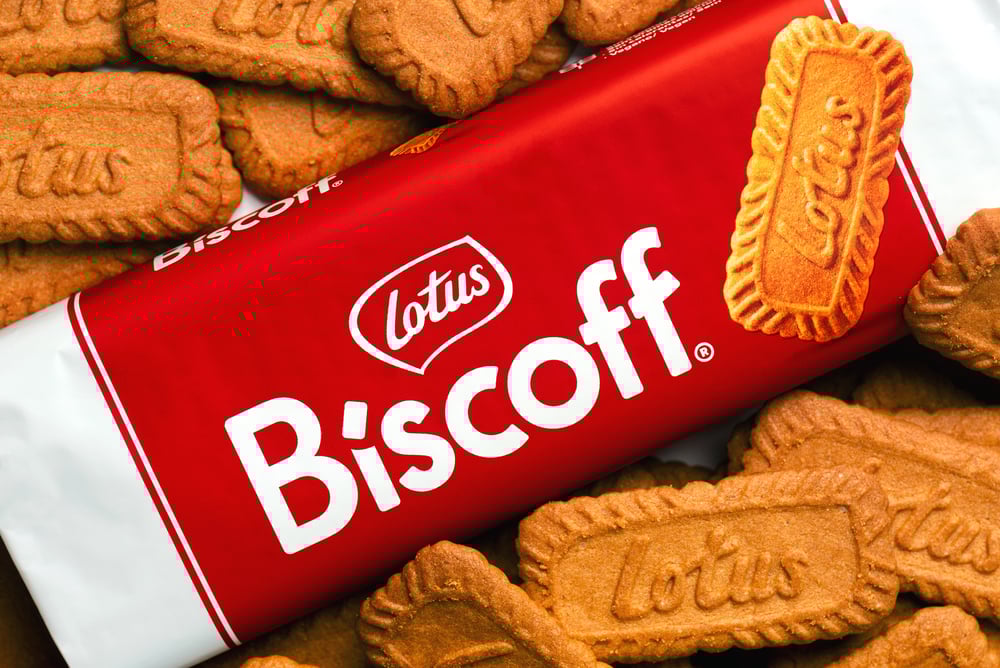
Lotus Biscoff biscuits originated in Belgium and gained global recognition through airlines that served them with coffee. The biscuits carry a caramelized flavor with a gentle spice that pairs beautifully with warm drinks.
That subtle sweetness helped them stand out in the crowded biscuit market. Over time, the flavor expanded into spreads, ice cream, and desserts.
Even so, many fans insist the classic biscuit remains the best version.
Pocky Almond Crush
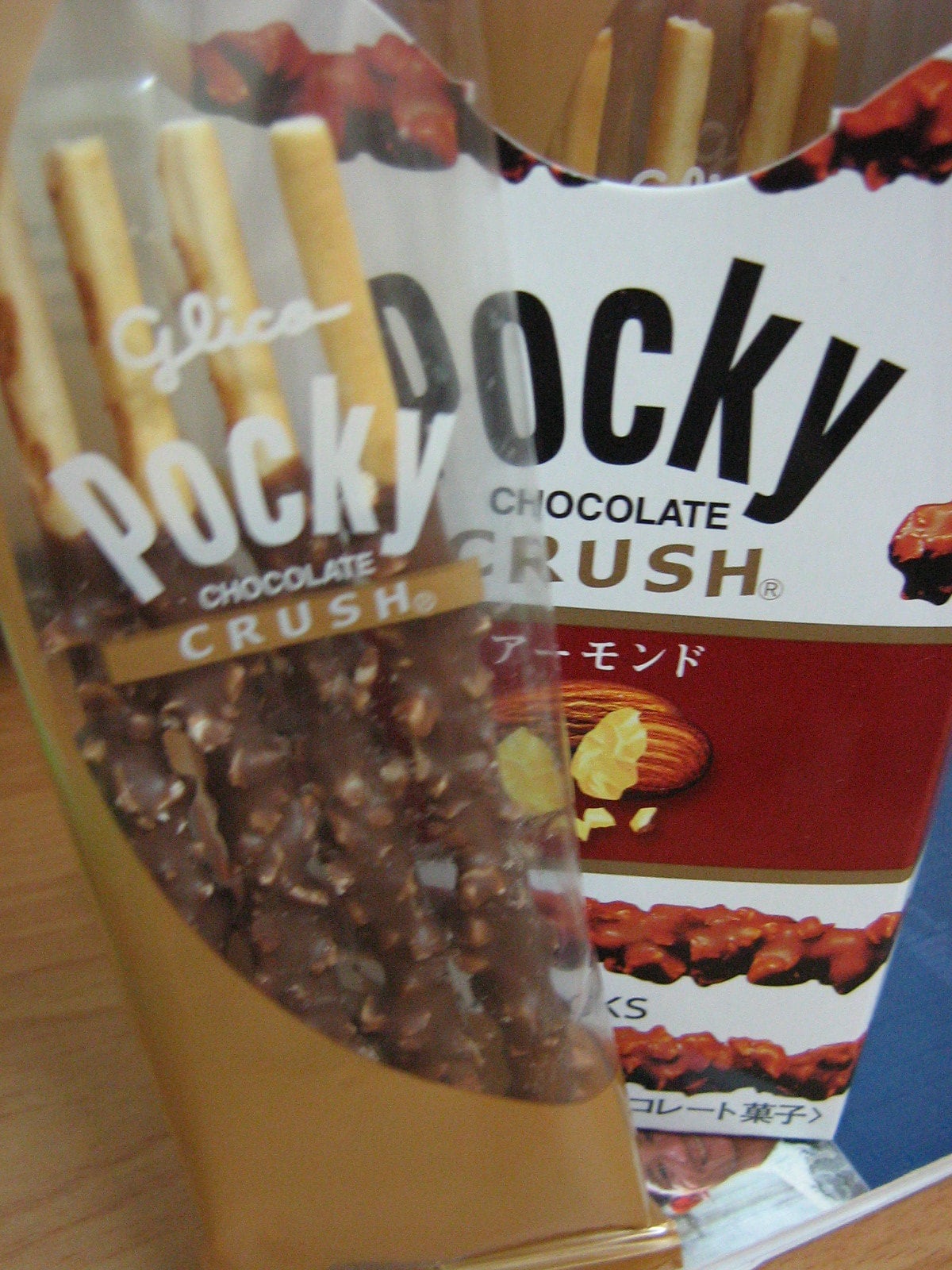
Among the many Pocky varieties, Almond Crush deserves its own spotlight. The chocolate coating is mixed with crunchy almond pieces, adding texture to the already crisp biscuit stick.
The combination turns a simple snack into something slightly more indulgent. Fans often describe the flavor as balanced and satisfying without feeling overly sweet.
Limited regional releases also helped elevate its cult reputation.
White Rabbit Candy

White Rabbit Candy has been a beloved treat in China since the 1940s. Each chewy milk candy comes wrapped in edible rice paper and then sealed in its iconic white wrapper with a rabbit illustration.
The flavor is creamy and nostalgic, often associated with childhood memories. Generations have grown up with the candy, and its distinctive packaging makes it instantly recognizable.
Even decades later, the treat remains a symbol of simple sweetness.
Maltesers
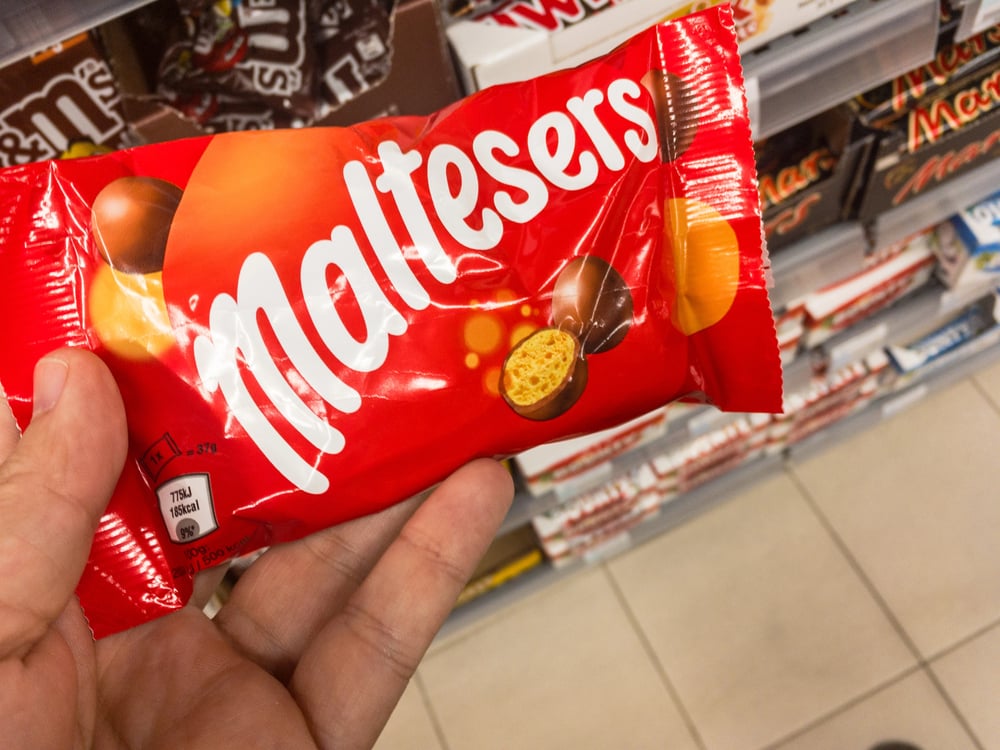
Maltesers offer a different take on chocolate snacks by focusing on lightness. Each piece contains a honeycomb center coated in chocolate, creating a crisp texture that dissolves easily.
That airy crunch makes the snack feel surprisingly light despite its chocolate coating. The playful packaging and distinctive texture helped Maltesers earn a loyal audience in many countries.
It is the kind of snack that disappears quickly during a movie night.
Why These Snacks Still Matter

Cult snacks are successful because they marry food and memory, food and identity. A favorite snack is a small piece of home, a food that can evoke a sense of place and memory in a flash.
Snacks are a part of a larger food culture that is always changing, and snacks are still crossing borders, driven by curiosity and nostalgia. The enduring popularity of cult snacks is a testament to the role that food plays in culture, often in a subtle way.
A biscuit and a cup of coffee, a piece of candy after school, or a bag of snacks during a night of games can all be a part of tradition. At the end of the day, cult snacks are popular because of the stories and traditions that surround them, in addition to the taste.
More from Go2Tutors!

- The Romanov Crown Jewels and Their Tragic Fate
- 13 Historical Mysteries That Science Still Can’t Solve
- Famous Hoaxes That Fooled the World for Years
- 15 Child Stars with Tragic Adult Lives
- 16 Famous Jewelry Pieces in History
Like Go2Tutors’s content? Follow us on MSN.