27 Restaurant Chains From the ’90s That Closed Without Warning
The 1990s promised unlimited suburban expansion and celebrity-backed dining concepts that would last forever. Corporate strategy meetings projected three more decades of growth for every themed restaurant that opened, and casual dining chains spent money as if the market would absorb any number of similar concepts.
Then the novelty wore off faster than anyone anticipated, debt mounted faster than revenue, and by decade’s end many chains realized they’d overextended catastrophically. Some lasted into the 2000s in a slow death spiral; others vanished almost overnight after bankruptcy hit like an unexpected bill.
These restaurants were fixtures of 1990s family life—Friday night destinations, birthday party venues, the place where adults went to celebrate modest victories and kids went to celebrate existing. Today, most have vanished completely, their locations converted to different uses or sitting empty.
They represent an era when dining out was theatrical, novelty drove traffic, and money flowed in directions that turned out to be unsustainable.
Planet Hollywood
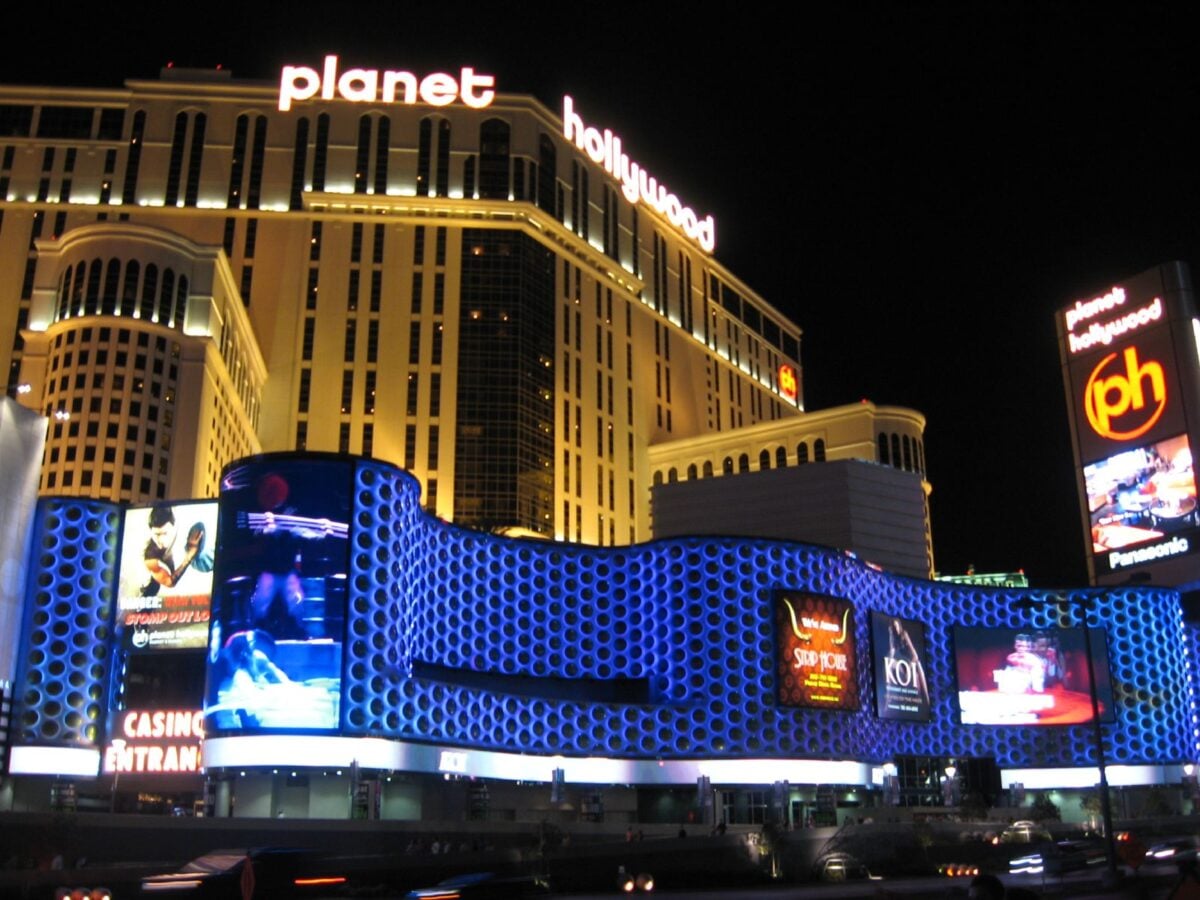
Backed by Sylvester Stallone, Arnold Schwarzenegger, Bruce Willis, and Demi Moore, Planet Hollywood opened its first location in Manhattan in 1991 and expanded to nearly 90 locations worldwide by the mid-1990s. The chain served overpriced burgers beneath movie memorabilia while marketing itself as an exclusive Hollywood experience.
By 1999, the novelty had evaporated entirely and Planet Hollywood filed for bankruptcy, leaving behind shuttered storefronts in prime locations that no one wanted to occupy at their asking price.
The Official All-Star Cafe
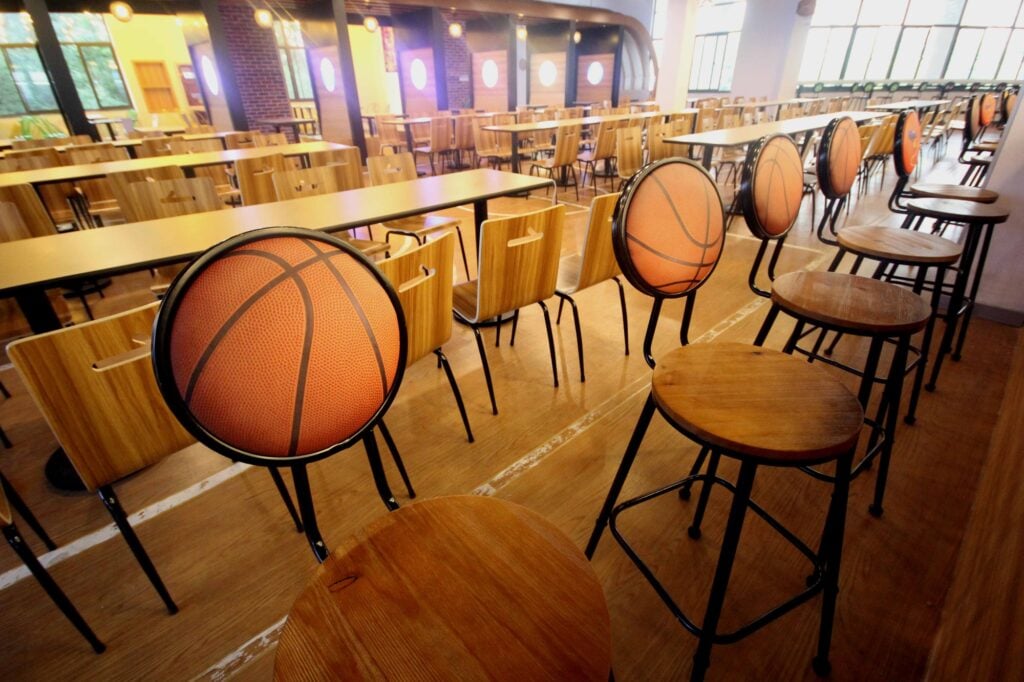
Built on partnerships with Shaquille O’Neal, Wayne Gretzky, Joe Montana, and other celebrity athletes, The Official All-Star Cafe promised to deliver sports and star power in equal portions. Owned by Planet Hollywood’s corporate parent, the chain went down in 1999 alongside its celebrity-backed sibling, proving that investor fame was not transferable to restaurant operations.
ShowBiz Pizza Place
Once the party destination for kids’ birthday celebrations throughout the 1980s, ShowBiz Pizza Place evolved arcade games and animatronic entertainment into a business model that struggled terribly in the early 1990s.
The chain merged with its better-managed rival Chuck E. Cheese during the mid-1990s, with most ShowBiz locations rebranded or shuttered as the company consolidated operations.
Kenny Rogers Roasters
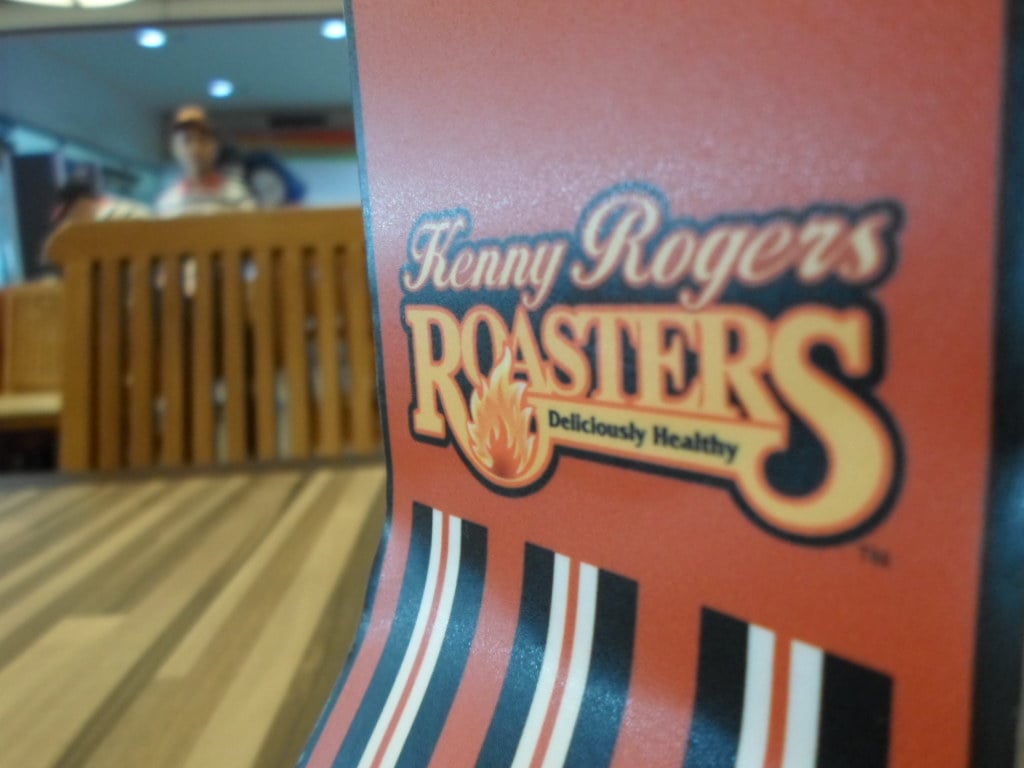
Country music legend Kenny Rogers partnered with John Y. Brown Jr. (former Kentucky Fried Chicken CEO and governor) to create a rotisserie-chicken-focused chain that expanded to over 350 locations worldwide at its peak in the 1990s. The concept proved too narrow to sustain national expansion, and as other chains added chicken to their menus, Kenny Rogers Roasters became redundant.
The chain closed almost all U.S. locations, though the brand found lasting success in Southeast Asia.
Roadhouse Grill
Launched in 1993 in South Florida with backing from investors connected to Kenny Rogers Roasters, Roadhouse Grill expanded aggressively with artfully decorated interiors and American casual fare. The chain grew to 85 locations before hitting financial trouble and filing for bankruptcy in 2002, followed by a second bankruptcy filing in 2007 that forced liquidation.
Bugaboo Creek Steakhouse
Opened in Rhode Island in 1992, Bugaboo Creek offered families a Canadian-wilderness-themed experience complete with talking moose, animatronic wildlife, and a birthday tradition involving kissing a stuffed moose for good luck.
Rapid growth to 30 locations across six states gave way to financial struggles, bankruptcy in 2010, and final closure by 2016.
Hot ‘n Now
This Midwestern fast-food chain grew to over 150 locations at its peak in the mid-1990s after being acquired by Pepsi, who expanded it into 15 states nationwide. Drive-through-focused and affordable, Hot ‘n Now couldn’t compete with better-capitalized rivals and contracted dramatically by the early 2000s, leaving only one surviving location in Michigan.
Charlie Brown’s Steakhouse
Though the chain remained profitable throughout the 1990s and expanded into New York and Pennsylvania, Charlie Brown’s eventually overextended itself and filed for bankruptcy by the early 2000s, closing most locations and leaving scattered survivors that continued operating in limited capacity.
Pizza Haven
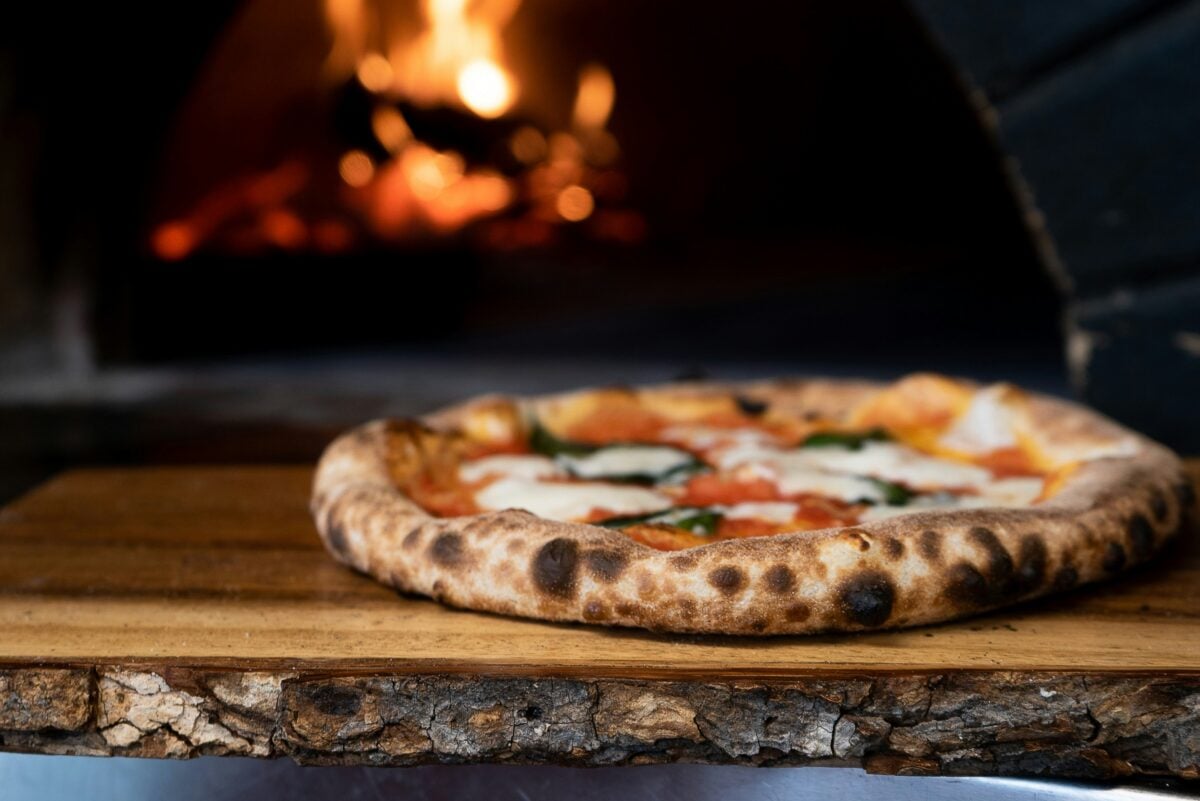
Based in California and the Pacific Northwest with 42 locations, Pizza Haven attempted to compete with Pizza Hut and Domino’s during the crowded pizza wars of the 1990s. As larger chains undercut prices and expanded delivery networks, Pizza Haven lacked the resources to keep pace and gradually disappeared.
Sizzler
Founded in the 1950s, Sizzler was already established by the 1990s, but the chain’s decision to transform itself into an all-you-can-eat buffet in the early 1990s proved disastrous and destroyed the brand’s identity.
The company filed for bankruptcy in 1996 and continued a decades-long decline that has reduced the chain to roughly 80 scattered locations as of 2023.
Bennigan’s Grill & Tavern
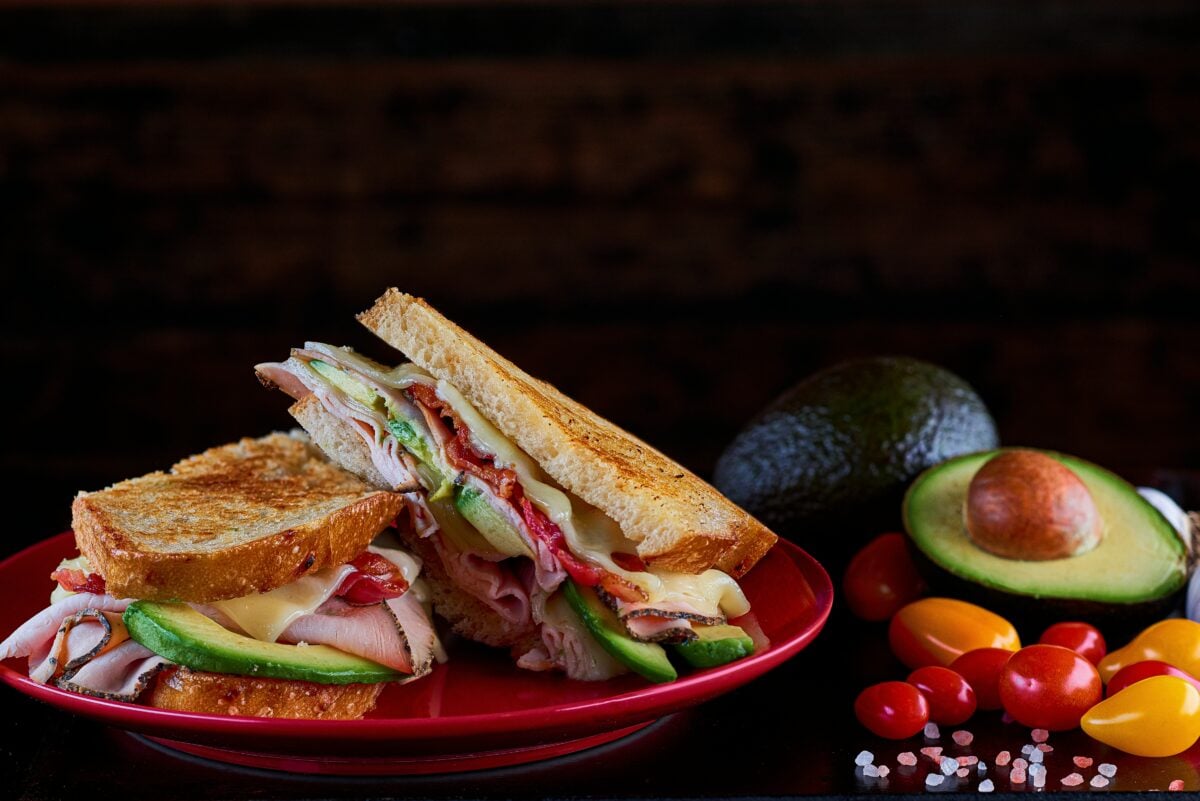
Known for its Monte Cristo sandwich, faux-Irish decor, and stained-glass bar aesthetic, Bennigan’s became one of the defining casual dining chains of the 1980s and 1990s. Heavy debt and aggressive expansion caught up with the chain by the 2000s, and its parent company filed for bankruptcy in 2008, closing most Bennigan’s locations across the country.
Steak & Ale
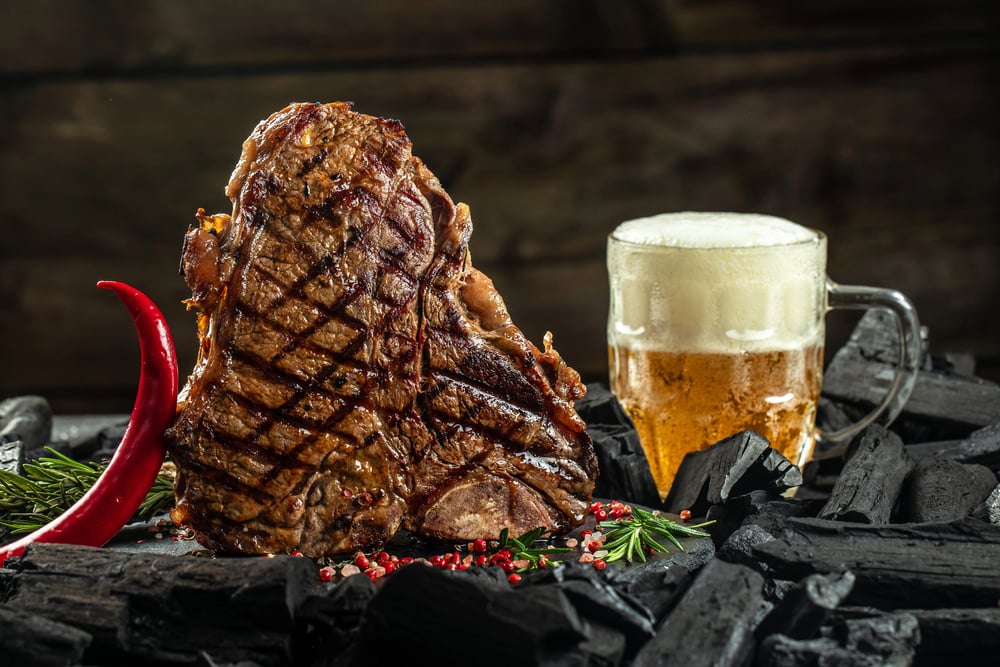
Launched in 1966 with 280 locations at its height, Steak & Ale competed in the mid-priced steakhouse market and marketed itself as an inexpensive alternative to upscale steakhouses. The chain gradually contracted as newer concepts captured market share and consumer preferences shifted, eventually closing in 2008.
Lone Star Steakhouse & Saloon
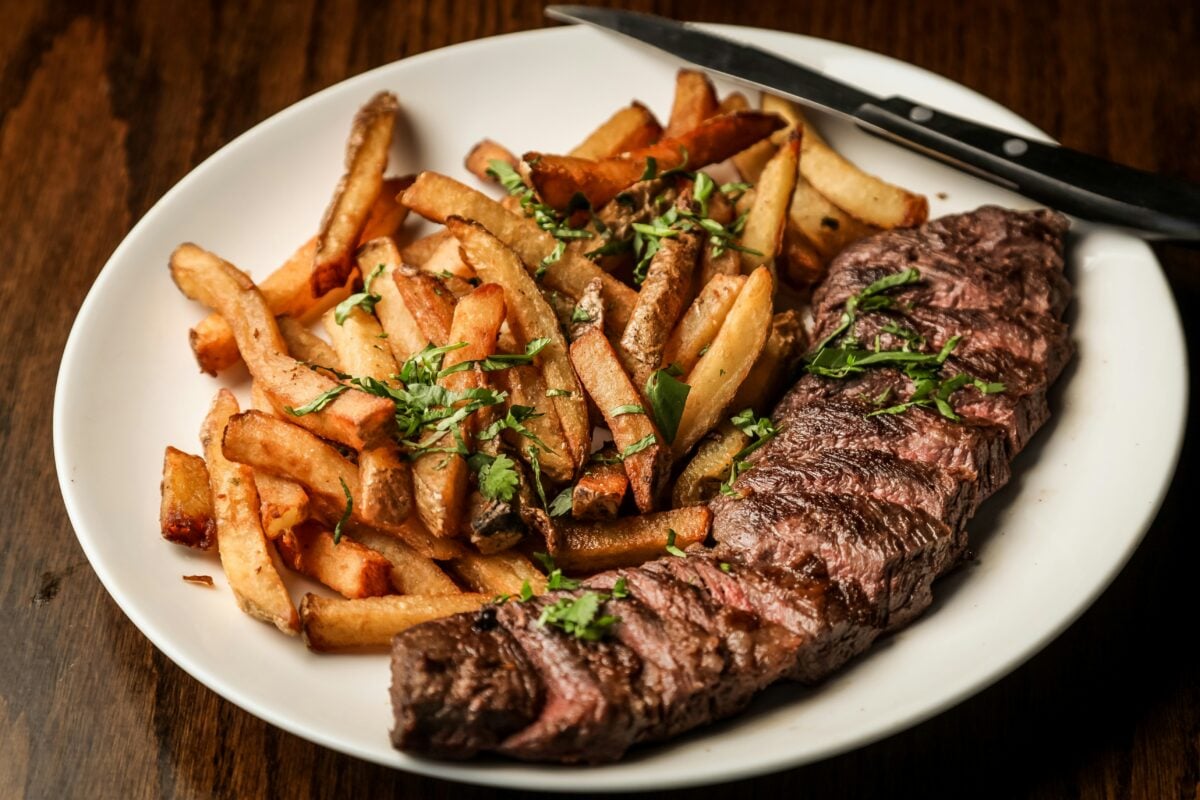
Opening in North Carolina in 1989, Lone Star expanded aggressively through the 1990s, reaching 265 locations by 1999 and claiming to offer Texas-style dining at democratic prices. Quality issues, management turmoil, and market saturation stalled growth, and subsequent closures through the 2000s and 2010s left the chain with only one location in Guam.
The Magic Pan

This chain of sophisticated crêperies thrived in shopping malls with theatrical open kitchens and dessert crêpes that felt elegant during the 1980s. Changing dining habits and declining mall culture sealed its fate, and the final Magic Pan locations closed during the 1990s.
ESPN Zone
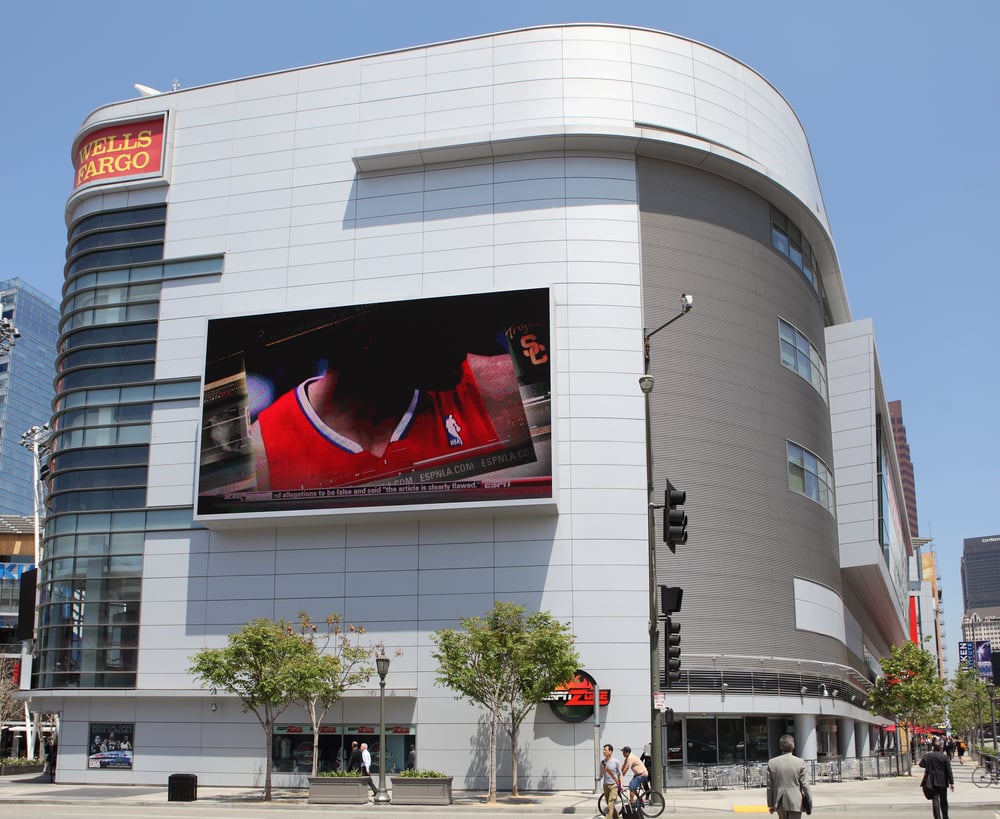
Combining arcade games, wall-mounted televisions, and casual food in prime locations like Disneyland and Times Square, ESPN Zone represented the late-1990s boom in sports-themed dining. The chain lasted 20 years with nine locations before closing entirely, with the final location in California shuttering in 2018.
Casa Bonita
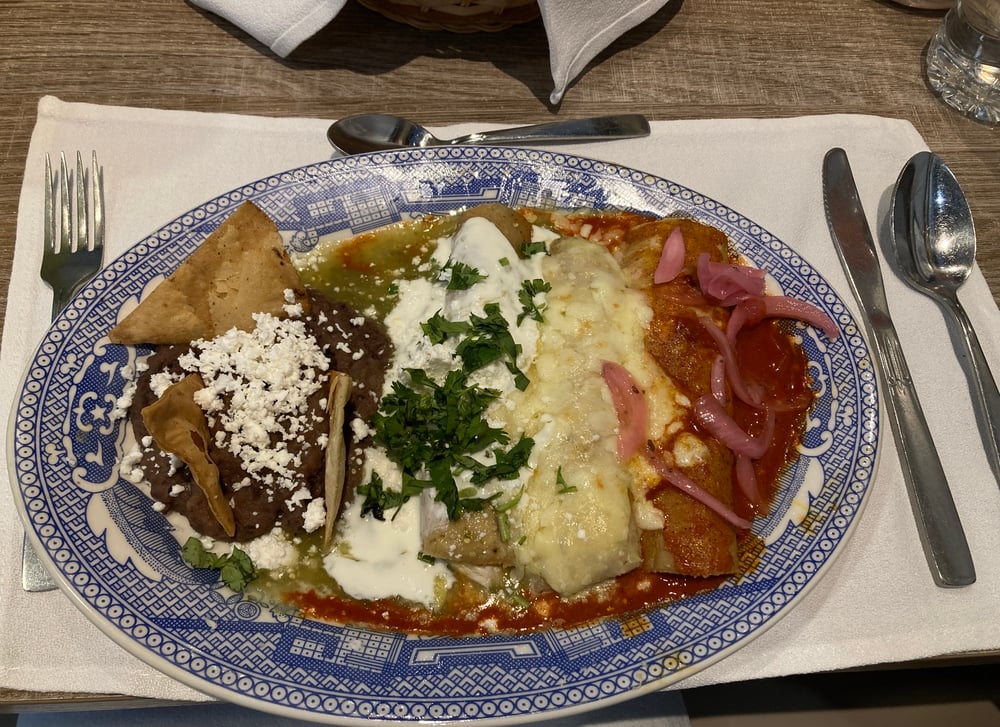
Known for live shows featuring circus performers and folkloric demonstrations, Casa Bonita became a cultural touchstone in Colorado with its kitschy appeal and theatrical atmosphere. The chain struggled financially for decades before the COVID-19 pandemic closed all locations, though it was eventually purchased and reopened by South Park creators.
Naugles
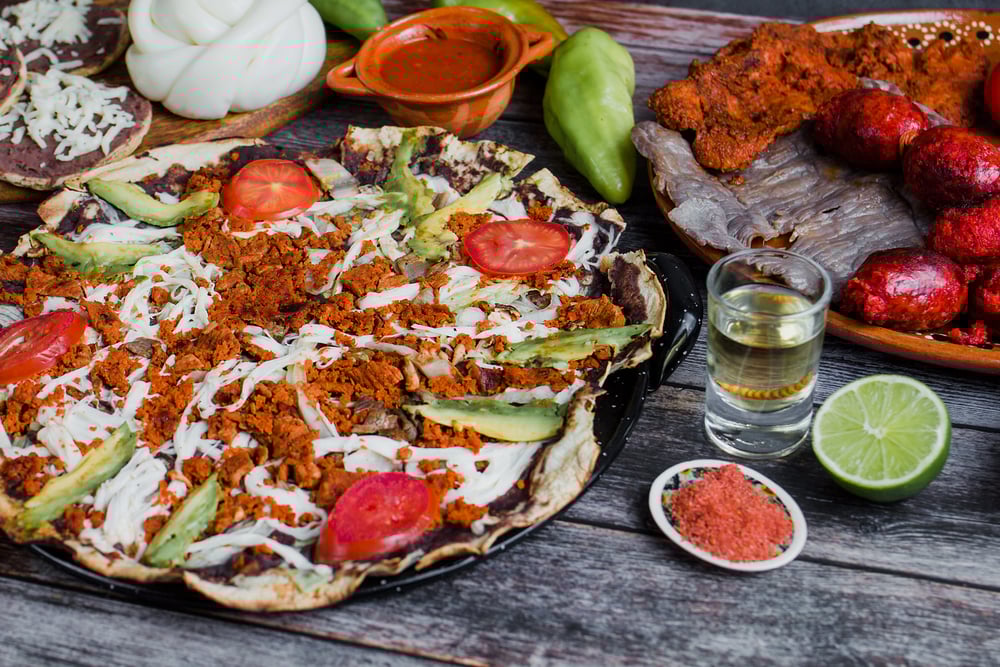
Founded in 1970, this Southern California chain operated 200+ locations by the 1980s, known for fresh-made Mexican food and 24-hour drive-through service. Merged with Del Taco in 1988, most Naugles locations were systematically converted to Del Taco or closed by 1995, erasing the brand entirely until a fan-driven revival in 2015.
Ground Round Grill & Bar

Established in 1969, Ground Round peaked at roughly 200 locations during the 1980s and early 1990s with complimentary peanuts, free popcorn, and ice cream served in decorative baseball caps. Changing ownership four times during the 1980s and 1990s, the chain deteriorated and filed for bankruptcy in 2004, closing most locations.
Damon’s Grill & Sports Bar
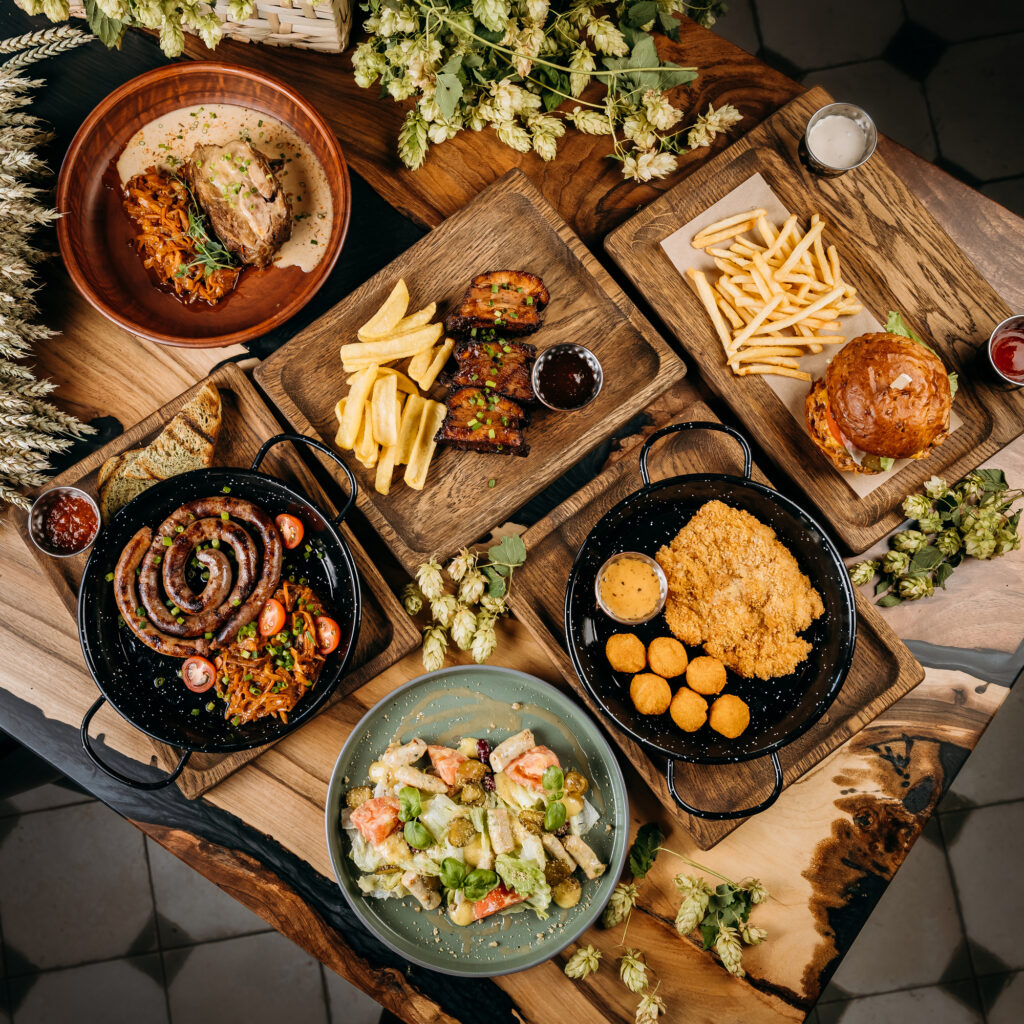
Founded in Columbus in 1979 and thriving through the 1980s and 1990s on the strength of its ribs and sports-bar atmosphere, Damon’s grew to over 150 locations before market saturation and competition from better-funded rivals ate away at profitability. The chain filed for bankruptcy in 2009 and closed over 140 locations.
Geri’s Hamburgers
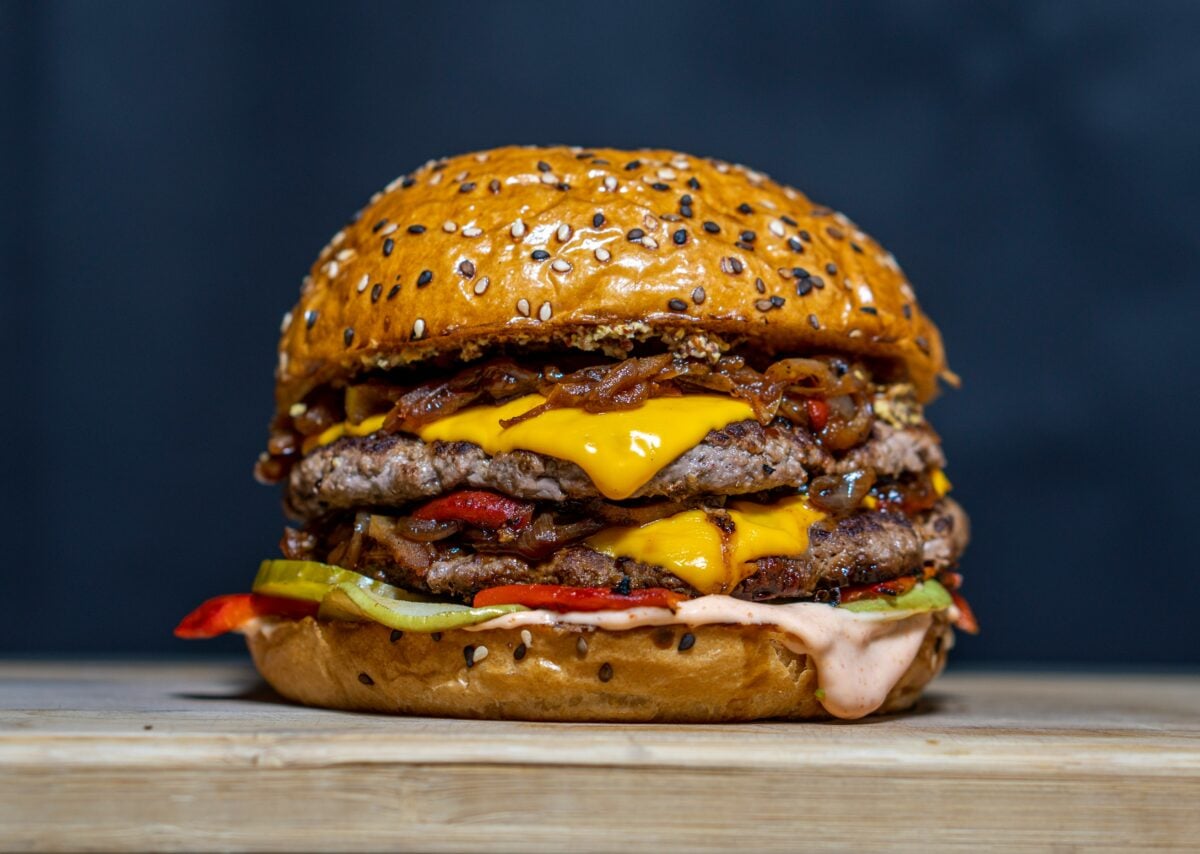
A small but mighty Midwest chain operating during the 1990s, Geri’s Hamburgers built a regional following before gradually fading away as national chains dominated the market and local chains lacked the advertising budgets to compete.
Don Pablo’s
Founded in Texas in 1985, Don Pablo’s became the second-largest full-service Mexican restaurant chain in the United States by the late 1990s with 120 locations. Acquired by an Applebee’s franchisee in the mid-1990s, the concept proved difficult to operate at scale and the chain suffered a slow decline through the 2000s, finally closing its last location in 2019.
Country Kitchen
Operating throughout the 1990s as a casual breakfast-and-comfort-food chain, Country Kitchen nevertheless overextended during expansion and struggled to maintain standards across its system. The chain eventually closed 197 restaurants as financial pressures mounted.
Pup ‘n’ Taco
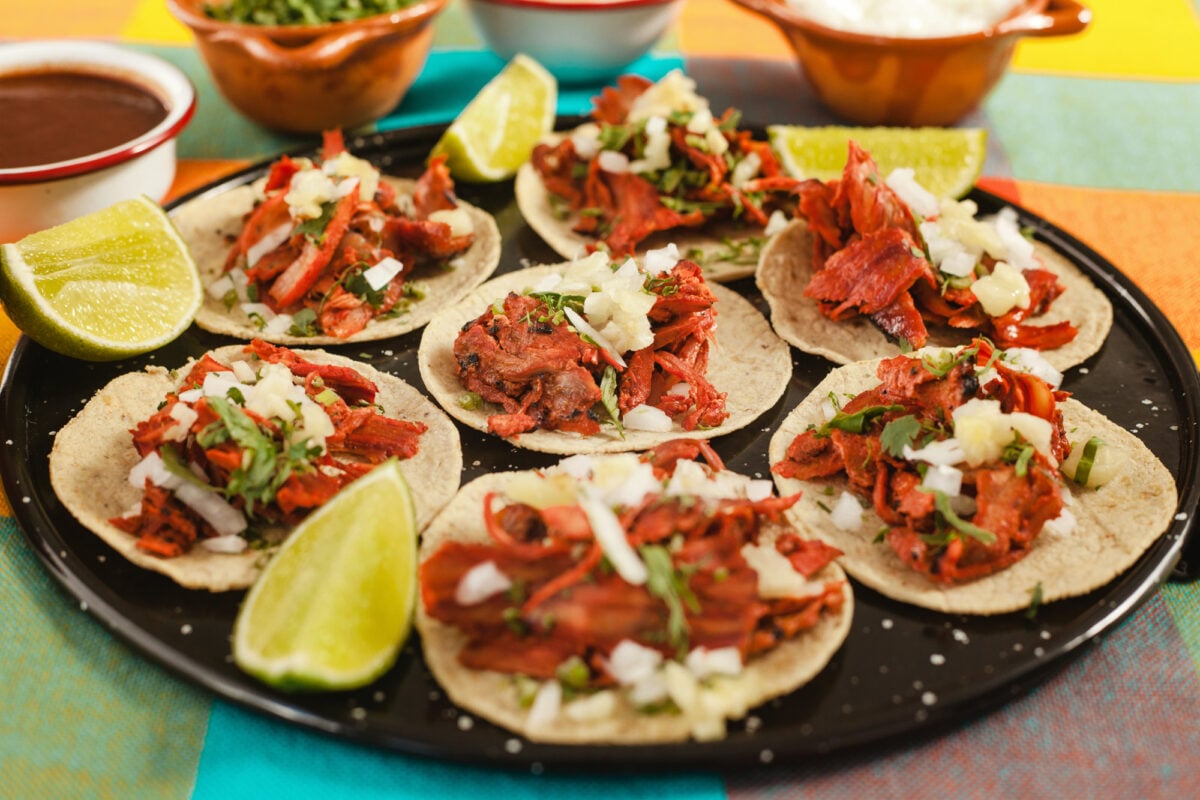
Similar to Naugles, this California-based Tex-Mex chain operated successfully until being acquired and consolidated into other brands. Taco Bell eventually purchased many of its locations in 1984, accelerating Pup ‘n’ Taco’s disappearance.
Rustler Steakhouse
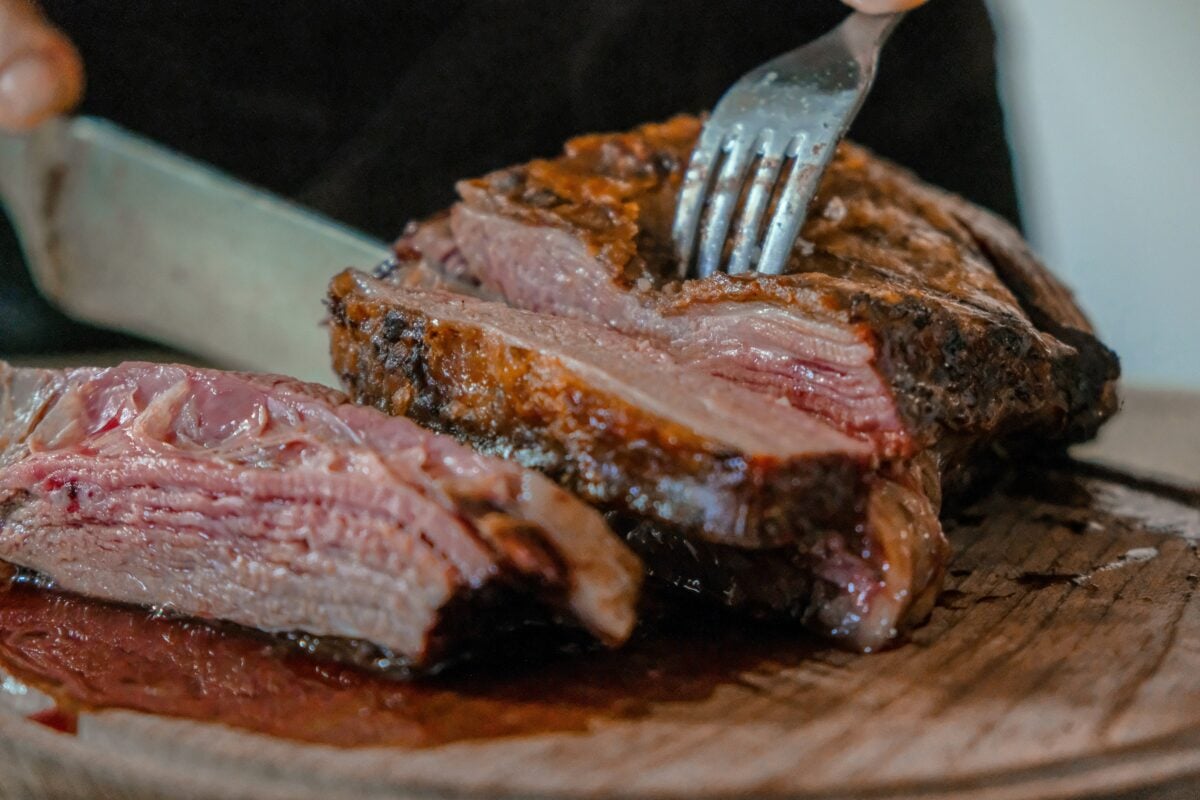
A Western-themed steakhouse chain that peaked in the 1970s and 1980s, Rustler struggled through the inflation of the 1970s when beef prices skyrocketed 12 percent in a single year. Financial pressure forced layoffs and reduced marketing, and by 1985, the remaining locations were absorbed into the Sizzler brand.
Beefsteak Charlie’s
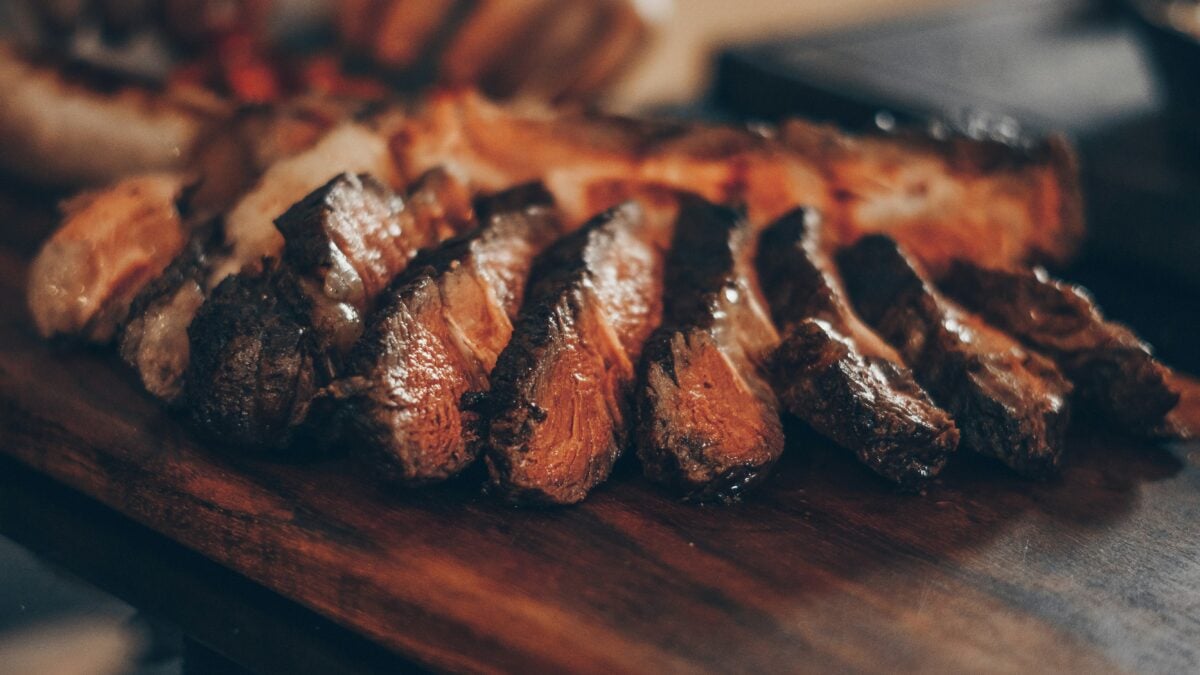
After early 1980s success with its casual atmosphere and low prices, Beefsteak Charlie’s filed for bankruptcy in 1989 and shrank to just a few dozen locations. The chain managed to hold on through the 1990s in diminished form before gradual closures eliminated it entirely.
The Capital Grille (Early expansion period)
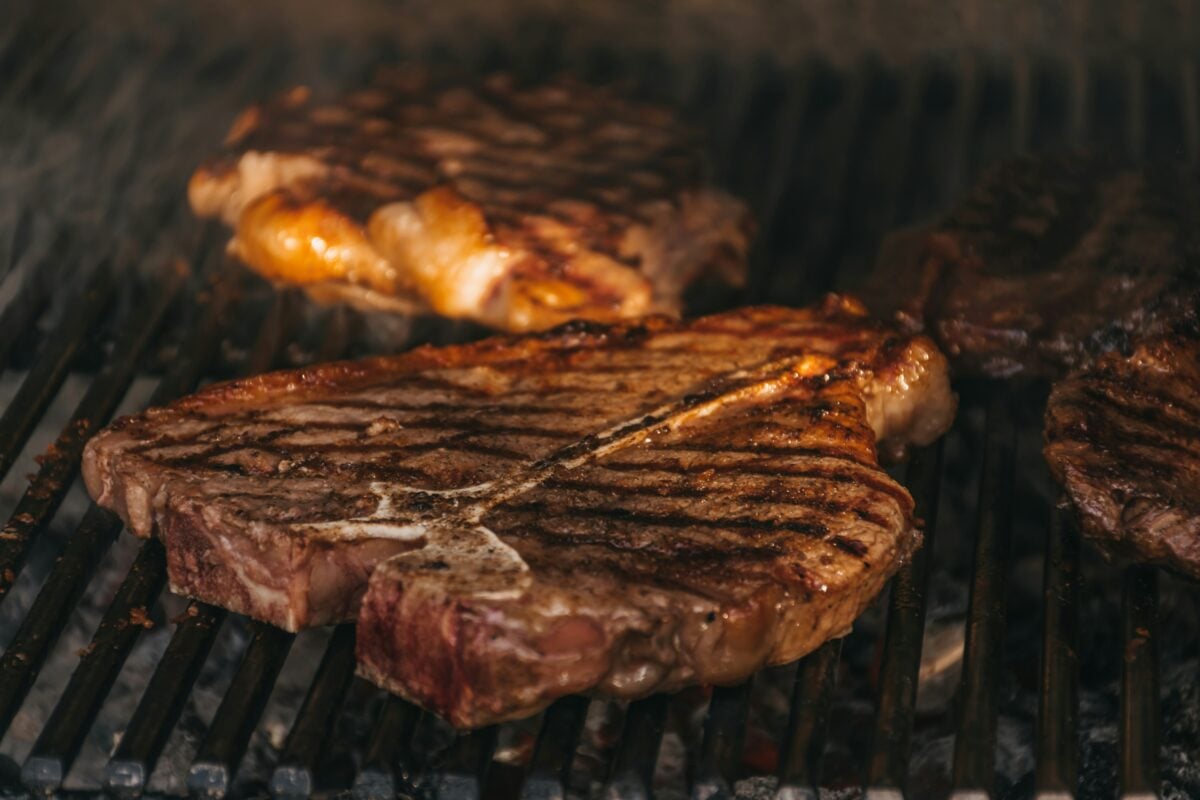
While The Capital Grille survived longer than most 1990s concepts, the chain’s early 1990s expansion was far more aggressive than its founders could sustain, forcing strategic pullbacks and closures that marked its first major contraction.
Hemenway’s Seafood Grill
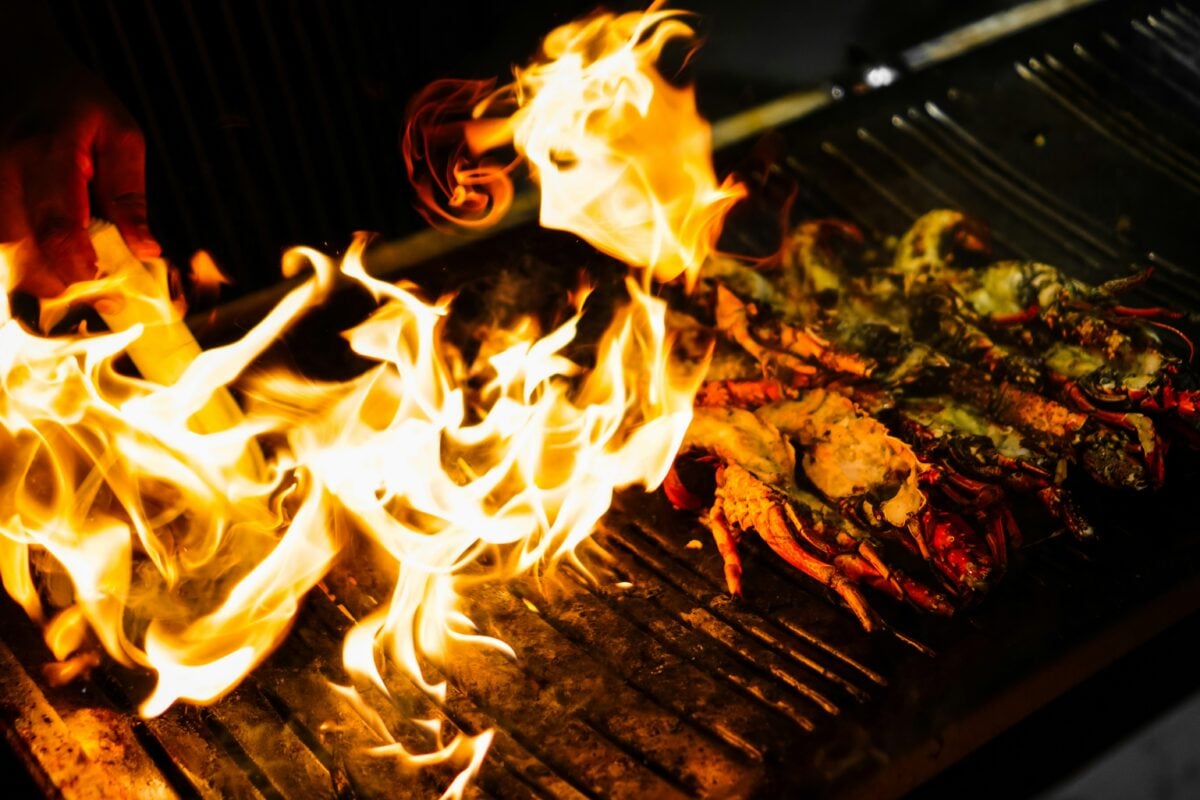
Established in 1985 and expanding through the early 1990s, this upscale seafood concept eventually closed most locations as casual seafood chains consolidated around brands with stronger national presence and marketing.
When Casual Dining Meant Temporary
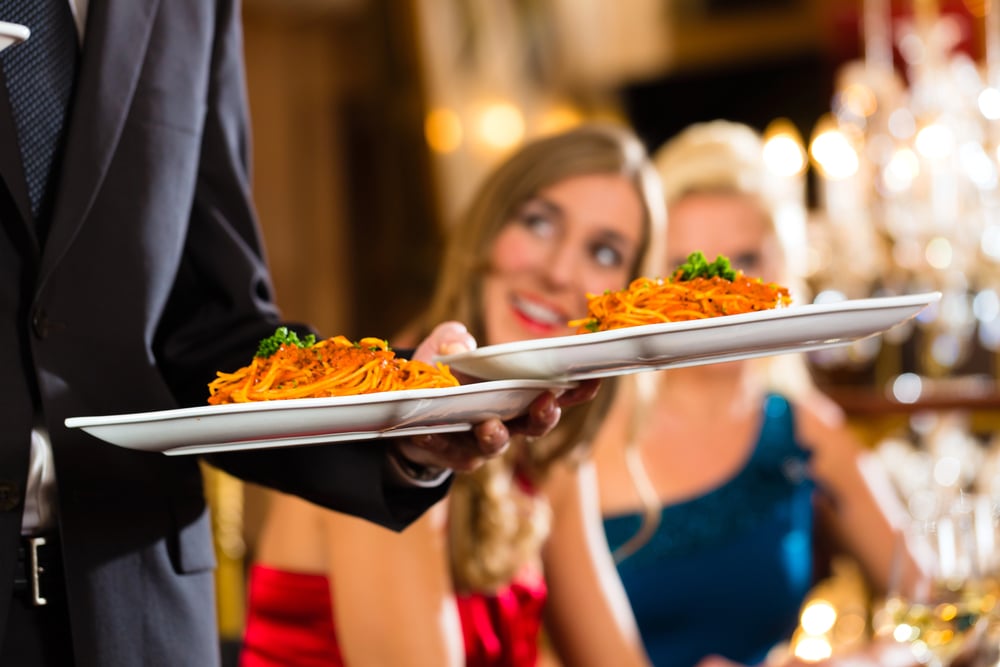
The 1990s created the illusion of permanence in restaurant expansion while introducing debt structures that made survival dependent on uninterrupted growth. These restaurants required 300+ locations to maintain corporate overhead, which meant a single down quarter could cascade into bankruptcy.
Concepts that survived did so by adapting aggressively or being absorbed into larger corporations; most simply vanished.
More from Go2Tutors!

- The Romanov Crown Jewels and Their Tragic Fate
- 13 Historical Mysteries That Science Still Can’t Solve
- Famous Hoaxes That Fooled the World for Years
- 15 Child Stars with Tragic Adult Lives
- 16 Famous Jewelry Pieces in History
Like Go2Tutors’s content? Follow us on MSN.



