How Encyclopedia Sets Became the Most Expensive Shelf Decoration in the House
There was a time when owning a full encyclopedia set meant something. It meant you were serious about knowledge, serious about your children’s education, and — let’s be honest — serious about impressing whoever walked through your front door.
Those matching spines, arranged in careful alphabetical order, announced to the world that this was a household where learning happened. Then the internet arrived, and those thirty-odd volumes quietly stopped being reference books and became something else entirely: the most expensive shelf decoration most families ever bought without meaning to.
The Salesman at the Door

Encyclopedia salesmen were a specific kind of persuasive that has almost no modern equivalent. They arrived with briefcases, charts, and a practiced ability to make you feel that not buying the Britannica set was, in effect, choosing ignorance for your children — and that’s a hard thing to look a parent in the eye and say.
The Price Tag Nobody Talked About

A full Encyclopaedia Britannica set in the 1980s cost somewhere between $1,400 and $2,200, which adjusted for inflation puts it well above $4,000 in today’s dollars. To be fair, that’s not shelf-decoration money — that’s furniture money, vacation money, several months of a car payment.
And yet families signed up for it anyway, often on installment plans, which made the whole purchase feel slightly less alarming until the bills arrived.
The Promise of a Smarter Child

The sales pitch was never really about the books. It was about the child — specifically, your child, sitting at a desk, becoming the kind of person who looked things up rather than guessed.
Encyclopedia companies understood something fundamental about parental anxiety: the fear that without the right tools, your kid might fall behind, and that fear was worth exactly $1,800 retail.
The Arrangement Problem
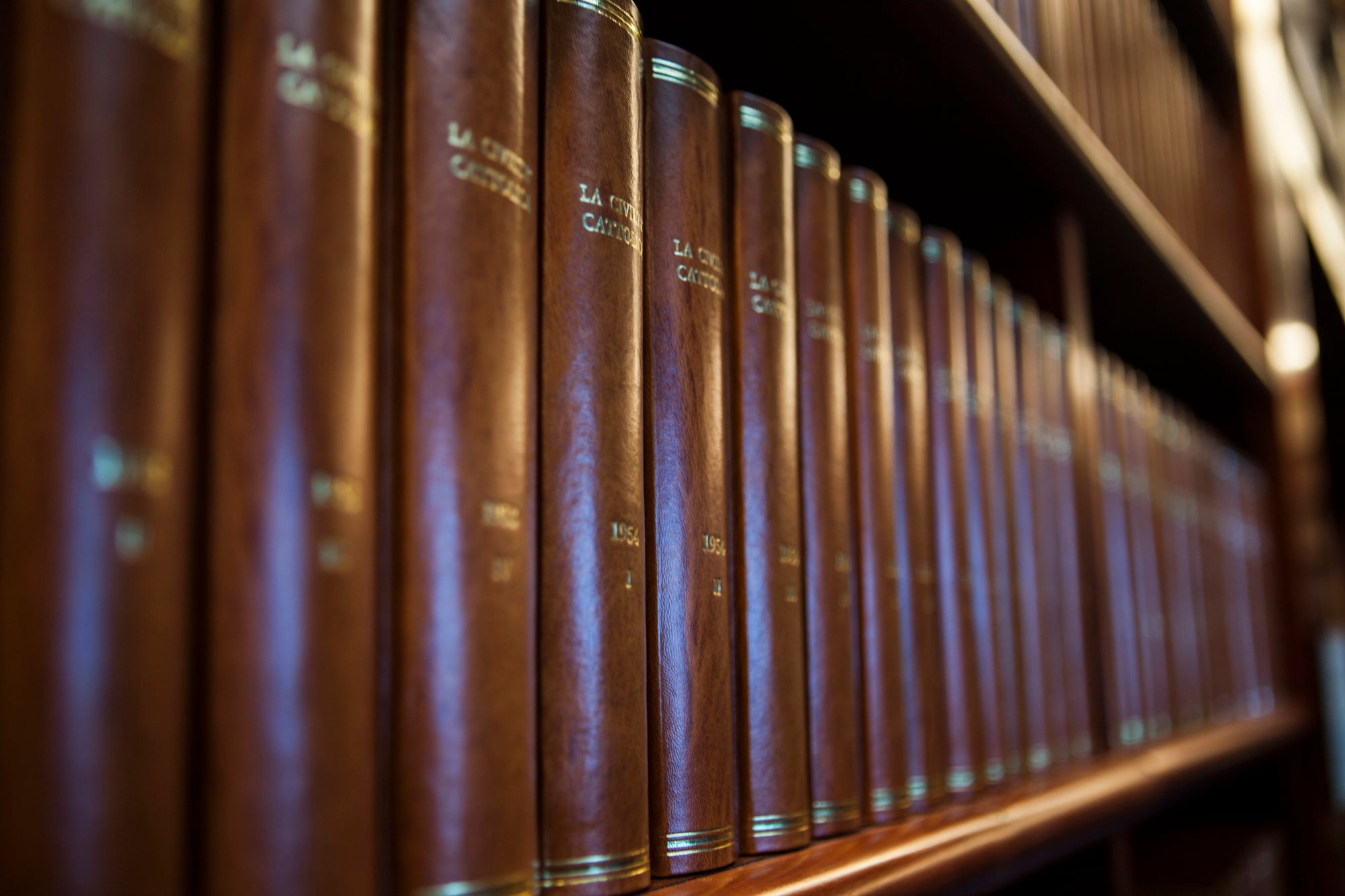
Getting the set home was only the beginning, because then came the arrangement — the careful, slightly anxious process of deciding which shelf, which room, which wall would display these books to maximum effect. Most families chose the living room, which is to say: the room where guests sat, not the room where children actually did homework.
So the books looked impressive, and stayed largely undisturbed.
The World Book Alternative
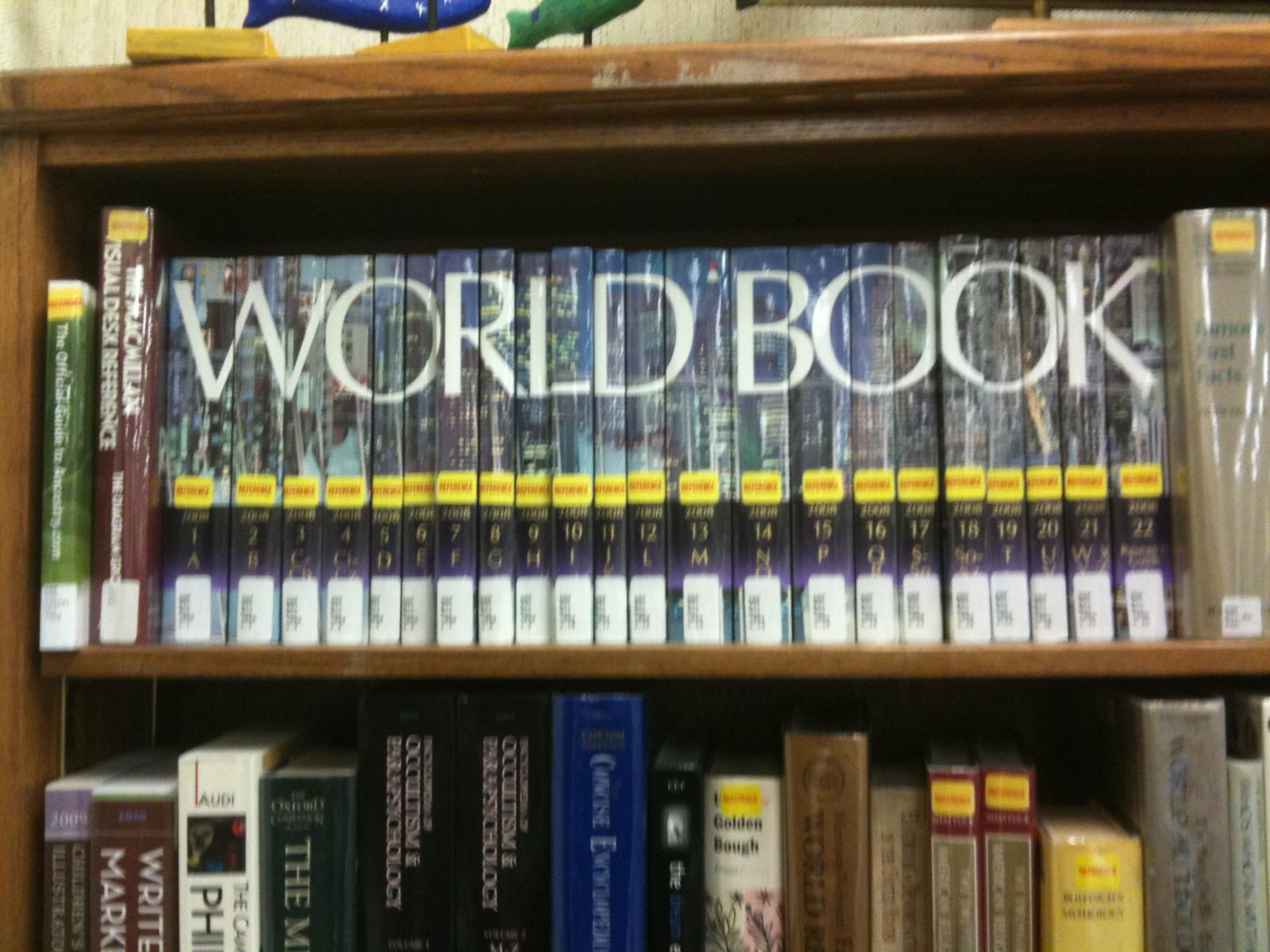
World Book sat one rung below Britannica in the prestige hierarchy, which meant it was slightly cheaper and considerably more readable — particularly for the school-age children it claimed to serve. It had illustrations that actually explained things rather than decorating the page, and a writing style that didn’t assume you already had a graduate degree before opening to the letter G.
World Book sold on merit, even if it was never quite as impressive to display.
The Thin Volumes Nobody Opened
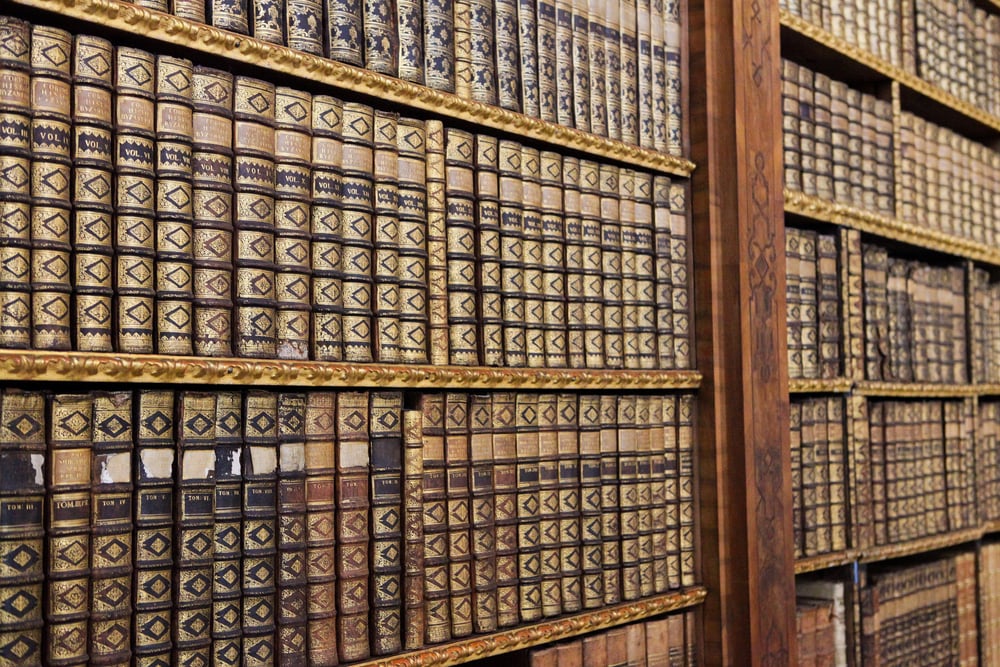
Every encyclopedia set came with at least one inexplicable volume — the yearbook supplement, the index guide, the “how to use this set” booklet — that arrived separately and was immediately shelved without being read. These satellite volumes had a particular fate: they always ended up slightly out of alignment, their spines never quite matching the main set, standing there like distant relatives who arrived late to a family photo.
Nobody was sure what to do with them, so they stayed.
The Update Subscription

Publishers sold annual yearbook updates to keep the set current, and a surprisingly large number of families paid for them — for a year or two, sometimes three. Then life happened, and the yearbooks stopped arriving, or arrived and went straight onto the pile, and the encyclopedia froze in time somewhere around 1987 or 1991, containing facts that were accurate then and increasingly questionable later.
The Encyclopedia Britannica Brand
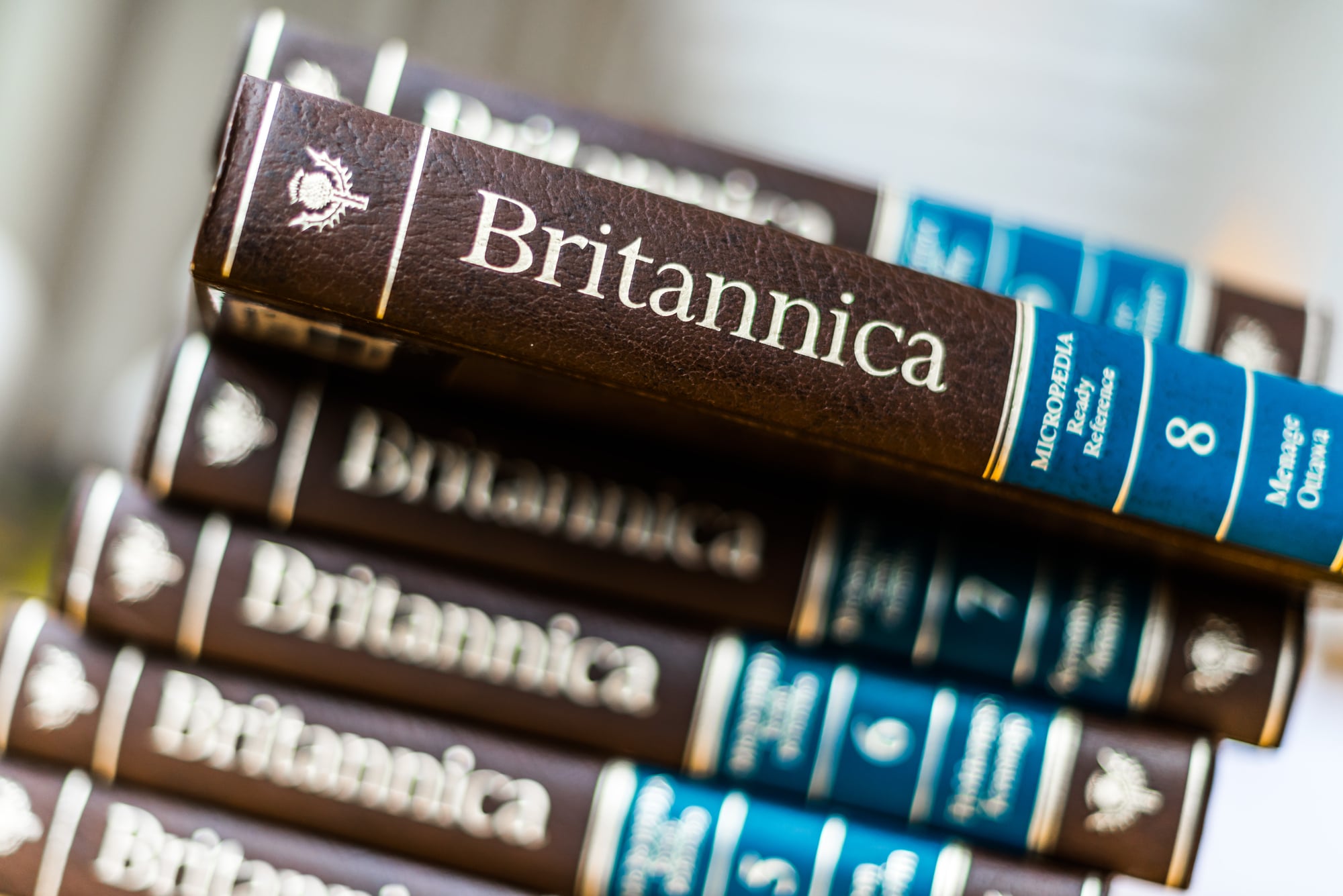
Encyclopaedia Britannica carried itself like it had somewhere important to be. Founded in Edinburgh in 1768, it arrived in American homes trailing centuries of institutional authority — the kind of authority that made you feel vaguely scholarly just by owning it, even if the last time you opened Volume 14 was to settle an argument about the population of Peru that could have waited until morning.
The Weight of the Things
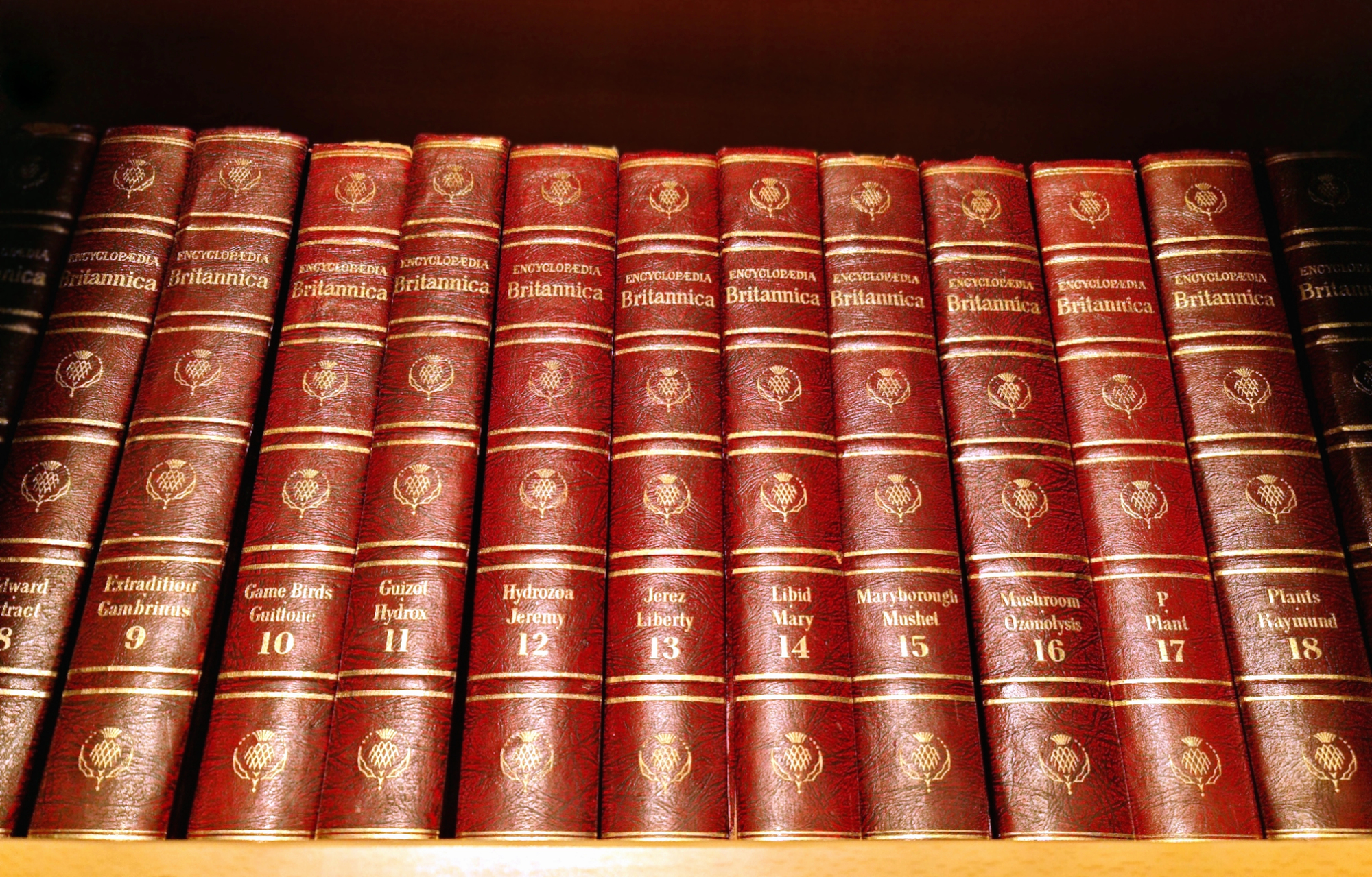
These were not light books. A single volume of Britannica ran close to two pounds, and a full 32-volume set pushed past sixty pounds total — which meant moving them required actual planning.
When families relocated, the encyclopedia set got its own box, carefully labeled, carried with slightly more reverence than the dishes and considerably more than the board games. It moved because it cost too much not to move.
What Children Actually Used Them For

Children used encyclopedia sets for school reports, mostly. Specifically, for copying paragraphs about assigned topics in slightly altered language, then citing the encyclopedia as a source because teachers accepted it and because there was nothing else in the house to cite.
The books did their job, in a narrow and repetitive way — and the entry on volcanoes got a lot of traffic around the third grade.
The Moment the Internet Made Them Obsolete
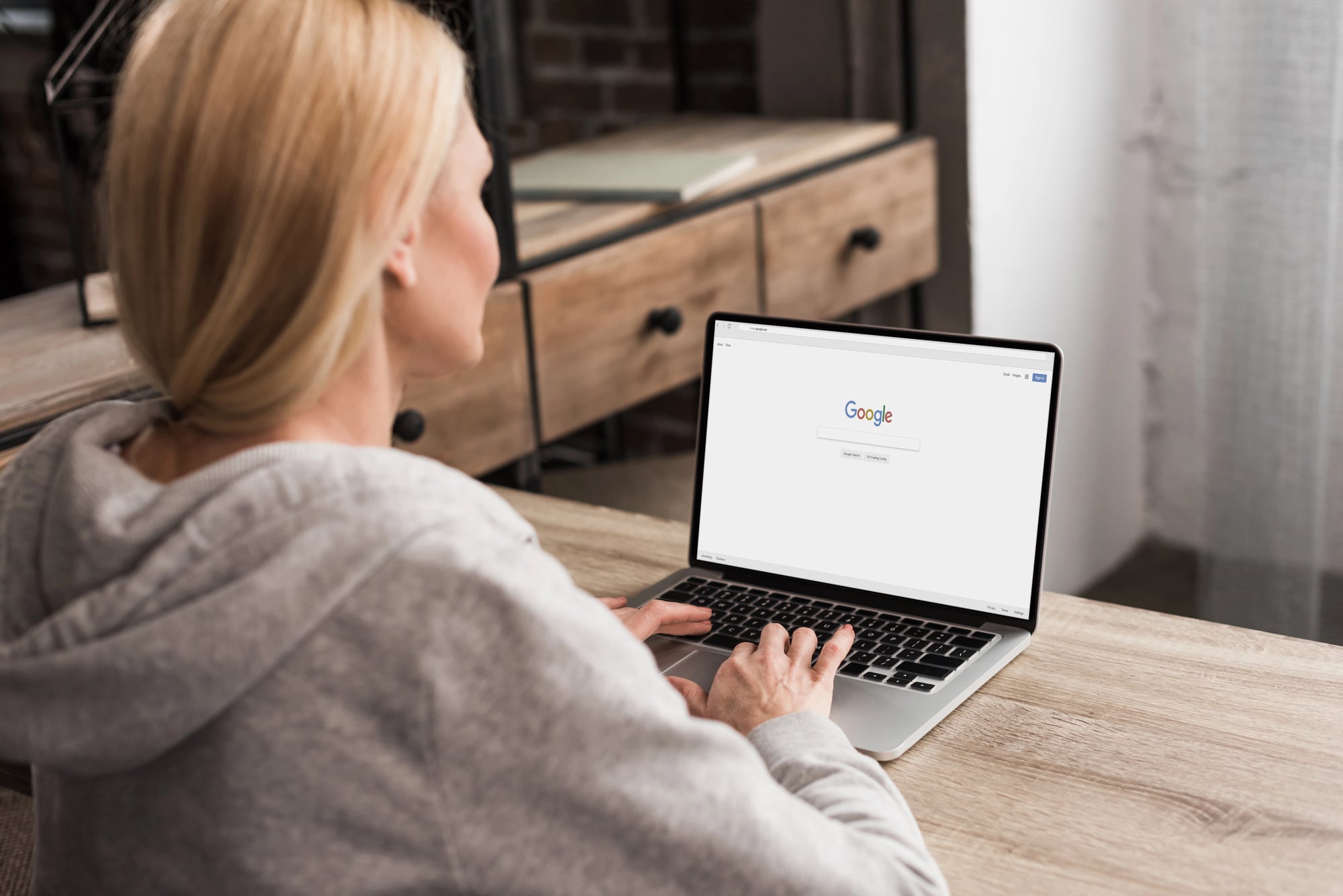
The transition wasn’t dramatic. Nobody gathered the family, pointed at the bookshelf, and announced that the encyclopedia set had been defeated.
It happened quietly — a homework assignment completed on a browser, a question answered in seconds by a search engine that didn’t require knowing whether something fell under C or K. The books didn’t disappear from the shelf. They just stopped being the first place anyone looked.
The 2010 Decision
Encyclopaedia Britannica stopped printing its physical encyclopedia in 2012, after 244 years. The last print edition was the 2010 set — 32 volumes, 32,640 pages, about 65 pounds of information that was already being outpaced by Wikipedia before the ink dried.
The company still exists as a digital education platform, which is a perfectly sensible outcome and somehow also a little grim.
The Resale Market

Try selling a used encyclopedia set and you’ll discover something clarifying about the nature of value. Online marketplaces list complete Britannica sets for anywhere between $1 and $75, and most of them don’t sell — not because buyers aren’t interested in knowledge, but because the information inside is decades old and the shipping alone on 65 pounds of books costs more than the asking price.
Go figure.
The Guilt of Getting Rid of Them
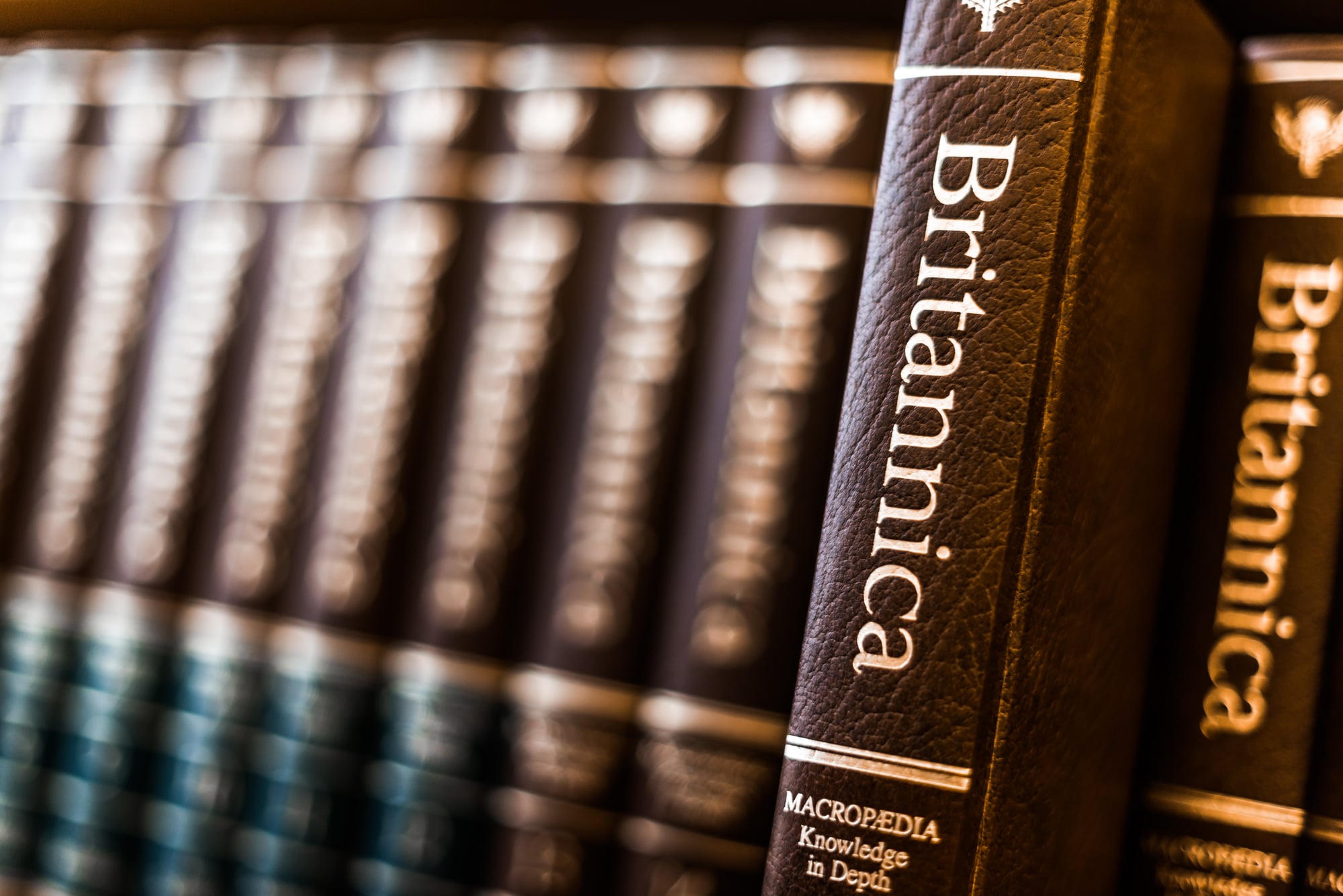
Throwing away an encyclopedia set feels wrong in a way that’s hard to explain rationally. These were books — serious, expensive, well-intentioned books — and discarding them carries a faint charge of betrayal, as if the encyclopedia itself might notice.
Donation centers frequently decline them because demand is nonexistent, libraries stopped accepting them years ago, and so they sit: on the shelf, in the garage, in the back of the car waiting for a destination that never quite materializes.
The Aesthetic Argument
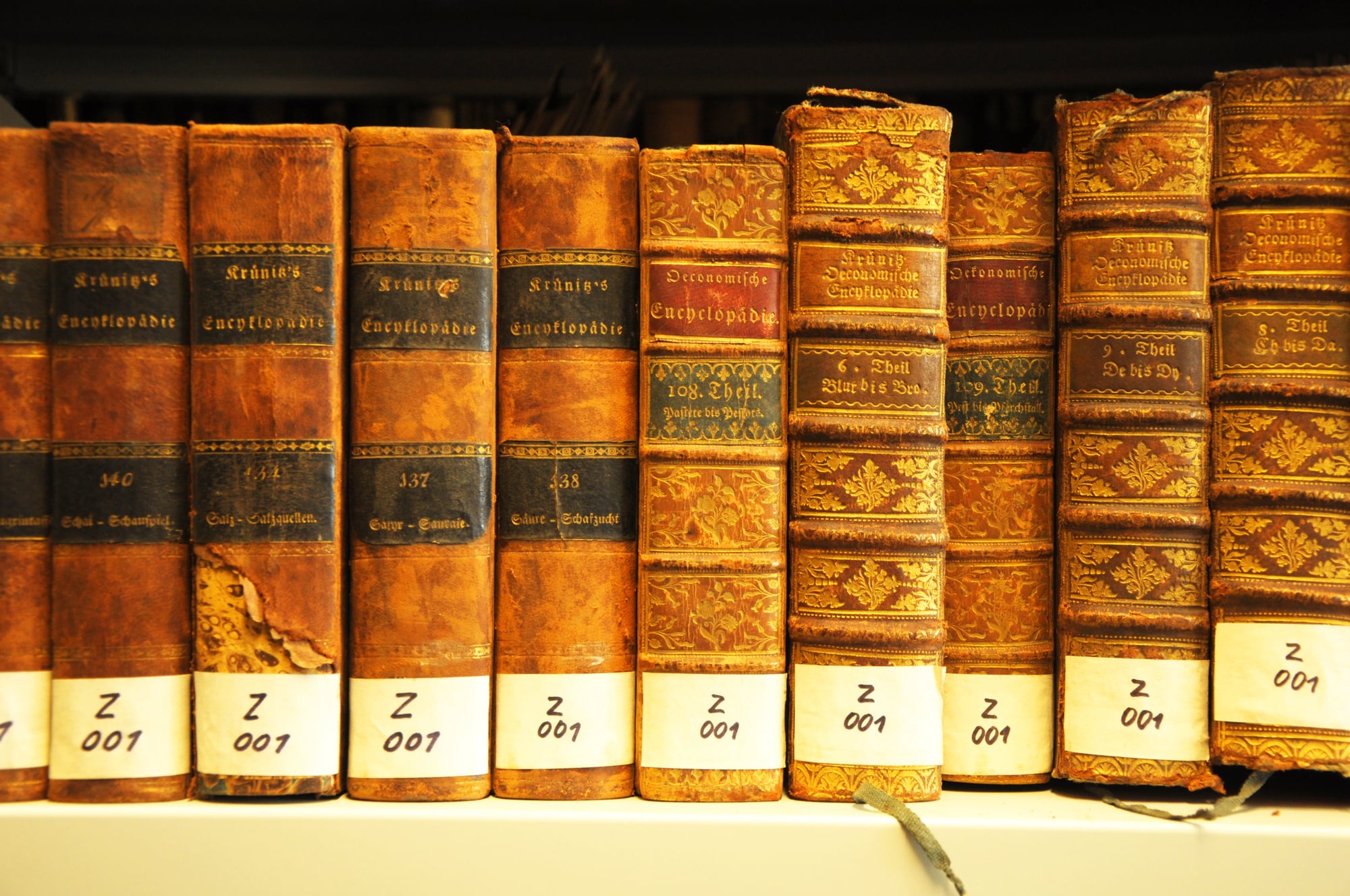
Something happened around 2015 when interior designers started staging homes with old encyclopedias as decor. Full sets, spines facing out, arranged by color or size — not read, not consulted, just displayed.
Which is a remarkable turn of events: books purchased to demonstrate intellectual seriousness had completed their journey and become purely visual objects, appreciated for the way they looked rather than what they contained.
What the Shelf Says Now
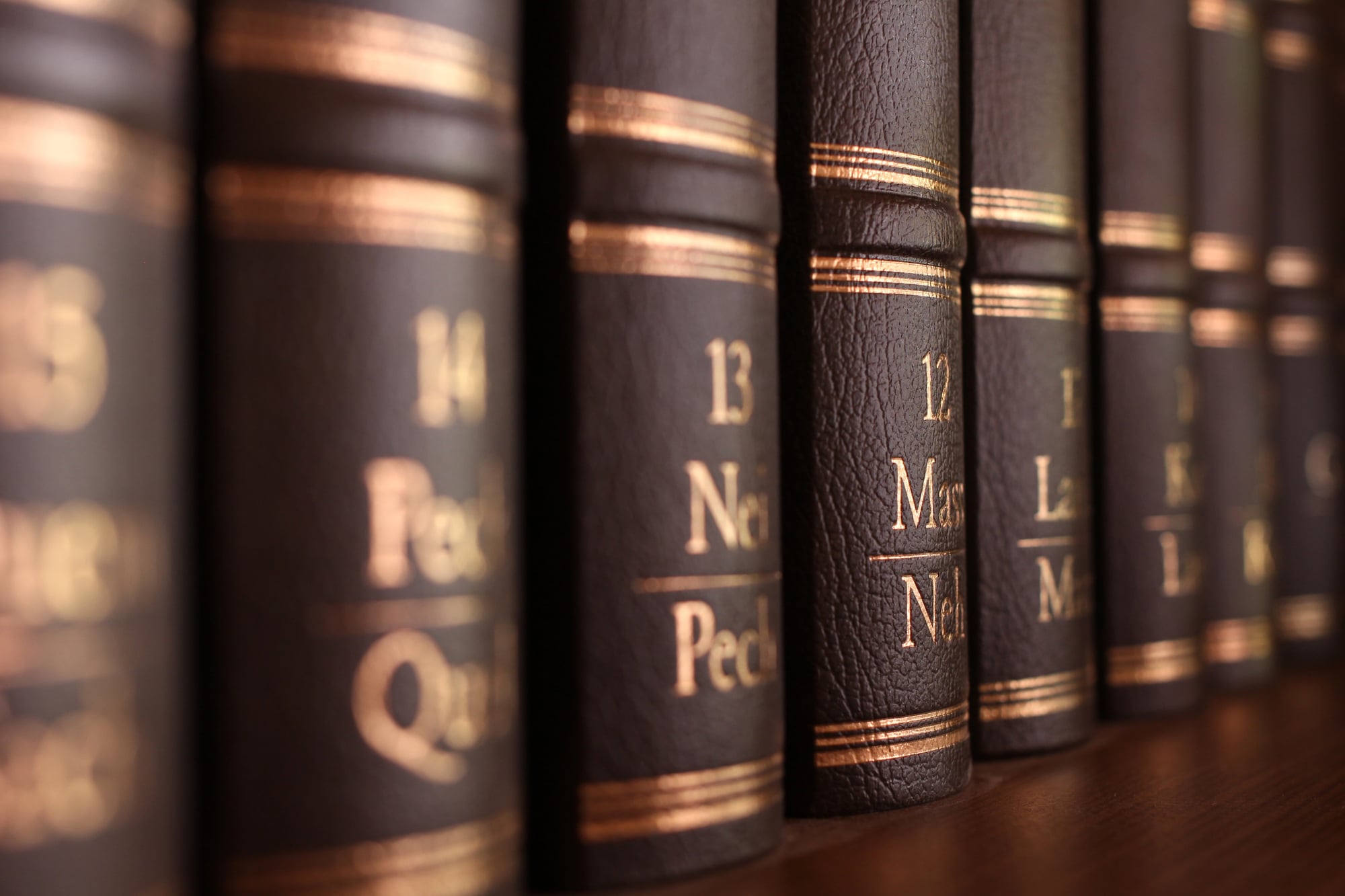
A set of encyclopedias on a shelf in 2024 says several things simultaneously — that someone in this household once believed in physical knowledge, that the internet age arrived faster than anticipated, and that nobody has figured out what to do with thirty volumes of 1989 facts about a world that has since changed considerably. The spines are still handsome.
The information inside is a time capsule. And the $1,800 spent is, at this point, a sunk cost in the most literal sense.
The Thing They Actually Got Right
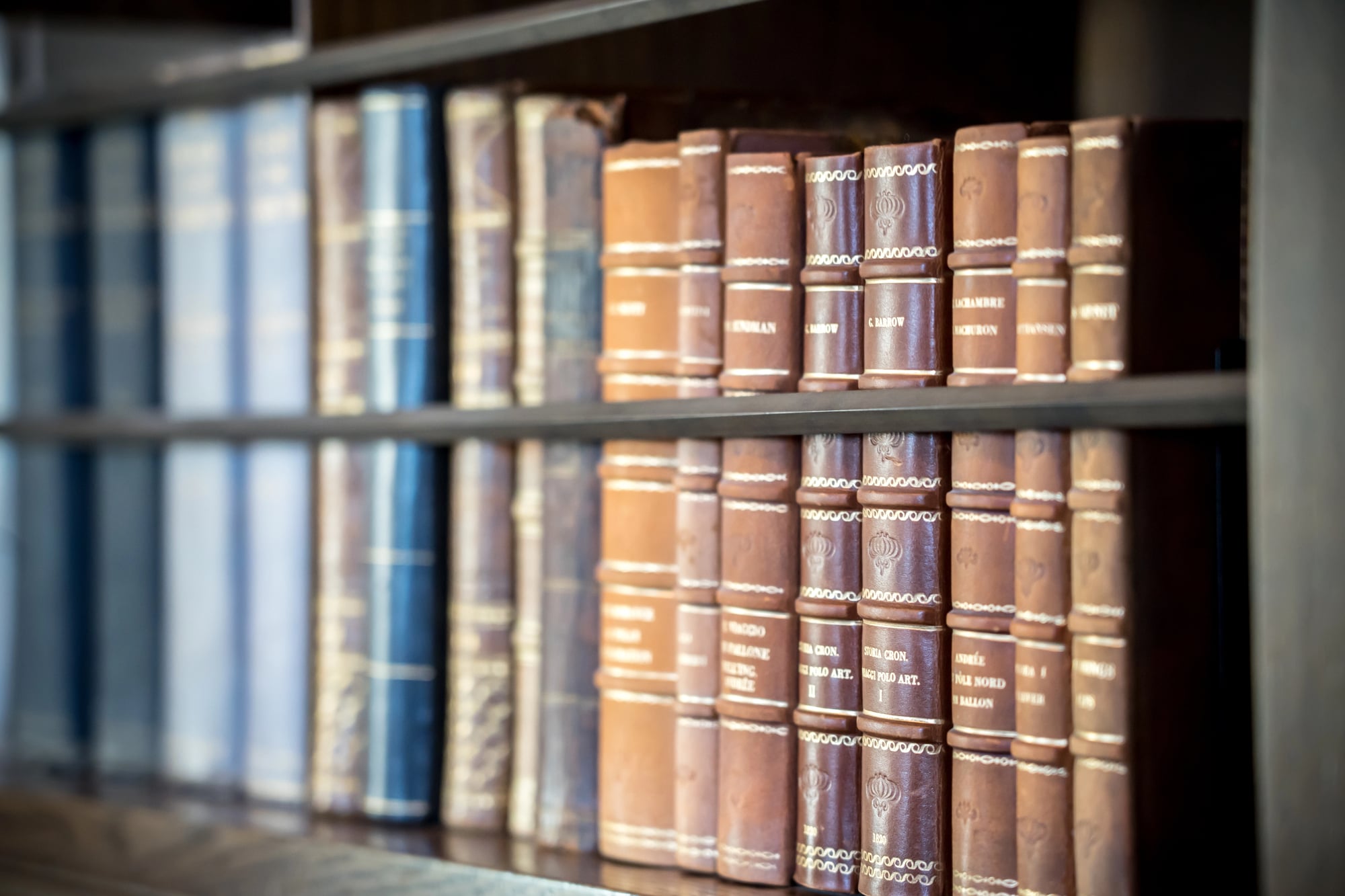
Encyclopedia sets were genuinely good at one thing that the internet still hasn’t fully replaced: the experience of looking something up and accidentally learning something else on the way. You opened to Madagascar and came out knowing about Magellan.
The browsing was involuntary, the detours were built into the format, and the physical act of turning pages created a kind of friction that slowed you down just enough to notice what you weren’t looking for. That part wasn’t shelf decoration. That part was real.
The Books That Stayed Anyway
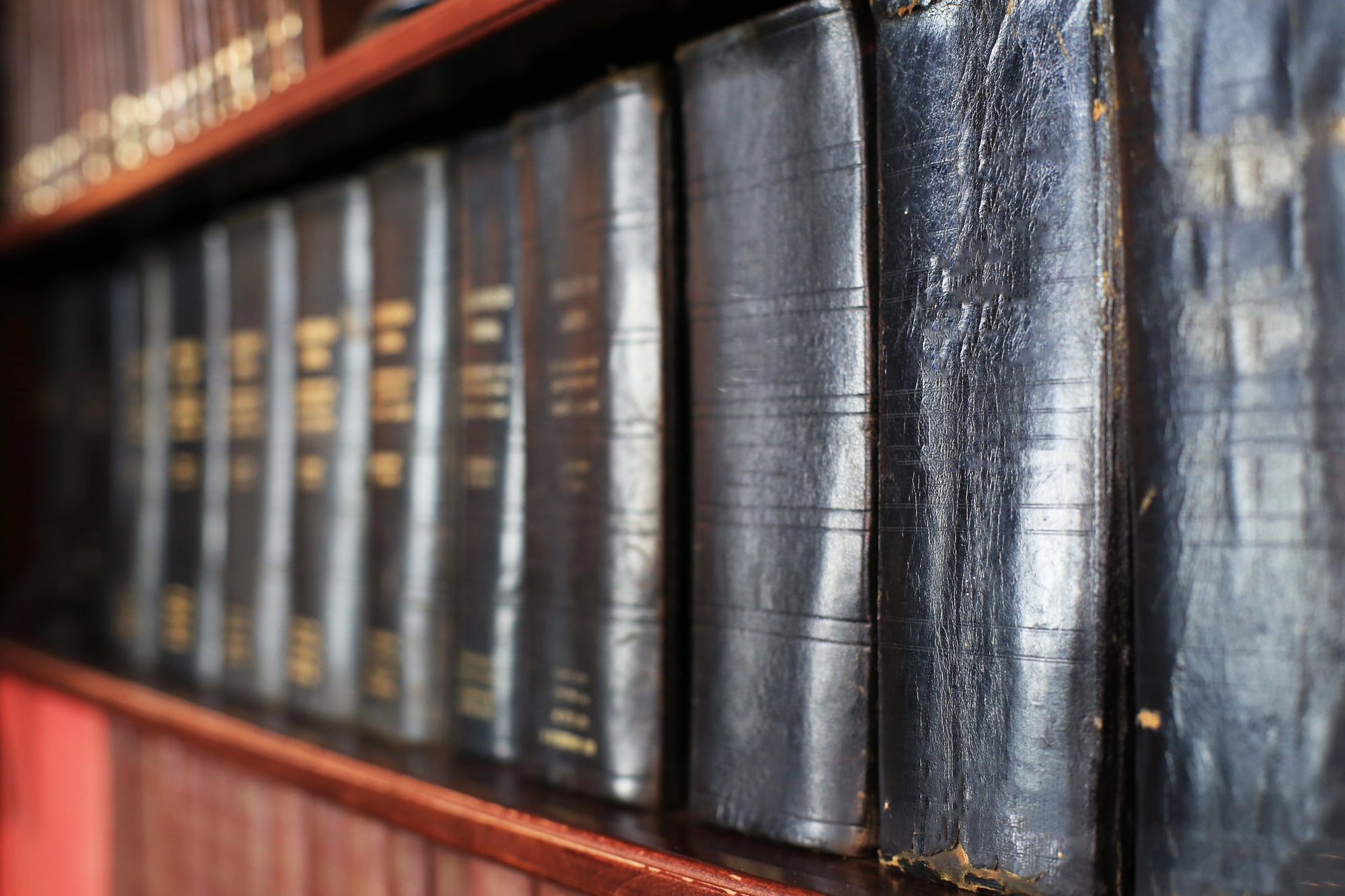
The strangest outcome is that so many of them are still there — not because anyone uses them, not because they’re worth anything on the open market, but because getting rid of them requires a decision that keeps getting deferred. They occupy shelf space with the quiet stubbornness of objects that cost too much to treat carelessly.
And maybe that’s fine. Every house deserves at least one thing that exists purely as a record of what the people inside it once believed mattered — a thirty-two-volume argument, alphabetically organized, that knowledge was worth the payment plan.
More from Go2Tutors!

- The Romanov Crown Jewels and Their Tragic Fate
- 13 Historical Mysteries That Science Still Can’t Solve
- Famous Hoaxes That Fooled the World for Years
- 15 Child Stars with Tragic Adult Lives
- 16 Famous Jewelry Pieces in History
Like Go2Tutors’s content? Follow us on MSN.