25 Old Toys Still Sealed in the Box Collectors Chase Relentlessly
There’s something almost irrational about a mint-in-box toy. It’s a child’s plaything, after all — something designed to be ripped open on a birthday morning, scattered across the carpet, and forgotten under the bed by February.
And yet, for a particular breed of collector, the unopened box is the whole point. The sealed package becomes a kind of time capsule: proof that somewhere, somehow, the chaos of childhood left one thing untouched.
These are the toys that serious collectors track down with the kind of focus most people reserve for things that actually matter — and they’ll spend accordingly.
Star Wars First Edition Action Figures
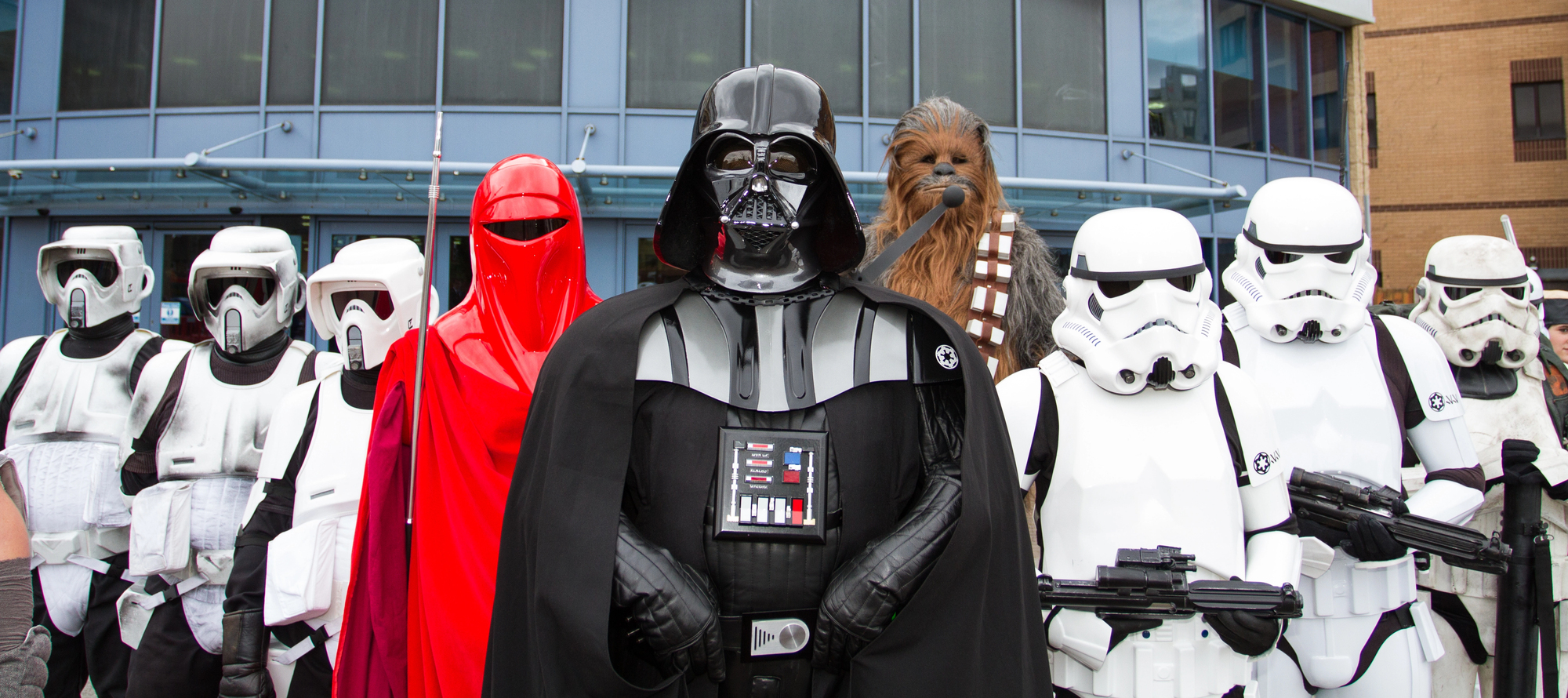
Kenner’s original Star Wars figures from 1977 and 1978 are the undisputed royalty of sealed toy collecting. A carded Luke Skywalker or Obi-Wan Kenobi in near-perfect condition can fetch tens of thousands of dollars at auction — and that’s not even the rarest ones.
The 12-back cardbacks (named for the twelve figures shown on the card’s back) are the versions that make collectors go genuinely quiet when one appears.
He-Man Masters of the Universe
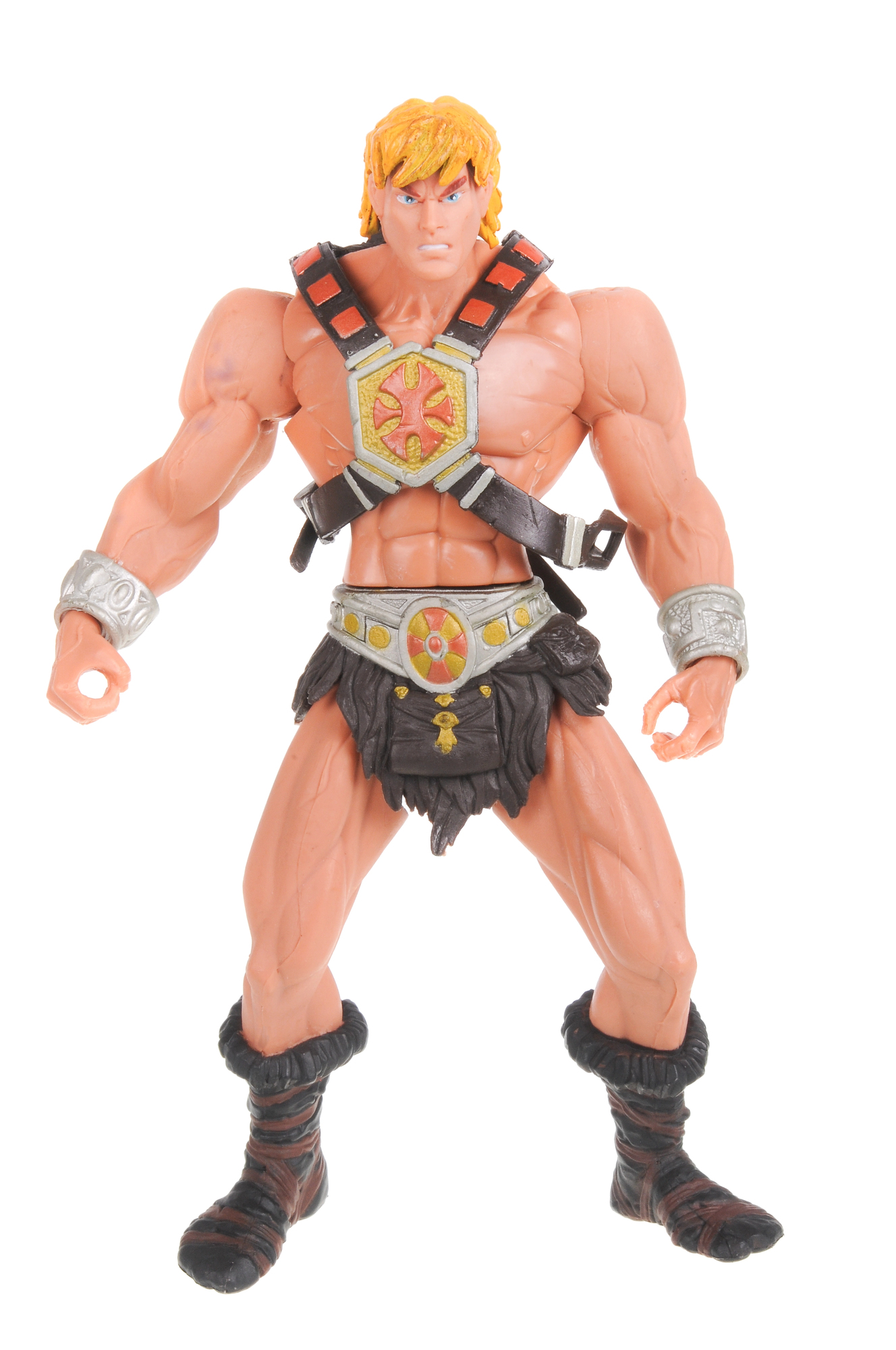
The original Masters of the Universe line from Mattel launched in 1982, and sealed examples from that first wave — He-Man himself, Skeletor, Beast Man — are now among the most aggressively hunted items in the action figure world. What makes a sealed He-Man particularly cruel to track down is the fact that these were enormously popular toys, meaning kids actually played with them, which is the collector’s eternal enemy.
And yet the ones that survived unopened exist because someone, somewhere, couldn’t bear to tear the packaging.
G.I. Joe A Real American Hero
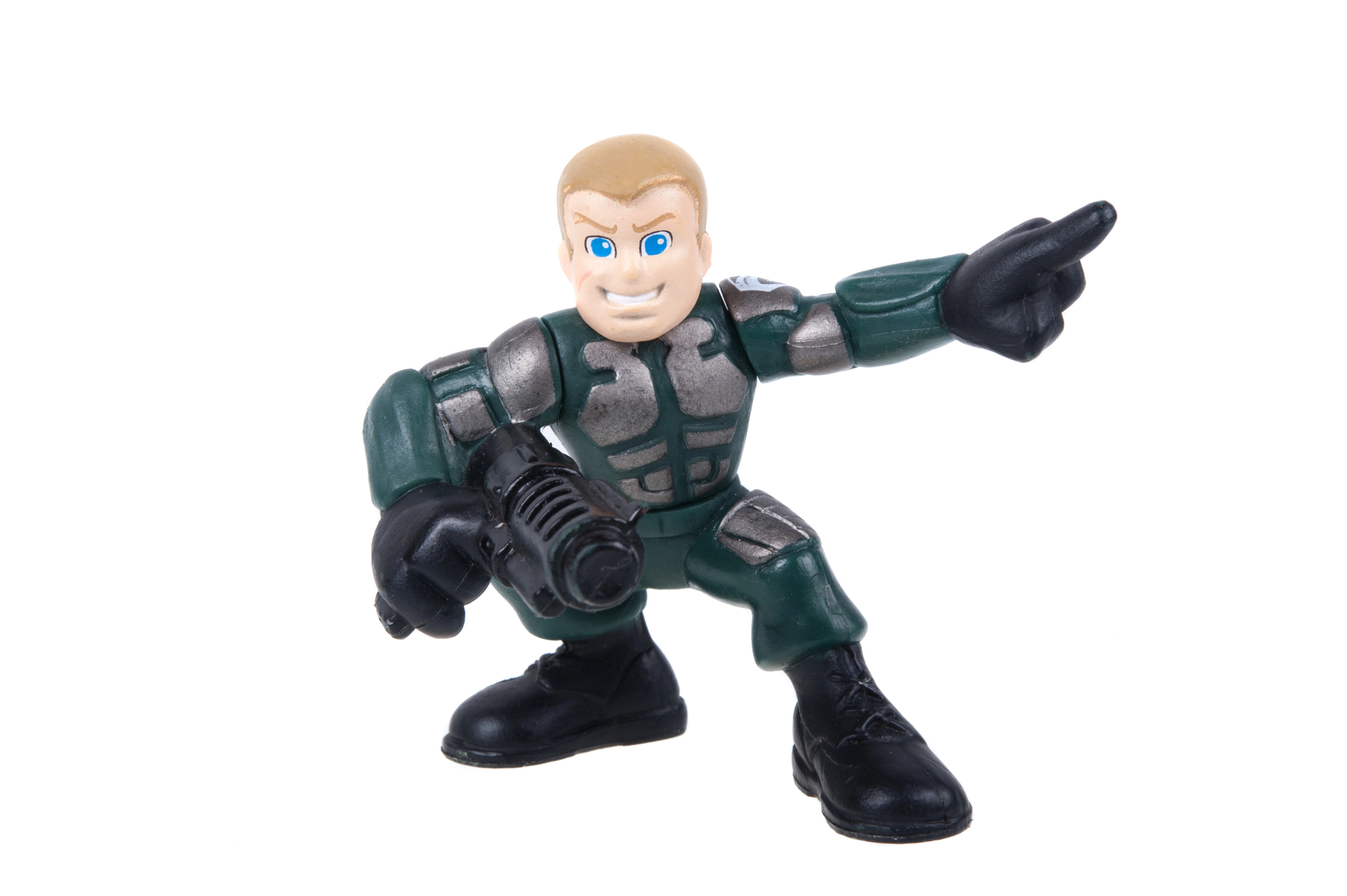
Hasbro’s 3.75-inch G.I. Joe relaunch in 1982 produced some of the most intricate small-scale action figures of the decade, and early carded figures like Snake Eyes and Scarlett in sealed condition are genuinely difficult to source. The card art alone — painted, dramatic, often absurdly heroic — gives these pieces an aesthetic weight that goes beyond the figure itself.
Sealed examples graded by professional authentication services like AFA regularly move for thousands of dollars.
Barbie Number One Ponytail

The very first Barbie, released in 1959 with her black-and-white swimsuit and severe side-glance, is something of a white whale in a box. Mattel’s original packaging for her is fragile, prone to yellowing, and almost never survived contact with an actual child’s bedroom for long — which is precisely what makes a sealed example so staggering to encounter.
One authenticated sealed Number One Barbie in original packaging represents the kind of find that collector communities talk about for years afterward.
Hot Wheels Redlines
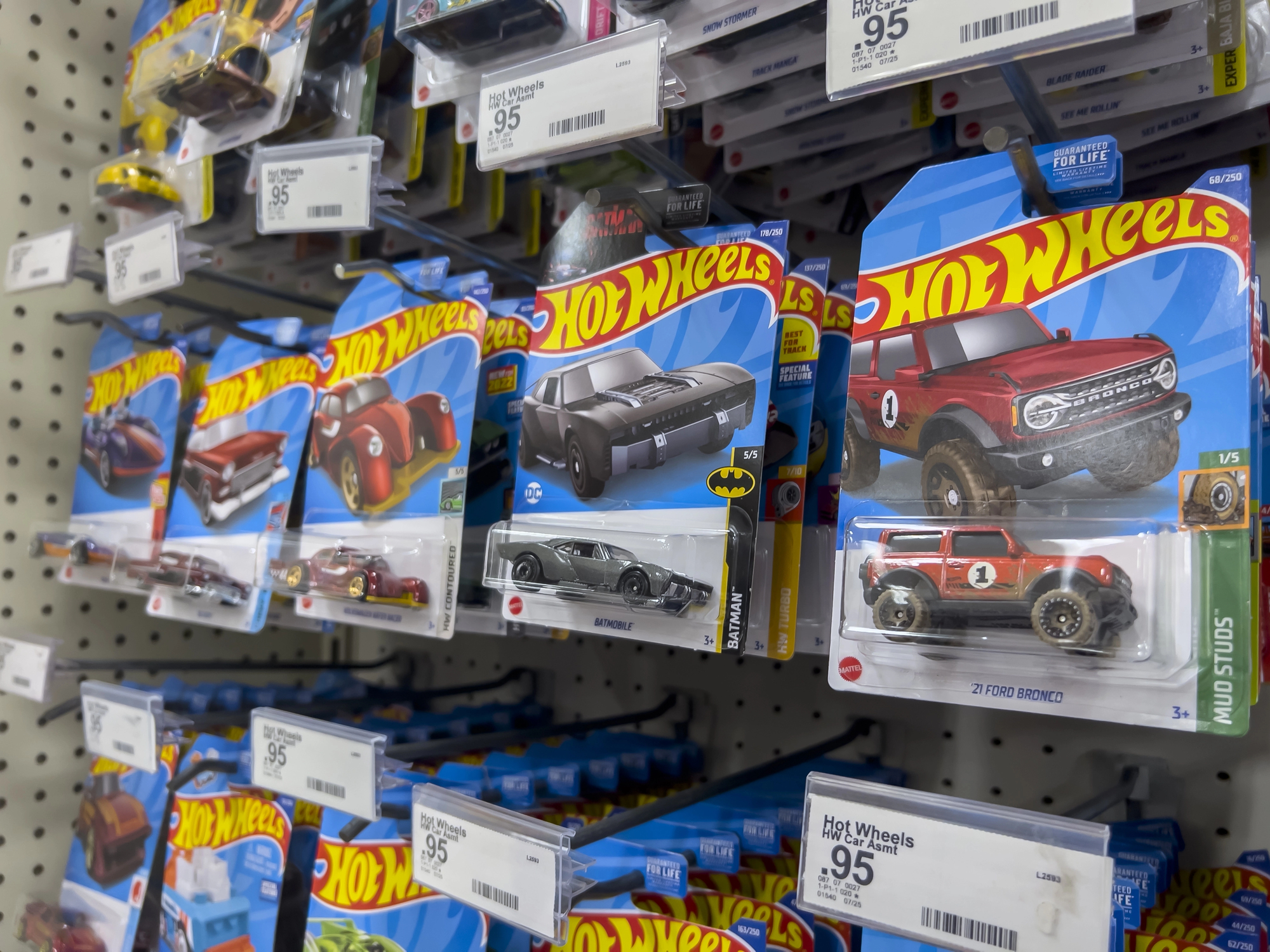
The first generation of Hot Wheels, produced from 1968 to 1977 and identified by the red line running around each tire, hit American toy aisles like a small earthquake, and certain models from that era — the Python, the Custom Camaro, the Beatnik Bandit — are now worth serious money even loose. Sealed in original blister packaging, they become something else entirely: a preserved artifact of a moment when die-cast cars with low-friction wheels felt like actual magic to a kid in 1969.
The pink versions of certain Redline cars, produced for a very short run, are the ones that make auction rooms go still.
Transformers Generation One
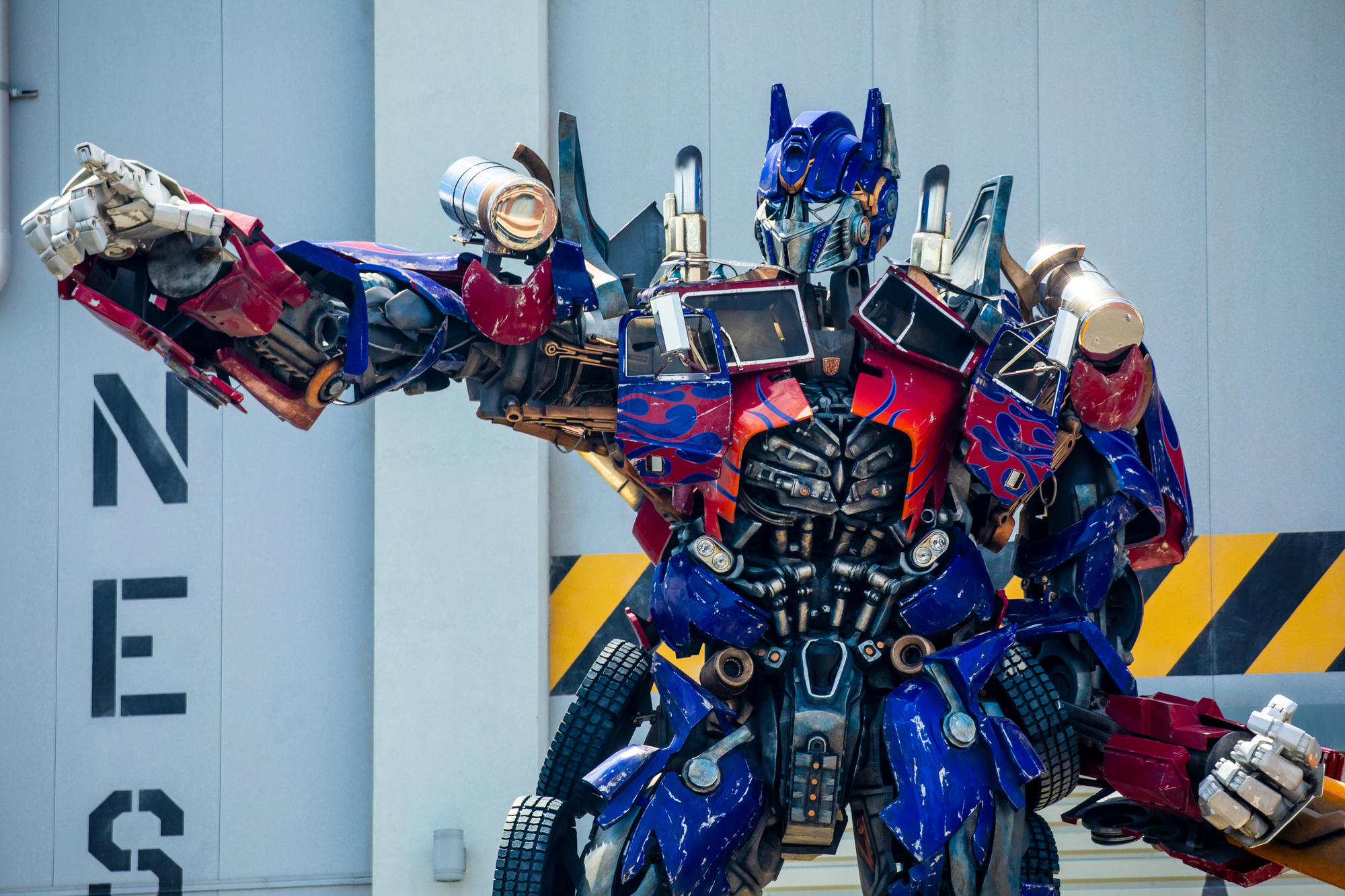
Hasbro’s original Generation One Transformers from 1984 occupy a strange place in collector culture — they were beloved enough to be played with obsessively, and complex enough that the boxes and instructions were often thrown away immediately, which makes sealed examples from that first wave almost absurdly rare. Optimus Prime sealed in his original box is a benchmark piece.
To be fair, the box itself is part of the appeal: the grid-lined Cybertronian aesthetic, the robot-mode photo on one side and vehicle mode on the other, is just genuinely good design by any standard.
Mego World’s Greatest Super Heroes

Mego’s 8-inch superhero figures from the early 1970s are, arguably, the first true collector-grade action figures — they arrived before anyone knew that was a category. A sealed Mego Superman or Batman on original card, with the painted face and fabric costume visible through the blister, is the kind of object that looks like it belongs behind museum glass.
The brand folded in 1982, which means the supply is permanently fixed and the demand has done nothing but climb.
Nintendo Game & Watch
Nintendo’s Game & Watch handhelds, produced between 1980 and 1991, occupy a curious position: they’re electronic toys rather than physical ones, which means the sealed-in-box condition requires not just unbroken packaging but an untested screen that may or may not still function. Sealed examples — especially early titles like Flagman, or the double-screen Donkey Kong — carry a premium that reflects both their scarcity and the low-grade anxiety of not knowing what’s inside.
Collectors buy them anyway. Of course they do.
Kenner Alien Figure
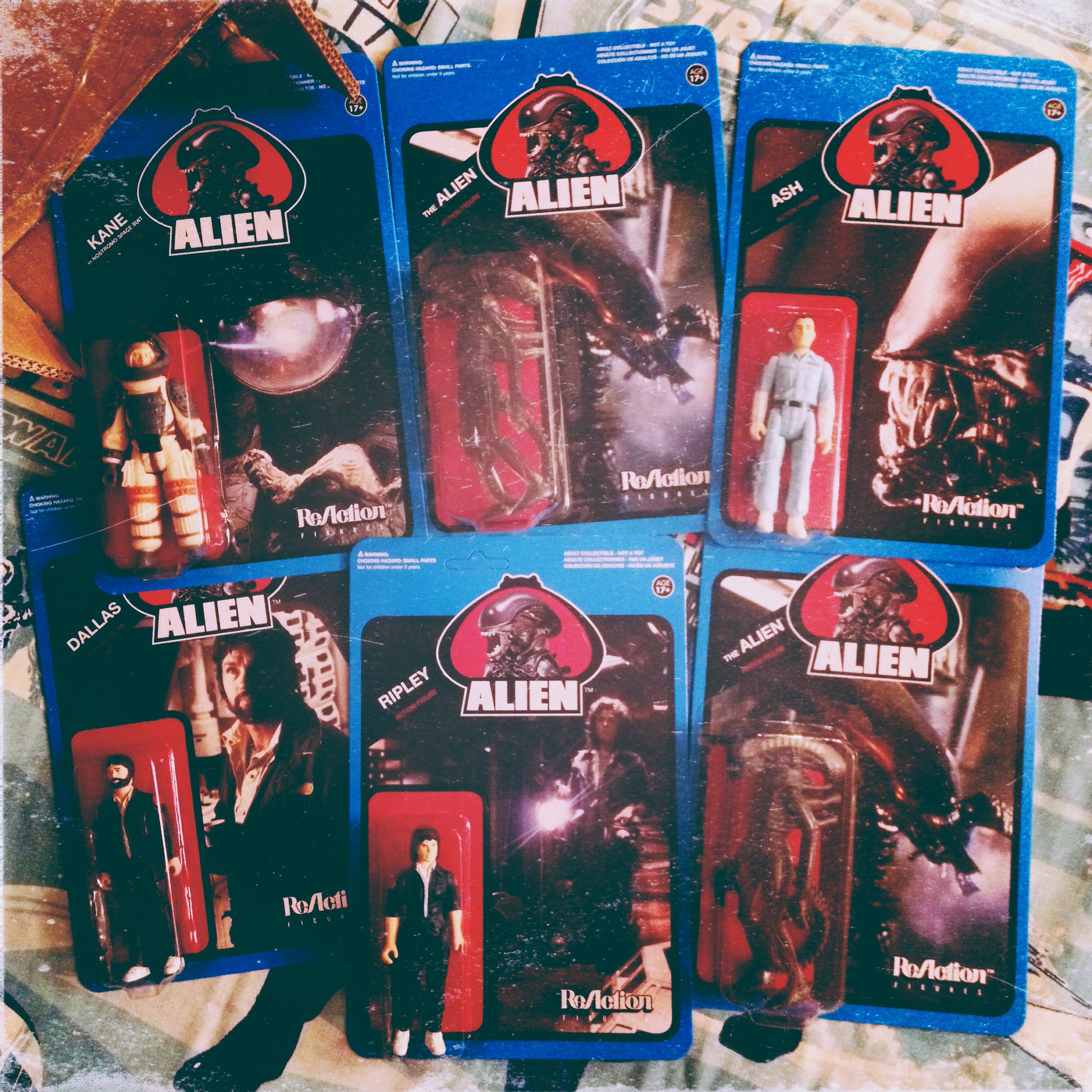
Kenner’s 18-inch Alien figure from 1979 is one of the great accidental collector’s items in toy history — it was pulled from shelves almost immediately after parents complained the H.R. Giger-designed creature was too disturbing for children, which meant very few were sold and almost none were saved in sealed condition. The ones that survived unopened are genuinely rare in the mathematical sense, not just the hyperbolic one.
A sealed, graded example commands prices that would have baffled anyone standing in the toy aisle in 1979.
Super Powers Collection

Kenner’s DC Comics Super Powers line, running from 1984 to 1987, had a run short enough to limit production quantities and popular enough to ensure most figures got opened. Sealed examples from the first and second waves — Superman, Batman, Wonder Woman, the Riddler — are consistently chased.
The third wave, produced in much smaller numbers before the line was discontinued, is where it gets genuinely difficult: sealed figures from that final assortment are among the rarest carded superhero figures in the hobby.
Strawberry Shortcake Dolls
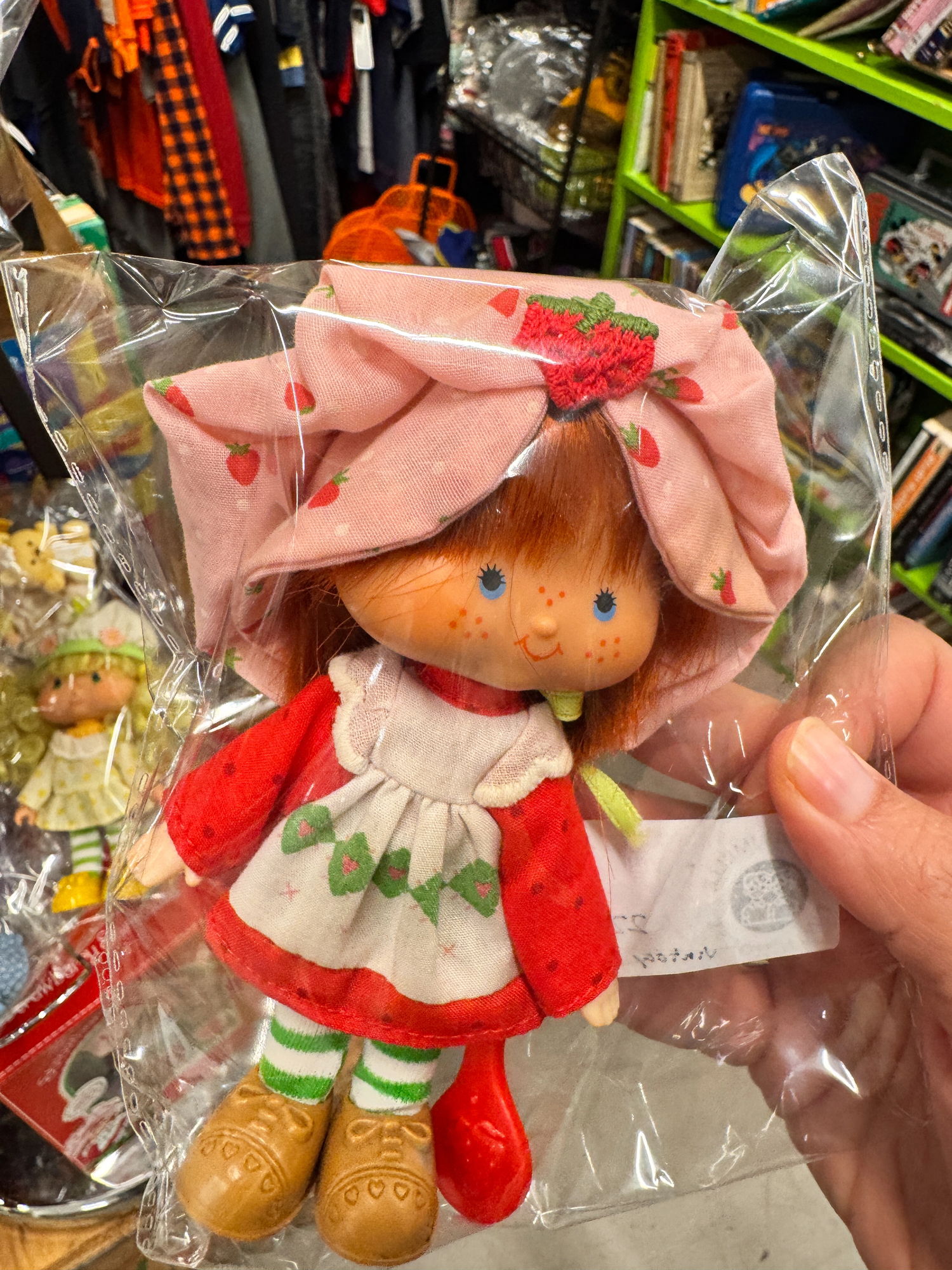
Strawberry Shortcake and her scented friends from Kenner, launched in 1980, were so thoroughly played with — the scents faded, the hair frizzed, the accessories vanished — that surviving sealed examples feel almost improbable. The first-edition Strawberry Shortcake doll in original packaging, with her fragrant novelty still theoretically intact inside the box, is a fixture on serious want lists.
It’s a reminder that “beloved toy” and “preserved toy” are almost always mutually exclusive categories.
Shogun Warriors
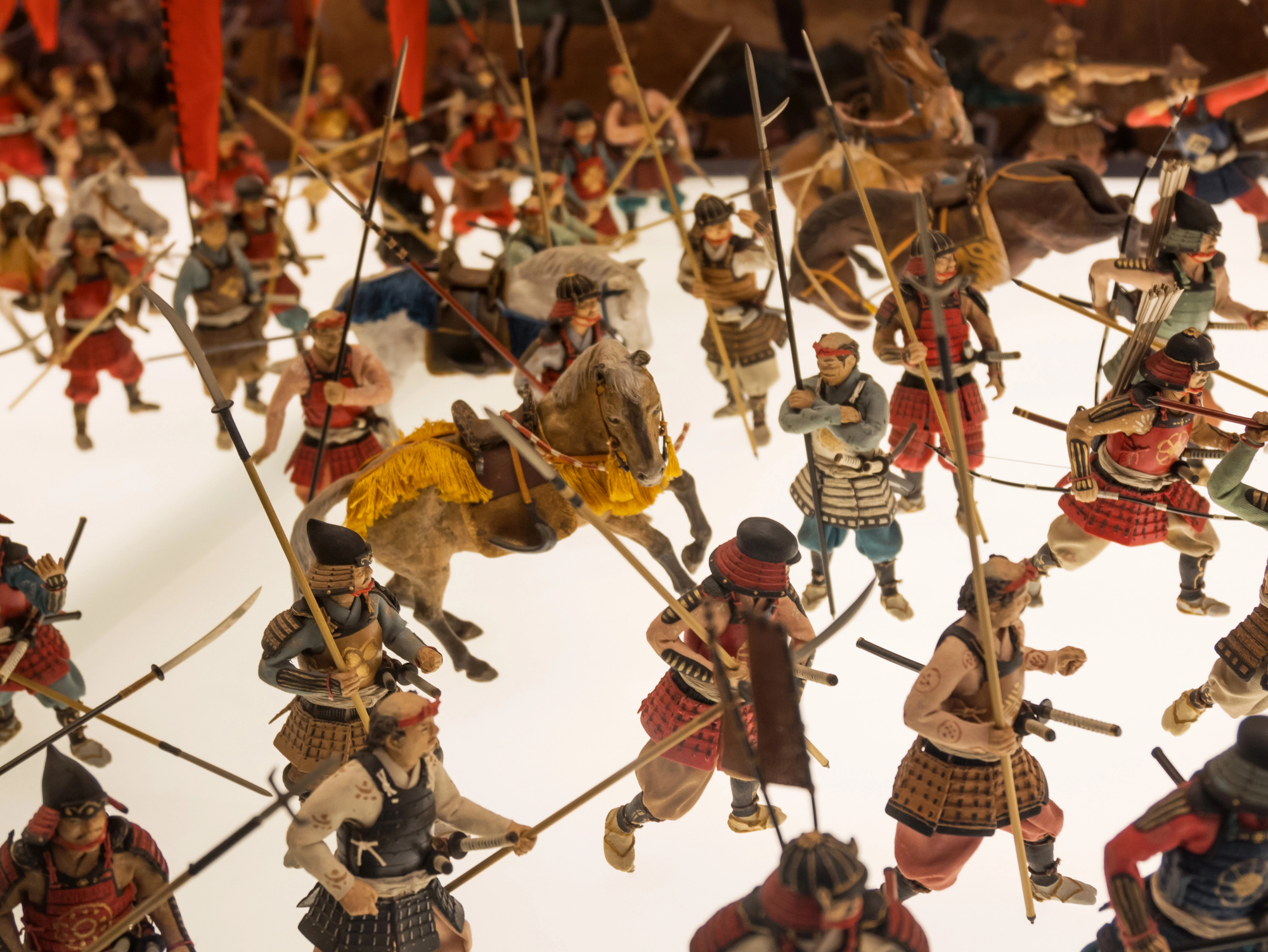
Mattel’s Shogun Warriors line, imported from Japan and sold in American stores from 1977 to 1980, produced some of the most imposing toys of the era — jumbo machinder robots standing 23 inches tall, with spring-loaded fists designed to launch across the room. Sealed examples of the larger figures, particularly Mazinger and Grendizer, are extraordinarily difficult to find because the boxes were enormous and unwieldy, the kind of packaging parents threw away the moment the toy came out.
A sealed Shogun Warrior in original box is less a toy and more a piece of furniture no one sat on.
Fisher-Price Adventure People
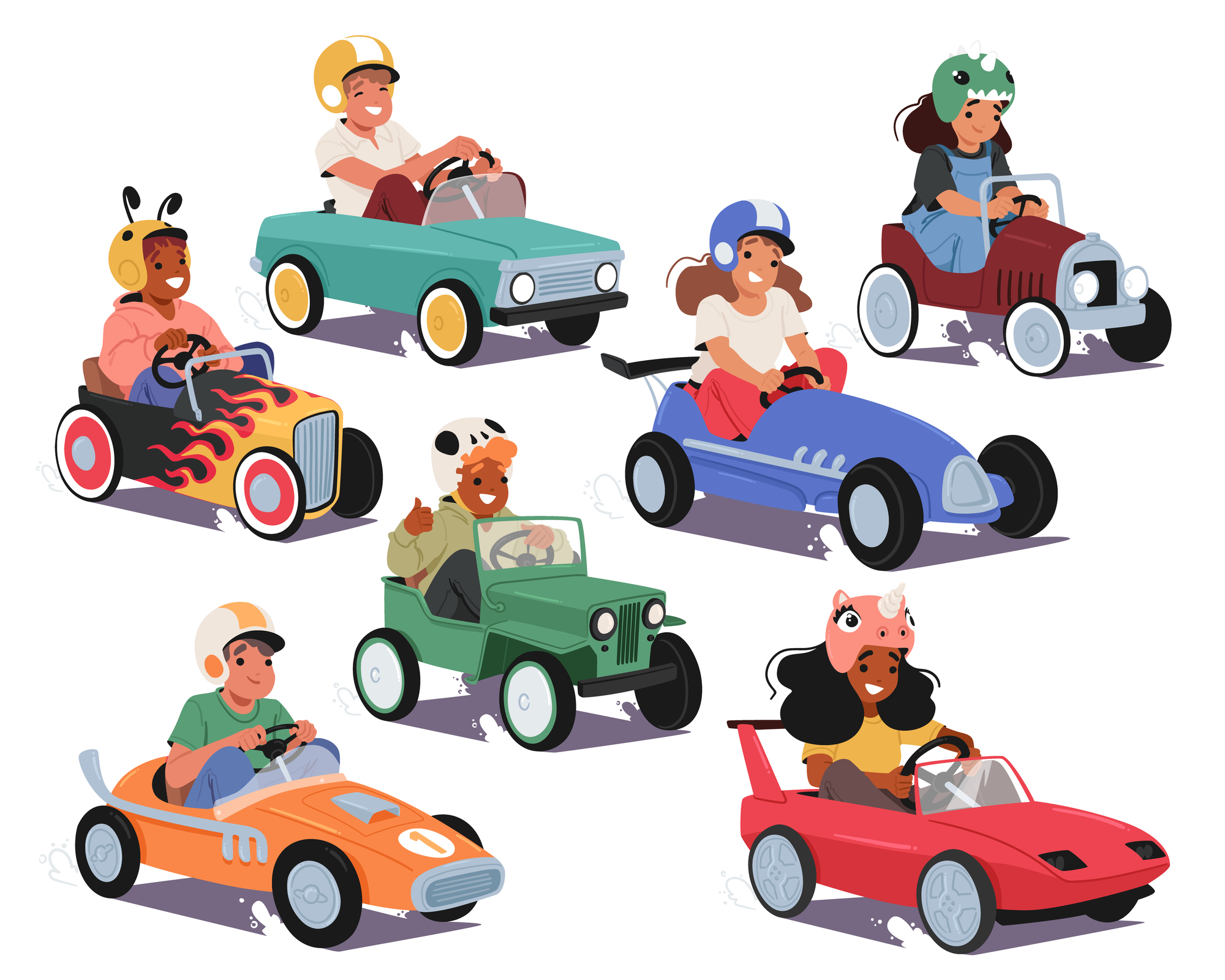
Fisher-Price’s Adventure People line, running from 1975 to 1985, introduced the company’s first true action figures — poseable, detailed, and designed for imaginative play in a way that Little People simply weren’t. Sealed sets, particularly the first-wave Alpha Star Spaceship or the Rescue Team, are collected for the combination of nostalgia and genuine scarcity.
The line has never been comprehensively catalogued, which means collectors occasionally discover sealed pieces that weren’t even on their radar.
Remco Energized Spider-Man

Remco’s battery-operated Energized figures from the late 1970s occupied an odd middle ground between action figure and novelty toy, and the Spider-Man version — with its battery compartment and suction-cup wall-climbing gimmick — has developed a devoted following among collectors who appreciate the sheer weirdness of the concept. Sealed examples are rare partly because the toy required batteries, which meant opening the package was unavoidable for anyone who actually wanted to use it.
The ones that survived did so by sitting on a shelf, untouched, which is the only way any sealed toy survives anything.
Ideal Evel Knievel Stunt Set
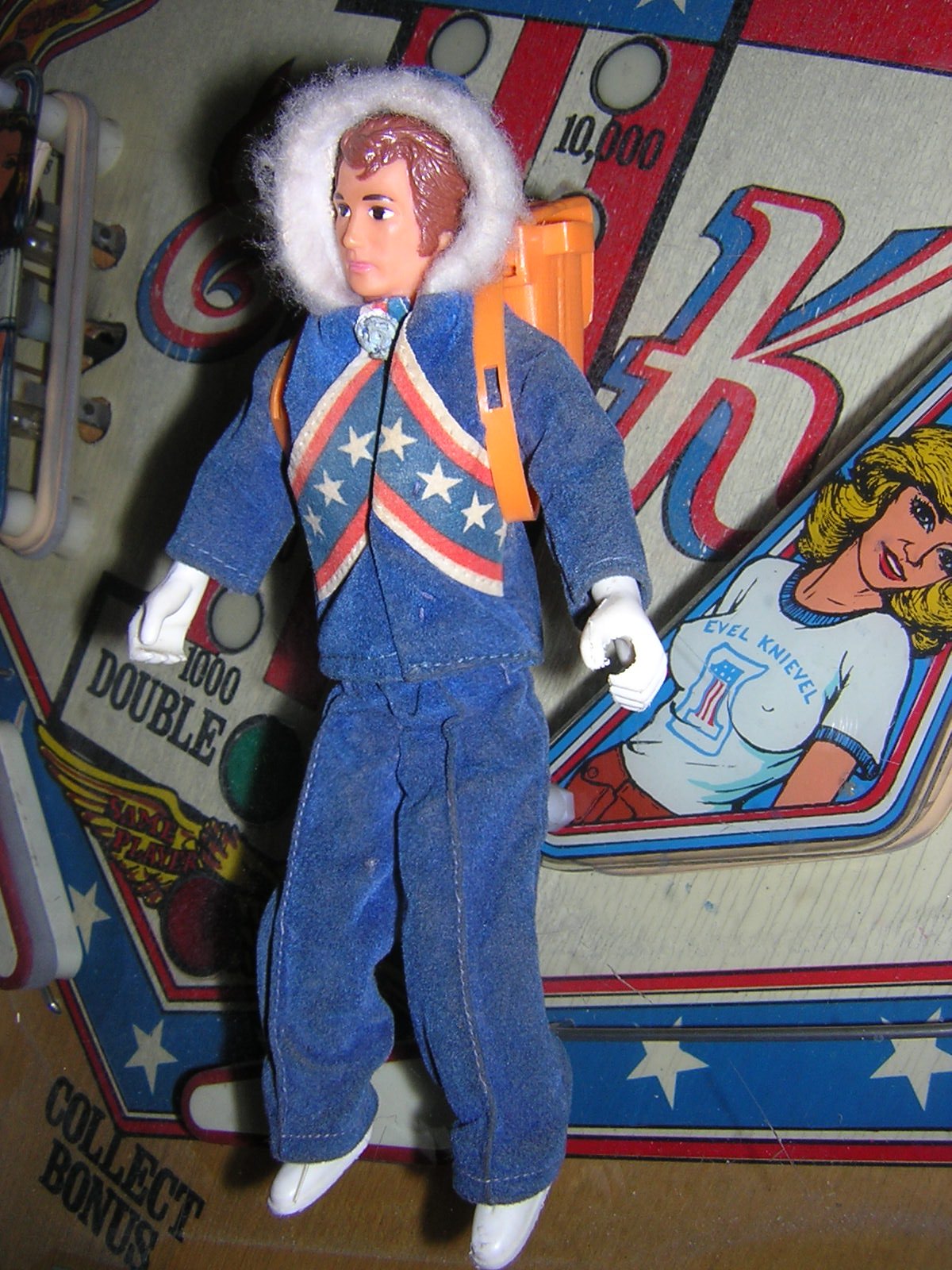
Ideal’s Evel Knievel Stunt Cycle set, released in 1973, was one of the defining toys of the decade — a wind-up cycle with a friction launcher that could genuinely send the thing across a room. Sealed examples of the original set, with Evel in his white jumpsuit still locked inside the blister, carry the weight of a specific American moment: the early 1970s, when a man jumping motorcycles over buses on live television felt like the most important thing happening.
That cultural specificity is exactly why collectors don’t stop looking.
Marx Big Wheel
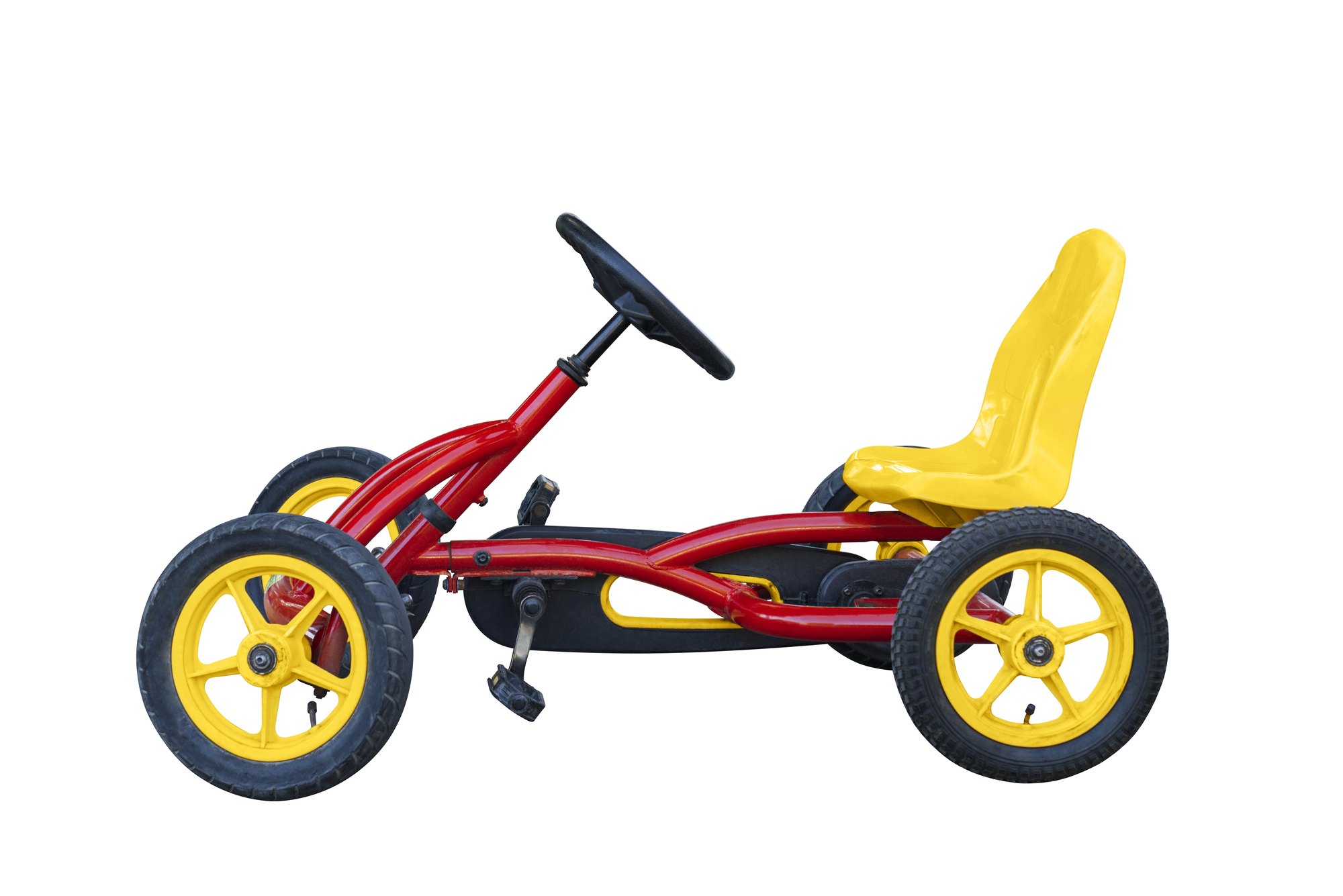
Louis Marx and Company’s Big Wheel, introduced in 1969, became so ubiquitous on suburban driveways that it feels impossible one could have survived unopened — and yet sealed examples, particularly from the earliest production runs, exist and are chased seriously. The original orange-and-yellow colorway in sealed box represents a kind of paradox: a toy so universally known that the sealed version becomes exotic by sheer improbability.
Condition matters enormously here, since the cardboard packaging absorbed decades of garage humidity with minimal resistance.
Mego Star Trek Bridge Set
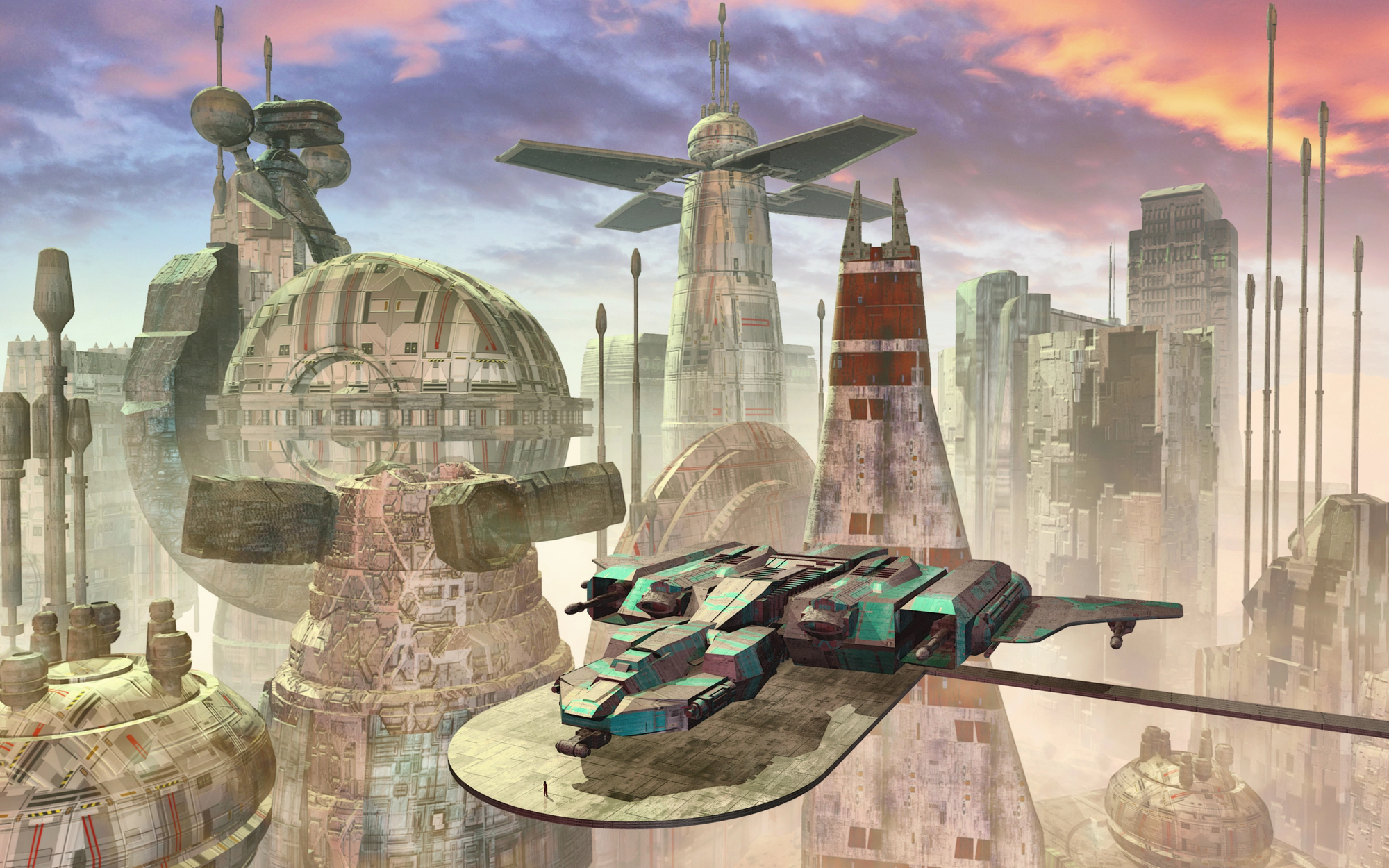
Mego’s Star Trek Bridge playset, released in 1975, was ambitious for its era — a fold-out environment designed to house the company’s 8-inch Trek figures, with printed details that approximated the Enterprise bridge with surprising fidelity. Sealed examples are rare because the set was large, the box was fragile, and it was clearly meant to be opened and used repeatedly.
A collector finding one sealed, with the styrofoam insert intact and the plastic window unclouded, is the kind of discovery that gets described later with a slightly stunned quality.
Mattel Intellivision with Games
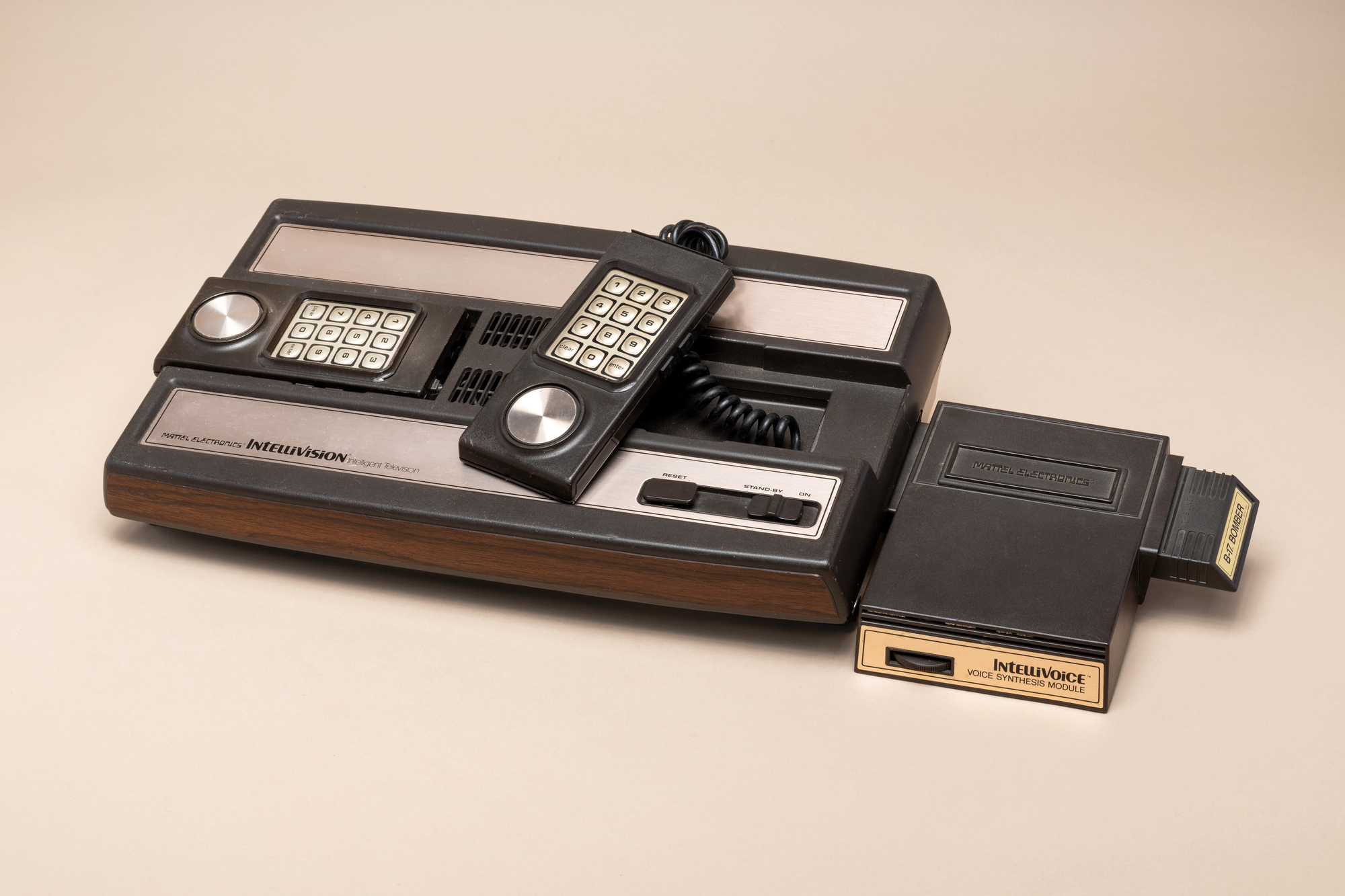
The Mattel Intellivision console, released in 1979 as a competitor to the Atari 2600, has its own dedicated collector base — and sealed units in original packaging, particularly the first-edition box with the wood-grain console visible through the window, are among the more coveted video game artifacts. Sealed game cartridges for the system carry value too, especially titles that were produced in limited quantities or discontinued early.
The Intellivision sits in a strange collector space: too late to be antique, too early to be retro-ironic, which somehow makes the sealed examples more compelling rather than less.
Kenner Star Wars Millennium Falcon
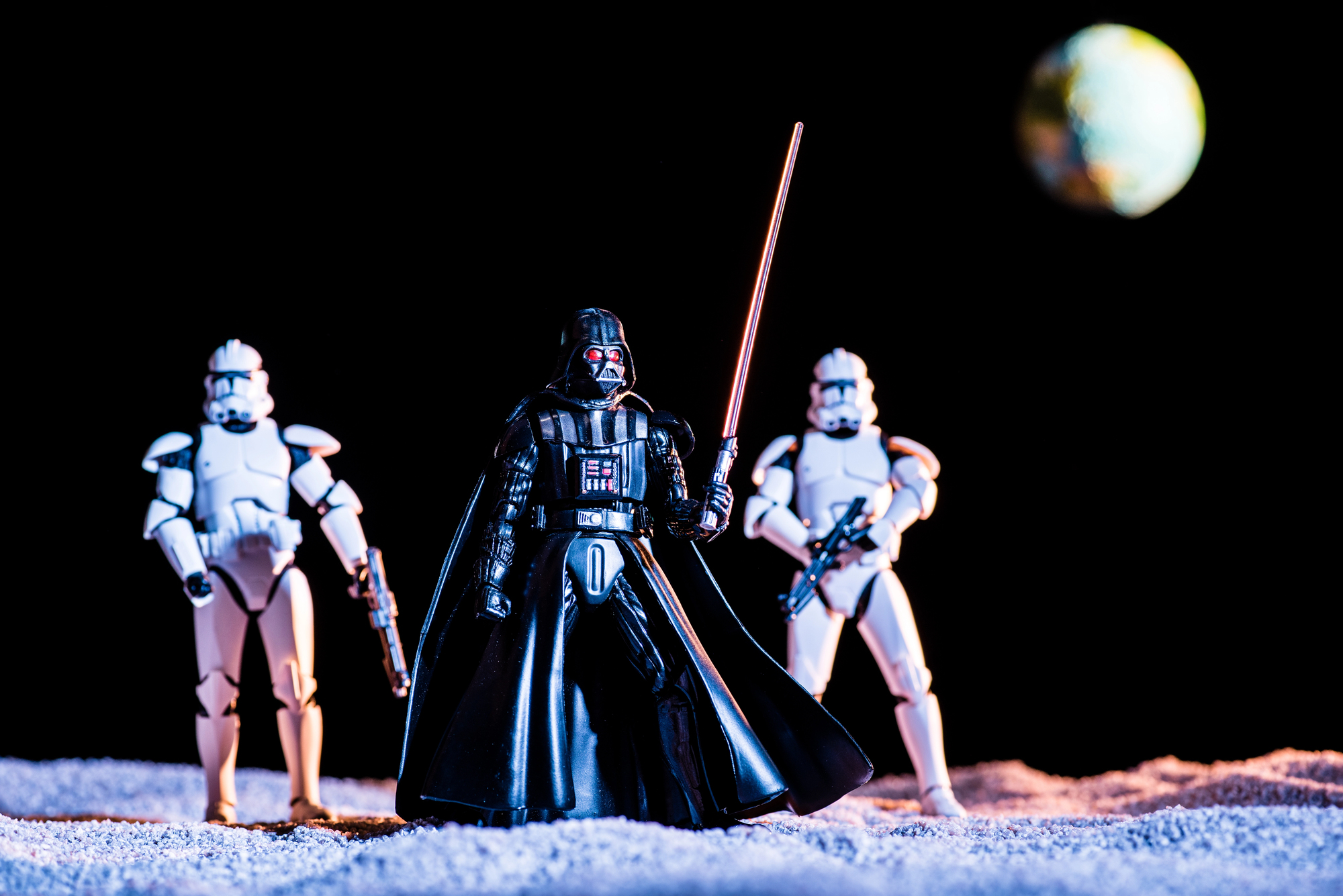
The Kenner Millennium Falcon playset from 1979 is one of those toys where even open, played-with examples are impressive — sealed in original box, it becomes something collectors treat with genuine reverence. The box itself is notable: it’s large, graphically bold, and shows the ship against a star field with a directness that toy packaging rarely achieves.
Sealed examples graded at AFA 80 or above are the benchmark that serious Star Wars collectors set as a long-term goal rather than a near-term expectation.
Ideal Toy Company’s Toss Across

Ideal’s Toss Across, the beanbag-toss tic-tac-toe game from 1969, is not the most glamorous entry in the sealed toy world — and yet sealed examples from the original run are genuinely elusive, partly because the game was cheap enough that the packaging was considered disposable from the moment of purchase. It belongs to a category of sealed toy that collectors call “common but impossible”: a toy everyone owned, which means no one thought to preserve it.
The ones that survived unopened did so by accident rather than design, and that randomness gives them a particular character.
Schaper Cootie

Schaper’s Cootie bug-building game, first produced in 1949 and modified across subsequent decades, is one of the oldest sealed toys seriously collected — and the earliest versions, with their distinct component designs and period-appropriate packaging, are the ones that generate real competition. The game went through enough redesigns over the decades that identifying a sealed first-run or early-production example requires knowing the catalog in detail.
Collectors who specialize in this era treat Cootie with the same seriousness others reserve for vintage space toys, which is either eccentric or completely reasonable depending on where you stand.
Hasbro G.I. Joe Adventure Team
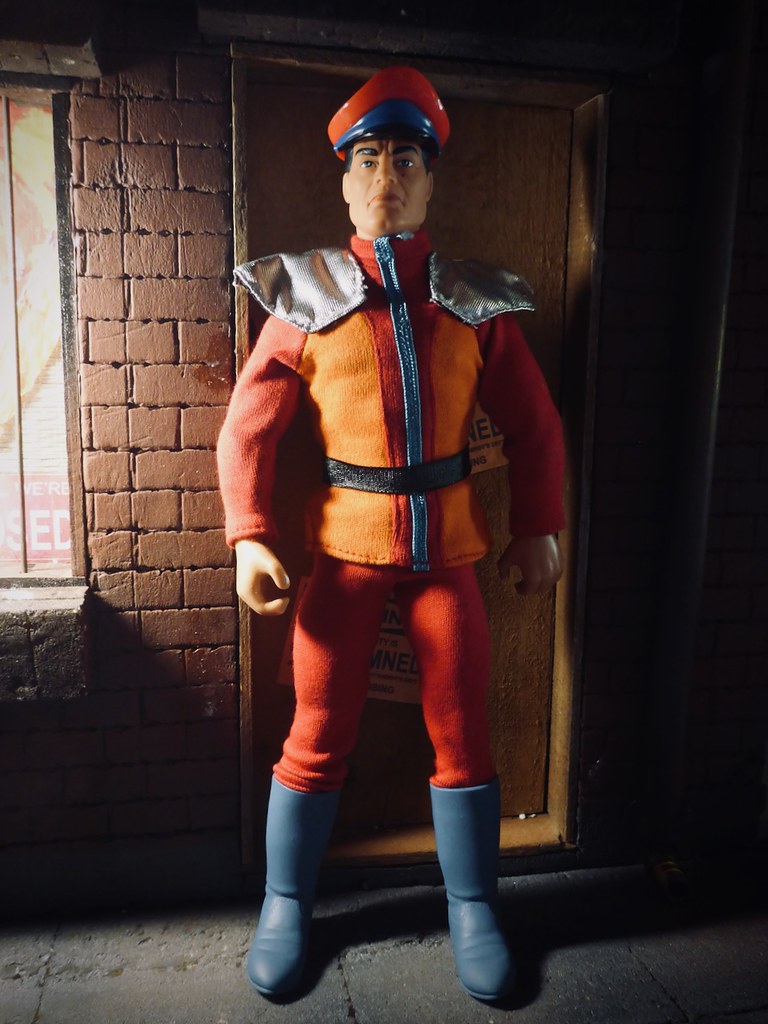
Before the 3.75-inch reinvention in 1982, G.I. Joe spent the 1970s as a 12-inch “Adventure Team” figure — pivoting away from military themes toward exploration and adventure in a move that reflected the cultural moment. Sealed examples from the Adventure Team era, particularly the sets with specialized accessories and the flocked-hair figures, are among the more quietly sought items in the 12-inch figure world.
The packaging from this period has a specific 1970s visual grammar — earth tones, action photography, slightly overwrought typography — that gives sealed examples an additional layer of period authenticity.
Coleco Cabbage Patch Kids
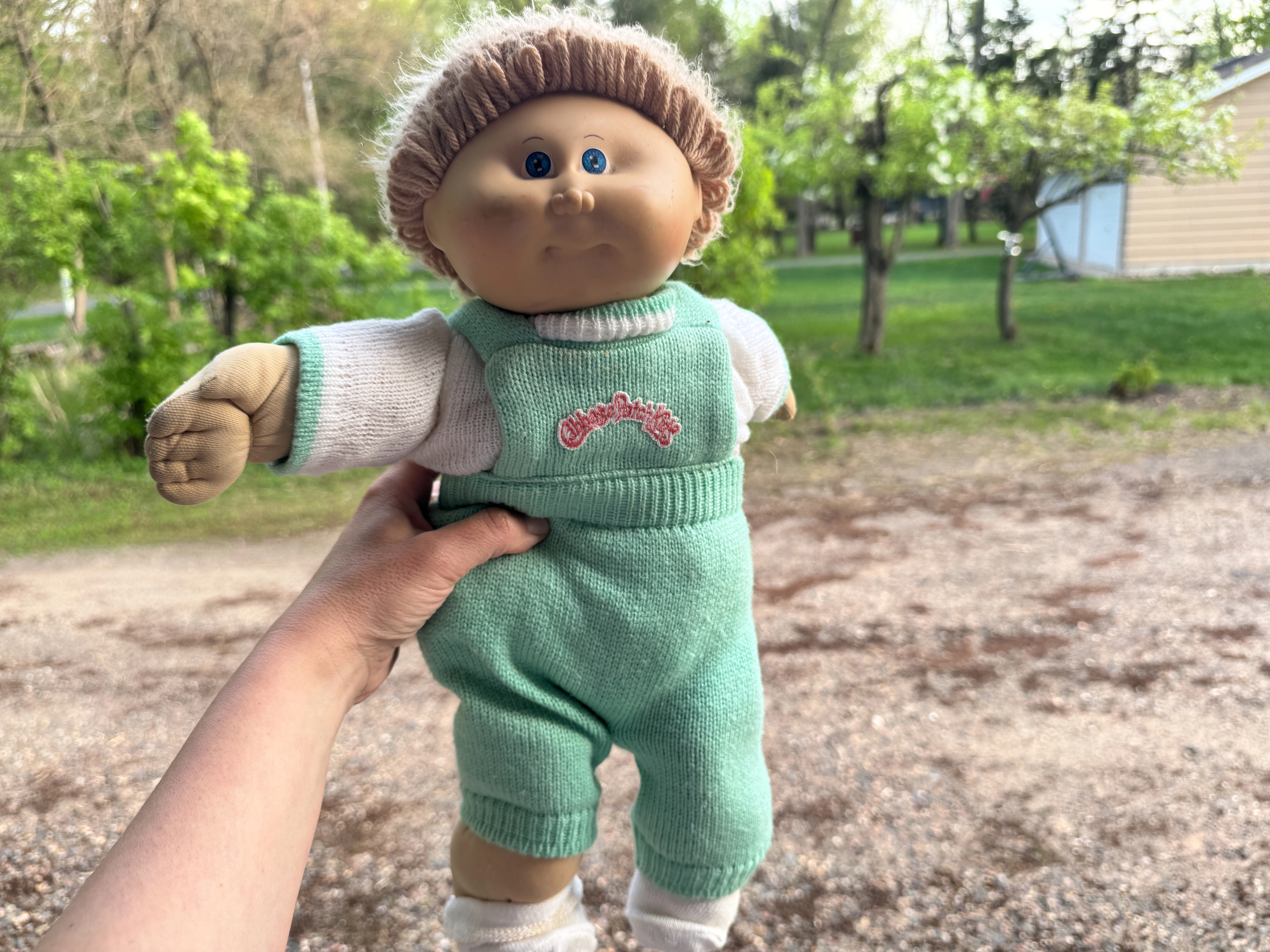
The Cabbage Patch Kids craze of 1983 is one of the most documented consumer frenzies in American retail history, which means the idea of a sealed, unopened original Coleco doll feels almost surreal — these were toys people fought over in store aisles, not set aside carefully for thirty years. And yet sealed examples from the original 1983 and 1984 Coleco production runs exist, particularly dolls with unusual hair colors or rare “adoption paper” configurations.
A sealed Cabbage Patch Kid in original box is, genuinely, a document of a specific cultural hysteria.
Atari 2600 with Rare Game Cartridges
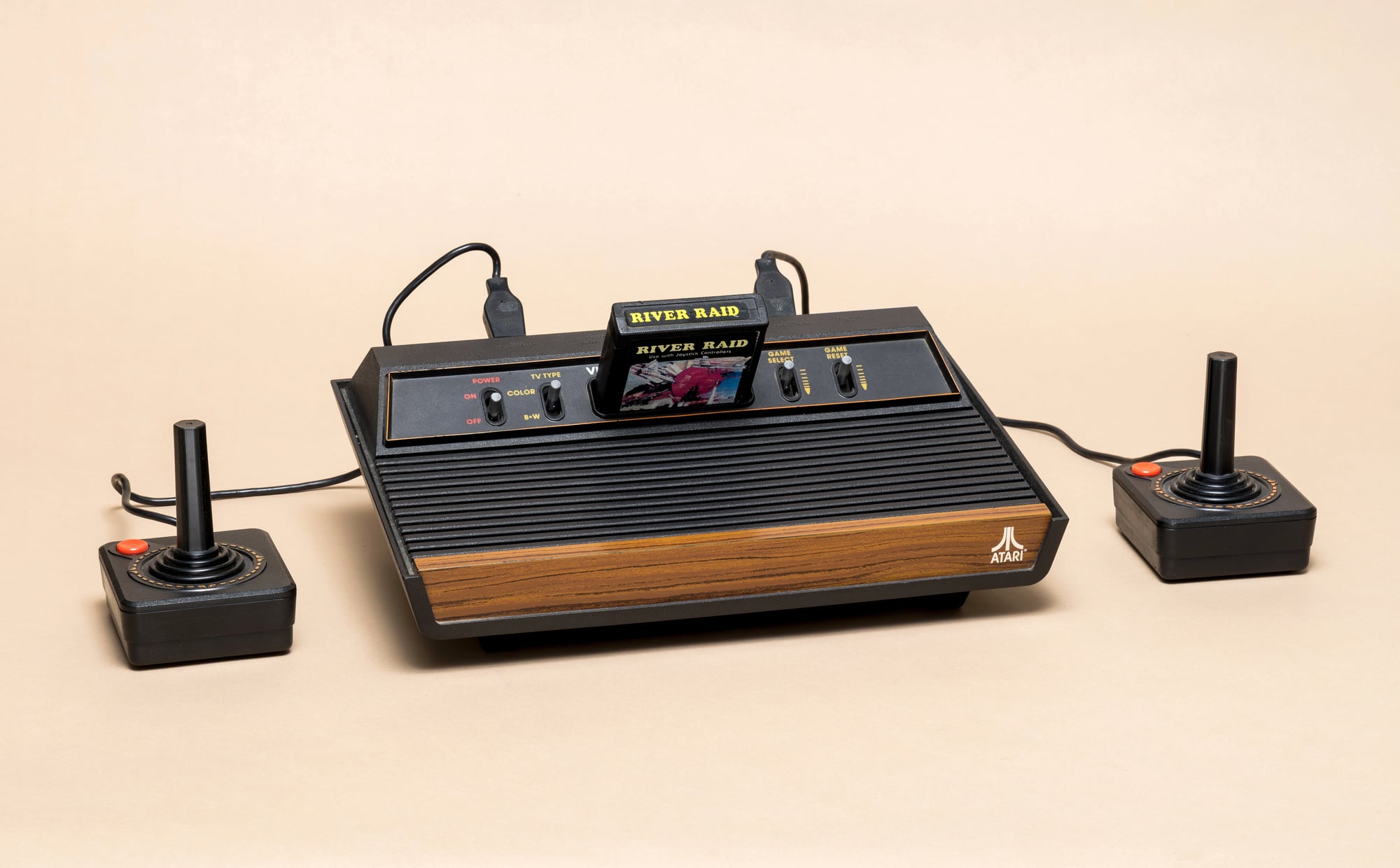
The Atari 2600 console in sealed original packaging has its own collector tier, but it’s the sealed game cartridges that generate the most sustained attention — particularly Air Raid, the 1982 T-shaped cartridge from Men-A-Vision that was produced in such small quantities that sealed examples are practically theoretical. Even slightly more common sealed Atari games, like Pepsi Invaders (a corporate giveaway cartridge never sold at retail) or the infamous E.T. cartridge in first-run packaging, command serious money.
The Atari cartridge market rewards specialized knowledge in a way that punishes casual participation.
Pee-wee Herman Pull String Doll

Matchbox’s talking Pee-wee Herman doll from 1987 is one of those toys where the tie to a specific cultural moment makes the sealed version feel like preserved evidence. The pull-string mechanism delivered Pee-wee’s catchphrases in a tinny approximation of Paul Reubens’ voice, and sealed examples with the string still untugged — the voice still theoretical, still locked inside — have a particular kind of suspended quality.
Collectors who focus on 1980s character merchandise treat sealed Pee-wee figures as benchmark pieces, and they come up rarely enough that finding one at a reasonable price requires patience measured in years rather than months.
The Sealed Box as a Kind of Time

There’s a particular silence around a sealed toy that has nothing to do with quiet. It’s the silence of a moment that didn’t proceed — the birthday that didn’t happen, the Christmas morning that somehow went differently, the impulse buy that sat on a shelf until whoever bought it forgot why they’d wanted it.
Sealed toys carry the weight of those uncompleted moments, which is probably why collectors feel the pull so strongly. The box isn’t just packaging.
It’s a boundary between what something was — a manufactured object, a retail product, a child’s wish — and what it became the second someone tore it open. Collectors know, intellectually, that the toy inside is identical to every opened version they’ve ever held.
They buy the sealed one anyway. That impulse is harder to explain than it looks, and more honest than it sounds.
More from Go2Tutors!

- The Romanov Crown Jewels and Their Tragic Fate
- 13 Historical Mysteries That Science Still Can’t Solve
- Famous Hoaxes That Fooled the World for Years
- 15 Child Stars with Tragic Adult Lives
- 16 Famous Jewelry Pieces in History
Like Go2Tutors’s content? Follow us on MSN.



