14 Lost Languages That Took Entire Cultures With Them
Language isn’t just words strung together—it’s the DNA of culture itself. When a language disappears, it takes with it stories, wisdom, and ways of understanding the world that can never be fully recovered. Think of it like losing the only copy of a book that contains the secrets of an entire civilization.
Throughout history, countless languages have vanished along with the people who spoke them, leaving behind only fragments and mysteries. Some disappeared through conquest, others through disease, and many simply faded as their speakers adopted more dominant tongues.
Here is a list of 14 lost languages that took entire cultures with them when they vanished from the world.
Sumerian
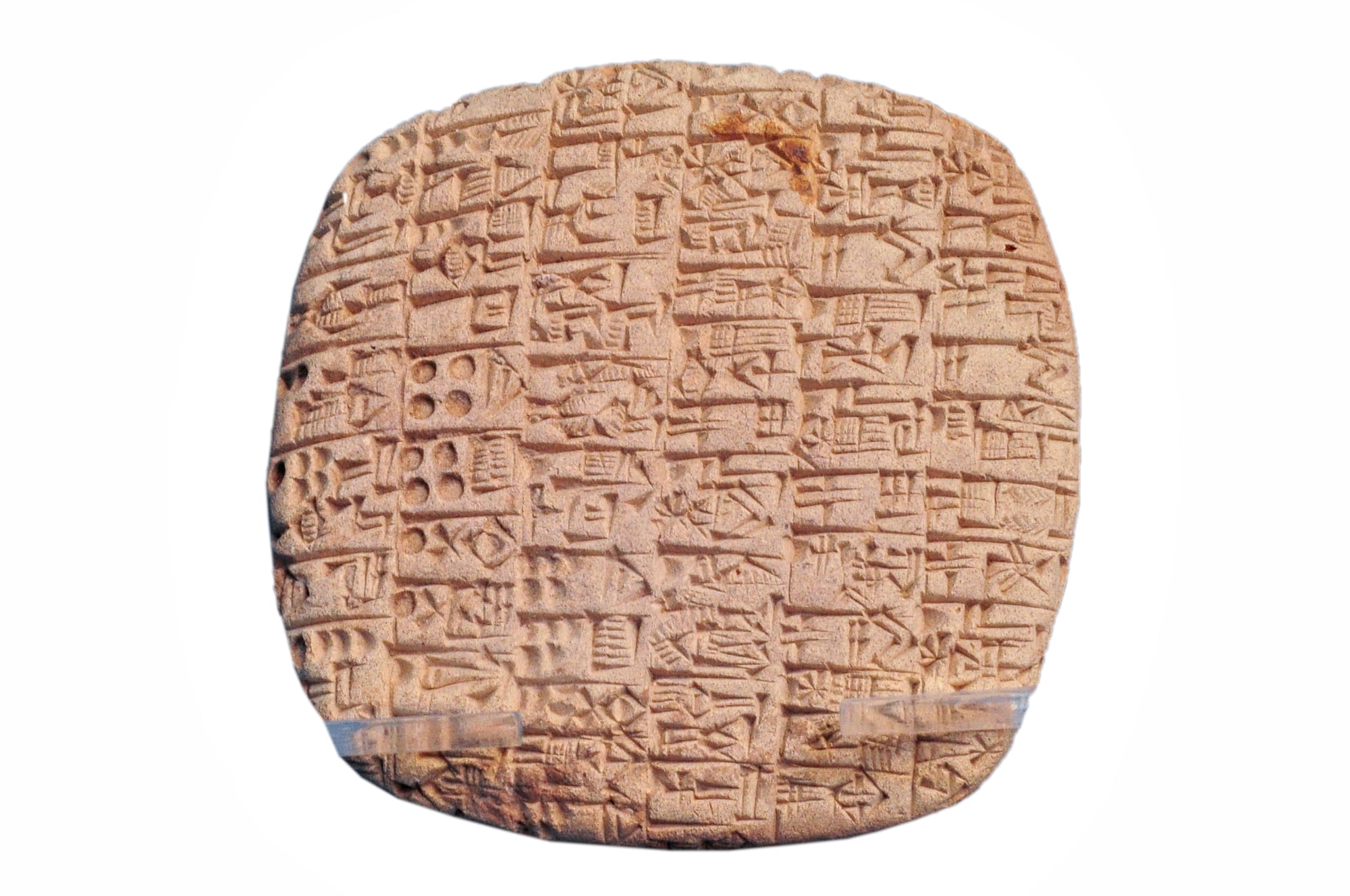
The world’s first written language disappeared around 400 CE, taking with it the sophisticated culture of ancient Mesopotamia. Sumerian gave us the earliest known literature, including the Epic of Gilgamesh, and pioneered concepts like written law and urban planning.
When the last scribes stopped writing in cuneiform, humanity lost direct access to the thoughts and dreams of civilization’s founders.
Etruscan
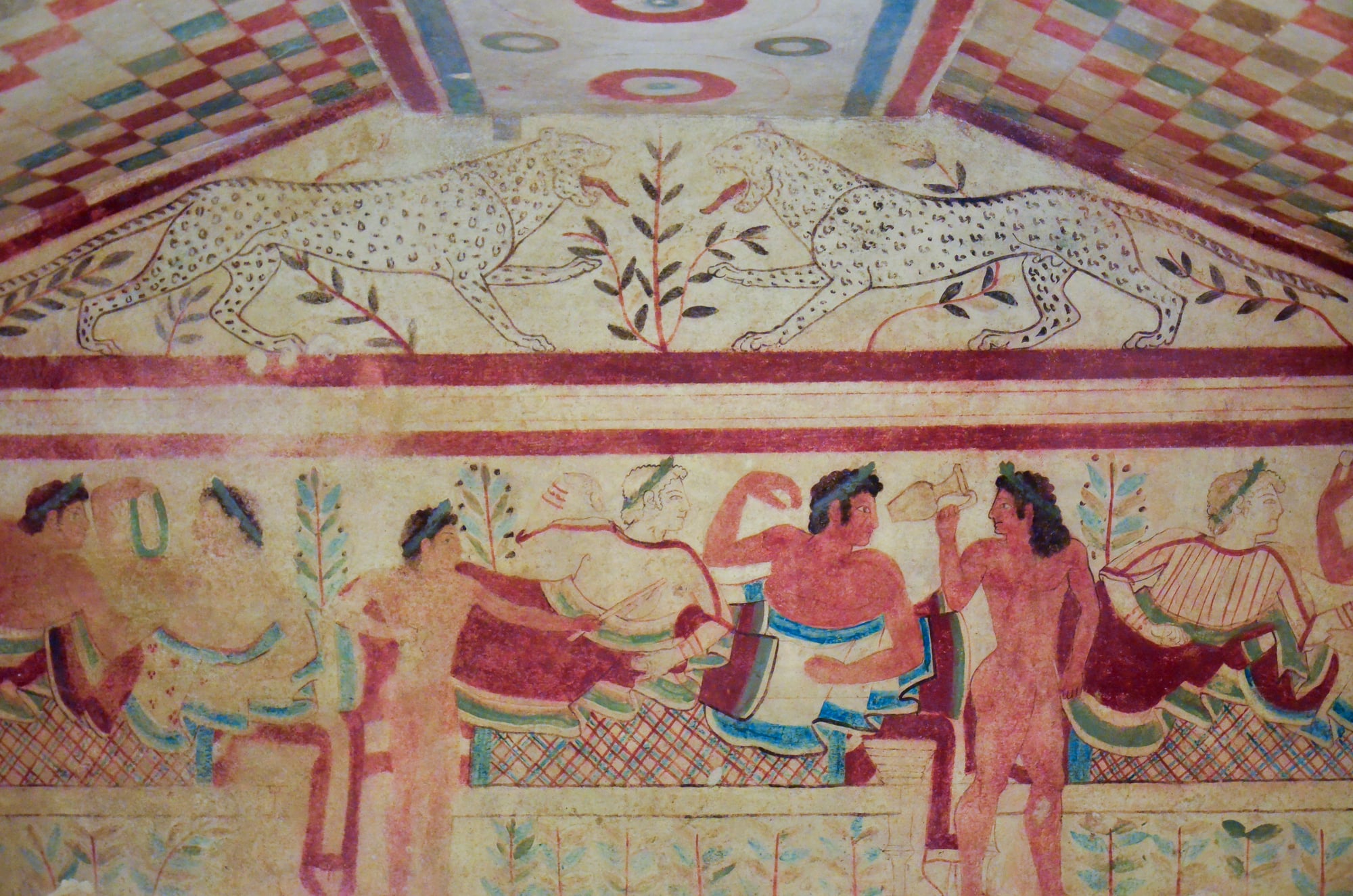
Before Rome dominated Italy, the Etruscans built a thriving civilization with their own unique language and customs. Despite leaving behind thousands of inscriptions and beautiful artwork, Etruscan remains largely undeciphered, making it one of history’s most tantalizing linguistic puzzles.
The Romans borrowed heavily from Etruscan culture, but the original language and many of its secrets died with the people who created it.
Linear A
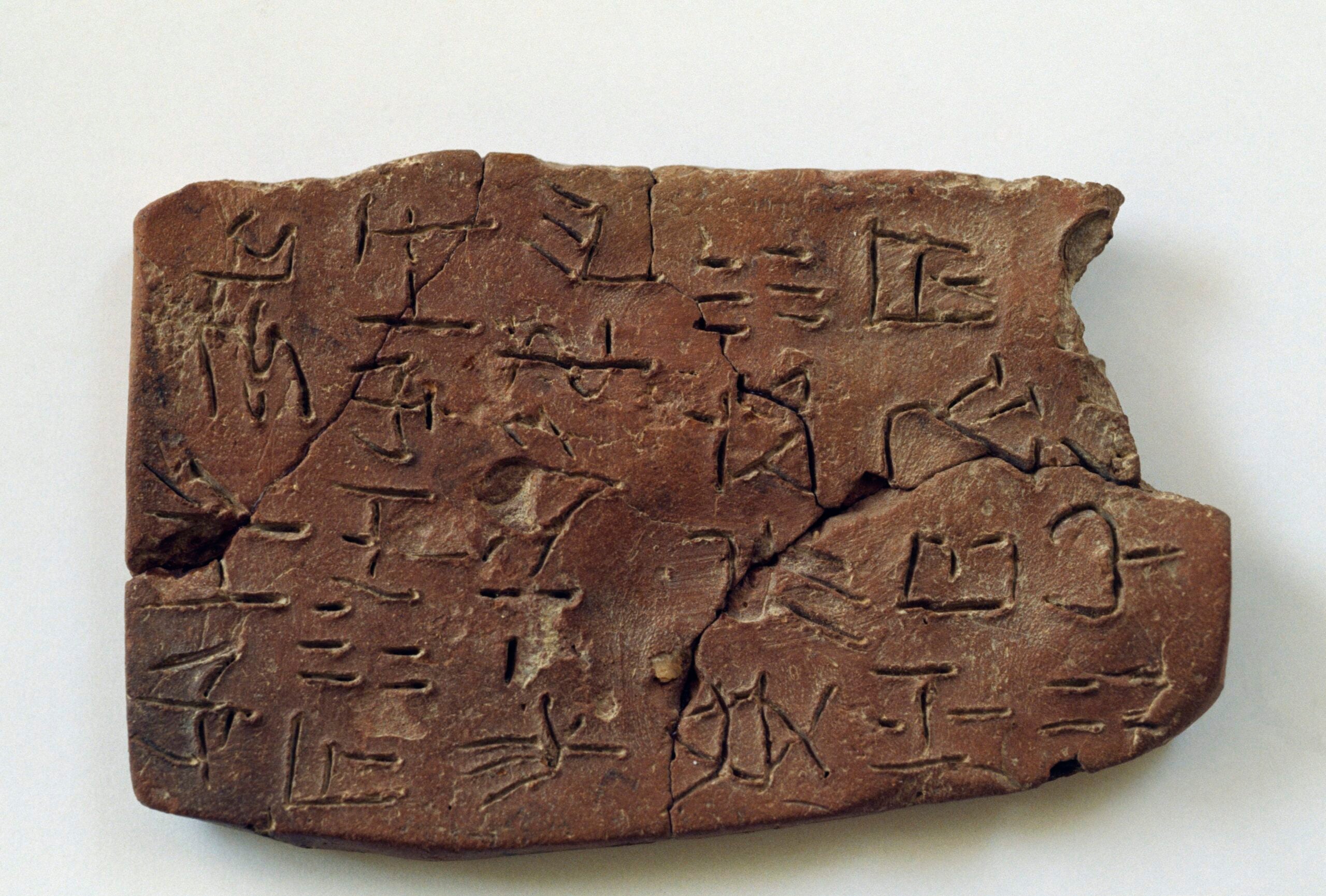
This mysterious script from ancient Crete has puzzled archaeologists for over a century. The Minoans used Linear A to record their daily transactions and religious practices, but unlike its successor Linear B, nobody has cracked the code.
The palace complexes of Knossos and other Minoan sites hint at a sophisticated Bronze Age culture, but without their language, we can only guess at their beliefs and stories.
Like Go2Tutors’s content? Follow us on MSN.
Pictish

The painted warriors of ancient Scotland spoke a language that vanished so completely that scholars still debate whether it was Celtic or something else entirely. The Picts left behind intricate stone carvings and a reputation for fierce independence, but their language died out around the 10th century when they merged with neighboring peoples.
Today, only a handful of place names and personal names survive as echoes of their lost tongue.
Ubykh

This Caucasian language held the world record for the most consonant sounds—84 of them—before its last speaker died in 1992. The Ubykh people were skilled mountaineers and metalworkers who lived in the region between the Black Sea and the Caucasus Mountains.
When they were forced to migrate to Turkey in the 19th century, their language began its slow death, taking with it generations of oral traditions and cultural knowledge.
Tasmanian Aboriginal Languages

European colonization of Tasmania in the 19th century led to the complete extinction of all indigenous languages on the island. The Tasmanian Aboriginal people had developed unique cultures adapted to their island environment over thousands of years.
When the last full-blooded Tasmanian Aboriginal person died in 1876, at least a dozen distinct languages and their associated cultural practices vanished forever.
Like Go2Tutors’s content? Follow us on MSN.
Dalmatian
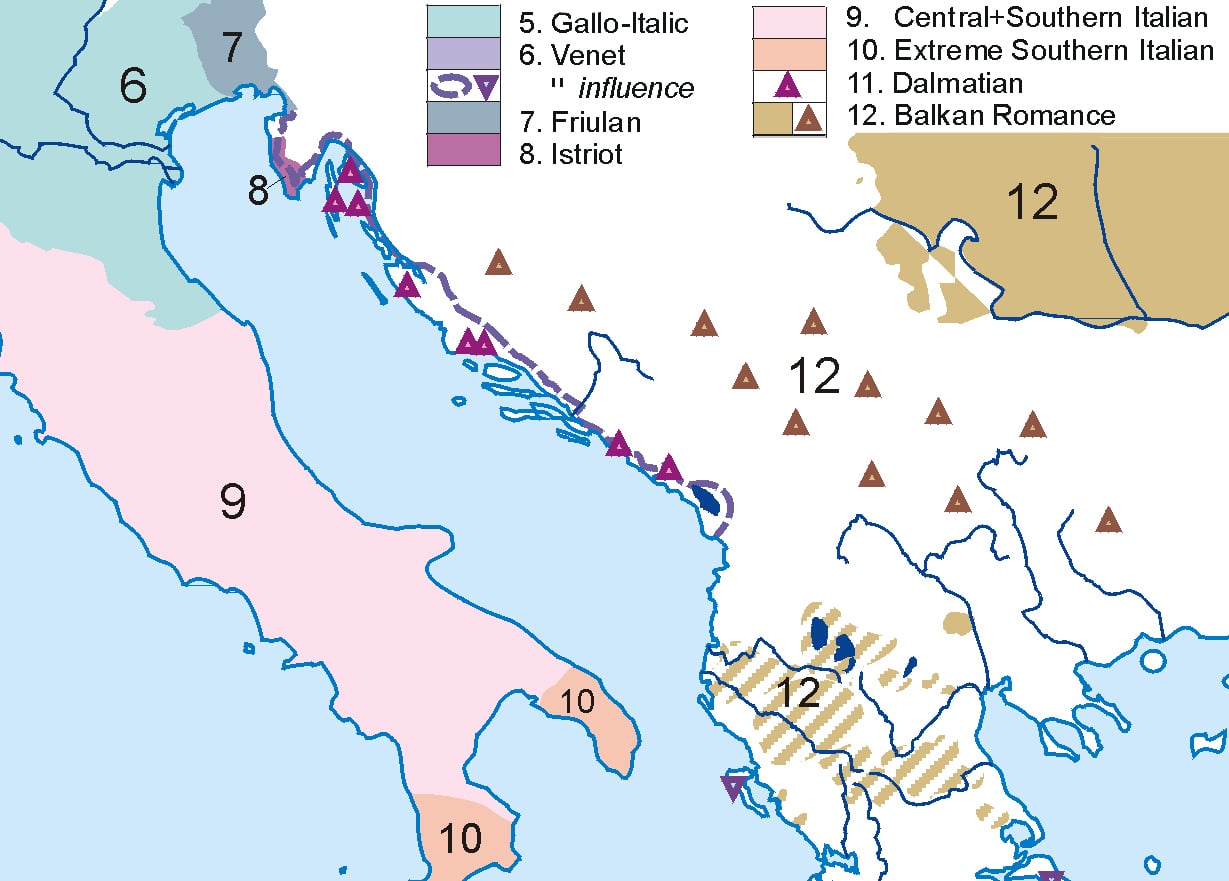
This Romance language once flourished along the eastern coast of the Adriatic Sea, serving as the everyday tongue of merchants and sailors. Dalmatian slowly gave way to Italian and Slavic languages, with its last native speaker dying in 1898 after being killed in a mine explosion.
The language carried with it the maritime culture of the Dalmatian coast, including unique seafaring traditions and trading practices.
Oscan

Ancient Italy was home to many languages before Latin took over, and Oscan was one of the most widespread. Spoken by the Samnites and other Italic peoples, Oscan had its own alphabet and rich literary tradition.
The language survived until the early Roman Empire, but as Latin became the language of administration and culture, Oscan speakers gradually abandoned their ancestral tongue.
Polabian

The last Slavic language spoken in what is now Germany disappeared in the 18th century, taking with it the culture of the Slavic tribes who had settled there centuries earlier. Polabian speakers maintained their distinct identity for over a thousand years, even as German influence grew stronger around them.
When the final speaker died in 1756, a unique branch of Slavic culture that had survived since the early Middle Ages finally ended.
Like Go2Tutors’s content? Follow us on MSN.
Akkadian

For over 2,000 years, Akkadian served as the diplomatic language of the ancient Near East, much like English does today. This Semitic language was spoken by the Babylonians and Assyrians, who built some of history’s most impressive empires.
When Akkadian finally died out in the first century CE, the world lost not just a language but also direct access to the administrative and literary traditions of ancient Mesopotamia.
Gaulish

The Celtic language of ancient Gaul covered much of modern France, Belgium, and parts of surrounding regions before Roman conquest changed everything. Gaulish speakers developed sophisticated metalworking techniques and complex social structures that influenced later European development.
As Latin spread throughout the Roman Empire, Gaulish gradually disappeared, taking with it the oral traditions and cultural practices of the Celtic peoples.
Cornish

This Celtic language of Cornwall survived longer than most, holding on until the late 18th century before finally succumbing to English dominance. Cornish speakers maintained a distinct culture centered around mining, fishing, and storytelling that set them apart from their English neighbors.
When the last native speaker died in 1777, Cornwall lost not just its language but also much of its unique cultural identity.
Like Go2Tutors’s content? Follow us on MSN.
Manx

The Isle of Man’s native language officially died in 1974 when its last native speaker passed away, though revival efforts have since brought it back to some degree. Manx culture revolved around the sea, with a rich tradition of fishing, trading, and maritime folklore.
The language carried unique legal traditions and social customs that had developed in isolation on the small island.
Hittite
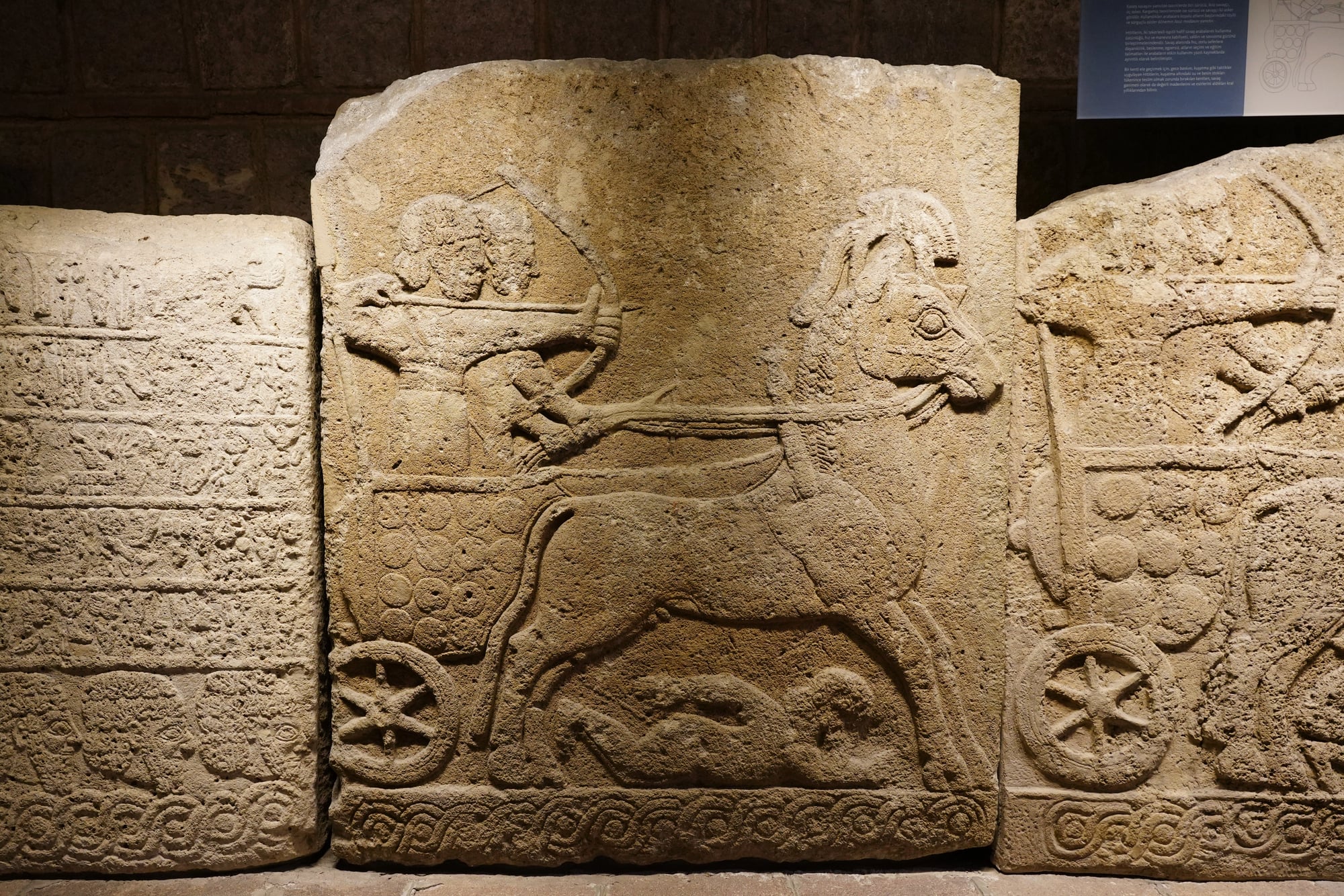
This ancient Anatolian language was completely forgotten until archaeologists rediscovered it in the early 20th century. The Hittites built a powerful empire that rivaled Egypt and Mesopotamia, with advanced military technology and diplomatic skills.
When their empire collapsed around 1200 BCE, Hittite disappeared so thoroughly that it became the stuff of biblical legend until modern archaeology brought it back to light.
Echoes That Still Shape Us

These vanished languages remind us that cultural diversity isn’t just about different ways of saying the same things—it’s about entirely different ways of thinking and being human. Each lost tongue represents thousands of years of human experience, creativity, and adaptation that can never be fully recovered.
While we can sometimes decipher ancient scripts and piece together fragments of grammar, the living spirit of these languages—their jokes, their poetry, their unique ways of seeing the world—is gone forever. In our increasingly connected world, this linguistic archaeology serves as both a warning and an inspiration to preserve the cultural treasures that still survive among us today.
More from Go2Tutors!

- 18 Unexpectedly Valuable Collectibles You Might Have Lying Around
- 20 Little-Known Historical Battles That Had Huge Consequences
- 20 Historical Artifacts That Scientists Can’t Explain
- 15 Inventions That Were Immediately Banned After Being Created
- 20 Actors Who Were Almost Cast in Iconic Roles
Like Go2Tutors’s content? Follow us on MSN.