Why Certain Medieval Punishments Were Designed to Humiliate Rather Than Harm
There’s something deeply telling about a society that would rather make you a laughingstock than simply hurt you. Medieval justice had plenty of brutality to go around — nobody’s pretending otherwise — but some of the most revealing moments in that system weren’t the gruesome ones.
They were the ones designed to make a crowd point and laugh. Public disgrace, forced absurdity, the slow erosion of a person’s standing in their community: these were punishments calculated not to break the body, but to unmake the person.
And that distinction, it turns out, says quite a lot about how medieval societies understood power, order, and what it actually meant to be someone.
The Pillory
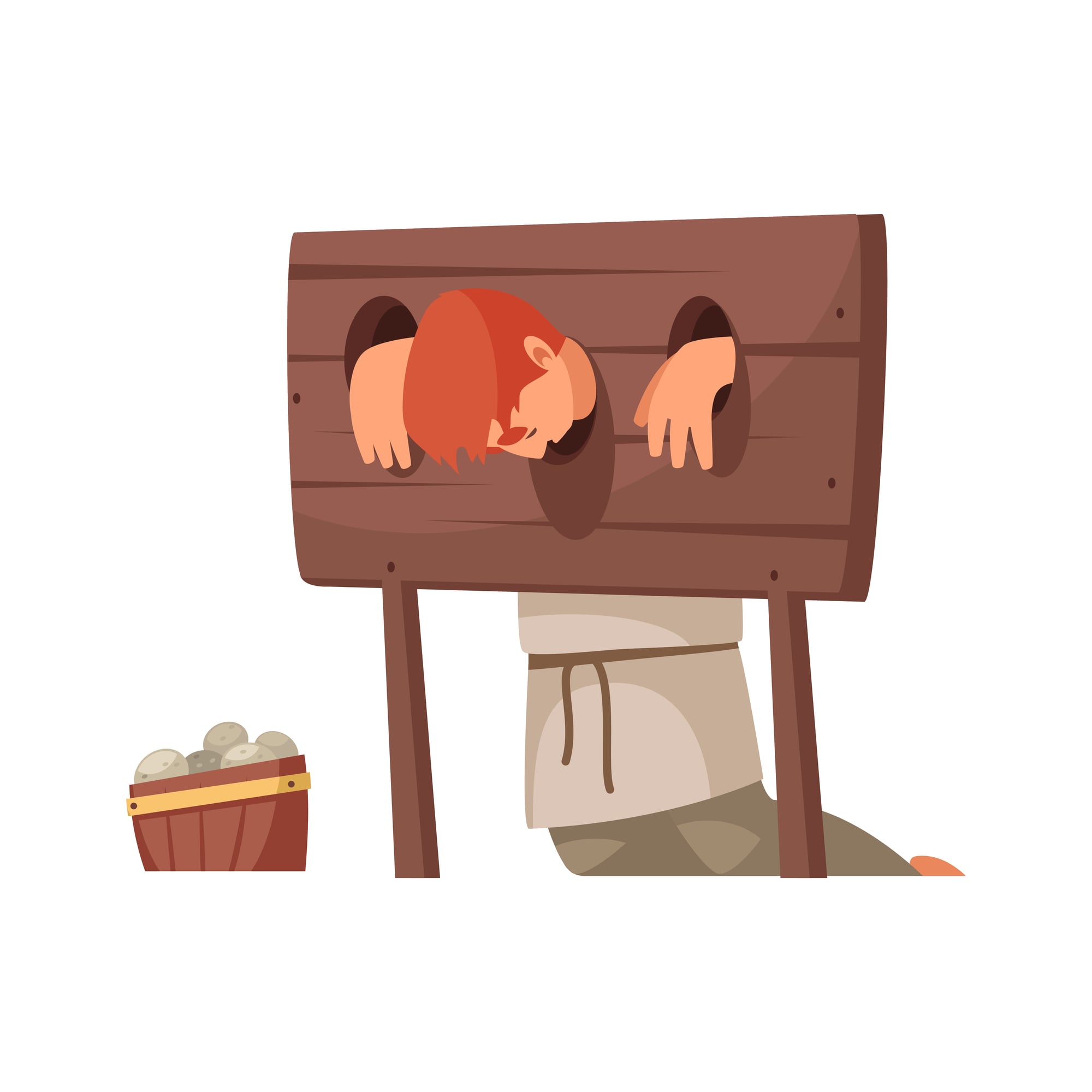
The pillory is the one everyone pictures, and for good reason — it was practically theater. A person locked by the neck and wrists into a wooden frame, positioned at the center of town, entirely unable to look away from whatever the crowd decided to do next.
The physical discomfort was real, but it wasn’t really the point: the point was that everyone you knew could walk past you, stare at you, and throw things at you, and you couldn’t do a single thing about it. Some recipients never fully recovered socially, even after their time was up.
The Scold’s Bridle

The scold’s bridle — also called a branks — was a iron cage fitted over the head, with a flat metal plate designed to press down on the tongue. It was used almost exclusively on women accused of gossiping, nagging, or speaking out of turn, which tells you something uncomfortable about who got to define “disorder” in a medieval town.
Walking someone through the streets in one of these devices was the legal system cosplaying as a lesson in manners. The humiliation was the sentence.
The Ducking Stool

There’s a strange kind of cruelty in something that looks like a carnival ride. The ducking stool — a chair mounted on a long beam over a body of water — was used to plunge accused women into rivers or ponds, often repeatedly, while crowds watched from the bank.
The cold, the gasping, the spectacle of a grown woman being dunked like a child being punished: all of it was entirely deliberate. Medieval authorities understood, even if they never said so plainly, that ridicule travels farther than a bruise.
The Fool’s Cap

Being forced to wear a fool’s cap — a tall, conical hat, sometimes decorated with bells or the word “fool” painted across it — turned a person into a walking punchline. In schools, courts, and public spaces alike, the cap announced to everyone present that its wearer had been judged deficient, morally or intellectually.
And what made it so effective wasn’t the hat itself (it weighed almost nothing and caused no pain) but the fact that you had to wear it among people you knew. The shame was structural — it required an audience.
Public Penance Garments

Churches across medieval Europe required certain offenders to appear in public wearing a white sheet, sometimes barefoot, sometimes carrying a candle, as a form of penance for sins like adultery or dishonesty. The garment wasn’t uncomfortable in any meaningful physical sense — it was uncomfortable because everyone watching understood exactly what it meant.
You were being paraded as a sinner through the same streets where you had lived your ordinary life. The community didn’t just witness the punishment; the community was the punishment.
The Cucking Stool
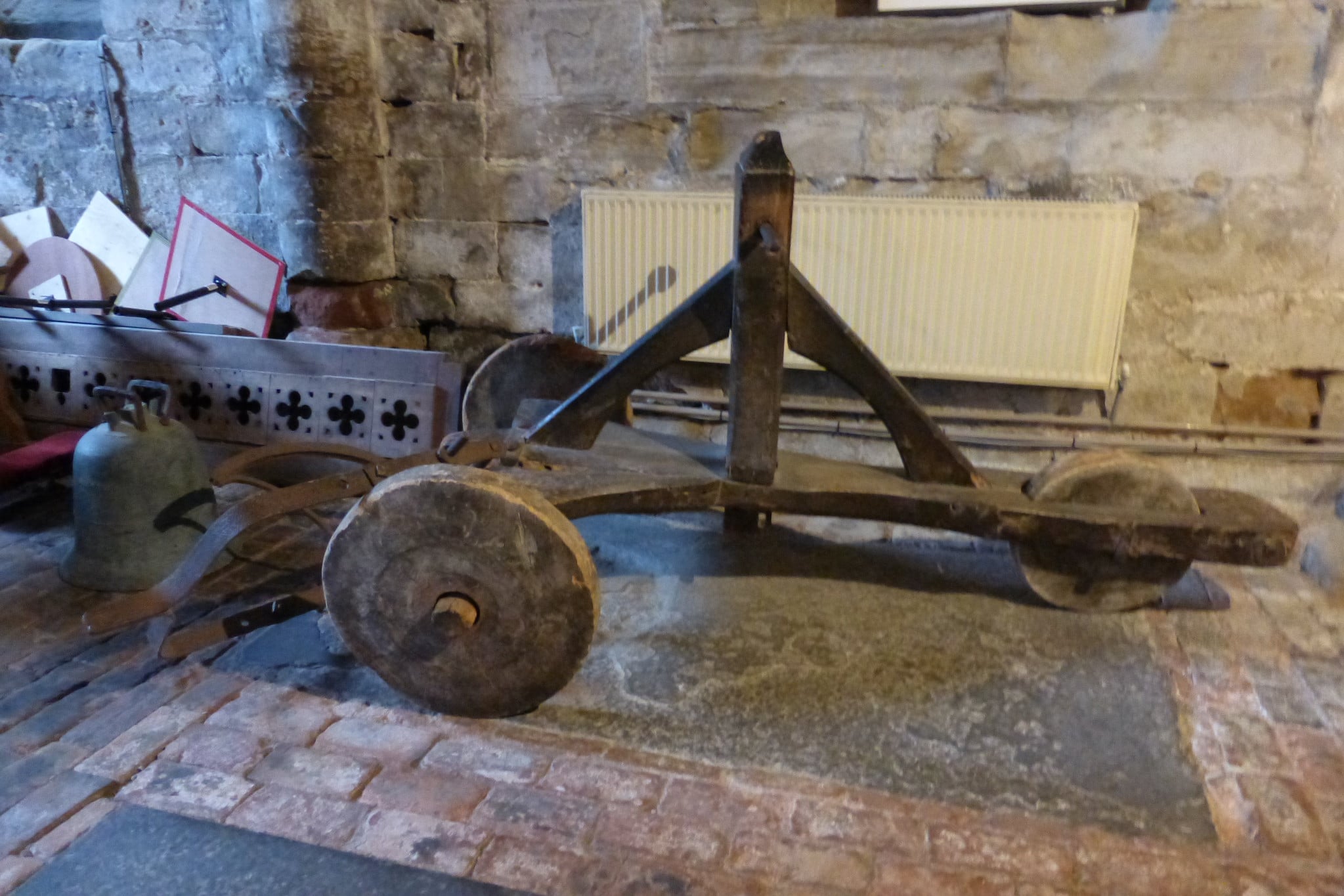
The cucking stool — different from the ducking stool, though the two are often confused — was a chair or commode on which an offender was seated and displayed publicly, sometimes carried through town. The association with waste and indignity was entirely intentional: the design was meant to suggest that the person sitting in it was, socially speaking, refuse.
Medieval punishers had a gift for symbolism, and this one left very little room for misinterpretation. Being seen in it, by neighbors and strangers alike, was meant to follow a person for years.
The Drunkard’s Cloak

The drunkard’s cloak — a barrel with openings cut out for the head and arms — was placed on public drunks, who were then marched through the streets so the town could get a good look at them. It transformed the person into a kind of walking satire of themselves, the costume making the offense visible in the most literal way possible.
And here’s the thing about shame used as a legal mechanism: it only works in communities where reputation still means something, where people’s standing among their neighbors is something worth protecting. Medieval towns were exactly that kind of place, which is precisely why these punishments had real teeth.
The Stocks

The stocks were, in one sense, a fairly mild restraint — feet locked in place, usually in a public square, for a set number of hours. In another sense, they were an invitation for every person in town to walk by and form an opinion.
Idleness was forced on someone who likely had work to do, family to face, a community that would remember. The stocks made a person into a fixed object in their own town, visible and motionless while life moved around them, which — if you think about it — is a fairly precise form of social erasure.
Riding the Stang
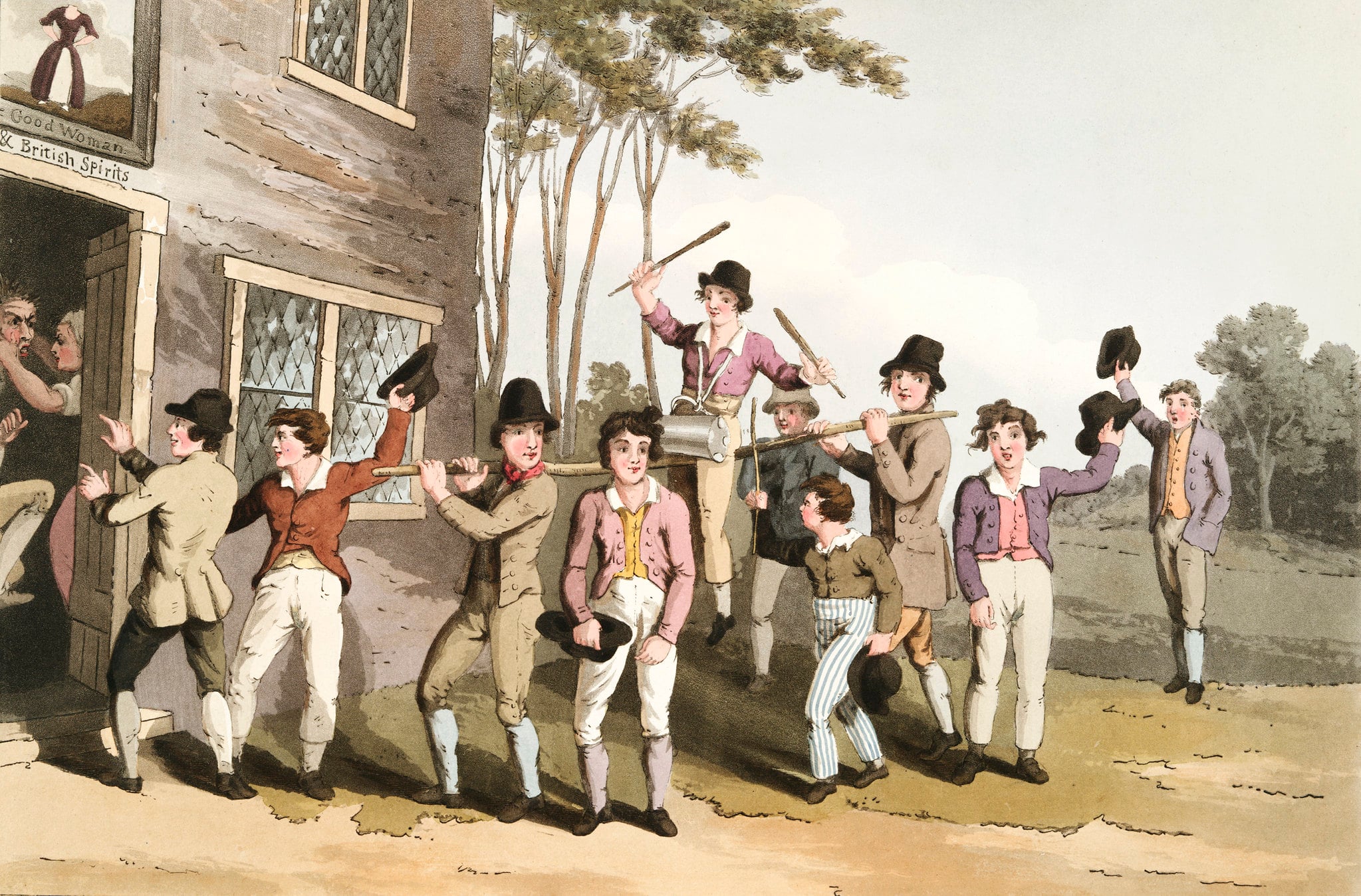
Riding the stang was a community-run humiliation rather than an officially administered one, which makes it arguably more revealing. A man found guilty of domestic failure — either for being beaten by his wife or for beating her, depending on local custom — would be paraded through the village on a pole or made to ride backward on a donkey while neighbors banged pots and pans.
The noise, the backwardness, the animal: all of it was choreographed mockery. Official courts didn’t need to get involved because the community had already decided to handle it themselves, which says something about where the real social power actually lived.
The Letter of Shame

Some medieval courts ordered offenders to wear visible letters or symbols identifying their crime — the precursor to Nathaniel Hawthorne’s scarlet letter, but far more widespread in practice. An adulterer might wear a yellow symbol; a usurer might be marked in specific colors tied to financial dishonesty.
The punishment was purely informational: it told everyone who looked at you what you had done, permanently recasting every future interaction. Medieval communities ran on reputation, and these markers were a tool for poisoning that reputation at the source.
Charivari

Charivari — the French term for a ritual noise-making procession — was a communal response to marriages or behaviors the community found offensive or ridiculous. Neighbors would gather outside someone’s home at night, banging instruments and shouting, making it clear that the community’s judgment had arrived at the door.
The target couldn’t ignore it, couldn’t pretend it wasn’t happening, and couldn’t escape the knowledge that people they lived among had organized specifically to mock them. It was social pressure wearing the costume of a party, and the distinction was thin.
The Shame Mask
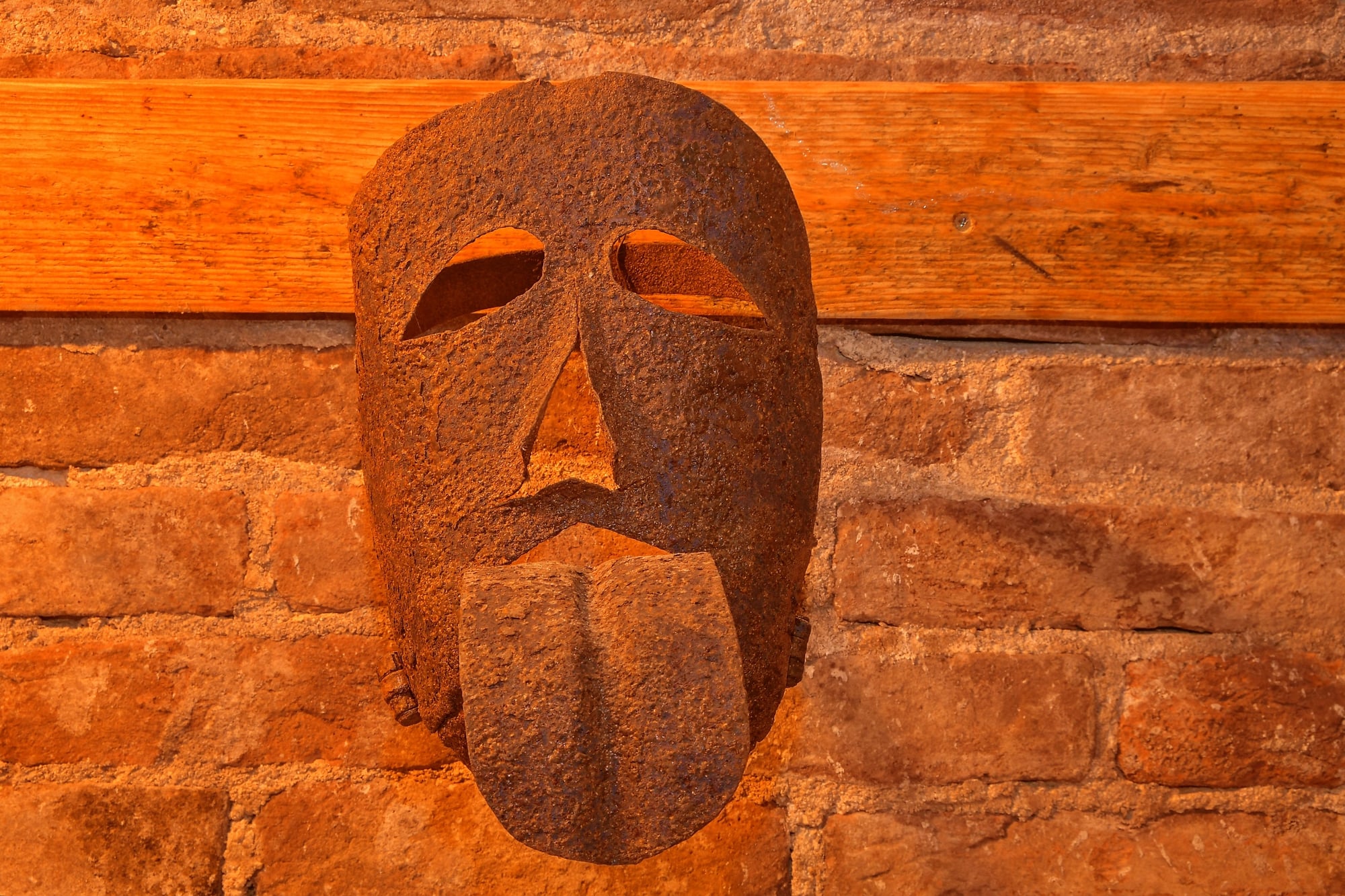
Shame masks — iron devices crafted into exaggerated, grotesque expressions of the supposed crime or character flaw — were designed to make the wearer look as monstrous as the community believed them to be. A thief might wear a mask with exaggerated features suggesting deceit; a woman judged vain might be fitted with a mask intended to uglify her.
The mask turned the inside accusation into an outward display, a kind of forced confession worn on the face. You couldn’t argue with it, you couldn’t explain it away — you could only wear it in public until someone decided you were done.
Penance Walks

The penance walk — a prescribed route through town on foot, sometimes miles long, sometimes barefoot, sometimes carrying heavy objects — was physically demanding but pointedly communal. The route mattered: it passed through markets, past churches, by the homes of people who knew the walker’s name.
Every step was witnessed, and the witnessing was the mechanism. Medieval penitential culture understood that suffering in private was just suffering, while suffering in public was a statement — one that the community could carry forward long after the walk was finished.
Being Unfrocked

For clergy, being publicly stripped of vestments and ecclesiastical rank was considered one of the most devastating punishments the Church could impose — not because it caused physical pain, but because it undid identity. A priest’s entire social existence was built on his role; to be publicly unfrocked was to be publicly unmade.
The ceremony was deliberately theatrical, reversing the gestures of ordination step by step. Medieval society was deeply invested in the symbolic weight of ritual, which meant that rituals of reversal carried their own terrible gravity.
The Shame Parade

Some convictions came with a mandatory procession: the offender led through town, announced by a crier, their crime broadcast aloud to anyone within earshot. The shame parade converted private wrongdoing into public record, making the offense part of the town’s shared memory rather than a discrete, finishable event.
And because medieval communities were small — a few hundred people who would see each other at market, at church, and in the street for decades — that memory was genuinely permanent. The parade ended in an afternoon.
The town’s memory did not.
When Mockery Was the Message

The logic behind all of these punishments — the bridles, the barrels, the backward donkeys, the bells — was consistent, even when the specific devices weren’t. Medieval authorities and communities understood something that modern justice systems sometimes undervalue: that belonging to a community is one of the things people protect most fiercely.
Strip someone of their dignity in front of their neighbors, make them ridiculous in the place where they live, and you’ve reached something that a whipping can’t always touch. These punishments weren’t softer than physical ones — in many cases, they were more precise.
They targeted exactly what the person had to lose.
More from Go2Tutors!

- The Romanov Crown Jewels and Their Tragic Fate
- 13 Historical Mysteries That Science Still Can’t Solve
- Famous Hoaxes That Fooled the World for Years
- 15 Child Stars with Tragic Adult Lives
- 16 Famous Jewelry Pieces in History
Like Go2Tutors’s content? Follow us on MSN.