What Makes Specific Misprinted Currency Notes Quietly Rise in Value
There’s a peculiar kind of thrill that comes from realizing the thing you’re holding is wrong — and that the wrongness is exactly what makes it worth something. Most people glance at a dollar bill and see a dollar.
Collectors look at the same bill and see a story of mechanical failure, human oversight, and institutional embarrassment frozen in ink and paper. Misprinted currency, known formally as error notes, occupies one of the stranger corners of American collecting culture: a space where the federal government’s mistakes become someone else’s windfall.
Not every printing error turns a $1 bill into a $1,000 conversation piece, though. The specific type of error, its rarity, its condition, and the circumstances surrounding its production all determine whether a misprint is a curiosity or a genuine collectible.
Understanding what separates the two is where things get genuinely interesting.
The Type of Error Itself
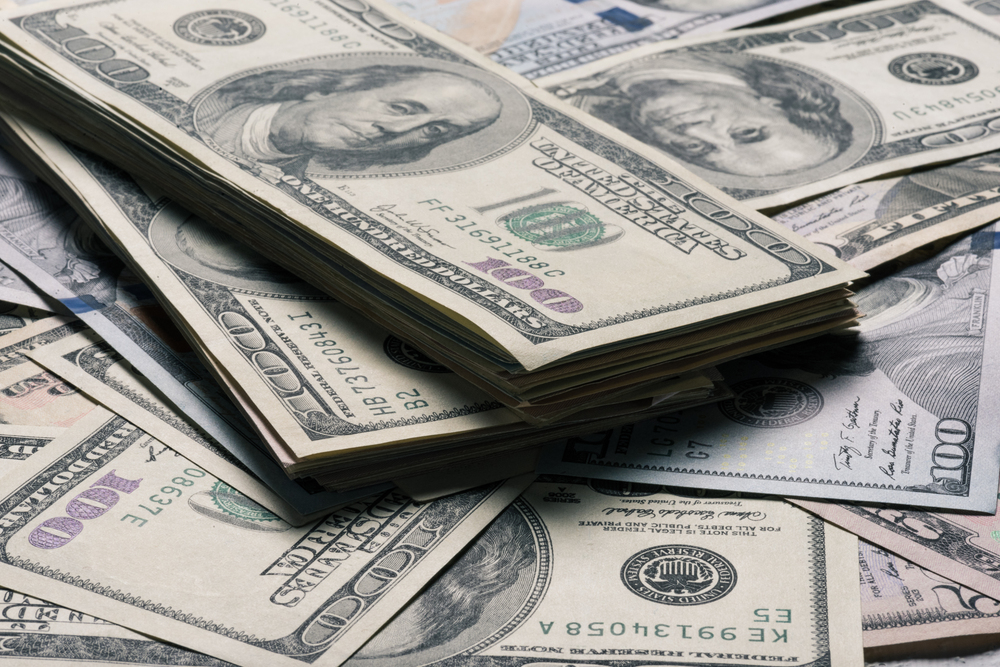
The error type is the single biggest driver of value in misprinted currency. A minor ink smear on the border of a $5 note is categorically different from a note that was printed on the wrong side of the paper or one that escaped the Bureau of Engraving and Printing missing an entire printing layer.
Collectors and dealers grade errors roughly by their visual severity and mechanical rarity — and the ones that suggest something went deeply, structurally wrong during production are the ones that climb fastest at auction.
Offset Printing Errors
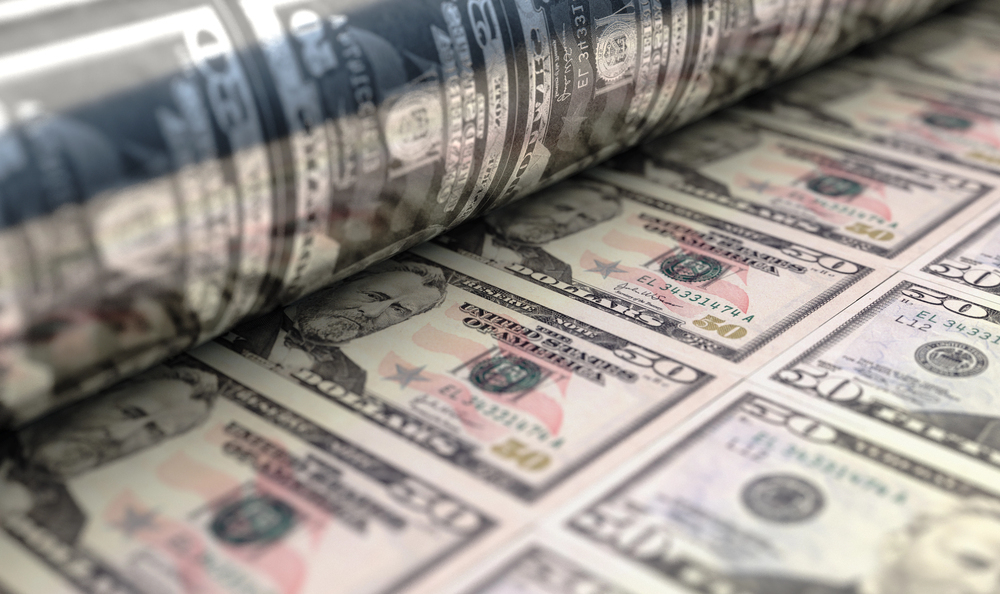
Offset printing errors happen when the wet ink from one sheet transfers onto the back of the sheet above it during the printing process, leaving a ghost-like mirror image on the face of the finished note. The effect is genuinely strange to look at — a backwards, faded impression of one side showing through onto the other — and that visual drama is part of what collectors respond to.
So the stronger and more complete the ghost image, the more aggressively the note is pursued. Partial offsets exist but command less attention than a clean, full-impression transfer.
Ink Shortage Notes
An ink shortage note is exactly what it sounds like: a note where one of the printing stages ran low on ink partway through, leaving a section of the design faint, incomplete, or missing entirely. These feel almost accidental in a quiet way — like a sentence that trails off before the period — and the visual incompleteness is what gives them their odd appeal.
The most valuable examples are ones where an entire design element, like the portrait or the seal, printed at dramatically reduced intensity while the rest of the note looks completely normal.
Inverted Third Printing
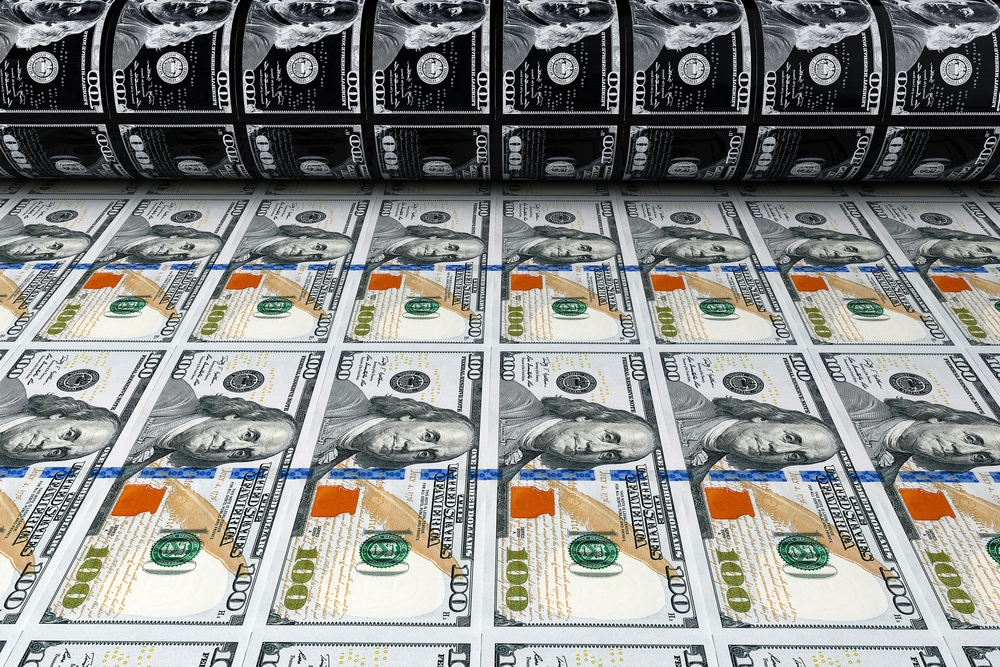
The inverted third printing is one of the most dramatic errors a Federal Reserve note can carry. The third printing — which applies the serial numbers, the Federal Reserve seal, and the Treasury seal — occasionally ran through the press with the sheet oriented backwards, placing all of those elements upside down relative to the face of the note.
It’s the kind of error that makes you look twice, then a third time, because the brain keeps trying to resolve it as intentional. Notes from this specific error class regularly sell for several hundred to several thousand dollars depending on denomination and condition.
Missing Print Layers
Some error notes escaped the Bureau of Engraving and Printing entirely missing one of their printing stages — arriving in circulation with no serial numbers, no seals, or in dramatic cases, with the back of the note completely blank. A note missing its entire back print is sometimes called a “blank back,” and it’s one of the more visually striking errors in circulation.
Turns out blank-back notes are rarer than most people assume, partly because quality control at the BEP catches the majority of them before the sheets are cut — which is precisely why the ones that slip through carry the premiums they do.
Cutting Errors
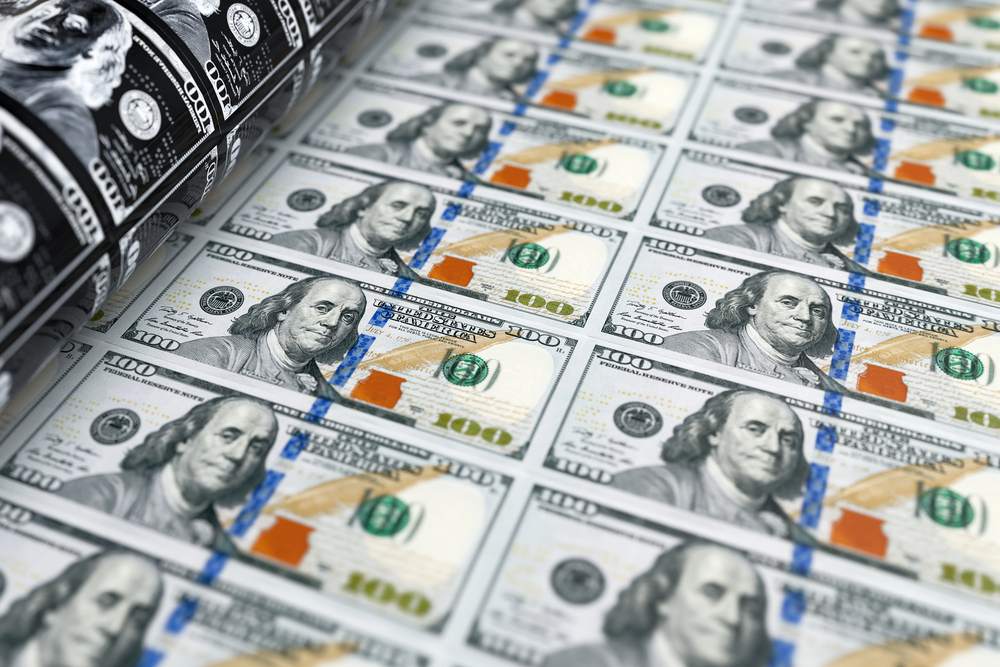
Cutting errors occur when a sheet of printed notes moves through the cutting machine misaligned, resulting in notes that are off-center, or more dramatically, notes that include part of an adjacent note’s design. The most prized cutting errors are the ones severe enough that a significant border fragment from a neighboring note appears on the face — a stub of green ink where there should be nothing.
Off-center notes with a dramatic shift and a complete design on both faces are the sweet spot: serious enough to be undeniable, clean enough to grade well.
Gutter Folds
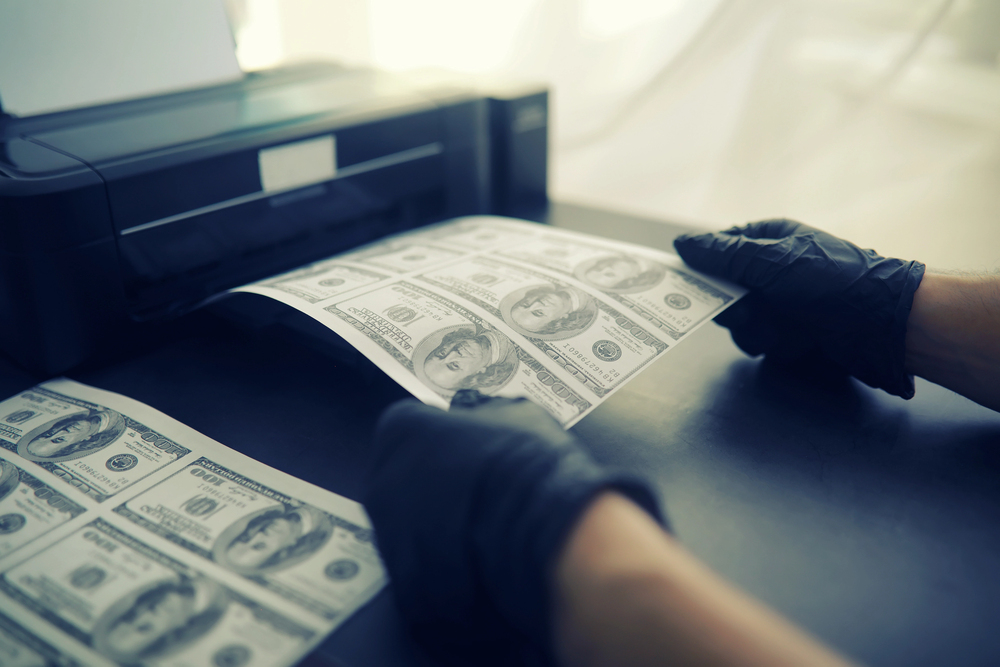
A gutter fold happens when the paper develops a crease before printing, and the folded portion of the sheet receives ink that, when unfolded, appears in the wrong place on the finished note. The result is a note with a blank strip running across it — an unprinted gutter — where the folded paper hid from the printing plates.
Collectors distinguish between clean gutter folds, where the note unfolds flat with a crisp, well-defined blank channel, and messy ones where the paper crumpled unevenly. The clean ones grade better and sell for more; the messy ones tend to look like someone simply damaged the note, which makes authentication conversations more complicated.
Foldover Errors
A foldover error is what happens when the paper itself folds back over itself before the final cutting stage, and the portion printed on top of the fold ends up somewhere it was never supposed to be. When the note is unfolded, part of the back of the note appears on the face — or part of the face appears on the back — creating a note that is simultaneously two things at once.
These are among the more visually disorienting error types, and they frequently attract buyers who have never collected currency before but simply cannot look away from the result.
Mismatched Serial Numbers
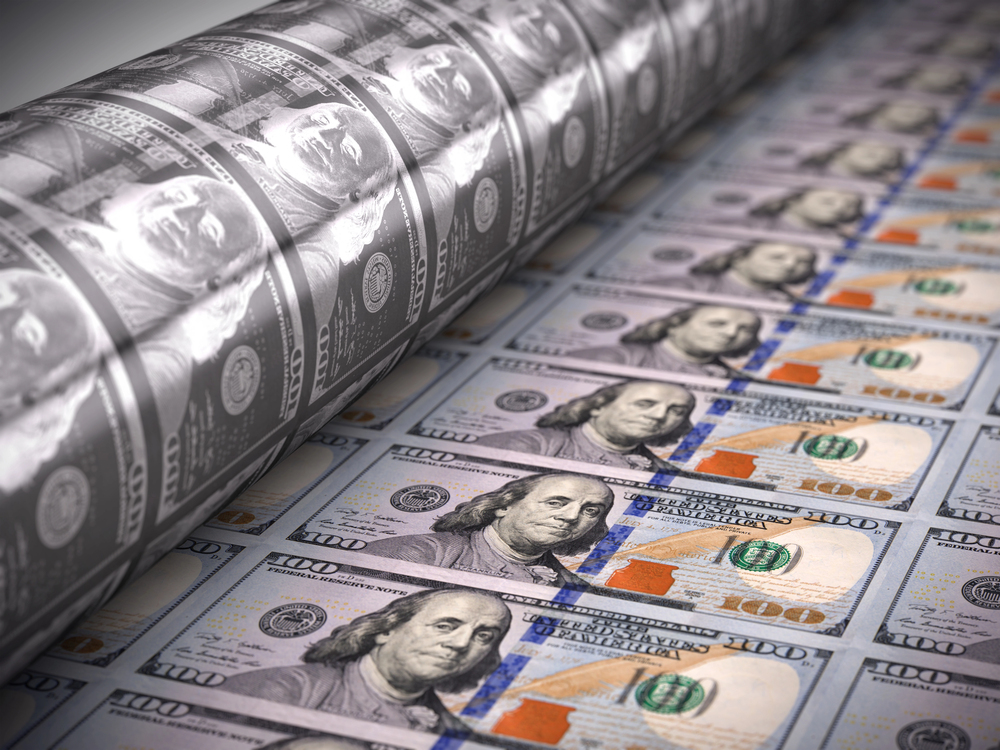
A serial number mismatch — where the two printed serial numbers on a note don’t match each other — is rare enough that confirmed examples command serious premiums. The two serial numbers on a Federal Reserve note are printed simultaneously and are mechanically constrained to match, so a genuine mismatch suggests a significant mechanical or sorting failure.
Authentication matters enormously here, since mismatched serials are also the category most frequently faked by people who swap note portions; grading companies flag the paper seams. A clean, certified mismatch from a reputable third-party grader is a different animal entirely.
The Denomination Factor
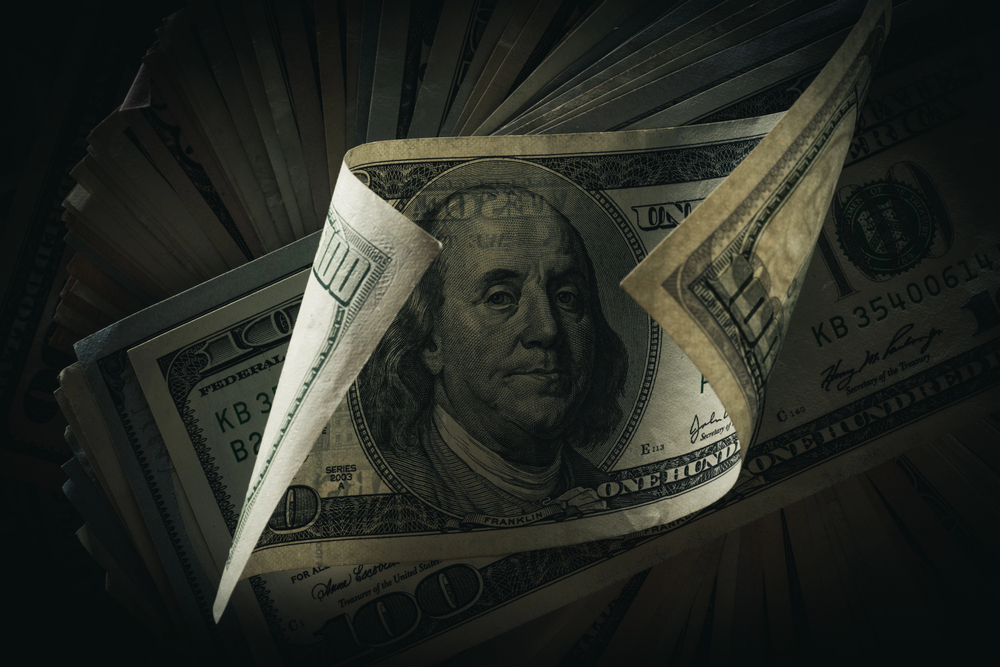
Higher denominations don’t automatically mean higher error note values — but they don’t hurt either. A $100 bill with a dramatic offset printing error is worth more than a $1 bill with an identical error, partly because the face value contributes a psychological floor to the transaction and partly because higher-denomination sheets were historically printed in smaller runs, making errors from those sheets statistically rarer.
The calculation isn’t purely mechanical, though: a spectacular error on a $1 bill will outperform a minor error on a $100 bill every time, because the error itself always outranks the denomination in the hierarchy of what collectors actually want.
Star Notes and Their Interaction With Errors
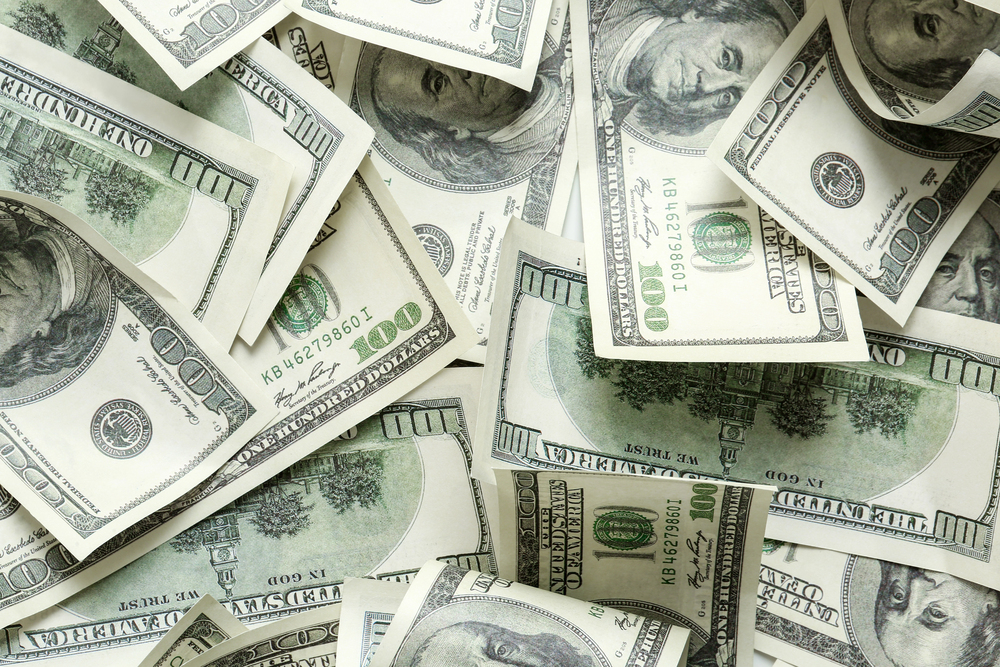
Star notes — replacement notes printed to substitute for sheets destroyed during quality control — are already collectible on their own. When a star note also carries a printing error, the two factors compound each other in a way that doesn’t simply add value: it multiplies the pool of collectors competing for the same note.
Star note collectors want it. Error note collectors want it.
Specialists who focus specifically on star-note errors want it most of all. So a misprinted star note sits at the intersection of multiple collecting communities, and that overlap is where auction records quietly get broken.
The Year and Federal Reserve District
Error notes from shorter print runs — either because the year’s production was limited or because a specific Federal Reserve district bank issues fewer notes than larger ones — carry a scarcity premium that compounds with the error itself. A misprinted note from the Minneapolis Fed (District 9) surfaces far less often than an error from the New York Fed (District 2), simply because New York’s print volumes are substantially higher.
This is one of those facts that rewards patient collectors who track production data: the same error on two notes from different districts can have a price gap that surprises people who assumed they were buying equivalent items.
Condition and Its Outsized Role
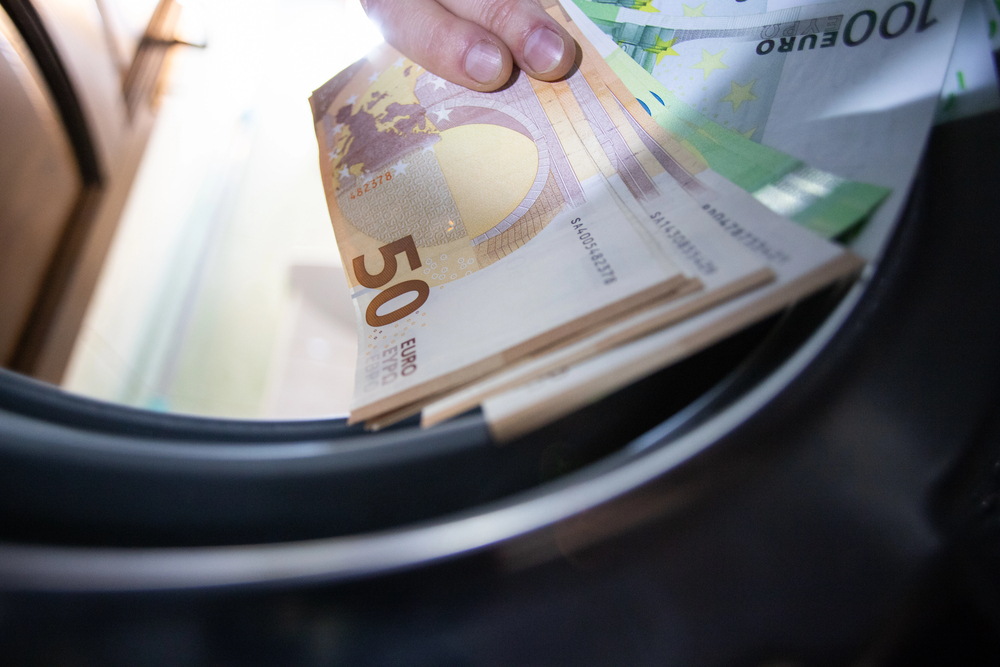
An error note in circulated, heavily worn condition is almost always worth a fraction of what the same error would bring in uncirculated grade. The error is the reason for interest; the condition is the reason for the price.
Notes that entered circulation before anyone recognized the error are common — most people who encountered an odd-looking bill before the internet era simply spent it — which is exactly why uncirculated error notes are so disproportionately scarce. A misprint that graduated from the BEP into a collector’s hands without ever passing through a cash register sits in a different category from one that’s been handled, folded, and forgotten in a wallet for a decade.
Third-Party Grading and Certification
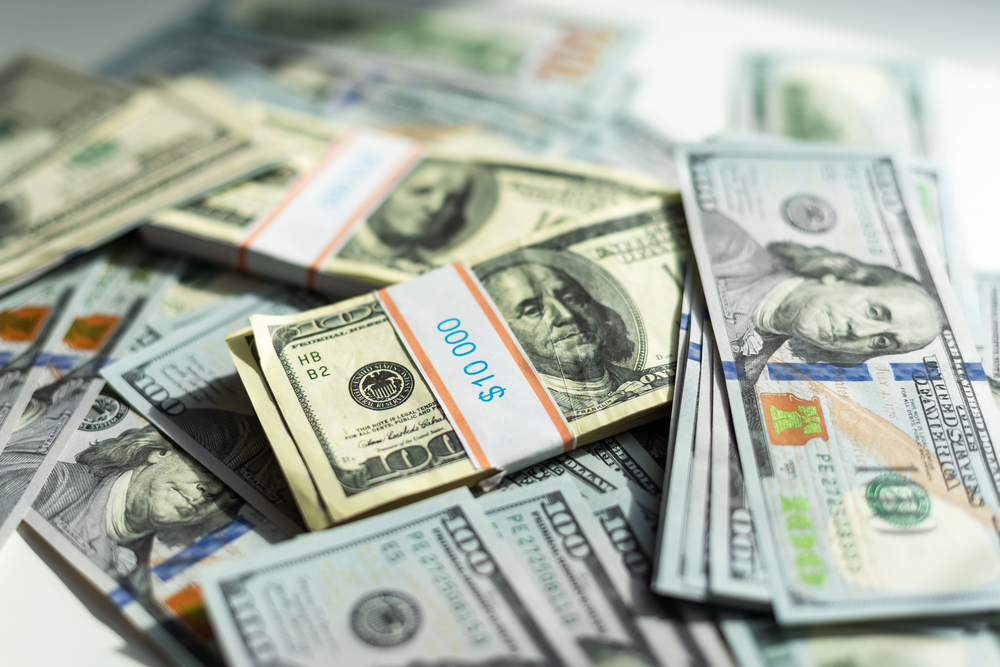
Professional grading from companies like PCGS Currency or PMG (Paper Money Guaranty) does something concrete for error note values: it removes doubt. An ungraded error note requires the buyer to trust their own authentication ability, which limits the pool of willing buyers to experienced collectors.
A graded, certified, encapsulated error note can be sold to anyone — auction houses, casual collectors, first-time buyers — because the authentication work has already been done by a credible third party. The certification fee is almost never the reason not to grade a significant error note; the premium it adds to the final sale price is reliably larger than the cost of submission.
Population Reports and Comparative Rarity
Grading companies maintain population reports — records of every note they’ve certified, including grade and type — and serious collectors use these reports the way a detective uses case files. When a population report shows that only three examples of a specific error type on a specific series have ever been certified, that note becomes defensible as genuinely rare rather than just unusual.
The rarity isn’t assumed; it’s documented. And documented rarity is the kind that moves prices at auction with predictable reliability, because every serious bidder in the room has seen the same population data.
The Uncut Sheet Variable
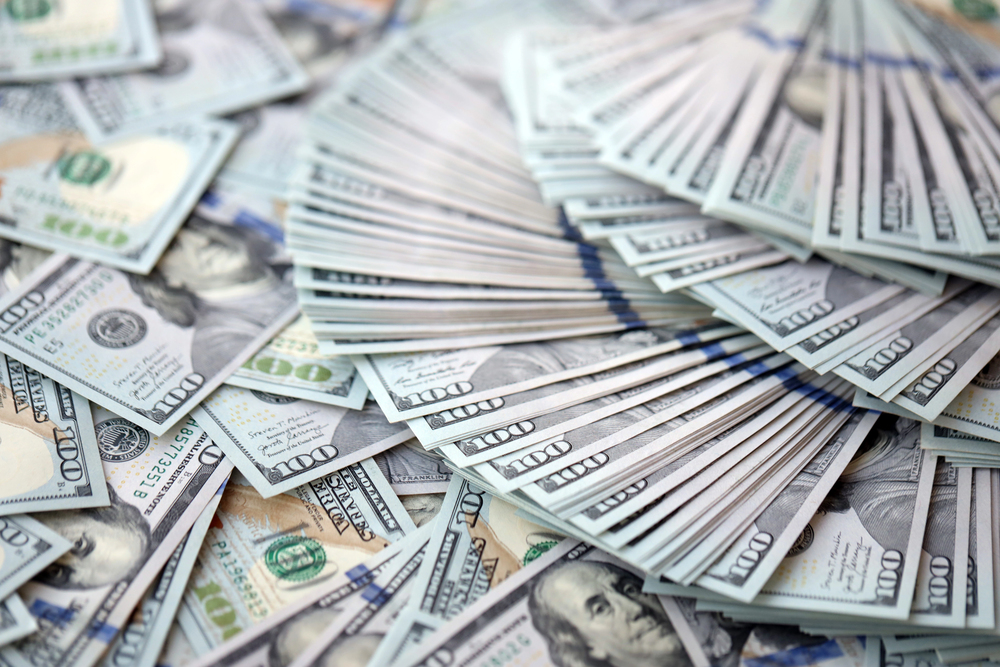
Error notes that are discovered still on uncut sheets — before individual bills were separated — represent a specific subset of the market with its own premium logic. The Bureau of Engraving and Printing has sold uncut sheets to the public since 1981, and occasionally those sheets carry printing anomalies that weren’t caught before sale.
An error that appears consistently across multiple notes on the same uncut sheet is interesting; an error that appears on just one note within an otherwise normal sheet is the one that makes collectors stop breathing for a moment. The sheet provides context that a single note never can, and context, in this market, translates directly into dollars.
The Role of Provenance and Public Discovery Stories

A misprinted note with a compelling, documented origin story — found in a bank roll, recovered from an estate, returned as change at a hardware store in 1987 — carries something that pure condition and rarity don’t fully capture. Provenance adds narrative weight to an already unusual object, and narrative weight matters to buyers who are spending real money on something that is, at its face, a piece of paper.
The story doesn’t inflate value arbitrarily, but it does accelerate transactions: a well-documented note moves faster and more confidently than an identical note with no history attached to it.
Where the Market Actually Lives
The error note market isn’t conducted in obvious places. The majority of serious transactions happen through specialty auction houses like Heritage Auctions and Stack’s Bowers, through established paper money dealers, and at currency shows like the annual Memphis International Paper Money Show.
Online platforms like eBay participate at the lower end of the market, where minor errors change hands for modest sums, but the significant pieces — the certified, high-grade, well-documented errors — tend to find their buyers through channels where the audience already knows what it’s looking at. Bringing a significant error note to the wrong venue is the most reliable way to leave money on the table.
The Quiet Ones That Waited
Some of the most valuable error notes in private collections today were sitting in shoeboxes, bank bags, and forgotten coin albums for decades before anyone recognized what they were. The market for these objects matured slowly, and the infrastructure for authentication and grading that now gives collectors confidence didn’t really solidify until the late 1990s and early 2000s — which means earlier errors had decades to disappear into ordinary life before anyone was systematically looking for them.
The notes that were lucky enough to survive that period in decent condition, and then lucky enough to land in the hands of someone who recognized them, are now the notes that anchor the upper end of auction results. Not every mistake gets a second chance to matter.
These ones did.
More from Go2Tutors!

- The Romanov Crown Jewels and Their Tragic Fate
- 13 Historical Mysteries That Science Still Can’t Solve
- Famous Hoaxes That Fooled the World for Years
- 15 Child Stars with Tragic Adult Lives
- 16 Famous Jewelry Pieces in History
Like Go2Tutors’s content? Follow us on MSN.



