The Cultural Traditions of the Venice Carnival
Every February, the canals and squares of Venice transform into a stage for one of the world’s most captivating celebrations. The Venice Carnival isn’t just a festival—it’s a living piece of history that has survived wars, plagues, and political upheavings for nearly a thousand years.
Walking through the city during this time feels like stepping through a portal where the past and present exist side by side, and everyone is invited to play a part. So what makes this celebration so special, and why do people from every corner of the globe flock to experience it? Let’s explore the traditions that have shaped this extraordinary event.
Masks hide identity but reveal character
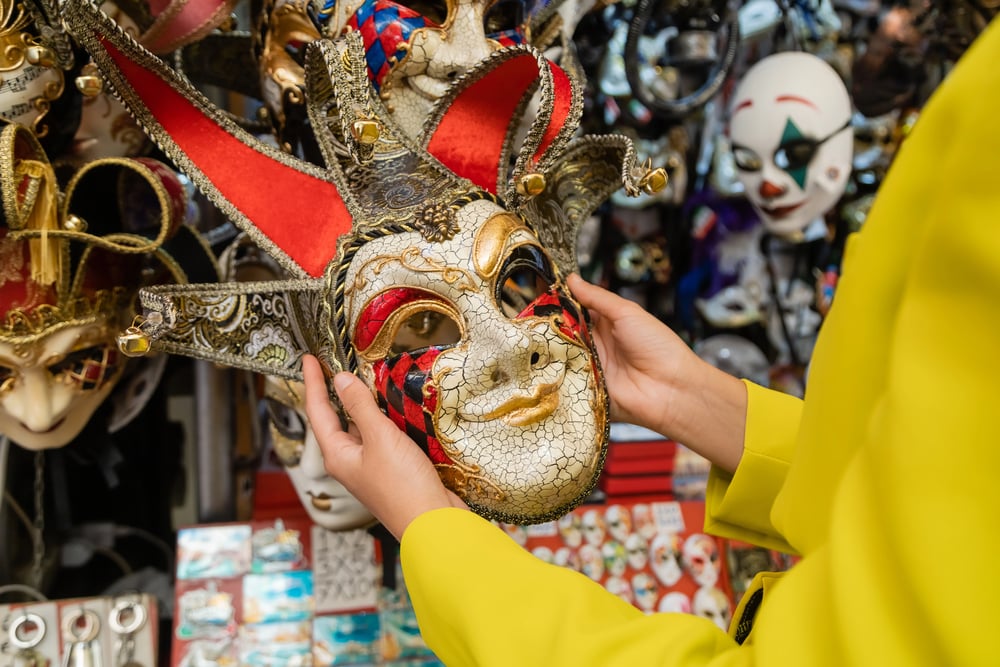
The tradition of wearing masks during Carnival goes back to the 13th century when Venetians discovered something powerful about anonymity. Behind a mask, a noble could mingle with a commoner, a servant could joke with a merchant, and social barriers dissolved like morning mist over the lagoon.
This wasn’t just about having fun—it was a radical idea in a society strictly divided by class. The masks gave people permission to be someone else, even if just for a few weeks, and that freedom became the heartbeat of the entire celebration.
The Bauta represents Venetian wit
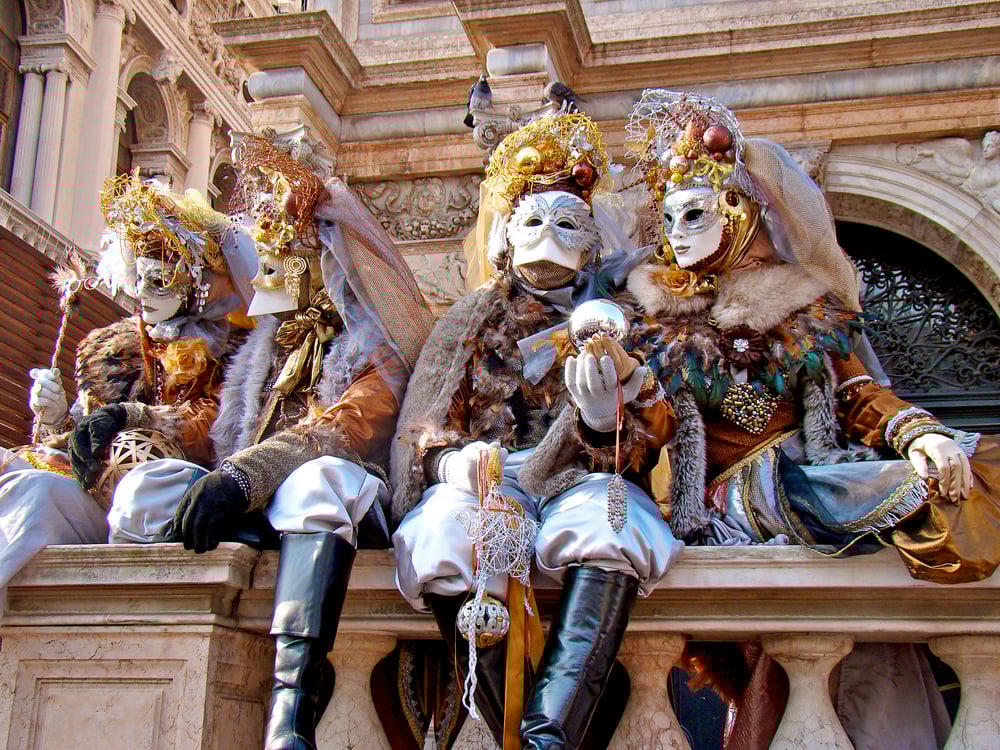
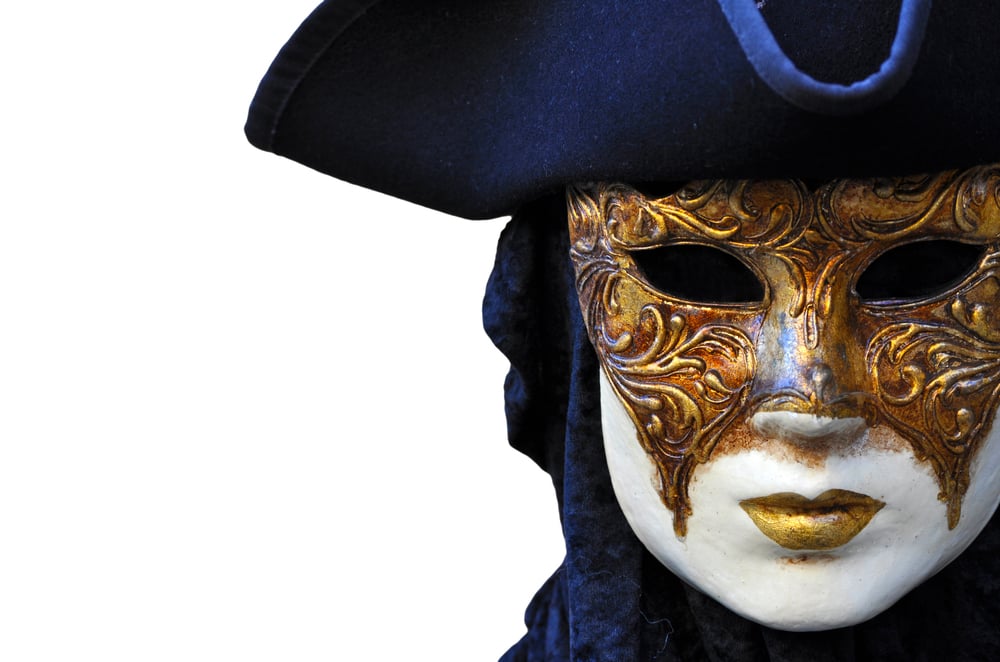
Among all the mask styles, the Bauta stands out as uniquely Venetian. This white mask covers the entire face and features a protruding chin that allowed wearers to eat and drink without removing it.
Paired with a black cloak and tricorn hat, the Bauta became the go-to disguise for anyone wanting to move through the city unrecognized. Nobles wore it to gambling houses, lovers wore it to secret meetings, and political figures wore it to speak their minds without consequences.
The design was so practical and popular that the government eventually had to regulate when people could wear it because Venetians were using it year-round for all sorts of mischief.
The Moretta speaks through silence

Women during the 18th century favored a different mask called the Moretta, an oval of black velvet that covered the face completely. What made this mask unusual was how it stayed on—wearers had to hold a button in their mouths, which meant they couldn’t speak while wearing it.
This enforced silence added an air of mystery and elegance that became incredibly fashionable among Venetian ladies. Though you rarely see authentic Morettas today because they’re uncomfortable to wear, they represent a fascinating chapter in Carnival history where communication happened entirely through gestures and glances.
The Plague Doctor mask emerged from darkness
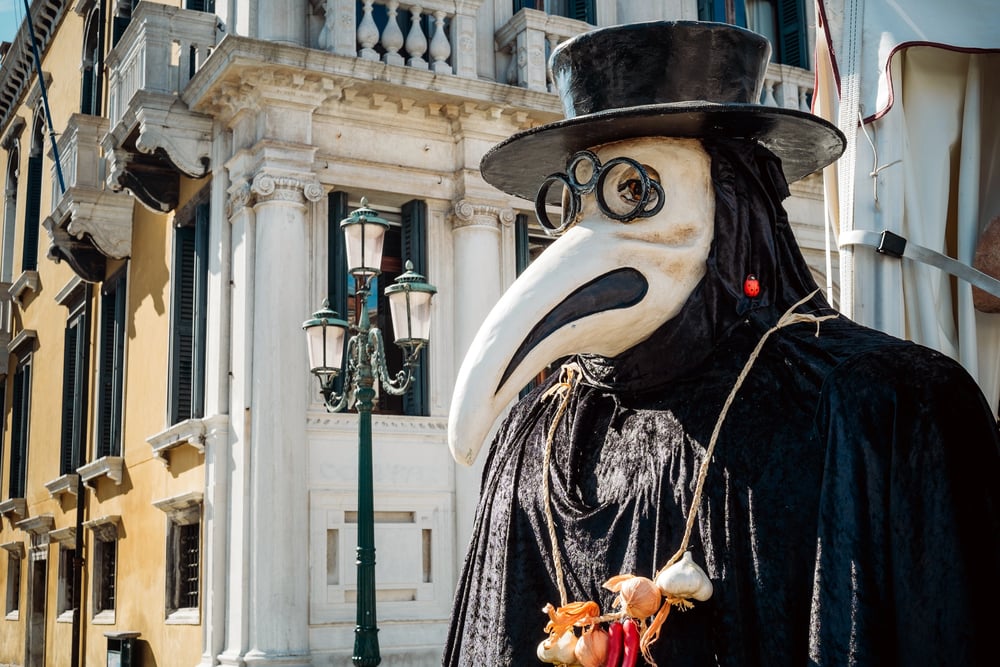
The beaked Plague Doctor mask, with its long bird-like nose and round eye openings, looks like something from a horror film. But it actually comes from a practical piece of medical history.
During the 17th century, doctors treating plague victims wore these masks stuffed with aromatic herbs in the beak, believing the scents would protect them from disease. While the masks failed at their medical purpose, they succeeded in becoming one of Carnival’s most recognizable symbols.
Today, you’ll see these haunting figures everywhere during the festival, a reminder that Venice has survived some truly dark chapters and celebrates anyway.
Opening ceremonies honor the past

Out of nowhere, the Carnival kicks off with the Festa delle Marie – a procession breathing life into an old medieval tale. Long ago, so the story goes, raiders snatched twelve newlywed women at their wedding feast, only for townspeople to chase after them and win them back.
Each season now, Venice picks twelve girls to wear vintage gowns and walk across San Marco Plaza like figures stepped out of time. At the finish line, one walks away wearing the crown of Maria of the Year, carrying honor few earn.
Page by page, history folds into today as this start shapes what comes next, stitching past drama into present spectacle.
The Flight of the Angel rises without weight

A figure drops slowly through air, tethered only by a thin wire stretching from the peak of St. Mark’s belfry down to the cobbled ground – this sight stuns every onlooker. Centuries back, in the 1500s, it began not with a fall but a climb: a youth crossed the lagoon balanced on a rope, reached the tower summit, then came down carrying blossoms meant for Venice’s ruler.
Yet silence fell over the ritual after one fatal plunge in 1759; officials deemed it too dangerous, so they ended it. Back in 2001, it came back – this time with up-to-date gear – and quickly turned into a highlight snapped by cameras throughout the celebration.
Usually, whoever wore the crown of Maria last time gets picked again for the role.
Costumes cost more than you’d expect
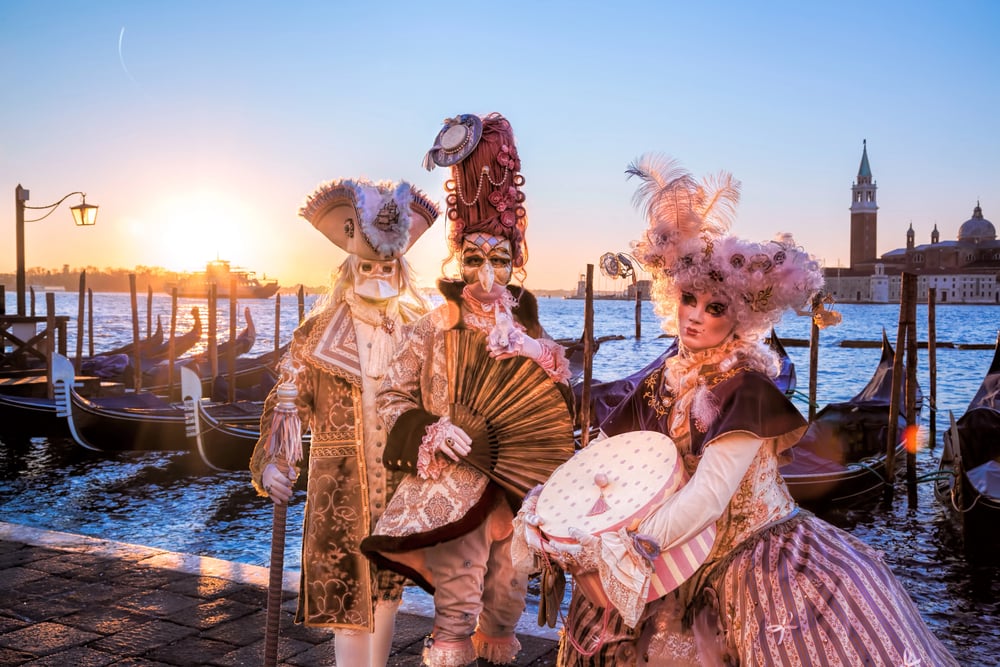
Creating an authentic Carnival costume isn’t something you do on a whim. Traditional outfits can take months to make and cost thousands of dollars because they involve intricate embroidery, hand-painted details, and fabrics like silk and velvet.
Professional costume designers in Venice guard their techniques carefully, passing them down through generations. Some families own costumes that have been worn for decades, carefully maintained and updated for each new Carnival season.
When you see someone in an elaborate 18th-century gown or a perfectly tailored baroque suit, you’re looking at serious dedication and craftsmanship.
Musicians perform on floating stages

Venice’s canals become performance venues during Carnival, with musicians setting up on boats and gondolas. Classical ensembles play baroque compositions that would have been heard during the festival’s golden age in the 1700s.
The acoustics created by water and surrounding buildings give the music a haunting quality that you can’t replicate in a concert hall. Street performers also fill the squares and bridges, playing everything from traditional Italian folk songs to operatic arias.
The soundtrack of Carnival becomes as important as the visual spectacle, wrapping the entire city in layers of sound.
Private galas require invitations

The most exclusive Carnival experiences happen behind closed doors at private masquerade galas held in historic palazzos. These events recreate the lavish parties that Venetian nobility threw during the 18th century, complete with champagne, gourmet food, and orchestras.
Getting an invitation to one of these galas isn’t easy—they’re expensive and often require connections. Guests spend as much on their costumes for these single nights as some people spend on an entire vacation.
But for those who attend, it’s a chance to experience Carnival the way it was celebrated during its most glamorous era.
Street performers compete for attention

The calli and campi fill with performers who treat the entire city as their stage. Living statues stand motionless for hours in elaborate costumes and makeup, breaking their poses only when someone drops coins in their collection box.
Jesters juggle and tell jokes in multiple languages, adjusting their acts for international crowds. Some performers spend the entire Carnival in character, creating elaborate personas complete with backstories.
The competition for attention is fierce because prime spots in popular areas can make the difference between a profitable Carnival and a disappointing one.
Food traditions connect generations

Certain foods appear only during Carnival season, recipes that Venetian grandmothers teach their grandchildren year after year. Fritelle, sweet fried dough orbs filled with cream or raisins, show up in bakery windows throughout the city.
Galani, thin strips of fried pastry dusted with powdered sugar, crunch between your teeth and leave sweet crumbs everywhere. These treats aren’t just desserts—they’re edible links to centuries of tradition.
Families gather in kitchens to make them using the same recipes their ancestors used, and the smells of frying dough and sugar drift through Venetian neighborhoods.
Photography rules create challenges

Taking photos during Carnival presents unique difficulties because costumed participants have strong feelings about their images. Many elaborate costumes take hours to prepare, and the people wearing them often expect payment if you want to photograph them up close.
Some pose professionally in scenic locations, essentially working as models during the festival. Others prefer candid moments and get annoyed if tourists snap pictures without asking.
The etiquette around photography has evolved over the years as cameras have become universal, creating an ongoing tension between preserving memories and respecting boundaries.
The celebration once faced extinction

Venice’s government actually banned Carnival in 1797 when Napoleon conquered the city, declaring it a waste of time and resources. The prohibition lasted nearly 200 years, and an entire cultural tradition came dangerously close to disappearing forever.
Older Venetians kept memories of Carnival alive through stories, and some families secretly preserved masks and costumes in their homes. When the city officially revived Carnival in 1979, it was partly a tourism strategy but also a reclamation of Venetian identity.
The fact that it came back stronger than ever proves how deeply this celebration runs in the city’s blood.
Modern elements blend with tradition
Right now the Carnival holds pieces that might puzzle someone from old Venice. Instead of just classic styles, today’s makers shape bold masks using strange fabrics and fresh forms.
Lights dance across ancient walls through digital tricks never seen before. Performers on foot bring current songs and familiar cultural nods into their routines.
Even so, none of this wipes out older customs – they stand close by, showing how the festival shifts without losing what it truly is.
Weather determines the experience
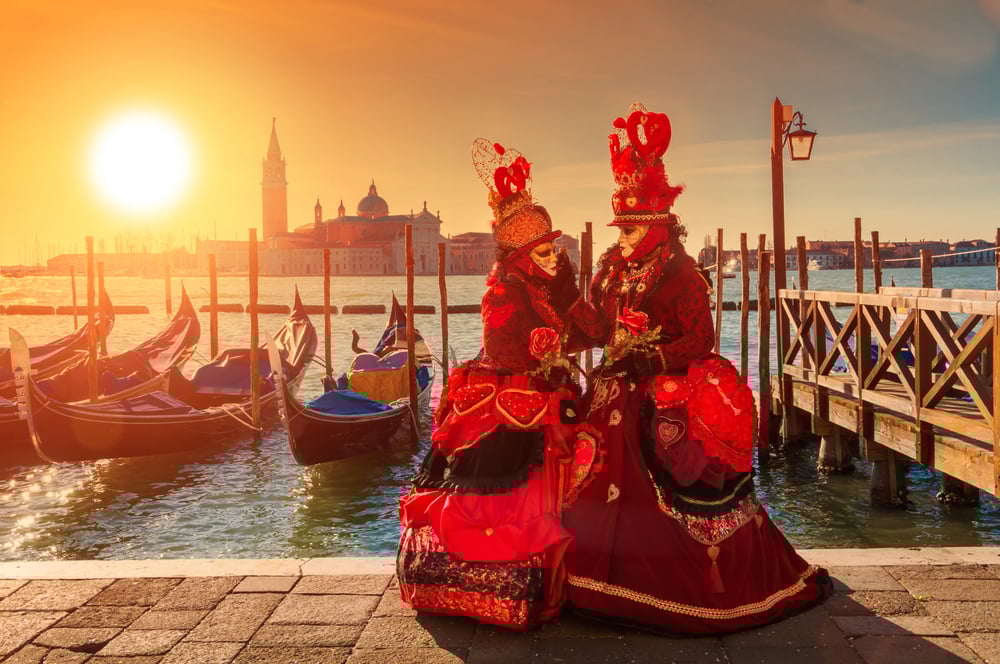
Frosty mornings in February might gift Venice clear views, where sunlight sharpens every mask and stage act. Yet sudden downpours drench parades, forcing feathered headdresses beneath raincoats and pushing people into doorways.
When mist creeps off the water, shapes blur along alley bends, wrapping festivities in quiet mystery. Sky color shifts entirely reshape the mood of Carnival, altering both sightlines and strolls.
When seawater rises and spills into Venice streets, some festival happenings get scrapped or moved elsewhere. Those who’ve seen it before bring gear for rain, shine, mud, or flood.
Children participate in special events

Families bring kids to Carnival, and the city offers programming designed specifically for young people. Costume contests for children happen throughout the festival, judged on creativity rather than expense.
Puppet shows in the squares tell traditional Venetian stories using characters that have entertained kids for generations. Face painting booths transform children into miniature versions of classic Carnival figures.
These family-friendly elements ensure that new generations develop connections to the traditions, keeping the festival alive not just as a tourist attraction but as something meaningful to Venetians themselves.
Economic impact shapes the city

Venice sees a surge in visitors each Carnival, one that lifts income across hotels, eateries, and storefronts when travel numbers are usually low. Before the event kicks off, mask makers and costume builders wrap up nearly all they’ll sell through the year.
Extra vaporettos glide along canals, while gondola operators add shifts just to keep pace with demand. Yet money isn’t everything – locals voice frustration over packed streets, steeper living costs, and blocked paths on familiar routes.
The city walks a tightrope: honoring tradition without letting it choke daily life.
Global influence spreads the tradition
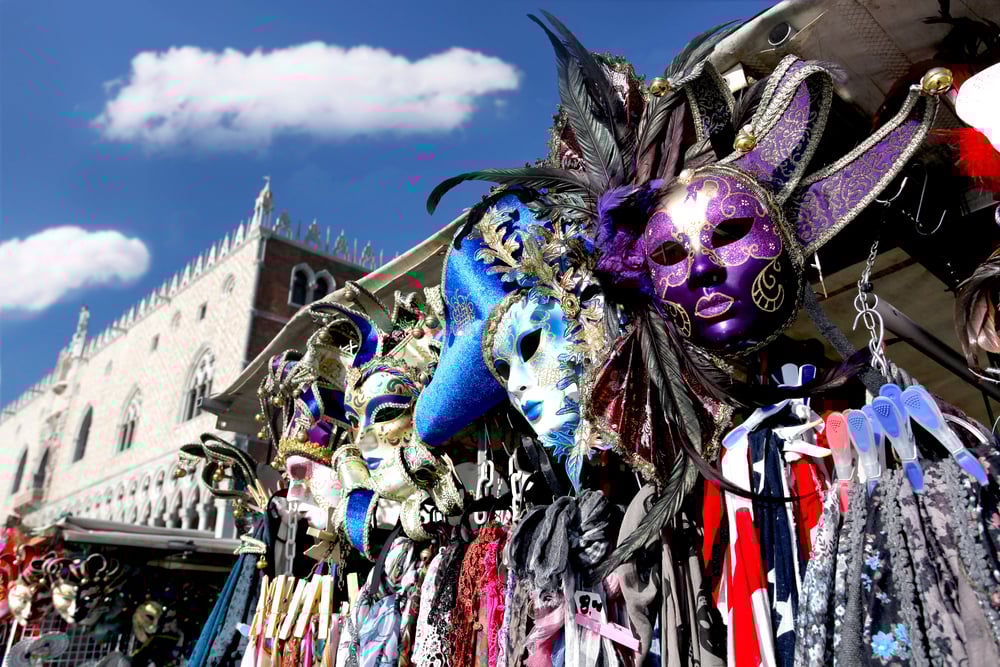
Festivals like Rio’s and Mardi Gras in New Orleans found their spark in Venice’s Carnival. Though miles apart, each took the core elements – masks, revelry – and shaped them differently.
Instead of copying, they wove local spirit into every detail. Still, echoes remain: the rhythm of hidden faces, melodies floating through streets, moments when rules loosen before Lent begins.
Hidden behind feathers or gold leaf, people step outside ordinary life just as others do far away. Time folds strangely there, where past and present blur under dim lit alleyways.
Elegance lingers in how things move slowly, deliberately unlike flashier versions elsewhere. Mystery stays close, never explained fully by guidebooks or tours. History walks beside you even if you do not know its name. The sense of depth comes not from shows but silence between beats of a distant drum.
The spirit outlasts the season

After the festival finishes, once crews take down banners and streamers from public spaces, daily rhythm returns but Venice does not snap back into ordinary routine like most cities would. Echoes of Carnival hum beneath the surface long afterward – proof that make-believe and real life have always mixed here easily.
Behind glass windows, mask makers still shape leather and paint faces, drawing visitors eager to carry away fragments of ritual. Notes from performers linger too; those who played drums and violins during parades now fill courtyards and dining halls with music months later.
Back into storage the costumes return, biding their time till next season. Proof arrives each year when Carnival shows Venice breathes beyond old stones – this place throws a feast for identity, pulls strangers close without spilling its secrets.
More from Go2Tutors!

- The Romanov Crown Jewels and Their Tragic Fate
- 13 Historical Mysteries That Science Still Can’t Solve
- Famous Hoaxes That Fooled the World for Years
- 15 Child Stars with Tragic Adult Lives
- 16 Famous Jewelry Pieces in History
Like Go2Tutors’s content? Follow us on MSN.