15 Survival Tactics Used by Strange Animals
Nature’s a brutal arena where survival demands creativity. Animals have developed tactics so outlandish they’d make fiction writers jealous—yet these strategies work flawlessly in the wild.
From complete bodily shutdown to projectile defense mechanisms, these creatures prove that when life gets tough, evolution gets weird. These remarkable adaptations represent countless generations of trial and refinement.
Here is a list of 15 incredible survival tactics that showcase the animal kingdom’s most bizarre solutions.
Wood Frogs Freeze Solid and Come Back to Life
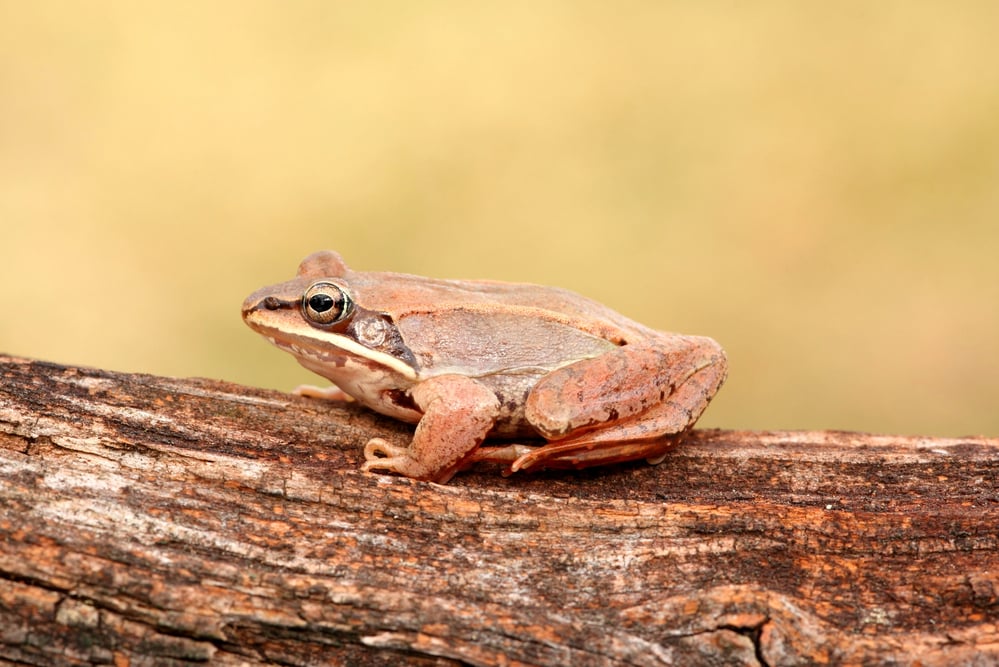
Wood frogs accomplish something that sounds impossible—they freeze up to 60% of their body during winter, then spring back to life when temperatures rise. These remarkable amphibians survive temperatures plummeting to -80°F by flooding their organs with glucose—roughly ten times normal concentrations.
This biological antifreeze prevents cellular damage while they remain in suspended animation. Come springtime, they thaw out completely and resume normal activities as though winter never happened.
Texas Horned Lizards Shoot Blood from Their Eyes

When cornered, the Texas horned lizard deploys perhaps nature’s most startling defense—shooting blood directly from its eyeballs. This isn’t some accidental mishap; the lizard deliberately increases blood pressure until tiny vessels around its eyelids rupture, projecting crimson streams up to five feet away.
The expelled blood contains compounds that taste absolutely revolting to canine predators like coyotes and foxes—making this both a shock tactic and chemical warfare rolled into one.
Pistol Shrimp Create Underwater Explosions
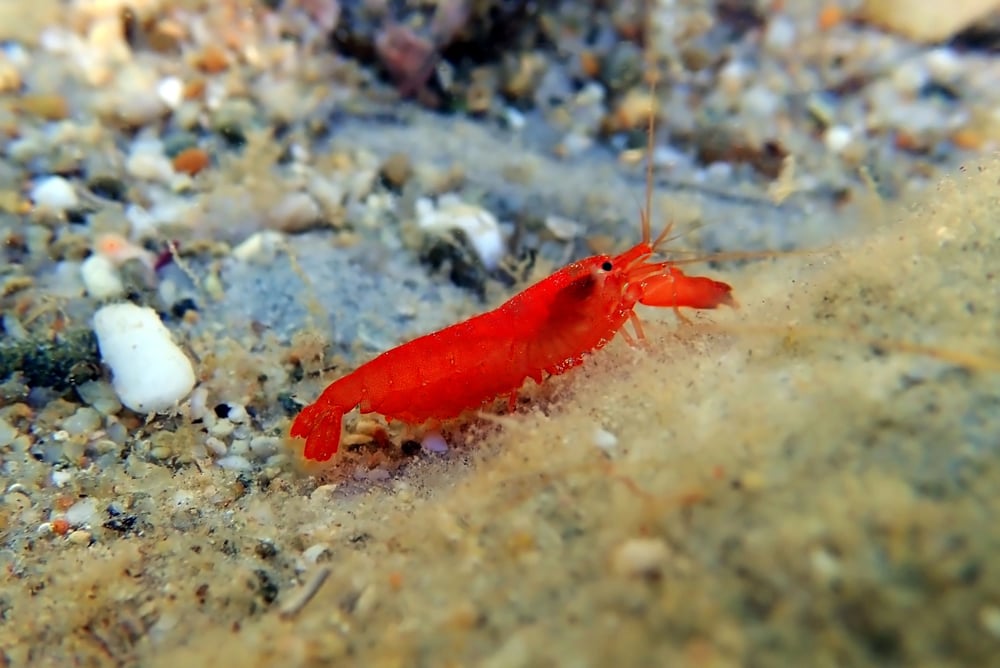
Don’t let their diminutive size fool you—pistol shrimp wield one of the ocean’s most devastating weapons. Their specialized claw snaps shut with such force that it creates cavitation bubbles in the surrounding water.
When these bubbles collapse, they generate temperatures rivaling the sun’s surface while producing sounds louder than jet engines. This underwater detonation can instantly stun or kill prey, proving that incredible power sometimes comes in tiny packages.
Hagfish Turn Predators into Slime Monsters

Hagfish have mastered what might be the ocean’s grossest defense strategy—transforming attackers into helpless, slime-covered messes. When threatened, special glands throughout their body secrete an extraordinary substance that, when mixed with seawater, expands into incredibly fibrous slime.
A single hagfish can turn an entire bucket of water into thick, choking goo that clogs predator gills—forcing them to abandon their meal and focus on basic breathing.
Hairy Frogs Break Their Own Bones into Claws

The hairy frog takes self-defense to disturbing extremes by deliberately fracturing its own toe bones and forcing them through its skin to create makeshift claws. This wolverine-inspired adaptation allows the frog to wield sharp bone fragments as weapons during confrontations.
Once danger passes, these improvised claws retract back into the toes—with the punctured skin healing completely over time.
Pufferfish Transform into Spiky Balloons

Pufferfish have perfected the art of becoming utterly inedible through rapid body inflation. When danger approaches, they gulp massive amounts of water or air—transforming from sleek fish into oversized, spiky spheres.
This dramatic size increase makes them nearly impossible to swallow, while protruding spines add an extra layer of deterrence. Most predators take one look at this pincushion transformation and decide to hunt elsewhere.
Cuttlefish Master Underwater Camouflage

Cuttlefish represent the ocean’s ultimate masters of disguise through their sophisticated chromatophore system. These specialized skin cells allow instantaneous color and texture changes—creating complex patterns that perfectly match surrounding environments.
Whether evading predators or stalking prey, they blend seamlessly into coral reefs, rocky surfaces, or sandy bottoms. As backup protection, they can release dense ink clouds to confuse attackers while making swift escapes.
Kangaroo Rats Never Need to Drink Water

Kangaroo rats have solved desert survival’s greatest challenge—they’ve evolved to live their entire lives without drinking water. Instead, these remarkable rodents extract all necessary moisture from the seeds they consume, while their kidneys operate with extraordinary efficiency to conserve every precious drop.
They’ve also developed impressive escape abilities—leaping up to nine feet vertically to evade snakes and other ground-based predators.
Antarctic Fish Make Their Own Antifreeze
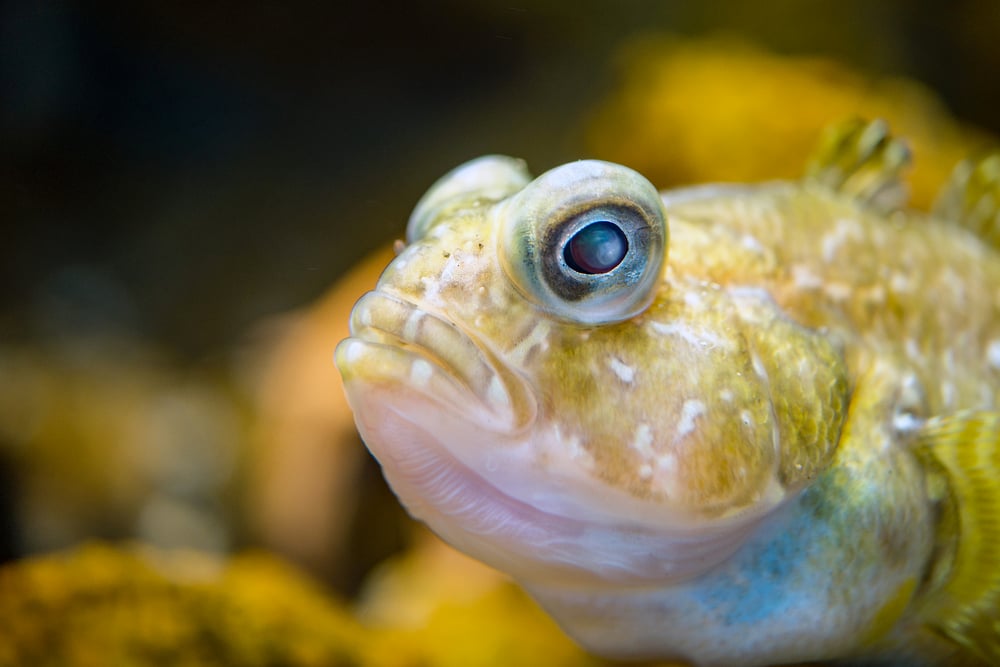
Notothenioid fish families have developed biological antifreeze proteins that prevent death in Antarctica’s sub-zero waters. These specialized proteins bind directly to ice crystals forming in their bloodstream—preventing complete freezing even when surrounding temperatures drop well below the normal freezing point.
This internal heating system allows them to swim actively in conditions that would turn most fish into solid ice blocks.
African Bullfrogs Create Mucus Cocoons

African bullfrogs demonstrate incredible patience by creating underground mucus cocoons during drought periods. They burrow several inches deep, then secrete a mucus membrane that hardens into a protective shell around their body.
This biological time capsule allows them to survive up to seven years without water—remaining dormant until rainfall signals the end of drought conditions. When rains finally arrive, they break free and immediately resume active life.
Opossums Perfect the Art of Playing Dead
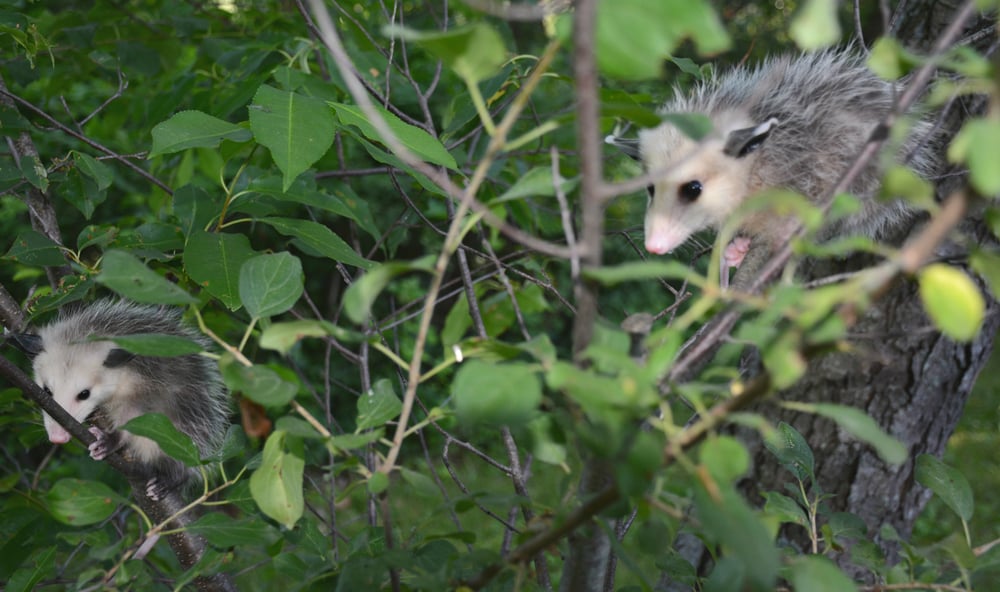
Virginia opossums have refined playing dead into an involuntary biological response triggered by extreme stress. This isn’t conscious acting—when overwhelmed by fear, they enter a catatonic state while simultaneously releasing putrid odors that mimic decomposition.
The combination of lifeless appearance and rotting smell convinces most predators they’ve found spoiled meat rather than fresh prey, leading them to abandon the ‘corpse’ and search for better options.
Sea Cucumbers Eject Their Own Organs
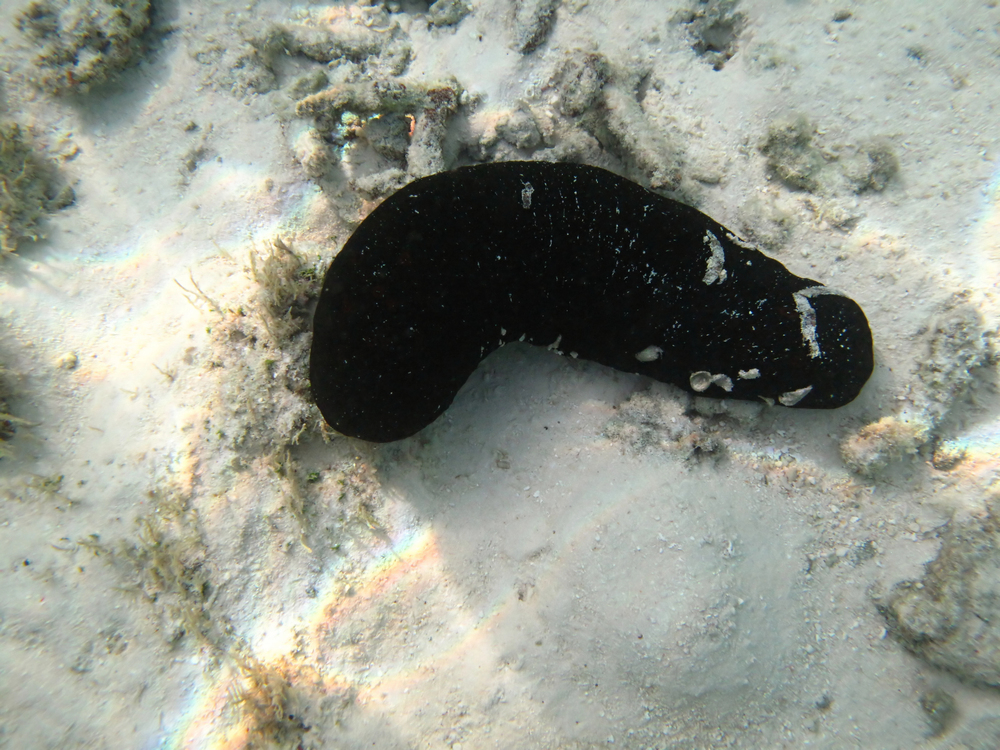
Sea cucumbers employ one of the ocean’s most shocking defensive strategies when attacked. They literally expel their internal organs directly onto threatening predators. These ejected organs contain toxic compounds and taste absolutely terrible, creating an immediate deterrent effect.
The remarkable part? Sea cucumbers can completely regenerate these expelled organs over time, making this essentially a renewable defense mechanism.
Basilisk Lizards Run on Water

Basilisk lizards have achieved what seems physically impossible by running across water surfaces like solid ground. These dog-sized reptiles use specially adapted feet combined with incredible speed to sprint up to 65 feet across lakes and rivers before gravity wins.
This extraordinary water-walking ability provides escape routes that most predators simply cannot follow, giving basilisks access to territories other animals can’t reach.
Immortal Jellyfish Reverse Their Aging

Turritopsis dohrnii jellyfish have discovered perhaps evolution’s most remarkable survival secret—the ability to reverse aging entirely. When facing starvation, physical damage, or environmental stress, these tiny creatures can revert from their mature medusa stage back to juvenile polyp form.
This biological time reversal can theoretically continue indefinitely, though they remain vulnerable to predation and disease. Scientists consider this the closest thing to true immortality found in nature.
Tardigrades Survive Almost Anything
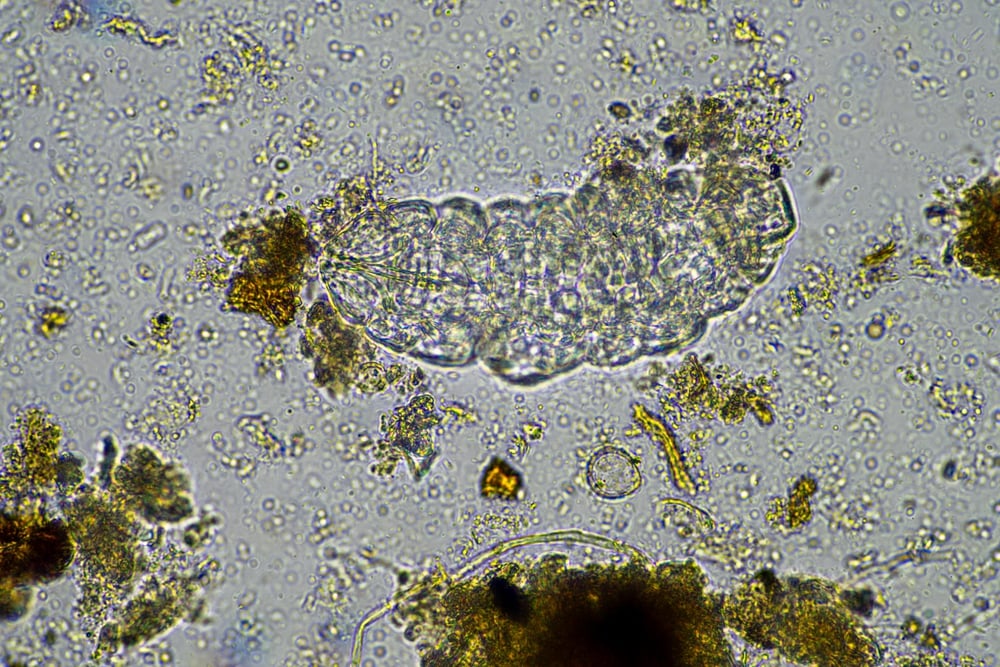
Tardigrades earn their reputation as Earth’s ultimate survivors through nearly indestructible resilience. These microscopic ‘water bears’ can withstand complete dehydration for decades, temperature extremes from 300°F to absolute zero, crushing pressures, and even the vacuum of space.
They achieve this through cryptobiosis—a state where metabolic processes nearly cease while maintaining just enough cellular activity to eventually resume normal life when conditions improve.
Evolution’s Strangest Success Stories
These extraordinary survival mechanisms reveal evolution’s boundless creativity in overcoming environmental challenges. Each adaptation represents millions of years of refinement, producing solutions that often seem more like science fiction than biological reality.
While humans depend on external tools and technology for survival, these animals have integrated their solutions directly into their physiology and behavior. The natural world continues to surprise us with innovations that push the boundaries of what seems biologically possible.
More from Go2Tutors!

- The Romanov Crown Jewels and Their Tragic Fate
- 13 Historical Mysteries That Science Still Can’t Solve
- Famous Hoaxes That Fooled the World for Years
- 15 Child Stars with Tragic Adult Lives
- 16 Famous Jewelry Pieces in History
Like Go2Tutors’s content? Follow us on MSN.



