31 World Cup Semi-Final Collapses That Haunted National Teams for Decades
There’s a particular kind of grief that lives in semi-finals. Not the clean heartbreak of a final, where at least you showed up to the last dance, and not the early exits that sting briefly before fading — but the semi-final loss, the one that says you were almost there.
World Cup semi-finals have produced some of sport’s most theatrical disasters: collapses so sudden and so complete that entire nations spent years trying to explain what went wrong, rewatching footage they probably shouldn’t have rewatched, naming tournaments after the wound rather than the competition. These aren’t just losses.
They’re defining moments that permanently rewired how countries understood themselves through football. Some of these teams recovered.
Some never really did.
Brazil 1950 (The Maracanazo)
Brazil didn’t just lose the 1950 final-stage decisive match against Uruguay — they lost it in front of roughly 200,000 people at the Maracanã, a stadium they’d built to host their own coronation. The silence that fell over Rio de Janeiro that July evening has been described by witnesses as something close to a collective bereavement, and the term Maracanazo — the Maracanã blow — became a permanent fixture in the Portuguese language.
Uruguay won 2–1, Ghiggia scoring the winner with eleven minutes remaining.
West Germany 1954 (Hungary’s Collapse)
Hungary arrived at the 1954 World Cup as the most dominant national team on Earth — unbeaten in 32 matches, fresh off destroying England 6–3 at Wembley, carrying players like Puskás and Kocsis who played football that seemed to belong to a different century. They hammered West Germany 8–3 in the group stage.
So when the final arrived and West Germany won 3–2, Hungary’s footballers returned home not as victors but as men who had somehow squandered the best team in living memory.
France 1958 (The Third-Place Consolation)
France finished third in 1958, which sounds respectable until you remember that Just Fontaine scored thirteen goals in a single tournament — a record that still stands — and that France lost their semi-final to eventual champions Brazil 5–2. Thirteen goals from one man and still no final.
It’s the sort of statistical cruelty that makes arithmetic feel personal.
Chile 1962 (Brazil’s Path)
Chile’s 1962 semi-final exit came at the hands of Brazil, 4–2, in front of their own supporters in Santiago, at a tournament they were hosting. The defeat itself wasn’t a disgrace — Brazil that year were exceptional — but Chile had beaten the Soviet Union and Yugoslavia to get there, and the weight of proximity to a final on home soil made the result land harder than the scoreline suggested.
It took Chile another sixty years to get back to a World Cup semi-final stage of any kind.
Italy 1970 (The Game of the Century)

The 1970 semi-final between Italy and West Germany remains, by a wide consensus, the most dramatic match in World Cup history — five extra-time goals after a 1–1 draw, West Germany winning 4–3 in a match played in Mexico City heat that seemed designed to break people. Italy had led 1–0 for most of the match before Karl-Heinz Schnellinger equalized in the ninetieth minute, and what followed was a sequence of goals so relentless and so emotionally violent that it earned the match a commemorative plaque at the Azteca Stadium.
Italy eventually lost 4–3 and went home with bronze.
Brazil 1974 (Cruyff’s Netherlands)
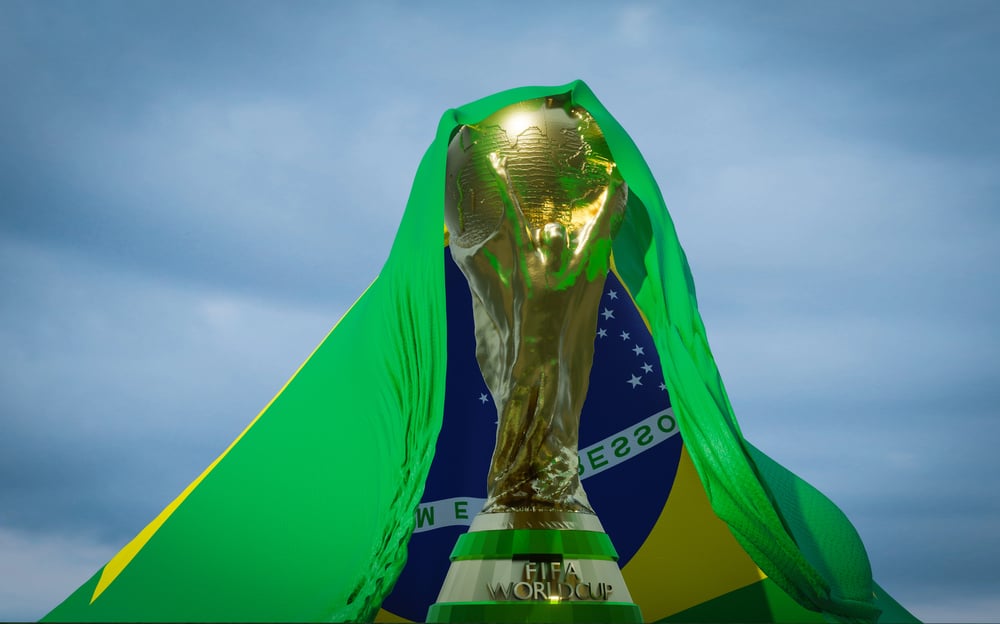
Brazil met the Netherlands in the 1974 semi-final and lost 2–0 to a Dutch team running Total Football at its purest and most disorienting expression — a system where positions were suggestions and every player seemed to be everywhere simultaneously. It was the beginning of a particular Brazilian anxiety about tactical rigidity, a debate that would echo through their football culture for the next five decades.
The team that invented beautiful football got outplayed at their own art form.
Poland 1974 (The Waterlogged Frankfurt Pitch)
Poland’s 1974 semi-final against West Germany is one of the great what-ifs in World Cup history — a match played on a pitch so saturated from torrential rain that it resembled a swamp, conditions that nullified Poland’s greatest weapon: the pace and elegance of Grzegorz Lato and Robert Gadocha. West Germany won 1–0 through a Gerd Müller goal, and the Polish camp was openly furious about the state of the playing surface, claiming the conditions had been allowed to deteriorate deliberately.
Poland finished third, which was extraordinary; they never got back to a semi-final.
Netherlands 1974 (Cruyff’s Final)
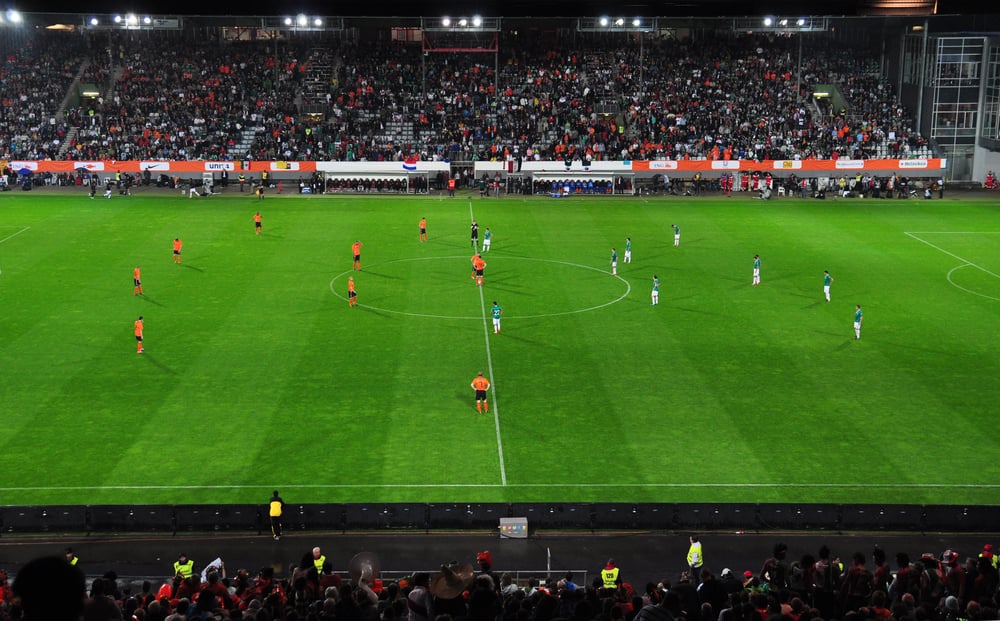
Reaching a World Cup final is its own category of achievement, but the Netherlands in 1974 arrived in Munich having played football so purely expressive that losing the final to West Germany 2–1 — after leading 1–0 inside two minutes without a German player touching the ball — registered as one of sport’s most bewildering reversals. The Dutch took a penalty before West Germany had even touched the ball.
And then somehow lost. That specific shape of defeat lodged itself in Dutch football consciousness like a splinter that never quite worked its way out.
Brazil 1978 (Argentina’s Host Advantage)
Brazil didn’t make the 1978 final in an era before traditional semi-finals existed in the modern format — they were eliminated by Argentina through the second group stage, where Argentina needed to beat Peru by four goals and won 6–0. Brazil went home third, and the suspicion surrounding Argentina’s Peru result became one of football’s most persistent conspiracy theories, one that Argentine officials were still being asked about three decades later.
France 1982 (The Seville Tragedy)
The 1982 semi-final between France and West Germany in Seville is remembered as one of the most traumatic matches in French football history, partly for the match itself and partly for Harald Schumacher’s assault on Patrick Battiston — a collision so violent that Battiston lost teeth and was briefly unconscious on the pitch, and Schumacher received no punishment whatsoever. France lost on penalties after a 3–3 draw in extra time, a result that devastated a generation of supporters who’d watched Platini, Tigana, and Giresse play football of extraordinary sophistication.
The injustice of it calcified into something France carried into every subsequent tournament.
Italy 1982 (Not a Collapse — A Near One)
Italy barely survived their way to the 1982 final — they drew all three group-stage matches and were nearly eliminated — but their semi-final against Poland (won 2–0) was a masterclass in composed efficiency from a team that had previously looked like it might self-destruct. Paolo Rossi, goalless for two years before the tournament, scored both goals.
Italy went on to win the whole thing, making this one of the few entries where the near-collapse resolved beautifully.
Belgium 1986 (Maradona’s Destruction)
Belgium reached the 1986 semi-final having eliminated Spain and then the Soviet Union — improbable scalps for a team that wasn’t supposed to be there — and then met Diego Maradona, who scored twice in a 2–0 win that felt less like a football match and more like a private demonstration. Both goals were stunning.
Belgium had no answer for a player who was, in that tournament, operating at a level that the sport’s normal rules didn’t quite apply to.
France 1986 (Platini’s Final Wound)

France in 1986 lost their semi-final to West Germany 2–0 — four years after Seville — and the symmetry of it, losing to the same opponent in the same round in consecutive World Cups, was almost too much for French football to absorb cleanly. Michel Platini was thirty-one by then, and that tournament was almost certainly his last real chance at a World Cup winner’s medal.
He never got one. The loss didn’t just end a campaign; it closed a chapter.
Argentina 1990 (Surviving to the Final)
Argentina’s path to the 1990 final in Italy was so joyless and so pragmatic — zero goals in the knockout rounds until penalties — that even reaching the final felt less like triumph and more like endurance. They beat Italy on penalties in the semi-final in Naples, in front of a Neapolitan crowd that had been emotionally split between their national team and their club idol Maradona.
Argentina won the semi. They were still destroyed in the final by West Germany, 1–0, through a penalty that is still disputed.
England 1990 (Turin and Tears)

England’s 1990 semi-final against West Germany in Turin gave the world Gazza’s tears, an image so completely synonymous with English sporting tragedy that it’s since become almost a cultural shorthand for a particular kind of beautiful failure. England drew 1–1 and lost on penalties — a format that has since become England’s private nightmare — and the emotional weight of that night shaped how English football talked about itself for the next thirty years.
The squad flew home to a reception that was almost warmer than a winner’s would have been, which tells you everything about how the English cope.
Sweden 1994 (Brazil’s Romário)

Sweden’s 1994 semi-final against Brazil in Pasadena was competitive for large stretches, and Martin Dahlin gave Sweden brief hope, but Romário was in the kind of form that makes tactics feel irrelevant — quick, low to the ground, instinctual in front of goal. Brazil won 1–0 through a Romário header, and Sweden took the third-place match.
Sweden hasn’t been back to a World Cup semi-final since, which is what makes 1994 feel like the edge of something that never got continued.
Bulgaria 1994 (The Italian Wall)
Bulgaria’s 1994 semi-final run was one of the tournament’s great surprises — they’d eliminated Germany in the quarter-finals on Stoichkov and Letchkov goals — but Italy in the semi-final was a different proposition entirely. Roberto Baggio was carrying Italy almost single-handedly, and he scored both goals in a 2–1 win that ended Bulgaria’s extraordinary adventure.
Hristo Stoichkov scored a free kick that deserved a better occasion. Bulgaria has not qualified for a World Cup since 1998.
Netherlands 1998 (Brazil’s Penalties)

The 1998 semi-final between the Netherlands and Brazil went to penalties after a 1–1 draw — Ronaldo scoring for Brazil, Patrick Kluivert equalizing — and then Brazil won the shootout in a manner so nerve-shredding that Dutch supporters presumably needed a quiet room and several days afterward. It was a match of genuine quality, and the Netherlands were denied a final by the slimmest possible margin.
Bergkamp had scored one of the greatest goals in tournament history just days before. Losing on penalties after that tournament is a particular kind of poetic injustice.
France 1998 (The Final They Won)
France beat Croatia 2–1 in their 1998 semi-final in Saint-Denis, Lilian Thuram scoring both goals — extraordinary given that Thuram had never scored for France before that night, and never scored for France again after it. Croatia’s Davor Šuker pulled one back but it wasn’t enough.
France went on to beat Brazil 3–0 in the final, making this the rarest entry on this list: a semi-final that led somewhere genuinely magnificent.
Germany 2002 (South Korea’s Miracle)
South Korea reached the 2002 semi-final on home soil — having eliminated Spain and Italy in controversial circumstances that generated years of debate — and met Germany, who won 1–0 through a Michael Ballack header. Ballack was suspended for the final.
Germany lost it to Brazil. South Korea’s semi-final run remains the deepest any Asian nation has ever gone in a World Cup, and the question of whether they earned it cleanly or were helped along by refereeing decisions is one that football still hasn’t entirely put to bed.
Turkey 2002 (The Unlikely Third)
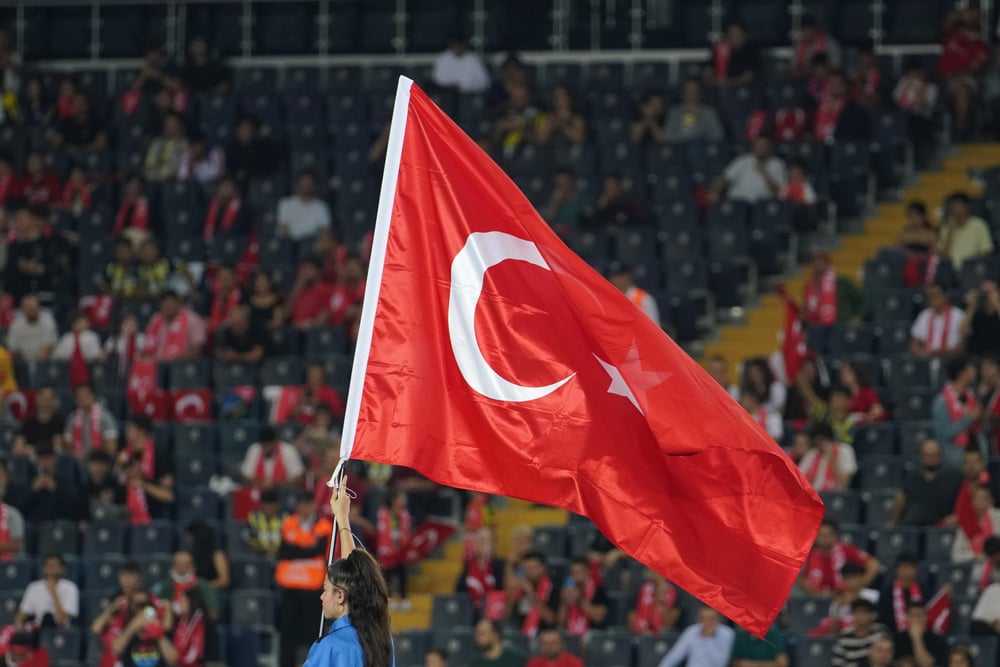
Turkey’s 2002 semi-final exit against Brazil — a 1–0 loss — sent them to the third-place match, which they won, finishing in a position that remains the highest any Turkish team has ever placed at a World Cup. Ronaldo scored the only goal.
Turkey had eliminated Senegal and Japan to get there, which made their run one of the genuine surprises of a tournament full of them.
Germany 2006 (Italy’s Late Double)

Germany hosted the 2006 World Cup and built enormous emotional momentum behind them — Klose goals, Podolski goals, a country that had been reunified for fifteen years finally finding a collective footballing identity — and then met Italy in the semi-final and conceded twice in extra time, through Grosso and Del Piero, in the last three minutes. Two goals in three minutes after 119 minutes of stalemate.
It was the kind of collapse that doesn’t give you time to brace for it. Germany went to the third-place match and beat Portugal, which felt genuinely hollow.
Portugal 2006 (Zidane’s France)

Portugal met France in the 2006 semi-final and lost 1–0 to a Zidane penalty — a match Portugal felt they controlled for long stretches, a match where the single goal felt like a misrepresentation of what had happened on the pitch. Figo played his last World Cup match.
Luís Figo, one of the finest players of his generation, went out on a semi-final defeat to a penalty. That’s the detail that stings retroactively.
France 2006 (The Final)
France beat Portugal 1–0 in the semi-final and then met Italy in one of the strangest World Cup finals ever played — Zidane’s headbutt, extra time, penalties, the whole baroque disaster — and lost. What it meant for France was that a generation of supporters watched Zidane’s international career end in a red card in the final minutes of the last match he ever played.
The semi-final win was the last clean moment of that campaign.
Spain 2010 (Germany’s Youth)
Spain beat Germany 1–0 in the 2010 semi-final — Puyol’s header, one of the tournament’s great goals — and went on to win the whole thing, which means this entry belongs to Germany rather than Spain. Germany that year were young, incredibly so, and Müller and Klose had been unstoppable before Spain shut them down.
Germany lost that semi-final and have been trying to replicate the promise of that squad ever since, with results that have been wildly inconsistent.
Uruguay 2010 (Suárez’s Hand)

Uruguay’s 2010 semi-final against the Netherlands — which they lost 3–2 — came one match after Luis Suárez deliberately handled the ball on the goalline against Ghana, denying a stoppage-time winner and drawing a red card but sending Uruguay through on penalties. The handball became one of the most debated acts in World Cup history, a collision between gamesmanship and cheating that football still can’t agree on.
Uruguay lost the semi-final and finished fourth, but Suárez’s moment in the quarter-final is what anyone remembers.
Brazil 2014 (The Mineirazo)
Brazil’s 2014 semi-final against Germany — played in Belo Horizonte, at the Estádio Mineirão — produced the most catastrophic score in the history of knockout World Cup football: Germany 7, Brazil 1, in front of a Brazilian crowd that had arrived expecting a coronation. Germany scored five goals in eighteen first-half minutes.
Brazil, without Neymar and David Luiz through suspension and injury, simply disintegrated so completely that the images of Brazilian supporters weeping in yellow jerseys became the defining photograph of the tournament. Mineirazo joined Maracanazo in the language.
Netherlands 2014 (Argentina’s Penalties)
The Netherlands met Argentina in the 2014 semi-final and — for the fourth time in their World Cup history — failed to reach a final in the most grinding way possible: a 0–0 draw followed by a penalty defeat. The match produced almost nothing in terms of genuine chances, which made the eventual outcome feel like a coin flip rather than a footballing judgment.
Louis van Gaal had built a stubborn, well-organized side that simply couldn’t score when it mattered; the Netherlands left Brazil with a bronze medal and the familiar sensation of a final narrowly, maddeningly missed.
England 2018 (The Semi-Final Nemesis)

England’s 2018 semi-final loss to Croatia — 2–1 after extra time, Mandžukić scoring the winner — broke something specific in English footballing optimism that had been quietly rebuilding under Gareth Southgate. England led through Trippier’s free kick, controlled the first half, and then Croatia — older, more experienced, grimly determined — simply kept going until England ran out of answers.
It was fifty-two years since England’s last final. After 2018, it’s fifty-six and counting.
Belgium 2018 (France’s Precision)
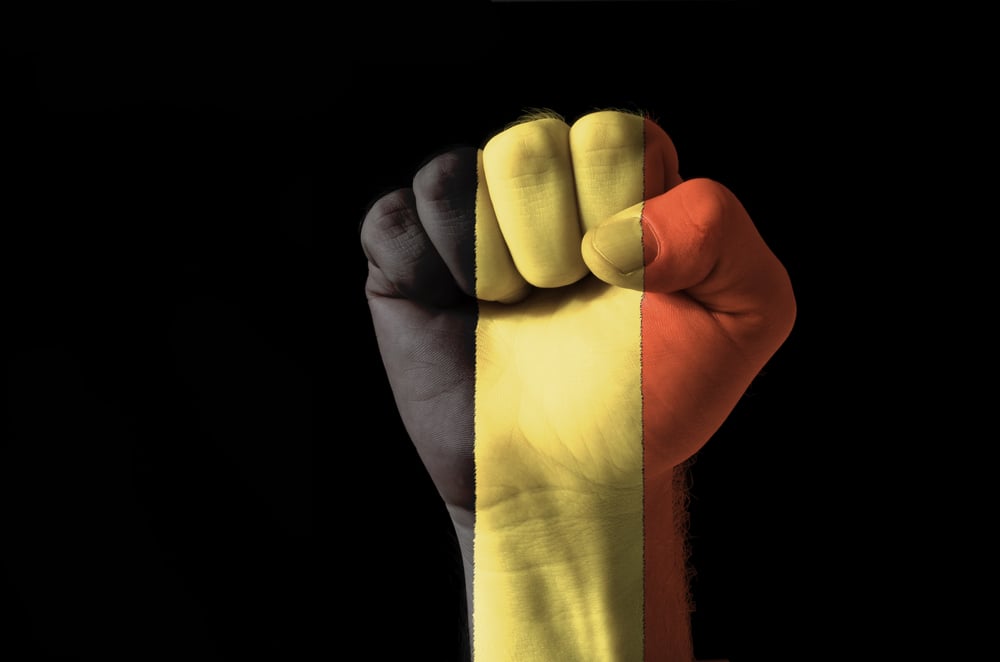
Belgium arrived at their 2018 semi-final against France as the highest-ranked team in the world, carrying a generation of players — De Bruyne, Hazard, Lukaku, Courtois — that was widely described as the best in their history. France won 1–0 through Umtiti’s corner-kick header, a goal that had almost no business settling a match of that quality, and Belgium went home through the third-place match.
The abiding tragedy of Belgium’s Golden Generation is that they were always excellent and never won anything, and the 2018 semi-final is the specific moment that defines that gap most precisely.
Argentina 2022 (Croatia’s Wall)

Argentina’s path to the 2022 final in Qatar included a semi-final against Croatia — a team that had reached the previous final in Russia — and Messi, playing at what everyone understood was his last World Cup, scored from the penalty spot in the first half and set up Julián Álvarez twice in a 3–0 win that wasn’t quite as comfortable as it looked. Croatia had nothing left to give after eliminating Brazil on penalties, and Argentina’s semi-final was the one that felt, perhaps for the first time, like destiny aligning rather than being tempted.
Messi went on to win the final against France in one of the greatest matches ever played. This is the entry where the story ended properly.
Legendary Semi-Final Results
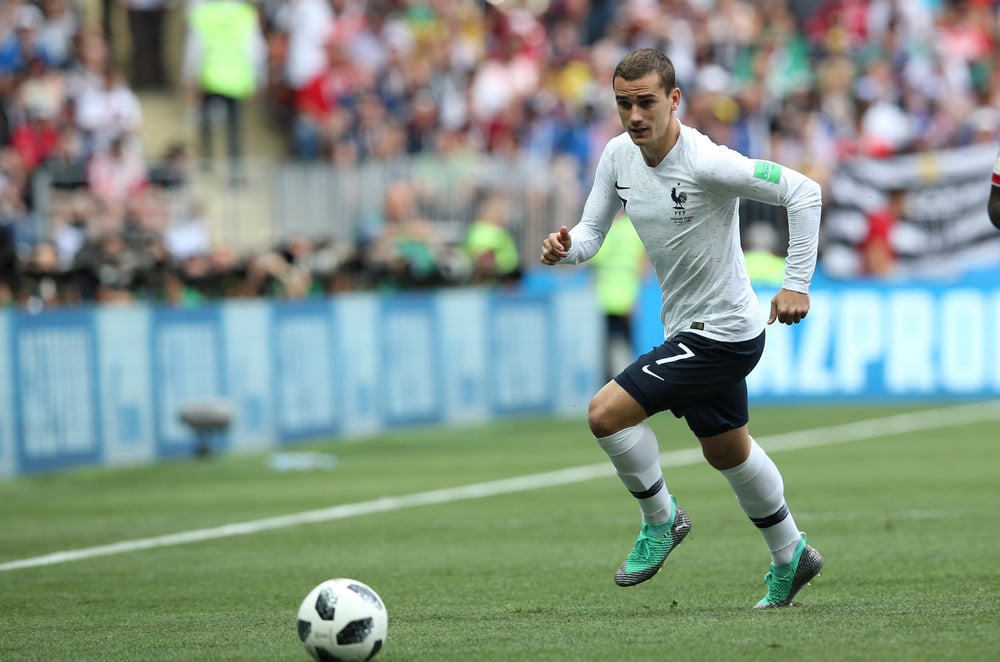
A semi-final loss is the sporting world’s most specific kind of unfinished sentence. It says everything about what a team was capable of — good enough to get there — and nothing about whether they deserved what came next.
The teams on this list range from the genuinely unlucky to the genuinely outclassed, from the ones who fell apart in minutes to the ones who were simply on the wrong side of a penalty shootout. What they share is the particular weight of having been close enough to see the final without being allowed inside it.
Some of these wounds healed. Brazil won in 1958, 1962, 1970, 1994, and 2002.
France won in 1998. Spain won in 2010.
Argentina finally won in 2022. But the losses that didn’t get redeemed — England’s Turin, Netherlands’ multiple near-misses, Bulgaria’s single miraculous run — those are the ones that live in a country’s football culture as questions that never quite got answered.
Which is, perhaps, why people keep watching.
More from Go2Tutors!

- The Romanov Crown Jewels and Their Tragic Fate
- 13 Historical Mysteries That Science Still Can’t Solve
- Famous Hoaxes That Fooled the World for Years
- 15 Child Stars with Tragic Adult Lives
- 16 Famous Jewelry Pieces in History
Like Go2Tutors’s content? Follow us on MSN.