How Early Machines Paved the Way for Automation
The factory now depends on sensors, smart software, or robots deciding things quicker than you can open your eyes. Still, it wasn’t built in a day.
Moving from basic tools toward full automation took hundreds of years, where every machine invention leaned on earlier ones. To see why auto-systems work like they do, check out odd gadgets most folks don’t know – gadgets fixing narrow issues but also setting rules we follow even now.
The Jacquard Loom’s Punched Cards
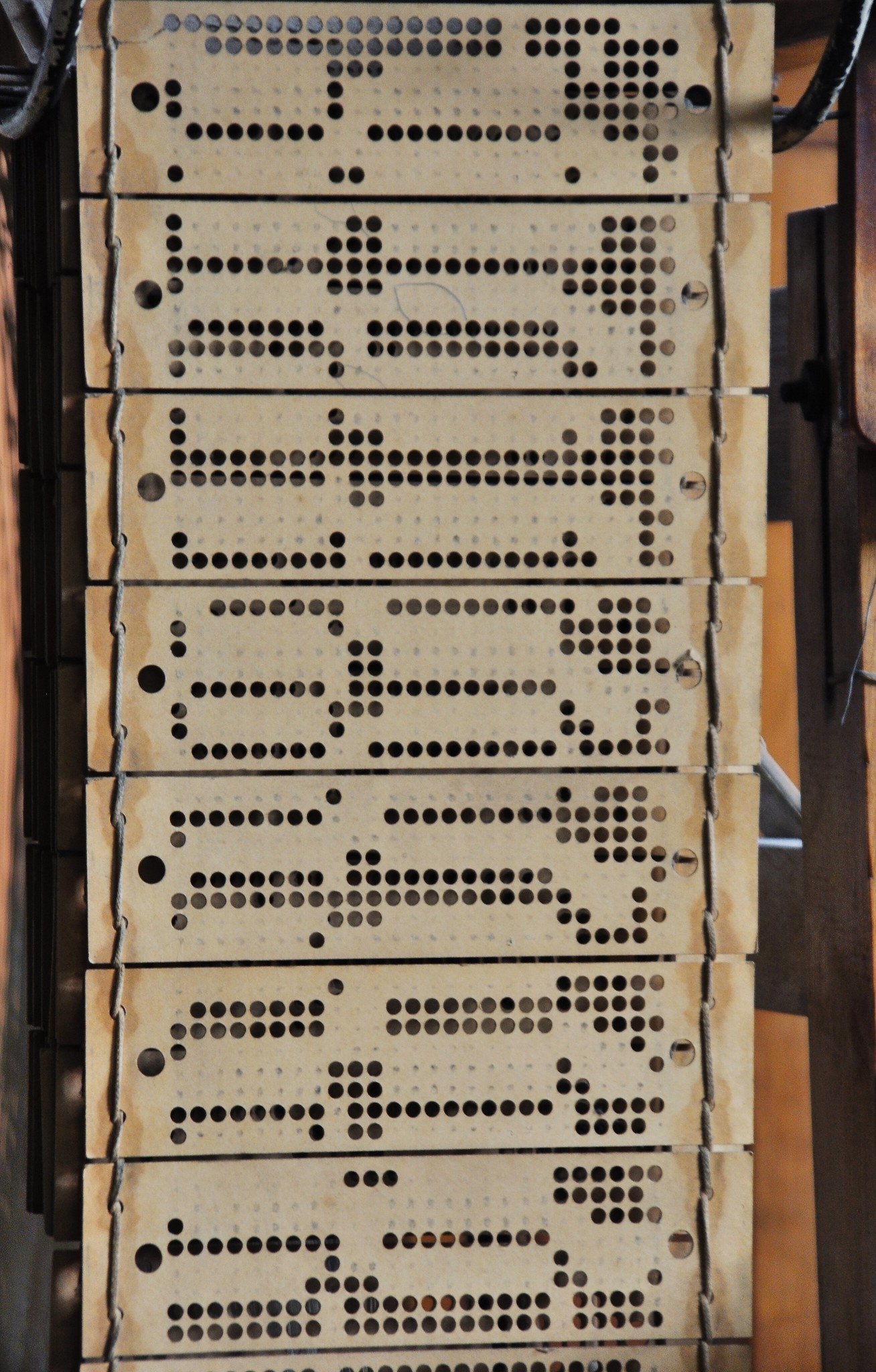
Joseph Marie Jacquard unveiled his automated loom in 1804, and it changed textile manufacturing forever. Building on earlier innovations like Basile Bouchon’s perforated paper roll and Jacques de Vaucanson’s concepts, particularly Jean-Baptiste Falcon’s punched card system from the 1720s, Jacquard’s machine used punched cards to control which threads lifted during weaving, allowing complex patterns to be reproduced perfectly every time.
A weaver no longer needed to manually select threads for each row—the cards did it automatically. This might seem like a simple mechanical trick, but the concept was profound.
Information could be encoded into physical objects (the cards), and machines could read and execute those instructions without human intervention. Each card represented a single row of the pattern, and by changing the sequence of cards, you changed what the loom produced.
This was programmability before anyone used that word. Computer scientists later recognized the conceptual breakthrough Jacquard had refined.
Charles Babbage drew inspiration from Jacquard-style punched cards for his Analytical Engine design in the 1830s, adapting the concept for calculating rather than weaving. Herman Hollerith used them for the 1890 U.S. Census.
IBM built its early computer business on punched card systems. The conceptual line from Jacquard’s loom to modern computing demonstrates how automation principles transfer across domains.
Water Wheels and Continuous Power
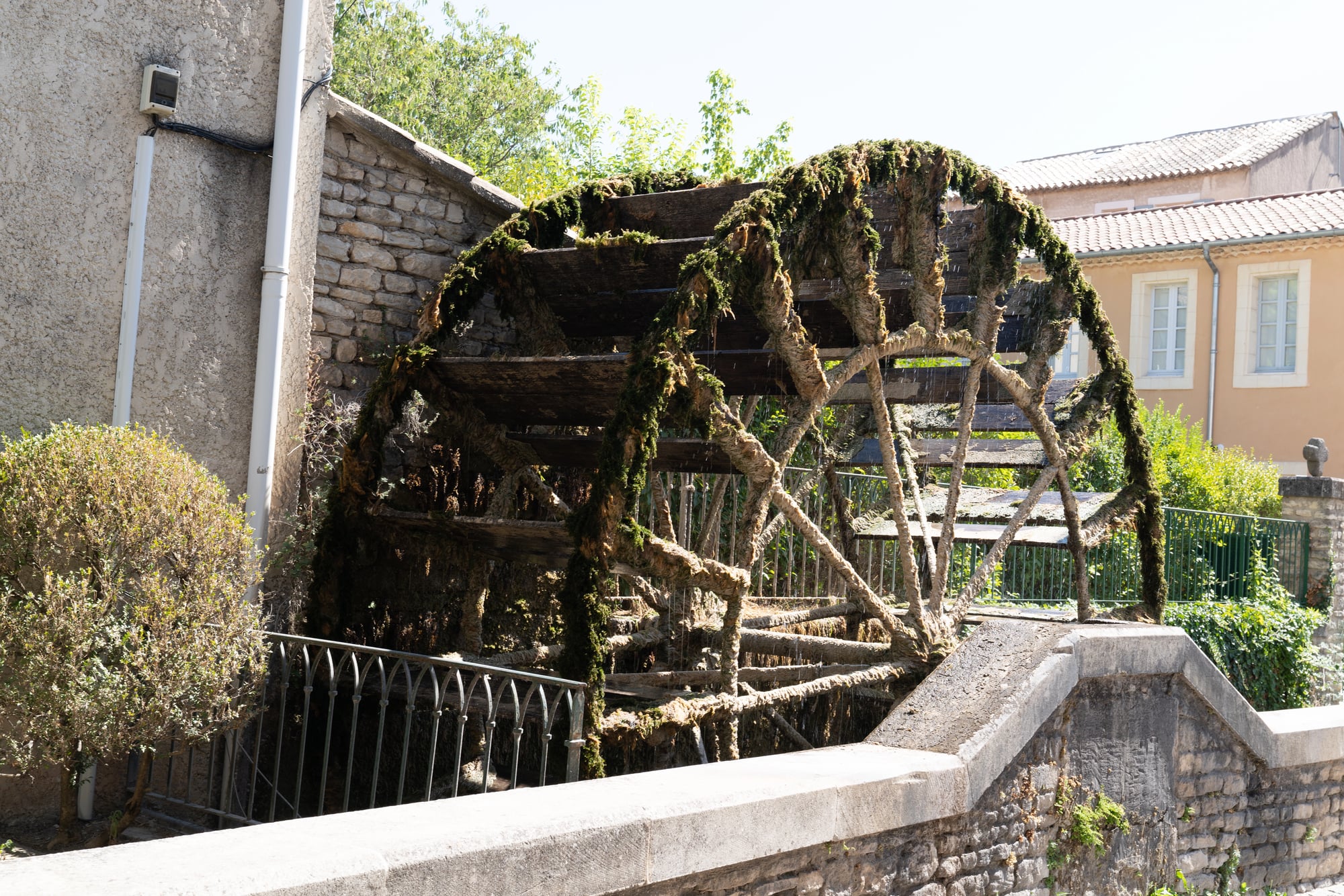
Water wheels provided reliable continuous mechanical power for centuries, though they weren’t the first centralized power systems—treadwheels and animal-powered mills preceded them. However, water wheels’ impact on automation gets overlooked.
The key innovation wasn’t the wheel itself but what it enabled: machines that ran constantly without direct human or animal power. A water wheel, once properly positioned in a stream, needed minimal supervision.
It converted flowing water into rotational motion that could drive multiple machines through a system of gears and belts. One water wheel might power several grindstones, saws, or hammers simultaneously.
This was the first practical implementation of centralized power distribution—a concept essential to later factory automation. The mills also introduced the idea of continuous operation.
As long as water flowed, machines worked. This shifted manufacturing from batch processes that depended on human energy to continuous processes that ran on their own schedules.
Modern automated factories still operate on this principle, just with electricity instead of rivers.
James Watt’s Governor
Steam engines produced power, but they needed regulation. Run too fast and they’d destroy themselves.
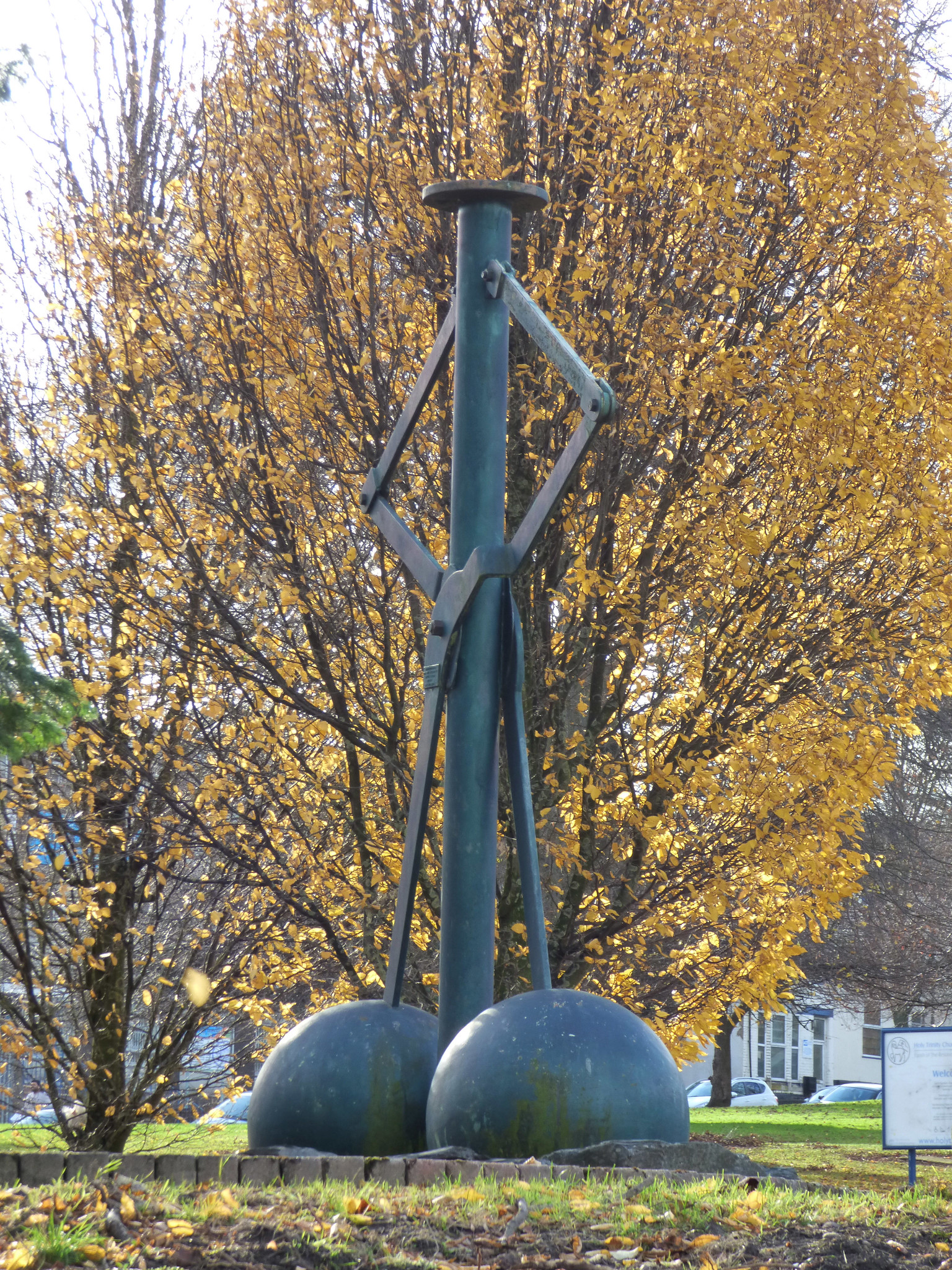
Run too slow and they’d waste fuel. James Watt improved upon earlier centrifugal governor designs in the 1780s, developing a more effective version for automatic feedback control.
The governor consisted of two weighted arms attached to a spinning shaft. As the engine sped up, centrifugal force pushed the arms outward.
This movement mechanically reduced the steam flow, slowing the engine. If the engine slowed too much, the arms dropped, increasing steam flow.
The system constantly adjusted itself to maintain steady speed without any operator input. This was the first widely used automatic control system.
The principle—measure the output, compare it to the desired state, adjust the input accordingly—became the foundation of control theory. Every thermostat, cruise control system, and industrial process controller uses this same feedback loop concept that Watt’s governor demonstrated mechanically.
Eli Whitney’s Interchangeable Parts
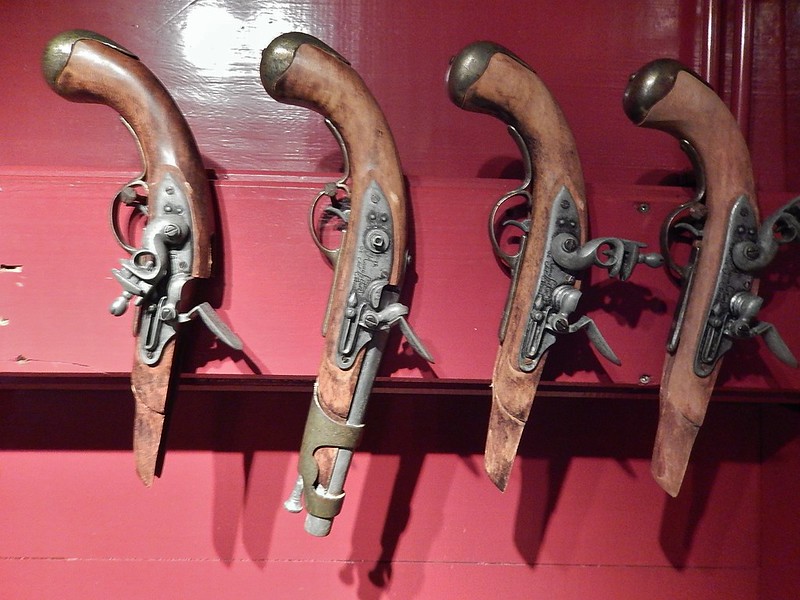
Eli Whitney promised to manufacture 10,000 muskets for the U.S. government using interchangeable parts—components made so precisely that any part would fit any musket. Before this, every gun was hand-fitted, with each component unique.
If a part broke, a gunsmith had to custom-make a replacement. Whitney’s ambitious concept required machine tools capable of producing identical parts repeatedly, involving jigs, fixtures, and measuring systems that standardized production.
While Whitney didn’t fully achieve true interchangeability in his lifetime, his vision pushed manufacturing in that direction. True interchangeable parts manufacturing emerged later through innovators like Robbins & Lawrence and the development of what became known as the American System of Manufacturing in the mid-1800s.
The concept revolutionized manufacturing once achieved. Interchangeable parts made repair and maintenance dramatically simpler.
More importantly for automation, they established the idea that machines could produce consistent results better than human hands. This justified investing in specialized machinery for specific tasks—a prerequisite for automated production lines.
You can’t automate what you can’t standardize.
Oliver Evans’ Automated Mill
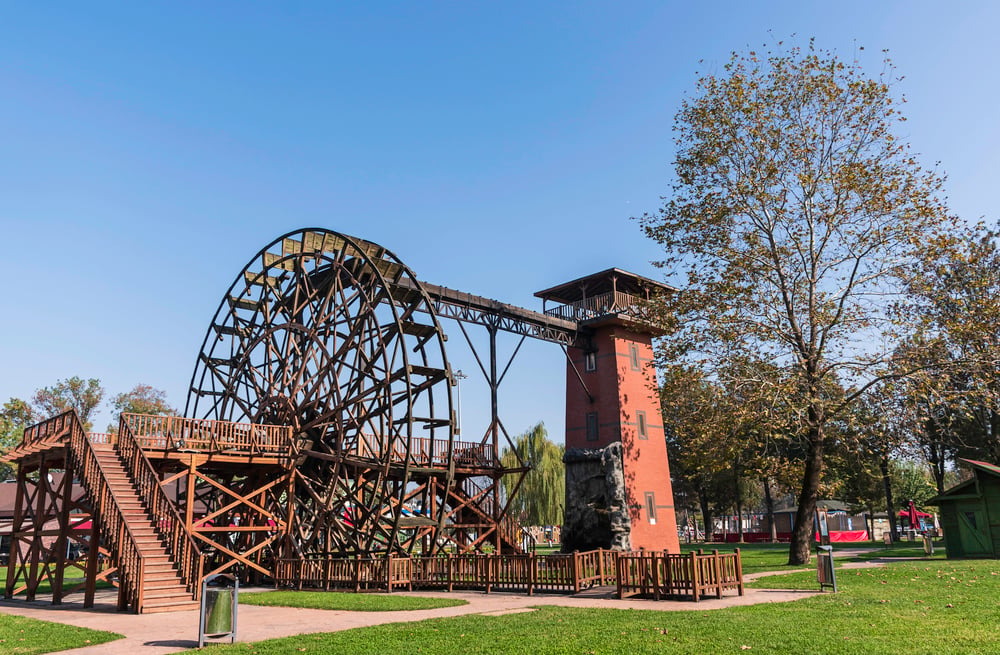
Oliver Evans built a flour mill in Delaware in the 1780s that operated almost entirely automatically. Grain entered at one end, and flour emerged at the other, with minimal human intervention.
The mill used a series of conveyors, elevators, and chutes powered by a single water wheel. Evans designed the entire system as an integrated process.
Grain moved vertically via bucket elevators, horizontally via screw conveyors, and through processing stations automatically. The machinery controlled flow rates, separated grain from chaff, ground flour to specific fineness, and cooled the final product.
Workers mainly monitored the process and handled packaging. This was one of the first fully automated industrial processes in America, though similar automated milling concepts had been developing in Europe.
Evans’ detailed documentation and promotion of his system, however, helped spread these principles widely. His approach—vertical integration, gravity-assisted flow, and automated material handling—demonstrated what mechanized end-to-end processing could achieve and still appears in modern automated factories.
The Telegraph and Information Transfer
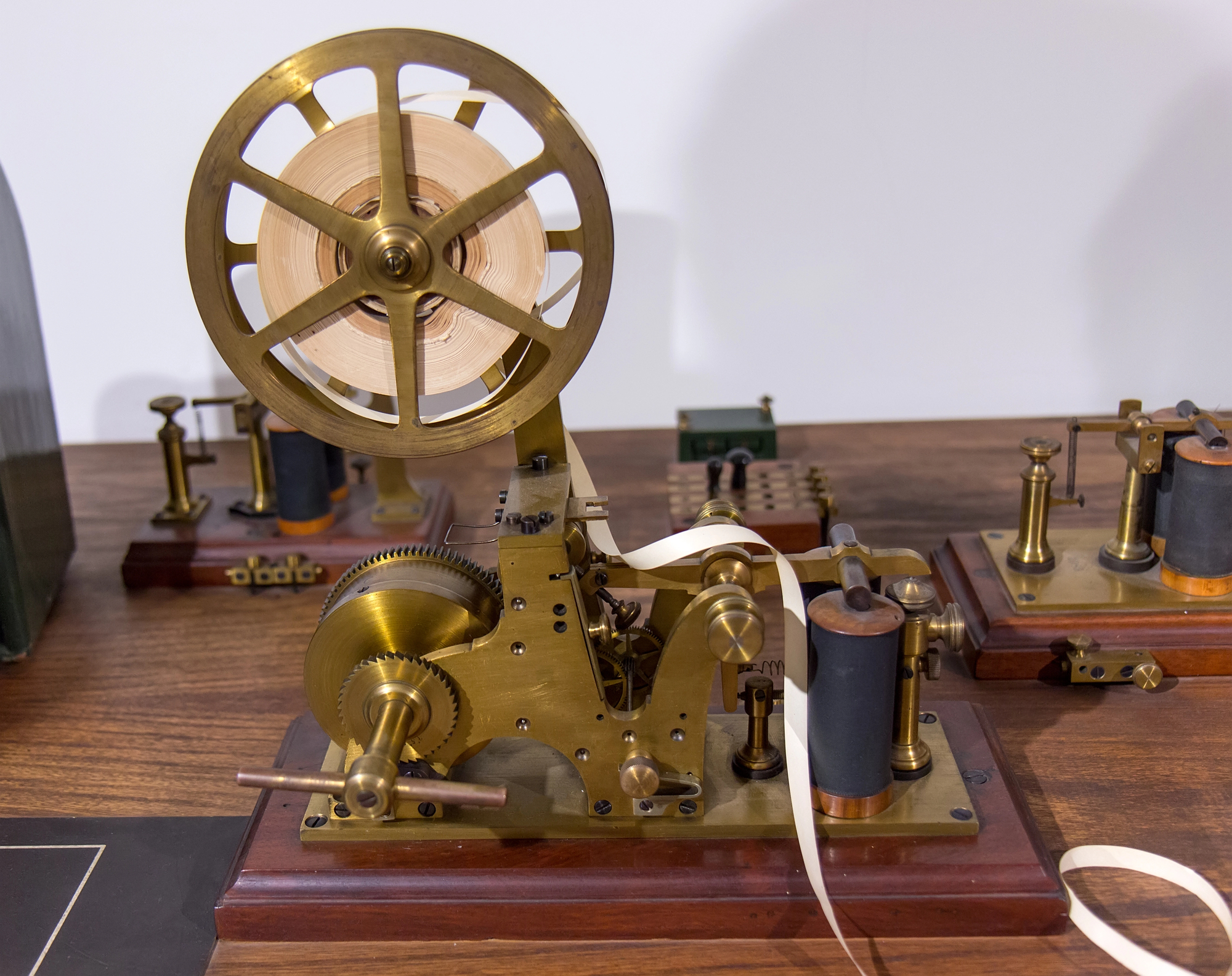
The telegraph, developed by multiple inventors including William Cooke and Charles Wheatstone in Britain (1837) and Samuel Morse in America (commercialized in the 1840s), wasn’t a manufacturing machine, but it automated something more important: information transfer. Messages that previously required days or weeks to deliver via courier could now arrive in minutes across hundreds of miles.
The telegraph established that information could be encoded, transmitted, and decoded mechanically. Morse code reduced language to simple on-off pulses that electrical systems could easily handle.
This binary simplification—complex information broken into simple signals—became fundamental to all digital communication and automation. Telegraph systems also introduced the concept of networked automation.
Multiple stations could send and receive simultaneously, requiring switching systems to route messages correctly. These early communication networks laid groundwork for how automated systems would eventually coordinate with each other across distances.
Mechanical Calculators
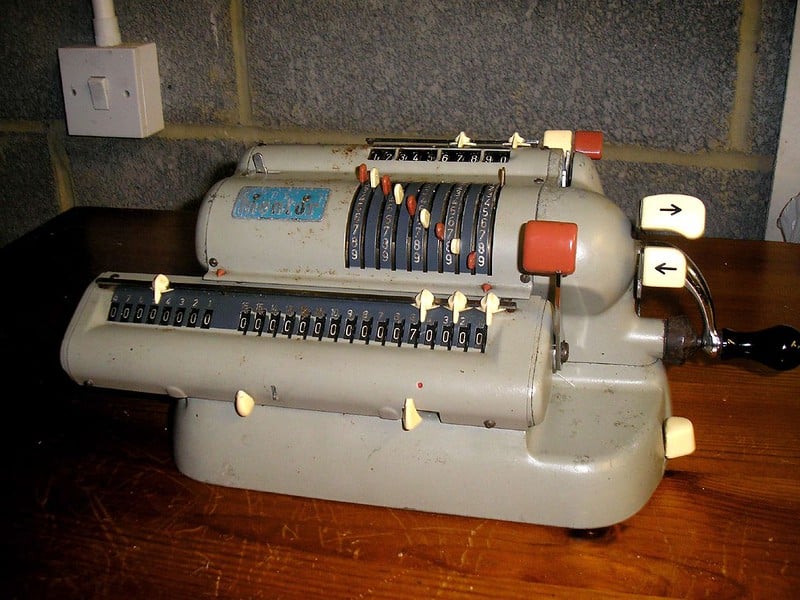
Blaise Pascal built a mechanical calculator in 1642 that could add and subtract. Gottfried Leibniz improved on this concept in 1673 with a machine that could also multiply and divide.
These devices used gears, wheels, and levers to perform arithmetic automatically—turning cranks instead of doing mental math. The machines weren’t fast by modern standards, but they demonstrated that logical operations could be mechanized.
Mathematics, previously the domain of trained human minds, could be reduced to mechanical processes. This had profound implications for automation: if thinking could be mechanized, what couldn’t be?
By the 19th century, mechanical calculators had become standard tools in offices, banks, and businesses. Charles Babbage’s Difference Engine, designed to automatically compute mathematical tables, took the concept further.
Though never completed in his lifetime, Babbage’s designs showed that complex calculations could be automated through pure mechanisms—no electricity required.
The Spinning Jenny and Mass Production
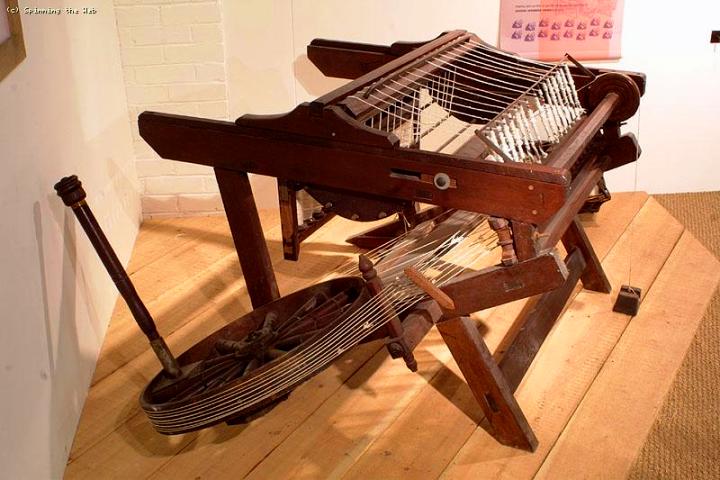
James Hargreaves’ spinning jenny, invented around 1764, allowed one worker to spin multiple threads simultaneously. Earlier spinning wheels produced one thread at a time.
The jenny used a single wheel to power eight spindles, later increased to over one hundred. Though manually operated rather than powered by external sources, it represented an important step toward mechanization.
This multiplication of output per worker influenced thinking about automation. Instead of making one machine work faster, make one operator control multiple machines.
The principle appears throughout industrial automation: don’t just speed up the process, parallelize it. The spinning jenny also demonstrated that traditional crafts could be broken down into components amenable to mechanical assistance.
Spinning thread required skill, but much of that skill involved repetitive motions that machinery could replicate. This insight—that complex tasks contain automatable sub-tasks—drives automation design to this day.
Automatic Looms and Self-Correction
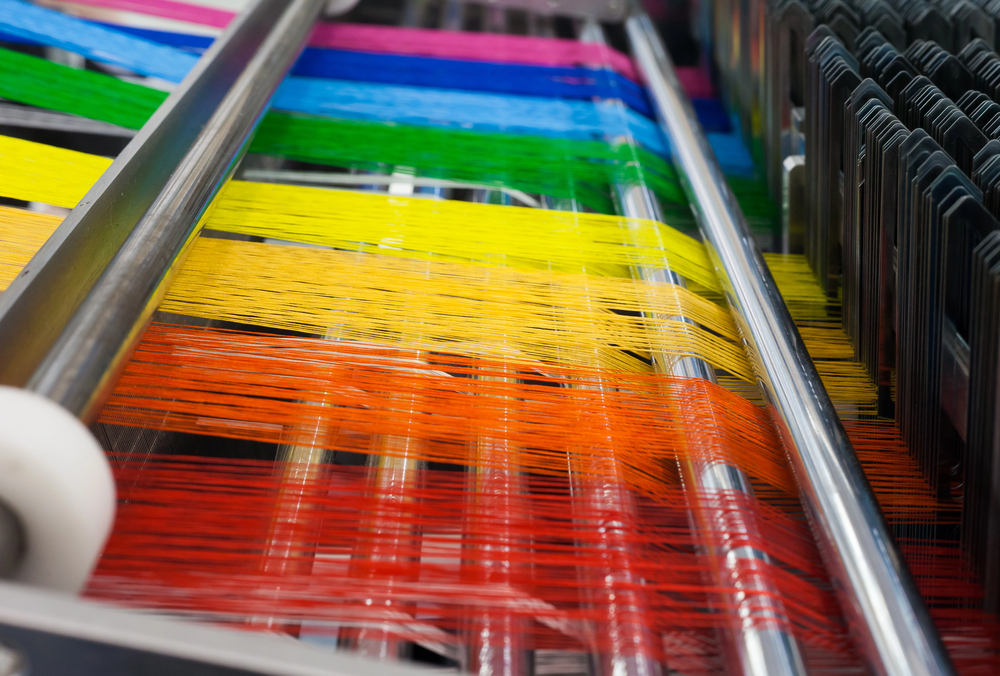
Building on Jacquard’s programmability, textile innovators gradually added self-monitoring capabilities. Thread-break detection had existed in earlier drawlooms, but the technology evolved and improved over time.
When a thread broke, the loom would automatically stop, preventing defective fabric. These refinements represented important progress: machines that monitored their own operation and responded to problems.
These systems used mechanical sensors—typically weighted frames that detected tension changes when threads broke. The same power system running the loom would trigger a brake when the sensor activated.
No complex electronics, just clever mechanical design that created basic decision-making capability. Self-monitoring machines reduced the need for constant human supervision.
One operator could oversee multiple looms, checking them only when they stopped themselves. This pattern—machines running autonomously until they detect problems requiring human intervention—describes how most automated systems still operate.
The Printing Press Evolution
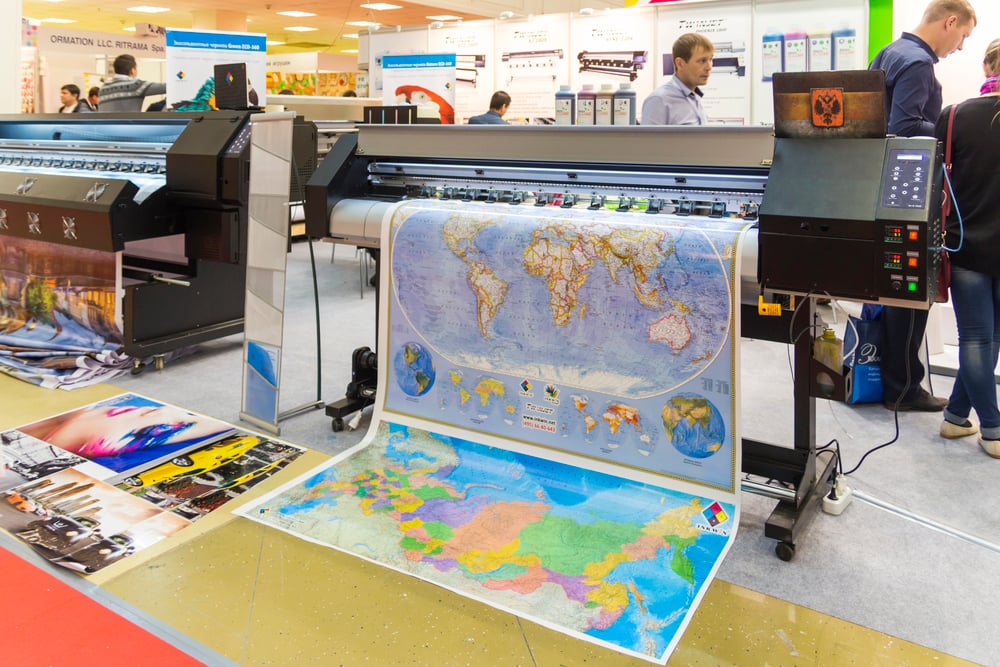
Johannes Gutenberg’s printing press from the 1440s wasn’t automatic, but the centuries of improvements that followed showed how incremental automation transformed an industry. Early presses required manual paper feeding, inking, and pressing.
Each step was eventually mechanized. By the 19th century, steam-powered cylinder presses automatically fed paper, applied ink, pressed the image, and delivered printed sheets.
The Hoe rotary press, introduced in 1847, initially printed thousands of sheets per hour compared to a few hundred for manual presses, with later improvements reaching over 20,000 sheets per hour by the late 1800s. Operators became supervisors rather than direct participants in the printing process.
The evolution from Gutenberg to automated presses illustrates how automation typically develops: not through sudden breakthrough but through steady mechanical refinement. Each improvement made the next obvious.
This incremental approach characterizes most automation advances, even in the digital age.
Railway Signaling Systems

As rail networks expanded in the mid-1800s, coordinating train movements became critical. Early systems relied on telegraph communication and human signalmen.
But mistakes were deadly, and manual systems couldn’t handle increasing traffic. Signaling systems gradually evolved that used the trains themselves to help control signals.
Eventually, by the 1870s, true automatic block signaling systems emerged where a train entering a section of track would mechanically or electrically set signals behind it to “stop” and signals ahead to “caution.” When it left the section, signals would reset.
This created interlocking systems where certain signal combinations were physically impossible, preventing conflicting commands. These automatic systems represented sophisticated automation: distributed sensors (the trains), logic processing (the interlocking mechanisms), and actuators (the signals) all working together without constant human control.
Railway signaling established principles for automated safety systems still used in industrial automation—using the process itself to provide feedback and prevent dangerous states.
Assembly Line Precursors
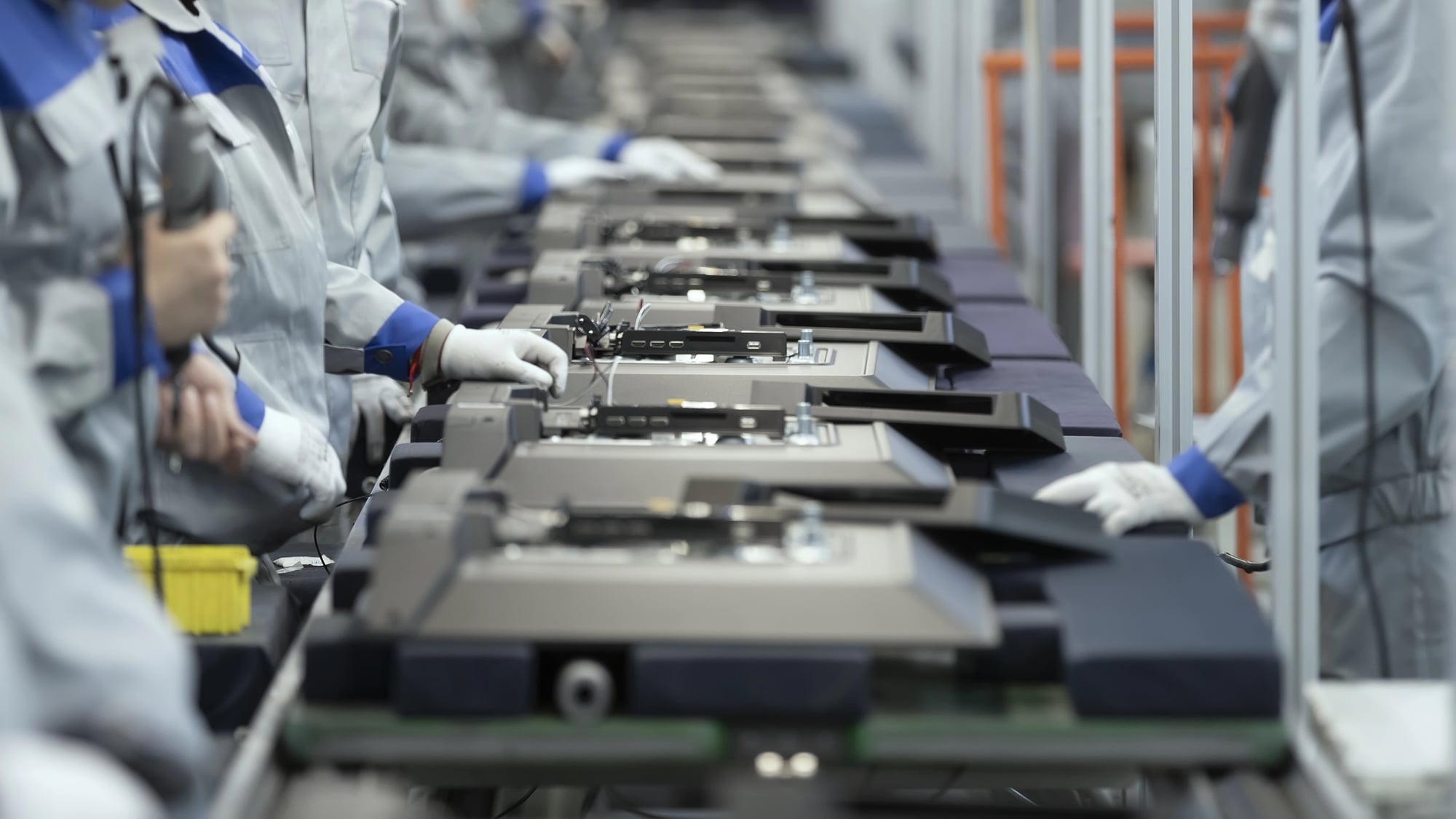
Before Henry Ford’s famous assembly line, several industries had developed moving production systems. Meat packing plants in Cincinnati used overhead trolleys to move carcasses past workers who each performed specific cuts.
Breweries used gravity-fed systems to move materials through production stages. Flour mills, as Evans demonstrated, had integrated automated flow.
These systems introduced important concepts, though they varied in how much mechanical control they exercised over work pace. They organized tasks sequentially and used mechanical transport to connect stages.
Workers increasingly became components in a larger process rather than independent craftspeople. Ford’s innovation was synthesizing these existing concepts and applying them to complex product assembly.
But the principles—breaking work into simple tasks, mechanizing transport, controlling timing through machinery—all existed in earlier automated systems. Ford’s genius was recognizing that these ideas could transform manufacturing across industries.
Where Mechanisms Became Systems
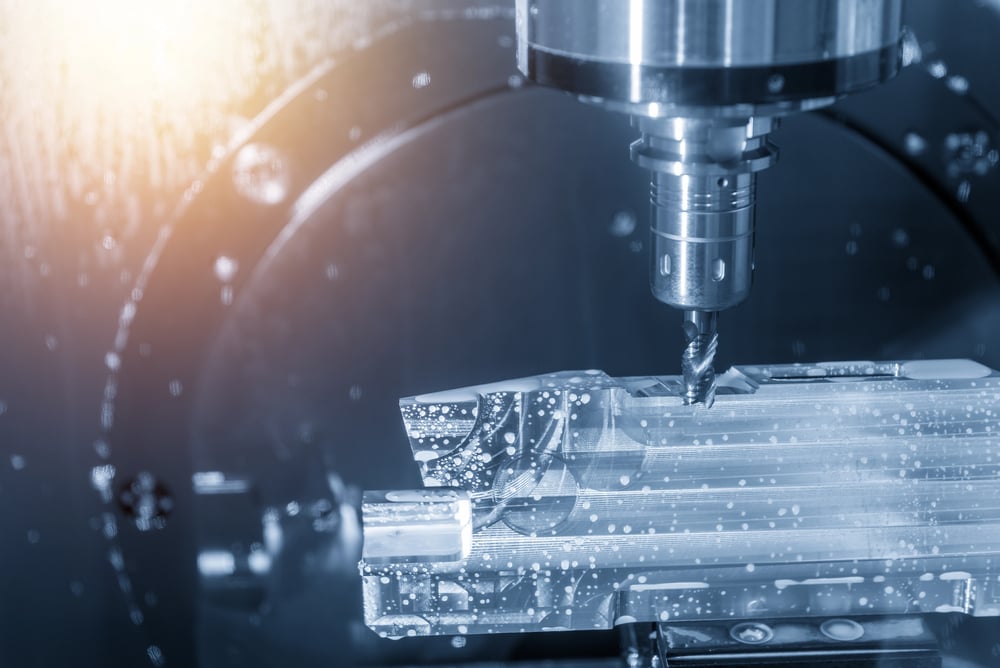
The gadgets talked about here have more in common than just being smart or useful. One by one, they turned choices people make into mechanical routines.
Not only did they boost what humans could do – instead of waiting for a person, these devices reacted on their own when triggered. This change – from simple tool to independent machine – is where automation really starts.
Take a hammer; it needs a person to know when and where to hit. But Watt’s flyball controller adjusts steam flow without help.
The big difference? Human hands let go, machines start making choices.
Today’s versions just do it smarter, swapping cogs and rods for circuits and code. Yet they keep following paths first set by those old devices – choosing moves on their own, skipping the need for people to step in.
Core ideas stay the same; only how we carry them out has shifted.
More from Go2Tutors!

- The Romanov Crown Jewels and Their Tragic Fate
- 13 Historical Mysteries That Science Still Can’t Solve
- Famous Hoaxes That Fooled the World for Years
- 15 Child Stars with Tragic Adult Lives
- 16 Famous Jewelry Pieces in History
Like Go2Tutors’s content? Follow us on MSN.