31 Rulers Overthrown in Dramatic Fashion and Mostly Forgotten Since
History remembers its great monarchs, presidents, and generals with statues and textbook chapters. It’s far less reliable about remembering the ones who were dragged out of power in the middle of the night, deposed by their own generals, or simply woke up one morning to find that their country had quietly stopped belonging to them.
These are the rulers history dropped. Some were brutal, some were merely unlucky, and a few were genuinely trying — it just didn’t matter.
Power taken dramatically tends to be forgotten just as dramatically, and the figures below prove that point with remarkable consistency.
Farouk I of Egypt
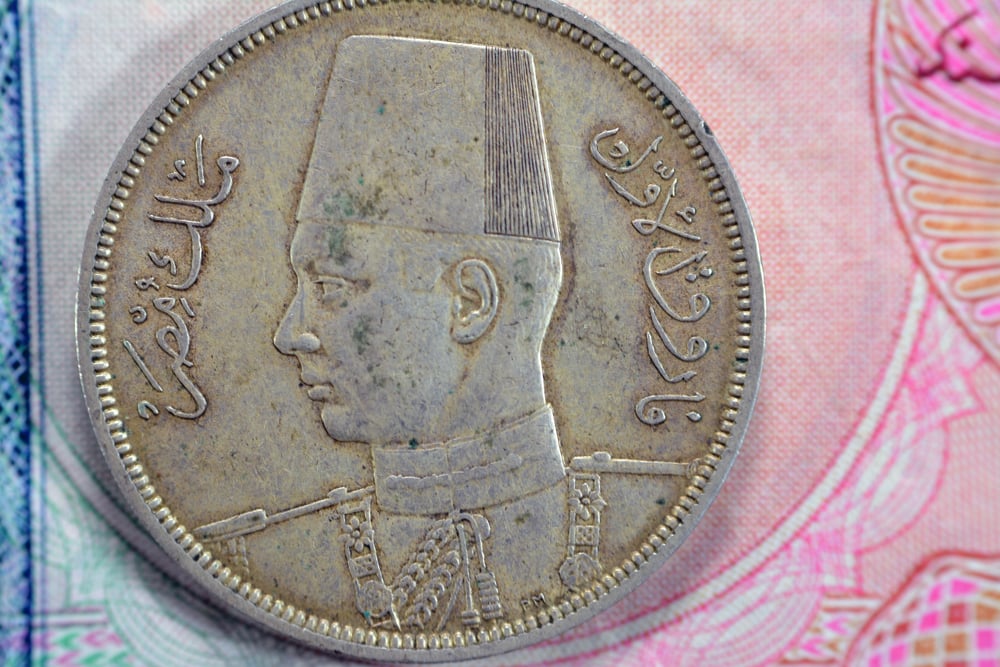
Egypt’s last king was escorted off his own soil in 1952 by the Free Officers Movement, forced to abdicate after a military coup that took less than a week to complete. He sailed away from Alexandria on his royal yacht, reportedly surrounded by luggage stuffed with gold coins and personal effects — a man reduced, almost immediately, from sovereign to exile.
He died in Rome in 1965, rotund and largely ignored.
Haile Selassie of Ethiopia
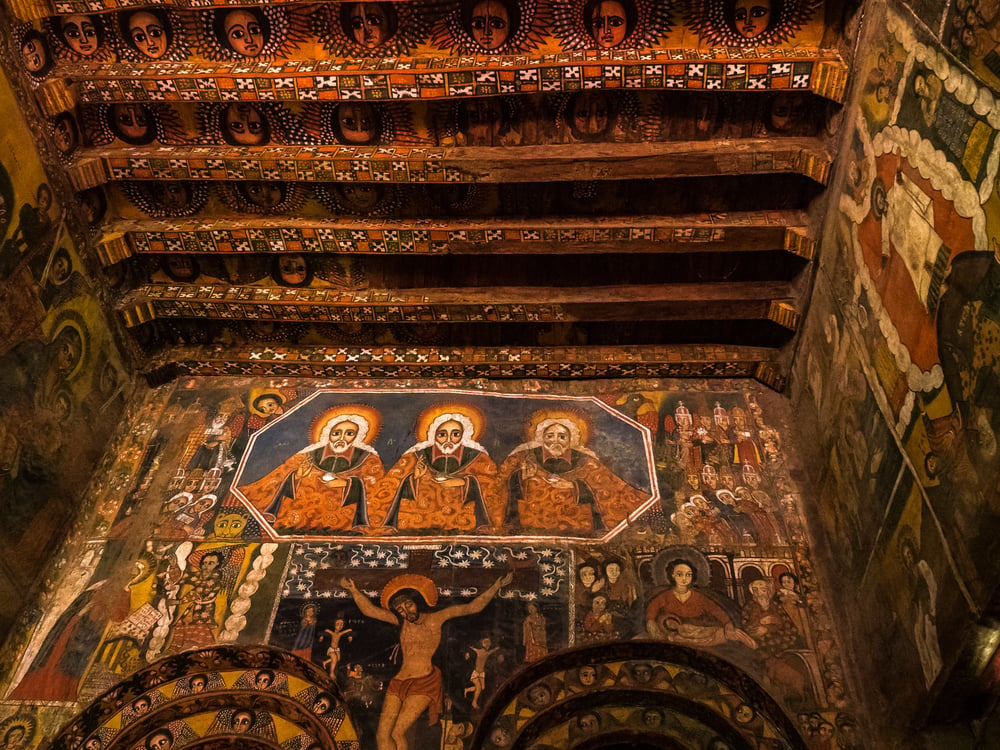
He had ruled since 1930, survived a brutal Italian occupation, and returned from exile to reclaim his throne — and then, in 1974, a committee of military officers called the Derg simply removed him in a Soviet-made car while he sat in quiet, uncomprehending silence. The man who was once worshipped as a divine figure by millions was imprisoned in his own palace and died the following year under circumstances that remain disputed.
Ethiopia barely acknowledged his passing.
Reza Shah Pahlavi of Iran
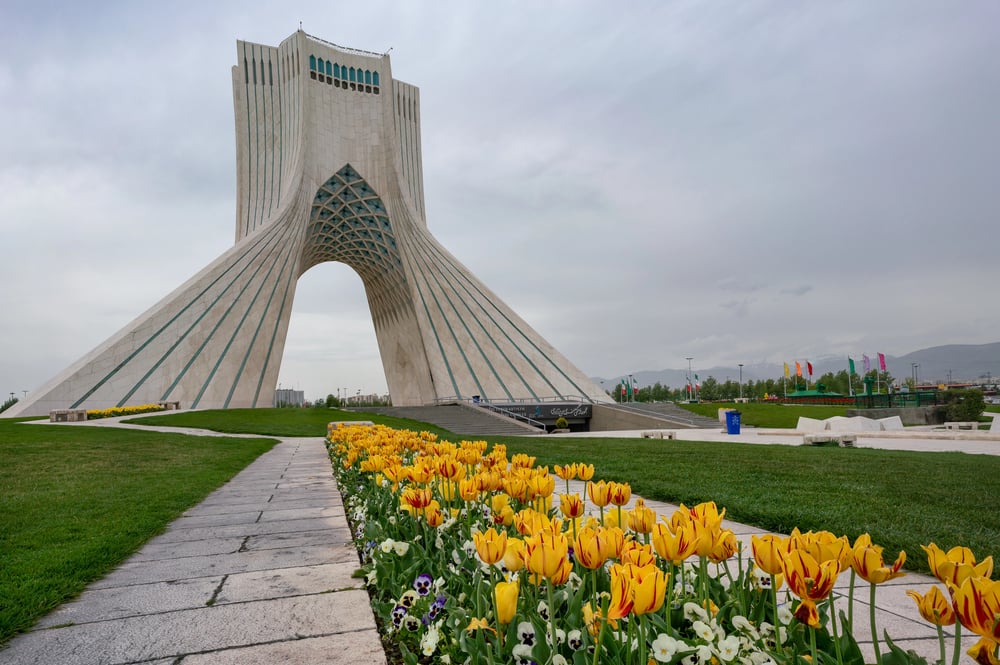
The British and Soviets deposed him in 1941 — not through revolution or popular uprising, but through a joint military occupation that had more to do with securing supply lines to the Soviet Union than with anything Reza Shah had actually done wrong. He was packed onto a ship and sent to South Africa, where he died three years later.
His son Mohammad Reza took the throne and lasted another thirty-eight years, which says something about how arbitrary these calculations tend to be.
Idi Amin of Uganda

Idi Amin didn’t fall through a popular uprising — he was physically removed when Tanzanian forces crossed the border in 1979 and marched on Kampala after he made the catastrophic decision to invade Tanzania. He fled to Libya and eventually settled in Saudi Arabia, where he lived comfortably until 2003 on a pension that was, by any reasonable measure, obscene.
The sheer mundanity of his end — shopping, restaurants, a quiet death in Jeddah — remains harder to absorb than anything he did while in power.
Nicolae Ceaușescu of Romania
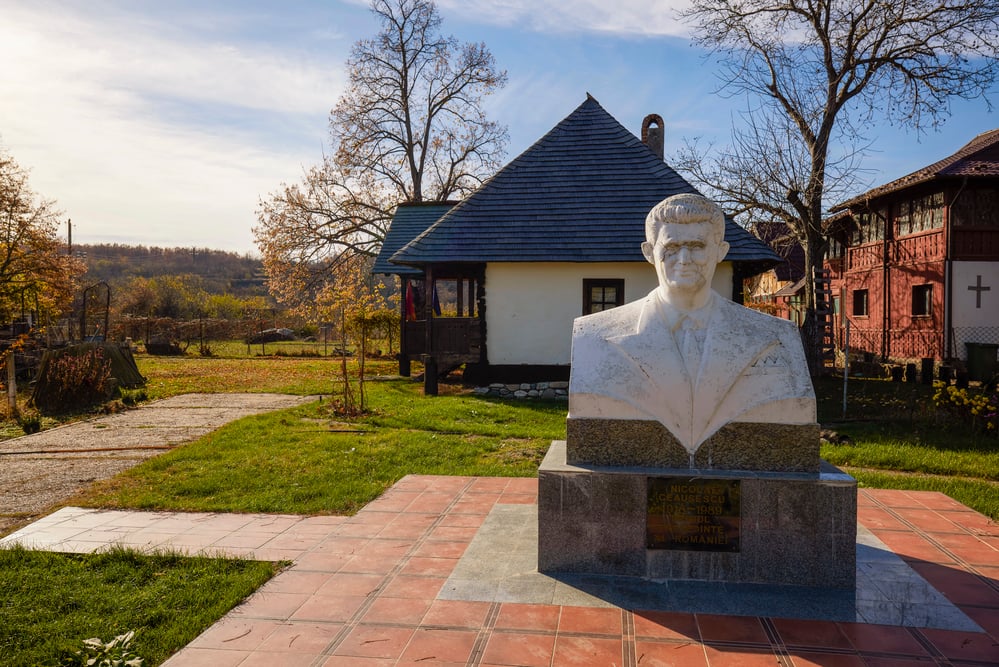
The image is one of history’s most startling: Ceaușescu and his wife Elena standing before a hastily assembled military tribunal on Christmas Day 1989, sentenced to death, and shot within hours. What makes it strange isn’t the violence — it’s the speed, the tinny video footage, the almost bureaucratic efficiency of it, as if Romania simply needed to get the thing done before dinner.
He had ruled for twenty-four years. The trial lasted roughly two hours.
Slobodan Milošević of Serbia
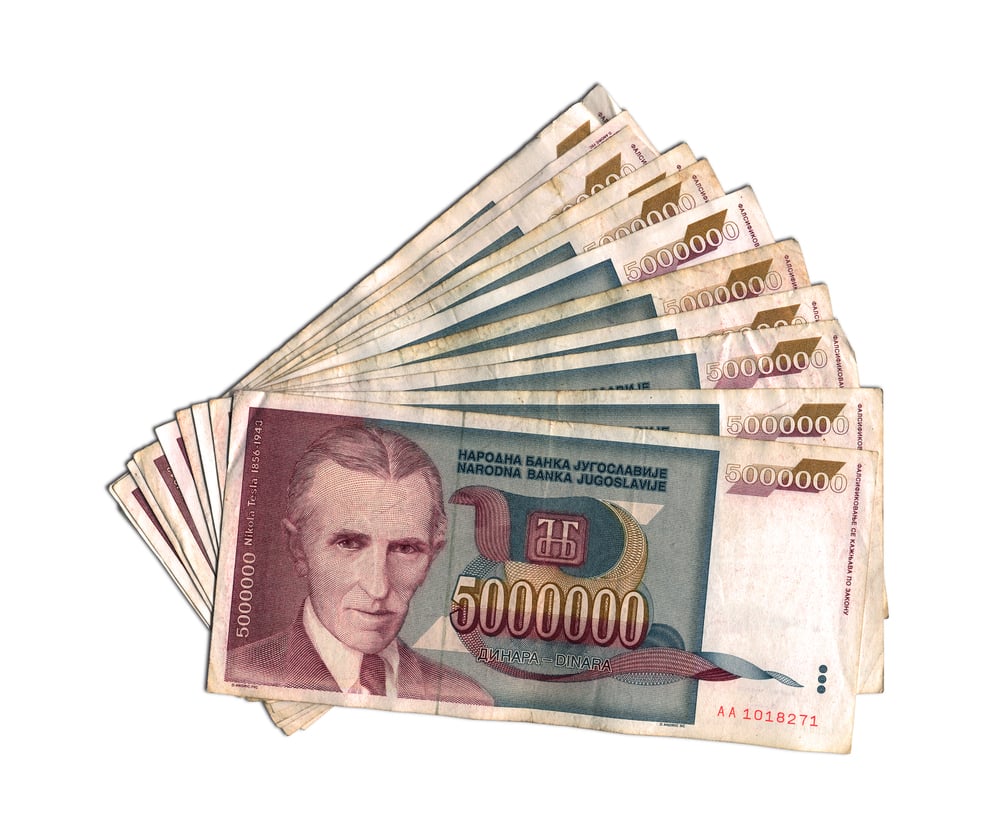
Milošević was removed from power in October 2000 when hundreds of thousands of Serbs descended on Belgrade and the state apparatus simply declined to defend him — a collapse less like a revolution and more like a building deciding, on its own, to stop standing. He was handed over to the International Criminal Tribunal for the former Yugoslavia in 2001 and died in his cell in The Hague in 2006 before a verdict could be reached.
The man who defined a decade of Balkan catastrophe exited without even the grim clarity of a sentence.
Jean-Bédel Bokassa of the Central African Republic

Bokassa declared himself Emperor in 1977 in a coronation that reportedly cost $20 million — roughly a third of his country’s annual budget — and was overthrown by French paratroopers just two years later, in 1979. The French, who had supported him for years and helped fund the coronation, reversed course after he ordered the massacre of schoolchildren who protested wearing his government-mandated uniforms.
He returned voluntarily to the Central African Republic in 1986, was tried, sentenced to death, had that sentence commuted, and was eventually released in 1993.
Zine El Abidine Ben Ali of Tunisia
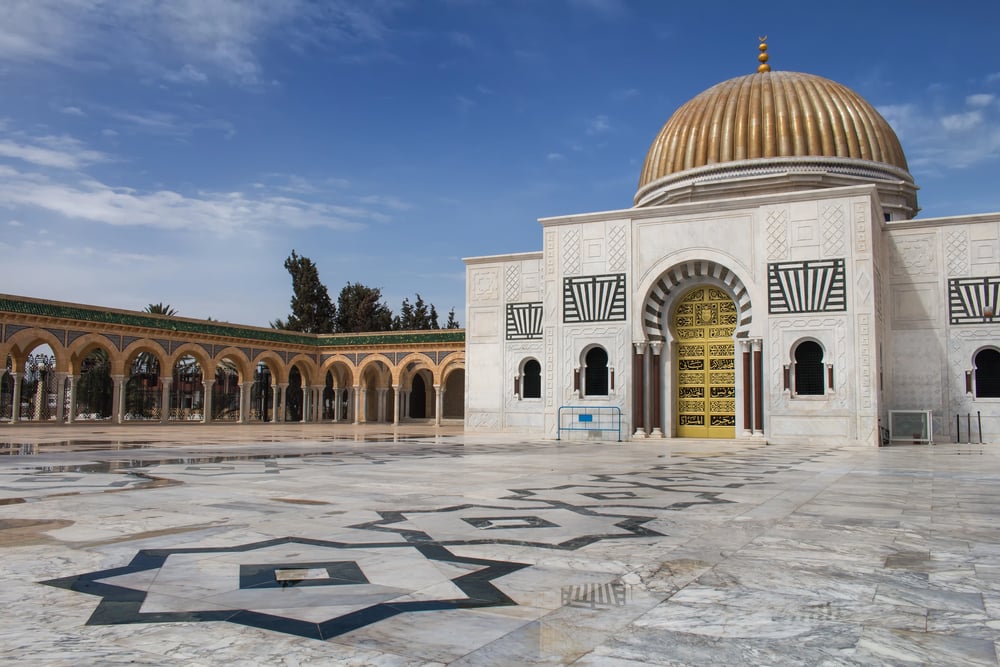
Ben Ali governed Tunisia for twenty-three years before the Arab Spring arrived in January 2011 and he fled to Saudi Arabia within hours, almost as if he had always kept a bag packed near the door. His departure — abrupt, unannounced, almost silent — triggered a cascade of upheaval across the Arab world that no one, including him, had anticipated.
He died in exile in 2019, and the revolution that his flight set in motion is still being argued about.
Mohammad Reza Shah Pahlavi of Iran
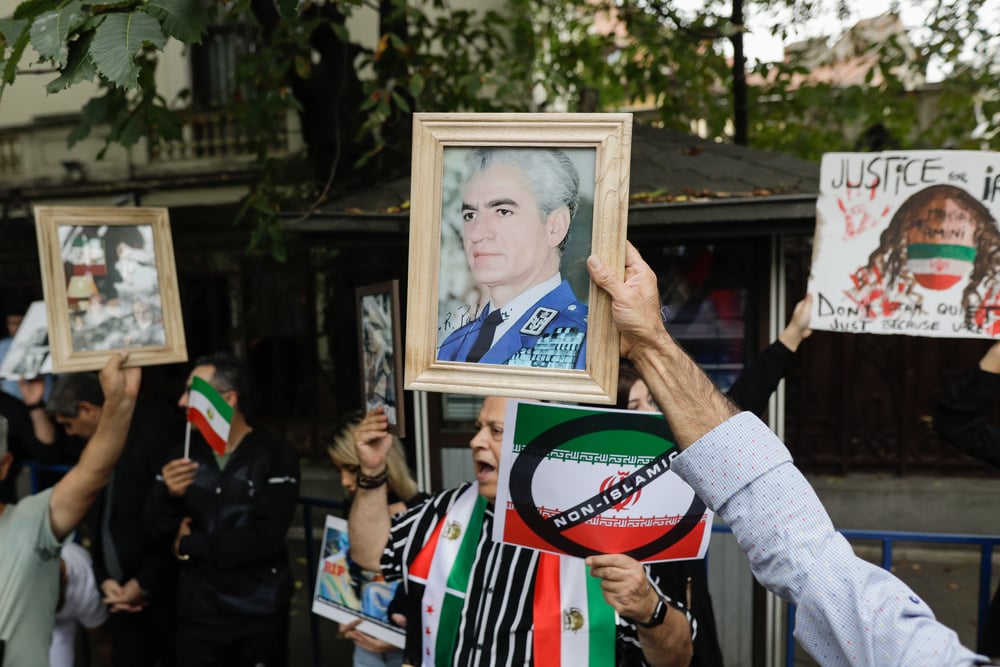
He left Tehran in January 1979 officially for medical treatment, and the pretense fooled no one — least of all him, probably — and what followed was one of the most consequential power transfers of the twentieth century, reshaping the Middle East in ways that still reverberate today. The Shah wandered from country to country afterward, a dying man that no one particularly wanted: Egypt, Morocco, the Bahamas, Mexico, the United States, Panama, and finally Egypt again, where he died in 1980.
His story has the shape of a Greek tragedy, but history filed it under geopolitics and moved on.
Charles I of England
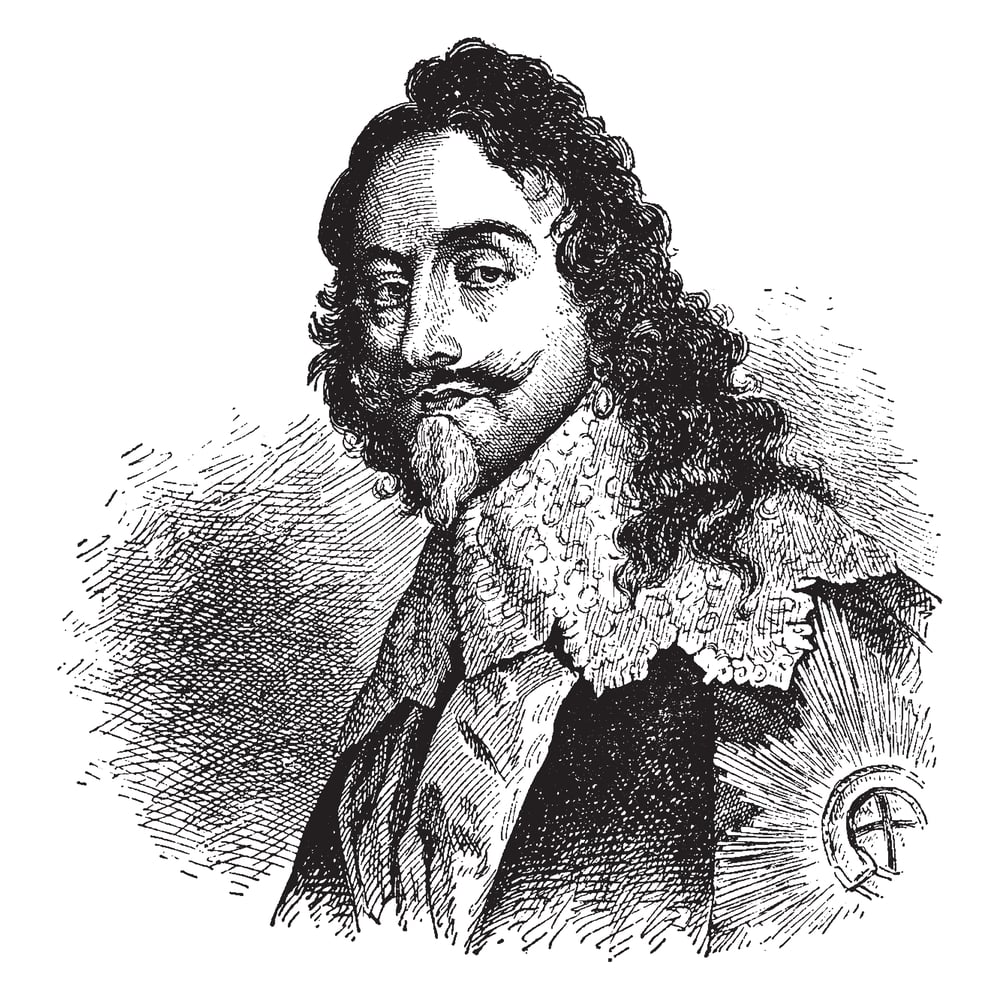
Charles I lost his head in 1649, which is about as dramatic as removals get, yet there’s a strangeness to how thoroughly the English Civil War is remembered as a conflict while Charles himself is remembered mainly as a footnote to Cromwell’s story. He walked to his own execution on a cold January morning wearing two shirts so he wouldn’t shiver and be mistaken for trembling in fear — a detail so composed it almost corrects the historical narrative.
It didn’t save him, of course.
Louis XVI of France
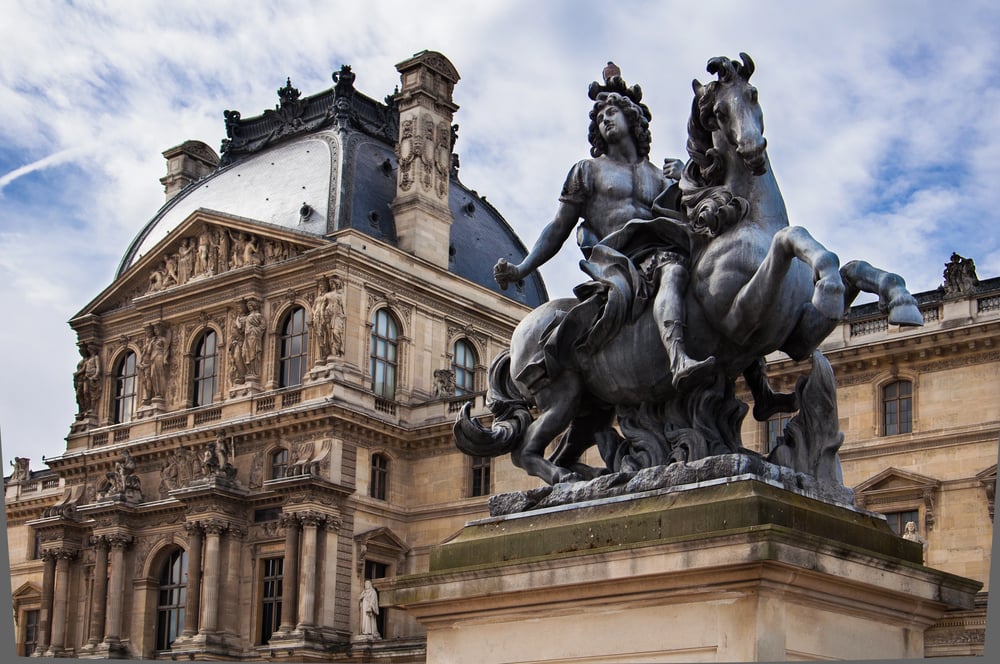
The guillotine in the Place de la Révolution on January 21, 1793 — and an enormous crowd — and a man who by most accounts was a decent administrator and a profoundly unlucky king who inherited a financial catastrophe he neither created nor knew how to escape. History needed a villain, and Louis XVI, gentle and indecisive and deeply attached to his family, was the villain history got.
He’s mostly remembered through Marie Antoinette, which is its own kind of erasure.
Muammar Gaddafi of Libya
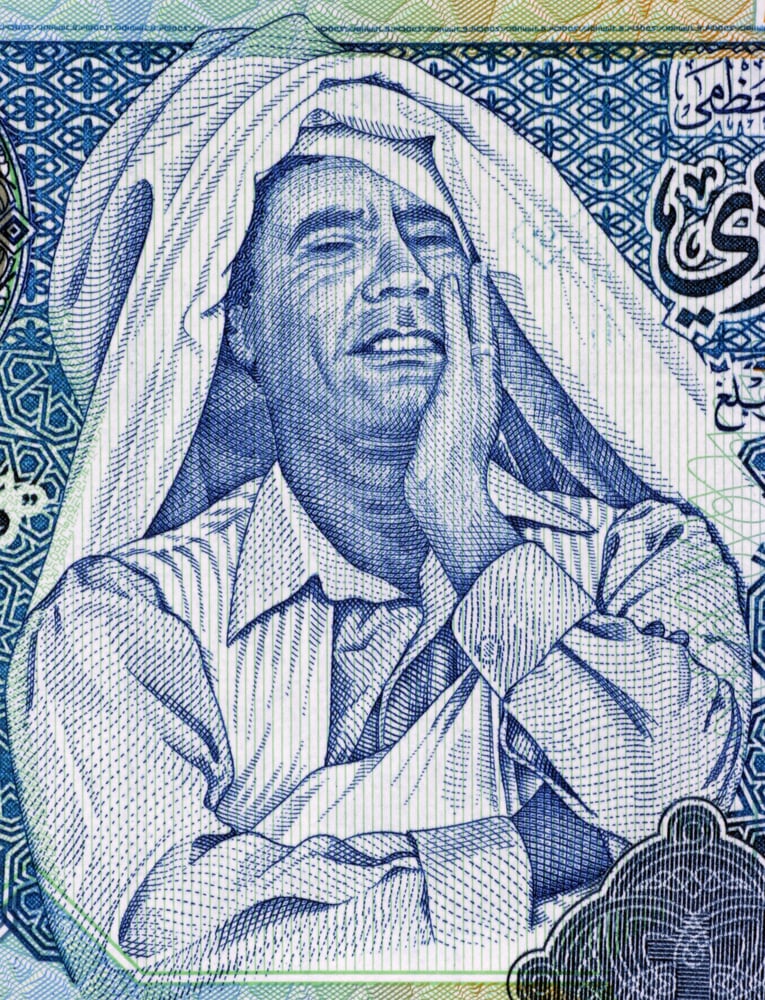
He ruled Libya for forty-two years — one of the longest authoritarian tenures in modern history — and was dragged from a drainage culvert near Sirte in October 2011 and killed on the spot, the footage filmed on a mobile phone and circulated globally within hours. The manner of it was so raw, so stripped of any ceremony, that it shocked even people who had spent years calling for his removal.
Libya has been in various states of civil war ever since.
Saddam Hussein of Iraq
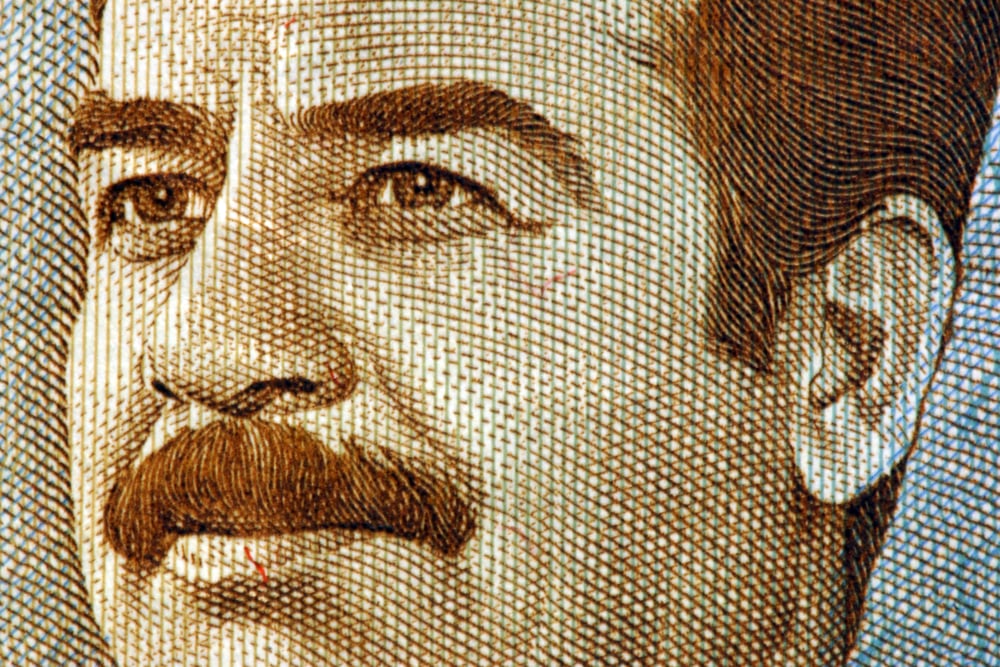
He was found hiding in a pit in the ground near Tikrit in December 2003, disheveled and offering no resistance — an image so deliberately stripped of dignity that it felt like the point. He was executed three years later, on December 30, 2006, in a scene that was also filmed and leaked, also chaotic, also deeply uncomfortable to watch.
The country he left behind has not recovered in any straightforward sense.
Kwame Nkrumah of Ghana
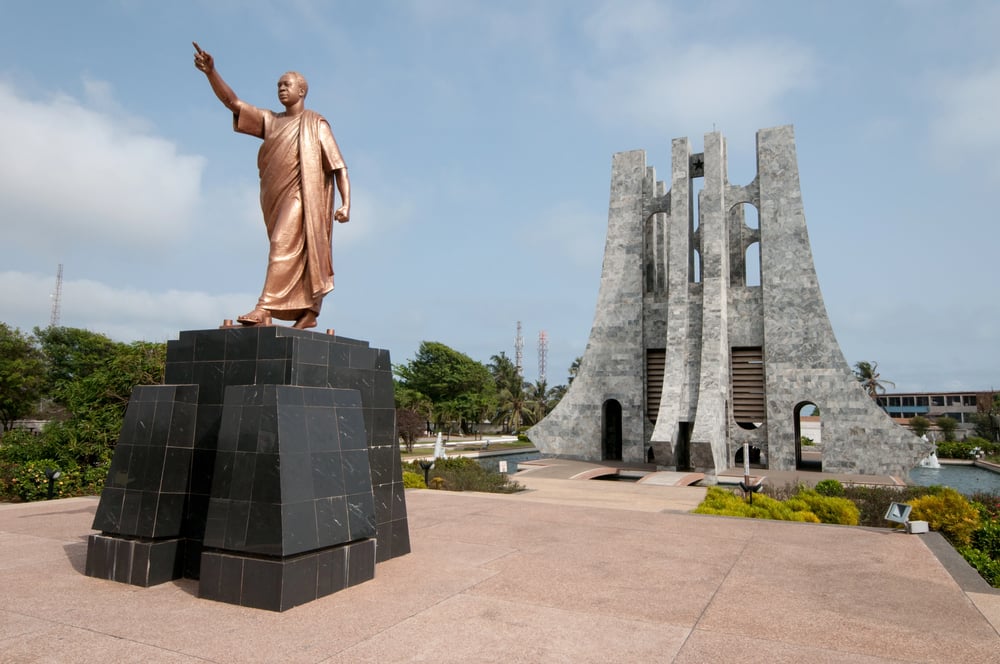
Nkrumah was Ghana’s founding father — the man who delivered independence from Britain in 1957, who stood for pan-Africanism before it was a slogan — and he was deposed in 1966 while he was on a plane to Hanoi, told mid-flight that the military had taken over. He lived out his exile in Guinea, where President Sékou Touré gave him the courtesy title of co-president, a gesture that was either generous or quietly devastating depending on how you look at it.
He died in 1972, and Ghana spent years arguing about whether to forgive him.
Fulgencio Batista of Cuba
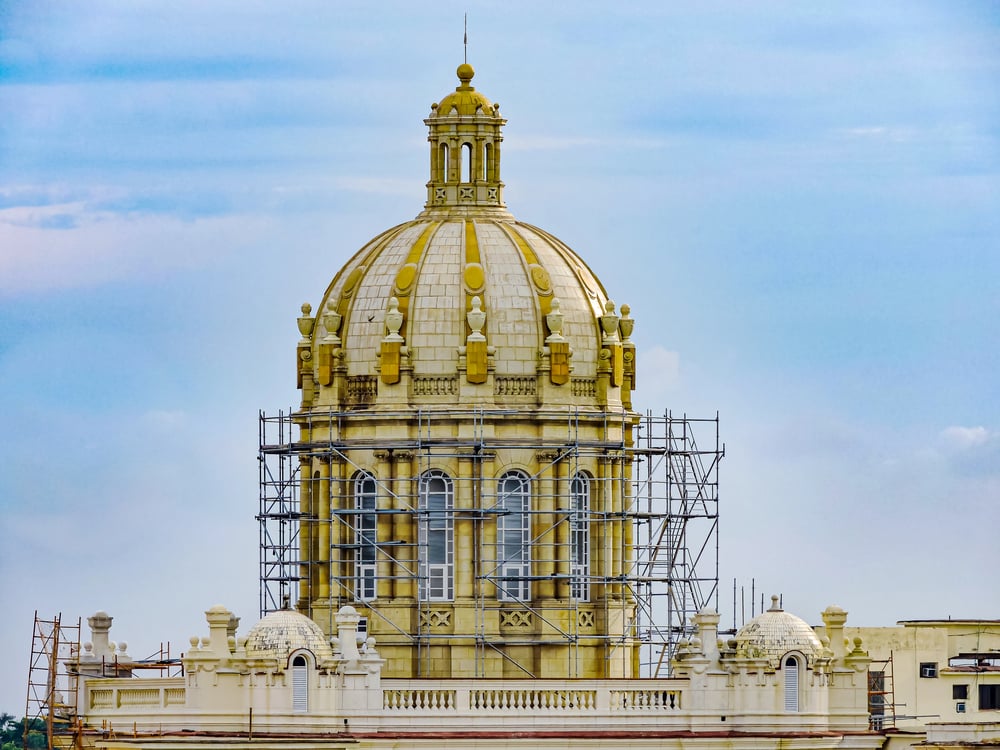
Batista fled Cuba on New Year’s Eve 1958 as Fidel Castro’s rebels closed in — he loaded what he could onto planes, flew to the Dominican Republic, and was simply gone before most of his government knew what had happened. His departure was so sudden that American officials in Havana reportedly heard about it on the radio.
He ended up in Portugal and then Spain, dying in 1973 in comfortable obscurity.
Jean-Claude Duvalier of Haiti
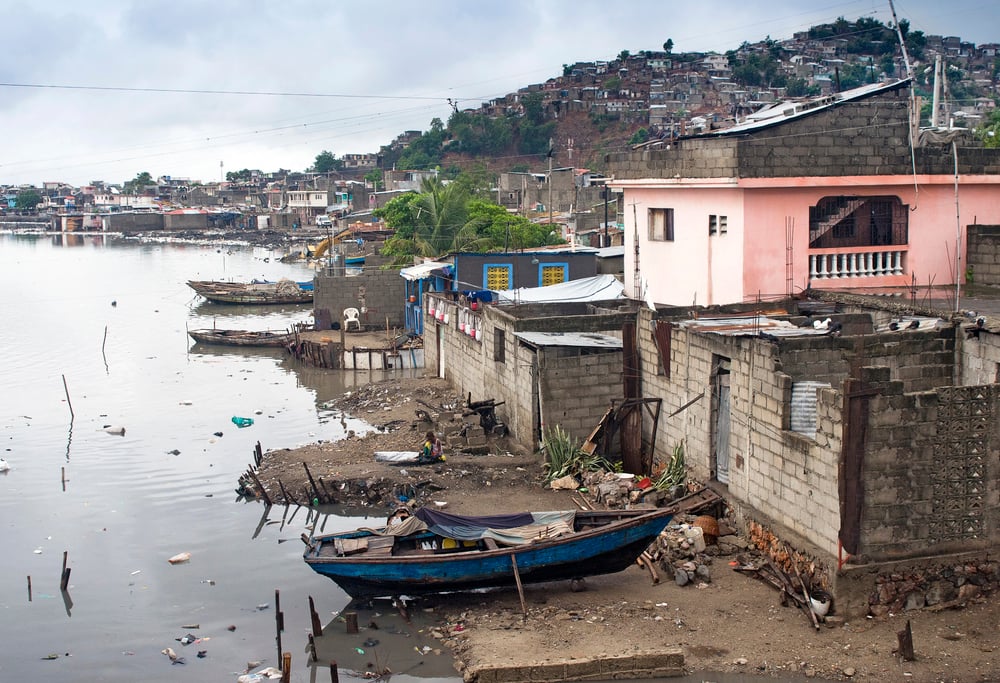
“Baby Doc” inherited Haiti from his father François, proved to be a less capable tyrant, and was flown out of Port-au-Prince on a U.S. Air Force plane in 1986 after mass protests made his position untenable. He went to France, lived lavishly, and seemed genuinely surprised when a French court froze his assets.
He returned to Haiti in 2011, which surprised everyone, and died there in 2014, never having faced meaningful legal consequences for what his government did.
Anastasio Somoza Debayle of Nicaragua
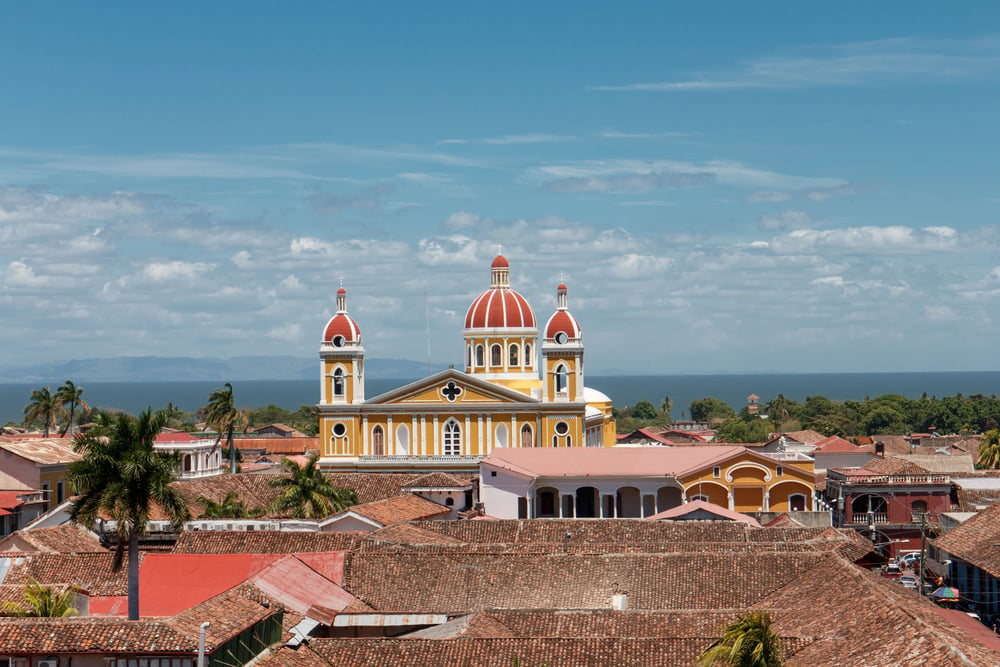
The Somoza family had effectively owned Nicaragua for over four decades when the Sandinistas finally forced Anastasio Somoza Debayle out in 1979. He fled to Miami, then to the Bahamas, then to Paraguay — a country that, at the time, was about the only place willing to take him — and was assassinated there in September 1980 by a Sandinista commando unit using a rocket launcher, which is arguably one of the more theatrical exits on this list.
Ferdinand Marcos of the Philippines
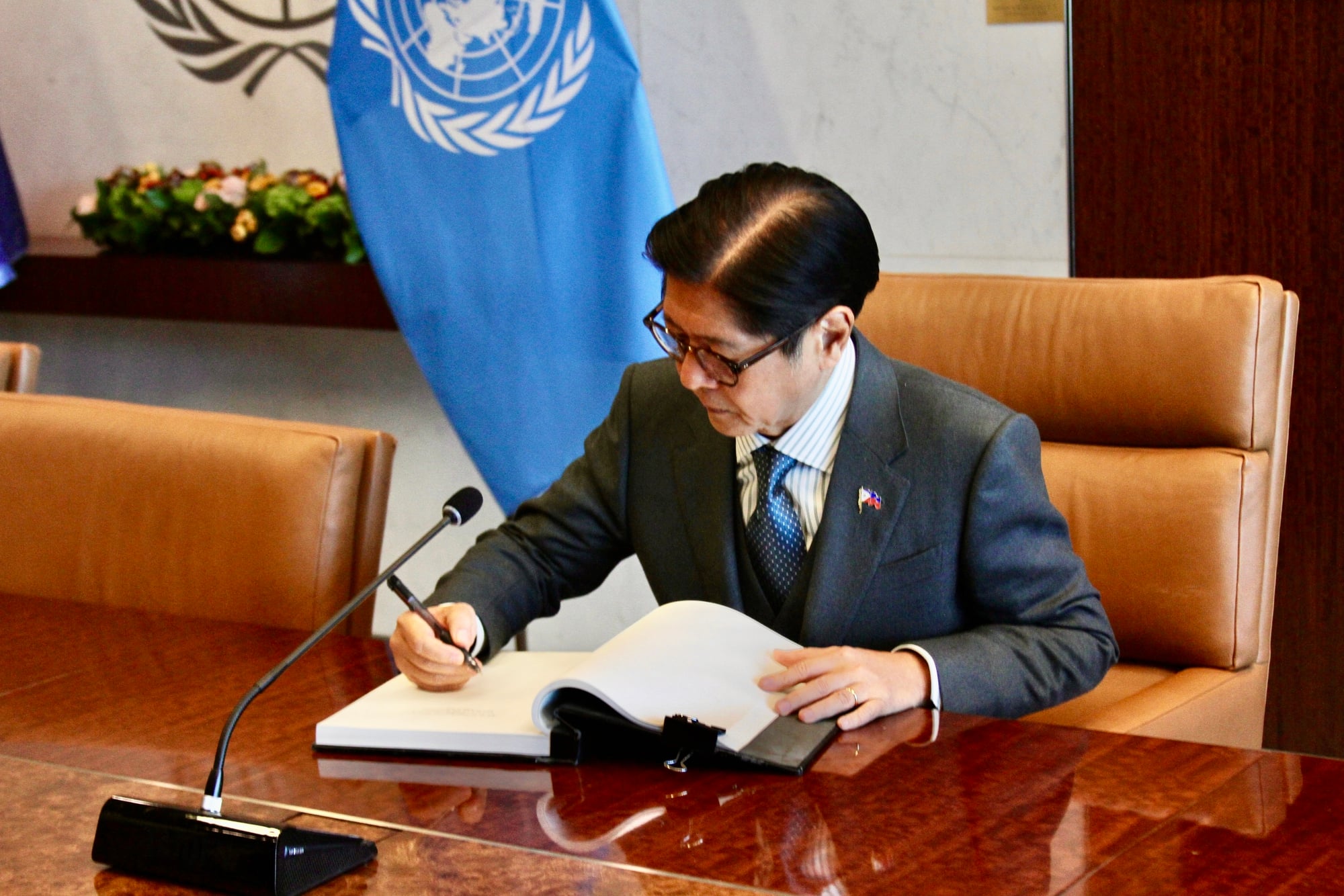
Marcos clung to power through the 1986 People Power Revolution until the moment it became genuinely pointless, at which stage he and Imelda were airlifted out of Malacañang Palace by U.S. helicopters and flown to Hawaii. The shoe collection Imelda left behind — thousands of pairs — became the image the world kept, a symbol of excess so perfect it almost felt invented.
He died in Hawaii in 1989; Imelda eventually returned to the Philippines, and the family’s political rehabilitation has been, to put it gently, disturbingly successful.
Yahya Khan of Pakistan
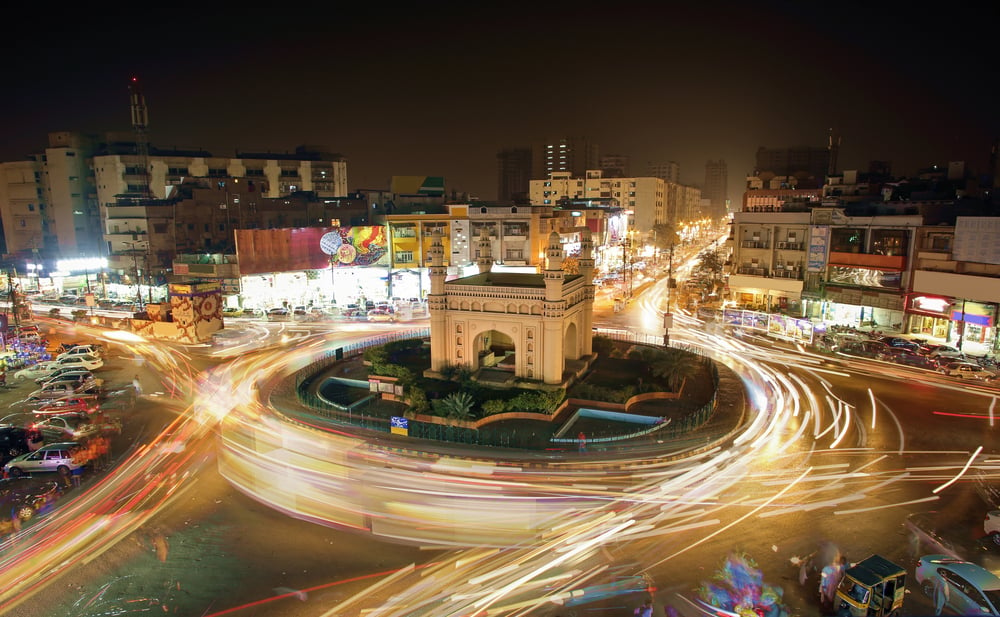
Yahya Khan presided over the 1971 war that resulted in the creation of Bangladesh, a military catastrophe so total that the Pakistani army surrendered to India in one of the largest military capitulations since World War II. He handed power to Zulfikar Ali Bhutto and retreated from public life, living quietly in Rawalpindi until his death in 1980.
The scale of what happened on his watch — the liberation war, the alleged atrocities, the loss of East Pakistan — is barely taught outside South Asia.
Mengistu Haile Mariam of Ethiopia
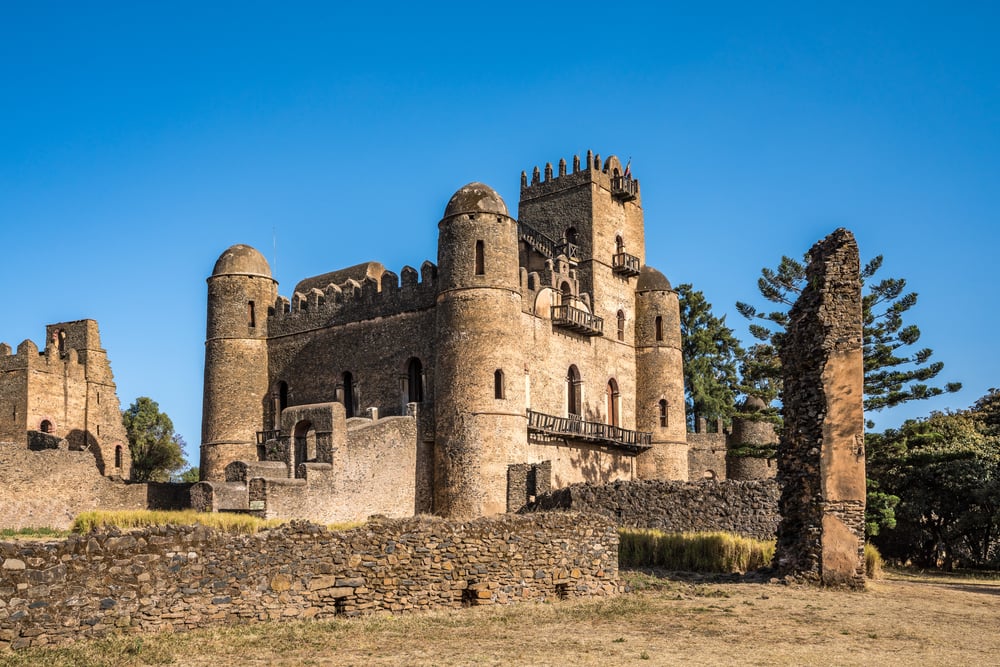
Mengistu fled Ethiopia in 1991 as the rebel coalition that would become the new government closed in on Addis Ababa — he simply boarded a plane to Zimbabwe and Robert Mugabe gave him refuge, where he still lives. An Ethiopian court sentenced him to death in absentia in 2008 for genocide, and Zimbabwe has never extradited him.
He has been, for over three decades, a convicted war criminal living in a suburb of Harare, playing golf according to some reports.
Erich Honecker of East Germany
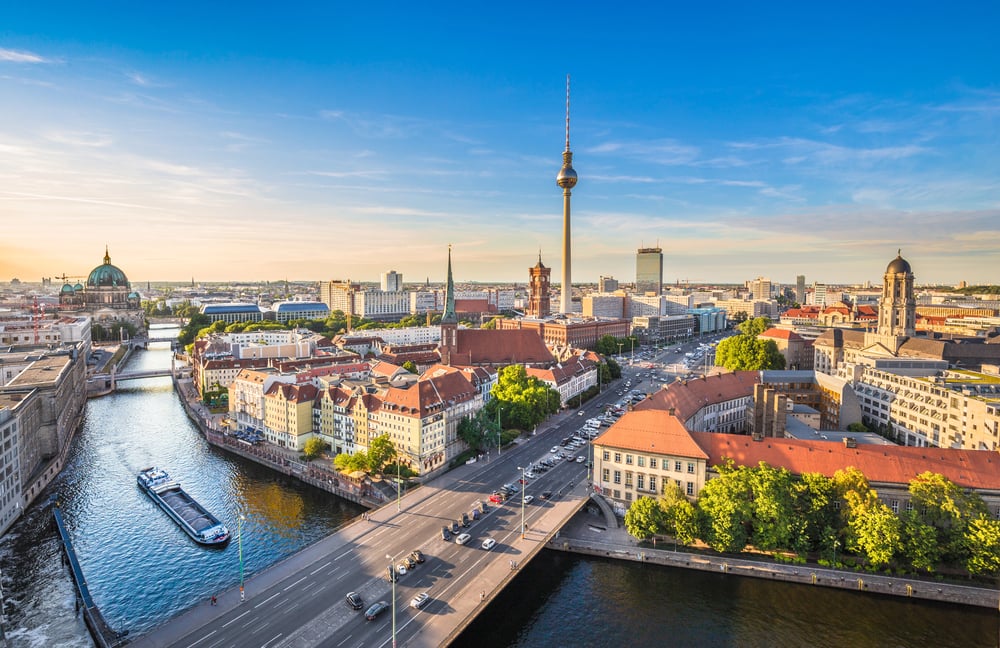
When the Berlin Wall fell in November 1989, Honecker had already been removed from power the month before — pushed out by his own party, which correctly read that the game was over even if he hadn’t. He fled to the Soviet Union, then to Chile when Germany sought to extradite him, and died in Santiago in 1994.
The collapse of East Germany was seismic; the man who had built the Wall and presided over the Stasi faded out of history with a quietness that matched none of it.
Suharto of Indonesia
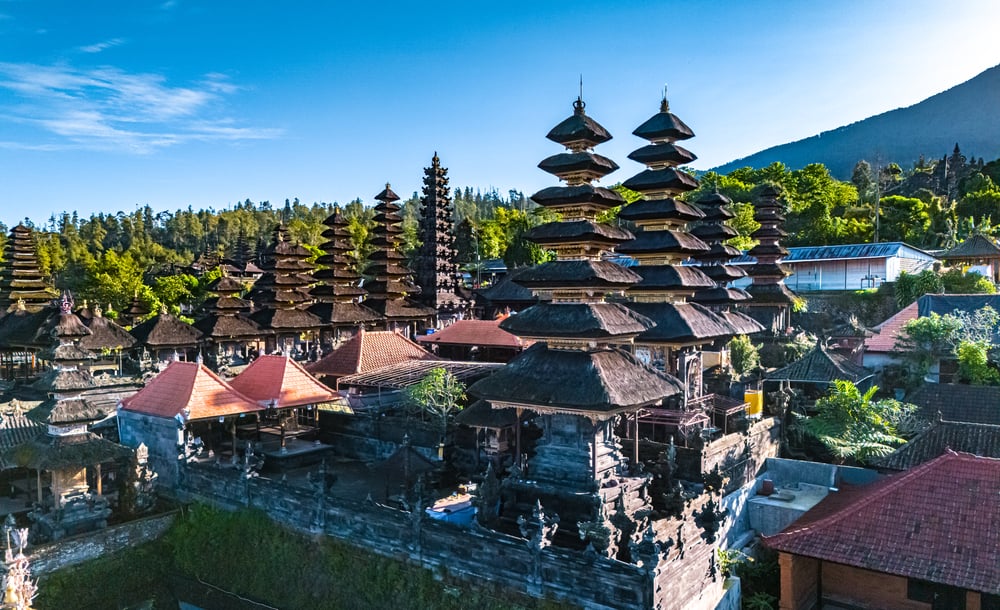
Suharto ruled Indonesia for thirty-two years and was gone within days of the 1998 economic crisis that triggered mass protests, resigning on May 21 and retiring to a private life in Jakarta that was, by the standards of deposed dictators, remarkably comfortable. He was investigated for corruption repeatedly, found too ill to stand trial repeatedly, and died in 2008 without ever facing a court.
His exit was one of the more undramatic on this list — he just stopped showing up.
Mobutu Sese Seko of Zaire
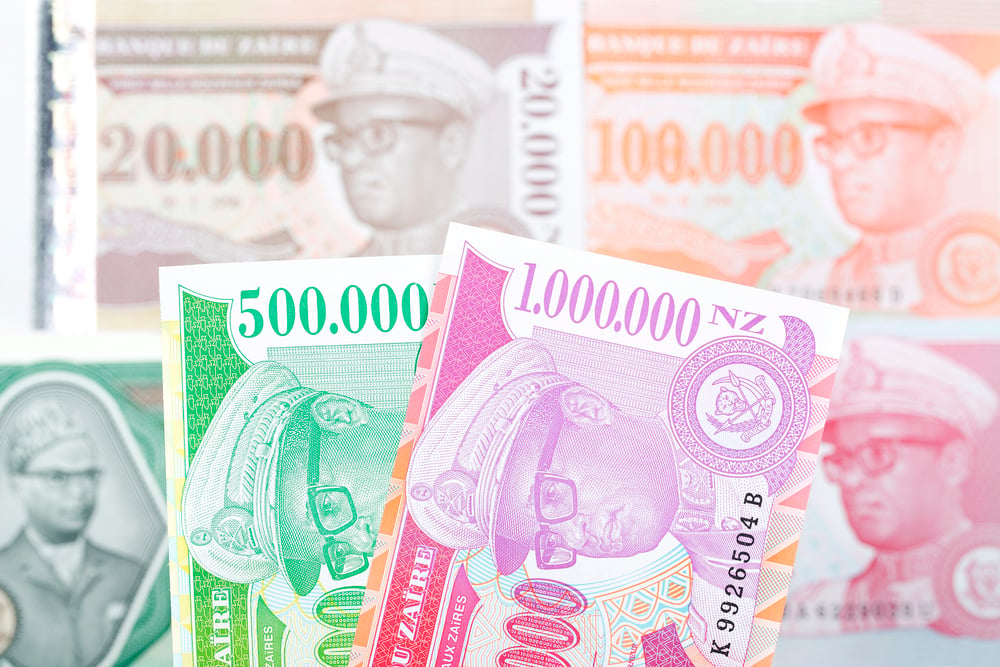
Mobutu had renamed his country Zaire and renamed himself Mobutu Sese Seko Kuku Ngbendu Wa Za Banga — which translates roughly as “the all-powerful warrior who goes from conquest to conquest leaving fire in his wake” — and when Laurent-Désiré Kabila’s rebels finally reached the capital in 1997, Mobutu fled to Morocco and died there four months later. He had accumulated a personal fortune estimated in the billions while Zaire’s infrastructure collapsed around him.
The country renamed itself the Democratic Republic of Congo; the name he gave it disappeared, and so did he.
Hosni Mubarak of Egypt
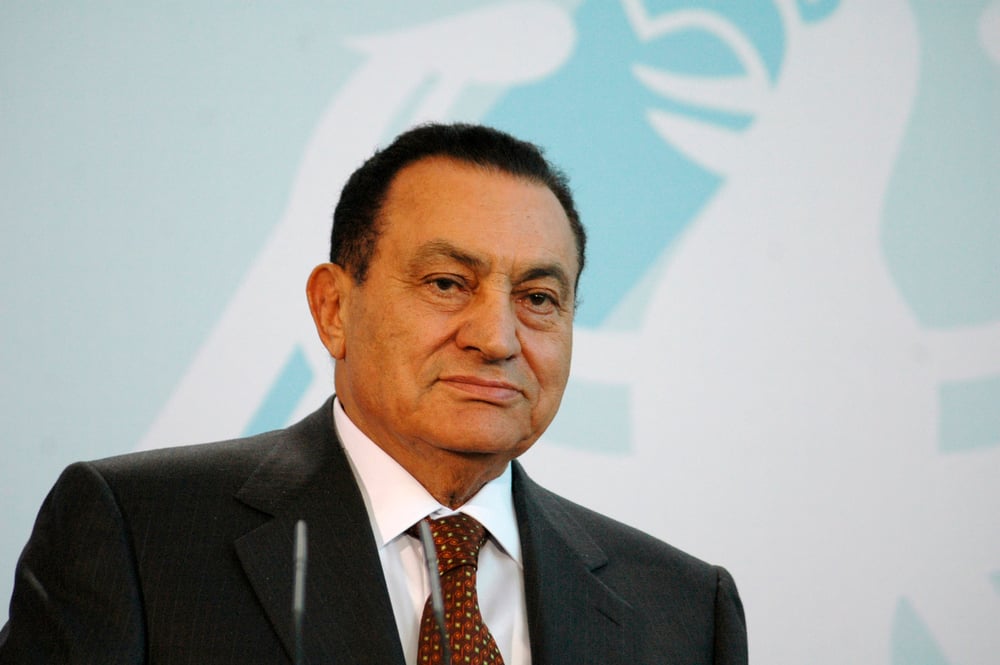
Mubarak held on for eighteen days after the Tahrir Square protests began in January 2011, which is longer than most people expected and shorter than he had clearly hoped. He was eventually tried, jailed, released, retried, and acquitted — a legal carousel that lasted years and arrived, ultimately, at nothing, like a sentence that keeps going and going and never quite ends.
He died in 2020, at ninety-one, which is not the ending the revolution imagined.
Viktor Yanukovych of Ukraine
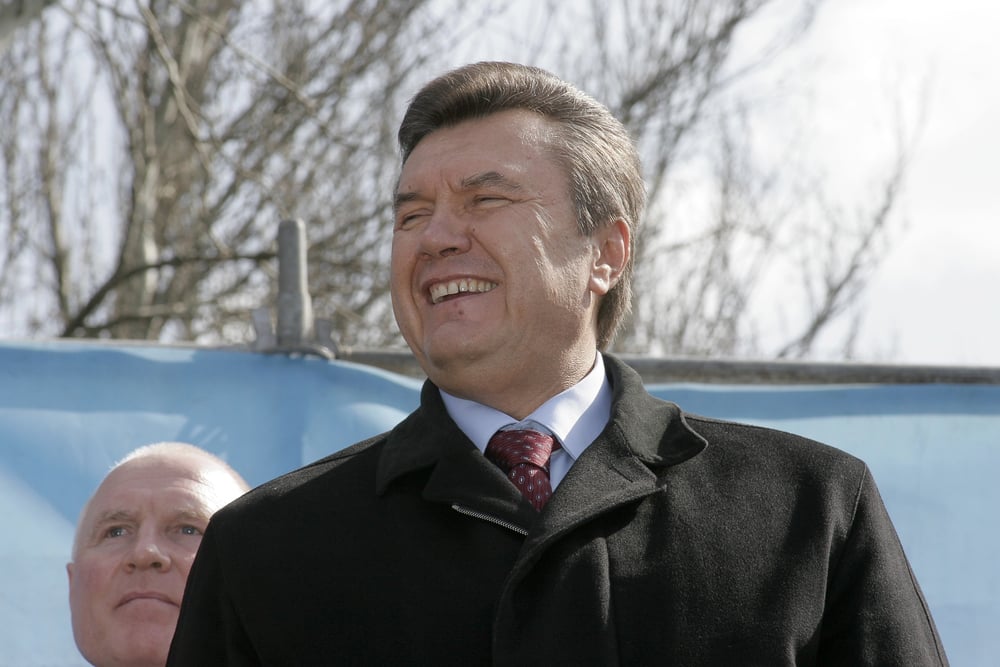
Yanukovych fled Kyiv in February 2014 after the Euromaidan protests turned violent and the security forces declined to escalate further — he disappeared so quickly that protesters reached his palatial estate outside Kyiv within hours and found the swimming pool still warm. The estate included a private zoo, a galleon-shaped restaurant, and a golf course, all funded by a country where millions lived in poverty.
He has lived in Russia since, and Russia’s subsequent actions have made him a minor character in a much larger catastrophe.
Maximilian I of Mexico
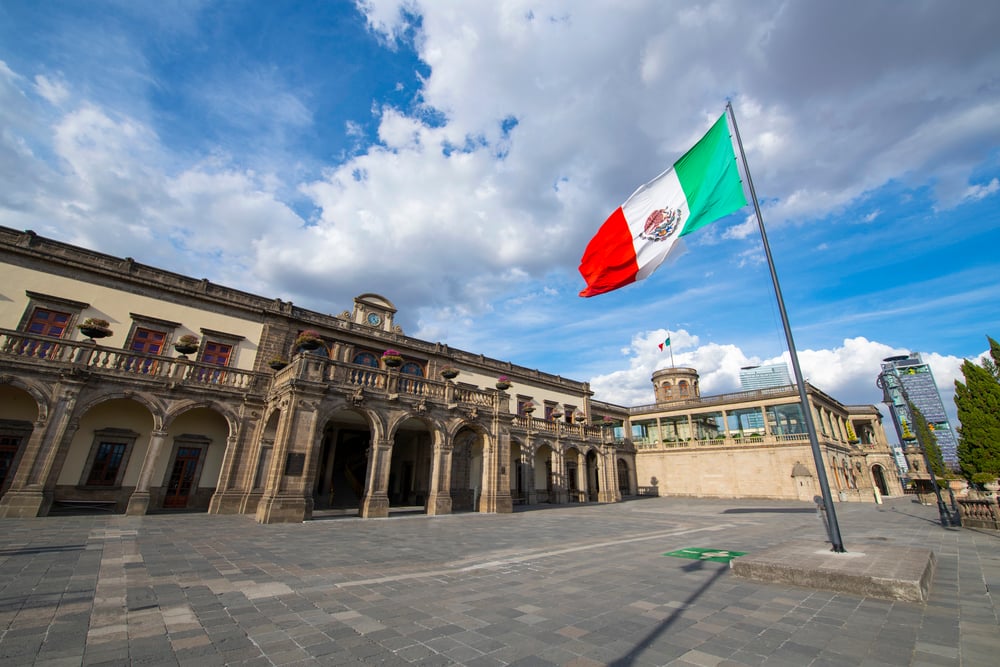
Maximilian I of Mexico — Austrian archduke, installed as Emperor by Napoleon III and a coalition of Mexican conservatives — was captured by republican forces in 1867 and executed by firing squad on a hill called Cerro de las Campanas. He had been abandoned by Napoleon, who withdrew French troops under American pressure, and by the conservative Mexicans who had invited him in the first place — a man dropped by everyone who had put him there.
He reportedly gave each of the soldiers who shot him a gold coin and asked them not to aim at his face.
Norodom Sihanouk of Cambodia
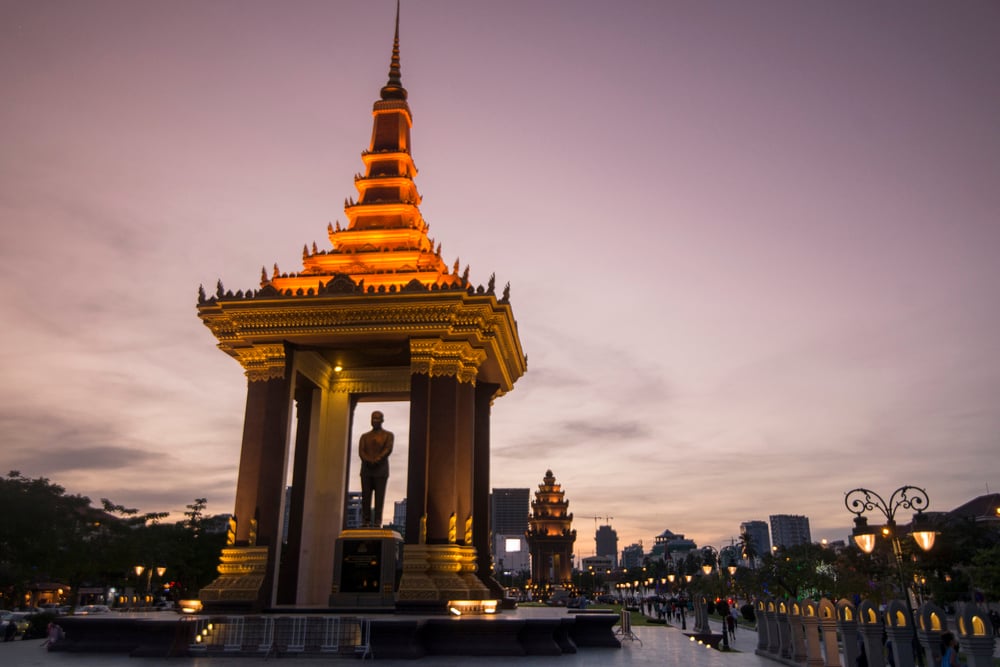
Sihanouk was overthrown in a 1970 coup while he was abroad, deposed by his own Prime Minister Lon Nol with American backing, and responded by forming an alliance with the Khmer Rouge — a decision that helped bring Pol Pot to power and contributed to one of the worst genocides of the twentieth century. He spent years in exile, returned to Cambodia, abdicated, re-abdicated, and died in 2012 at eighty-nine, his legacy a thorny and contested thing that Cambodia has never fully sorted out.
History rarely produces a cleaner example of an unintended consequence.
Charles X of France

Charles X was France’s last Bourbon king, deposed in the July Revolution of 1830 after his ultra-conservative Ordinances of Saint-Cloud triggered three days of street fighting in Paris — the “Three Glorious Days,” which is either an inspiring name for a revolution or an admission that the French were getting impatient with how long these things took. He went to Britain, then to Austria, and died of cholera in 1836 in Gorizia.
He’s a footnote to the Napoleonic era and a footnote to the reign of Louis-Philippe, which is a narrow kind of immortality.
Idris I of Libya
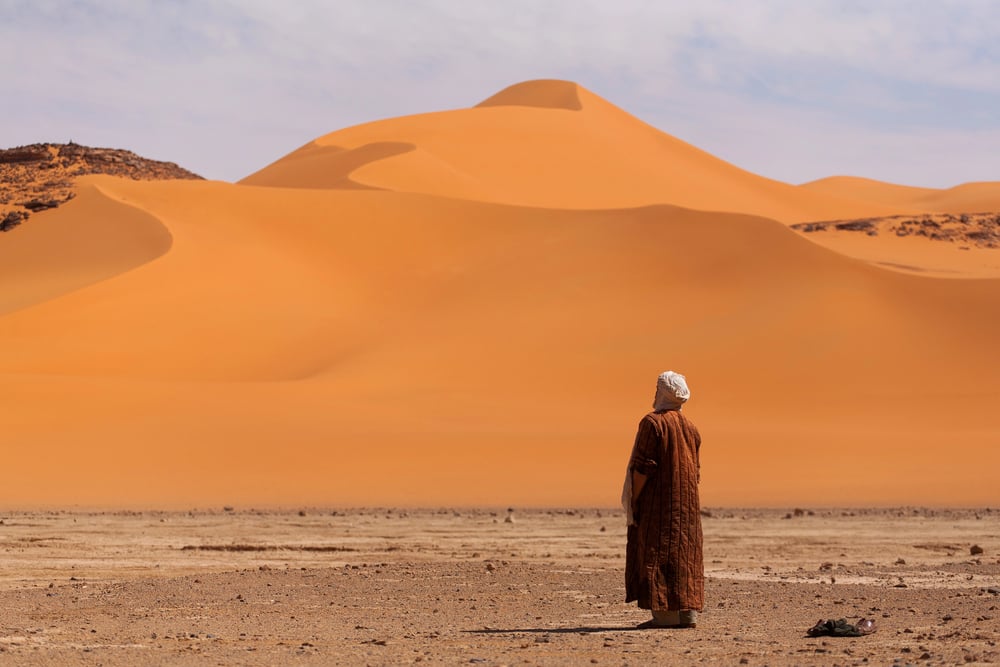
Idris I was Libya’s first and only king, a mild and religious man who spent most of his reign trying to stay out of the way of larger powers and was deposed in 1969 by Muammar Gaddafi’s coup while he was in Turkey receiving medical treatment. He chose not to contest the coup and lived out his days in Egypt, dying in Cairo in 1983.
Given who replaced him, the quiet decision not to fight back looks, in hindsight, like the wisest thing he ever did.
Alfonso XIII of Spain
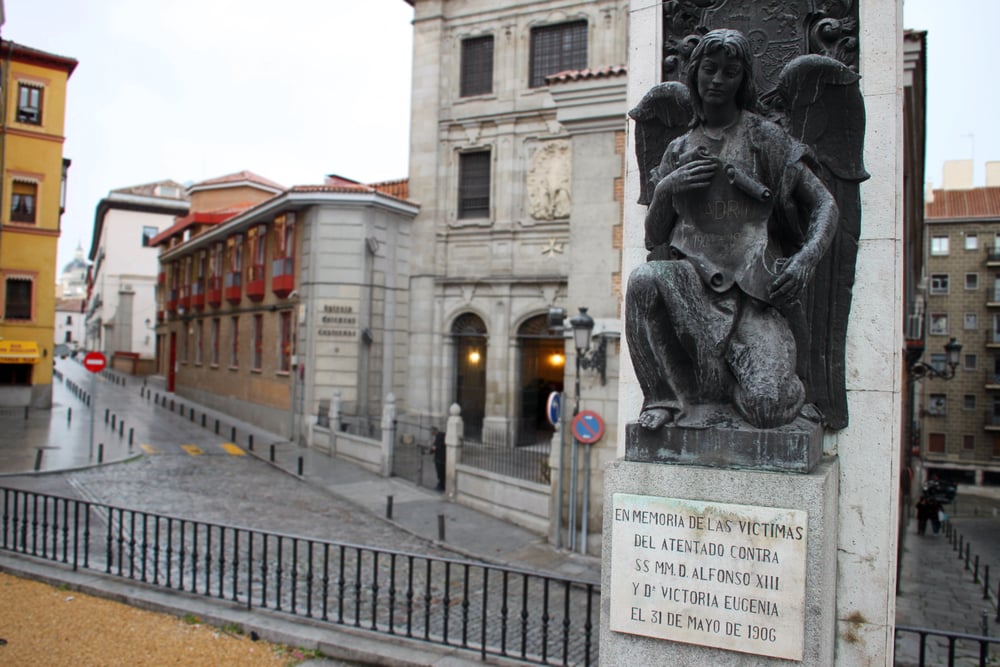
Alfonso XIII left Spain in April 1931 after municipal elections produced a sweeping republican result — he didn’t formally abdicate, just departed, framing it as a suspension rather than a resignation, as if he were stepping out for an afternoon and expected to return shortly. He never returned.
The Spanish Civil War came five years later, and Franco’s Spain was nothing he had intended, and he died in Rome in 1941 still technically arguing about the legal status of his departure.
Mohammad Mosaddegh of Iran
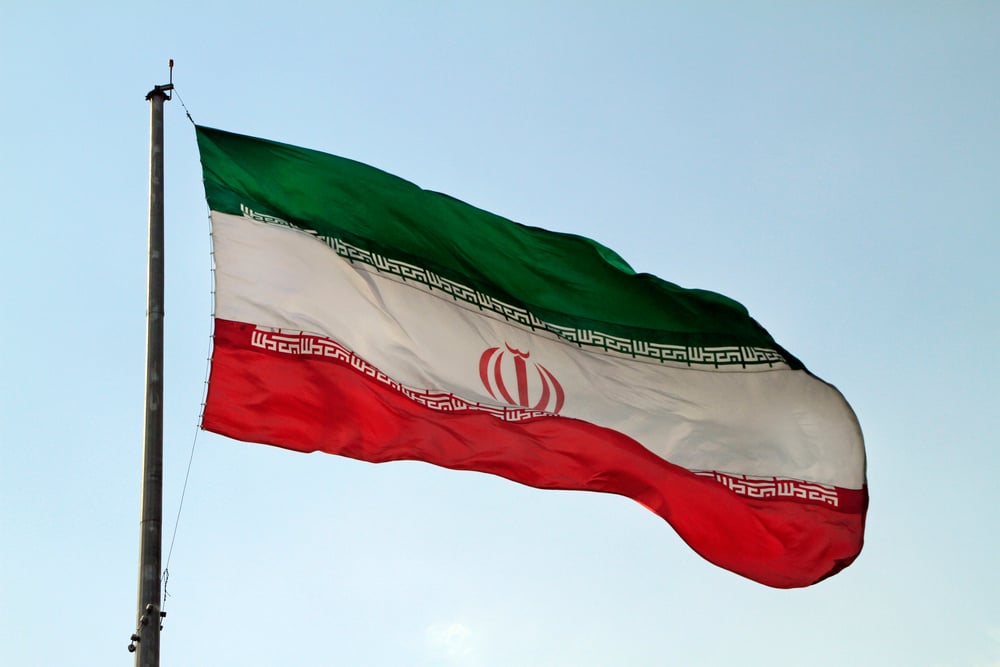
Mosaddegh was the democratically elected Prime Minister of Iran — not a monarch, which makes him slightly different from the rest of this list, but the drama of his removal earns him a place. He was overthrown in a 1953 CIA- and MI6-backed coup after nationalizing Iran’s oil industry, put under house arrest, and spent the rest of his life confined to his country estate, where he died in 1967.
The coup is now considered one of the most consequential covert operations in Cold War history, and its consequences have outlasted almost everyone involved.
The Weight of Forgotten Crowns
What these thirty-one stories share isn’t the manner of their exit — though the exits are varied enough to fill a catalog of political disaster. It’s what came after: the exile hotels, the legal proceedings that went nowhere, the comfortable obscurities and the undignified ends, the countries that moved on without them faster than anyone expected.
Power, it turns out, is less durable than the people holding it tend to believe. The more instructive pattern is how quickly the dramatic removal becomes a footnote, how the man dragged from the drainage culvert or the palace or the royal yacht becomes, within a generation, a name on a multiple-choice question.
History is efficient in this way. It files the rulers it’s done with, marks the folder, and reaches for the next one.
The drama of the exit is almost never proportional to the space it eventually takes up in the record.
More from Go2Tutors!

- The Romanov Crown Jewels and Their Tragic Fate
- 13 Historical Mysteries That Science Still Can’t Solve
- Famous Hoaxes That Fooled the World for Years
- 15 Child Stars with Tragic Adult Lives
- 16 Famous Jewelry Pieces in History
Like Go2Tutors’s content? Follow us on MSN.