How Climate Change Is Altering Flower Biology
Have you ever noticed that every spring, your favorite flowers seem to bloom earlier? You’re not dreaming.Even the most seasoned gardeners would be amazed at how climate change is subtly changing the laws of flower biology.
Plants have developed complex biological clocks that precisely correspond with seasonal changes over millions of years.However, these ancient rhythms are being thrown into disarray by rising temperatures, which has an impact on everything from backyard gardens to entire ecosystems.
Scientists are rushing to figure out what all of this means for flowering plants in the future because the changes occurring now are so drastic.Here’s a detailed look at how our warming planet is fundamentally changing the way flowers grow, bloom, and survive.
Earlier Blooming Times
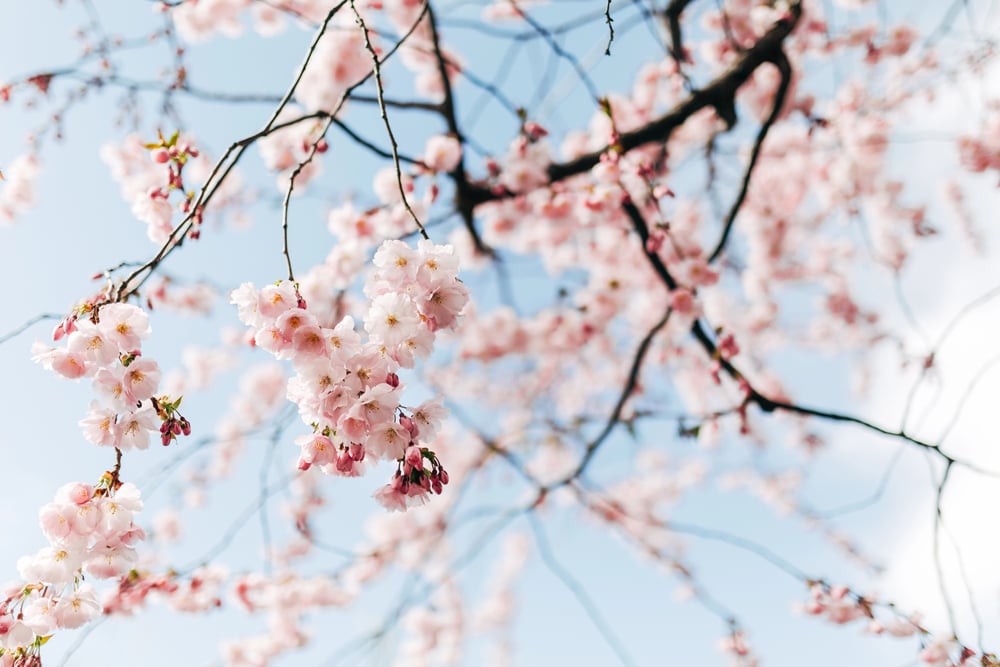
The most obvious change happening in flower biology is the shift toward earlier blooming. Cherry blossoms in Washington D.C. now peak about seven days earlier than they did in 1921, and this pattern is repeating across countless species worldwide.
Plants are essentially getting mixed signals from their environment. Traditional cues like day length remain constant, but warmer temperatures are telling them ‘spring is here’ weeks before it actually arrives.
This creates confusion in plants that have relied on specific temperature thresholds for generations. Many flowers now begin their reproductive cycle when conditions aren’t quite right, leading to unexpected vulnerabilities they never had to face before.
Temperature Sensitivity Windows

Different flower species have what scientists call ‘sweet spots’ for seed development—specific temperature ranges where their reproduction is most successful. Many temperate species have narrow optimal temperature ranges for flowering and seed set—often around 15°C (59°F)—and reproduction suffers outside that window.
Plants that once thrived in their local climate are now experiencing temperatures that push them beyond their comfort zones during critical flowering periods. This means flowers that used to set seeds reliably are now struggling to reproduce successfully, even when everything else about their environment seems perfect.
Like Go2Tutors’s content? Follow us on MSN.
Nectar Production Changes
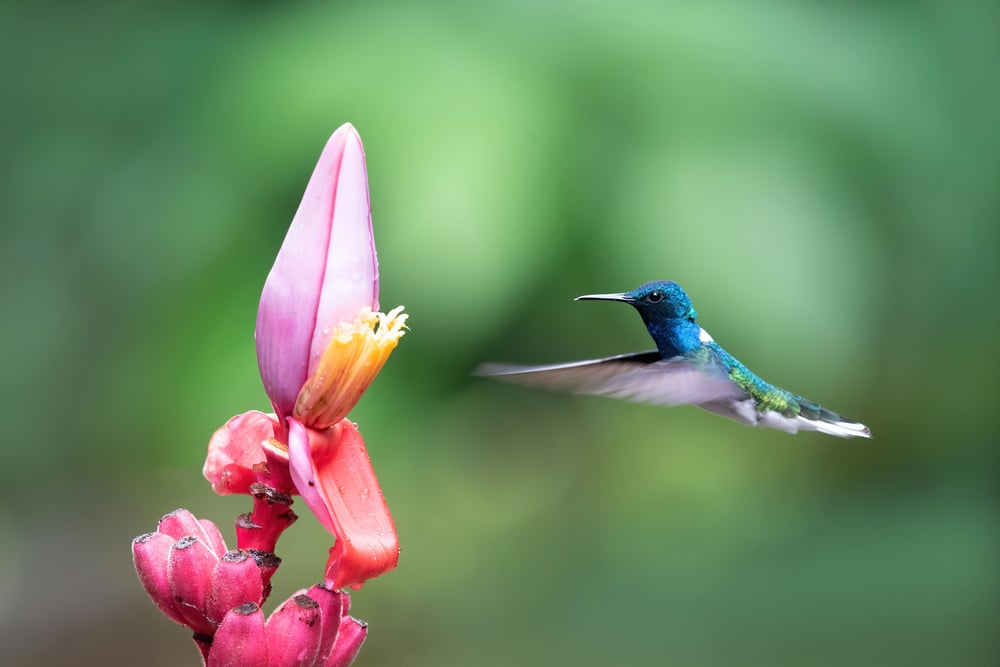
Climate change is dramatically altering the nectar that flowers produce, both in quantity and quality. Warmer temperatures generally reduce nectar volume while increasing sugar concentration, creating a more concentrated but smaller reward for pollinators.
Think of it like reducing a sauce in cooking—you get more intense flavor, but much less volume. Research shows that under extreme heat and drought conditions, nectar volume can drop by up to 60% in some experiments compared to normal conditions.
This creates serious challenges for bees, butterflies, and other pollinators who depend on these energy-rich rewards to fuel their daily activities and support their colonies.
Pollen Quality Modifications

Rising temperatures are having complex effects on pollen production and viability. Heat stress can reduce pollen weight by up to 50%, meaning flowers produce lighter, potentially less nutritious pollen grains.
Heat stress can alter pollen’s nutritional profile—sometimes increasing protein concentration while reducing overall quality or viability. High temperatures during pollen development can also damage the genetic material inside pollen grains, reducing their ability to successfully fertilize other flowers.
This is particularly concerning because pollen carries the genetic information necessary for plant reproduction and the creation of seeds for future generations.
Flower Size and Structure

Extreme temperatures are literally changing the physical appearance of flowers. Heat stress and drought conditions cause flowers to develop smaller petals, reduced overall flower size, and sometimes altered shapes.
A flower that normally opens to 4 square centimeters might only reach 2 square centimeters under climate stress. These size changes aren’t just cosmetic—they can affect which pollinators are able to access the flower’s rewards and how effectively pollination occurs.
Smaller flowers might exclude larger pollinators, while changes in flower shape could disrupt the precise fit between flowers and their specialized pollinators.
Like Go2Tutors’s content? Follow us on MSN.
Timing Mismatches
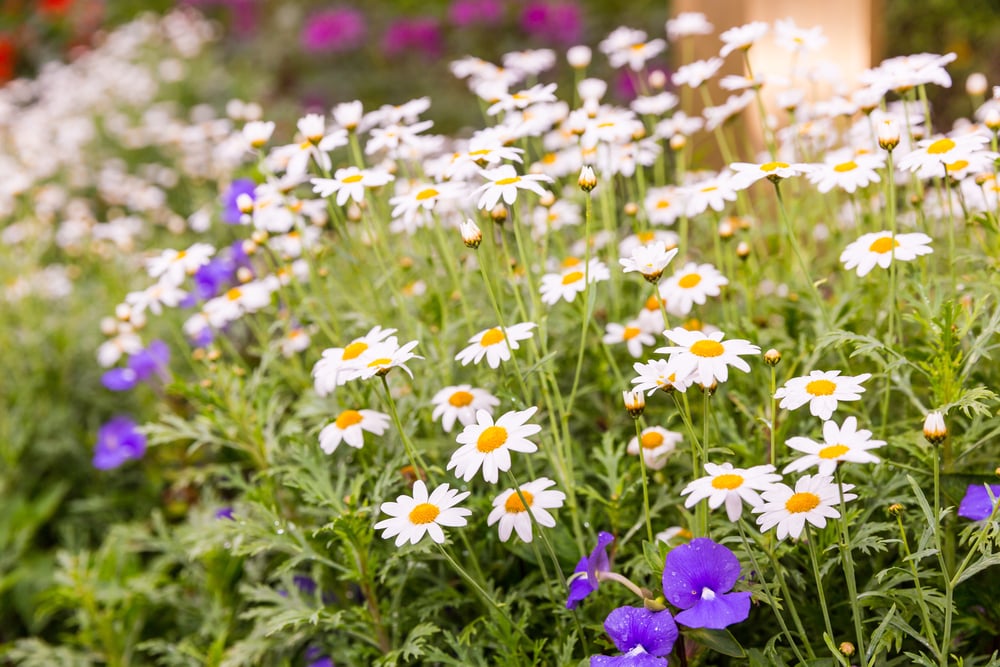
One of the most troubling changes is the growing disconnect between when flowers bloom and when their pollinators are active. Climate change affects different species at different rates, so plants might start blooming before their usual pollinators emerge, or pollinators might arrive after peak flowering has passed.
This is like showing up to a party either too early or too late—the timing just doesn’t work anymore. Scientists are documenting cases where flowers bloom weeks before their primary pollinators become active, leaving both plants and pollinators without their usual partners.
Regional Variation Patterns
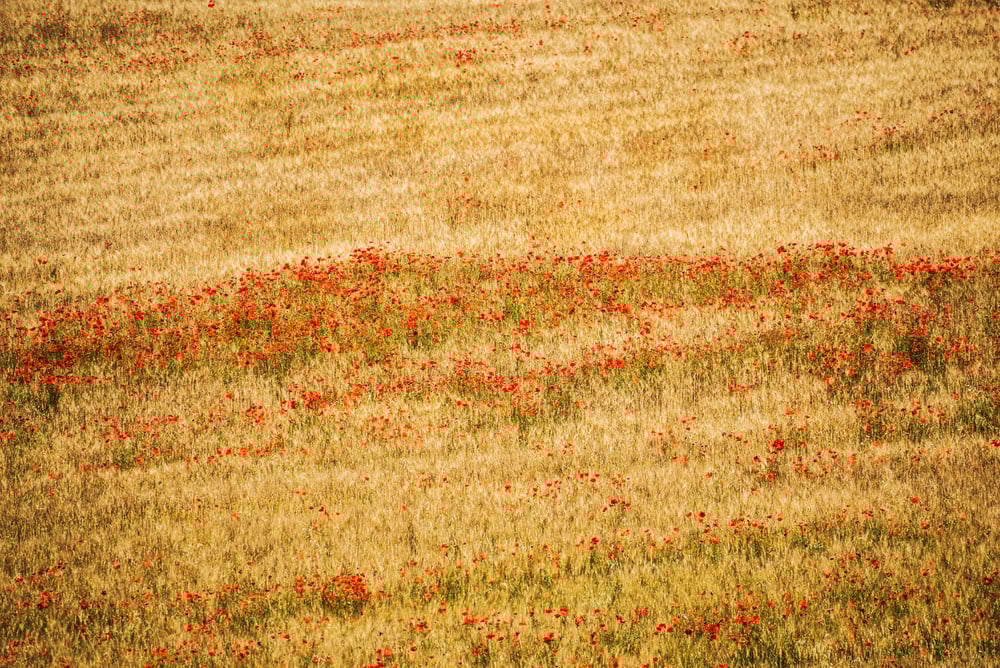
The effects of climate change on flower biology aren’t uniform across different regions. Plants in the warmer southeastern United States are advancing their flowering times faster than those in cooler northern areas, creating a patchwork of different flowering schedules across the continent.
In some regions, the window of time when spring wildflowers receive full sunlight is shrinking because trees are leafing out earlier, shading the forest floor before wildflowers can complete their growth cycle. These regional differences mean that the same species might face completely different challenges depending on where it grows.
Sugar and Amino Acid Composition
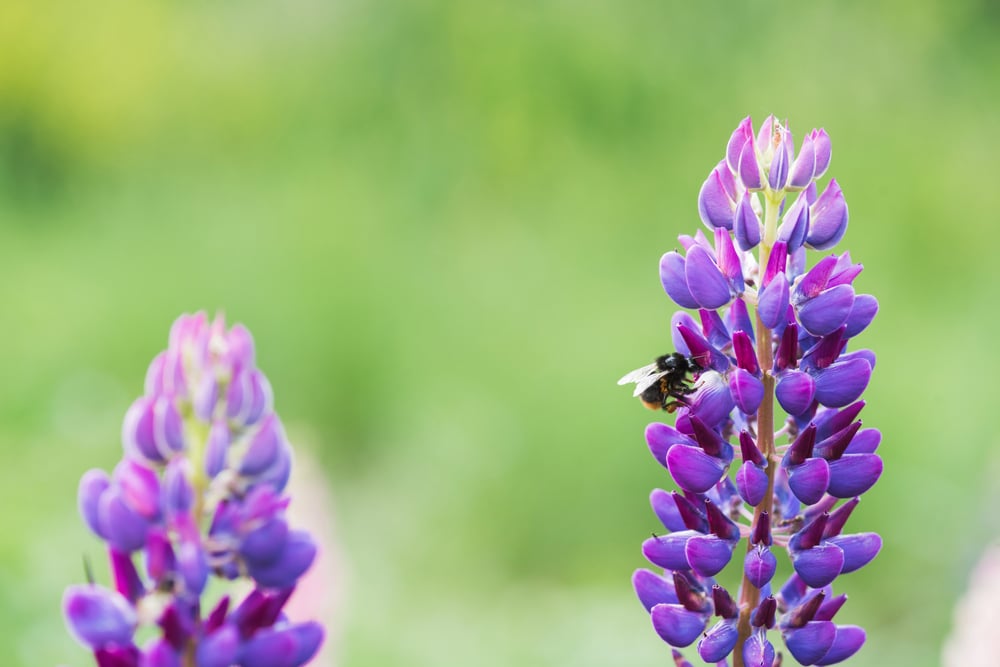
Climate stress is altering the chemical composition of flower nectar in sophisticated ways. While total sugar content often decreases due to reduced nectar volume, the concentration of amino acids—essential nutrients for pollinators—often increases under stress conditions.
However, the ratios of different amino acids change, potentially affecting the nutritional balance that pollinators have evolved to expect. It’s like changing a recipe by keeping some ingredients the same while adjusting others, creating a familiar but subtly different final product that might not meet all nutritional needs.
Like Go2Tutors’s content? Follow us on MSN.
Pollinator Activity Disruption

Rising temperatures are changing when and how long pollinators remain active during the day. Many insects avoid the hottest parts of the day to prevent overheating, which means they might miss flowers that are only open during peak afternoon hours.
Pollinators are also being forced to travel shorter distances to avoid exhaustion in the heat, reducing the genetic diversity that comes from cross-pollination between distant plants. This creates a feedback loop where both plants and pollinators become more isolated and potentially less resilient to future changes.
Drought Impact on Rewards

Water stress compounds the effects of rising temperatures, creating a double hit to flower biology. Drought conditions drastically reduce nectar production and can cause flowers to abort their development entirely rather than waste precious resources on reproduction.
Plants facing water stress often prioritize survival over reproduction, leading to fewer flowers, reduced nectar production, and lower-quality pollen. This means that during the increasingly common combination of heat waves and drought, flowers essentially go into survival mode, providing minimal resources for pollinators.
Photosynthesis Disruption
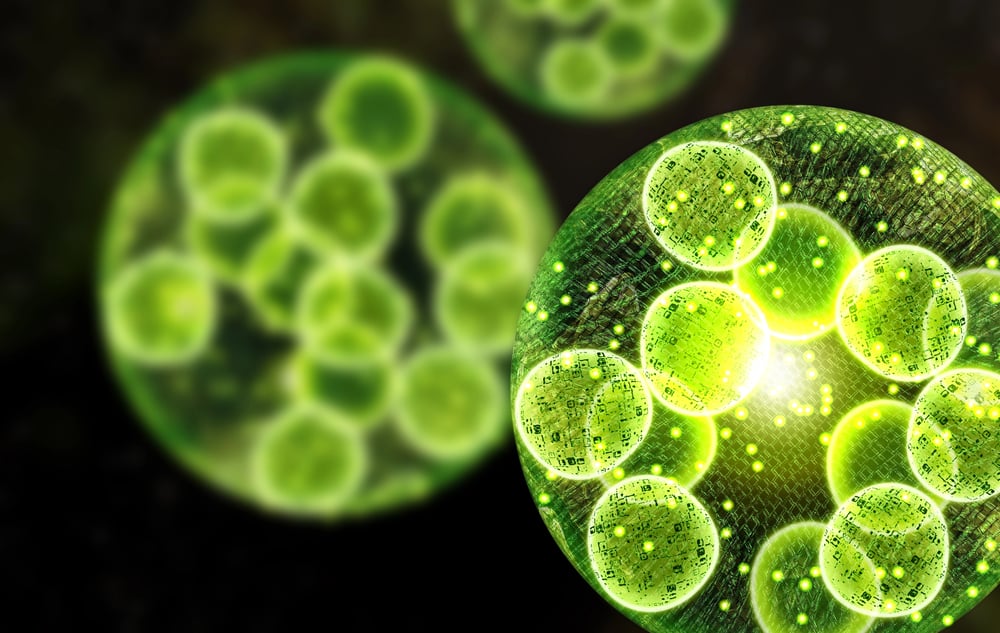
Higher temperatures interfere with the fundamental process of photosynthesis that powers flower development and nectar production. When plants become heat-stressed, their ability to convert sunlight into the energy needed for flower production becomes less efficient.
This is like trying to run a factory when the power supply keeps fluctuating—the end product suffers in quality and quantity. Disrupted photosynthesis means plants have less energy available for producing the sugars that make up nectar and the proteins needed for healthy pollen development.
Like Go2Tutors’s content? Follow us on MSN.
Adaptive Response Attempts
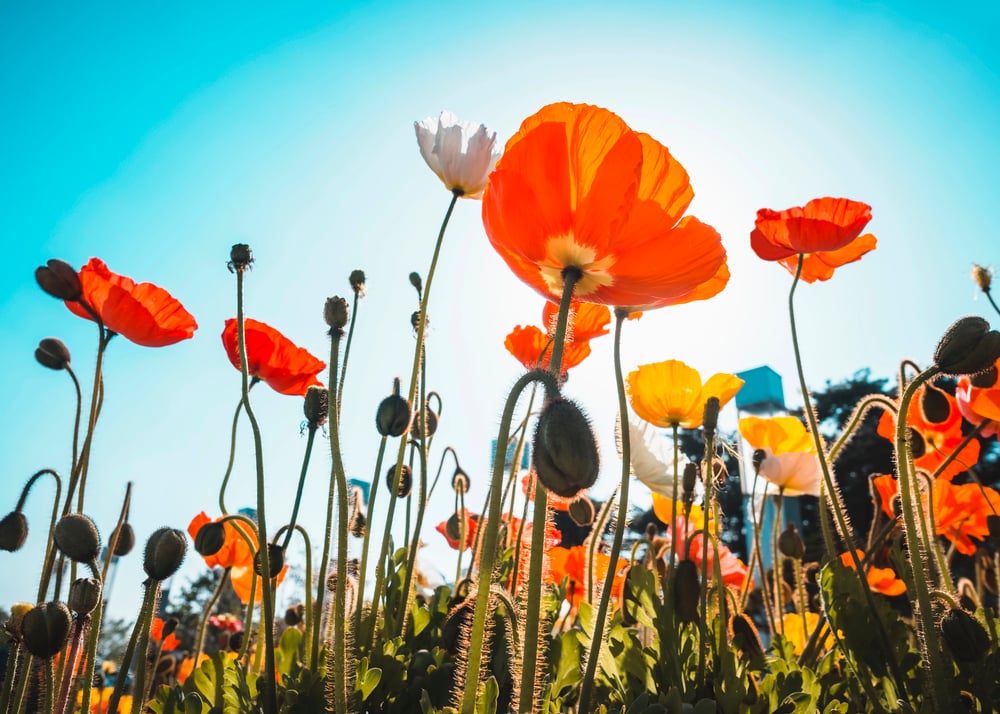
Some flowers are showing remarkable flexibility in their attempts to cope with changing conditions. Certain species are adjusting their flowering times to track optimal temperature windows, essentially chasing their preferred conditions as the climate shifts.
Plants are also showing plasticity in their nectar production, sometimes increasing amino acid concentrations to provide better nutrition for pollinators even when total volume decreases. However, these adaptive responses have limits, and scientists aren’t sure how long plants can keep adjusting to increasingly extreme conditions.
Elevation and Latitude Shifts
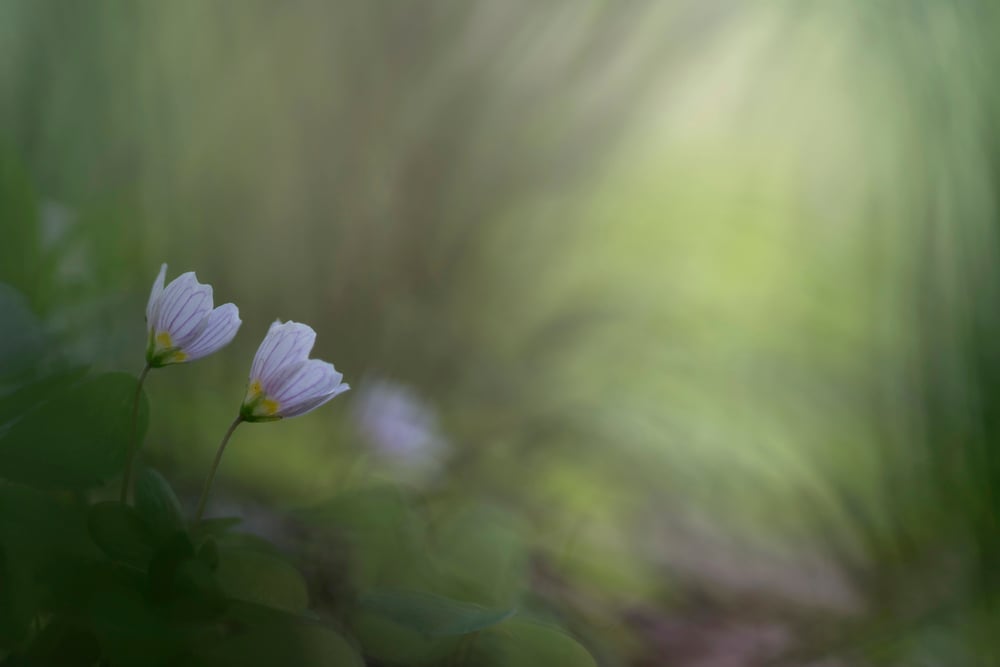
Climate change is forcing flowers to literally move to survive, with many species shifting their ranges toward higher elevations and more northern latitudes to find suitable growing conditions. Mountain flowers are migrating upslope at measurable rates, while some species are expanding their ranges hundreds of miles north of their historical boundaries.
These movements disrupt established plant communities and create new combinations of species that have never coexisted before, leading to unpredictable ecological interactions and competition patterns.
Nature’s New Conversation: What This Means for Tomorrow

Fundamental changes in the way nature’s most significant partnerships operate are reflected in the changes occurring in flower biology, which go beyond simple scientific curiosity. Climate change is changing the dialogue between plants and the animals they rely on, from the wildflowers that provide food for our pollinators to the cherry trees that herald the arrival of spring.
We can better appreciate the amazing complexity of natural systems and the ripple effects that arise from abrupt changes in the environment when we comprehend these changes. Plants are demonstrating incredible adaptability, but they are also getting close to their maximum potential.
Today’s flowers in your garden are already different from those your grandparents knew, and they will probably be even different from those your grandchildren see. Even the most basic elements of nature, such as the timing of spring, the sweetness of nectar, and the quantity of pollen, are more brittle and subject to change than we ever realized, as this continuous change serves as a reminder.
More from Go2Tutors!

- 16 Historical Figures Who Were Nothing Like You Think
- 12 Things Sold in the 80s That Are Now Illegal
- 15 VHS Tapes That Could Be Worth Thousands
- 17 Historical “What Ifs” That Would Have Changed Everything
- 18 TV Shows That Vanished Without a Finale
Like Go2Tutors’s content? Follow us on MSN.



