30 Libraries Destroyed by War or Fire Along With Irreplaceable Knowledge
There is something uniquely devastating about a library burning. A building can be rebuilt.
Statues can be recast. But a manuscript copied by hand in the 9th century, a collection of oral histories transcribed onto papyrus, a physician’s notes that no one else ever thought to duplicate — those are gone in a way that has no remedy.
What’s lost isn’t just the object but the thinking inside it, the specific mind that produced it, the context it carried across centuries. And the tragedy isn’t always dramatic: some of these collections were destroyed by armies, yes, but others went out in a single bad night, a carelessly stored fuel can, a lightning strike that nobody expected.
The result is the same either way — a silence where knowledge used to be.
Library of Alexandria
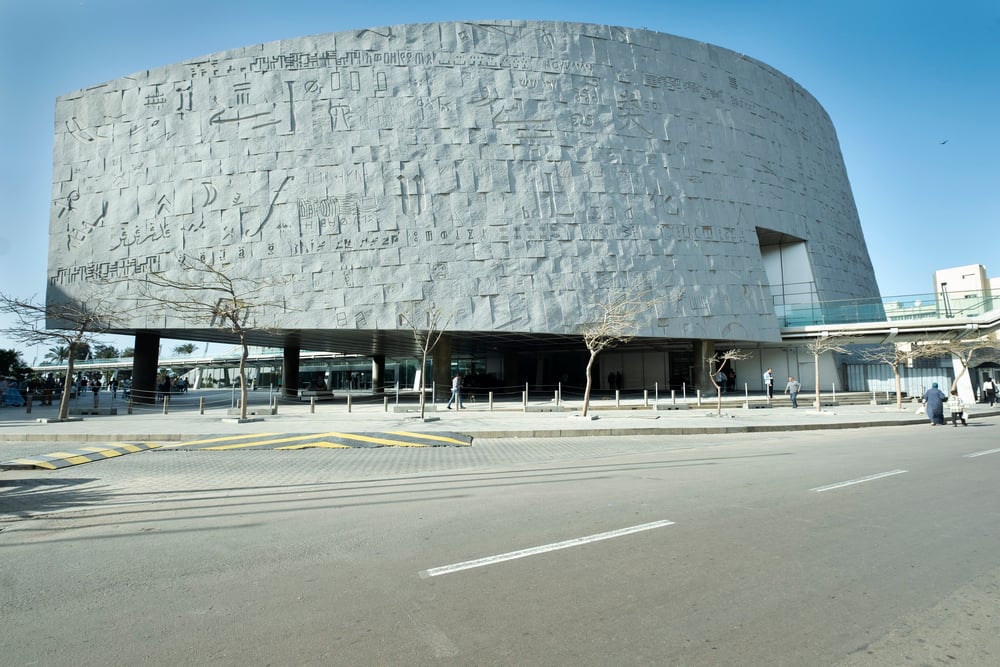
The Library of Alexandria is the one everyone cites, and the reputation is earned — though the story is messier than the myth. It wasn’t destroyed in a single fire; it declined across centuries through a series of blows, starting with Julius Caesar’s accidental burning of ships in the harbor around 48 BCE, continuing through later Roman edicts, and culminating in the general instability of late antiquity.
At its height it held an estimated 400,000 to 700,000 scrolls, including works by Aristotle, Eratosthenes, and hundreds of scholars whose names we no longer have, and most of what vanished there has stayed vanished.
House of Wisdom, Baghdad
The House of Wisdom was destroyed in 1258 when Mongol forces under Hulagu Khan sacked Baghdad, and accounts from the period describe the Tigris River running black with ink from the books thrown into it. This was one of the world’s great centers of translation, mathematics, astronomy, and medicine — a place where Greek texts were preserved and built upon at a time when Europe had largely lost access to them.
The destruction didn’t just end a library; it effectively ended an era of Islamic intellectual dominance that had lasted for centuries.
Imperial Library of Constantinople

The Imperial Library of Constantinople accumulated knowledge for over a thousand years, surviving the fall of Rome and outlasting empires that seemed far more permanent than it did — and then the Fourth Crusade arrived in 1204 and dismantled much of what remained. Crusaders sacked the city with a thoroughness that shocked even their contemporaries, and the library’s contents were scattered, burned, or simply lost in the chaos of an occupation that nobody had planned for order.
Some texts survived in monastery collections or in private hands, but the library as an institution never recovered.
Nalanda University Library, India
The Nalanda University Library was, for several centuries, one of the most significant centers of learning in the world — a Buddhist university in Bihar that attracted scholars from China, Korea, Tibet, and across Central Asia. When Bakhtiyar Khilji’s forces raided it around 1193, they burned a library so large that, according to accounts written afterward, it smoldered for three months.
The loss included irreplaceable texts on medicine, logic, grammar, and Buddhist philosophy that existed nowhere else.
Sarajevo National Library
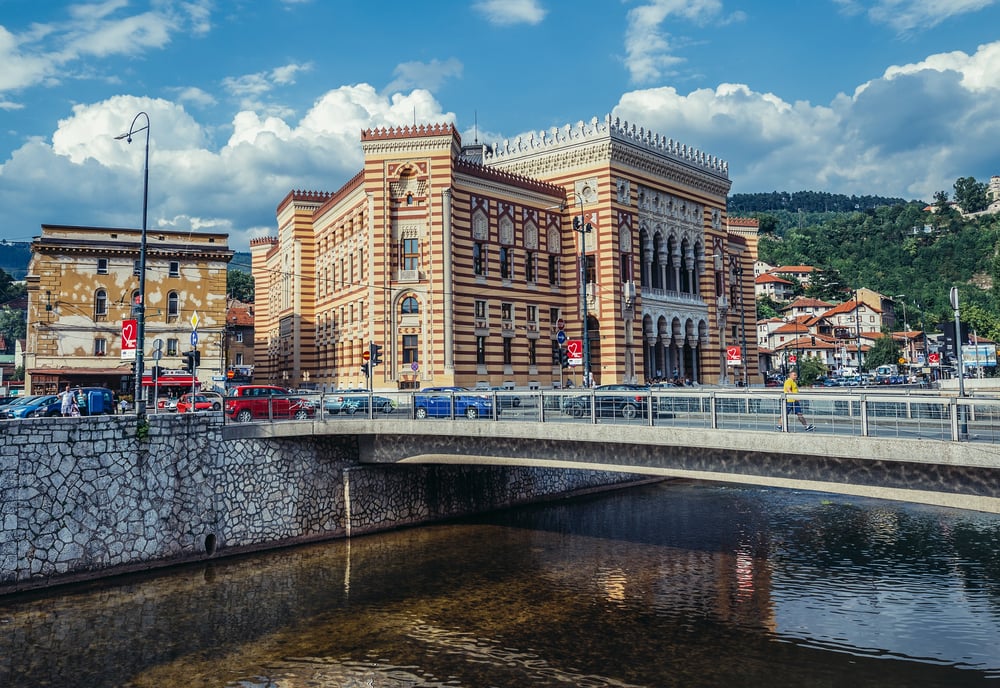
The Sarajevo National Library — housed in the magnificent Moorish Revival building known as the Vijećnica — was deliberately shelled by Serbian nationalist forces in August 1992, and it burned for days. The attack destroyed an estimated 1.5 million volumes, including Ottoman-era manuscripts and archives that documented centuries of Bosnian civic and cultural life.
Civilians formed a human chain that night trying to rescue books from the flames, which is the kind of detail that refuses to leave you once you’ve encountered it.
Library of Antioch
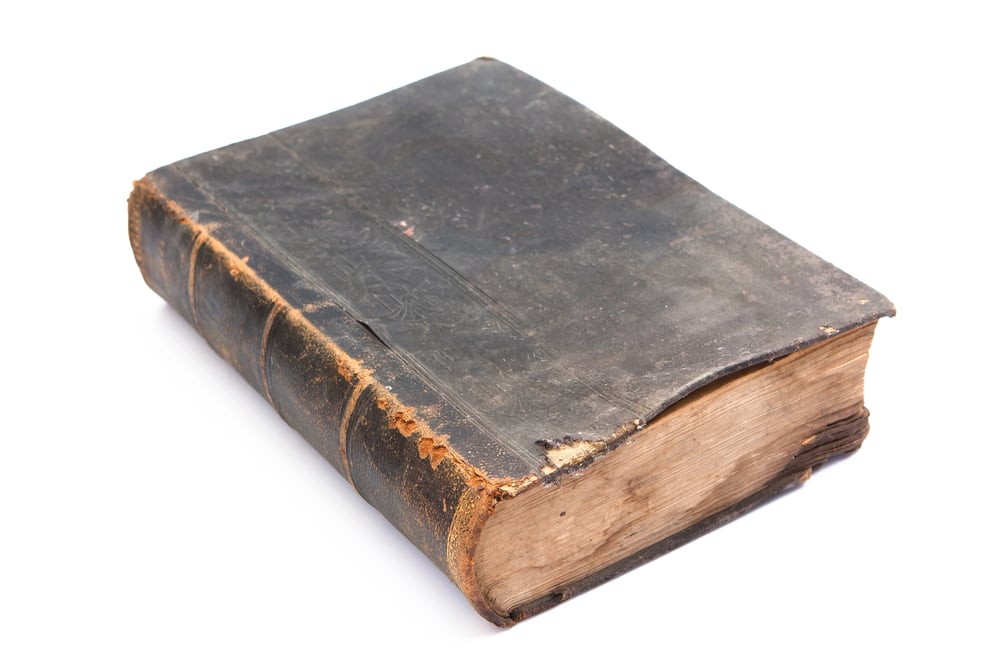
The Library of Antioch was assembled by the emperor Julian in the 4th century CE as a significant scholarly collection in one of the ancient world’s most cosmopolitan cities. After Julian’s death, his Christian successors — hostile to what the library represented — reportedly had it destroyed or dispersed.
What makes this particular loss sting is that Julian had made a deliberate effort to collect and preserve texts from multiple traditions, so what burned wasn’t just a random accumulation but a curated, intentional record of classical knowledge.
British Museum’s Damaged Collections, 1941
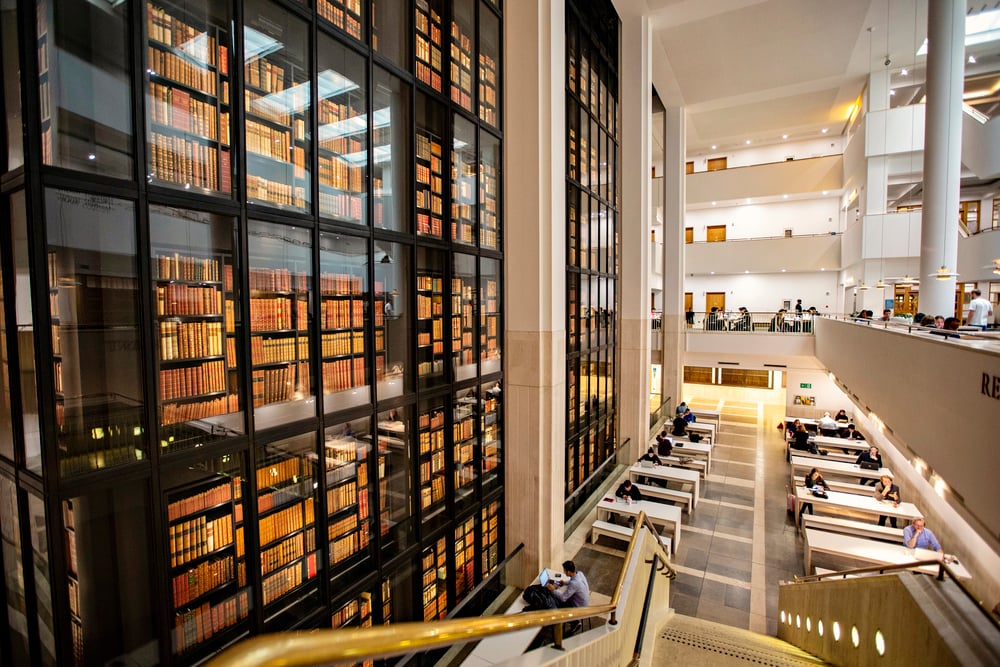
The British Museum’s Damaged Collections, 1941 took a direct hit during the Blitz in 1940 and 1941, and while the most famous artifacts had been evacuated, the museum’s newspaper library — then housed in a building in Colindale — was severely damaged. Newspaper archives are the kind of thing that sounds mundane until you realize they are the primary record of daily life, local politics, and ordinary events that no one thought to preserve more formally.
Turns out, whole decades of regional British press were simply gone.
Library of Pergamon
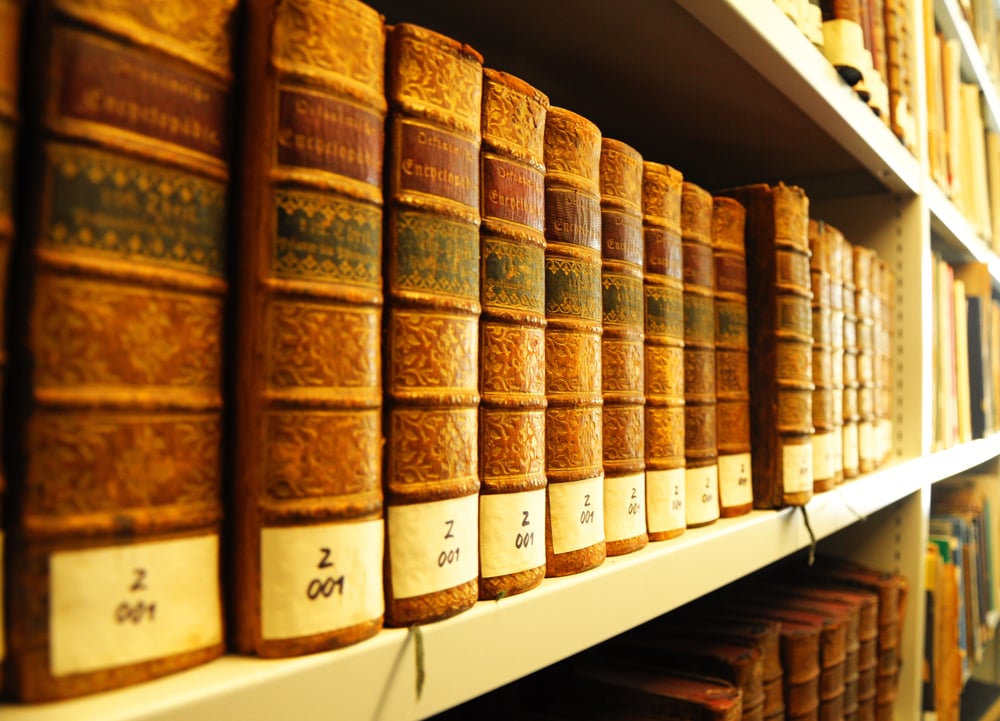
The Library of Pergamon in modern-day Turkey was, at its height, considered the chief rival to Alexandria, holding somewhere around 200,000 volumes. Mark Antony reportedly had its collection shipped to Alexandria as a gift to Cleopatra — which, depending on your perspective, is either romantic or an act of institutional vandalism.
The library never recovered from the transfer, and what happened to those volumes afterward is largely unknown.
Dresden Library Losses, 1945
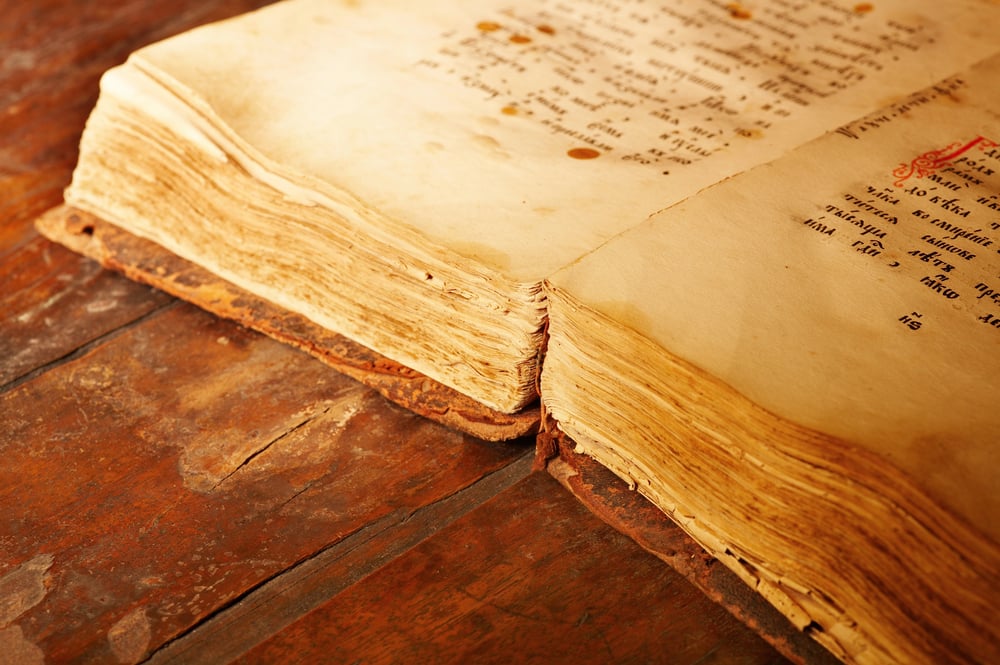
The Dresden Library Losses, 1945 tend to get less attention than the civilian death toll, though Dresden is remembered for the firestorm. The bombing in February 1945 destroyed or severely damaged large portions of the Saxon State Library’s holdings — a collection that included medieval manuscripts, rare musical scores, and historical documents accumulated over centuries.
Some items had been moved to storage facilities outside the city, which is the only reason anything survived at all.
Strasbourg University Library

The Strasbourg University Library burned during the Prussian bombardment of Strasbourg in August 1870, making it one of the least discussed casualties of the Franco-Prussian War. The fire consumed roughly 300,000 volumes, including an extraordinary collection of medieval manuscripts and early printed books that the library had assembled over two centuries.
The loss was so significant that scholars across Europe contributed replacements — a response that was generous and also a quiet acknowledgment that what had burned could not actually be replaced.
Louvain University Library, Belgium

The Louvain University Library, Belgium was burned twice in the same century — first by German forces in 1914, then again in 1940, and there is something grimly instructive about the fact that the world rebuilt it once, and then the same thing happened again. The 1914 fire destroyed roughly 300,000 volumes including irreplaceable medieval manuscripts and incunabula.
The rebuilt collection, painstakingly reassembled with international donations, was then destroyed again in World War II, which tells you something sobering about the relationship between libraries and war.
Jaffna Public Library, Sri Lanka

The Jaffna Public Library was burned in 1981 by Sinhalese police and government-linked mobs during a period of escalating ethnic tension in Sri Lanka, and it remains one of the most painful cultural losses in South Asian history. The library held approximately 97,000 volumes, including rare palm-leaf manuscripts in Tamil that documented religious, historical, and medical knowledge with no surviving copies elsewhere.
The attack was not incidental — it was a targeted erasure of Tamil cultural identity, and it is remembered that way.
Herculaneum’s Villa of the Papyri
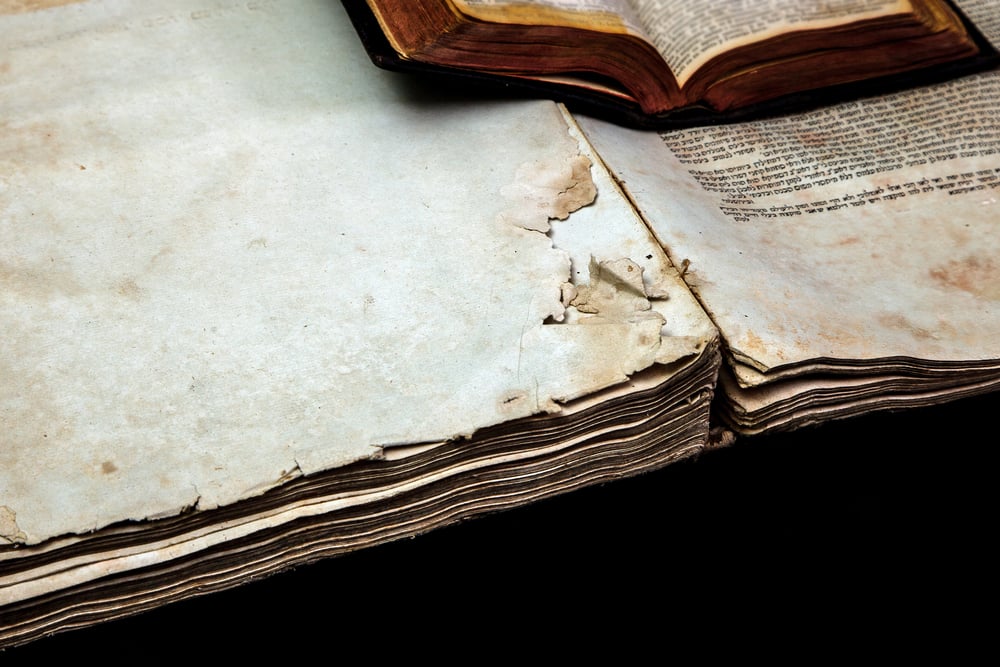
The Herculaneum’s Villa of the Papyri wasn’t destroyed by fire in the conventional sense — it was buried under volcanic material when Vesuvius erupted in 79 CE, which preserved it and also made it extraordinarily difficult to access. Excavations since the 18th century have uncovered hundreds of carbonized scrolls that are largely works by Philodemus, an Epicurean philosopher, but the collection almost certainly held far more.
What makes this one haunt scholars is that many scrolls remain unread, either too fragile to unroll or still underground — knowledge that technically still exists but can’t be reached.
National Library of Bosnia
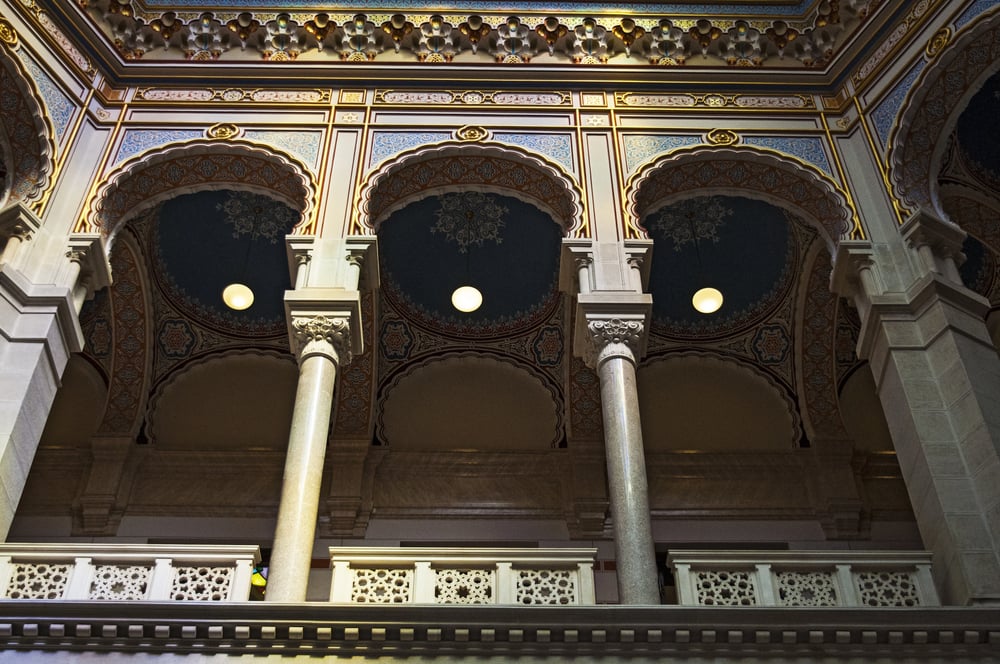
The National Library of Bosnia is sometimes conflated with the Vijećnica attack, but Bosnia suffered multiple archival losses throughout the war, including attacks on regional libraries, archive buildings, and museum collections. Documents tracing property ownership, citizenship, religious affiliation, and community history were destroyed — not always by accident.
Erasing records, it turns out, is a reliable method for erasing the people those records describe.
Nino Library, Georgia (Ancient Manuscripts)
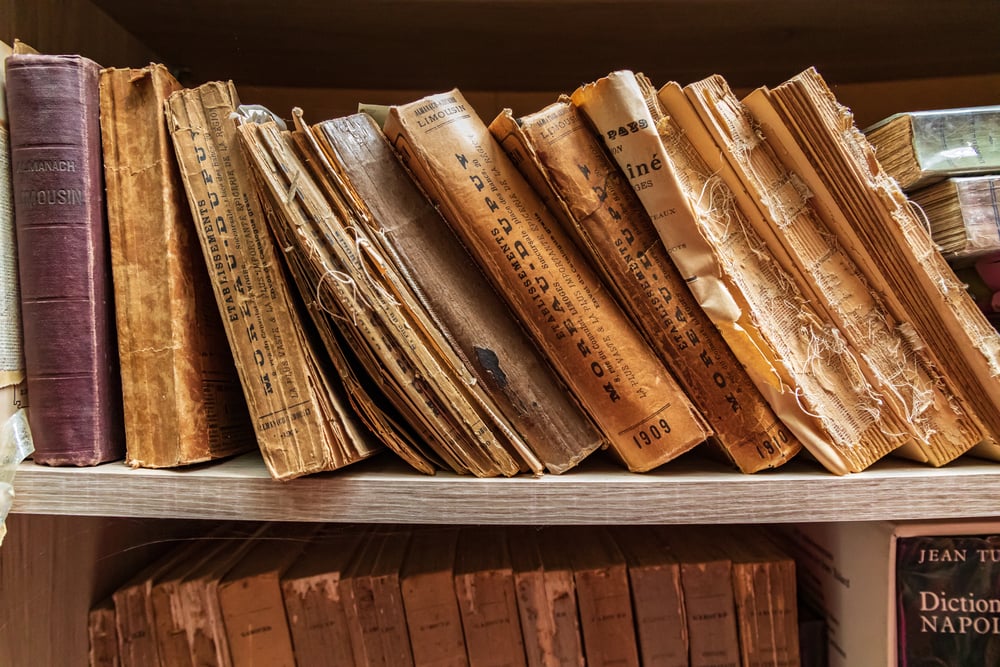
The Nino Library, Georgia (Ancient Manuscripts) represents an ancient literary tradition of Georgia — including some of the oldest surviving examples of the Georgian script — that was repeatedly threatened across centuries of invasion, with significant collections lost during Persian and Ottoman campaigns through the Caucasus. Georgian religious manuscripts, chronicles, and hagiographies that survived into the medieval period represent only a fraction of what was produced.
The ones that made it through did so largely because monks carried them into mountain fortresses, which is exactly as precarious as it sounds.
Turin National Library Fire, 1904
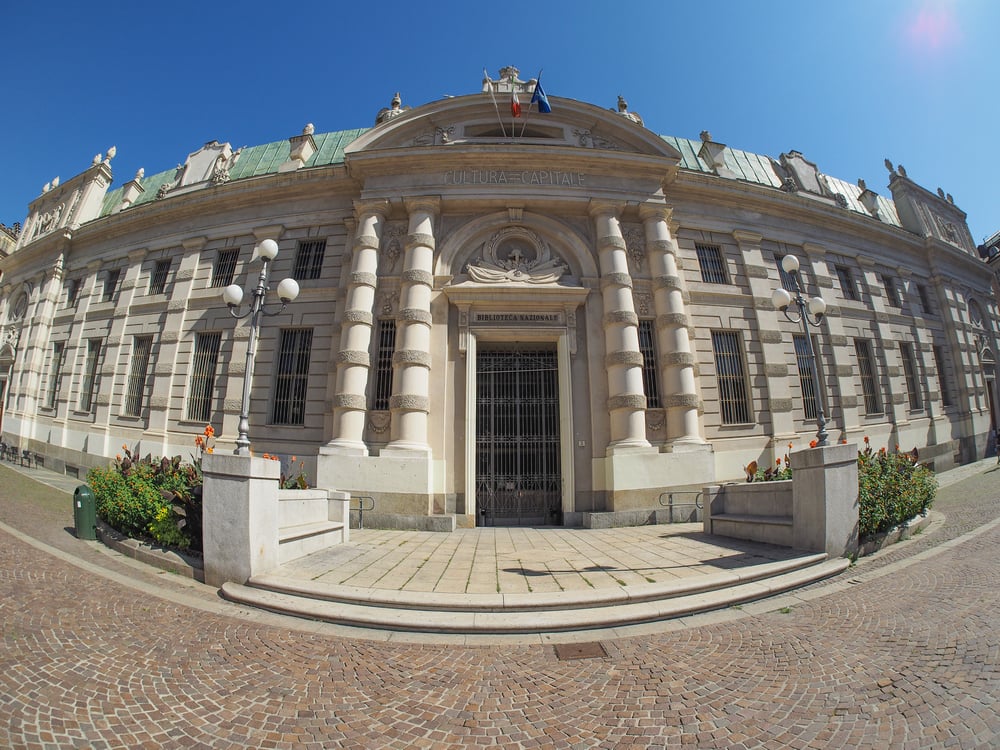
The Turin National Library Fire, 1904 caught fire in January 1904, and the damage to its collection of papyri was staggering — among the losses were fragments of Sappho and other classical texts that had survived two thousand years only to burn in a modern European institution. The irony isn’t subtle: papyri that outlasted the Roman Empire, survived the medieval period and the Renaissance, then met their end because of a defective heating system.
To be fair, bad luck has always been a credible enemy of civilization.
Timbuktu Libraries Under Siege, 2012
The Timbuktu Libraries Under Siege, 2012 occurred when Islamist militants occupied Timbuktu in northern Mali, targeting the city’s remarkable private manuscript libraries, which held hundreds of thousands of documents on mathematics, astronomy, medicine, and Islamic jurisprudence — representing West Africa’s deep scholarly tradition. Before the militants could destroy them all, local families and librarians smuggled thousands of manuscripts out of the city hidden in vehicles, under clothing, in secret compartments.
Thousands more were not saved in time, and the Ahmed Baba Institute, a major repository, was ransacked.
Library of Ctesiphon

The Library of Ctesiphon was a royal library in the capital of the Sasanian Persian Empire that was destroyed during the Arab conquest of the 7th century — a loss that is difficult to quantify because almost nothing survived to tell scholars what had been there. Persian literary, scientific, and administrative traditions accumulated over centuries went largely unrecorded, and while some texts survived in translation or summary, the originals were gone.
The silence is the problem: you can’t fully mourn something when you don’t know what it was.
Sarajevo’s Oriental Institute

The Sarajevo’s Oriental Institute — which held one of the largest collections of Ottoman and Islamic manuscripts in Europe — was deliberately targeted and burned in May 1992, separate from the National Library destruction. More than 5,000 manuscripts and over 200,000 other documents were destroyed, including Ottoman cadastral records, court documents, and handwritten texts that were the primary historical source for Bosnia’s four centuries under Ottoman rule.
What was lost wasn’t just scholarship — it was the legal and genealogical memory of a people.
Graz University Library Losses

The Graz University Library Losses occurred during World War II, partly through bombing and partly through the deliberate removal and dispersal of collections by occupying forces. The library lost materials accumulated since the 16th century, and some of what disappeared has been traced to collections elsewhere in Europe — not destroyed so much as stolen, which presents its own complicated set of ongoing legal and ethical questions.
Turns out, distinguishing between destruction and confiscation is harder than it looks, especially when the confiscators lost the war.
Mosul Central Library, Iraq
The Mosul Central Library, Iraq was bulldozed in February 2015 by fighters from the Islamic State who filmed themselves doing it — destroying over 8,000 books including rare manuscripts and ancient texts on science, astronomy, and philosophy. The performance aspect of it was deliberate: this was destruction as propaganda, meant to signal contempt for accumulated human knowledge.
They also destroyed the Mosul Museum’s collections in the same period, and the combination of losses represented one of the most concentrated acts of cultural erasure in recent memory.
Imperial Library of China (Various Dynasties)
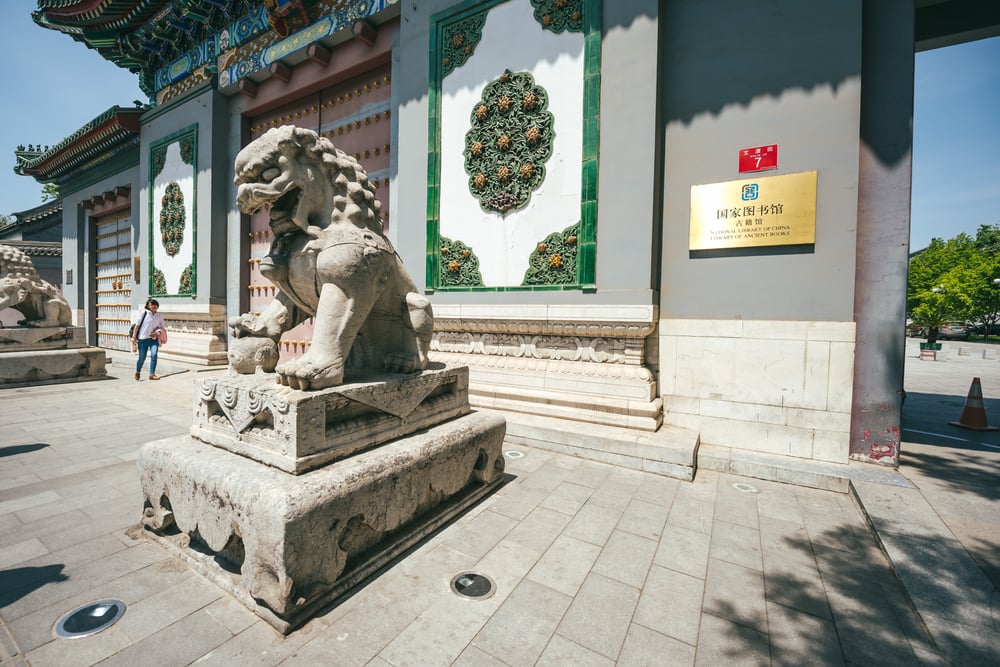
The Imperial Library of China (Various Dynasties) faced repeated cycles of destruction during China’s long history of dynastic transition — the most famous being the burning of books under the Qin emperor Qin Shi Huang around 213 BCE, when texts on philosophy, poetry, and history were ordered destroyed to suppress political dissent. The Han dynasty that followed spent generations trying to reconstruct what had been lost, relying on scholars who had memorized texts or hidden them.
Confucian scholars reportedly concealed books inside walls, which is an image worth sitting with for a moment.
Rheinau Abbey Library
The Rheinau Abbey Library in Switzerland was dissolved and dispersed — rather than destroyed by fire — during the tumultuous period of Napoleonic reorganization in the early 19th century, but dispersal and destruction produce similar outcomes when the dispersal is chaotic enough. Manuscripts collected since the early medieval period were sold off, scattered across private collections, and in some cases lost entirely.
A slow dissolution is quieter than a fire but no less final.
Library of Pergamon’s Rival Collections Under Rome
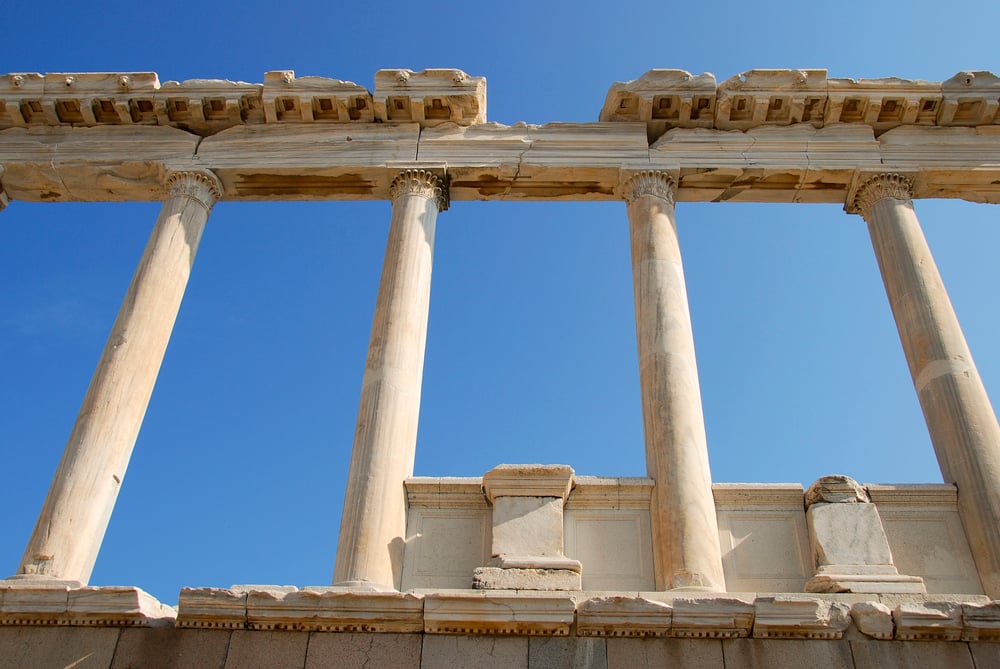
The Library of Pergamon’s Rival Collections Under Rome refers to multiple regional libraries in the Greek-speaking world that were either absorbed, neglected, or destroyed as Roman power expanded — and the library of Aristotle himself reportedly ended up buried in a pit in Scepsis (in modern Turkey) by heirs who feared confiscation, then discovered centuries later in a damaged state. The texts that emerged were partial, corrupted, and missing sections.
The Aristotle that shaped Western philosophy for two millennia is already a degraded, partial version of what he wrote — a fact that should genuinely unsettle anyone who thinks they know his work.
Leiden University Library Fire, 1672

The Leiden University Library Fire, 1672 occurred during the French invasion of the Netherlands — the Rampjaar, or “disaster year” — causing damage across Dutch institutions, and several libraries suffered losses either through looting or collateral destruction. Leiden’s collections survived better than most, but smaller academic and civic libraries in occupied towns were stripped, and texts deemed valuable were taken to France while the rest were lost.
Conquest has always had a library problem: armies rarely carry catalogues.
Carthage’s Libraries After Destruction, 146 BCE
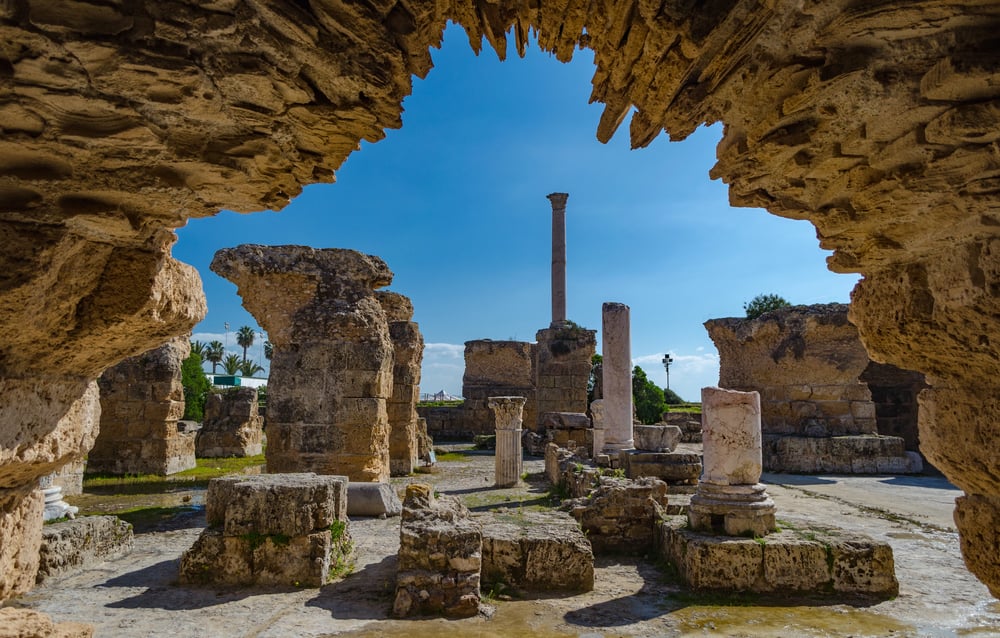
The Carthage’s Libraries After Destruction, 146 BCE were essentially erased from history when Rome destroyed Carthage after the Third Punic War, along with whatever Carthage had accumulated in its centuries as a dominant Mediterranean power. The Romans reportedly gave Carthage’s agricultural texts to neighboring Numidian kings but destroyed the rest.
What Carthaginian literature, philosophy, or history looked like is almost completely unknown because the winners of that particular war were thorough.
Odessa National Scientific Library, Ukraine

The Odessa National Scientific Library, Ukraine was damaged during Russian missile strikes in 2022 and 2023, with sections of the historic building suffering direct damage, despite being one of Ukraine’s oldest and largest. The library holds millions of volumes including rare pre-revolutionary Ukrainian and imperial Russian publications, maps, and archival materials.
The pattern is not new — targeting cultural memory alongside military infrastructure is a recurring feature of this kind of conflict.
Monte Cassino Abbey Library, 1944
The Monte Cassino Abbey Library, 1944 was destroyed by Allied bombing in February 1944 — though German forces had, to their credit, evacuated many manuscripts to the Vatican beforehand. What remained in the abbey when the bombs fell was extensive, and the destruction of a site that had survived over 1,400 years of European history in a single afternoon is hard to frame as anything other than catastrophic.
The irony that the Allies did it while trying to end a war started by people who burned books is not the kind of irony anyone celebrates.
Sarajevo War Archives
The Sarajevo War Archives suffered a systematic erasure of local history across dozens of Bosnian towns during the 1990s war, beyond the named institutions, through the broader destruction of municipal archives, parish records, and administrative documents that is still being reconstructed. Birth records, marriage registries, land surveys, and court documents — the infrastructure of memory for ordinary people — were burned in targeted attacks on town halls and churches.
Without these, whole communities found themselves without legal evidence that they had existed at all.
Ancient Library of Antinoopolis
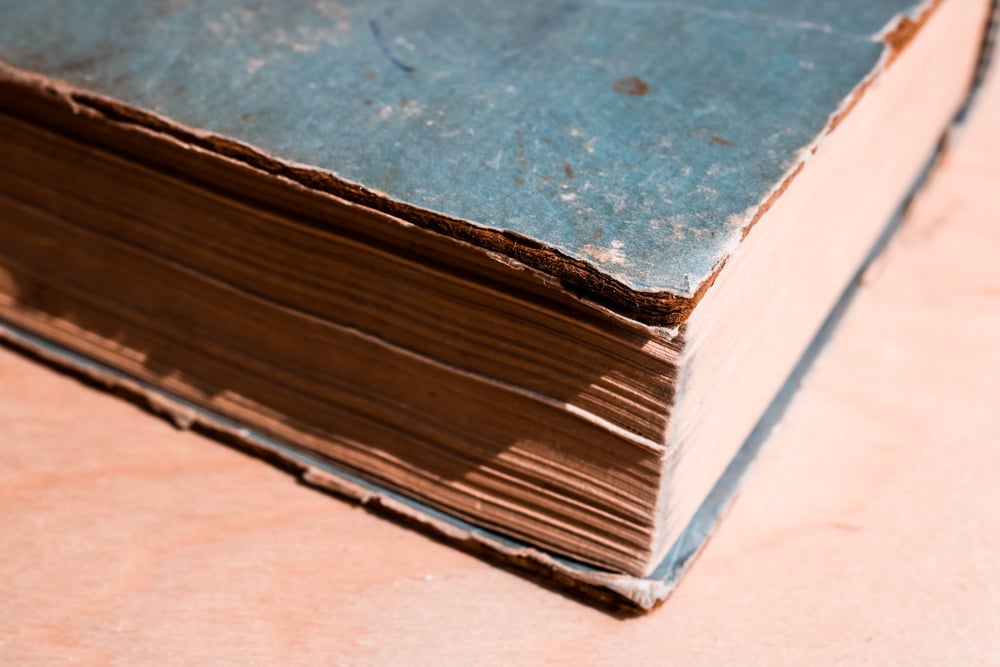
The Ancient Library of Antinoopolis was located in the city of Antinoopolis in Egypt, founded by Emperor Hadrian in 130 CE, and held collections and administrative archives that were gradually lost as the city declined through late antiquity and into the early Islamic period. Archaeological excavations in the 19th century recovered papyrus fragments — legal texts, literary excerpts, personal letters — but the majority of what existed there was destroyed by centuries of human activity, including locals who burned ancient papyri for fuel.
Knowledge being traded for warmth: a transaction so mundane it barely registers, which is what makes it so hard to shake.
What a Burned Library Takes With It
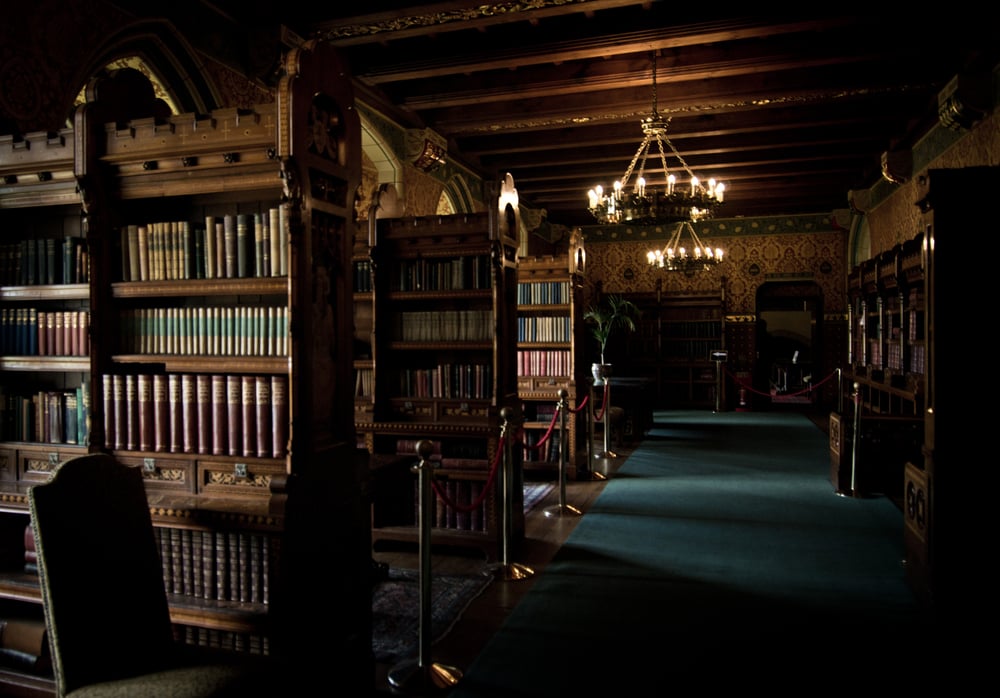
A What a Burned Library Takes With It takes more than its books. It takes the marginalia — the handwritten notes in the margins left by every reader who came before you, the arguments, the disagreements, the corrections, the small private thoughts that no one expected to survive.
It takes the organizational systems, the indices, the lists of what was held that would at least tell future scholars what to mourn. And it takes the implicit sense that knowledge, once committed to writing and stored with care, is somehow permanent — which it isn’t, which it has never been, and which every library destroyed by war or fire confirms in the most unambiguous terms possible.
The real lesson isn’t that books are fragile. It’s that the decision to preserve them has always required human effort, and that effort has always been interruptible.
More from Go2Tutors!

- The Romanov Crown Jewels and Their Tragic Fate
- 13 Historical Mysteries That Science Still Can’t Solve
- Famous Hoaxes That Fooled the World for Years
- 15 Child Stars with Tragic Adult Lives
- 16 Famous Jewelry Pieces in History
Like Go2Tutors’s content? Follow us on MSN.