16 Old Hollywood Feuds Revealed
The golden age of Hollywood wasn’t all glamour and red carpets. Behind the glittering facade, some of the biggest stars carried grudges that lasted decades, engaged in bitter rivalries that played out in public, and sometimes downright despised their co-workers.
These weren’t just creative differences—they were full-blown wars that shaped careers and left lasting scars on Tinseltown. From legendary leading ladies who couldn’t stand to be in the same room to comedy teams who barely spoke off-camera, the entertainment industry has always been a breeding ground for epic personal conflicts.
Here is a list of 16 shocking feuds that rocked old Hollywood.
Bette Davis vs Joan Crawford

The mother of all Hollywood feuds started in 1935 when Joan Crawford swooped in and married Franchot Tone, the man Bette Davis had fallen head over heels for during filming of ‘Dangerous.’ Davis never forgave Crawford for stealing her love interest, and their rivalry simmered for decades.
The feud reached its peak during the filming of ‘What Ever Happened to Baby Jane?’ in 1962, where the two aging stars literally tried to hurt each other on set—Davis allegedly kicked Crawford so hard in the head that she needed stitches. When Davis was nominated for an Oscar for the film, Crawford made sure she was the one who went on stage to accept the award when Anne Bancroft won instead.
William Frawley vs Vivian Vance
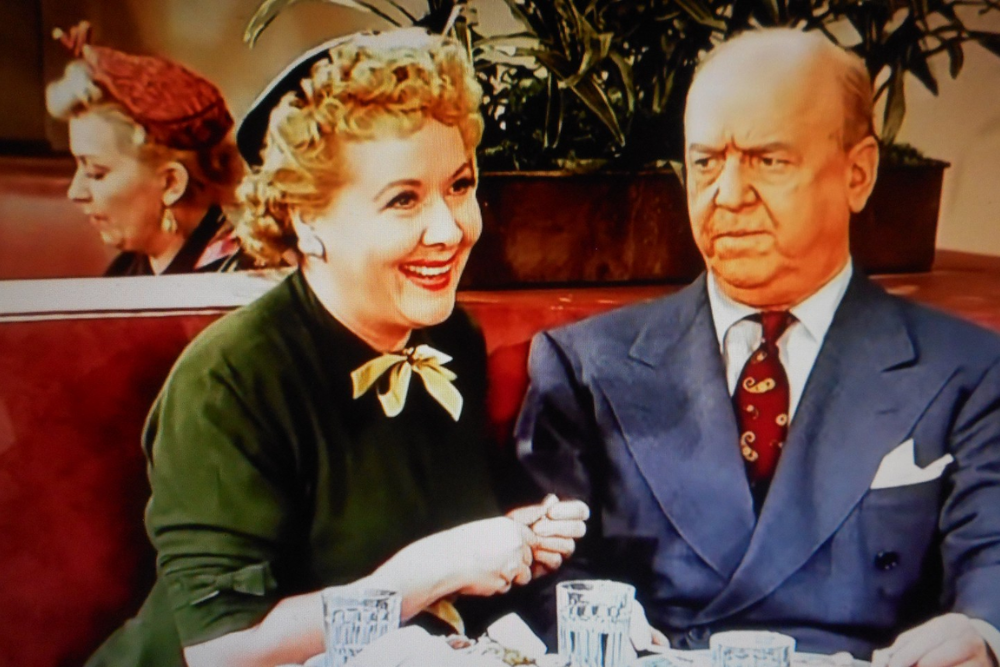
The beloved landlords from ‘I Love Lucy’ couldn’t stand each other in real life, despite their perfect on-screen chemistry as Fred and Ethel Mertz. The 22-year age gap between them sparked the initial conflict when Frawley overheard Vance complaining that ‘nobody will believe I’m married to that old goat’.
Their mutual hatred was so intense that when Frawley died in 1966, Vance was dining at a restaurant and reportedly shouted ‘Champagne for everybody!’ upon hearing the news. Even during filming of ‘The Lucy Show,’ Frawley would sneak onto the soundstage and drop film canisters to ruin Vance’s scenes.
Like Go2Tutors’s content? Follow us on MSN.
Orson Welles vs William Randolph Hearst

When 24-year-old Orson Welles created ‘Citizen Kane’ in 1941, he didn’t just make a movie—he declared war on one of America’s most powerful men. The film was clearly based on media mogul William Randolph Hearst, who responded by using his entire publishing empire to try to destroy Welles through smear campaigns, blackmail attempts, and by banning all mention of the film from his newspapers.
Hearst’s gossip columnist Louella Parsons led the attack, calling the movie a ‘vicious and irresponsible attack on a great man.’ The controversy followed Welles for the rest of his career.
Frank Sinatra vs Marlon Brando
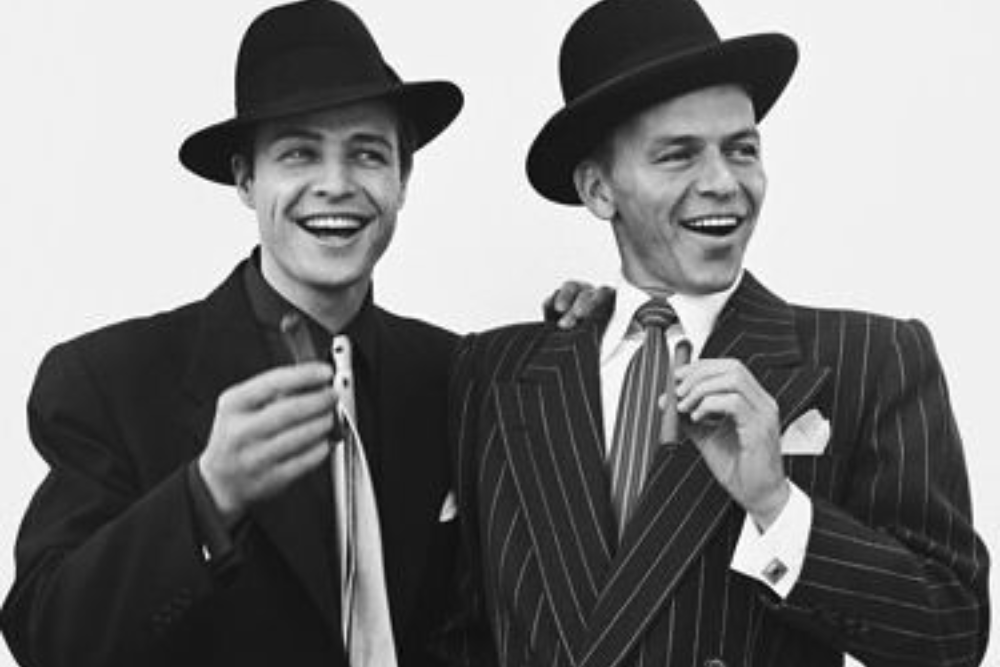
Old Blue Eyes and the Method actor clashed when Brando snagged the lead role in ‘On the Waterfront’—a part Sinatra desperately wanted. Sinatra referred to Brando as ‘Mumbles’ and ‘the world’s most overrated actor,’ and when they were forced to work together on ‘Guys and Dolls’ in 1955, Brando would deliberately flub his lines during Sinatra’s eating scenes to force multiple takes.
Sinatra, who valued spontaneity, was driven crazy by Brando’s Method acting approach and multiple rehearsals.
Olivia de Havilland vs Joan Fontaine

Hollywood’s ultimate sibling rivalry began in childhood and followed these sisters to their graves. According to Joan, the fighting started when she was born, with 15-month-old Olivia less than thrilled about sharing their parents’ attention.
Both sisters won Academy Awards for Best Actress, but their professional success never healed their personal wounds—in 1978, Joan told People magazine, ‘You can divorce your sister as well as your husbands. I don’t see her at all and I don’t intend to’. Their mother’s death in the late 1970s only made things worse.
Like Go2Tutors’s content? Follow us on MSN.
Debbie Reynolds vs Elizabeth Taylor

This friendship turned sour in 1958 when Elizabeth Taylor had an affair with Eddie Fisher, who was married to Debbie Reynolds. The scandal broke while Taylor was grieving her third husband Mike Todd’s death in a plane crash, making the betrayal even more shocking since the two couples had been close friends who double-dated regularly.
Reynolds was blindsided by the affair and the media frenzy that followed, with newspapers choosing sides in what became one of Hollywood’s biggest love triangle scandals. The former friends didn’t speak for about a decade before eventually reconciling.
J. Lewis vs Dean Martin

The popular nightclub and film duo’s partnership ended bitterly in 1956, and they didn’t speak for 20 years afterward. Lewis was reportedly devastated by the breakup, while the more emotionally reserved Martin simply moved on to join the Rat Pack.
Their brief reunions were rare and emotional—Martin made a surprise appearance on Lewis’s Labor Day telethon in 1976 at Frank Sinatra’s urging, and they met again briefly in Las Vegas in 1989, where Lewis lamented that they’d ever split up. The contrast in their personalities—Lewis’s neediness versus Martin’s detachment—ultimately doomed their friendship.
Fred Astaire vs Ginger Rogers

The dancing duo’s feud began during filming of ‘Top Hat’ in 1935 when Rogers requested a beautiful blue dress with ostrich feathers, but Astaire complained when the feathers flew off during their dance routine and stuck to his clothes. Rogers felt Astaire was trying to control her wardrobe and limit her glamorous image to keep himself as the star.
Their partnership continued to be strained by Astaire’s perfectionism and Rogers’s desire for more creative input, though they managed to complete ten films together despite their behind-the-scenes tensions.
Like Go2Tutors’s content? Follow us on MSN.
Abbott and Costello

The comedy team’s relationship soured in 1945 when Lou Costello publicly accused Bud Abbott of being a drunk who was jeopardizing their career by signing poor contracts while intoxicated. Abbott’s alcohol abuse was actually motivated by his attempt to stave off epileptic seizures, but this didn’t help their relationship.
The final straw came when Costello fired a maid and Abbott hired her—they stopped speaking except when working. Fortunately, they reconciled in 1947 when Abbott suggested naming their youth foundation after Costello’s son who had drowned.
Laurence Olivier vs Marilyn Monroe
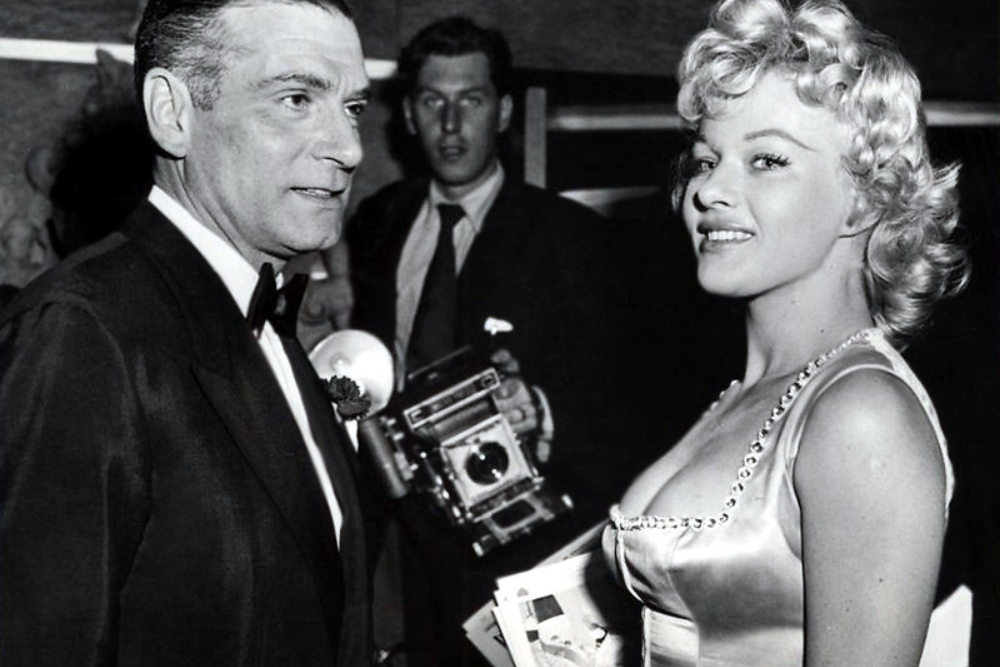
The veteran British actor and the American bombshell were a terrible match in 1957’s ‘The Prince and the Showgirl.’ Olivier was known for his demanding, almost sadistic directing methods, while Monroe’s complicated on-set behavior made her a poor fit for his rigid working style. Monroe described the experience as humiliating, and there were constant clashes over her Method acting approach versus his classical training.
Their different backgrounds—his Shakespearean theater roots and her Hollywood glamour—created an oil-and-water situation that made filming a nightmare.
Hedda Hopper vs Louella Parsons
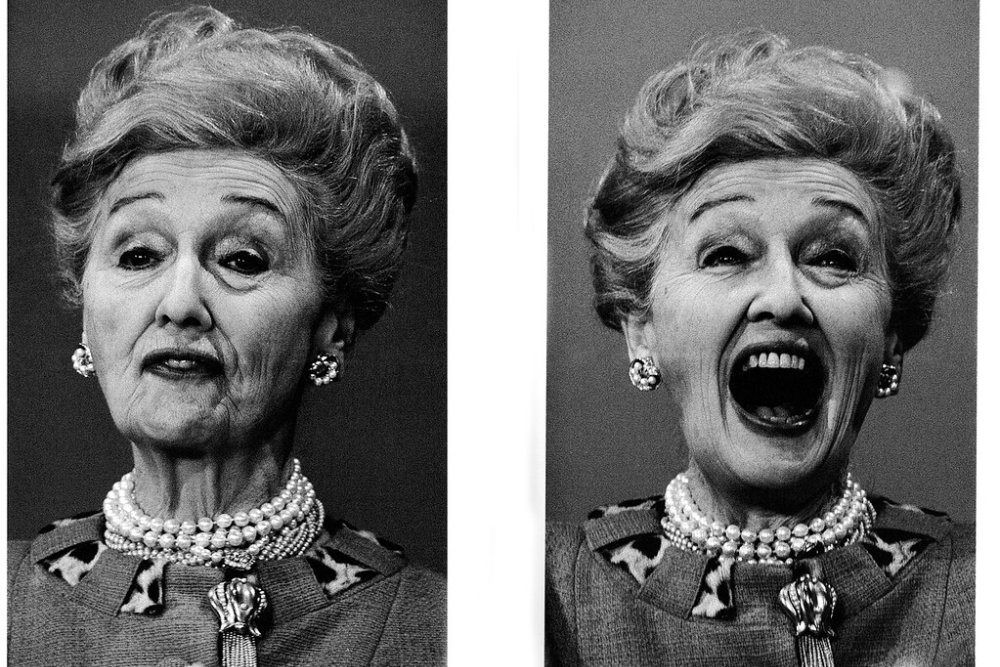
Hollywood’s two most powerful gossip columnists spent decades clawing at each other as much as they were clawing for job security. Both women wielded enormous influence over careers and reputations, and their rivalry was as much about territory as it was personal animosity.
They competed for scoops, exclusive access to stars, and the power to make or break careers with their columns. Their feud left a trail of tarnished and broken Hollywood stars caught in the crossfire of their war for gossip supremacy.
Like Go2Tutors’s content? Follow us on MSN.
Irving Thalberg vs Erich von Stroheim

This feud between the young MGM producer and the veteran director changed the film industry when Thalberg repeatedly clashed with von Stroheim over his movies that went over budget and ran too long. Von Stroheim was an early auteur who starred in many of his own films, but he was notorious for ignoring studio warnings about costs and runtime.
Their confrontations became so heated that there were accounts of the two nearly coming to physical blows in Thalberg’s office. Thalberg’s tough stance on directors helped establish the producer system that dominated Hollywood for decades.
Roman Polanski vs Faye Dunaway
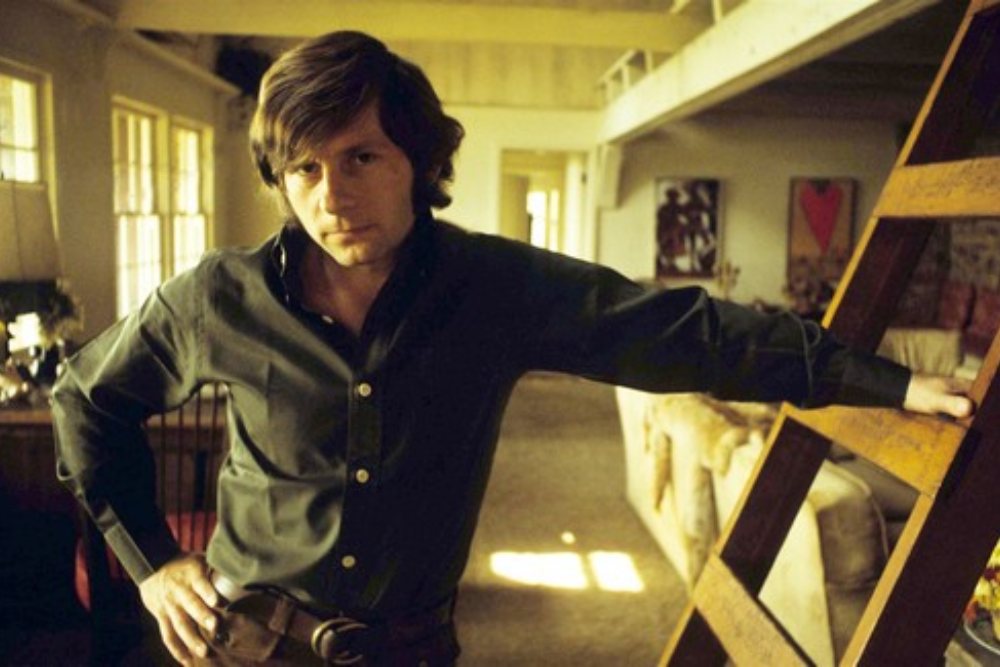
The star and director of ‘Chinatown’ created one of cinema’s masterpieces, but the filming process was reportedly hellish due to their personality clash. Polanski’s demanding and sometimes sadistic directorial methods didn’t mesh well with Dunaway’s complicated on-set behavior—during one scene, he allegedly pulled a hair from her head because it was catching the light.
The most infamous rumor claims that Dunaway was so angry about not being allowed to use the bathroom that she urinated in a cup and threw it in Polanski’s face, though this story has never been confirmed.
Raquel Welch vs Hollywood Studios

Welch’s reputation for being difficult to work with reached its peak when she was fired from ‘Cannery Row’ in 1981 after just one week of filming. The studio claimed she was temperamental, but Welch fought back with a lawsuit, alleging that they had used her name to secure financing and then deliberately replaced her with Debra Winger.
A jury sided with Welch and awarded her $10.8 million, but the victory was pyrrhic—she never starred in another major feature film. The case highlighted how studios could manipulate stars and then destroy their reputations.
Like Go2Tutors’s content? Follow us on MSN.
Mae West vs Raquel Welch

The legendary Mae West and the young bombshell Raquel Welch clashed during the making of ‘Myra Breckinridge,’ creating headlines for all the wrong reasons. West, already in her seventies, was still a force to be reckoned with and didn’t appreciate sharing the spotlight with the much younger icon.
Their feud was partly generational—West represented old Hollywood glamour while Welch embodied the new era of the 1970s. The movie was a disaster, and their on-set battles only added to the production’s troubled reputation.
Dean Martin vs J. Lewis (Continued Fallout)
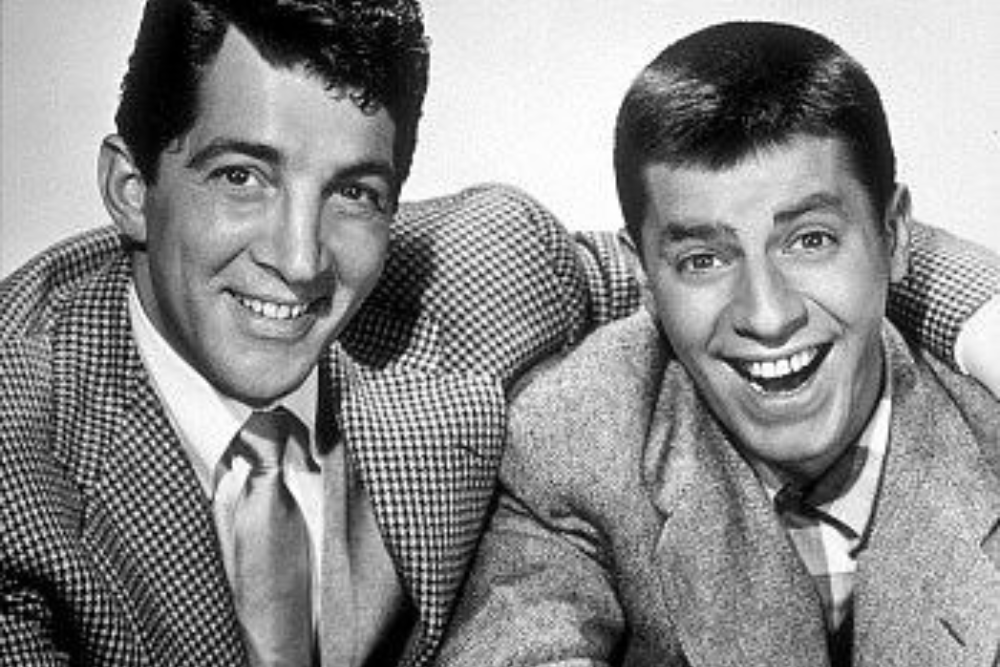
While their initial split was covered earlier, the aftermath of Martin and Lewis’s breakup continued to reverberate through Hollywood for decades. Lewis never fully got over the partnership’s end and continued to make public comments about wanting to reconcile, while Martin seemed genuinely indifferent to reviving their friendship.
Their children even inherited the feud, with family members taking sides and avoiding each other at industry events. The contrast between Lewis’s emotional neediness and Martin’s cool detachment became even more pronounced after their split.
The Hollywood Feud Legacy Continues

These legendary feuds weren’t just personal dramas—they shaped how Hollywood operated, influenced casting decisions, and created some of the most memorable behind-the-scenes stories in entertainment history. Many of these conflicts produced their best work precisely because of the tension, proving that sometimes real animosity can create movie magic.
While today’s celebrities are more media-trained and cautious about public feuds, the golden age stars wore their hearts and grudges on their sleeves, creating a legacy of drama that still fascinates us decades later. The next time you watch classic Hollywood films, remember that the sparks flying on screen might have been very real indeed.
Like Go2Tutors’s content? Follow us on MSN.
More from Go2Tutors!

- 16 Historical Figures Who Were Nothing Like You Think
- 12 Things Sold in the 80s That Are Now Illegal
- 15 VHS Tapes That Could Be Worth Thousands
- 17 Historical “What Ifs” That Would Have Changed Everything
- 18 TV Shows That Vanished Without a Finale
Like Go2Tutors’s content? Follow us on MSN.