How a Single Lost Letter Changed the Political Fate of an Entire Nation
History likes to pretend it moves in straight lines — armies clash, treaties get signed, presidents give speeches, and nations end up wherever they were always going to end up. Except that’s rarely how it actually works.
Pull back the curtain on almost any major turning point and you’ll often find something absurdly small sitting at the center of it: a scrap of paper, a few sentences in someone’s handwriting, a letter that arrived late, arrived early, or never should have arrived at all. Some of these letters were real.
Some were forged. A few were doctored just enough to do the job.
All of them did something a battlefield full of soldiers sometimes couldn’t: they changed which way a nation was headed, and there was no putting the letter back in the envelope once it landed.
The Casket Letters
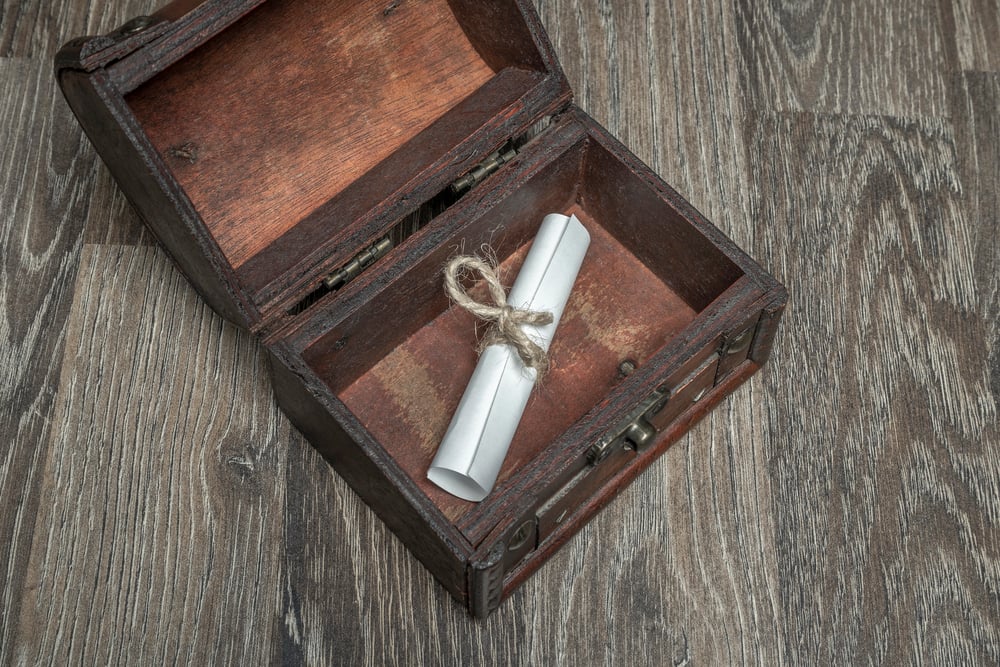
Mary, Queen of Scots, lost her throne over paperwork nobody can even prove was real. The Casket Letters supposedly showed her plotting with the Earl of Bothwell to kill her husband.
Scottish lords used them to force her abdication in 1567. The originals vanished decades ago — only copies remain, and historians still argue about whether she wrote a word of them.
The Monteagle Letter
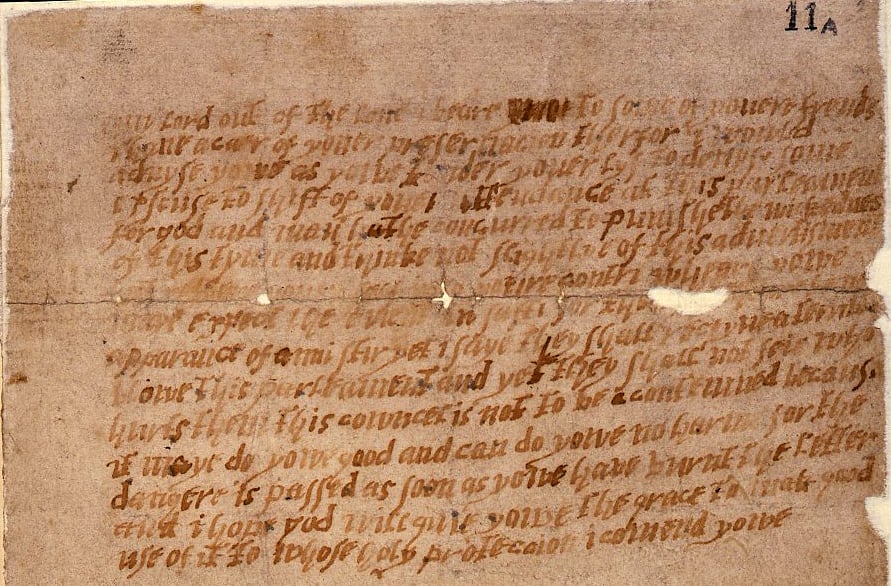
by nationalarchives, Source: Flickr
An anonymous letter arrived at Lord Monteagle’s home on October 26, 1605, warning him — vaguely, almost too vaguely — to stay away from Parliament’s opening session, and nobody knows for certain who wrote it, though the conspirators always suspected one of their own had turned. Monteagle brought it straight to the government, and within days searchers found barrels of gunpowder stacked beneath the House of Lords: enough to level the building and everyone inside it.
So the plot collapsed, King James I kept his throne, and England avoided a regicide that would have thrown the country into chaos. But the letter itself disappeared from public record almost as fast as it appeared, leaving one of history’s great near-misses resting on a single sheet of paper nobody can produce anymore.
Marie Antoinette’s Flight Letter
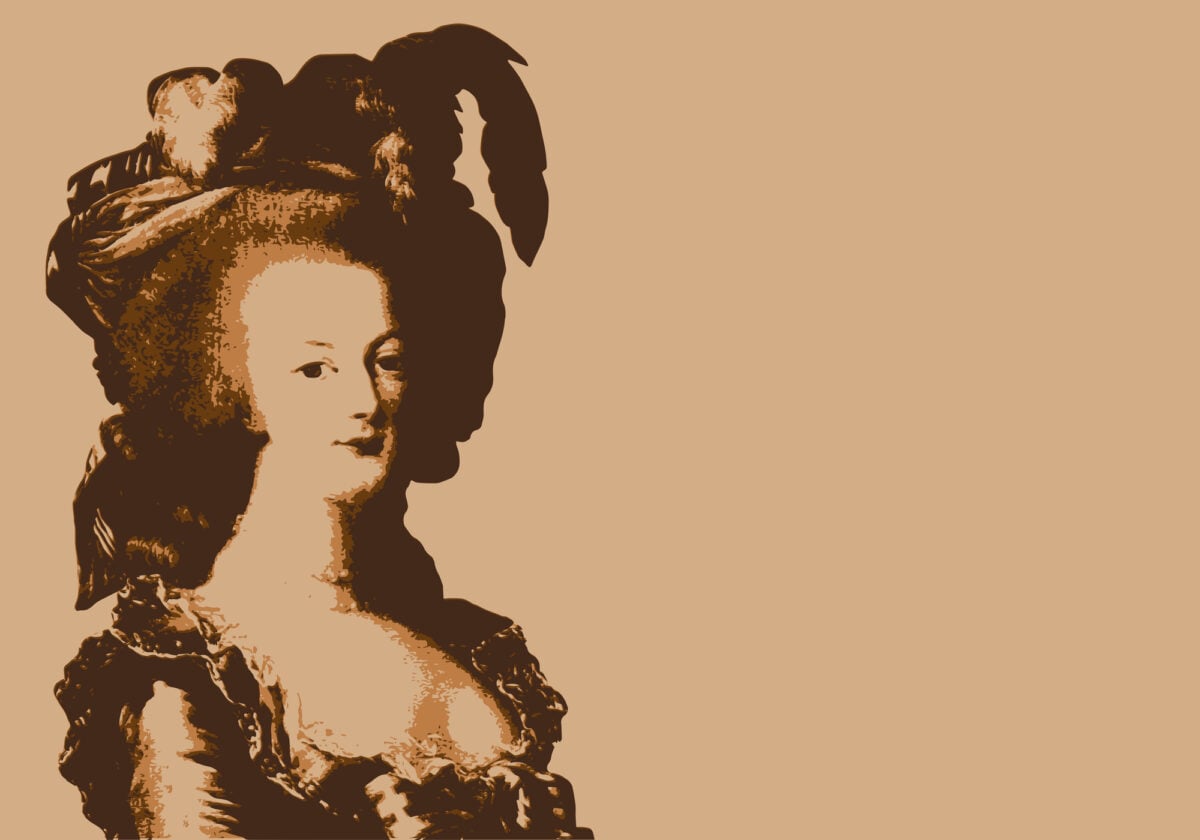
Louis XVI left behind a letter the way a man leaves a note before walking out on his family for good. Tucked in the Tuileries Palace the night the royal family fled toward Varennes in June 1791, it renounced the Revolution in language that read less like diplomacy and more like a slammed door.
Paris found it the next morning, and whatever fragile trust still existed between the crown and its people went with the coach that never made it to the border. The monarchy limped on for another year, but that letter is where its heart actually stopped.
Aaron Burr’s Intercepted Letter
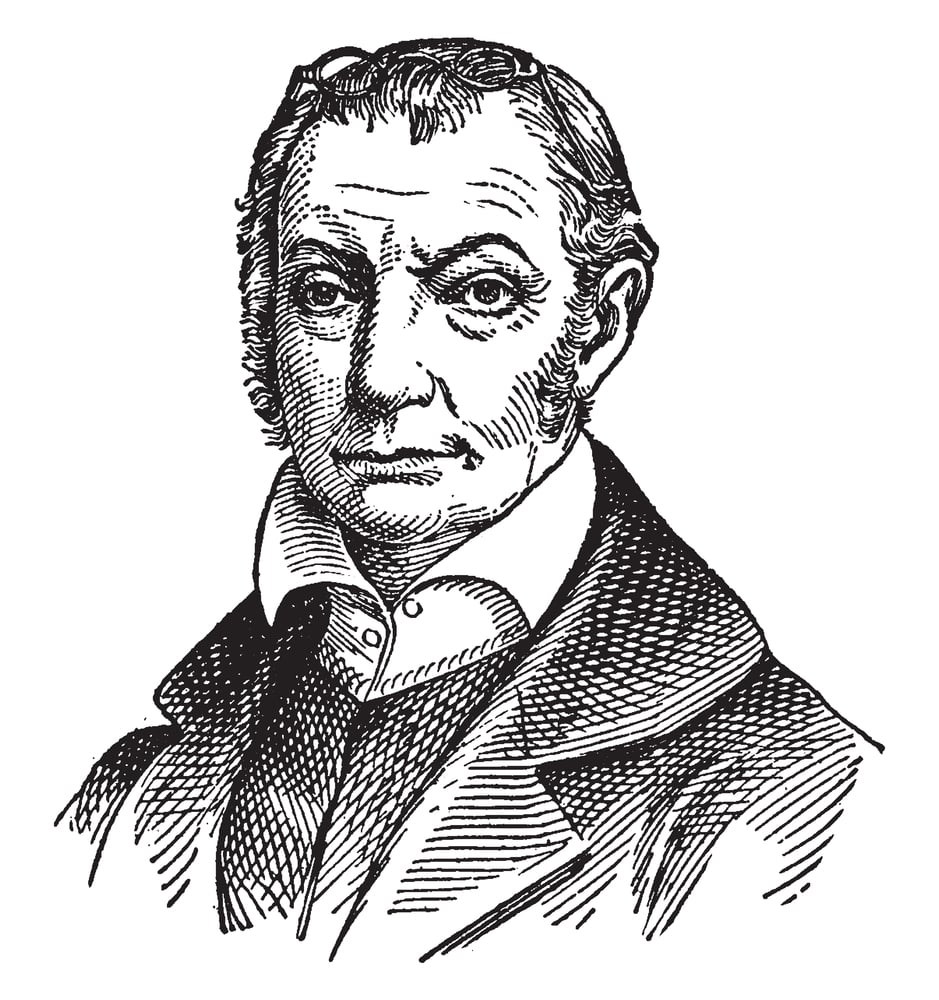
Aaron Burr ruined himself with his own handwriting, and there’s something almost funny about that. His coded letter to General James Wilkinson laid out a scheme to carve off western territories for some kind of private empire, a bold move for a man who’d already killed a former Treasury Secretary in a duel.
Wilkinson, sensing which way the wind was blowing, handed the letter straight to President Jefferson instead of burning it. Burr got tried for treason, walked free on a technicality, and spent the rest of his life as a cautionary tale instead of a founding father.
The Trent Affair Dispatches
— Photo by Geartooth
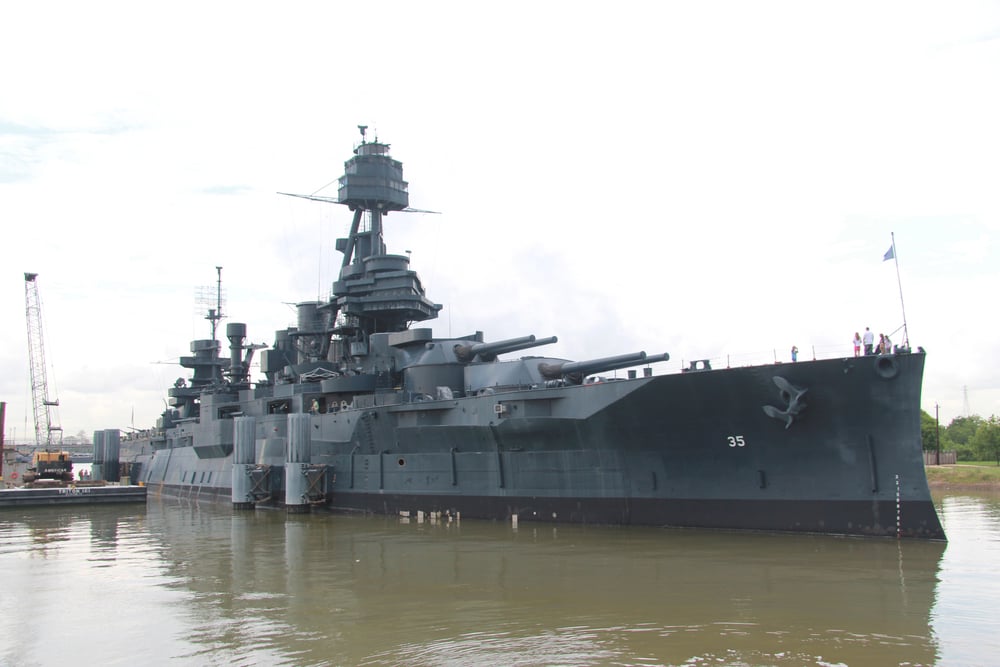
Two Confederate diplomats boarded a British mail ship in 1861, carrying dispatches meant for London and Paris. A Union warship stopped the Trent, seized the men, and took their papers.
Britain called it an act of war. Lincoln’s government backed down, released the diplomats, and a full-blown war with the British Empire — on top of the Civil War already raging — never happened.
The Ems Telegram
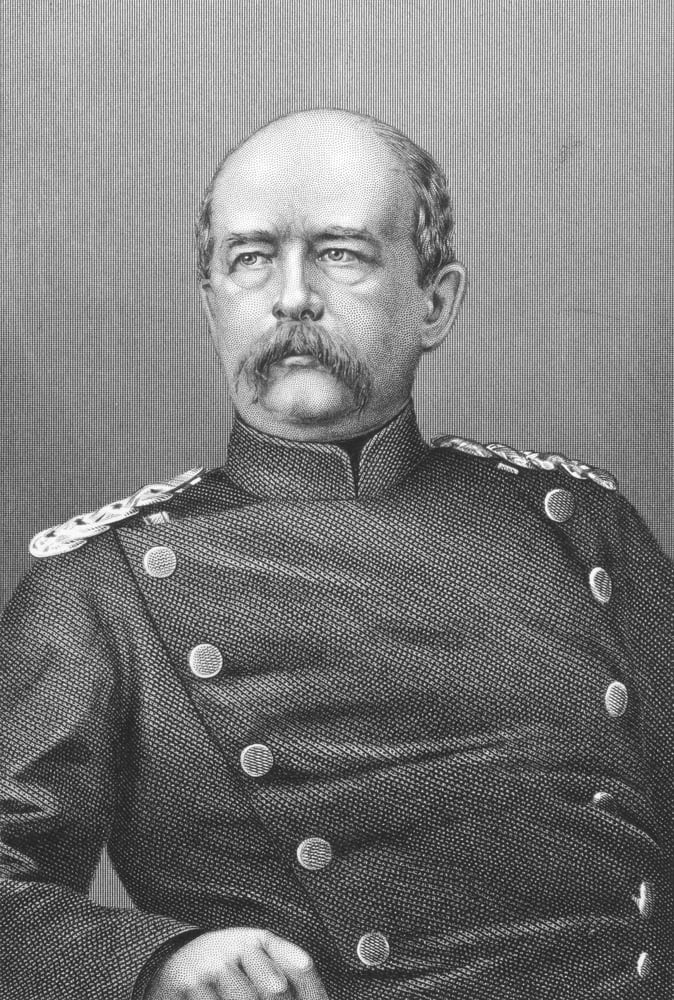
Otto von Bismarck received a routine dispatch describing a slightly tense conversation between the Prussian king and the French ambassador at a spa town called Bad Ems in July 1870, and what he did with it next is a large part of the reason a united Germany exists today. He trimmed it, sharpened it, cut out the polite parts — and handed newspapers a version that read like a diplomatic slap in the face.
France declared war within days: badly, hastily, and on Bismarck’s exact schedule. So Napoleon III lost his empire, Prussia won a war it had been quietly hoping for, and the German states unified under a crown that a doctored telegram basically built.
The Pigott Forgeries
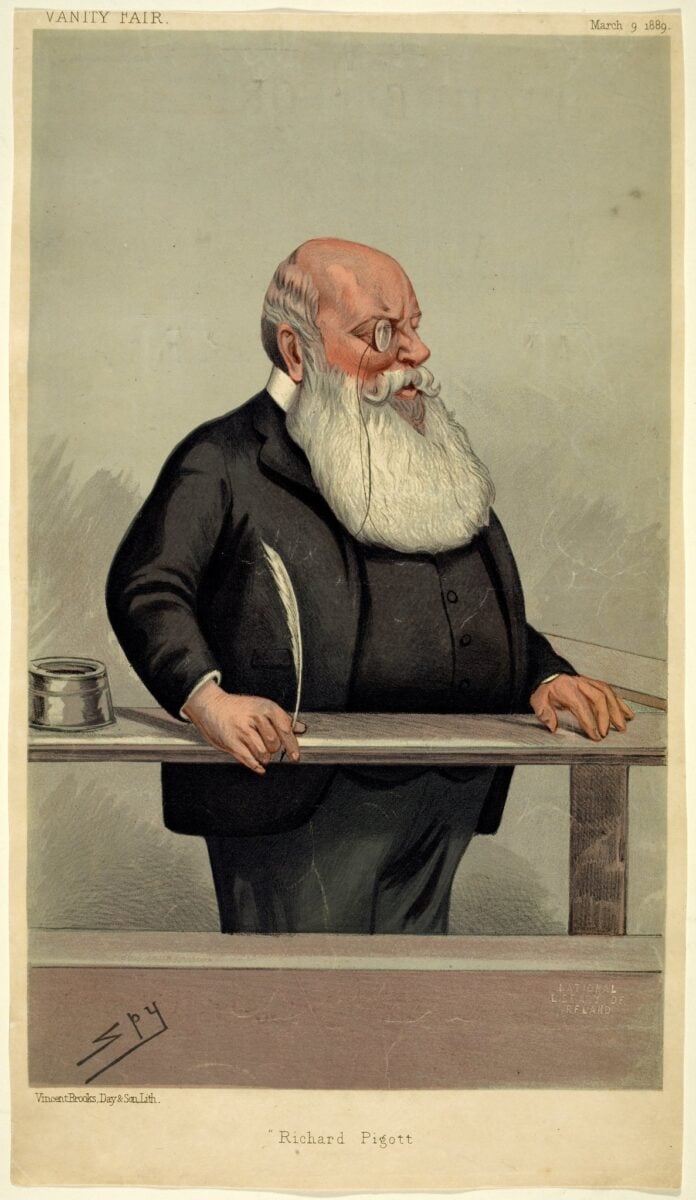
Richard Pigott forged Charles Stewart Parnell’s signature the way a bad actor overplays a role — technically convincing until someone finally looks closely. The Times published his letters in 1887, letters that seemed to tie the Irish Home Rule leader to a political killing, and for two years the forgery did exactly what it was built to do: poison a reputation.
Then, under cross-examination during the Parnell Commission in 1889, Pigott crumbled, admitted the fraud, fled the country, and ended his own life days later. Parnell walked out cleared, though the ordeal had already cost him something no verdict could give back.
The Dreyfus Bordereau
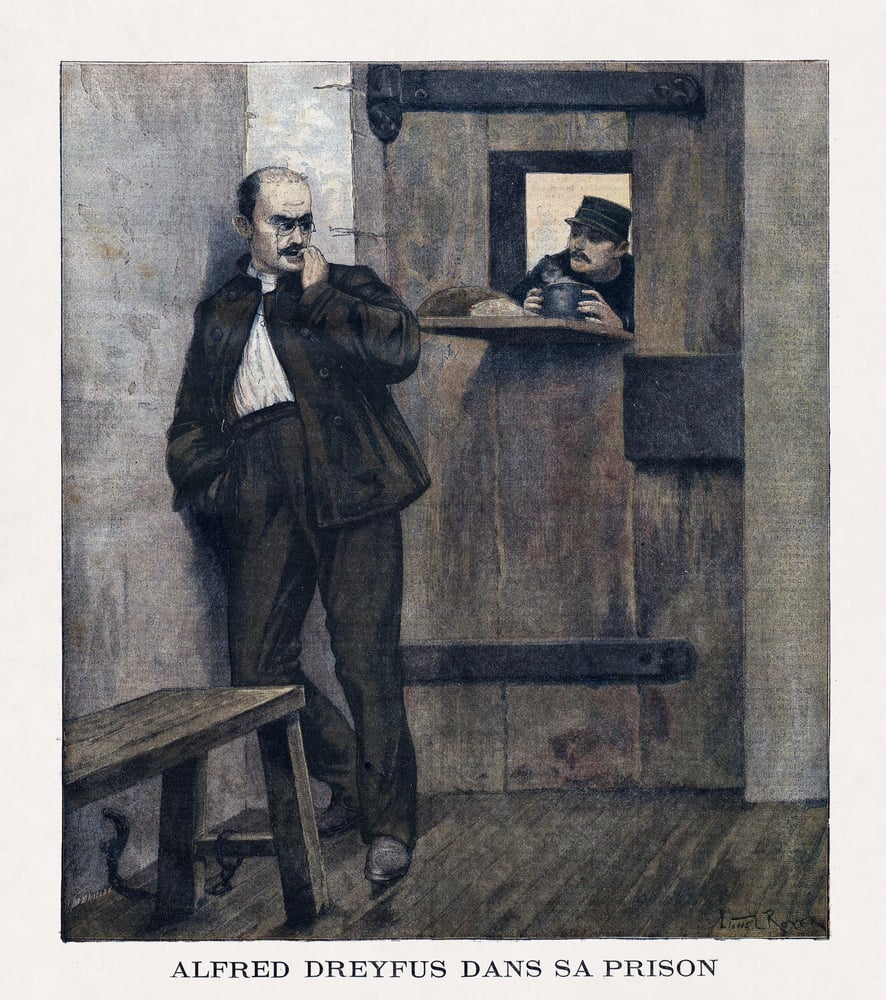
The Dreyfus Affair proves that an entire nation can convict a man on evidence flimsy enough to embarrass a grade-school detective. A torn, unsigned note found in a German embassy wastebasket in 1894 — the infamous bordereau — became the sole basis for accusing artillery officer Alfred Dreyfus of treason.
He was innocent, the handwriting wasn’t even close to his, and French military brass buried the truth for over a decade rather than admit the mistake. France split into two camps over one scrap of paper, and the country’s politics, its army, and its relationship with its Jewish citizens never fully recovered.
The Kruger Telegram
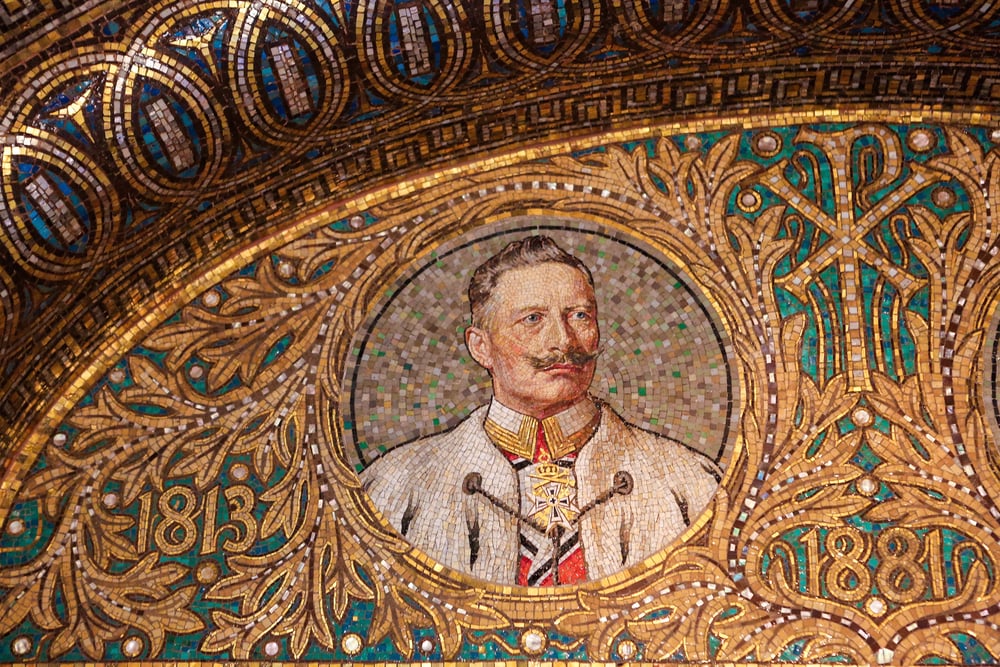
Kaiser Wilhelm II sent a telegram in January 1896 congratulating a Boer president for fending off a British raid without British help. Britain read it as an insult, and it was one.
Anglo-German relations, already shaky, got worse from that single message. The telegram didn’t start a war on its own, but it planted a grudge that outlived the century.
The Bunau-Varilla Letter
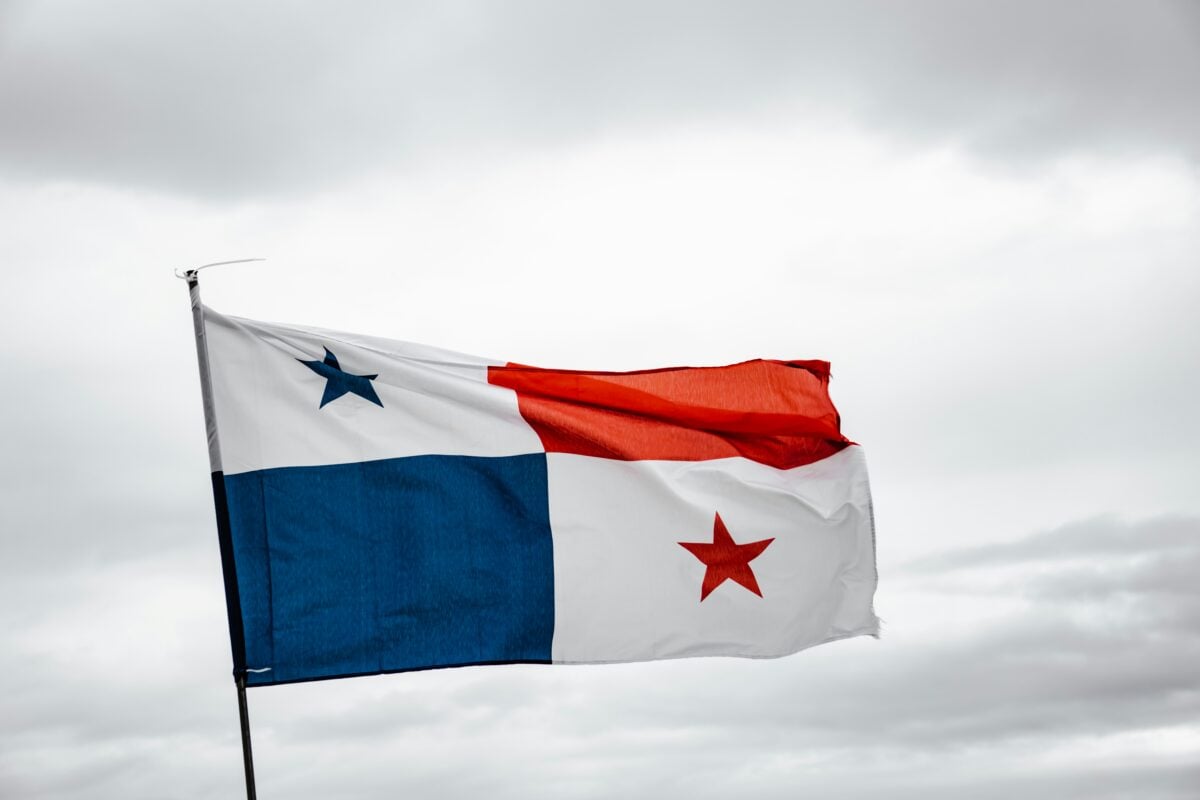
Philippe Bunau-Varilla wasn’t even Panamanian — he was a French engineer with money tied up in the failed canal project — and yet his letters to the rebels planning Panama’s break from Colombia in 1903 timed the whole revolution down to the arrival of American warships. He wrote, he coordinated, he practically stage-managed a country’s independence from behind a desk in Washington, and once Panama existed on paper, he appointed himself its minister to the United States.
So he signed the Hay-Bunau-Varilla Treaty on Panama’s behalf, a treaty most Panamanians never saw before it handed the Canal Zone to Washington indefinitely. A letter-writer who wasn’t even a citizen of the country he represented ended up deciding its terms with a foreign power: that’s not a footnote, that’s the whole story.
Roger Casement’s Black Diaries
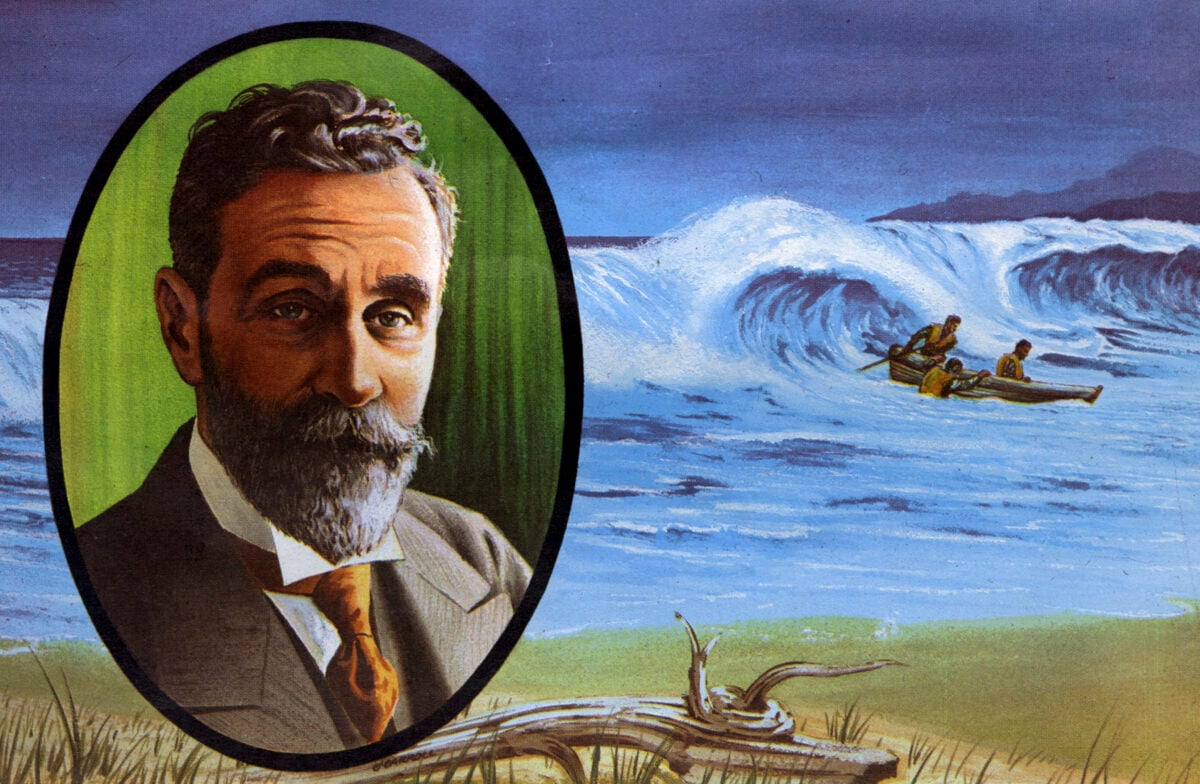
Roger Casement spent years exposing colonial atrocities in the Congo and the Amazon, the kind of work that makes a person a hero in one century and a target in the next. After his arrest in 1916 for seeking German help for Irish independence, British officials quietly circulated his private diaries among journalists and clergy — not to prove treason, since his trial had already done that, but to strip away any sympathy that might have spared his life.
It worked, in the cold, procedural sense: petitions for clemency dried up, and he was executed that August. Ireland remembered the manner of his death longer than it remembered the diaries, and that memory did more for the independence movement than Casement’s actual mission ever could have.
The Zimmermann Telegram
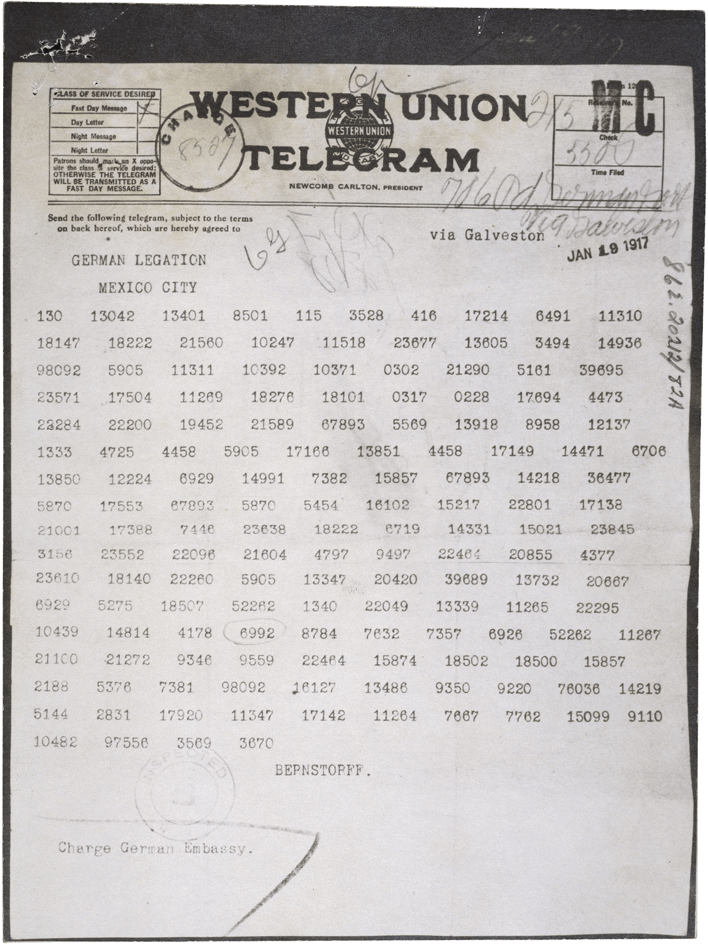
The Zimmermann Telegram might be the single dumbest piece of diplomacy in the twentieth century, and that’s a genuinely competitive category. Germany’s foreign secretary sent a coded telegram in 1917 offering Mexico its lost territory — Texas, New Mexico, Arizona — in exchange for attacking the United States if America entered the war.
British code-breakers intercepted it, decoded it, and handed it to Washington at exactly the right moment to turn a reluctant public into a war-ready one. One telegram pushed the United States into a fight that ended the war, reshaped Europe’s borders, and buried the Kaiser’s government within two years.
The Zinoviev Letter

A letter surfaced four days before Britain’s 1924 general election, supposedly written by a top Soviet official to British communists. The Daily Mail splashed it across the front page.
Labour’s government collapsed at the polls days later. Nobody has ever proven the letter was genuine, and most historians think it wasn’t — which didn’t stop it from doing exactly what it was designed to do.
The Katyn Letters

When German forces uncovered mass graves near the Katyn forest in 1943, they found more than bodies: they found letters and diaries still tucked in coat pockets (dated, in some cases, as late as April 1940) which meant the killings happened on Stalin’s watch, not Hitler’s. The Soviets denied it for nearly fifty years — they insisted the Nazis did it, and much of the world simply went along because the alternative meant confronting an ally’s crimes in the middle of a war against a bigger one.
So Poland spent decades unable to name its own dead honestly, forced to build a postwar identity around a lie its own liberators had written. It wasn’t until 1990, under Gorbachev, that Moscow finally admitted what a handful of soaked, buried letters had already proven half a century earlier.
The Ink Outlives the Empire
Governments fall for all sorts of reasons — economics, war, exhaustion, bad luck — but there’s something unsettling about how often the reason traces back to a single piece of paper that somebody else got to read first. Letters don’t have armies behind them.
They don’t have votes or tanks or treaties. What they have is timing, and timing, it turns out, has toppled more governments than most militaries ever managed.
Maybe that’s the real lesson buried in all of this: history doesn’t always bend to the biggest forces in the room. Sometimes it bends to whoever finds the letter, reads it first, and decides what happens next.
More from Go2Tutors!

- The Romanov Crown Jewels and Their Tragic Fate
- 13 Historical Mysteries That Science Still Can’t Solve
- Famous Hoaxes That Fooled the World for Years
- 15 Child Stars with Tragic Adult Lives
- 16 Famous Jewelry Pieces in History
Like Go2Tutors’s content? Follow us on MSN.