Questionable Modern Car Trends
Cars used to be simpler. You turned a key, adjusted a few knobs, and drove.
But somewhere along the way, automakers decided that traditional approaches needed an upgrade. Some of these changes make sense.
Others leave you wondering what problem they were trying to solve in the first place.
Touch Screens Taking Over Everything

Physical buttons have feelings too. At least they used to exist.
Modern cars now feature massive touch screens that control everything from the climate to the radio to the seat warmers. The problem shows up when you’re driving down the highway and need to adjust the temperature.
Instead of reaching for a familiar dial, you’re now hunting through menu systems and tapping a screen that doesn’t always respond on the first try. Cold weather makes this worse.
Touch screens don’t work well with gloves. And when the sun hits the screen at the wrong angle, you can’t see anything at all.
The old buttons and knobs worked every single time, regardless of weather or lighting conditions.
Fake Engine Sounds Piped Through Speakers
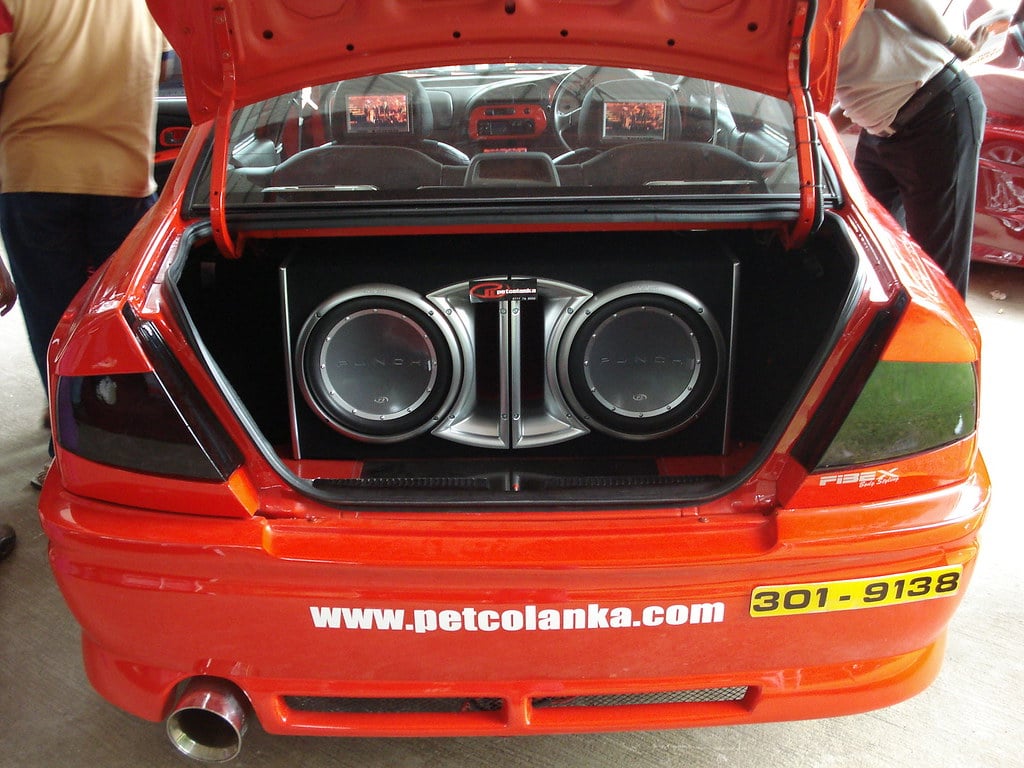
Some sports cars now pump artificial engine noise through the speakers. The actual engine might sound perfectly fine, but engineers decided you needed to hear something different.
This happens in cars that cost six figures. You’re paying premium money for a fake soundtrack.
The reasoning makes sense on paper. Modern engines run quieter thanks to better insulation and more efficient designs.
But if your engine doesn’t sound exciting enough, maybe the answer isn’t to fake it through the stereo system. That’s like adding canned laughter to a comedy show.
Subscription Services for Built-In Features
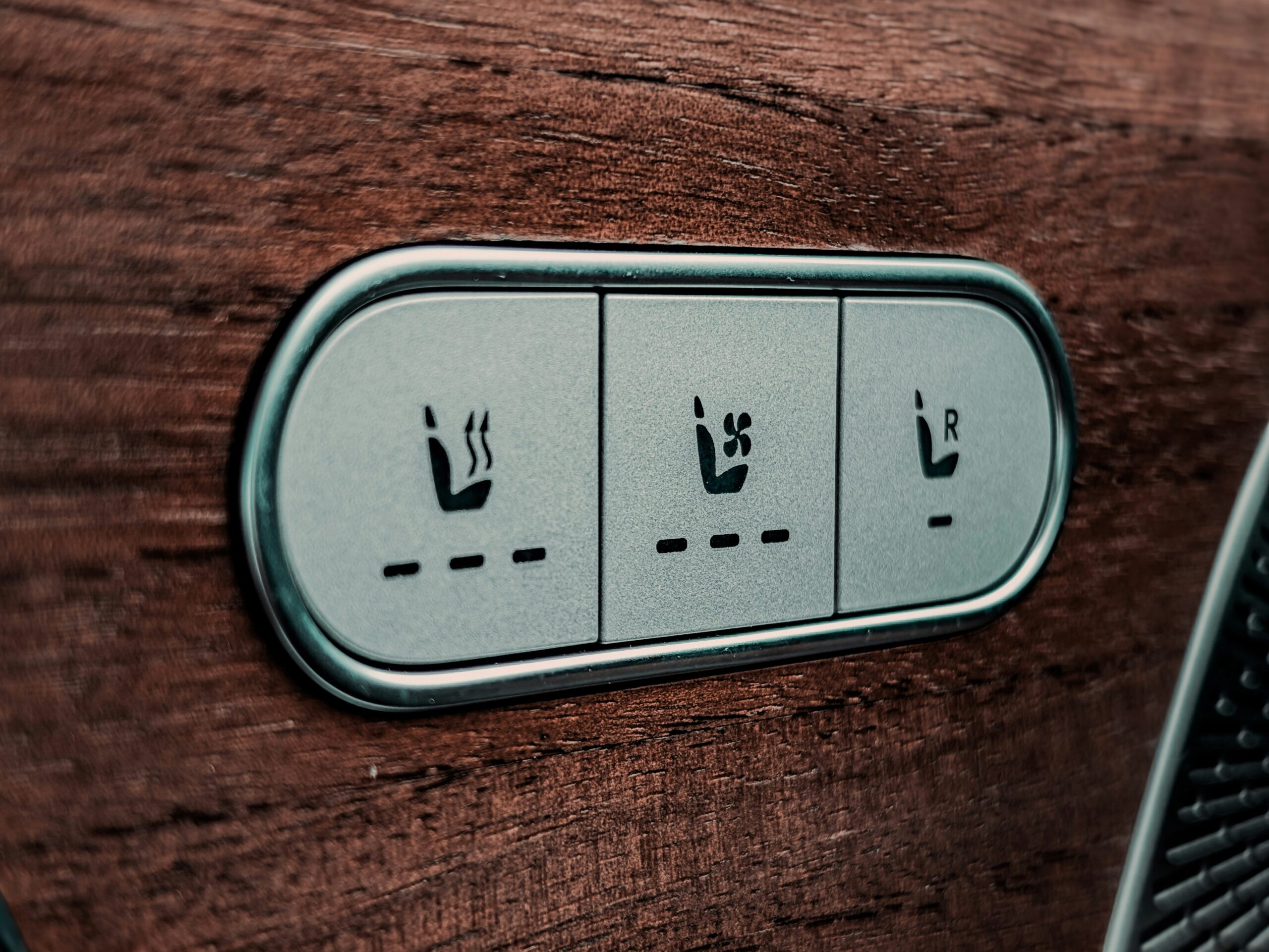
Your car already has heated seats. The hardware sits right there in the seat.
But to actually use them, you need to pay a monthly subscription fee. This trend started with luxury brands and keeps spreading.
Soon you’ll need a subscription to unlock features that physically exist in your car. BMW tried this with heated seats and faced immediate backlash.
Other automakers watched and some backed off. But the temptation remains strong.
Cars now come with cellular connections and over-the-air updates, which means the infrastructure exists to lock features behind paywalls.
Grilles That Could Swallow Small Children

Front grilles have grown to absurd proportions. Modern cars sport massive openings that dominate the entire front end.
Electric cars do this too, even though they don’t need cooling for a traditional engine. The grille exists purely for styling at that point.
These enormous grilles create real problems beyond aesthetics. Pedestrian safety suffers when the front of a car consists of a huge, hard surface.
Repair costs increase because minor fender benders now damage expensive, oversized grille assemblies. And parking sensors sometimes struggle to work properly when mounted in these massive structures.
Piano Black Plastic Interiors
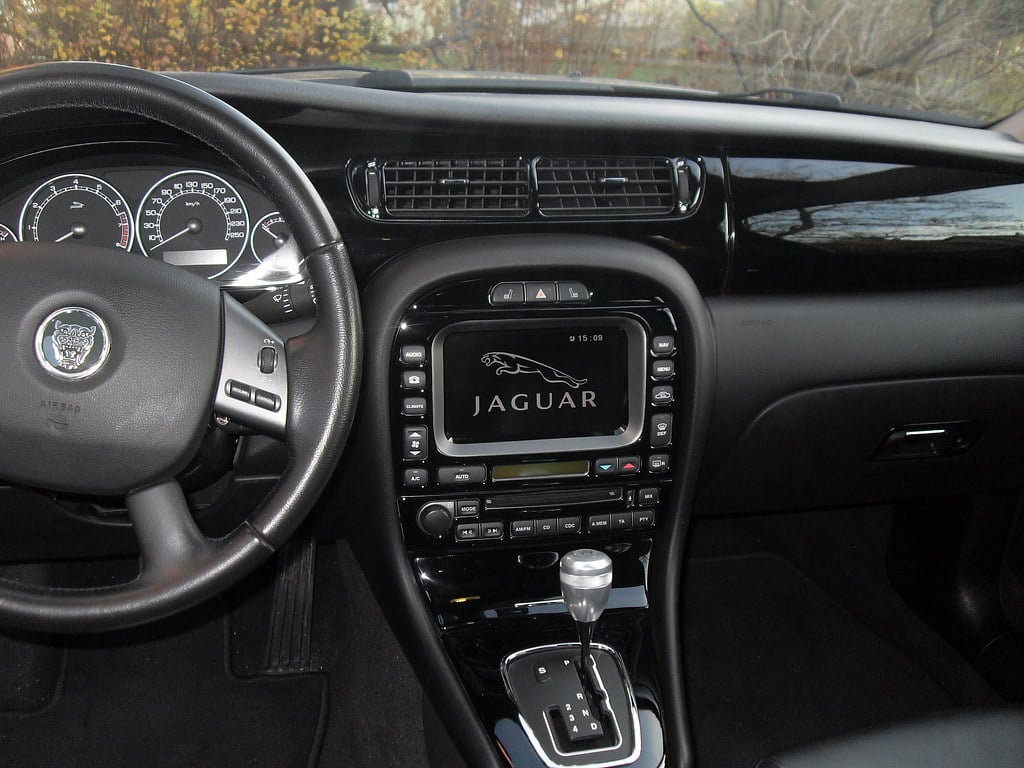
Glossy black plastic covers dashboards and center consoles in cars across every price range. This material looks sleek in the showroom under perfect lighting.
Then you actually drive the car. Within a week, the piano black finish shows every fingerprint, scratch, and speck of dust.
Cleaning it becomes a full-time job. Automakers know this happens.
They chose this material anyway because it photographs well for marketing materials. You’re stuck living with a surface that looks perpetually dirty.
Matte finishes and real materials would solve this instantly, but here we are.
Fake Vents and Exhaust Tips
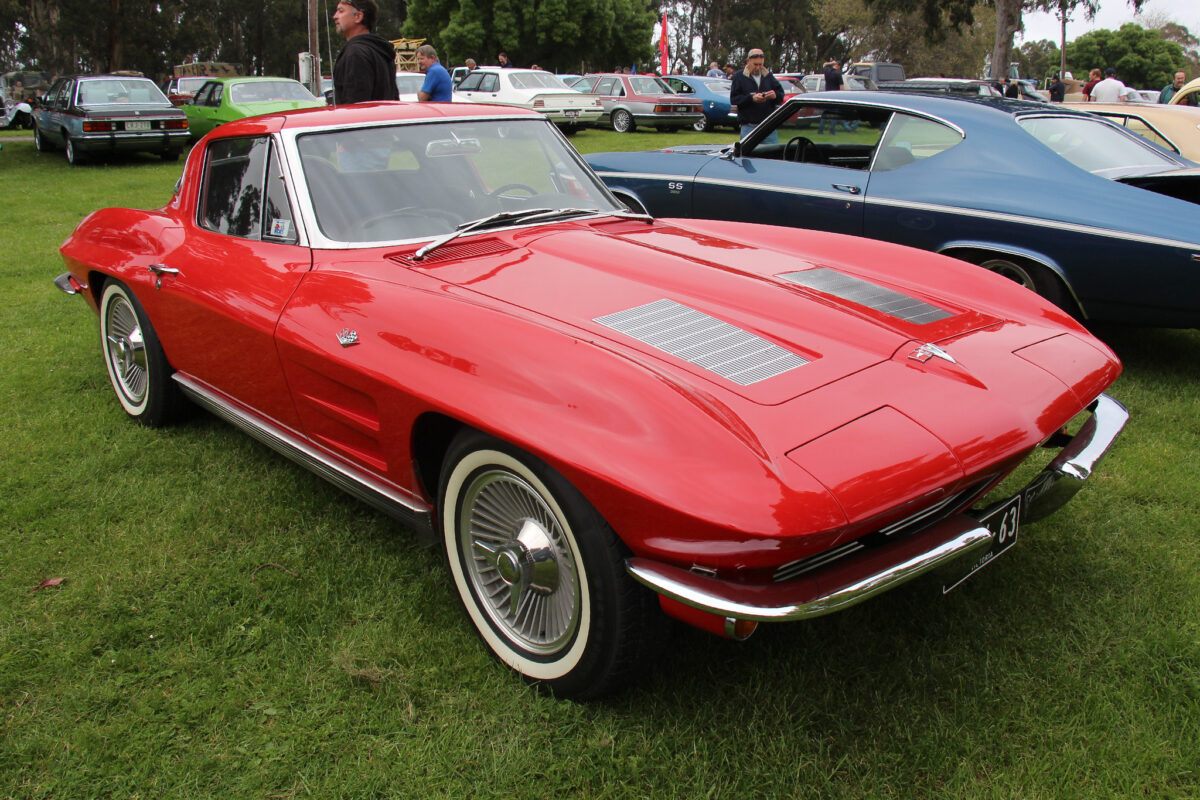
Cars now feature design elements that don’t do anything. Fake air vents sit on bumpers and fenders, purely decorative.
Exhaust tips look impressive until you peek behind them and see the actual exhaust pipe hidden further up. The shiny tips you see are just covers.
This bothers car enthusiasts, but regular buyers might not notice or care. Still, it feels dishonest.
If you need fake vents to make your car look sporty, maybe the design needs more work. And those fake exhaust tips collect dirt and water in weird ways since they’re not actually connected to the exhaust system.
CVT Transmissions Pretending to Have Gears

Continuously variable transmissions work differently than traditional automatics. They don’t have set gears.
Instead, they use belts and pulleys to provide seamless acceleration. Efficient in theory, but they feel strange to drive.
The engine revs up and stays there, making a droning noise that never seems to end. Automakers recognized that buyers found this unsettling.
Their solution? Program the CVT to simulate gear shifts even though no actual gears exist.
The transmission now makes fake shifts that reduce efficiency—the exact opposite of why CVTs exist in the first place. You get the worst of both worlds.
Electronic Parking Brakes You Can’t Trust
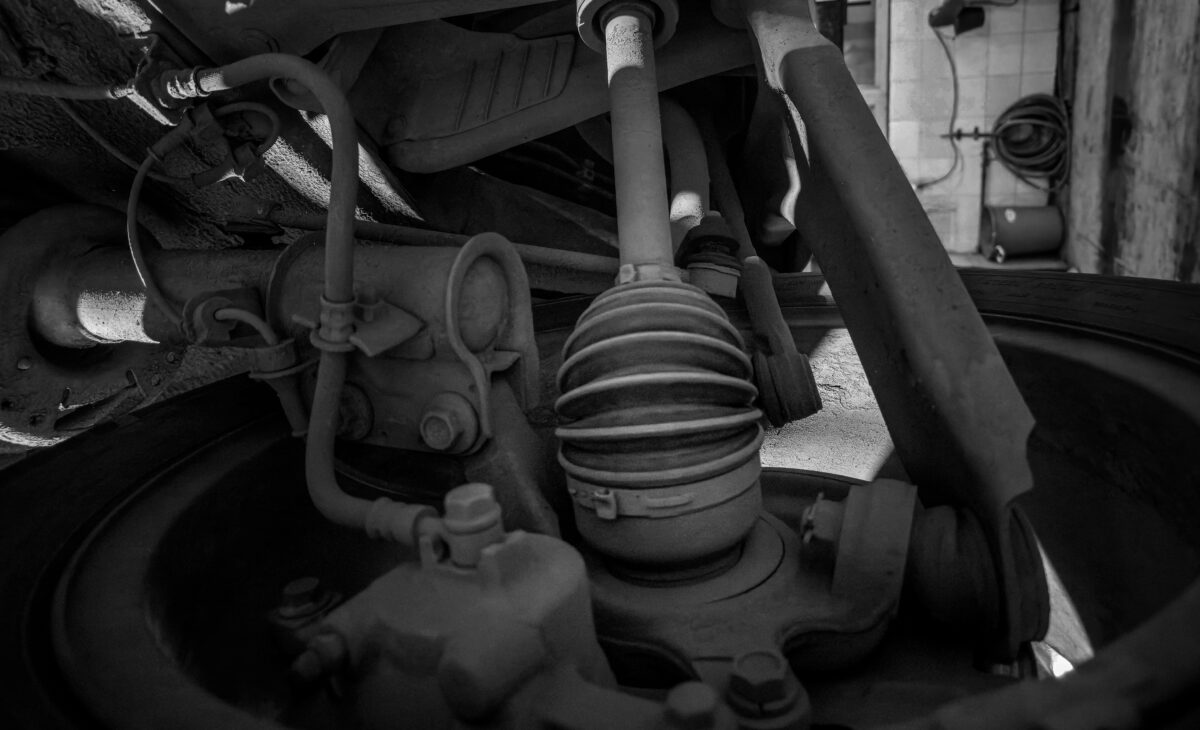
Pull up a handle or push down a pedal. That’s how parking brakes worked for decades.
Simple, mechanical, reliable. Now most cars use electronic parking brakes—a button that activates an electric motor.
When it works, it’s convenient. When the battery dies or the system fails, you’re stuck.
Mechanics hate these systems. DIY brake jobs become complicated because you need special software to retract the parking brake.
And if you need to push your car in neutral, good luck releasing the parking brake without electrical power. The old mechanical system never had these problems.
Infotainment Systems Designed by Committee
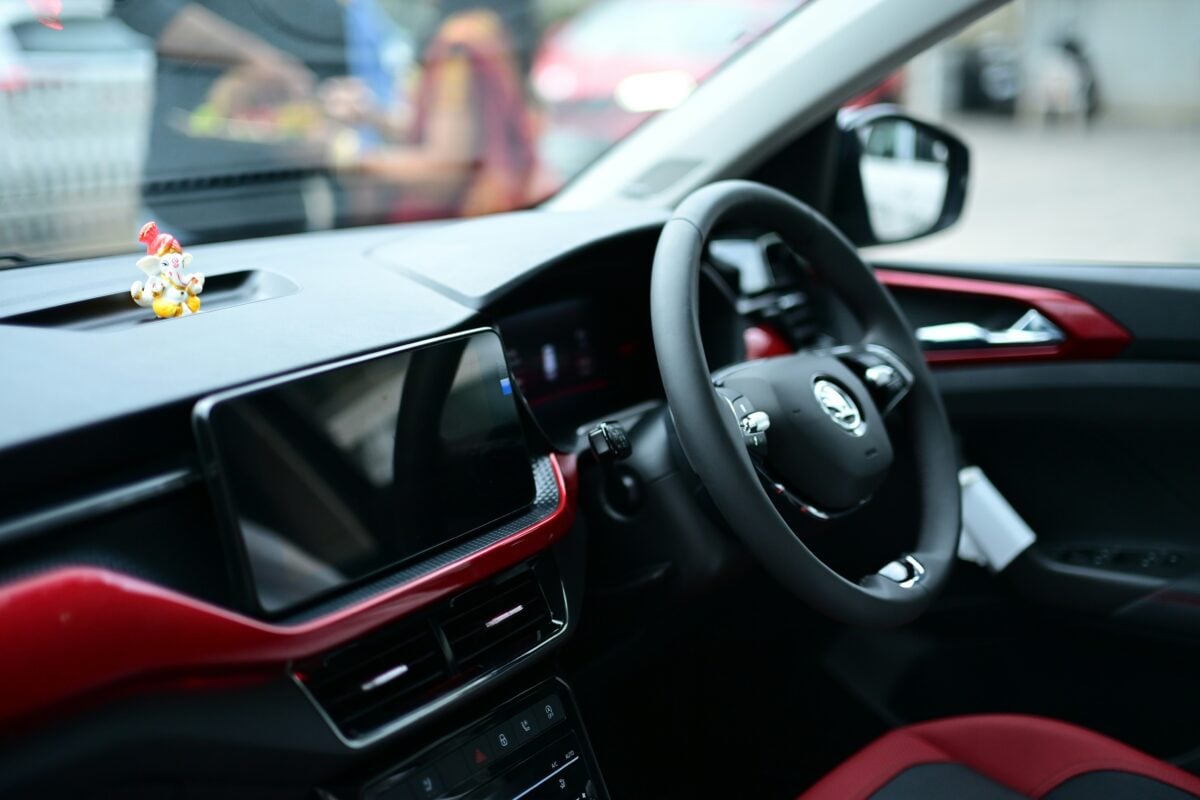
Modern car infotainment systems try to do everything. Navigation, music, phone calls, vehicle settings, apps you’ll never use.
The result feels like a smartphone designed by people who’ve never used a smartphone. Menus nest within menus.
Simple tasks require multiple steps. The voice commands rarely understand what you want.
Some automakers force you to go through the infotainment system to adjust basic vehicle settings. Want to change when your headlights turn on?
That’s buried somewhere in the touch screen menu system instead of being a simple switch. Meanwhile, your phone sitting in the cup holder can accomplish the same tasks faster and more reliably.
Start-Stop Systems That Can’t Read the Room

The engine shuts off at every red light to save fuel. Then it restarts when you lift off the brake.
This happens dozens of times during a typical drive. The system aims to reduce emissions and improve fuel economy, which sounds great.
But the execution leaves much to be desired. The engine restart isn’t always smooth.
Sometimes there’s a delay. If you’re in traffic that’s creeping forward, the constant stopping and starting becomes annoying fast.
Most drivers immediately disable this feature every time they start the car. Automakers could make it remember your preference, but they don’t—probably because then everyone would just leave it off.
Fake Wood Grain That Fools Nobody
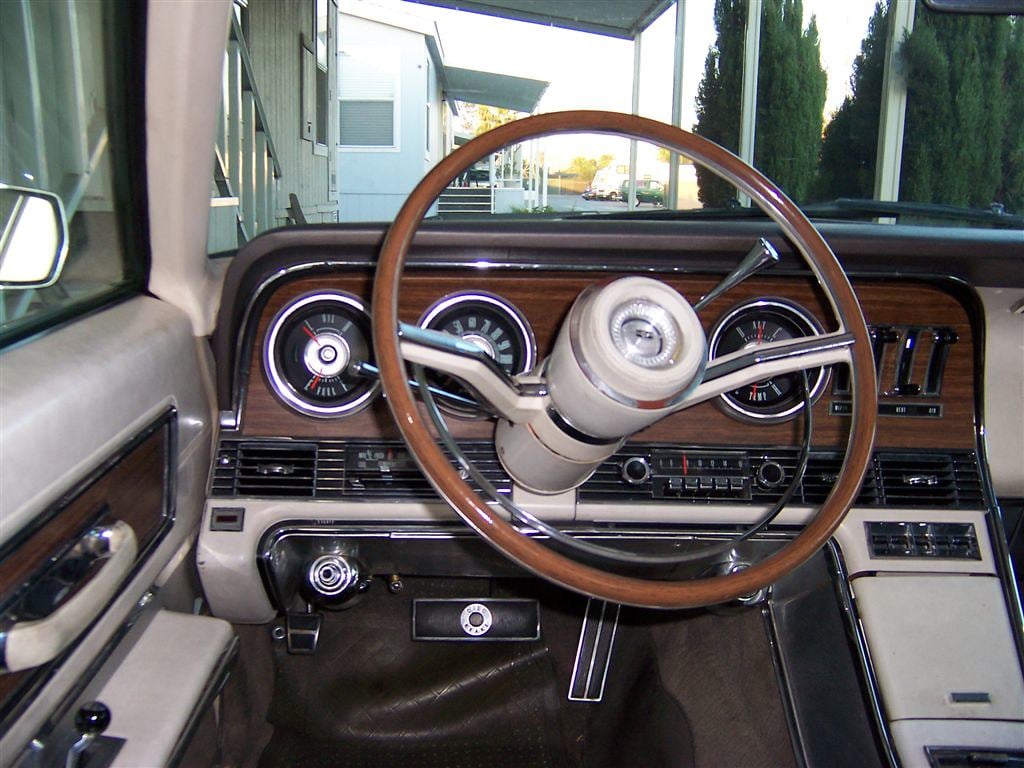
Luxury car interiors once featured real wood trim. Now they use plastic printed to look like wood.
Sometimes it’s convincing from a distance. Up close, the illusion falls apart.
The texture feels wrong. The pattern repeats.
It’s clearly plastic pretending to be something else. Real wood costs more and requires more care.
But if you can’t afford real wood, why not use honest materials instead? Brushed aluminum, carbon fiber, or just nice plastic all work fine.
Fake wood just reminds you that the automaker tried to create luxury on a budget.
Gesture Controls Nobody Asked For

Wave your hand near the infotainment screen to control certain functions. Sounds futuristic.
In practice, the system triggers accidentally when you’re reaching for something else. Or it doesn’t trigger when you actually want it to work.
Voice commands and touch screens already accomplish these tasks. Gesture controls add complexity without solving any real problems.
BMW and Volkswagen both tried implementing these systems. Some drivers use them.
Most ignore them completely. The sensors and software required add cost to every vehicle, even though the feature mostly exists to demonstrate technological capability rather than solve actual needs.
Massive Wheels with Rubber Band Tires
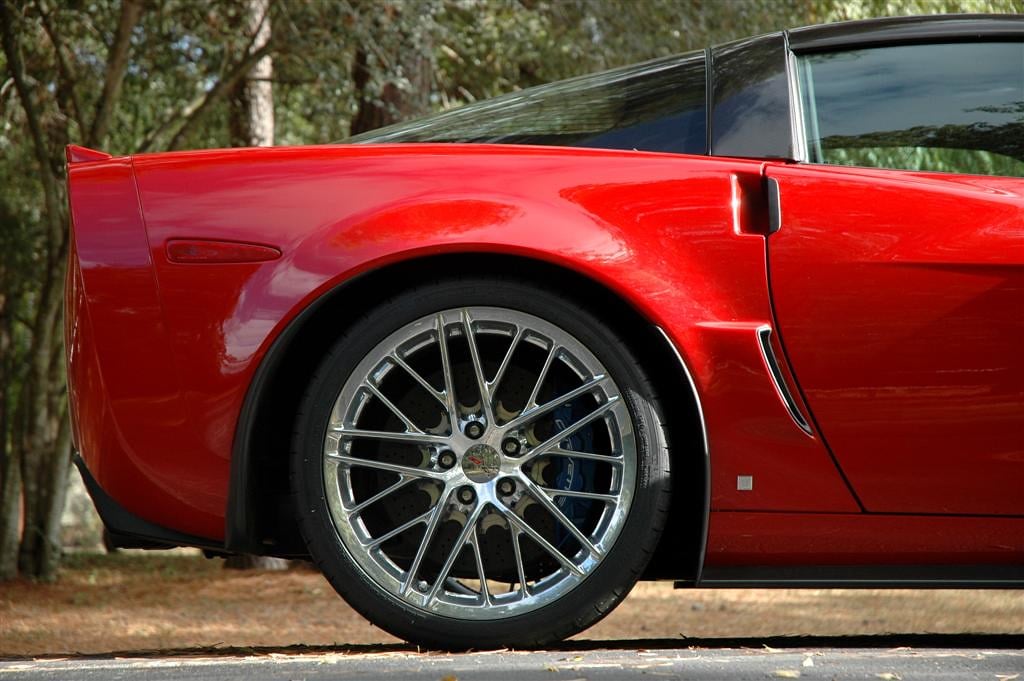
Twenty-inch wheels have become standard on many cars. Some vehicles now offer 22-inch or even larger wheels.
The wheels look aggressive and fill out the wheel wells nicely. But those giant wheels require low-profile tires—sometimes so thin they look like rubber bands stretched around the rim.
These setups hurt ride quality. Every pothole feels harsher.
Road noise increases. And those tires and wheels cost significantly more to replace when damaged.
Smaller wheels with proper sidewalls ride better, last longer, and cost less. But they don’t look as impressive in photos.
Removing the Spare Tire for Weight Savings
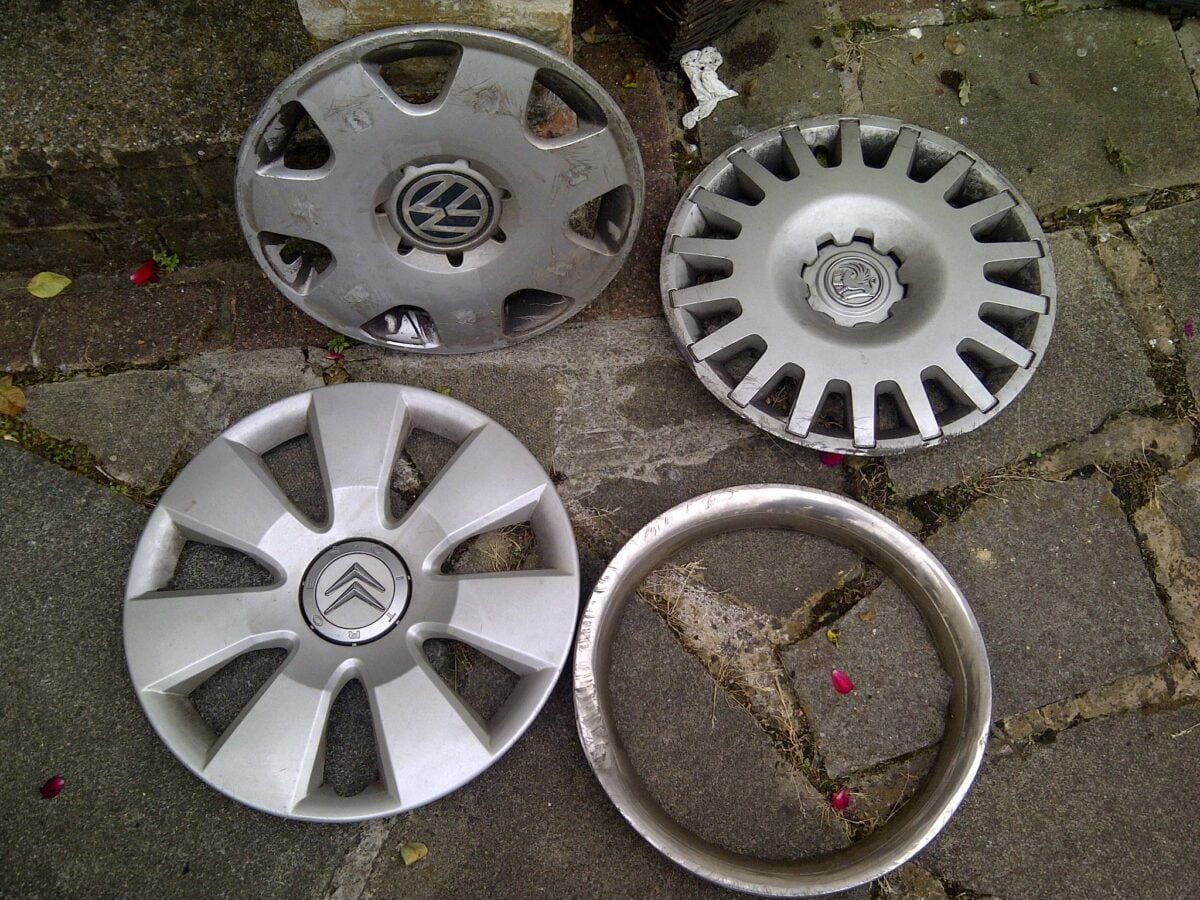
Many new cars come without a spare tire. Instead, you get an air compressor and a can of tire sealant.
This saves weight and frees up storage space. But it only works for minor punctures.
Hit something that tears your tire? The sealant won’t help.
You’re calling a tow truck. Automakers claim most drivers never use their spare tire anyway.
That’s true until you need it. Then the weight savings don’t matter much when you’re stuck on the side of the road waiting for a tow truck.
A space-saver spare weighs little and provides real peace of mind.
Digital Gauges That Try Too Hard
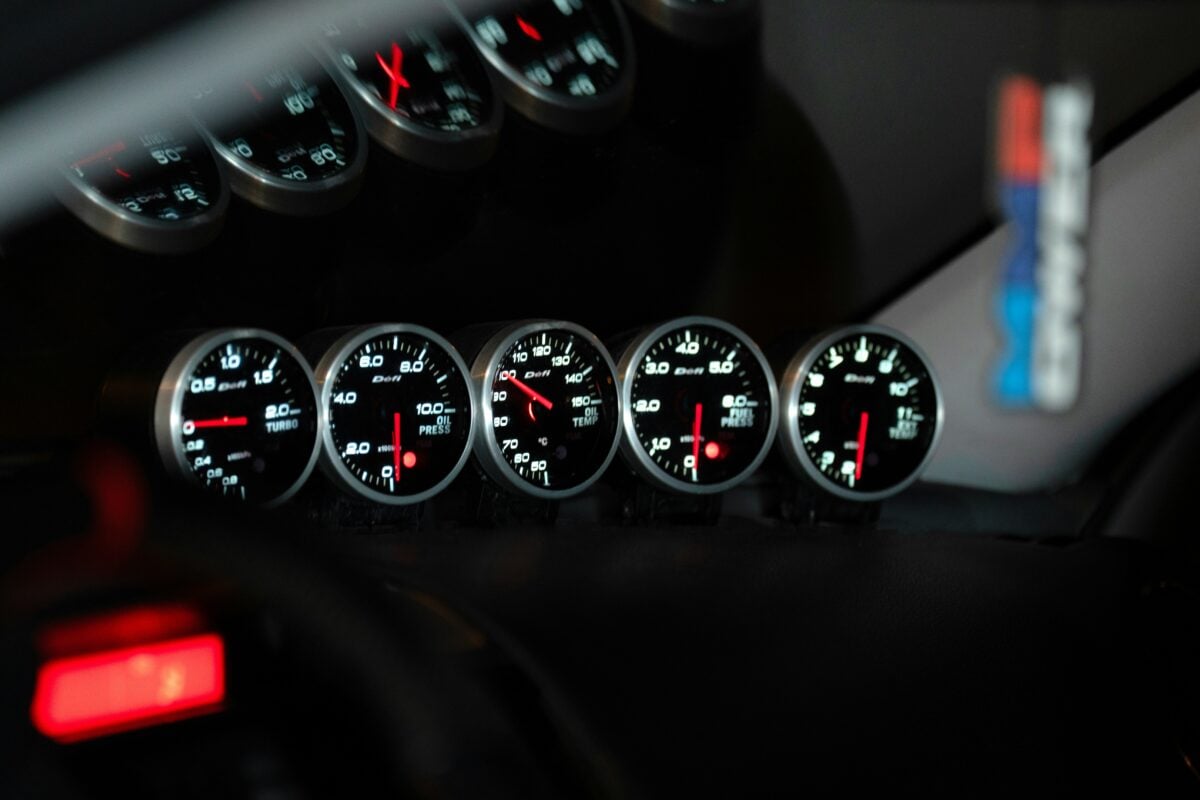
Digital instrument clusters can display any information in any format. Some automakers use this flexibility to create gauges that look exactly like traditional analog gauges, just rendered on a screen.
You get fake chrome rings around fake needles on a fake gauge face. All the downsides of a screen with none of the benefits of actual customization.
Other automakers go too far in the other direction, with minimalist displays that hide important information or require menu navigation to see basic data. The sweet spot exists somewhere in the middle, but few manufacturers seem interested in finding it.
When Progress Moves Sideways
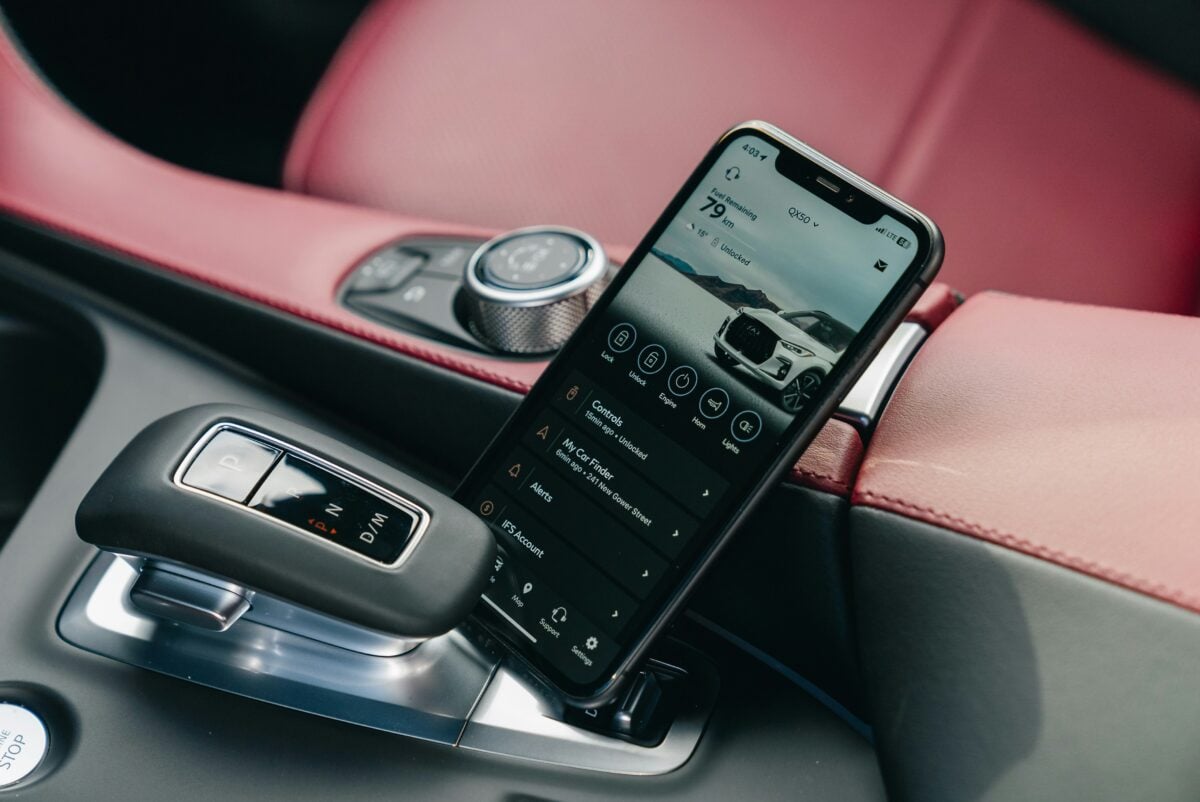
Automotive technology advances quickly. Some innovations genuinely improve the driving experience.
Others feel like change for its own sake. The challenge comes in figuring out which trends will stick and which will fade away once automakers realize buyers don’t actually want them.
Your next car will probably include several of these questionable features. Some you’ll learn to tolerate.
Others you’ll disable immediately and never think about again. And a few might surprise you by actually working better than expected.
That’s how progress works sometimes—two steps forward, one step back, and occasionally a pirouette just to see what happens.
More from Go2Tutors!

- The Romanov Crown Jewels and Their Tragic Fate
- 13 Historical Mysteries That Science Still Can’t Solve
- Famous Hoaxes That Fooled the World for Years
- 15 Child Stars with Tragic Adult Lives
- 16 Famous Jewelry Pieces in History
Like Go2Tutors’s content? Follow us on MSN.



