15 1970s Pickup Truck Features That Defined Tough
The 1970s were when pickup trucks stopped being just work vehicles and became symbols of American grit. These weren’t your modern comfort-loaded rides with heated seats and GPS navigation. They were raw, honest machines built for people who had real work to do and weren’t afraid to get dirty doing it.
Every feature served a purpose, and most of them were designed to last forever or at least until the apocalypse. Here’s a list of 15 pickup truck features that made the 70s the golden age of no-nonsense transportation.
Straight-Six Engines

The inline-six engine was bulletproof in cast iron form. These power plants would run for 300,000 miles without major repairs if you kept oil in them and didn’t completely ignore maintenance.
Mechanics loved working on them because everything was accessible — no computer diagnostics required, just a decent set of wrenches and some common sense.
Three-on-the-Tree Manual Transmission
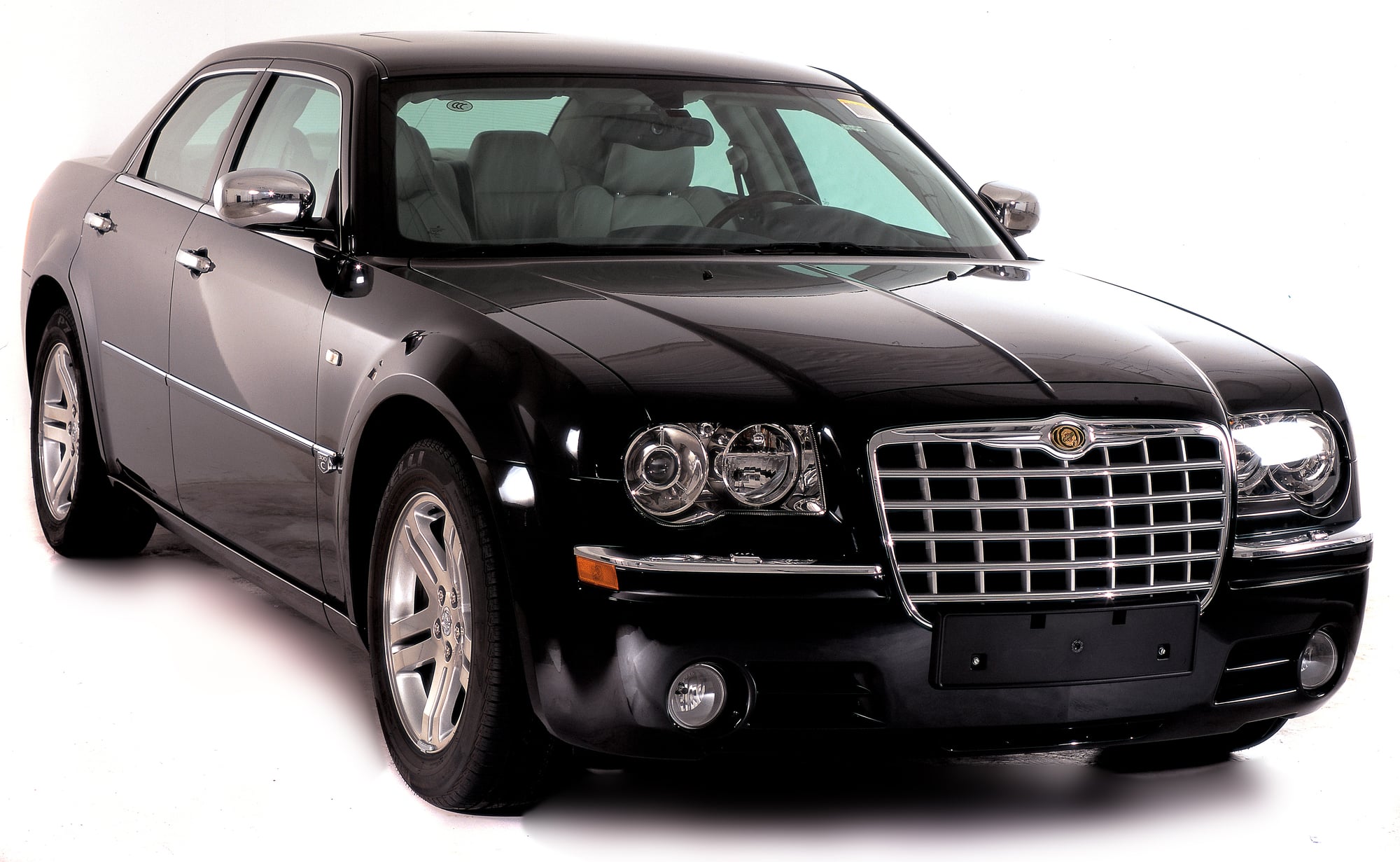
Column-mounted manual shifters were standard equipment for drivers who understood how transmissions actually worked. The H-pattern mounted right on the steering column meant you could fit three people across the bench seat comfortably.
Learning to shift smoothly with the tree took practice, but once mastered, it became second nature even in stop-and-go traffic.
Steel Bumpers
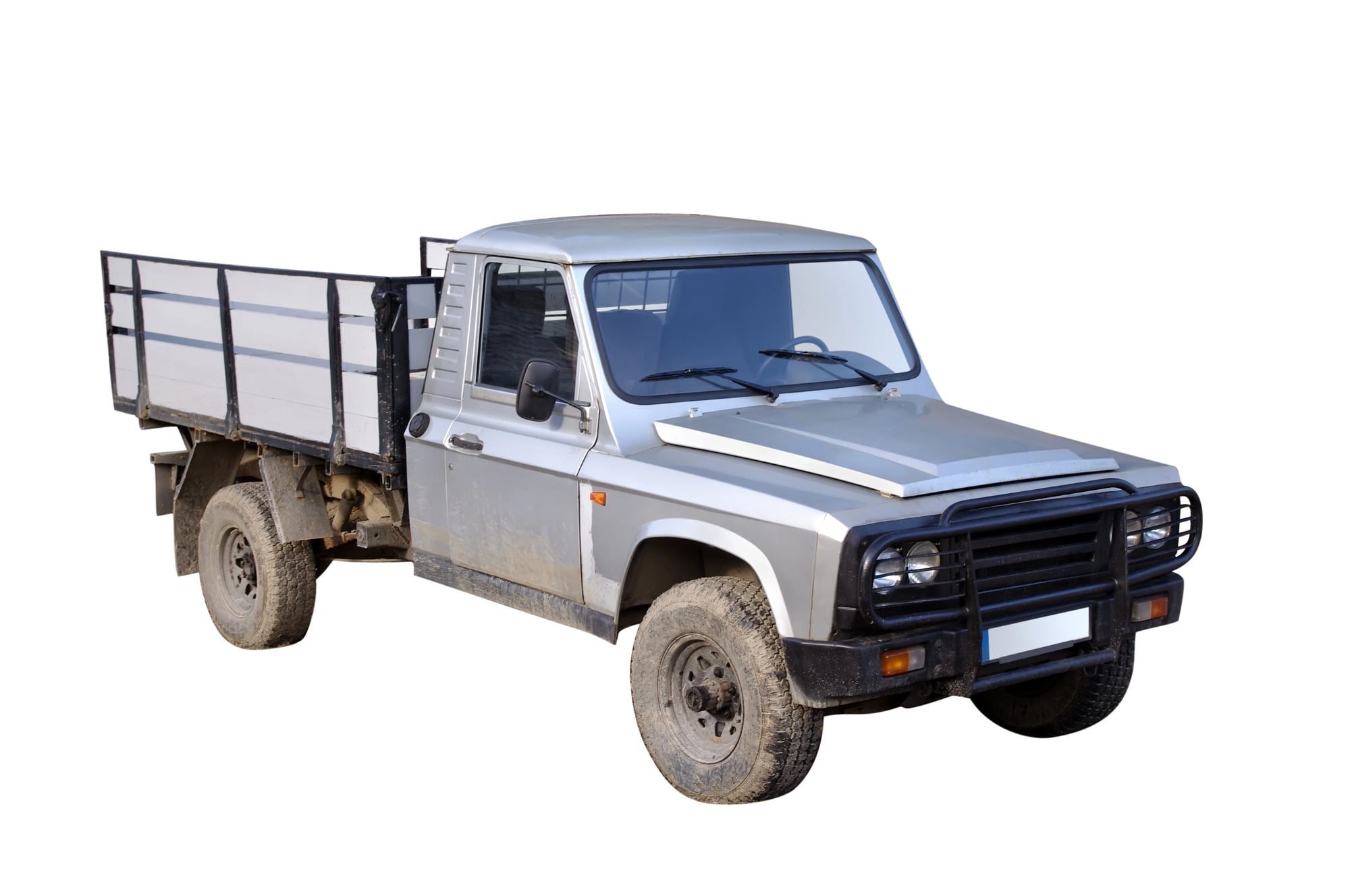
Front and rear bumpers were actual protective equipment made from serious gauge steel. These weren’t decorative plastic covers — they could push a stalled car out of the way or absorb a parking lot collision without crumpling like aluminum foil.
Some truckers used their bumpers as makeshift anvils for roadside repairs when needed.
Like Go2Tutors’s content? Follow us on MSN.
Manual Hub Locks
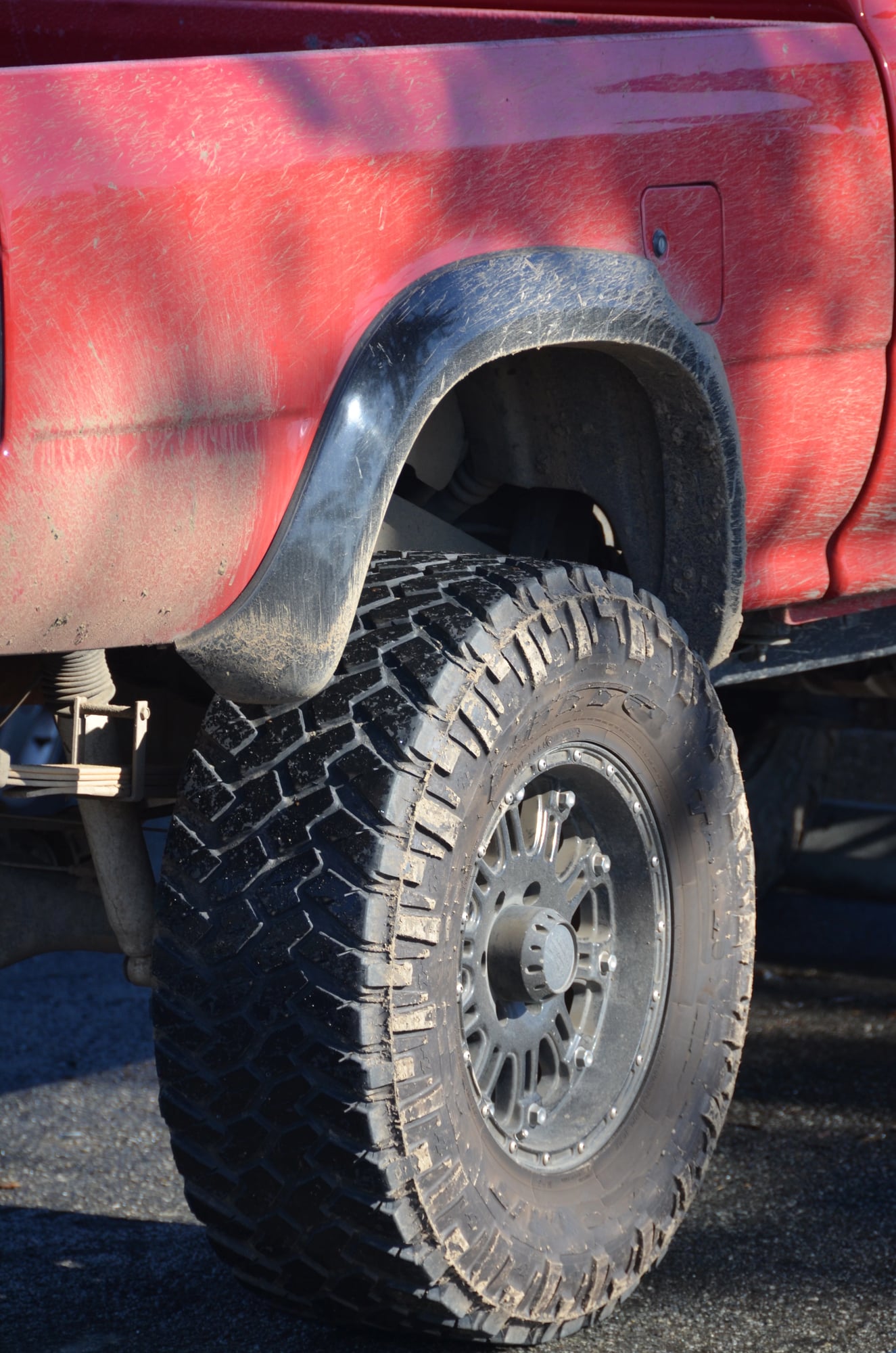
Four-wheel drive engagement required getting out and manually locking the front hubs by hand. This wasn’t convenience; this was mechanical certainty that your drivetrain was properly engaged when conditions got rough.
Drivers developed the habit of checking their hubs before heading into questionable terrain, and the physical connection gave them confidence in their truck’s capability.
Vinyl Bench Seats

Cloth upholstery was for cars — trucks got practical vinyl seating that could be hosed clean after a day of hauling livestock or construction materials. The wide bench seats accommodated three adults across without individual bucket seats getting in the way.
Vinyl also stayed cooler in summer heat and didn’t absorb odors like fabric would.
Floor-Mounted High Beam Switch
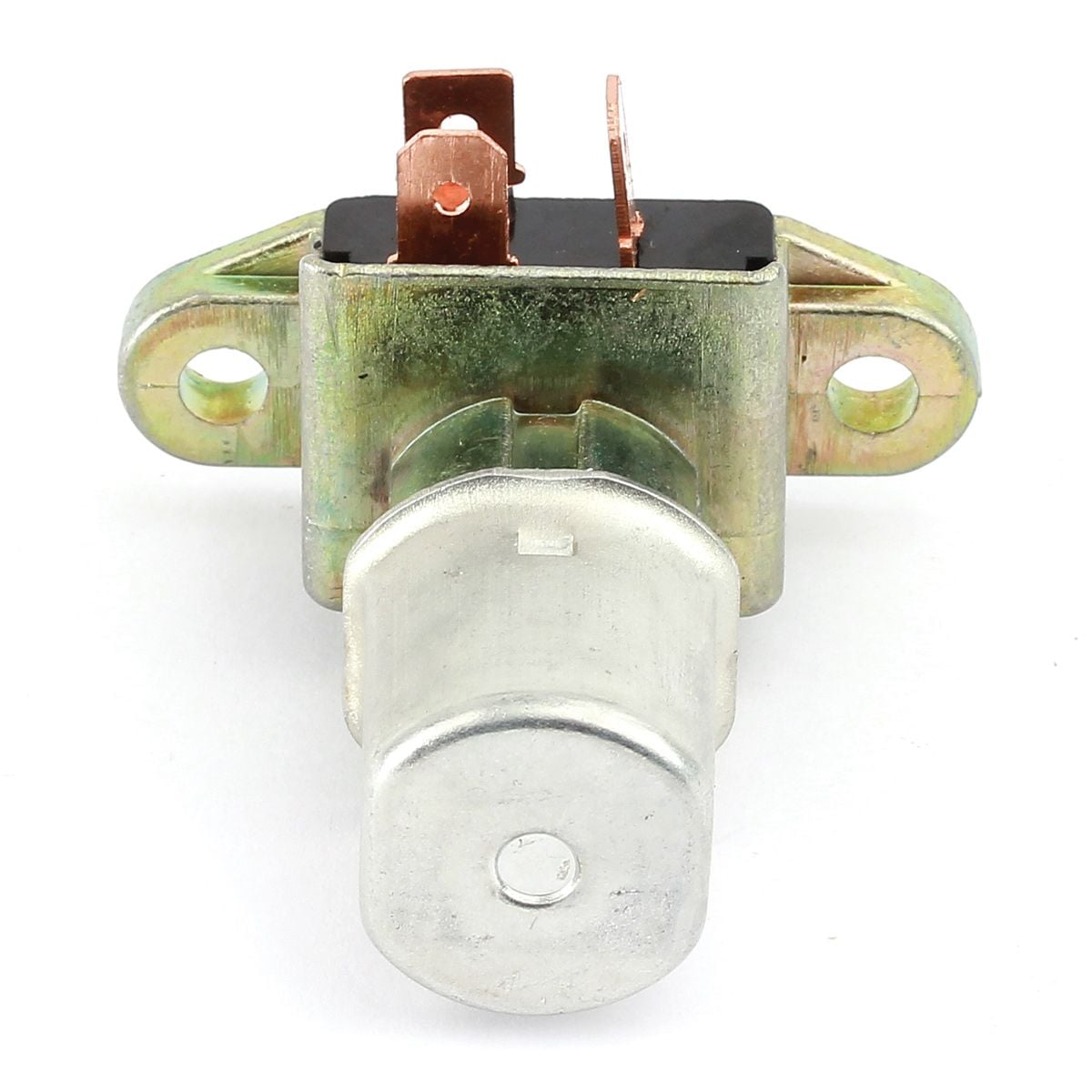
The headlight dimmer switch lived on the floor next to the clutch pedal, where your left foot could easily toggle between high and low beams. This placement kept your hands on the steering wheel during night driving instead of fumbling around the dashboard.
Experienced drivers could work the dimmer switch reflexively without even thinking about it.
Like Go2Tutors’s content? Follow us on MSN.
Vent Windows

Quarter glass panels that cranked open provided natural air conditioning before climate control became standard. These small triangular windows directed fresh air directly at the driver’s face while driving.
Hot summer days became tolerable with vent windows channeling cool airflow, and they worked whether the truck was moving or idling.
Simple Electrical Systems

Twelve-volt electrical systems were straightforward enough that most owners could troubleshoot problems themselves. Wire harnesses were accessible, fuses were clearly marked, and electrical components failed predictably rather than mysteriously.
A basic multimeter and some electrical tape could solve most problems without requiring a computer science degree.
Heavy-Duty Leaf Springs
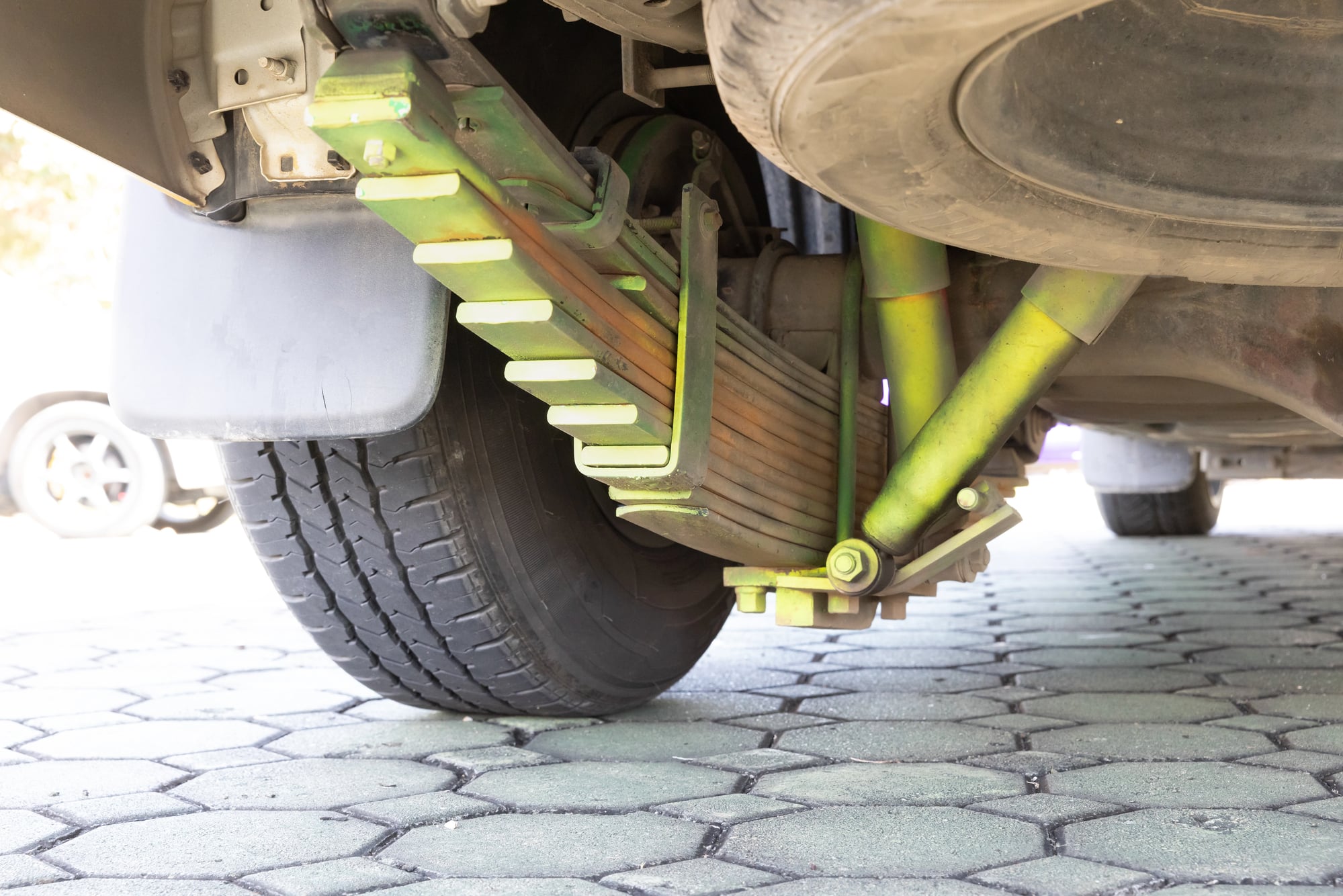
Rear suspension consisted of multiple steel leaves stacked and clamped together for maximum load capacity. These springs were designed to carry serious weight without sagging or bottoming out.
Empty trucks rode rough, but once loaded with cargo, the suspension settled into a comfortable working stance that could handle whatever you threw in the bed.
Like Go2Tutors’s content? Follow us on MSN.
External Spare Tire

The spare tire mounted underneath the truck bed or on a rear bumper carrier where it was easily accessible. No wrestling with cargo to reach a spare hidden under floor panels — just crawl under and unbolt it when needed.
The external mounting also kept valuable cargo space free for actual hauling instead of tire storage.
Solid Steel Construction

Bodies were built from heavy gauge steel that could take abuse without falling apart. Door frames were substantial enough to support the truck’s weight if you needed to jack it up using the door sill.
Panel gaps were wide enough to accommodate thermal expansion and construction tolerances without precision engineering. These trucks were built like bridges.
Manual Everything

Windows, locks, mirrors, and seats operated without electrical assistance or computer control. Hand cranks for windows meant they’d work even with a dead battery.
Manual door locks never failed electronically because there weren’t any electronics involved. Seat adjustment was mechanical and stayed put once positioned.
Like Go2Tutors’s content? Follow us on MSN.
Exposed Frame Rails

The truck’s frame was visible and accessible for inspection, modification, or repair work. Frame-mounted accessories could be bolted directly to the chassis without complicated mounting systems.
This visibility also made it easy to spot potential problems before they became catastrophic failures during important hauling jobs.
Basic Gauge Clusters

Instrument panels displayed essential information without unnecessary complexity — oil pressure, water temperature, fuel level, and speedometer covered everything drivers needed to know. Warning lights were minimal because mechanical gauges provided actual data instead of just alerts.
These displays were readable at a glance and worked reliably for decades.
Single-Stage Paint
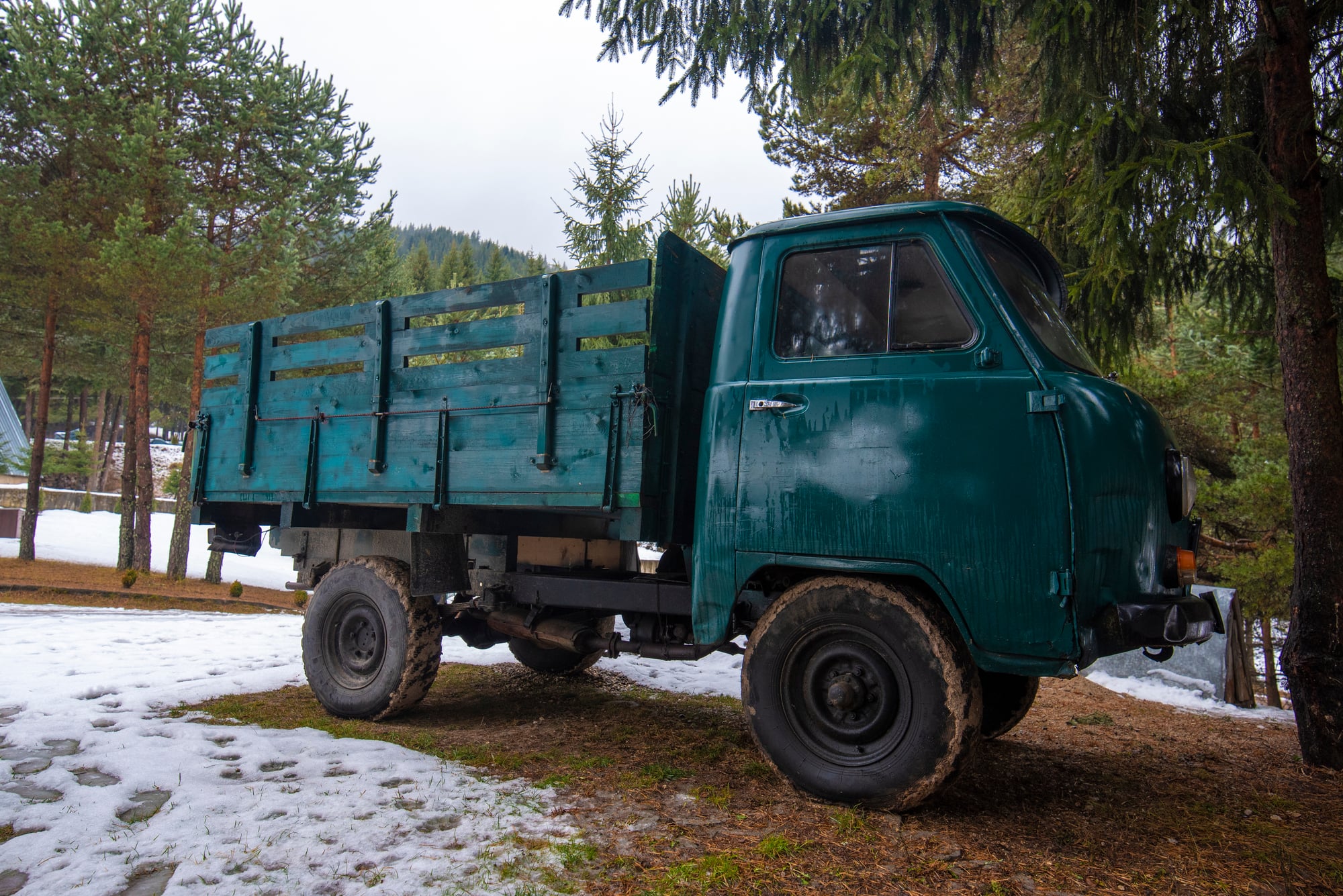
Factory paint jobs were simple single-coat applications that looked good enough and could be touched up easily with spray cans from the parts store. No clear coat complications or multi-stage color matching required for minor repairs.
The paint wasn’t fancy, but it protected the metal underneath and could be maintained by anyone with basic automotive knowledge.
When Simple Meant Stronger
Modern trucks offer incredible comfort and capability, but they’ve lost that fundamental simplicity that made 70s pickups so dependable. Those old trucks were mechanical devices that owners would understand, maintain, and repair themselves without special tools or computer diagnostics.
The features that defined toughness then were about durability and accessibility rather than convenience and complexity — values that seem almost quaint in today’s high-tech automotive world.
More from Go2Tutors!

- 18 Unexpectedly Valuable Collectibles You Might Have Lying Around
- 20 Little-Known Historical Battles That Had Huge Consequences
- 20 Historical Artifacts That Scientists Can’t Explain
- 15 Inventions That Were Immediately Banned After Being Created
- 20 Actors Who Were Almost Cast in Iconic Roles
Like Go2Tutors’s content? Follow us on MSN.



