How Specific Old TV Guides From Landmark Broadcast Nights Became Genuine Collectibles
There’s a particular kind of person who never throws anything away, and somewhere in that person’s house is a stack of old TV Guides going soft at the corners. For decades, the magazine sat by the phone or under the remote, useful for exactly one week and then forgotten.
Except it turns out some of those forgettable little issues were quietly recording history as it happened, and now collectors pay real money to own the paper version of a night that changed something. What follows is a look at how a handful of those specific issues stopped being clutter and started being artifacts.
The First TV Guide Cover
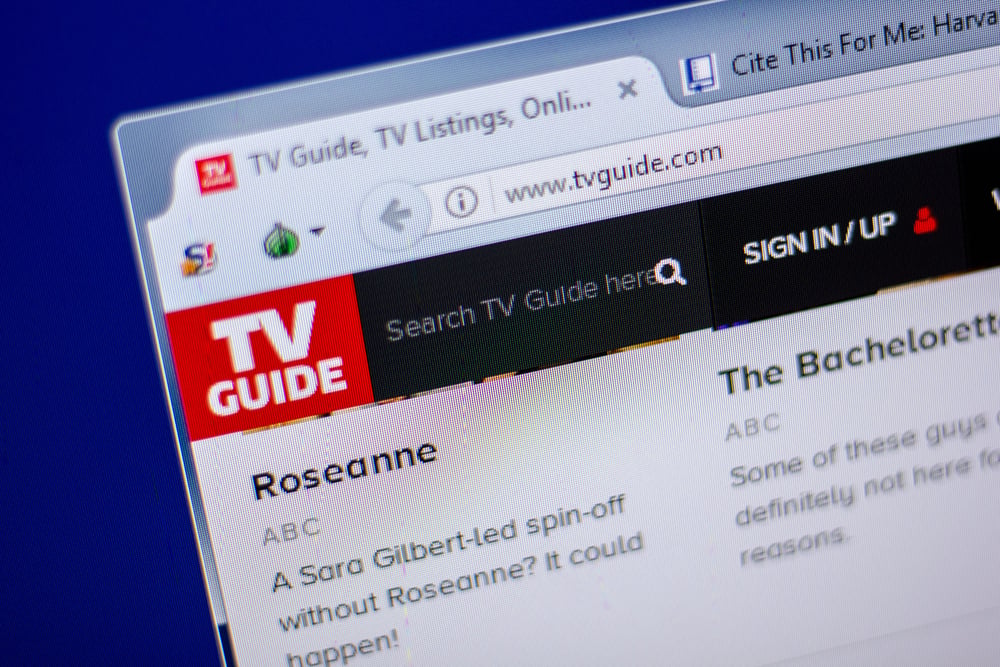
April 1953 marked the first national issue of TV Guide. The cover showed Lucille and her newborn son, under the headline “Lucy’s $50,000,000 Baby.”
Copies from that print run are the most sought-after in the entire hobby. Everything else in this business gets measured against it.
The Beatles on Ed Sullivan
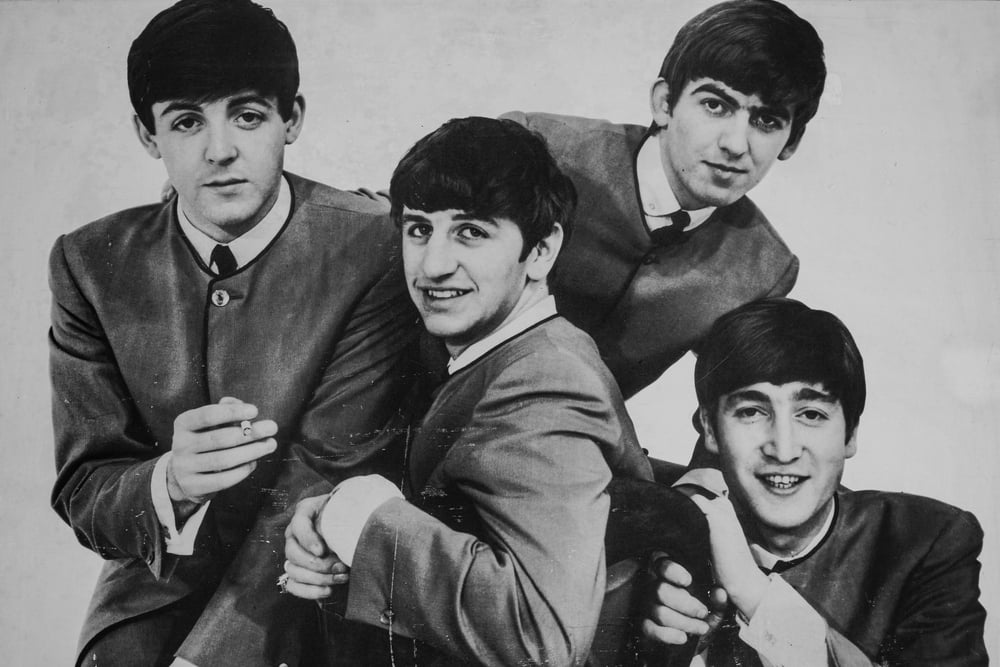
The week the Beatles first appeared on The Ed Sullivan Show, February 1964, TV Guide ran previews that barely hinted at what was coming — nobody at the magazine seemed to grasp that 73 million people would tune in that Sunday night, a number still repeated like scripture. So collectors chase that issue hard.
And the copies that survive in decent shape, spine intact, pages not yellowed past readability, disappear from listings fast: dealers know exactly what they have. Four teenagers changed a country, and a magazine caught the moment sideways.
The Apollo 11 Moon Landing
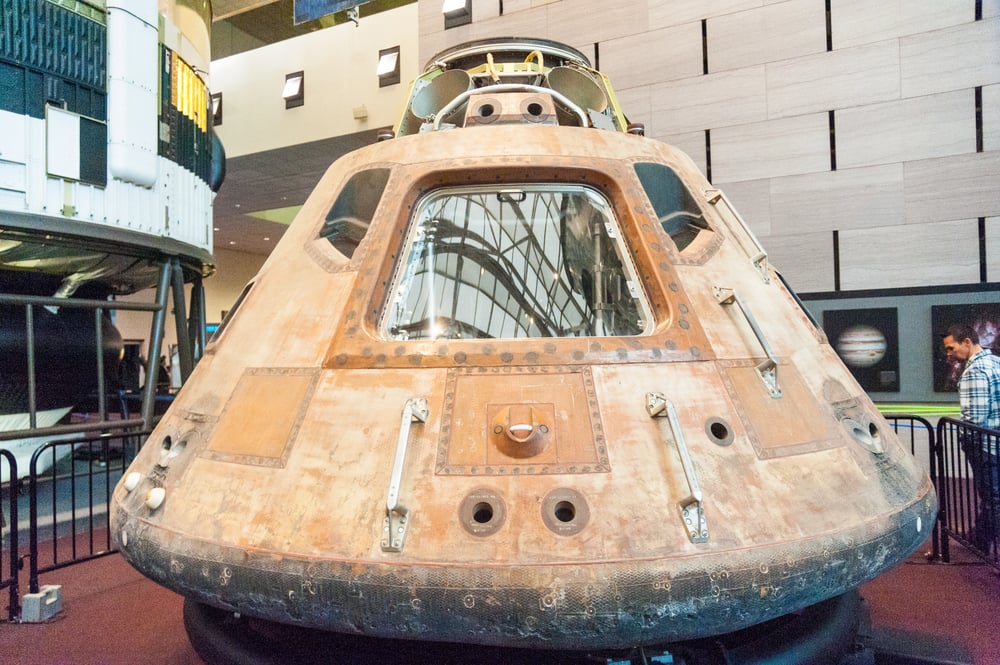
There’s something almost lunar itself about the TV Guide issue from July 1969 — pages gone the color of old bone, ink faded to a whisper, the kind of object that seems to have absorbed forty years of attic air. Inside, the listings treat the moon landing with the same flat grid formatting as a rerun of Gunsmoke, which is its own strange comedy: history arriving in eight-point type.
Collectors don’t chase this issue for glamour. They chase it because it captured the biggest thing humans ever did, filed quietly between soap opera synopses and a detergent ad.
Woodstock Television Specials

Television barely covered Woodstock in real time, which makes the surviving TV Guide listings from August 1969 almost comically useless as history. Networks stuck to regular programming that weekend, so the guide reads like nothing unusual happened at all, a half million people camped in a New York field and the schedule still had reruns and game shows sitting right next to it.
That mismatch is exactly why collectors want it: proof that the biggest cultural gathering of the decade barely registered on the medium meant to document everything. Turns out television missed its own moment, which is saying something.
Super Bowl I

The first Super Bowl aired in January 1967 on two networks at once, CBS and NBC both broadcasting the same game because nobody had figured out yet what this thing was going to become — tickets that day went for around twelve dollars, and the stadium wasn’t even sold out. So the TV Guide listing from that week is a strange little time capsule: a football game treated like any other Sunday afternoon, squeezed between golf and a movie rerun.
And that’s exactly the appeal for collectors now, the fact that nobody involved seemed to sense they were watching the birth of the biggest annual broadcast in the country. It reads like an afterthought, which is the whole joke of it.
Roots Miniseries

Roots aired across eight consecutive nights in January 1977, and the TV Guide listings from that week read almost like a heartbeat, the same title returning night after night until it became less a show and more a shared appointment. There’s a quiet weight to that repetition on the page, seven days of the same name printed in the same slot, a rhythm that mirrored the way entire households rearranged their evenings around it.
Collectors treat the full week’s run, not a single issue, as the real object worth having. A story about inheritance became one itself, passed hand to hand in stacks of old paper.
Who Shot J.R.

Dallas turned a single gunshot into the biggest television mystery America had seen, and the November 1980 episode revealing the shooter pulled in an audience of roughly 90 million people. That is a genuinely absurd number for a nighttime soap opera, and it deserves to be said plainly.
The TV Guide issue previewing that broadcast sells for real money now, not because the writing was brilliant, it wasn’t, but because the entire country briefly agreed to care about the same fictional cattle rancher at the same time. Networks have been chasing that kind of unity ever since, mostly without luck.
The MAS*H Finale
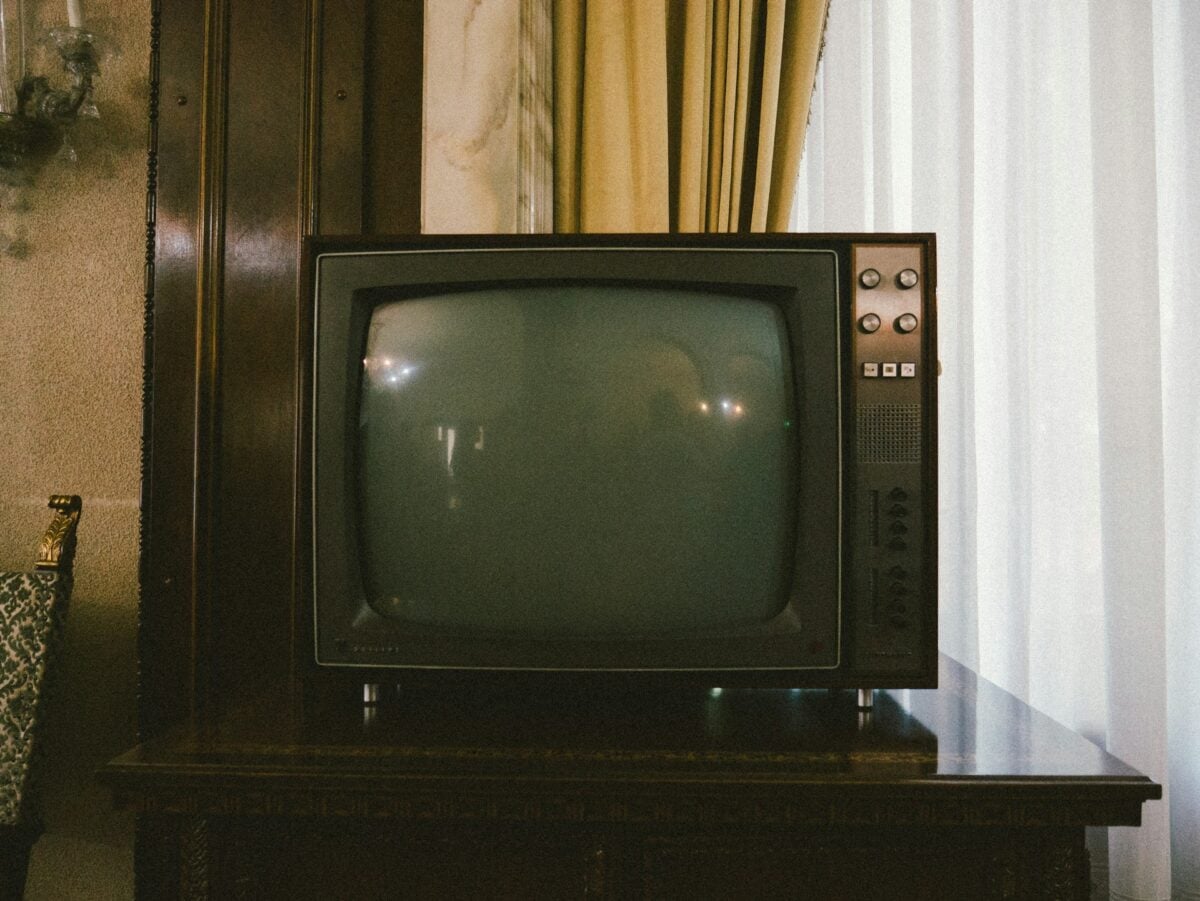
February 1983. The MAS*H finale drew over 100 million viewers, still one of the most-watched broadcasts in American television history. TV Guide’s issue covering that night sold out fast at the time and stays in demand now.
Eleven seasons ended in two and a half hours, and the country apparently couldn’t look away.
The Challenger Disaster
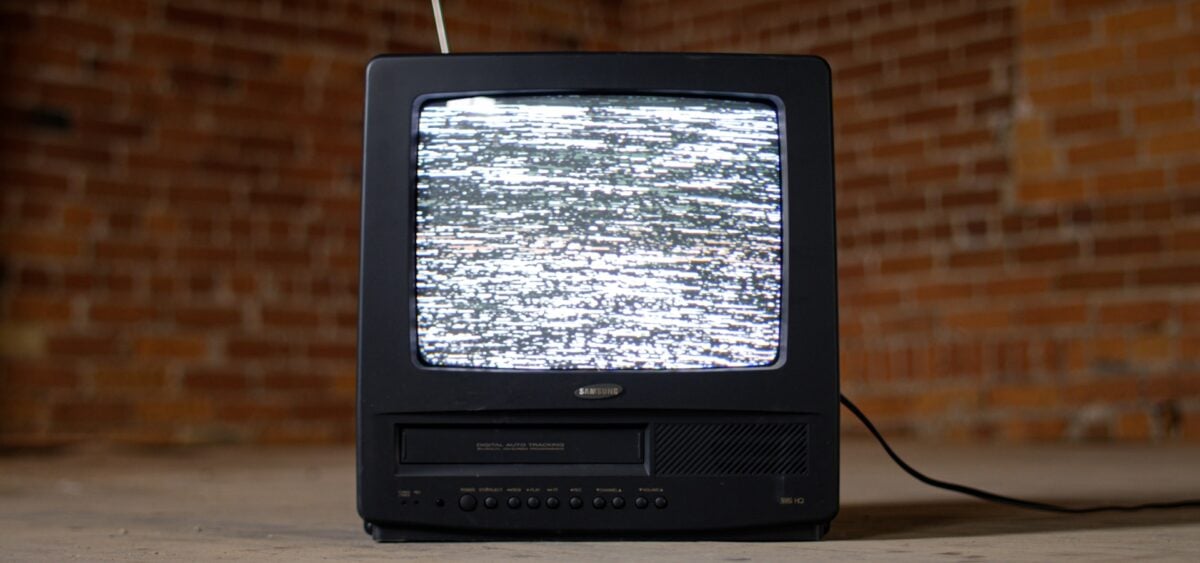
January 28, 1986 wasn’t a broadcast anyone planned for, which is part of why the TV Guide listings from that week feel so oddly haunting now — regular programming sits printed in the grid exactly as scheduled, morning shows and soap operas, none of it aware that a launch broadcast would interrupt everything within minutes. So the issue itself becomes evidence of a version of that day that never actually happened, the one where nothing went wrong.
And collectors who hold onto it aren’t chasing nostalgia in the usual sense: this is closer to holding a schedule from a version of the world we didn’t get. It’s an uncomfortable object, honestly, more than a charming one.
Live Aid

Live Aid stretched across sixteen hours in July 1985, two stadiums and one shared broadcast stitched together across an ocean, and the TV Guide listing for that day looks less like a schedule and more like a map of goodwill trying to hold its shape. Musicians moved through the hours the way weather moves through a season, one act giving way to the next without much ceremony, the whole thing somehow both massive and intimate at once.
The printed listing can’t capture the sound of it, obviously, but it captures the shape: the sheer improbability of getting that many performers and that many viewers into the same stretch of hours. Collectors keep it for what it represents rather than what it says.
The Cosby Show Debut
— Photo by s_bukley
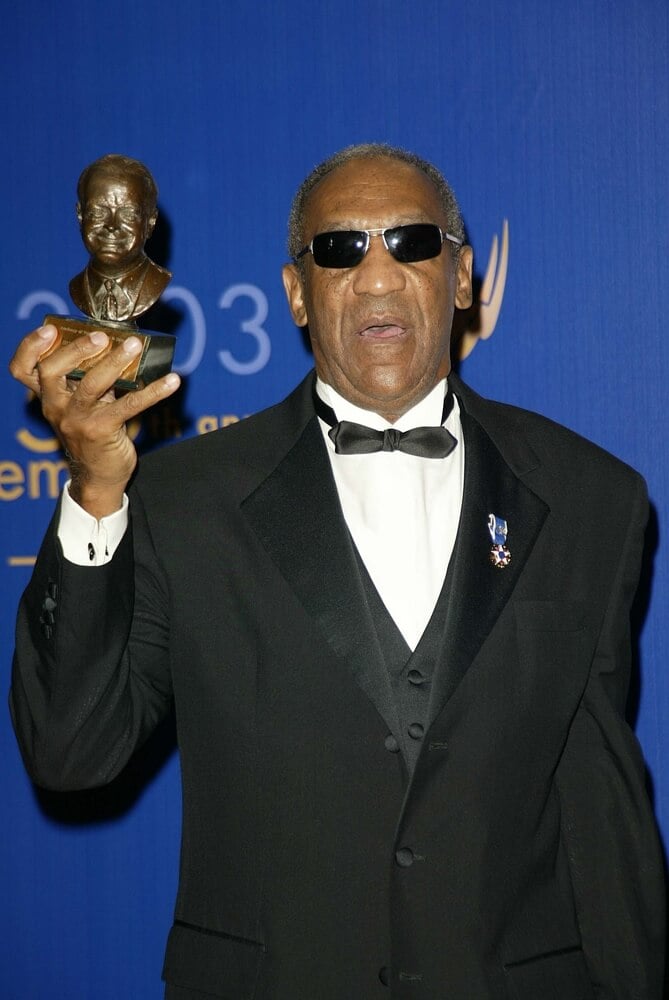
The Cosby Show premiered in September 1984 and became the most-watched program on American television within its first full season, a fact that gets complicated now by everything known about Bill Cosby since. That complication is exactly why the collectible market around it is smaller and quieter than you’d expect given the ratings.
TV Guide issues from that debut season still circulate, but dealers tend to talk about them carefully, if at all. History doesn’t stop being history just because it gets uncomfortable, though plenty of sellers wish it would.
Twin Peaks and Laura Palmer
— Photo by s_bukley
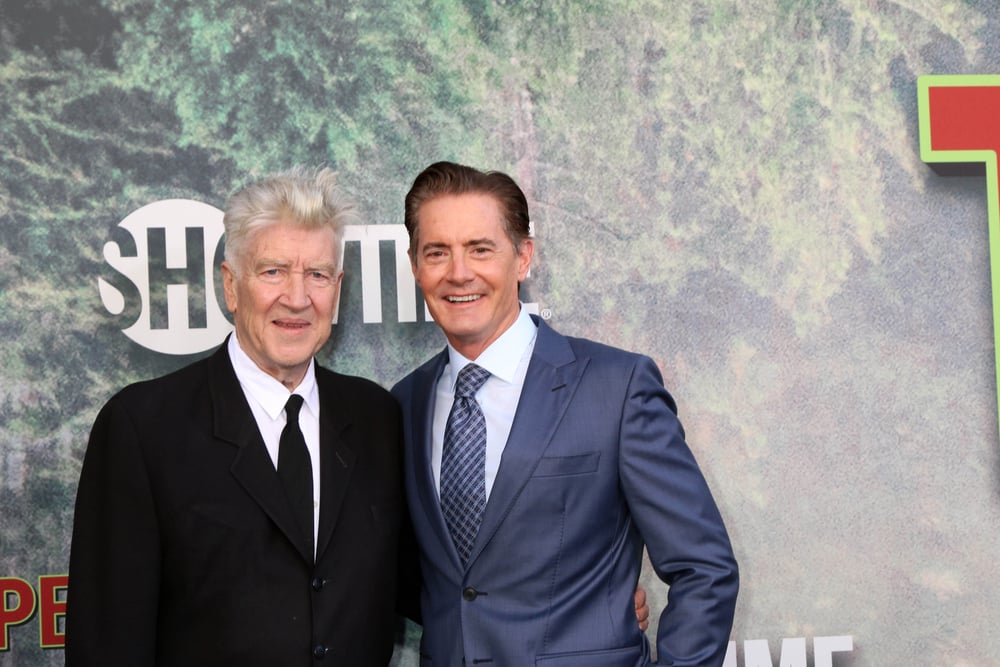
November 1990. Twin Peaks revealed who killed Laura Palmer after a season and a half of theories. The TV Guide preview for that episode became an instant keepsake for fans who’d spent over a year arguing about it.
Not every mystery earns its hype, but this one mostly did.
The Seinfeld Finale
— Photo by Jean_Nelson
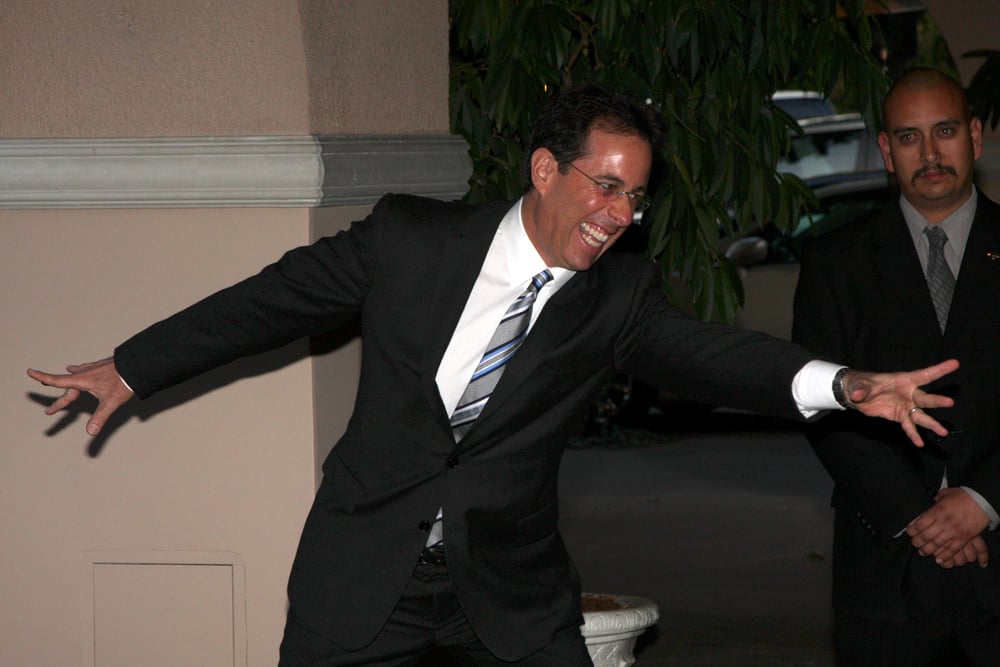
The Seinfeld finale aired in May 1998 to roughly 76 million viewers, and the TV Guide issue built around it sits in collections now like a period at the end of a very long sentence. Nine seasons about nothing, as the joke always went, ended with characters going nowhere in particular, which somehow felt exactly right.
The magazine’s coverage that week treated the ending with more reverence than the show itself ever allowed for its own characters, an irony that still lands. Collectors keep it less for the ending and more for the decade that led there.
The Friends Finale
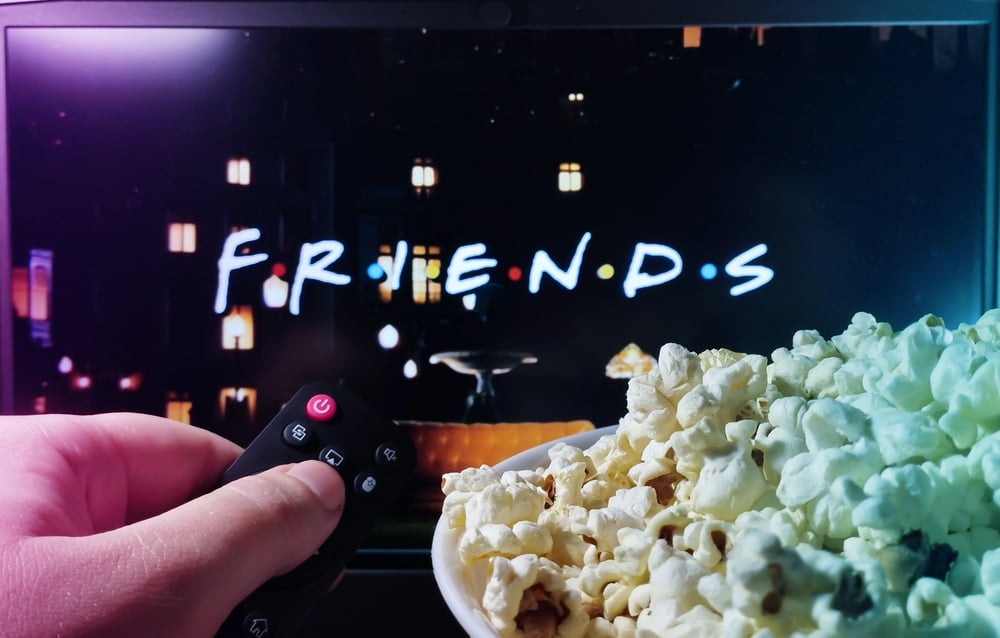
The Friends finale in May 2004 pulled in over 52 million viewers, a number no network sitcom has come close to since. That alone makes the TV Guide coverage worth owning, but the timing helps too: it landed right at the edge of the DVR era, one of the last times a huge chunk of the country watched something at the exact same moment on purpose.
Physical TV listings were already fading in relevance by then, which makes surviving copies from that specific week rarer than people assume. Ten years of a show about six friends in impossibly large apartments, and the paper record of its ending still holds value.
The Berlin Wall Coverage

November 1989. Regular network programming ran that week even as the Berlin Wall came down live on air.
TV Guide listings show the ordinary grid, sitcoms and news breaks slotted in as usual. History rarely waits for the schedule to catch up, and that week it didn’t.
Miracle on Ice
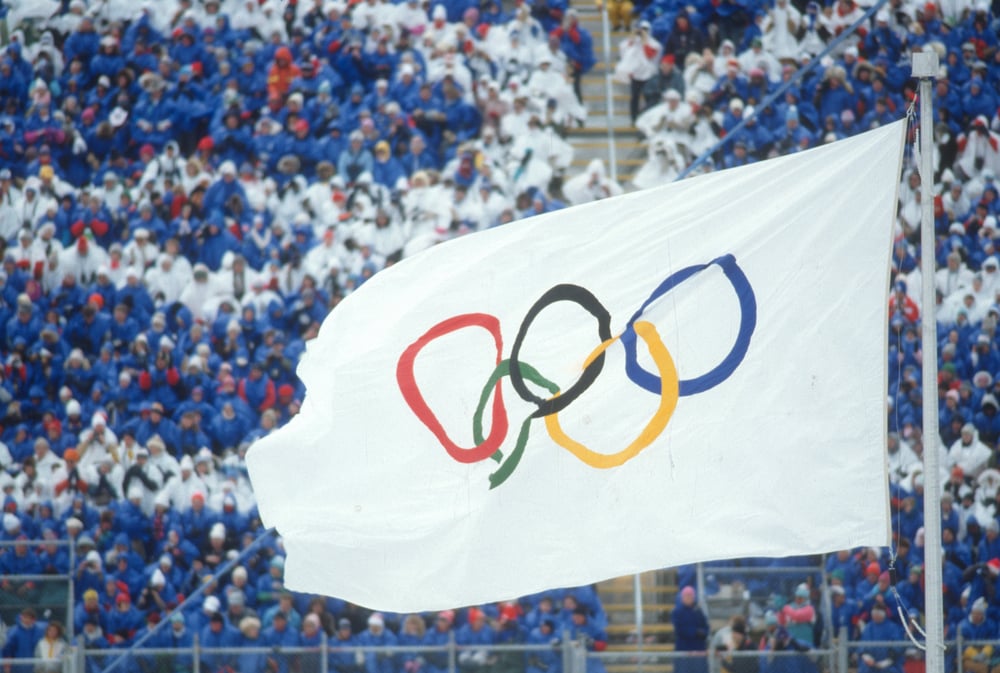
The 1980 Winter Olympics hockey game between the United States and the Soviet Union aired on tape delay, not live, which still surprises people who assume they watched history happen in real time — ABC held the broadcast for prime time, and millions sat down that evening already sensing something big without quite knowing the outcome. So the TV Guide listing from February 1980 lists it plainly as an evening sports broadcast, no hint of what was coming.
And that plainness is the appeal now: a piece of paper that had no idea it was advertising one of the most famous upsets in American sports history. Nobody printing that schedule knew what they had.
Elvis ’68 Comeback Special

Elvis returned to television in December 1968 dressed in leather, sweating under studio lights, reintroducing himself to an audience that had mostly filled him with nostalgia already. The TV Guide preview for that special reads almost like a dare, a performer betting his whole career on one hour of broadcast.
What survives from that week isn’t just paper, it’s the record of a comeback that actually worked, which is rarer in this business than anyone likes to admit. Collectors treat it the way people treat old concert posters: proof that something happened before it became legend.
The Cheers Finale

Cheers ended its eleven-season run in May 1993 with a finale watched by roughly 93 million people, and Boston reportedly threw itself a party over it, which tells you something about how personal that bar felt to viewers. The TV Guide coverage from that week holds up as a collectible because the show earned its ending instead of just running out the clock.
Plenty of long-running sitcoms fumble the landing. Cheers didn’t, and the paper record of that night still reflects it.
What the Paper Remembers
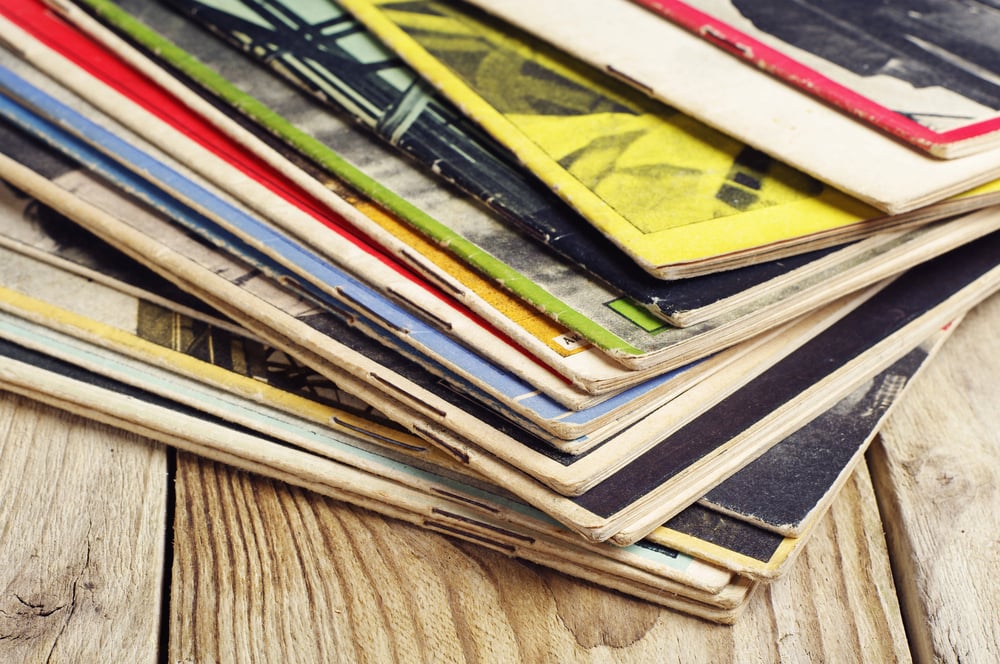
None of these magazines were built to last. They were meant to sit on a coffee table for seven days and then get tossed out with the newspapers, which makes it a little strange that any of them survived at all.
But the ones that did carry something a screen recording never quite manages, a small physical proof that an ordinary Tuesday or a rainy November night mattered enough for someone to keep the schedule. Whatever gets watched tonight will forget itself by morning.
These didn’t, and that’s the whole reason they’re worth anything now.
More from Go2Tutors!

- The Romanov Crown Jewels and Their Tragic Fate
- 13 Historical Mysteries That Science Still Can’t Solve
- Famous Hoaxes That Fooled the World for Years
- 15 Child Stars with Tragic Adult Lives
- 16 Famous Jewelry Pieces in History
Like Go2Tutors’s content? Follow us on MSN.