25 Afternoon TV Shows That Kept Kids Glued to the Couch Until Dinner
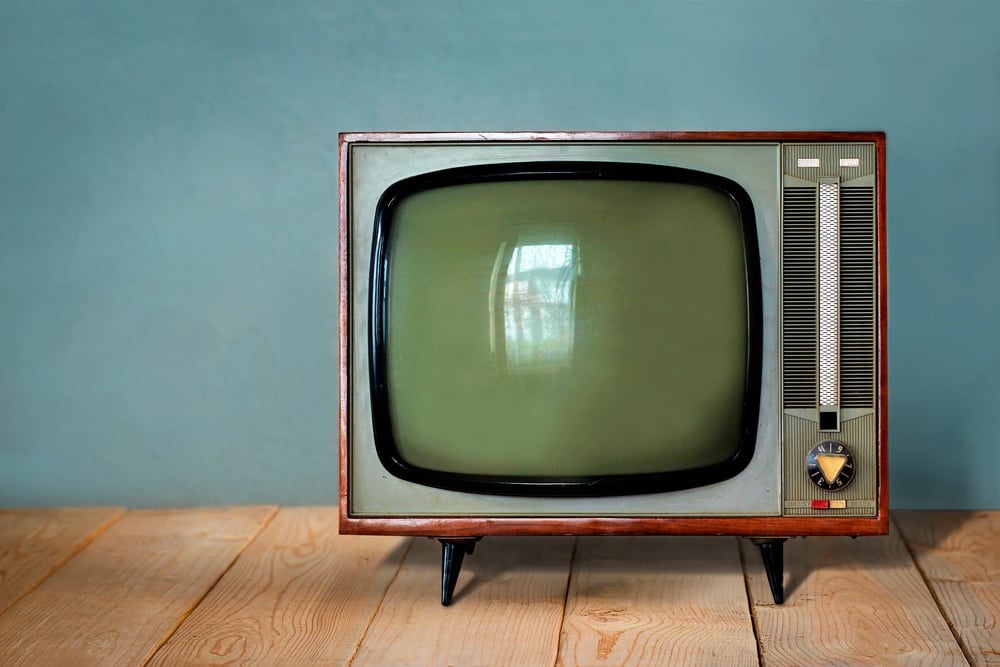
There was a routine to it, back before streaming turned every show into an anytime decision. Backpack hits the floor, shoes come off somewhere between the door and the couch, and the television gets clicked on before the coat’s even off.
Whatever came on between three and six o’clock wasn’t background noise, it was the main event, and getting called to dinner during the good part felt like a genuine injustice. These are the shows that made that half-hour or hour feel non-negotiable.
DuckTales
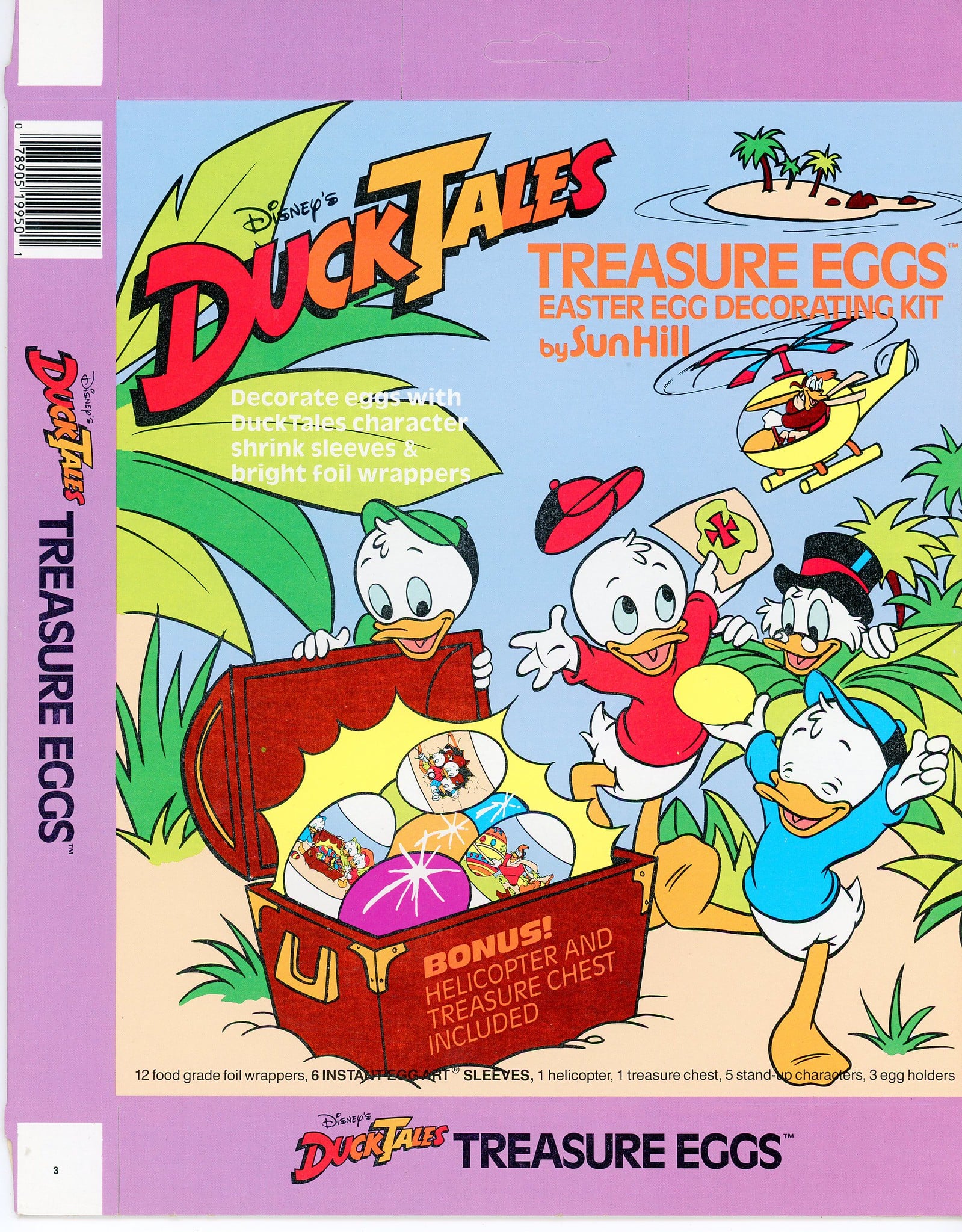
DuckTales aired in the afternoon block and it worked because it wasn’t dumbed down. Scrooge McDuck chased treasure across the globe with three nephews in tow.
No lesson at the end, no forced moral. Just gold, traps, and a theme song nobody has forgotten.
Rugrats

Rugrats worked on a trick most shows never bothered attempting: it let babies narrate the world the way babies actually seem to see it, full of monsters under the crib and grand adventures in the backyard sandbox. The adults were background noise — tall, confusing, occasionally competent — and that inversion is exactly why kids sat closer to the screen than they needed to.
Tommy Pickles led with a screwdriver in his diaper and somehow that made sense. And the show never once talked down to the kid holding the remote.
Arthur
Arthur felt less like a cartoon and more like a mirror with slightly better lighting. An aardvark with glasses and a stubborn little sister carried more emotional honesty than shows twice its budget, handling divorce and dyslexia and playground cruelty without flinching or softening the edges.
Nothing about it announced its own importance. It just sat there, patient as a library book, waiting for a kid to notice what it was actually saying.
Animaniacs
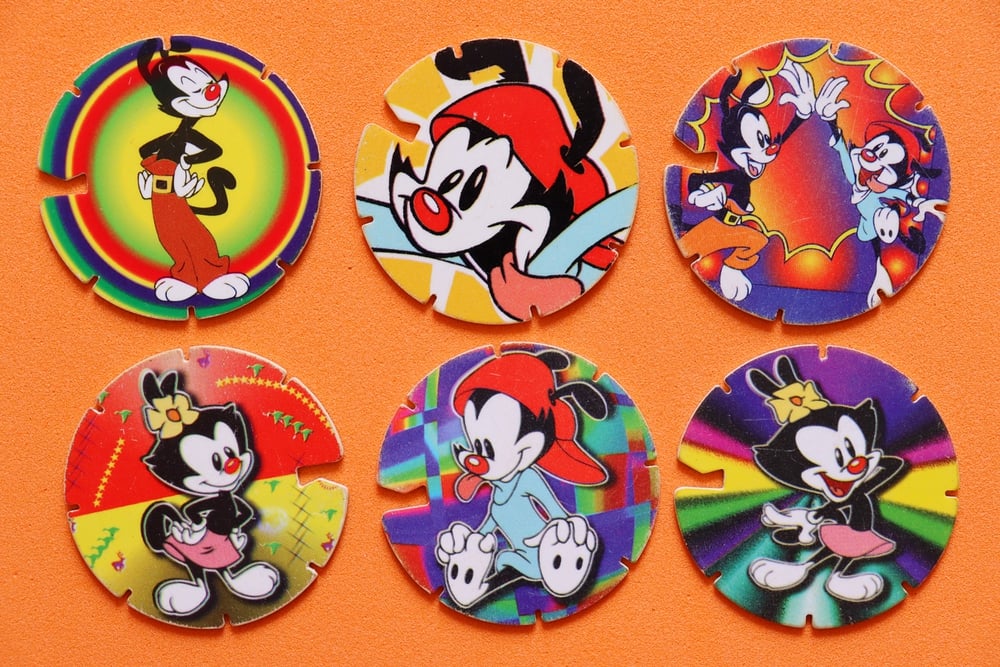
Animaniacs is the sharpest thing that ever aired in an afternoon slot meant for children. It smuggled in vaudeville jokes, historical trivia, and jabs at network executives while kids laughed at the Warner siblings dropping an anvil for the hundredth time.
Parents watched too, which is saying something for a show with a theme song that rhymes “Ottoman Empire” with nothing at all. To be fair, most cartoons don’t even try that hard.
Recess
Recess captured playground politics with more accuracy than most sitcoms manage with adults. Four square, kickball, the unofficial hierarchy of a schoolyard.
TJ Detweiler and his crew treated recess like sacred territory. Kids recognized every bit of it because most of it was true.
Doug
Doug Funnie narrated his own middle school anxieties out loud in a way that felt startlingly close to how an actual eleven-year-old thinks — half confidence, half dread, with a superhero alter ego named Quailman who was really just a kid in a towel cape working up the nerve to talk to Patti Mayonnaise. The show ran quieter than its neighbors, less flash, fewer jokes per minute.
And that restraint is exactly why it aged the way it did. Nobody remembers Doug for spectacle, they remember it for how accurately small it felt.
Hey Arnold!
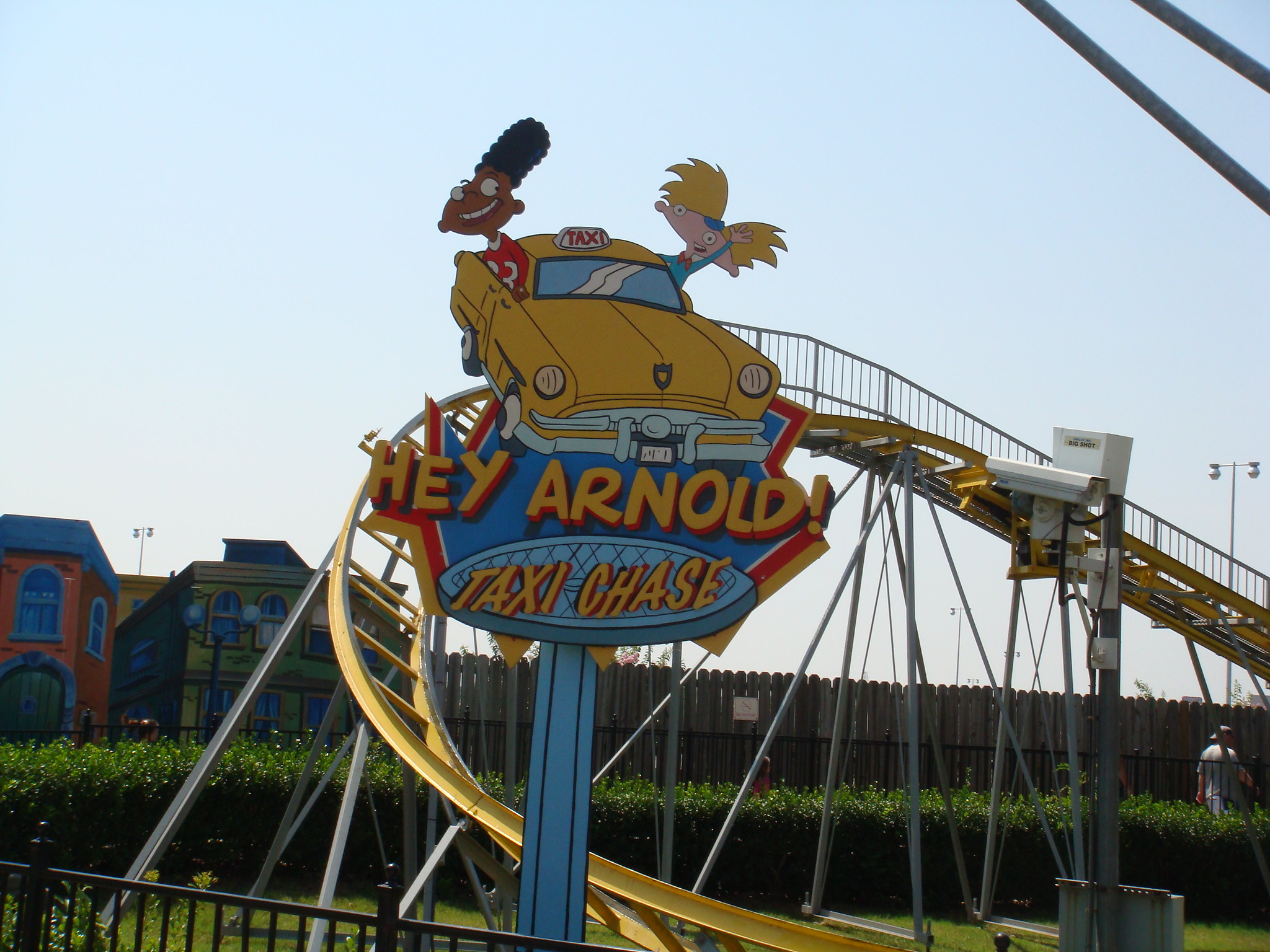
Hey Arnold! treated its city block the way old photographs treat a neighborhood: with more detail than the story technically needed, rooftops and stoops and a boarding house full of strangers who somehow became family. Arnold moved through it like a kid quietly holding the whole place together, football-shaped head and all.
Helga’s fury, hidden inside furious little poems only the audience ever saw, gave the show an ache that cartoons rarely bother reaching for. The city mattered as much as anyone walking through it.
Rocko’s Modern Life
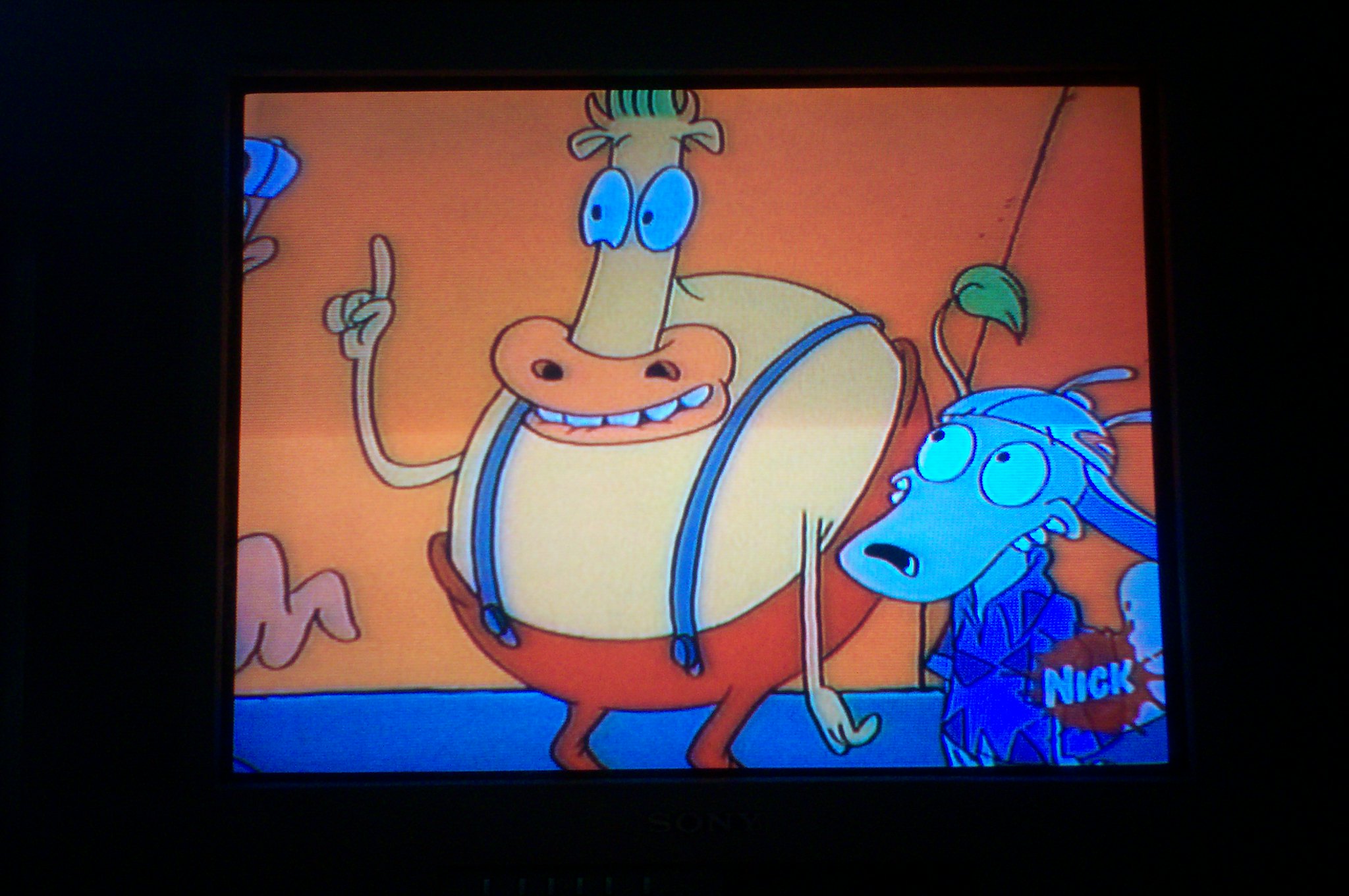
Rocko’s Modern Life is smarter than a cartoon about a wallaby with a bad job has any right to be. It handed eight-year-olds jokes about bureaucracy and bad neighbors and let the adults in the room laugh at something else entirely happening in the same scene.
That kind of double audience is rare, and this show pulled it off without ever seeming like it was trying. Slime and workplace despair, side by side, somehow working.
Tiny Toon Adventures
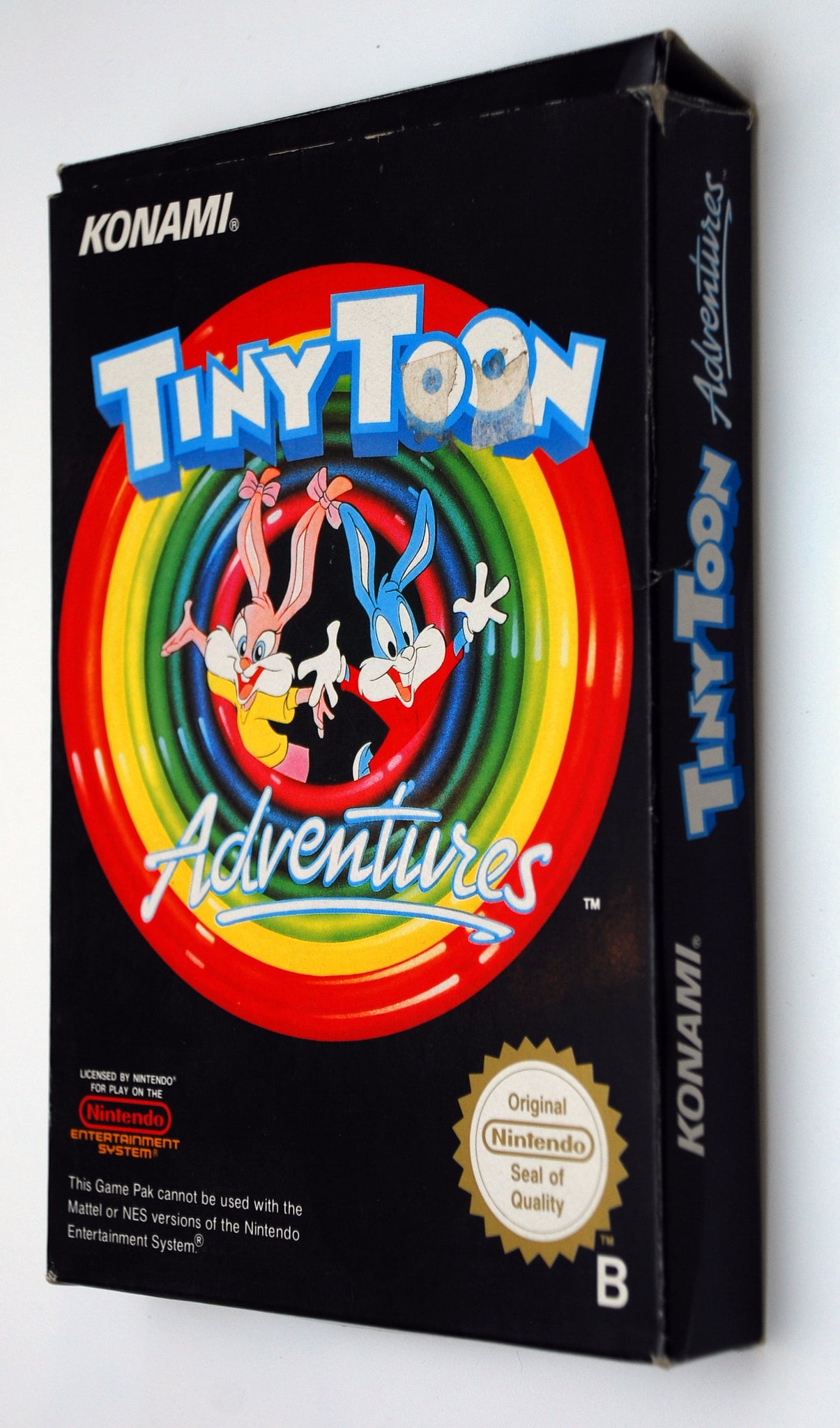
Tiny Toon Adventures trained a generation on classic animation timing. Buster and Babs weren’t knockoffs, they had their own jokes and their own rhythm.
Acme Looniversity made slapstick feel like homework, in the best way. Nobody left that show without learning what a good anvil gag looks like.
Gargoyles
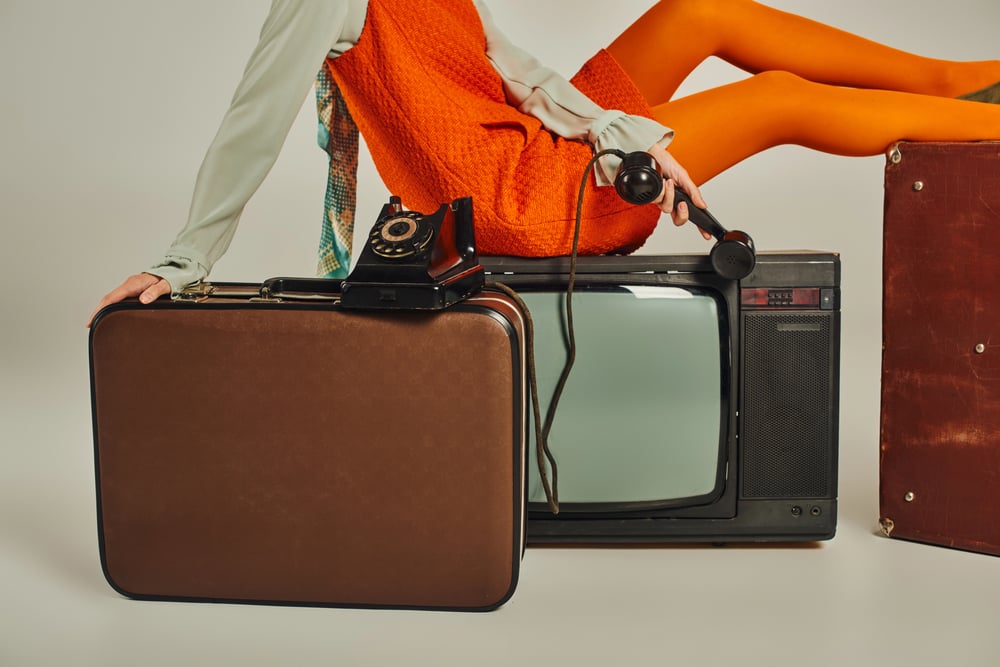
Gargoyles didn’t play it safe, and that’s the whole reason kids stayed loyal to it — stone warriors waking up centuries later in a modern city, betrayal woven through the plot, Shakespeare quotes buried inside a show airing right after school. It looked like every other action cartoon at first glance, all shadows and gothic architecture, but the writing underneath was doing something far more ambitious.
So the tone stayed darker than almost anything else on afternoon television. Kids noticed the difference immediately, even if they couldn’t explain why.
X-Men: The Animated Series
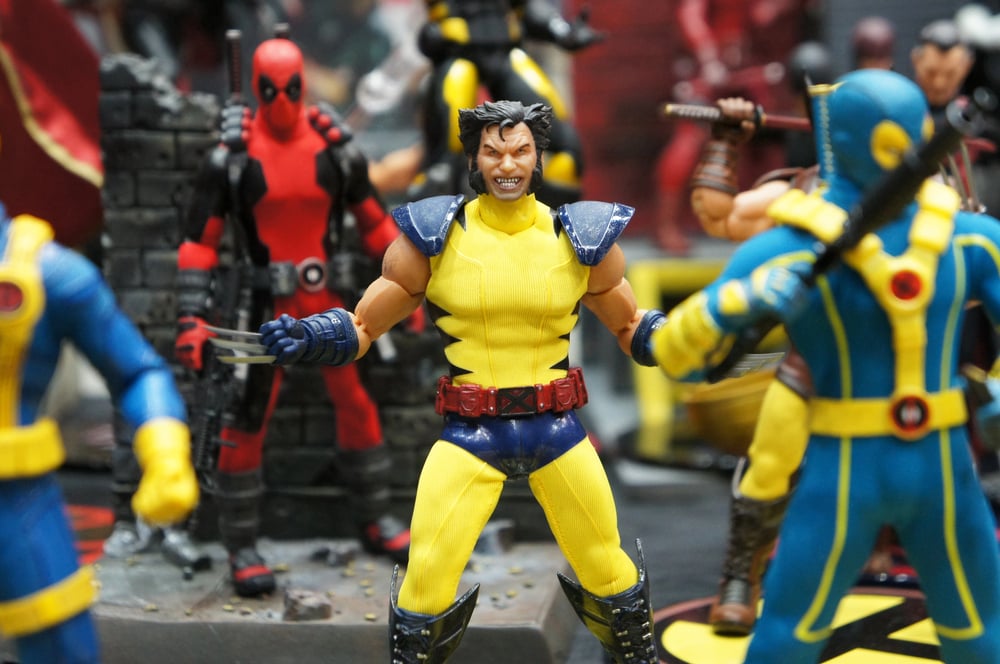
X-Men: The Animated Series wore its politics the way a coat hides its lining, visible only if you looked close enough. Professor X and Magneto argued about coexistence dressed up as a battle between capes and metal claws, and kids sensed the weight of it even without naming what they were watching.
The animation wobbled sometimes, rough at the edges. The writing never did.
Power Rangers
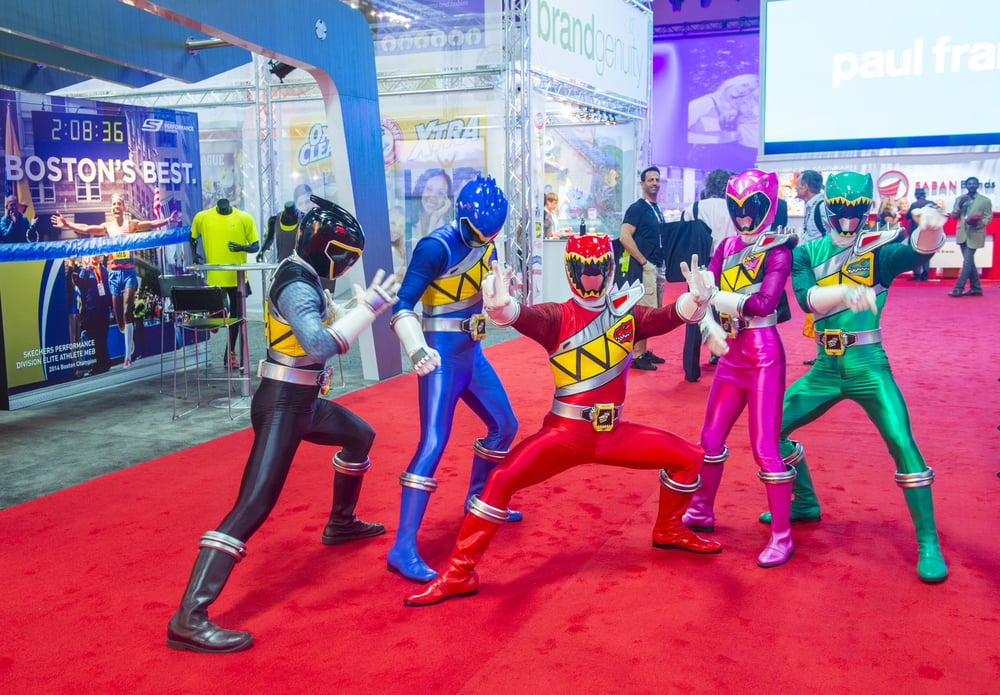
Power Rangers never needed to make sense and it knew that better than anyone criticizing it. Five teenagers, five colors, one monster growing to city size right on schedule, borrowed fight footage spliced awkwardly into new scenes.
None of it should have worked, and yet it became one of the biggest afternoon franchises of its decade. Kids weren’t watching for realism, they were watching for the exact moment things got loud.
ReBoot
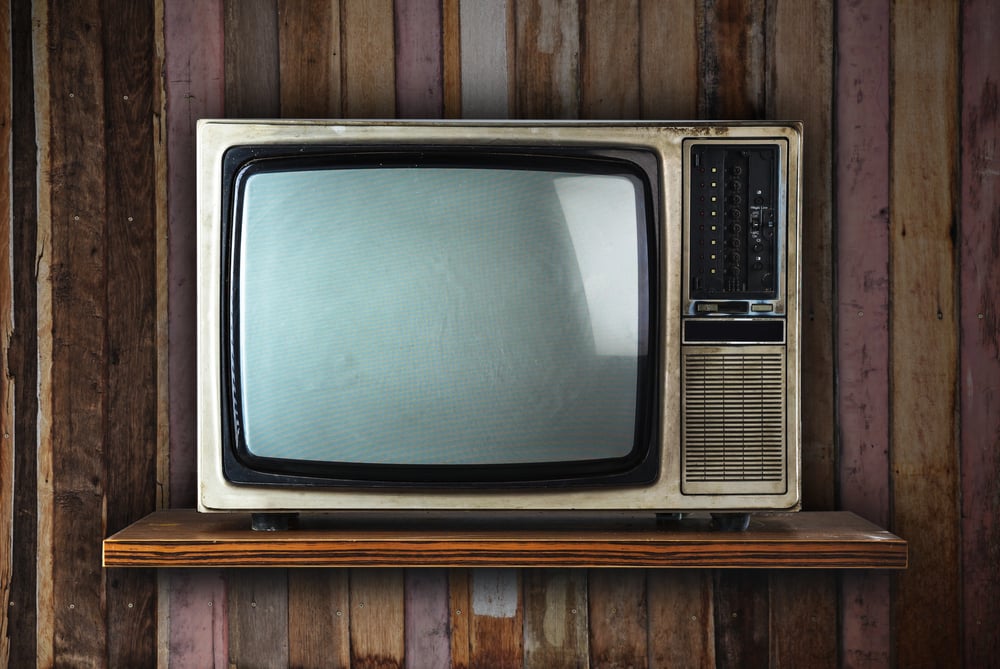
ReBoot deserves more credit than it gets. First fully computer-animated series on television, built entirely inside a video game.
Bob and Enzo fought viruses with more ambition than most live-action dramas bothered attempting. It looked strange back then, and it still looks strange now, but worth remembering anyway.
Pokémon
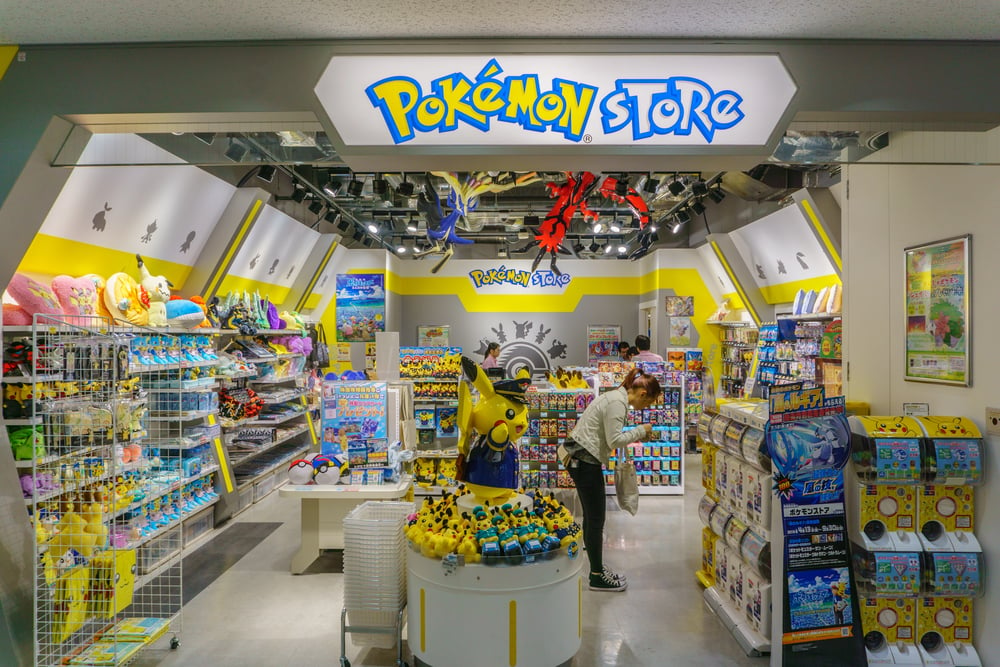
Pokémon turned a video game into something closer to a religion, and the timing could not have been better — kids were already trading cards at recess before the show even caught up to the craze it helped create. Ash Ketchum wandered from town to town with Pikachu, collecting badges, losing more battles than he won, and somehow that losing made him more likable rather than less.
Dinner got cold plenty of nights because of this show. Nobody in the house minded admitting it.
Digimon
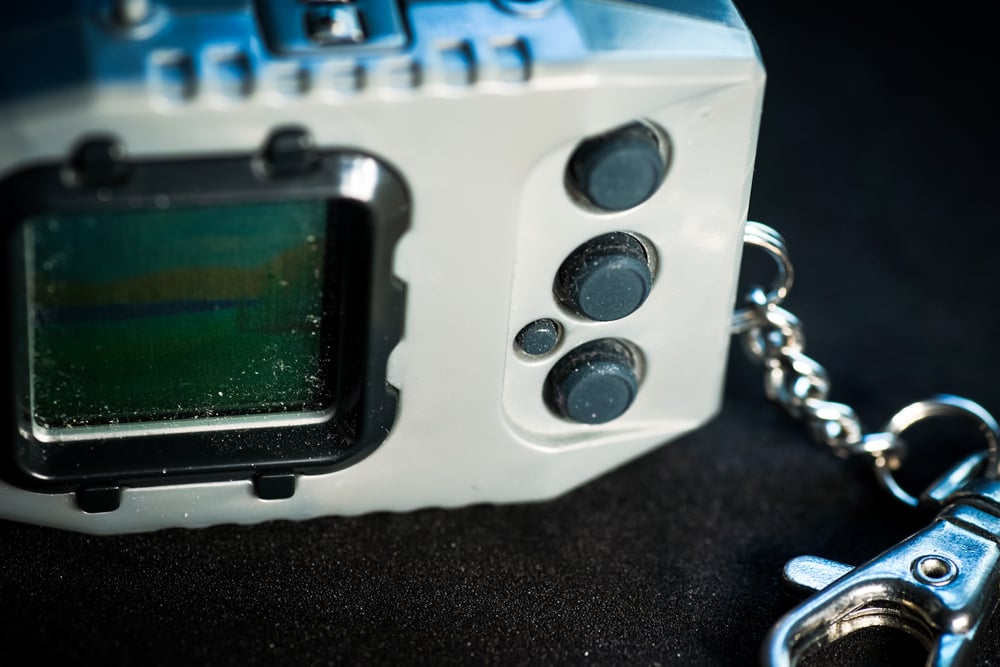
Digimon arrived as Pokémon’s more serious younger cousin, carrying actual consequences where its predecessor carried mostly cheerfulness. The DigiDestined aged faster than Ash ever did, burdened with real stakes, occasional loss, monsters that didn’t always come back.
Kids picked sides fast, and the argument over which show mattered more could burn through an entire recess. Something about that seriousness stuck with the kids who preferred it.
Kim Possible

Kim Possible got the balance right. She saved the world and still had cheer practice and homework.
Ron Stoppable and his mole rat, Rufus, rounded out a sidekick duo that never got old. The villains stayed goofy on purpose, and that restraint mattered.
Lizzie McGuire

Lizzie McGuire turned middle school embarrassment into something close to an art form, mostly through a cartoon inner voice that said out loud whatever Lizzie was actually thinking, which happened to be exactly what every kid watching was thinking too. Miranda and Gordo rounded out a friend group that felt lived-in rather than assembled for a show.
It was simple, low-stakes, occasionally cringe-inducing on purpose. And that simplicity is exactly why it worked as well as it did.
Even Stevens
Even Stevens ran on the kind of chaos that only a sibling can generate, mostly courtesy of Shia, whose schemes rarely worked and always entertained anyway. Ren played the exhausted straight man, the gravity holding down a household that otherwise would have floated off entirely.
The contrast between them did most of the comedic heavy lifting. It made ordinary family friction look like the funniest thing on television.
That’s So Raven
That’s So Raven built an entire show on being wrong, and that’s a harder trick than it sounds. Raven saw glimpses of the future and misread almost every single one, which became the engine for the plot week after week.
The fashion sense was loud enough to match the chaos. Being wrong has never looked more entertaining.
Ed, Edd n Eddy
Ed, Edd n Eddy looked like nothing else on television. Three kids running scams on a cul-de-sac for candy money, across sixty-five episodes, never repeating itself.
The animation was jagged and deliberately strange. Nobody else was doing what this show was doing.
Courage the Cowardly Dog
Courage the Cowardly Dog was too unsettling for some parents and exactly right for the kids who kept watching anyway, a pink dog defending an elderly farm couple from horrors that genuinely earned the word horror. Muriel never noticed the danger circling her kitchen, and that obliviousness became its own running joke.
Courage always noticed. And Courage always saved her, muttering the whole time about how unfair that felt.
Dexter’s Laboratory
Dexter’s Laboratory hid an entire secret world behind a bookcase, a boy genius running experiments his sister Dee Dee wandered into and wrecked with a single touch, again and again, without the joke ever wearing thin. Dexter’s clipped accent gave the show a rhythm nothing else on afternoon television bothered attempting.
The rivalry with Mandark added just enough tension to keep the science fair chaos interesting. Small, contained, precise: exactly what it needed to be.
The Powerpuff Girls
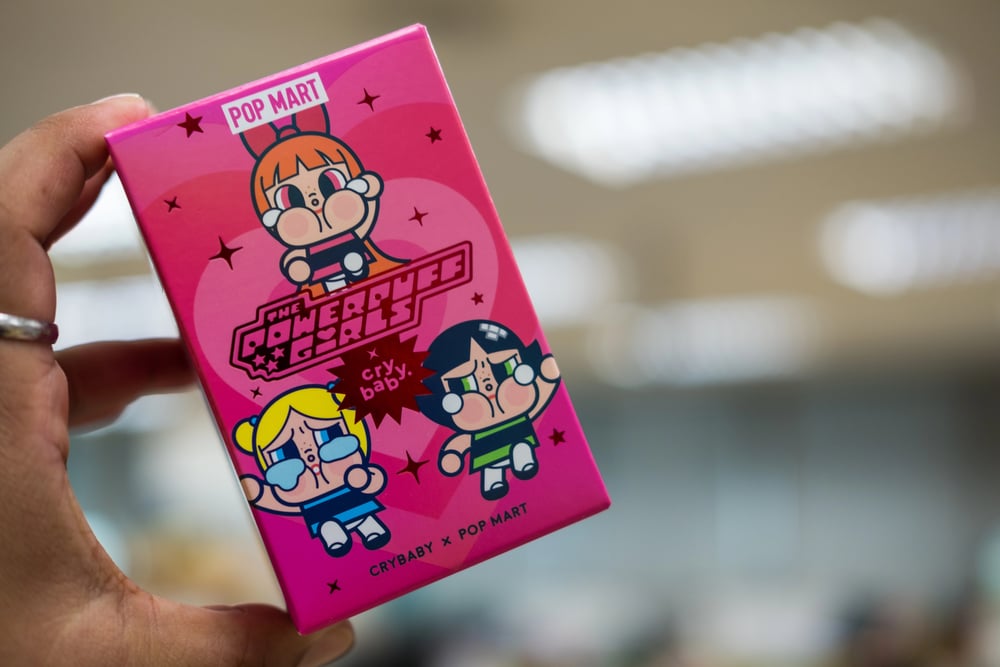
The Powerpuff Girls is one of the smartest shows ever aimed at children and it rarely gets enough credit for that. Three kindergarteners fought monsters that would terrify grown adults, saved a city that barely thanked them, and did it all in candy colors that fooled parents into thinking it was harmless.
It wasn’t harmless. It was sharp, and sugar and spice did the heavy lifting most cartoons hand to muscle instead.
Johnny Bravo
Johnny Bravo ran on one joke and never needed a second. A vain man with an Elvis haircut, rejected in increasingly elaborate ways.
The physical comedy carried the entire show. Nobody watched for plot, and nobody needed to.
Static Shock

Static Shock gave kids a superhero who lived in a neighborhood that looked like an actual neighborhood, homework and friendship troubles included, powers or not. Virgil Hawkins juggled electric abilities he barely understood alongside problems that had nothing to do with superpowers at all — bullying, identity, the occasional hard conversation about violence in his own community.
The show tackled gun violence and racism directly, without turning preachy about it. So it respected the kids watching enough to be honest with them, which turned out to matter more than any actual power ever could.
The Couch Still Remembers
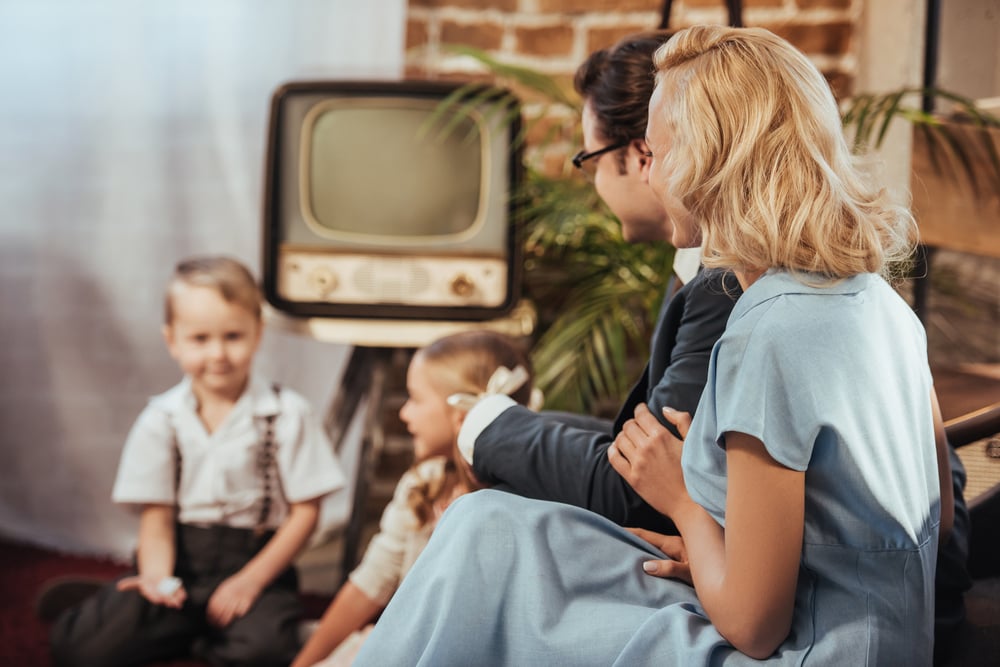
None of these shows needed a streaming algorithm to earn their spot, they just needed a working television and a kid willing to sit still for once. The lineup changed by decade, by channel, by whatever your household happened to argue over with the remote, but the ritual stayed identical: drop the backpack, claim the good seat, let the world outside wait until the credits rolled.
Dinner always won eventually. It just had to fight harder than it should have.
More from Go2Tutors!

- The Romanov Crown Jewels and Their Tragic Fate
- 13 Historical Mysteries That Science Still Can’t Solve
- Famous Hoaxes That Fooled the World for Years
- 15 Child Stars with Tragic Adult Lives
- 16 Famous Jewelry Pieces in History
Like Go2Tutors’s content? Follow us on MSN.



