First Cities to Ever Reach One Million People
Cities grow slowly. For most of human history, settlements stayed small.
A few thousand people here, maybe ten thousand there. But some places kept expanding, drawing in traders, farmers, soldiers, and dreamers until they became something unprecedented.
The journey to one million inhabitants took thousands of years, and only a handful of cities made it before the modern era.
Rome Sets the Standard
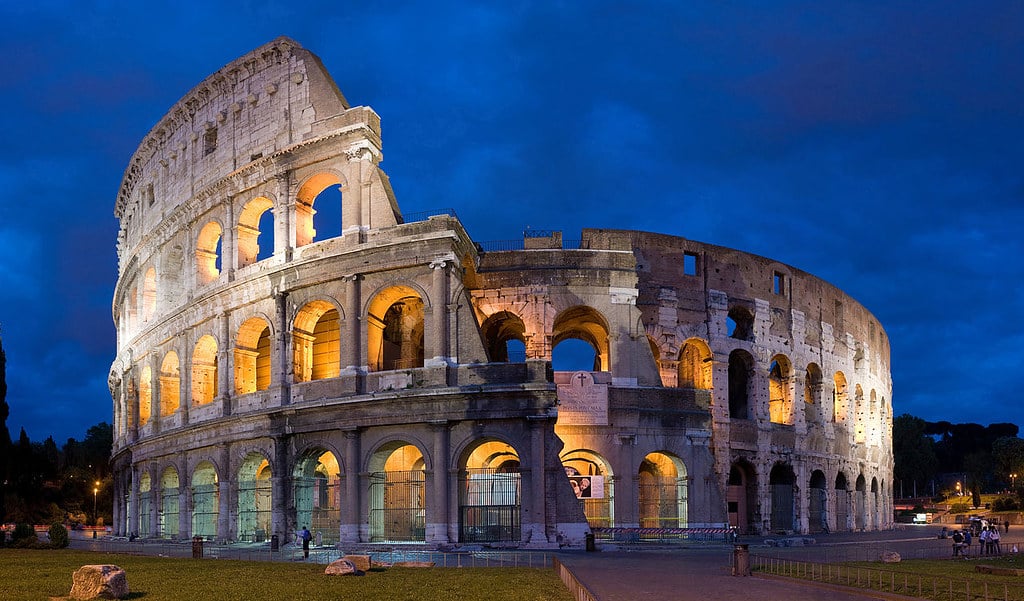
Rome probably hit one million residents sometime around the 1st or 2nd century CE. The exact timing stays fuzzy because ancient census records focused on citizens, not the total population.
Slaves, foreigners, and women often went uncounted. But the infrastructure tells the story.
Rome built aqueducts that carried hundreds of millions of gallons of water daily. The city constructed massive public baths, markets that fed thousands, and apartment buildings that climbed several stories high.
You don’t build that kind of infrastructure for a small town. The Roman grain dole distributed free bread to hundreds of thousands of residents.
Entertainment venues like the Colosseum and Circus Maximus held tens of thousands of spectators at once. These numbers only make sense if you’re looking at a city that had crossed the million-person threshold.
The Decline and Forgetting

After Rome fell, Europe’s cities shrank dramatically. By the 6th century CE, Rome itself had maybe 30,000 to 50,000 people rattling around in ruins designed for twenty times that number.
The knowledge of what a million-person city even looked like faded from European memory. Medieval European cities rarely exceeded 100,000 inhabitants.
Paris and Venice ranked among the largest, but they couldn’t touch what Rome had been. The Black Death made things worse, wiping out a third of Europe’s population in just a few years.
For roughly a thousand years after Rome’s fall, no European city reached one million people.
Baghdad’s Brief Moment

While Europe struggled, the Islamic world built new centers of power. Baghdad emerged as the capital of the Abbasid Caliphate in the 8th century, and some historians think it reached one million residents by the 9th or 10th century.
The evidence gets murky here. Medieval Arab historians described Baghdad as massive and prosperous, but they didn’t conduct modern censuses.
The city sat at the crossroads of trade routes connecting Asia and the Mediterranean, which brought enormous wealth. The House of Wisdom attracted scholars from across the known world.
But Baghdad’s glory didn’t last. Mongol invasions in 1258 CE destroyed much of the city and killed huge numbers of residents.
The irrigation systems that fed the population fell into disrepair. By the time European travelers reached Baghdad centuries later, they found a shadow of what it had been.
China’s Continuous Growth
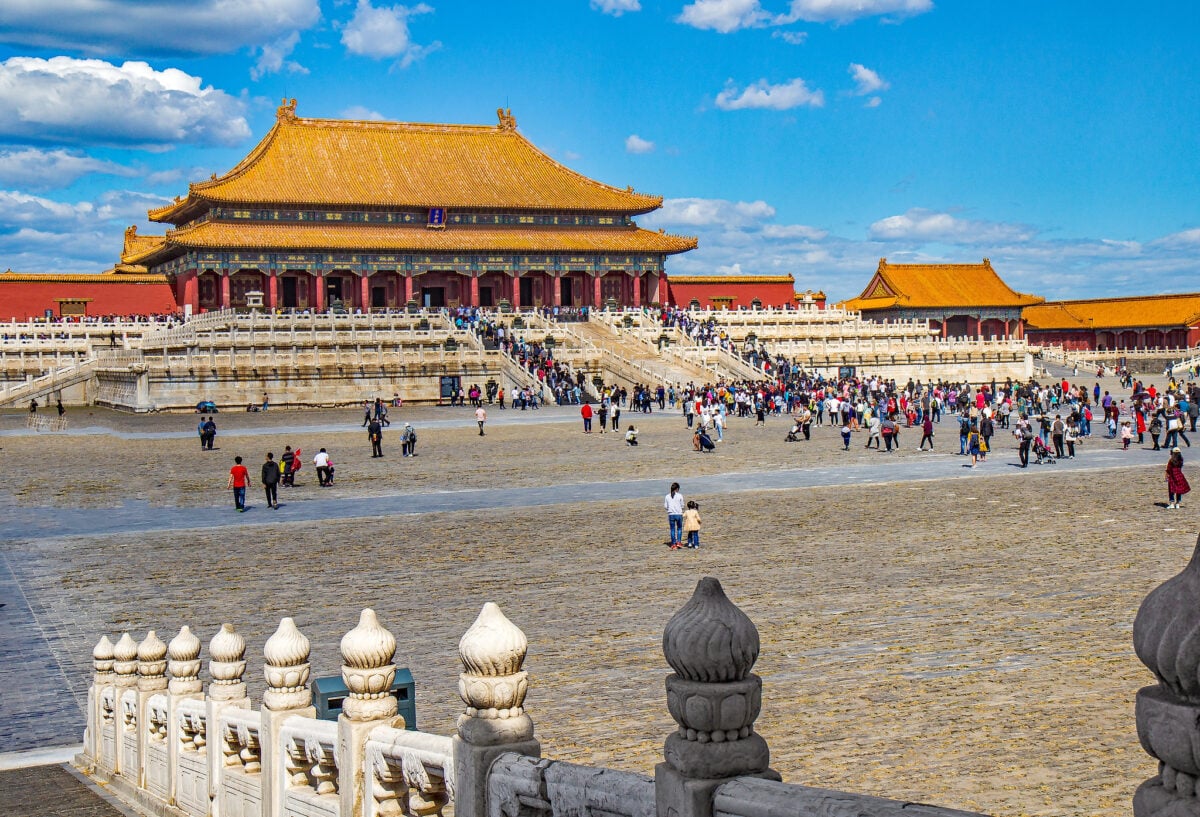
Chinese cities followed a different pattern. Beijing and other Chinese urban centers maintained large populations even when European cities couldn’t.
The Chinese state organized food distribution, water management, and construction on a scale that wouldn’t return to Europe for centuries. Some historians argue that Kaifeng or Hangzhou reached one million during the Song Dynasty (10th-13th centuries).
These cities served as imperial capitals, drawing in bureaucrats, merchants, soldiers, and craftspeople. The Grand Canal connected them to rice-growing regions in the south, solving the food supply problem that limited other cities.
Beijing almost certainly hit one million by the 15th century under the Ming Dynasty. The Forbidden City alone required tens of thousands of workers to build and maintain.
The city walls enclosed an area large enough to house a massive population, and the surrounding agricultural region could support it.
London Leads the Modern Race
European cities started growing again in the early modern period, but slowly. Then industrialization changed everything.
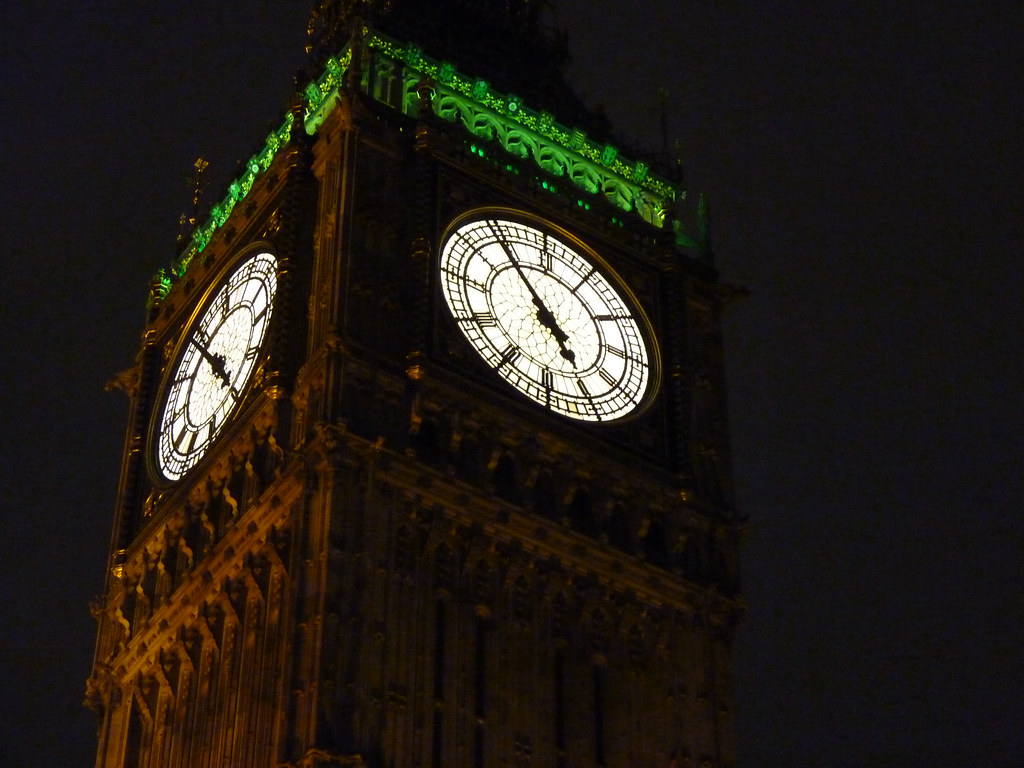
London surged past one million sometime in the early 1800s, becoming the first European city to hit that mark since ancient Rome. Coal and steam power made it possible.
Factories drew workers from the countryside. Railways brought food from distant farms.
The British Empire funneled wealth and goods through London’s ports. The city sprawled outward, swallowing villages and farmland.
Living conditions were often terrible. Overcrowding, disease, and pollution killed thousands.
Charles Dickens wrote about children working in factories and families crammed into single rooms. But people kept coming because cities offered wages and opportunities that rural areas couldn’t match.
Paris Follows Close Behind
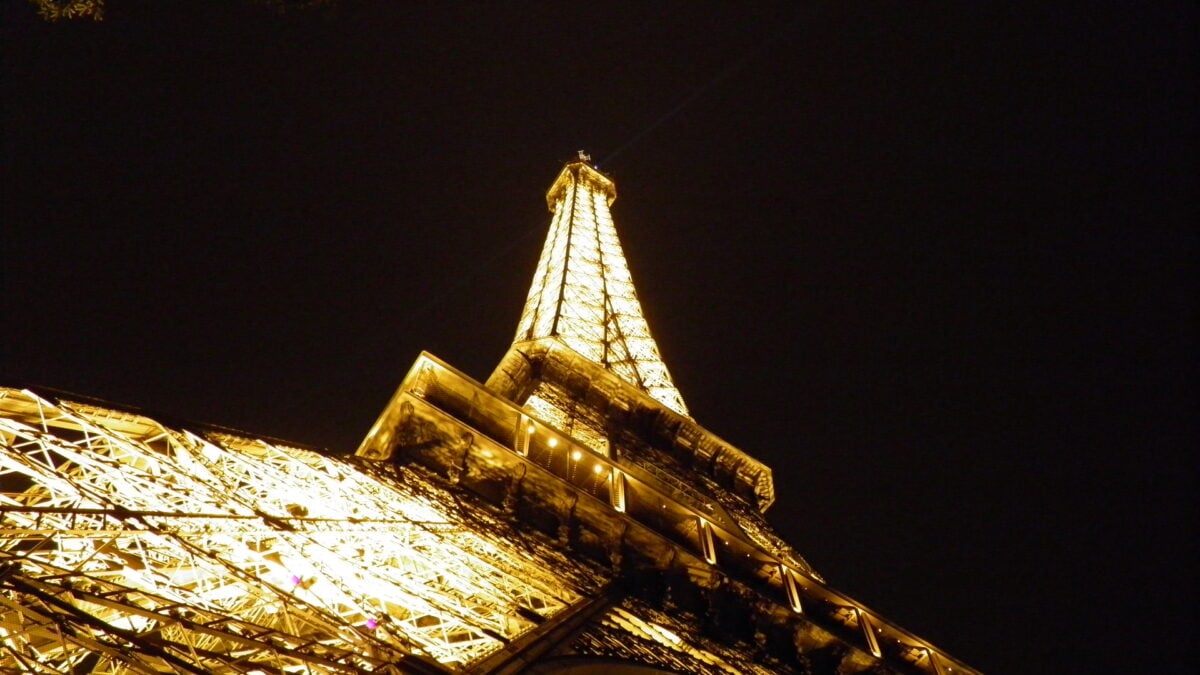
Paris reached one million shortly after London, also driven by industrialization. The French capital became a center of manufacturing, finance, and culture.
Napoleon III and Baron Haussmann redesigned the medieval city, tearing down narrow streets and building wide boulevards. The renovations weren’t just aesthetic.
The new infrastructure included modern sewers, water systems, and building codes. These improvements made it possible for more people to live in the city without dying from cholera or typhoid.
Paris hosted world’s fairs that showed off French industrial and cultural achievements. Artists, writers, and musicians flocked to the city, making it the cultural capital of Europe.
The combination of industry and culture kept drawing new residents.
New York’s Rapid Ascent

New York grew faster than any city in history up to that point. It started the 19th century with maybe 60,000 people.
By 1875, it had crossed one million. By 1900, it reached 3.4 million.
Immigration drove the growth. People arrived from Ireland, Germany, Italy, Eastern Europe, and dozens of other places.
They came looking for work, freedom, or just escape from poverty and persecution. Many passed through Ellis Island and stayed in New York rather than pushing further into America.
The city built up and out at the same time. Tenement buildings packed families into small apartments.
Later, skyscrapers started reaching toward the sky. Subway systems moved masses of people quickly.
The port handled more cargo than almost anywhere else in the world.
Tokyo Transforms Japan

Tokyo (called Edo before 1868) was already enormous before industrialization hit Japan. Some estimates put it at over one million during the Tokugawa period in the 18th century, making it possibly the world’s largest city at that time.
When Japan opened to the West and started modernizing rapidly after 1868, Tokyo became the nerve center of the transformation. The emperor moved there from Kyoto.
Western-style buildings went up next to traditional structures. Railways connected the city to the rest of Japan.
By 1900, Tokyo was unmistakably a modern metropolis, though earthquakes and fires repeatedly set back its growth. The 1923 Great Kanto Earthquake killed over 100,000 people and destroyed much of the city, but Tokyo rebuilt and kept growing.
Berlin’s Late Sprint
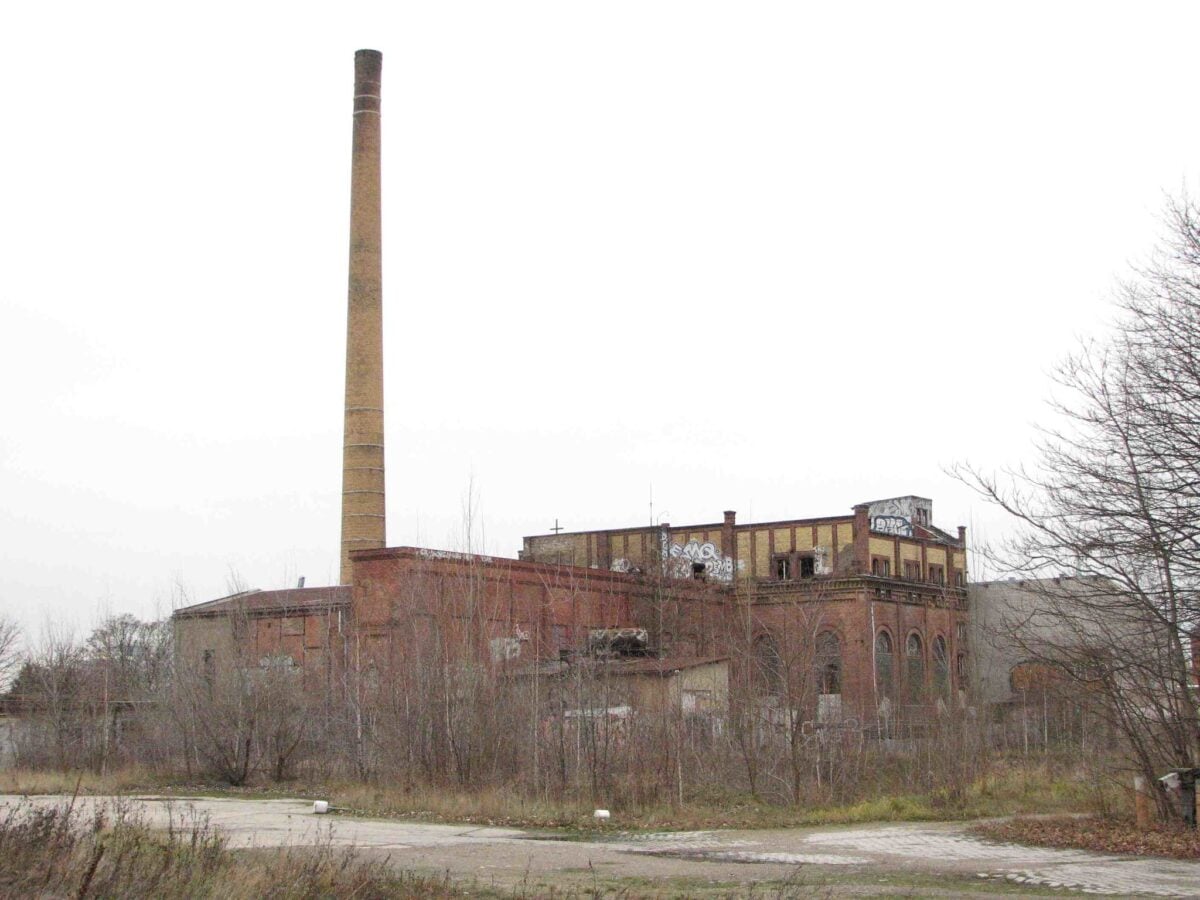
Berlin lagged behind London, Paris, and New York but then accelerated. It crossed one million around 1877, becoming the largest city in Germany.
Unification under Prussia in 1871 made it the capital of the new German Empire, which brought government jobs and investment. German industry boomed in the late 19th century.
Berlin became a center of manufacturing, especially electrical equipment and machinery. Companies like Siemens and AEG built factories there.
The city attracted workers from across Germany and Poland. Unlike Paris or Vienna, Berlin lacked grand historical architecture from earlier centuries.
It was a relatively new city that had grown fast. This gave it a different character—more industrial, more modern, more working-class than other European capitals.
Chicago’s Stunning Growth
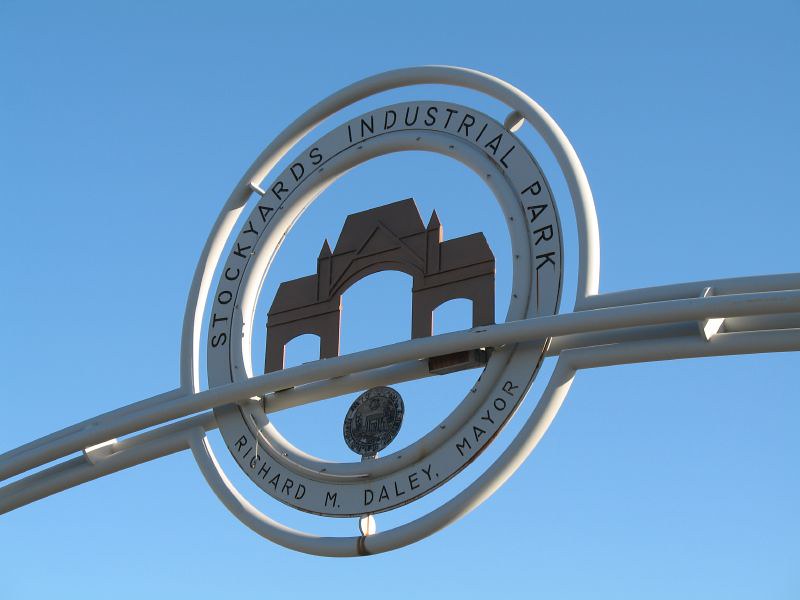
Chicago barely existed before 1830. By 1890, it had over one million people.
The city sat at the perfect spot for American expansion—connecting the East Coast to the developing West via railways and the Great Lakes. The stockyards processed animals from western ranches and farms.
Grain elevators stored wheat from the Great Plains. Factories turned raw materials into finished goods.
Everything moved through Chicago, and the city grew wealthy facilitating that movement. The 1871 fire destroyed much of the city, but Chicago rebuilt quickly using modern construction techniques.
The first skyscrapers went up there, changing city design forever. By 1893, Chicago hosted a world’s fair that showed it had become a major global city in just 60 years.
Philadelphia’s Steady Climb
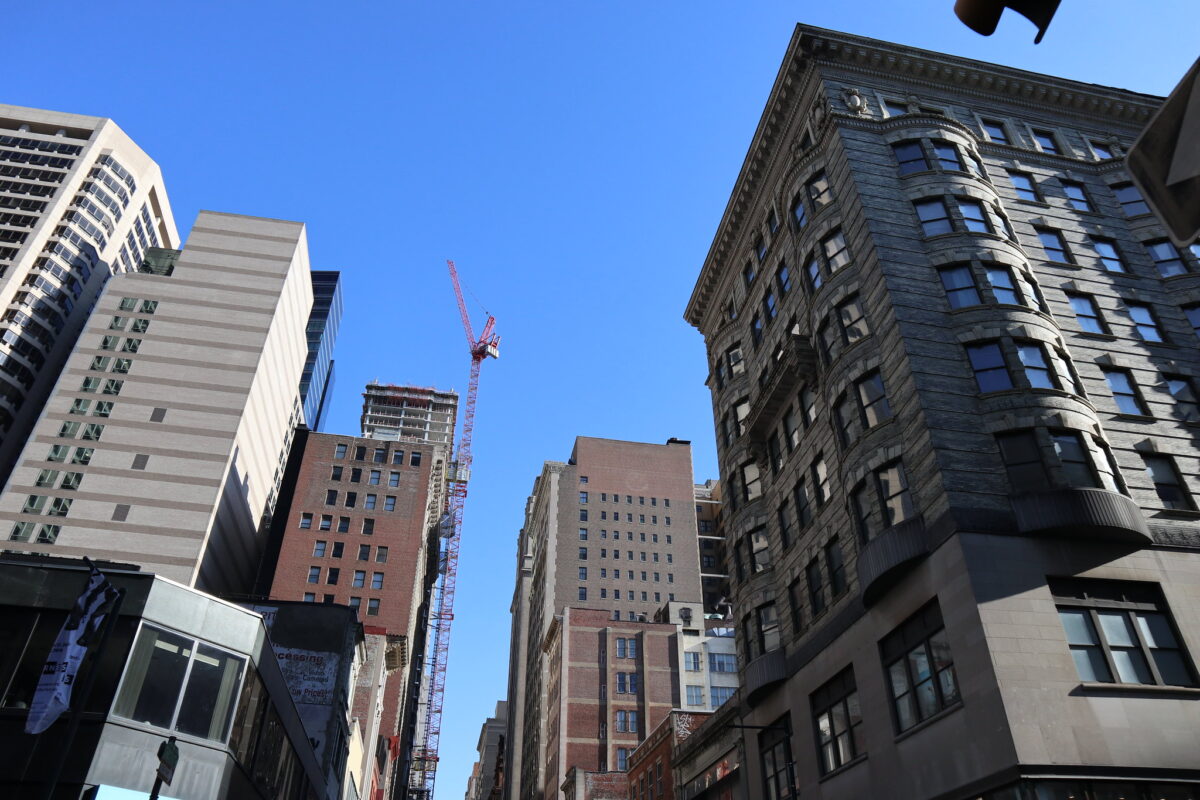
Philadelphia hit one million around 1890. As America’s first capital and largest city for much of the early republic, it had a head start.
But it grew more slowly than New York or Chicago in the 19th century. The city’s economy rested on manufacturing—textiles, locomotives, ships, and machinery.
Unlike New York with its finance or Chicago with its commodities trading, Philadelphia made physical things. This created steady employment but didn’t generate explosive growth.
The city maintained its importance through institutions. The University of Pennsylvania, medical schools, and scientific societies kept Philadelphia relevant even as other cities grew faster.
It remained a major city but lost its position as the largest in America.
Vienna’s Imperial Peak
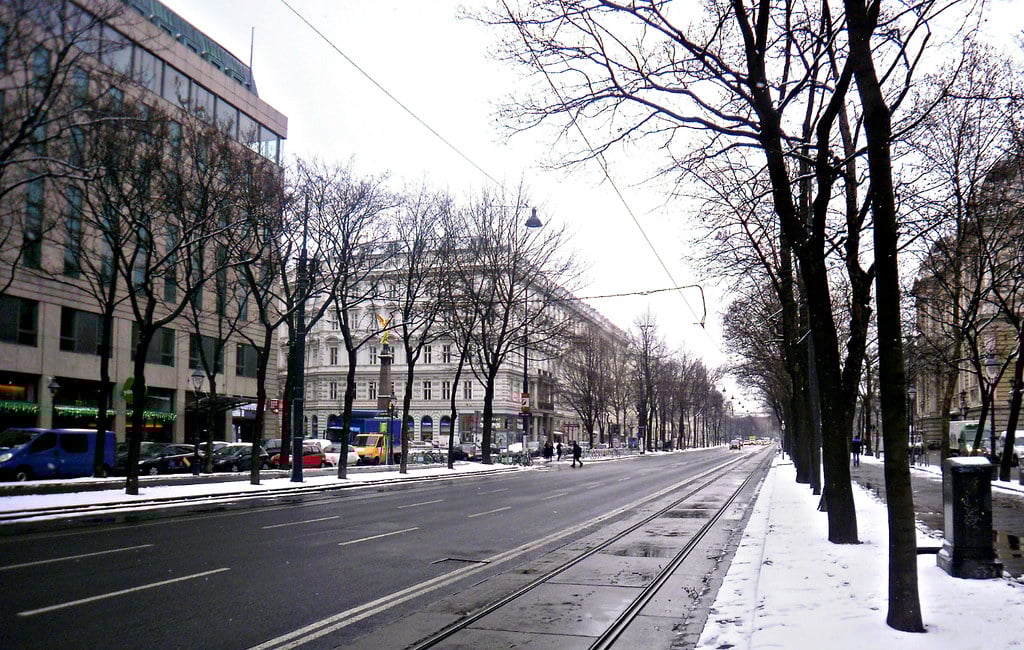
Vienna reached one million in the 1870s as capital of the Austro-Hungarian Empire. The empire stretched across Central Europe, and Vienna sat at its heart, directing politics, culture, and commerce.
The Ringstrasse development replaced old city walls with grand boulevards lined with impressive buildings—opera houses, museums, parliament. The city projected imperial power through architecture.
Coffee houses became centers of intellectual life where artists, writers, and thinkers gathered. But Vienna’s growth depended on the empire.
When Austria-Hungary collapsed after World War I, Vienna found itself an oversized capital of a much smaller country. The city that had thrived as an imperial center struggled to find its role in the new Europe.
What Made It Possible

One million people in one place never happened by accident. Getting meals to so many meant finding food beyond local fields.
Fresh water had to arrive somehow, every single day. Garbage and sewage could not simply pile up.
Movement through streets demanded order, otherwise motion stopped completely.
Each city tackled the challenges in its own way, yet every one faced the same need.
Aqueducts carried water into Rome, while grain arrived by ship from Egypt. Trains moved people across London, later joined by tunnels beneath the streets.
Far-off reservoirs fed New York, linked by pipes stretching beyond a hundred miles.
A city’s fate often hinged on more than machines or tools.
Power shapes where people settle, just as rivers do. Where leaders built offices, clerks followed, along with shops and services nearby.
Shorelines became hubs when ships passed through regularly. Smokestacks pulled laborers into towns built around mills and workshops.
Places that had access to water, authority, and production tended to grow faster.
What Appeared When We Looked Back

Folks managed to build cities big enough to hold a million souls – a feat nobody back in old times could even picture happening. Every place reached that mark differently, shaped by when it rose, what problems came up, plus how people adapted along the way.
One million came within reach for certain cities – then faded away. Down went Rome, left with just scraps of what once stood.
Growth held steady elsewhere, swelling past ten, even twenty million souls. Tokyo, New York, São Paulo – crowds there live packed beyond old dreams.
Millions pack today’s urban centers, yet that reality is surprisingly new. Most generations before us knew no such scale – cities of a million felt like myths.
Across Earth now, more than ten million live packed together in many places. Growth doesn’t stop.
These clusters swell year after year.
More from Go2Tutors!

- The Romanov Crown Jewels and Their Tragic Fate
- 13 Historical Mysteries That Science Still Can’t Solve
- Famous Hoaxes That Fooled the World for Years
- 15 Child Stars with Tragic Adult Lives
- 16 Famous Jewelry Pieces in History
Like Go2Tutors’s content? Follow us on MSN.



