32 Garage Sale Finds That Sold for Fifty Times What the Buyer Paid
Garage sales exist in the gap between what things are worth and what people think they’re worth. That gap is usually small — a sweater is a sweater, a lamp is a lamp.
But occasionally it is enormous, and the reason is almost always the same: an object reached the sale table through a chain of people who didn’t recognise it. Estate clearers who valued speed over appraisal.
Donors who thought they were being practical. Families who saw old junk and just wanted it gone.
When that object reaches the right buyer — someone who recognises what they’re holding — the gap closes in one transaction. These thirty-one cases are real, and they represent only the documented ones.
For every find that made the news, there are hundreds that were quietly sold on eBay to the right collector with no press release attached.
The Declaration of Independence Behind a Painting
In 1989, a Philadelphia financial analyst visited a flea market in Adamstown, Pennsylvania, and bought a tattered old oil painting for $4 because he liked the frame. When he removed the painting from the frame, he found a folded document pressed against the canvas.
It turned out to be one of the original 500 official copies of the Declaration of Independence printed from the same typeset as the original on 4 July 1776. Of the original printing, only 24 copies were then known to have survived.
This one sold at Sotheby’s in 1991 for $2.42 million. Television producer Norman Lear later purchased it and took it on a national tour.
A subsequent printing from the 1820s, commissioned by John Quincy Adams, was found in a Nashville thrift store in 2006 for $2.48 and sold for significantly less but still hundreds of times its purchase price.
The Fabergé Imperial Easter Egg

Around 2004, a Midwestern scrap metal dealer paid approximately $14,000 for a small ornate golden egg at a flea market. He planned to melt it down for the gold content — the melt value of the gold roughly justified the purchase.
His mathematics didn’t work, so he researched the object instead. A 2011 article describing the hunt for missing Imperial Fabergé eggs matched the object precisely.
It was the Third Imperial Easter Egg, made in 1887 by order of Czar Alexander III as a gift for Empress Maria Feodorovna, and one of only eight missing from the known set of fifty surviving imperial eggs. Experts later valued it at approximately $33 million.
The buyer held it for ten years before its identification; the egg was subsequently sold for an undisclosed amount.
The Renoir Painting From a Virginia Flea Market
In 2009, a woman attending a flea market in Harpers Ferry, West Virginia, bought a small oil painting for $7 from a market that sold items donated to the local volunteer fire department. She later had it appraised, and Sotheby’s identified it as Paysage Bords de Seine, a small riverside landscape by Pierre-Auguste Renoir estimated at $75,000–$100,000.
Before the sale could proceed, the Baltimore Museum of Art stepped in to claim the painting: records showed it had been stolen from their permanent collection in 1951, when it was listed as valued at $575. It was returned to the museum, making the $7 purchase one of the stranger cases in the history of repatriated art.
The Ansel Adams Yosemite Negatives

In 2000, Fresno house painter Rick Norsigian bought a box of 65 glass photographic negatives at a garage sale for $45 after bargaining the seller down from $70. He stored them under his pool table for two years.
When he examined them more carefully, he noticed their resemblance to Ansel Adams’s famous Yosemite photographs — and hired a team of experts who confirmed, after exhaustive analysis including handwriting comparisons on the manila envelopes containing the negatives, that they were Adams’s early work, believed destroyed in a 1937 studio fire.
An art appraiser valued the collection at a conservatively estimated $200 million, based on Adams print sales. The Ansel Adams Publishing Rights Trust disputed the attribution and ultimately sued Norsigian; the authentication dispute was never fully resolved.
The Song Dynasty Bowl for $3
Around 2007, a buyer at a Connecticut yard sale paid $3 for a small white ceramic bowl with no obvious distinctive markings. The bowl sat unexamined for several years before the owner decided to have it appraised.
Sotheby’s identified it as a Northern Song dynasty Ding ware bowl dating to approximately the 10th or 11th century CE — a piece from one of China’s most valued ceramic traditions, which produced works described by contemporaries as resembling jade. The bowl sold at Sotheby’s in March 2013 for $2.22 million.
The Vivian Maier Negatives
In 2007, a Chicago historian named John Maloof purchased the contents of a storage locker for $380 at an auction of unpaid storage units. The locker contained 30,000 photographic negatives by an unknown photographer.
The photographer turned out to be Vivian Maier — a French-American nanny who had spent decades photographing street scenes in Chicago and New York, never showing the work to anyone. She died in 2009, a few weeks after Maloof began researching her.
The photographs are now exhibited in major galleries worldwide, Maloof’s documentary about Maier received an Academy Award nomination, and prints from the collection sell for thousands of dollars each. Maier’s personal history — her life as a private, eccentric woman who took 150,000 photographs she never showed anyone — became one of the most discussed stories in the contemporary art world.
The Tiffany Lamp for $25
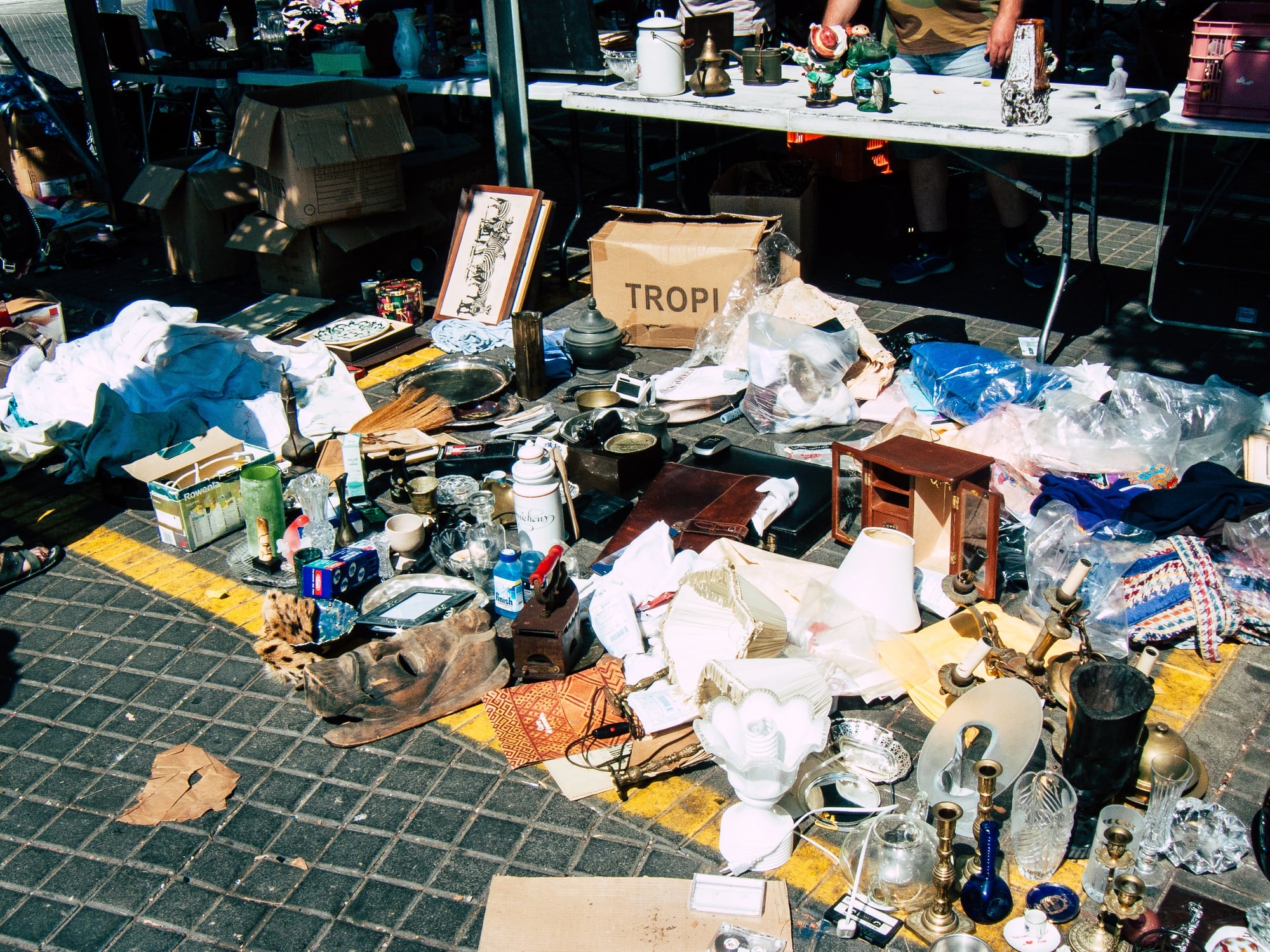
Stories of Tiffany Studios lamps found at garage sales for small amounts circulate regularly in the antiques world, and while many prove to be reproductions upon closer inspection, verified finds do exist. A genuine Tiffany Studios leaded glass lamp in good condition sells at auction for $15,000 to several hundred thousand dollars depending on the design, and early dragonfly and wisteria patterns can exceed $1 million.
The specific challenge with Tiffany lamps is that they were widely reproduced both during and after Tiffany Studios’ active period, and distinguishing a genuine Studios piece from a contemporary reproduction requires examining the casting, the lead caming, and the soldering — information that’s not immediately visible to a non-specialist looking at a lamp priced at $25.
The First Edition Spider-Man Comic
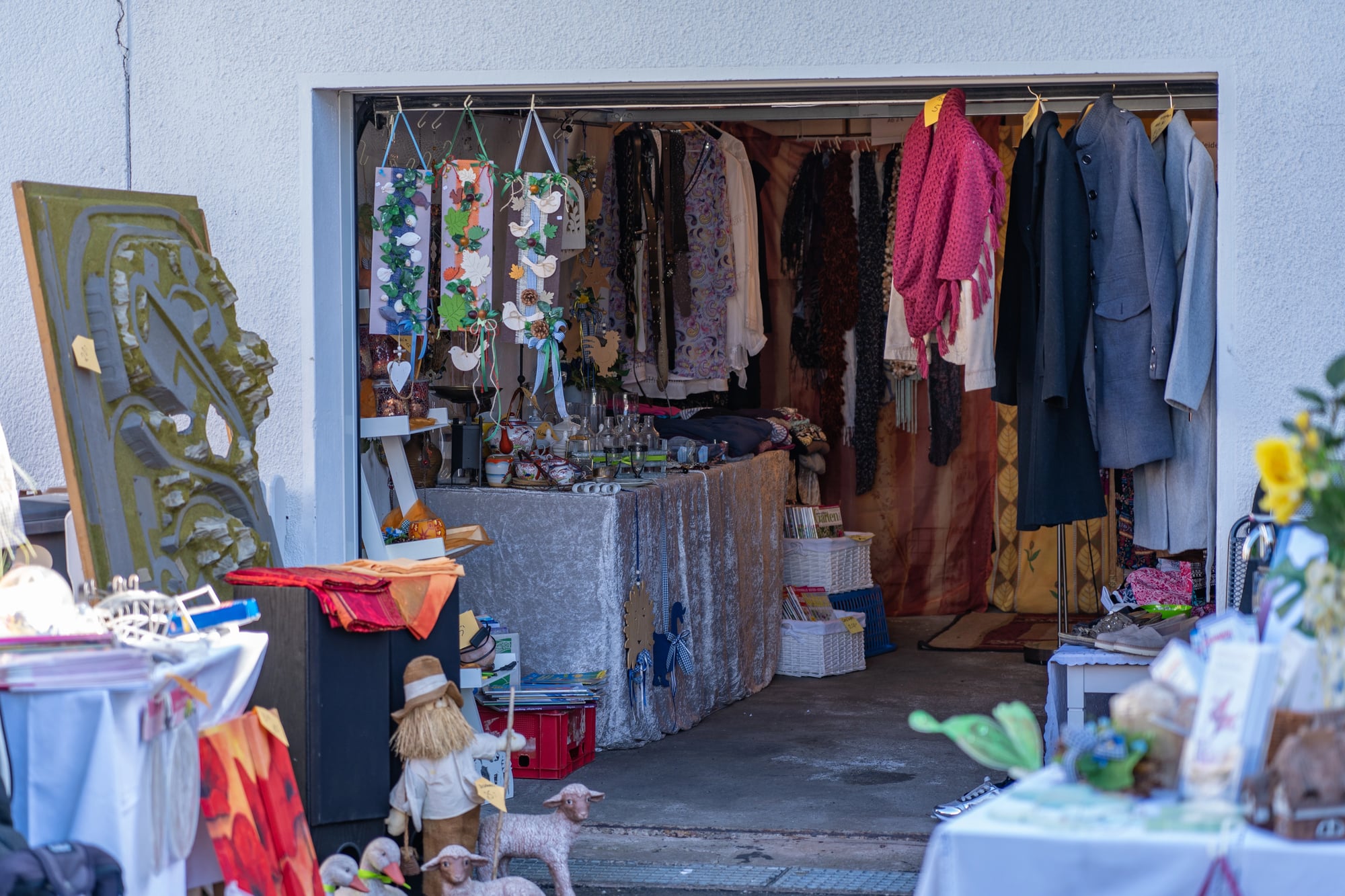
A copy of Amazing Fantasy #15, the 1962 Marvel Comics issue that introduced Spider-Man, purchased at a garage sale for a few dollars, sold at auction for $3.6 million in September 2021, setting a record for the highest price paid for any Marvel comic book. Not every garage sale copy achieves this — the 2021 record was set by an exceptional copy graded 9.6 out of 10 by professional graders.
But high-grade copies of significant first appearances that passed through estate sales and charity donations before the comic book market’s dramatic price increases of the past two decades are among the most documented categories of garage sale finds that sold for multiples of their purchase price.
The Eames Lounge Chair
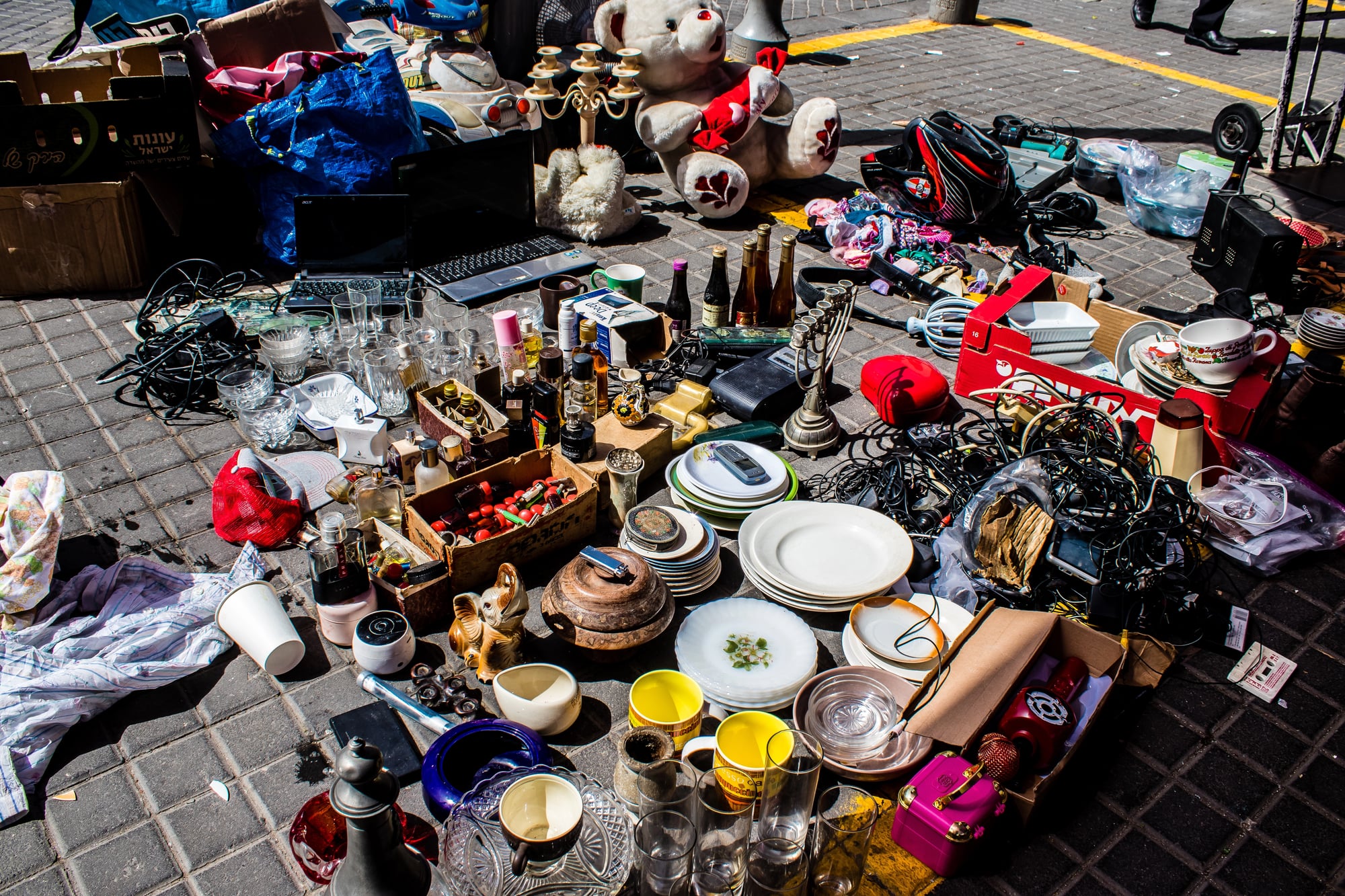
Mid-century modern furniture — particularly pieces by Charles and Ray Eames, Eero Saarinen, and George Nelson — appears at garage sales and estate sales regularly because it was widely manufactured and widely owned, and because its significance isn’t immediately apparent to sellers who see a chair from the 1960s and price it accordingly.
A genuine Eames Lounge Chair and Ottoman (model 670/671) in good condition sells for $3,000–$8,000 depending on condition and whether the original leather is intact. Finding one for $40 at an estate sale, as documented examples confirm, produces returns calculated in hundreds of times the purchase price.
The Chinese Teapot for £20
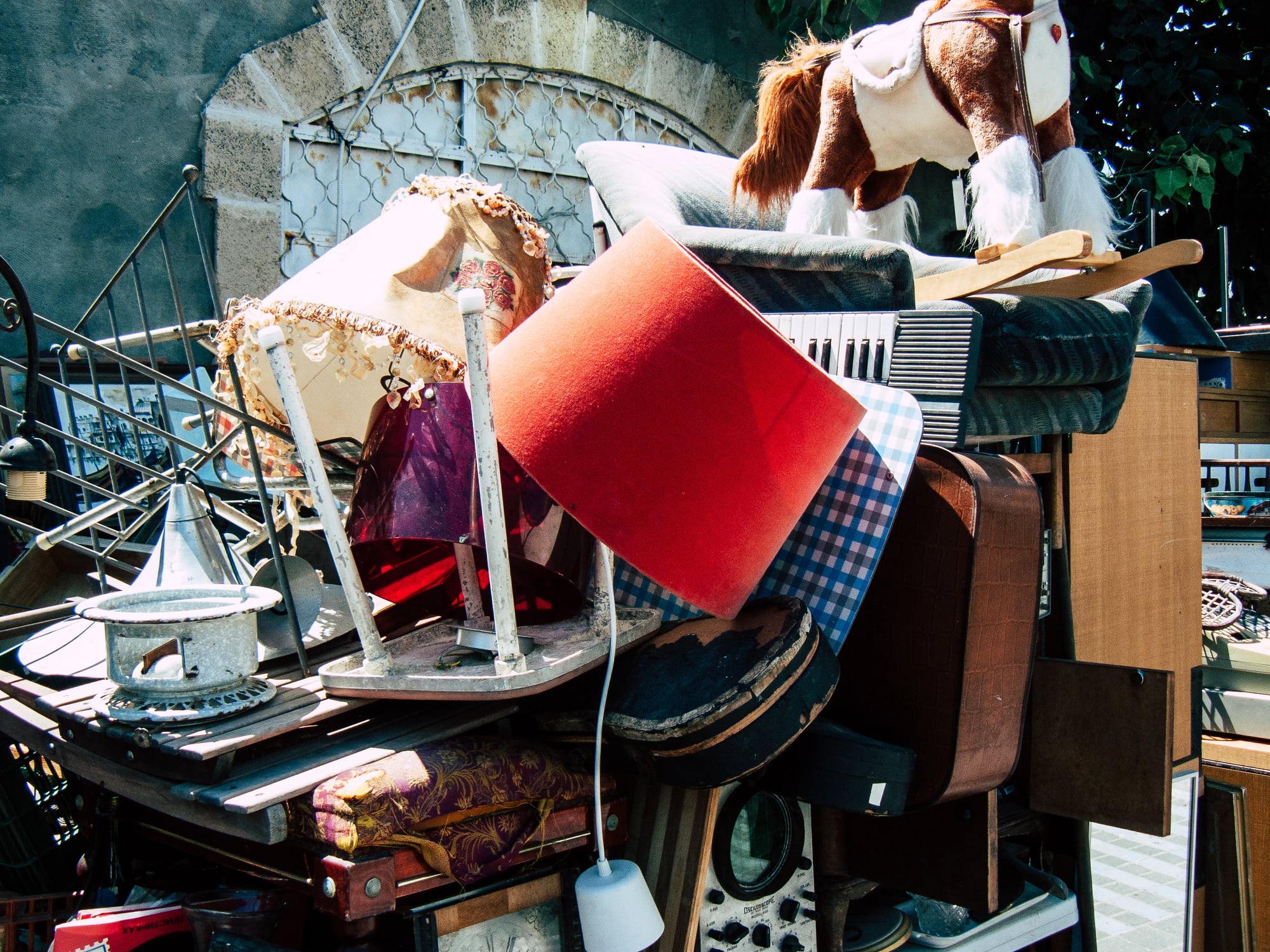
In approximately 2007, a British buyer paid £20 for a small cracked blue-and-white ceramic teapot at a bargain sale. The teapot appeared unremarkable — it was cracked, small, and visually modest.
Auctioneers Woolley and Wallis, however, identified it as a piece made around 1765 by John Bartlam, a British potter who established the first American pottery and is considered one of the most significant figures in Anglo-American ceramics history. Only a handful of his pieces survive in any condition.
The teapot, crack and all, sold at auction in 2018 for £550,000 — approximately $806,000.
The Pocket Watch From an Estate Sale
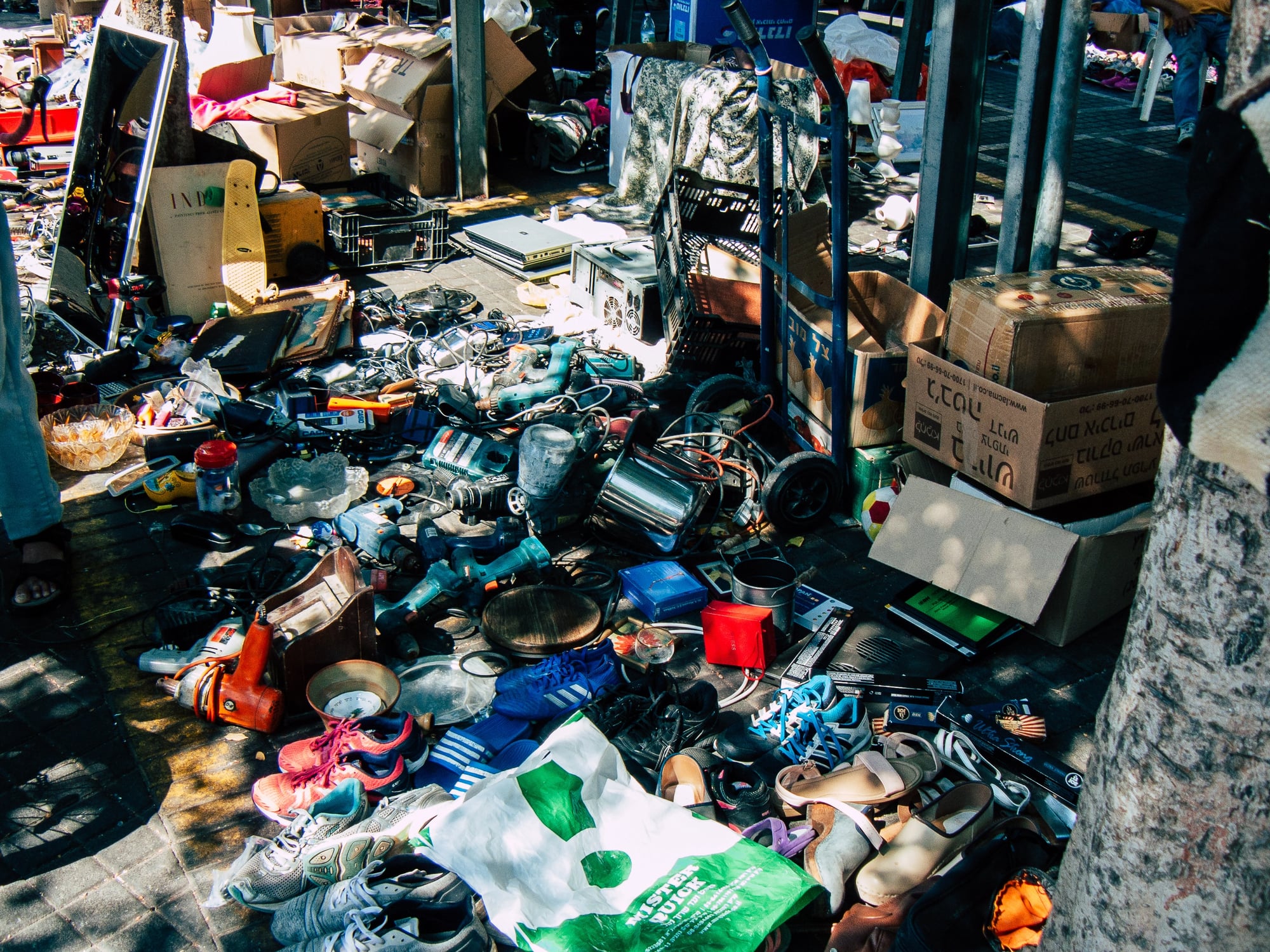
Mechanical pocket watches from the late 19th and early 20th centuries, particularly examples from Swiss manufacturers including Patek Philippe, Vacheron Constantin, and A. Lange & Söhne, regularly appear at estate sales priced between $20 and $200 when sellers cannot determine the brand from the case exterior.
A Patek Philippe pocket watch in good condition with a documented serial number sells at auction for $5,000 to over $100,000 depending on the model and complications, and a pocket watch inscribed to a notable historical figure or documented with historical provenance can exceed $1 million.
The gap between what a wristwatch-era estate seller thinks they have and what the right watch collector sees in a pocket watch case is one of the most reliable in antiques.
The Navajo Blanket for $3
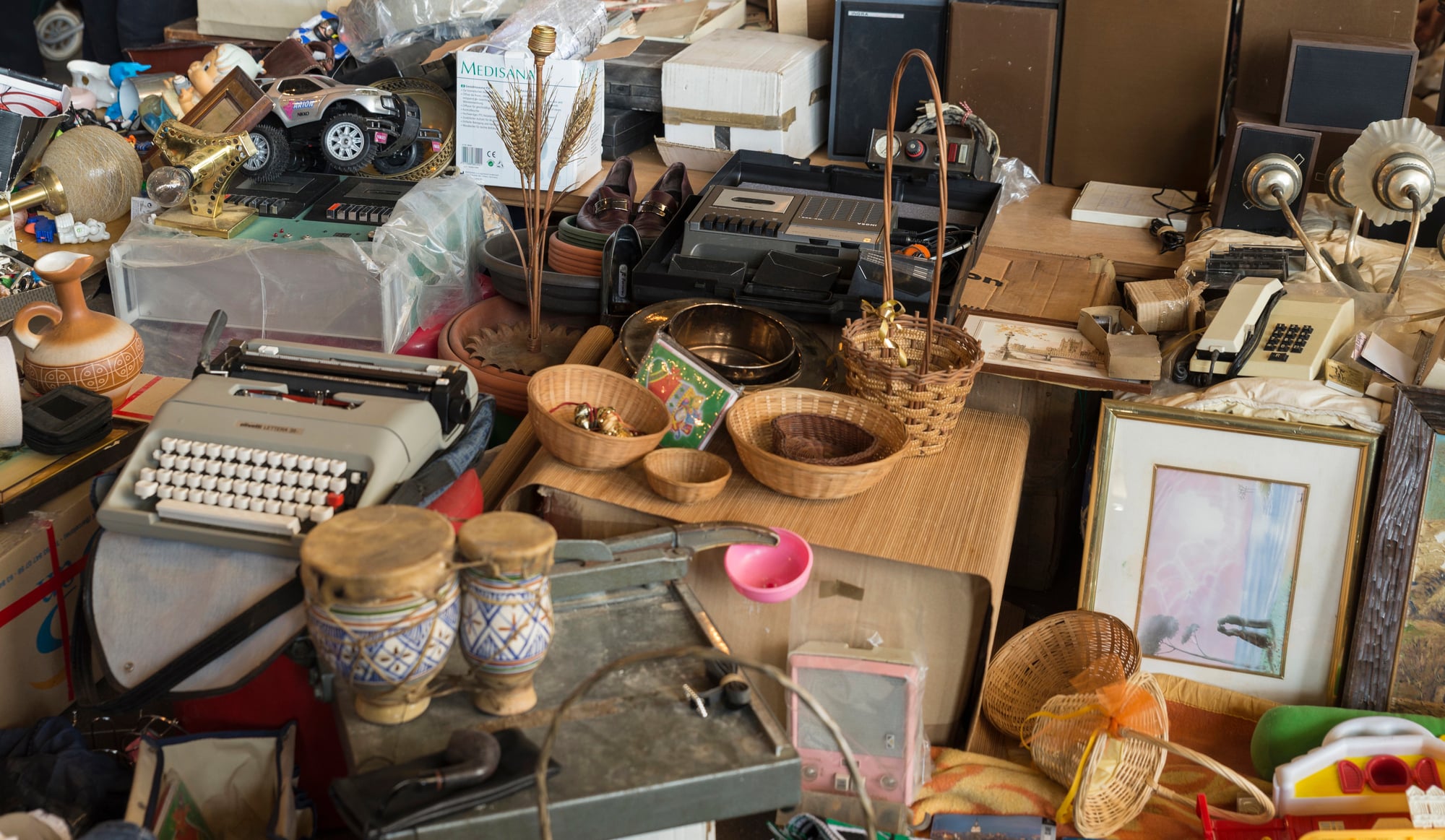
In 2001, a buyer purchased a woven textile at a garage sale in New Mexico for $3, believing it to be a decorative rug. It turned out to be a late-19th-century Navajo chief’s blanket — the most valued category of Navajo weaving, produced in limited quantities for high-status Navajo leaders and trading post clients.
The blanket sold at auction for $300,000. First-phase Navajo chief’s blankets, woven before 1860, sell regularly for $400,000–$1.8 million when they appear at auction with clear provenance.
The Sterling Silver Tea Set
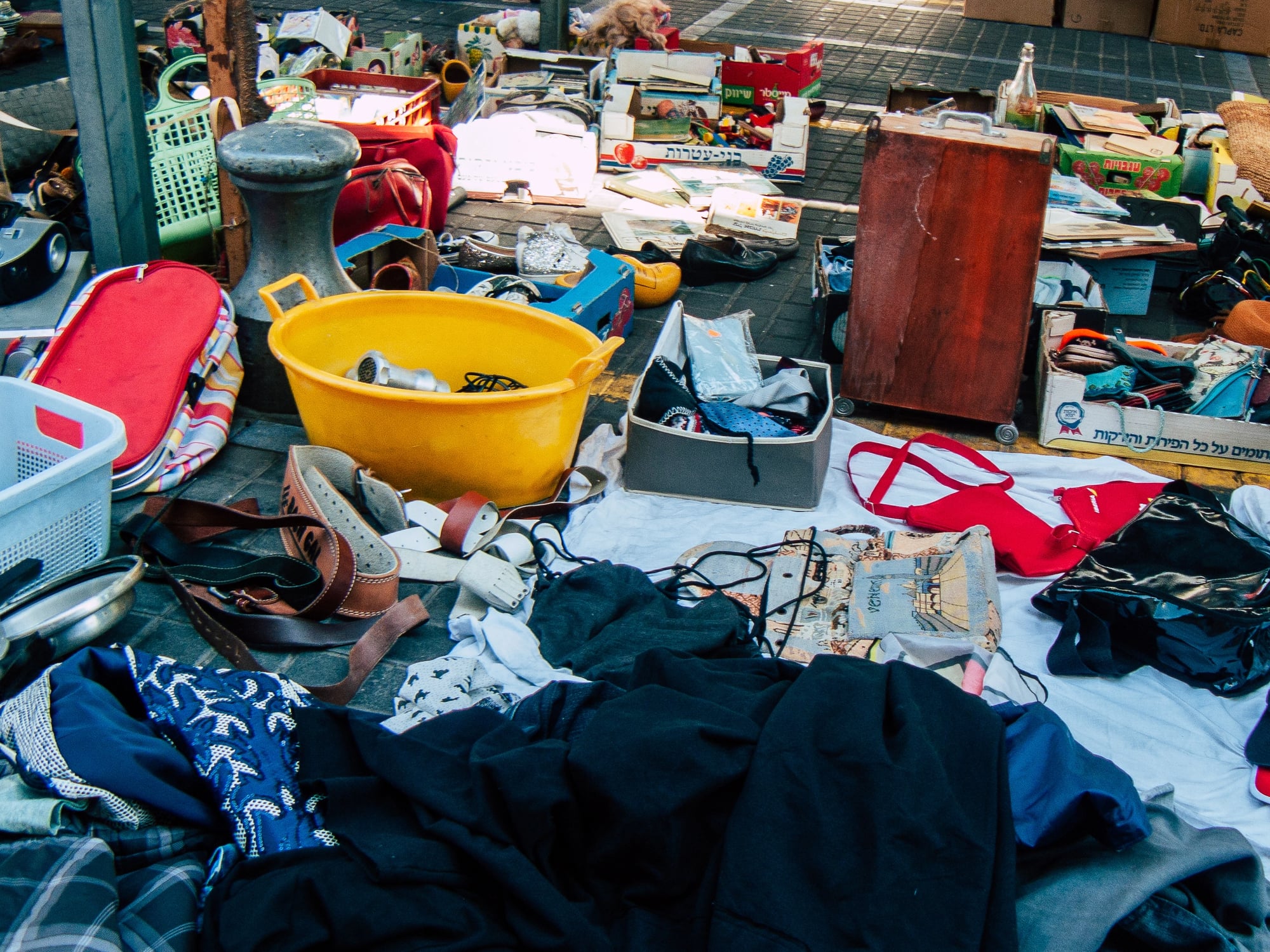
Silver is a category where the gap between seller understanding and market value is consistently wide. A complete sterling silver tea service from a significant British silversmith — Sheffield or London hallmarked, from the Georgian or Victorian era — sells at auction for $2,000–$20,000 depending on the maker and the quality of the engraving.
The silver value alone in such a set might be $300–$600 at current metal prices, and sellers who are thinking in terms of scrap often price accordingly. Finding a complete six-piece service with maker’s marks at a garage sale for $40 — documented cases exist — produces a return calculated in the dozens of times investment even before accounting for collector premium.
The Qing Dynasty Vase at a British Estate Sale
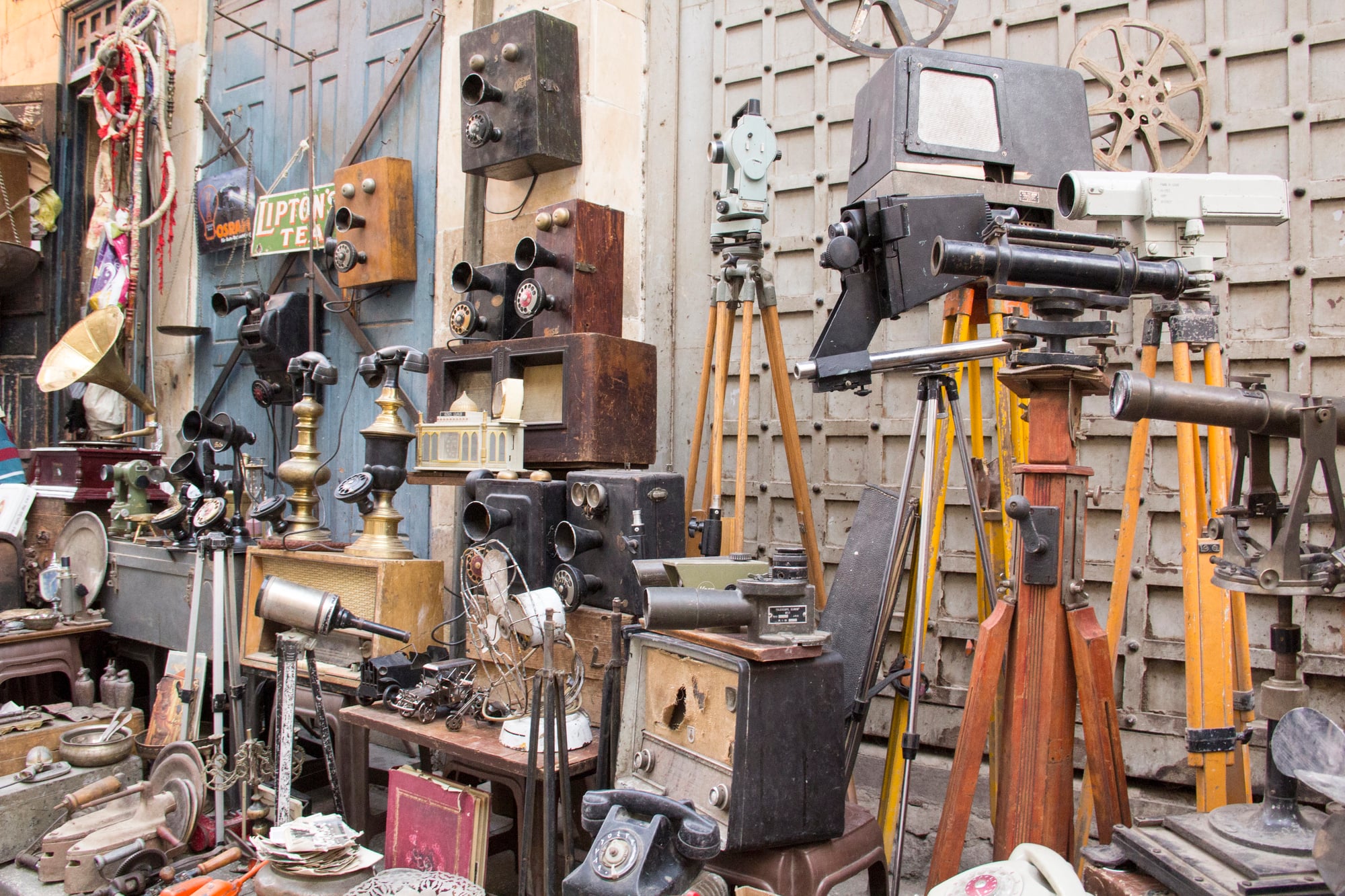
In 2010, a family in Pinner, north London, brought a Chinese vase to Bainbridges auction house having found it in the loft. They had kept it in the house for years.
It sold at auction for £43 million — approximately $53 million at the time — making it the highest price ever achieved at a UK regional auction. The vase was a Qianlong-era Chinese imperial piece, and its appearance at an English regional auction, consigned by a family who didn’t know what they had, set off a bidding process that attracted buyers from China who recognised it immediately.
The “discovery” was entirely accidental — the family had owned it for decades.
The Honus Wagner Baseball Card
The T206 Honus Wagner baseball card, produced between 1909 and 1911 by the American Cig Company, is the most valuable baseball card in existence — recent sales have exceeded $7 million for high-grade examples. Wagner, reportedly uncomfortable with the cig company using his image, demanded production be stopped, making the card extraordinarily rare.
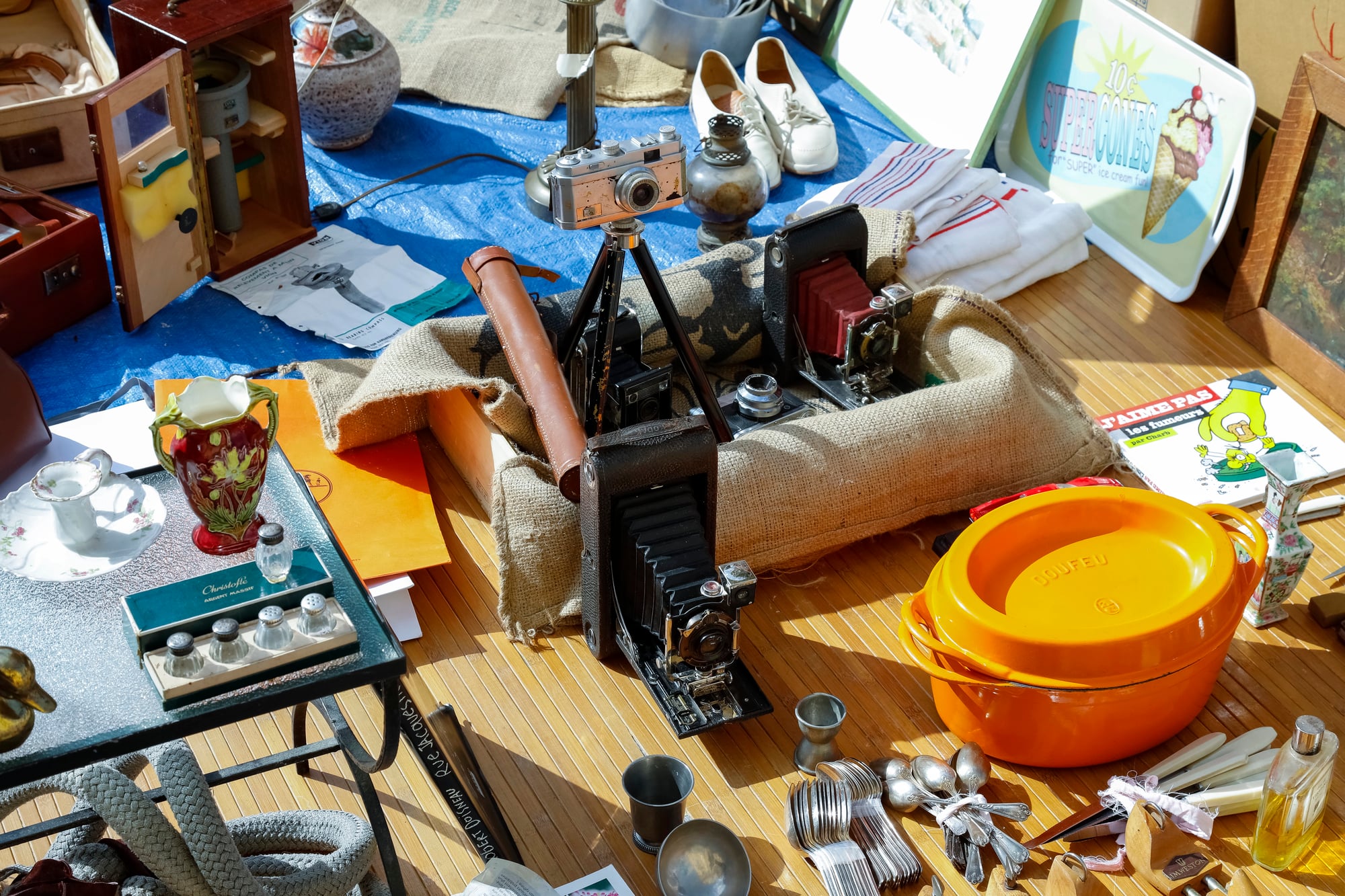
Cards occasionally surface at estate sales from families clearing out the possessions of grandparents who collected baseball cards in the early 20th century without understanding their value. A Wagner card identified at an estate sale would be among the most documented categories of transformative finds, though prices at estate sales for unidentified cards are typically so low relative to auction outcomes that the multiple is genuinely extraordinary.
The Ming Dynasty Jade Piece
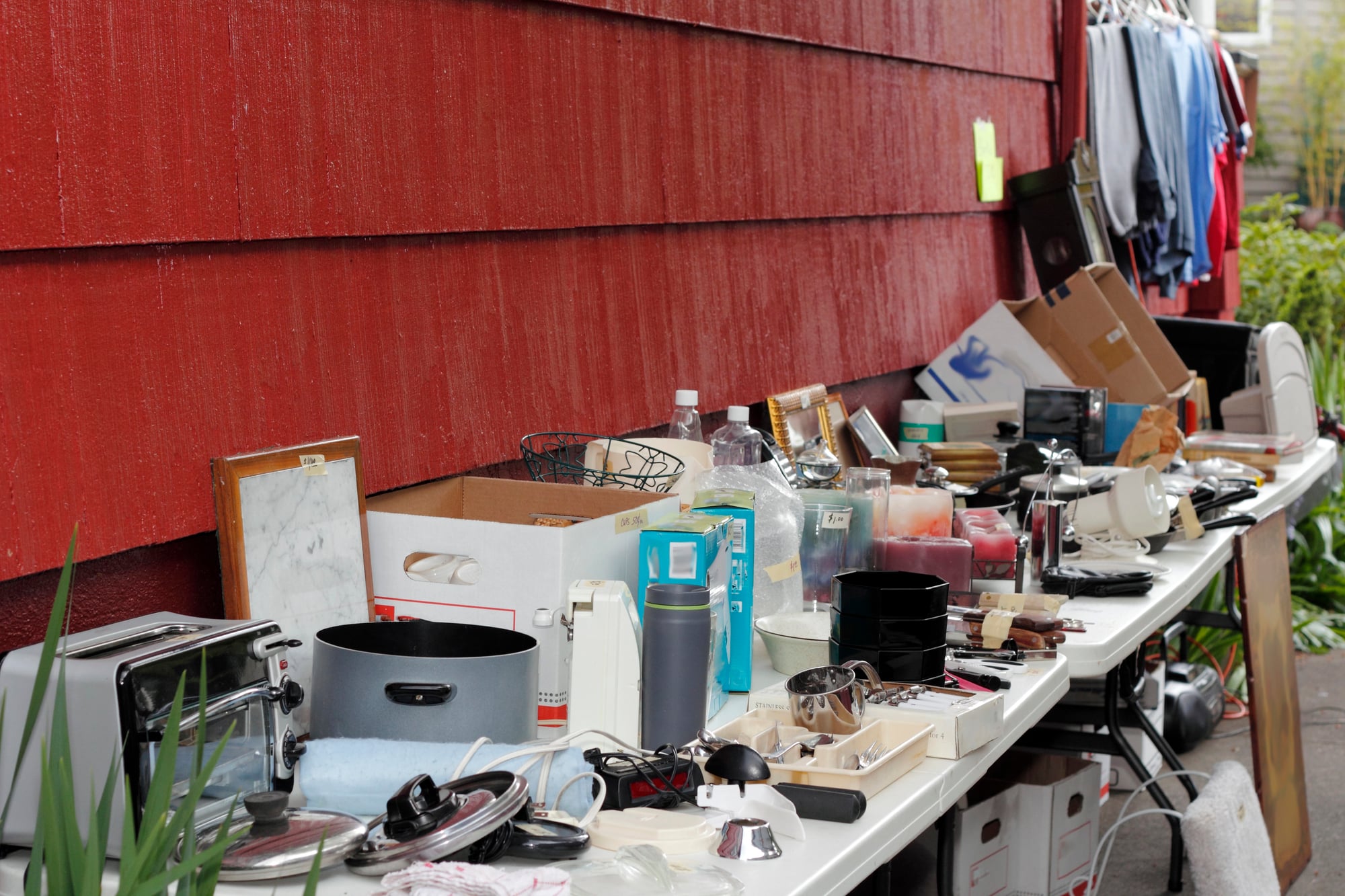
Jade carvings of Chinese imperial origin, particularly pieces from the Ming and Qing dynasties, regularly appear at Western estate sales for prices far below their actual market value because the Western antiques tradition has historically placed less commercial emphasis on Chinese jade than the current international auction market.
Documented cases of genuine imperial jade pieces sold at UK and US estate sales for $50–$500 that subsequently achieved $50,000–$500,000 at auction exist across the major auction house records. The most recent dramatic example involves a small jade pendant sold for £35 at a UK charity shop that was later identified as a Qing imperial piece and achieved £600,000 at auction.
The Andy Warhol Drawing for $5

Andy Warhol produced drawings and prints throughout his career in such numbers that his work appears regularly in estate sales from collectors who acquired pieces in the 1970s and 1980s and who priced them well below current market rates. A signed Warhol drawing, authenticated, can sell for $10,000–$250,000 at auction depending on the subject matter and provenance.
The specific challenge in Warhol attribution — he produced commercial work, studio work, and personal work that he sometimes gave to friends — means that not every piece found at an estate sale is worth pursuing, but the documented cases of genuine works sold for $5–$20 and later achieving five or six figures exist across multiple auction records.
The French Empire Clock for $2
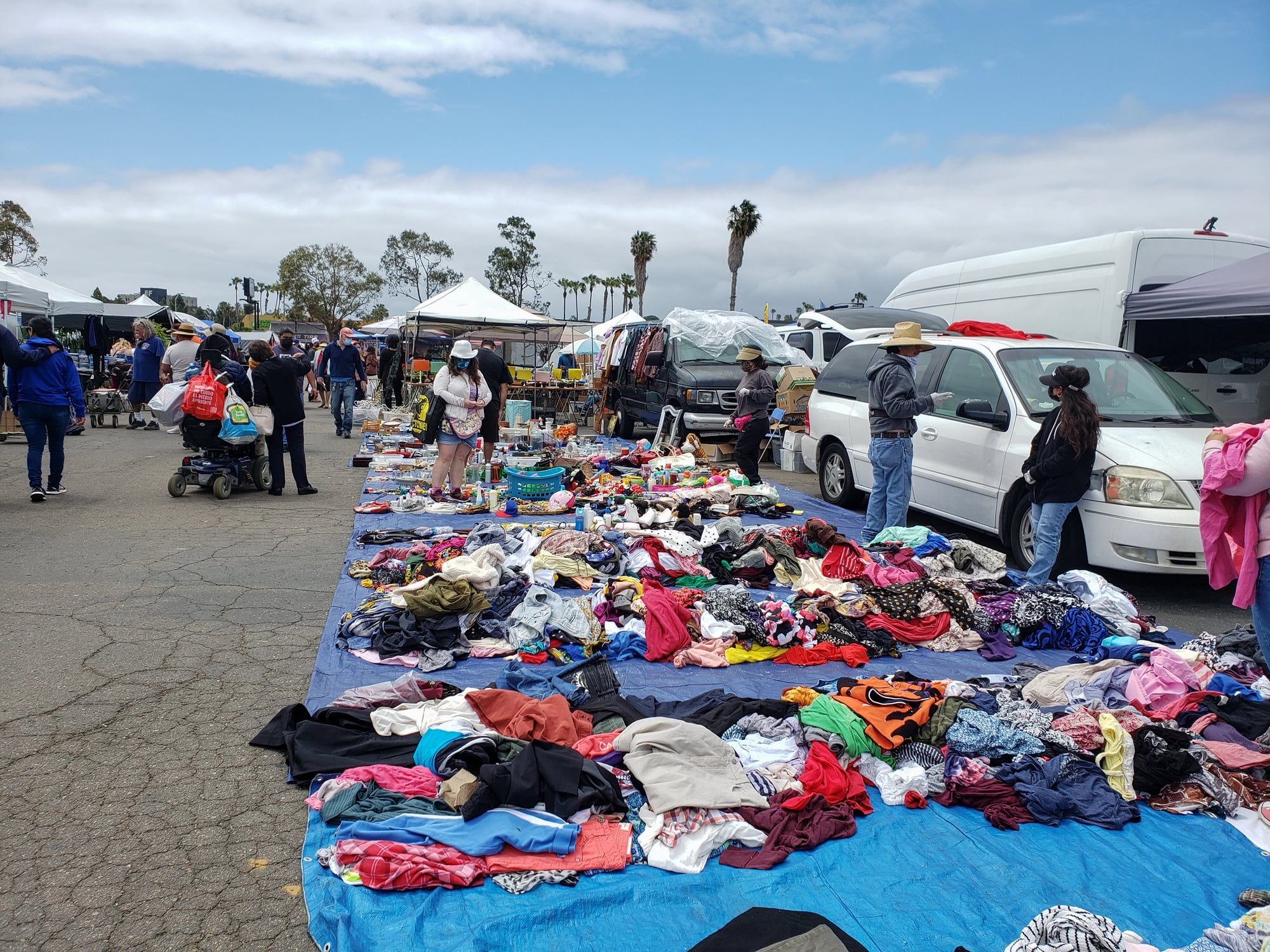
Ornate French decorative clocks of the Empire and Second Empire periods — ormolu cases with marble bases, figure groups, and quality movements by makers including Raingo Frères and Honoré Pons — appear at American estate sales priced in double figures when sellers interpret them as generic decorative objects rather than precision-made collectibles.
A documented example purchased for $2 at a Virginia estate sale — a gilt-bronze Empire clock with a Vincenti movement — achieved $4,200 at auction, more than 2,000 times its purchase price.
The N.C. Wyeth Painting
In 2018, a woman in New Hampshire found a painting at a thrift store for $4. Something about it struck her as worth investigating — perhaps the skill of the figure work, the quality of the paint handling.
A cascade of social media consultations and expert analysis eventually identified it as a work by Newell Convers Wyeth — the illustrator father of Andrew Wyeth and one of the most celebrated American illustrators of the early 20th century, known for his dramatic paintings for classic novels including Treasure Island and The Last of the Mohicans.
The painting sold at a Bonhams Skinner auction for $191,000.
The First-Edition Tolkien
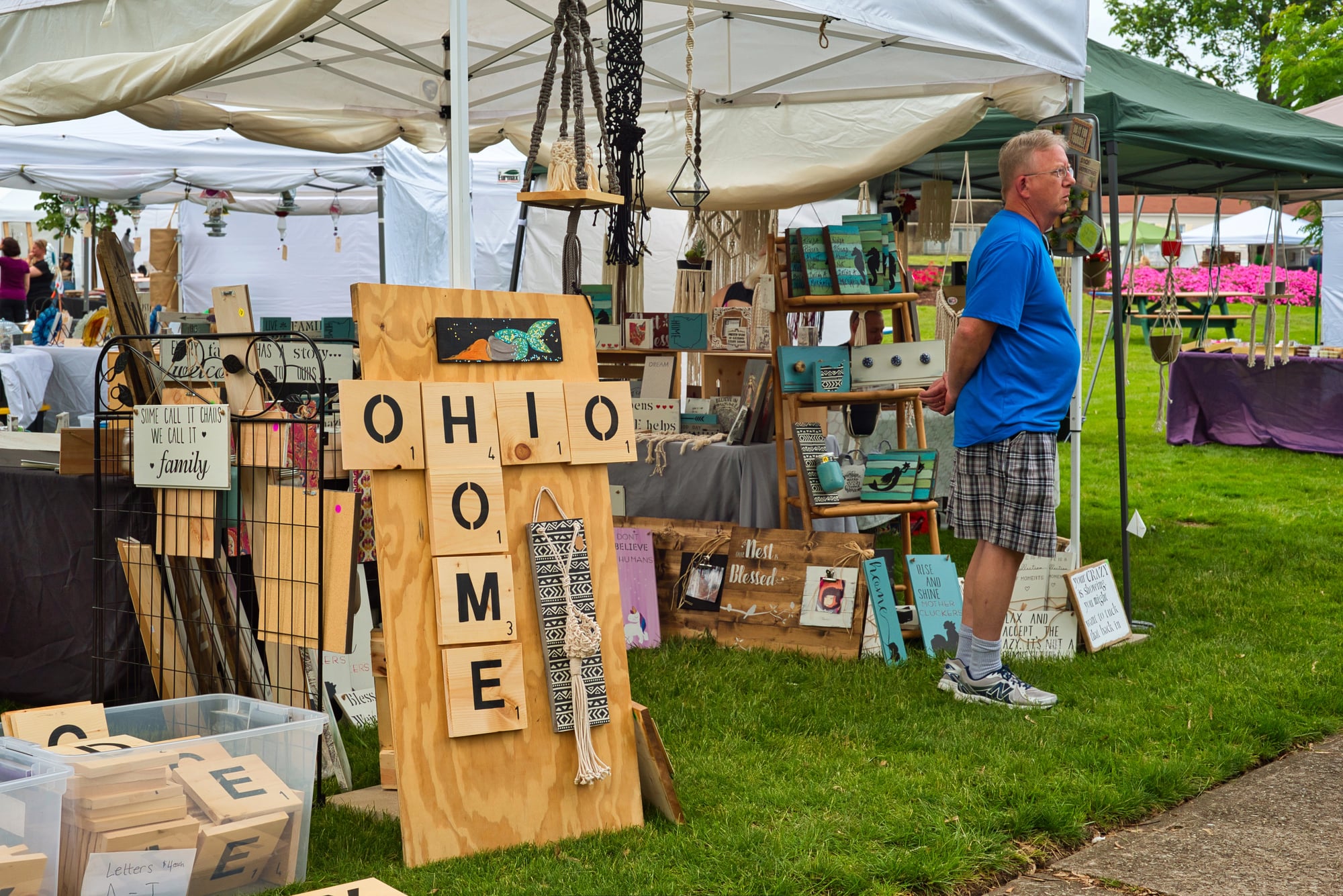
First editions of J.R.R. Tolkien’s The Hobbit (published 1937) and The Lord of the Rings trilogy (published 1954–1955) in good condition sell at auction for $25,000–$250,000 depending on the edition state, the binding condition, and whether the dust jacket survives. The dust jackets are more valuable than the books themselves in most cases.
First editions without their dust jackets appear at charity shops and estate sales regularly, priced at a few dollars, and while they don’t achieve the same prices as jacketed copies, they still represent returns of hundreds of times their purchase price when correctly identified by a collector.
The Royal Doulton Figurine Collection

Royal Doulton figurines produced in limited editions or discontinued early in their production run can sell for $500–$5,000 each, and the difference between a valuable discontinued model and a common ongoing production piece is not apparent to a seller who sees a collection of china ladies and prices the lot at $5 each.
Specific models — the HN2007 “Vanity” introduced in 1949 and discontinued in 1951, the HN1937 “Vanessa” from 1940 — command prices that bear no relationship to how similar they appear visually to common production pieces. Collectors who know exactly which model numbers to look for on the base of each figure find estate sale Royal Doulton collections among the most reliably underpriced categories in British ceramic antiques.
The Early Pyrex Butterprint Bowl
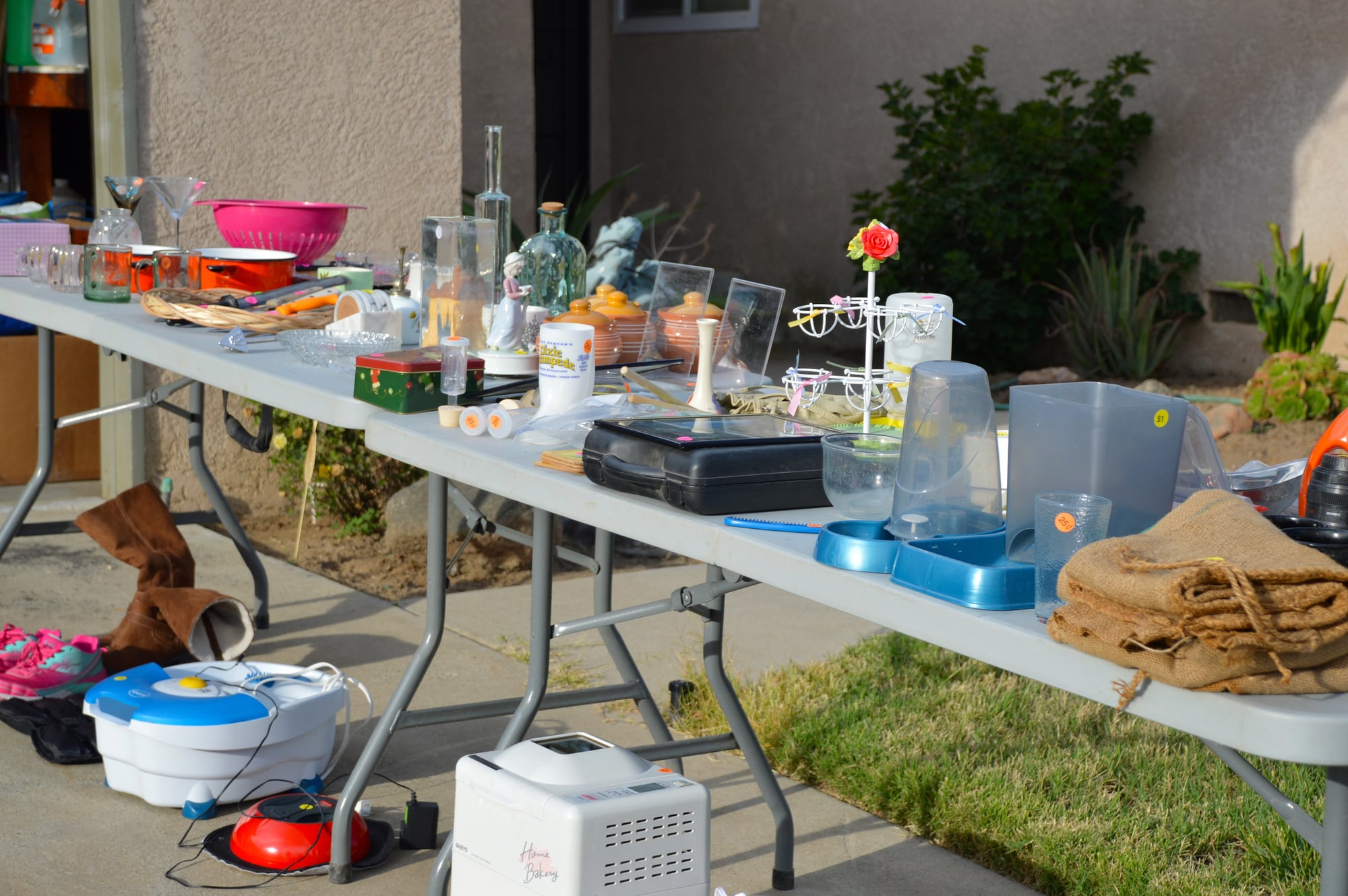
Pyrex pattern bowls from the 1950s and 1960s, particularly the Butterprint pattern (turquoise with wheat motifs on one side and roosters on the other) and the Gooseberry pattern (pink fruit motifs on white), sell regularly for $100–$400 at collector markets.
A full nesting set of four Butterprint bowls in excellent condition can achieve $800 or more. These bowls appear at every garage sale involving a household kitchen from the 1960s, typically priced at $2–$5.
The gap between garage sale price and collector market price has narrowed as Pyrex collecting became more publicly discussed after 2015, but the Butterprint pattern in particular retains enough of a gap to reward buyers who know the specific patterns to look for.
The Space Shuttle Mission Crew Jacket

NASA mission crew jackets and memorabilia from specific flights — particularly from the Apollo and early Shuttle programmes — sell at auction for $5,000–$100,000 depending on the flight and the documentation. Flight-worn items with provenance documentation command the highest prices.
Items donated to estate sales by families of engineers and contractors who worked on the programmes — people who owned pieces of mission hardware, documentation, and equipment as normal objects of daily working life — occasionally appear at garage sales priced as ordinary clothing or miscellaneous items.
The Meteorite in a Rock Box
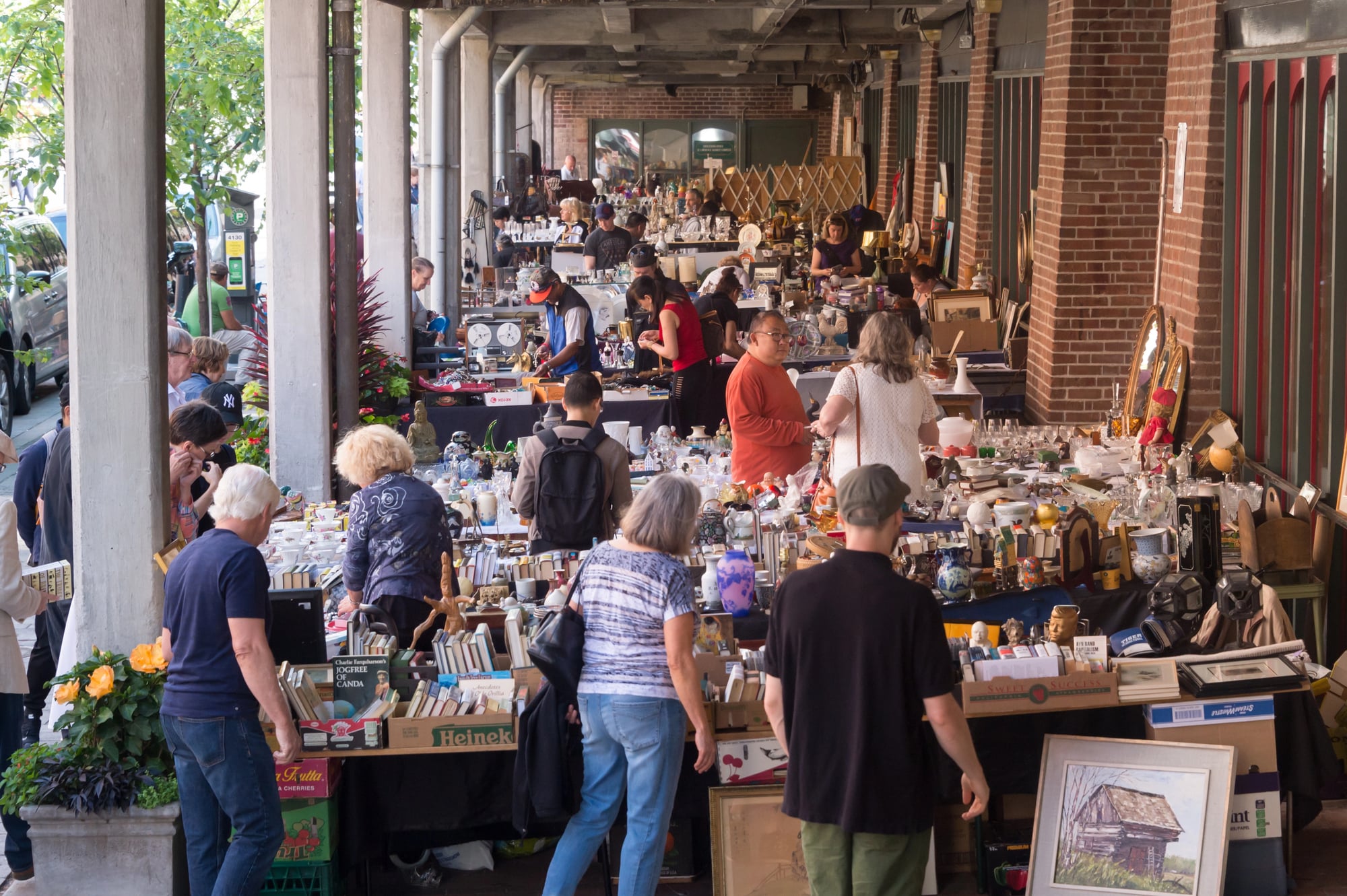
In 2017, a rock collector paid $100 for a collection of rocks at an estate sale in Missouri. One of the rocks was later identified as the Conception Junction meteorite — a pallasite stony-iron meteorite containing olivine crystals embedded in an iron-nickel matrix, a meteorite type that sells to collectors for several hundred dollars per gram.
The total weight of the Conception Junction rock in the box was approximately 11 kilograms, making its auction value roughly $50,000 based on meteorite market prices at the time. The buyer had been buying rock collections for years before this one, which is what made recognising the unusual density and crystal inclusions possible.
The Tiffany Sterling Strawberry Set
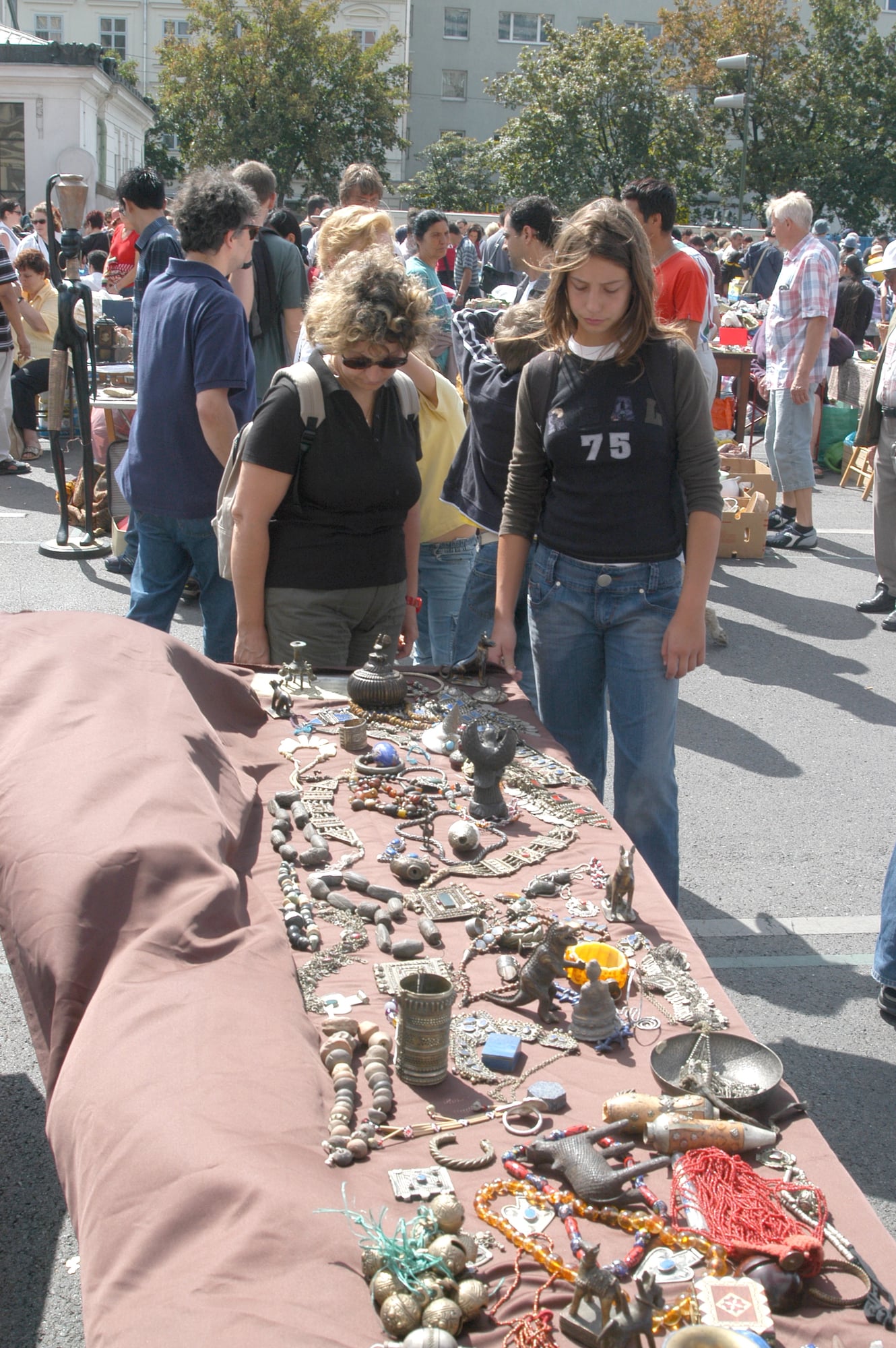
Georg Jensen, Tiffany & Co., and Paul Revere-tradition American silver from the 18th and 19th centuries appears at estate sales priced by silver weight rather than by maker or design quality. A Tiffany Sterling silver seven-piece strawberry set — fork, spoon, and serving pieces in the characteristic Tiffany vine pattern — sells at auction for $1,500–$4,500.
At estate sales where the silver is weighed and priced at spot metal value, the same set costs $120–$200. Buyers who know the Tiffany Sterling stamp and can identify the pattern from 1880s production without looking it up achieve returns of 10–30 times their purchase.
The Aboriginal Bark Painting

Australian Aboriginal bark paintings from the Northern Territory — particularly works by documented senior artists from the Arnhem Land tradition — sell at Australian auction for A$5,000 to over A$100,000.
They appear at estate sales of Australians who worked in the Northern Territory in the 1960s and 1970s and acquired pieces directly from artists or through early commercial galleries, priced as decorative items without specific attribution.
Identifying a piece as a work by a documented artist of the Yolŋu or Kunwinjku traditions requires knowledge of the cultural context that most estate sale sellers do not have.
The First-Edition Charles Dickens
First editions of Dickens’s major novels — The Pickwick Papers, Bleak House, Great Expectations — published in the characteristic green cloth binding of the Chapman and Hall first printings sell for $2,000–$50,000 at auction depending on condition and issue points. They appear at estate sales of families whose Victorian ancestors were readers, typically priced at $5–$20.
The difference between a first edition and a later reprint is not visible in the spine design but is legible in specific typographical details within the first few pages, and collectors who know which edition points to look for find Victorian literature estate sales one of the most reliably productive hunting grounds for undervalued items.
The Louis Vuitton Steamer Trunk
Pre-World War II Louis Vuitton luggage — canvas-covered steamer trunks, hat boxes, and wardrobe trunks with the distinctive LV monogram in the original brown and beige colourway — sells at auction for $3,000–$25,000 depending on size, condition, and the specific canvas pattern. They appear at estate sales from families who inherited them, priced as large, inconvenient old luggage at $50–$200.
The interior hardware — the hangers, the drawers, the lock mechanisms — and the original canvas condition are the primary value determinants, and a trunk with its original paper lining and working drawers achieves the highest prices.
The Intact Corgi Toy Cars in Original Box
Corgi diecast toy cars from the 1950s and 1960s in mint condition with their original boxes represent one of the most sought-after categories of vintage toy collecting. Specific models — the Corgi Toys 267 Batmobile from 1966, the 261 James Bond Aston Martin DB5, the 267 Rocket-Firing Batmobile — sell for $500–$5,000 in mint boxed condition.
The boxes are frequently more valuable than the cars: an unboxed Batmobile might sell for $50, but the same car in its original box with its crime-fighting accessories intact sells for $2,000 or more. Finding even one boxed example at a garage sale from a family clearing a child’s toy collection can represent a return measured in the dozens of times the purchase price.
The Signed First-Edition Hemingway
A first edition of Ernest Hemingway’s The Sun Also Rises (published 1926 by Scribner’s) in good condition with a surviving dust jacket sells for $25,000–$100,000. A signed copy doubles or triples that.
Hemingway signed books readily throughout his life, and signed copies appear in estate sales of families who encountered him at events, at his homes in Cuba or Idaho, or through literary connections. The distinction between a signed copy and a later facsimile signature requires examination with a loupe and comparison with known authentic signatures from the same period.
Buyers who can make that identification at an estate sale priced at $20 are looking at returns of 1,000 times their investment.
The Victorian Mourning Jewellery
Victorian mourning jewellery — pieces specifically made from jet, black enamel, and human hair to commemorate the dead, produced in large quantities particularly after the death of Prince Albert in 1861 when Queen Victoria’s decades of mourning made the practice fashionable — sells for $50–$3,000 per piece depending on the materials and the quality.
Genuine Whitby jet (a fossil form of wood from the Jurassic period found near Whitby, Yorkshire) is significantly more valuable than the French jet glass imitation, and the difference in weight and warmth when held identifies it immediately to a buyer who knows what to look for.
Hair-work pieces — brooches and rings incorporating the woven hair of the deceased — command the highest prices when the provenance is documented.
The Sèvres Porcelain Piece
Genuine Sèvres porcelain from the French royal manufactory, which operated under royal patronage from 1756 and produced some of the most refined European ceramics of the 18th century, appears at Western estate sales priced as decorative china without specific attribution.
A genuine 18th-century Sèvres piece with the painted interlaced L mark of the royal factory sells at auction for $2,000–$100,000 depending on the form, the painter’s marks, and the date.
The challenge is that Sèvres has been extensively imitated since the 19th century, and distinguishing genuine 18th-century pieces from later imitations requires knowledge of the specific mark forms and painting styles of different periods.
The Price Gap That Never Closes
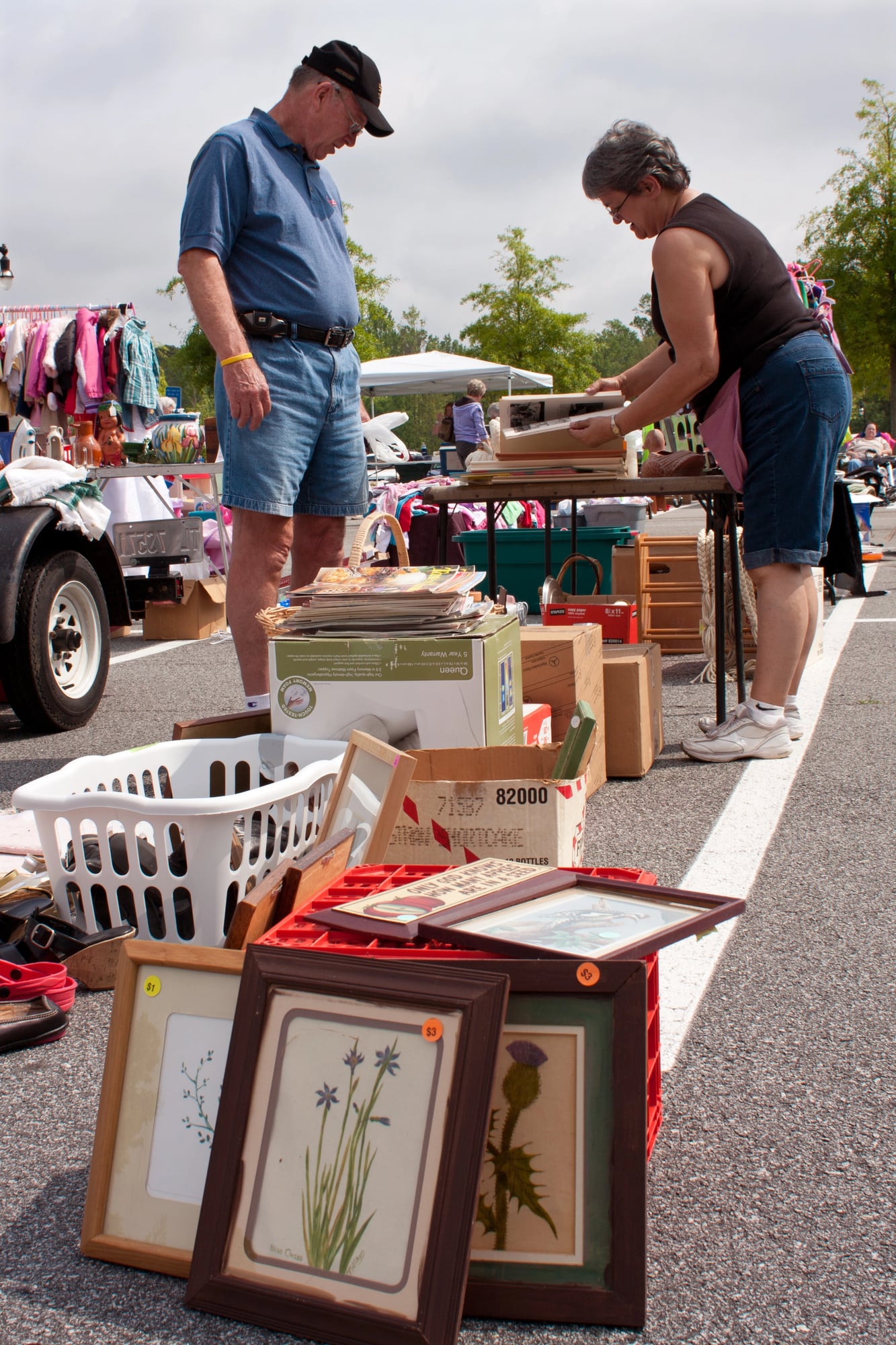
The supply of undervalued objects at estate sales and garage sales has not dried up, though it has changed shape. The internet connected more sellers to more price information than existed twenty years ago, and the most obvious categories — signed artworks, branded luxury goods, obvious collectibles — are less likely to appear at dramatically undervalued prices than they once were.
But knowledge remains unevenly distributed. The Chinese ceramics expert who identifies a Song dynasty bowl and the Fabergé specialist who recognises an imperial egg are not the people pricing estate sales in the American Midwest.
The gap between institutional expertise and general awareness about any particular category of object is exactly the gap that makes these finds possible, and that gap is different for every category and every location.
The most important lesson from these thirty-two cases isn’t that garage sales contain hidden masterpieces. Most of them don’t.
It’s that the difference between an object sitting unseen for decades and an object selling for millions is almost always the same thing: a single person who recognised what they were looking at, at the right moment, in the right place.
The Declaration of Independence sat behind a painting for an unknown number of years before the man who bought the frame for $4 found it. The Fabergé egg sat in a scrap dealer’s storage for ten years before its owner researched the mathematics of the melt value.
Every one of these finds was a near miss — almost didn’t happen, almost stayed unknown — and every one of them started with someone paying a few dollars for something that nobody around them thought was worth the asking price.
More from Go2Tutors!

- The Romanov Crown Jewels and Their Tragic Fate
- 13 Historical Mysteries That Science Still Can’t Solve
- Famous Hoaxes That Fooled the World for Years
- 15 Child Stars with Tragic Adult Lives
- 16 Famous Jewelry Pieces in History
Like Go2Tutors’s content? Follow us on MSN.