26 Neighborhood Characters From Growing Up That Made the Street Feel Like Its Own World
Every street had its own cast. Not famous people, not interesting by any external standard — just the specific collection of individuals who, by virtue of living within a few blocks of each other, became the recurring characters of a childhood.
You knew them by their habits more than their names: the one with the garden that went past the property line, the one with the dog that barked at everything, the one who sat outside every evening at exactly the same hour. Together they made the street feel like a place with its own internal logic, its own history, its own weather.
These are the people who lived on that street. Most of them exist in some form on every street that was ever a neighborhood.
The Old Man Who Knew Everything About the Block

He’d been there since before any other current resident. He knew which tree had been planted in which year, which family had owned which house before the people who owned it now, and exactly what had happened to the property two doors down in 1987.
He distributed this information not as gossip but as institutional knowledge, the way a municipal archivist might — matter-of-factly, in the context of other conversations. The neighborhood was continuous because he remembered it that way.
The Woman With the Perfect Garden
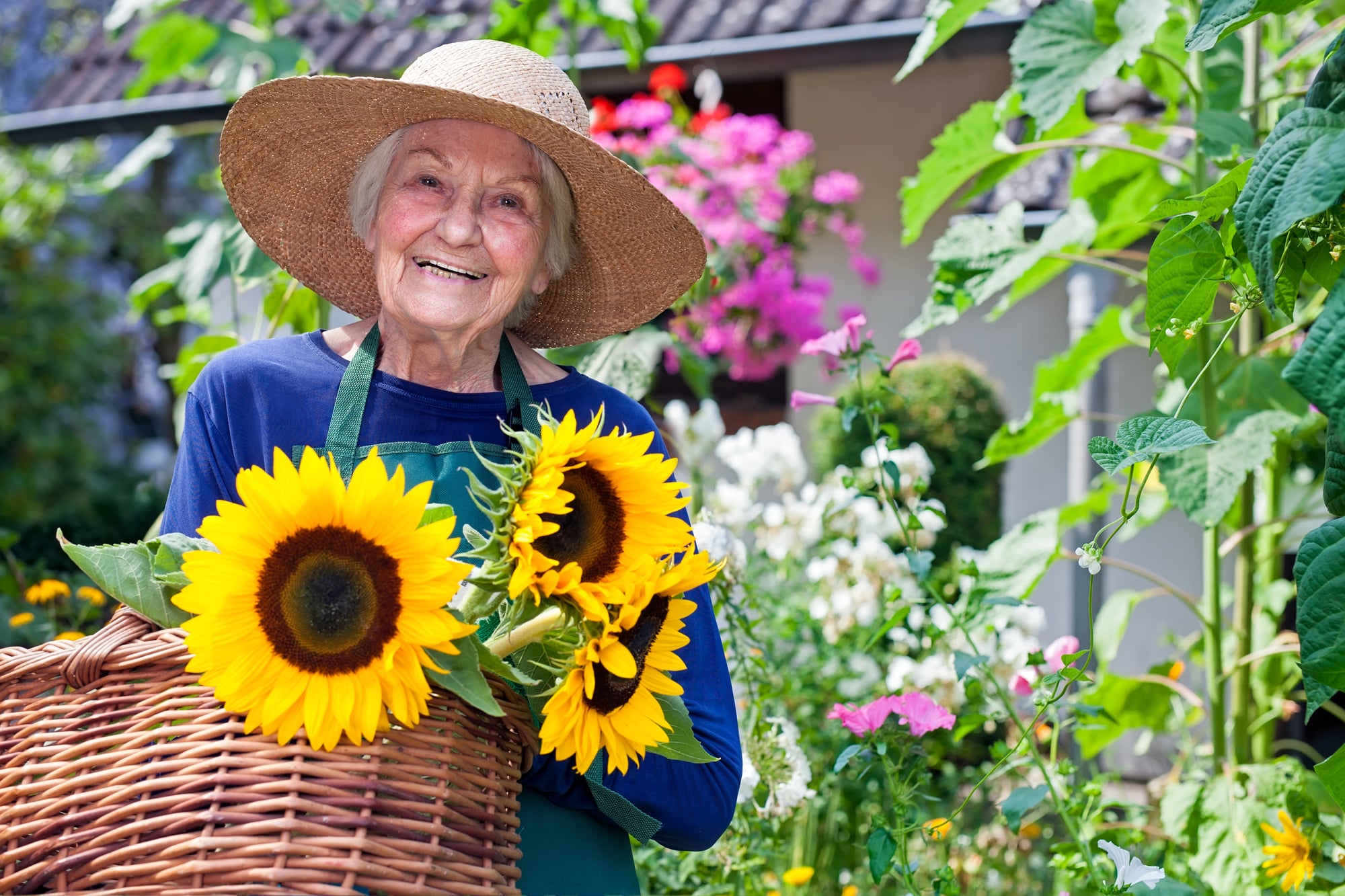
Her front garden was maintained to a standard that suggested either retirement or an extraordinary commitment. Every spring, things appeared in it that you hadn’t noticed the previous year.
The edges were sharp. The colors were deliberate.
She was outside in it in the early morning and again in the late afternoon, kneeling with tools that she kept in a dedicated bag. She knew the names of everything she was growing, and if you asked her, she would tell you, in more detail than you expected.
The Neighbor Whose Dog Had a Stronger Opinion Than the Neighbor Did

The dog barked at the mail carrier, at squirrels, at children walking past the fence, at the sound of other dogs four houses away. The owner offered apologies reflexively, the way people apologize for the weather — with sincerity but without any expectation of changing anything.
The dog was a fixture. You adjusted your route past their house based on the dog’s anticipated presence.
Occasionally you made peace with the dog and the relationship improved markedly.
The Dad Who Was Always Doing Something in the Driveway

Cars, mostly — but also motorcycles, lawn equipment, anything mechanical that had been brought into contact with the driveway and a set of tools. He was under the hood or beneath the chassis or crouched beside the wheel with a wrench at an angle that suggested the problem was in exactly the right place to be difficult.
He’d wave without looking up. If you asked what he was doing, he’d tell you and it would be more interesting than you expected.
The Woman Who Fed Every Stray Cat on the Block

She had names for them. Some she had documented in a notebook.
The feeding happened on a schedule that the cats had learned and that the street had absorbed as background information. There was some disagreement among neighbors about the wisdom of this practice.
It didn’t change anything. The cats were there, they were fed, and they were named.
The Kid Who Was Older Than Everyone and Knew Things

Two or three years older was a significant gap in childhood’s compressed social economy. The older kid had information — about things to avoid, things worth doing, places no one else had been — and dispensed it in a way that felt less like showing off than simply not understanding that the information was remarkable.
They left eventually, for high school or college or a different kind of life, and the neighborhood felt different for a while after.
The Couple Who Argued Where You Could Hear It

On a quiet street, a raised voice carried. You didn’t mean to hear it.
You were just outside when the window was open and the argument was in progress. The subject matter was varied and often mundane, which somehow made it more interesting.
The couple appeared together at the next neighborhood event perfectly composed, and the whole street filed this observation without comment.
The House Where Something Was Always Being Built

Extension, deck, new fence, shed, pergola — the house was in a permanent state of construction that never quite resolved into completion. A finished element appeared every few months and was followed immediately by the beginning of something else.
The projects were good quality. The owner had the confidence of someone who had been learning skills for a decade and had arrived at a level of competence that required new projects to maintain.
The Teenager Who Played Guitar in the Garage

In summer, the garage door was open and the music came out in the late afternoon. It was audible for several houses in each direction.
The quality improved over years in ways that were genuinely perceptible if you were paying attention, which most of the street was, involuntarily. Nobody complained about it.
Guitar in a garage in summer was a sound that the street had decided to absorb as its own.
The Man Who Walked at the Same Time Every Day

He walked the neighborhood at a specific hour, following a consistent route that you could set a clock by. He was not particularly social but would nod or say good morning with precision.
He walked in every weather. Rain, cold, heat — the conditions modified his clothing but not his schedule.
In summer, you could look forward to seeing him pass and use it as a rough approximation of the time.
The Grandmother Figure Who Produced Food Without Warning

She appeared at your door with something she had made — cookies, a loaf of bread, a dish with a name in a language you didn’t speak — and departed before you could respond with anything more than thanks. She did this not occasionally but regularly, on no apparent occasion, without expectation of reciprocal gesture.
The experience of receiving food from her was one of the cleanest social transactions most children encountered.
The Man Who Watched the Street from His Porch
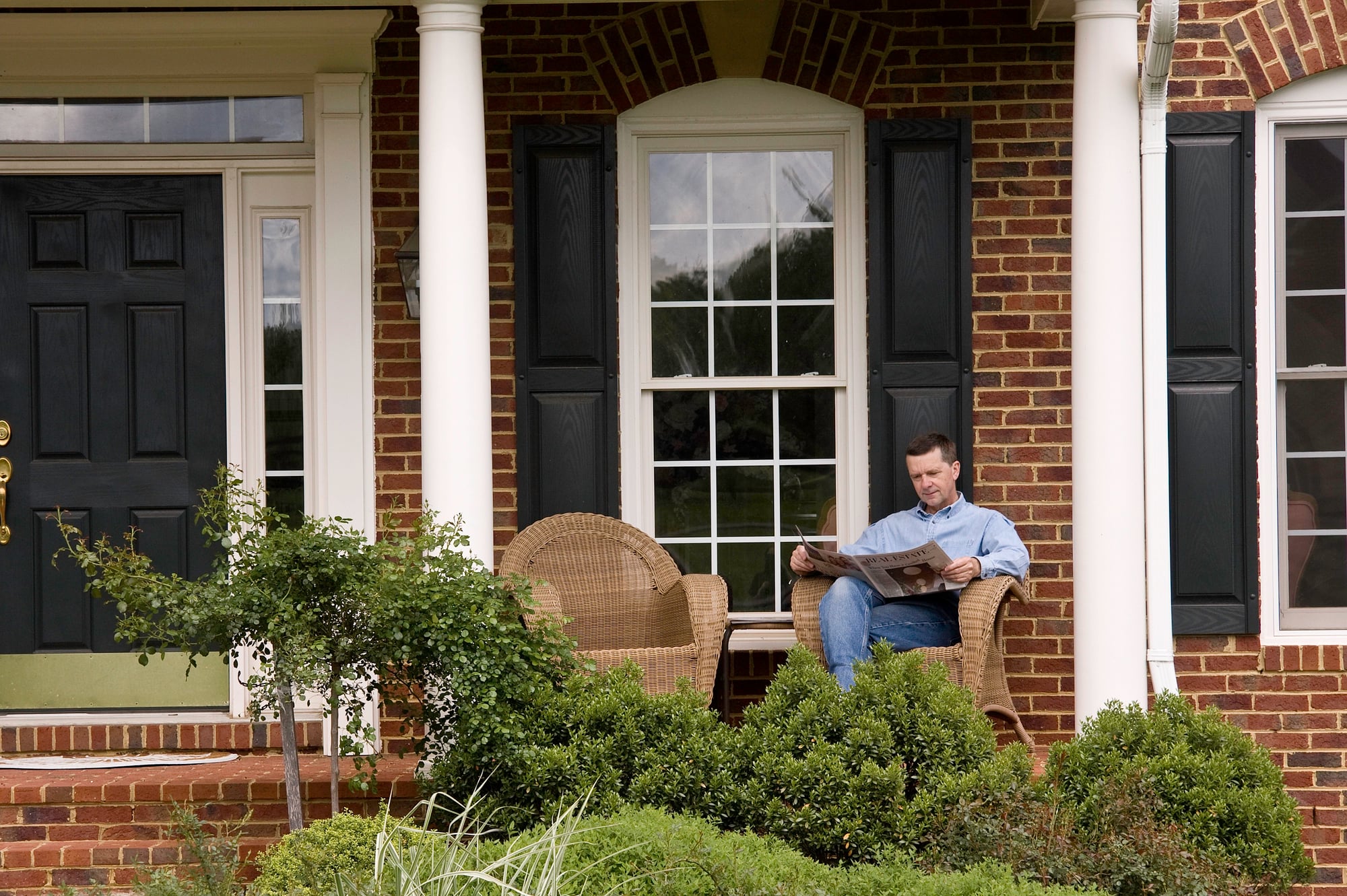
He was there in the morning, in the afternoon, and in the evening. He was not surveilling — or not primarily — but simply present, the way that some people prefer to be outdoors in proximity to their life rather than inside of it.
He knew everything that happened on the street because he was there when it happened. His porch was both a vantage point and a kind of standing invitation that he extended to everyone who approached without explicitly offering it.
The Eccentric Collector
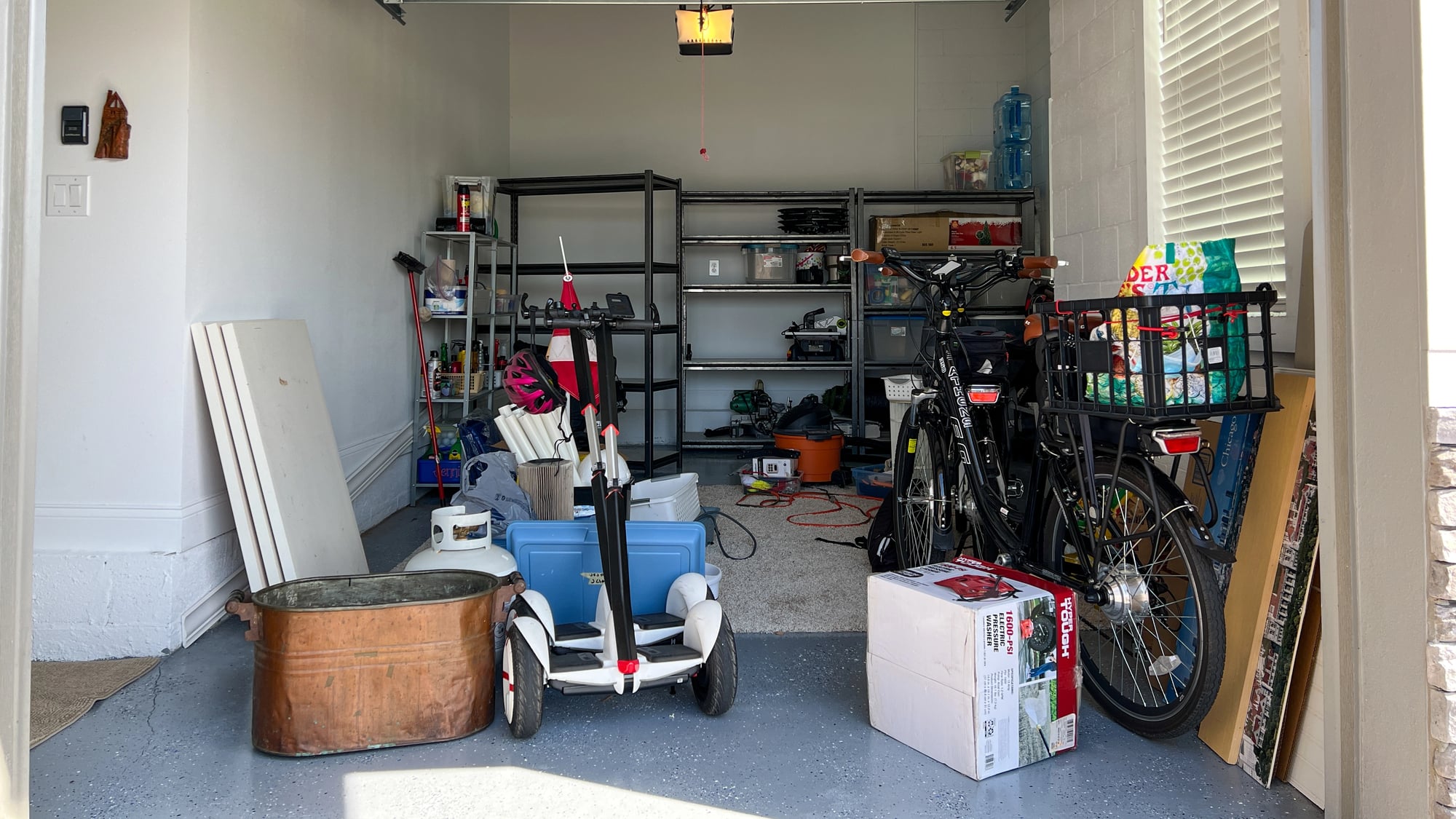
Every neighborhood had one: the garage full of something — vintage tools, old radios, furniture in various states of repair, books organized on a system that was clear to nobody else. They knew what they had and where everything was.
They were sometimes willing to show you, which led to an hour that was more interesting than anything else available that afternoon. The collection was not curated for anyone.
It was assembled for its own purposes, which were private and sufficient.
The Widow Who’d Lived There Longer Than Most People Had Been Alive

She had moved in when the houses were newer, when the neighborhood was different, when streets like this were built for families who stayed and grew old in the same house. She had photographs of the street from decades before that would have been remarkable if anyone had thought to ask to see them, which most people hadn’t.
She maintained her property herself for longer than anyone expected her to, then with some help, then less of herself. The street changed around her and she remained continuous with its history.
The Guy With the Elaborate Holiday Decorations

He was not content with a single string of lights. Every December, or October, or both, the property became a statement.
Lights on every roofline. Inflatable figures in the yard.
A display visible from several blocks away that required planning to produce and months to store. He started the preparations in advance and finished them with a seriousness of purpose that the scale demanded.
The neighborhood had opinions about the display, most of them positive, some of them complicated.
The Quiet Family Everyone Vaguely Wondered About

They came and went without much interaction. Their property was maintained.
They waved in a friendly way that did not invite extension. The neighborhood held a mild, benign curiosity about them that was never satisfied and never became anything more than curiosity.
They were private, which is a legitimate preference and one that a close-grained street community sometimes struggles to accommodate gracefully.
The Kid Who Seemed to Have No Parents

Not literally — but the kid who operated with a degree of independence that seemed to exceed the neighborhood standard. They were outside when it was raining, eating cereal at someone else’s house, present at events without having been invited or brought by anyone.
They knew the interior of several houses well. Their freedom seemed enviable and was probably complicated by things nobody asked about.
The Nurse or Teacher Whose Profession the Whole Street Knew About

Some jobs get disclosed early in a neighborhood relationship and then become permanent features of how you think about the person. The nurse whose advice you sought whenever anyone had a medical question.
The retired teacher who helped with homework when it was needed and remembered the names of children who’d left for college years ago. The street used these professionals informally in ways that blurred the line between neighbor and resource, and they participated in it without complaint.
The Couple Who Did Everything Together

They went to the supermarket together, they walked together, they gardened together on the same strip of yard at the same time. Their independence as individuals was entirely notional — in any neighborhood context, they were a unit.
This was either romantic or slightly alarming depending on who was observing. The street had generally settled on romantic without discussing it.
The Man Who Had Once Done Something Significant

He didn’t mention it often. Someone else mentioned it — to you, the first summer you were old enough to understand it — and from then on you saw him slightly differently.
He had been in a war, or worked on something important, or known someone famous, or been present at something that mattered. He lived now in the neighborhood, taking out the recycling on Thursday, and the history was in him somewhere, not displayed.
The Kid From Down the Street Who Was Slightly Too Young to Include

There was always a younger child — four or five years below the main group — who wanted in but couldn’t quite manage it. They followed at the edge of things, picked up toys that had been set down, occasionally got included in something low-stakes.
The main group tolerated them with varying degrees of patience. Looking back, the young child’s persistence was admirable in ways that weren’t visible at the time.
The Athletic Dad Whose Kids Were Better at Sports Than Everyone Else

He coached at the park on Saturday mornings. His children were, in fact, better at sports than the other kids on the block by a visible margin.
Whether this was innate or the result of Saturday morning coaching was a question nobody asked directly. He was generous with the coaching and applied it to whoever showed up, which partially explained his children’s advantage and completely explained why he was well-regarded.
The Person Who Kept Everyone Loosely Informed

Not a gossip, exactly — but someone whose particular social position meant they knew things and communicated them in a way that didn’t feel like gossip. When someone was moving, you learned it from them.
When someone was unwell, they passed that along. The function they served was essentially one of neighborhood social infrastructure, the oral record of the street’s current events.
The street would have had less coherence without them.
The Dog-Walker Who Became the Street’s Informal News Service

The daily dog walk was a sustained, mobile social contact that covered the entire neighborhood in a way that no other routine activity could. By the time they had returned from their walk, they had spoken to six people, noticed three developments, and could give you a reasonable account of the street’s current state.
The dog provided the pretext for conversation that the walker might not have initiated otherwise. The street was better informed because of it.
The Neighbor Whose Property Served as the Default Gathering Point

It was never planned as such. Something about the physical space — the wide driveway, the flat front yard, the convenient distance from everyone else — meant that people naturally ended up there.
Kids congregated at the end of the afternoon. Adults stood in the driveway for conversations that began as quick exchanges and lasted forty-five minutes.
The owner absorbed this role without making much of it, putting out chairs when the gatherings became regular enough to warrant them.
The Block, As a Whole, as a Character of Its Own
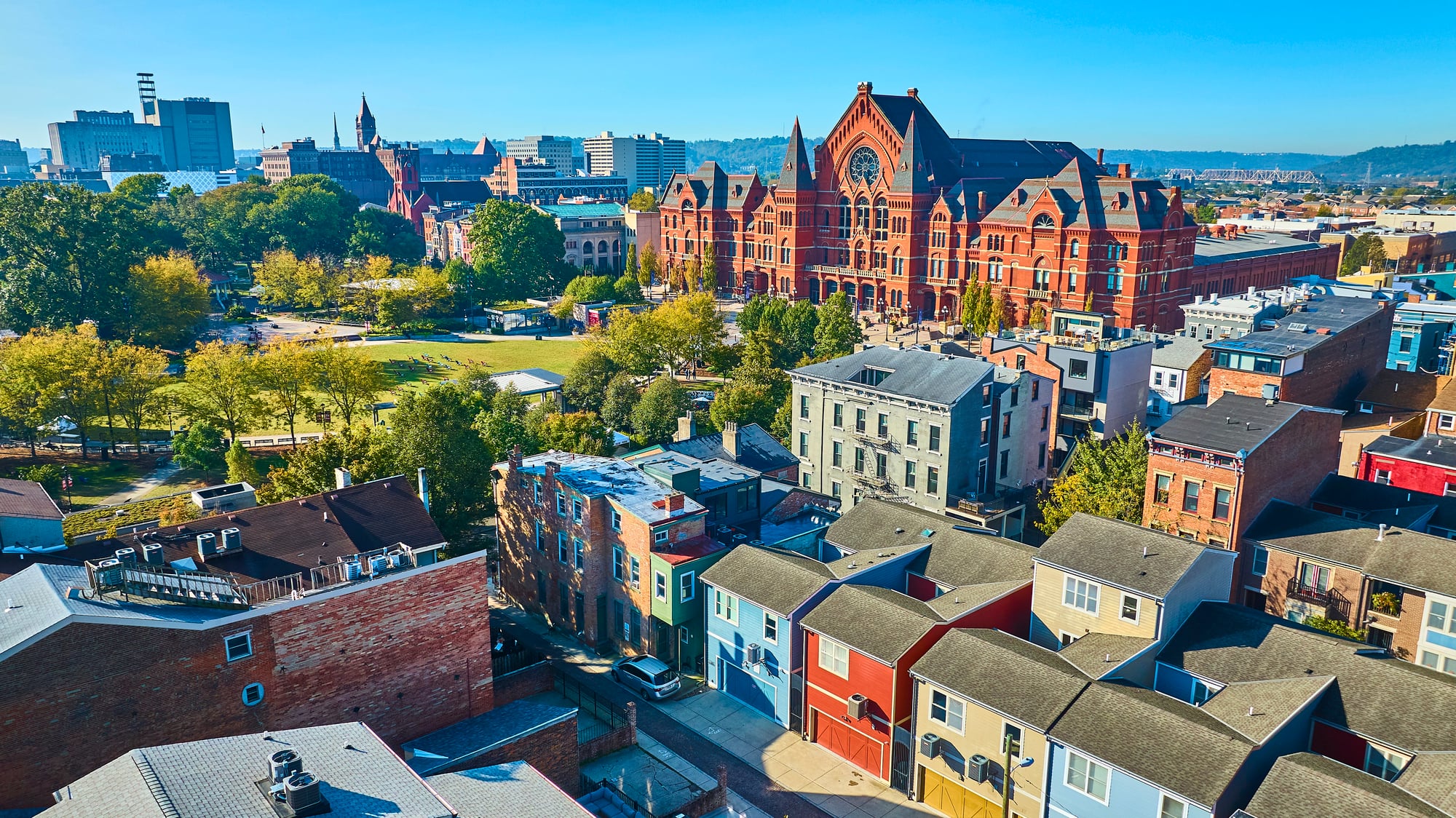
The individual people mattered, but the street was something more than their sum. It had a personality — how quiet it got at night, whether people left their porches lit, how fast the news traveled, how people behaved during a crisis.
A block that absorbed a new family within a month and a block that ignored them for a year were different places, regardless of the individual people. The street on which you grew up was a character as much as any of the people on it, and it was shaped by all of them simultaneously.
What the Street Was Actually Teaching You
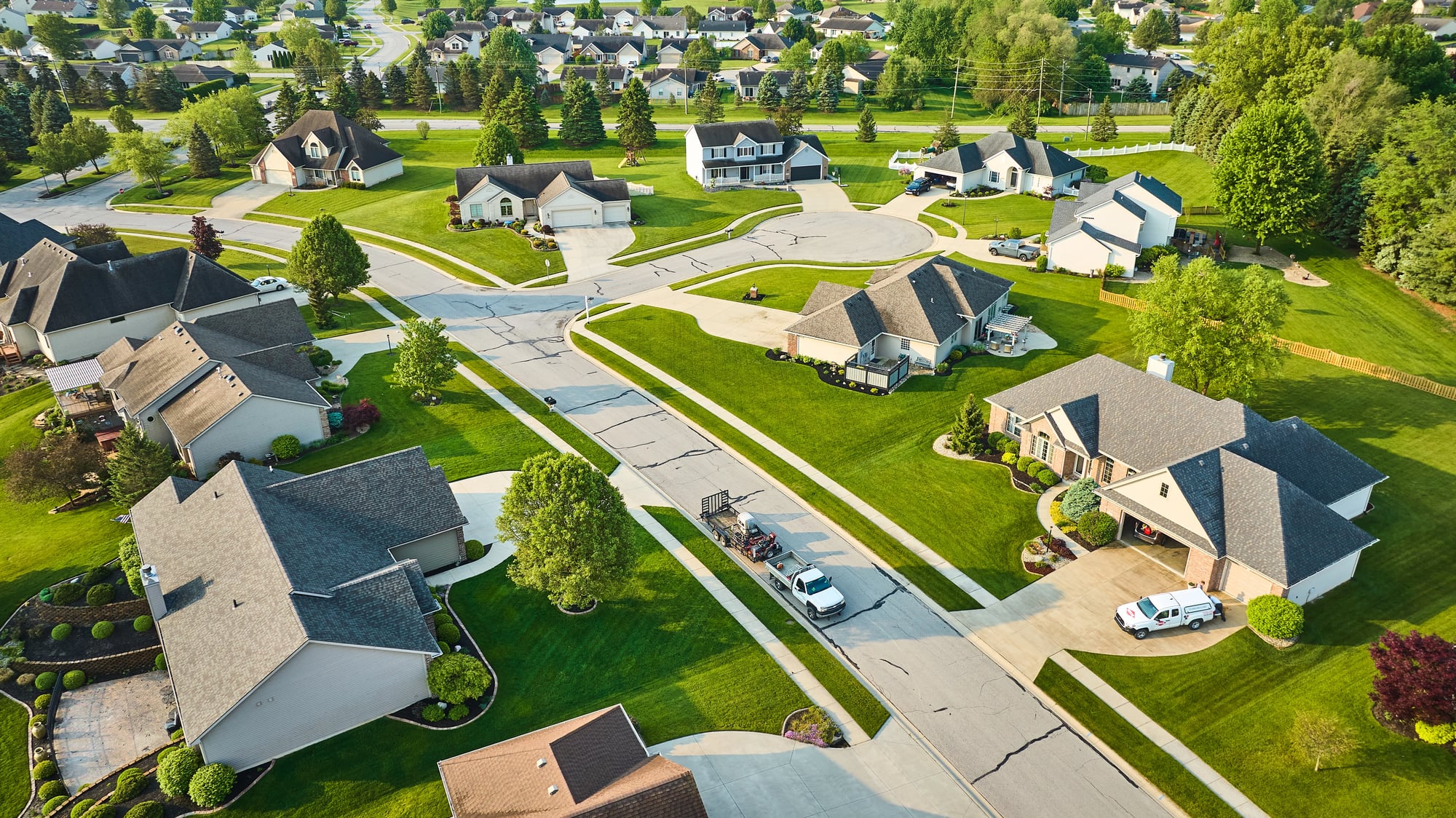
Growing up on a street where you knew people — not because you’d chosen them, but because they happened to live within 300 yards of your front door — taught something that’s difficult to acquire any other way: how to exist in proximity to people you didn’t choose, and to find them interesting anyway.
The old man who knew the block’s history, the woman with the garden, the kid who was too young to include — none of them had been curated by any algorithm. They were just there, and you were there, and that turned out to be enough to build a world.
More from Go2Tutors!

- The Romanov Crown Jewels and Their Tragic Fate
- 13 Historical Mysteries That Science Still Can’t Solve
- Famous Hoaxes That Fooled the World for Years
- 15 Child Stars with Tragic Adult Lives
- 16 Famous Jewelry Pieces in History
Like Go2Tutors’s content? Follow us on MSN.