16 Fast Food Lawsuits That Made News
Fast food chains serve millions of customers daily, but sometimes things go wrong—really wrong. From contaminated food to misleading advertising, these restaurants have faced their share of legal battles that grabbed headlines and changed how the industry operates.
Some cases were legitimate health scares, while others were downright ridiculous attempts to cash in on minor inconveniences. The world of fast food litigation ranges from serious food safety violations that sickened thousands to absurd complaints about portion sizes and pricing.
Here are 16 fast food lawsuits that dominated news cycles and left lasting impacts on both consumers and the industry.
McDonald’s Hot Coffee Case
The 1994 case involving 79-year-old Stella Liebeck and her McDonald’s coffee burns became the poster child for ‘frivolous’ lawsuits, but the reality was far more serious. Liebeck suffered third-degree burns requiring skin grafts when her coffee spilled, and McDonald’s had received over 700 previous burn complaints.
The company initially refused to cover her $10,000 medical bills, leading to the lawsuit that ultimately settled for $600,000.
Jack in the Box E. Coli Outbreak
In 1993, the deadliest fast food contamination case in U.S. history struck Jack in the Box when over 700 people across four states contracted E. coli from undercooked hamburgers. Four children died and 171 were hospitalized after eating at 73 different locations.
The parent company had been warned by health departments and employees about undercooking but chose to ignore safety protocols to avoid tough burgers. Settlements totaled more than $50 million.
Like Go2Tutors’s content? Follow us on MSN.
Wendy’s Finger in Chili Scam
Anna Ayala claimed she found a human finger in her Wendy’s chili in 2005, causing $21 million in lost business for the chain. The elaborate fraud involved her husband obtaining a severed finger from a co-worker who lost it in an industrial accident.
Investigators discovered the finger hadn’t been cooked in chili, and Ayala eventually confessed to planting it herself. She received a nine-year prison sentence for the hoax that made international headlines.
Chipotle’s Record-Breaking Fine
Chipotle paid the largest criminal fine in food safety history—$25 million—after multiple foodborne illness outbreaks between 2015 and 2018 sickened over 1,100 people. The outbreaks involved E. coli, norovirus, and Salmonella across various locations, with investigators finding that sick employees were pressured to work and proper food safety protocols weren’t followed.
The case fundamentally changed how the company handles food safety and employee health policies.
McDonald’s E. Coli Quarter Pounder Outbreak
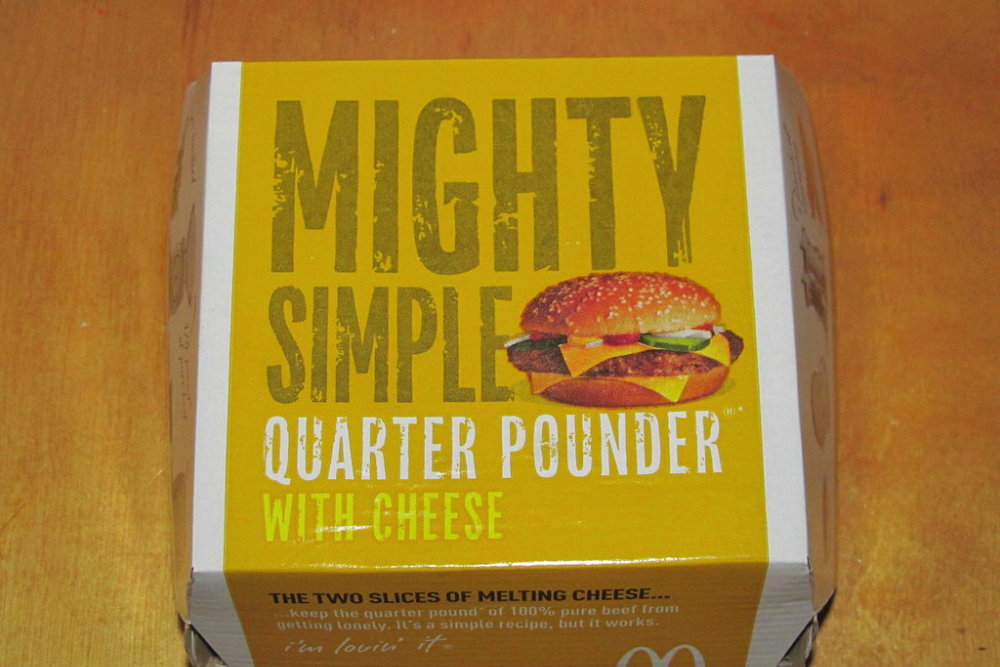
In 2024, McDonald’s faced lawsuits after an E. coli outbreak linked to Quarter Pounder burgers affected 49 people across 10 states, resulting in one death and 27 hospitalizations. The contamination was traced to slivered onions from supplier Taylor Farms, leading to the temporary removal of Quarter Pounders from 20% of McDonald’s restaurants.
Multiple lawsuits seek damages for victims who suffered severe gastrointestinal symptoms.
Like Go2Tutors’s content? Follow us on MSN.
Taco Bell’s Mystery Meat Lawsuit
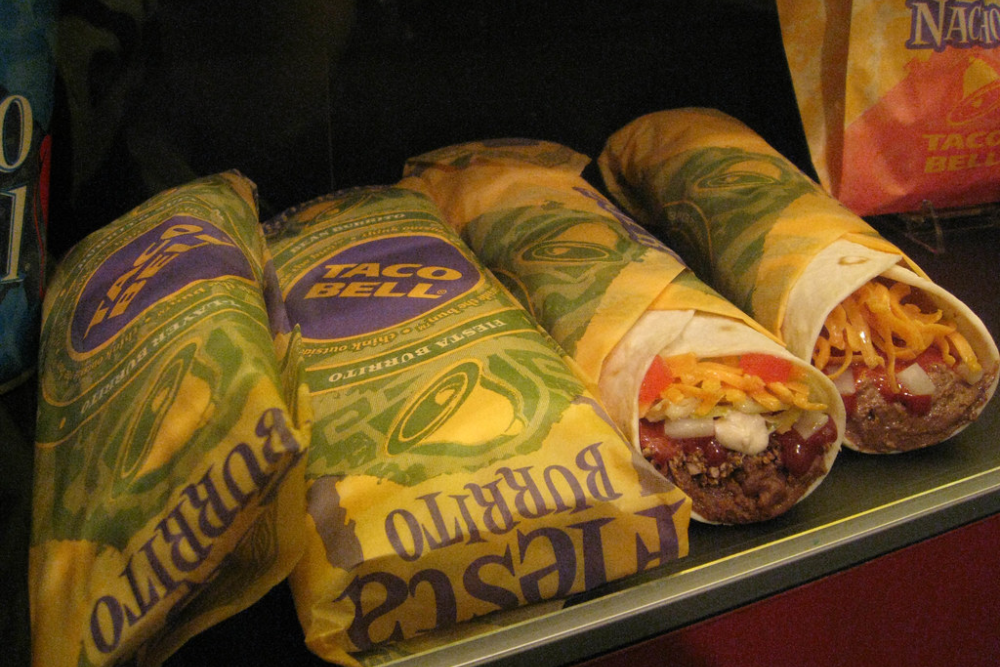
A 2011 class-action lawsuit claimed Taco Bell’s ‘seasoned beef’ contained only 35% actual meat, with the rest being fillers like water, wheat oats, and modified cornstarch. The company fought back with a million-dollar advertising campaign proving their beef was 88% meat and 12% seasoning recipe.
Though the lawsuit was eventually dropped, it sparked ongoing debates about fast food ingredient transparency.
Subway Footlong Sandwich Deception
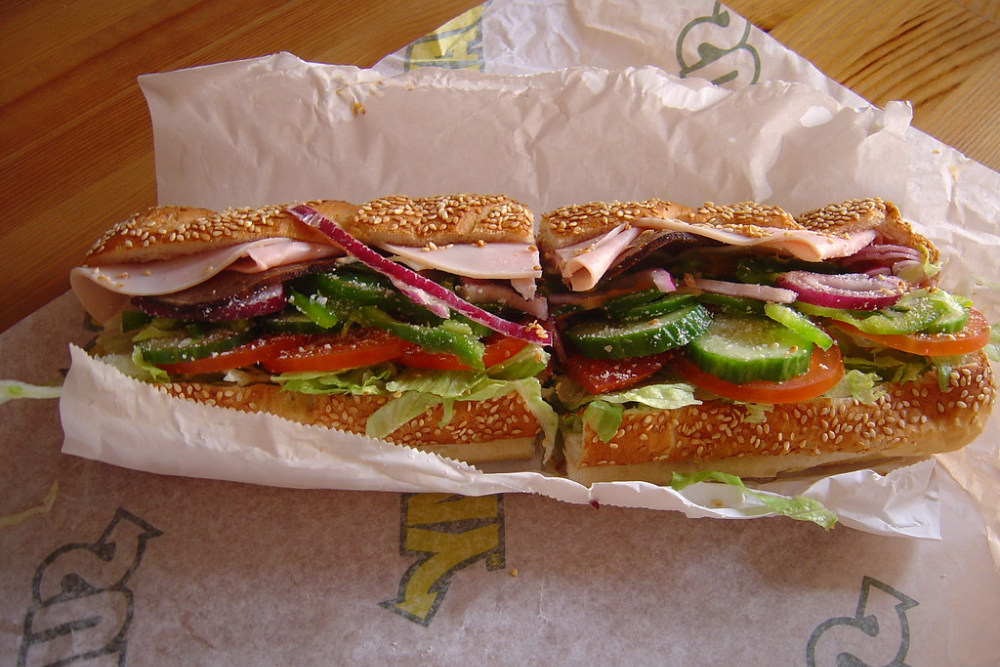
Subway defended against lawsuits for over four years claiming their ‘footlong’ sandwiches were actually shorter than 12 inches. An Australian teenager’s photo with a tape measure sparked the controversy, leading to consolidated lawsuits that dragged on until 2016.
The company eventually settled by paying $500 plus attorney fees to each of the ten plaintiffs, though critics argued only lawyers benefited from the resolution.
Pink Slime Defamation Case
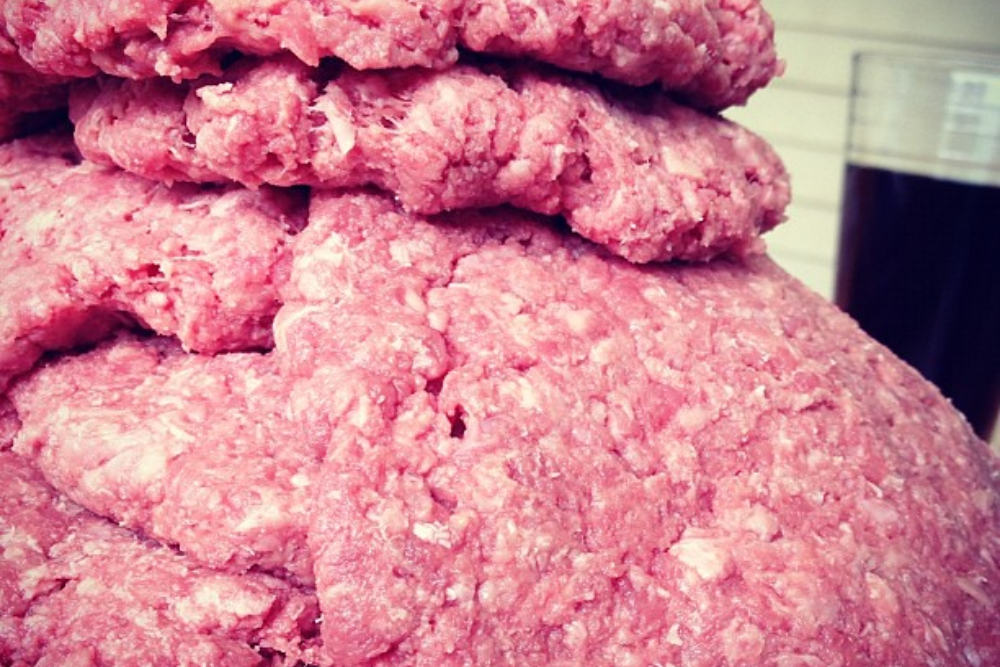
Beef Products Inc. sued ABC News for $1.9 billion in 2012 over reports about ‘pink slime’—lean finely textured beef treated with ammonia that was used by McDonald’s, Burger King, and Taco Bell. The media coverage led to the closure of three BPI plants and massive revenue losses.
ABC eventually settled in 2017 for at least $177 million, reportedly the largest media defamation settlement in U.S. history.
Like Go2Tutors’s content? Follow us on MSN.
McDonald’s and Burger King Forever Chemicals Lawsuit
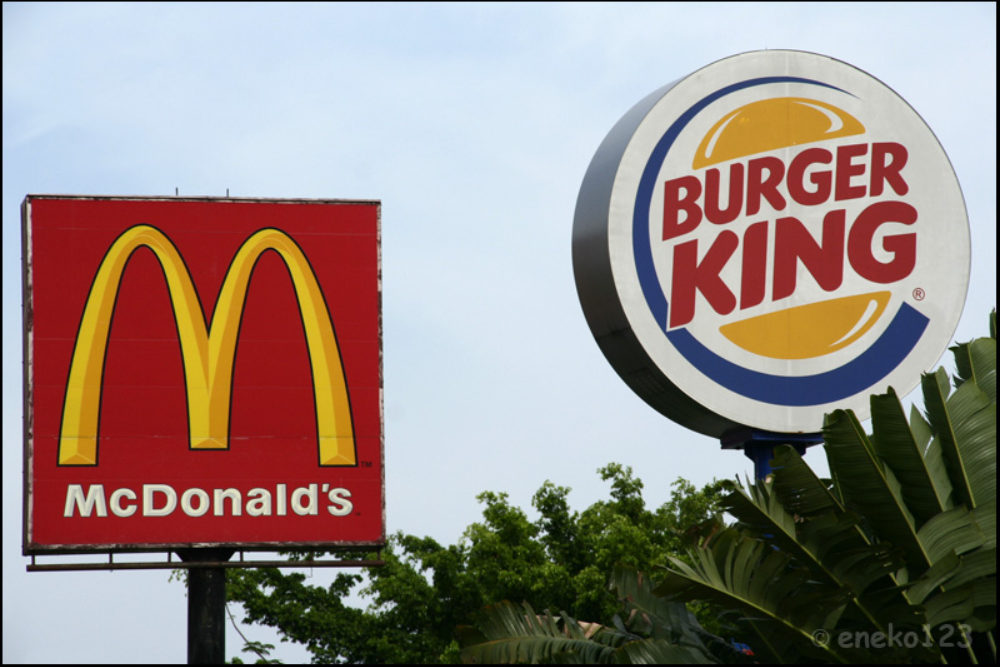
Three separate lawsuits were filed against McDonald’s and Burger King in 2022 over their use of PFAS (per- and polyfluoroalkyl substances) in food packaging. Consumer Reports testing found significant levels of these ‘forever chemicals’ in Big Mac containers and Whopper wrappers.
The suits accused both chains of violating food safety pledges and false advertising about using sustainable packaging materials.
KFC’s Fake Rat Controversy

In 2015, a Los Angeles KFC customer claimed he was served a deep-fried rat instead of chicken, with photos appearing to support the shocking allegation. KFC investigated and had the item tested at an independent laboratory, which confirmed it was actually chicken that happened to be shaped like a rodent.
The incident highlighted how social media can amplify food safety scares before facts are established.
Five Guys Labor Violations
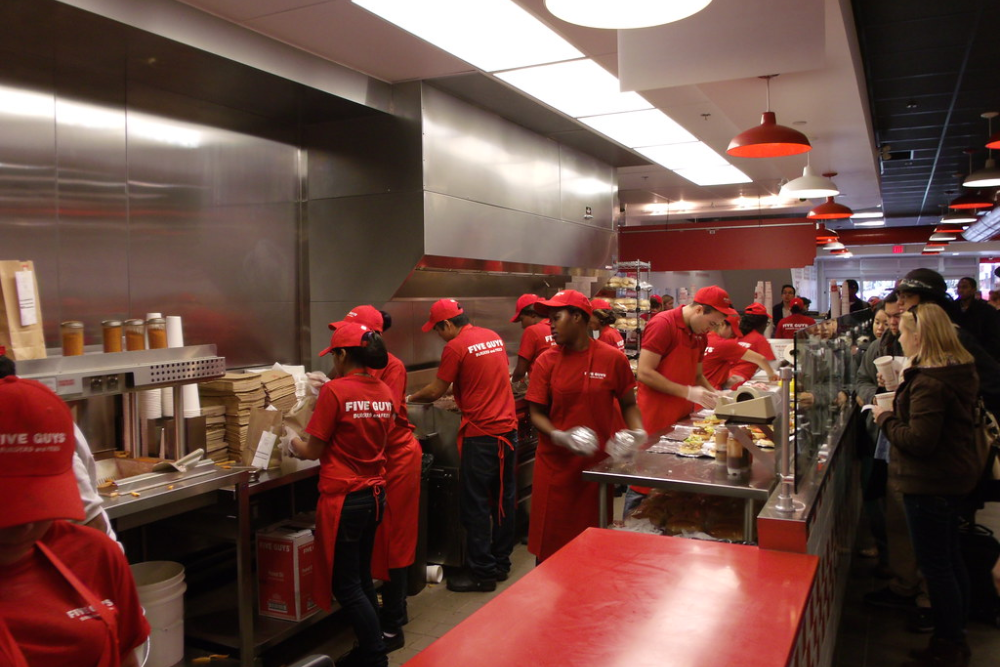
California Five Guys employees successfully sued the chain for $1.2 million over multiple labor law violations. Manager-in-training Jeremy Lusk led the charge against practices including failure to pay overtime, inadequate wage statements, unpaid gas reimbursements, and forcing workers to complete duties off the clock.
It took five separate settlement agreements before a judge finally approved the payout to affected workers.
Like Go2Tutors’s content? Follow us on MSN.
McDonald’s Happy Meal Marketing Lawsuit
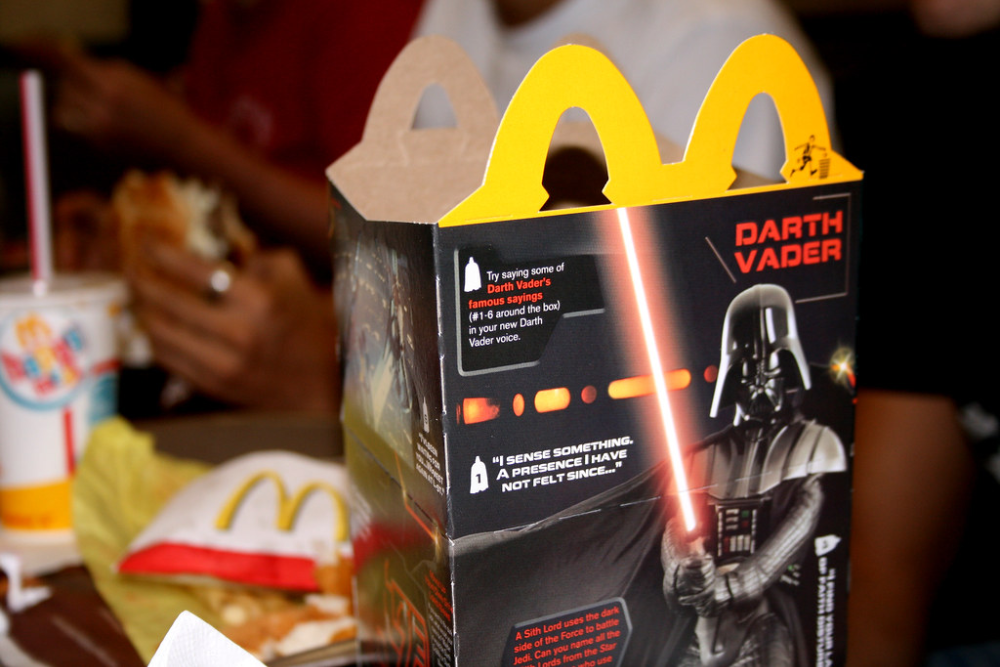
The Center for Science in the Public Interest sued McDonald’s in 2012 for using toy promotions to market unhealthy Happy Meals to children, claiming the practice pressured parents into buying junk food. The group argued that Happy Meal advertisements at children’s eye level with prominent toy displays constituted predatory marketing.
A judge ultimately dismissed the case, with McDonald’s defending their balanced meal options.
Burger King Whopper Size Deception

Burger King faces ongoing false advertising lawsuits claiming their Whopper advertisements show burgers 35% larger with 100% more beef than what customers actually receive. The class-action filing alleges the promotional materials misrepresent the actual size and contents of the signature burger.
Similar lawsuits have targeted other chains for discrepancies between advertised and actual food appearance.
Caesar Barber’s Obesity Lawsuit
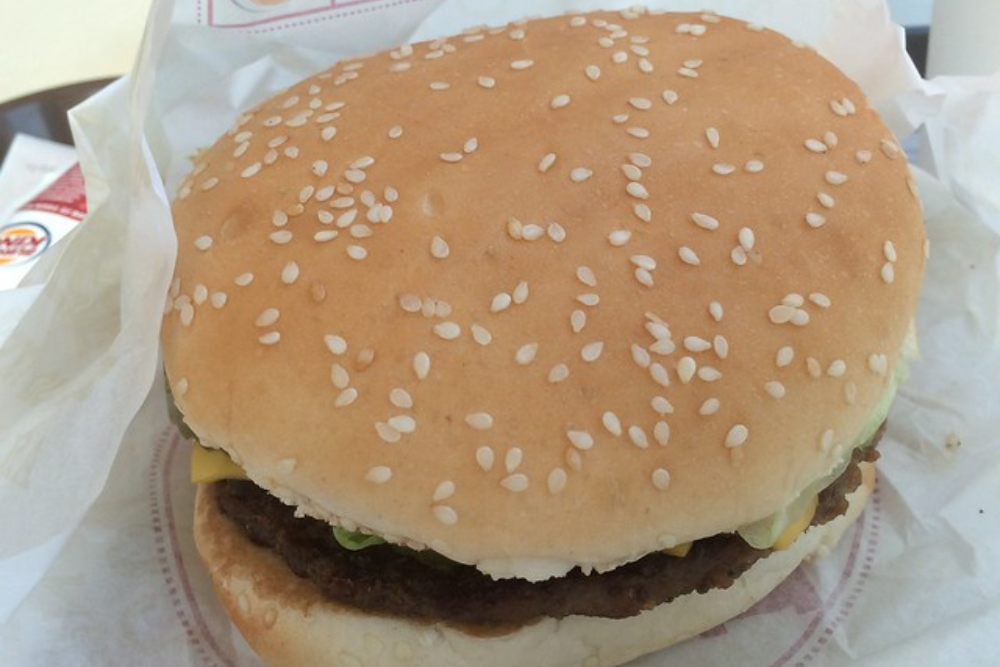
In 2002, 56-year-old maintenance worker Caesar Barber sued McDonald’s, Burger King, KFC, and Wendy’s for failing to warn consumers about unhealthy ingredients that led to his obesity, diabetes, and heart attacks. Barber ate at these restaurants at least four times weekly and claimed inadequate disclosure caused his health problems.
The case was dismissed in 2003 due to lack of legal depth and factual support.
Like Go2Tutors’s content? Follow us on MSN.
Subway Meat Content Deception
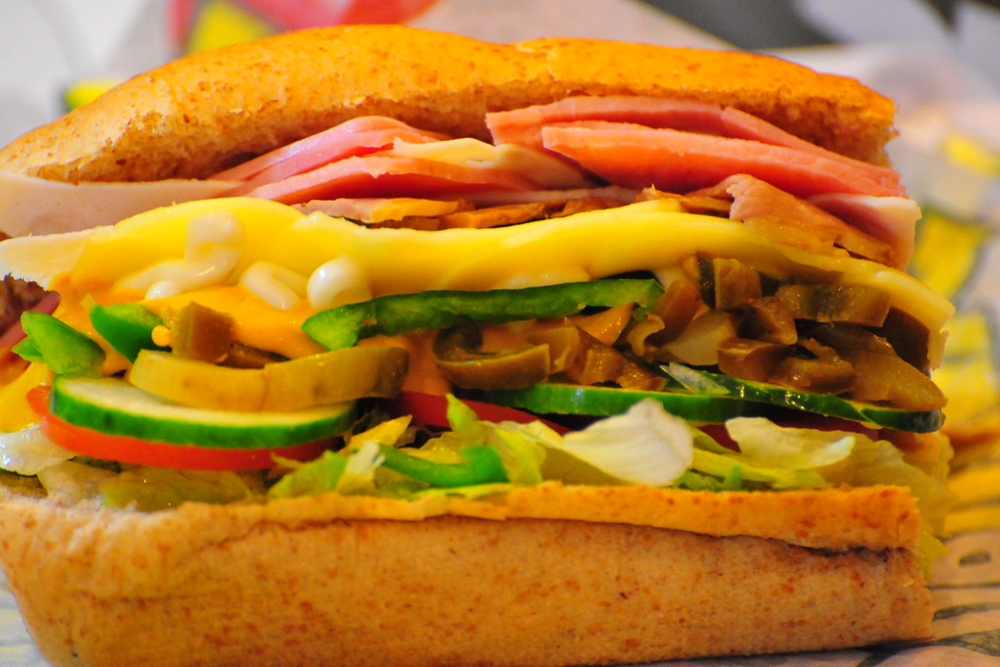
A 2024 class-action lawsuit accused Subway of ‘grossly misleading’ customers about the amount of meat in their sandwiches, similar to previous cases against McDonald’s, Wendy’s, and Taco Bell. The complaint alleges significant discrepancies between advertised and actual meat portions in popular menu items.
The case represents ongoing efforts to hold fast food chains accountable for truthful advertising about food quantities.
Starbucks Ice Lawsuit
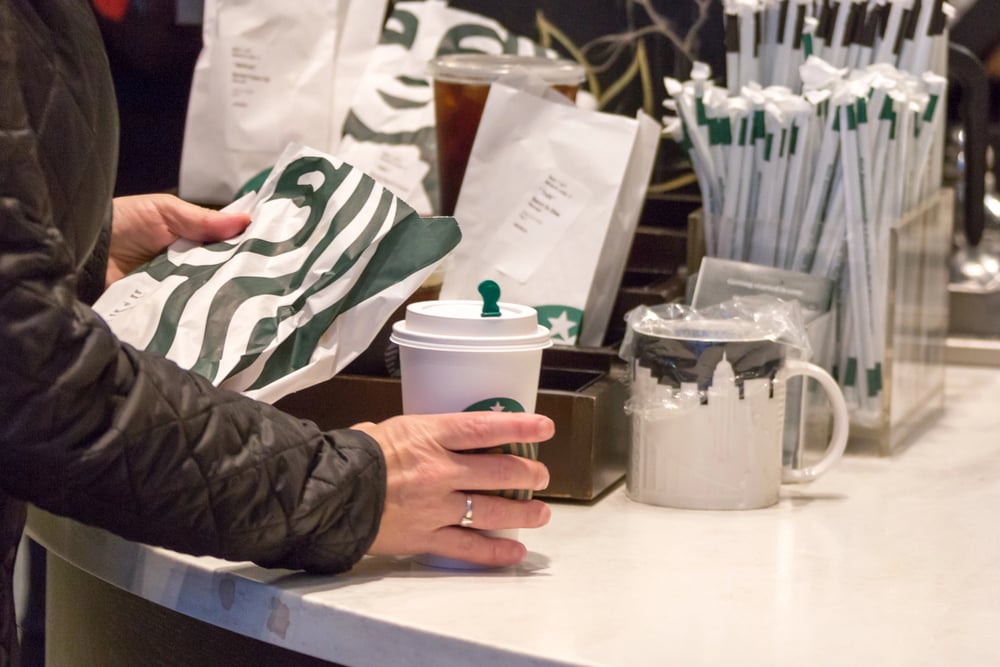
A customer sued Starbucks for putting too much ice in cold beverages, arguing the practice reduced the actual drink volume and constituted false advertising. The plaintiff claimed customers paid for liquid refreshment but received cups mostly filled with frozen water.
The case highlighted consumer frustrations with perceived value deception in the food service industry.
The Legal Landscape Today
Fast food litigation has exploded from just 19 cases in 2008 to 101 lawsuits filed in 2023, according to legal industry data. This dramatic increase reflects both legitimate food safety concerns and opportunistic legal strategies targeting deep-pocketed restaurant chains.
While some cases have led to meaningful industry changes in food safety and transparency, others serve as cautionary tales about the costs of both corporate negligence and frivolous litigation in America’s courts.
More from Go2Tutors!

- 16 Historical Figures Who Were Nothing Like You Think
- 12 Things Sold in the 80s That Are Now Illegal
- 15 VHS Tapes That Could Be Worth Thousands
- 17 Historical “What Ifs” That Would Have Changed Everything
- 18 TV Shows That Vanished Without a Finale
Like Go2Tutors’s content? Follow us on MSN.