Things Sold at Police Auctions for a Fraction of What They Were Originally Worth
Most people assume that buying cheaply means buying badly. Police auctions exist to challenge that assumption. Every year, law enforcement agencies across the US, UK, and beyond quietly sell off seized, confiscated, and unclaimed property — not because they want to, but because storage is finite and the law requires it.
The police have no incentive to hold out for a good price. They just need the thing gone.
The result is a category of sale where market logic gets suspended entirely. There are no reserve prices at most police auctions. No seller’s emotion. No nostalgia premium.
Just a gavel and a room full of people who showed up and the ones who didn’t. Here are some of the most remarkable categories of goods that regularly change hands for a fraction of what they cost new.
High-End Bicycles

Cycling is one of the most stolen categories of property in most cities, which means police evidence rooms fill up with bikes faster than almost anything else. Vancouver’s annual police auction routinely includes around 250 mountain, road, and touring bikes — many of them premium models worth thousands of dollars.
They regularly sell for a quarter of their original retail price, sometimes less. A carbon-frame road bike that retailed for $4,000 going for $600 is not an outlier at these events.
Luxury Watches

Seized during drug raids, fraud investigations, or found unclaimed, high-end watches are a consistent fixture at police auctions. A sapphire ring with a retail value of $399 once sold through an online police auction for just over $50 — and watches follow a similar pattern. Rolexes, Breitlings, and TAG Heuers have all passed through these auctions at prices that would make authorised dealers wince.
The catch is that jewellery is sometimes listed only as “yellow metal” or “silver-coloured item” because the auctioneer hasn’t had it verified, which means some buyers unknowingly walk away with genuine pieces for far less than they’re worth.
Seized Vehicles
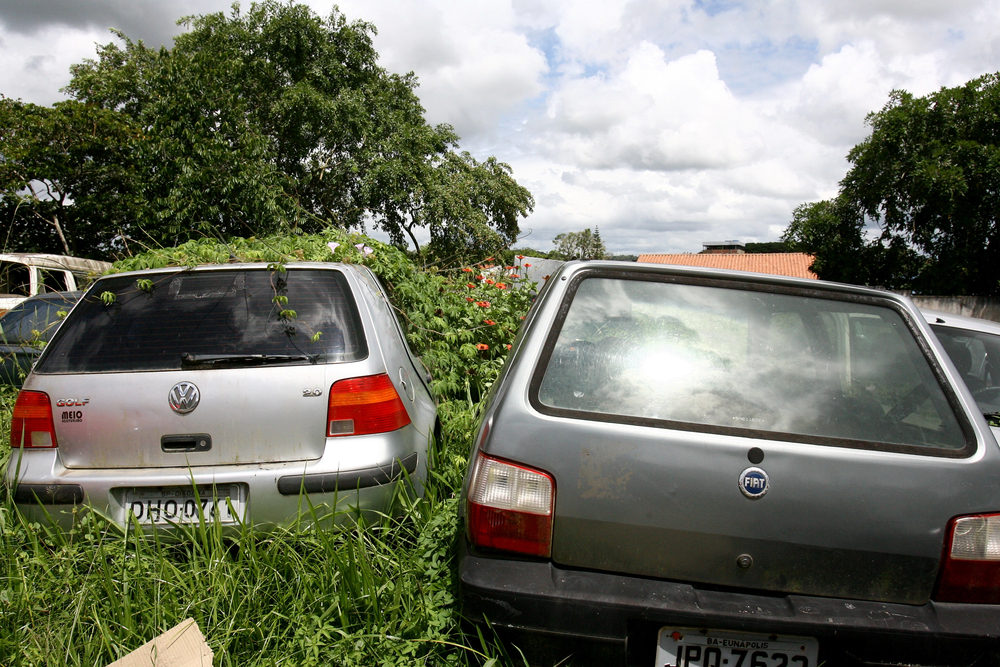
When a car is impounded and the owner either can’t or won’t pay the fees, it goes to auction. The same applies to vehicles seized through asset forfeiture following drug or fraud convictions.
Bidders can access anything from everyday sedans to sports cars and SUVs. The US Marshals Service, which manages federal forfeitures, has sold everything from drug kingpins’ custom vehicles to luxury cars purchased with fraud proceeds.
Some of these vehicles sell at 30 to 50 percent below private-party market value, though they’re sold as-is with no warranty.
Power Tools and Trade Equipment
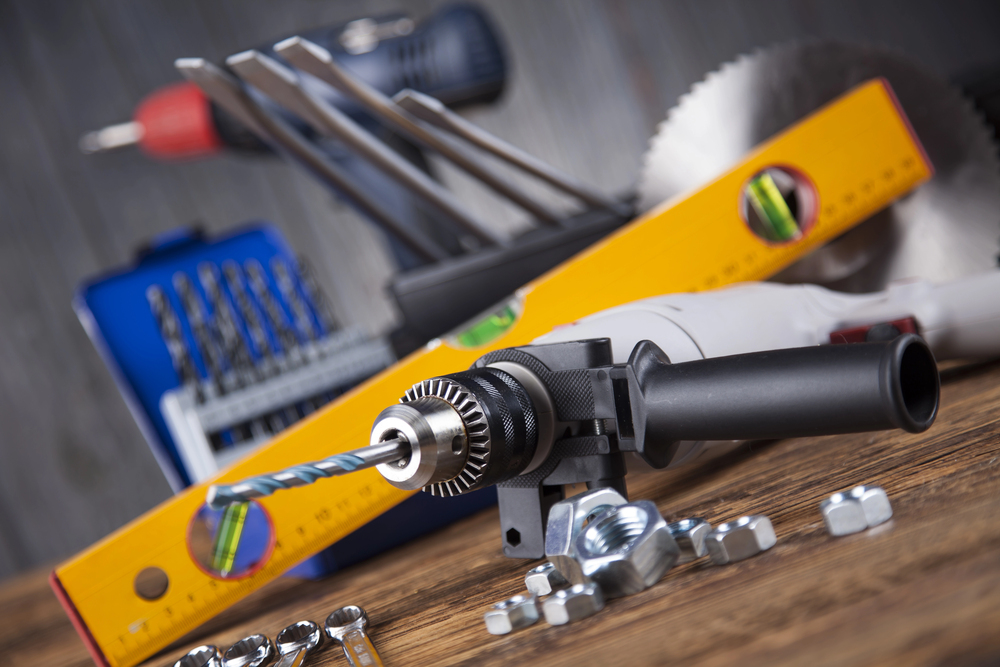
Tradespeople are reliable attendees at police auctions for good reason. Power drills, angle grinders, circular saws, compressors, and nail guns flow steadily through these sales after being recovered from van break-ins or building site thefts. Because the police list them generically rather than verifying brand names in advance, buyers with product knowledge have a significant edge.
A DeWalt or Makita drill listed simply as “electric drill” can go for a fraction of what it would fetch on a resale site.
Designer Clothing and Accessories
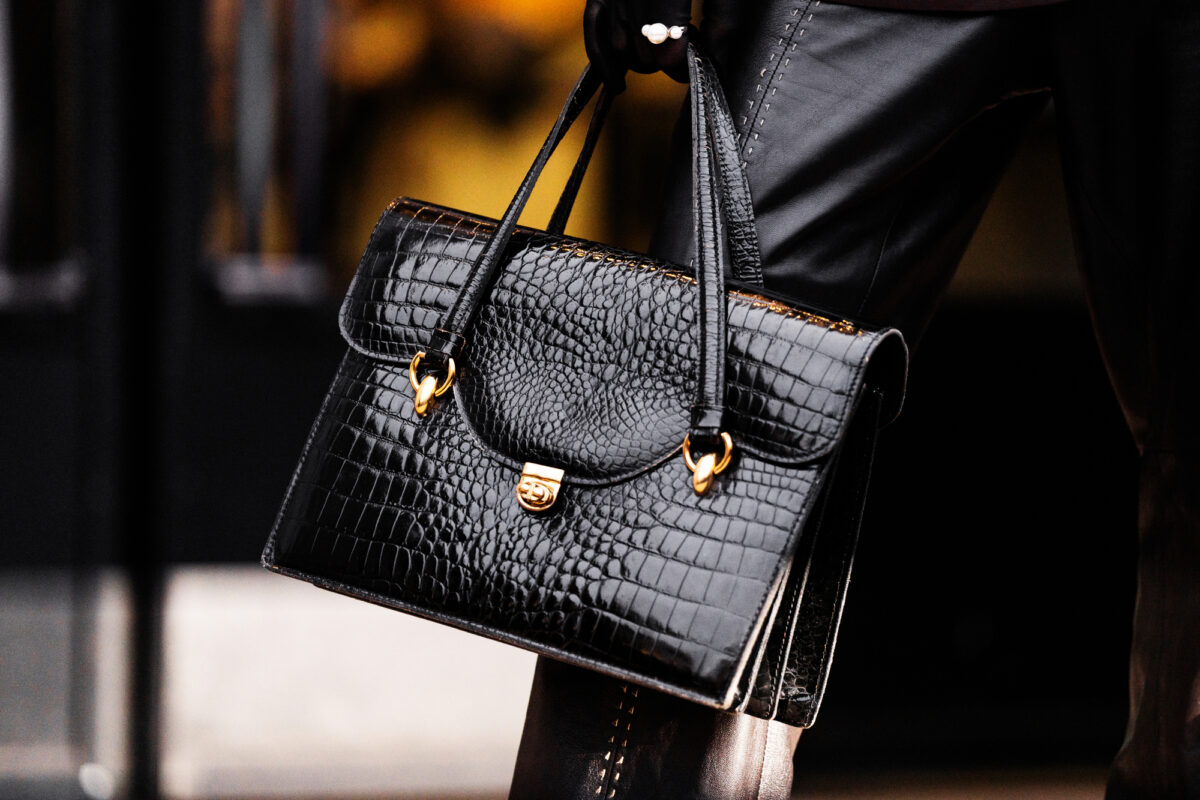
Handbags, shoes, and clothing seized from suspected counterfeit operations or recovered from theft rings end up at police auctions after investigators establish that the items are genuine. Louis Vuitton bags, Christian Louboutin heels, and other luxury goods have all appeared at UK police auctions in particular, where items seized under the Proceeds of Crime Act can be sold to the public.
These pieces tend to attract more attention than generic items, but they still often sell well below boutique prices.
Motorcycles
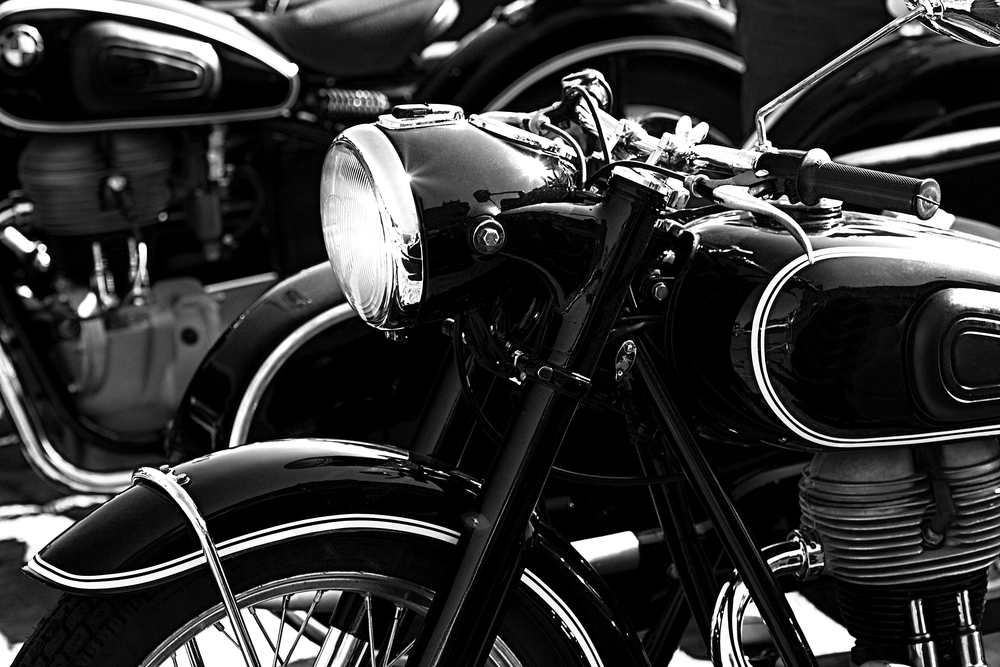
Like bicycles, motorcycles are stolen frequently and recovered often without their owners ever being traced. Police auctions in major cities regularly list 50cc scooters alongside 1000cc performance bikes, all priced to clear rather than to profit. A commuter motorcycle worth $3,000 new might clear for $500.
The absence of service history is a genuine risk, but mechanically literate buyers consistently find these auctions worth the gamble.
Boats and Marine Equipment

Asset forfeiture tied to drug trafficking on waterways means that boats — sometimes expensive ones — end up in government custody. US federal auctions run by the Marshals Service have included speedboats, fishing vessels, and leisure craft seized from smugglers.
Marine equipment including outboard motors, navigation systems, and diving gear also surfaces regularly. Buyers need to factor in inspection and transport costs, but the base hammer price is often dramatically low.
Laptops and Tablets

Electronics are among the most commonly stolen items and, when recovered without a traceable owner, the most commonly auctioned. Laptops and tablets appear at police sales constantly, though some UK forces destroy them rather than auction them due to data concerns.
Where they are sold, they’re typically wiped and listed without chargers or accessories, which drives the price down further. A laptop that retailed for $1,200 may clear for $80.
Musical Instruments

Guitars, keyboards, drum kits, and brass instruments all find their way to police auctions after being recovered from music store break-ins or private thefts. Because instruments don’t have serial numbers that are universally registered, tracing owners is difficult, and the property eventually reaches auction.
A stolen acoustic guitar worth $800 might sell for $60 in a lot alongside three broken ukuleles because the auctioneer bundled them. Buyers who attend previews and can assess conditions on the spot do well here.
Jewellery

Beyond watches, general jewellery — rings, chains, bracelets, earrings — is one of the highest-volume categories at police auctions. The challenge is that police forces often lack the resources to have items professionally appraised, so genuine gold and gemstone pieces are listed alongside costume jewellery with no differentiation.
Buyers who bring a jeweller to the preview or have a background in gemstones can identify pieces that will later be sold for multiples of what was paid.
Cameras and Photography Equipment
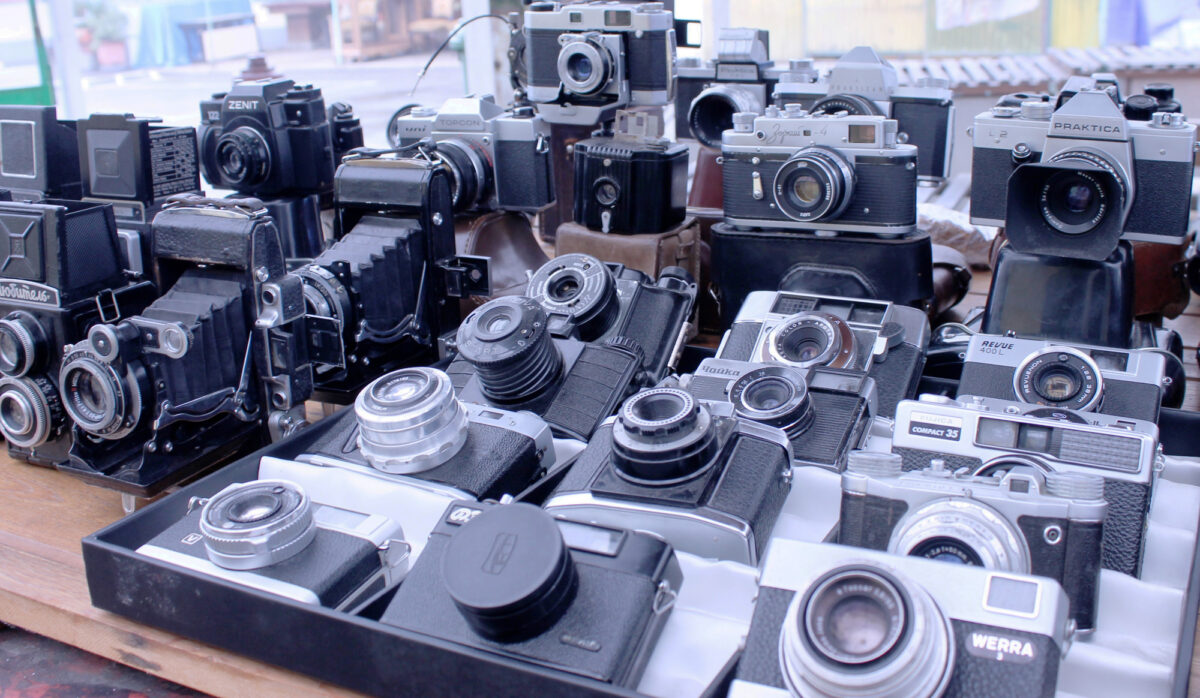
Camera theft is rampant, and recovered equipment without traceable owners piles up in evidence storage. DSLRs, mirrorless cameras, lenses, tripods, and lighting equipment all appear at police auctions.
A camera body that still retails for $1,800 may sell for $200, particularly in online auctions where bidder participation is lower than in person.
Sports Equipment

Ski gear, golf clubs, gym equipment, and cycling accessories cycle through police auctions with regularity. A set of Callaway irons worth $900 may go for $45 if the auction isn’t well-attended. Ski equipment is particularly undervalued at summer auctions, when there’s no seasonal demand to push prices up.
Real Estate

At the higher end of the scale, seized real estate — houses, commercial properties, and land — is sold through government forfeiture programs. These properties were purchased with criminal proceeds and are sold publicly, often through specialised auction platforms, with proceeds going to compensation funds and law enforcement budgets.
Prices depend entirely on location and condition, but properties have been known to sell below assessed value when fewer bidders participate.
Artwork and Collectibles
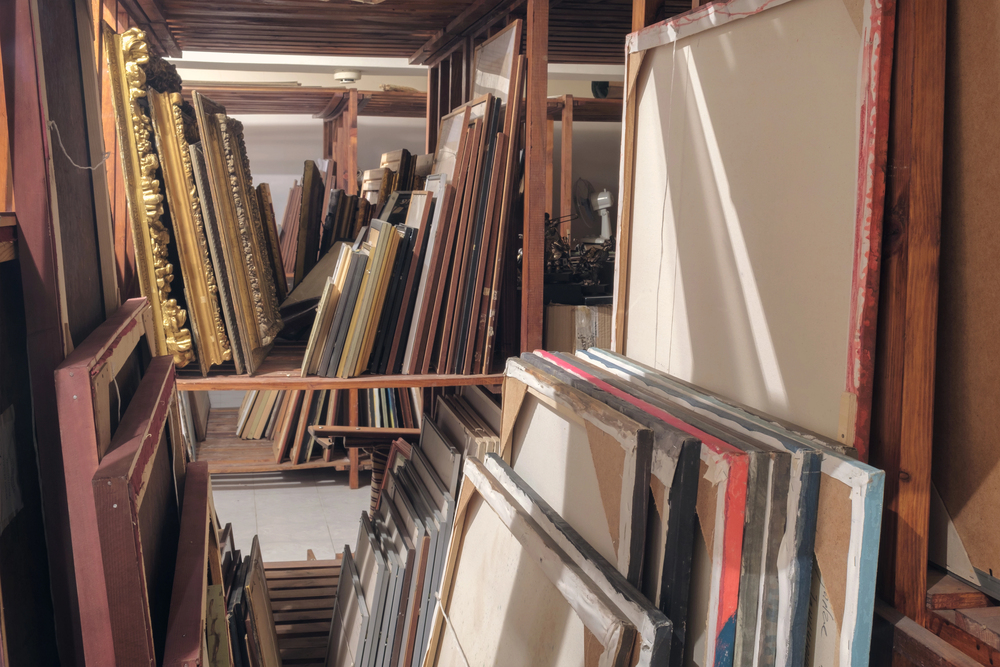
Paintings, sculptures, rare books, coins, and collectibles seized from fraud convictions or found as unclaimed property appear periodically at government auctions. The US Marshals have auctioned artwork and collectibles seized from Ponzi scheme operators, and the variety can be extraordinary.
Without specialist buyers in the room, items with genuine value can clear for almost nothing.
Office Furniture and Equipment

Government surplus — including items that aren’t seized property at all, just surplus police department equipment — also enters the auction stream. Desks, filing cabinets, chairs, computers, photocopiers, and safes all appear regularly.
A commercial-grade office chair worth $600 may sell for $15 when it’s listed as “black chair” in a lot of mixed furniture.
Massage Tables and Salon Equipment

Businesses that fold while under investigation, or whose owners are convicted of offences, leave behind commercial equipment that gets absorbed into the auction system. Massage tables, beauty chairs, UV lamps, and professional hair equipment have all sold at Suffolk County police auctions in New York for prices that shocked the buyers who got them.
Two professional massage tables sold at one Suffolk County sale for $15.
Gold and Silver Bullion

Physical precious metals turn up at police auctions after being seized in fraud cases or found as unclaimed property. They’re rare but they do appear.
When they do, they tend to attract more sophisticated bidders than everyday items, but bullion is still sold at prices below spot rate when an auction is poorly attended or not well publicised.
Baby and Children’s Gear

Prams, car seats, cots, and children’s toys confiscated from street vendors or recovered from thefts appear in larger batches than most people expect. The Vancouver Police Department has noted a rise in everyday consumer goods reaching auction following crackdowns on unlicensed street trading, including brand-new sealed products that can’t easily be traced to an owner.
New parents with time to attend previews can find genuinely useful equipment for next to nothing.
Drones
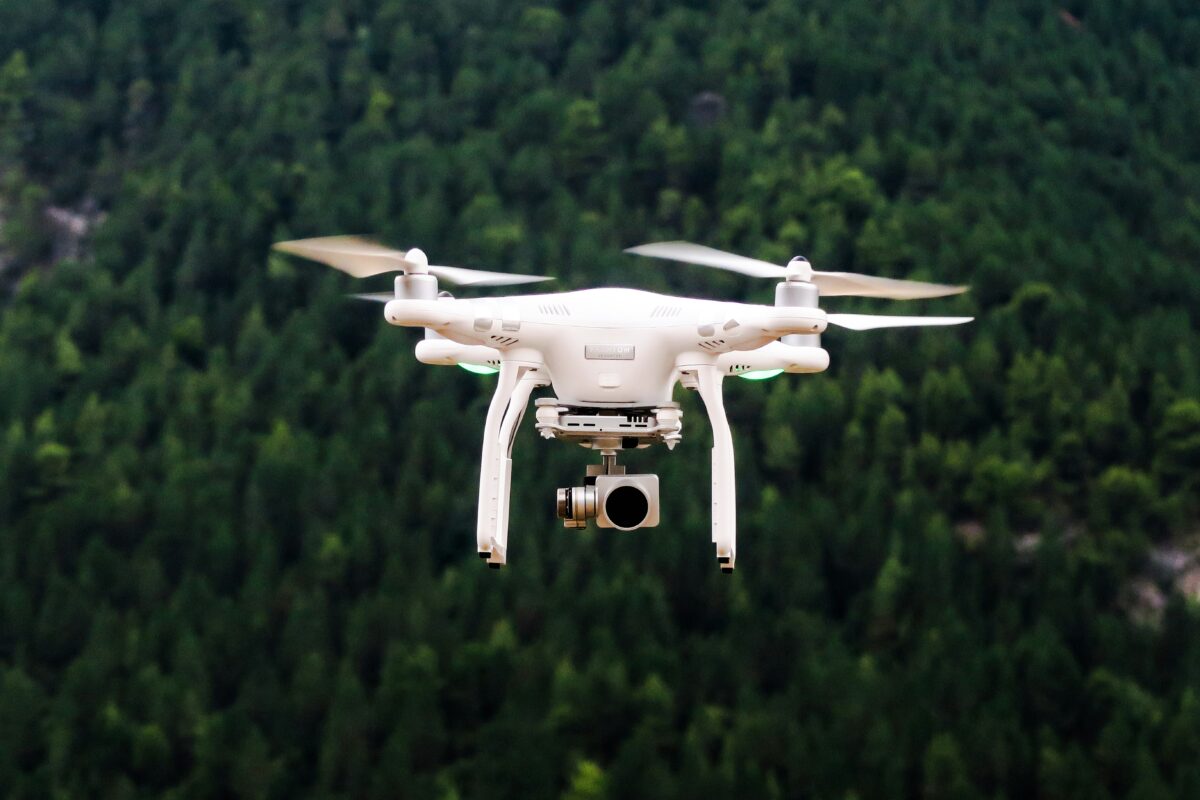
Consumer and commercial drones surface at UK police auctions among the more unusual items, alongside remote-controlled equipment and photography gear. Police Scotland has included drones among its auctioned property, typically recovered without traceable owners.
Commercial-grade drones worth several thousand pounds have reached auction at reserve-free sales.
Farming and Outdoor Equipment

Chainsaws, hedge trimmers, ride-on mowers, and gardening machinery appear at police auctions regularly, recovered from rural property thefts. Because these items are heavy, transport costs deter some bidders, which can push hammer prices down to levels that make little economic sense.
A petrol chainsaw worth $400 selling for $30 is not unusual.
Camping and Outdoor Gear

Tents, sleeping bags, hiking poles, and outdoor clothing all flow through police auctions, often bundled in mixed lots. Outdoor gear is expensive and depreciates sharply once used, but recovered stolen goods are sometimes barely touched.
A four-person tent worth $300 might sell in a lot alongside two rucksacks for $20 total.
Car Accessories and Stereo Equipment
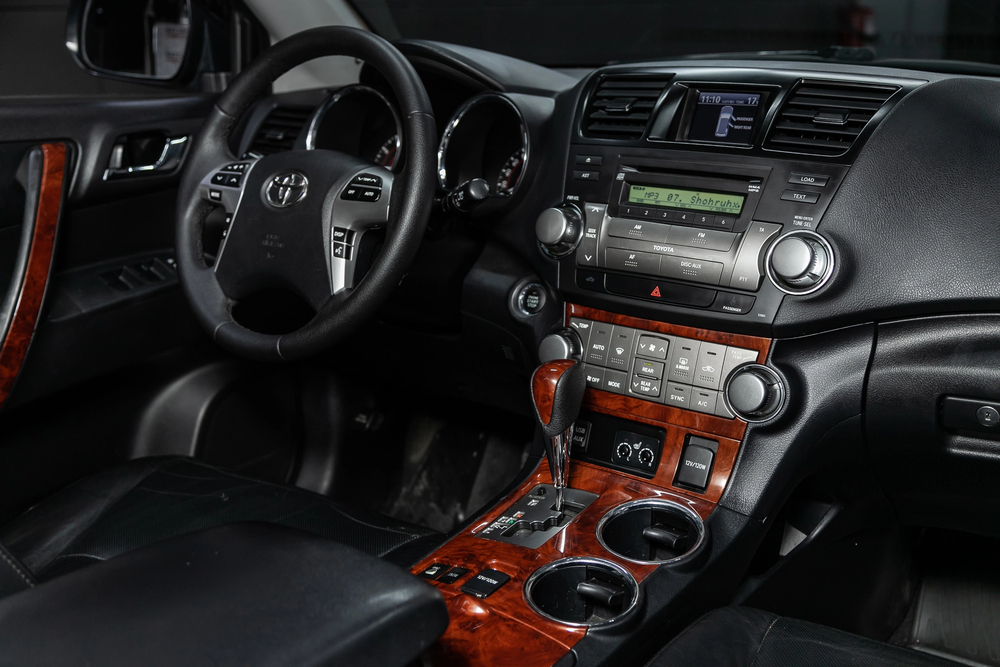
Stereos, dashcams, GPS units, alloy wheels, and car accessories are among the oldest categories in the police auction tradition, reflecting decades of vehicle crime. These items sell quickly and cheaply because they’re unglamorous, and bidder interest is diffuse.
A factory-fitted navigation system worth $600 may go for $25.
False Teeth and Personal Effects

Police Scotland has auctioned items including a full set of false teeth — recovered as lost property that went unclaimed for months. While these are extreme examples, personal effects including wallets, glasses, keys, and bags regularly pass through auction when their owners can’t be traced.
These items rarely attract competitive bidding and often sell in bulk lots for negligible sums.
Vintage and Antique Items

Antiques recovered from property crimes occasionally surface at police auctions without being identified as such, because the auctioneer’s job is disposal, not appraisal. A Victorian writing desk or a pre-war clock might be listed as “old wooden furniture” and sell for a fraction of what a specialist would pay at an antiques fair.
This is where knowledge genuinely becomes a competitive advantage.
The Honest Bargain Hunter’s Advantage

Police auctions are not a trick. The items are legitimate, the process is public, and the prices reflect the reality that the seller has no commercial motivation.
But they reward knowledge more than luck. The buyer who knows what a Shimano groupset is worth on a seized road bike, or who can look at an “old ring” and recognise an Art Deco setting, consistently outperforms the curious passerby who showed up on a whim.
The deeper appeal is that these auctions are one of the last environments where market efficiency genuinely breaks down in the buyer’s favour. Nobody is pretending the goods are rare or running up the price with emotional attachment.
The police just need the shelf space back. That is, in its own strange way, the most honest selling condition in existence.
More from Go2Tutors!

- The Romanov Crown Jewels and Their Tragic Fate
- 13 Historical Mysteries That Science Still Can’t Solve
- Famous Hoaxes That Fooled the World for Years
- 15 Child Stars with Tragic Adult Lives
- 16 Famous Jewelry Pieces in History
Like Go2Tutors’s content? Follow us on MSN.



