24 Common Garage Sale Items That Antique Dealers Secretly Hope You Underprice
Every weekend, seasoned antique dealers cruise suburban neighborhoods like vultures circling prey. They’re not looking for the obvious treasures displayed prominently with confident price tags.
They’re hunting for the dusty box shoved under a folding table, the stack of “junk” priced to move, the items homeowners assume have no value. These dealers know something most garage sale hosts don’t: some of the most valuable collectibles look utterly ordinary to untrained eyes.
The thrill isn’t just in the hunt—it’s in the knowledge that while you’re pricing grandmother’s china set at premium rates, the real goldmine might be sitting in a shoebox marked “misc items – $1 each.” Antique dealers have spent years learning to spot these diamonds in the rough, and they’re banking on your ignorance of what those everyday objects might actually be worth.
Cast Iron Cookware
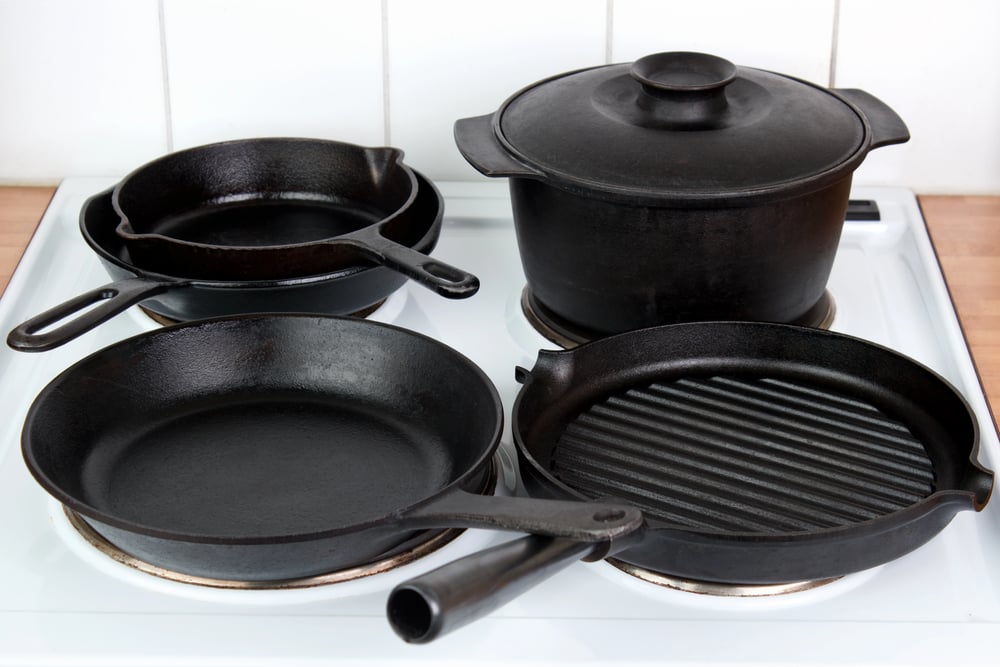
Pre-1960s cast iron cookware gets snatched up faster than hotcakes at a church breakfast. Griswold and Wagner pieces especially.
That crusty, rusty skillet you’re selling for five bucks might be worth $200 after some restoration work.
Pyrex Mixing Bowls
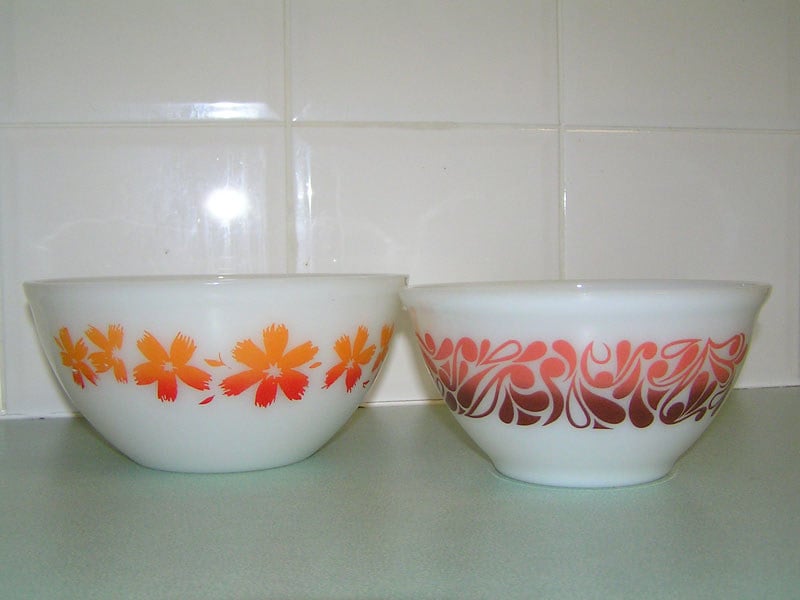
Those colorful glass mixing bowls from the 1950s and 60s aren’t just kitchen equipment—they’re collectible gold. The atomic patterns (you know, those wild mid-century designs that look like something from The Jetsons) can bring serious money, especially if you’ve got a complete set.
And yet there they sit at garage sales, priced like any old mixing bowl because that’s exactly what they look like to most people. Certain patterns are particularly sought after.
The “Lucky in Love” pattern with its pink and white hearts, the “Friendship” pattern with its olive and yellow birds, the “Butterprint” with its turquoise and white design—these aren’t just nostalgic kitchen items, they’re pieces of American design history that collectors will pay handsomely for. But here’s the thing (and dealers know this): most garage sale hosts see grandma’s old bowls and think “functional kitchen stuff” rather than “mid-century collectible with a devoted following.” So they price them to move rather than to profit.
Vintage Band T-Shirts

Concert tees from the 70s and 80s are worth more than most people’s monthly car payments. Original tour shirts from bands like The Rolling Stones, Led Zeppelin, or Pink Floyd can fetch thousands.
But they’re usually tossed in with regular clothing at garage sale prices.
Old Fishing Lures

Antique fishing lures represent a peculiar intersection of craftsmanship and obsession that most people completely miss. These aren’t just fishing equipment—they’re tiny sculptures, each one hand-painted and designed with the kind of attention to detail that modern mass production abandoned decades ago.
The serious collectors who hunt for Creek Chub Bait Company lures or early Heddon pieces treat them like miniature works of art, which, if you really look at them, they are. What makes this particularly maddening for dealers is how obvious it should be.
These lures were made by companies that took pride in their work, using techniques and materials that simply don’t exist anymore. The wood was hand-carved, the paint was applied in multiple layers, the hardware was solid brass or quality steel.
But garage sale hosts see fishing tackle and think of “old sporting goods” rather than “handcrafted collectibles.” So they get lumped in with modern plastic lures and priced accordingly.
Vintage Costume Jewelry
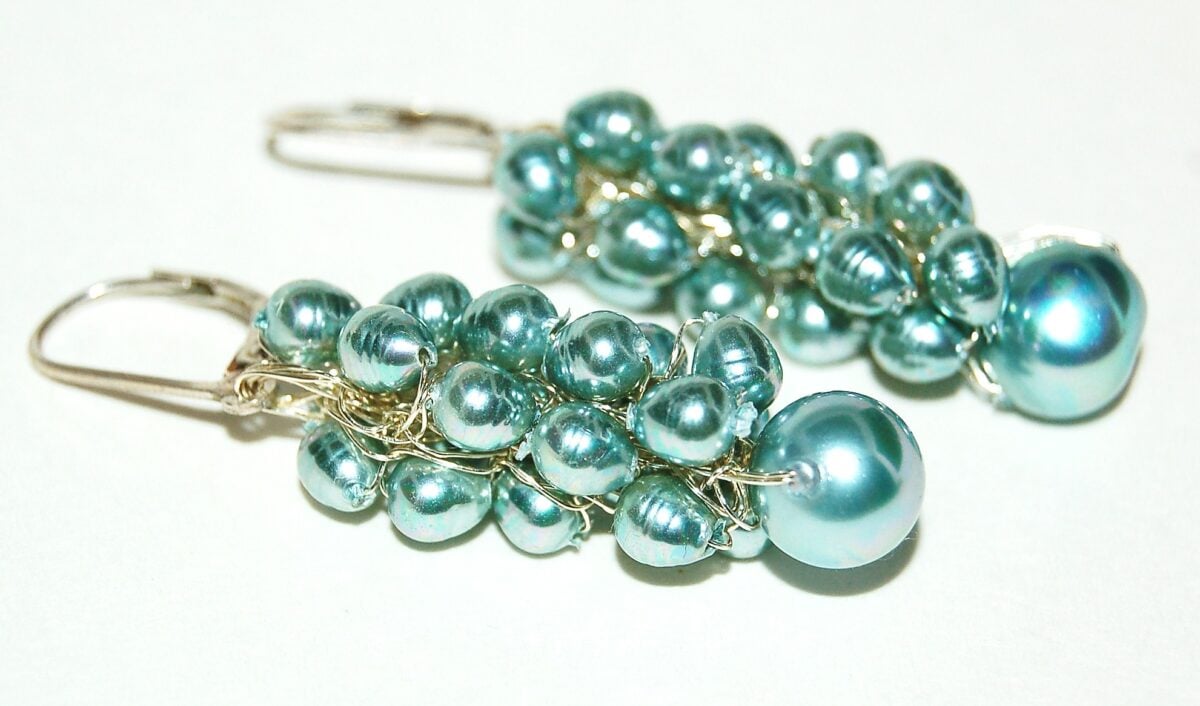
Signed pieces from designers like Miriam Haskell or Eisenberg can be worth hundreds. But most people see old jewelry and think of it as “outdated accessories.”
The signatures are tiny and easy to miss if you don’t know where to look.
Depression Glass
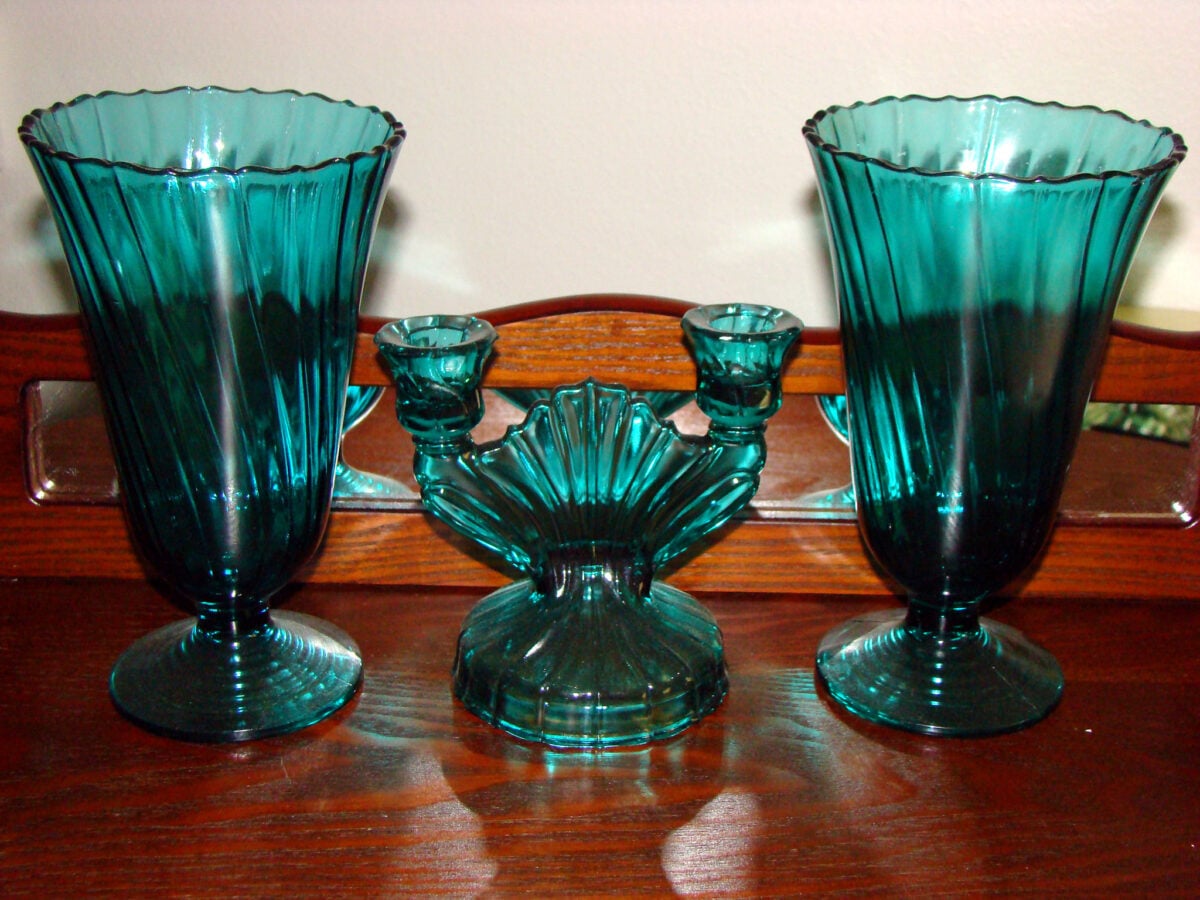
This glassware gets its value from both beauty and scarcity—which is ironic, since it was originally mass-produced and given away as promotional items during the 1930s. The pink, green, and amber pieces were literally handed out at movie theaters and gas stations.
Now collectors pay premium prices for complete sets.
Military Surplus Items
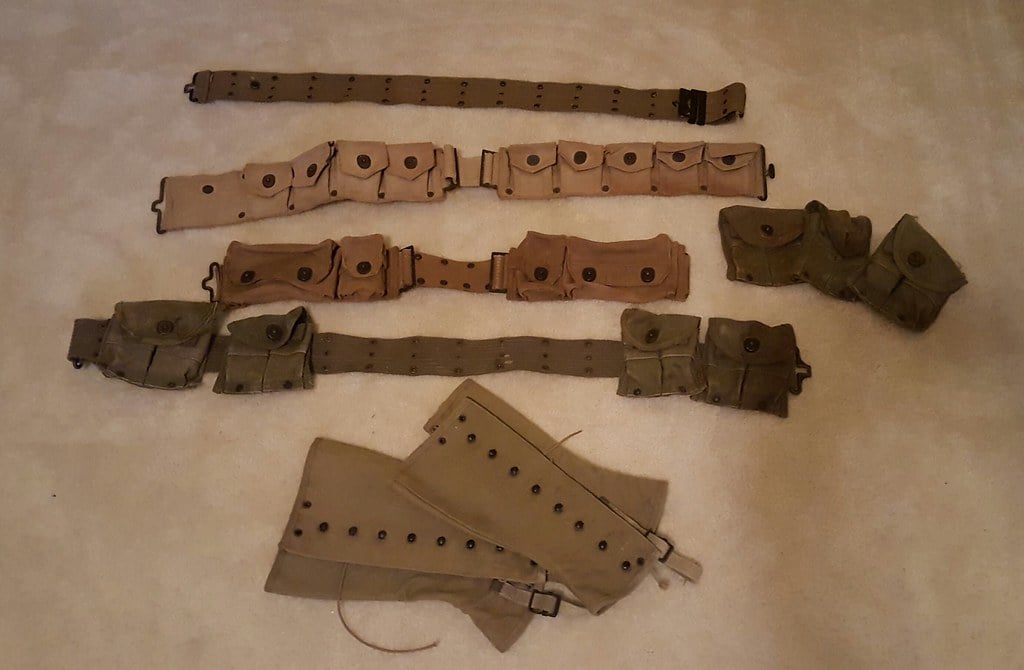
Old military gear has a dedicated collector base willing to pay serious money for authentic pieces. Helmets, uniforms, patches, and equipment from various conflicts can be worth far more than their garage sale prices suggest.
But they often get lumped in with generic “army surplus” items.
Vintage Christmas Ornaments
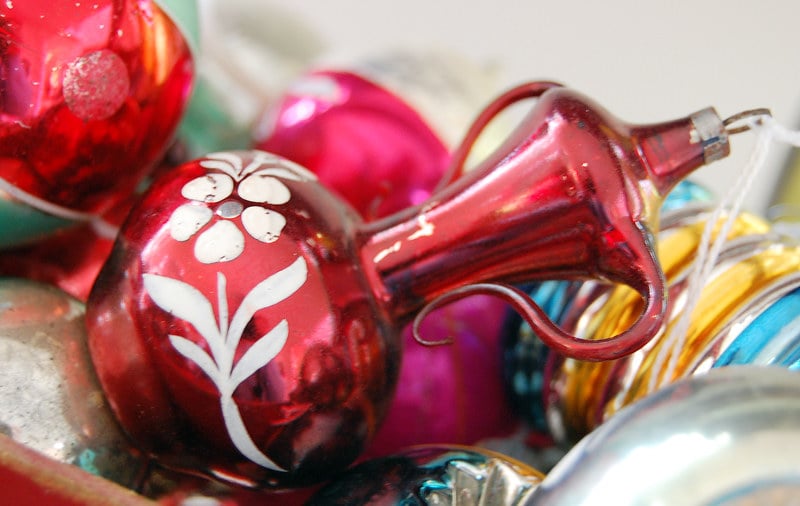
Here’s something that drives antique dealers slightly crazy: people who meticulously research the value of their furniture and electronics but treat Christmas decorations like disposable seasonal items. Pre-1950s glass ornaments, especially those made in Germany or featuring unusual designs, can be worth substantial money to collectors who take their holiday nostalgia seriously.
The hand-blown glass ornaments with intricate designs, the figural pieces shaped like birds or Santa Clauses, the delicate tinsel and wire decorations—these weren’t mass-produced plastic throwaway items. But Christmas decorations carry this weird psychological burden where they feel temporary and frivolous, even when they’re clearly vintage pieces with obvious craftsmanship.
So they get priced like modern holiday decorations rather than collectible glass art. And every December, dealers make their rounds knowing that someone’s great-grandmother’s ornament collection is probably sitting in a box marked “Xmas stuff – $10 for everything.”
Old Tools
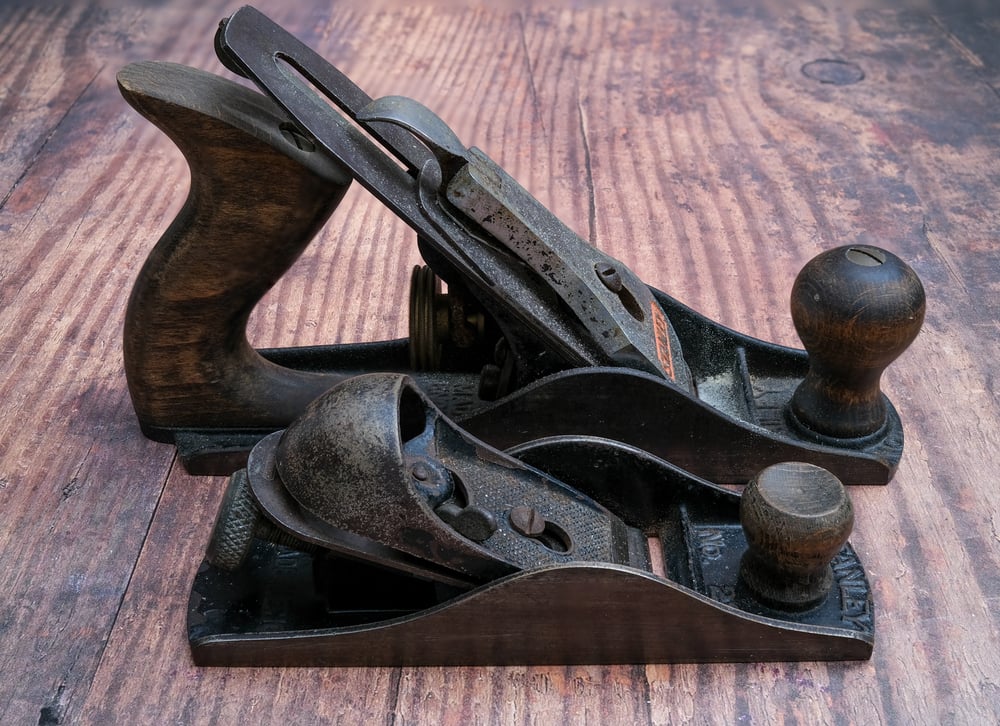
Quality hand tools from manufacturers like Stanley, Keen Kutter, or Winchester are prized by both users and collectors. Antique planes, chisels, and measuring tools can command high prices, but they’re often sold as generic “old tools.”
Vinyl Records
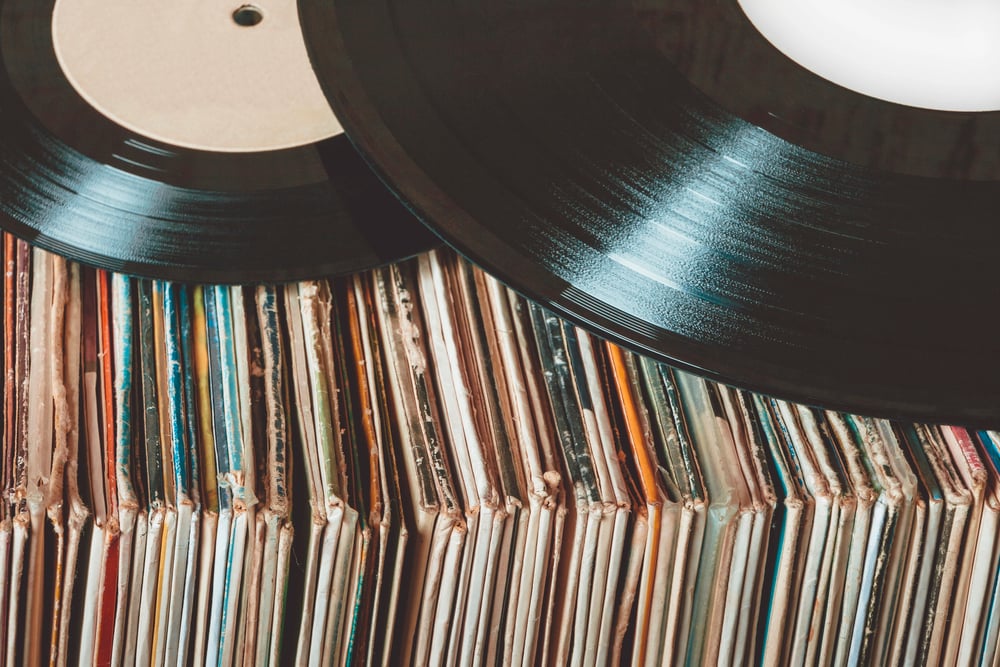
Certain pressings and rare albums are worth thousands, but they’re frequently priced by the pound rather than by rarity. First pressings, promotional copies, and albums from specific labels can be goldmines for dealers who know what to look for.
Vintage Cameras
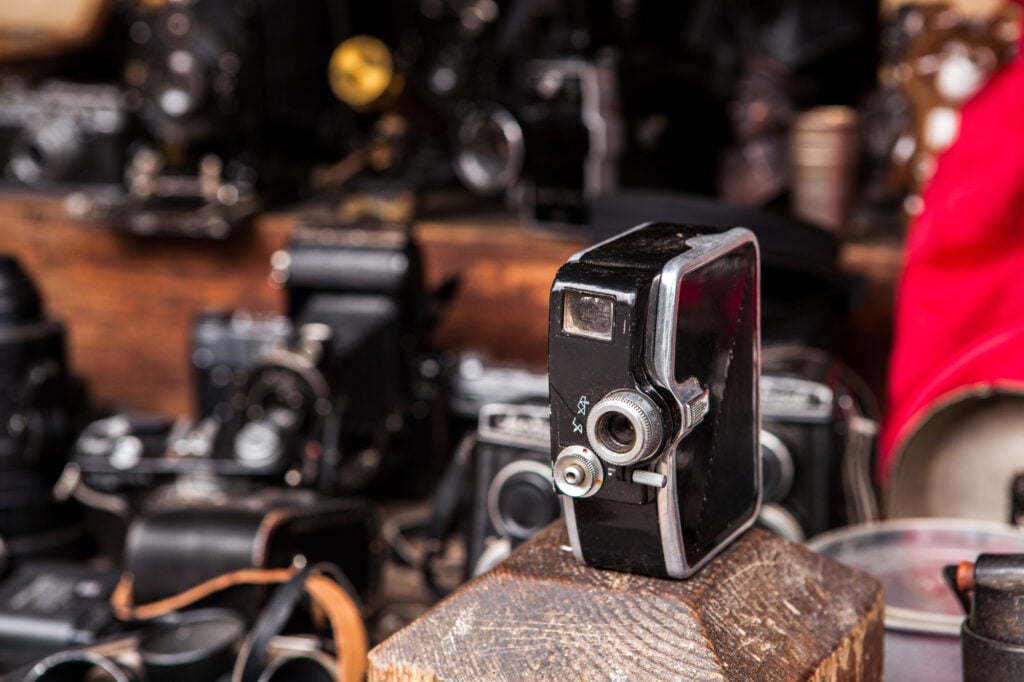
Photography equipment ages into collectibility in ways that most people don’t understand, partly because the technology moved so fast that yesterday’s cutting-edge camera became today’s obsolete paperweight almost overnight. But here’s what garage sale hosts miss: obsolete doesn’t mean worthless.
Leica cameras, early Polaroids, medium format cameras from companies like Hasselblad or Rolleiflex—these aren’t just old cameras, they’re precision instruments that photography enthusiasts and collectors actively seek out. The disconnect happens because cameras feel like technology, and technology feels like it should depreciate rapidly (which most of it does).
But certain cameras transcended their purely functional role and became icons of design and engineering. A vintage Leica isn’t valuable because it takes better pictures than a modern digital camera—it’s valuable because it represents a particular approach to photography and craftsmanship that has its own devoted following.
Yet there they sit at garage sales, priced like any other old electronic equipment that’s been surpassed by newer models.
Mid-Century Modern Furniture
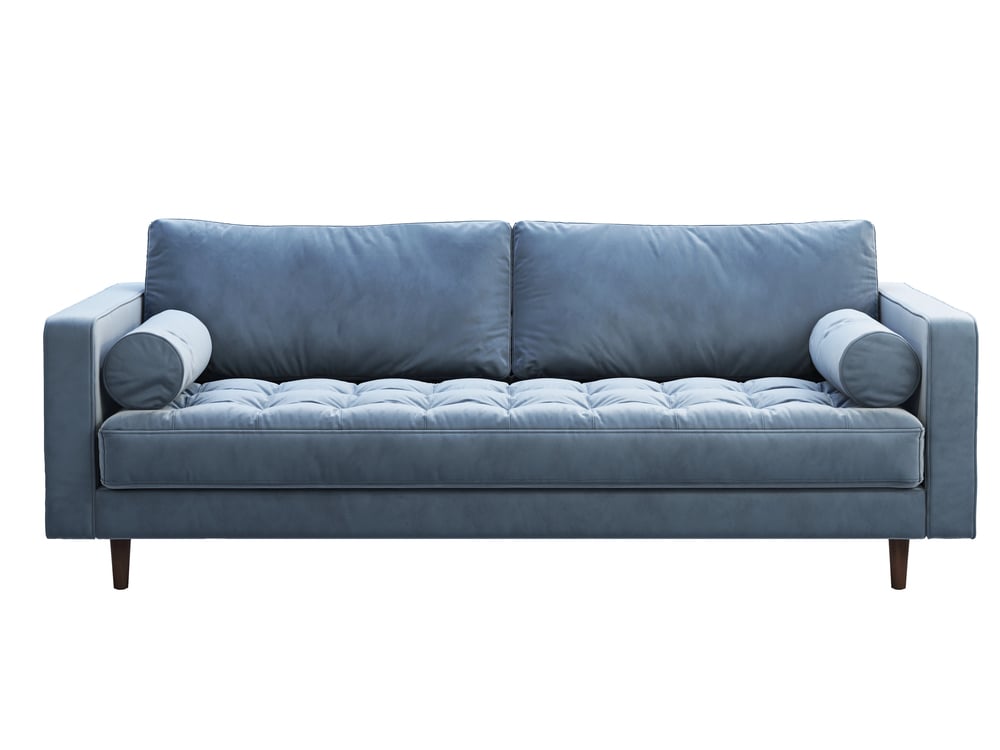
Clean-lined furniture from the 1950s-70s has exploded in value. Pieces by designers like Charles Eames or George Nelson can be worth thousands, but they’re often priced as used furniture rather than designer collectibles.
Vintage Lunch Boxes
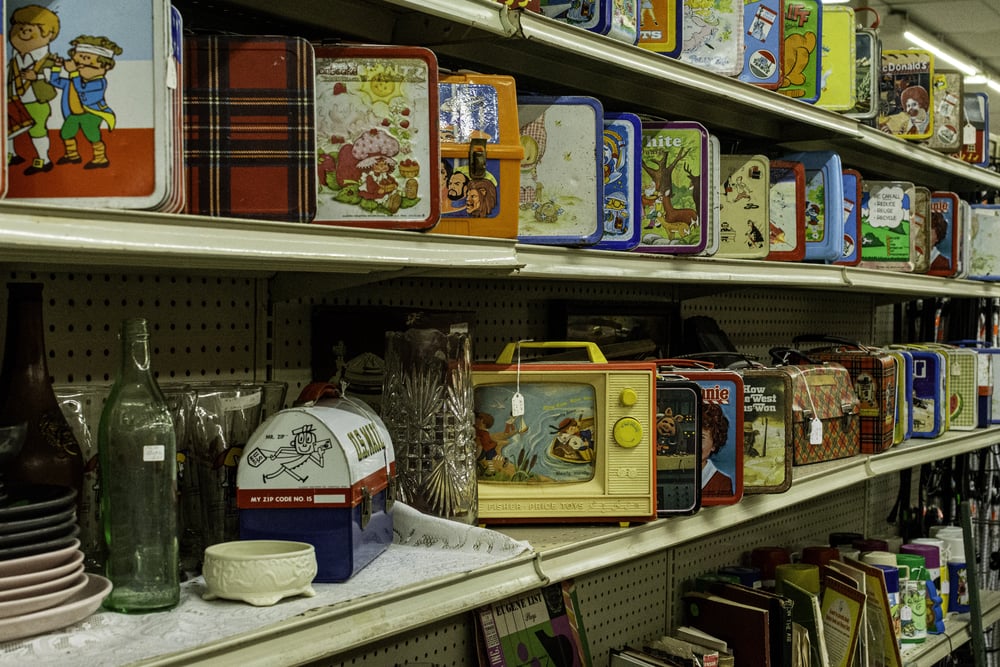
Metal lunch boxes from the 1960s-80s, especially those featuring popular TV shows or cartoons, are serious collectibles. Complete sets with thermoses can be worth hundreds, but they’re typically sold as children’s items.
Old Postcards
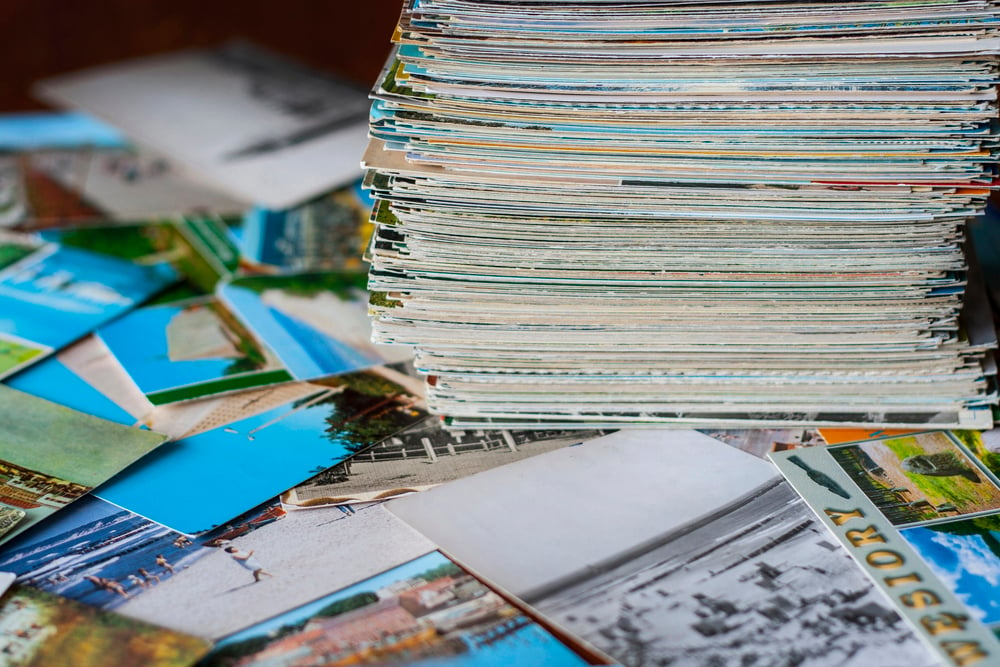
Real photo postcards and those depicting small towns or historical events can be valuable to collectors and researchers. But they’re usually sold in bulk lots without anyone examining them individually for rarity or historical significance.
Vintage Scarves
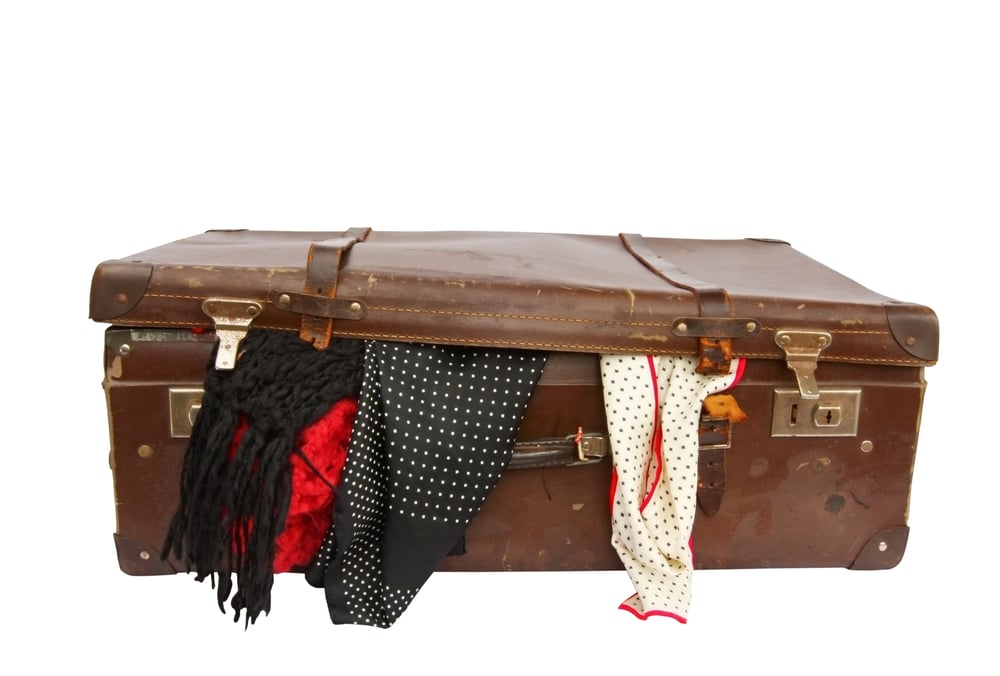
Designer scarves from houses like Hermès or vintage silk scarves with interesting patterns are collected seriously, but they get lost among regular clothing accessories. The designer signatures are often subtle and easy to overlook.
Art Pottery
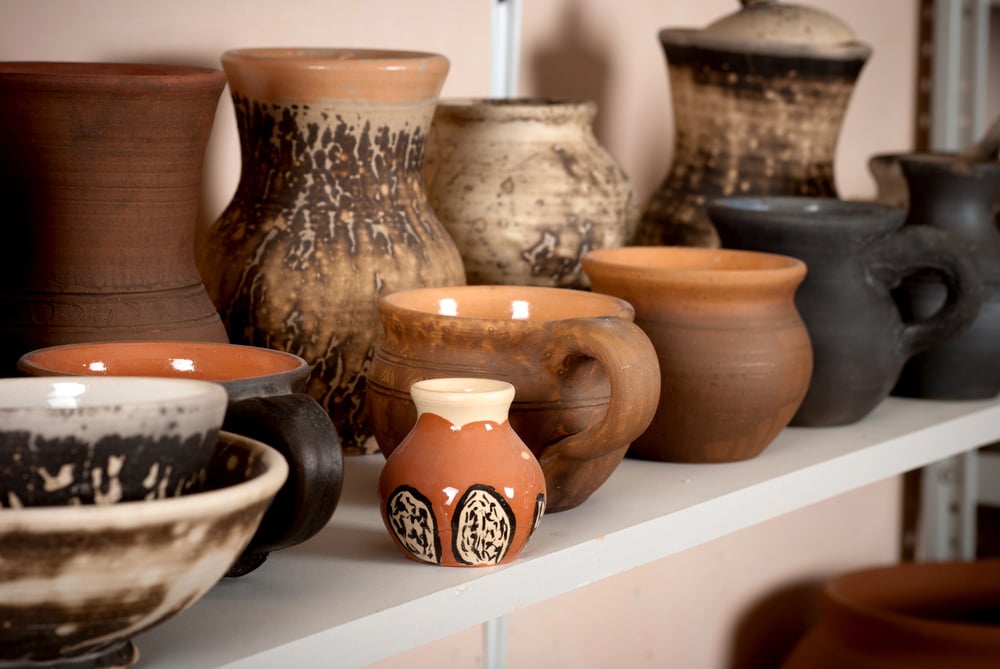
American art pottery from studios like Rookwood, Roseville, or Van Briggle gets seriously undervalued at garage sales because it looks like any other ceramic piece to untrained eyes. The makers’ marks are often small and inconspicuous, but they’re the difference between a $5 vase and a $500 collectible.
These pieces represent a movement in American craftsmanship where pottery makers were trying to elevate their medium from purely functional objects to genuine art forms, and they succeeded—just not in ways that are immediately obvious to casual observers. What makes this particularly frustrating for dealers is that these pieces often have real artistic merit beyond their collectible value.
The glazes were experimental, the forms were thoughtfully designed, and the execution required genuine skill. But pottery carries this weird stigma where people assume it’s either fine china (valuable) or everyday ceramics (worthless), with no recognition of the middle ground where art pottery lives.
So garage sale hosts see ceramic pieces that don’t look like obvious antiques and price them like flower pots.
Vintage Watches
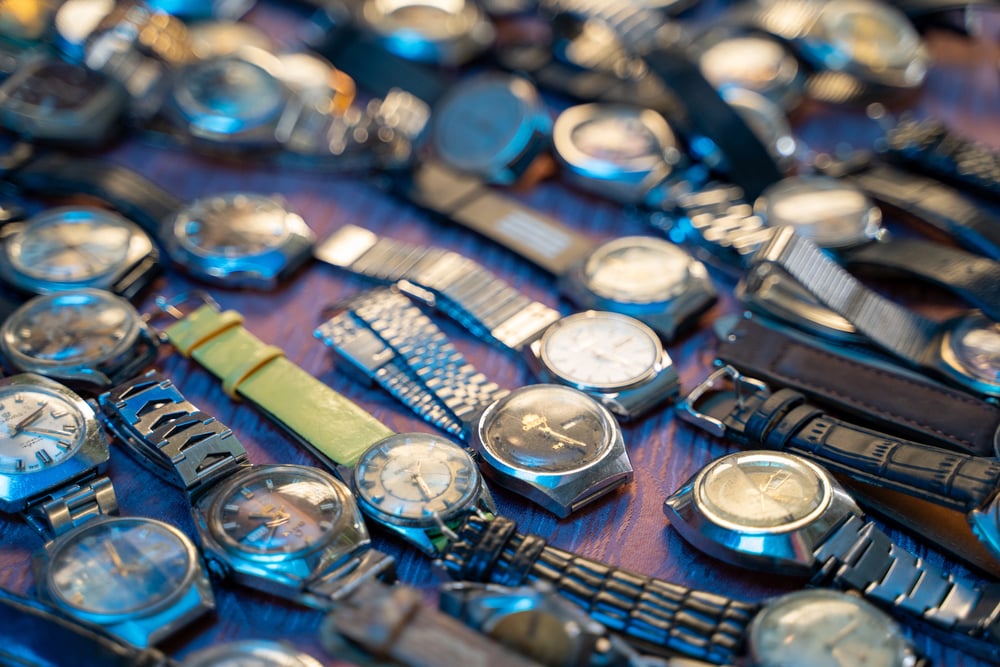
Old watches, especially those from quality manufacturers, can be worth serious money even when they’re not running. But non-functional watches get treated as broken jewelry rather than potentially valuable timepieces that might just need servicing.
Mid-Century Glassware
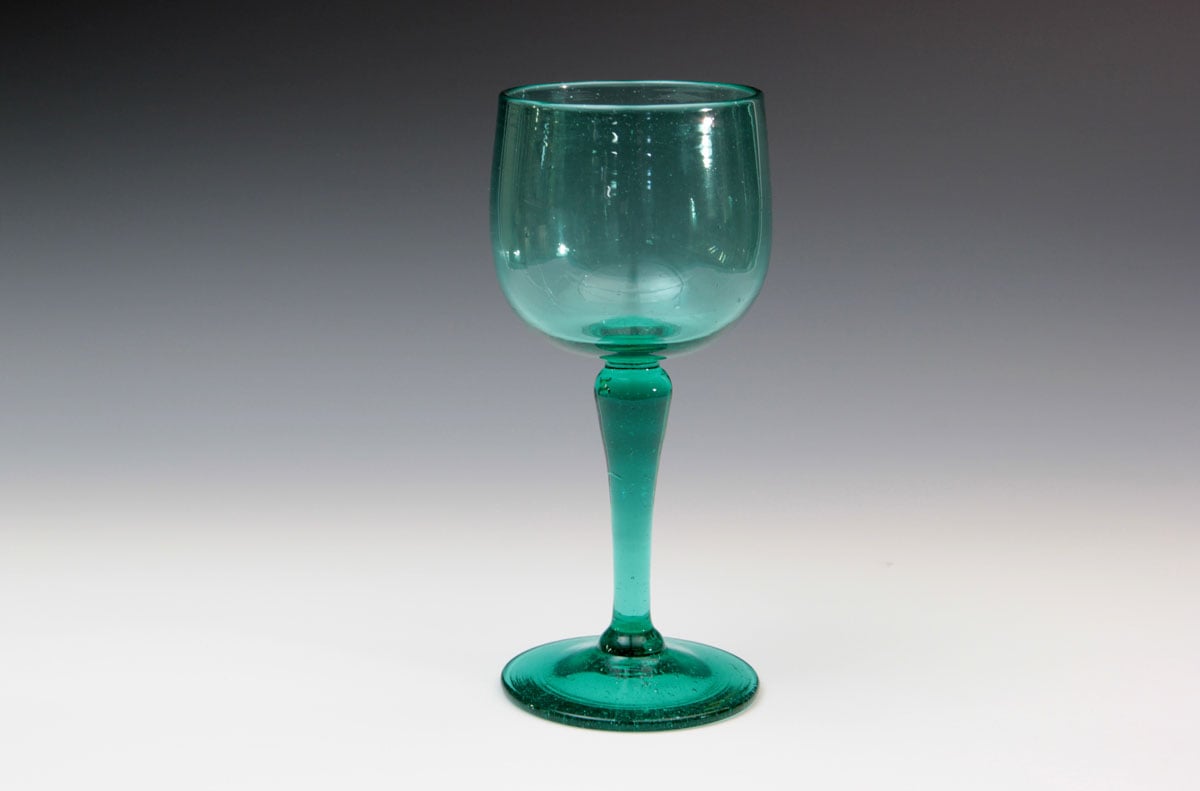
Blenko glass, Scandinavian art glass, and pieces by designers like Dorothy Thorpe are highly collectible. But art glass gets confused with regular glassware and priced accordingly, despite often having distinctive designs that should signal their special nature.
Vintage Handbags
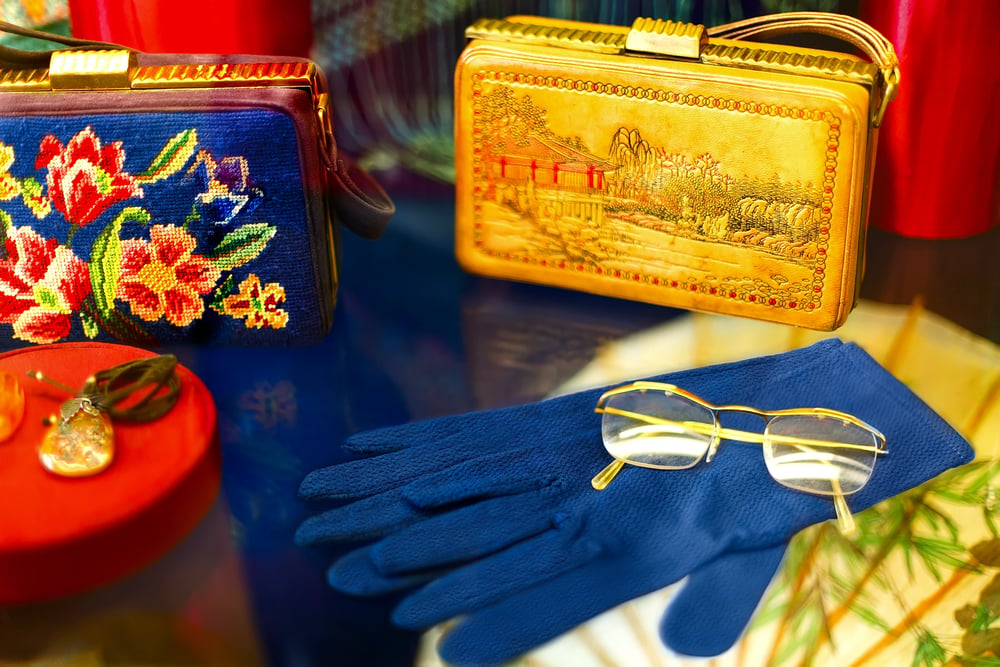
Quality vintage purses, especially from designers like Coach (when they made everything in the USA) or other high-end manufacturers, maintain their value well. But old handbags get treated like used accessories rather than potential designer pieces.
Classic Children’s Books
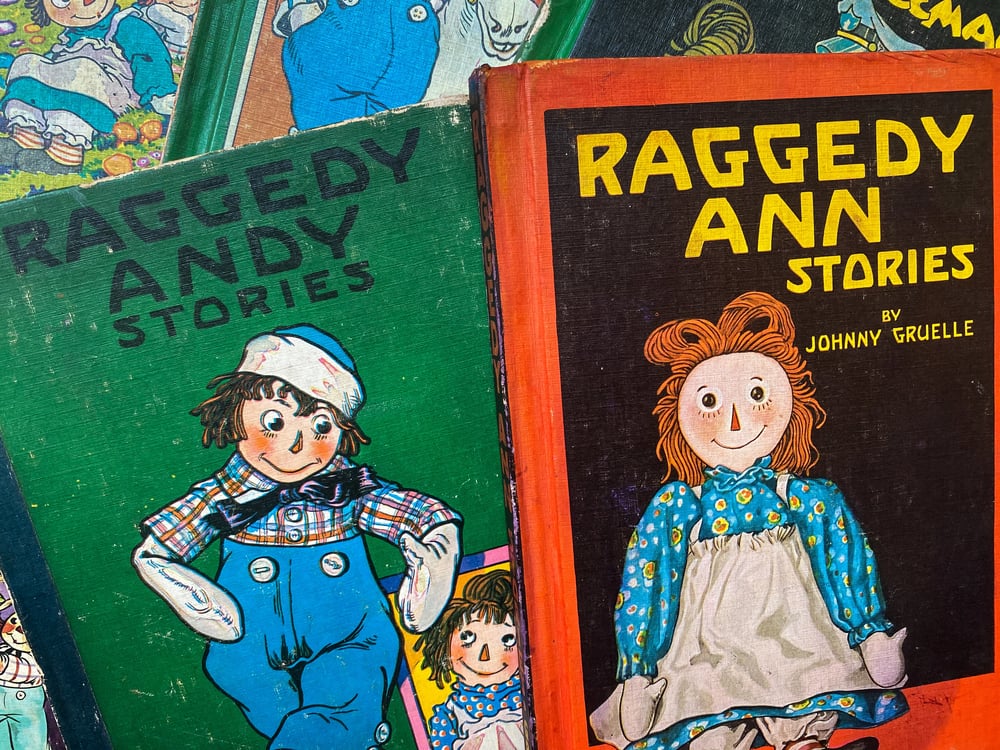
First edition children’s books, especially those with dust jackets, can be worth hundreds or thousands. But they’re typically sold as used books without anyone checking publication dates or edition information.
Quilts
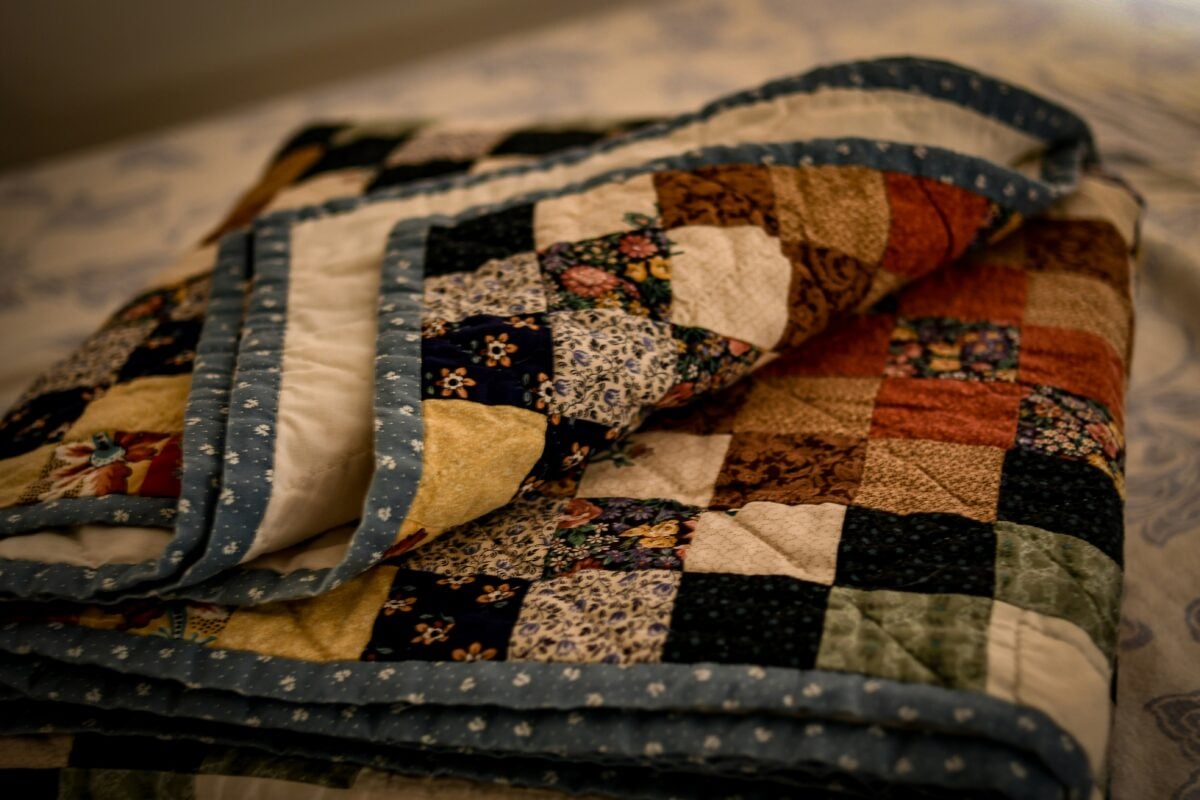
Handmade quilts represent hundreds of hours of skilled labor, but they often get priced like bedding rather than textile art. Certain patterns, excellent condition, or documented provenance can make them quite valuable.
Vintage Sports Equipment
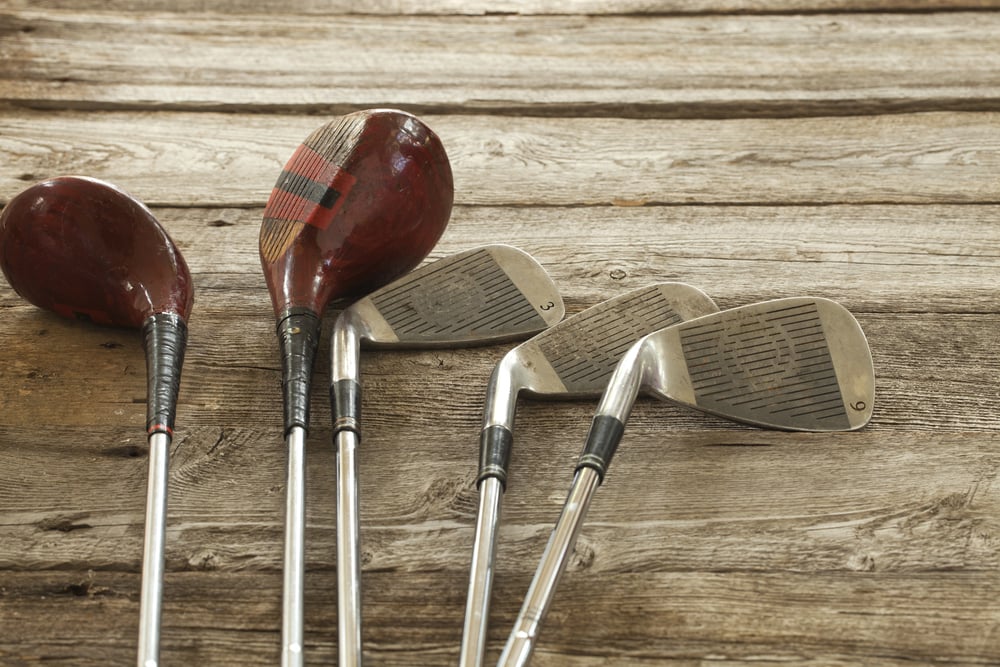
Old golf clubs, fishing rods, and other sporting goods from quality manufacturers have collector value beyond their functional use. Wooden golf clubs from famous makers or bamboo fly rods can be worth substantial money.
Mid-Century Ceramics
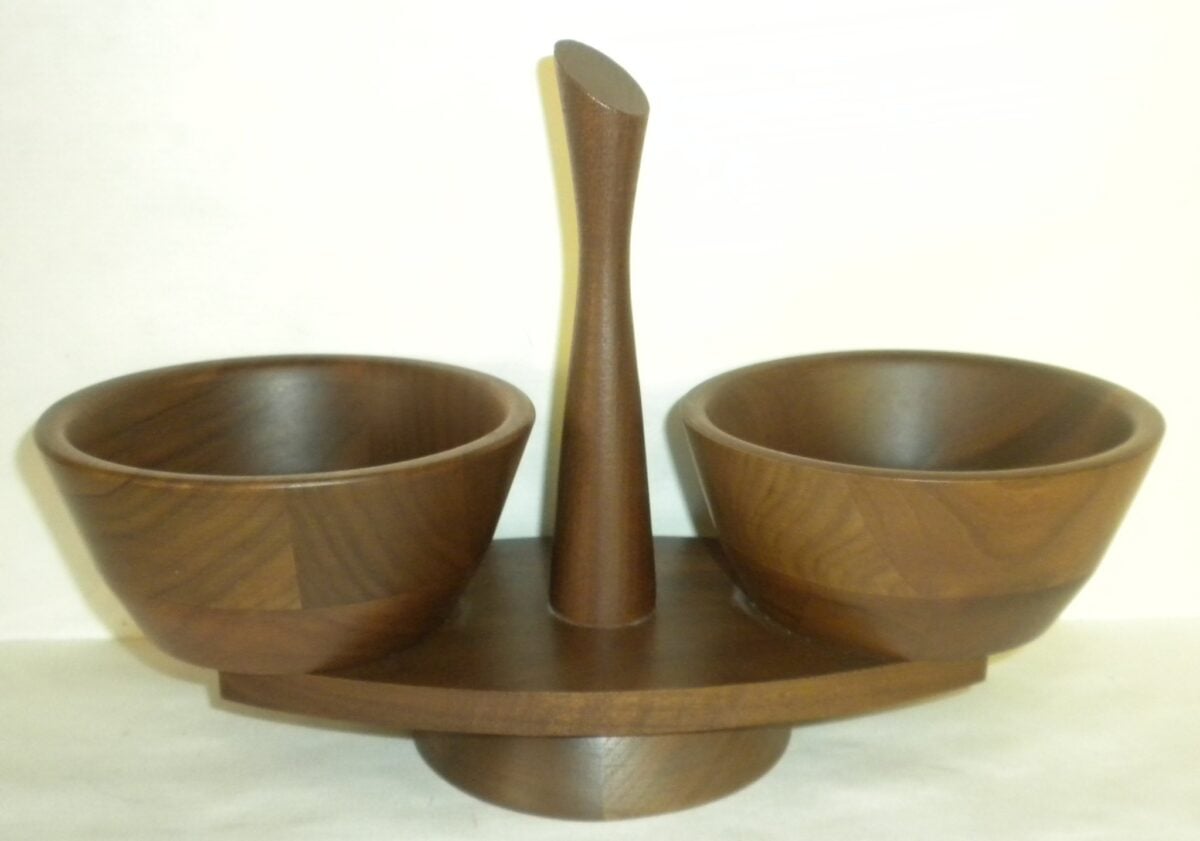
Studio pottery and designer ceramics from the 1950s-70s are actively collected. Pieces with maker’s marks from known artists or studios can be valuable, but they’re often sold as generic pottery without research into their origins.
Old Advertising Items
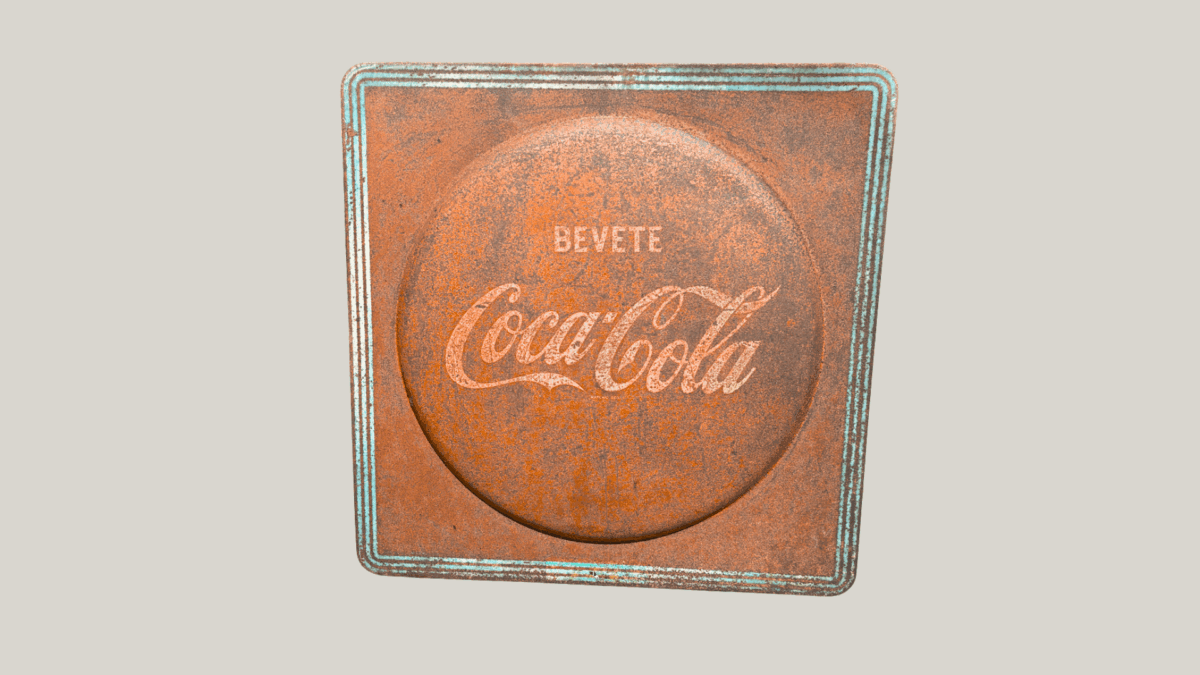
Vintage advertising signs, promotional items, and branded merchandise from defunct companies or famous brands can be quite valuable. But they’re usually sold as decorative items rather than collectible advertising memorabilia.
The Quiet Satisfaction of Knowledge

The real advantage antique dealers have isn’t just knowing what things are worth—it’s understanding the stories behind why certain objects matter to collectors while others don’t. Value isn’t arbitrary; it reflects genuine appreciation for craftsmanship, design, historical significance, or cultural meaning that transcends the object’s original purpose.
The tragedy isn’t that homeowners are pricing things too low; it’s that they’re missing the opportunity to appreciate what they actually own before letting it go.
More from Go2Tutors!

- The Romanov Crown Jewels and Their Tragic Fate
- 13 Historical Mysteries That Science Still Can’t Solve
- Famous Hoaxes That Fooled the World for Years
- 15 Child Stars with Tragic Adult Lives
- 16 Famous Jewelry Pieces in History
Like Go2Tutors’s content? Follow us on MSN.