26 Unwritten Rules of Airplane Etiquette That Passengers Silently Judge Each Other Over
Nobody hands you a code of conduct when you board a flight. There’s no pamphlet in the seat pocket explaining what the person next to you expects from you for the next seven hours, and yet somehow everyone on the plane has strong opinions about how things should go. ]
A Morning Consult report found that most travellers are bothered by all but one of twelve common in-flight behaviours — and nearly one in five said concerns about other passengers’ behaviour had actually deterred them from taking a trip.
This is the unspoken social contract of air travel: cramped strangers temporarily sharing space smaller than most office cubicles, governed entirely by norms that nobody ever agreed on officially but everybody is judging each other against. Here is what those norms actually are.
The Middle Seat Gets Both Armrests
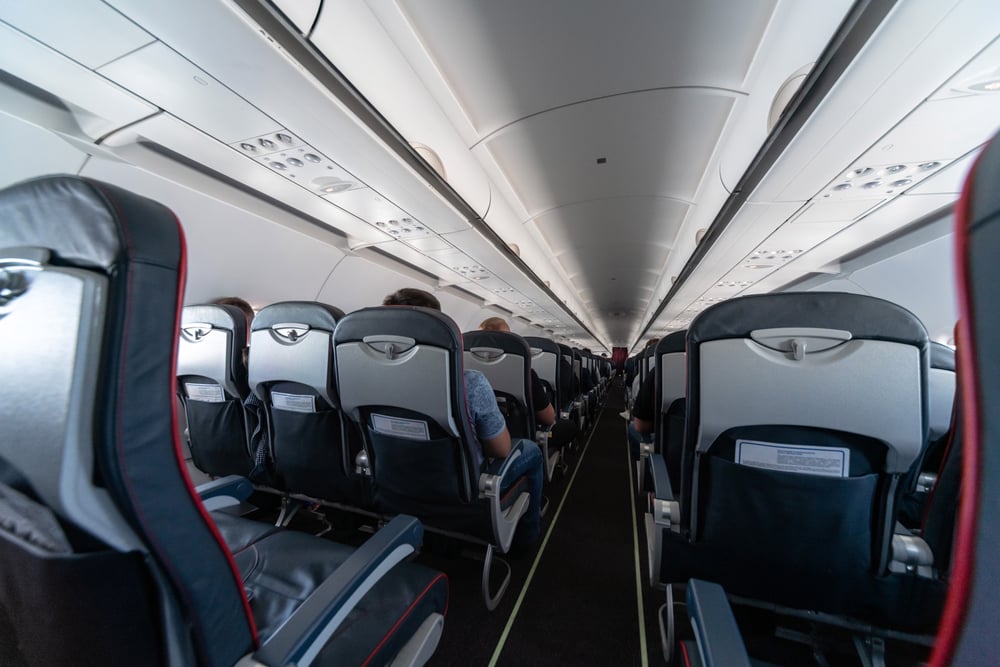
This is arguably the closest thing to a settled rule in air travel etiquette. The window passenger can lean against the side of the plane. The aisle passenger has open space and freedom of movement.
The middle passenger has nothing — squeezed between two strangers, with no window, no aisle access, and no compensation whatsoever. Giving them both armrests is the acknowledged minimum correction for this injustice. More than half of travellers apparently still don’t agree with this in surveys, which explains every silent armrest standoff you’ve ever experienced.
Recline Slowly and Look Behind You First
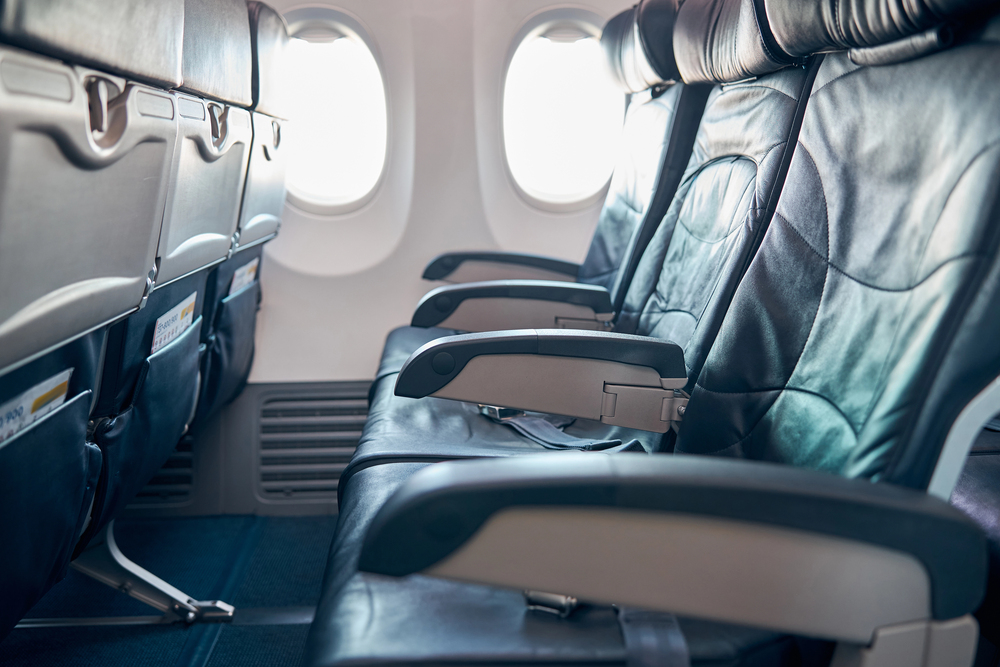
The person who slams their seat back without warning, sending a laptop screen crashing toward someone’s face and a drink into their lap, is universally regarded as a social menace. The accepted approach is a backward glance — not asking permission exactly, but signalling that you’re aware someone exists behind you — followed by a slow, controlled recline rather than a sudden drop.
The actual debate about whether reclining is acceptable at all is ongoing and unresolved; but the manner of doing it has a clearer consensus.
Don’t Recline at All During Meal Service
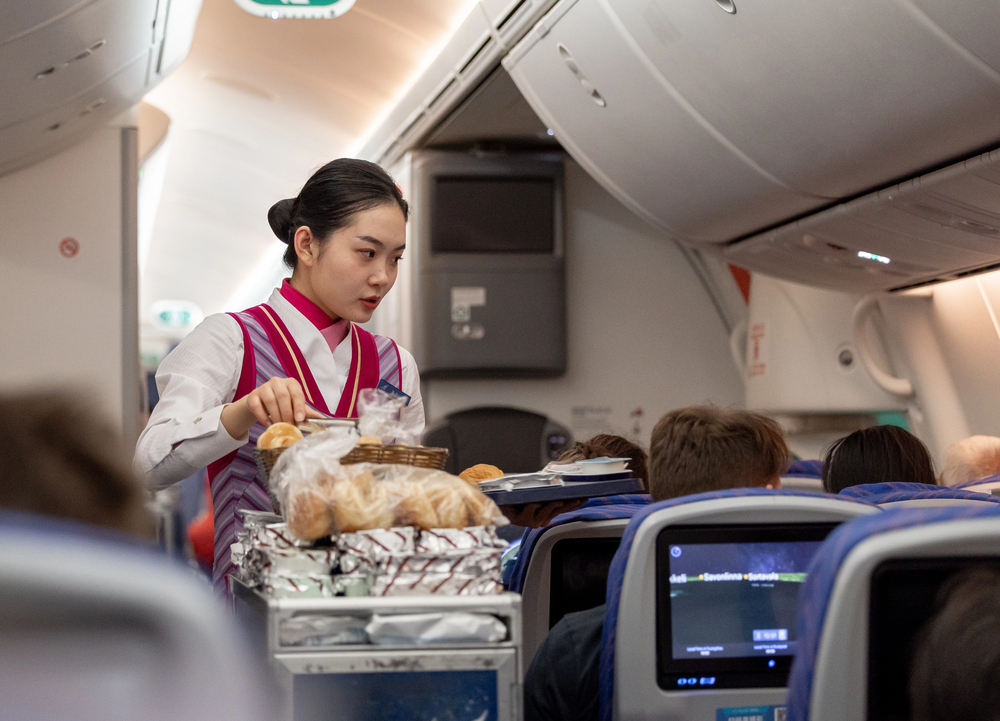
Even among those who defend the right to recline, most agree that doing it while the person behind you is eating is genuinely inconsiderate. Seat pitch has shrunk from around 35 inches in the early 2000s to roughly 30 inches today on many airlines.
There is simply not enough space for a reclined seat and a tray table being actively used. The accepted rule: wait until service is done.
Your Carry-On Goes Above Your Seat
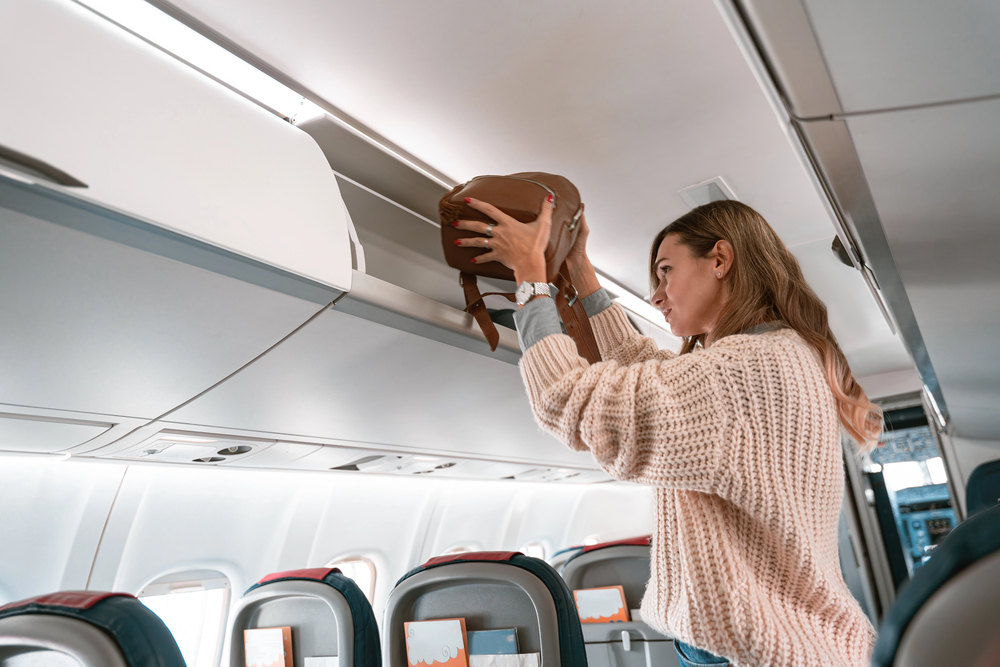
Putting your bag in the first available overhead bin when your seat is in row 30 forces the passengers at the front to put their bags near their feet. This is a well-documented point of frustration, particularly because it often delays the boarding process while the actual front-section passengers stand in the aisle looking for space.
The understood rule is to stow your bag in the overhead bin that corresponds to your seat row — not in whichever bin you happen to reach first.
Take Your Seat and Get Settled Before Opening the Bin Again
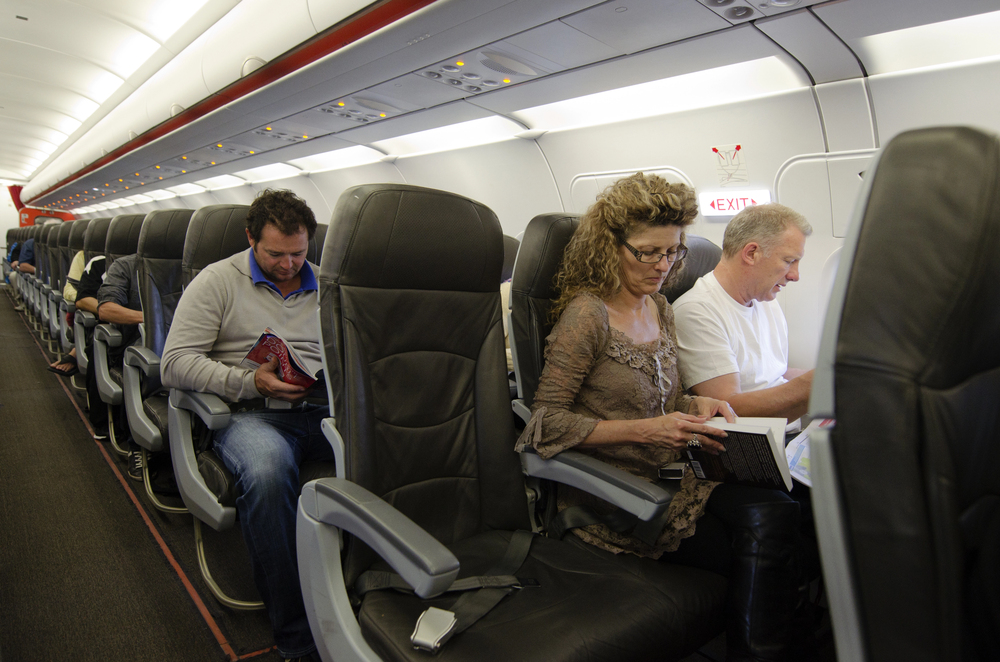
Getting to your row, putting your bag overhead, sitting down, and then immediately standing back up to rummage through the bin for your headphones, your book, your charger, and your snacks — one at a time, over several minutes — is a particular source of frustration for flight attendants and queuing passengers alike. The expectation is that you sort out what you need before you board, take it out in one go, and sit down.
Shoes Stay On
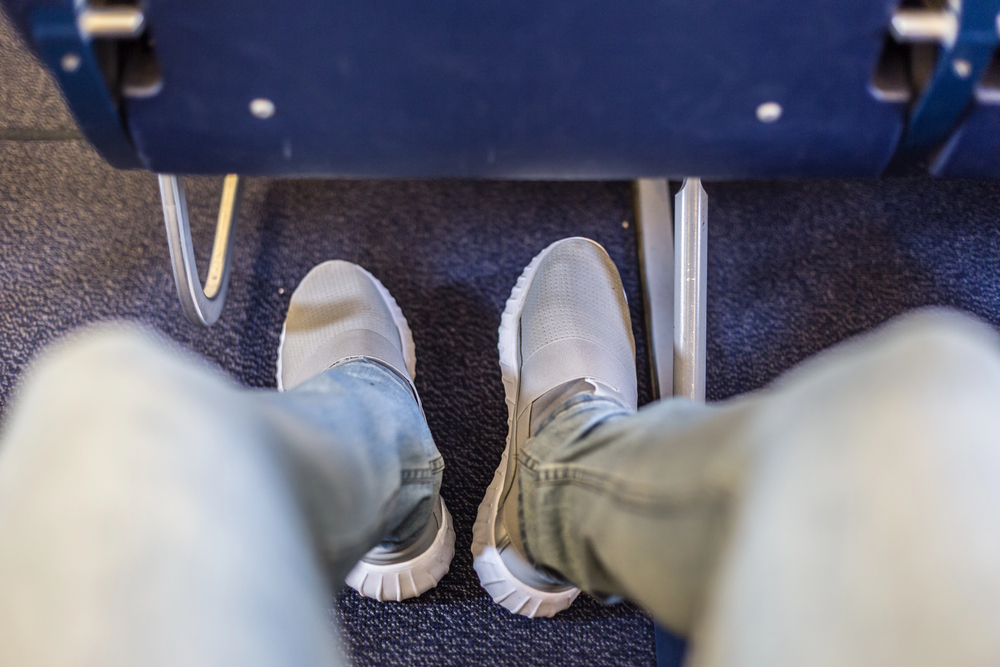
Removing shoes mid-flight is common enough that airlines sometimes address it in passenger guidance, but it remains among the most consistently cited irritants in cabin etiquette surveys.
The floor of an aircraft cabin is not clean, and sock-footed passengers wandering to the bathroom or propping bare feet on the seat back in front of them both fall into the category of behaviour that nearby passengers will quietly resent for the rest of the flight.
Bare Feet on the Seat Back Ahead of You Is Not Acceptable
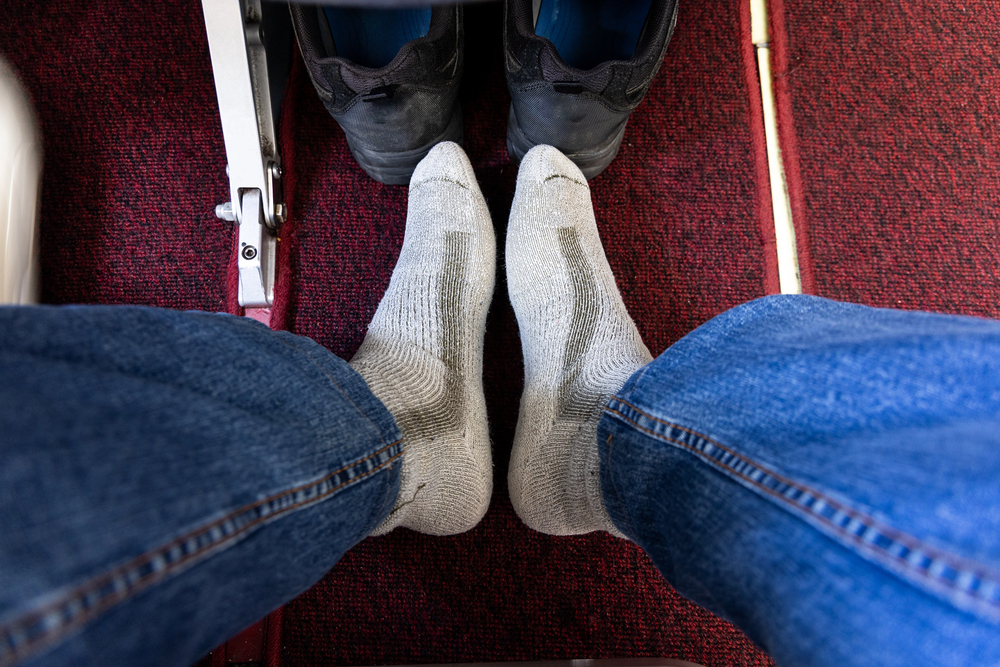
Slightly different from the shoes question: placing your feet — bare or socked — on the armrest of the seat in front of you, or on the tray table of the seat ahead of you, is consistently treated as one of the most egregious etiquette failures in the cabin. The tray table is where someone else will eat.
The armrest is adjacent to someone else’s face. This rule doesn’t have much debate around it.
Headphones Are Non-Optional If You Watch Video
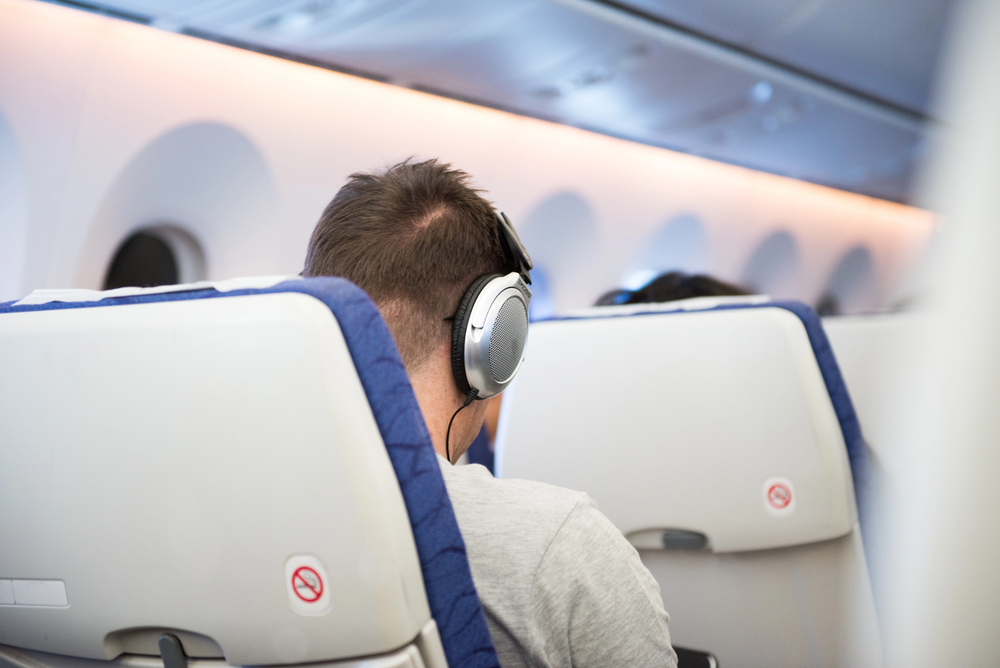
Playing audio from your phone or tablet without headphones in a confined aircraft cabin is treated by the surrounding passengers as a hostile act. The sound carries far.
What seems like reasonable volume to you, inside your own head, is a tinny intrusion into the auditory experience of everyone within three rows. One of the most commonly cited rules in flight etiquette is simply: bring headphones, use them.
Keep Your Voice Down During Overnight Flights
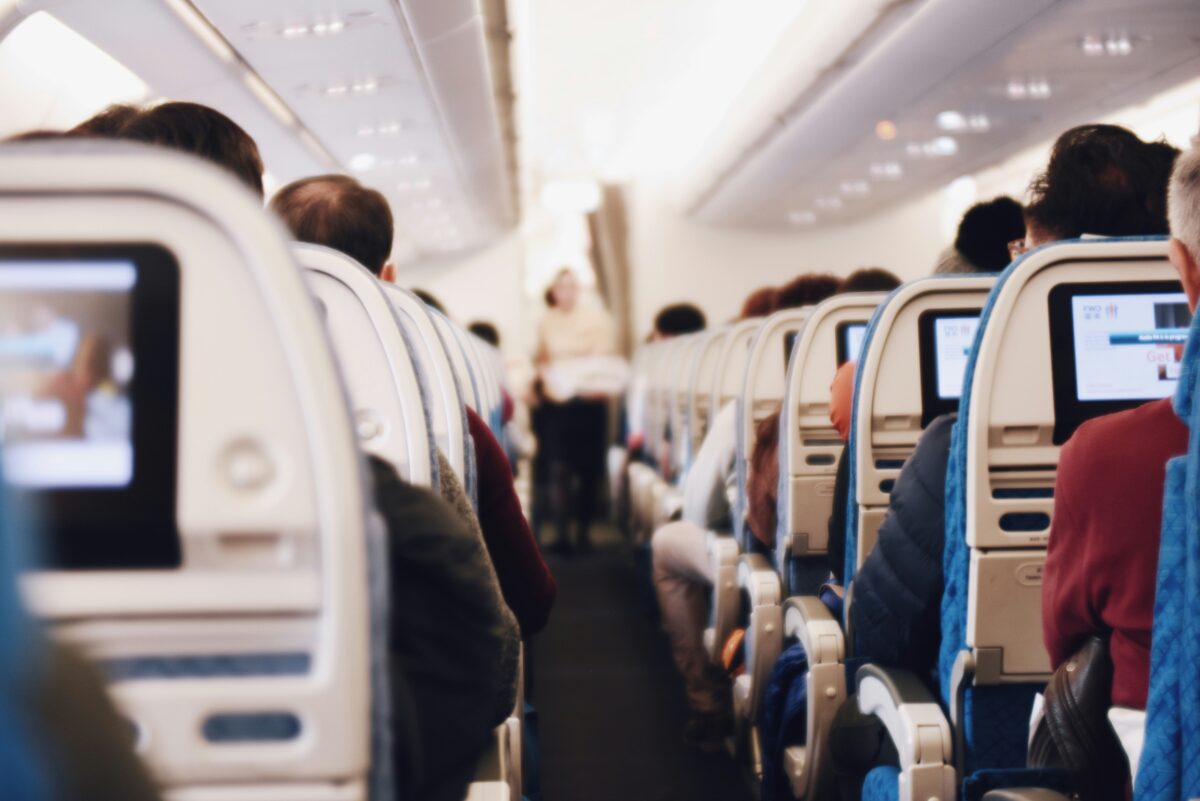
A daytime flight at conversational volume is fine. A late-night flight where much of the cabin is trying to sleep is a different environment, and passengers who talk loudly, laugh at their video content, or conduct conference calls at full volume after the lights go down are generating the kind of silent hatred that is usually reserved for people who recline in exit rows.
Don’t Wake a Sleeping Passenger Unless You Genuinely Need To
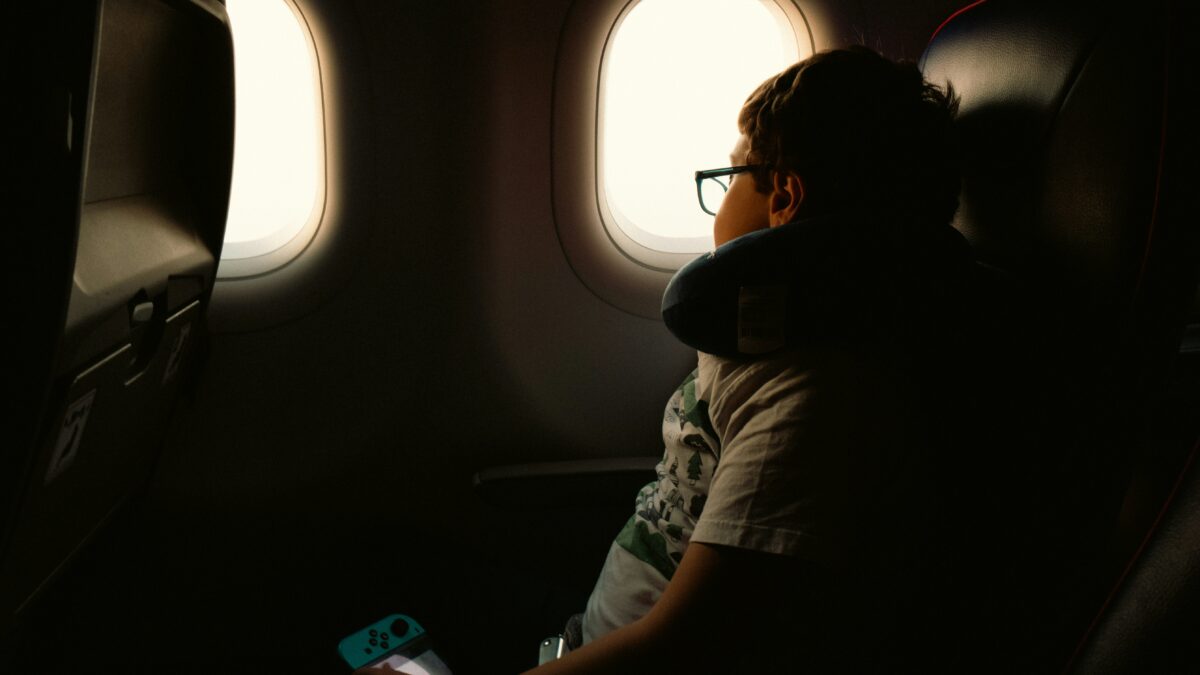
If you’re in the window seat and your neighbour fell asleep ten minutes after takeoff, asking them to move so you can get to the bathroom for the first time four hours in is understood as reasonable. Asking them to move repeatedly, for optional trips, or waking them for a conversation because you’re bored is not.
Most window-seat passengers develop a quiet calculation of how much they can hold before the request becomes genuinely necessary.
Wait Your Turn to Deplane
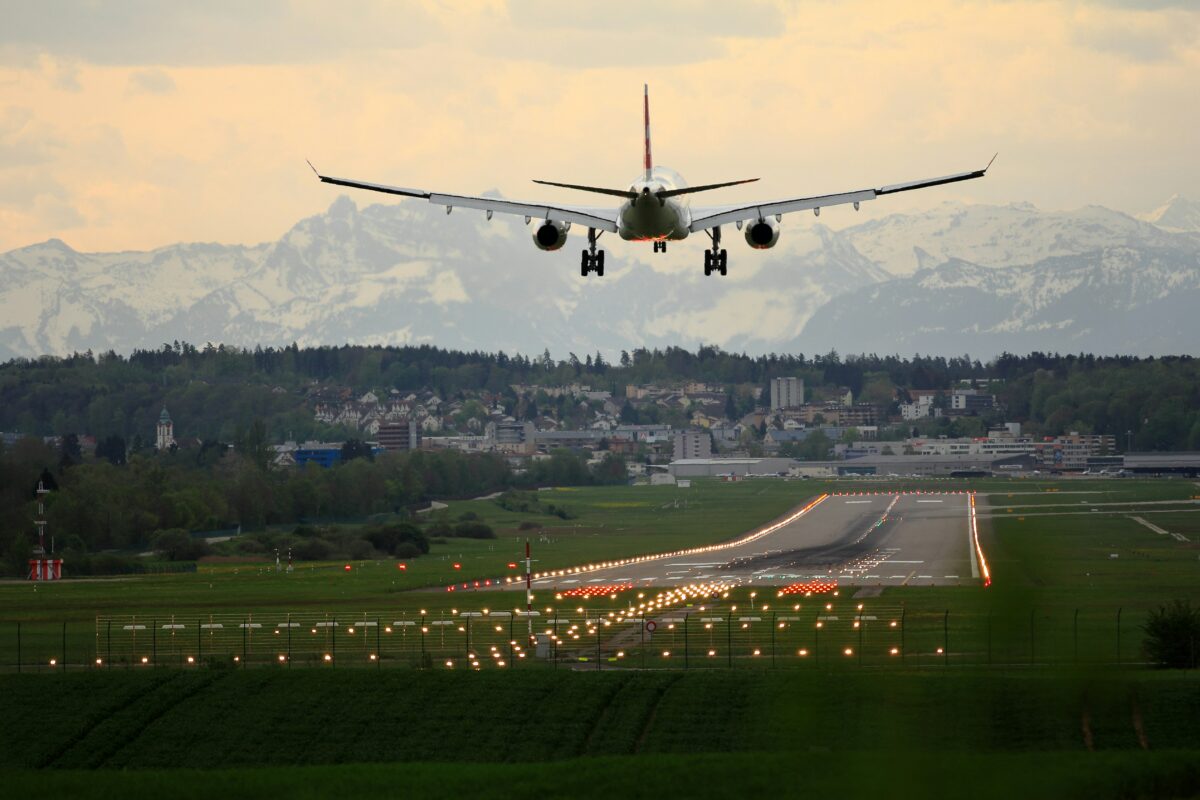
The moment the plane lands, a significant proportion of passengers immediately stand up and begin collecting their belongings before the aircraft has reached the gate, despite the seatbelt sign remaining on. The norm — frequently observed in the breach — is that passengers deplane row by row from front to back, with each row waiting for the one in front of it to clear.
Pushing forward from row 28 while row 10 is still gathering bags is noticed, remembered, and judged.
Don’t Yank Your Bag Out of the Bin While People Are Still in the Aisle
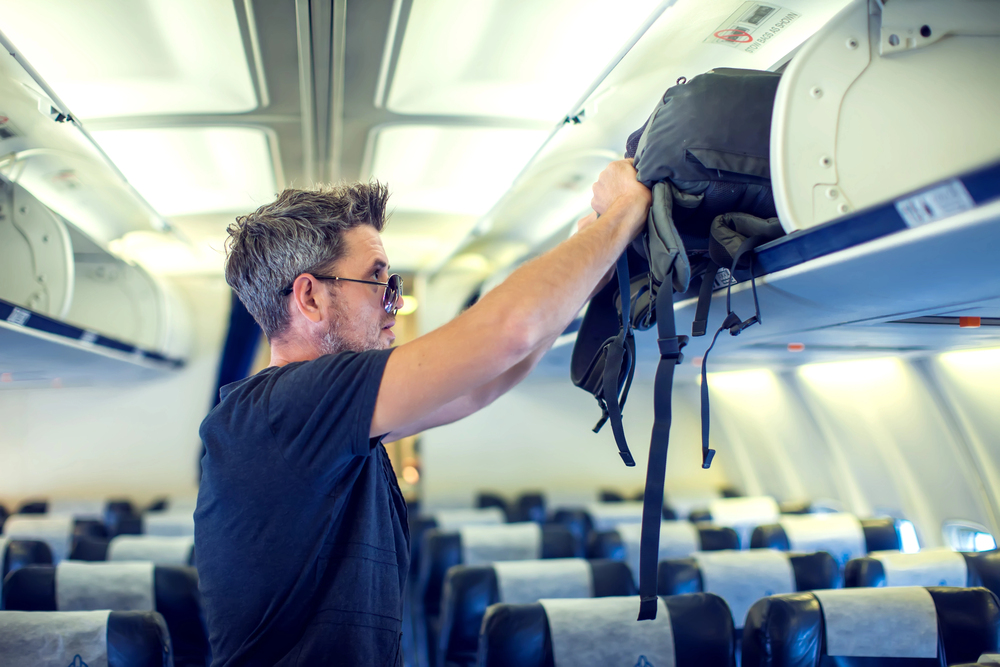
The overhead bin manoeuvre during deplaning — reaching up, pulling a bag clear, and swinging it down into the standing crowd — is one of the more physically hazardous moments of air travel. The expected behaviour is to wait until the aisle clears enough that you can pull your bag down without hitting anyone, and to do it carefully.
Yanking a bag free while the aisle is still packed and someone’s head is directly below the bin is the kind of thing that ends friendships before they start.
Turn Your Backpack Frontward When Moving Through the Cabin
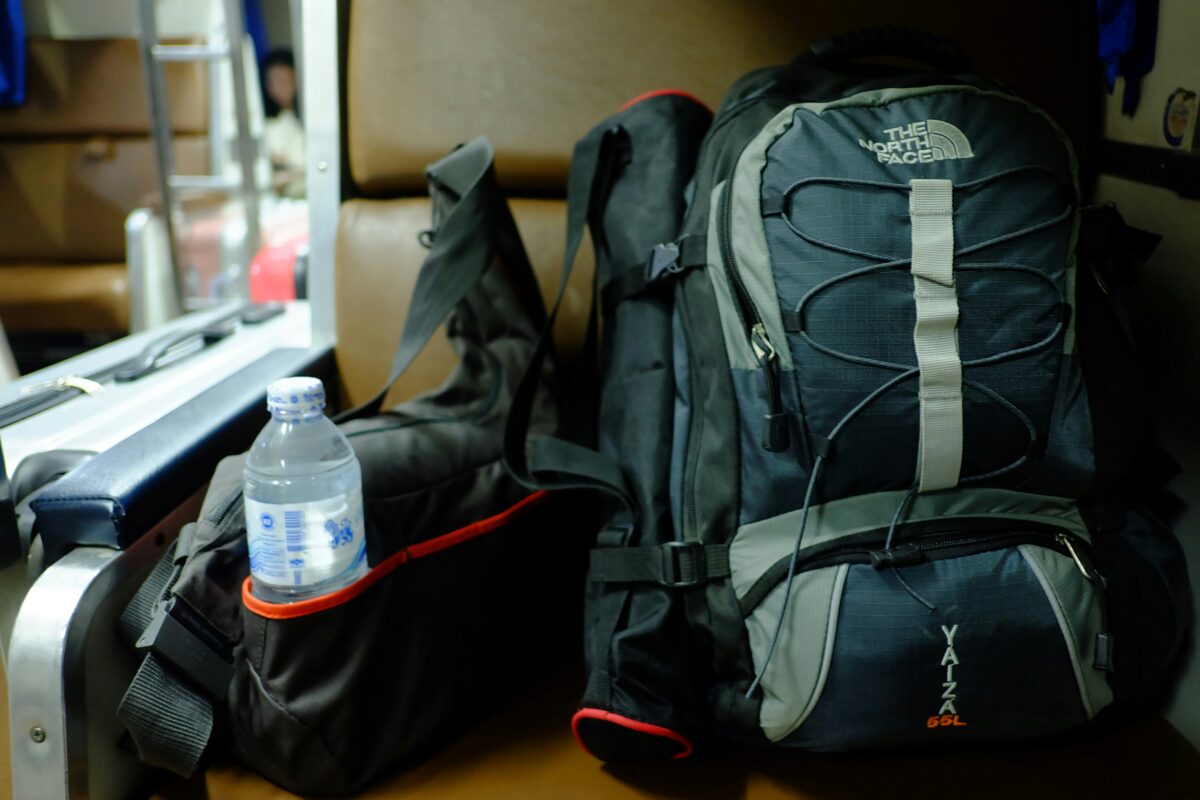
A backpack worn normally on your back extends your effective width by 20 to 30 centimetres and at face height for seated passengers. Walking down the aisle of an aircraft without turning it around means repeatedly swinging a solid object at the level of people’s heads.
This rule is not universally followed, which is why many experienced travellers choose window seats specifically to avoid being hit in the face on the way to the bathroom.
Strong Food Odours in a Sealed Cabin Are an Imposition
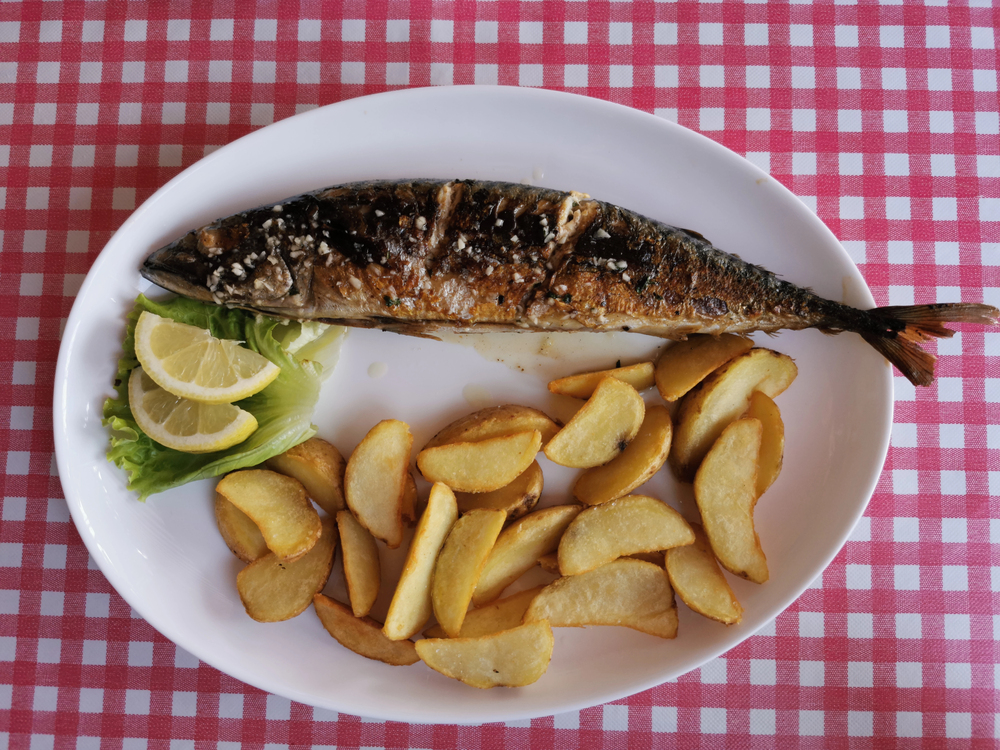
Bringing hot food with strong smells onto a plane is one of the more contested etiquette questions. Fish, heavy garlic dishes, curries, and similarly pungent meals work fine in an open restaurant but circulate through the recirculated air of a sealed cabin in a way that affects every nearby passenger.
Most flight etiquette guidance suggests either eating before boarding or bringing foods that don’t project odour across multiple rows.
Don’t Force Conversation
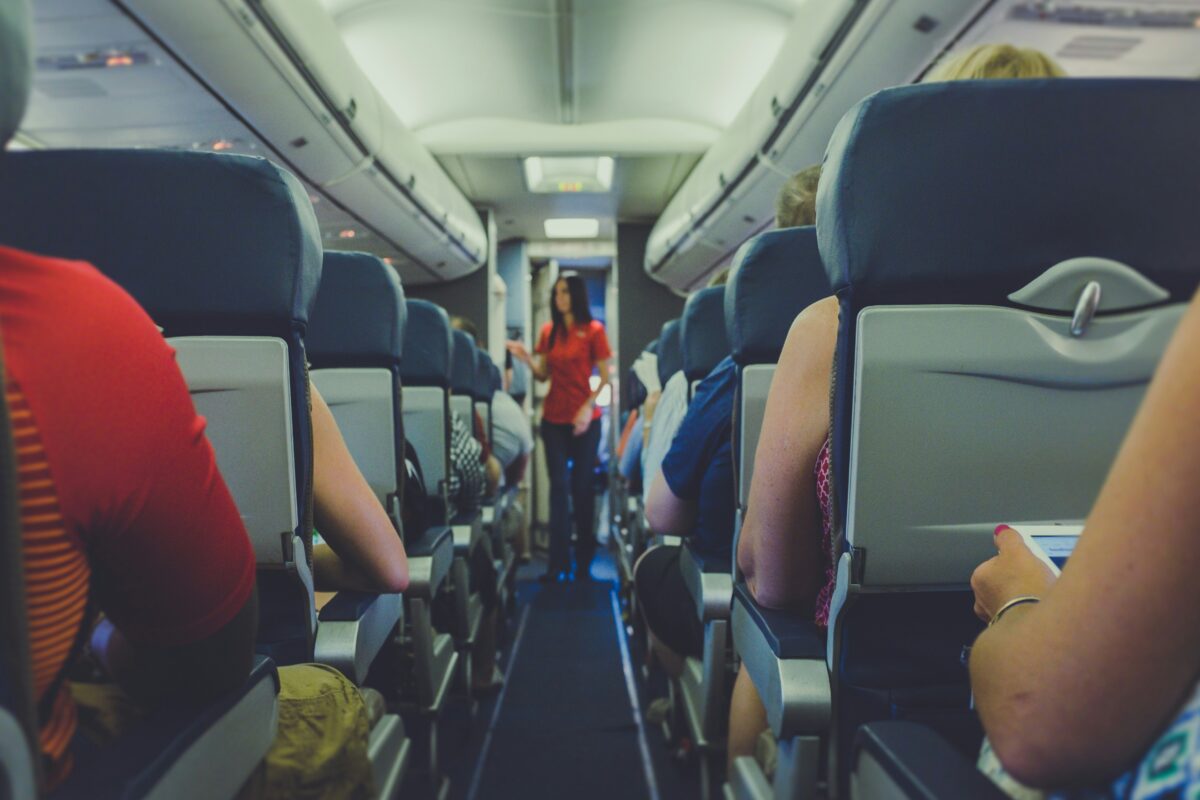
Saying hello to a seatmate is fine. Asking where they’re going is fine.
Continuing to talk when they’ve put headphones on, opened a book, or started looking at their screen is widely read as a failure to recognise the social cue for “I’d prefer to be left alone.” Conversational persistence that requires the other person to actively manufacture an excuse to disengage is the kind of thing that makes a long flight feel much longer.
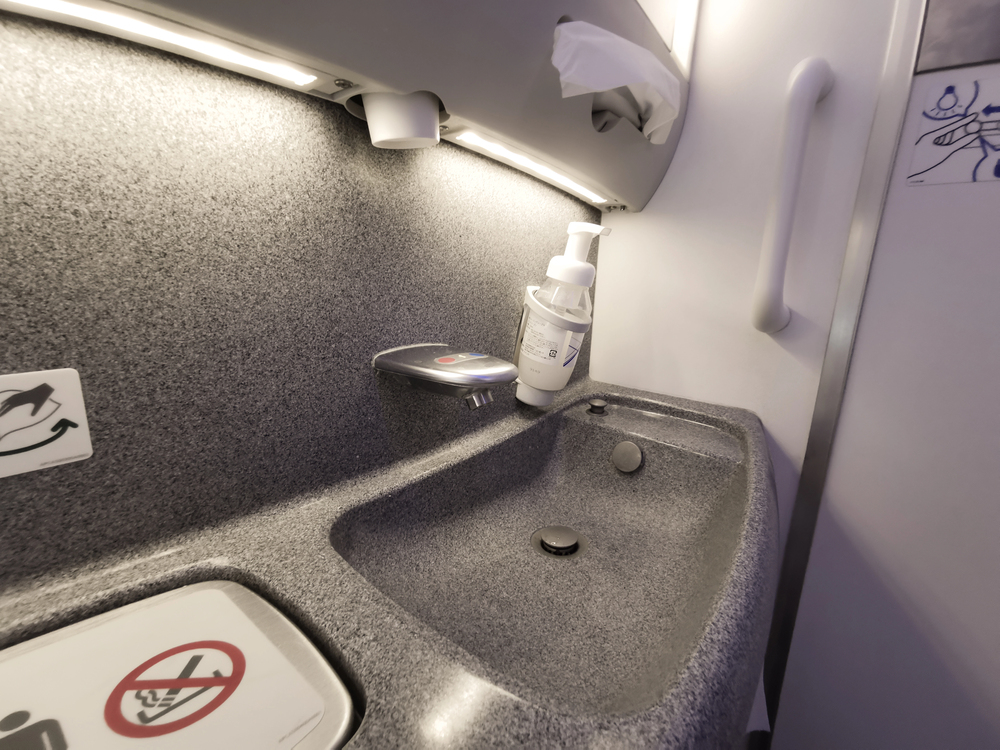
Keep Bathroom Visits Brief During Service Carts in the Aisle
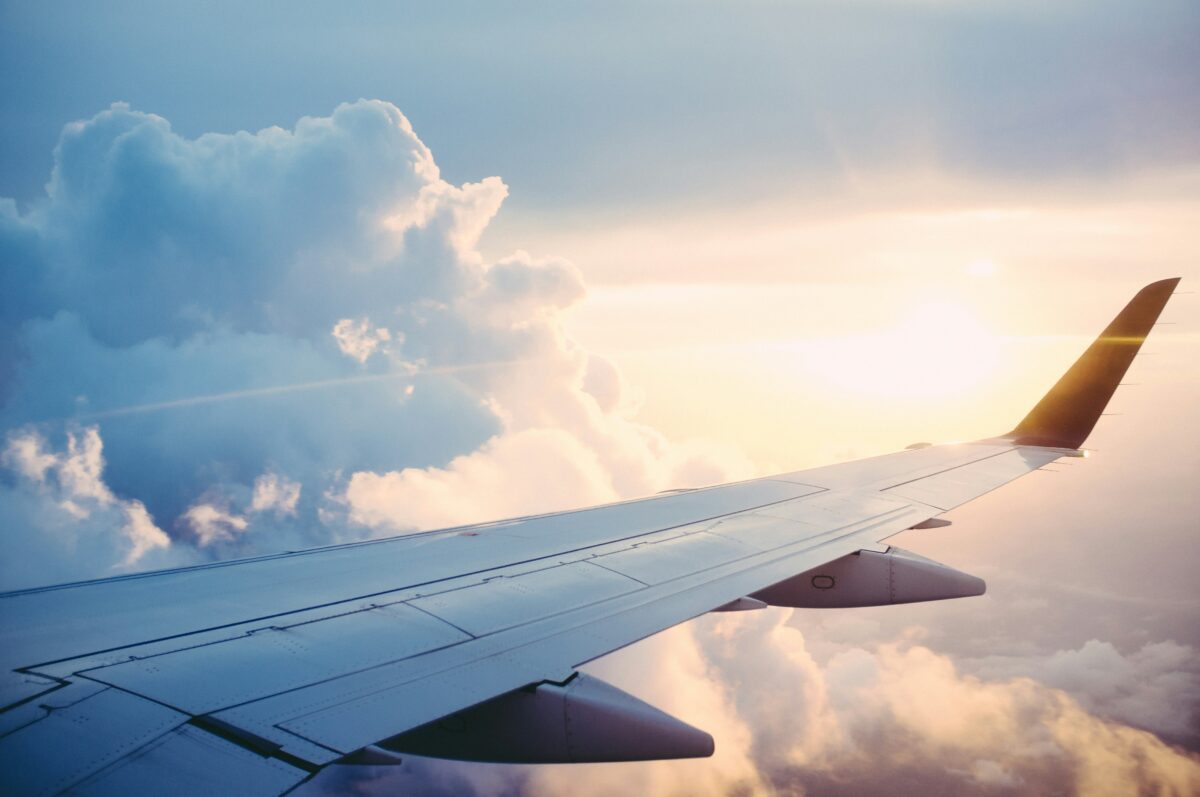
— Photo by bookzv
Getting out of a window or middle seat when the service cart is blocking the aisle creates a logistical problem for everyone involved. Most experienced passengers read the timing: go before the cart comes down the aisle, or wait until it passes.
Attempting to pass the cart in the opposite direction — squeezing past a flight attendant and a heavy trolley — is awkward enough that most passengers prefer to plan around it rather than attempt it.
Read the Cues on Whether to Recline at Night Versus Day
On a short daytime flight, reclining for comfort is more contested. On a long-haul overnight flight, the general expectation shifts: most passengers recline for sleeping, and declining to do so can create an uncomfortable posture situation for hours.
The timing and context of reclining carry more social weight than the act itself.
Don’t Use the Headrest of the Seat in Front to Pull Yourself Up
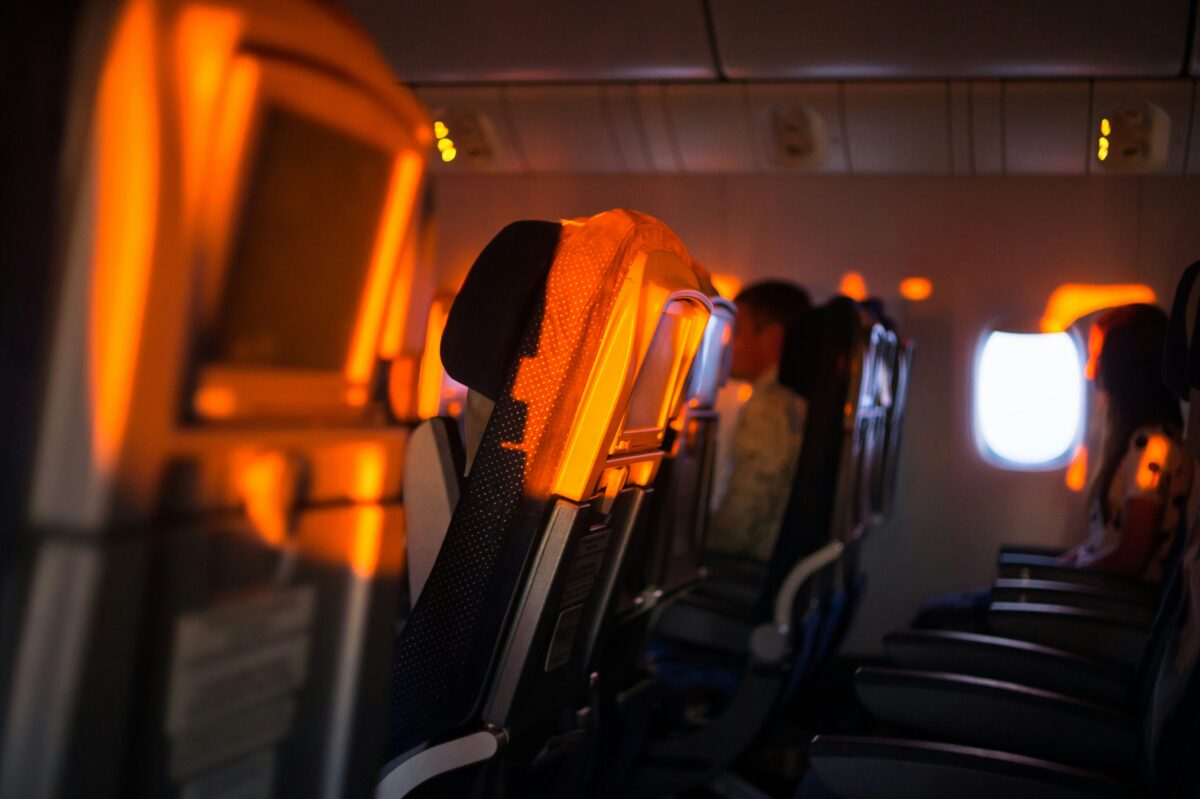
When standing from your seat, bracing yourself on the headrest of the seat directly ahead of you pulls it backward and jolts the person sitting in that seat. The expected approach is to push up from your own armrests.
Using someone else’s headrest as a handle is among the more immediate physical etiquette violations in the cabin, and the person being jerked forward tends to notice it sharply.
Manage Your Children — or at Least Acknowledge the Situation
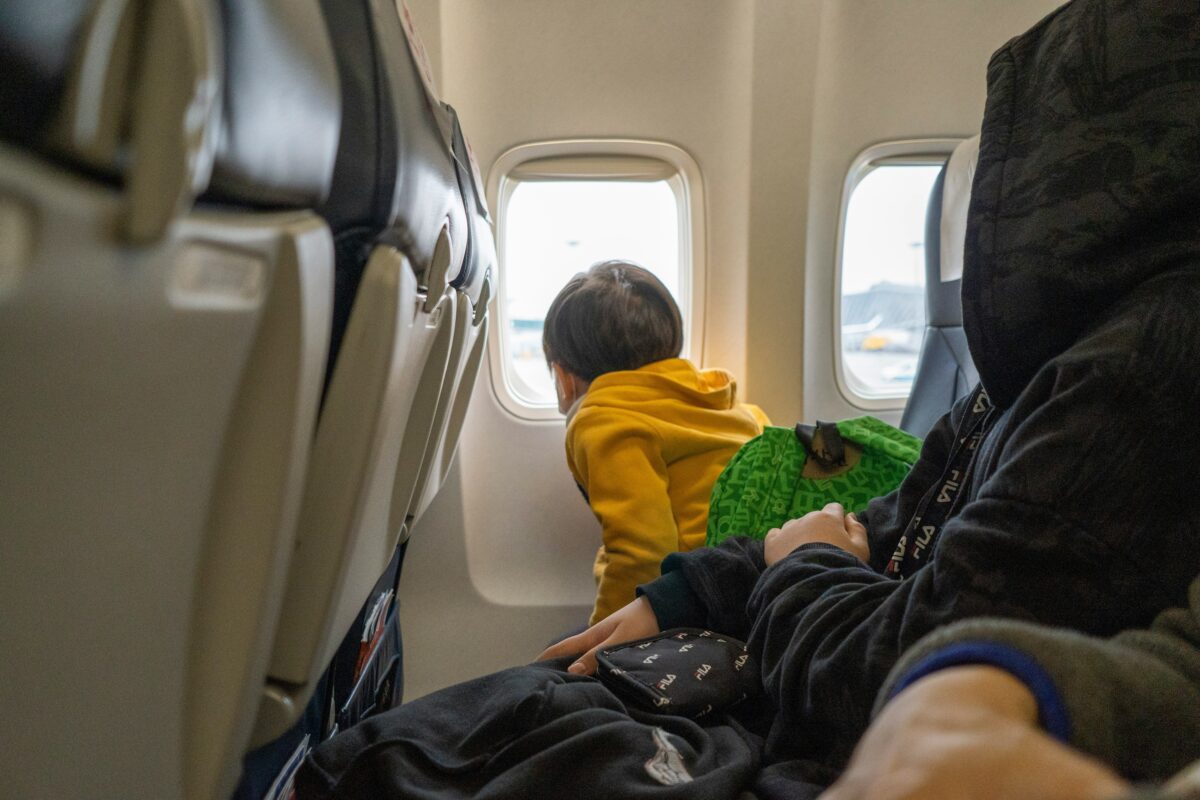
Parents travelling with young children occupy a special category in airplane social dynamics. Crying infants are generally understood as genuinely beyond parental control, and most passengers extend reasonable tolerance.
Children repeatedly kicking the seat ahead of them, however, falls into a different category — one where the parent’s response (or absence of response) is being observed. Simply acknowledging the situation, telling a child repeatedly to stop, or briefly apologising to the person ahead registers very differently from ignoring it entirely.
Don’t Hog the Window Shade
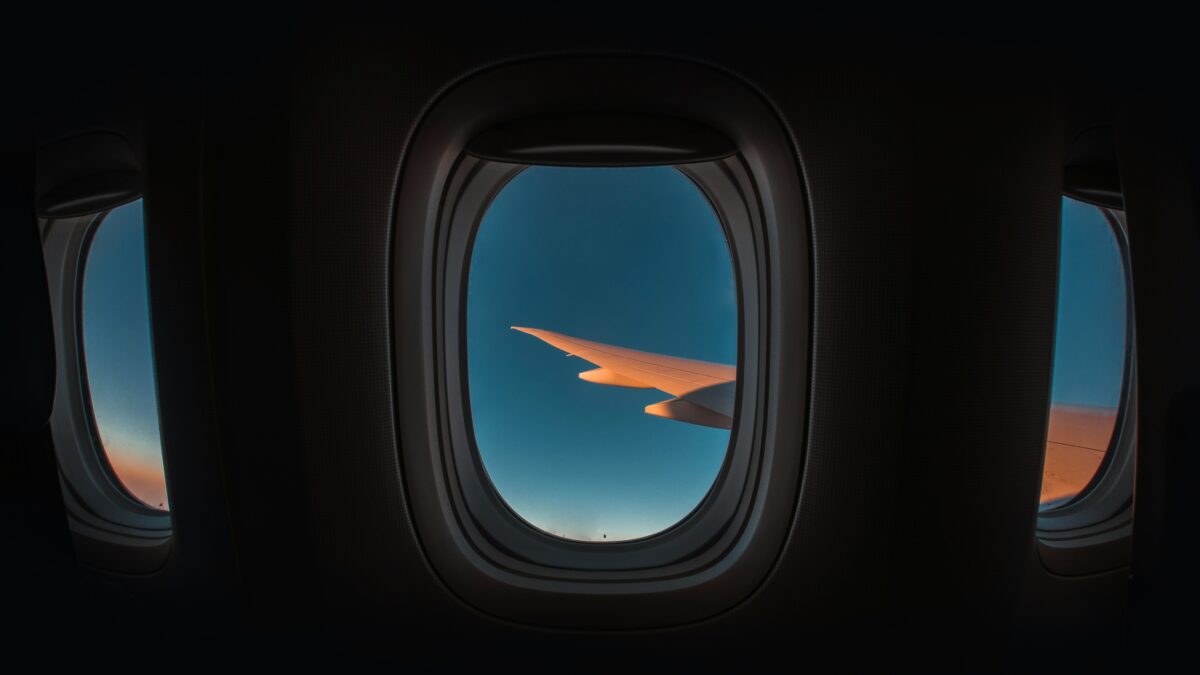
If you’re at the window seat, the window shade is largely yours to control. But on a long flight with a significant portion of the cabin trying to sleep, keeping it fully open during the brightest hours — flooding four or five rows with sunlight — while those around you are wearing sleep masks is noticed.
Most experienced travellers compromise: cracking the shade to check position or conditions is fine, but keeping it fully open for hours of peak light when the cabin is in rest mode is a specific form of inconsideration.
Keep Your Belongings in Your Own Space
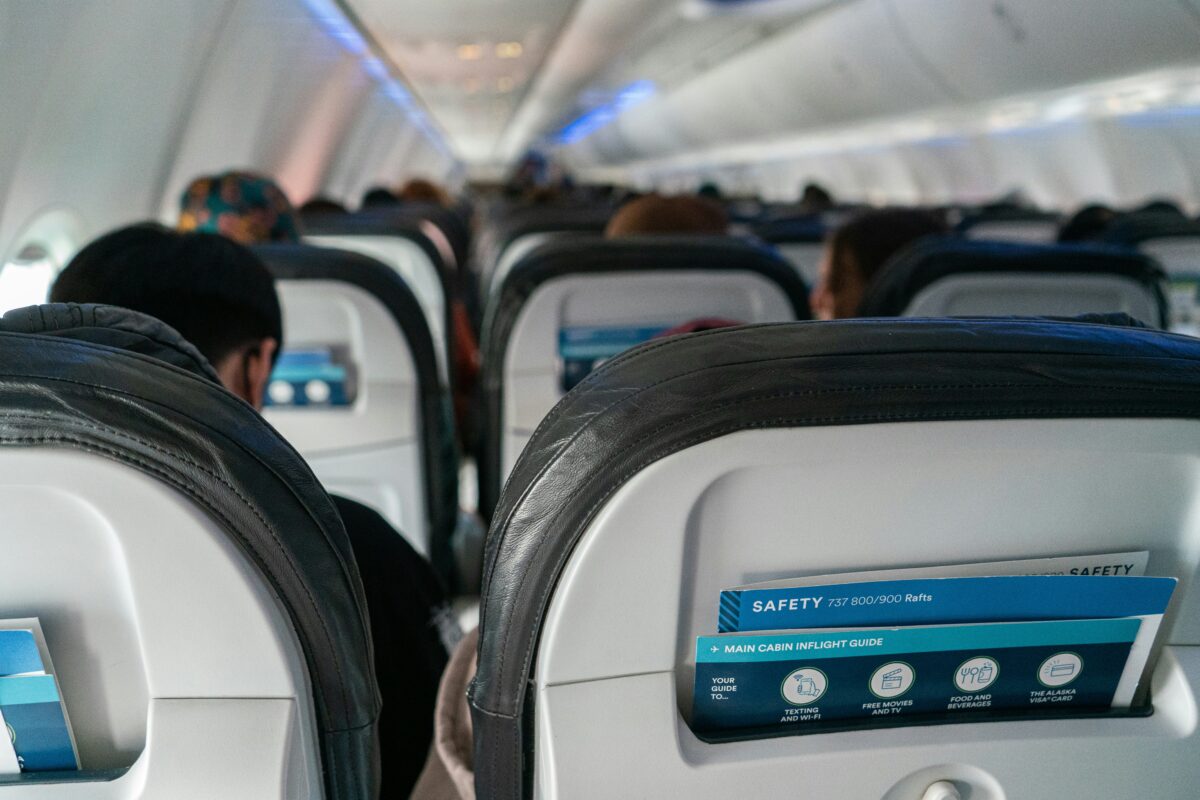
The area defined by your seat, your seat pocket, and your allocated overhead bin is yours. Your coat does not go across two seats.
Your bag does not go in the middle of the aisle. Your elbow does not cross the armrest centreline into the lap of the person beside you.
The degree to which passengers overflow their allocated space correlates directly with how much their neighbours will quietly resent them by the time landing occurs.
Don’t Adjust Your Tray Table Loudly or Repeatedly
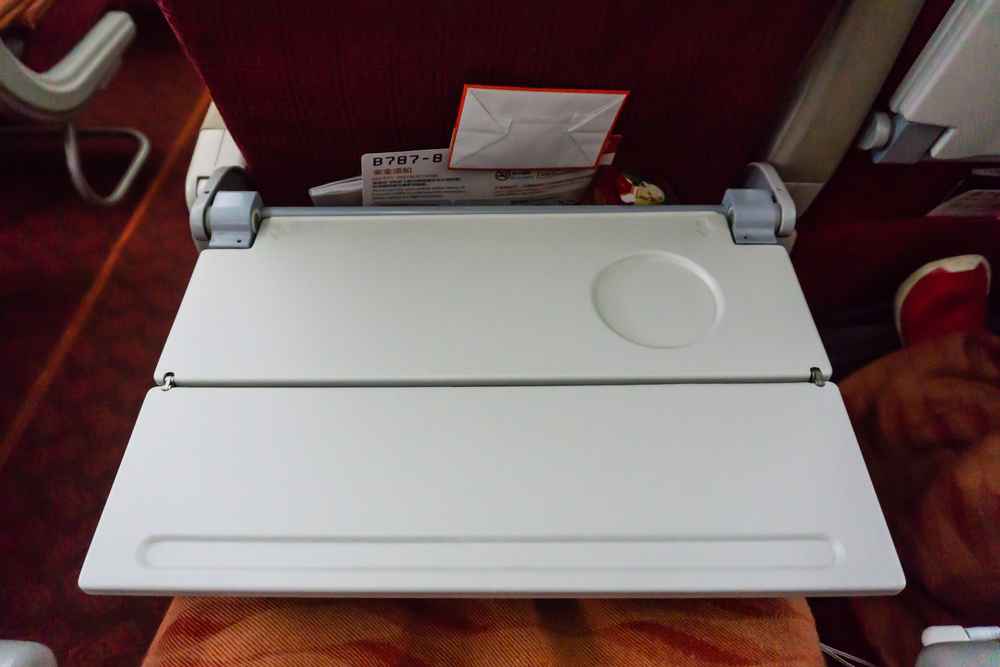
Tray tables click when folded and unfolded. Once is fine.
Repeatedly folding and unfolding it, or clicking the latch multiple times, transfers vibration directly to the seat in front of you. It’s one of those low-level disturbances that nobody mentions but everyone sitting directly ahead notices.
Use the Seatbelt Sign as a Cue, Not Just a Rule
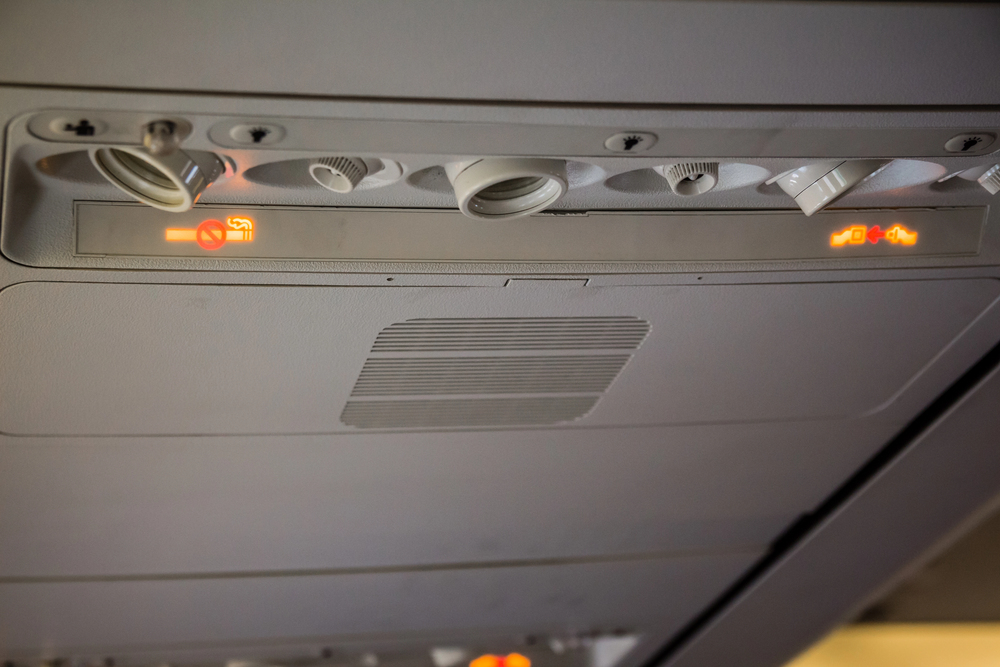
Flight attendants have noted that passengers who stand up with the seatbelt sign on — for minor turbulence, immediately after landing, or during taxi — are making a quiet calculation that their need outweighs the instruction. In genuinely rough conditions this creates a safety risk.
In mild conditions it’s mostly a statement about the passenger’s relationship with rules. Either way, it’s observed.
Keep the Volume on Your Headphones Audible Only to You
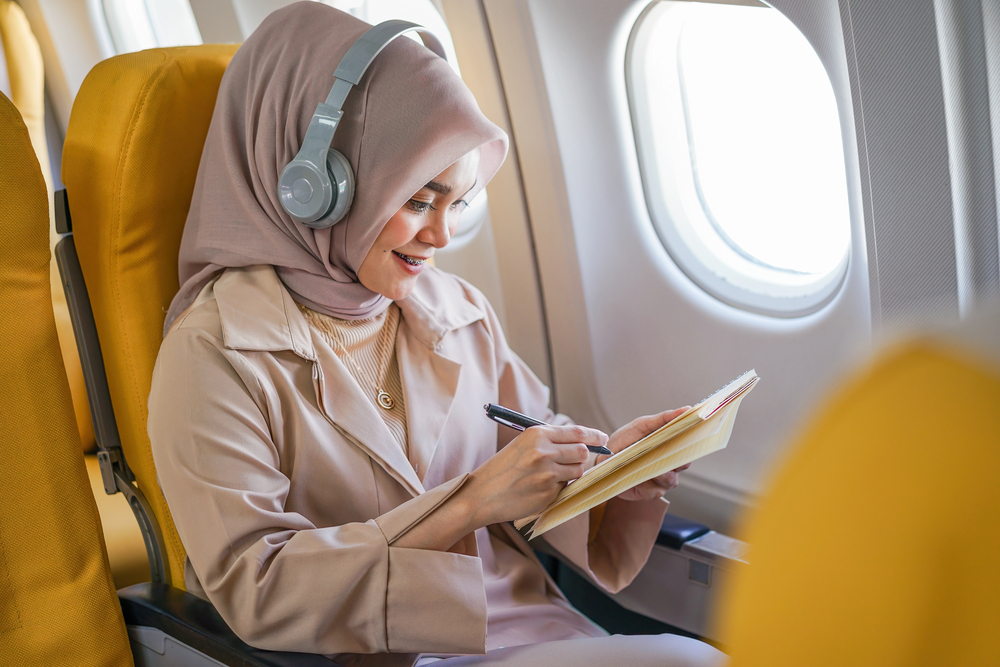
Over-ear headphones at high volume can leak sound. The person next to you can hear a tiny reproduction of your film or music, which is effectively the same as playing it without headphones but at lower volume.
If the person beside you can hear the audio coming from your headphones, they can tell, and they’re probably not enjoying it.
Discard Your Own Rubbish
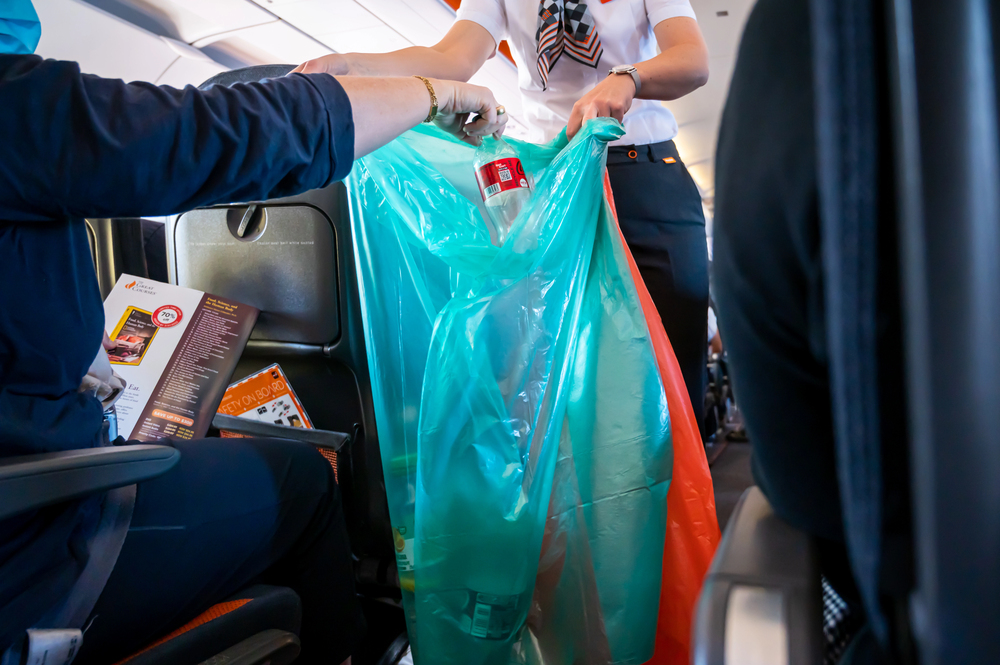
Leaving used cups, wrappers, tissues, and meal packaging in the seat pocket or on the tray table rather than handing them to flight attendants during service is regarded as a minor inconsideration in normal circumstances and a notable one at the end of a long flight. Cleaning up after yourself before deplaning is expected.
Leaving a full bag’s worth of rubbish in the seat pocket is the kind of thing that flight attendants discuss afterward and passengers in adjacent seats observe silently.
Don’t Recline Into Someone Who’s Clearly Taller Than the Space
A seat pitched at 30 inches is tolerable for a person of average height. For someone taller, a fully reclined seat ahead of them puts your headrest at their shoulder level and eliminates any usable space for their tray table.
Most passengers who encounter this situation adapt — but the level of ill-will generated by an oblivious recline into someone’s knees on a long flight is not inconsiderable.
Treat the Shared Space as Shared
The deepest principle underneath all of these specific rules is the same one: you’re in a shared space with strangers who have equal claim to their portion of it. The silent social judgment that runs through every flight isn’t really about armrests or shoes or the overhead bin — it’s about whether you’re treating the people around you as people who exist, or whether you’re treating the cabin as though everyone else is furniture arranged around your personal comfort.
The passengers who get it right aren’t performing etiquette. They’re just aware that other people are there.
The Quiet Majority and the Rules Nobody Admits Exist
Most air travel is perfectly tolerable. The horror stories are the exception, and the people who share flights with you are, in the large majority, trying to get through the experience with minimal friction.
But the unwritten rules exist precisely because the space is shared and the stakes feel personal — you’re tired, you might be anxious, and someone else’s choice is directly affecting your experience in a small, sealed tube. The rules aren’t arbitrary.
They’re the social geometry that makes a genuinely uncomfortable situation bearable for everyone. Not because anyone is owed luxury, but because the alternative — the plane where nobody observes any of these norms — is a specific kind of misery that most travellers have sat through at least once and would very much prefer not to repeat.
More from Go2Tutors!

- The Romanov Crown Jewels and Their Tragic Fate
- 13 Historical Mysteries That Science Still Can’t Solve
- Famous Hoaxes That Fooled the World for Years
- 15 Child Stars with Tragic Adult Lives
- 16 Famous Jewelry Pieces in History
Like Go2Tutors’s content? Follow us on MSN.