Classic Cars That Defined the 70s
The 1970s changed everything for car enthusiasts. Oil crises hit hard, emission standards tightened, and the muscle car era started fading into memory.
But this decade also produced some of the most distinctive vehicles ever made. These cars carried the spirit of their time—sometimes struggling against new regulations, sometimes embracing change, and always telling a story about where automotive culture was heading.
Pontiac Firebird Trans Am
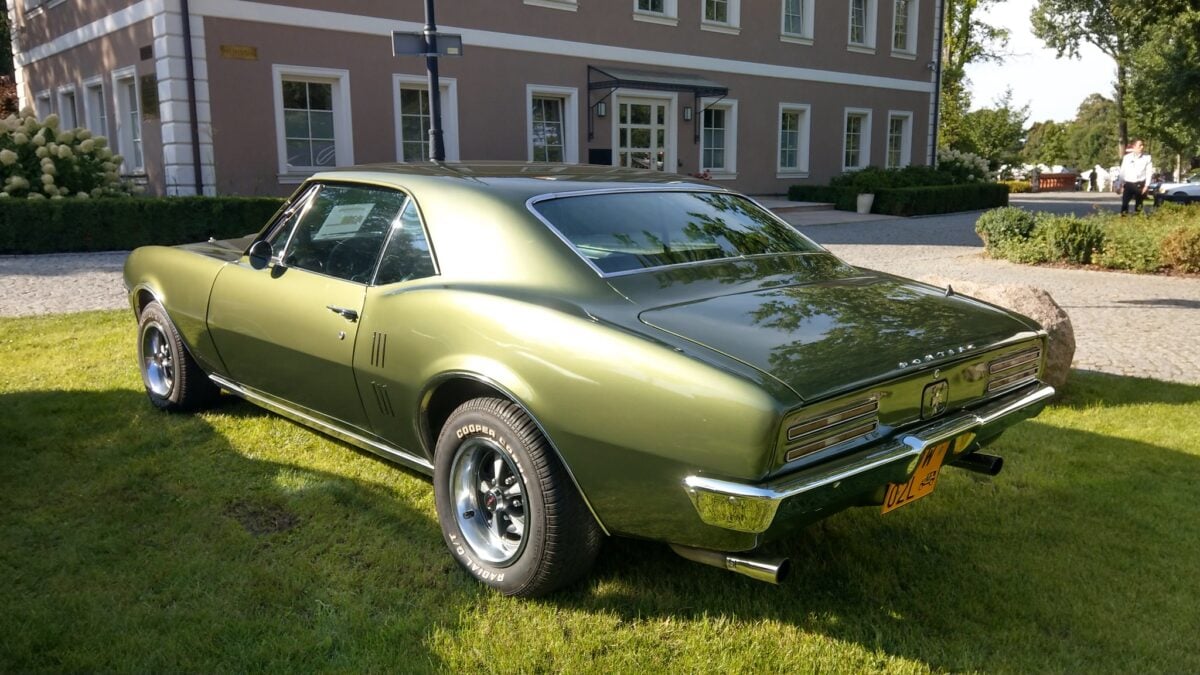
The black and gold Trans Am became an icon before most people even sat in one. That screaming chicken decal on the hood wasn’t subtle, and Pontiac didn’t want it to be.
The 1977 model especially caught fire after a certain movie made it a star. Under that aggressive styling sat a 6.6-liter V8 that still had some punch, even as emission controls started choking other engines.
The T-top roof panels let you feel the wind without fully committing to a convertible. Pontiac understood that people wanted presence on the road, and the Trans Am delivered that in spades.
Datsun 240Z

Japanese automakers were finding their footing in America during the 70s. The 240Z proved they could build something that turned heads for the right reasons.
It borrowed styling cues from European sports cars but sold for thousands less than a Jaguar or Porsche. That inline-six engine didn’t make enormous power numbers, but it revved smoothly and pushed the lightweight body with real enthusiasm.
The long hood and fastback profile looked purposeful, not flashy. You could actually afford to own one and maintain it too, which mattered when gas prices jumped and paychecks stayed flat.
Chevrolet Corvette C3

The Stingray name disappeared after 1976, but the C3 Corvette kept going through the entire decade. Those chrome bumpers got replaced with body-colored urethane ones to meet crash standards, changing the look completely.
Some people hated it. Others thought it aged well.
Performance took hits year after year as emission controls got stricter. By 1975, the base engine made just 165 horsepower—embarrassing compared to earlier years.
But the Corvette still meant something. It was still America’s sports car, even if it wasn’t quite as fast as before. The T-top option became standard in 1977, giving drivers that open-air feeling without the hassles of a full convertible.
Sales stayed strong throughout the decade, proving that people still wanted the dream even if the reality had changed.
BMW 2002
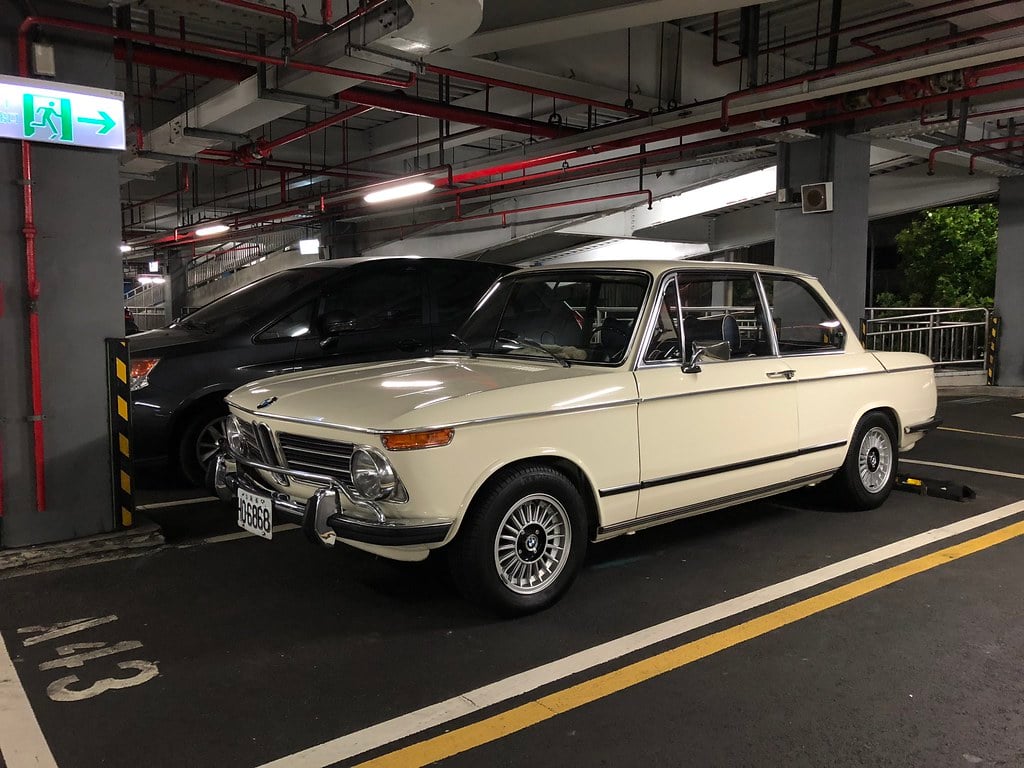
Before BMW became known for expensive luxury sedans, the 2002 showed what a compact sports sedan could do. It weighed just over 2,000 pounds and felt nimble in ways that bigger cars couldn’t match.
The four-cylinder engine wasn’t particularly powerful, but in that light chassis, it didn’t need to be. The interior was basic—almost spartan—but everything worked exactly as it should.
The steering gave real feedback, the shifter clicked into gears with precision, and the whole package felt connected to the road. This was driving for people who actually liked driving, not for people who wanted to be seen in something expensive.
Porsche 911

The 911 kept evolving through the 70s without losing its core identity. That air-cooled flat-six stayed in the rear, making the car both brilliant and tricky to handle at the limit.
The Turbo model arrived in 1975, bringing serious performance back to a decade that desperately needed it. Porsche widened the body, added impact bumpers, and kept refining the formula.
The price kept climbing too, putting it out of reach for most buyers. But those who could afford one got something genuinely special—a sports car that worked as daily transportation but could also embarrass purpose-built race cars on the right road.
Ford Mustang II

Calling the Mustang II a classic takes some explaining. Ford shrunk the Mustang down to Pinto size just as gas prices exploded, which made business sense at the time.
The base four-cylinder engine made just 88 horsepower. Even the V8 option barely cracked 140. But Ford sold over a million of these in just four years.
People wanted smaller, more efficient cars, and the Mustang II gave them that with some style. The Cobra II package added stripes and spoilers that wrote checks the engine couldn’t cash, but buyers didn’t seem to mind.
Looking back, it represents a moment when the industry had to adapt or die. Ford adapted.
Dodge Charger

The second-generation Charger owned the late 60s, but by the 70s, it was struggling to find its place. The 1971 redesign gave it a more formal roofline that divided opinions.
Some loved the cleaner look. Others missed the aggressive stance of earlier models.
The SE trim level turned the Charger into something closer to a personal luxury car, with plush interiors and formal styling. Performance versions still existed, but they were fighting a losing battle against regulations and rising insurance costs.
By mid-decade, you could get a Charger with a modest slant-six engine—something unthinkable just five years earlier.
Mercedes-Benz 450SL

The R107-generation SL arrived in 1971 and stuck around for nearly two decades. That longevity tells you something about the design—it worked.
The hardtop-convertible setup gave you two cars in one, and the V8 engine delivered smooth, effortless power. These weren’t cheap then, and they’re not cheap now.
But Mercedes built them to last. The interior used real wood and leather, not the plastic that was taking over other cars.
Everything felt solid, substantial, and built to withstand decades of use. For buyers who wanted a car they could keep forever, the 450SL made sense.
Chevrolet Camaro Z28
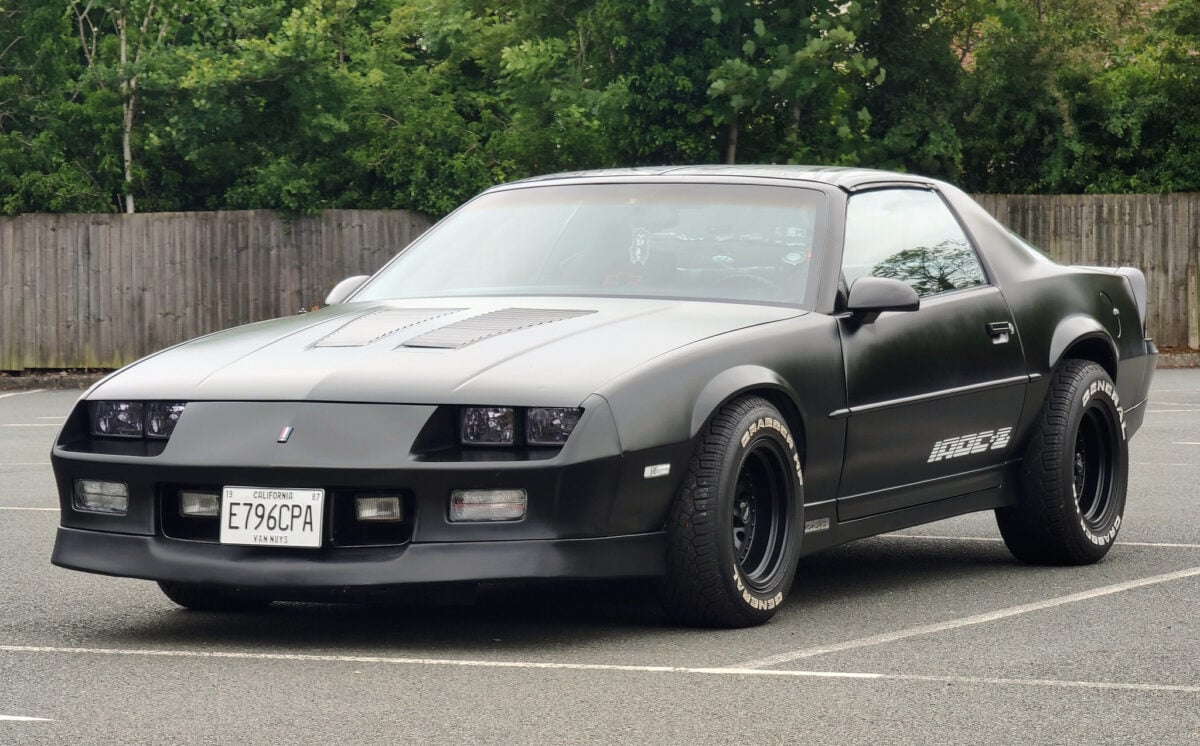
The Camaro entered the 70s looking mean, with that split bumper nose and aggressive stance. The Z28 package kept the performance flame alive even as other muscle cars were dying out.
The LT-1 350 V8 in early models delivered real power, though later versions got strangled by emissions equipment. The second-generation design that arrived in 1970 stayed mostly unchanged through the decade.
That consistency helped—you could buy a 1979 model and still get something that looked purposeful and fast. Racing stripes, hood scoops, and aggressive graphics kept the muscle car aesthetic alive when the actual muscle was fading.
Volkswagen Beetle

The Beetle was already ancient by the 70s, with a design dating back to the 1930s. But it kept selling because it was cheap, simple, and reliable.
The air-cooled engine sat in the back, the trunk was in the front, and nothing about it followed normal car logic. You couldn’t call it fast or comfortable or particularly safe.
But you could fix it yourself with basic tools, and parts cost almost nothing. College students drove Beetles.
Hippies drove Beetles. Practical people who just needed transportation drove Beetles.
The 1979 model year marked the end of U.S. sales for the original design, closing a chapter that had lasted over 30 years.
Plymouth Road Runner

The Road Runner started the decade as a budget muscle car—basic transportation with a big engine and not much else. But by 1975, even the base model came with air conditioning and nicer trim.
The price went up, the performance went down, and the whole point of the car got lost somewhere in between. The cartoon bird graphics and “beep beep” horn stayed, even as the car underneath got softer and slower.
Plymouth killed the Road Runner after 1974, brought it back for 1975, then killed it again after 1980. That on-again, off-again status tells you everything about how confusing this era was for performance cars.
Jaguar XJ6

The XJ6 combined classic British elegance with modern engineering, at least in theory. The design was beautiful—low, sleek, and undeniably luxurious.
The inline-six engine delivered smooth power, and the interior wrapped you in leather and wood. The problem was reliability.
Or rather, the lack of it. British Leyland was struggling, quality control suffered, and electrical gremlins plagued these cars.
But when everything worked, the XJ6 was genuinely special. You just needed a good mechanic on the speed dial.
AMC Gremlin

The Gremlin looked like someone cut the back off a perfectly good car and called it done. That’s basically what AMC did—they chopped a Hornet and created something new.
The result was polarizing then and remains polarizing now. But here’s the thing—it was cheap, practical, and available right when people needed small, efficient cars.
The styling was weird, but weird gets remembered. Decades later, the Gremlin has developed a cult following precisely because it’s so strange.
AMC took a risk when other companies were playing it safe, and you have to respect that.
When Chrome Met Reality
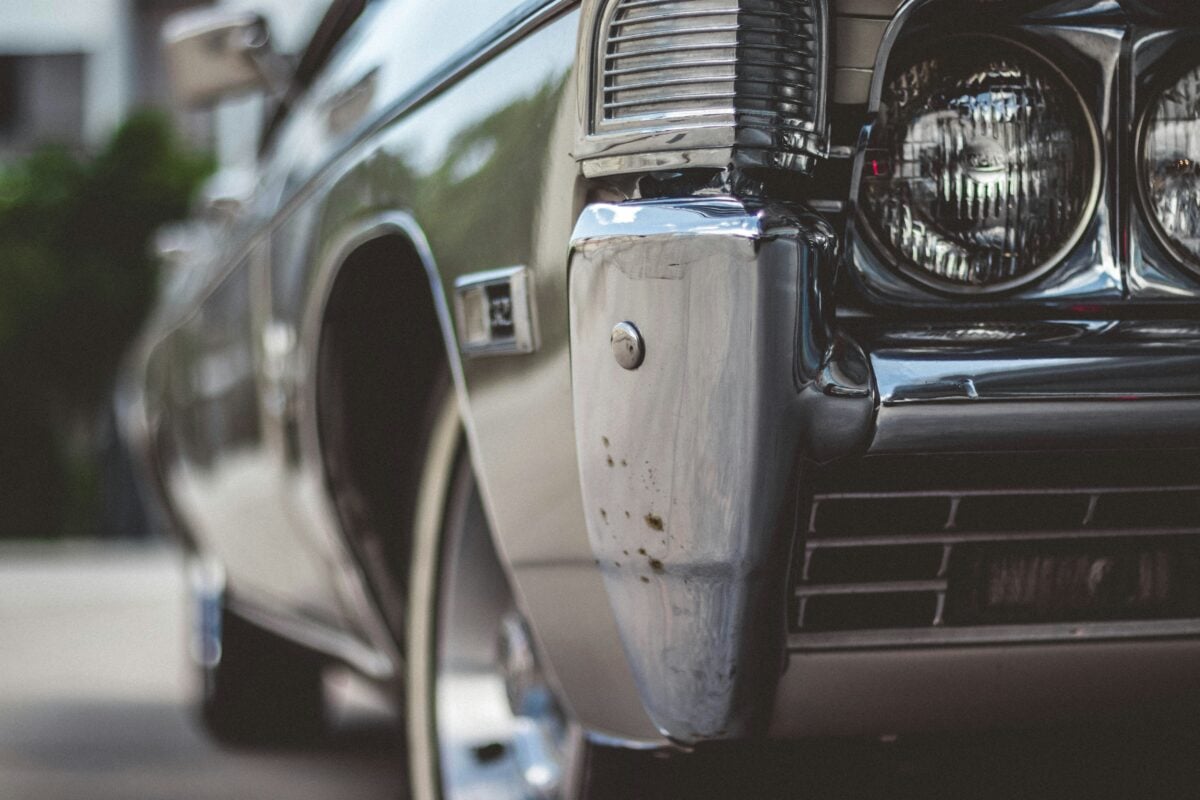
Survival wasn’t guaranteed when the world shifted hard. Machines built for speed found themselves gasping for breath.
One by one, familiar names faded into silence. Those that changed their rhythm managed to keep moving.
Grace under pressure made the difference. Quiet exits marked the end for many.
Still here are glimpses of an era shifting – vehicles reaching back even as they stepped into something unknown. Not every one succeeded, yet each showed real effort to meet desires under rules no one knew how to handle at first.
It’s this sincerity, not speed or sleek lines, that keeps them alive in memory.
More from Go2Tutors!

- The Romanov Crown Jewels and Their Tragic Fate
- 13 Historical Mysteries That Science Still Can’t Solve
- Famous Hoaxes That Fooled the World for Years
- 15 Child Stars with Tragic Adult Lives
- 16 Famous Jewelry Pieces in History
Like Go2Tutors’s content? Follow us on MSN.



