Iconic Smartphones That Stood the Test of Time
Remember when phones were just phones? When making calls was their primary function, and everything else felt like a bonus?
Those days are long gone, but looking back at the smartphones that truly changed everything reveals something interesting about what makes technology stick around. Some devices fade into obscurity within months, while others become part of our collective memory — not just because they were popular, but because they shifted how we think about what a phone could be.
These are the devices that didn’t just sell well; they rewrote the rules.
iPhone (Original)
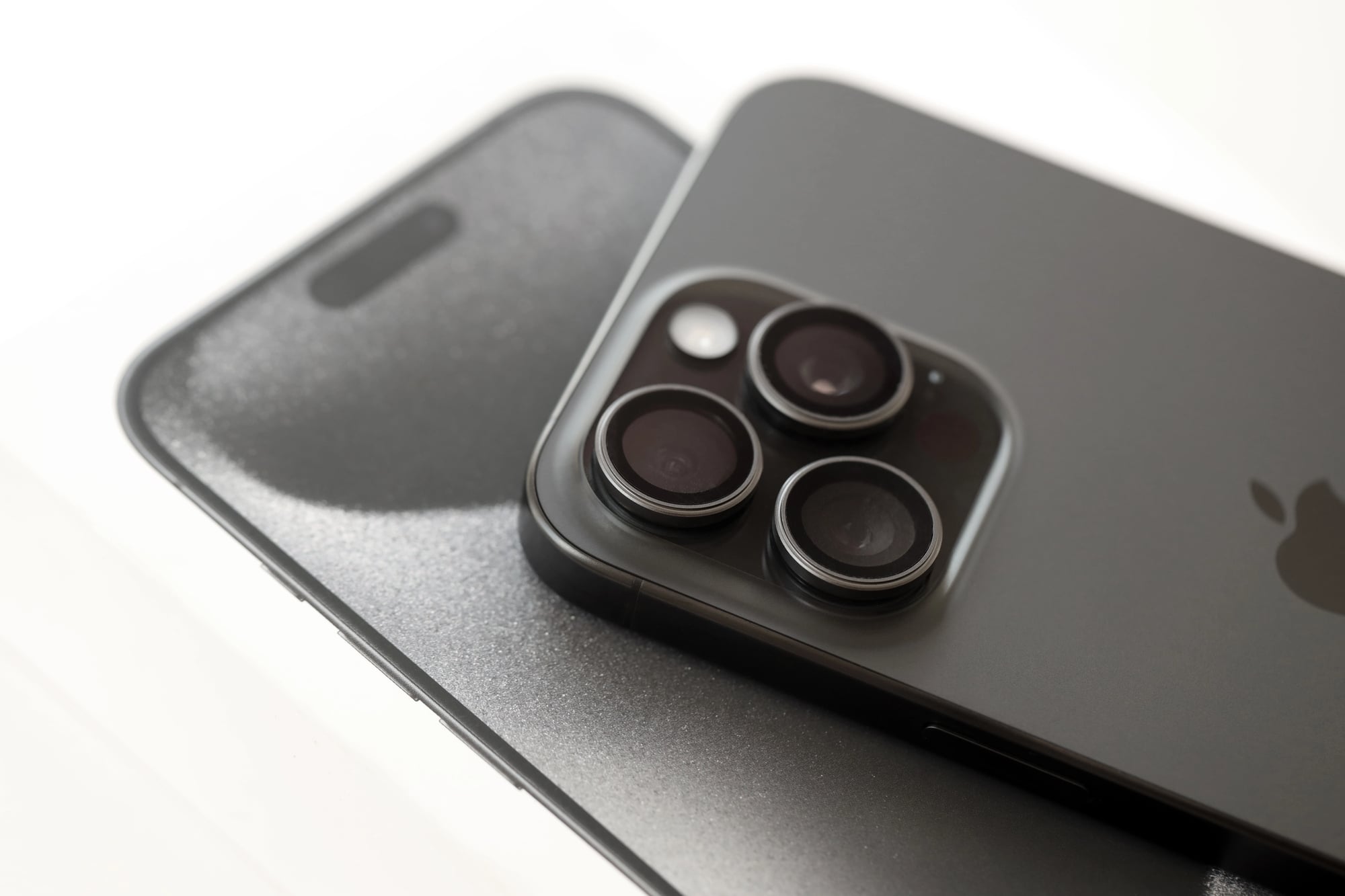
The first iPhone was clunky by today’s standards. No app store, terrible camera, couldn’t even record video.
But none of that mattered when you held one for the first time. Apple didn’t just make a better phone — they made everything else look ancient overnight.
Multi-touch displays went from science fiction to necessity in the span of a single keynote presentation.
BlackBerry Bold 9000
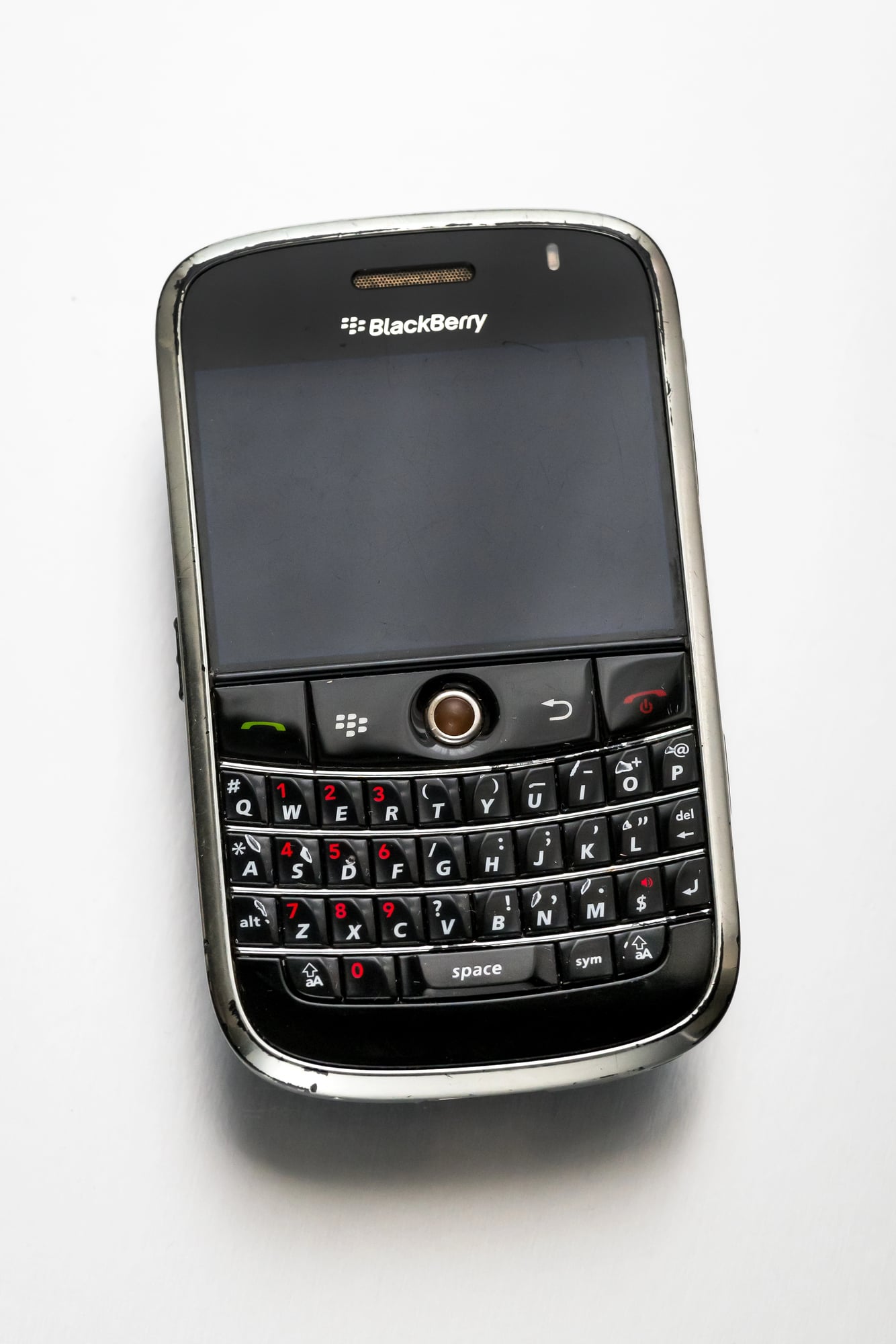
So here’s the thing about the BlackBerry Bold 9000 that people who never owned one don’t understand: it wasn’t just a phone with a keyboard, it was (and this might sound dramatic, but bear with me) the first device that made email feel like a conversation rather than homework. The keyboard — which was admittedly small enough that typing required a kind of precision that bordered on the meditative — responded with this satisfying click that made every message feel deliberate.
And the thing is, once you got used to typing on actual keys again (remember those?), going back to touchscreens felt like trying to write with a crayon on glass. But the Bold wasn’t just about nostalgia for physical buttons; it was about having a device that did one thing extraordinarily well instead of doing everything pretty okay.
The trackball in the center might have been a dust magnet that stopped working after six months, but when it worked, navigating through emails felt more precise than anything that came after. BlackBerry understood something that got lost in the rush toward bigger screens: sometimes constraint breeds better design.
Nokia 3310
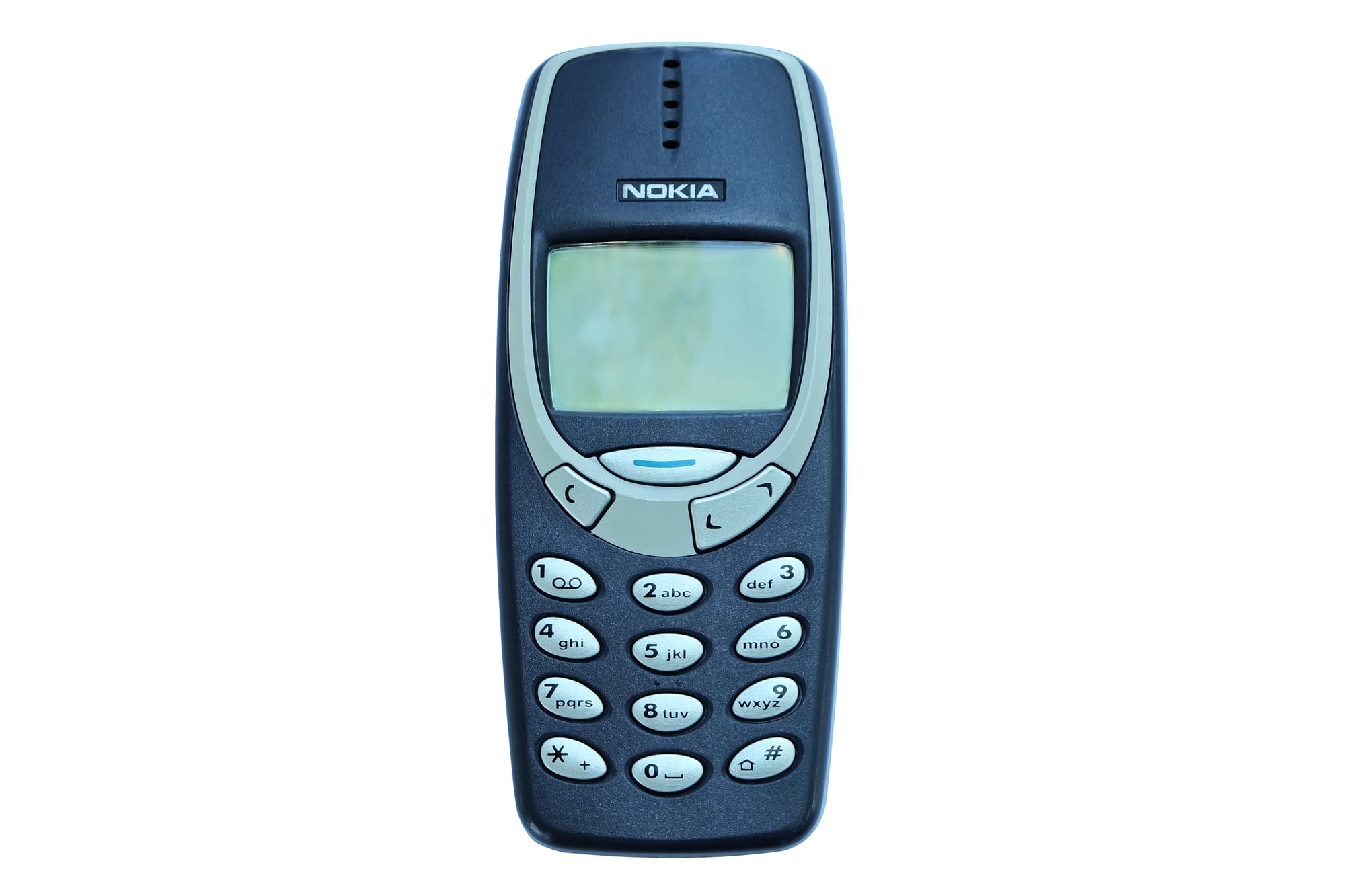
There’s a reason the Nokia 3310 became a meme about indestructibility long before memes were even called memes. This phone existed in the space between utility and sculpture — plain enough to disappear into your pocket, sturdy enough to survive whatever happened next.
The satisfaction of Snake wasn’t just about the game itself, but about finding something genuinely engaging on a device that promised so little. No internet, no camera, no distractions — just you, a growing line of pixels, and the gradually increasing tension of not hitting your own tail.
The 3310 taught an entire generation that sometimes the most memorable experiences come from the simplest interactions.
iPhone 4
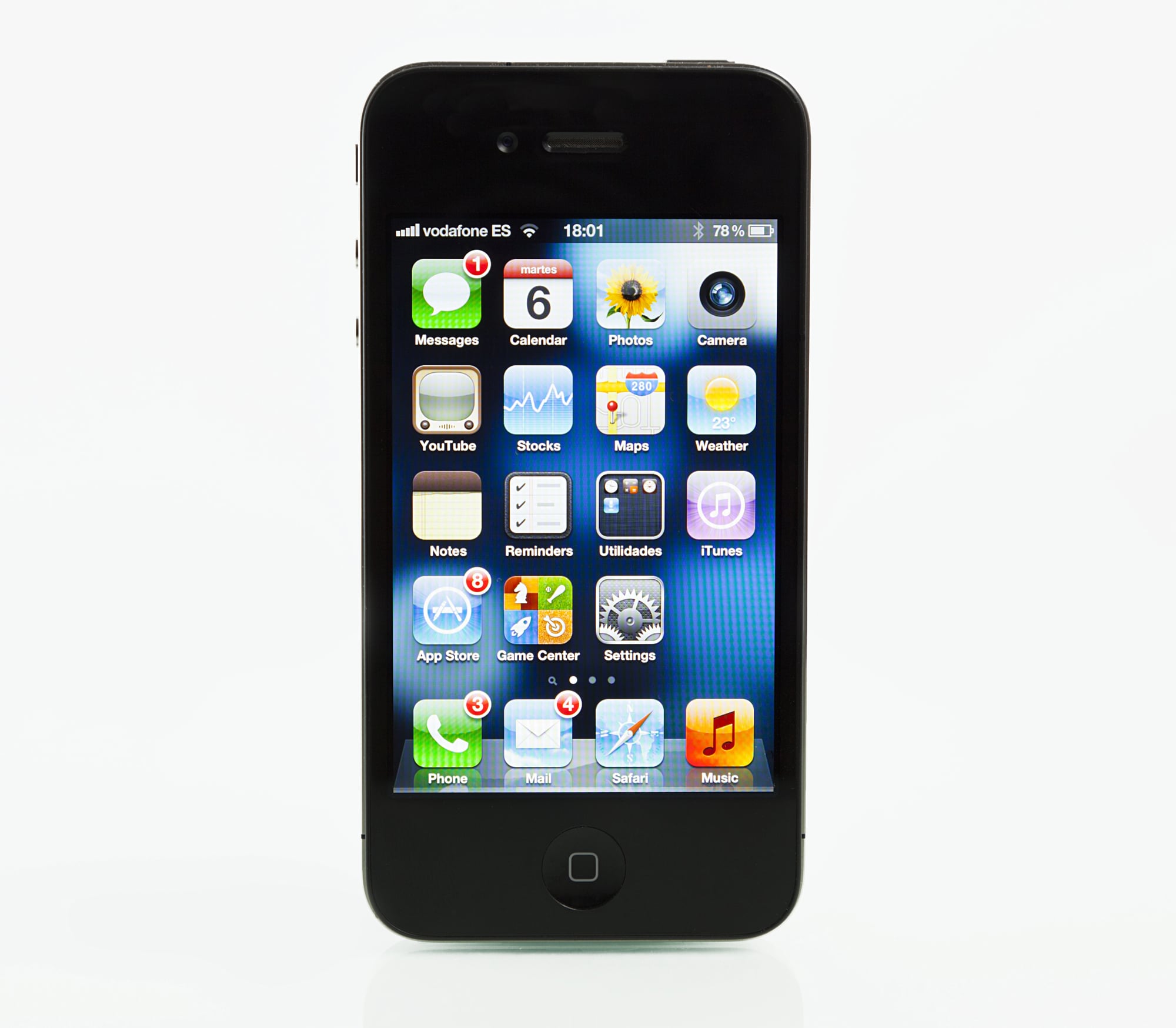
The iPhone 4 was the first iPhone that looked like it belonged in the future rather than apologizing for being from the past. Glass and steel, sharp edges, a design language that didn’t try to hide what it was.
Steve Jobs called it the most beautiful product Apple had ever made, and for once, the hyperbole felt accurate. The Retina display made every other phone screen look pixelated by comparison.
Antenna-gate was embarrassing, but people kept buying them anyway.
Samsung Galaxy S3
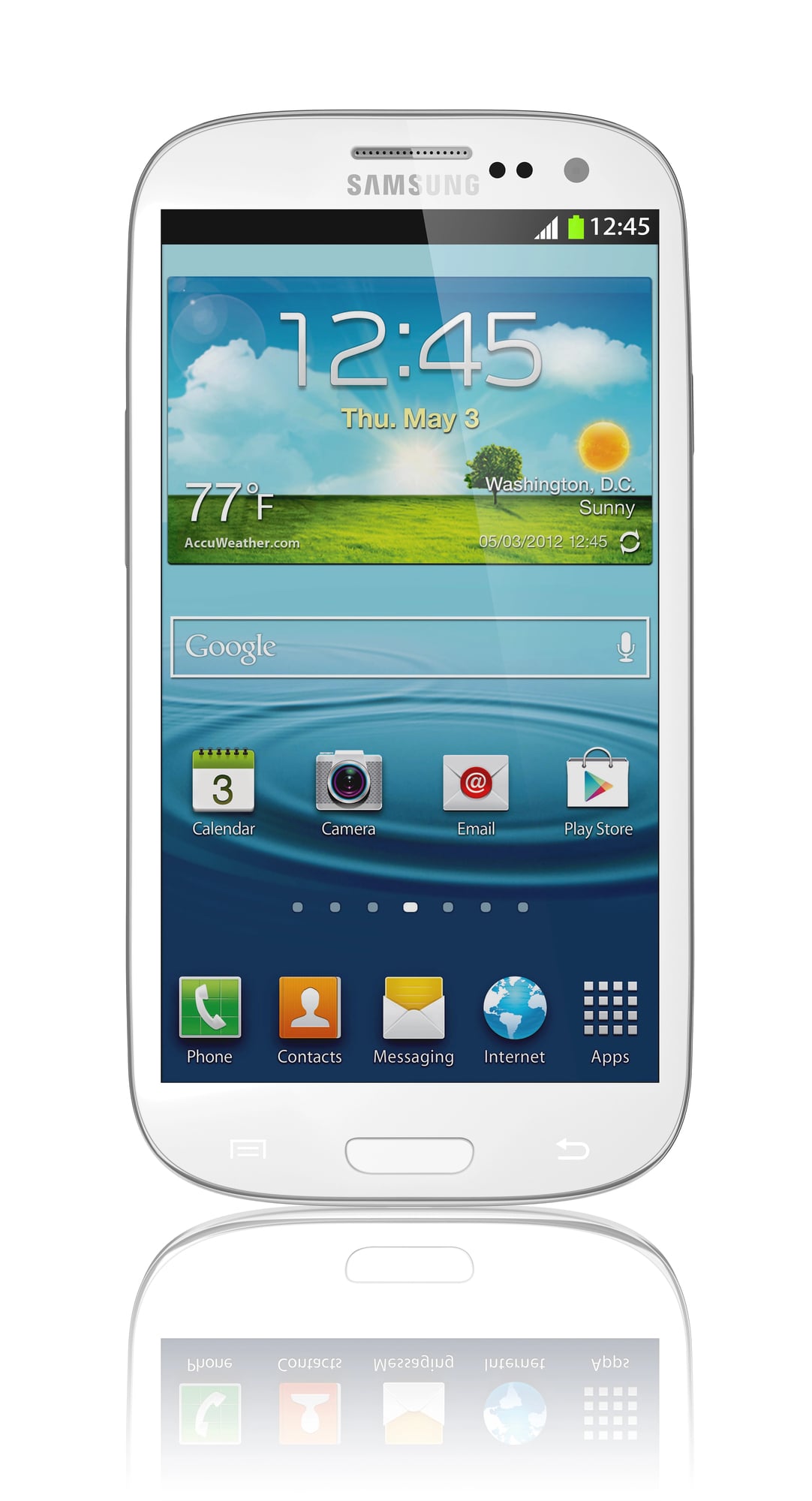
The Galaxy S3 arrived when Android was still figuring out what it wanted to be (which, let’s be honest, was mostly “not iOS”), and somehow managed to carve out its own identity without apologizing for the platform’s rough edges. The plastic back felt cheap until you realized it meant you could actually replace the battery — a feature that seems almost quaint now, like being able to roll down car windows by hand.
But Samsung packed in features that felt genuinely useful rather than just technically impressive: S Voice that actually worked most of the time, Smart Stay that kept the screen on while you were looking at it, and a camera that took surprisingly good photos for 2012. The phone felt like it was built by people who actually used smartphones rather than engineers who just solved problems on paper.
And here’s what made it stick around in people’s memories: it was the first Android phone that didn’t feel like a compromise. Previous Android devices always came with an unspoken “but” — great phone, but the interface is clunky, solid hardware, but the apps crash constantly.
The S3 was just a good phone that happened to run Android.
iPhone 3GS
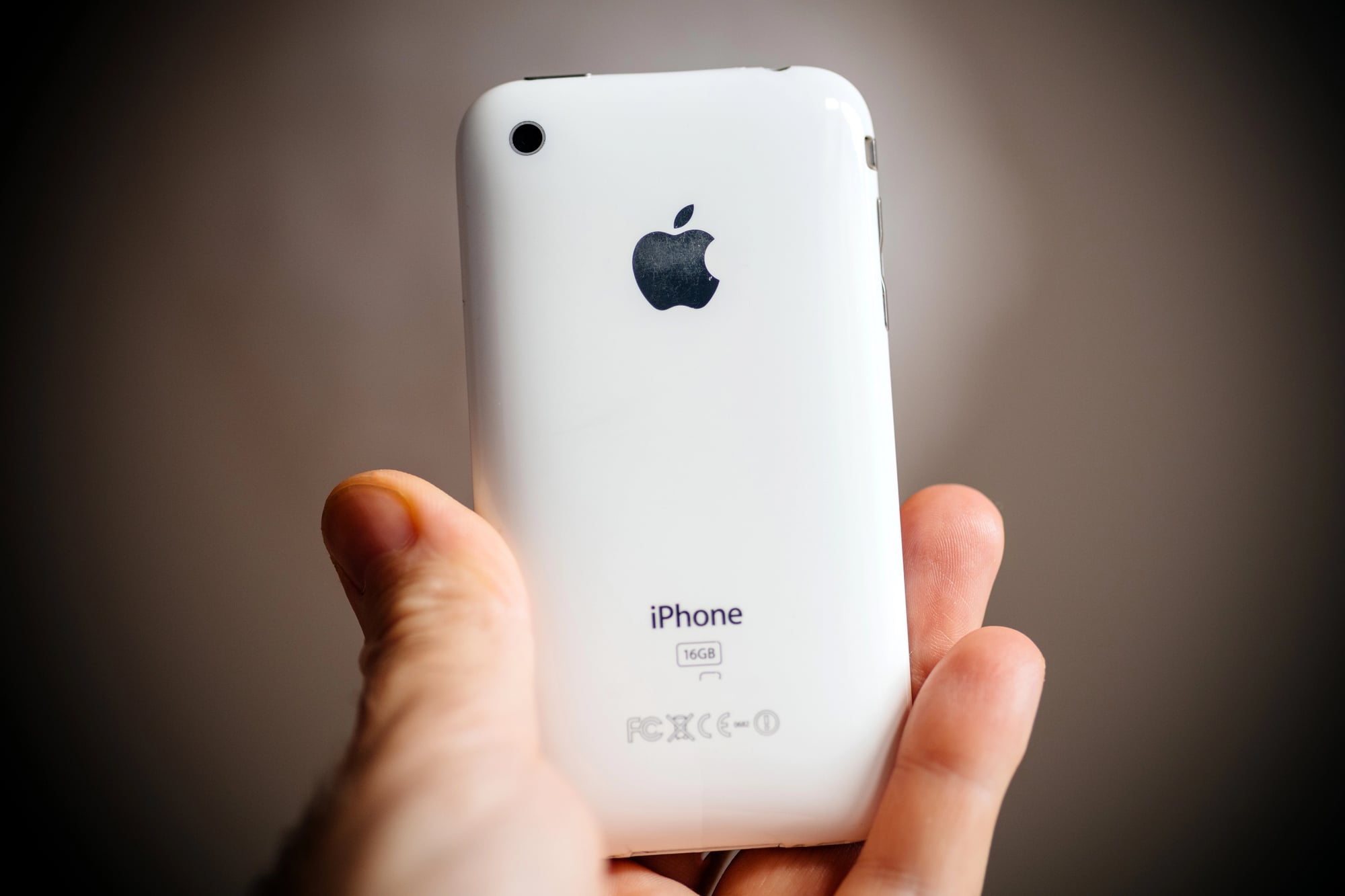
Speed was the iPhone 3GS’s calling card, and speed ages differently than features. While other phones from 2009 feel like archaeological artifacts, the 3GS still feels recognizably modern when you pick one up — slower, obviously, but the fundamental interactions haven’t changed.
The “S” stood for speed, but it also introduced voice control and video recording. These weren’t revolutionary features, but they were executed well enough that they felt natural rather than gimmicky.
Sometimes being really good at the basics matters more than being first to market with flashy additions.
HTC One M7
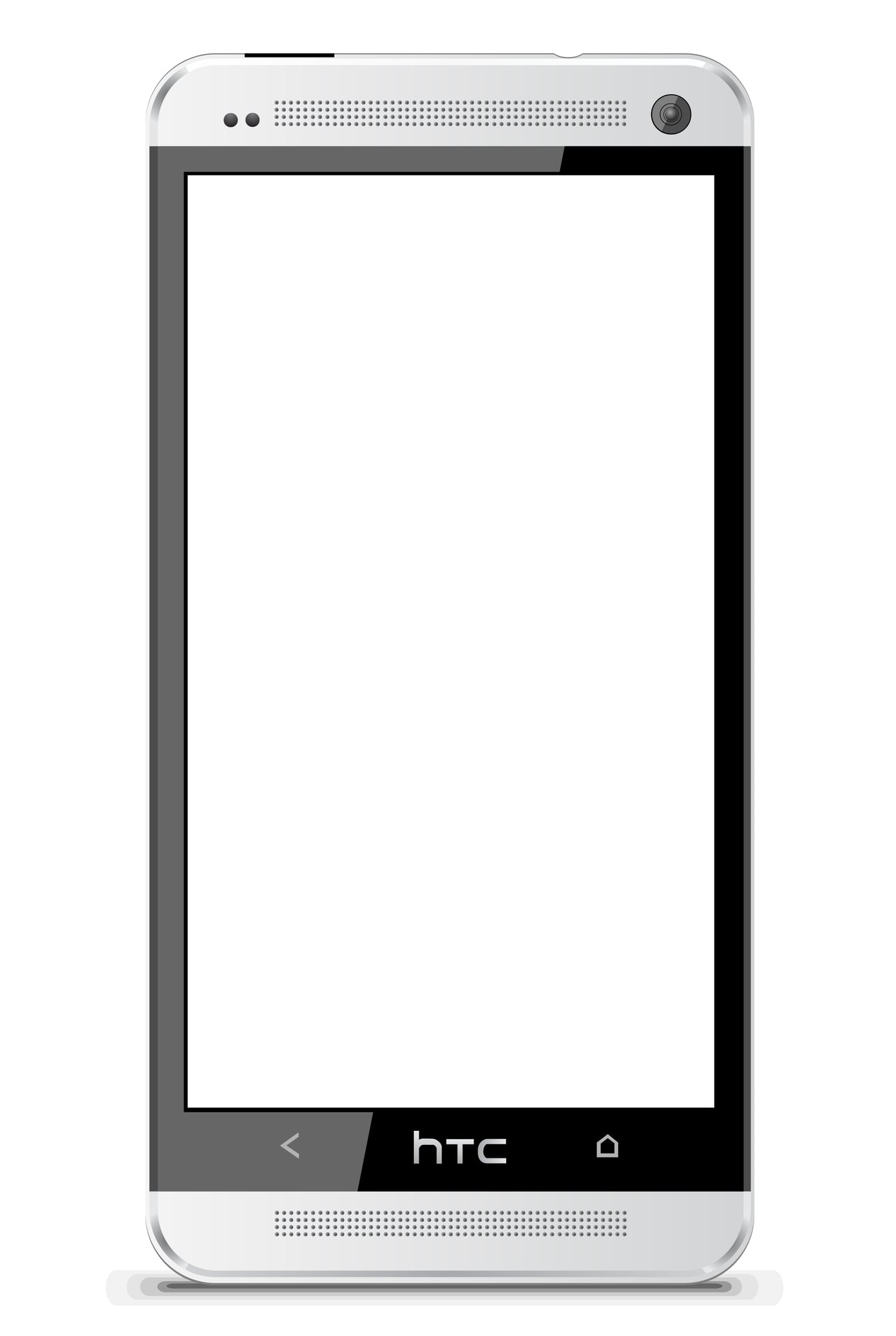
The HTC One M7 was what happened when a company decided that smartphones could be beautiful objects rather than just functional rectangles. That unibody aluminum construction felt substantial in a way that made every other phone seem flimsy by comparison.
BoomSound speakers were positioned where speakers should logically be — facing you instead of firing sound at your palm. The camera’s “UltraPixel” technology was a marketing failure but represented genuine innovation in low-light photography.
HTC proved that Android phones didn’t have to look like pale iPhone imitations.
iPhone 5s
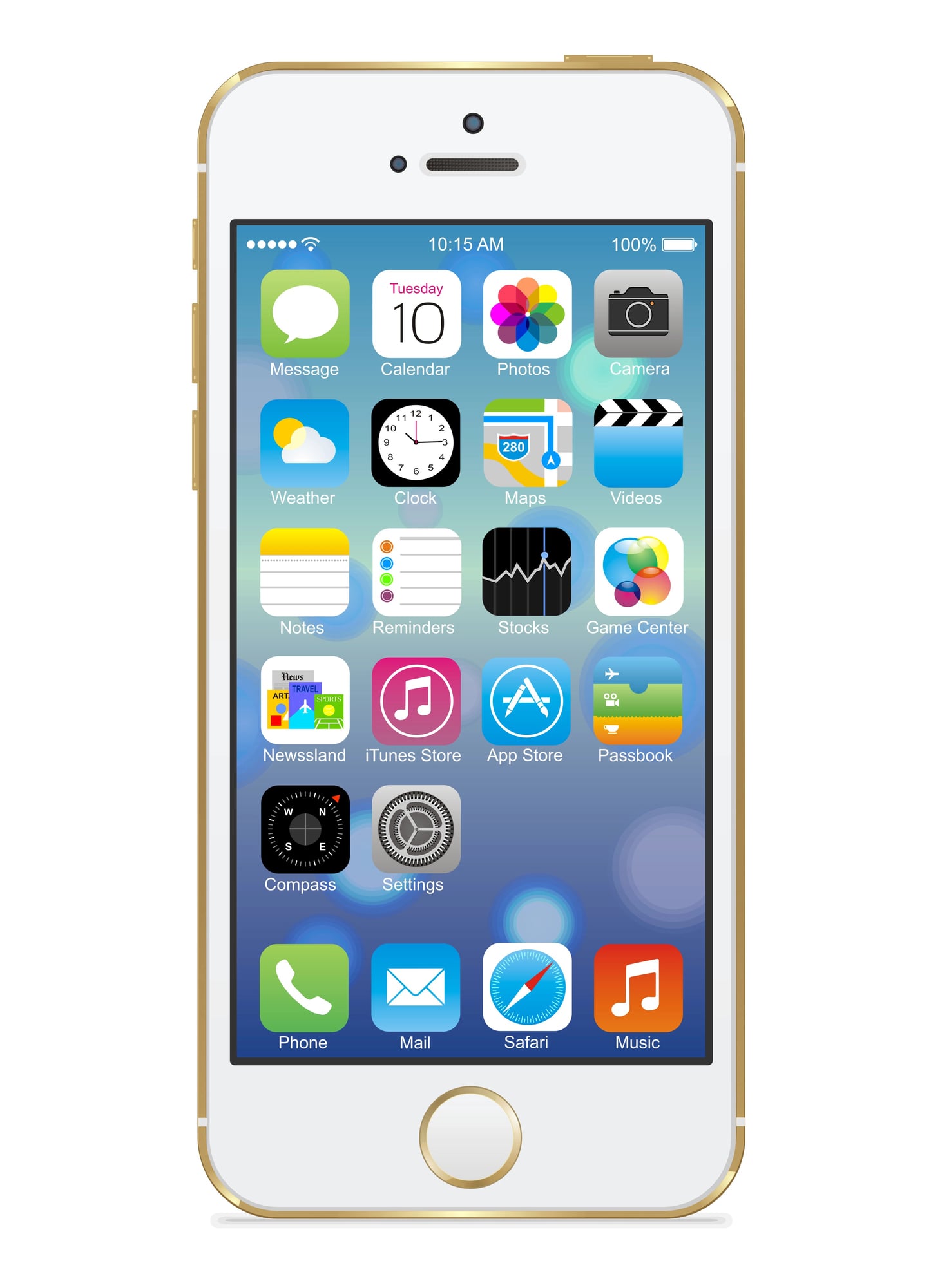
Touch ID changed everything, but so quietly that it took months to realize what had happened. Suddenly, unlocking your phone became unconscious — you pressed the home button and the phone just opened, no deliberate authentication step required.
The fingerprint sensor worked well enough that other manufacturers scrambled to copy it, but poorly enough that most of those early attempts were embarrassingly bad. Apple got the implementation right on the first try, which was becoming their signature move.
Nokia N95
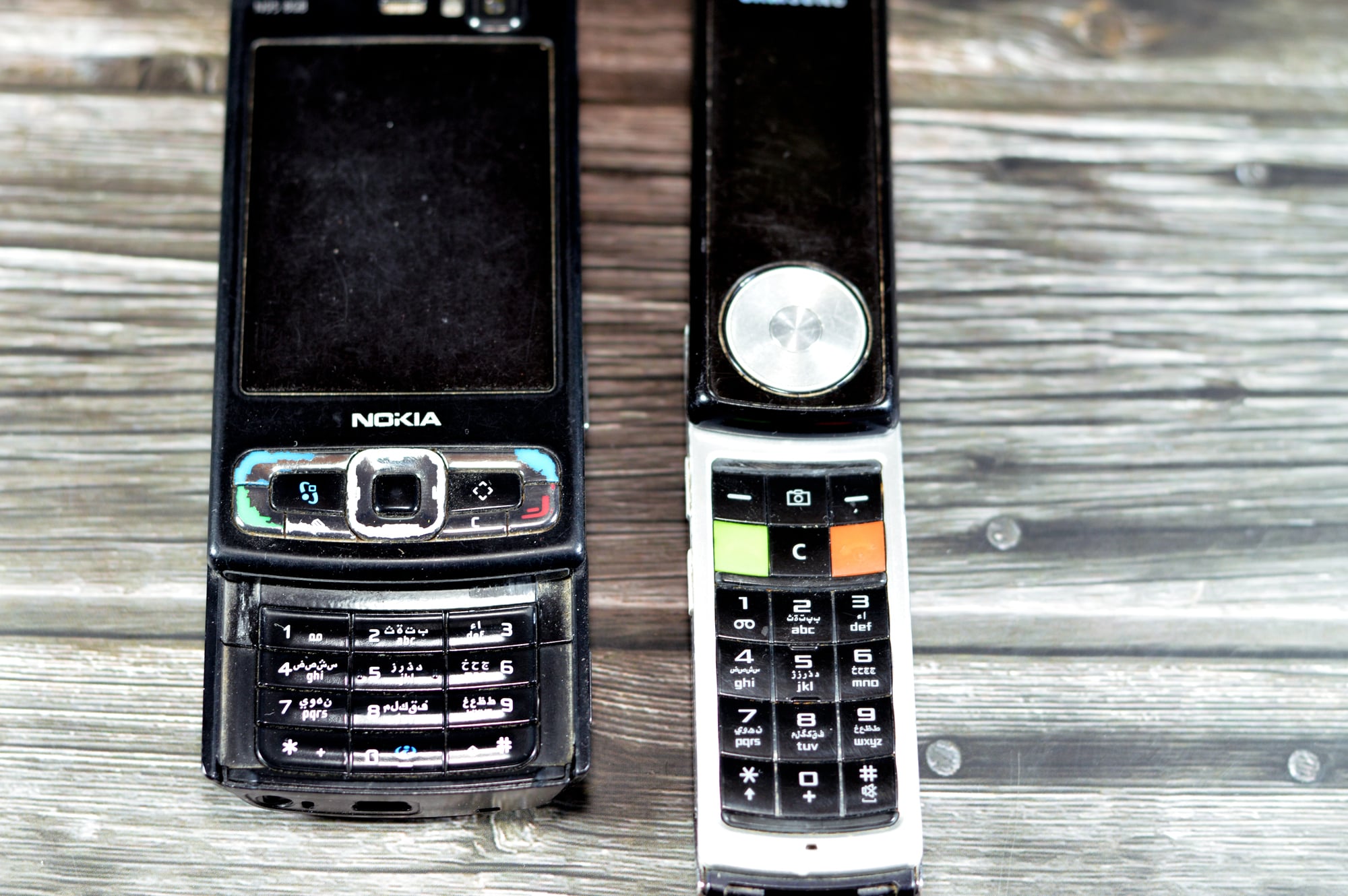
Before the iPhone rewrote the rules, the Nokia N95 represented peak smartphone ambition (though nobody called them smartphones yet, because the term hadn’t quite caught on the way it would later). This device tried to be everything: camera, GPS navigator, music player, internet browser, and phone, all crammed into a sliding form factor that felt like a prop from a spy movie.
The 5-megapixel camera was genuinely impressive for 2007, and the built-in GPS meant you could actually navigate without printing MapQuest directions — which was more revolutionary than it sounds now. But the N95’s real achievement was proving that people wanted their phones to do more than make calls, even when the execution was clunky and the battery lasted about four hours under heavy use (and “heavy use” meant taking a few photos and checking email twice).
Nokia was asking the right questions; they just couldn’t predict that Apple’s answers would make their approach look overly complicated within months. The N95 represented the last gasp of the “let’s cram every possible feature into this device” philosophy before Apple demonstrated that sometimes less really is more.
iPhone 6 Plus

Apple finally admitted that bigger screens weren’t just a Android thing. The iPhone 6 Plus felt enormous in 2014 — unwieldy, almost comically large, the kind of device that required two hands for basic tasks.
Now it looks reasonably sized. The shift toward larger screens happened so quickly that the 6 Plus went from feeling oversized to feeling normal within two years.
Apple’s timing was perfect, as usual.
Google Pixel

The original Pixel was Google’s declaration that they could build hardware, not just software. The phone itself was fine — good camera, clean Android experience, fast updates — but the real statement was about control.
Google wanted to prove that Android could work as well as iOS when one company controlled the entire experience. The Pixel succeeded at that goal, even if it never achieved iPhone-level sales numbers.
Samsung Galaxy Note

The Galaxy Note was Samsung’s bet that people would accept looking ridiculous in exchange for genuine utility (and it turns out, they would). That first Note felt like carrying a small tablet that happened to make phone calls — which was exactly the point, even though reviewers couldn’t stop calling it too big.
The S Pen wasn’t just a stylus; it was Samsung’s argument that touch interfaces had limitations that physical input could solve. Taking notes felt natural, editing photos became precise, and navigating small interface elements stopped being an exercise in frustration.
Samsung understood something that took Apple several more years to acknowledge: sometimes you need more than your finger to interact with a screen effectively. But the Note’s real innovation wasn’t the stylus or the screen size — it was proving that there was a market for devices that didn’t apologize for being different.
The Note looked strange next to other phones, and Samsung leaned into that strangeness rather than trying to minimize it.
iPhone 12 Mini
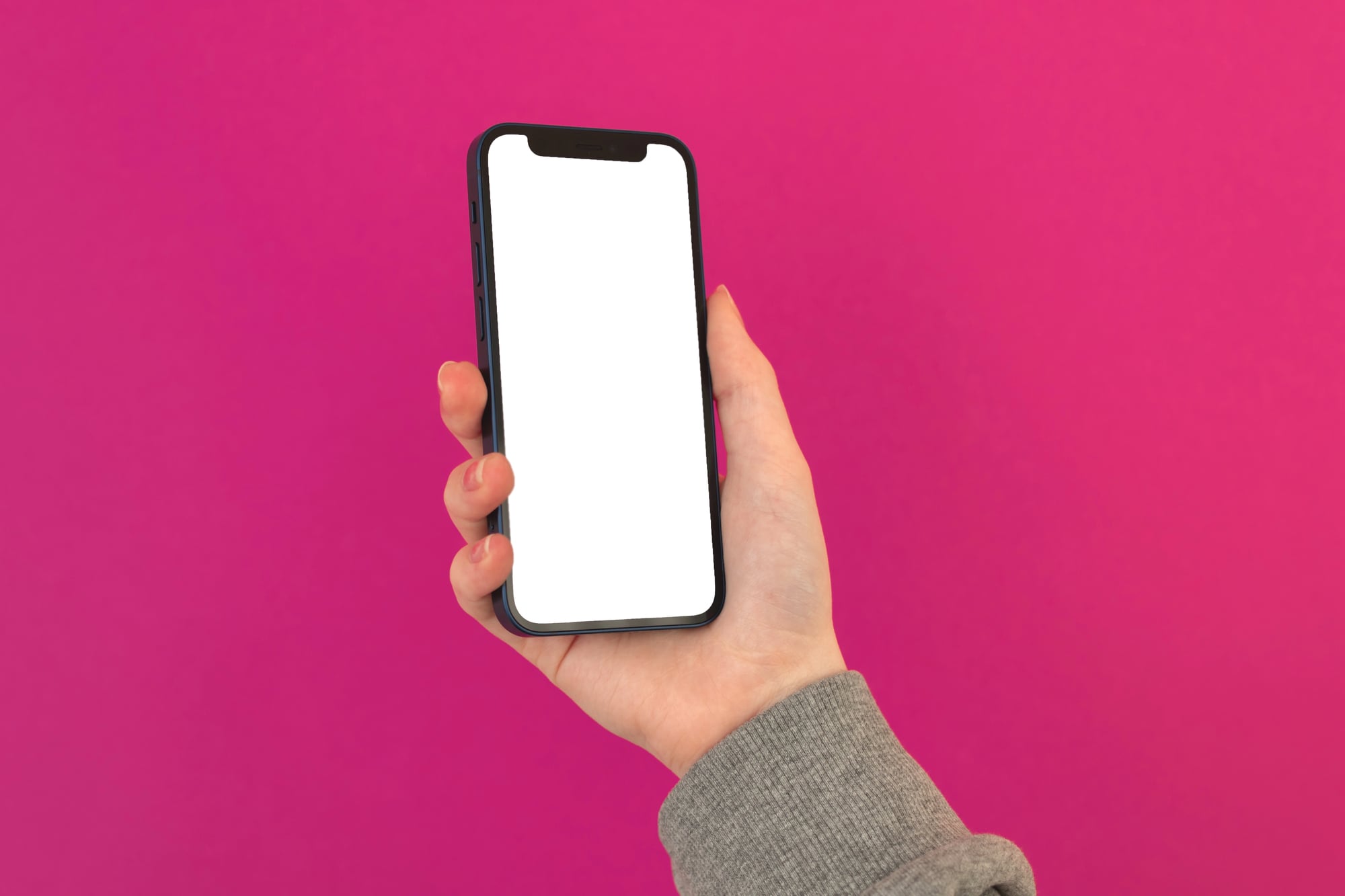
The iPhone 12 Mini was Apple’s acknowledgment that not everyone wanted to carry a small tablet in their pocket. Compact phones had become an endangered species by 2020, with manufacturers convinced that bigger was always better.
Apple proved that flagship features could fit in a smaller package without feeling like a compromise. The Mini delivered the same camera system, processor, and build quality as the regular iPhone 12.
It just fit in your pocket better.
Sony Xperia Z
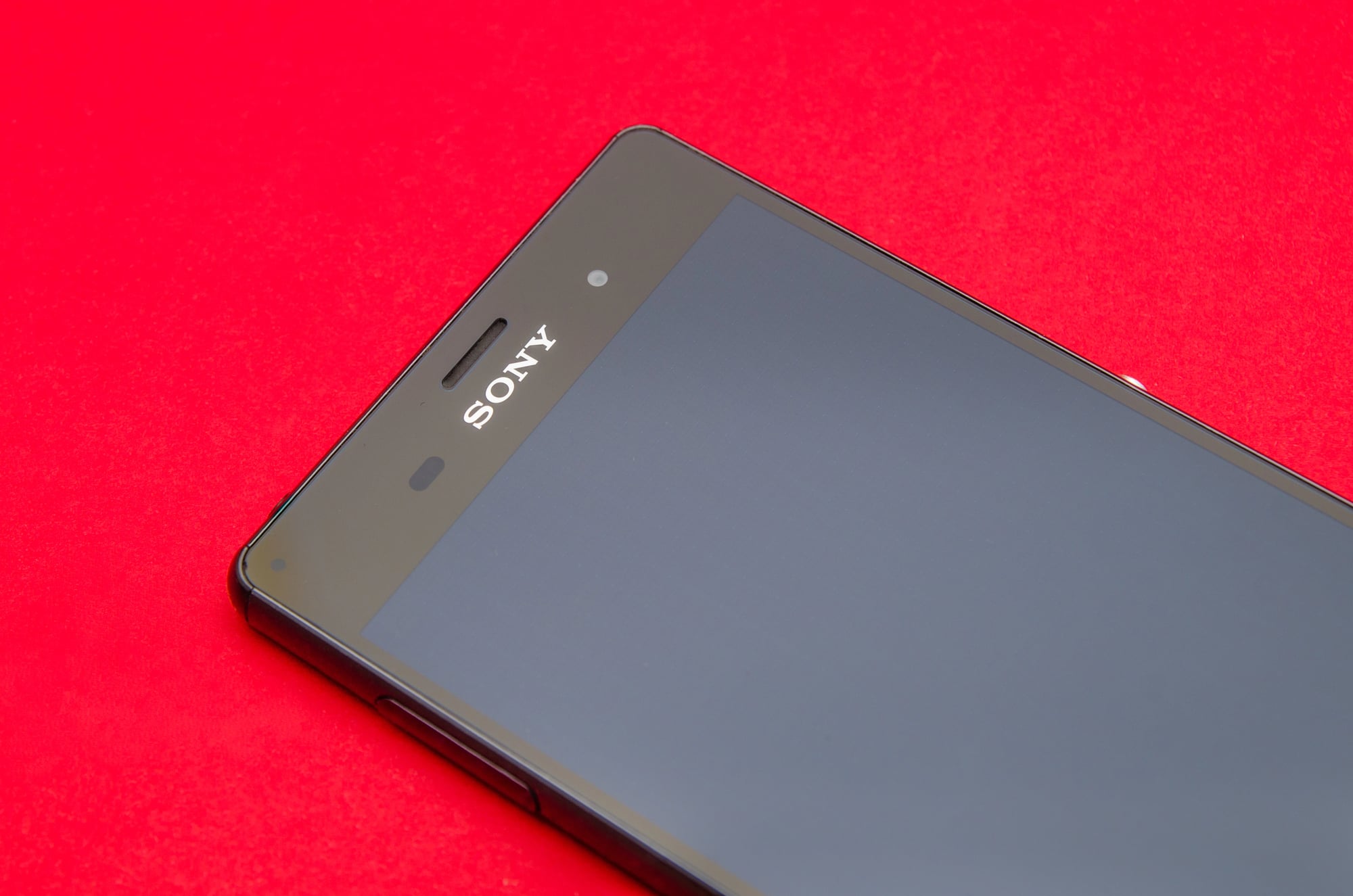
Water resistance wasn’t new when the Xperia Z launched, but Sony made it feel effortless rather than like a compromise. Previous waterproof phones were chunky, ugly devices that screamed “rugged” from across the room.
The Z looked like a premium smartphone that happened to survive being dropped in water. Sony’s design language was clean and minimal, with sharp edges that felt modern rather than aggressive.
The phone proved that practical features didn’t require sacrificing aesthetics.
The Devices That Defined Everything Else

These phones didn’t just succeed in their own time — they established patterns that every smartphone since has followed. Touch interfaces, app stores, premium materials, larger screens, better cameras, biometric security — ideas that felt revolutionary when first introduced but now seem like obvious requirements.
The truly iconic devices weren’t just popular; they made everything else look obsolete, forcing the entire industry to catch up or get left behind. That’s the difference between a successful product and one that actually changes things.
More from Go2Tutors!

- The Romanov Crown Jewels and Their Tragic Fate
- 13 Historical Mysteries That Science Still Can’t Solve
- Famous Hoaxes That Fooled the World for Years
- 15 Child Stars with Tragic Adult Lives
- 16 Famous Jewelry Pieces in History
Like Go2Tutors’s content? Follow us on MSN.