30 Old Rotary Phones and Landline Accessories That Vintage Buyers Chase Down
There’s a specific weight to a handset from the 1950s that a modern plastic phone will never replicate — that solid, slightly cold density that made a telephone feel like a piece of infrastructure rather than a consumer product. Rotary phones were built to last decades, and they did.
Most of them still work. What the collector market has noticed is that an object built to institutional standards, in limited colors, with regional variations that were never catalogued properly, produces exactly the kind of scarcity that drives serious hunting.
The market for vintage phones is genuine but niche — the Antique Telephone Collectors Association has around 600 members, and dedicated YouTube channels document finds with the kind of enthusiasm usually reserved for muscle cars or first-edition books. Values vary enormously by condition, color, provenance, and whether original cords are present.
What follows are the specific phones and accessories that tend to make buyers move quickly.
Western Electric Model 500 Desk Phone
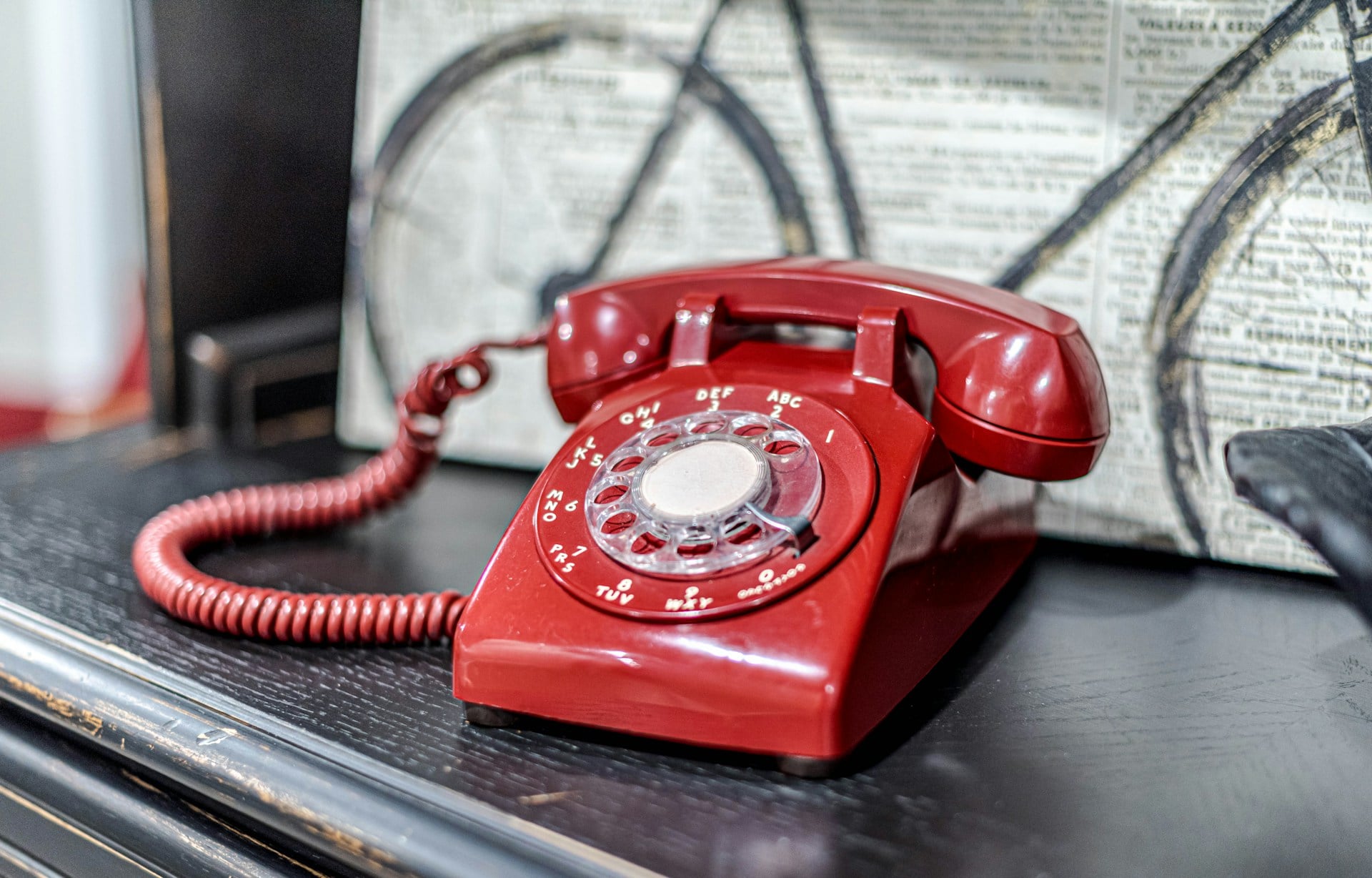
The Western Electric 500 is the rotary phone. It was introduced in 1949 and became the standard desk set of the Bell System for decades, manufactured in millions of units across dozens of color variants.
The most common color — black — sells in working condition for $30 to $150 depending on date stamp and cosmetic condition. The desirable versions are the early 1950s models with the distinctive low-contrast dial numerals and the three-prong handset cords.
Uncommon colors including Turquoise, Ivory, and Autumn Harvest can push the price to $200 or more for a clean example.
Western Electric Princess Phone
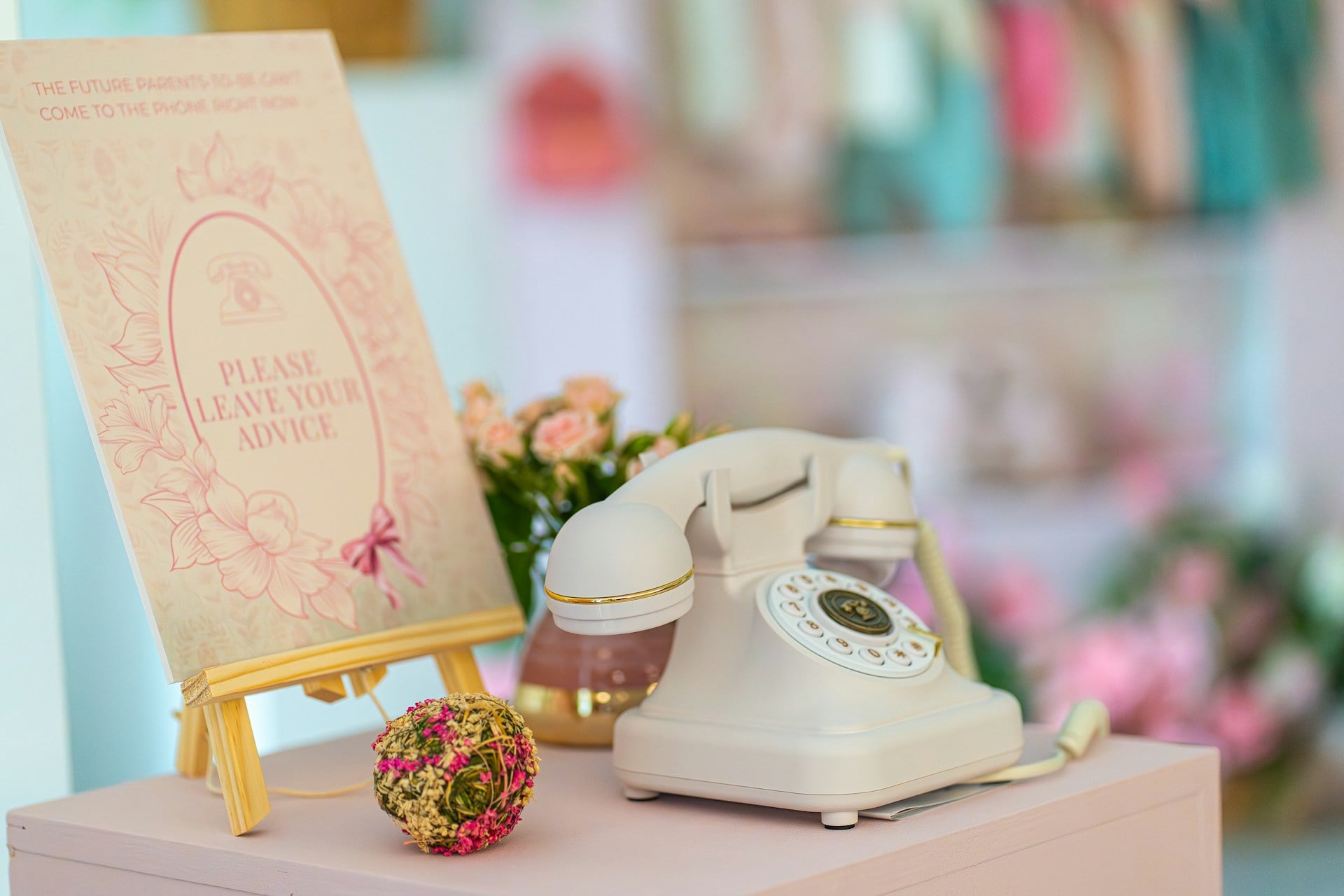
Introduced in 1959 and marketed specifically to women with a campaign that described it as the phone “to have in your bedroom” and advertised its illuminated dial, the Princess phone became one of the best-known designs in American consumer history. Its slim horizontal profile, compact handset, and night-light dial were genuinely novel for the time.
In original working condition with the matching handset and correct period color — Beige, Turquoise, Blue, or the rare Ivory — Princess phones sell in the $75 to $250 range. A boxed example in a desirable color is considerably more.
Western Electric Trimline Phone
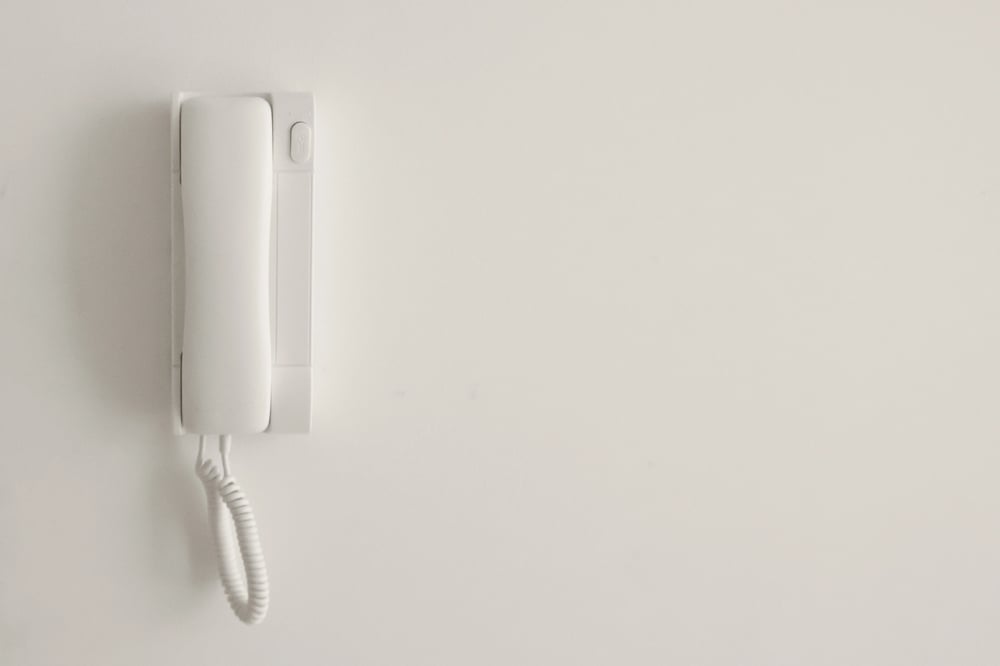
The Trimline, introduced in 1965, moved the dial into the handset itself rather than the body of the phone — a design decision that made it feel genuinely modern when new. The handset-dial arrangement is functionally awkward by modern standards but visually distinctive.
Trimline phones in the rotary version (rather than later touch-tone models) sell for $50 to $150. The push-button conversion models are worth less to purists.
Unusual colors in good condition regularly outperform the typical range.
Candlestick Phones, 1890s–1920s
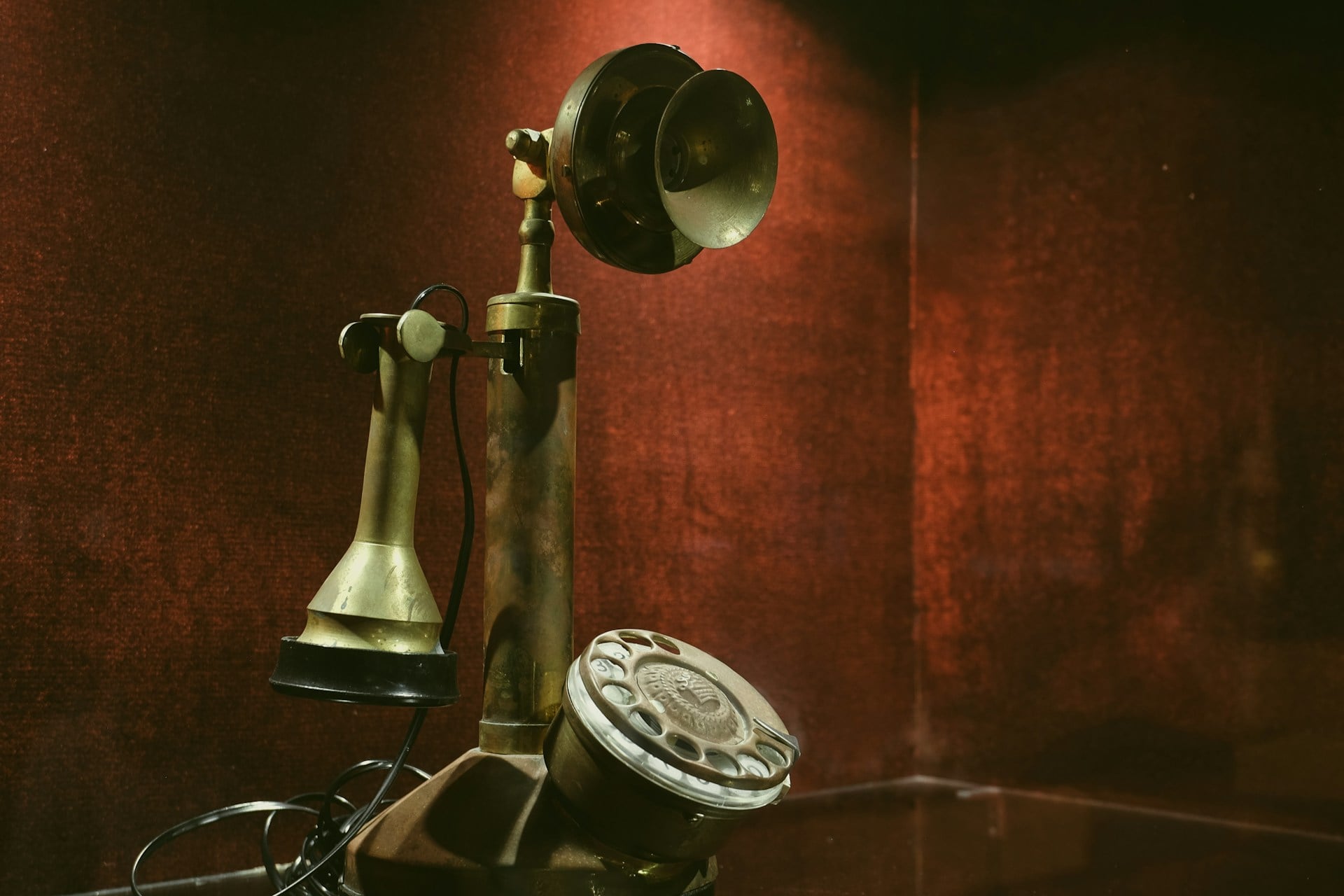
The candlestick (or upright) telephone, with its separate speaking cone mounted vertically on a long stem and a receiver held to the ear, was the standard design of the early telephone era. Western Electric models from the 1890s through the 1920s — particularly the model 20AL and its successors — are among the most sought-after antique phones.
A pristine 1905 Stromberg Carlson candlestick has sold for over $14,000. Common candlestick models in fair condition can be found in the $100–$400 range, but anything with its original dial intact, matching components, and documented manufacture date commands significant premium.
Oak Wall Phones, 1876–1920s
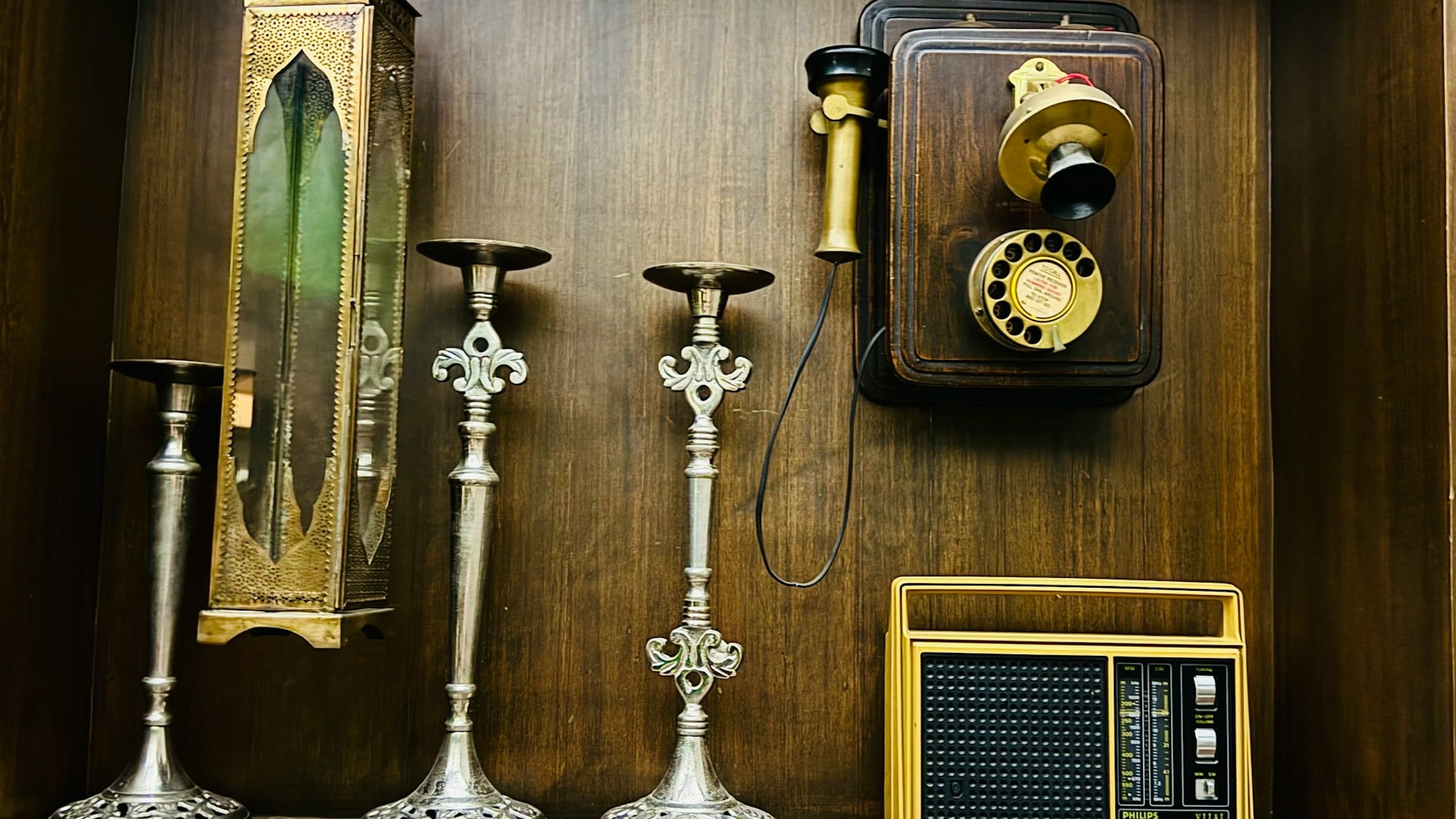
Early wooden wall telephones from the late 19th and early 20th centuries — typically mounted in a rectangular oak box with a separate transmitter and receiver — represent the earliest generation of home telephone equipment. The carved oak cases, magneto cranks, and hand-crafted bells that characterized these early units make them attractive to both telephone collectors and antique furniture buyers.
Examples in good cosmetic condition with original hardware routinely sell for $2,000 to $3,500 at auction, with exceptional examples or rare manufacturers reaching higher.
Bakelite Desk Sets, 1930s–1940s
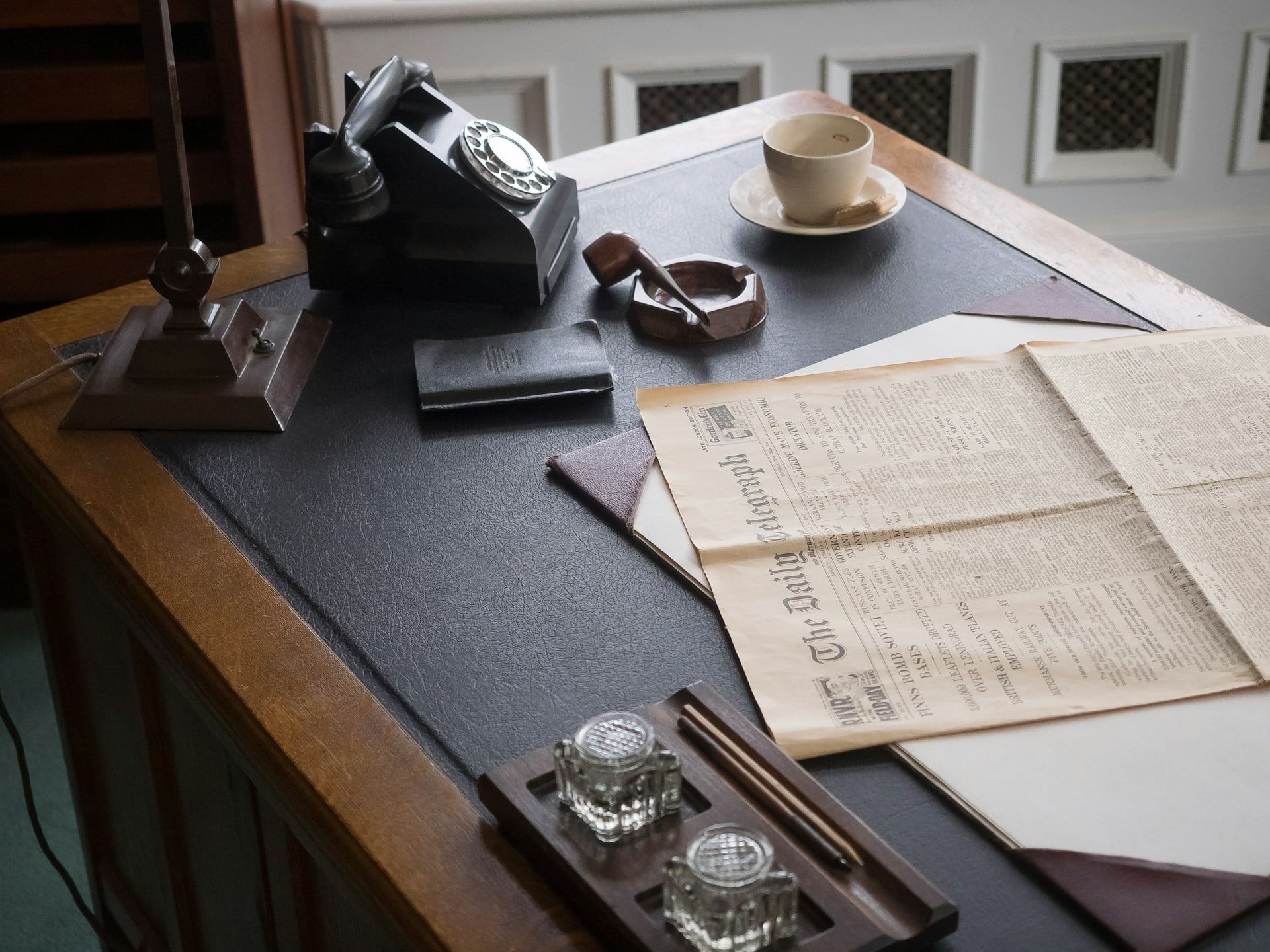
The transition from metal to Bakelite plastic in the 1930s produced some of the most visually distinctive telephone designs — low, streamlined, and available in deep greens, blacks, and browns with a gloss that modern plastics cannot reproduce. The Western Electric 302 (introduced 1937) is the archetypical example.
Bakelite phones have the added attraction of a distinctive smell when gently warmed and a material quality that has become associated with mid-century craftsmanship. A working Western Electric 302 in black typically sells for $75 to $200; unusual colors or exceptional cosmetic condition pushes prices higher.
Ericsson 20th-Century European Models
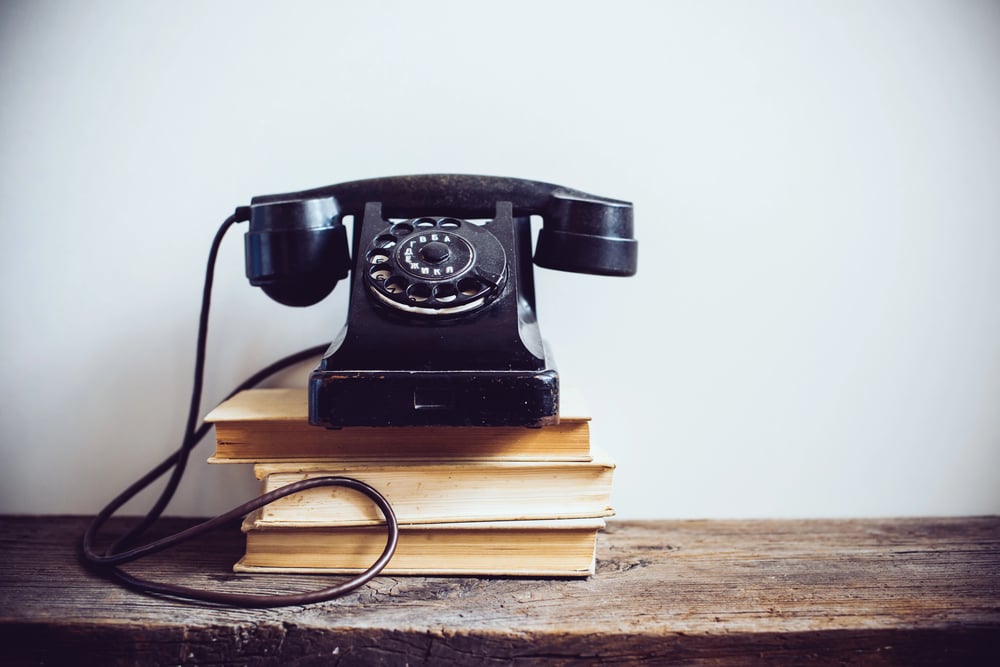
Swedish manufacturer Ericsson produced telephone designs for European and Commonwealth markets that diverged significantly from Bell System aesthetics. The Art Deco-influenced Ericsson Bakelite sets of the 1930s and 1940s — particularly the DBH 1001 model — have become serious collector items in the UK, Australia, and Europe.
An Ericsson wall telephone commissioned for King Oscar II’s summer palace in Oslo circa 1880 sold at auction for $89,300. More common working Ericsson models sell in the $150 to $400 range in the UK market.
The GPO 300 Series, United Kingdom
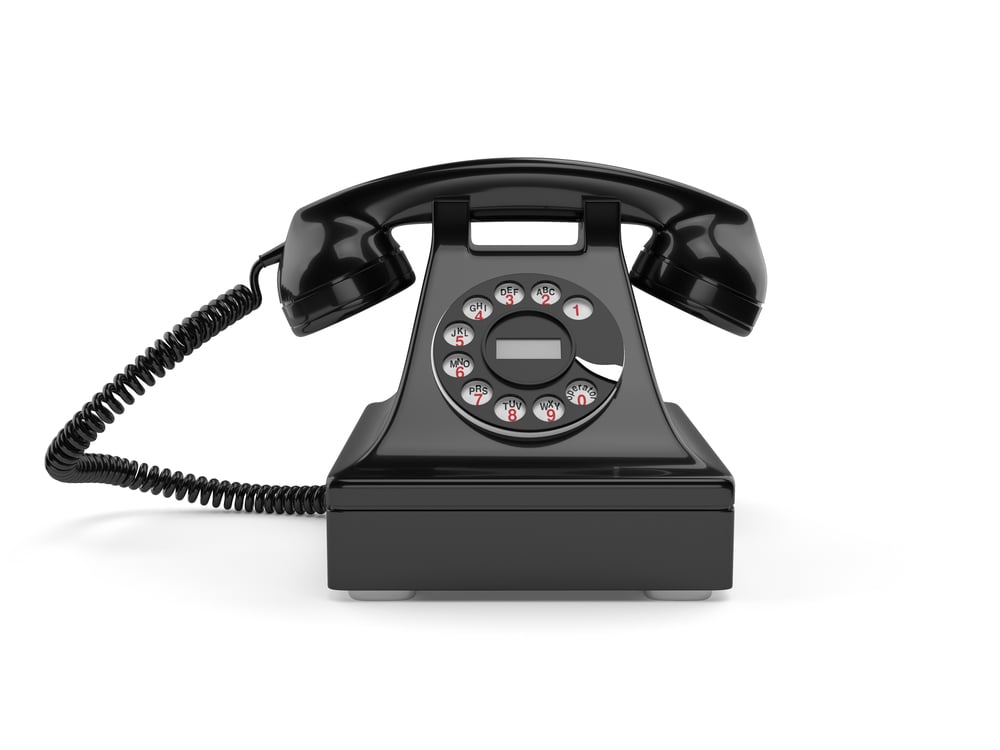
The General Post Office’s 300 series telephone, the standard British desk phone from the mid-1930s through the early 1960s, has a devoted collector following in the United Kingdom and Australia. The Bakelite body, the distinctive ring position, and the cream-and-green color variants used in the later 200 and 300 series have become strongly associated with mid-century British domestic life.
Cream examples in working condition sell for £100 to £300 in UK markets. Rare two-tone or unusual dial number variants go higher.
Western Electric Model 202 Imperial Telephone
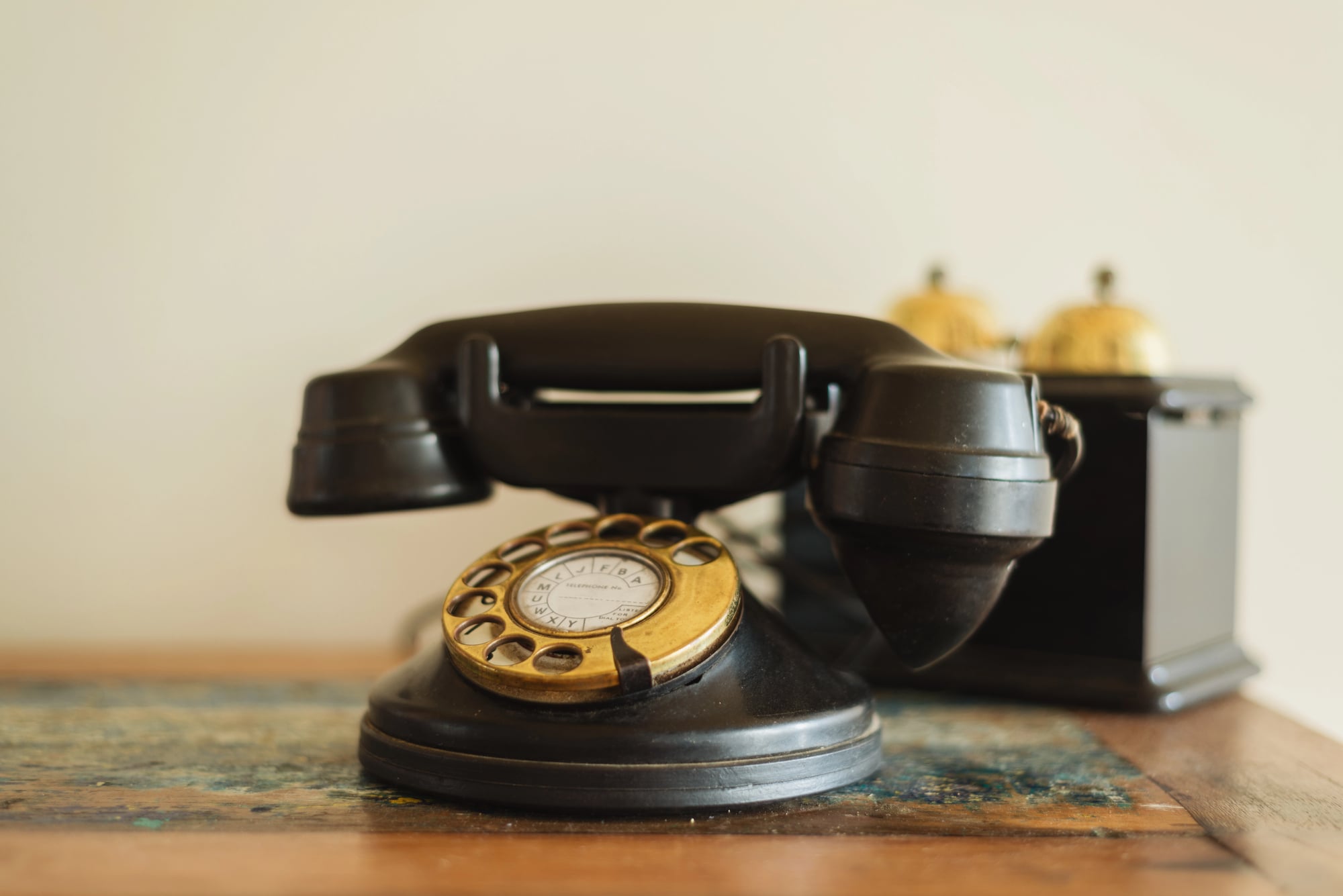
The Western Electric 202 — the “Daffodil” phone introduced in 1930, with its distinctive elongated base and sweeping handle — was the first Bell System phone to break completely from the candlestick form. It sits lower and wider than its predecessors, with a character immediately recognizable to anyone who’s seen it.
The 202 was succeeded by the 302 and has become a collector’s piece in its own right. Restored, working examples in black with original cloth cords sell for $100–$250; the associated subset box that the phone required is increasingly hard to find separately.
The Payphone Interior Unit
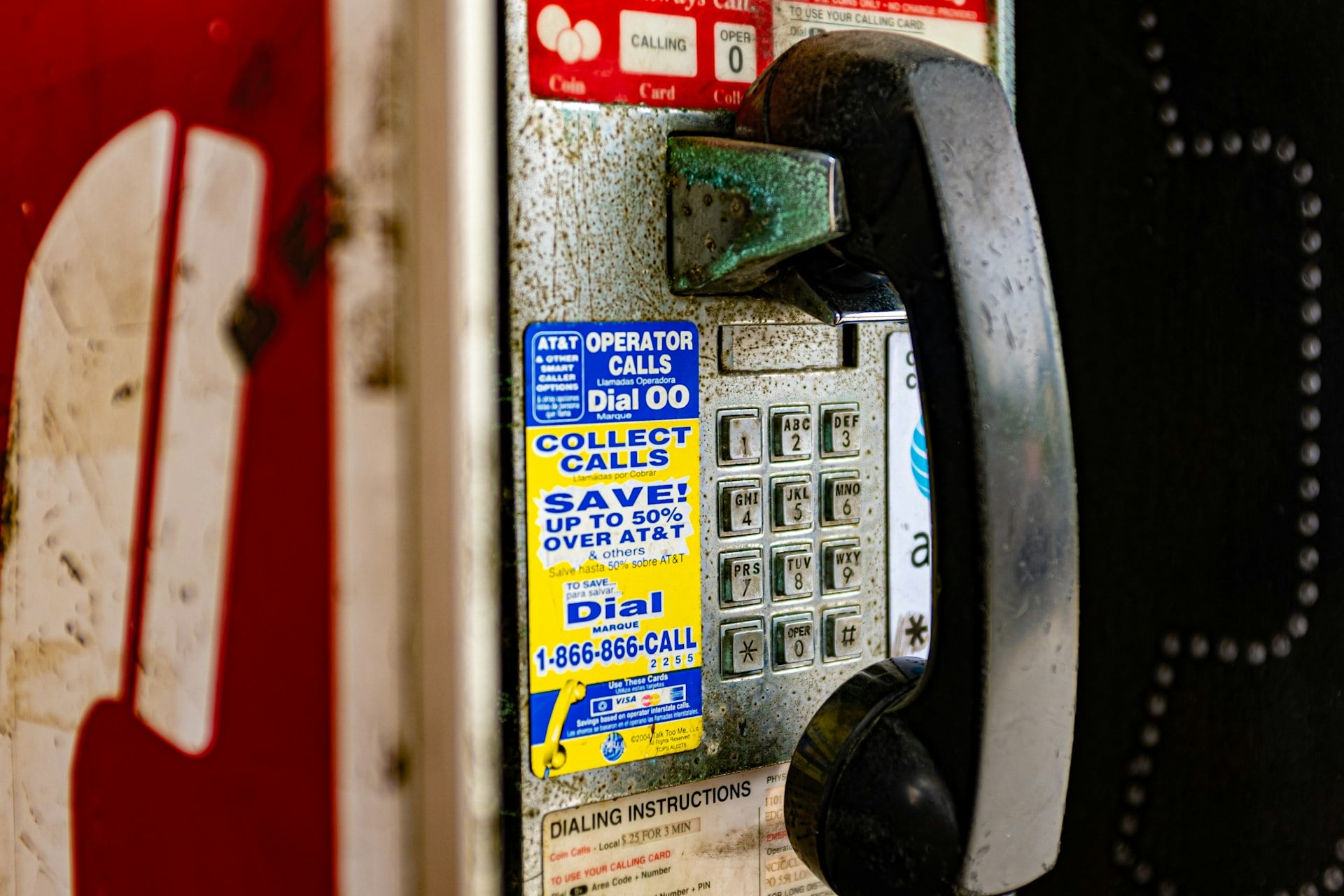
Full coin-operated payphone units — originally mounted inside the familiar steel housing found in bus stations, lobbies, and street booths — have become serious collector pieces now that public payphone infrastructure has almost entirely disappeared. A complete, working interior payphone unit with coin mechanism can sell for $200 to $600 depending on manufacturer and condition.
The most sought-after are Western Electric and Bell payphones with intact coin return mechanisms. The outer housing, if present, adds additional value.
Telephone Booth Sign Enamel Plates
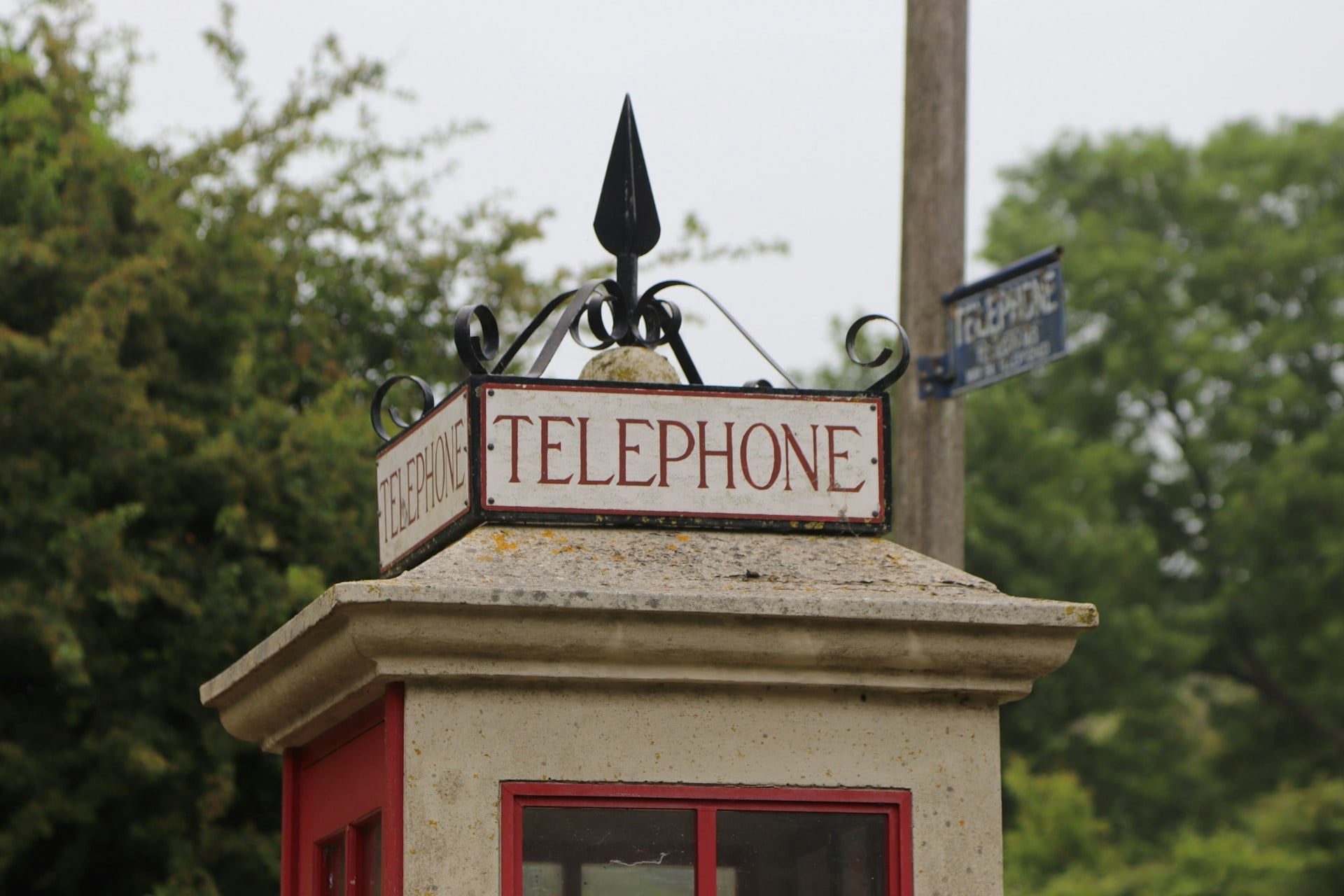
The enameled steel signs that identified public telephone locations — round or rectangular, in the characteristic Bell System blue and white or AT&T color schemes — are small, sturdy, and increasingly rare in good condition. Double-sided versions that were mounted above street-level booths command more than flat-mounted single-sided versions.
Clean examples without significant chips to the enamel sell in the $100 to $400 range. Rare regional telephone company versions can reach $500 or more.
Western Electric Model 554 Wall Phone
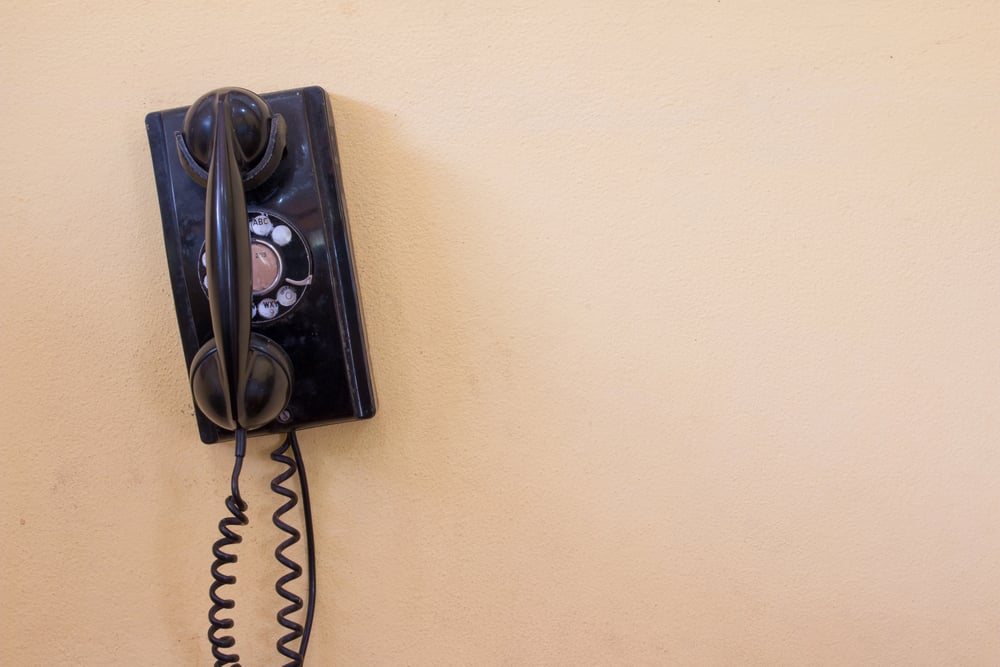
The 554 was the wall-mounted equivalent of the Model 500, using the same handset and dial mechanism in a wall-plate configuration. Wall phones are somewhat harder to find in good condition than desk phones because their mounting position exposed them to more damage over decades of use.
The 554 in working condition sells for $50 to $175. Avocado Green examples from the late 1960s and early 1970s, manufactured during the color-phone wave Bell pushed as a selling point, have become period-specific collectibles with buyers who specifically want that particular era’s domestic telephone aesthetic.
Novelty Themed Telephones, 1970s–1980s
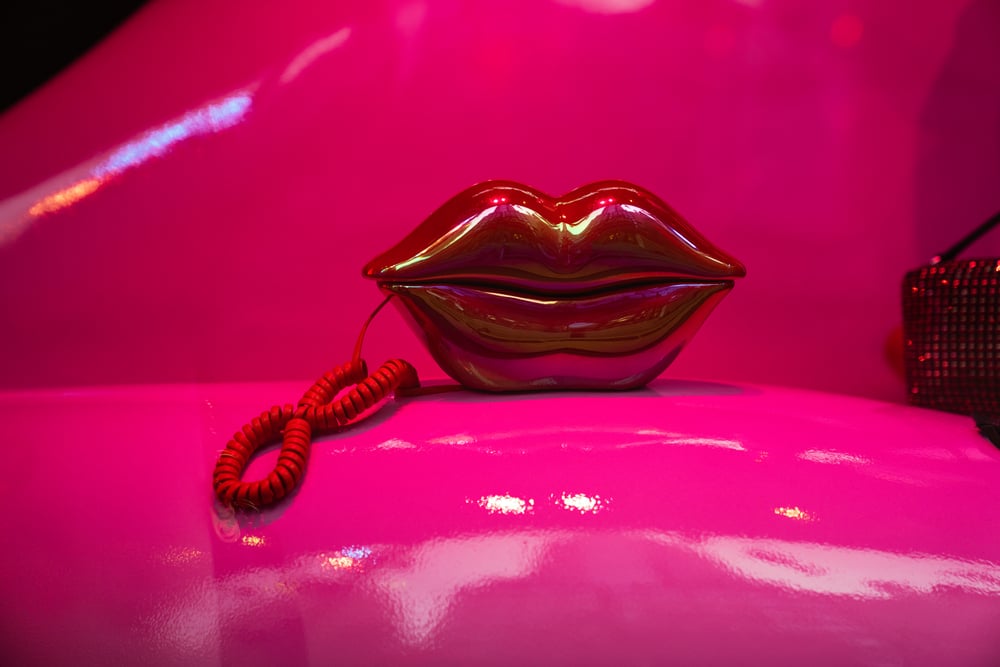
The era of deregulation that allowed non-Bell handsets to be connected to telephone networks produced an extraordinary variety of novelty phones: burgers, lips, footballs, cartoon characters, soft-drink cans. Most novelty phones sell for very little — under $20 for the more common mass-produced versions.
However, specific licensed designs and early manufacturing runs in original packaging command significant premiums. A Garfield the cat novelty phone in working condition with original box can sell for $80 to $150.
Collectors specifically target complete, boxed examples in original packaging rather than unboxed units.
Western Electric Color Phones in Unusual Colors
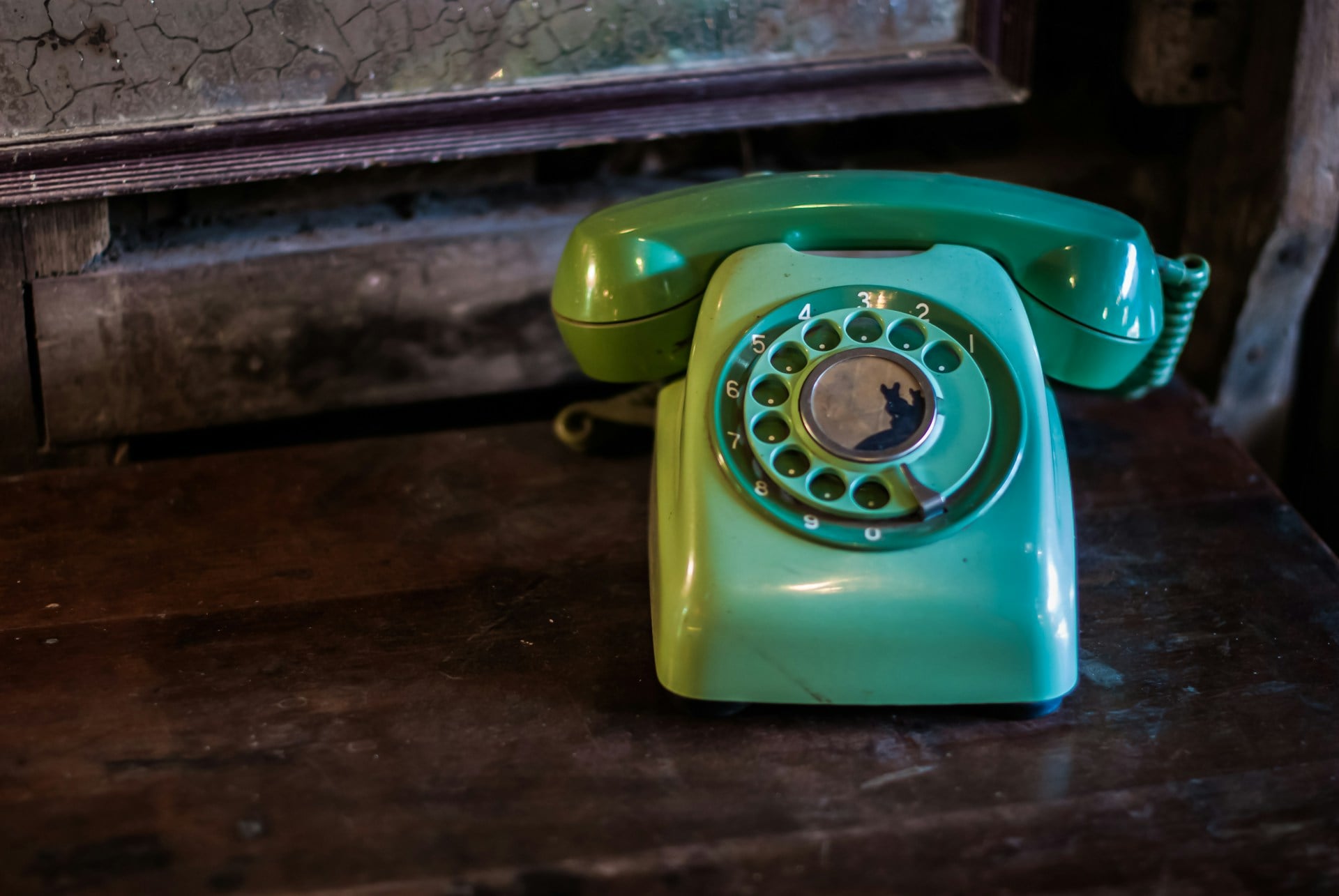
The Bell System began offering phones in colors other than black in 1954, eventually producing models in over a dozen colors including Moss Green, Desert Sand, Turquoise, Ivory, Beige, and Tan. The production numbers for uncommon colors were significantly lower than for standard black and beige, which is why a 1960s Model 500 in a confirmed original Turquoise sells for considerably more than the same phone in black.
Documenting original color versus repaint is a significant concern in the market — authentic original colors can be partially verified by examining the interior plastic for consistent color penetration.
Crosley Reproduction Retro Phones
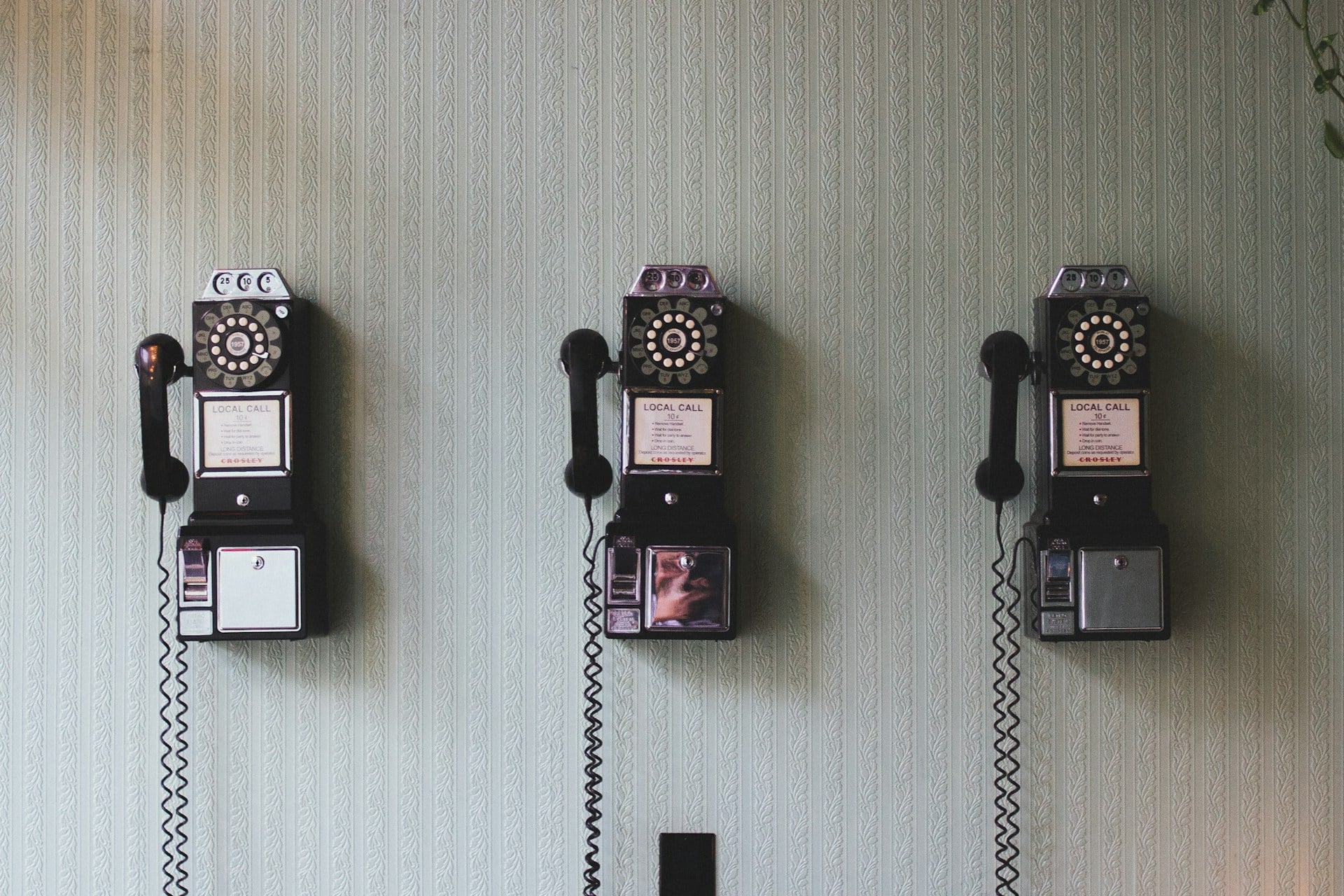
Not antique at all — Crosley began producing reproduction retro-styled phones in the early 2000s — but these models have developed their own micro-market among buyers who want the aesthetic without the $200+ price point of a genuine vintage unit. The Crosley CR59 Retro Phone and similar models sell new for $40–$80 and used for $15–$40.
Collectors of actual vintage phones do not typically target these, but they appear frequently in listings marketed misleadingly as vintage, making verification skills relevant.
Western Electric Model 2500 Touch-Tone Desk Phone
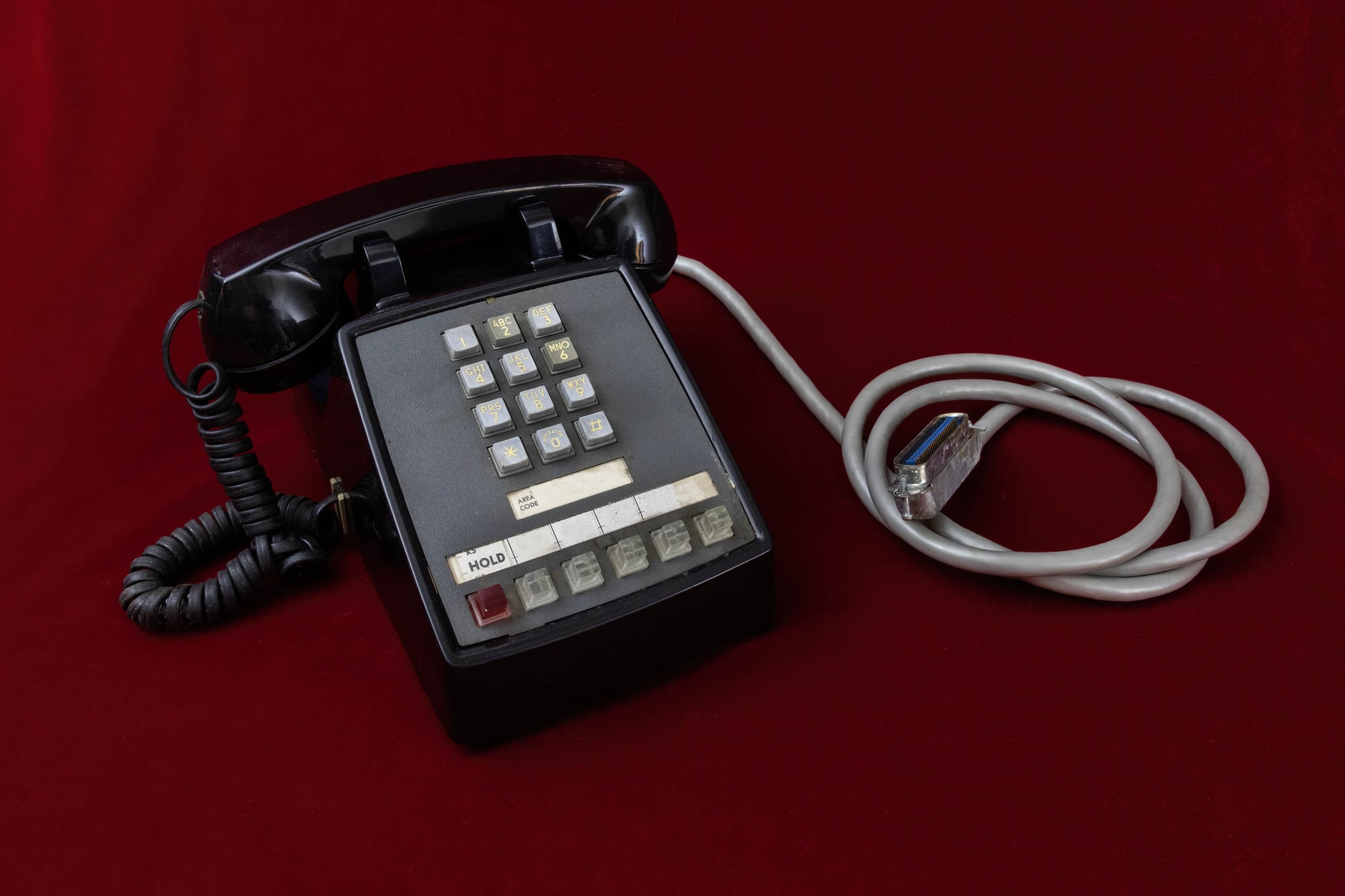
The touch-tone successor to the 500 series, introduced in 1968, is not yet at the age that commands serious collector premiums — but it’s moving in that direction. The 2500 in its earliest production runs, particularly in unusual colors, is beginning to attract the same demographic that pursues the 500.
Avocado Green and Harvest Gold examples in working condition with original cords sell for $30 to $100. Given that these were common household items into the 1990s, many buyers encounter them through estate sales rather than dedicated collector markets.
Telephone Message Pads and Memo Holders
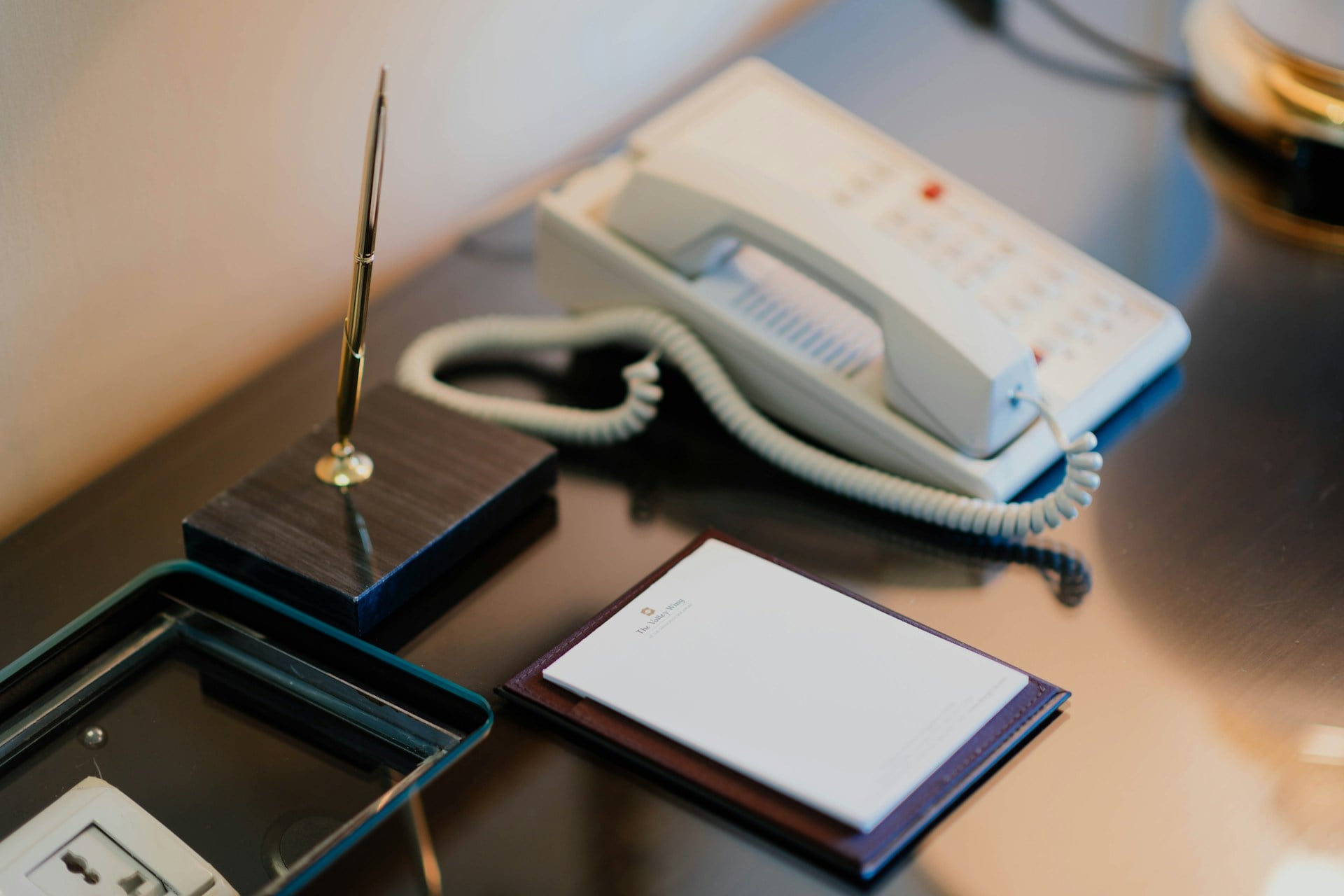
Original telephone message pads — specifically the metal or plastic holders designed to mount beside a wall phone, often with a pen holder, a notepad, and sometimes a small address-card holder — are a low-value but persistent category in mid-century interior decoration markets. Found regularly at estate sales for $5 to $20, clean examples in period-correct colors find buyers among people decorating with authentic mid-century telephone areas.
The most valuable versions are branded with telephone company logos or include original unused notepads.
Candlestick Phone Transmitter Discs
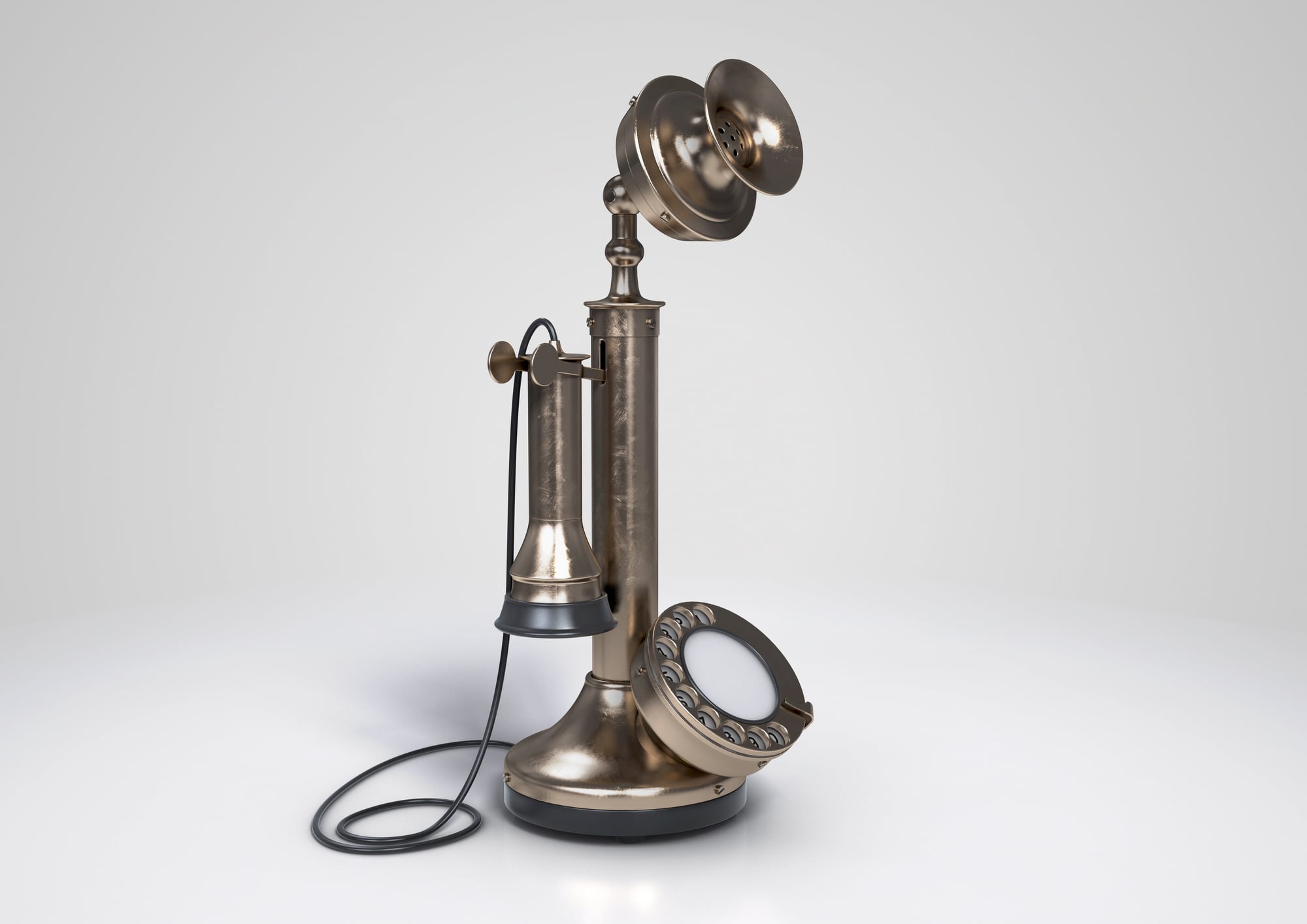
The replaceable transmitter discs used in early candlestick and wooden wall phones — small circular carbon granule assemblies — were consumable parts that were replaced through telephone company service calls and are now genuinely scarce as standalone items. For collectors restoring candlestick phones to working condition, original period-correct transmitter discs are harder to source than the phones themselves, and working originals in the correct size for a given model sell for $20 to $60 each among restoration specialists.
Telephone Company Operator Headsets, 1940s–1960s
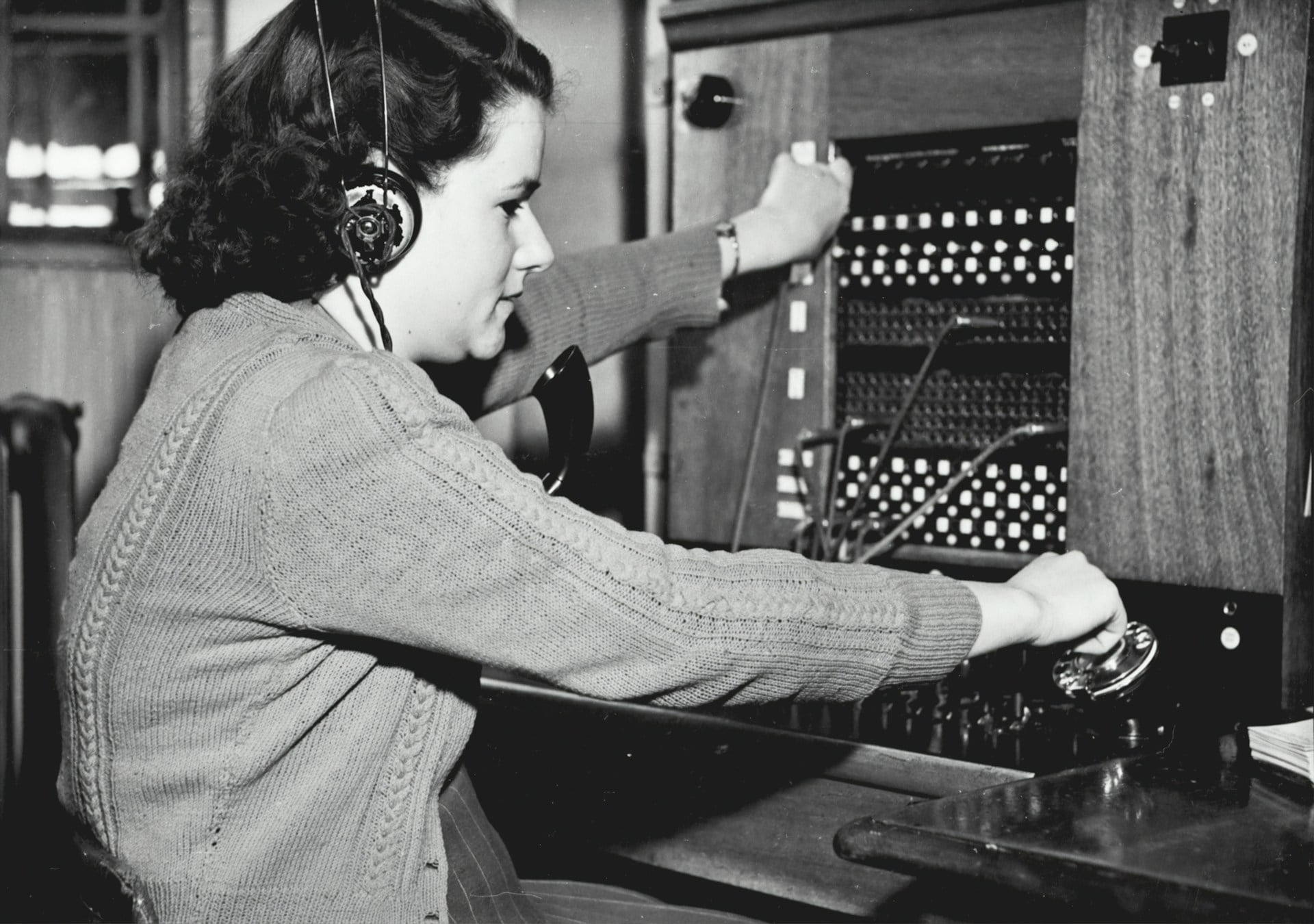
The headsets worn by telephone operators at mid-century switching boards — typically a single-earpiece design with a boom microphone and a woven fabric cord connecting to a terminal box — are sought by both telephone collectors and early-electronics collectors. In good cosmetic condition with intact cord and functioning microphone element, operator headsets from the 1940s and 1950s sell for $40 to $120.
Museum-quality examples with original terminal boxes and documented operator use history command more.
The Ericsson Cobra Phone (DBH 1001)
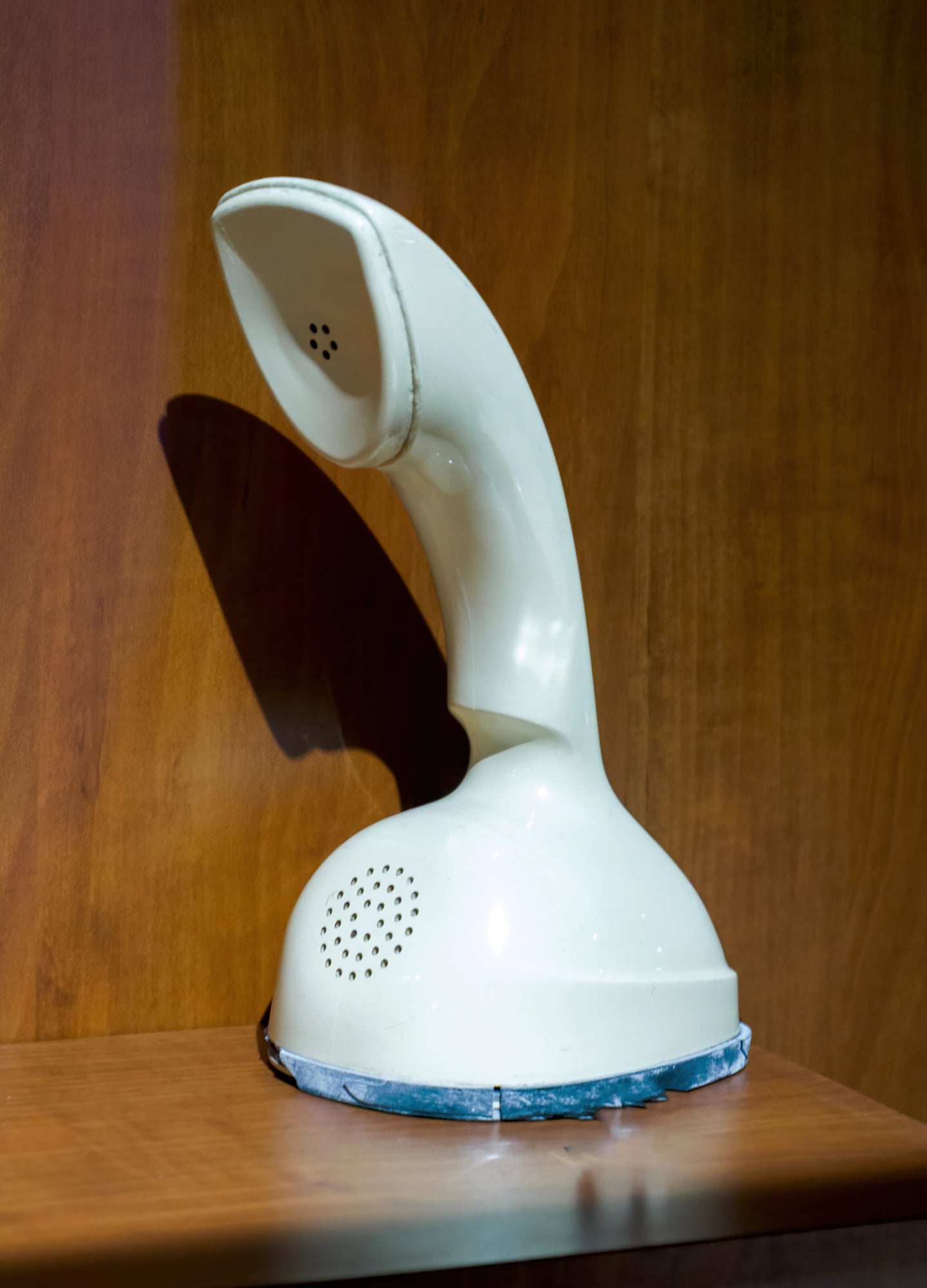
Designed by Swedish industrial designer Johan Christian Bjerknes in 1941, the Ericsson DBH 1001 — nicknamed the Cobra phone for the sweep of its handset — is one of the most frequently cited examples of telephone industrial design. It was manufactured in Bakelite in a deep, glossy black and was used extensively in Scandinavian telephone systems.
Original working examples sell for £200 to £600 in UK and European markets. The design was influential enough to be copied by other manufacturers and is referenced in design histories independently of its collector market.
Western Electric Model 302 in Green
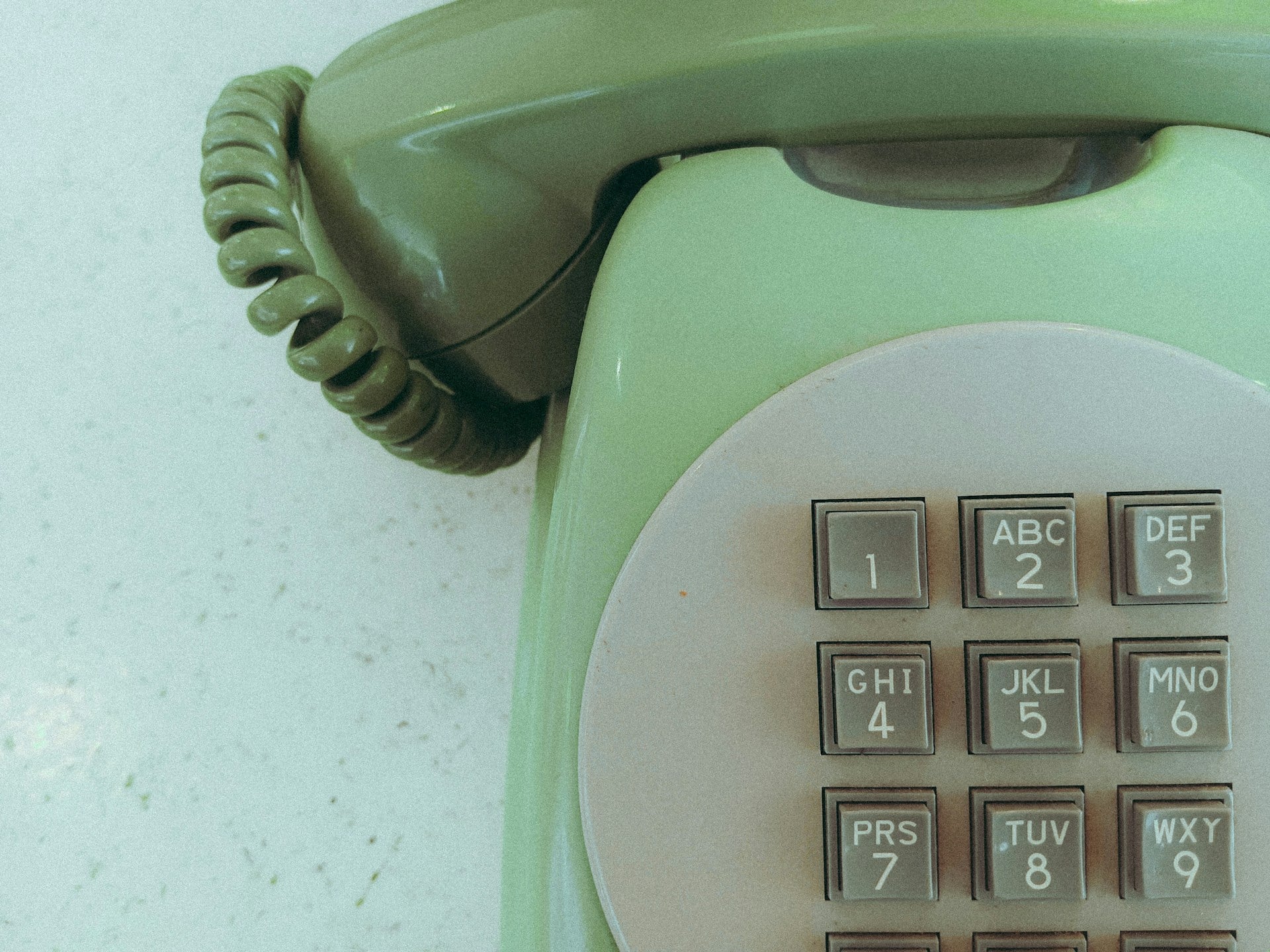
The 302 is commonly found in black, and occasionally in a dark maroon. Green versions — produced in small quantities for specific institutional buyers — are among the most sought-after color variants of any 1930s or 1940s Bell phone.
Their existence is documented but examples are scarce enough that a confirmed original green 302 in working condition routinely sells for $300 to $600 when one surfaces. Collectors distinguish between original green and repaints by examining interior components, which typically were not painted.
Phone Index Address Books
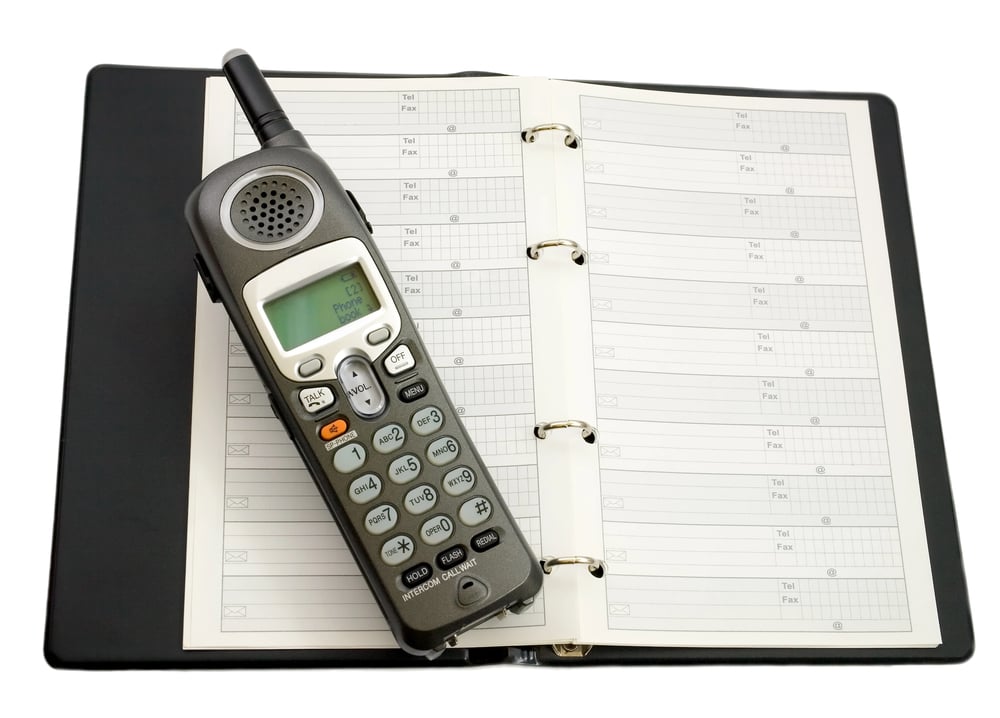
The small leatherette address books designed to sit beside a landline telephone — typically alphabetically indexed with a spring-release tab system — were desktop objects in millions of homes from the 1950s through the 1990s. Vintage mid-century examples in good condition with the original pen holder and unused pages sell for $15 to $50 in the decorative accessories market.
Branded examples from telephone companies are more sought after. The appeal is partly functional — people still use them — and partly the tactile specificity of the object.
Telephone Table and Chair Combinations
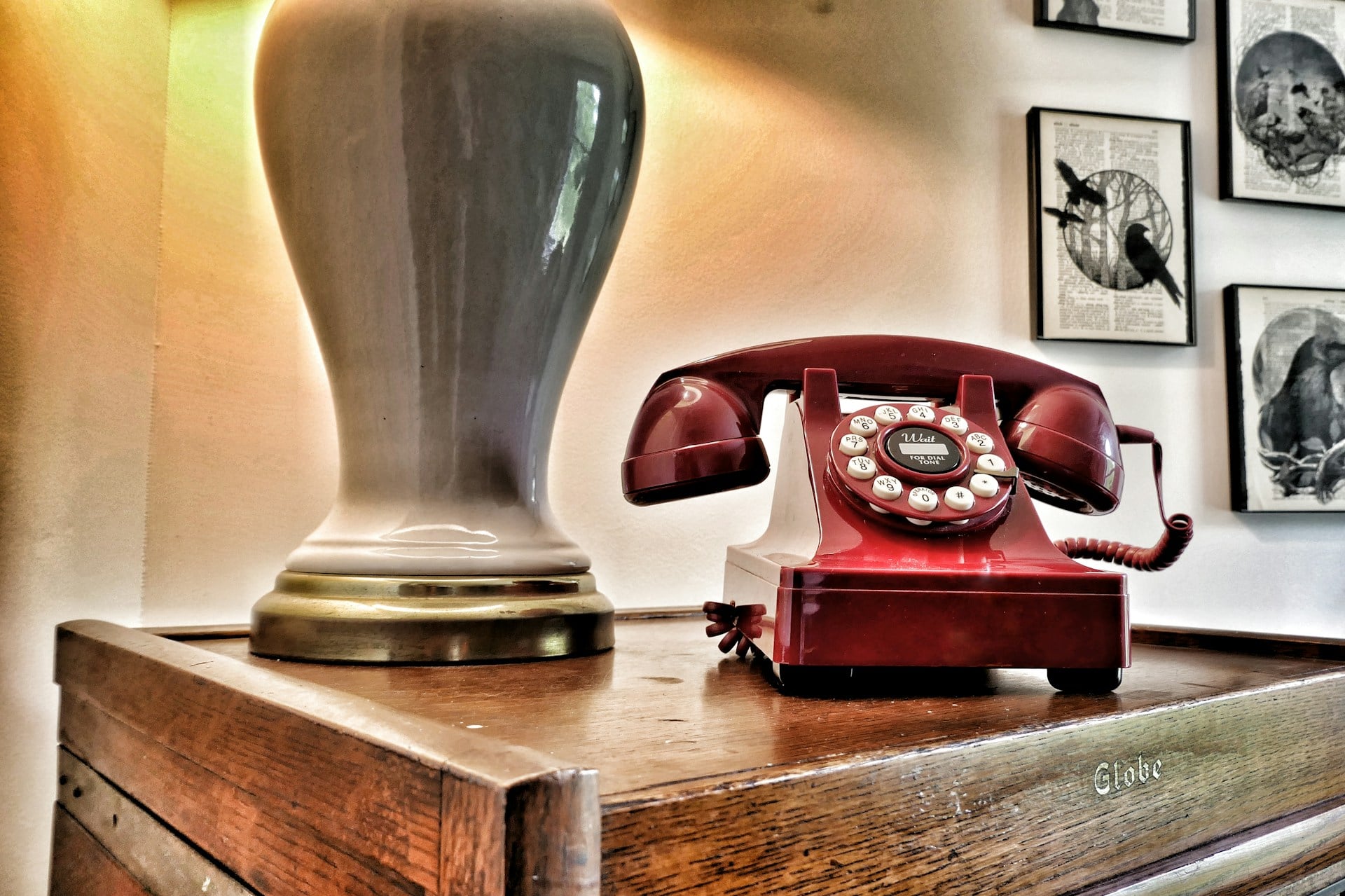
Mid-century furniture designers produced telephone tables — small, narrow side tables with an attached seat designed to let someone sit while using the phone without pulling a chair — as a genuine domestic furniture category. These “gossip benches” or telephone seats, typically in painted wood or wrought iron with a seat pad, were a standard 1940s–1960s household furnishing.
In good condition, original examples sell for $75 to $300 in the mid-century furniture market. The combination of furniture and telephone accessory functions in a single object makes them a crossover item for multiple collector categories.
Holsters and Shoulder Rest Phone Adapters
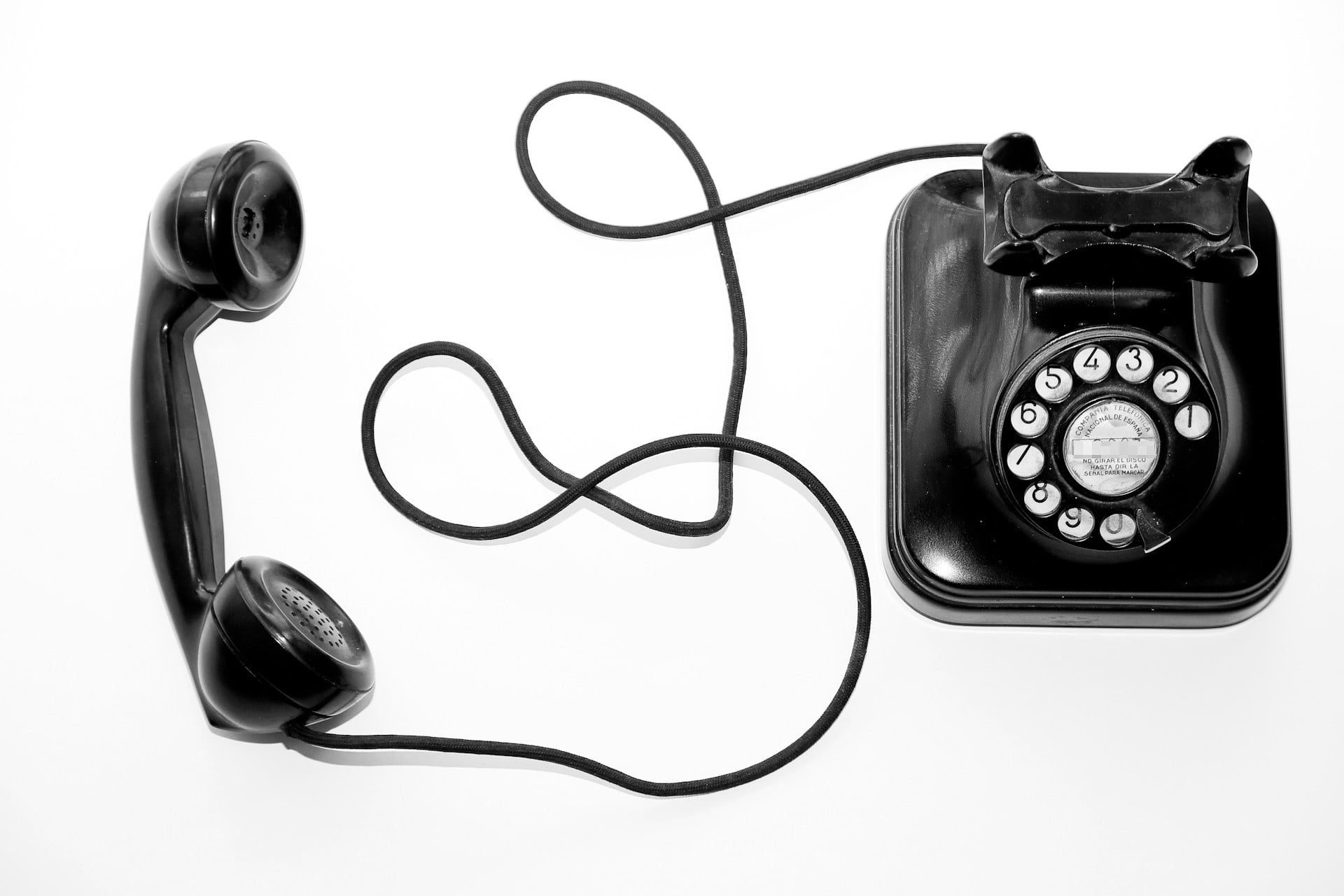
The C-shaped plastic telephone shoulder rests that clipped onto the receiver to allow hands-free phone use — sold through office supply catalogs from the 1970s through the 1990s — are now mild curiosities rather than serious collector items, but they appear regularly in lot sales and estate auctions as recognizable objects from offices of the period. Clean examples in original packaging sell for $10 to $30; they’re more frequently encountered as parts of mid-century office decoration sets than as standalone purchases.
Figural Payphone Coin Banks

Cast-iron or pressed-steel coin banks shaped like payphone units were popular novelty items from the early through mid-20th century. These were not actual phones but replica coin-operated telephone props with a coin slot in the appropriate position.
In good condition, early examples with original paint and intact coin mechanism sell for $50 to $200. Later pressed-steel versions from the 1950s and 1960s sell for less.
The crossover appeal with coin bank collectors creates a competitive secondary market.
AT&T Trimline 210 Push-Button
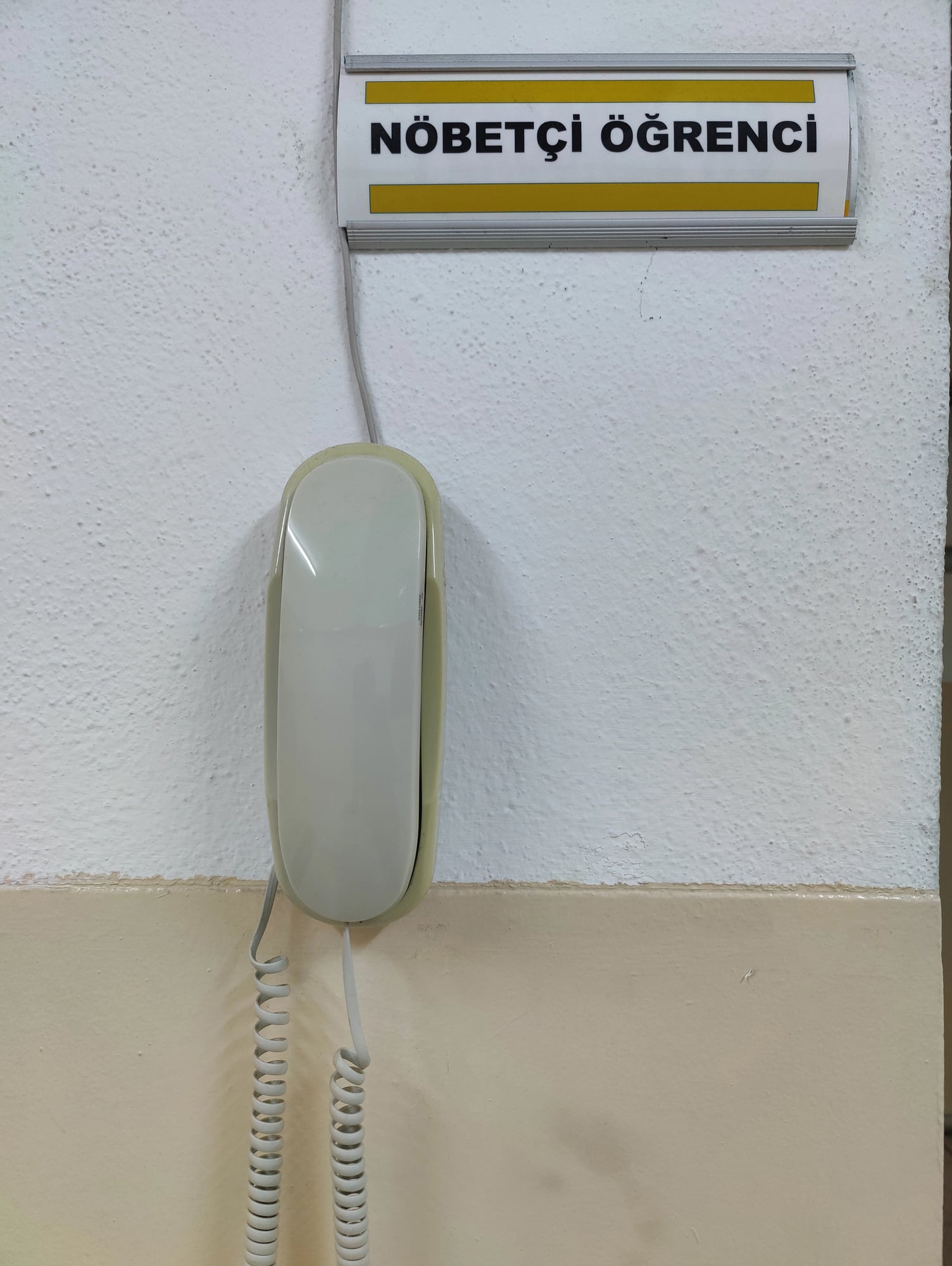
The later push-button version of the Trimline design, produced in significant quantities through the 1970s and 1980s, is beginning to appear regularly in vintage markets as buyers aged in the era of those phones seek them out specifically. Harvest Gold, Avocado Green, and Coppertone versions from the early 1970s sell for $25 to $75.
The significance is less historical than biographical — buyers want the specific phone that sat in their childhood home.
Bell System Service Manuals and Technical Literature

Western Electric and Bell System technical literature — installation manuals, component catalogs, training guides, and repair manuals for specific telephone models — is collected by telephone enthusiasts both for technical reference and as period ephemera. Original manuals for the 500 series, 302, and early Trimline models sell for $10 to $40 each in good condition.
Complete sets of Bell System Technical Journals from specific decades can sell for $100 or more to institutional and private collectors interested in the history of telecommunications engineering.
Monophone and Submarine Cables Telephone Receivers
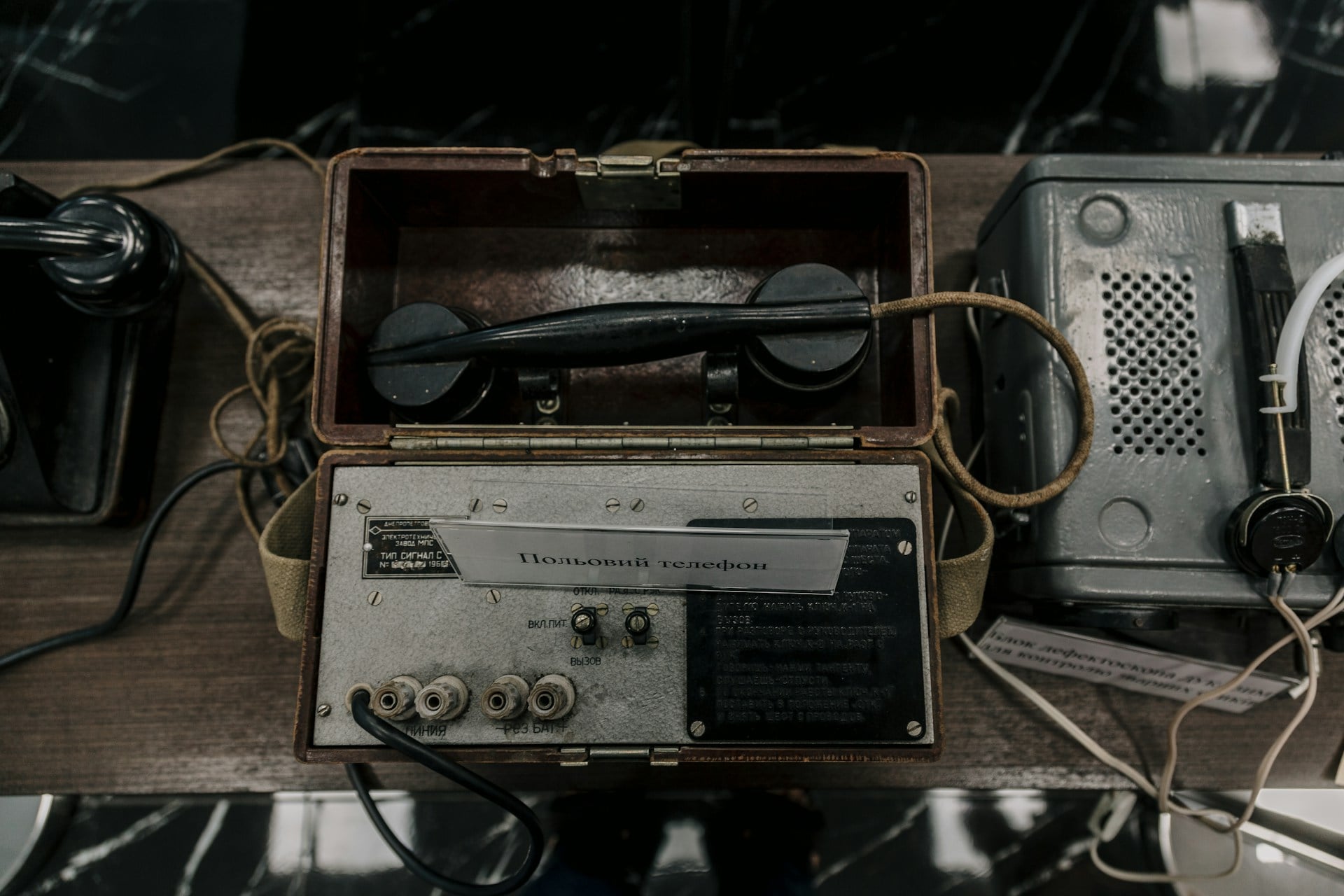
Single-piece telephone receivers — the early 20th-century devices that combined transmitter and receiver in a single unit held across the face — predate the standard handset configuration and represent an alternative ergonomic design that didn’t survive. Intact examples with working carbon elements are rare enough to sell for $100 to $400 in specialist markets, primarily to collectors pursuing comprehensive coverage of telephone development rather than buyers driven by nostalgia.
Original Bell System Wiring and Hardware Sets
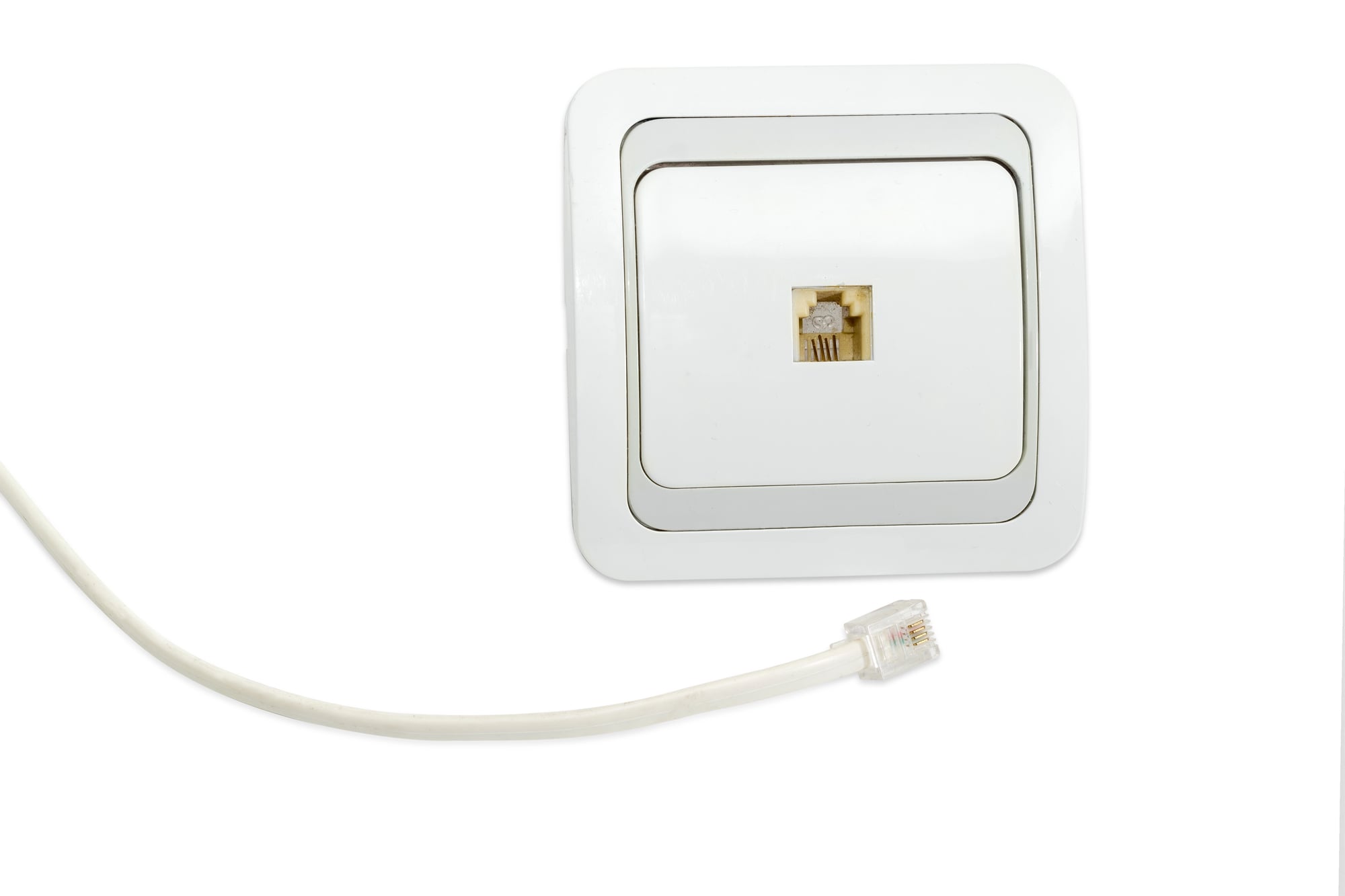
The four-prong modular wiring hardware and junction boxes used in original Bell System telephone installations — specifically pre-modular RJ11 components, four-prong line jacks, and original cloth-wrapped telephone wire — are bought by restoration specialists who want their vintage phones connected in period-correct ways. Original four-prong desk phone cords in specific colors to match original phone sets sell for $15 to $40 from specialist suppliers.
The presence of original period-correct cords is one of the factors that distinguishes a high-value collector example from an otherwise identical phone.
The Phone Booth Door
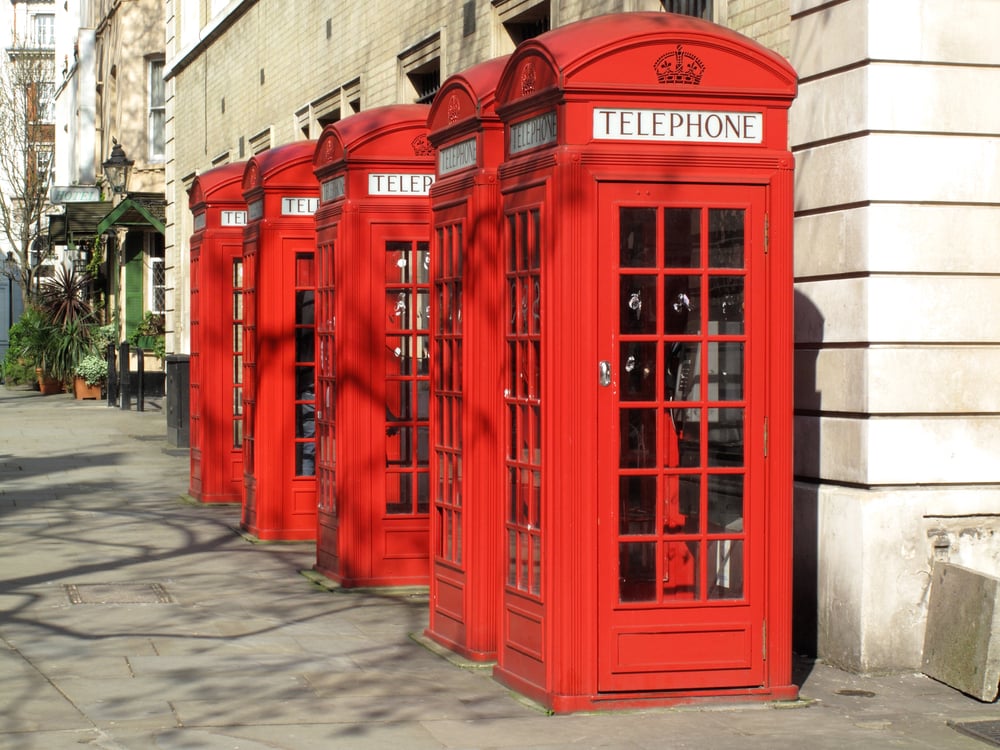
Original glass-and-aluminum accordion-fold doors from enclosed telephone booths — the full-privacy type that could be pulled shut while using a payphone — became salvage items when the phone booths were removed. The doors themselves, on their original spring-loaded slide hardware, are recognized in mid-century industrial decoration markets.
Clean examples sell for $200 to $500 in salvage and architectural antique markets. The specific aesthetic of the folding glass panel is closely enough associated with a particular era that it functions as a period object independent of its telephone history.
Why These Objects Keep Finding Buyers
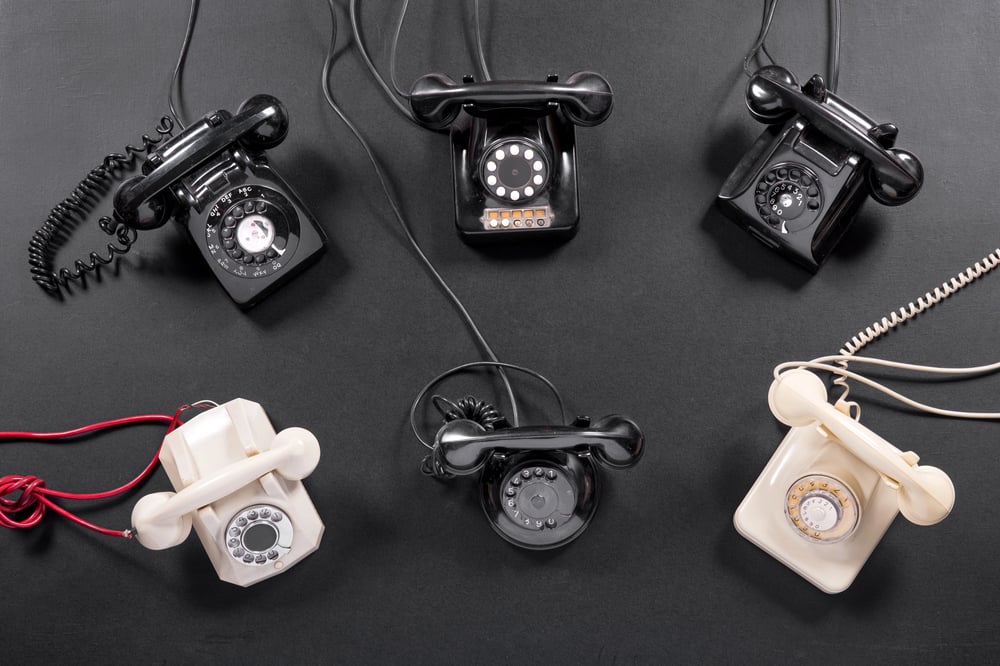
Every phone on this list is an object that people once touched every day without noticing it. The weight of the handset, the resistance of the dial, the sound of the bell — these were the background facts of how the world communicated, and they disappeared so completely and so quickly that they’ve acquired the distance of genuine antiques within a single generation.
What the collector market is actually tracking is the gap between daily-use familiarity and total obsolescence, which in the case of the rotary phone was compressed into roughly thirty years. The phones themselves still work.
The infrastructure they connected to is almost entirely gone. That combination — a functional object that can no longer perform its function — is what gives the vintage phone market its particular character.
You can hold it. You can dial it.
And there’s nothing on the other end.
More from Go2Tutors!

- The Romanov Crown Jewels and Their Tragic Fate
- 13 Historical Mysteries That Science Still Can’t Solve
- Famous Hoaxes That Fooled the World for Years
- 15 Child Stars with Tragic Adult Lives
- 16 Famous Jewelry Pieces in History
Like Go2Tutors’s content? Follow us on MSN.