27 Historical Sieges That Lasted So Long They Changed the Cities Forever
A siege is, at its core, a patience competition with catastrophic stakes. One side builds walls and stockpiles provisions.
The other builds earthworks and waits. What distinguishes the sieges in this list from the ordinary kind is duration — months stretching into years, years stretching into decades, the passage of time reshaping not just the military situation but the city itself, its population, its identity, and in some cases its very existence.
The physical geography of many cities today is still legible as a product of a siege. Walls that seem decorative once kept out armies for a generation.
Districts that look ancient were rebuilt on the footprint of something destroyed. The cities in this list survived, fell, or were erased — but none of them came through unchanged.
Ceuta, Spain — 33 Years, 1694–1727
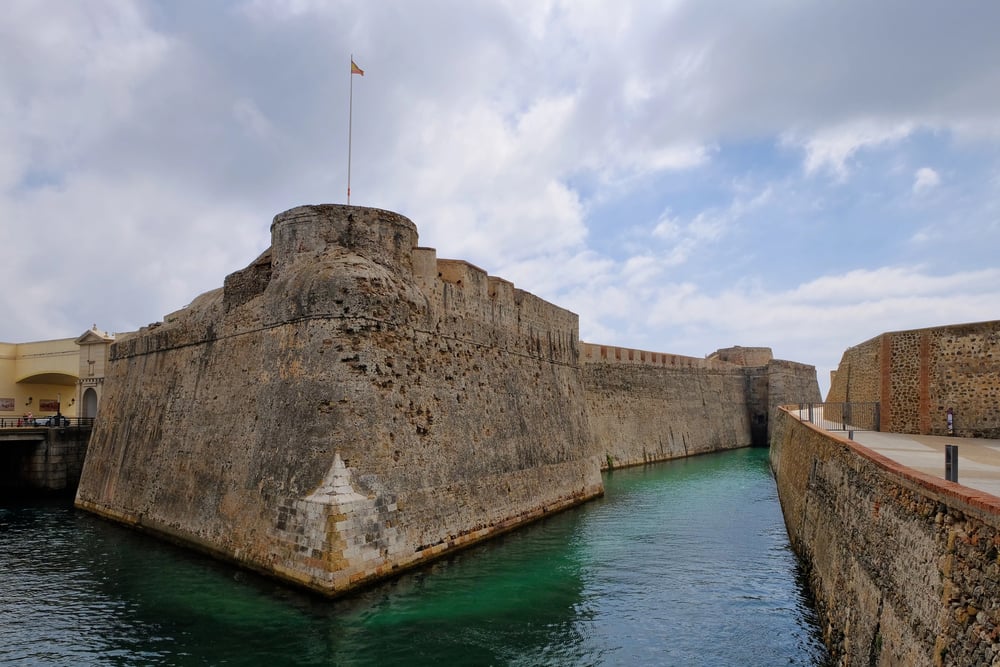
The longest recorded siege in history, Ceuta was the Spanish-held port city on the North African coast that Moroccan forces attempted to reclaim for thirty-three years. Successive Moroccan armies blockaded the city by land while the Spanish maintained supply lines by sea.
By the time the siege ended with Spanish victory, it had lasted long enough that soldiers on both sides had been born, grown up, and died without seeing its conclusion. The Spanish fortifications built and reinforced during those three decades still stand, and Spain’s continued possession of Ceuta into the 21st century is a direct consequence of a garrison that simply refused to fall.
Candia (Heraklion), Crete — 21 Years, 1648–1669
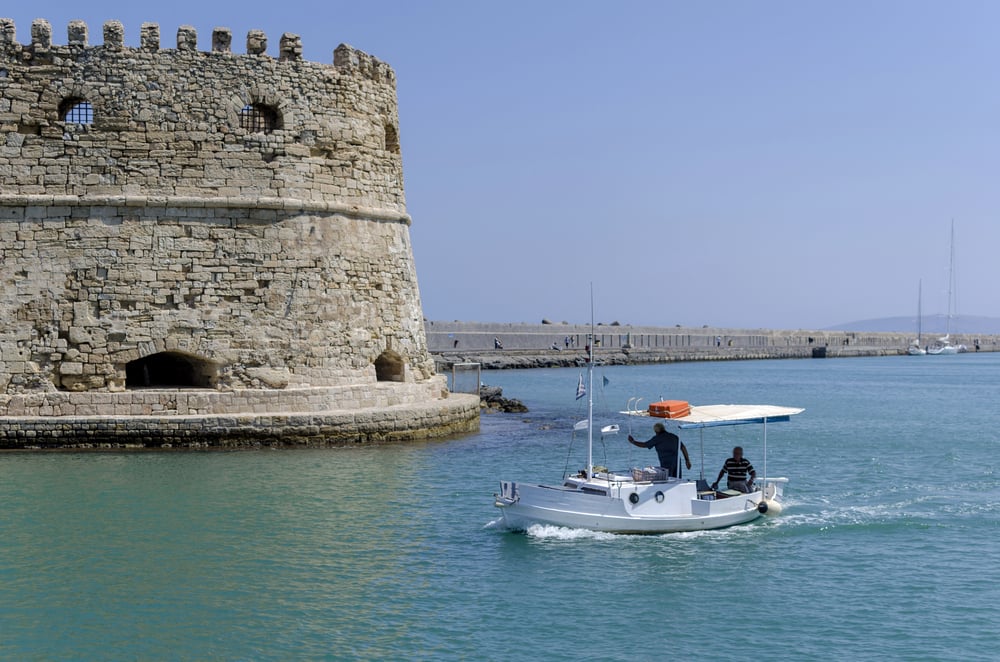
The Ottoman siege of Venice’s last major eastern Mediterranean stronghold lasted twenty-one years, making it the second-longest in recorded history. Historians note that children born in the opening years of the siege could have grown up to fight in its final stages.
The Ottoman Empire poured more than 70,000 soldiers into the effort, alongside tens of thousands of siege workers. Venice received reinforcements from across Catholic Europe — Spanish, French, Papal, and Maltese forces at various points — but the supply situation was ultimately untenable. The city surrendered in September 1669, and the Venetian walls the Ottomans inherited can still be seen in Heraklion today.
Drepana, Sicily — 8 Years, 249–241 BC
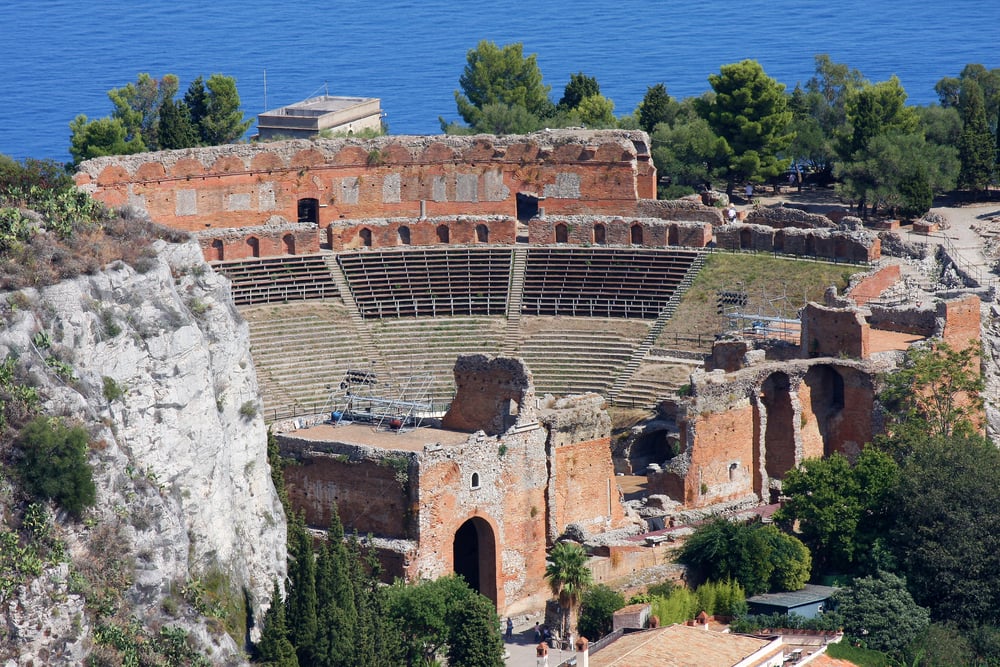
During the First Punic War, the Carthaginian naval fortress of Drepana (modern Trapani) on Sicily’s western coast held out against Rome for eight years. The defenders managed to destroy the initial Roman naval blockade, allowing the city to be resupplied — an extraordinary achievement given Rome’s superior resources.
When Rome rebuilt its fleet and destroyed the Carthaginian navy at the Battle of the Aegates Islands, the siege became untenable. The fall of Drepana effectively ended the First Punic War and marked the beginning of the Roman dominance of the western Mediterranean.
Leningrad, USSR — 872 Days, 1941–1944
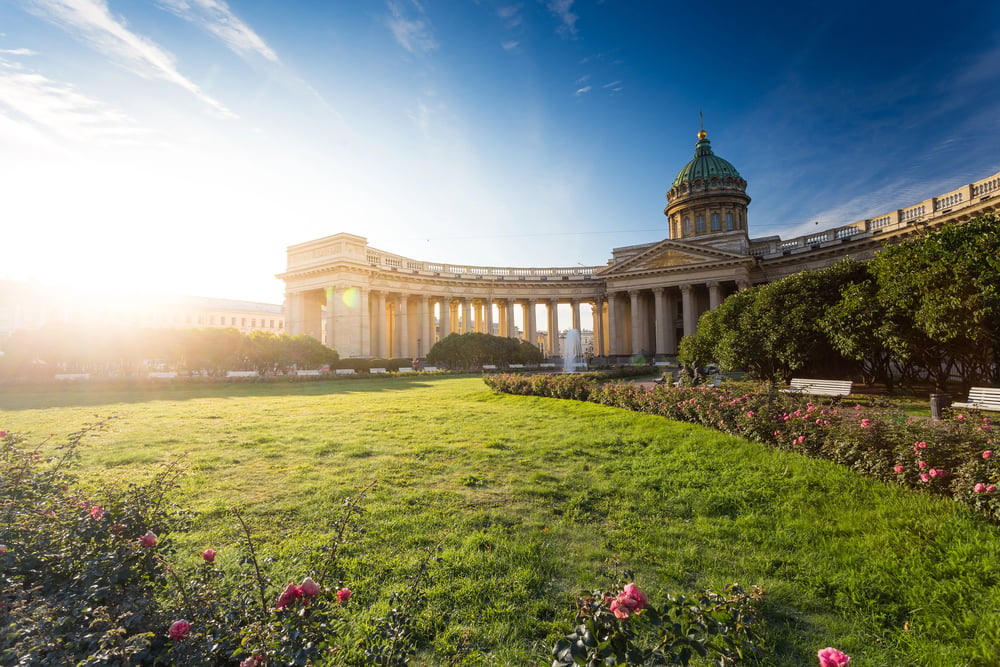
German and Finnish forces encircled Leningrad — now St. Petersburg — in September 1941, cutting off all road and rail connections. The city of more than three million people survived for 872 days on supplies trucked across frozen Lake Ladoga in winter and barged in summer.
Between 800,000 and 1.5 million civilians died, most of starvation — more than the combined British and American military deaths in the entire war by some estimates. The experience of the blockade, known in Russian as the blokada, permanently altered the city’s identity, its demographics, and its relationship to the Soviet state that both besieged it with inaction and celebrated it as a symbol of resistance.
Sarajevo, Bosnia — 1,425 Days, 1992–1996
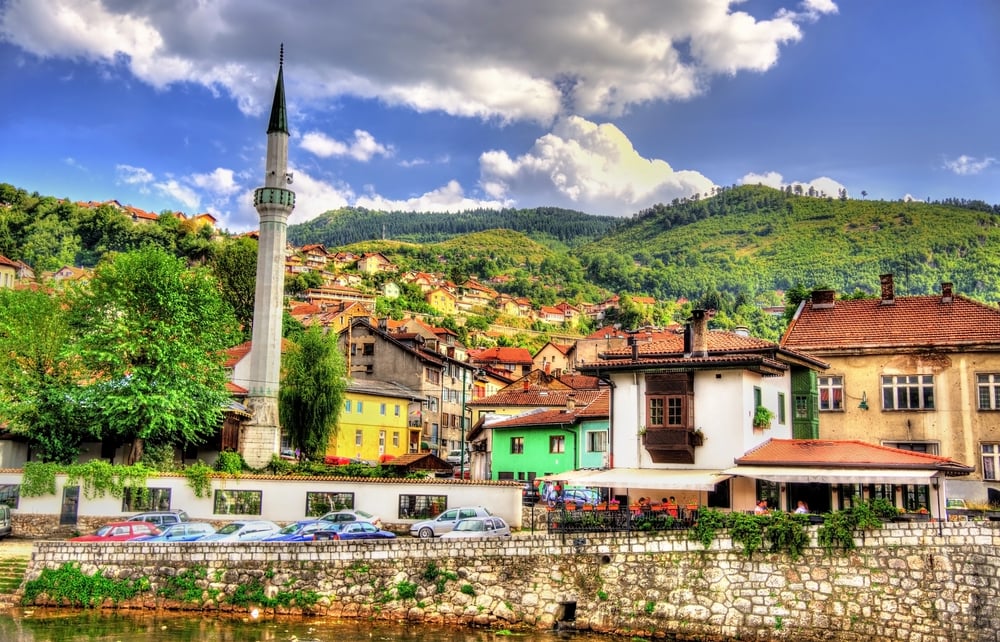
The longest siege of a city in modern warfare, Sarajevo was encircled by Bosnian Serb forces for nearly four years during the Bosnian War. An estimated 13,952 people were killed, including more than 5,000 civilians, by artillery and snipers.
During the siege, residents operated a 770-metre tunnel under the airport runway — the Tunnel of Hope — to move people and supplies in and out of the city. Yet even under these conditions, Sarajevans held concerts, elections, and the first wartime marathon in Olympic history. The siege reconfigured the city’s political geography, its demographics, and its international significance in ways that are still legible in Sarajevo’s divided administration today.
Masada, Judea — 3 Years, 70–73 AD
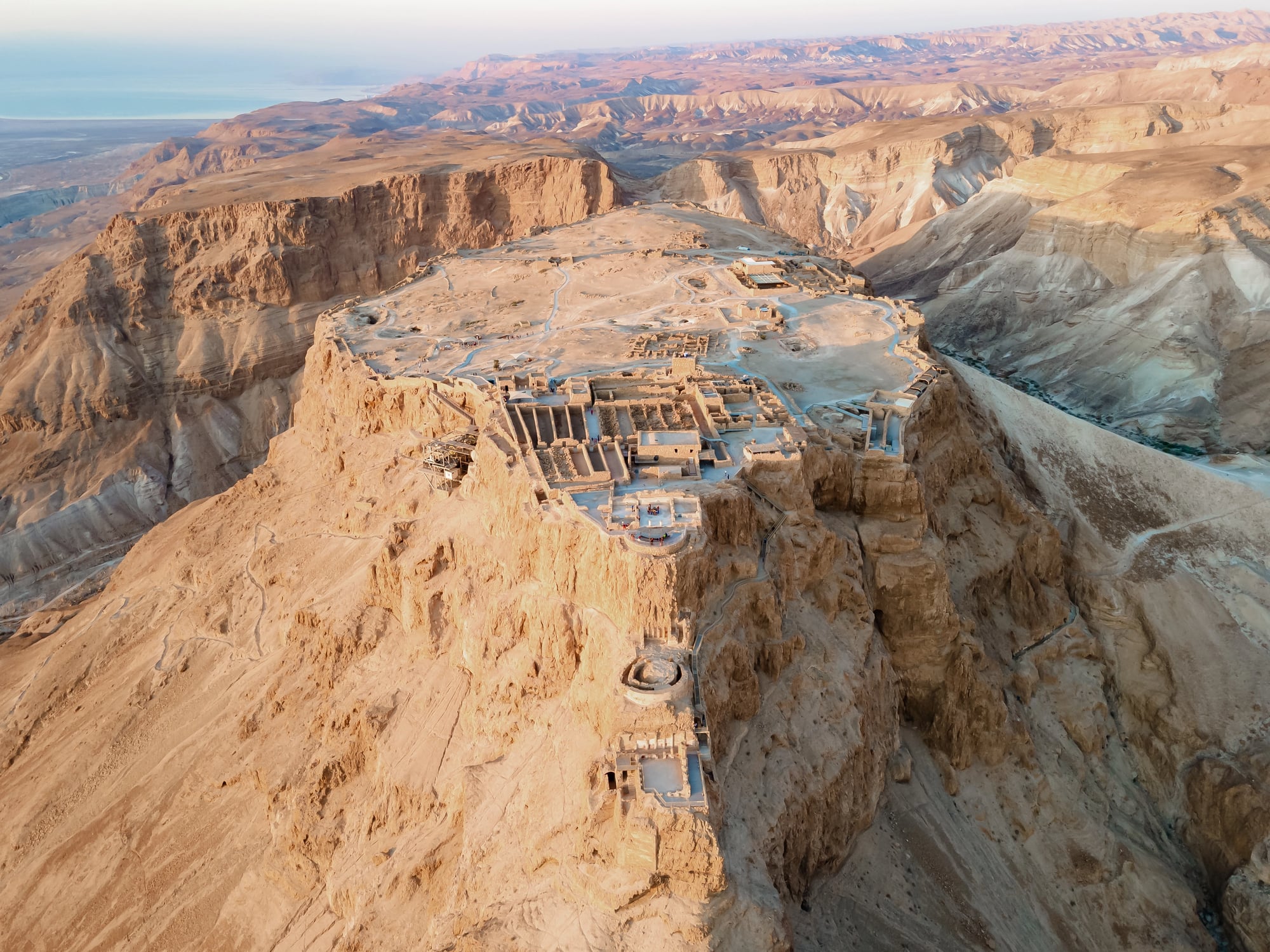
The Roman siege of Masada, the Herodian fortress perched atop a rock plateau in the Judean Desert, required the Tenth Legion to construct a circumvallation wall around the base of the plateau and build an earthwork ramp 100 meters high on its western face to bring siege engines within range. When the Romans finally breached the walls in 73 AD, they found that the approximately 960 Jewish Sicarii fighters and their families had died rather than surrender — a mass death that Jewish historian Josephus attributes to an organized choice, though archaeological evidence is ambiguous.
Masada became a defining symbol in Israeli national consciousness, and the phrase “Masada complex” entered political discourse as shorthand for a last-stand mentality.
Carthage, North Africa — 3 Years, 149–146 BC
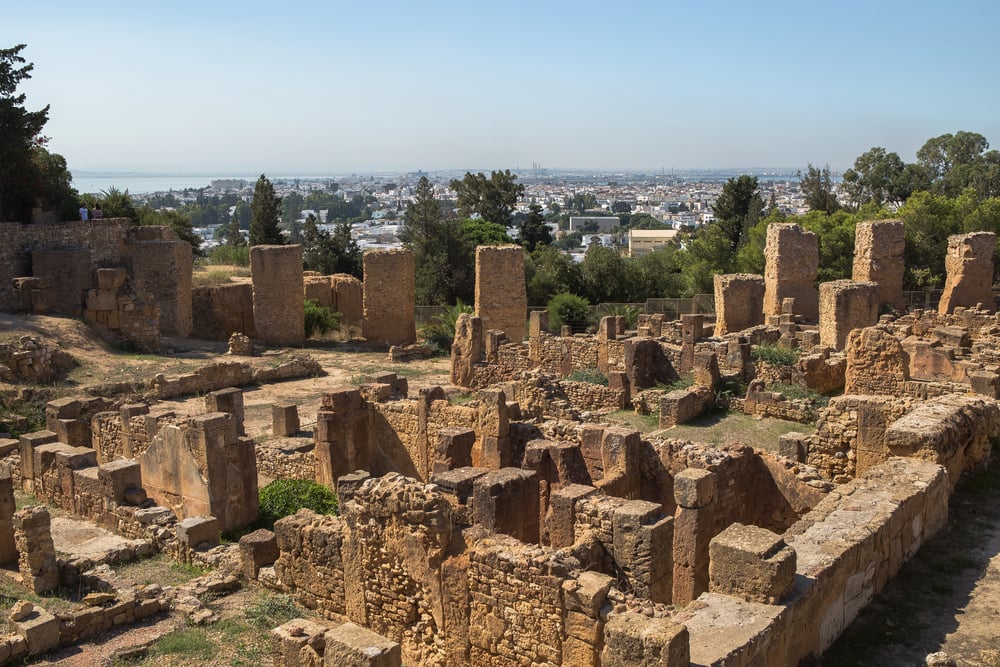
Rome laid siege to Carthage in 149 BC with the explicit intention of destroying it entirely. The Carthaginians, who had surrendered their weapons under a misapprehension about Roman demands, rapidly rearmed themselves from workshops repurposed for war production.
They held out for three years, with the street fighting in the final assault lasting days. When Scipio Aemilianus finally broke through, the city was burned block by block. An estimated 450,000 Carthaginians died during the siege; around 50,000 survivors were enslaved. The city was razed, its territory became the Roman Province of Africa, and Carthaginian civilization as a living culture effectively ceased to exist.
Constantinople, Byzantine Empire — 53 Days, 1453
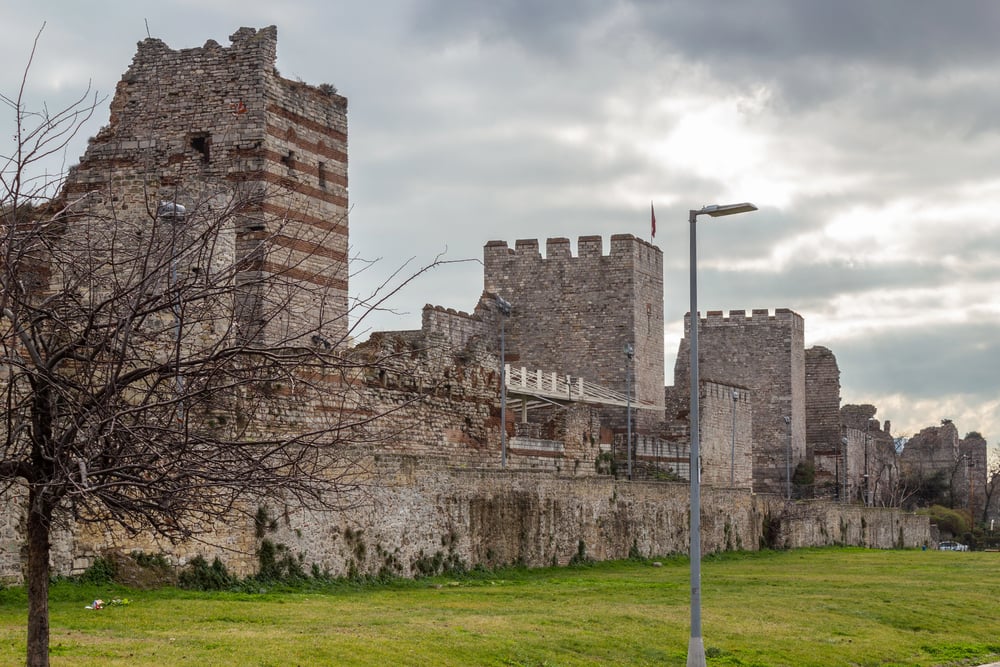
Sultan Mehmed II’s siege of Constantinople in 1453 lasted only 53 days from its formal commencement, but its consequences ended a civilization. The Byzantines held the Theodosian Walls with a garrison of roughly 7,000 men against an Ottoman army of perhaps 80,000.
The walls, which had protected the city for over a thousand years, were finally breached when Ottoman engineers deployed large bronze cannon capable of firing stone projectiles weighing hundreds of kilograms. The fall of Constantinople ended the Eastern Roman Empire, which had existed in continuous form for more than a thousand years, and transformed the city that became Istanbul into the capital of a new empire.
Vicksburg, Mississippi — 47 Days, 1863
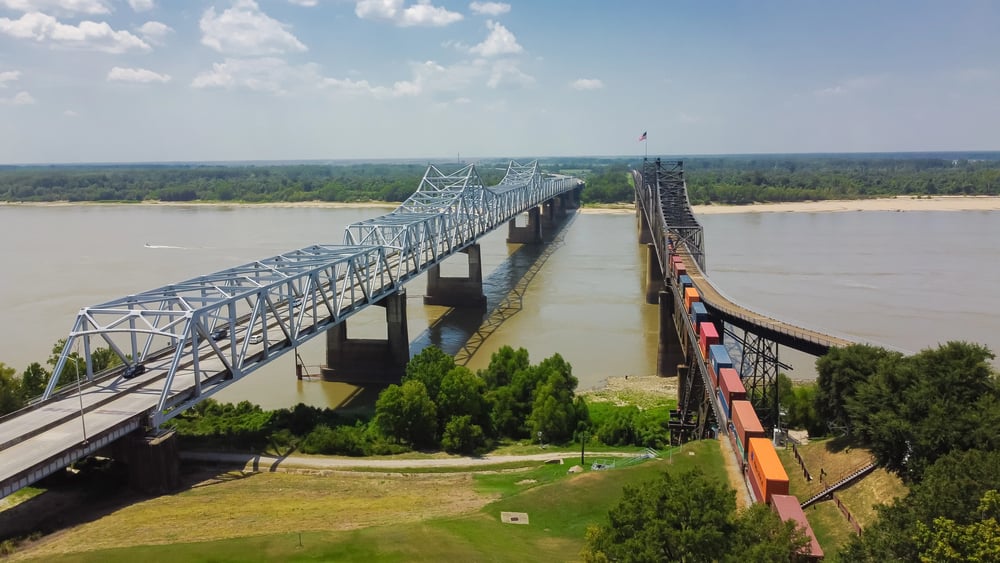
Ulysses S. Grant’s siege of Vicksburg in 1863 was as much a starvation operation as a military campaign. Civilians dug caves into the hillsides to shelter from Union artillery while the Confederate garrison ate mule meat, then rats, then bark.
The city surrendered on July 4, 1863 — a date Vicksburg residents reportedly refused to celebrate as Independence Day for the next eighty years. Combined with the simultaneous Union victory at Gettysburg, Vicksburg’s fall effectively split the Confederacy and gave the Union control of the Mississippi River, making it one of the campaign’s decisive moments.
Paris, France — 4 Months, 1870–1871
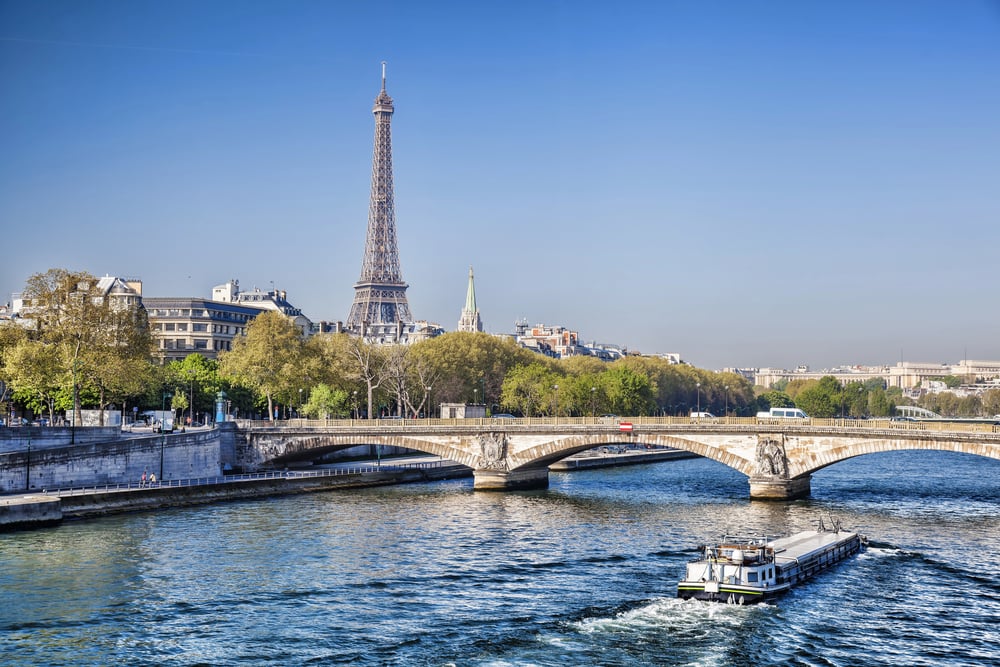
Prussian forces encircled Paris in September 1870 during the Franco-Prussian War, and the city held out for four months on increasingly desperate food supplies — pigeon meat, elephant from the zoo, and what one Paris restaurant menu from January 1871 listed as “rat fricassee.” The siege ended with the French armistice, but its political consequences were convulsive: the Paris Commune rose and fell in the months following, the Third Republic was established, and the humiliation of the siege permanently reshaped French attitudes toward Germany and toward Paris’s relationship with the French state.
Ostend, Spanish Netherlands — 3 Years, 1601–1604
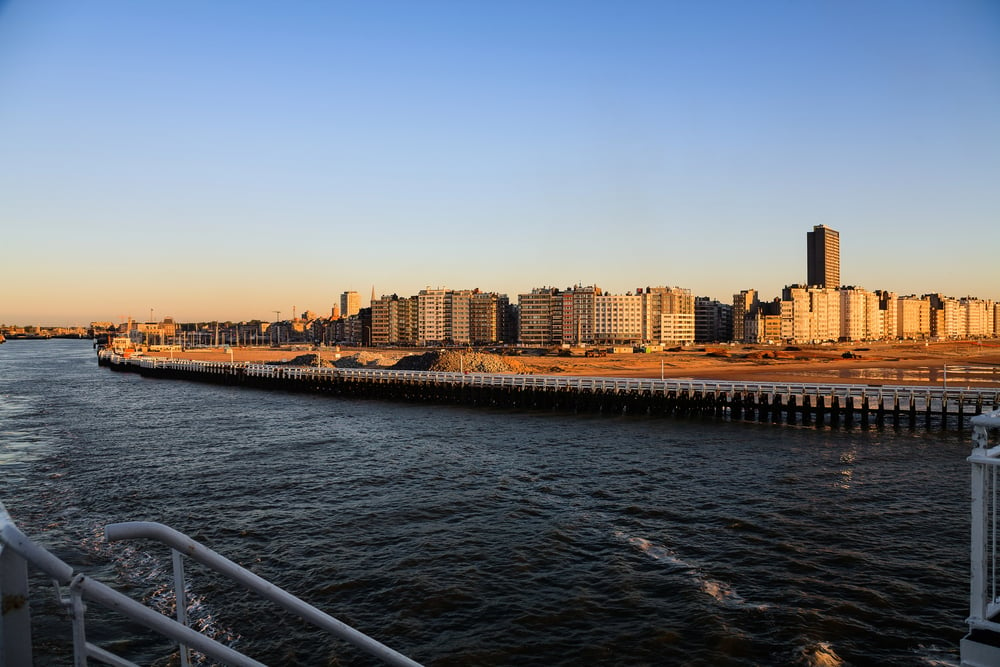
The siege of Ostend during the Eighty Years’ War consumed three years, cost an estimated 100,000 casualties on both sides, and was described at the time as “the longest, most expensive, and most bloody” siege in European history. The city was reduced to rubble so comprehensively that Spanish General Ambrosio Spinola, upon finally entering it in 1604, reportedly said he had conquered a cemetery.
Ostend was rebuilt, but the three-year engagement had functioned as a brutal laboratory for siege warfare technique, with innovations in earthwork and mine warfare used at Ostend influencing military engineering across Europe for decades.
Jerusalem, Judea — 5 Months, 70 AD
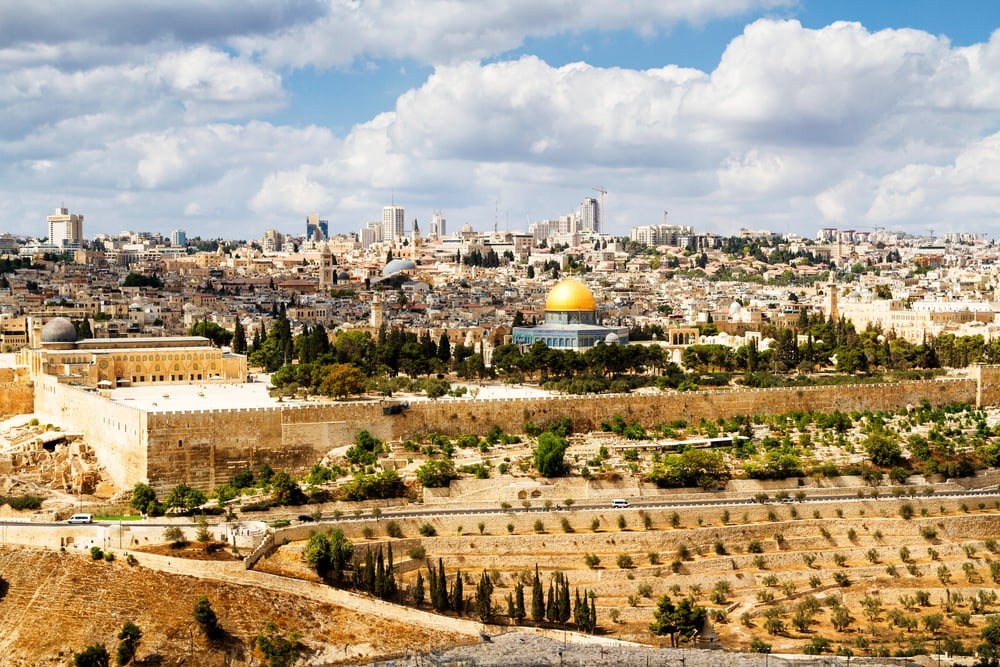
Titus’s siege of Jerusalem in 70 AD ended with the destruction of the Second Temple and the dispersal of the Jewish population in what would become known as the Diaspora. The siege lasted five months and was marked by famine so severe that the Jewish historian Josephus recorded instances of cannibalism within the walls.
The city was systematically demolished, and the Roman army plundered the Temple’s contents — including the Menorah, depicted on the Arch of Titus in Rome. The physical and spiritual loss of Jerusalem and the Temple defined Jewish religious and cultural life for the following two millennia.
Thessalonica, Byzantine Empire — 8 Years, 1422–1430
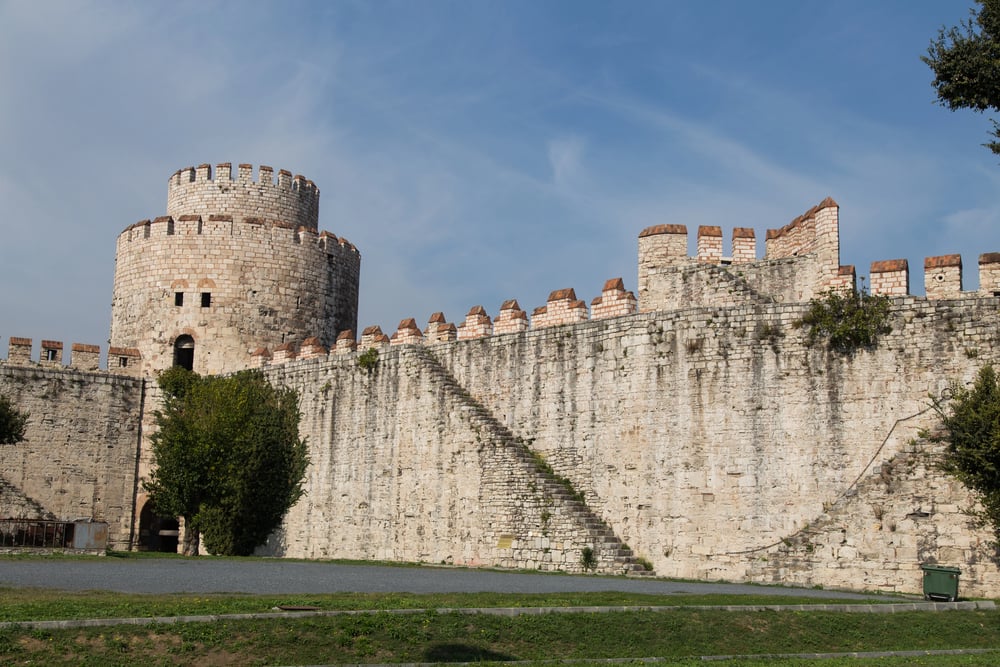
When the Byzantine Palaiologoi dynasty attempted to foment trouble within the Ottoman Empire, Sultan Murad II besieged Thessalonica. The Byzantines, unable to hold it themselves, transferred the city to Venice, whose garrison managed to hold on for eight years before starvation and internal unrest made the position untenable.
The city fell in 1430, and the population was subjected to three days of pillage. Thessalonica would remain under Ottoman control for nearly 500 years, until 1912, and the physical fabric of the city — its mosques, its converted churches — bears the marks of that transition.
Troy, Anatolia — Approximately 10 Years (c. 1200 BC, Traditional)
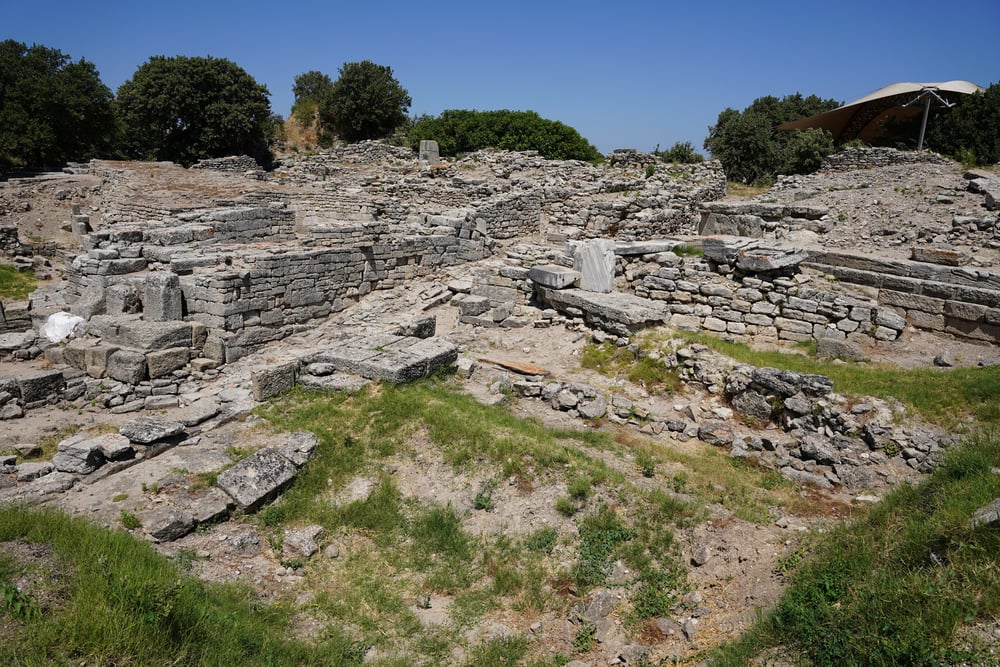
Homer’s account of the Trojan War, in which a Greek coalition besieged the city of Troy for ten years, remains one of the most culturally formative siege narratives in Western literature. Whether a conflict of this duration and character occurred is historically uncertain, though archaeological excavations at Hisarlik in modern Turkey have confirmed a city destroyed by fire around the late Bronze Age period.
What is not in doubt is that the siege’s cultural legacy — the Trojan Horse as a metaphor, the patience of the besiegers, the tragedy of the besieged — has shaped literature, strategy, and diplomacy across three thousand years.
Gibraltar — Phase One and Ongoing From 1779
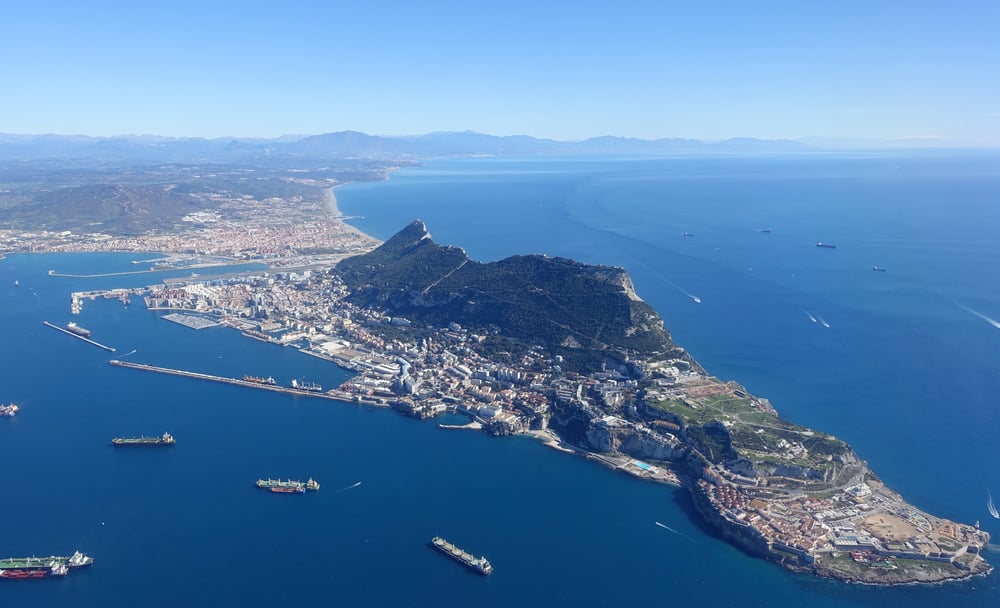
The Great Siege of Gibraltar lasted from 1779 to 1783, when Spanish and French forces attempted to take the British-held Rock. The garrison, under General George Elliot, survived by rationing supplies and making creative use of the Rock’s geography.
After three years and seven months of siege, the attackers withdrew. Britain’s retention of Gibraltar established what became a permanent geopolitical anomaly on the southern tip of Spain — one that remains an active point of diplomatic contention between Britain and Spain more than two centuries later.
Rhodes, Knights Hospitaller — 6 Months, 1522
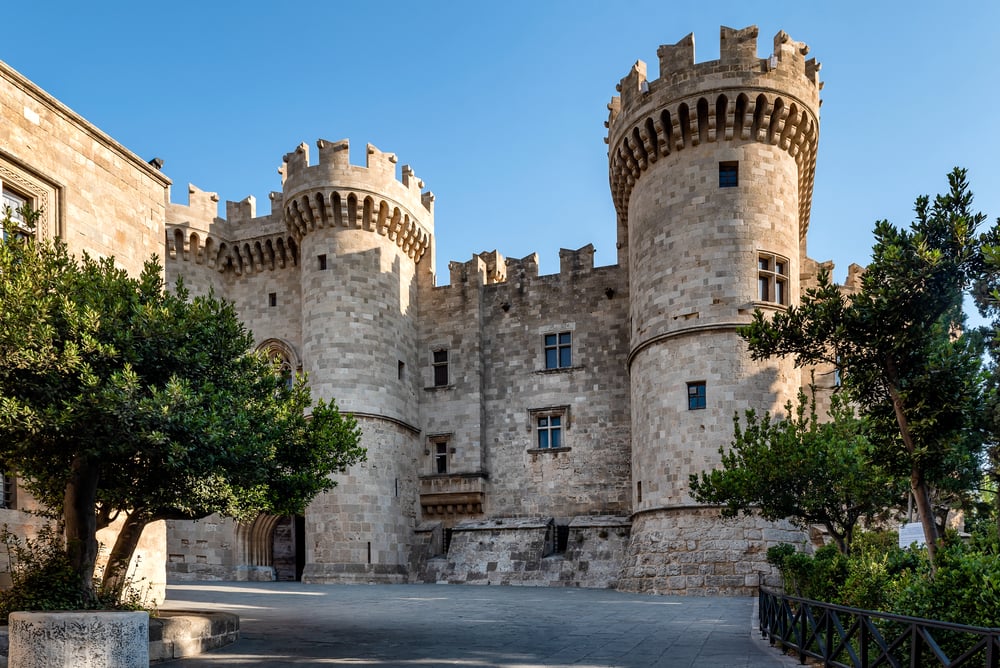
Suleiman the Magnificent personally led the Ottoman siege of Rhodes in 1522, deploying an army of roughly 100,000 against a defending garrison of a few thousand Knights Hospitaller and their Greek allies. The Knights held for six months before negotiating a surrender under honorable terms — they were permitted to leave with their weapons, their archives, and their population.
They eventually settled in Malta, where they rebuffed another Ottoman siege in 1565. The loss of Rhodes gave the Ottomans control of the eastern Mediterranean and set up the eventual showdown at Lepanto in 1571.
Malta — 4 Months, 1565
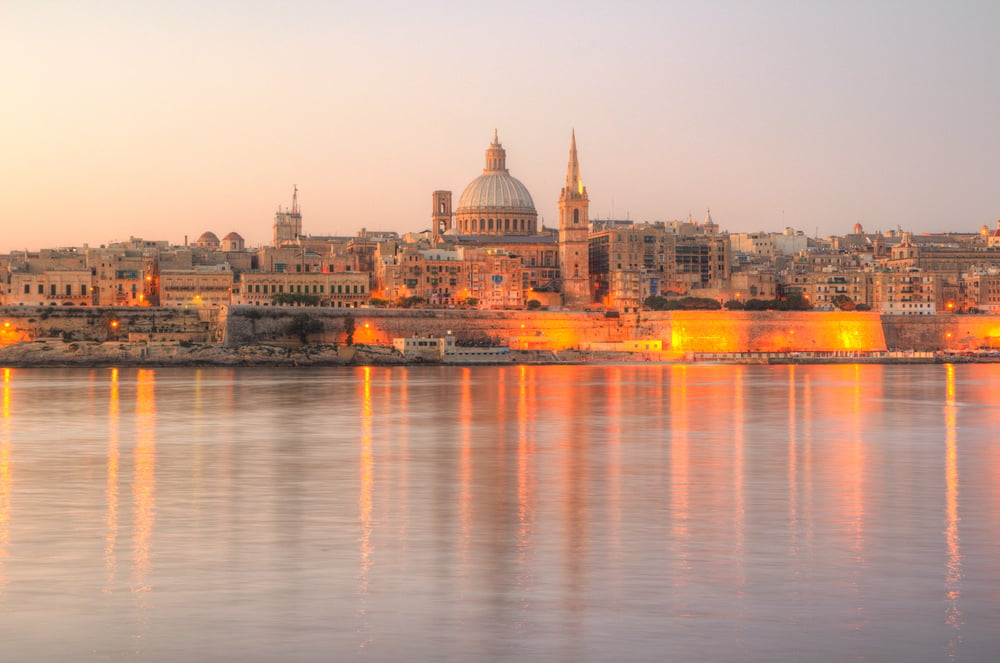
The Great Siege of Malta pitted the Ottoman Empire against the Knights of St. John in one of the defining engagements of 16th-century warfare. The Ottoman force of roughly 40,000 faced fewer than 9,000 defenders, but the Knights held for four months until a Spanish relief force arrived from Sicily.
The significance of the siege extended beyond the island: the Ottoman failure at Malta, following decades of apparently unstoppable expansion, was the first major reversal of their westward advance and was celebrated across Europe as a signal that Ottoman expansion was not inevitable.
Philadelphia (Alaşehir), Anatolia — 12 Years, 1378–1390
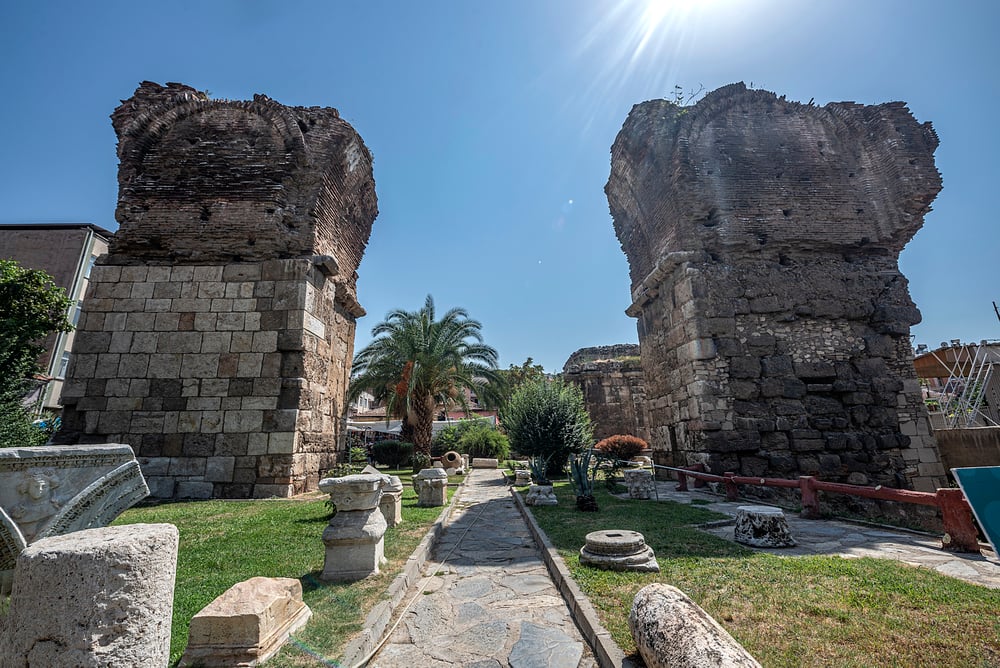
The city of Philadelphia in western Anatolia — not the American one, but the Byzantine-era settlement in what is now Turkey — held out against Ottoman besiegers for twelve years under the rule of the Knights Hospitaller. The Byzantine Emperor John V Palaiologos had offered to trade it to the Ottomans in exchange for military assistance against his rivals, without consulting the city’s residents.
The city defended itself for more than a decade independently, making it one of the last remaining Christian outposts in Asia Minor. It fell in 1390, and the site is now the Turkish city of Alaşehir.
Harlech Castle, Wales — 7 Years, 1461–1468
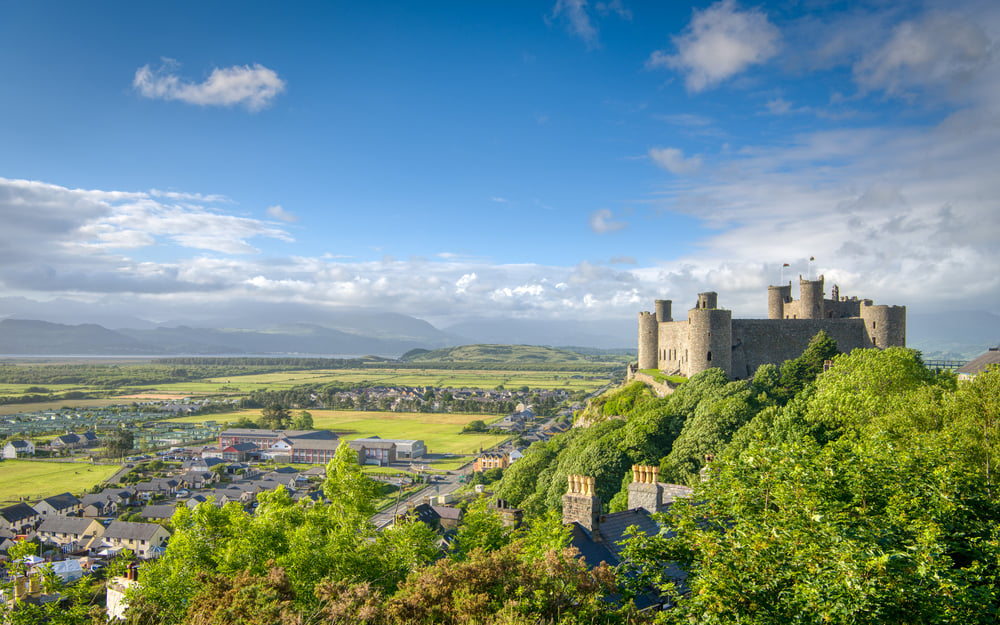
The Yorkist siege of Harlech Castle during the Wars of the Roses lasted seven years, making it the longest siege in British history. The Lancastrian garrison, receiving occasional supplies by sea from Scotland and Ireland, refused to surrender despite being wholly cut off by land.
Harlech’s persistence became the subject of the Welsh folksong “Men of Harlech,” which has been sung and adapted across five centuries. The castle itself, still standing on its promontory on the Welsh coast, now a UNESCO World Heritage Site, owes a significant part of its cultural status to those seven years of obstinate resistance.
Ikkō-Ikki Fortresses, Japan — 11 Years, 1570–1580
The warlord Oda Nobunaga spent eleven years reducing the network of fortifications held by the Ikkō-ikki, a Buddhist warrior-monk confederation centered on the Ishiyama Honganji complex in modern Osaka. The confrontation was less a single siege than a decade-long campaign against a distributed religious military network.
When the Ikkō-ikki finally capitulated in 1580, the agreement required them to vacate the Honganji. The site where that complex stood later became Osaka Castle — built by Toyotomi Hideyoshi — and eventually the modern urban center of Osaka.
Khe Sanh, Vietnam — 77 Days, 1968
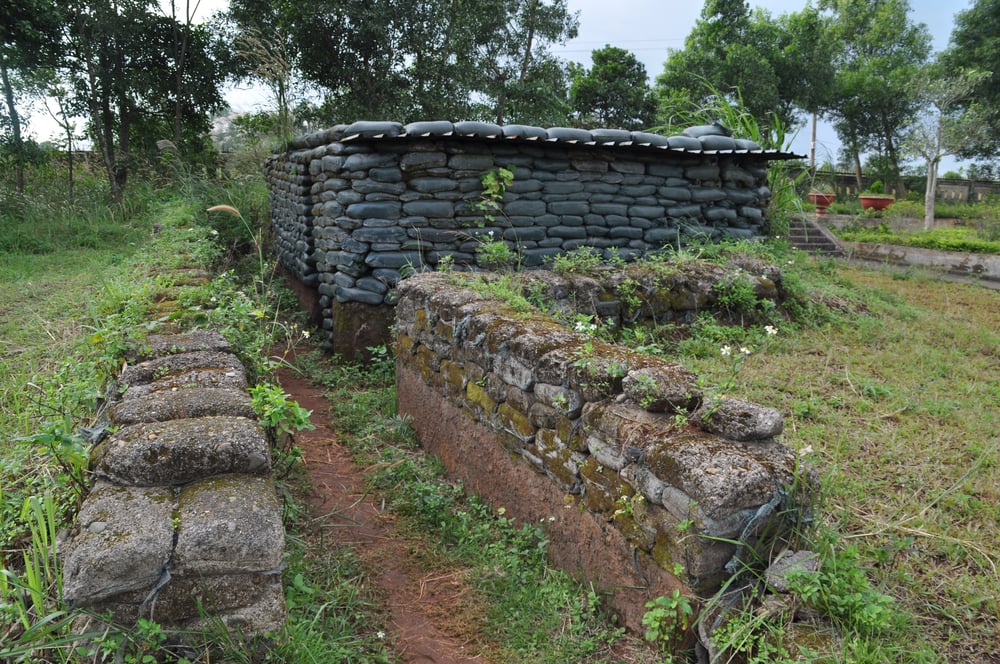
The U.S. Marine base at Khe Sanh in northwestern South Vietnam was besieged by North Vietnamese forces for 77 days beginning in January 1968, during which Marine and South Vietnamese Army defenders repelled repeated ground assaults while surviving on airdropped supplies. General Westmoreland compared it to Dien Bien Phu; President Johnson kept a scale model of the base in the Situation Room.
The base was relieved in April 1968, but the U.S. then abandoned it three months later — a decision that critics argued rendered the cost of holding it inexplicable. Khe Sanh became a touchstone in American debates about the war’s conduct.
Stalingrad, USSR — 5 Months, 1942–1943
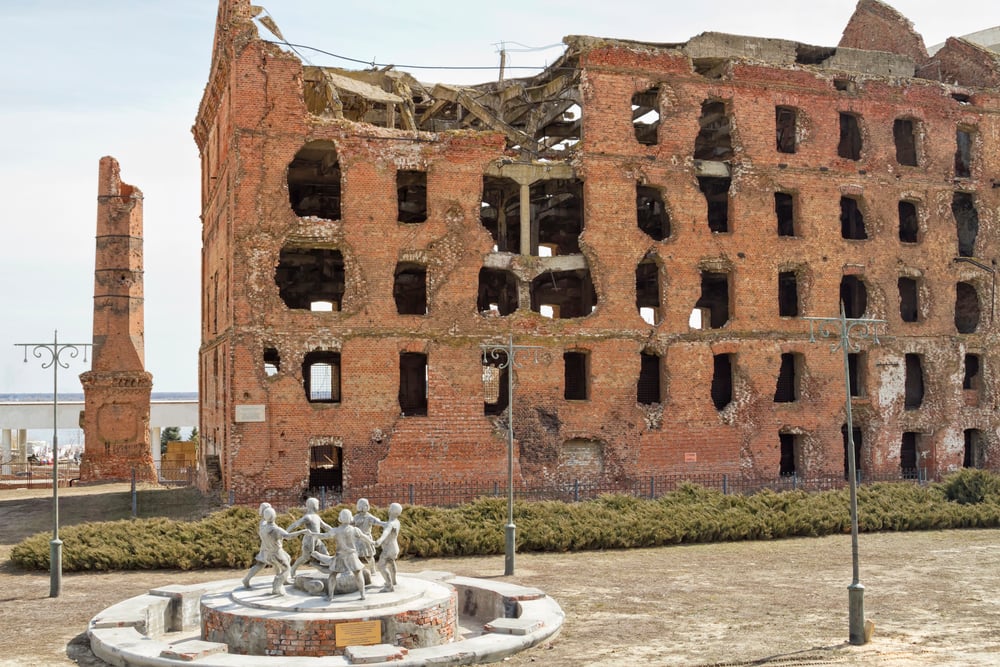
The German assault on Stalingrad turned into a siege in which both sides fought house by house, floor by floor, and sometimes room by room for five months. The city that bore Stalin’s name could not be surrendered politically, regardless of military calculation.
By the time German Field Marshal Paulus surrendered in February 1943 — with 300,000 German soldiers dead and another 91,000 captured — the city had been reduced to rubble. Stalingrad was rebuilt as Volgograd after Stalin’s death, but the physical and psychological weight of the battle permanently altered both the Soviet and German understanding of what the war was and how it would end.
Corfe Castle, England — 9 Months, 1645–1646
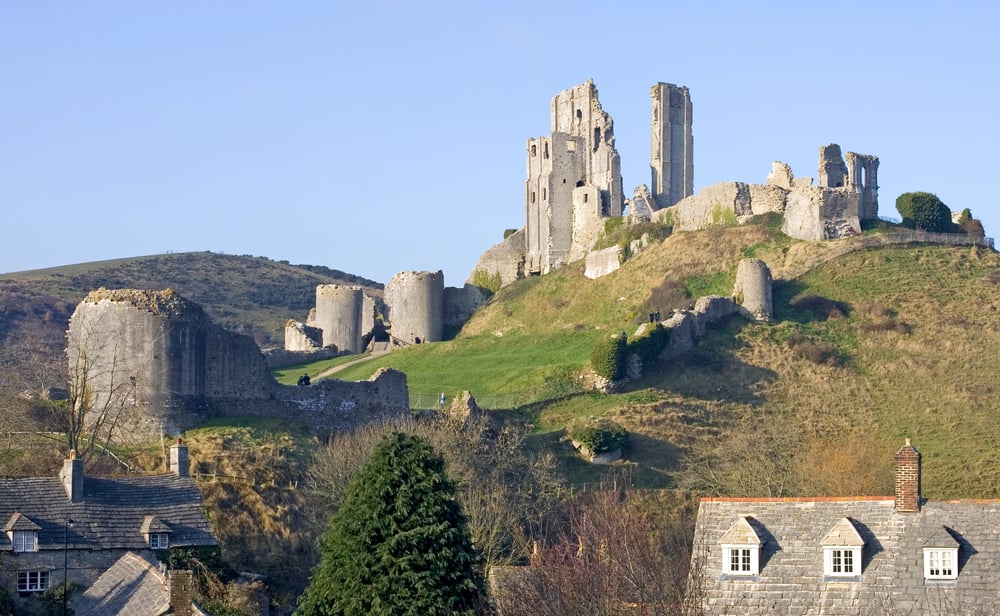
During the English Civil War, Corfe Castle in Dorset was defended for nine months by Lady Mary Banks and a garrison of fewer than eighty men against repeated Parliamentary assaults. Lady Banks commanded the defense herself, with her husband absent in the Royalist army.
The castle finally fell in 1646 through treachery rather than assault, when a Parliamentary officer inside the garrison opened a gate. Parliament ordered Corfe Castle demolished — slighted, in the terminology of the time — and the ruin left standing was deliberate, a visible demonstration of Parliamentary authority. The broken silhouette of Corfe Castle on its hill remains one of the most photographed ruins in England.
Szigetvár, Hungary — 33 Days, 1566
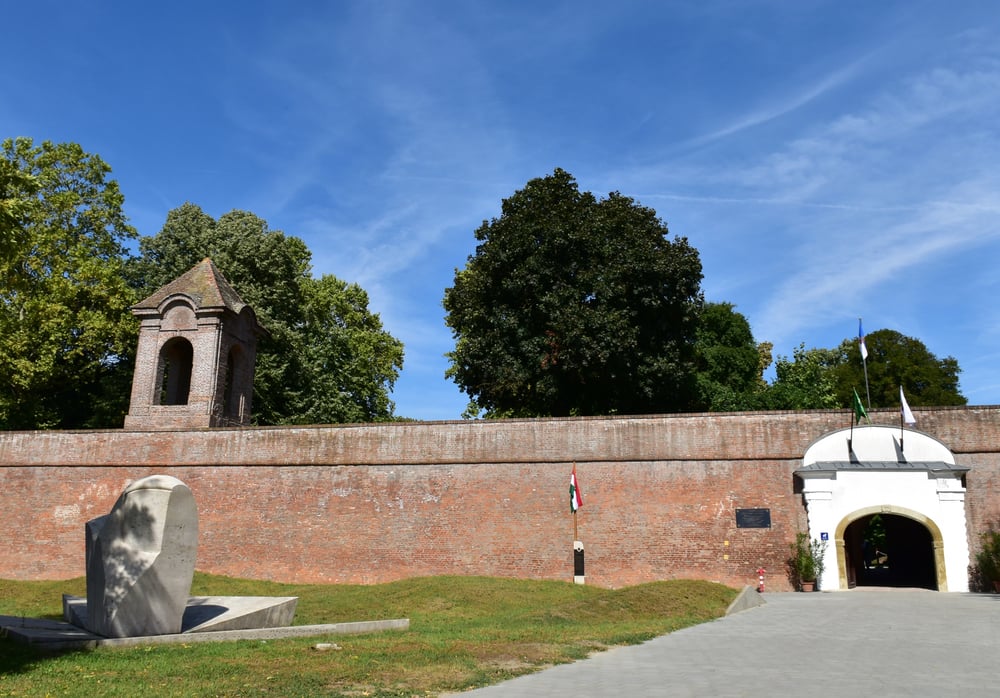
The Ottoman sultan Suleiman the Magnificent besieged the Croatian-Hungarian fortress of Szigetvár with an army of around 100,000 against a garrison of roughly 2,300. The defenders held for thirty-three days under the command of Miklós Zrínyi, buying time for the defense of Vienna.
When the walls were finally breached, Zrínyi led a final charge against the Ottoman lines and was killed. Suleiman himself died of natural causes during the siege, a fact concealed from the army to prevent collapse of morale. The battle is celebrated in Hungarian and Croatian national memory as an act of sacrifice that may have saved central Europe from Ottoman conquest.
Breda, Spanish Netherlands — 10 Months, 1624–1625
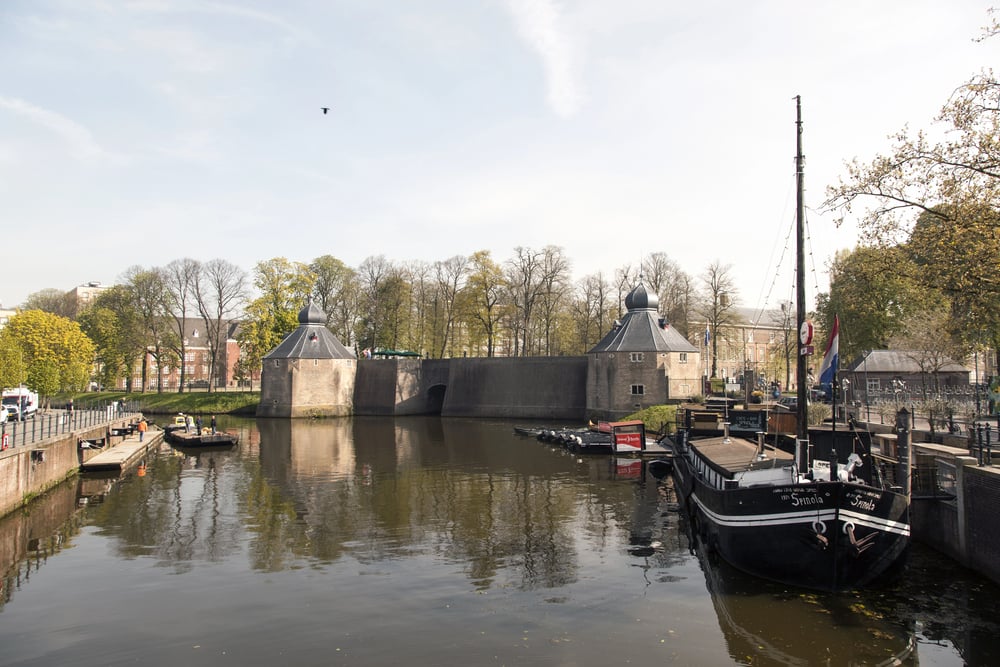
The Spanish siege of Breda in 1624–1625, during the Eighty Years’ War, produced one of the most famous paintings in Western art: Diego Velázquez’s “Las Lanzas” (The Surrender of Breda), which depicts the Spanish commander receiving the keys of the city with what contemporaries read as chivalrous magnanimity. The siege lasted ten months, and the city surrendered in June 1625.
The Velázquez painting turned the event into a template for honorable warfare — a depiction of victory that emphasized dignity over domination, which itself became a kind of cultural artifact from the siege.
Vienna, Habsburg Empire — 2 Months, 1683
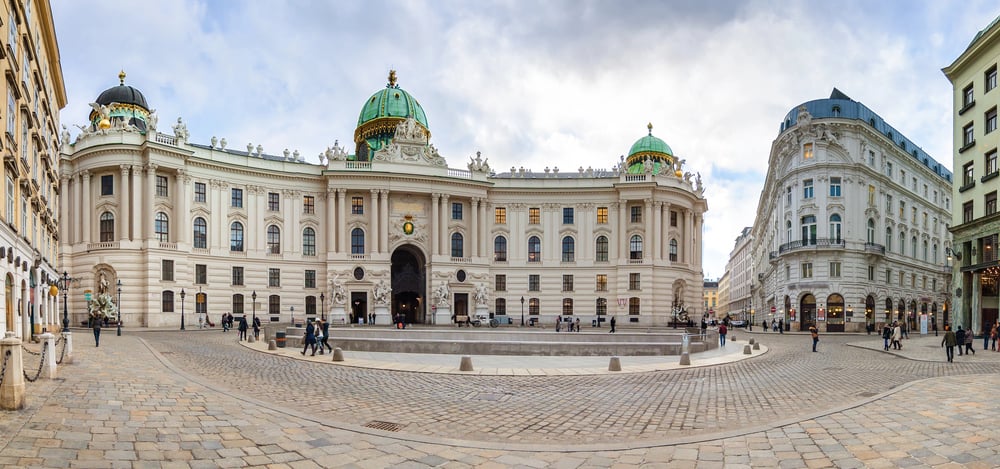
The second Ottoman siege of Vienna lasted two months and ended when a relief army — Polish, Austrian, and German — arrived and shattered the besieging force at the Battle of Vienna on September 12, 1683. The Ottoman failure at Vienna is generally considered the beginning of the Ottoman Empire’s westward retreat.
The Viennese bakers who reportedly worked through the night to provide bread for the celebrating population allegedly sold crescent-shaped pastries — kipferl — to mark the defeat of the Ottoman crescent, a story that may or may not have given the croissant its shape, though food historians are skeptical.
The Siege of Münster — 16 Months, 1534–1535
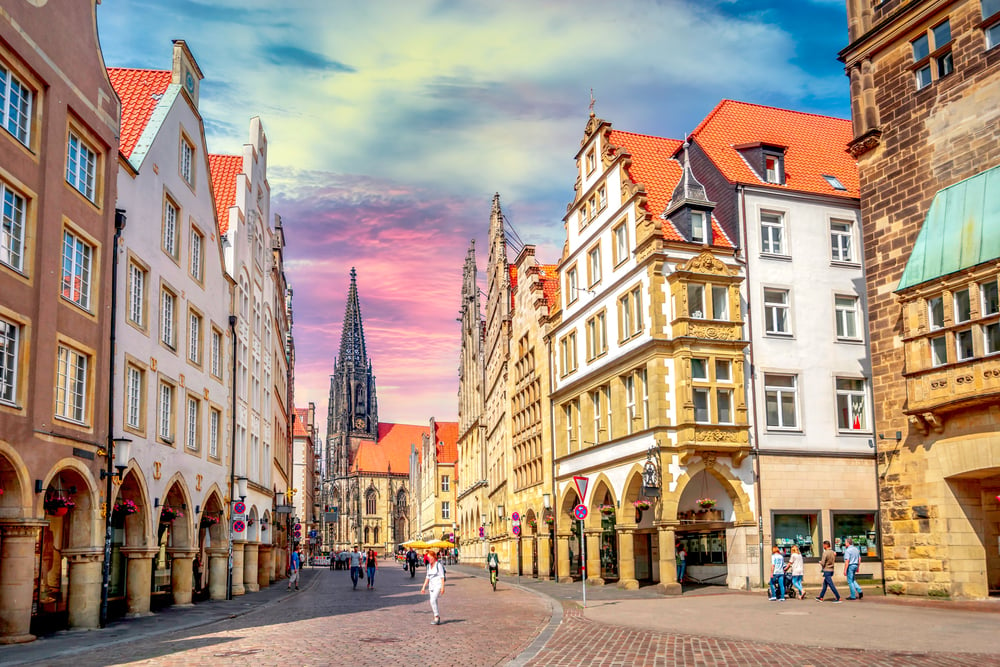
The Anabaptist radicals who seized control of the city of Münster in 1534 established a utopian theocratic state inside the walls while Prince-Bishop Franz von Waldeck besieged them from outside. The city became increasingly extreme under siege conditions, with polygamy decreed and dissent punishable by death.
After sixteen months, the city fell, and the three principal Anabaptist leaders — Jan van Leiden, Bernd Knipperdolling, and Bernd Krechting — were publicly tortured to death with red-hot irons. Their bodies were displayed in iron cages hung from the steeple of St. Lambert’s Church; the three cages remain there today.
When Walls Define Centuries
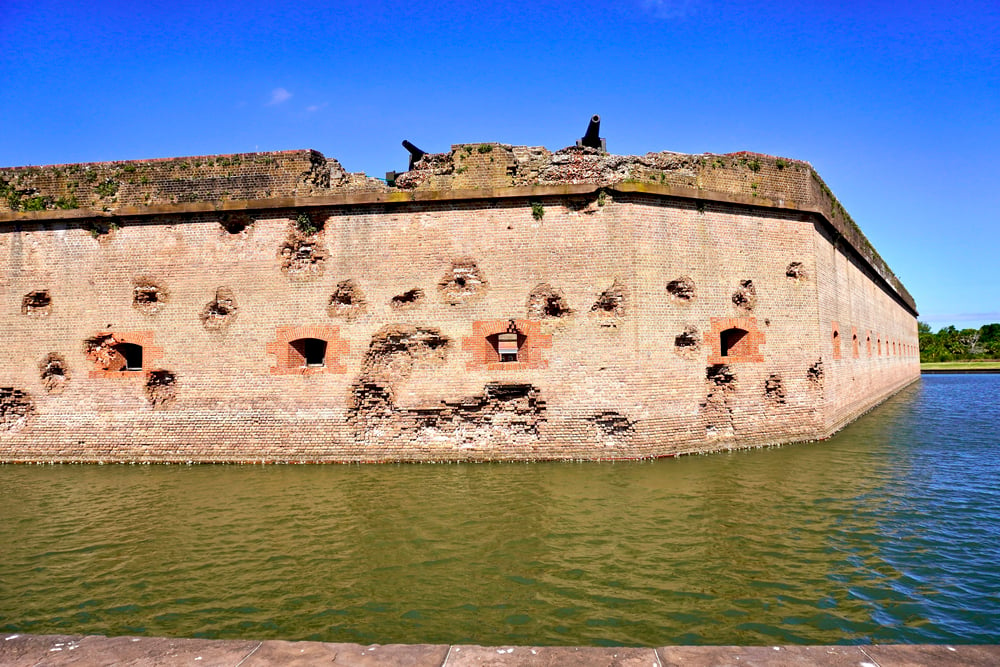
A siege that lasts long enough stops being a military event and becomes something more like a condition of existence. The people inside adapt: they grow food in courtyards, they dismantle furniture for fuel, they develop social hierarchies around the management of scarcity.
The city that emerges — if it does emerge — carries that adaptation in its architecture, its communal memory, and sometimes in the literal shape of its streets and buildings.
What these twenty-seven cases share is the stubborn fact that time itself becomes the decisive weapon. The besiegers wait for the city to exhaust itself.
The city waits for relief that may or may not come. And when it’s finally over — by surrender, by breach, by starvation, or occasionally by negotiated departure — the city that existed before the siege is gone. What remains is something rebuilt on the same ground, carrying the same name, but permanently marked by what it survived.
More from Go2Tutors!

- The Romanov Crown Jewels and Their Tragic Fate
- 13 Historical Mysteries That Science Still Can’t Solve
- Famous Hoaxes That Fooled the World for Years
- 15 Child Stars with Tragic Adult Lives
- 16 Famous Jewelry Pieces in History
Like Go2Tutors’s content? Follow us on MSN.