The Role Of US Boardwalks In Shaping Coastal Towns
From early wooden planks to today’s lively walkways, boardwalks have played a big role in the story of coastal towns across the United States. These long stretches by the water started as a simple way to keep sand out of hotel lobbies, but they turned into much more.
You don’t need to live near the ocean to feel the pull of a boardwalk. Just one visit can show how these walkways have shaped the people, the businesses, and the culture around them.
Ocean City’s clean start
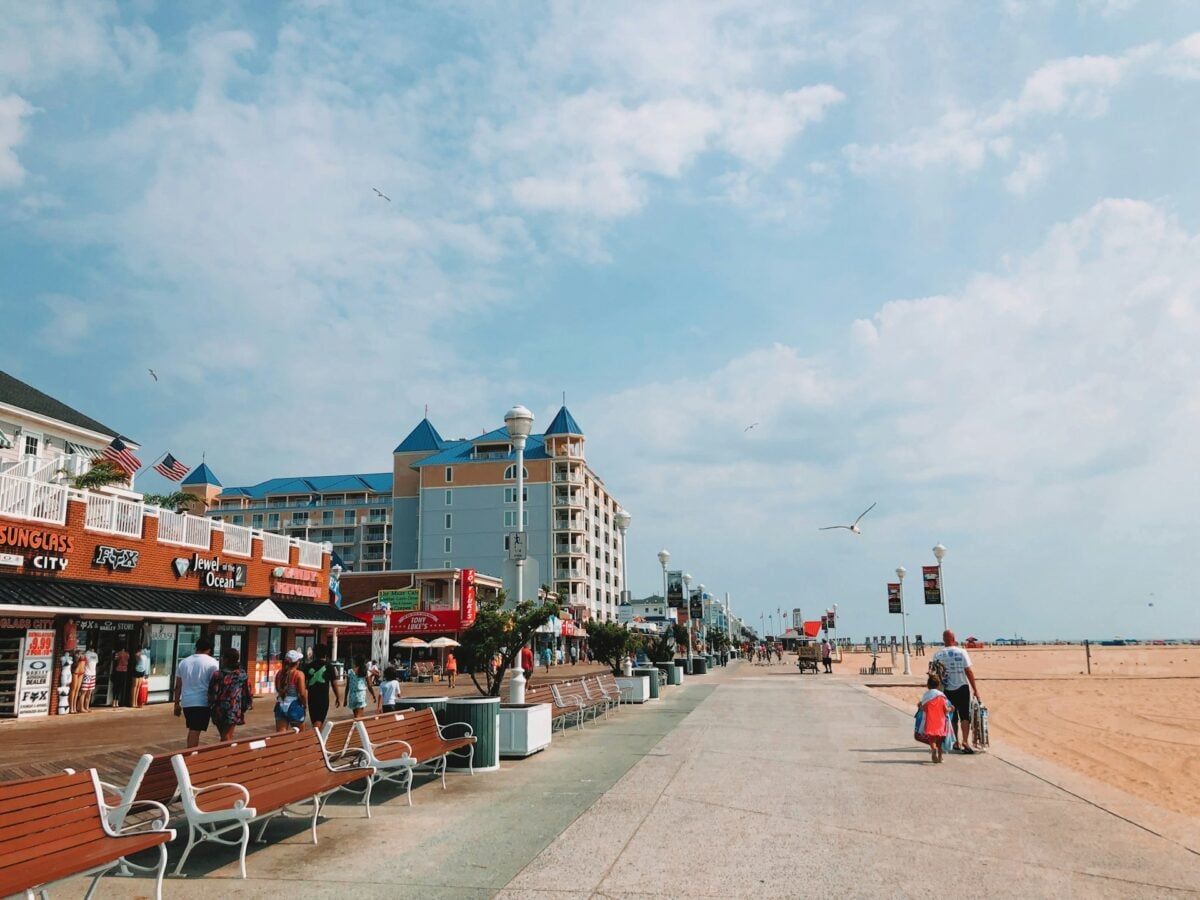
To make the beach more hospitable, Ocean City, Maryland, first constructed a boardwalk in the early 1900s. Visitors could walk along the walkway without getting sandy feet because hotels lined it.
It contributed to the transformation of a sleepy seaside town into a well-liked family destination. During the tourist season, the boardwalk kept businesses busy and made it easier to explore the town.
Atlantic City’s early rise
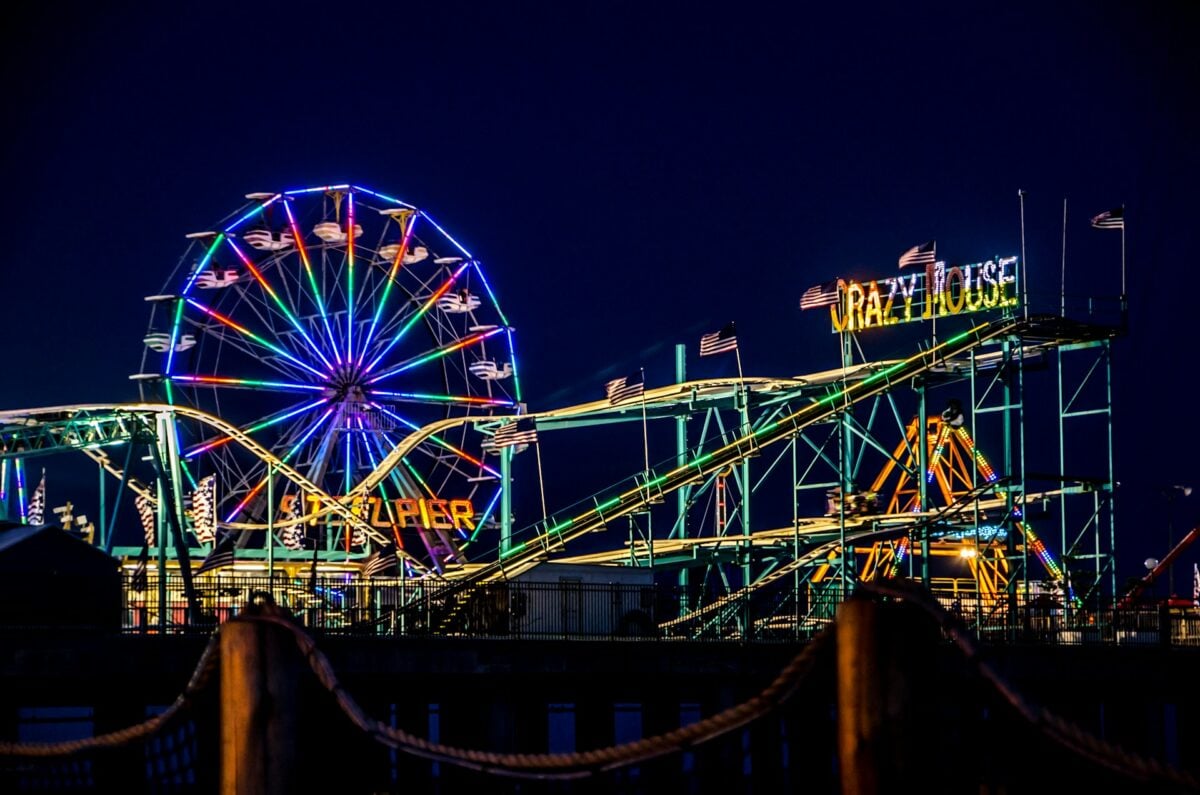
In 1870, Atlantic City, New Jersey, constructed the nation’s first permanent boardwalk. Its objective was straightforward: prevent beachgoers from carrying sand into upscale hotels.
It wasn’t simple for long, though. The town became a popular tourist destination thanks to the boardwalk’s ability to draw in stores, eateries, entertainment venues, and live performances.
Like Go2Tutors’s content? Follow us on MSN.
Santa Cruz’s west coast flavor
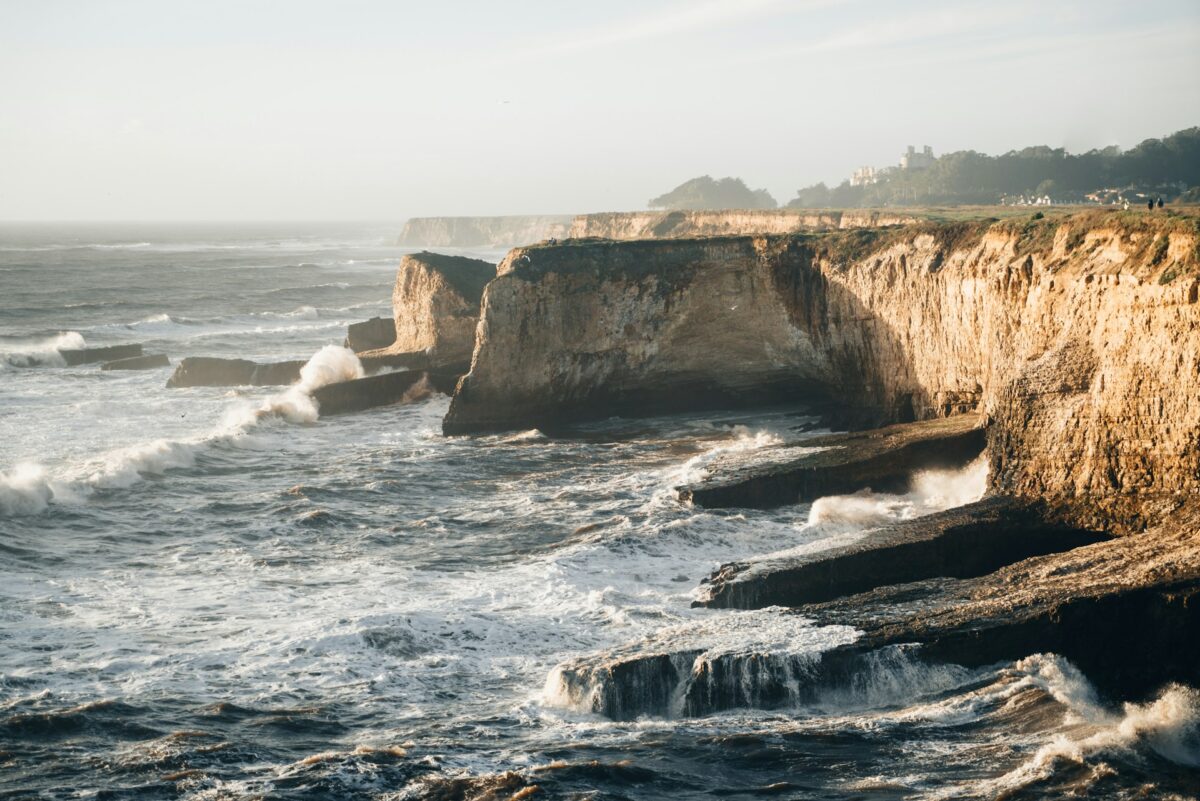
In California, the Santa Cruz Beach Boardwalk gave the West Coast its own version of seaside fun. Built in 1907, it offered more than a view.
It added rides, food stands, and live music, all near the water. This setup brought more people to town and kept them coming back each summer.
Creating space for everyone
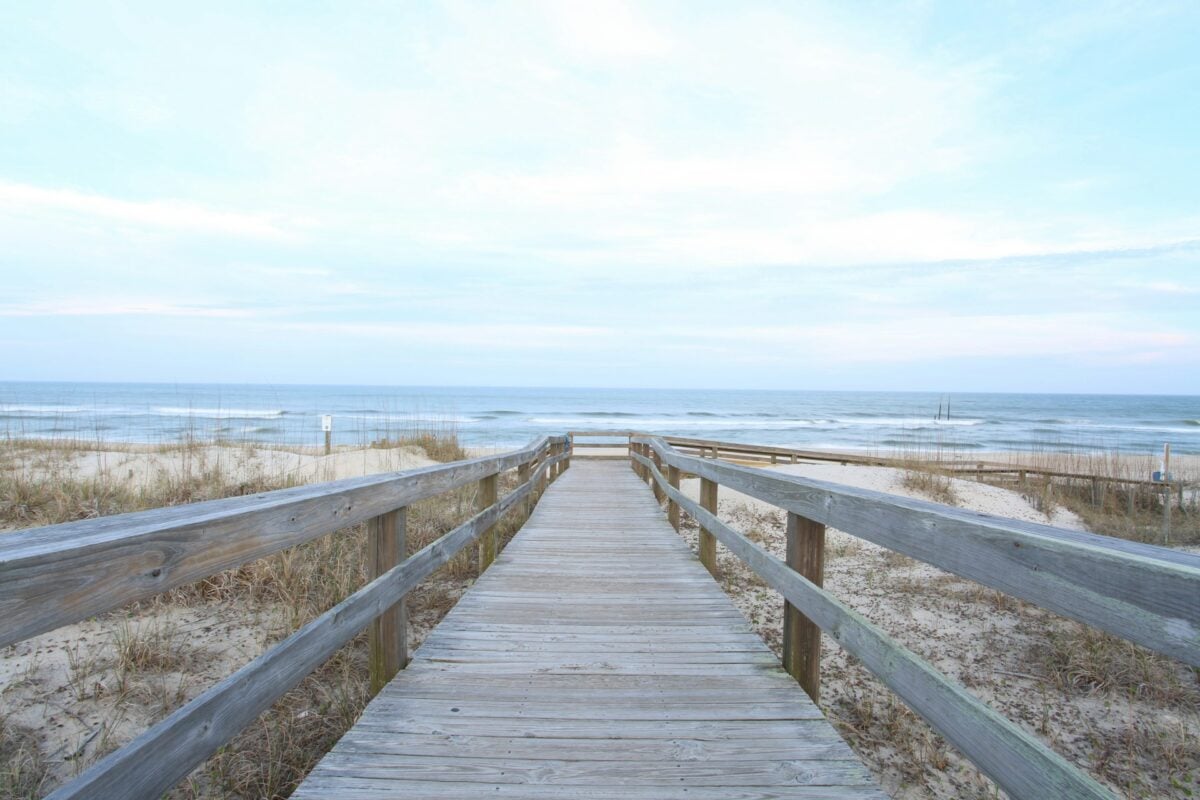
Boardwalks made coastal towns feel open and easy to access. People from all backgrounds could come, walk, and enjoy the view without needing a ticket.
This helped build a sense of community. It also brought more foot traffic, which helped shops and food stands thrive.
Summer jobs and small businesses
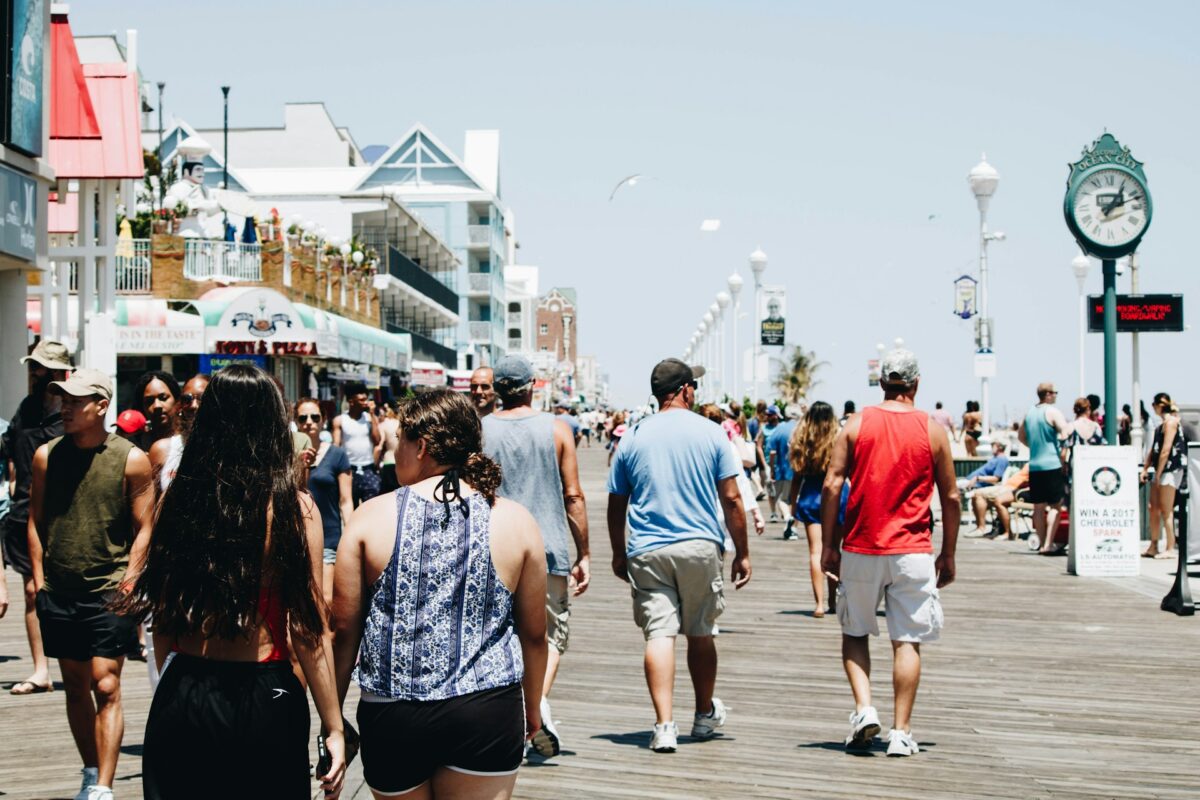
The growth of boardwalks created jobs that didn’t exist before. Teens found summer work at ice cream stands, and families opened small stores that sold souvenirs and snacks.
These seasonal jobs helped young people gain experience and allowed local families to build income. In many towns, a business that started as a small boardwalk booth later became a permanent fixture.
Like Go2Tutors’s content? Follow us on MSN.
Entertainment hubs on the water

Live music, puppet shows, street performers—boardwalks gave them a stage. With crowds walking by, entertainers had a built-in audience.
This helped local talent grow and gave tourists one more reason to stay longer. It also turned simple beach towns into places known for music and fun.
A place for evening walks
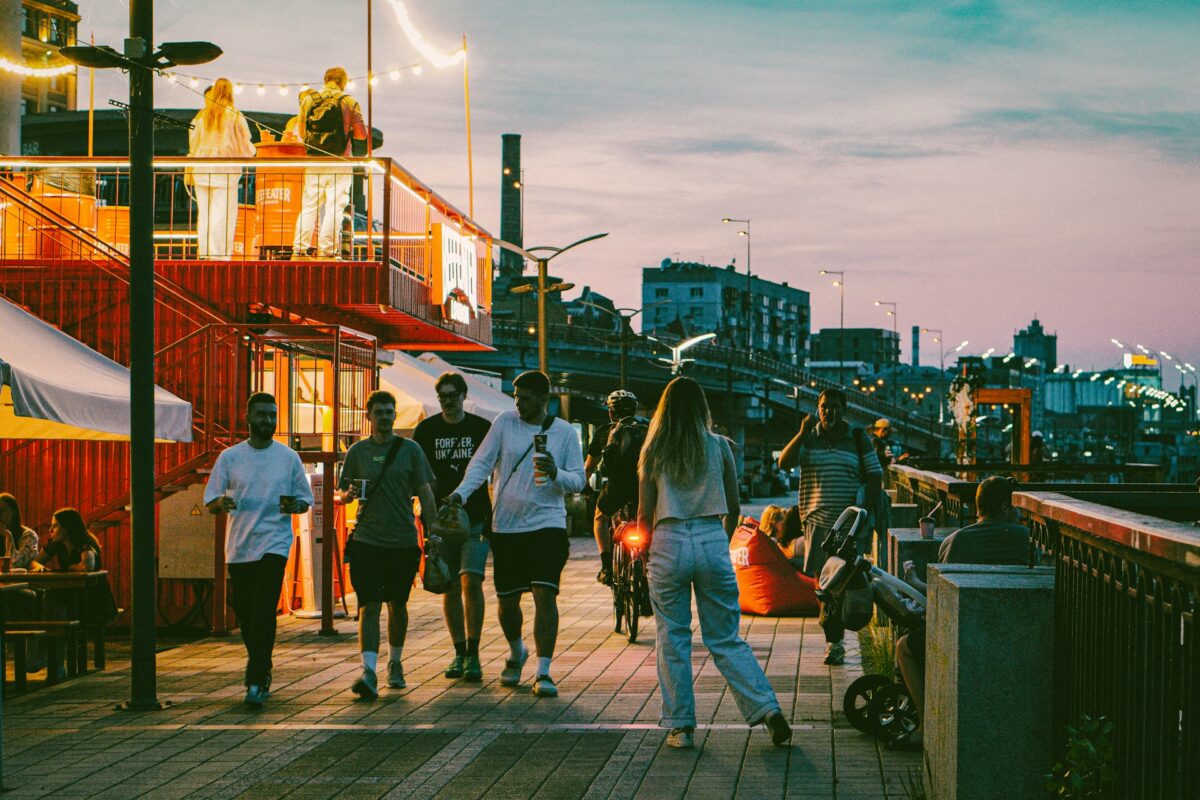
For many people, walking the boardwalk at sunset became a daily habit. Couples, families, and older folks enjoyed the fresh air, light breeze, and ocean sounds.
This simple activity helped improve mental health and gave people a chance to connect. Towns that maintained clean, safe walkways became known for being welcoming and relaxing.
Protecting dunes and nature
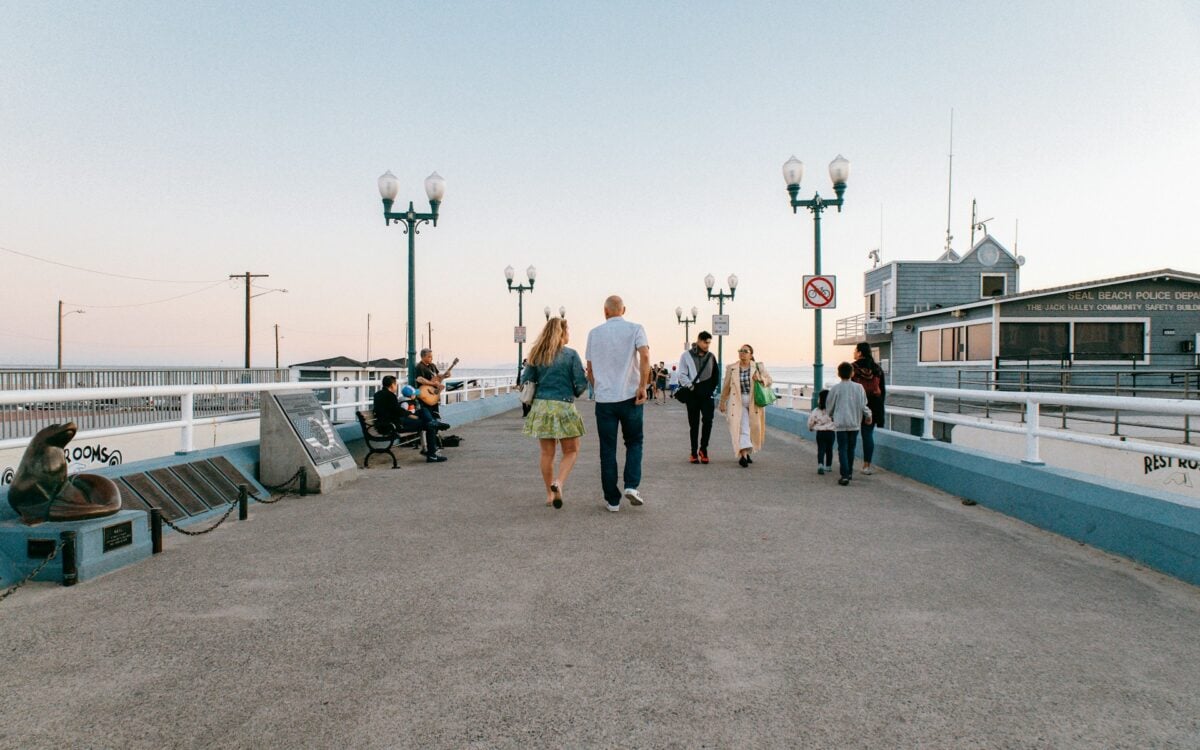
Boardwalks weren’t just built for fun. They also helped protect sand dunes and coastal plants from being trampled.
By giving people a clear path, towns could guide foot traffic away from fragile areas. This small change helped save local wildlife and slowed beach erosion.
Like Go2Tutors’s content? Follow us on MSN.
Hurricane damage and rebuilds
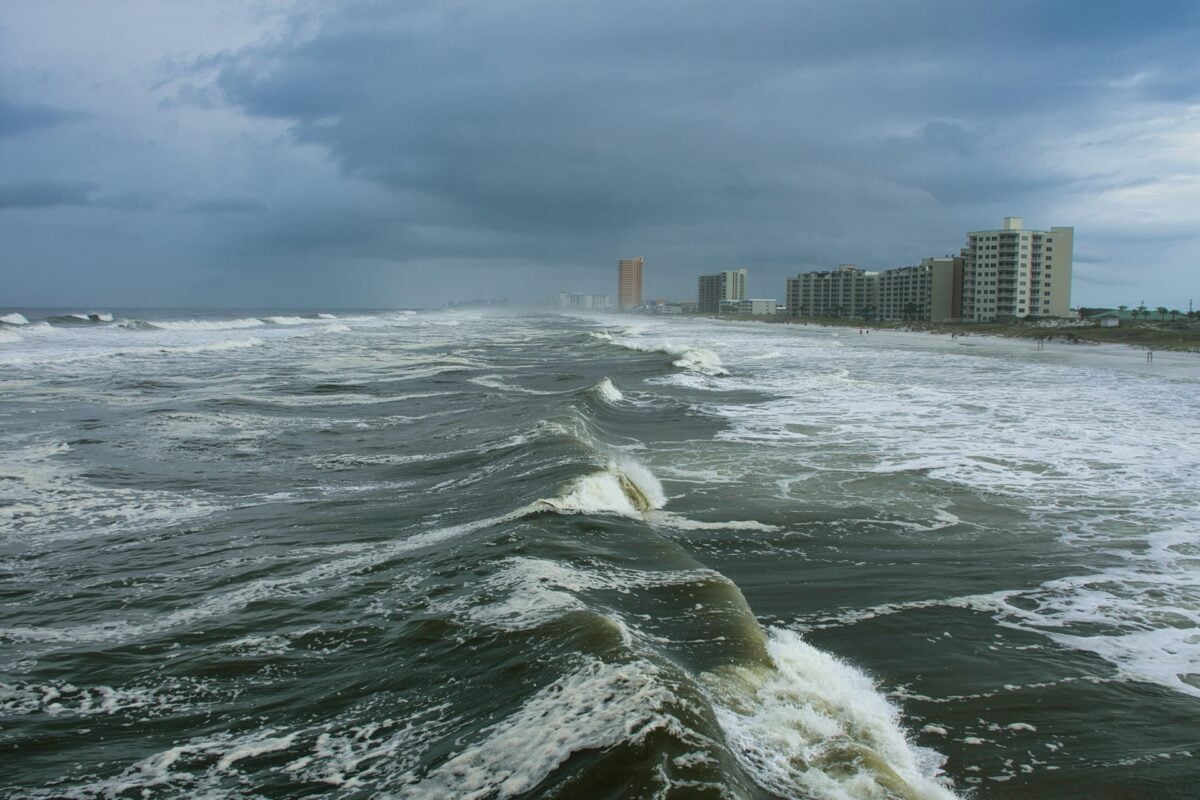
Many boardwalks faced heavy damage during hurricanes or big storms. But towns often chose to rebuild, showing how important these walkways had become.
After Hurricane Sandy in 2012, places like Seaside Heights and Belmar worked quickly to fix their boardwalks. These rebuilds brought jobs, hope, and visitors back.
Growing tourism
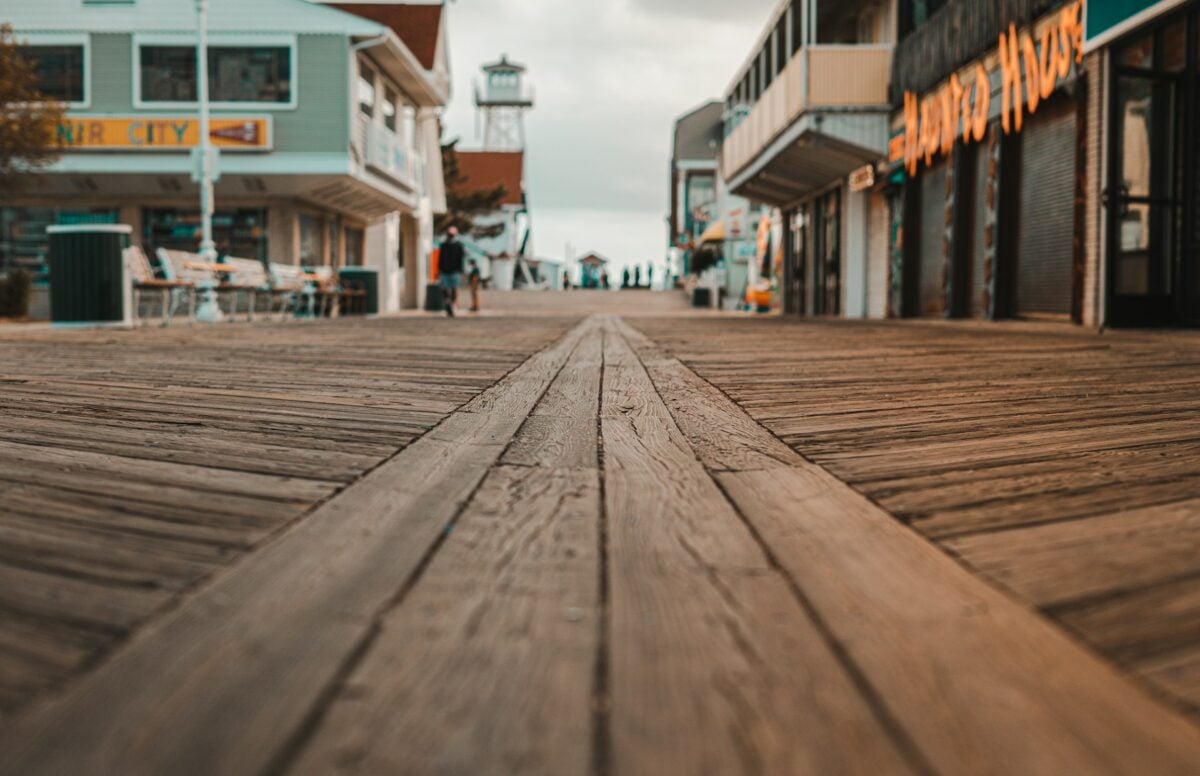
The charm of a good boardwalk helped small coastal towns draw big crowds. Visitors came not just for the beach, but for the whole experience—the shops, the games, the food, and the sounds.
With more tourists, local hotels, diners, and stores earned more, helping the town’s economy grow. Some towns even changed their whole identity around the boardwalk experience.
Setting the mood with food
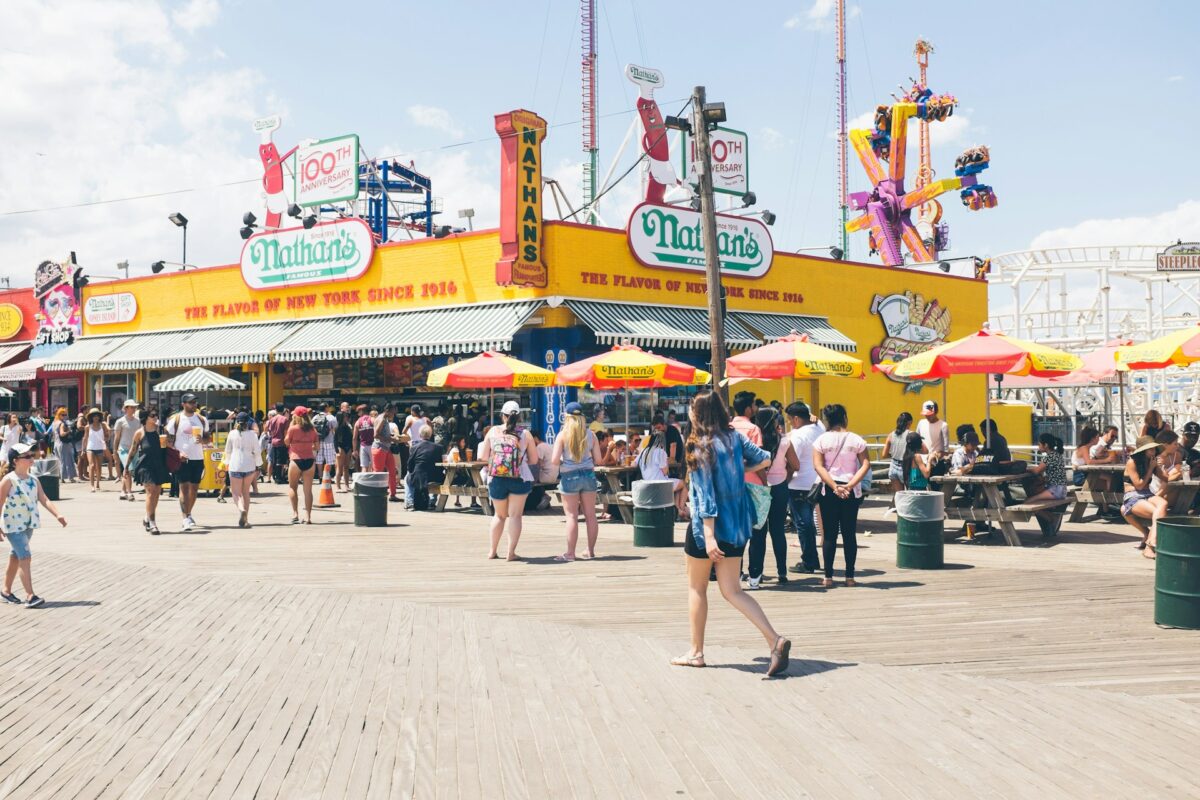
From fried dough to saltwater pastry, boardwalk food helped create strong memories. These simple treats brought comfort and joy, and people often came back year after year just for their favorites.
Food stands also gave small food businesses a place to start without huge costs. In many towns, food became part of the story, thanks to the boardwalk.
Like Go2Tutors’s content? Follow us on MSN.
Cultural hotspots
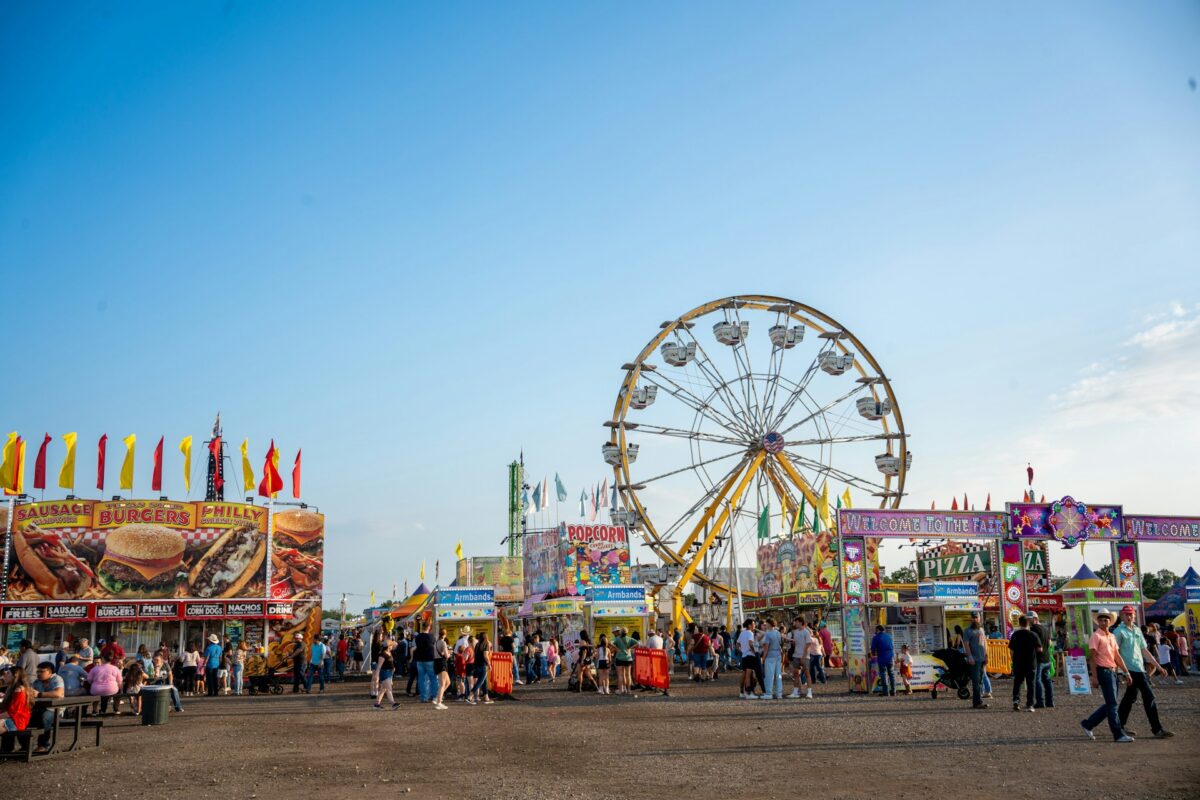
Some boardwalks became known for more than just fun. They reflected local art, music, and customs.
Events like outdoor movie nights, art shows, or craft fairs gave space for local voices to shine. Tourists got a deeper look at the town’s personality.
Keeping traditions alive
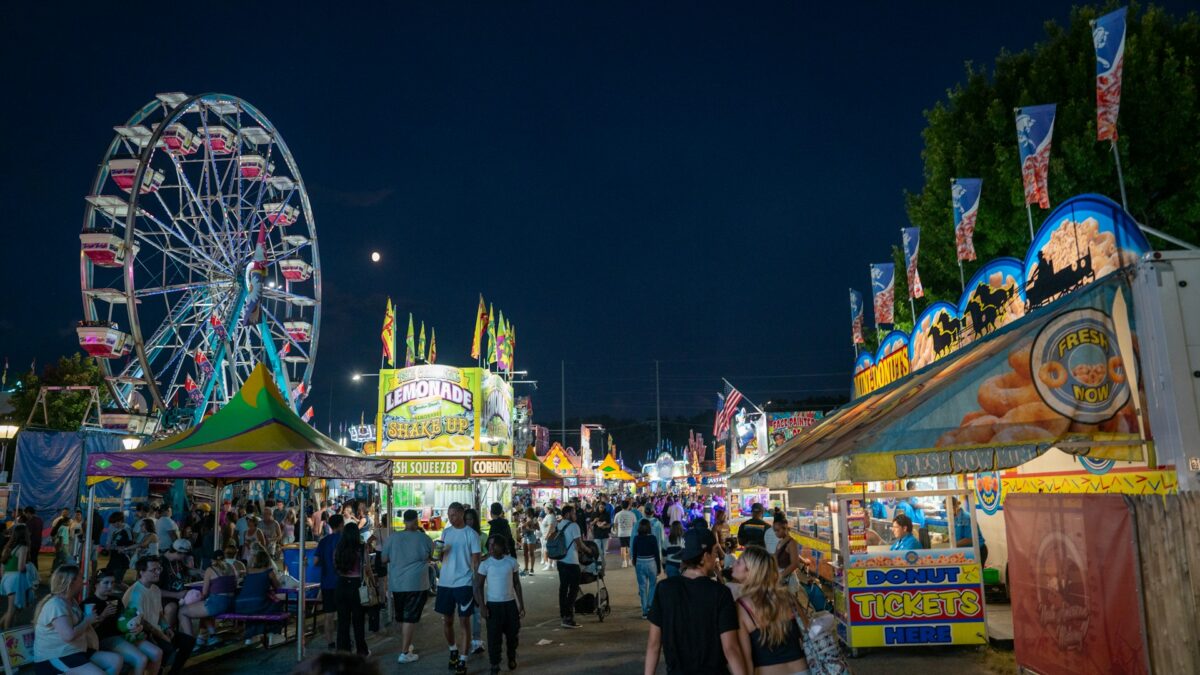
Boardwalks helped keep family traditions going. Many people returned to the same spot each year, often with kids or grandkids.
This helped businesses stay steady and allowed towns to plan for seasonal needs. It also turned a beach trip into something deeper—a memory passed down through generations.
A draw for artists
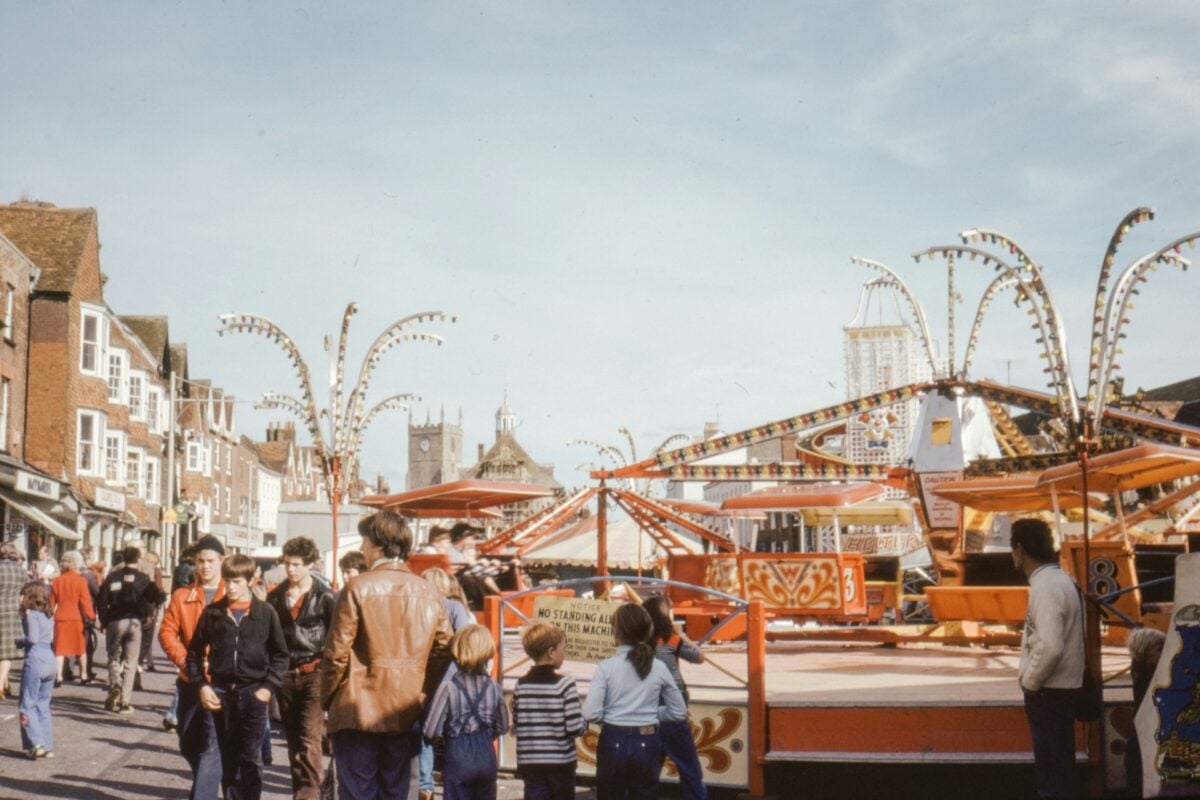
Boardwalks often inspired painters, photographers, and writers. The mix of people, light, and sound gave them something fresh to explore.
Many towns supported this by holding art markets or music nights. In return, artists helped bring even more visitors.
Like Go2Tutors’s content? Follow us on MSN.
Shifting with the seasons
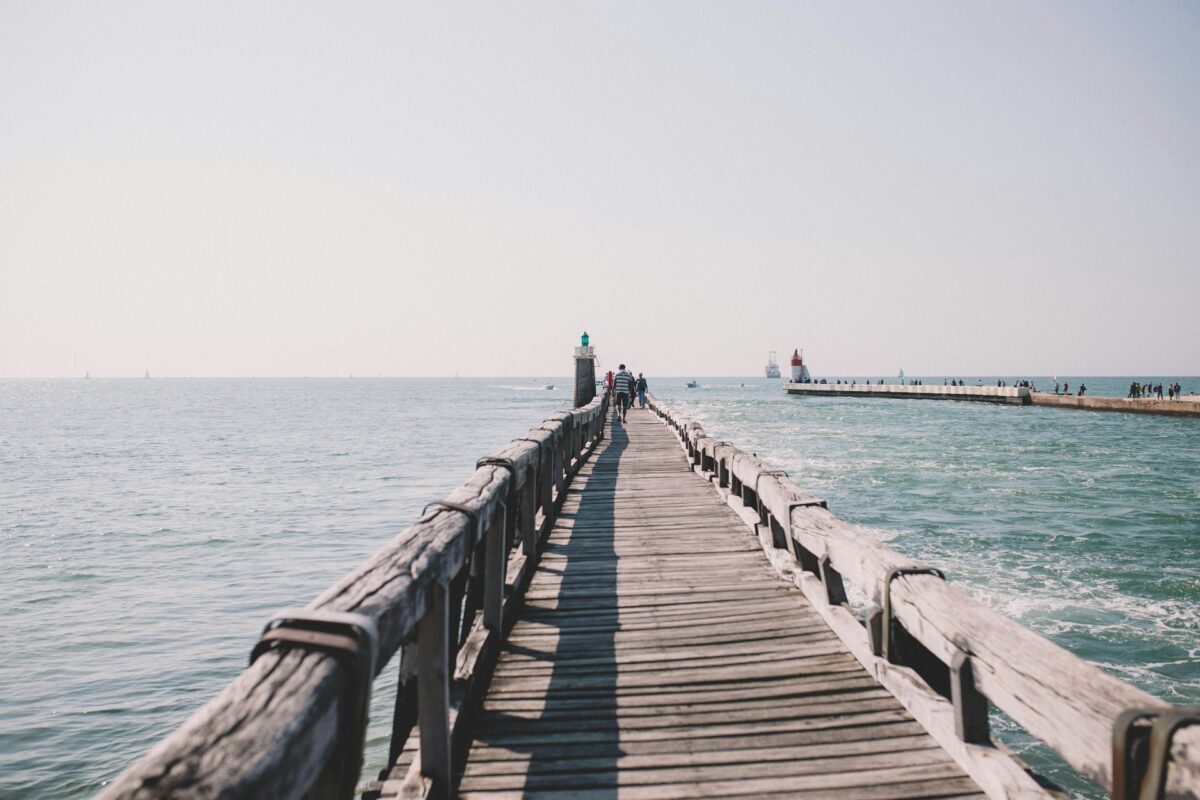
Boardwalks changed with the weather. In summer, they were packed with noise and energy. In fall and winter, they became quiet and peaceful. Some shops closed, but many towns kept a few open to serve locals.
Helping with safety and planning
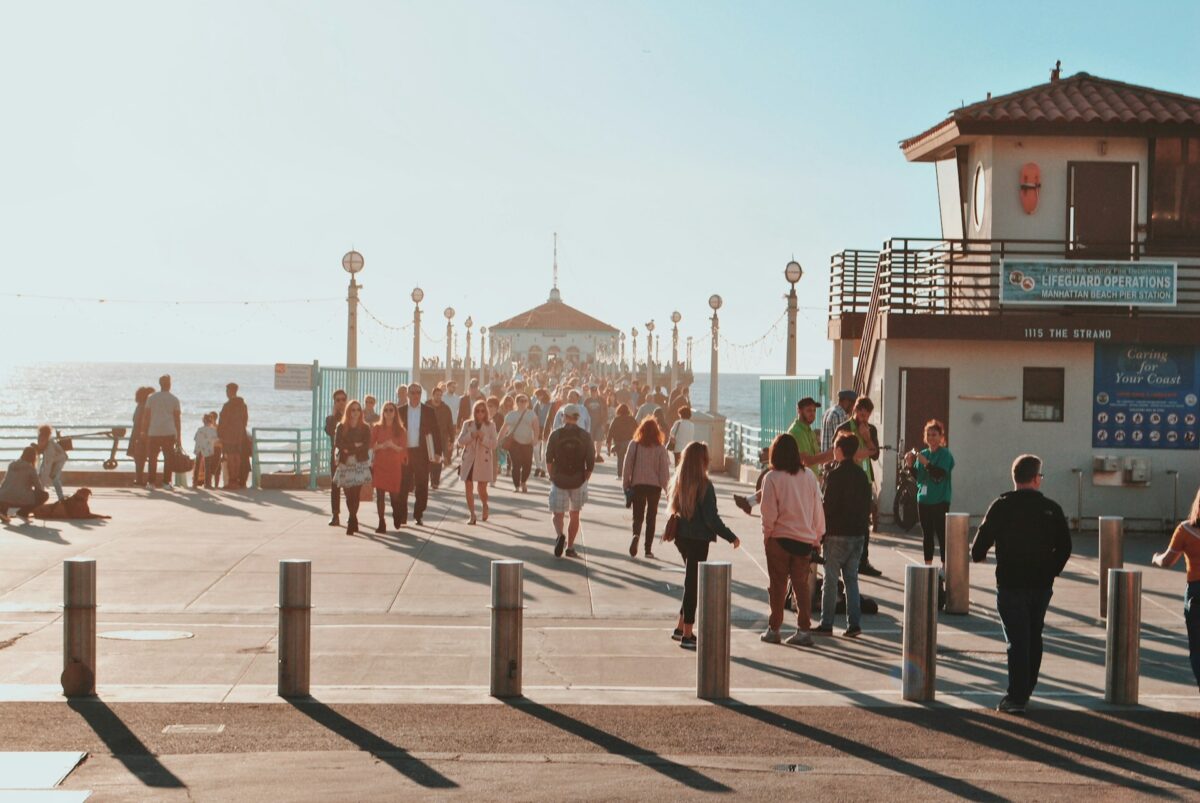
A clear path made it easier for towns to plan events, control crowds, and provide quick help when needed. Police, medics, and staff could move quickly in emergencies.
The boardwalk became more than a fun walkway—it was part of the town’s safety plan. This made visitors feel more secure during busy times.
More than planks and ocean air
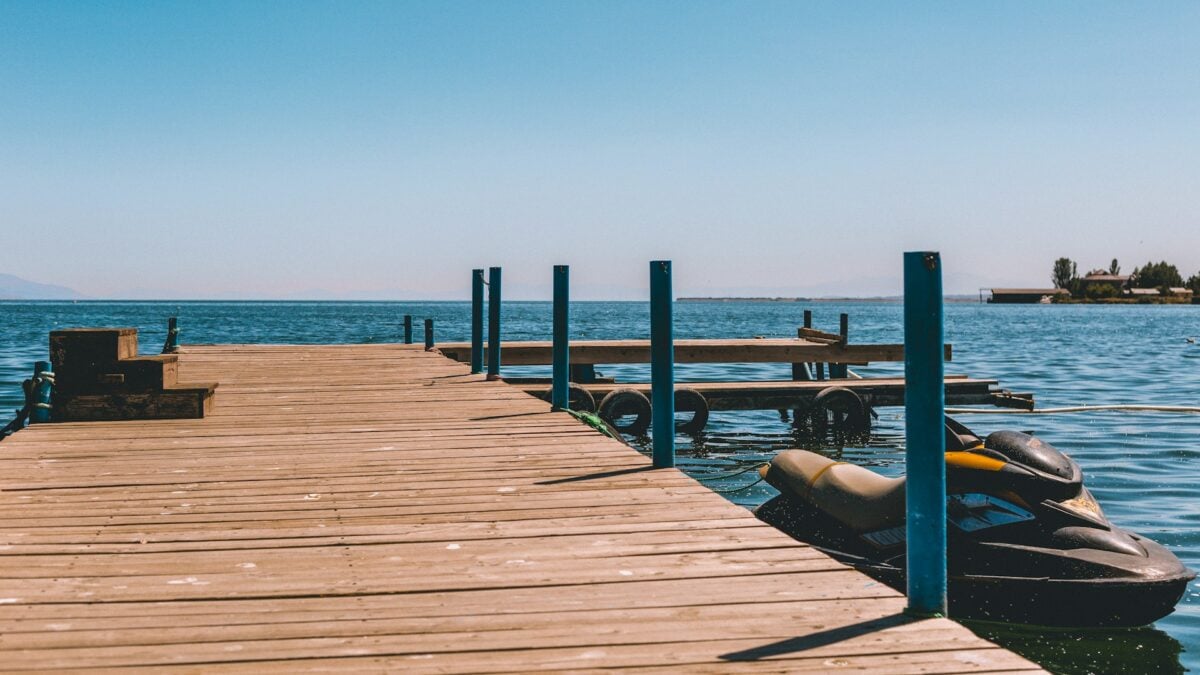
From busy summers to quiet winter days, boardwalks have stayed close to the story of each town they touch. They helped small towns grow, brought people together, and gave communities a place to shine.
While some things have changed, the draw of these seaside walkways remains strong. It’s not just about the rides or the food—it’s about the feeling people carry home.
More from Go2Tutors!

- 16 Historical Figures Who Were Nothing Like You Think
- 12 Things Sold in the 80s That Are Now Illegal
- 15 VHS Tapes That Could Be Worth Thousands
- 17 Historical “What Ifs” That Would Have Changed Everything
- 18 TV Shows That Vanished Without a Finale
Like Go2Tutors’s content? Follow us on MSN.