28 Battles Where the Losing Side Was Betrayed by Its Own Allies
Every military defeat has a story the defeated side tells itself. Sometimes it’s about being outnumbered, outmaneuvered, or simply unlucky.
But a particular subset of military disasters carries a darker explanation — one that points not at the enemy across the field, but at the men who were supposed to be standing beside you. Betrayal on the battlefield is as old as organized warfare, and it has a way of collapsing armies that nothing else can touch.
The reasons vary enormously: political rivalry, bribery, wounded pride, calculated survival, or the cold mathematics of switching to what looks like the winning side. What they share is the specific brutality of having your defeat delivered from the inside.
The battles below are cases where the enemy mattered less than the ally who chose, at the worst possible moment, not to fight.
The Battle of Manzikert, 1071
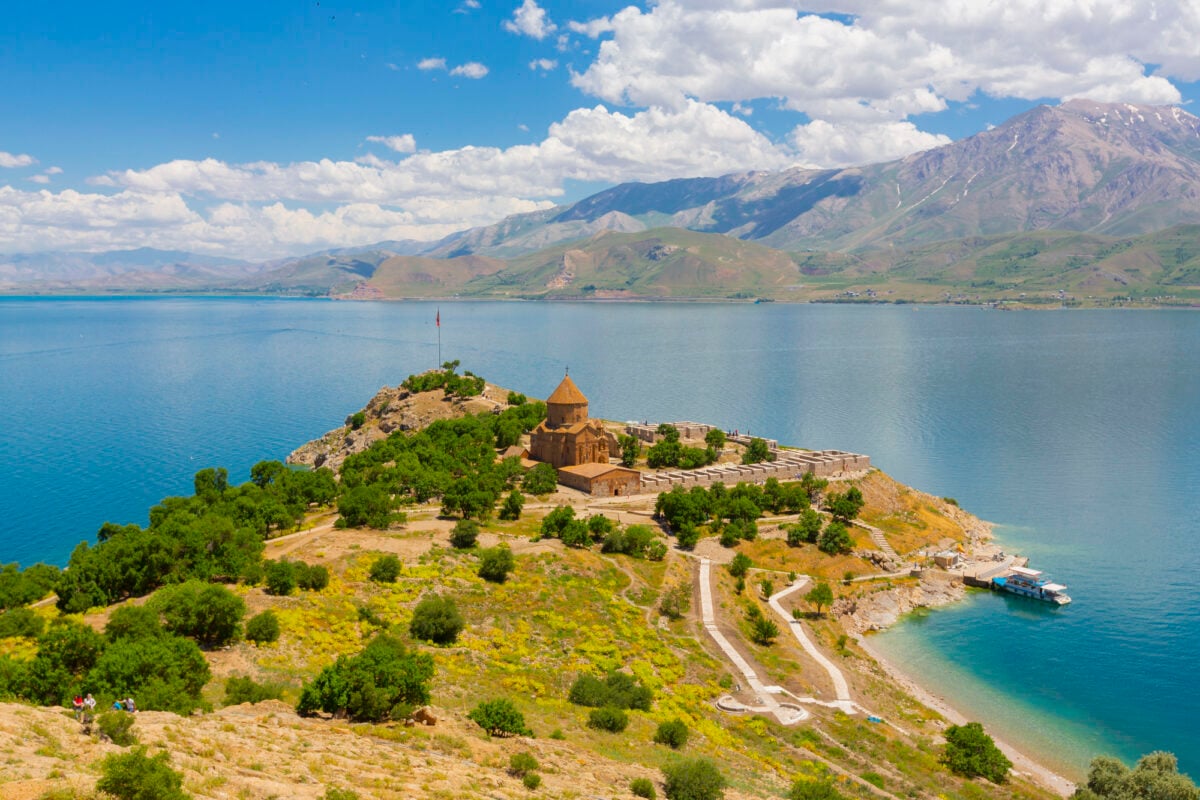
When Byzantine Emperor Romanos IV Diogenes took the field against the Seljuk Sultan Alp Arslan in eastern Anatolia, his army included Turkic mercenaries who defected to the Seljuk side the night before the engagement. During the battle itself, the general Andronikos Doukas — commanding the rear guard and acting out of calculated political hostility toward the emperor — ordered a withdrawal at the moment Romanos needed him most, triggering the collapse that led to the emperor’s capture.
Whether this was treachery or opportunism remains debated, but the result was the permanent loss of Anatolia and the conditions that produced the First Crusade.
The Battle of Plassey, 1757

The British East India Company’s victory over the Nawab of Bengal, Siraj-ud-Daula, was less a battle than a staged collapse. Mir Jafar, the commander of the Nawab’s largest military contingent, had secretly agreed with the British before the fighting began that his forces would not engage.
At Plassey on June 23, 1757, Mir Jafar’s soldiers stood aside while the Nawab’s army was routed. The British rewarded him with the position of Nawab of Bengal.
What the textbooks sometimes underplay is that Mir Jafar’s troops outnumbered the entire British force — the battle’s outcome was decided by negotiation, not combat.
The Battle of Bosworth Field, 1485

Richard III had every reason to be suspicious of the Stanley family going into the final engagement of the Wars of the Roses. Thomas Stanley and William Stanley commanded a combined force of several thousand men and had given the king no firm commitment of loyalty.
During the battle, as Henry Tudor’s forces engaged, the Stanleys waited. Richard reportedly charged directly at Henry Tudor in an attempt to end the battle personally, but the Stanleys finally intervened — on Henry’s side.
Richard III was killed, making him the last English king to die in combat, and Henry VII founded the Tudor dynasty on what was, in part, a betrayal timed to perfection.
The Sicilian Expedition, 415–413 BC

Athens launched its largest military expedition in 415 BC to intervene in Sicily, sending more than 100 ships and around 27,000 men. The mission was already strategically dubious, but its military commander Alcibiades — facing trumped-up charges back in Athens — was recalled mid-voyage.
Instead of returning to face trial, he defected to Sparta and informed the Spartans of the entire Athenian strategy. The intelligence he provided allowed Syracuse and Sparta to prepare defenses and bring in reinforcements.
The expedition ended in complete annihilation: both fleets destroyed, most soldiers killed or enslaved in the quarries of Syracuse.
The Battle of Sekigahara, 1600

The battle that unified Japan under the Tokugawa clan was decided largely by pre-arranged treachery. The night before the engagement, key allies of Ishida Mitsunari — who commanded the Western coalition against Tokugawa Ieyasu — communicated with the Tokugawa forces and agreed to switch sides.
Kobayakawa Hideaki was the most significant defector: when Tokugawa forces reportedly fired on his position to force a decision, he committed his 15,000 men to the Tokugawa cause. The Western coalition collapsed in hours.
Sekigahara is one of the most studied examples in Japanese military history of political allegiance functioning as a more decisive weapon than any army on the field.
The Battle of the Talas River, 751

The Tang Chinese army under Gao Xianzhi met an Abbasid Caliphate force on the banks of the Talas River in Central Asia. The Tang forces included Karluk mercenaries — and mid-battle, the Karluks defected to the Abbasid side, striking the Tang army from the rear.
Sources disagree on whether the Karluks were already Abbasid allies from the beginning or switched during the engagement, but either reading represents a catastrophic failure of allied reliability. The Tang defeat ended Chinese expansion into Central Asia and — in one of history’s stranger knock-on effects — led to the spread of papermaking westward, since Chinese prisoners taken after the battle are credited with introducing the technology to the Islamic world.
The Battle of Thermopylae, 480 BC
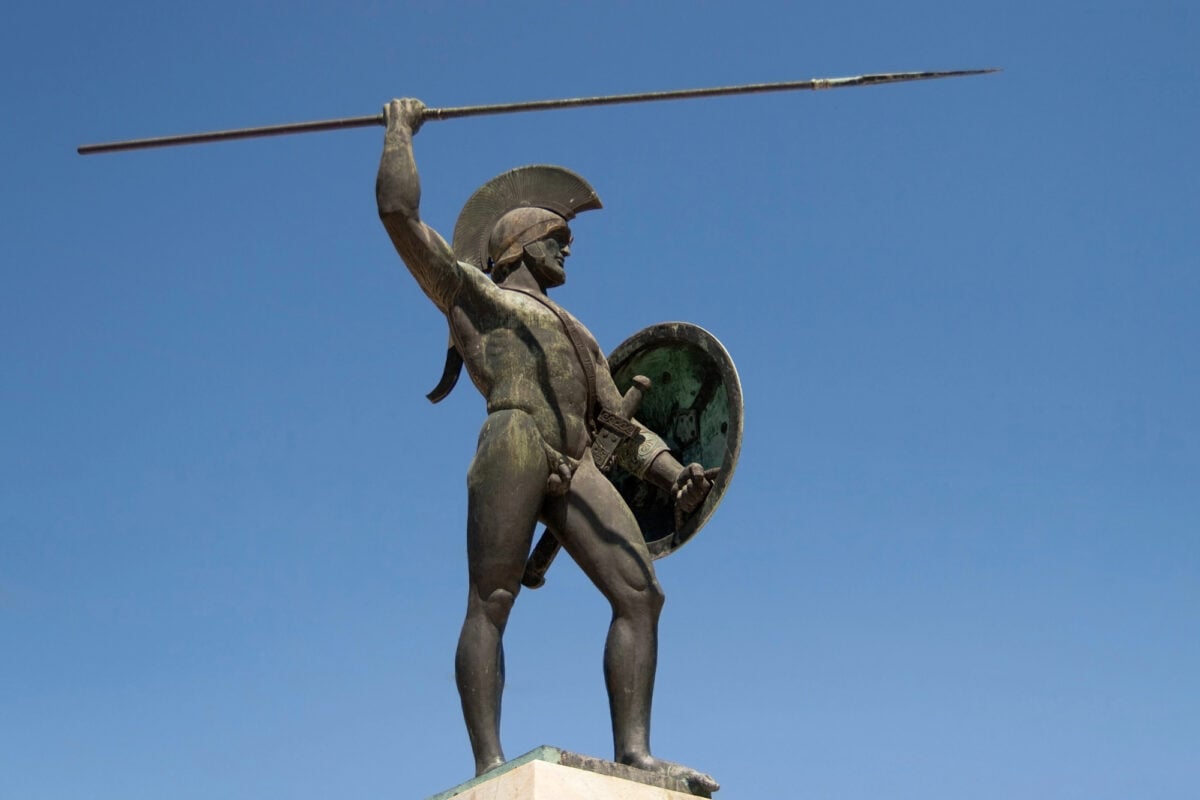
Ephialtes of Malis was a Greek local who revealed to the Persian King Xerxes the existence of a mountain path that bypassed the narrow pass where Leonidas and the Spartans were holding the Persian advance. Whether Ephialtes counts as a betraying ally or simply an opportunist is a matter of definition — he was not a soldier in the Greek force.
The path he disclosed allowed the Persians to encircle the defenders, rendering the defense of the pass untenable. Leonidas sent most of the allied Greek contingents away before the final stand.
The Greek word for “nightmare,” derived from Ephialtes’ name, entered the language directly from this betrayal.
The Fall of Constantinople, 1453

The Byzantine defense of Constantinople depended partly on a chain stretched across the Golden Horn to block the Ottoman fleet. When the Venetian commander Gabriele Trevisano delayed his promised naval relief and Genoese allies in the suburb of Galata maintained their formal neutrality — while effectively assisting the Ottomans by refusing to engage — the city’s defenders were left with no naval reinforcement.
The Genoese captain Giovanni Giustiniani, commanding the land walls, was fatally wounded and evacuated, and his departure triggered a panic that broke the defense. The Byzantines were let down not by a single dramatic betrayal but by the quiet failure of allies who had promised more than they delivered.
The Battle of Adwa, 1896 — Near-Betrayal That Didn’t Work
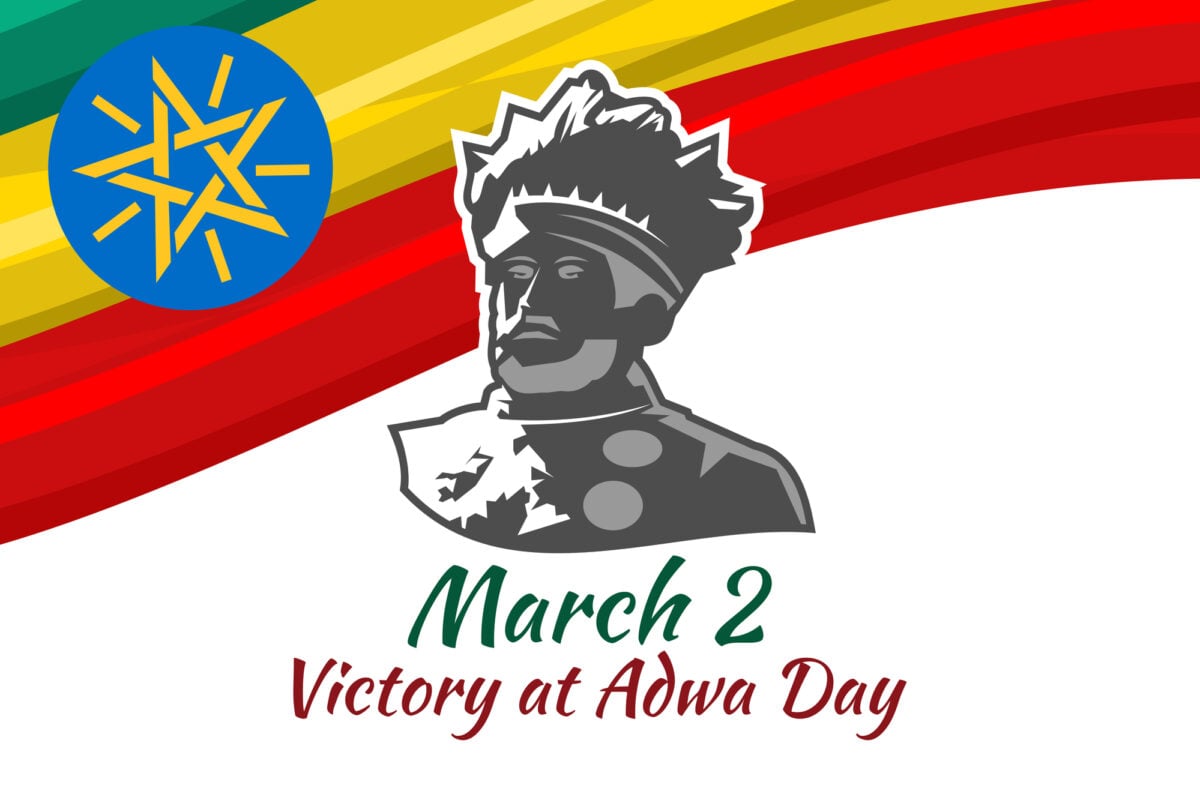
The Italian attempt to colonize Ethiopia collapsed at Adwa when Ethiopian forces under Emperor Menelik II inflicted one of the worst defeats ever suffered by a European colonial power in Africa. What is less often noted is that the Italian strategy partially relied on ethnic and regional divisions within Ethiopia, and Italian agents had worked to encourage Oromo and other factions to remain neutral or defect.
Those efforts largely failed — Ethiopian unity held — making Adwa also a story of a betrayal that was planned but never materialized, which is its own form of military intelligence.
The Battle of Gaugamela, 331 BC — The Persian Side
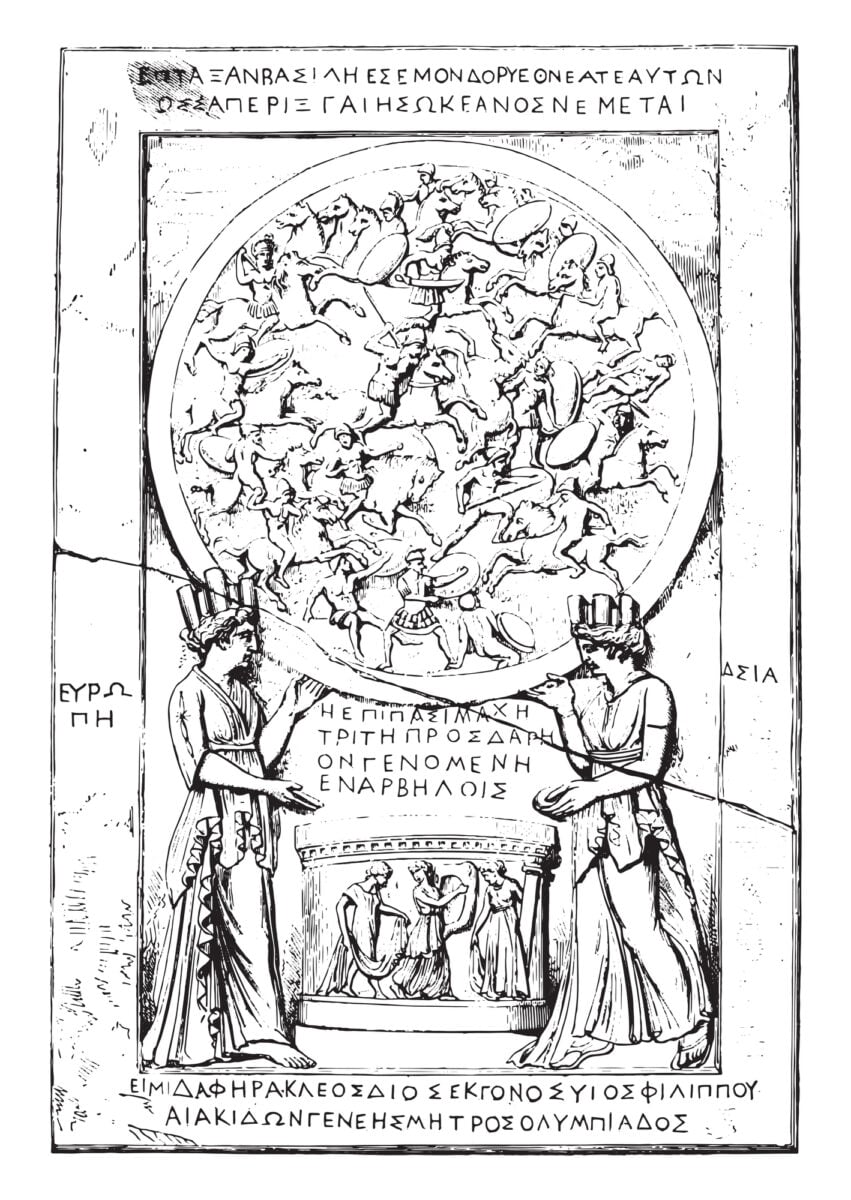
Darius III of Persia had assembled a genuinely vast army for his encounter with Alexander the Great, including contingents from across the Achaemenid Empire. During the battle, while Alexander drove a wedge directly at Darius’s position, portions of the Persian allied forces — particularly satraps and regional commanders — proved unwilling to commit fully.
Darius himself fled the field, leaving his army leaderless. Whether this constitutes betrayal or simply the collapse that follows a commander’s flight is debatable, but several of the eastern satraps who survived Gaugamela subsequently surrendered to Alexander rather than continuing resistance — having decided the alliance was no longer worth their loyalty.
The Battle of Kulikovo, 1380
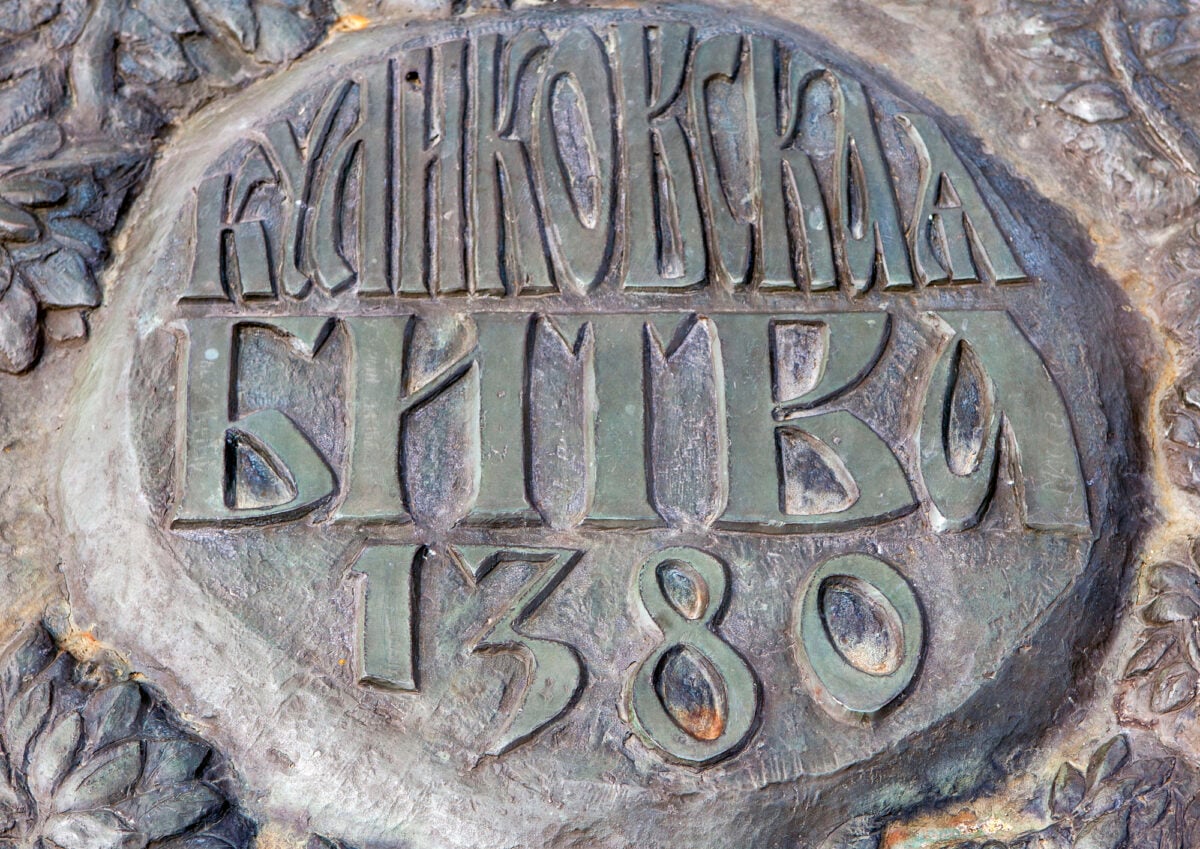
Dmitri Donskoi of Moscow faced the Golden Horde’s forces on the Kulikovo Field in what became a defining moment in Russian history. The Horde had expected support from Lithuanian forces under Jogaila and from Oleg of Ryazan, who had made private agreements with the Mongols.
Jogaila arrived too late to participate — historians still debate whether by accident or design — and Oleg of Ryazan ultimately did not commit his forces. The absence of these allies was not the same as fighting against Moscow, but Dmitri had prepared for their presence on the enemy side.
Their neutrality gave him a victory he might otherwise not have achieved.
The Surrender at Saratoga, 1777

British General John Burgoyne’s surrender at Saratoga in October 1777 — the turning point of the American Revolution — was partly the result of allied failures. Burgoyne’s plan depended on coordinated movement with Sir William Howe moving north from New York.
Howe instead chose to march on Philadelphia. Whether this was a communications failure, a command disagreement, or a strategic decision that amounted to abandoning the northern campaign is still contested.
Burgoyne found himself isolated in upstate New York, surrounded by American forces, with no relief coming. The British lost the battle and, with it, French recognition of the United States.
The Battle of Cannae, 216 BC — Allied Aftermath

Hannibal’s destruction of the Roman army at Cannae in 216 BC was itself not a betrayal story — it was pure tactical genius. But Cannae’s aftermath included exactly that: numerous Italian allied cities defected from Rome to Hannibal, most famously Capua.
Rome’s response to these defections, when it eventually retook them, was ferocious. Capua lost its self-governance entirely and was administered directly by Roman magistrates.
The lesson Rome drew from Cannae was not that its army was inadequate, but that allied loyalty required structural guarantees that good faith alone could not provide.
The Siege of Alesia, 52 BC

Vercingetorix held Alesia against Julius Caesar’s besieging Roman army while waiting for a massive Gallic relief force of reportedly 250,000 to break the Roman siege lines. The relief force arrived, launched multiple attacks, and ultimately failed — then retreated.
The Aedui tribe, which had been one of the most important Gallic confederate members, had defected to Rome earlier in the campaign, denying Vercingetorix potentially decisive numbers. Vercingetorix surrendered, was taken to Rome, held for six years, and executed after appearing in Caesar’s triumph.
The Battle of Hattin, 1187

Saladin’s defeat of the Crusader army at the Horns of Hattin was the engagement that effectively ended the Kingdom of Jerusalem as a functioning military state. The Crusader force, under King Guy of Lusignan, had marched across waterless terrain in July heat to relieve the siege of Tiberias — a march that many of his own barons, including Raymond III of Tripoli, argued was catastrophically mistaken.
Raymond III later led his own cavalry contingent out of the Crusader formation during the battle, allowing Saladin’s forces to flow through the gap. Whether this was tactical necessity, cowardice, or a form of calculating self-preservation has been argued ever since, but the gap Raymond created was never closed.
The Capture of Emperor Valerian, 260 AD
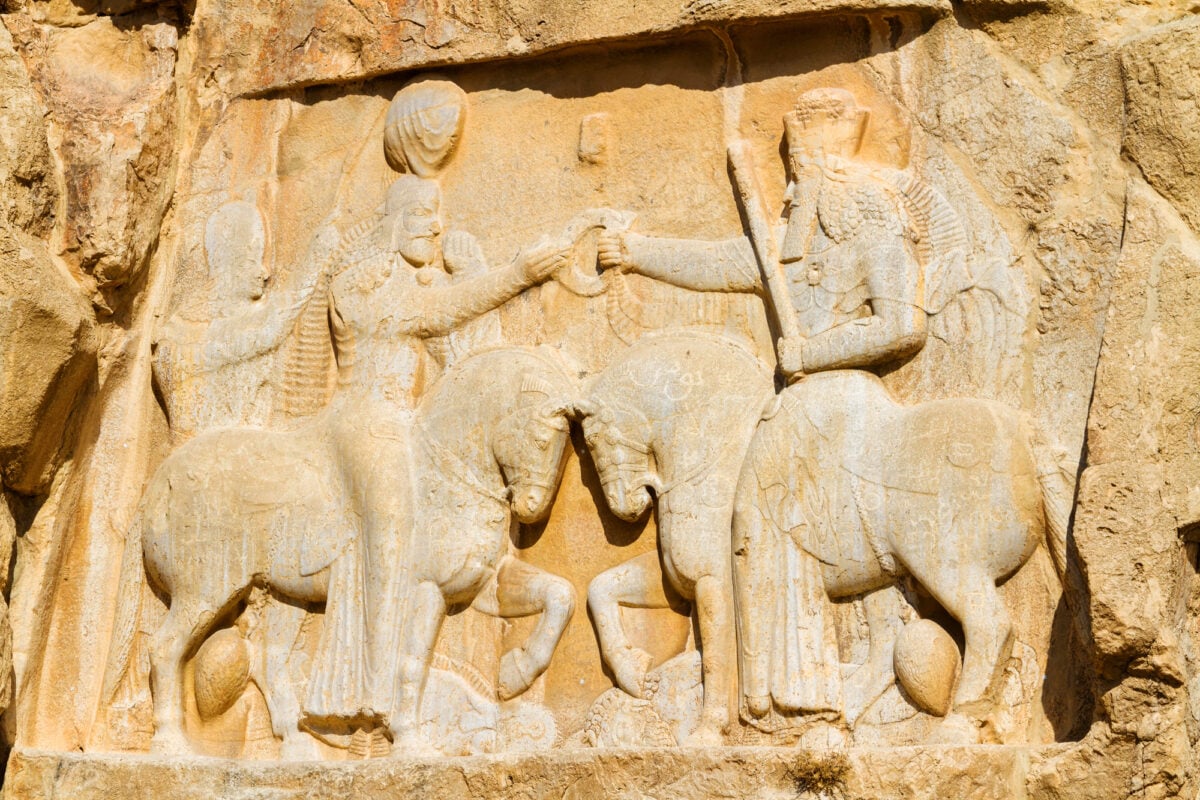
When the Roman Emperor Valerian marched against the Sassanid Persian king Shapur I and was subsequently captured — the only Roman emperor to be taken prisoner by a foreign enemy in the field — the circumstances included the wavering of allied forces. Roman auxiliary units of various ethnic compositions had mixed reliability under pressure.
While the primary causes of the disaster at the Battle of Edessa were disease in the ranks and poor positioning, the desertion of allied cavalry units during the engagement contributed to the encirclement that led to Valerian’s capture. He died in Persian captivity, an outcome Romans found difficult to process or explain.
The Fall of the Kingdom of Kongo, 1665

The Battle of Mbwila in 1665 was fought between the Kingdom of Kongo and a Portuguese-backed Angolan force. Kongo’s military coalition included allied contingents that broke under pressure, and the kingdom’s fragmented political structure — it had been weakened by decades of internal dynastic disputes — meant that allied forces along the flanks could not be relied upon to hold.
The death of the Kongolese king António I on the battlefield effectively ended Kongo as a sovereign military power and began the fragmentation that Portuguese colonizers exploited for the next two centuries.
The Warsaw Uprising, 1944
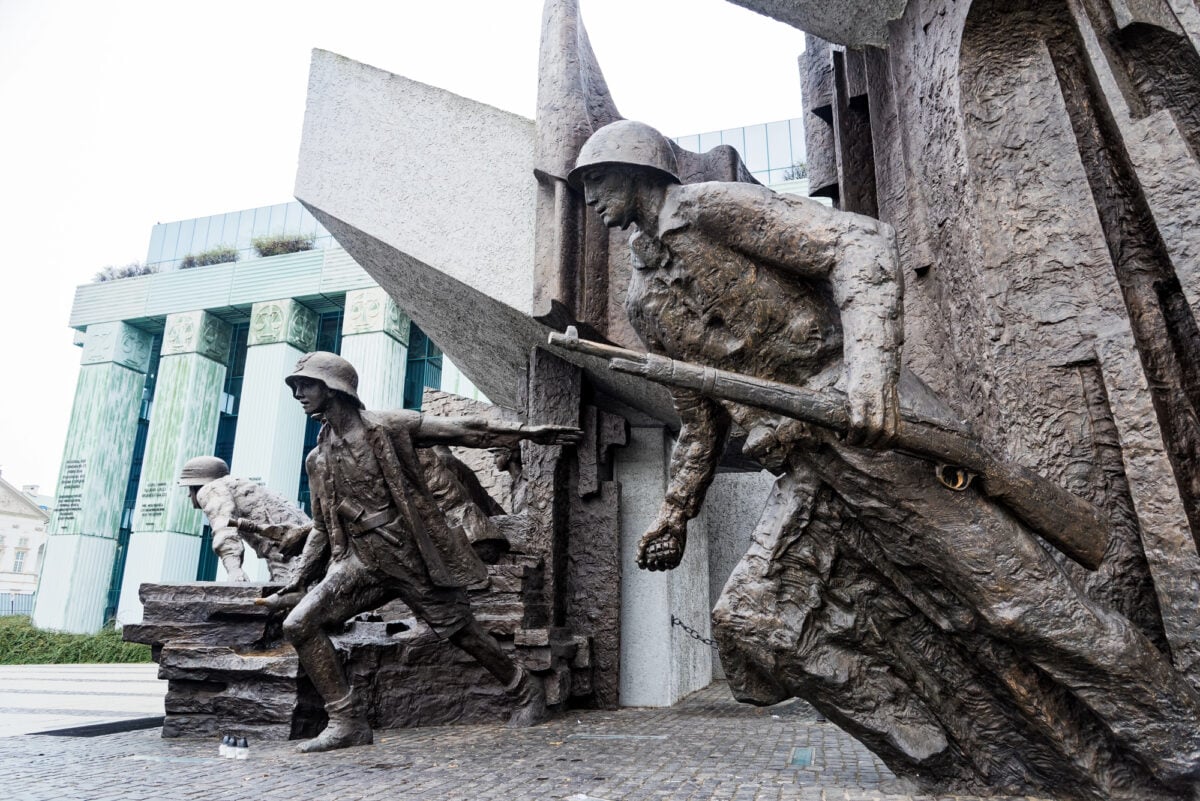
The Polish Home Army rose against the German occupation of Warsaw in August 1944, partly in the expectation that Soviet forces — then advancing toward the city — would provide military support. The Soviets halted their advance and waited while the Germans suppressed the uprising over 63 days, killing an estimated 200,000 Polish civilians and fighters and destroying the city.
The Soviet Union and its postwar allies disputed the interpretation of events, with some Soviet spokesmen claiming the halt was due to supply difficulties and German counteroffensives. Polish historians and many Western analysts have argued it was deliberate inaction designed to eliminate the non-communist Polish resistance before the Red Army entered the city.
The Battle of the Granicus, 334 BC — Persian Ally Failure
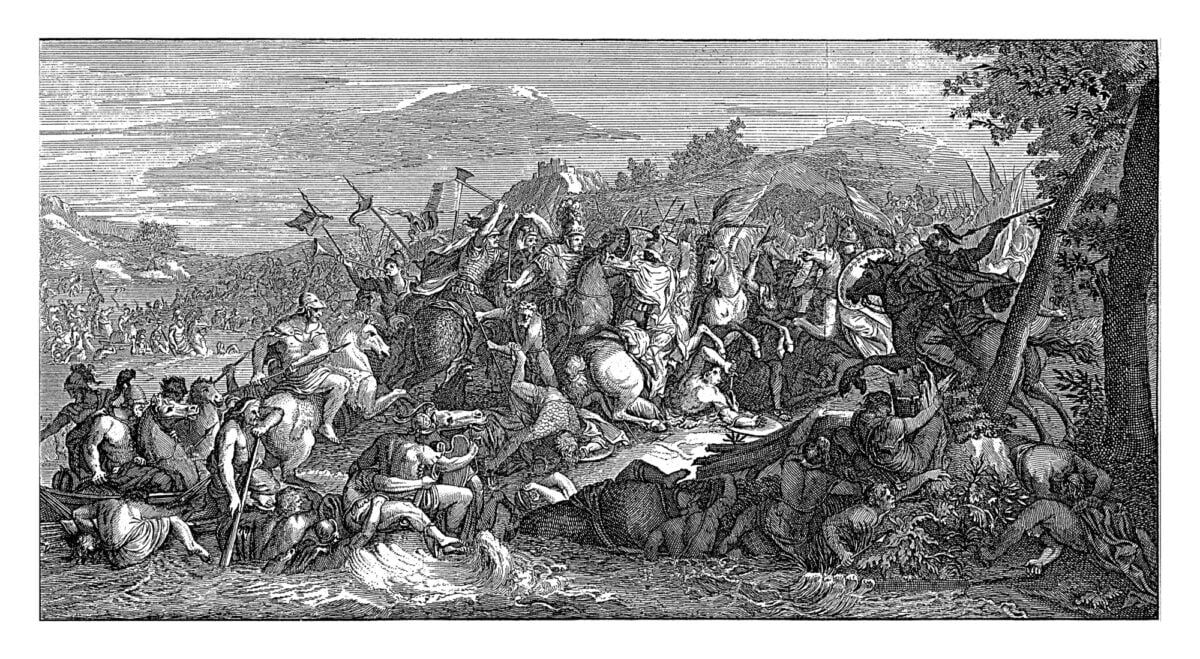
Persia’s Greek mercenaries — some 20,000 of them — gave the Persian commanders better tactical advice at the Granicus River than the Persian nobles were willing to take. The mercenary commander Memnon of Rhodes urged the Persians not to engage Alexander’s crossing force directly but to retreat and deny Alexander the engagement he wanted.
The Persian nobles dismissed this counsel as insufficiently aggressive and chose to defend the riverbank. Alexander crossed under fire and routed them.
The mercenaries, who had advocated the correct strategy, were subsequently massacred by Alexander — and Persia lost its best military advisors along with the battle.
The First Battle of Bull Run, 1861

The Union defeat at Bull Run in July 1861 was not a betrayal in the formal sense, but the collapse of raw militia units who simply broke and ran — several of whom were 90-day volunteers whose enlistments had technically expired — demonstrated how thoroughly the Union’s allied state forces were unreliable under pressure. These men were not enemies, but they were not reliable allies either.
Their flight turned an orderly retreat into a rout that reached Washington itself and ended any Northern illusion that the Civil War would be short.
The Battle of Adwalton Moor, 1643

The Royalist victory over Parliamentary forces at Adwalton Moor in June 1643 was aided significantly by the failure of expected Parliamentary reinforcements to arrive in time. Scottish allied forces, whose entry into the war on the Parliamentary side would eventually prove decisive, had not yet arrived.
The Parliamentary commander, Lord Fairfax, was left to fight with what he had — and what he had was insufficient. The Royalists took control of most of Yorkshire as a result, a territorial dominance they held until Scottish intervention changed the northern equation entirely.
The Battle of Jankau, 1645

One of the decisive engagements of the Thirty Years’ War saw Swedish forces under Lennart Torstenson defeat an Imperial army near Prague. Part of the Imperial collapse was attributable to the poor coordination between the Imperial cavalry, under Götz and Hatzfeldt, and the Bavarian forces meant to support them.
The Bavarian contingent under General Werth performed independently, at moments that did not coincide with the Imperial cavalry’s movements, and the failure of synchronized action — which may have reflected genuine communication failures rather than deliberate betrayal — cost the Imperial side what could have been a defensible position.
The Capitulation at Ulm, 1805
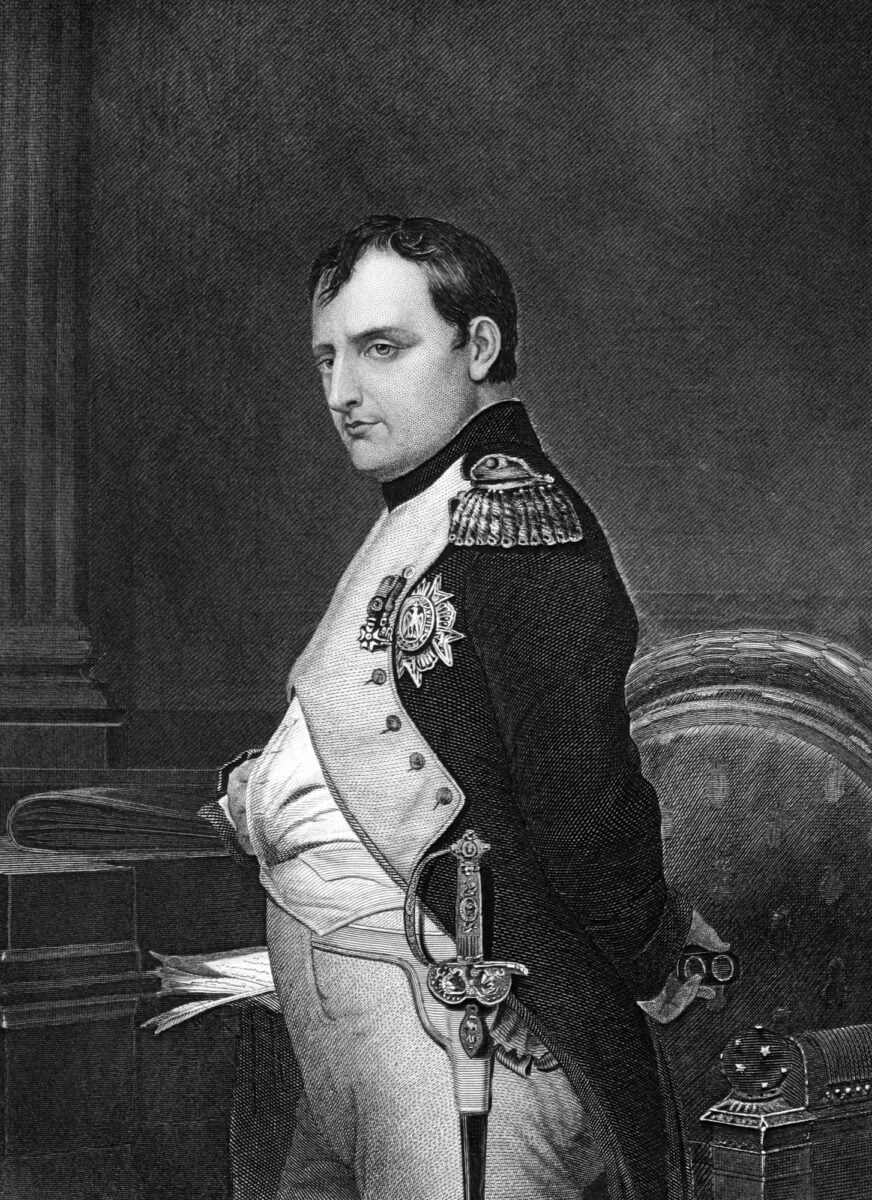
When Napoleon encircled the Austrian army at Ulm in October 1805 and forced the surrender of 30,000 troops without a major engagement, part of Austria’s problem was the failure of its Prussian ally to honor its alliance commitments. Prussia had treaty obligations that might have brought significant force into the field against Napoleon’s flanks, but Prussian neutrality held.
Austria fought the campaign essentially alone on the western axis. The surrender at Ulm was the largest before the main fighting even began, and it happened, in part, because the allied coalition Austria had been promised never materialized.
The Battle of Pavia, 1525

The French defeat at Pavia — and the capture of King Francis I himself — included the defection of Charles III, Duke of Bourbon, who had been one of the most powerful nobles in France before switching to the service of the Holy Roman Emperor Charles V. Bourbon had provided intelligence, troops, and military leadership to the Imperial side, and his knowledge of French military organization made him a useful ally to Francis’s enemies.
The French king’s capture at Pavia, where he reportedly said “all is lost save honor,” was partly the product of having a former French commander in the opposing force.
The Surrender of Cornwallis at Yorktown, 1781
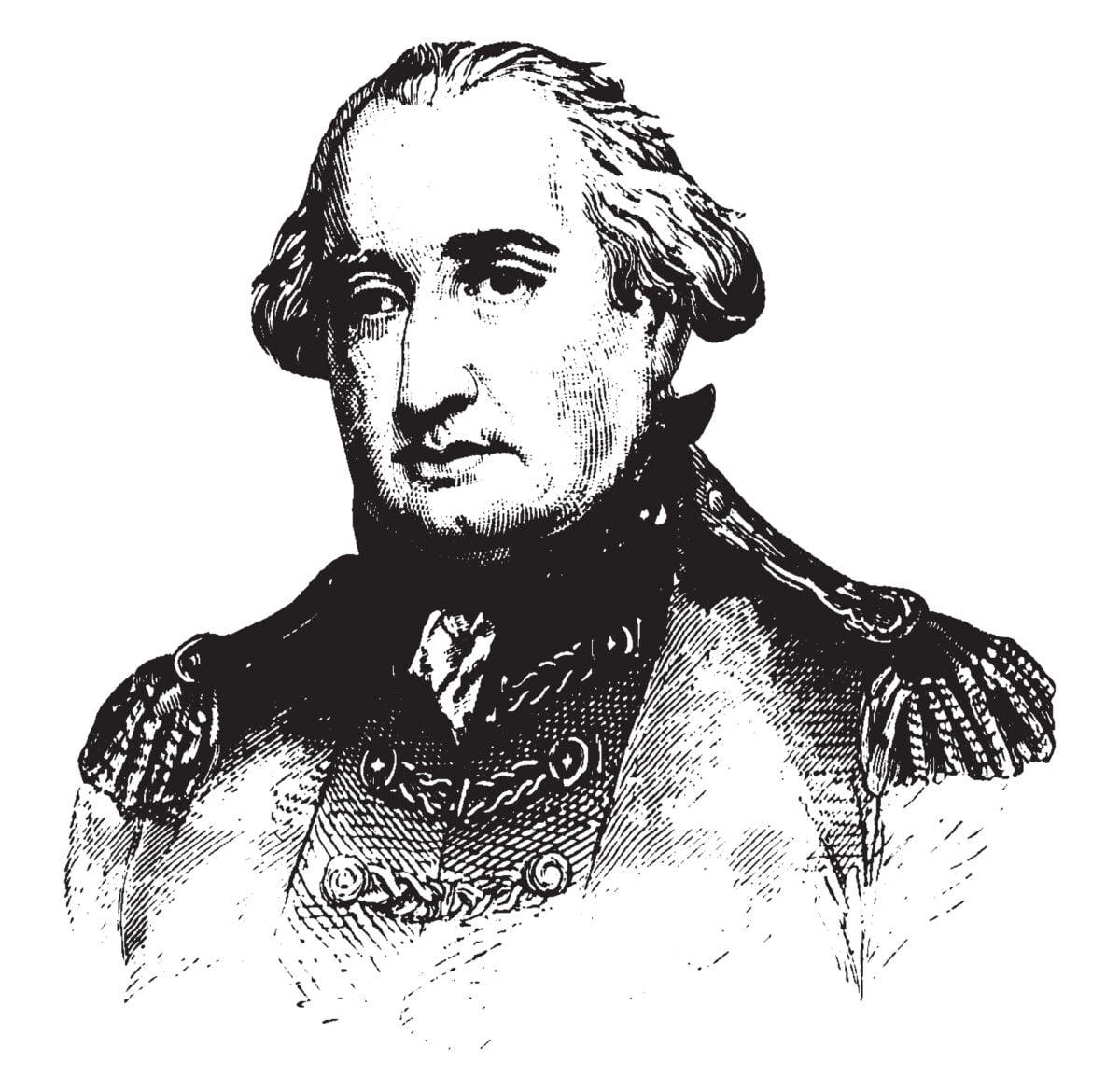
British General Cornwallis found himself trapped at Yorktown by the combination of Washington’s army to the north, French forces to the west, and the French fleet — which had just defeated the Royal Navy at the Battle of the Chesapeake — blocking any naval evacuation. The failure that sealed Cornwallis’s fate was the British fleet’s inability to relieve him, but behind that failure sat months of strategic miscoordination between Cornwallis and his superior, Sir Henry Clinton in New York.
Clinton and Cornwallis had essentially been running two competing strategies in the Southern campaign, each undercutting the other. It was less betrayal than allied dysfunction producing an outcome indistinguishable from it.
The Siege of Carthage, 146 BC

By the time Rome finally destroyed Carthage at the end of the Third Punic War, the city had been systematically stripped of its former allies over the preceding century. Numidia — which had provided the cavalry that made Hannibal’s tactics at Cannae work — had flipped entirely to the Roman side under Masinissa, and Numidian pressure on Carthaginian territory in the years before the final siege created the casus belli that Rome used to justify the war.
Carthage was not just defeated militarily: it was isolated diplomatically by the defection of the one ally that had once made it capable of threatening Rome at all.
The Battle of Megiddo, 1918
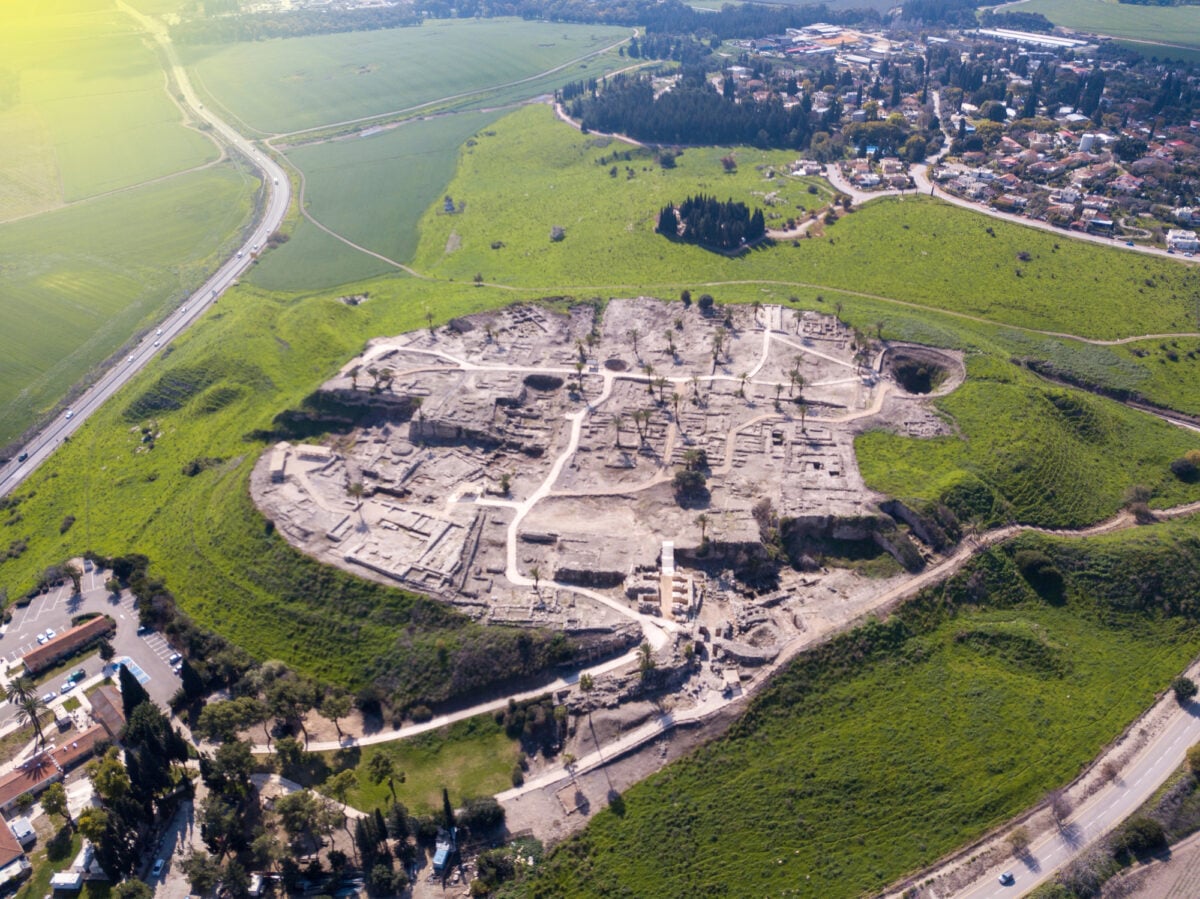
The Ottoman collapse in the Middle East in September 1918 was accelerated by the Arab Revolt, which had been operating against Ottoman supply lines and garrisons since 1916. What Ottoman commanders had not anticipated was the scale to which Arab forces — organized partly by T.E. Lawrence — would coordinate with Allenby’s British advance so precisely during the Megiddo campaign.
Arab cavalry units cut the retreat routes from Nablus, trapping Ottoman units that might otherwise have escaped north. For the Ottomans, who had relied on Arab compliance for centuries, the scale of Arab military participation against them was the operational surprise that made an already difficult position catastrophic.
The Battle of Flodden Field, 1513
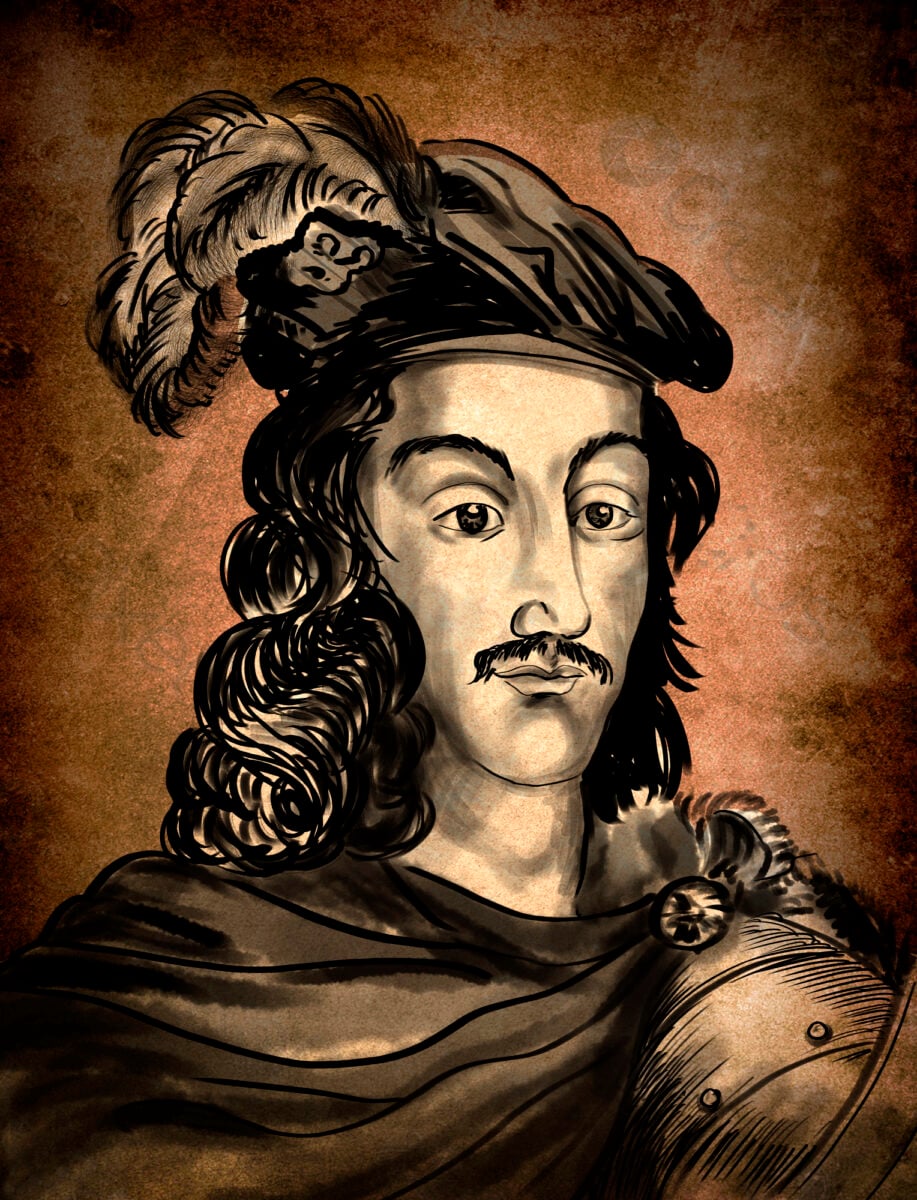
Scottish King James IV invaded England in 1513 as part of the Franco-Scottish Auld Alliance, intending to relieve French pressure from Henry VIII’s campaign in France. France’s support proved mostly diplomatic — the promised French military assistance and coordination never materialized into meaningful battlefield pressure on England’s northern situation.
James fought at Flodden essentially unsupported by the alliance that had drawn him into the war, and he was killed in the battle along with a substantial portion of the Scottish nobility. The alliance that was supposed to protect him had functioned as an inducement to advance and then provided nothing when it mattered.
The Battle of Königgrätz, 1866

Austria’s catastrophic defeat by Prussia at Königgrätz — the battle that settled the question of which power would dominate German unification — was partly shaped by the failure of Austria’s Italian ally to perform as expected. Austria was simultaneously fighting a war with Italy in the south, draining forces it needed in Bohemia.
But the Italian army, despite outnumbering Austrian forces in the southern theater, lost both at Custoza on land and at Lissa at sea, meaning Austria received none of the strategic relief from the Italian campaign that might have allowed it to concentrate more effectively against Prussia in the north. Austria lost on two fronts simultaneously, won both subsidiary engagements against Italy, and still lost the war.
More from Go2Tutors!

- The Romanov Crown Jewels and Their Tragic Fate
- 13 Historical Mysteries That Science Still Can’t Solve
- Famous Hoaxes That Fooled the World for Years
- 15 Child Stars with Tragic Adult Lives
- 16 Famous Jewelry Pieces in History
Like Go2Tutors’s content? Follow us on MSN.



