30 Documents Sealed for Decades That Revealed Shocking Truths When Finally Opened
Most secrets eventually surface. Governments classify documents intending to protect something — an operation, a reputation, a policy decision that wouldn’t survive public scrutiny — and over time those sealed files accumulate into a kind of shadow history that runs parallel to the official version.
The gap between those two accounts is sometimes small. Often, it isn’t.
What follows are thirty cases where sealed documents, once opened, didn’t just fill in details — they rewrote the story entirely. Some confirmed suspicions that had been dismissed for years as paranoia.
Others revealed that the official explanation, delivered with confidence and repeated for decades, had been constructed to conceal something the public would never have accepted at the time. A few are simply strange, in ways that make the secrecy itself hard to explain.
The Pentagon Papers, Leaked 1971
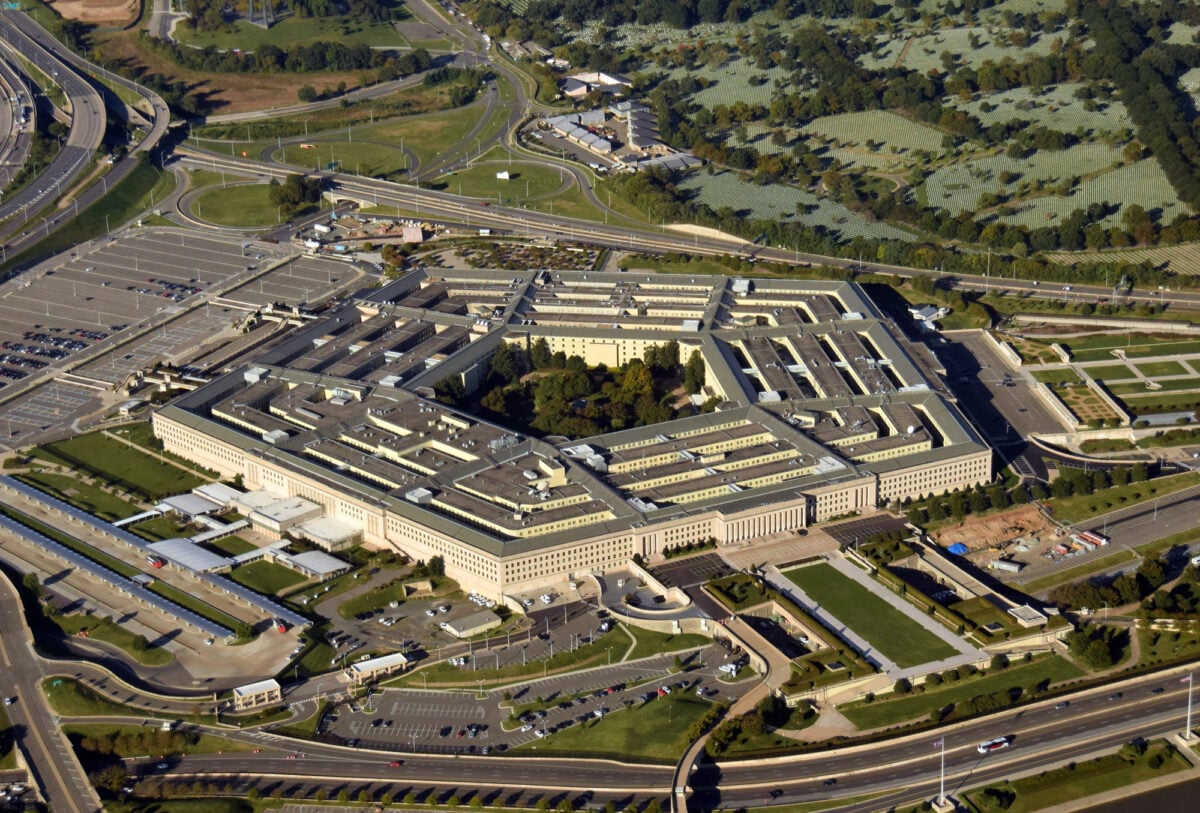
Daniel Ellsberg, a military analyst at the RAND Corporation, photocopied and leaked a 7,000-page classified history of U.S. decision-making in Vietnam that the Defense Department had commissioned and then sealed. The papers revealed that administrations from Truman through Johnson had systematically deceived Congress and the public about the scope of U.S. involvement in Vietnam, and that senior officials privately acknowledged the war was unwinnable while publicly insisting otherwise.
The Nixon administration’s attempts to suppress publication — and the Supreme Court’s decision that it could not — set precedents about press freedom that still apply.
Project MKUltra Files, 1977
The CIA launched its mind-control research program in 1953, running experiments involving LSD, hypnosis, electroconvulsive therapy, and psychological torture on subjects who had not consented — including unwitting members of the American public. CIA Director Richard Helms ordered the destruction of all MKUltra files in 1973.
When a cache of financial records survived by misfiling and was discovered in 1977 through a Freedom of Information Act request, the Church Committee used them to confirm the program’s existence. Around 150 research projects at universities, hospitals, and prisons had been funded, and at least one subject, Frank Olson, died under circumstances that remained disputed for decades.
The VENONA Transcripts, Declassified 1995
From 1943 onward, U.S. Army Signal Intelligence intercepted and worked to decode thousands of encrypted Soviet communications. The project — code-named VENONA — remained so secret that even Presidents Roosevelt and Truman were never told about it.
When the transcripts were finally declassified in 1995, they confirmed that the Soviet Union had run an extraordinarily extensive espionage network inside the United States during World War II, including sources inside the Manhattan Project. The cables confirmed the guilt of Julius and Ethel Rosenberg, who had been executed in 1953, and identified more than 300 individuals who had worked for Soviet intelligence — most of whom were never prosecuted.
Operation Northwoods, Declassified 1997
In 1962, the Joint Chiefs of Staff submitted a formal proposal to Secretary of Defense Robert McNamara for a series of false-flag operations designed to create a pretext for U.S. military intervention in Cuba. The proposals included staging terrorist attacks on U.S. cities and blaming them on Cuba, faking a shoot-down of a U.S. aircraft, and sinking a boatload of Cuban refugees.
President Kennedy rejected the plan. The documents were declassified in 1997 and published by journalist James Bamford, who found them at the National Security Archive.
The fact that the Joint Chiefs had formally signed off on plans to kill American citizens for geopolitical purposes required no embellishment.
The Tuskegee Syphilis Study Records, Exposed 1972
From 1932 to 1972, the U.S. Public Health Service ran a study on 399 Black men in Macon County, Alabama, who had syphilis, telling them they were being treated for “bad blood” while deliberately withholding treatment — including, after 1947, penicillin, which had become the standard cure. The study was never formally sealed in a single document, but its internal records were accessible only to researchers with clearance and were not reported publicly until journalist Jean Heller broke the story in 1972.
The revelation led directly to the National Research Act of 1974 and the creation of Institutional Review Boards, which now govern all research involving human subjects.
The CIA’s Bay of Pigs Internal Review, Declassified 1998
The CIA commissioned its own secret internal investigation into the failed 1961 Bay of Pigs invasion — and then sealed that investigation from the public for 37 years. When it was finally released in 1998 following Freedom of Information requests by the National Security Archive, the report confirmed in the CIA’s own words that the operation had been poorly planned, that its leadership had misled the Kennedy administration about the probability of success, and that the assumption that a small invasion force would trigger a spontaneous popular uprising against Castro had no credible intelligence basis.
The 1953 Iranian Coup Files, Formally Released 2013
The CIA had publicly acknowledged involvement in the 1953 overthrow of Iranian Prime Minister Mohammad Mosaddeq since the 1980s, but the agency’s own internal history of the operation — which contained specific details about planning, financing, and execution — remained classified. When the National Security Archive obtained the documents in 2013 through a FOIA appeal, they showed that the CIA had explicitly code-named the operation AJAX, had paid Iranian agents to pose as Mosaddeq supporters and commit acts of violence, and had organized propaganda campaigns through Iranian media.
The documents made clear the operation was designed and directed by the CIA from the start, not improvised in response to local conditions.
Operation Paperclip Records
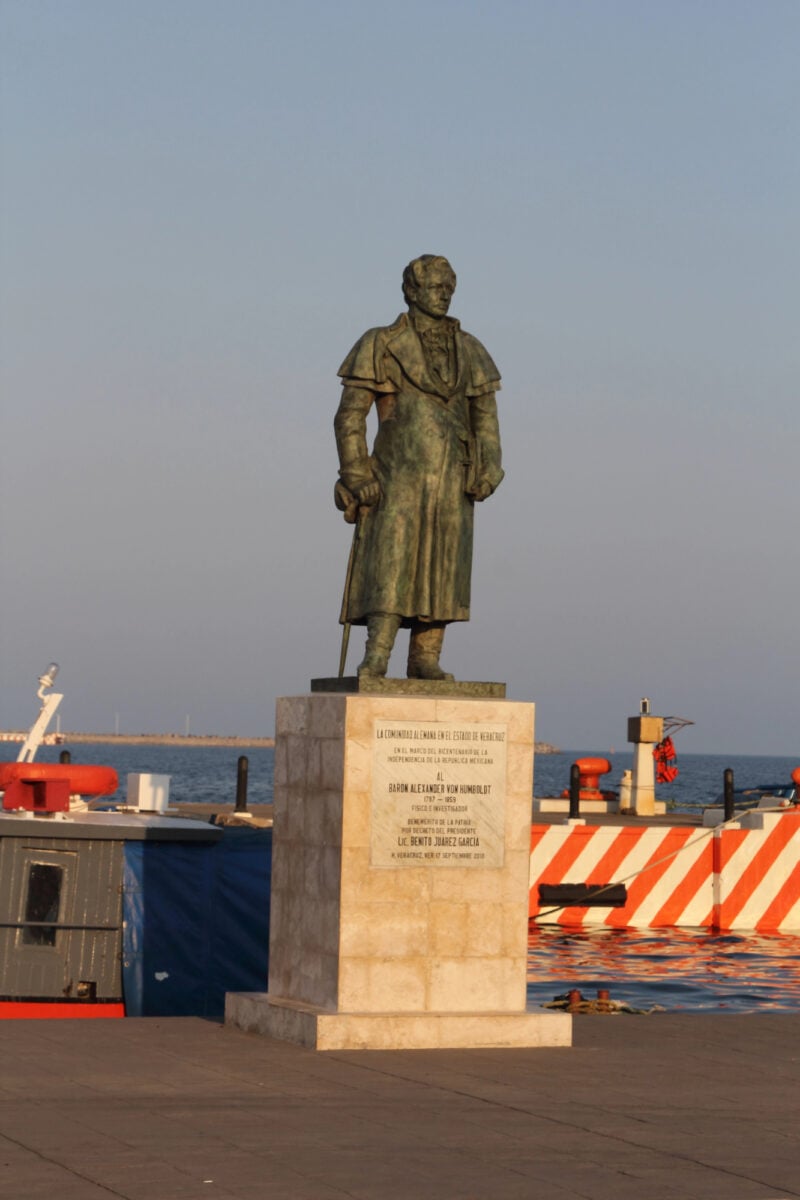
After World War II, U.S. intelligence agencies brought more than 1,600 German scientists, engineers, and technicians to the United States under a program later known as Operation Paperclip. Many had been members of the Nazi Party or had worked in facilities that used concentration camp labor.
The program’s existence was not formally public, and the records documenting the backgrounds of individual recruits were classified. When declassified documents were assembled and examined by journalist Annie Jacobsen and others, they confirmed that officials had altered or suppressed the Nazi backgrounds of recruits specifically to make them eligible for entry to the United States — and that senior officials, including the Joint Chiefs of Staff, had approved these alterations.
The Church Committee Files on COINTELPRO, 1975
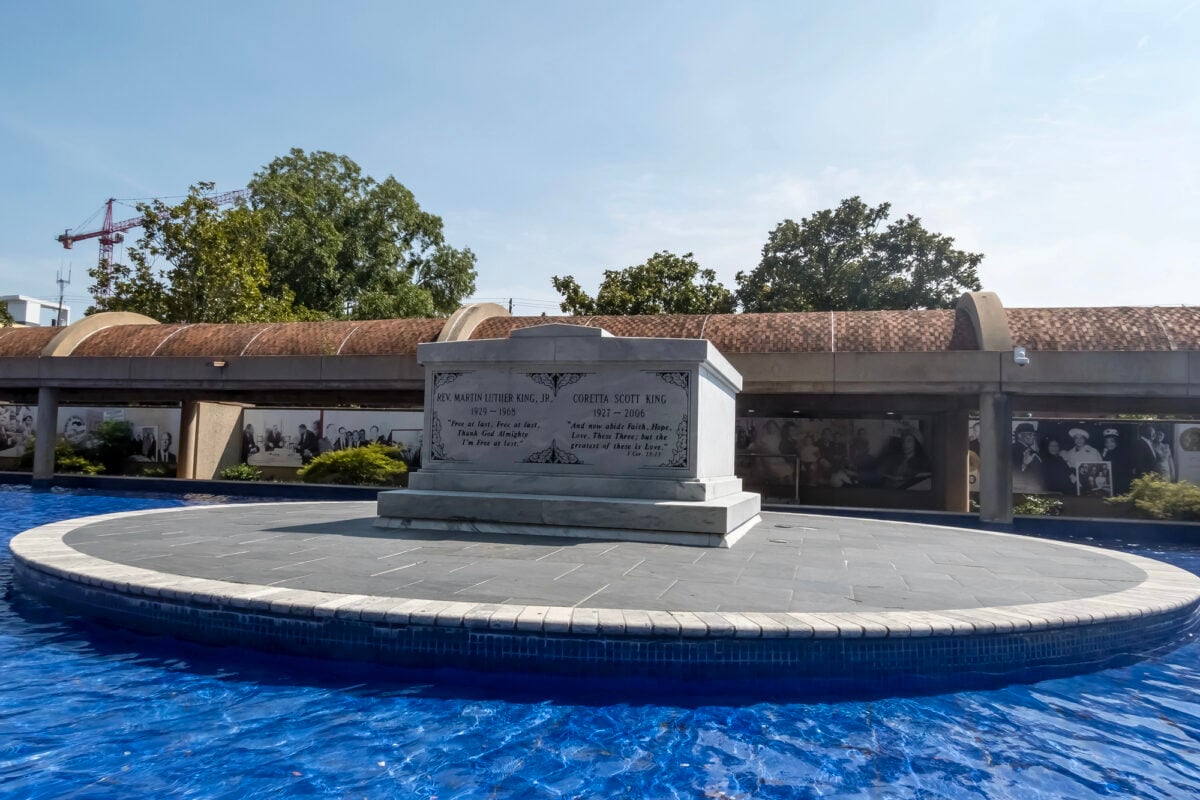
The FBI’s COINTELPRO program, which ran from 1956 to 1971, had targeted domestic political organizations including civil rights groups, anti-war activists, and socialist parties with surveillance, infiltration, disinformation, and deliberate attempts to destroy individuals’ careers and personal lives. A 1971 break-in at the FBI’s Media, Pennsylvania office by a group calling itself the Citizens’ Commission to Investigate the FBI leaked some of this material.
The Church Committee’s 1975 investigation compelled the release of records confirming the scale and methods, including a 1964 letter the FBI sent to Martin Luther King Jr. — designed to be read as a suggestion that he end his life before he was exposed as an alleged communist.
The Gulf of Tonkin Documents, Declassified 2005
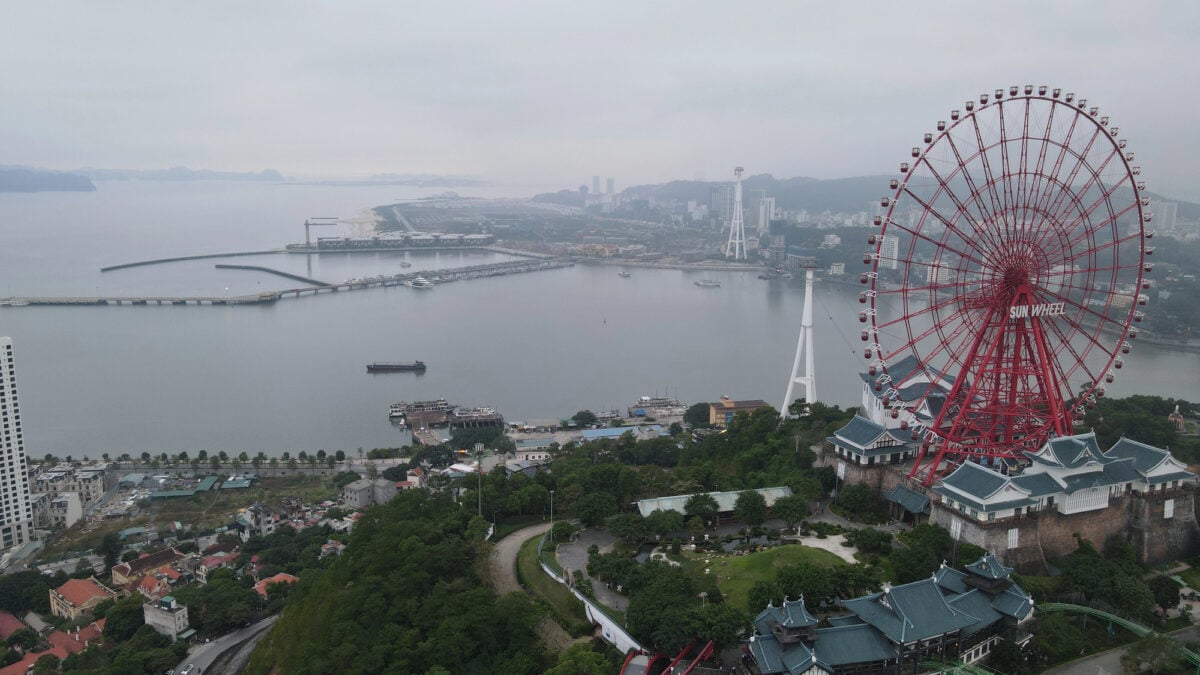
The 1964 Gulf of Tonkin incident — in which North Vietnamese torpedo boats allegedly attacked U.S. Navy destroyers, providing the pretext for congressional authorization of the Vietnam War — was presented to Congress as an unprovoked attack. Declassified NSA documents released in 2005 confirmed that the second alleged attack on August 4, 1964 had almost certainly not occurred, and that NSA analysts who raised doubts at the time had been overruled.
Secretary of Defense McNamara had privately acknowledged in 1995 that the attack had likely not taken place. The 2005 documents confirmed the extent to which the administration had known this and proceeded anyway.
British Cabinet Papers on Suez, 1956
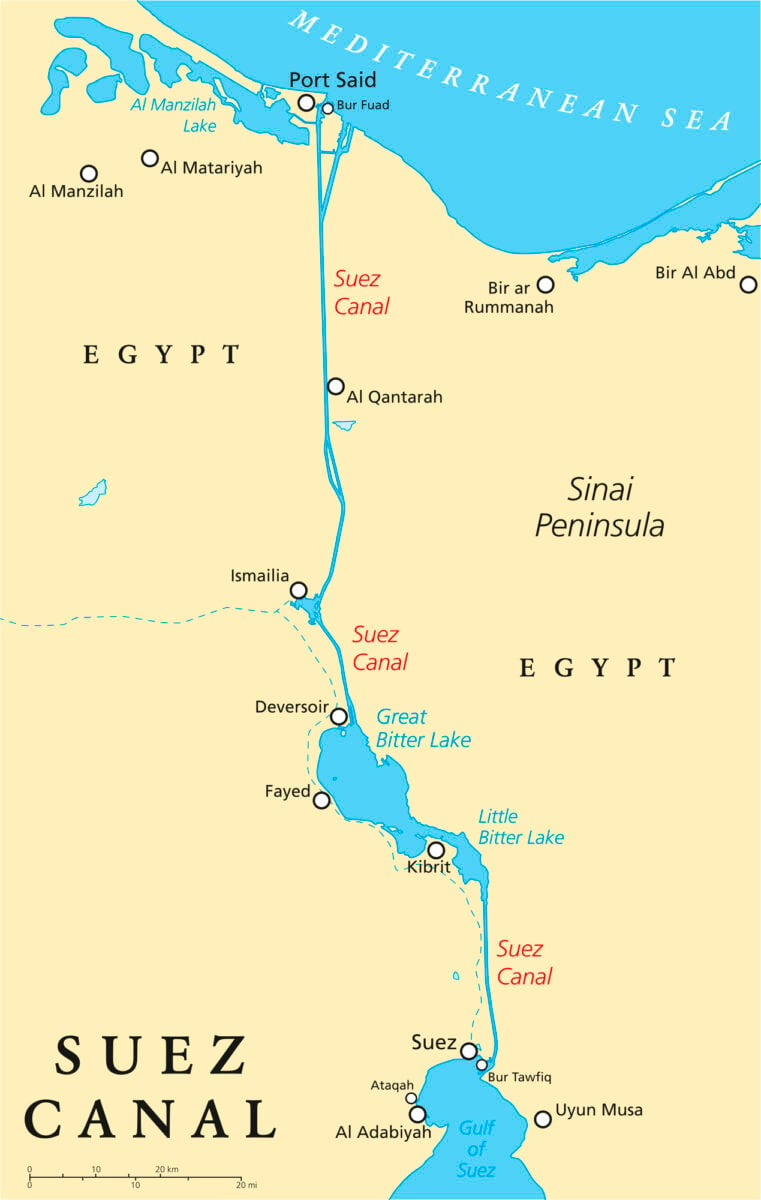
British Cabinet records are routinely sealed for thirty years. When the documents from the 1956 Suez Crisis were opened in 1986, they confirmed what had long been suspected: that Britain, France, and Israel had engaged in a secret pre-planned arrangement — the Protocol of Sèvres — under which Israel would attack Egypt, giving Britain and France a pretext to intervene to “separate the combatants” and retake control of the Suez Canal.
The British government had publicly denied any collusion. The documents confirmed every element of the arrangement, including the destruction of the British copy of the Protocol, which Prime Minister Anthony Eden had personally ordered burned.
The Atomic Veterans Records
Hundreds of thousands of American military personnel were exposed to radiation during nuclear weapons tests conducted in Nevada and the Pacific between 1946 and 1962. The military’s internal records documenting exposure levels and health monitoring were classified for decades.
When they were declassified and combined with veterans’ health records, they confirmed elevated rates of specific cancers in exposed populations. The records also showed that the military had, in some cases, deliberately underestimated or failed to measure exposure levels, and that health monitoring programs were designed with methodological limitations that made it harder to establish connections between exposure and illness.
The Stasi Files, Opened from 1992
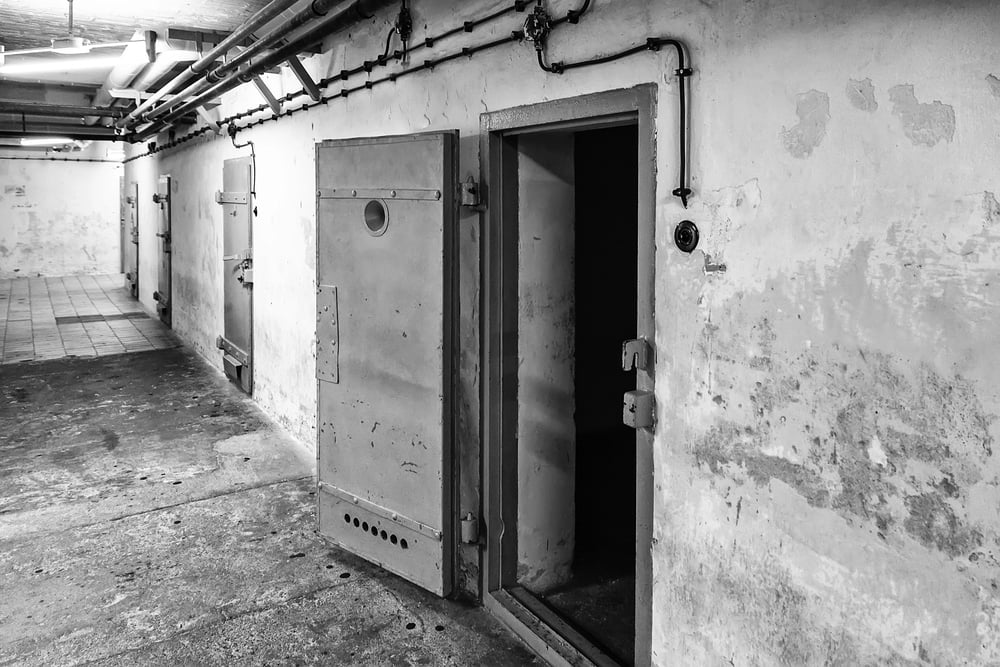
When the East German state security service, the Stasi, collapsed in 1989, it had been attempting to shred its files — a process interrupted by citizen occupation of regional headquarters. The files eventually came under the administration of a federal commissioner, with access opening gradually from 1992.
What they contained was extraordinary in both scale and detail: systematic surveillance of roughly one in three East Germans through informants, many of whom were friends, family members, or colleagues of the people they reported on. Some individuals discovered on opening their files that their own spouses had been Stasi informants throughout their marriages.
Operation Gladio Documents, Revealed 1990
NATO’s post-war “stay-behind” network — designed to organize resistance operations in the event of a Soviet invasion of Western Europe — was publicly revealed by Italian Prime Minister Giulio Andreotti in 1990. Subsequent parliamentary investigations and declassified materials confirmed that networks had been established across multiple NATO and even neutral countries, that weapons caches had been hidden across Western Europe, and that in Italy, elements of the network were linked to far-right extremist violence during the 1970s, a period of bombings and political murders known as the “Years of Lead.”
The extent to which Gladio was connected to specific acts of violence remains contested, but its existence had been denied for decades before the documents confirmed it.
Guatemalan CIA Coup Records, Released 2003
A comprehensive set of CIA historical records on the 1954 overthrow of Guatemalan President Jacobo Árbenz — code-named Operation PBSUCCESS — was declassified in 2003 following years of pressure. The documents showed that the CIA had organized and funded a military coup, run a propaganda radio station masquerading as a genuine rebel broadcaster, drawn up lists of individuals to be assassinated (though the CIA has maintained that most were never acted upon), and provided cover stories to U.S. journalists.
Árbenz had been removed partly because his land reform program threatened the property of the United Fruit Company, a detail the documents did not obscure.
The Zinoviev Letter Investigation, Concluded 1999
A 1924 letter, allegedly signed by Grigory Zinoviev of the Communist International and urging British Communists to prepare for revolution, was published in the Daily Mail four days before Britain’s general election of that year. The letter contributed to the defeat of the first Labour government.
For seventy-five years, the letter’s authenticity and provenance were disputed. In 1999, a Foreign Office investigation — drawing on declassified intelligence records — concluded that the letter was almost certainly a forgery produced by anti-Communist agents who had passed it to British intelligence and then leaked it to the press.
The damage to the Labour Party had been inflicted by a document that the intelligence services had known was likely fake.
The FBI’s Files on Albert Einstein
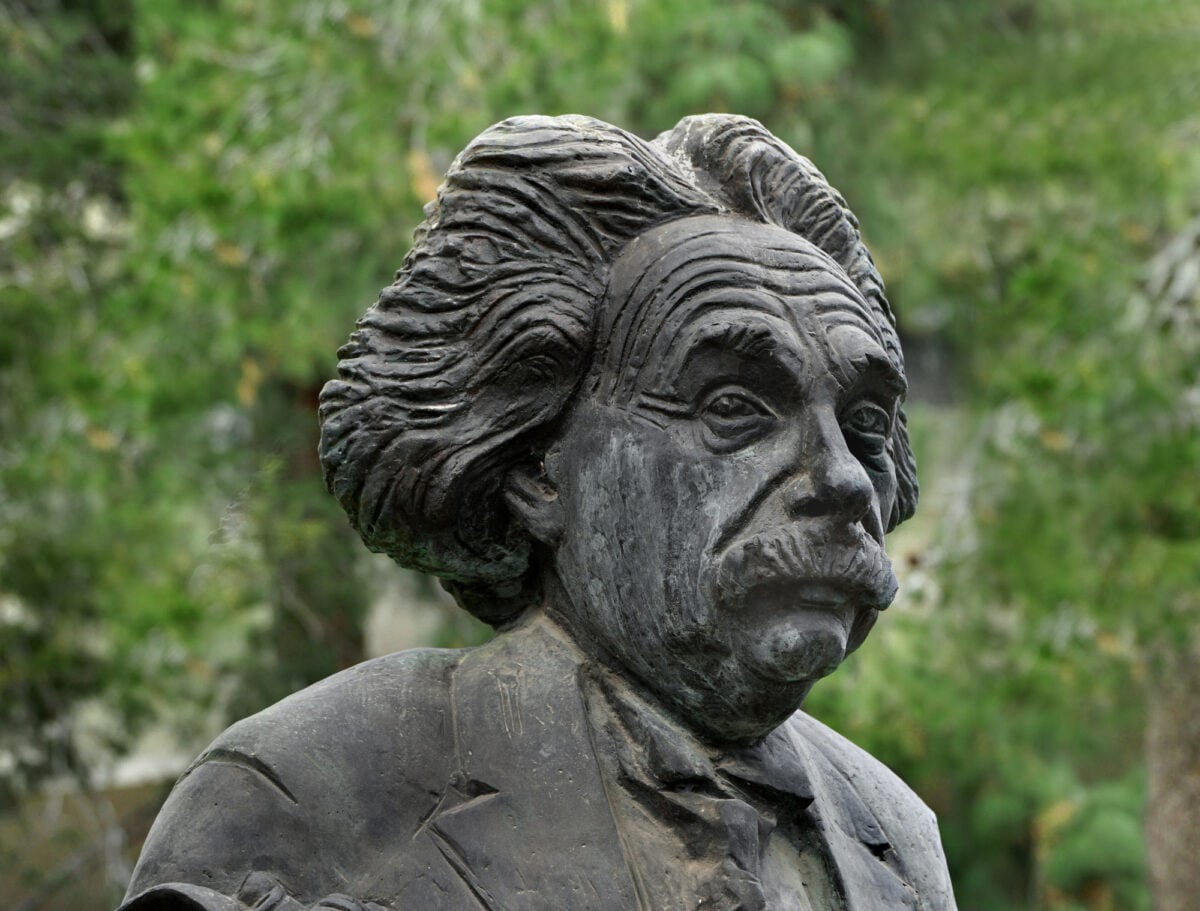
The FBI maintained a 1,427-page file on Albert Einstein, surveilling him from his arrival in the United States in 1933 until his death in 1955. Obtained through FOIA requests and released over time, the files reveal that J. Edgar Hoover suspected Einstein of Communist sympathies and recommended to the Immigration and Naturalization Service that Einstein be denied entry to the United States when he first arrived — a recommendation overruled.
The files contain reports from informants, intercepted mail, and analyses by FBI agents who were genuinely attempting to build a case against Einstein as a potential subversive. They also reveal how little they found.
Japanese Unit 731 Records
Unit 731 was a covert biological and chemical warfare research unit of the Imperial Japanese Army that conducted experiments on prisoners of war and civilians in Manchuria during the 1930s and 1940s — including vivisection, frostbite research, and deliberate infection with plague. After the war, U.S. authorities granted immunity from war crimes prosecution to Unit 731 researchers in exchange for the data their experiments had produced.
This arrangement was classified. The extent of both the experiments and the immunity deal was not formally confirmed in U.S. government documents until the 1990s, when materials held by the National Archives began to be released following congressional pressure.
British Nuclear Test Veterans Records
Britain conducted 12 atmospheric nuclear tests in Australia and 9 in the Pacific between 1952 and 1958, with more than 20,000 service personnel present. The health records of many of those veterans were classified or simply never properly compiled, and the government’s position for decades was that no adverse health effects had been demonstrated.
When records were released — partly through FOIA requests and partly through the work of the British Nuclear Test Veterans Association — they revealed that health monitoring at the time had been inadequate, that some soldiers had been deliberately marched toward ground zero immediately after detonations to test the effect of nuclear blasts on troop morale, and that veterans’ claims had been systematically resisted.
The Nayirah Testimony Records
In October 1990, a fifteen-year-old Kuwaiti girl named Nayirah testified before a Congressional Human Rights Caucus that she had witnessed Iraqi soldiers removing babies from incubators in a Kuwaiti hospital and leaving them to die. The testimony was cited by President George H.W. Bush and senators supporting the Gulf War authorization.
Records investigated by journalists after the war confirmed that Nayirah was the daughter of the Kuwaiti ambassador to the United States, that her testimony had been coached by the public relations firm Hill & Knowlton, which had been paid by the Kuwaiti government, and that the hospital she described had not had the number of incubators her account required. The testimony had influenced one of the most consequential votes in recent American history.
The Withheld Warren Commission Testimony
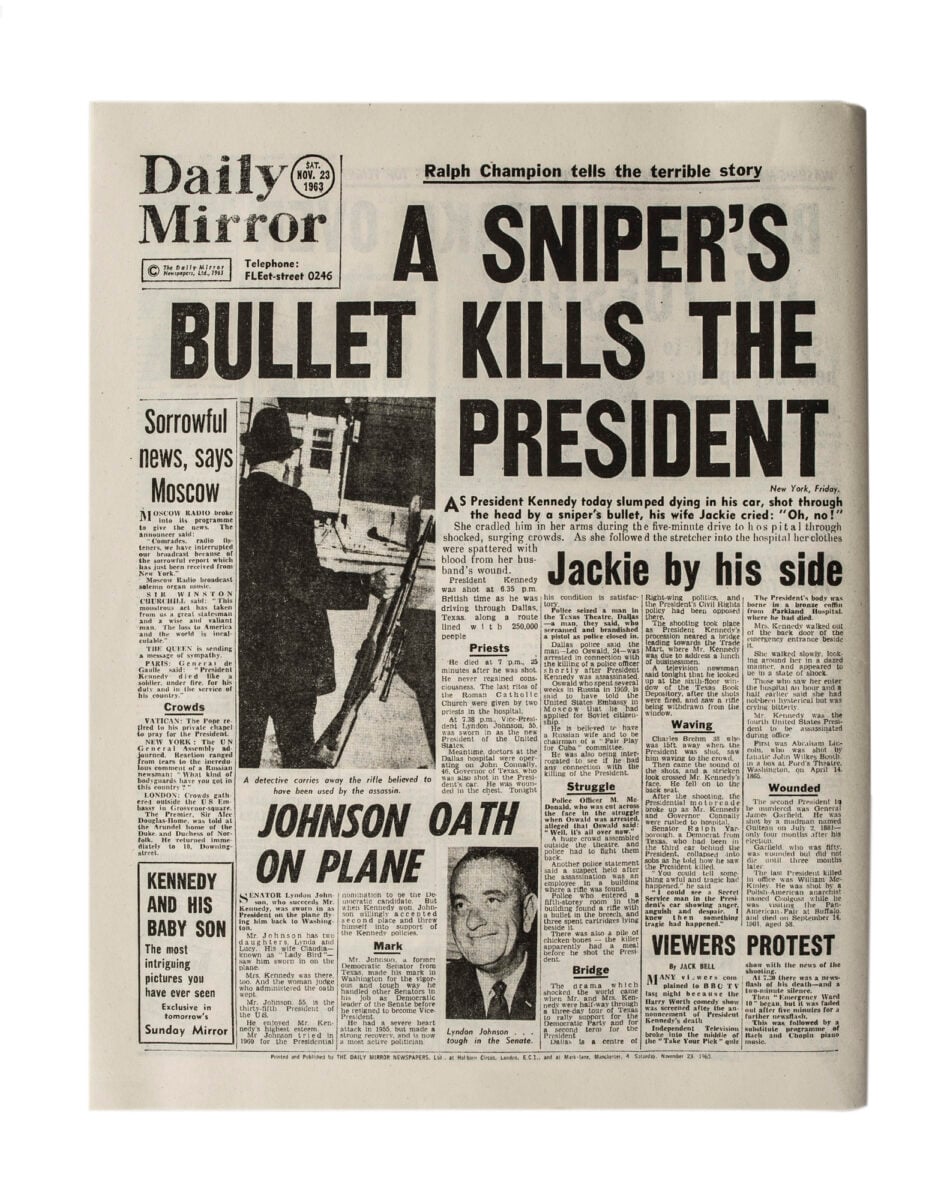
The Warren Commission’s conclusion that Lee Harvey Oswald acted alone in the assassination of President Kennedy was accompanied by the sealing of a substantial volume of supporting evidence for 75 years. When portions of the JFK documents were released in waves — most recently in 2022 and 2025 — they confirmed that the CIA had withheld information about Oswald’s contacts and movements from the commission while it was sitting, including details of his contact with Soviet and Cuban officials.
The documents did not definitively confirm or refute a conspiracy, but they confirmed that the commission had not been working with the full picture.
South Africa’s Apartheid Security Files
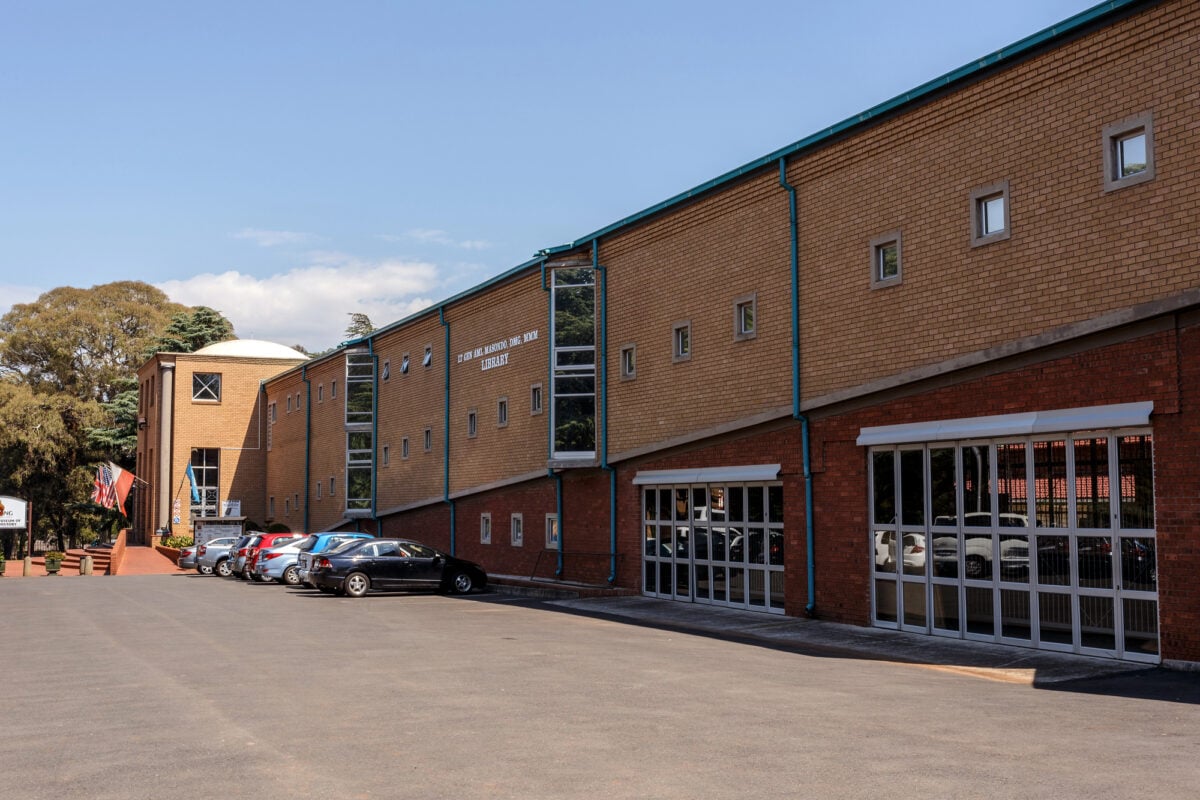
The South African government’s security apparatus under apartheid maintained extensive records on surveillance, infiltration of anti-apartheid organizations, and the operations of its death squads. Many of these records were shredded during the transition period before 1994.
Those that survived and were made available to the Truth and Reconciliation Commission revealed in detail the methods used to track, capture, torture, and in some cases murder activists — including the circumstances of Steve Biko’s death in 1977, which security officials had insisted at the time was the result of a hunger strike.
The Salvador Allende Coup Files, Declassified 2000
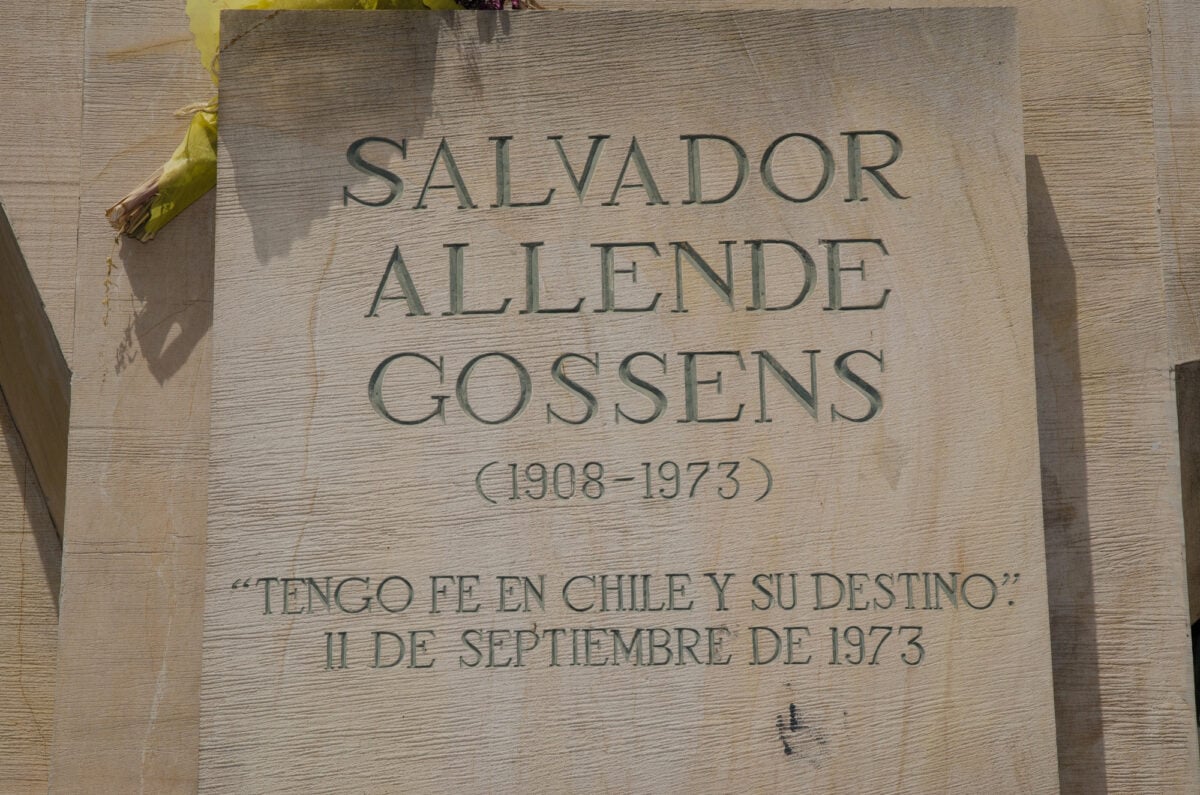
Declassified State Department and CIA documents released in 2000 confirmed the extent of U.S. government involvement in the destabilization of Salvador Allende’s elected government in Chile before the 1973 coup. The documents showed that the CIA had funded opposition media, supported strikes, and worked to prevent Allende from consolidating power — activities that the U.S. government had denied for decades.
A separate set of documents showed that Henry Kissinger had been informed of plans by Chilean military officers in advance of the coup and had not opposed them.
The Argentine Dirty War Documents
U.S. government documents on Argentina’s military junta — which ruled from 1976 to 1983 and “disappeared” an estimated 30,000 people — were declassified in a series of releases beginning in the 1990s. The documents confirmed that the State Department and CIA had detailed knowledge of the junta’s methods, including the use of clandestine detention centers and the systematic murder of detainees, and that this knowledge had not prevented continued U.S. support for the regime during the Carter and Reagan administrations.
The NHS Contaminated Blood Records
Between the late 1970s and the early 1990s, thousands of patients in the United Kingdom — many of them hemophiliacs — were infected with HIV and hepatitis C through contaminated blood products, many imported from the United States. Internal NHS and government records on what officials knew and when were not publicly released for decades.
A public inquiry that reported in 2024 confirmed, using documents that had been withheld, that officials had known about the risk of contamination, had made decisions prioritizing cost and supply over patient safety, and had subsequently misled patients, families, and Parliament about what they had known and when.
The Comfort Women Documents
Japan’s wartime system of coerced intimate labor — in which women from Korea, China, the Philippines, and other occupied territories were compelled to work in military facilities — was for decades denied or minimized by successive Japanese governments, which characterized the system as involving voluntary participation. Documents discovered in the early 1990s in the archives of Japan’s National Institute for Defense Studies, as well as records found in U.S. military archives, confirmed the direct involvement of the Japanese military in establishing and operating the system.
The discovery led to a formal government statement in 1993 acknowledging responsibility, though the extent of coercion has remained a point of ongoing diplomatic dispute.
The Declassified Rendition Program Files
The CIA’s post-2001 program of extraordinary rendition — transferring individuals to third countries for detention and interrogation — was publicly denied and its methods not formally acknowledged for years. The Senate Intelligence Committee’s investigation, portions of which were declassified in 2014, confirmed not only the existence of the program but that the CIA had misled Congress about its scope, that the techniques used were more severe than those described in the program’s internal justifications, and that the program had produced less actionable intelligence than the CIA had claimed in its assessments.
Titanic Mission Cover Story
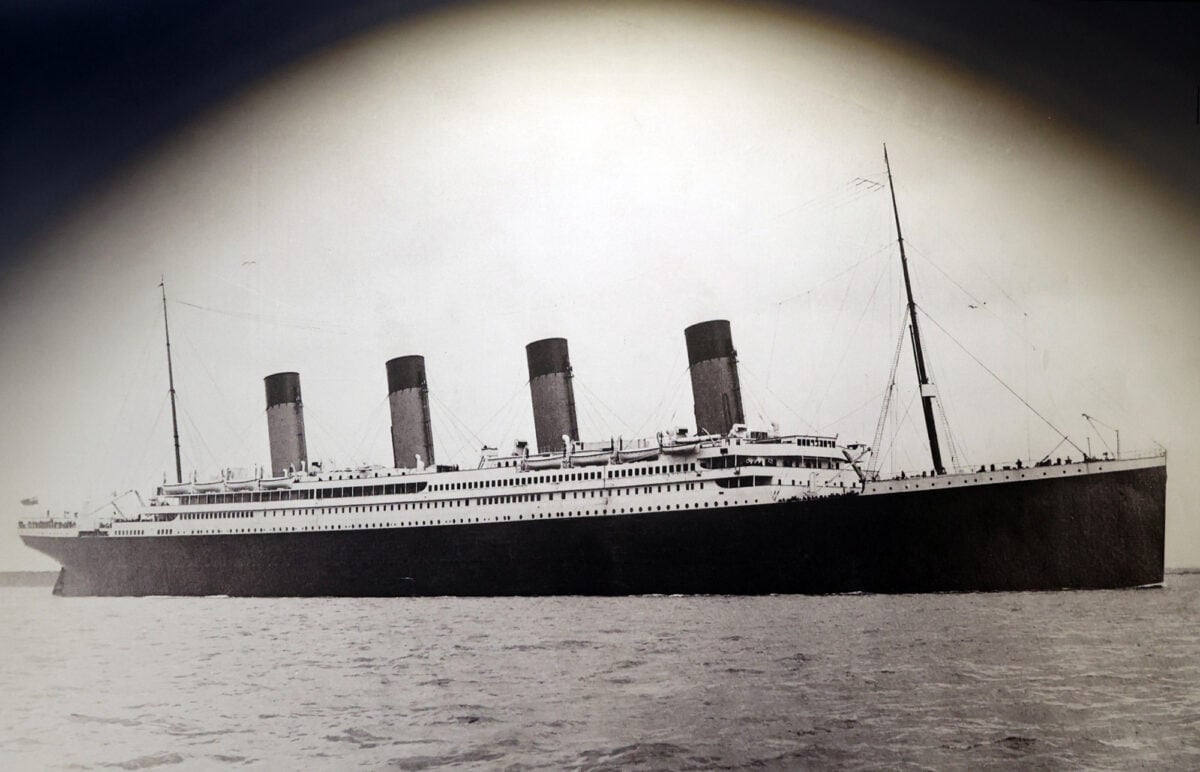
The 1985 expedition led by Robert Ballard that discovered the wreck of the RMS Titanic was presented publicly as an oceanographic project. Declassified documents later confirmed that the real mission had been assigned and funded by the U.S. Navy: the primary objective was to locate and survey the wrecks of USS Scorpion and USS Thresher, two nuclear-powered submarines that had sunk in the 1960s.
The Navy needed to assess the condition of their nuclear material without alerting the Soviet Union. Finding the Titanic, which the team had time to do after completing the classified surveys, was a secondary benefit that provided the cover story.
The FBI’s Martin Luther King Jr. Surveillance Records
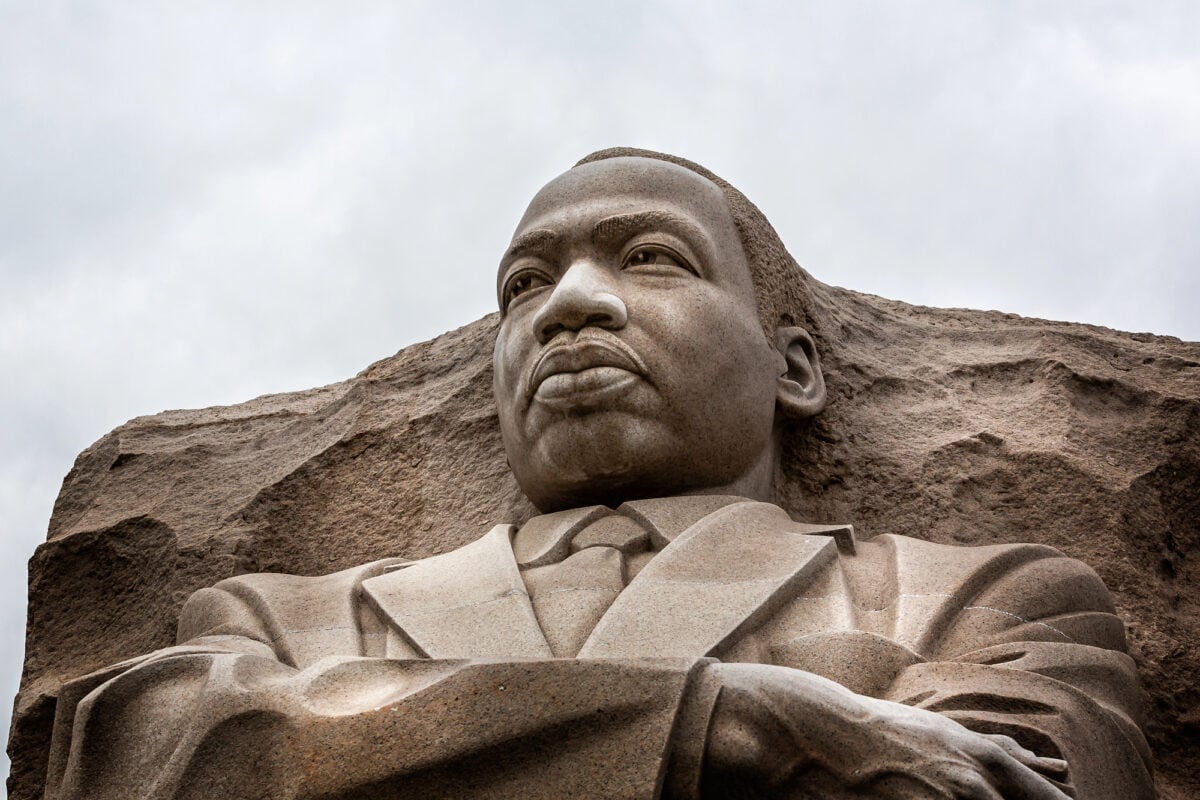
The FBI surveilled Martin Luther King Jr. from 1958 until his assassination in 1968, and the files — obtained through FOIA requests over years — documented wiretaps, microphone surveillance of hotel rooms, and an extraordinary 1964 letter sent to King that appeared designed to encourage him to take his own life before a specific deadline, which the FBI’s own documents indicate corresponded to his planned acceptance of the Nobel Peace Prize. The surveillance records confirm that J. Edgar Hoover personally drove the program, that it was authorized by Attorney General Robert F. Kennedy, and that the stated rationale — investigating suspected communist influence — was at least partly a pretext for political surveillance of a civil rights leader.
Nuclear Close Calls — The Declassified Record
A series of declassified documents, released over decades through FOIA requests and academic research, confirmed multiple incidents in which nuclear war came significantly closer than the public was told at the time. These included a 1961 B-52 crash in North Carolina in which a nuclear device came within one failed safeguard of detonating, a 1983 Soviet early-warning system malfunction that nearly triggered a launch, and a 1995 incident in which Russian radar operators misidentified a Norwegian weather rocket as a ballistic missile attack.
In each case, the contemporaneous public account was either not made public at all or substantially minimized the degree to which the situation had escalated.
The Roswell Files — What Was Actually There
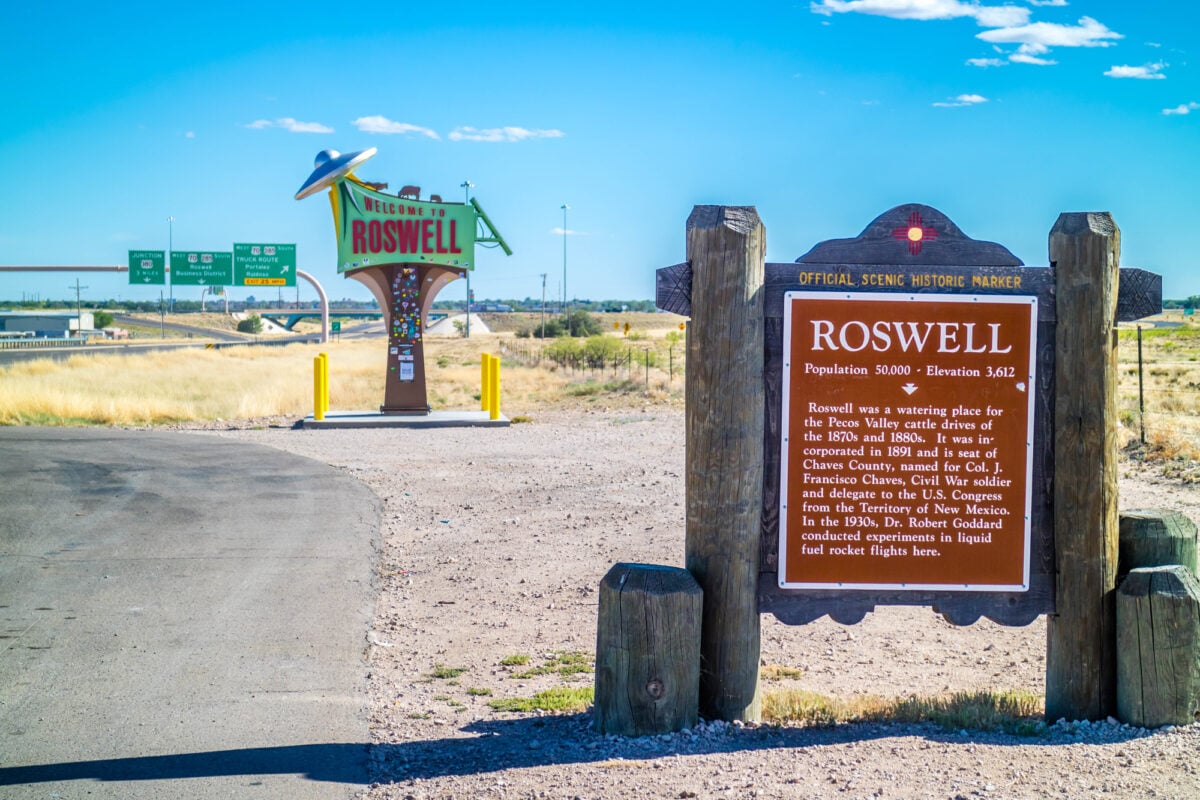
When records related to the 1947 Roswell incident were released in the 1990s — partly as a result of a General Accounting Office inquiry — they confirmed that what crashed in New Mexico was material related to Project Mogul, a classified program using high-altitude balloons to monitor Soviet nuclear tests. The extraordinary lengths to which the military had gone to suppress information about the crash were confirmed, along with the fact that the cover stories changed over the years in ways that fed decades of alternative theories.
The mundane truth of a classified surveillance program protected by excessive secrecy produced a mythology that no subsequent declassification has fully displaced.
Where the Secrecy Always Led
Running through these thirty cases is a pattern worth noting. The secrets that governments protect longest and most fiercely are rarely the ones involving genuine national security in the way that phrase is intended — troop positions, weapons systems, the identity of foreign agents.
They are more often documents that record decisions officials made while knowing those decisions were wrong, dangerous, or indefensible, and that would have required accountability if disclosed at the time. Classification became the instrument not of security but of institutional self-protection.
That’s what makes the opening of sealed files such a reliable source of revelation: the waiting period is effectively a judgment on the original decision. Documents sealed for twenty-five years tend to show, when opened, that the people involved understood exactly what they were doing.
The gap between the official account and the sealed record is not usually the result of confusion. It is the result of a calculation — that the public, if told, would object.
They were right about that. And they sealed it anyway.
More from Go2Tutors!

- The Romanov Crown Jewels and Their Tragic Fate
- 13 Historical Mysteries That Science Still Can’t Solve
- Famous Hoaxes That Fooled the World for Years
- 15 Child Stars with Tragic Adult Lives
- 16 Famous Jewelry Pieces in History
Like Go2Tutors’s content? Follow us on MSN.