15 Topkapi Palace highlights from Turkey
For nearly 400 years, Topkapi Palace served as the beating heart of the Ottoman Empire, where sultans ruled over three continents from their sprawling complex overlooking the Bosphorus. This magnificent palace isn’t just a museum – it’s a time machine that transports you straight into the world of imperial intrigue, opulent treasures, and architectural marvels that once shaped the course of history.
From the moment you step through its ancient gates, you’ll discover why this UNESCO World Heritage site draws over three million visitors annually. Here is a list of 15 Topkapi Palace highlights that will make your visit absolutely unforgettable.
Spoonmaker’s Diamond

The crown jewel of the Imperial Treasury, this 86-carat pear-shaped diamond ranks as the fourth-largest of its kind in the world. Legend tells of a humble fisherman who found this glittering stone in some rubbish near Istanbul, mistaking it for worthless glass and trading it for just three spoons.
Today, this stunning gem sits surrounded by 49 smaller diamonds in a setting designed to resemble a full moon illuminating a starry sky.
Imperial Treasury

Think of the world’s most exclusive jewelry store, then multiply that by a thousand – that’s what stepping into the Imperial Treasury feels like. This dazzling collection houses centuries of Ottoman wealth, including emerald-encrusted thrones, diamond-studded weapons, and precious objects that were once carried to Mecca during royal pilgrimages.
The treasury’s four rooms showcase gifts from foreign rulers, spoils of war, and masterpieces crafted in the palace workshops.
Like Go2Tutors’s content? Follow us on MSN.
Sacred Relics Chamber

This deeply moving section contains some of Islam’s most precious artifacts, including Prophet Muhammad’s cloak, sword, and even a strand of his hair. The ornate chamber also displays relics attributed to other prophets, such as Moses’ staff and David’s sword, creating an atmosphere of profound reverence.
During the Ottoman era, these rooms were opened only once a year for the imperial family to pay their respects during Ramadan.
Topkapi Dagger

Made famous by the 1964 heist film ‘Topkapi,’ this extraordinary weapon features a golden handle adorned with three massive emeralds and a tiny London-made watch hidden under an emerald lid. Originally crafted as a diplomatic gift for Persian ruler Nader Shah in 1747, the dagger never reached its intended recipient due to political upheaval.
The blade’s golden scabbard sparkles with diamonds and intricate enamel work that showcases Ottoman craftsmanship at its finest.
Harem
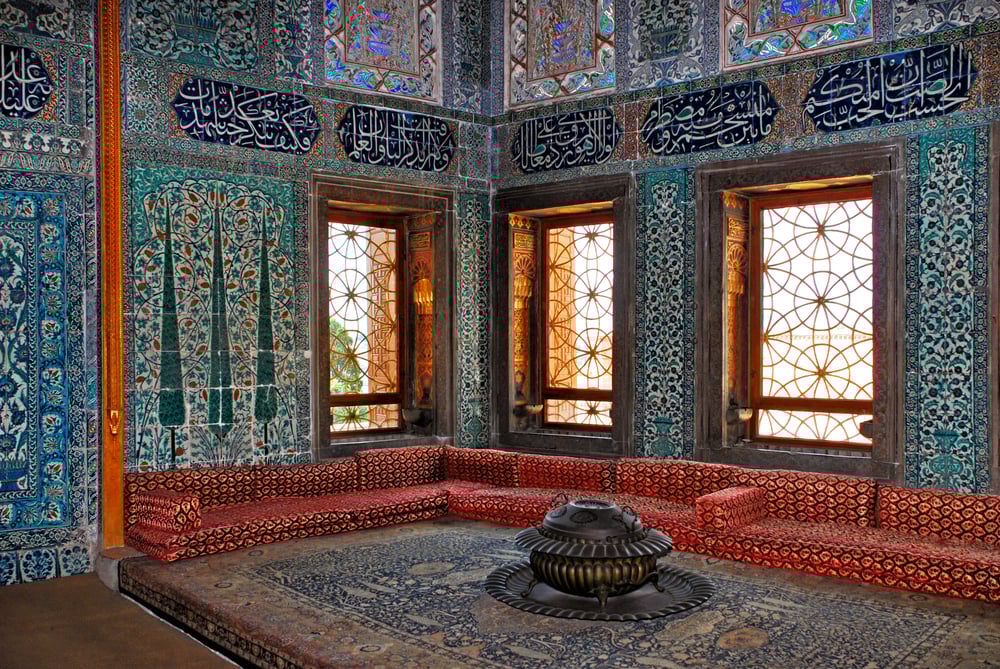
Step into the private world of the Ottoman royal family, where up to 400 women once lived in luxurious seclusion behind ornate doors. The Harem’s 300 rooms feature some of Istanbul’s finest Iznik tiles, creating a kaleidoscope of blues, greens, and whites that seem to dance across the walls.
This wasn’t just a residence – it was a political powerhouse where influential women like Roxelana shaped the empire’s destiny from behind the scenes.
Like Go2Tutors’s content? Follow us on MSN.
Imperial Council Chamber
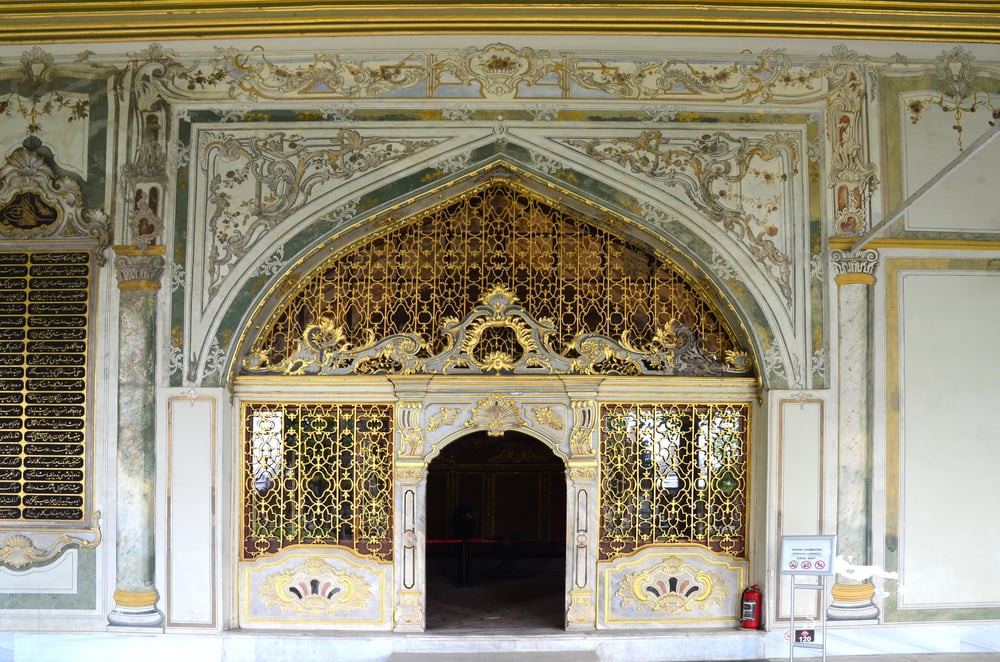
In this grand room decorated with stunning Iznik tiles, the empire’s most important decisions were made during council meetings that could affect millions of lives across three continents. Look for the golden grille high on the wall – from there, sultans would secretly eavesdrop on their ministers’ discussions.
The adjacent room displays an impressive collection of antique clocks, including timepieces that once marked the hours of imperial power.
Palace Kitchens

These massive kitchens once fed over 5,000 people daily with a staff of 800 cooks working around the clock to satisfy the appetites of the imperial court. The complex included a dedicated confectionery kitchen for preparing sweets and desserts fit for sultans.
Today, these spaces house an incredible collection of Chinese celadon porcelain – the second most important collection in the world – which the sultans prized not only for its beauty but also because it supposedly changed color when exposed to poison.
First Courtyard

Known as the Court of the Janissaries, this expansive area once bustled with the elite soldiers who guarded the sultan’s palace in their distinctive uniforms. Here you’ll find the Byzantine church of Hagia Irene, which predates the palace and survived the Ottoman conquest to become part of the complex.
The former Imperial Mint, built in 1727, reminds visitors that this courtyard was as much about commerce and administration as it was about ceremony.
Like Go2Tutors’s content? Follow us on MSN.
Bosphorus Views

From the palace’s elevated position, you’ll enjoy some of Istanbul’s most breathtaking panoramic views, where Europe meets Asia across the sparkling waters of the Bosphorus Strait. On clear days, you can see both the ancient and modern architecture of this incredible city stretching to the horizon.
These same views once reminded sultans of the vast empire they ruled, stretching from the Balkans to the Arabian Peninsula.
Gate of Salutation

This ornate entrance to the Second Courtyard was where protocol became sacred – only the sultan and his mother could pass through on horseback. The gate’s impressive towers and detailed stonework set the tone for the imperial grandeur that awaited beyond.
Passing through this threshold meant entering the inner sanctum of Ottoman power, where every step was carefully choreographed according to centuries-old traditions.
Palace Gardens

These peaceful courtyards and gardens provided a green oasis where the royal family could escape the pressures of ruling an empire. The landscaping features fountains, ancient trees, and flower beds that change with the seasons, creating a serene contrast to the opulent interiors.
Interestingly, many of the palace’s centuries-old trees have developed hollow trunks from fungal infections, creating natural sculptures that add character to the grounds.
Like Go2Tutors’s content? Follow us on MSN.
Imperial Gate
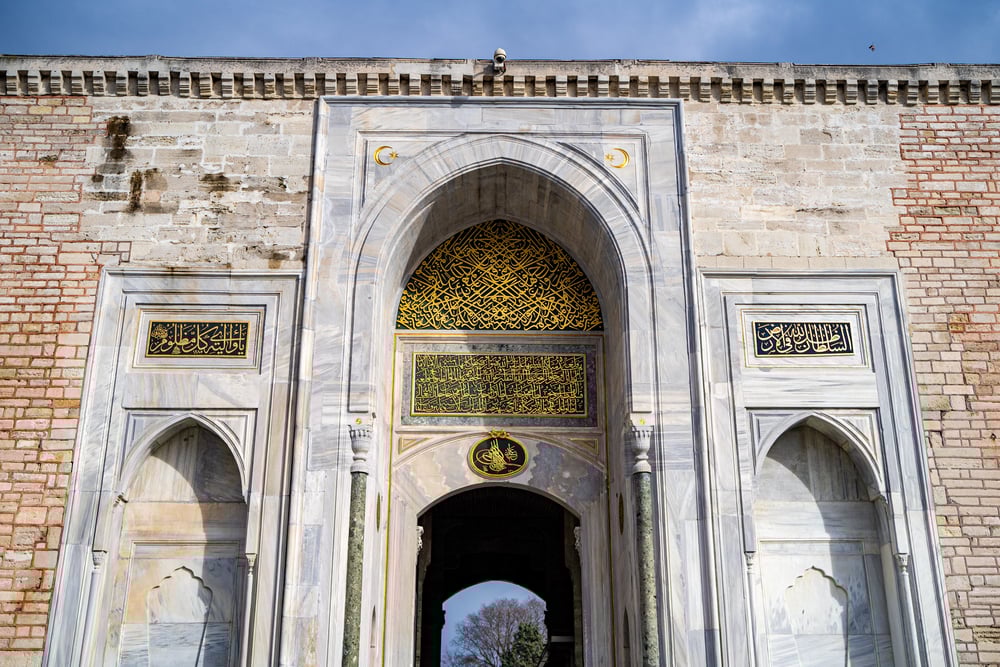
Your journey begins at this magnificent entrance, topped by the rococo-style Fountain of Sultan Ahmed III, built in 1728 by the tulip-loving sultan. The gate’s imposing architecture immediately signals that you’re entering something extraordinary – a place where history was made for over four centuries.
Before stepping inside, take a moment to appreciate the intricate stonework and imagine the countless dignitaries, ambassadors, and courtiers who passed through these same doors.
Portrait Gallery

The Dormitory of the Privy Chamber houses an fascinating collection of portraits depicting 36 Ottoman sultans, creating a visual timeline of imperial power. The highlight is a magnificent painting showing the enthronement ceremony of Sultan Selim III in 1789, captured in vivid detail by artist Konstantin Kapidagli.
These portraits offer rare glimpses into the personalities and styles of the rulers who shaped not just Turkey, but much of the known world.
Arms and Armor Collection

This impressive display showcases the military might that built and defended the Ottoman Empire, featuring everything from jewel-encrusted ceremonial weapons to practical armor worn in actual battles. You’ll find massive 14th-century Hungarian swords, ornate shields, and the personal armor of sultans who led their armies into combat.
The collection demonstrates how Ottoman craftsmen elevated instruments of war into works of art worthy of an emperor.
Like Go2Tutors’s content? Follow us on MSN.
Fourth Courtyard Pavilions
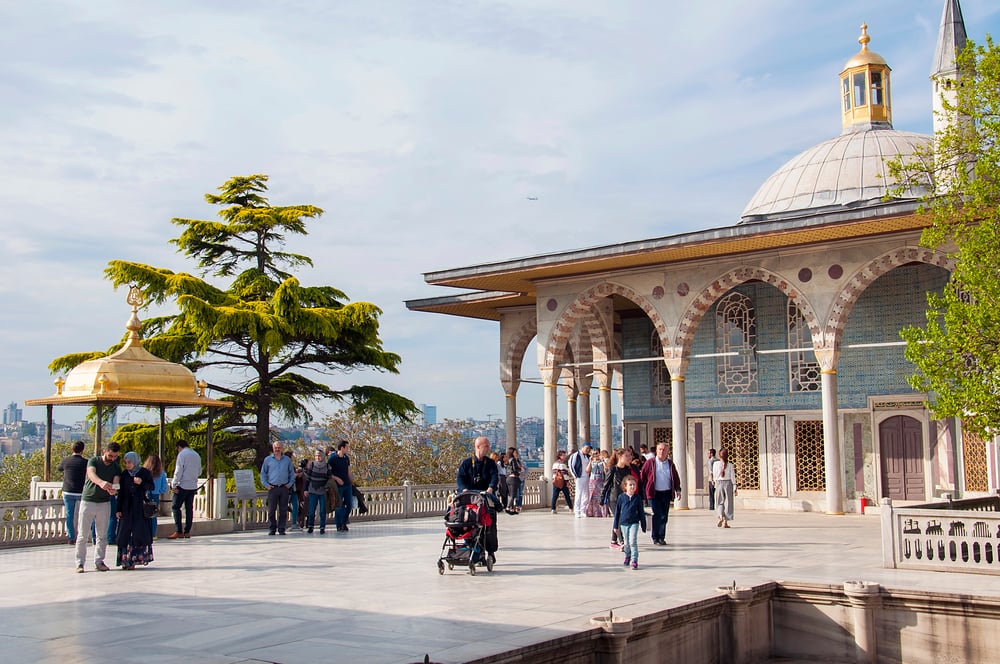
These elegant structures represent the sultan’s most private retreat, where he could relax away from the demands of governing an empire that spanned three continents. The pavilions offer some of the palace’s most spectacular views over the Golden Horn and Bosphorus, creating a perfect backdrop for contemplation or intimate conversations.
Their intimate scale and exquisite decoration show a more personal side of imperial life, where even the most powerful rulers sought moments of peace and beauty.
Where Past Meets Present
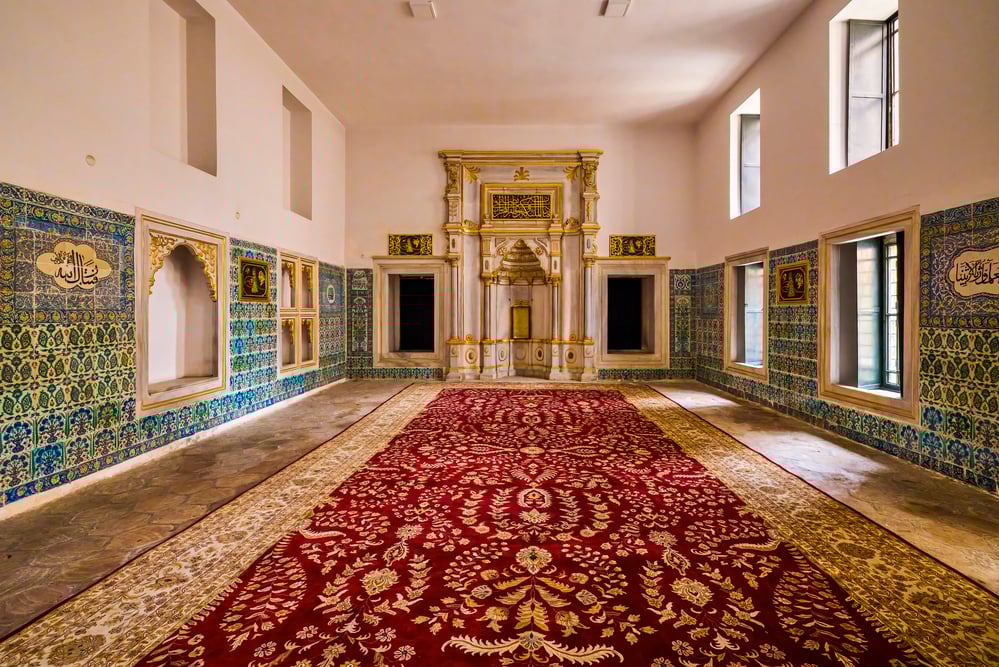
Today’s Topkapi Palace represents far more than just another tourist destination – it’s a living bridge between the Ottoman Empire’s golden age and modern Turkey’s cultural identity. The palace’s transformation from the seat of imperial power to a world-renowned museum in 1924 marked the beginning of a new chapter, allowing millions of visitors to walk in the footsteps of sultans and experience the grandeur that once ruled over three continents.
As you leave through those same gates where diplomats and dignitaries once departed, you carry with you not just memories of beautiful objects and stunning views, but a deeper understanding of how this magnificent complex shaped the course of world history. The treasures within these walls continue to inspire and educate, proving that some legacies are too precious to remain locked away in the past.
More from Go2Tutors!

- 16 Historical Figures Who Were Nothing Like You Think
- 12 Things Sold in the 80s That Are Now Illegal
- 15 VHS Tapes That Could Be Worth Thousands
- 17 Historical “What Ifs” That Would Have Changed Everything
- 18 TV Shows That Vanished Without a Finale
Like Go2Tutors’s content? Follow us on MSN.